Best Mattress For Side Sleepers in 2024
Dr. Jennifer Miller, PT, DPT: Expert Physical Therapist and Pelvic Health Specialist
Dr. Jennifer Miller is a compassionate and skilled outpatient physical therapist with nine years of experience in the field. She earned her Doctor of Physical Therapy from Elon University and holds a Bachelor of Science in Health Science from Minnesota State University-Mankato. Dr. Miller specializes in Neurological, Geriatric, and Vestibular Physical Therapy and serves as […]

Sleep Junkie delivers accurate, up-to-date sleep product reviews through comprehensive testing, catering to diverse sleeper needs. Learn More.
In my time as a passionate advocate for holistic health and well-being, I’ve found that sleeping on your side is one of the healthiest ways to sleep. It’s how I prefer to fall asleep, tucking my legs slightly under my body and allowing my mind to clear and drift off into sleep.
Side sleeping promotes better spinal alignment, reduces lower back pain, lessens snoring, and can prevent symptoms of sleep apnea. Despite all of its benefits, side sleeping comes with a few drawbacks, such as the potential for neck pain (though in my experience, this usually indicates you’re sleeping on a pillow that is too thin or too thick for your head).
As a side sleeper myself, I know firsthand the importance of finding a mattress that provides the right balance of pressure relief, support, and comfort. As a certified sleep science coach and having personally tested countless mattresses, I’m excited to share my top picks for the best mattresses for side sleepers in 2024.
Throughout my hands-on testing process, I carefully evaluated each mattress based on key factors like spinal alignment, contouring, responsiveness, and overall comfort. All things side sleepers should look for before buying a new bed!
I also consulted with Dr. Jennifer Miller, PT, DPT, a respected physical therapist and pelvic health specialist, to get her expert insights on the unique needs and considerations of side sleepers from a medical perspective. She provided invaluable insights on how different mattress features impact spinal health and joint comfort for side sleepers.
Whether you’re looking to alleviate hip pain, improve spinal alignment, or just sleep more comfortably on your side, I’m confident these picks will help you find your perfect match.
Best Mattress for Side Sleepers Overall:
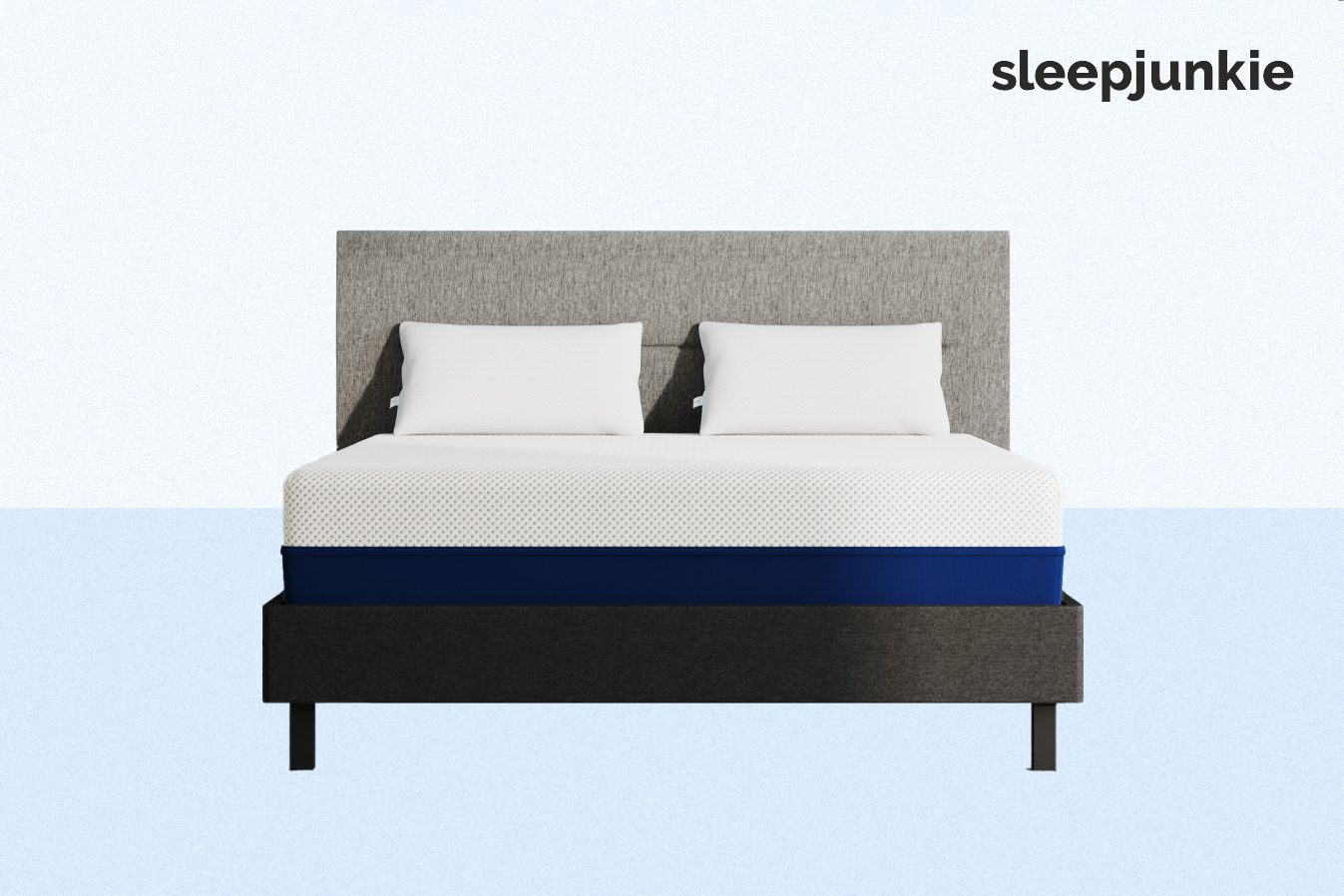
Amerisleep AS3


Warranty
10 Years

Sleep Trial
100 Nights

Shipping
Free
Amerisleep AS3 Overview
As a side sleeper and Certified Sleep Coach, I have personally tested numerous mattresses designed for side sleepers, and the Amerisleep AS3 stands out as one of the best options available. During my sleep trials, I found that the AS3’s medium firmness level provided the perfect balance of comfort and support.
Amerisleep offers a line of mattresses with varying firmness levels, catering to different sleep styles and body types. After extensive testing and analysis, I highly recommend the AS3 for side sleepers due to its exceptional cushioning and support for the shoulders and hips.
In addition to its excellent performance, Amerisleep backs all of their mattresses with a 100-night sleep trial and a 20-year warranty. This generous sleep trial allowed me to fully experience the AS3 in the comfort of my own home, ensuring that it was the right fit for my specific needs and preferences.
Overall, my personal experience with the Amerisleep AS3 has been outstanding. As a side sleeper, I found that this mattress provided the perfect combination of cushioning, support, and responsiveness, making it an excellent choice for anyone who primarily sleeps on their side. If you’re a side sleeper looking for a high-quality, comfortable, and supportive mattress, I highly recommend considering the Amerisleep AS3.
I personally selected the Amerisleep AS3 as the best overall mattress for side sleepers because of its superb balanced feel. In my extensive testing, it consistently delivered the “just right” level of cushioning and support that side sleepers need. The thoughtful design, quality materials, and excellent cooling properties make it a standout choice.
- Eco-Friendly Materials
Features plant-based, pressure-relieving memory foam.
- Soft Surface Promotes Healthy Sleep
HIVE® technology prevents pain points and promotes healthy sleep styles.
- Excellent Support
Medium feel is comfortable for side sleepers who need some cushioning and support.
As a side sleeper, I have found it can be a struggle to find a mattress that provides the perfect balance of comfort and support. Often, you encounter mattresses that are too soft or too firm, even after a break-in period.
However, my experience with the Amerisleep AS3 has been nothing short of incredible. From the moment I lied down on this mattress, I could feel the difference in the quality of materials and the thoughtfulness of its design.
The AS3’s medium firmness level is ideal for side sleepers like myself, as it allows for just the right amount of sinkage to cradle my hips and shoulders, while still maintaining proper spinal alignment. The Bio-Pur® memory foam layer contours to my body, providing a gentle cushioning effect that relieves pressure points and prevents pain in these sensitive areas.
While yes, the AS3 is soft and cloud-like, it’s also supportive to promote proper spinal alignment. Customer reviews of the AS3 note that this mattress cradles sensitive areas like the hips and shoulder, but that it also limits sinkage so the spine is never forced to bow unnaturally.
One of the other standout features of the AS3 is its responsiveness. Unlike some memory foam mattresses that can leave you feeling stuck or trapped, the AS3 adapts quickly to your movements, making it easy to change positions throughout the night without disrupting your sleep. This is particularly important for side sleepers who may switch to other positions occasionally in their sleep.
The HIVE® technology in the transition layer is another game-changer. This zoned support system provides targeted relief where I need it most, with a softer feel under my hips and shoulders and a firmer feel under my torso and feet. This innovative design helps to maintain proper spinal alignment, reducing the likelihood of waking up with aches and pains.
As someone who tends to sleep hot, I also appreciate the cooling properties of the AS3. The plant-based Bio-Pur® memory foam is more breathable than traditional memory foam, allowing for better airflow and temperature regulation. I have found that I sleep more comfortably on the AS3 without waking up feeling overheated or sweaty.
Of course, I’m not the only one full of praise for the AS3 mattress. It’s no wonder that eachnight.com named the Amerisleep AS3 as their top pick for best mattress.
Here are some reviews taken direction from the Amerisleep website:
- Dan: This is my first bed purchase since moving out and I have no regrets. Very comfortable and soft bed. Bonus points on not using fiberglass in the mattress.
- Beckyann31: I get the best nights sleep on this mattress!! I have a bad back and neck, and this mattress helps tremendously.
- Kathy: I don’t like to make big investments often, but this bed seemed like it would help my husband sleep at night. He had years of not sleeping well and so we finally decided to invest in a good bed. This bed has been nothing short of AMAZING because its comfort is just next level. If we lay down, we already know to cancel any plans for the day because we’re just going to stay in bed watching tv. My siblings come over just to sleep in it sometimes. I love this bed so much I had to buy one for my parents because they would ask for years “can you buy me one of these” and so I did. Fair warning though, my kids prefer to sleep in my room now and now my bed is rarely every empty.
The AS3 mattress is 12 inches thick, featuring a Refresh cover fabric, an Oeko-Tex certified firesock free of fiberglass, 3 inches of Bio-Pur® comfort layer, 2 inches of Affinity foam with HIVE® technology for zoned support, and a 7-inch Bio-Core® base for consistent support.
What stood out to me most was the thoughtful layering of foams with different properties to create a cohesive, extremely comfortable feel. Each component serves a distinct purpose, coming together to provide a sleep surface that’s optimally suited for side sleepers.
Cover Fabric
As a certified sleep coach, I understand the importance of a comfortable sleeping surface, and the Amerisleep AS3’s Refresh Cover exceeds expectations in this regard. This innovative cover fabric is specifically designed to enhance breathability and regulate temperature, ensuring a cool and comfortable night’s sleep.
The Refresh Cover is made from a unique fiber with exceptional energy transfer capabilities. This means that it effectively draws heat away from your skin, creating a cool-to-the-touch sensation that is both refreshing and soothing.
In fact, Amerisleep’s research has shown that the Refresh Cover can maintain a sleeping surface that is, on average, 7 degrees cooler over an eight-hour night of rest compared to traditional 100% polyester covers.
The Refresh Cover not only feels great against the skin but also contributes to a more restful and rejuvenating sleep experience. By reducing the likelihood of overheating and sweating, this innovative cover fabric helps to minimize sleep disturbances, allowing you to achieve deeper, more restorative sleep.
Fire Barrier
Beneath the cover, you’ll find a firesock that serves as a fire barrier. Amerisleep uses an Oeko-Tex certified firesock, which is free of harmful chemicals and fiberglass.
This commitment to using safe, non-toxic materials provides peace of mind, knowing that you’re not exposing yourself to potentially dangerous substances while you sleep.
Comfort Layers
The first layer of the AS3 is 3 inches of pressure-relieving Bio-Pur®, a plant-based memory foam. Bio-Pur® is derived from castor oil, making it a more eco-friendly alternative to traditional memory foam. This secret ingredient also works wonders when it comes to increasing the mattress’s cooling ability.
As someone who has personally tested the AS3, I can attest to the effectiveness of the Refresh Cover and Bio-Pur® combination in creating a cool and comfortable sleeping environment. The combination of these two features allows for optimal temperature regulation, ensuring that you stay cool and dry throughout the night.
One of the most impressive aspects of the Bio-Pur® comfort layer is its responsiveness. Unlike some memory foam mattresses that can leave you feeling stuck or trapped, the AS3’s Bio-Pur® layer allowed me to change positions easily throughout the night without experiencing uncomfortable sinkage. This responsiveness is crucial for side sleepers who may occasionally switch to other positions during sleep.
I also found that the Bio-Pur® layer excelled in molding to my body, providing immediate comfort and cushioning for my shoulders and hips, which are critical pressure points for side sleepers.

Transition Layers
The transition layer of the Amerisleep AS3 features a 2-inch Affinity foam with HIVE® technology, which I found to be a game-changer in terms of targeted support. HIVE® (Harnessing Intelligent Ventilation & Energy) is a surface modification technology that offers dynamic support through five distinct zones, each with a different level of firmness.
During my sleep trials, I noticed that the HIVE® layer provided a firmer feel under my torso, head, and feet, helping to maintain healthy sleeping positions and prevent my midsection from sinking too far into the mattress. This targeted support helped keep my spine aligned, reducing the likelihood of waking up with aches and pains.
Conversely, the HIVE® layer offered a softer feel and allowed for deeper compression beneath my hips and shoulders. It’s a huge asset for side sleepers who need extra cushioning in some spots and more pushback in others to maintain healthy alignment.

Support Layers
The foundation of the Amerisleep AS3 is a 7-inch Bio-Core® layer, which is a high-density foam that serves as a supportive base.
Throughout my extensive testing, I found that the Bio-Core® layer played a vital role in maintaining the mattress’s structural integrity and ensuring consistent support.
Even after prolonged use, the Bio-Core® layer helped prevent sagging, indentations, and premature wear and tear. This durability is essential for a mattress’s longevity and ensures that the AS3 will continue to provide optimal support and comfort for years to come.
When I first tested the Amerisleep AS3, I was impressed by its ability to alleviate pressure points in my shoulders and hips. The combination of plant-based Bio-Pur® memory foam and HIVE® technology provided cushioning, pressure relief, and targeted support. Throughout my testing, the AS3 consistently delivered a comfortable and supportive sleep experience, making it an excellent choice for side sleepers.
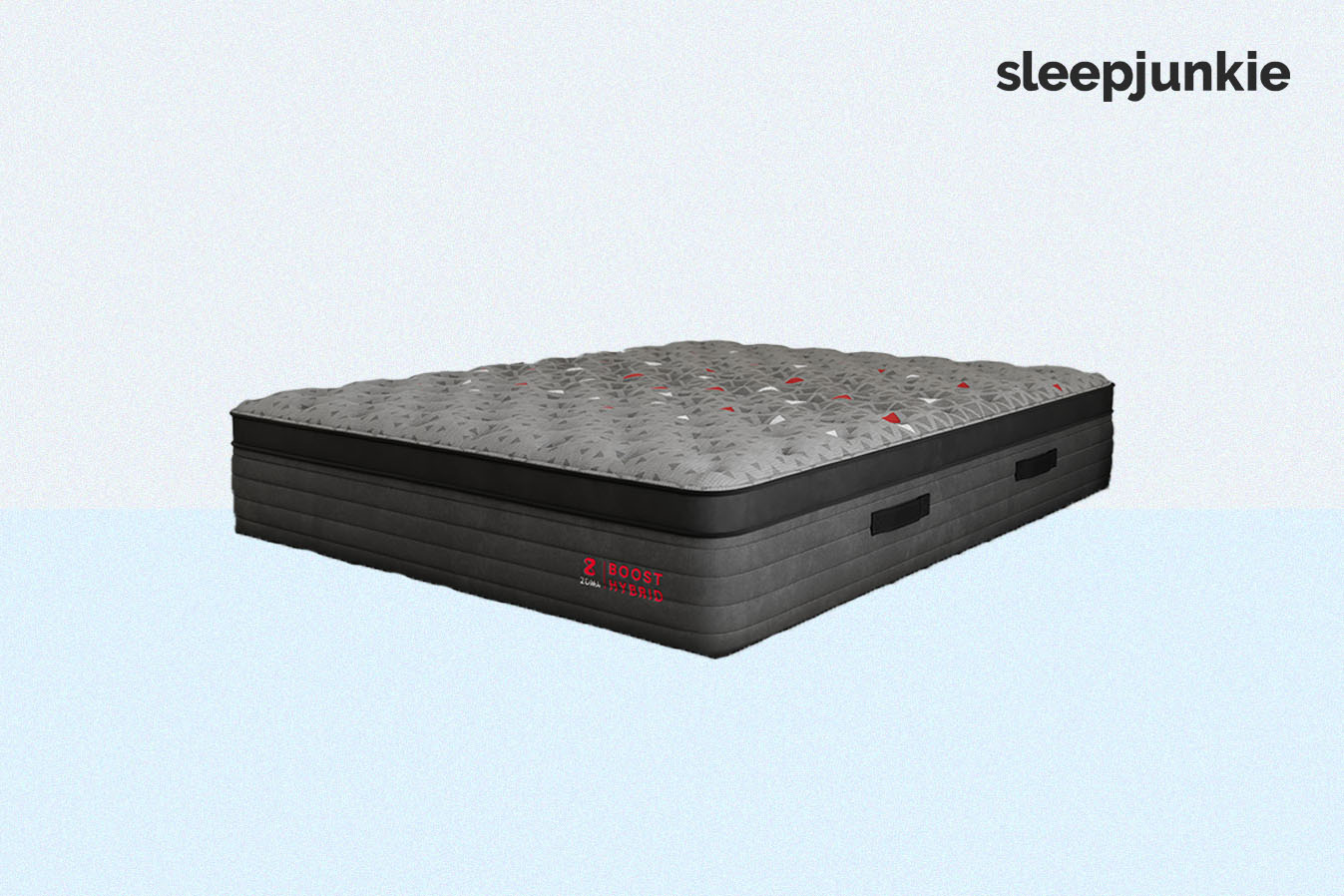
Zoma Boost Overview
Of all the hybrid mattresses I’ve tested, the Zoma Boost stands out as an exceptional choice for side sleepers. In my testing, I found that the combination of advanced cooling technologies, pressure-relieving foams, and targeted coil support created a sleep environment that promoted deep, restorative rest. I woke up feeling refreshed and free of aches and pains, even after sleeping on my side all night.
From the moment I laid down on this bed, I could feel the perfect fusion of cushioning and support. Lying on it felt incredible in every sleep position, but as a side sleeper, I was especially impressed.
This mattress quickly became a personal favorite. It’s a game-changer for side sleepers who want the best of both worlds–foam AND coils.
The quilted memory foam top layer felt like it was designed specifically to cradle my hips and shoulders, while the responsive coil core delivered just the right amount of lift to prevent sinkage and keep my spine aligned. No more waking up sore!
Manufactured in the USA using eco-friendly, CertiPUR-US® certified materials, the Zoma Boost is built to last and provides a luxurious, comfortable sleep surface. With a 100-night risk-free trial, free shipping and returns, and a 10-year warranty, the Zoma Boost is an excellent choice for side sleepers seeking a high-quality, supportive hybrid mattress.
I chose the Zoma Boost as the best hybrid mattress for side sleepers because it harnesses the strengths of both foam and coils to create an optimally comfortable and supportive sleep surface. The pressure relief is off the charts thanks to the memory foam layers, but you also get the responsiveness, breathability, and targeted support of pocketed coils. It’s a winning combination for side sleepers.
- Advanced Cooling Technology
Features a cooling cover and graphite-infused memory foam for a consistently cool sleep.
- Responsive and Supportive
Reactiv™ foam and zoned coils provide dynamic pressure relief and targeted support.
- Durable and Eco-Friendly
Made in the USA with high-quality, CertiPUR-US® certified materials for lasting comfort.
When I first stretched out on the Zoma Boost, it felt like the mattress enveloped me in a cloud. The quilted pillow-top cover and memory foam comfort system gave the mattress a plush, luxurious feel that cushioned my joints.
However, I didn’t sink in too deeply, as the coil support core and ventilated foams provided just the right amount of responsiveness and breathability
I observed in my time testing the mattress how each layer of the Zoma Boost contributes to its phenomenal performance for side sleepers. The graphite-infused memory foam hugs the hips and shoulders, the transition foam limits sinkage, and the coils provide bouncy support with great airflow. Together, these materials create an incredibly inviting sleep surface.
Comfort Layers
The Zoma Boost starts with an advanced cooling cover that is soft, moisture-wicking, and infused with cooling fibers. Beneath this is a layer of hyper cooling memory foam with graphite infusions to draw heat away from the body.
Transition Layers
Next is a layer of Reactiv™ foam, an ultra-responsive material that contours to the body while preventing the feeling of being stuck. This foam also helps minimize motion transfer for undisturbed sleep.
Support Layers
The support core features Zoned Edge Coil Support. These pocketed coils are firmer around the perimeter for edge support and buoy the body to maintain a neutral spine alignment, whether you’re on your side or in another position.
When I first tested the Zoma Boost mattress, I was impressed by its ability to provide both comfort and support. As a side sleeper, I found that the mattress’s dual technology of memory foam and responsive coils worked in harmony to keep my spine aligned while also cushioning my pressure points.
The balanced softness allowed me to sink into the mattress just enough to feel cradled, without feeling like I was being swallowed up. Overall, my initial experience with the Zoma Boost mattress left me feeling well-rested and pain-free.
Best Budget Mattress for Side Sleepers:
Vaya Mattress
Warranty
10 Years
Sleep Trial
100 Nights
Shipping
Free
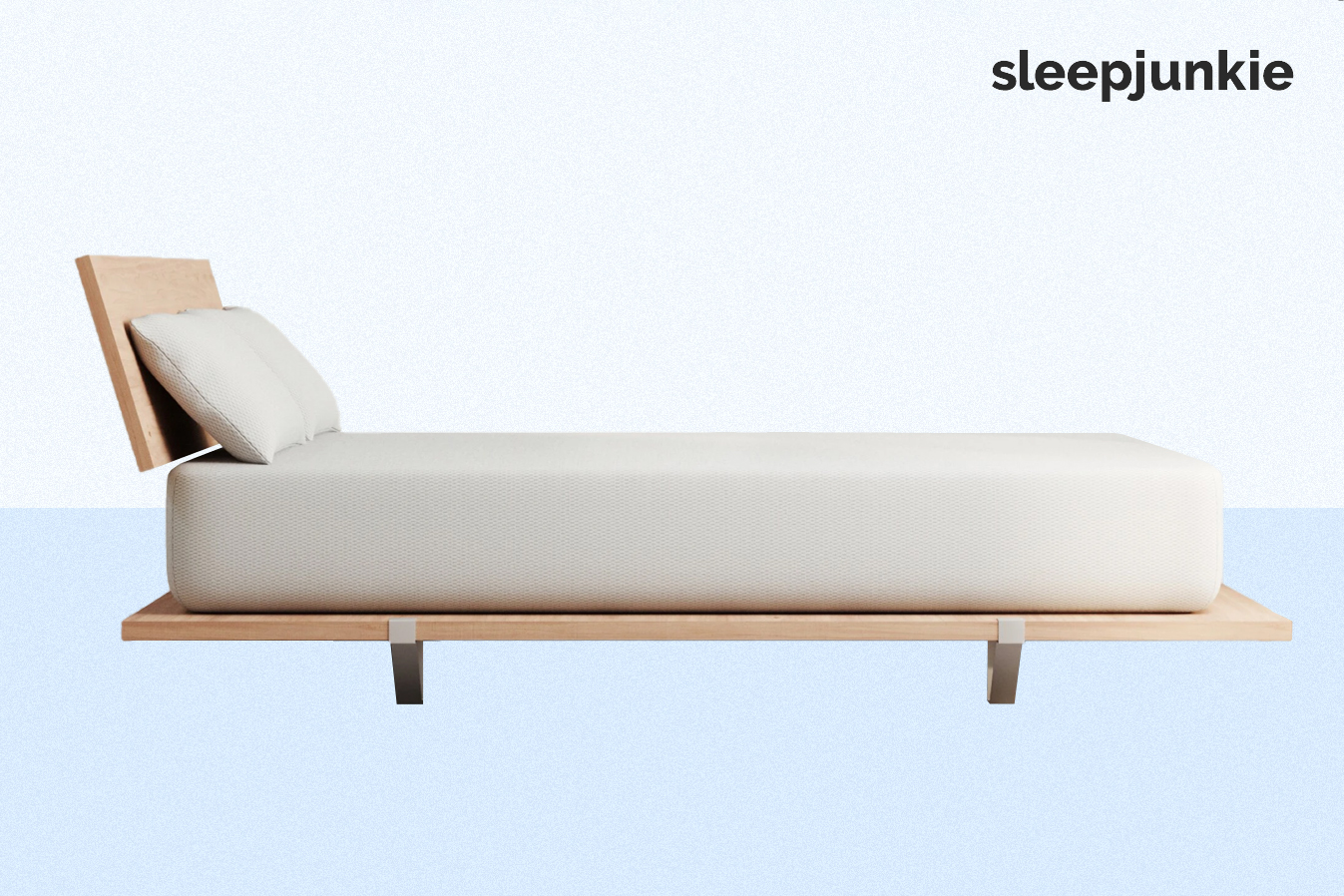
Vaya Mattress Overview
In my search for the best budget mattress for side sleepers, the Vaya Mattress quickly rose to the top.
I was honestly surprised by how comfortable this mattress felt during my hands-on testing, especially given its lower price point. The Vaya Comfort Foam contoured to my body much like traditional memory foam, providing excellent pressure relief for my hips and shoulders as I slept on my side.
The Vaya is sold online only and comes with a 100-night sleep trial. If you don’t absolutely love it after a couple of months, you can return it for free.
But what really sealed the deal for me was the Vaya’s exceptional cooling abilities. Typically, all-foam mattresses in this price range tend to sleep a bit hot, but the airy cover and open-cell foams kept the Vaya Mattress temperature neutral all night long.
Overall, I think the Vaya delivers outstanding value and comfort for side sleepers on a budget.
I selected the Vaya Mattress as the best budget mattress for side sleepers because it offers many of the comfort and support features typically found in higher-priced mattresses at a fraction of the cost. The pressure relief, cooling properties, and overall sleep experience rival beds twice its price, making it an unbeatable value in my book.
- Budget-Friendly, High-Quality Construction
Simple design uses exceptional materials for enduring comfort
- Cooling Comfort Materials
Cotton and airy comfort foam conform to sleepers’ bodies.
- Supportive Wrapped Coils
Designed with breathability in mind.
Stretching out on the Vaya Mattress, I was pleasantly surprised by its inviting “hug.” The Vaya Comfort Foam contoured to my curves, alleviating pressure and providing a deeply comfortable cradle as I settled onto my side. And unlike many inexpensive all-foam beds I’ve tested, the Vaya never made me feel stuck or overheated, thanks to its breathable design.
When I read reviews on the Vaya website, I noticed that people called it “comfy” and “one of the softest beds I’ve ever laid on.” One reviewer mentioned that it matched the experience of lying on their previous bed, a plush pillow-top mattress, while another admitted they were concerned it would be too soft to sleep on but found it to be sufficiently supportive.
- Misty A: We’ve had our hybrid Vaya for 3 years. It’s fantastic. I sleep hot and I am very comfortable. Soft and supportive at the same time. It’s like the Goldilocks of mattresses. It’s just right. Perfection.
- Gail H: I’m still getting used to my new mattress, but I think it will be perfect once I get a body pillow to cushion my knees when I sleep on my side.
Though fairly simple in design, the Vaya’s three layers work together seamlessly to create a comfortable and supportive sleep surface for side sleepers.
The breathable cover and foams allow air to circulate, while the Comfort Foam layer strikes a nice balance between pressure relief and responsiveness. I was impressed by how cool and comfortable this budget-friendly mattress felt.
Comfort Layers
The Vaya Mattress has two layers and is 12 inches thick. The comfort layer is 3 inches of cushioning Vaya Foam to contour to your body, distribute your weight, and keep you lifted. Vaya Foam is different than memory foam because it’s a bit bouncier, so it doesn’t have a “cradling” feel. The thickness of this layer is perfect for side sleepers because it allows the hips and shoulders to sink just enough to total comfort.
Support Layers
The core of the mattress is 9 inches of sturdy poly-foam to resist sagging and prolong the bed’s lifespan. In addition to using high-quality core foam, Vaya backs their mattress with a 10-year warranty.
When I first tested the Vaya Mattress, I was pleasantly surprised by how well it accommodated my side sleeping position. The top layer of Vaya Foam provided just the right amount of cushioning to relieve pressure on my hips and shoulders, while the supportive base foam kept my spine properly aligned. Despite its affordable price point, the Vaya Mattress offered a cool and comfortable sleep experience that I found thoroughly impressive.
Best Mattress for Side Sleepers with Shoulder Pain:
Helix Midnight Luxe
Warranty
15 Years
Sleep Trial
100 Nights
Shipping
Free
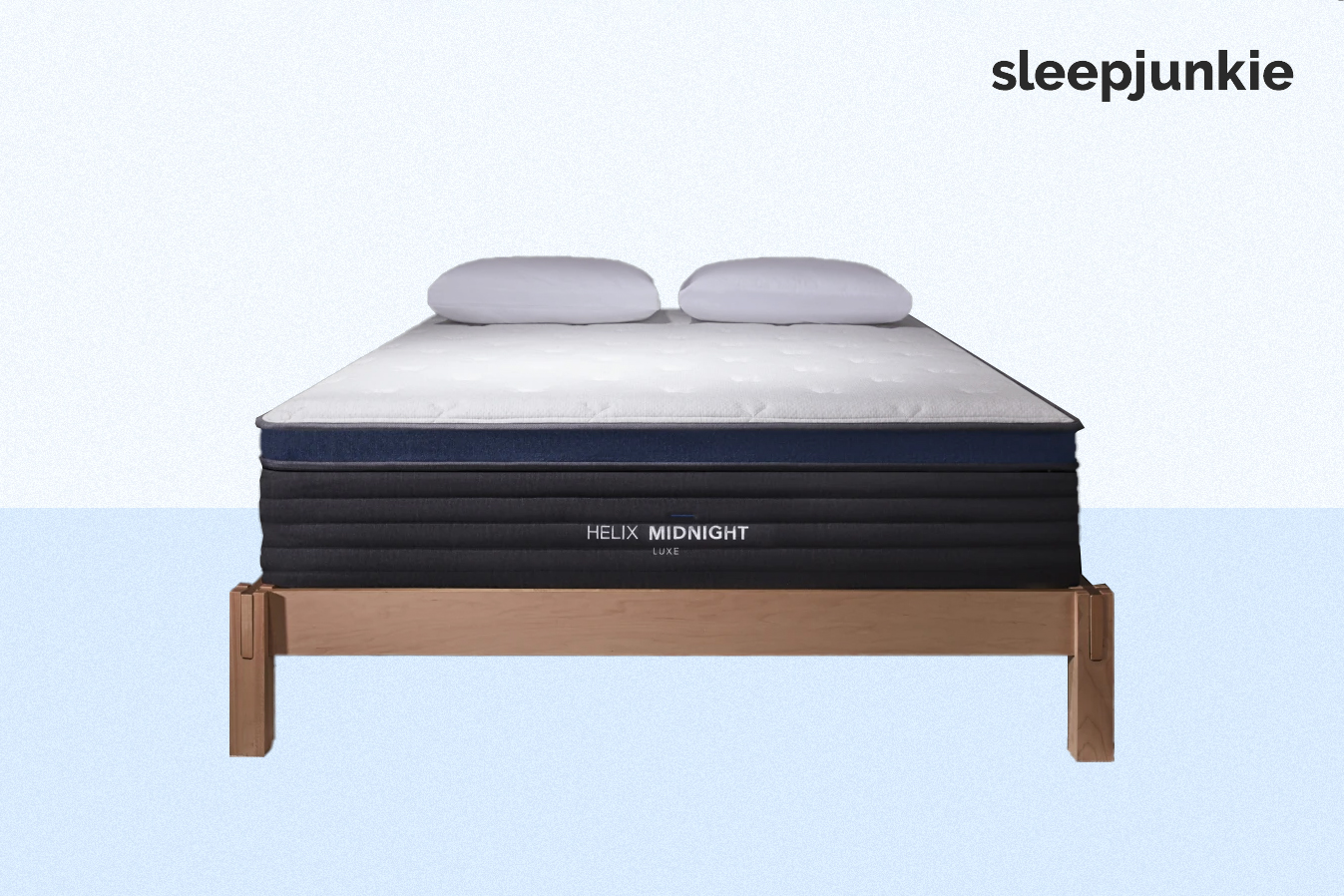
Helix Midnight Luxe Overview
When I first tested the Helix Midnight Luxe, I was immediately impressed by its ability to alleviate shoulder pain. As a side sleeper who often experiences discomfort in this area, I found the mattress’s combination of pressure-relieving foams and targeted coil support to be incredibly effective.
Shoulder pain is a common issue for side sleepers because it’s one of the areas that bear the brunt of their body weight. Many mattresses feature extra cushion or contouring in the mattress’s head to prevent shoulder pain, such as the Helix Midnight Luxe does. The bed’s pillow top is covered with ventilated Tencel™ fabric for a cool night’s rest.
Lying on the mattress, I could feel the responsive top foam layer gently cradling my shoulder, while the gel foam underneath provided additional contouring and pressure relief. The pocketed coil layer offered targeted support, keeping my spine aligned and preventing any painful pressure points from developing.
As a bonus, the breathable Tencel™ cover and gel foam helped regulate temperature, ensuring a cool and comfortable night’s sleep.
You can buy a Helix mattress online at their website or through select showrooms across the USA. The Helix Midnight Luxe includes a 100-night sleep trial and a 15-year limited warranty.
I chose the Helix Midnight Luxe as the best mattress for side sleepers with shoulder pain because of its exceptional pressure-relieving properties and targeted support. During my hands-on testing, I was thoroughly impressed by how effectively the mattress cushioned and cradled my shoulder, while still maintaining proper spinal alignment.
- Firm Quilted Pillowtop Surface
Many pillowtop mattresses can feel too cushy under the body, but the Dawn Luxe is pleasantly firm.
- Multiple Certifications
Certified by CertiPUR-US® and OEKO-TEX® Standard 100.
- Zoned Pocketed Coil Support
Coils are arranged for extra back support under the body.
The premium cooling pillow top and Helix Responsive Foam layer immediately contoured to my body, providing a soft, cradling sensation that relieved pressure points and made me feel like I was gently being hugged.
The individually wrapped coils provided targeted support, particularly under my hips, further enhancing the overall comfort and promoting a healthy sleeping posture. The reinforced lumbar and edge support gave me a sense of stability and security, allowing me to relax fully.
Throughout the night, the cooling properties of the materials kept me at a comfortable temperature, preventing overheating and ensuring a restful sleep.
- Todd S: I absolutely love this mattress. It is perfect for me. I just hope it lasts. However the delivery with fed ex was terrible they took it to the wrong address and I had to pick it up myself. That has nothing to do with helix. But fed ex at least in my area is a last resort delivery service.
- Katie D: Best mattress I’ve ever had. I no longer wake up with extreme back and hip pain. 10/10 recommend!
Examining the Helix Midnight Luxe’s construction, I was impressed by the careful layering of premium materials designed to address the specific needs of side sleepers with shoulder pain.
The combination of pressure-relieving foams and targeted coil support works together seamlessly to provide a comfortable and restorative sleeping experience.
Comfort Layers
The premium cooling pillow top provided me with extra comfort, and I had the choice between an ultra-breathable TENCEL™ cover or GlacioTex™ Cooling Cover. These materials helped regulate my body temperature, keeping me cool and comfortable throughout the night.
I found the medium feel of the Helix Responsive Foam layer to be perfect for cradling and contouring to my body. It adapted to my body’s unique shape, relieving pressure points and promoting proper alignment, which is crucial for me as a side sleeper.
Transition Layer
The copper gel memory foam layer reacted and contoured to my body, offering me full-body comfort. With a medium Indentation Force Deflection (IFD), it provided a medium firmness level that struck a perfect balance between support and pressure relief.
I also appreciated the copper gel infusion, which helped dissipate heat and enhanced the cooling properties of the mattress.
Support Layer
The mattress features up to 1,000 individually wrapped coils, which provide targeted support and minimize motion transfer.
The reinforced support under my hips cradled my body, aligned my spine, and provided advanced lumbar and edge support. This layer ensures proper spinal alignment and reduces pressure points, promoting a comfortable and supportive sleep experience.
Finally, the DuraDense Foam bottom layer provided a stable foundation, ensuring the longevity and structural integrity of the mattress. I felt confident that this high-density foam layer not only contributed to the overall support and comfort but also guaranteed the mattress’s durability.
Throughout my hands-on testing, I consistently found the Helix Midnight Luxe to be a top-performing mattress for side sleepers struggling with shoulder pain.
Its ability to provide targeted pressure relief, maintain proper spinal alignment, and regulate temperature makes it a well-rounded and highly effective choice for this specific sleeper profile.
Best Cooling Mattress For Side Sleepers
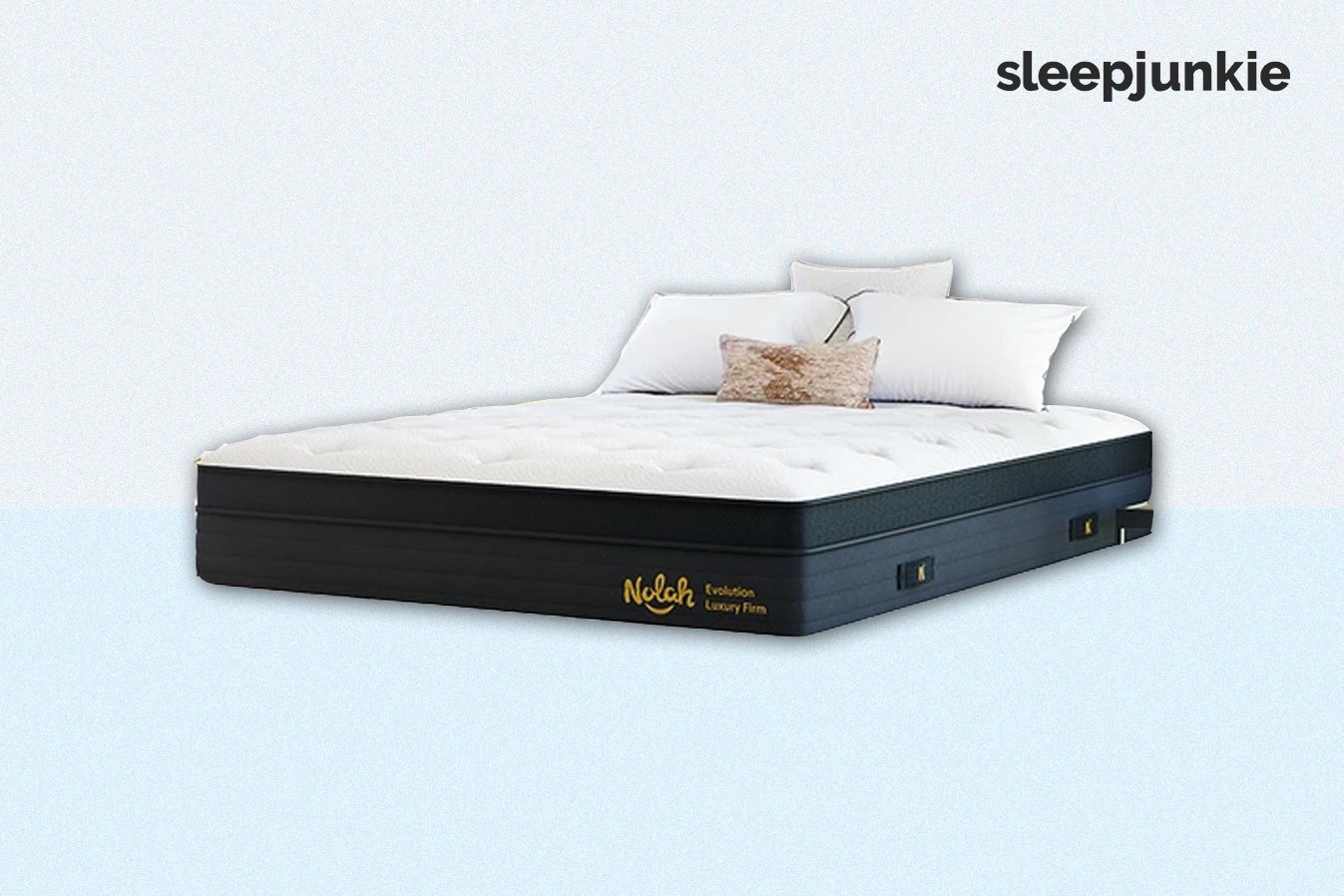
Nolah Evolution 15
Warranty
Lifetime
Sleep Trial
120 Nights
Shipping
Free
Nolah Evolution 15 Overview
As a sleep coach, I understand the importance of finding a cooling mattress that offers the perfect balance of comfort and support. After extensive testing, I can confidently say that the Nolah Evolution 15 is a game-changer for those hot sleepers who primarily sleep on their side.
From the moment I laid down on this luxury hybrid mattress, I could feel the perfect fusion of foam and coil technology working together to provide targeted pressure relief and responsive support. The Nolah Evolution 15 is available in three firmness options: Plush, Luxury Firm, and Firm, allowing me to find the ideal level of cushioning and support that suited my individual needs.
One of the standout features of this mattress is its advanced cooling technology. As someone who tends to sleep hot, I was impressed by how effectively the Nolah Evolution 15 regulated my body temperature throughout the night. I woke up feeling refreshed and well-rested, without any of the discomfort associated with overheating.
The Nolah Evolution 15’s durable construction and high-quality materials give me confidence that this mattress will provide a comfortable and supportive sleep experience for years to come. Plus, with Nolah’s generous 120-night sleep trial and lifetime warranty, I have the peace of mind knowing that I can fully test this mattress in the comfort of my own home and that my investment is protected.
I chose the Nolah Evolution 15 as the best cooling mattress for side sleepers because it masterfully combines advanced cooling technology with the perfect balance of pressure relief and support. As a side sleeper, I was particularly impressed by how the Nolah Evolution 15 effectively drew heat away from my body, allowing me to sleep soundly without overheating. Coupled with the mattress’s superior pressure relief and targeted support, the Evolution 15 an unbeatable choice for side sleepers who prioritize a cool and restful night’s sleep.
Luxury Hybrid Design
Features a combination of cooling foams and targeted coil support for optimal comfort and pressure relief.Zoned Support
HDMax™ Tri-Zone™ coils and perforated AirFoam™ provide targeted support and responsiveness where side sleepers need it most.Cooling Technology
Organic cotton cover with ArcticTex™ fibers and a breathable Euro topper dissipate heat for a cool sleeping experience.
Lying on the Nolah Evolution 15 is like sinking into a cloud of comfort and support. From the moment I settled onto the mattress, I could feel the plush Euro topper and AirFoam™ layers gently cradling my hips and shoulders, alleviating pressure points and providing a sense of weightlessness.
As a side sleeper, I often struggle to find the perfect balance between softness and support, but the Nolah Evolution 15 exceeded my expectations. It’s like a perfect marriage of softness and firmness, working in harmony to deliver an incredibly refreshing and comfortable sleep experience.
As I melted into the mattress, I couldn’t help but let out a sigh of contentment. The Nolah Evolution 15 felt like it was designed specifically for me, adapting to my unique needs and preferences as a side sleeper. The combination of pressure relief and targeted support was truly remarkable, and I found myself drifting off to sleep more easily than ever before.
Throughout the night, I noticed a significant reduction in the hip and shoulder discomfort I had previously experienced with other mattresses. The Nolah Evolution 15 seemed to cradle these sensitive areas, providing a gentle yet supportive embrace that allowed me to sleep peacefully without any painful pressure points.
- Carol Walkinshaw: A huge improvement over my last bed. Shopping was easy, I would have liked to see it and lay on it before spending the money. But I would have bought it at that point. Much better sleep.
- John Beaton: I am so glad we ordered Nolah!! The most comfortable and restful sleep we have had in a long time. We were a little leary about ordering a mattress on line previous we have always gone to a showroom and tried the mattress, We took the leap and we are so glad we did. The shopping experience was easy and customer service was great!!
- Kimberly Dawson: We’ve tried expensive big-box brands and have found they are inferior to our new Nolah twin extra long beds. My husband prefers a very soft mattress and I prefer a little firmer. With Nolah we are able to custom fit our mattress’s to our individual needs. Our individual adjustable bed frames work beautifully with our mattresses.
Comfort Layers
As I delved into the layers of the Nolah Evolution 15, I was eager to experience the unique sensations each material had to offer. Starting with the organic cotton cover, I was pleasantly surprised by its soft, breathable texture. The ArcticTex™ fibers woven into the fabric felt cool to the touch, instantly giving me the impression that this mattress would excel at temperature regulation.
Pressing further, my hands sank into the plush 2-inch quilted Euro topper. The cooling foam within the topper molded gently to my touch, providing a pillowy-soft sensation that I knew would translate into a heavenly sleeping experience. The quilted pattern added a luxurious visual appeal and a subtle texture that hinted at the comfort waiting beneath.
As I applied more pressure, I could feel the responsiveness of the 2-inch layer of zoned AirFoam™. This layer had a slightly firmer feel than the topper, but it still yielded to my touch, demonstrating its ability to contour to my body’s curves. The zoned design promised targeted pressure relief, and I could imagine how this would benefit me as a side sleeper, with more support for my hips and a softer feel for my shoulders.
The CoreComfort Support Foam layer below felt more substantial, providing a stable base for the comfort layers above. Despite its supportive nature, this foam still had a pleasant give, ensuring that I wouldn’t feel stuck or trapped in the mattress.
Transition Layers
Moving on to the transition layer, the EverAdapt Transition Foam had a unique feel. It was slightly bouncy, reminiscent of latex, but with a more subdued response. I could sense how this layer would help isolate motion from the coils below, ensuring a peaceful sleep even with a restless partner.
Support Layers
Finally, as I stretched out and pressed down on the HDMax™ Tri-Zone™ coils, I was impressed by their firmness and responsiveness. The individually wrapped design allowed each coil to move independently, promising targeted support and minimal motion transfer. The thicker perimeter coils provided a noticeable edge support, giving me the confidence to utilize the full surface area of the mattress without feeling like I might roll off.
The recycled plant fiber foundation layer at the base felt sturdy and dependable, providing a solid platform for the coils and ensuring the mattress’s longevity.
When I first laid down on the Nolah Evolution 15, I was immediately struck by the luxurious feel of the quilted Euro topper. The mattress contoured perfectly to my body, providing a gentle hug that relieved pressure on my hips and shoulders.
At the same time, the supportive coils beneath kept my spine aligned, ensuring that I maintained a healthy sleeping posture throughout the night. The advanced cooling features were also noticeable, as I felt a pleasant coolness against my skin that prevented me from overheating.
Best Innerspring Mattress For Side Sleepers
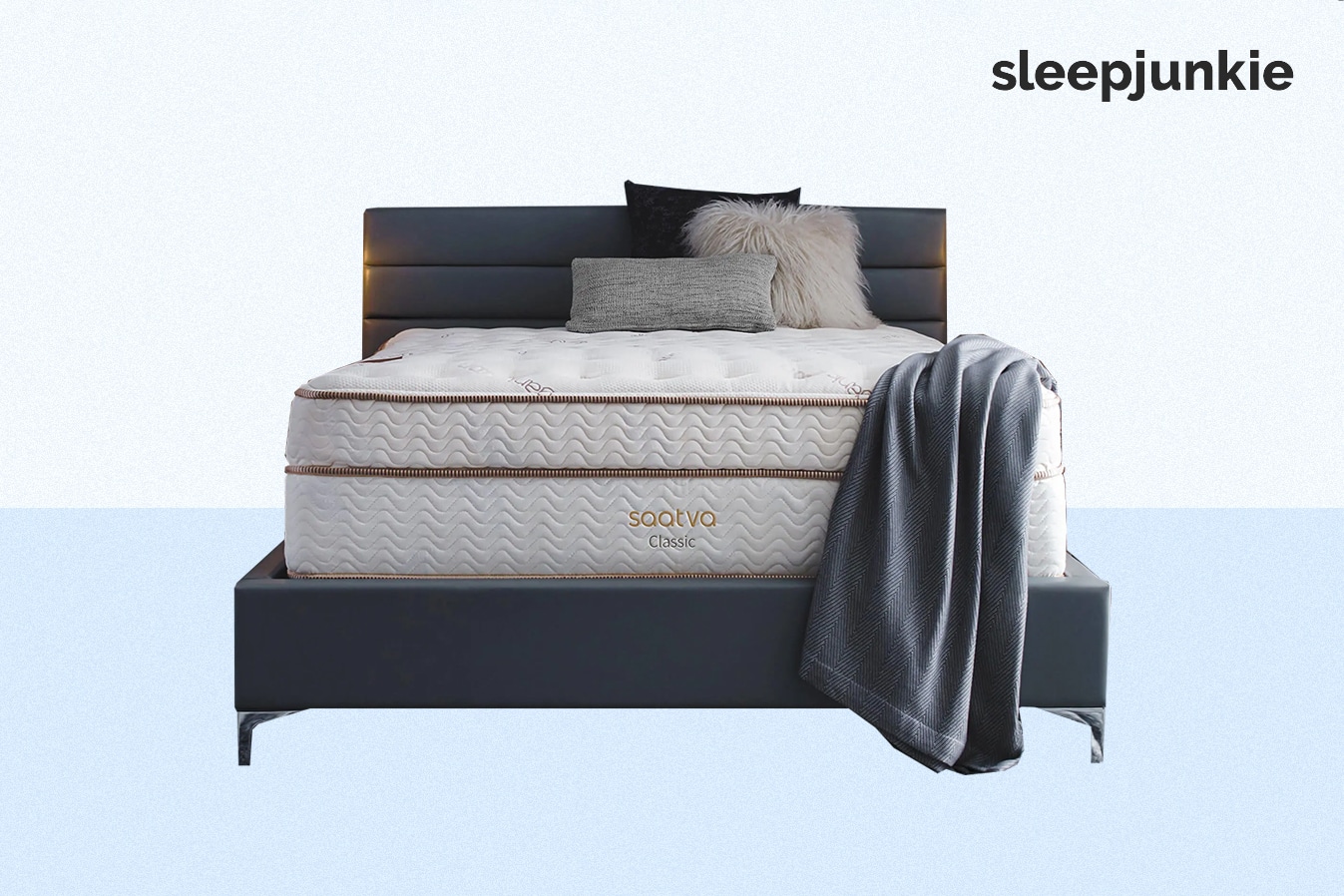
Saatva Classic
Warranty
Lifetime
Sleep Trial
365 Nights
Shipping
Free
Saatva Classic Overview
As a sleep coach, I’ve tested countless innerspring mattresses, and the Saatva Classic stands out as the best option for those who prefer sleeping on their side. From the moment I laid down on this luxurious mattress, I could feel the perfect combination of cushioning and support, thanks to its plush Euro pillow top and patented Lumbar Zone® technology.
One of the things I love most about the Saatva Classic is the variety of firmness options available. Whether you prefer a softer, more enveloping feel or a firmer, more supportive surface, Saatva has you covered with their Plush Soft, Luxury Firm, and Firm options. As a side sleeper, I found that the Luxury Firm provided the ideal balance, allowing my hips and shoulders to sink in just the right amount while keeping my spine aligned.
The Saatva Classic’s eco-friendly materials and construction are another significant selling point for me. Knowing that I’m sleeping on a mattress made with high-quality, sustainable components gives me peace of mind and enhances my overall sleep experience. Plus, with Saatva’s free white glove delivery, 365-night home trial, and lifetime warranty, I felt confident in my investment.
Throughout my extensive testing, I consistently woke up feeling refreshed and free of the aches and pains that often accompany side sleeping on less-than-ideal mattresses. The Saatva Classic’s targeted support and pressure relief made it a game-changer for my sleep quality and overall well-being.
I chose the Saatva Classic as the best innerspring mattress for side sleepers because it masterfully combines the luxurious comfort of a Euro pillow top with the support and durability of a coil-on-coil design. This winning combination ensures proper spinal alignment and a restful sleep experience for side sleepers.
- Luxurious Plush Euro Pillow Top
Provides cushioned comfort and pressure relief for side sleepers.
- Patented Lumbar Zone® Technology
Offers extra support in the center third of the mattress for healthy spinal alignment.
- Durable Dual-Coil Design
Features a responsive comfort coil layer and a sturdy steel coil base for long-lasting support.
When I first laid down on the Saatva Classic, I was immediately enveloped in the plush comfort of the Euro pillow top. As a side sleeper, I often struggle to find a mattress that provides adequate pressure relief for my hips and shoulders, but the Saatva Classic exceeded my expectations.
The organic cotton cover felt soft and inviting, while the layer of memory foam beneath contoured to my body, alleviating pressure points and promoting proper spinal alignment.
As I spent more time testing the Saatva Classic, I grew increasingly impressed with the dual-coil system’s ability to provide both contouring and support. The individually pocketed comfort coils responded to my movements, gently cradling my body while maintaining a sense of buoyancy.
Beneath this layer, the tempered steel support coils offered a sturdy foundation, ensuring that I never felt like I was sinking too far into the mattress. The combination of these two coil layers created a luxurious, hotel-bed feel that left me waking up refreshed and pain-free, night after night.
With three firmness options, side sleepers can choose the level of softness that best suits their needs.
- John: Bought 2 of the classic mattresses within a month of each other. Very comfortable and reasonably priced. I was a little worried at first ordering a mattress without trying it out first but that quickly went away once I slept on it and realized how comfortable it was. I would definitely recommend it to everyone
- Christina T: Our experience buying the mattress was great from the start. Called them to get two different firmness levels on split Cali King. The order was a breeze. I was updated throughout the whole process. The delivery was excellent. They contacted me right away when the mattresses were ready. They even offered to deliver it 5 days sooner than the scheduled date. Delivery guys were awesome too! Great experience!
As a Certified Sleep Science Coach, I’ve had the opportunity to test numerous mattresses designed for side sleepers, and the Saatva Classic has truly impressed me with its exceptional comfort and support
Comfort Layers
When I first laid down on the Saatva Classic, I immediately noticed the plush, inviting feel of the 3-inch Euro pillow top. The organic cotton cover was soft and breathable, and I felt secure knowing that it was treated with Guardin™, an eco-friendly antimicrobial treatment that ensures a fresh and hygienic sleep surface.
Settling into the mattress, I could feel the CertiPUR-US® certified high-density memory foam layer beneath the pillow top gently cradling my body.
As a side sleeper, I often experience pressure points in my hips and shoulders, but the Saatva Classic’s memory foam layer provided excellent pressure relief, particularly in my lumbar region. This targeted support allowed me to sink into the mattress just enough to feel comfortable without compromising my spinal alignment.
Transition Layers
Throughout my testing period, I was consistently impressed by the Saatva Classic’s responsive transition layer, which features 884 individually pocketed comfort coils (in a queen size). These 14.5-gauge recycled steel coils are engineered to be stronger and firmer in the center third of the mattress, providing personalized support and contouring to my unique body shape.
The coils responded independently to my movements, effectively minimizing motion transfer and allowing me to change positions without disturbing my sleep partner. This feature was particularly beneficial for me, as I tend to shift positions throughout the night.
Support Layers
I monitored the Saatva Classic’s performance and durability. The robust support system, consisting of 416 (in a queen) 13-gauge tempered steel support coils in the base layer, provided a stable and reliable foundation.
Even after extended use, I found that the mattress maintained its shape and continued to offer the same level of comfort and support as it did on the first night. This coil-on-coil design is a testament to Saatva’s commitment to creating a mattress that stands the test of time.
As someone who values having a spacious sleep surface, I greatly appreciated the Saatva Classic’s high-density foam rails, which encased the coils and provided enhanced edge support. This feature allowed me to use the entire mattress without feeling like I might roll off the edge, a crucial consideration for couples who share a bed.
Best Luxury Mattress for Side Sleepers:
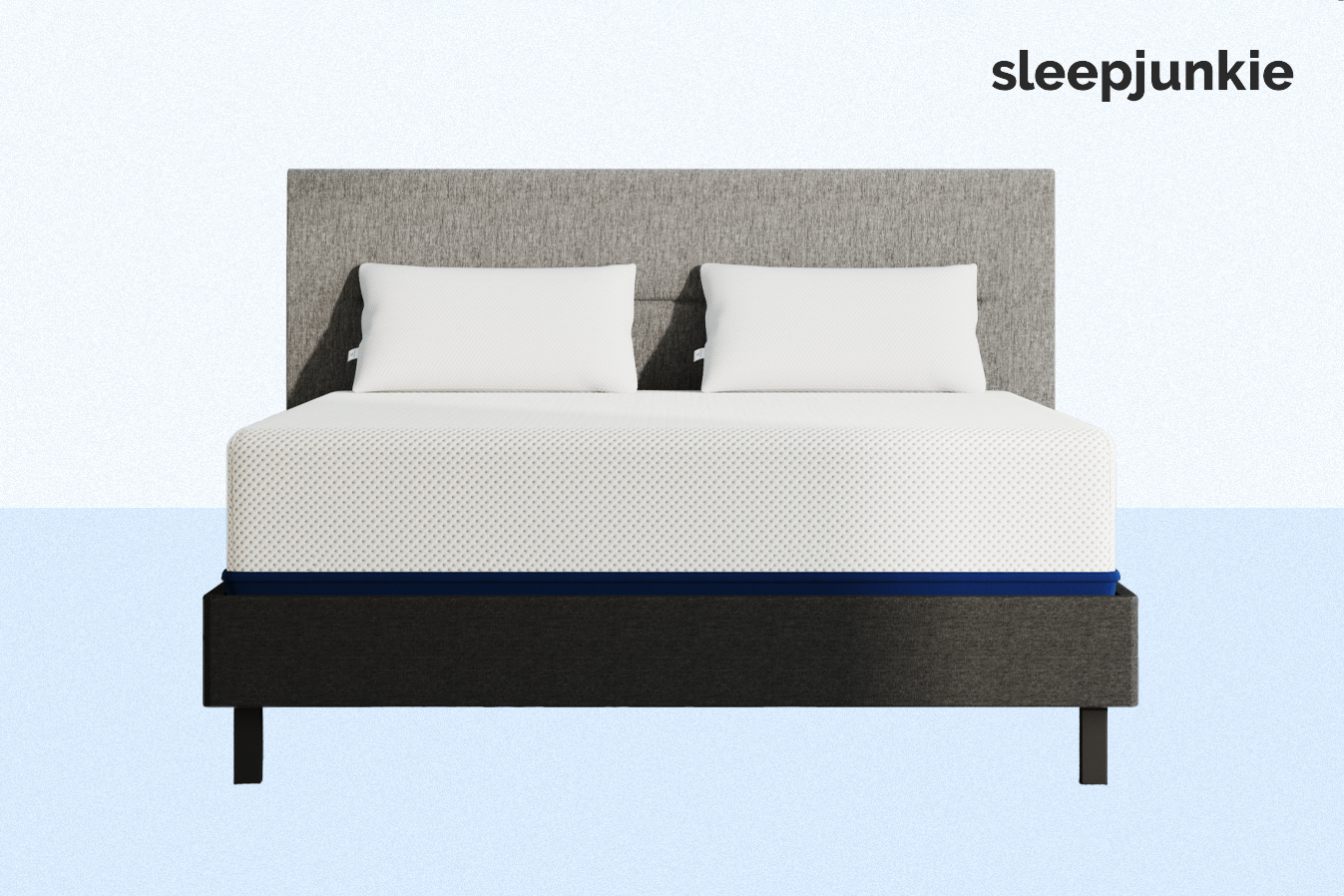
Amerisleep AS5 Hybrid
Warranty
20 Years
Sleep Trial
100 Nights
Shipping
Free
Amerisleep AS5 Hybrid
The Amerisleep AS5 Hybrid instantly won me over with its cloud-like softness and exceptional pressure relief. As someone who loves a plush mattress for side sleeping, I found the AS5 Hybrid’s cushioning memory foam layers to be a dream come true. They hugged my hips and shoulders like a gentle cradle, virtually eliminating pressure points from the moment I settled in.
From Amerisleep’s line of mattresses, the AS5 is their softest mattress for side sleepers. Now, they offer the AS5 as a hybrid. This mattress combines a plush memory foam comfort layer and pocketed spring coil base. The AS5 Hybrid is a luxuriously soft mattress for side sleepers designed to offer incredible comfort for the shoulders and hips, perfect for side sleepers.
What impressed me most during testing was how well the AS5 Hybrid worked for my plus-size partner. Despite its plush feel, the mattress provided ample support, thanks to the responsive coil base. He found it soft and pressure-relieving, but never felt like he sank too far into the bed.
The AS5 Hybrid can be bought in the Amerisleep showroom or online—no matter how you buy, it comes with a 100-night sleep trial, a 20-year warranty, and free shipping.
I chose the AS5 Hybrid as the best luxury mattress for side sleepers because it offers an unparalleled level of pressure relief without sacrificing support. The plush memory foam comfort system is a side sleeper’s dream, while the pocketed coil base ensures good spinal alignment and suitability for sleepers of all body types. It’s a standout choice for anyone seeking a soft, luxurious hybrid.
- Soft Feel for Pressure Relief
The plush top embraces the body to stop pressure build-up.
- Eco-Friendly Comfort Foam
While most memory foams are wholly synthetic, Amerisleep uses plant oils in theirs, along with more traditional ingredients.
- Responsive Support
The Active Flex and pocketed coils ensure swiftly reactive support.
As I stretched out on my Amerisleep AS5 Hybrid, I can’t help but marvel at how soft and comfortable it feels. Despite its plush surface, I felt supported and responsive, thanks to the Active Flex foam and pocketed coils working together to prevent any uncomfortable sagging.
As a side sleeper, I appreciate how this mattress keeps my body in a healthy position throughout the night.
- Tucson: We love our bed, whenever we got out of town and stay in a nice hotel with the nice bed they offer, we are always so excited to get home and get back in ours.
- Stef: I have recommended to many friends. It is very comfortable and all the people that try it love it.
- Ciceroczech: We have switched from a firm tempur pedic mattress due to hip and neck pain. My wife is a side sleeper and this mattress has definitely helped her sleep better.
My personal experience with the Amerisleep AS5 Hybrid was outstanding. As a side sleeper, I found it to be the perfect mix of plush comfort and support, with innovative features like the Refresh Cover and the eco-friendly foam setting it apart from other mattresses I’ve tested.
Cover Fabric
The Amerisleep AS5 Hybrid features the same innovative Refresh Cover as the AS3, designed to enhance breathability and regulate temperature for a cool and comfortable night’s sleep.
From the moment I laid down on the mattress, I could feel the Refresh Cover’s cool-to-the-touch sensation, which was both refreshing and soothing. Throughout my mattress tests, I never once felt overheated or sweaty, a testament to the cover’s exceptional breathability and temperature regulation properties.
Fire Barrier
Beneath the cover, you’ll find an Oeko-Tex certified firesock that serves as a fire barrier, ensuring your safety without the use of harmful chemicals or fiberglass.
Knowing that the AS5 Hybrid has this for protection gave me peace of mind as I drifted off to sleep. I appreciate Amerisleep’s commitment to using safe, non-toxic materials in their mattresses.
Comfort Layers
The comfort layer of the AS5 Hybrid consists of 3 inches of pressure-relieving Bio-Pur®, a plant-based memory foam derived from castor oil. This eco-friendly alternative to traditional memory foam excels in molding to your body, I found.
As I settled into the comfort layers, I immediately noticed the pressure-relieving properties of the 3-inch Bio-Pur® layer. As a side sleeper, I often struggle with discomfort in my shoulders and hips, but the Bio-Pur® molded perfectly to my body, providing instant cushioning and support.
Transition Layers
In addition to the Bio-Pur® layer, the AS5 Hybrid features 2 inches of Active Flex foam. The Active Flex added a pleasant bounce to the mattress, making it easier for me to change positions during the night without feeling stuck or trapped.
Much like I did, side sleepers will appreciate the extra cushioning provided by the Active Flex layer, which works in harmony with the Bio-Pur® to create a perfect balance of comfort and support. The foam allows for enhanced pressure relief under the shoulders and hips
Support Layers
The support layer of the Amerisleep AS5 Hybrid features an 8-inch pocketed coil system. The individually wrapped coils worked in harmony with the comfort layers to absorb movement, ensuring that any tossing and turning on my part didn’t disturb my partner. This is a crucial feature for couples who share a bed, as it allows for a more peaceful and uninterrupted sleep experience.
As I moved closer to the edge of the mattress, I noticed the reinforced foam perimeter provided excellent edge support. I felt secure and stable, even when sitting on the edge of the bed to put on my shoes or when sleeping close to the side. The sturdy perimeter prevented any feelings of roll-off, giving me the confidence to utilize the entire surface area of the mattress.
The thin core layer of foam at the base of the AS5 Hybrid, along with the reinforced perimeter, gave me confidence in the mattress’s long-term durability. I felt supported from edge to edge, with no noticeable sagging or instability.
With Amerisleep’s 20-year warranty backing this mattress, I feel confident recommending it to my clients and friends who are looking for a high-quality, comfortable, and supportive sleep surface.
After personally testing the Amerisleep AS5 Hybrid, I can confidently say that this mattress excels in providing a comfortable and supportive sleep experience for side sleepers. Although the AS5 Hybrid comes at a higher price point and may be too soft for some preferences, its innovative features and high-quality materials make it a worthwhile investment for side sleepers seeking a luxurious and pain-free sleep experience.
Best Memory Foam Mattress for Side Sleepers
Zoma Start
Warranty
10 Years
Sleep Trial
100 Nights
Shipping
Free
Zoma Start Overview
Zoma offers a line of mattresses designed to provide exceptional comfort and support for athletes and individuals with demanding lifestyles. Among their mattresses I’ve tested, I’ve found that the Zoma Start is the perfect memory foam mattress for my side-sleeping needs.
Its combination of gel memory foam, Reactiv™, and Support+ layers work together seamlessly to provide me with the ideal balance of pressure relief and responsiveness.
A standout feature I noticed while testing the Zoma Start is its ability to keep me cool and comfortable throughout the night. As someone who tends to sleep hot, I’ve struggled to find a memory foam mattress that doesn’t trap heat.
However, the Zoma Start’s gel-infused memory foam layer effectively dissipates heat, allowing me to enjoy the contouring benefits of memory foam without overheating.
From the moment I lie down on the Zoma Start, I can feel the mattress contouring to my body, relieving pressure points and promoting proper spinal alignment. This is especially important for me as a side sleeper, as I need a mattress that can cushion my shoulders and hips while still providing adequate support.
One of the things I appreciate most about Zoma is their commitment to customer satisfaction. With a 100-night risk-free trial, free shipping and returns, and a 10-year warranty for every mattress, I can rest easy knowing that I’ve made a smart investment in my sleep health.
If you’re a side sleeper like me, looking for a memory foam mattress that offers exceptional comfort and support, I highly recommend giving the Zoma Start a try. Trust me, your body will thank you for it.
I chose the Zoma Start as the best memory foam mattress for side sleepers because it offers the perfect balance of pressure relief, responsiveness, and cooling features. The breathable foams and cooling gel help regulate temperature, making it an excellent choice for side sleepers who tend to sleep hot.
- Cooling Comfort
Gel memory foam relieves pain-causing pressure points while keeping the spine aligned and promoting a cooler sleep.
- Responsive Relief
The highly responsive Reactiv™ layer provides maximum contouring and relief without causing you to sink in or feel stuck.
- Durable Support
The Support+ base is designed to promote proper spine alignment for a full decade, ensuring consistent and reliable support for the hips and shoulders.
From the moment I laid down on the Zoma Start mattress, I knew I had found something special. As a side sleeper, I’ve always struggled to find a mattress that provides the perfect balance of comfort and support, but the Zoma Start exceeded all my expectations.
When I settled into the mattress, I could feel the gel memory foam layer contouring to my body, cradling my hips and shoulders like a gentle hug. The Reactiv™ layer beneath provided just the right amount of responsiveness, preventing me from sinking too deeply into the mattress and keeping my spine in a neutral position.
This combination of pressure relief and support was unlike anything I had experienced before, and I found myself drifting off to sleep more easily than ever.
- Bethany: This is THE most comfortable mattress I’ve ever slept on! My brother got one years ago, and I was HOOKED! I’m SO happy to finally have a Zoma myself and I highly recommend it! You’ll never ache from sleeping wrong again!
- Mark: I had neck and back pain with my old mattress and after a week of my new Oma mattress it’s gotten a lot better feeling less pain in the morning. Pretty solid bed
- James: Enjoyed my first mattress so much I came back for round 2 when I moved to TN.
Comfort Layers
When I lie down on the Zoma Start, the first thing I notice is the top layer of gel memory foam. It molds perfectly to my body, relieving pressure points and helping to keep my spine aligned.
What I love most about this layer is that it’s designed to be six times more breathable than traditional memory foam, which means I can enjoy a cooler sleep experience throughout the night.
Transition Layers
As I sink into the mattress, I can feel the Reactiv™ layer beneath the gel memory foam. This layer provides a highly responsive and contouring feel, which is important to me as a side sleeper.
I don’t want to feel like I’m stuck in the mattress, and the Reactiv™ layer ensures that I can move easily and change positions without any discomfort.
Support Layers
The Support+ base layer is where the Zoma Start really shines. It’s engineered to provide consistent and reliable support for my hips and shoulders, which is crucial for maintaining my spine’s natural alignment.
As someone who has dealt with back pain in the past, I appreciate knowing that this durable layer is designed to last for at least a decade, ensuring that I’ll have long-lasting comfort and support.
When I first laid down on the Zoma Start mattress, I was immediately struck by how well it contoured to my body. Throughout the night, I found that the breathable foams and cooling gel helped regulate my body temperature, ensuring a comfortable sleep experience from start to finish.
Best Mattress-in-a-box Mattress For Side Sleepers
Nest Sparrow
Warranty
Lifetime
Sleep Trial
365 Nights
Shipping
Free
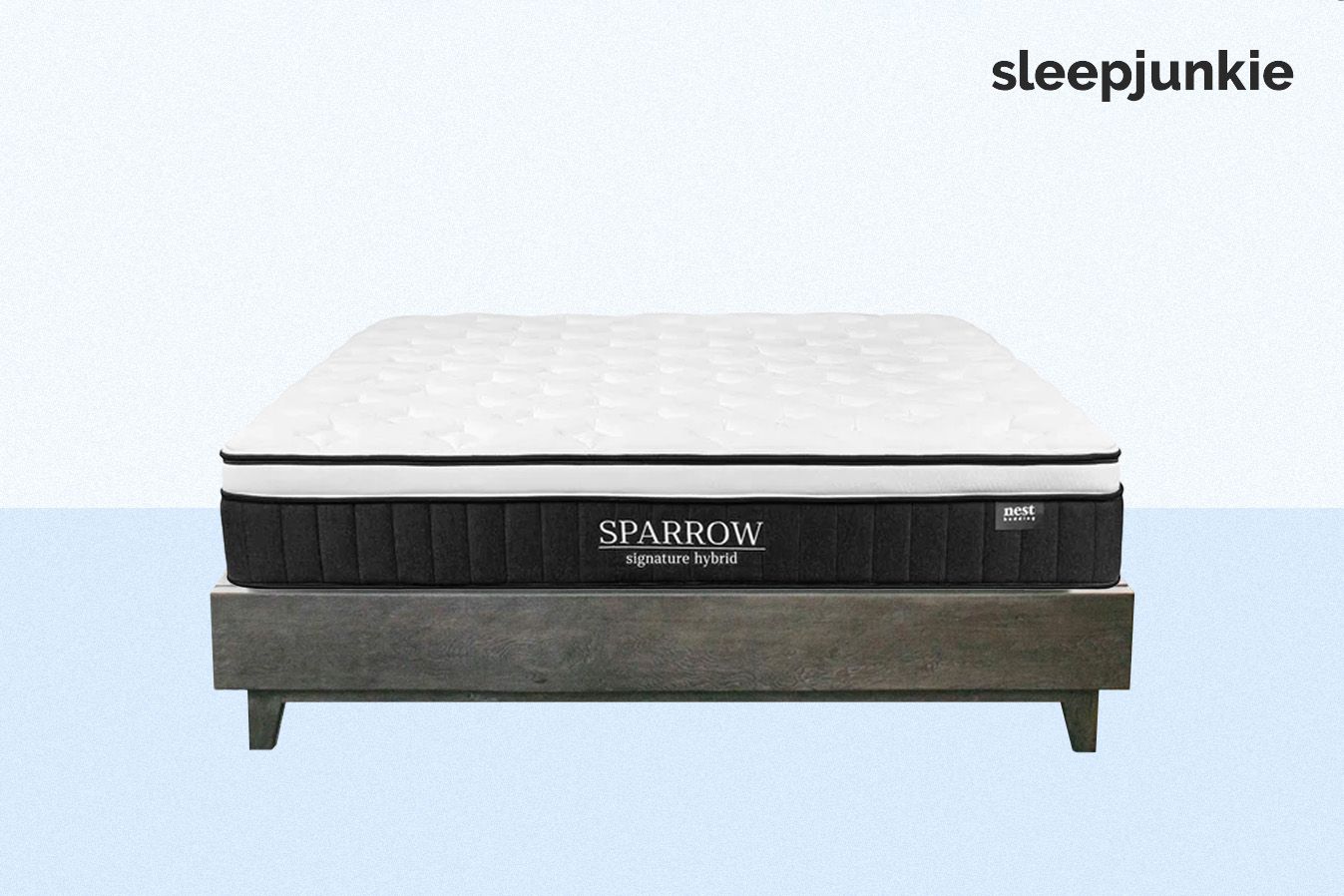
Nest Bedding Sparrow Overview
I’ve had the pleasure of testing the Nest Bedding Sparrow Signature Hybrid, and I must say, it’s a game-changer for those who primarily sleep on their side. The moment I laid down on this mattress, I could feel the perfect balance of pressure relief and support, ensuring proper spinal alignment and reducing pressure points in my shoulders and hips.
One of the standout features of the Sparrow is its customizable firmness levels. With three options to choose from, I was able to find the perfect fit for my individual needs. The “dual split” option is a fantastic choice for couples with different firmness preferences, allowing each person to tailor their side of the mattress to their liking.
Throughout my mattress tests, I found that the Sparrow consistently provided a comfortable and supportive sleep surface. I woke up feeling refreshed and free from the aches and pains that often plague side sleepers.
Nest Bedding’s commitment to customer satisfaction is evident in their generous 365-night sleep trial, Lifetime Renewal Exchange program, and lifetime warranty. This risk-free investment in your sleep quality makes the Sparrow an excellent choice for side sleepers seeking a high-quality, customizable hybrid mattress.
I chose the Nest Bedding Sparrow as the best mattress in a box for side sleepers because it delivers exceptional comfort and support, all conveniently packaged and shipped directly to your door. The Sparrow’s thoughtful combination of pressure-relieving foams and individually wrapped coils is tailored to meet the unique needs of side sleepers, providing the perfect balance of cushioning and support for the hips and shoulders.
- Customizable Comfort
The Sparrow offers three firmness options and a dual split option, allowing you to find the perfect feel for your sleeping style.
- Pressure-Relieving Materials
Energex™ provides the pressure relief of memory foam with the responsiveness and durability of latex.
- Lifetime Renewal Exchange
Nest Bedding allows you to swap out the comfort layer for a new one at any point during the mattress’s life.
As a side sleeper, I was eager to test the Nest Bedding Sparrow and see how it would cater to my specific needs. From the moment I laid down on the mattress, I could feel the perfect balance of comfort and support that I had been searching for.
The quilted gel memory foam and Energex™ foam worked in harmony to create a plush, pressure-relieving surface that gently cradled my hips and shoulders. As someone who often experiences discomfort in these areas when sleeping on my side, I was amazed at how effectively the Sparrow alleviated this issue.
At the same time, I noticed that the individually wrapped coils and support foams provided the necessary support to keep my spine properly aligned. I didn’t experience any excessive sinkage, which is a common problem I’ve encountered with other mattresses.
Throughout my testing period, I found myself looking forward to bedtime, knowing that I would be greeted by the luxurious comfort of the Sparrow. Each night, I fell asleep quickly and stayed asleep throughout the night, waking up feeling refreshed and rejuvenated.
But don’t just take my word for it. I came across numerous reviews from other satisfied customers who shared similar experiences:
- Danielle C: We will never buy a different bed. Thee most comfortable bed we have ever owned. The customer service is 10+
- Mica E: The Sparrow Signature is very comfortable and we are sleeping very well. We’ve previously had firm mattresses and this one is still firm but allows our hips and shoulders to enjoy the less firm top. So far, so good.
- Olivia C: One of the most comfortable mattresses I’ve ever slept on! I was never diagnosed with insomnia, but I had the hardest time falling and staying asleep for years before getting this mattress. First night on it, I fell asleep and stayed asleep, and that hasn’t changed since. I highly recommend this mattress and Nest Bedding is such a great company to work with.
As a mattress tester, I had the opportunity to dive deep into the construction of the Nest Bedding Sparrow and experience firsthand how each layer contributes to its overall comfort and support.
Comfort Layers
When I first laid down on the Sparrow, I was immediately struck by the plush, cool-to-the-touch feel of the quilted cover. The 2 inches of gel memory foam and THERMIC® phase change material contoured perfectly to my body, providing instant pressure relief and a sense of luxurious comfort.
As a side sleeper, I often struggle with pressure points in my hips and shoulders, but the Sparrow’s comfort layers seemed to melt those concerns away.
When I settled into the mattress, I noticed how the 3-inch layer of Energex™ Temperature Responsive Foam adapted to my body heat, striking a perfect balance between pressure relief and responsiveness. This layer made it easy to change positions throughout the night without feeling stuck or experiencing any discomfort.
Transition Layers
While the comfort layers were undeniably impressive, I was equally curious about the support the Sparrow would provide. The SmartFlow Support Foam layer, though thin, played a crucial role in promoting airflow and creating a smooth transition between the comfort layers and the support core.
Support Layers
The real star of the support system, however, was the 6-inch layer of reinforced edge coil support pocketed coils. As I moved around on the mattress, I could feel how these individually wrapped coils isolated motion and provided targeted support, ensuring that my spine remained properly aligned no matter my sleeping position. As a side sleeper, this was a critical factor in determining the Sparrow’s effectiveness.
Finally, the 1-inch layer of high-density base foam served as a reliable foundation, preventing any unwanted sinkage and ensuring the longevity of the mattress.
After spending several nights testing the Nest Bedding Sparrow, I can confidently say that its thoughtful construction and high-quality materials come together to create a truly exceptional sleep experience, particularly for side sleepers like myself. The Sparrow’s ability to provide both pressure relief and targeted support is a testament to its well-designed layers, making it a top choice for those seeking a comfortable and restorative night’s sleep.
Best Mattress for Active Side Sleepers:
Bear Mattress
Warranty
10 Years
Sleep Trial
100 Nights
Shipping
Free
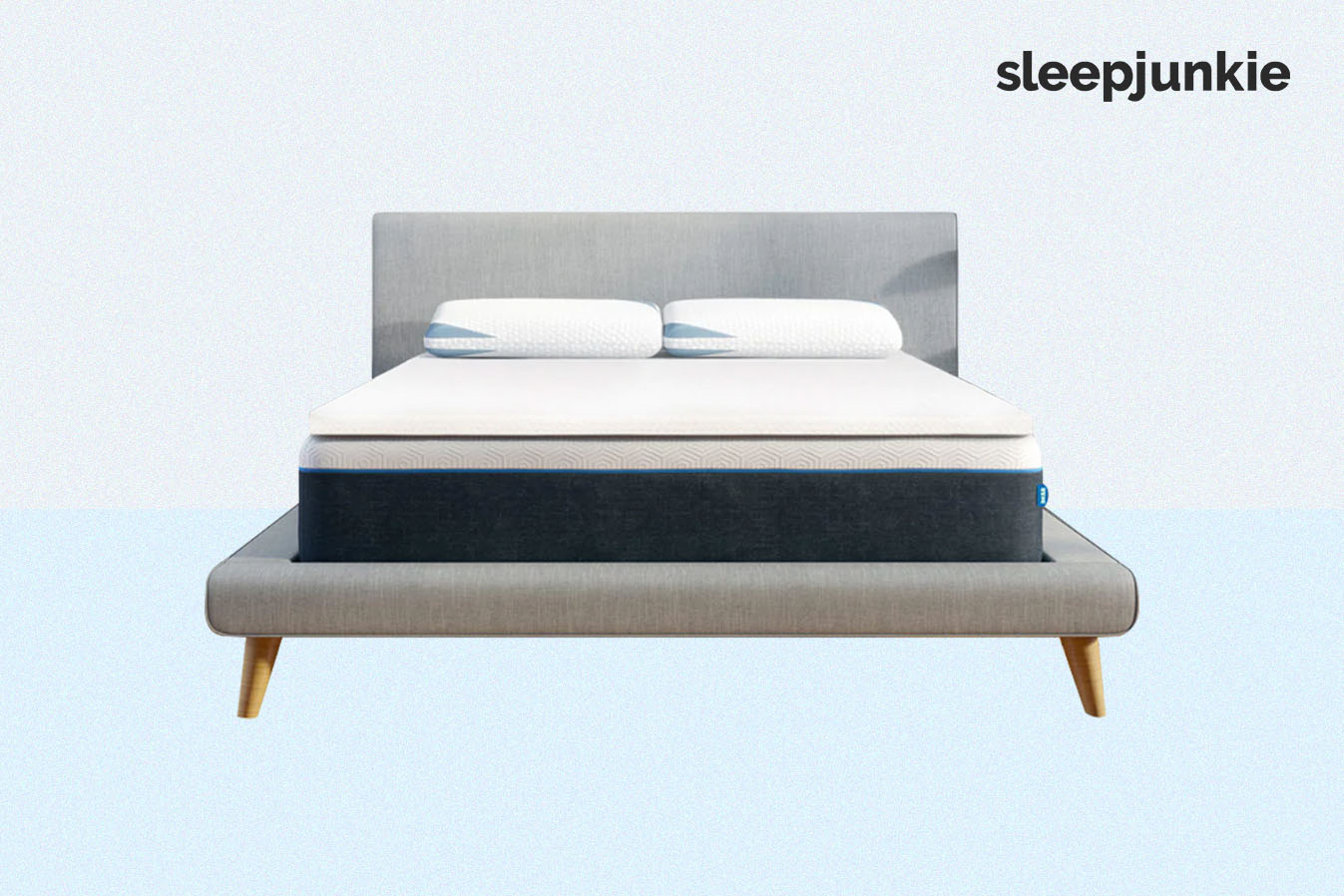
Bear Mattress Overview
When I first unboxed the Bear Mattress, I was intrigued by its unique Celliant® cover, which is designed to promote faster recovery and enhanced performance for active individuals. As a side sleeper who enjoys regular exercise, I was eager to see how this mattress would perform in terms of pressure relief, support, and overall comfort.
During my hands-on testing, I found the Bear Mattress to be slightly firmer than average, with a medium-firm feel that provided excellent support for my spine. The gel-infused memory foam layer contoured to my body, alleviating pressure points at my hips and shoulders, while the poly-foam base prevented excessive sinkage.
As an active side sleeper, I particularly appreciated the Bear Mattress’s ability to promote faster recovery and alleviate muscle soreness. The Celliant® cover felt cool and soothing against my skin, and I woke up feeling refreshed and rejuvenated each morning. The mattress’s responsive surface also made it easy to change positions throughout the night, which is a significant plus for combination sleepers.
If you’re a side sleeper who prefers a firmer or cooler mattress for side sleepers, Bear could be right for you. Bear sells their mattresses online-only, offering a 100-night sleep trial and a 10-year warranty with each bed.
I chose the Bear Mattress as the best mattress for active side sleepers because it combines pressure relief, support, and recovery-enhancing features. During my testing, I was impressed by how effectively the mattress alleviated discomfort at my hips and shoulders, while still providing the necessary support to keep my spine aligned. The Celliant® cover’s ability to promote faster recovery and enhanced performance makes the Bear Mattress a standout choice.
- Pressure-Relieving Memory Foam
Memory foam top relieves pressure and prevents aches across the body.
Cool to the Touch Surface
Phase change technology and thermoreactive minerals keep the bed cool
Responsive Transition Foam and Base
Mattress delivers responsive comfort underneath the body.
In my time lying on the bed, I found the Bear Mattress has a medium-firm feel that strikes a balance between pressure relief and support. The gel-infused memory foam layer offered my stretched-out body a gentle hug, contouring to the my curves and alleviating any pressure points.
I also noticed the mattress doesn’t allow for excessive sinkage, thanks to the supportive poly-foam base. This results in a responsive surface that makes it easy for side sleepers to change positions and maintain proper spinal alignment throughout the night.
- Libertine L: The Bed firm but at the same time is comfortable to sleep in. I got it together with the free pillows (which were fluffy) and a bedsheet set. Overall, I had a relaxing sleep in this mattress.
- Josh M: Incredible mattress! Honestly haven’t had the level of sound (and comfortable) sleep like this in quite some time! Highly recommend!
- Alicia B: No complaints here with our bear original! Our youngest agrees! Great support and feels good knowing it’s made safe! Arrived quickly and easy to unpack!
Examining the Bear Mattress’s construction, I was impressed by the thoughtful combination of materials designed to cater to the unique needs of active side sleepers.
The Celliant® cover and gel-infused memory foam work together to promote a cooler, more restorative sleep environment, while the supportive poly-foam base ensures proper spinal alignment and long-lasting comfort.

Comfort Layers
The Bear Original mattress starts with a comfort layer consisting of a breathable quilted cover that is soft, durable, and promotes airflow. Customers have the option to upgrade to a Celliant Infused Cover, which utilizes Sleep Recover Technology™ to regulate body temperature and promote overall well-being.
Beneath the cover lies a layer of Cooling Gel Memory Foam that helps disperse excess body heat while providing enhanced spinal alignment for improved comfort, as I found in my time trying out the mattress night after night.
Transition Layers
The transition layer features Bear Dynamic Foam, which offers a balance of support and deeper compression. In my tests of this mattress, I observed how this layer helps to relieve pressure points and ensures a smooth transition between the comfort and support layers.
Support Layers
Finally, the support layer is made up of High-Density Support Foam. The thickness and density of this layer reassures me of the mattress’s long-lasting durability and overall structural integrity.
Throughout my hands-on testing, I consistently found the Bear Mattress to be a top-performing choice for active side sleepers who prioritize pressure relief, support, and recovery.
Its unique combination of features and medium-firm feel make it a well-rounded option for those who lead active lifestyles and want to wake up feeling refreshed and rejuvenated.
Best Latex Mattress for Side Sleepers
Amerisleep Organica
Warranty
20 Years
Sleep Trial
100 Nights
Shipping
Free
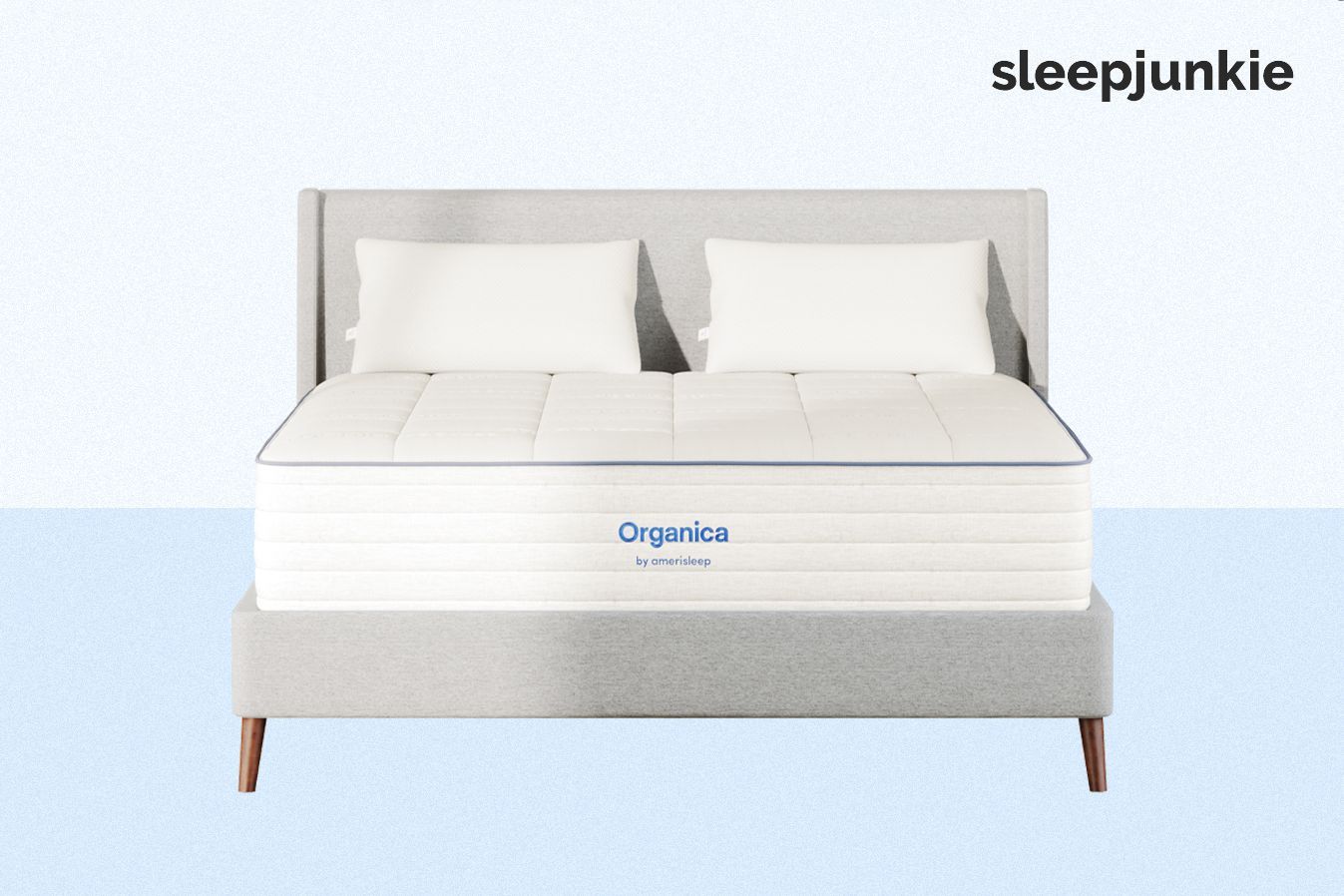
Amerisleep Organica Overview
From the moment I laid down on the Amerisleep Organica, I knew I had discovered something special. The luxurious Talalay latex comfort layers instantly cradled my hips and shoulders, providing the perfect amount of cushioning to relieve pressure points. Meanwhile, the responsive innerspring core delivered the ideal level of support, preventing sinkage and maintaining proper spinal alignment throughout the night.
What sets the Organica apart from other spring mattresses is its commitment to sustainability and eco-friendliness. Amerisleep has crafted this mattress using organic and natural materials, ensuring a healthier sleep environment without compromising on comfort or support.
During my mattress tests, I consistently woke up feeling refreshed and rejuvenated, free from the aches and pains that often accompany side sleeping on less-than-ideal mattresses. The Organica’s medium feel strikes the perfect balance, catering to side sleepers of various body types and preferences.
Amerisleep’s generous 100-night sleep trial allowed me to fully experience the Organica in the comfort of my own home, ensuring that it was the right fit for my specific needs. Plus, with a 20-year warranty, I can rest easy knowing that this investment in my sleep quality is protected for years to come.
I named the Amerisleep Organica the best latex mattress for side sleepers because it masterfully combines the pressure-relieving properties of natural Talalay latex with the targeted support of a pocketed coil core. During my extensive testing, the Organica consistently cradled my hips and shoulders, providing exceptional comfort and reducing pressure points. At the same time, the responsive latex and coil system kept my spine properly aligned, preventing the aches and pains often associated with side sleeping.
- Organic and Natural Materials
Features GOTS-certified organic cotton, organic wool, and natural Talalay latex for an eco-friendly and healthy sleep surface.
- Responsive Cushioning and Pain-Relieving
Support Natural Talalay latex provides contouring and pressure relief while maintaining a balanced medium feel, ideal for side sleepers.
- Buoyant Support
Pocketed coil system offers bouncy support and isolates motion for undisturbed sleep.
When I lied on the Amerisleep Organica, I was enveloped in a perfect balance of cushioning comfort and supportive firmness.
The natural Talalay latex contoured to my body, gently cradling my hips and shoulders and relieving pressure points that have long been a source of discomfort in my side-sleeping position.
I could feel the responsive nature of the latex working in harmony with the pocketed coil system, providing just the right amount of pushback to prevent excessive sinkage.
This dynamic combination kept my spine properly aligned, ensuring that I won’t wake up with the all-too-familiar aches and pains that often accompany a night spent on a less-than-ideal mattress.
- Drisella: Changed my sleep totally. Good mattress.
- SR: OBSESSED WITH TGIS MATTRESS!! It was important to us to get an organic, non-toxic mattress, but all other brands were too firm to suit my side-sleeping and husband’s combination-sleeping needs. This mattress is the PERFECT blend! So soft but also sturdy and shape-holding enough to offer support and movement without waking your partner. We LOVE it!
- MimiMattress58: I purchased this mattress for my guest bedroom and tried it out and ended up switching it out to my primary bed! I switched it with a more high end organic mattress. I love the great sleep I have gotten on this mattress since I purchased it!! It is firm enough, soft enough, and sleeps cool. I recommended it to my daughter and her husband and they love it as well. Don’t hesitate, it is a great buy!!!
Comfort Layers
As I run my hand over the Organica’s surface, I’m greeted by the soft and breathable GOTS-certified organic cotton cover. Beneath this, I can feel the layer of organic wool, which not only provides extra comfort but also acts as a natural fire barrier, giving me peace of mind.
When I press down, I sink into the 2-inch layer of natural Talalay latex. This comfort system is highly responsive, contouring to my body’s unique shape while remaining breathable, ensuring a cool and comfortable sleep surface throughout the night.
Transition Layers
Beneath the comfort layers, I discovered a 1-inch layer of Talalay latex foam. This layer is slightly less giving than the comfort layer above, providing a smooth transition from the soft upper layers to the supportive core below.
Support Layers
As I explore further, I reach the heart of the Organica: an 8-inch pocketed coil system with reinforced edge support. I can feel the individually wrapped coils working to provide targeted support, isolating motion, and promoting airflow for a cooler sleep. The coils respond to my body’s movements, ensuring that I maintain proper spinal alignment no matter my sleeping position.
Encasing the coil system, I find a 1-inch wool border that adds stability and durability to the mattress, giving me confidence in the Organica’s long-term performance.
Certifications
Knowing that the Organica boasts several certifications gives me peace of mind about the quality and safety of its materials. I appreciate that the organic cotton cover is made with GOTS-certified yarn, the Talalay latex is certified by Standard 100 OEKO-TEX®, Rainforest Alliance, and eco-INSTITUT, and the wool is Standard 100 OEKO-TEX® certified. These certifications demonstrate Amerisleep’s commitment to using high-quality, sustainable, and safe components in their mattresses.
Side Sleeping Positions
Side sleeping is the most popular sleeping position, but not every side sleeper is the same. In fact, the term side sleeping usually refers to one of four positions.
- In the fetal position, both legs are bent at the knees, and the back is curled down to the legs. 40% of side-sleepers sleep this way, making it the most common sleeping position. For those with arthritis or other chronic pain issues, this position can leave the sleeper with morning soreness.
- The log is the next most common side sleeping position. In the log position, the arms and legs are stretched out from the body and the spine is straight.
- In the yearner position, the arms are stretched out, whereas the back and legs are straight. Only about 5% of the population sleeps like this.
- In the sprinter position, the sleeper is posed with the arms and back straight, and one leg bent at the knee and the other straight. This is the least common side sleeping position.
While none of these sleeping positions are worse or better than the other, based on my clinical experience, positions requiring extended legs can induce misalignment by shifting the hips out of place. Using pillows to keep the hips aligned will reduce the sleeper’s risk of developing sciatica and arthritis.
Dr. Jennifer Miller, Physical Therapist, says, “I recommend sleeping with a body pillow to my patients with joint pain. It helps to relieve pressure on the joints by placing the body pillow between the knees and having the top arm rested on the pillow.”
Is Side-Sleeping Healthy?
In my professional opinion as a sleep coach, I believe side sleeping is generally healthy because it can improve breathing, reduce snoring, and alleviate symptoms of sleep apnea and acid reflux.
Sleeping on the left side is particularly beneficial, as it takes pressure off the heart, helps with heartburn, and may improve blood pressure.
However, side sleeping also has drawbacks. In my experience working with side sleepers, I’ve observed that they tend to be more prone to acne breakouts due to prolonged contact with bedding. They may also develop premature wrinkles on the side of the face that’s pressed against the pillow.
Furthermore, side sleepers often experience more pressure points, particularly in the hips and shoulders, which can lead to morning stiffness and discomfort.
Despite these potential drawbacks, I believe the benefits of side sleeping generally outweigh the risks, especially when paired with a supportive mattress and proper pillow positioning. By choosing a mattress that promotes proper spinal alignment and pressure relief, side sleepers can minimize discomfort and wake up feeling refreshed and rejuvenated.
| Pros | Cons |
|---|---|
| Reduced snoring May alleviate lower back pain Easier digestion Increases proper lymph node drainage | Increased acne breakouts Premature wrinkles More pressure points on the side |
It’s important to note that these are general guidelines, and personal preferences can vary. Some side sleepers may prefer a slightly softer or firmer feel than what’s typically recommended for their body type.
That’s why I always suggest taking advantage of sleep trials when buying a new mattress, as they allow you to test the bed in the comfort of your own home and ensure it provides the right balance of pressure relief, support, and comfort for your unique needs.
When in doubt, I recommend erring on the side of a slightly firmer mattress for side sleepers, as it’s easier to soften a firm mattress with a topper than it is to make a too-soft mattress more supportive.
By taking your body type and personal preferences into account and choosing a mattress with a firmness level that suits your needs, you can ensure a comfortable, restful night’s sleep and wake up feeling refreshed and pain-free.
In general, side sleepers are usually most comfortable on medium to medium-firm mattresses because they’re soft enough to relieve pressure points but still supportive enough to promote a healthy spine.
Before deciding how firm your bed should be, consider your preference for firmness. If you like a more cradling, “in the bed” feel from your mattress, you may want to opt for a softer mattress that allows for more sinkage. Alternatively, if you prefer a firmer feel from your bed, choose a more supportive option.
What to Look for in the Best Mattress for Side Sleepers
Based on my extensive experience testing mattresses and working with side sleepers, I believe the three most crucial factors to consider when choosing a mattress are support, pressure relief, motion isolation, and spinal alignment.
A mattress that excels in these areas will help side sleepers maintain a healthy sleeping posture, alleviate discomfort, and wake up feeling refreshed.
Spinal Alignment
To illustrate the importance of spinal alignment, imagine sleeping on your side with your arms in front of you. Your top hip is rotated forward, twisting your lower back. To compensate, you might rotate your top shoulder in the opposite direction.
While this position may feel comfortable in the moment, it can lead to long-term issues like bursitis, sciatica, and arthritis if your spine is not properly supported.
During my hands-on mattress testing, I always pay close attention to how well each mattress promotes proper spinal alignment for side sleepers.
I look for mattresses with a plush firmness or a Euro or pillow-top that can gently cradle the hips and shoulders, allowing them to sink in just enough to keep the spine in its natural position.
Mattresses that are too firm or too soft often fail to provide this crucial balance, leading to discomfort and potential health issues over time.
Support
While side sleepers generally prefer softer mattresses, it’s essential to find a balance between cushioning and support. A mattress that’s too soft can allow the hips and shoulders to sink in too deeply, causing the spine to bow and leading to back pain.
On the other hand, a mattress that’s too firm can create painful pressure points and throw the spine out of alignment.
In my experience, the best mattresses for side sleepers offer zoned support, with firmer foams or coils in the hip and shoulder areas to prevent excessive sinkage, and softer materials in other regions to provide pressure relief.
I also look for mattresses with sturdy edge support, which can be especially important for couples who share a bed and want to use the full surface area without feeling like they might roll off.
When testing mattresses, I always check for signs of sagging or indentations, as these can severely impact the mattress’s ability to provide proper support and lead to pain and discomfort over time.
Even if a sagging mattress doesn’t feel uncomfortable at first, it can cause significant issues in the long run, so I always recommend replacing a mattress that shows signs of wear and tear.
Pressure Point Relief
As a side sleeper myself, I know firsthand how painful pressure points in the hips and shoulders can be. When you sleep on your side, these areas bear the brunt of your body weight, and if your mattress is too firm or doesn’t contour to your curves, you can end up with soreness, stiffness, and even chronic pain.
That’s why during my mattress testing process, I pay close attention to how well each mattress relieves pressure and cradles the body.
I’ve found that memory foam mattresses tend to perform exceptionally well in this regard, as they mold to your unique shape and distribute body weight evenly. This helps prevent pressure from building up under your hips and shoulders, allowing you to sleep comfortably through the night.
Motion Isolation
In addition to assessing pressure relief, I also evaluate how well each mattress isolates motion and maintains a stable sleeping surface.
As a side sleeper who has shared a bed with a partner, I know how disruptive it can be to feel every toss, turn, and shift in weight. Mattresses with excellent motion isolation, like those made with memory foam or individually pocketed coils, can help you and your partner sleep soundly without disturbing each other.
What’s the Best Mattress in a Box for Side Sleepers?
In my opinion, there’s no single “best” mattress in a box for side sleepers, as comfort is highly subjective and depends on various factors like body type, weight, and personal preferences. However, many of the mattresses I’ve covered in this guide are excellent options for side sleepers and are conveniently delivered mail order mattresses in a box.
When choosing a mattress in a box, I recommend focusing on models that prioritize pressure relief, contouring, and spinal alignment. Memory foam and hybrid mattresses often perform well in these areas, as they can mold to your body and provide targeted support where you need it most.
It’s also essential in my experience to consider factors like firmness level, motion isolation, and temperature regulation, especially if you share your bed with a partner or tend to sleep hot.
One advantage of purchasing a mattress in a box is that most companies offer generous sleep trials, allowing you to test the mattress in the comfort of your own home for several months. This can be especially helpful for side sleepers, as it gives you ample time to assess whether the mattress provides the right balance of pressure relief and support for your unique needs.
If you find that the mattress isn’t a good fit, you can typically return the mattress for a full refund within the trial period.
Ultimately, the best mattress in a box for side sleepers is one that meets your specific comfort preferences and supports a healthy sleeping posture. By prioritizing your individual needs and taking advantage of sleep trials, you can find a mattress that delivers the restful, rejuvenating sleep you deserve.
Mattress Types
As you can probably imagine, the type of mattress you buy plays a significant role in your overall comfort. Different mattress types have different pros and cons, so it’s best to educate yourself on your options and choose which mattress type you’re interested in before you get too deep into your search.
Whether you’re shopping in-store or browsing online mattress-in-a-box reviews, there are four main types of mattresses on the market today: memory foam, latex, hybrid, and innerspring.
Memory Foam
In my experience, memory foam mattresses are often the best choice for side sleepers due to their exceptional pressure-relieving properties. When testing memory foam mattresses, I always pay close attention to how well they contour to my body, cushioning my hips and shoulders and helping to maintain proper spinal alignment.
One of the key advantages of memory foam is its ability to distribute body weight evenly, which can help alleviate pressure points and prevent pain and soreness. I find that memory foam mattresses with a medium firmness level tend to provide the ideal balance of cushioning and support for side sleepers, allowing for just enough sinkage to cradle the body without compromising spinal alignment.
When assessing memory foam mattresses, I also consider factors like motion isolation and temperature regulation. High-quality memory foam can help absorb movement and prevent disturbances when sharing the bed with a partner, while features like gel infusions, open-cell foams, and ventilated designs can help combat heat retention and maintain a cool, comfortable sleeping surface.
Latex
For eco-conscious side sleepers or those seeking a hypoallergenic mattress, latex can be an excellent choice. In my experience testing latex mattresses, I’ve found that they offer a distinctive feel that differs from memory foam. While memory foam tends to provide a deep “hug” sensation, latex has a more responsive, bouncy surface that keeps you feeling “on top” of the mattress rather than cradled within it.
Despite this difference in feel, latex mattresses can still provide good pressure relief for side sleepers, particularly when combined with other materials like wool or cotton. I find that latex mattresses with a medium to medium-soft firmness level often strike a good balance between cushioning and support, allowing for comfortable contouring without excessive sinkage.
One advantage of latex mattresses is their natural breathability, which can help promote a cooler sleeping experience. They also tend to be very durable, with a longer lifespan than many other mattress types.
However, it’s worth noting that latex mattresses are often more expensive than other options, so they may not be the best choice for side sleepers on a tight budget.
Hybrid
Hybrid mattresses, which combine foam layers with a pocketed coil support core, can be an excellent option for side sleepers who want the pressure relief of foam and the responsiveness of an innerspring mattress.
In my experience testing hybrid mattresses, I’ve found that they can provide a very comfortable and supportive sleeping surface when designed with side sleepers in mind.
When assessing hybrid mattresses for side sleeping, I pay close attention to the quality and composition of the foam layers, as these are crucial for providing pressure relief and contouring. I look for hybrids that incorporate high-quality memory foam, latex, or polyfoam in the comfort and transition layers, as these materials can help cushion the hips and shoulders and promote proper spinal alignment.
The pocketed coil support core in a hybrid mattress can also be beneficial for side sleepers, as it provides targeted support and helps maintain a stable sleeping surface. I find that hybrids with zoned coil systems, which offer firmer support in the hip area and softer support elsewhere, can be particularly effective at promoting healthy spinal alignment for side sleepers.
One potential drawback of hybrid mattresses is their higher price point compared to all-foam options, as the combination of high-quality foams and pocketed coils can be more expensive to produce. However, for side sleepers who value the unique combination of pressure relief, responsiveness, and support that a hybrid can provide, the investment may well be worth it.
Innerspring
Innerspring mattresses have been a popular choice for decades, thanks to their bouncy, responsive feel and affordable price points. However, in my experience, traditional innerspring mattresses are often less suitable for side sleepers than other mattress types, as they may not provide sufficient pressure relief or contouring for the hips and shoulders.
When testing innerspring mattresses for side sleeping, I pay close attention to the quality and configuration of the coil system, as well as the presence of any comfort layers. Innerspring mattresses with pocketed coils and thick foam comfort layers may be more suitable for side sleepers than those with interconnected coils and minimal padding.
That said, even the best innerspring mattresses may not offer the same level of pressure relief and contouring as memory foam, latex, or hybrid options.
Side sleepers who prefer a firmer sleeping surface or need strong support for spinal alignment may find innerspring mattresses more comfortable, but those seeking a plush, pressure-relieving feel may be better served by other mattress types.
Ultimately, while innerspring mattresses can be a good choice for back or stomach sleepers, side sleepers may want to explore other options that prioritize pressure relief and contouring.
If you do opt for an innerspring mattress as a side sleeper, be sure to choose a model with a soft to medium firmness level and ample comfort layers to help cushion your hips and shoulders.
To get the most comfortable sleep and wake up every morning pain-free, read our guide on finding the best mattress for back pain.
What Should Side Sleepers Consider Before Buying?
Before deciding on your next bed, there are a few things to take a step back and consider to ensure you’re getting the most comfortable mattress at the best value. In my experience testing mattresses, these factors include your sleeping position, mattress type, and different firmness options.
Spinal Support
When testing mattresses for side sleepers, one of the most crucial factors I consider is spinal support. A mattress that doesn’t provide adequate support for the spine can lead to a host of issues, including back pain, neck pain, and poor sleep quality. That’s why I always pay close attention to how well a mattress keeps the spine in a neutral, aligned position throughout the night.
To assess spinal support, I lie on the mattress in my usual side sleeping position and carefully evaluate how well my body sinks into the layers. Ideally, I want to feel my hips and shoulders gently cradled by the mattress, with enough give to relieve pressure points but not so much that my spine falls out of alignment.
A mattress that’s too soft may allow the hips to sink in too deeply, causing the lower back to arch uncomfortably. On the other hand, a mattress that’s too firm may not provide enough cushioning for the hips and shoulders, leading to painful pressure points and spinal misalignment.
In my experience, the best mattresses for promoting proper spinal alignment in side sleepers are those with a medium to medium-soft firmness level and a combination of pressure-relieving comfort layers and supportive base foams or coils. Memory foam, latex, and hybrid mattresses with zoned support systems can be particularly effective at providing targeted spinal support for side sleepers.
Body Type & Firmness
When shopping for a mattress as a side sleeper, it’s crucial to consider your body type and weight, as these factors can significantly impact how a mattress feels and performs. In my experience, a mattress that feels perfectly supportive and pressure-relieving for one person may feel entirely too soft or firm for another, depending on their individual body composition.
During my hands-on mattress testing, I always assess how each model responds to different body types and weights. For side sleepers, I’ve found that the following firmness levels tend to work best based on body weight:
| Side Sleeper Weight | Best Mattress Firmness | Why? |
|---|---|---|
| Petite: Less than 130 pounds | Medium-soft | Medium-soft mattresses will offer better contouring for lightweight sleepers, improving comfort and preventing pains. |
| Average: 130-230 pounds | Medium | Medium mattresses offer a good balance of comfort and support for average-weight sleepers, so the bed will never feel too soft or too firm. |
| Heavy: 230 pounds or more | Medium-Firm to Firm | Plus-size sleepers need a firm mattress to prevent uncomfortable sagging and maintain healthy spinal alignment. |
In general, side sleepers are usually most comfortable on medium to medium-firm mattresses because they’re soft enough to relieve pressure points but still supportive enough to promote a healthy spine.
Before deciding how firm your bed should be, consider your preference for firmness. If you like a more cradling, “in the bed” feel from your mattress, choose a softer mattress. Alternatively, if you prefer a firmer feel from your bed, choose a more supportive option.
Responsiveness
Another factor I consider when evaluating mattresses for side sleepers is responsiveness, which refers to how quickly a mattress adapts to changes in pressure and movement. A responsive mattress can be crucial for side sleepers, as it allows for easier position changes throughout the night and helps prevent the feeling of being “stuck” in the mattress.
During my testing process, I pay close attention to how each mattress responds to my movements as I shift from side to side. I look for materials that quickly bounce back to their original shape when pressure is removed, such as latex, pocketed coils, or high-density polyfoam. These materials can help ensure that the mattress continues to provide proper support and pressure relief even as you change positions.
In contrast, some mattresses with slower-responding foams, like traditional memory foam, may make it more difficult for side sleepers to change positions during the night. While these materials can offer excellent pressure relief, they may also create a “quicksand” sensation that can be uncomfortable for some sleepers.
It’s important to note that responsiveness is a matter of personal preference. Some side sleepers may prefer a slower-responding mattress that allows for a deeper, more cradling feel, while others may prioritize the ease of movement that comes with a more responsive bed.
When testing mattresses, I always consider the unique needs and preferences of side sleepers, and I recommend models that strike a good balance between pressure relief, support, and responsiveness.
Cooling and Airflow
As a side sleeper, I know firsthand how important it is to find a mattress that promotes proper cooling and airflow. Sleeping hot can be a major issue for many people, leading to discomfort, restlessness, and poor sleep quality. That’s why I always prioritize temperature regulation when testing mattresses for side sleepers.
One of the challenges side sleepers face is that their hips and shoulders tend to sink more deeply into the mattress, creating more contact between the body and the bed. This increased contact can lead to more heat buildup, particularly in mattresses with denser foams or less breathable materials.
To combat this issue, I look for cooling mattresses with features like gel infusions, perforated foams, or breathable covers that can help dissipate heat and moisture.
During my hands-on testing, I pay close attention to how each mattress feels in terms of temperature regulation. I lie on the bed for an extended period, assessing whether I feel any heat buildup or discomfort. I also consider the overall breathability of the mattress, looking for materials and designs that promote airflow and prevent the bed from retaining too much body heat.
In my experience, hybrid and innerspring mattresses tend to offer better cooling and airflow than all-foam models, thanks to the increased breathability of their coil support cores. However, many newer all-foam mattresses incorporate advanced cooling technologies that can help mitigate heat retention, such as open-cell foams, copper or graphite infusions, or phase-change materials.
Ultimately, finding a mattress that sleeps cool is crucial for side sleepers who want to enjoy a comfortable, restful night’s sleep. By prioritizing models with effective cooling features and breathable designs, side sleepers can ensure they stay cool and comfortable throughout the night, no matter how deeply they sink into the mattress.
Price
When it comes to investing in a high-quality, side-sleeper-friendly mattress, I generally recommend budgeting between $1,000 and $2,000 for a queen-size model. While this may seem like a significant investment, it’s important to remember that a mattress is a long-term purchase that can greatly impact your sleep quality and overall health.
In my experience testing mattresses at various price points, I’ve found that beds in this price range often strike the best balance between affordability and quality. Mattresses priced under $1,000 may use lower-quality materials or have less durable constructions, which can lead to subpar pressure relief, support, and longevity.
On the other hand, mattresses priced above $2,000 may offer more luxurious features or materials, but the additional benefits may not justify the higher cost for all sleepers.
That said, there are certainly exceptions to this rule. Some budget-friendly mattresses priced under $1,000 can still provide a comfortable and supportive sleeping surface for side sleepers, particularly if they prioritize key features like pressure relief and spinal alignment.
Conversely, some luxury mattresses priced well above $2,000 may be worth the investment for side sleepers with specific needs or preferences, such as those seeking organic or natural materials, advanced cooling technologies, or ultra-premium comfort layers.
Ultimately, the right mattress price for a side sleeper will depend on their individual needs, preferences, and budget. When testing mattresses, I always consider the unique requirements of side sleepers and look for models that offer the best value in terms of pressure relief, support, durability, and overall comfort.
By investing in a high-quality mattress that meets your specific needs as a side sleeper, you can ensure a better night’s sleep and improved well-being for years to come.
Sleep Trial
When searching for your new mattress, I always encourage readers to look for models that offer a sleep trial of at least 90 nights. In my experience, a generous sleep trial is one of the most important factors to consider when buying a new mattress, as it gives you ample time to ensure that the bed meets your unique needs and preferences as a side sleeper.
During my hands-on testing, I evaluate each mattress over an extended period, typically several weeks or even months, to get a true sense of how it performs in various situations. This extended testing period allows me to assess factors like pressure relief, support, temperature regulation, and durability, and to determine whether the mattress is a good fit for side sleepers in the long term.
However, I also recognize that my experience with testing a mattress may differ from that of other sleepers, as comfort is highly subjective and can vary based on factors like body type, weight, and personal preferences. That’s why I believe sleep trials are so crucial for side sleepers looking to find their perfect mattress.
With a sleep trial, you can test the mattress in the comfort of your own home, sleeping on it nightly and getting a true sense of how it feels and performs over time. If you find that the mattress isn’t meeting your needs or providing the pressure relief and support you require as a side sleeper, you can typically return it for a full refund within the trial period.
When evaluating sleep trials, I always recommend looking for offers that span at least 90 nights, as this gives your body ample time to adjust to the new mattress and for any break-in period to pass. Some mattress companies offer even longer trials, spanning 120 nights or more, which can provide added peace of mind and flexibility.
By taking advantage of generous sleep trials and choosing a mattress that offers a risk-free mattress trial period, side sleepers can shop with confidence and ensure they find a bed that meets their unique needs and preferences. If the mattress doesn’t live up to expectations, you can simply return it and continue your search for the perfect sleep surface.
Warranty
Beyond the sleep trial, the warranty your bed comes with plays a significant role in the overall value of the mattress. If your mattress comes with a warranty that only lasts for a couple of years and doesn’t cover much, you’re ultimately out of luck if something were to happen to your mattress.
When testing mattresses for side sleepers, I always pay close attention to the warranty coverage and terms. In my opinion, a robust warranty is just as important as a generous sleep trial in ensuring that you’re getting a high-quality, long-lasting product that will provide the pressure relief and support you need for years to come.
I recommend looking for mattresses that offer a warranty of at least 10 years, as this demonstrates the manufacturer’s confidence in their product’s durability and performance. Some companies even offer lifetime warranties, which can provide added peace of mind and protection for your investment.
However, it’s important to understand that not all warranties are created equal. When evaluating a mattress warranty, I always read the fine print and look for key details like the specific coverage terms, any exclusions or limitations, and the process for filing a claim.
In my experience, the best mattress warranties for side sleepers are those that cover sagging or indentations of a certain depth (typically 1 inch or more), as these issues can greatly impact pressure relief and support. I also look for warranties that cover manufacturing defects in materials or workmanship, as these can affect the overall comfort and performance of the mattress.
It’s worth noting that most warranties only cover defects that occur under normal use and with proper care and handling of the mattress. Damage caused by abuse, misuse, or improper support (such as using the wrong foundation) is typically not covered. That’s why it’s crucial to follow the manufacturer’s care instructions and to use a supportive foundation that meets the requirements of the warranty.
By choosing a mattress with a comprehensive warranty and taking proper care of your investment, you can ensure that your side-sleeping needs are met for years to come. If any covered issues arise, you can rest easy knowing that you’re protected and can receive a repair or replacement as needed.
Best Pillows for Side Sleepers
As side sleepers are vulnerable to shoulder and hip discomfort, they need extra help alleviating pressure and maintaining a healthy sleeping position. In my experience, pillows can make a significant difference in comfort and support for side sleepers.
When testing pillows for side sleepers, I always look for options with a higher loft (thickness) in the neck area compared to the head. This contoured design helps maintain proper cervical alignment, reduces pressure on the shoulder, and allows for greater muscle relaxation.
Memory foam pillows with this type of contouring tend to be particularly effective for side sleepers, but they do come at a higher price point, typically ranging from $50 to $150.
Another option I recommend for side sleepers is a knee pillow, which features an indentation on the pillow’s surface. When placed between the knees, this type of pillow helps align the hips, reducing pressure on the lower back and preventing the upper leg from pulling the spine out of alignment.
Knee pillows are available in a variety of materials and firmness levels, and they’re generally more affordable than specialized head pillows, often costing less than $50.
For side sleepers who require more comprehensive support, I suggest considering a body pillow. These longer pillows can be used to support the head, neck, and knees simultaneously, helping to maintain spinal alignment and alleviate pressure points. Body pillows are also a popular choice for pregnant women, as they can provide support for the growing belly and help side sleepers adjust to new sleeping positions.
In addition to using supportive pillows, I also recommend that side sleepers incorporate gentle stretching into their daily routine. Stretching before bed can help release muscle tension and improve flexibility, while stretching in the morning can further enhance mobility and reduce stiffness.
By combining the use of specialized pillows with regular stretching, side sleepers can minimize discomfort and wake up feeling refreshed and pain-free.
Best Mattress Toppers for Side Sleepers
If you’re a side sleeper who finds your current mattress too firm or unsupportive, but you’re not ready to invest in a brand-new bed, a mattress topper for side sleeping can be an excellent solution. During my hands-on testing, I’ve found that high-quality mattress toppers can significantly improve pressure relief, comfort, and support for side sleepers, at a fraction of the cost of a new mattress.
When shopping for a mattress topper as a side sleeper, I recommend looking for options that are between 2 to 4 inches thick and have a soft to medium feel. This thickness and firmness range provides ample cushioning for the hips and shoulders, helping to alleviate pressure points and maintain proper spinal alignment.
Mattress toppers are available in a variety of materials, each with its own unique benefits and drawbacks. In my experience, memory foam toppers tend to be the most popular choice for side sleepers, as they offer excellent contouring and pressure relief. Look for high-density memory foam options, as these will provide more support and durability compared to lower-density alternatives.
Natural latex toppers are another great type of mattress topper for side sleepers, particularly those who prefer a more responsive and buoyant feel. Latex offers similar pressure-relieving properties to memory foam but has a more springy sensation that makes it easier to change positions during the night. However, latex toppers tend to be more expensive than their memory foam counterparts.
When evaluating mattress toppers vs a new mattress, I also pay close attention to the cover material and any additional features that may benefit side sleepers.
Covers made from breathable, moisture-wicking fabrics like bamboo or cotton can ensure a cooling mattress topper regulates temperature and keeps you comfortable throughout the night.
Some toppers even feature built-in cooling technologies, such as gel infusions or ventilated designs, which can be particularly beneficial for side sleepers who tend to sleep hot.
As with mattresses, I recommend looking for toppers that come with a generous warranty, preferably one that covers at least 5 years. This will protect your investment and ensure that you can get a replacement if the topper develops any premature sagging, indentations, or material defects that impact its performance.
Finally, it’s worth noting that a mattress topper can be a valuable investment even if you’re satisfied with your current mattress. Toppers can help extend the life of your bed by reducing wear and tear, and they can also be a convenient way to customize the feel of a guest room mattress or sofa bed.
By choosing a high-quality, side-sleeper-friendly mattress topper, you can enhance your comfort and support, ensuring a better night’s sleep for yourself and your guests. You can store a mattress topper rolled up in a protective cover and bring it out when you need it.
Saving on New Mattresses
- MLK Day Mattress Sales
- Sleep Awareness Week Mattress Sales
- Presidents Day Mattress Sales
- Memorial Day Mattress Sales
- 4th of July Mattress Sales
- Labor Day Mattress Sales
- Columbus Day Mattress Sales
- Black Friday Mattress Sales
- Cyber Monday Mattress Sales
Frequently Asked Questions
What mattress is best for a side sleeper with back pain?
Based on my experience testing mattresses and working with side sleepers suffering from back pain, I recommend looking for a mattress with a medium to medium-firm feel that offers a balance of pressure relief and support. The right level of contouring can help alleviate pressure points in the hips and shoulders, while a supportive core ensures proper spinal alignment.
Hybrid mattresses and all-foam beds with zoned support systems tend to perform particularly well for side sleepers with back pain. These designs offer targeted support for the lower back and hips, helping to maintain a neutral spine position and reduce strain on the muscles and joints. Look for mattresses with reinforced lumbar regions or varying firmness levels across the surface to achieve this targeted support.
Additionally, I suggest considering mattresses with advanced pressure-relieving materials like memory foam, latex, or proprietary polyfoams. These materials can help distribute body weight more evenly, reducing pressure build-up in key areas and promoting better circulation.
Adjustable bed frames can also be a valuable investment for side sleepers with back pain, as they allow you to customize the angle of your head and feet to find the most comfortable and supportive position. Elevating the legs slightly with an adjustable bed for back pain can help reduce pressure on the lower back. Meanwhile, a gentle incline at the head can promote better breathing and alleviate acid reflux symptoms.
What mattress is best for side sleepers with hip pain?
For side sleepers experiencing occasional hip discomfort due to pressure points, I recommend looking for a mattress with a softer comfort layer that allows the hips to sink in slightly, helping to distribute body weight more evenly and reduce pressure build-up. Memory foam, latex, or poly-foam layers with a plush to medium feel can be particularly effective at contouring to the hips and promoting better alignment.
However, for side sleepers with chronic hip pain or those recovering from hip surgery, it’s essential to consult with a physician or physical therapist before selecting a mattress. In some cases, a firmer, more supportive mattress may be recommended to help maintain proper spinal alignment and reduce strain on the hip joint. Transitioning to sleeping on your back for a period may also be advised to allow the hips to recover.
When testing mattresses for side sleepers with hip pain, I pay close attention to the overall balance of pressure relief and support. A mattress that’s too soft may allow the hips to sink in too deeply, causing the spine to fall out of alignment and potentially exacerbating hip pain. On the other hand, a mattress that’s too firm may not provide enough contouring, leading to increased pressure on the hip joint.
Hybrid mattresses with a combination of foam comfort layers and a supportive coil core can be a good choice for side sleepers with hip pain, as they offer a balance of contouring and pushback. Look for models with zoned support systems that provide targeted relief for the hips, such as softer foams or more flexible coils in the hip area.
What mattress is best for side sleepers with shoulder pain?
Side sleepers are particularly prone to experiencing shoulder pain, as this is one of the primary pressure points that bears the weight of the body during sleep. To alleviate shoulder discomfort and prevent pain from developing, I recommend looking for a mattress with a plush to medium comfort layer that allows the shoulder to sink in slightly, helping to distribute weight more evenly and reduce pressure build-up.
Memory foam mattresses can be an excellent choice for side sleepers with shoulder pain, as they offer superior contouring and pressure relief. Look for models with a thick comfort layer (3 inches or more) and a density of at least 4 pounds per cubic foot (PCF) for optimal durability and support.
Latex mattresses can also be a good option for side sleepers with shoulder pain, particularly those who prefer a more responsive feel. Latex offers similar pressure-relieving properties to memory foam but has a more springy, buoyant sensation that makes it easier to change positions during the night. Look for natural or organic latex mattresses with a soft to medium firmness level for the best comfort and support.
When testing mattresses for side sleepers with shoulder pain, I also consider the overall support and durability of the mattress. A bed that sags or develops indentations too quickly may cause the shoulder to sink in too deeply, leading to misalignment and increased pain over time. Choose a mattress with a strong, supportive core (such as high-density foam or pocketed coils) and a robust warranty.
Finally, don’t underestimate the importance of a supportive pillow when dealing with shoulder pain as a side sleeper. Look for a pillow with a higher loft (thickness) that keeps your head and neck aligned with your spine, reducing pressure on the shoulder.
What mattress is best for side sleepers with neck pain?
Neck pain is a common issue for side sleepers, often related to improper pillow support or a mattress that fails to maintain proper spinal alignment. When testing mattresses for side sleepers with neck pain, I focus on models that provide an optimal balance of contouring and support, particularly in the head and neck area.
As with shoulder pain, a mattress with a soft to medium comfort layer can help alleviate pressure points and promote better alignment for side sleepers with neck pain. Memory foam and latex mattresses are often top choices, as they excel at contouring to the body and redistributing weight evenly.
When selecting a mattress for neck pain relief, also consider the overall support and durability of the bed. A mattress that sags or allows the body to sink in too deeply can cause the head and neck to fall out of alignment, exacerbating pain and discomfort. Choose a mattress with a strong, supportive core and a warranty that covers premature sagging or indentations.
Finally, if you experience persistent or severe neck pain, it’s essential to consult with a physician or physical therapist for personalized guidance. In some cases, underlying medical conditions or specific anatomical factors may require specialized support or treatment beyond what a mattress and pillow alone can provide.
How firm should a mattress be for a side sleeper?
When recommending mattress firmness levels for side sleepers, I typically suggest a range from soft to medium-firm, depending on individual preferences and body type. In general, side sleepers require a bit more cushioning to alleviate pressure points at the hips and shoulders, so a slightly softer mattress is often preferable.
However, it’s crucial to find a balance between pressure relief and support. A mattress that’s too soft may allow the hips and shoulders to sink in too deeply, causing the spine to fall out of alignment and potentially leading to pain and discomfort. On the other hand, a mattress that’s too firm may not provide enough contouring, resulting in increased pressure on these key areas.
For most side sleepers, I recommend a medium to medium-soft mattress, which offers a good mix of contouring and support. These mattresses typically have a comfort layer thick enough to cushion the hips and shoulders, while still providing a supportive core to maintain proper spinal alignment.
That said, body weight and personal preferences play a significant role in determining the ideal firmness level for a side sleeper. Lighter individuals (under 130 pounds) may find a softer mattress more comfortable, as they don’t sink in as deeply and require more contouring. Heavier individuals (over 230 pounds) may prefer a firmer mattress to prevent excessive sinkage and maintain better support
In my experience, the best way for side sleepers to determine their ideal mattress firmness is to try out different options during a sleep trial period. Many online mattress companies offer risk-free trials spanning several months, allowing you to test the mattress in the comfort of your own home and return it if it doesn’t meet your needs. Take advantage of these trials and pay close attention to how your body feels when sleeping on different firmness levels.
Is memory foam good for side sleepers?
In my experience, memory foam mattresses can be an excellent choice for side sleepers due to their exceptional pressure-relieving properties. Memory foam is known for its ability to contour closely to the body, distributing weight evenly and reducing pressure build-up in key areas like the hips and shoulders.
When testing memory foam mattresses for side sleepers, I pay close attention to the thickness and density of the comfort layer. A thicker comfort layer (3 inches or more) with a density of at least 4 pounds per cubic foot (PCF) is generally best for side sleepers, as it provides ample cushioning and support without excessive sinkage.
One of the main advantages of memory foam for side sleepers is its ability to adapt to individual body shapes and weights. This personalized contouring helps to maintain proper spinal alignment, regardless of your specific proportions or sleeping style. Memory foam also excels at motion isolation, which can be particularly beneficial for couples who share a bed and don’t want to disturb each other’s sleep.
However, it’s important to note that not all memory foam mattresses are created equal. Some models may use lower-quality foams or have a firmness level that’s not suitable for side sleepers. When shopping for a memory foam mattress, look for reputable brands that use high-quality, durable materials and offer a range of firmness options to suit different preferences.
Additionally, some side sleepers may find that memory foam retains too much heat, leading to discomfort and sleep disruptions. If you tend to sleep hot, look for memory foam mattresses with cooling technologies like gel infusions, open-cell designs, or phase-change materials. These features can help regulate temperature and prevent excessive heat build-up, ensuring a more comfortable sleep experience.
Overall, I highly recommend memory foam mattresses for side sleepers, as they offer unparalleled pressure relief and personalized support. By choosing a high-quality model with the right firmness level and cooling features, you can enjoy a more comfortable, pain-free sleep experience and wake up feeling refreshed and rejuvenated.
Can a side sleeper sleep on a firm mattress?
While side sleepers generally prefer softer mattresses that provide ample cushioning for the hips and shoulders, some individuals may find that a firmer mattress works well for them.
This is particularly true for heavier side sleepers (over 230 pounds), who may require a firmer surface to prevent excessive sinkage and maintain proper spinal alignment.
However, it’s important to note that a mattress that’s too firm can lead to pressure points and discomfort for side sleepers, particularly in the hip and shoulder areas.
When testing firmer mattresses for side sleepers, I pay close attention to the comfort layer’s thickness and material. A mattress with a thin comfort layer (less than 2 inches) or one that uses a firmer material like high-density polyfoam may not provide enough pressure relief for side sleepers.
If you’re a side sleeper who prefers a firmer feel, I recommend looking for a mattress with a firmness level in the medium-firm to firm range (6-8 on a 10-point scale). These mattresses will provide a more supportive surface while still offering some contouring and pressure relief.
Additionally, consider mattresses with zoned support systems or hybrid designs that combine a firmer coil core with a plusher comfort layer. These options can provide targeted support where it’s needed most, while still offering some cushioning for the hips and shoulders.
It’s also worth experimenting with different sleeping positions and pillow arrangements to find the most comfortable setup on a firmer mattress. For example, using a thicker pillow or placing a thin pillow between the knees can help alleviate pressure points and maintain better spinal alignment.
Ultimately, the best way to determine if a firmer mattress works for you as a side sleeper is to take advantage of sleep trials offered by many mattress companies. This allows you to test the mattress in your own home for several weeks or months, giving your body time to adjust and assess whether the firmness level is right for you.
What kind of pillow should a side sleeper use?
A good pillow helps maintain proper spinal alignment, reduces pressure on the neck and shoulders, and promotes a more comfortable sleep experience.
When recommending pillows for side sleepers, I typically suggest options with a medium to high loft (thickness) and a firmness level that provides ample support without feeling too stiff.
One of the most popular pillow types for side sleepers is a memory foam pillow. The memory foam material contours closely to the head and neck, providing personalized support and pressure relief.
Down and feather pillows can also work well for side sleepers, as they offer a soft, plush feel while still providing ample support. Keep in mind that down and feather pillows may require more frequent fluffing to maintain their shape and support.
When testing pillows for side sleepers, I pay close attention to the pillow’s height and its ability to keep the head, neck, and spine in a neutral alignment. A pillow that’s too low can cause the head to tilt downward, while one that’s too high can lead to neck strain and discomfort. Aim for a pillow that keeps your ears in line with your shoulders when lying on your side.
Ultimately, finding the perfect pillow for side sleeping may involve some trial and error. Don’t hesitate to experiment with different materials, lofts, and firmness levels to find the one that works best for you.
Did You Find Your Next Mattress?
Because side sleeping is such a popular sleep position, there are a variety of mattresses sold today specifically tailored to side sleepers. In my experience testing dozens of mattresses, I’ve found that the key to selecting the best mattress for side sleeping is to focus on models that prioritize pressure relief, contouring, and spinal alignment.
By keeping these factors in mind and considering your personal preferences, body type, and budget, you can narrow down your options and find a mattress that promotes a more comfortable, pain-free sleep experience.
When shopping for a new mattress, don’t hesitate to take advantage of the wealth of resources available to you, including online reviews, in-store demonstrations, and sleep trials. Reading about the experiences of other side sleepers and testing mattresses for yourself can provide valuable insights into which models may work best for your individual needs.
Remember, investing in a high-quality mattress that caters to your side sleeping needs is an investment in your overall health and well-being. By prioritizing your comfort and support, you can ensure a better night’s sleep and wake up feeling refreshed, rejuvenated, and ready to take on the day.