I Tested 50+ Mattresses to Find the 11 Best Innerspring Mattresses of 2026

Top Recommendation of 2026: Amerisleep AS3 Hybrid
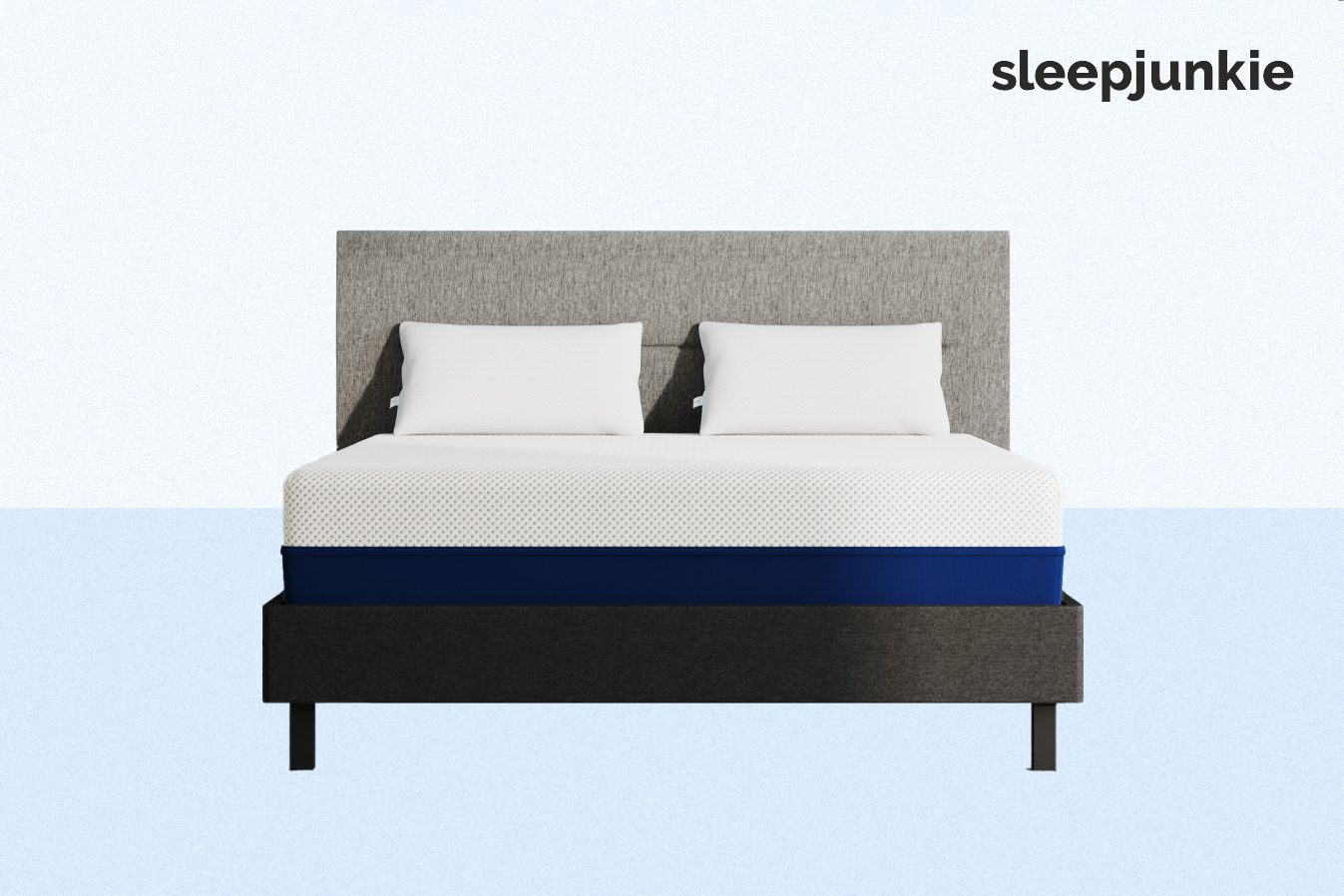
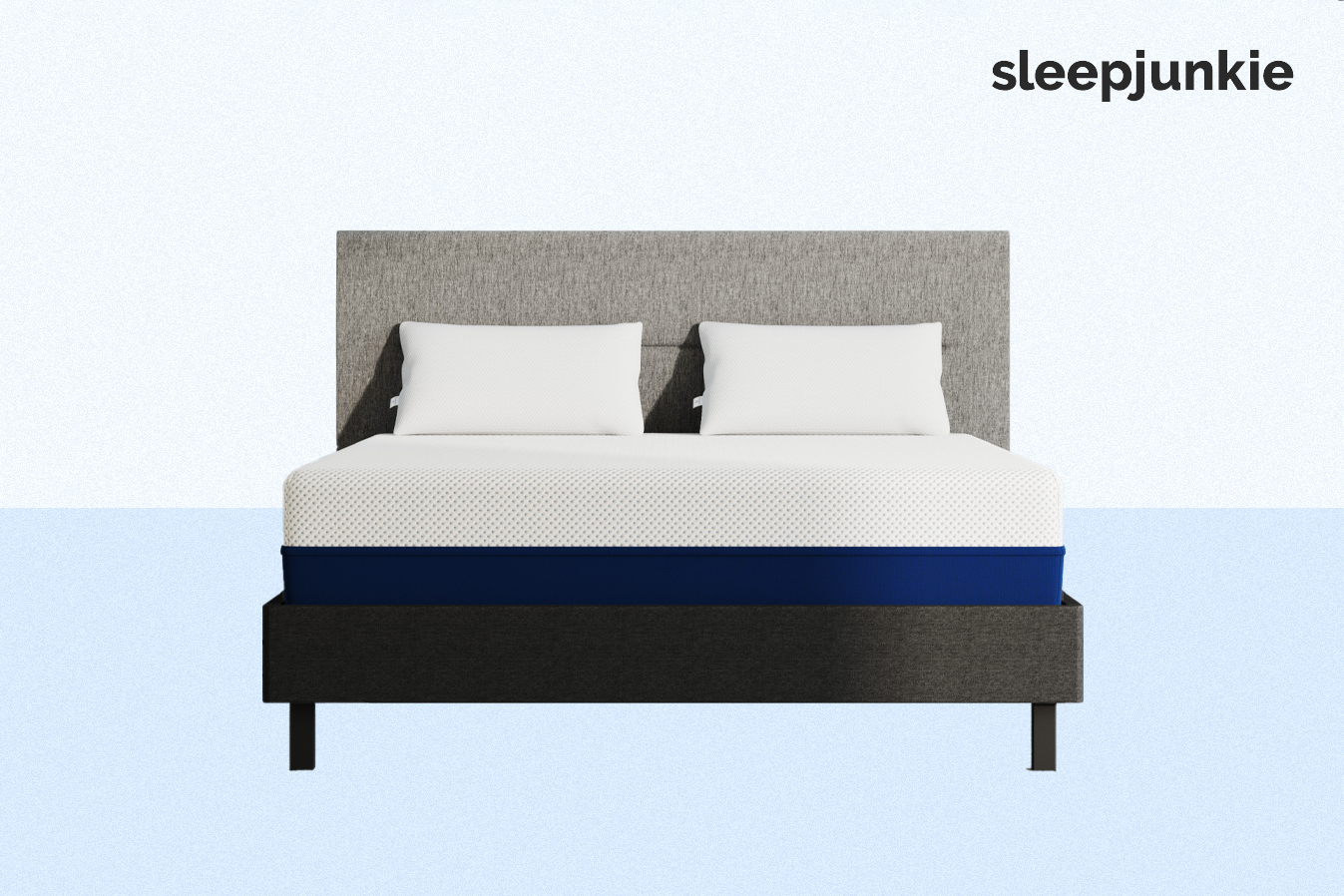
After testing 50+ mattresses for our guides, the Amerisleep AS3 Hybrid earned the top innerspring spot because it paired a responsive pocketed-coil core with a medium foam surface that held up across every sleeping position I tested. When I lay on my back, my lower back stayed supported without sinking through the comfort layer, and when I turned onto my side the top foam gave at my shoulder and hip enough to keep my spine level. When my partner shifted, movement on my side stayed muted rather than rippling across the bed.
The AS3 Hybrid fits combination sleepers who change positions through the night, back sleepers who want steady lumbar contact rather than a firm push, and couples who want the coil bounce of an innerspring without feeling every movement. Its balanced medium feel and consistent support across positions are what made it the most broadly useful coil-based pick in this guide.
- Best Mattress Overall: Amerisleep AS3 Hybrid
- Best Purple Alternative: FORM Core Hybrid
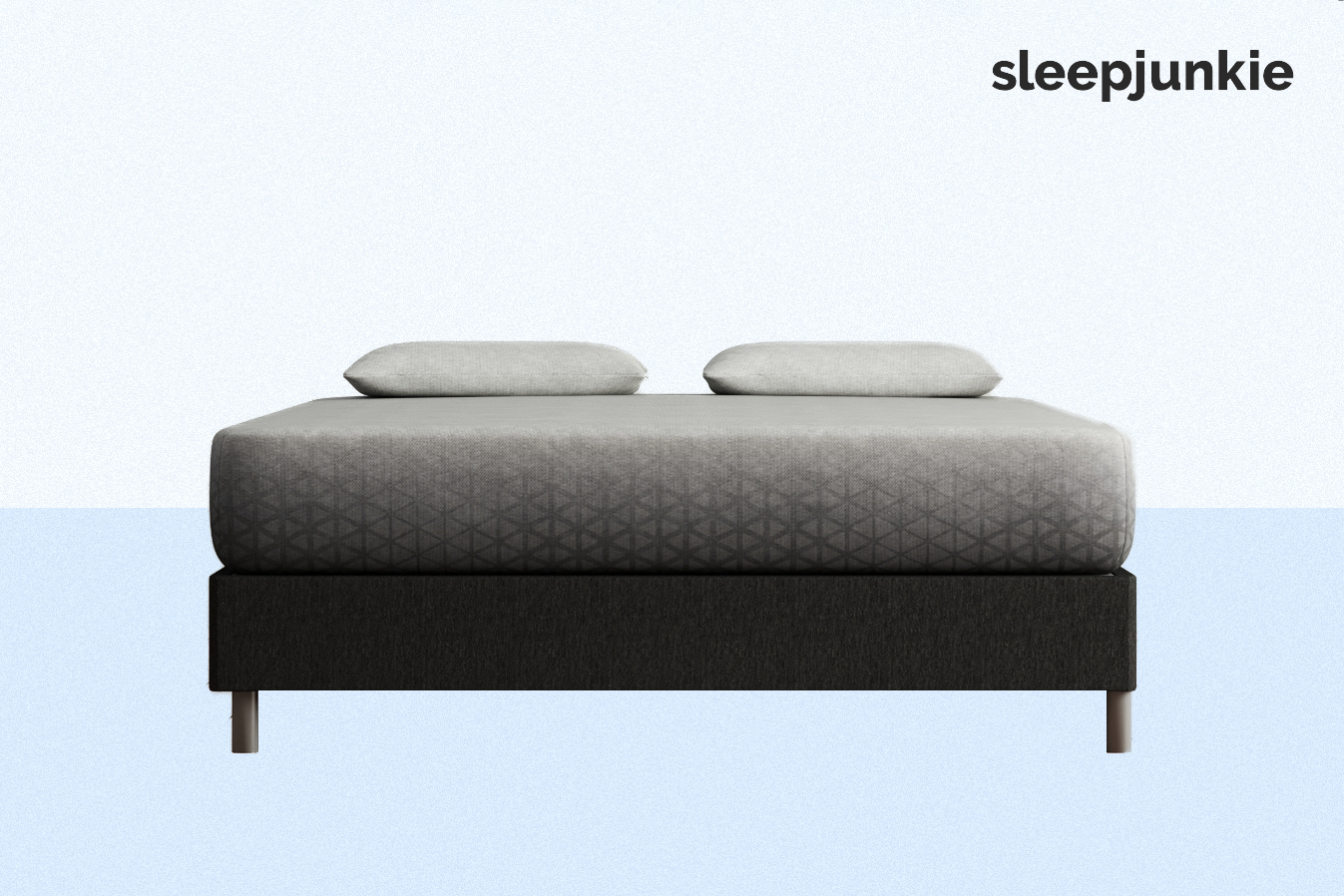
- Best Luxury Mattress: Zoma Boost
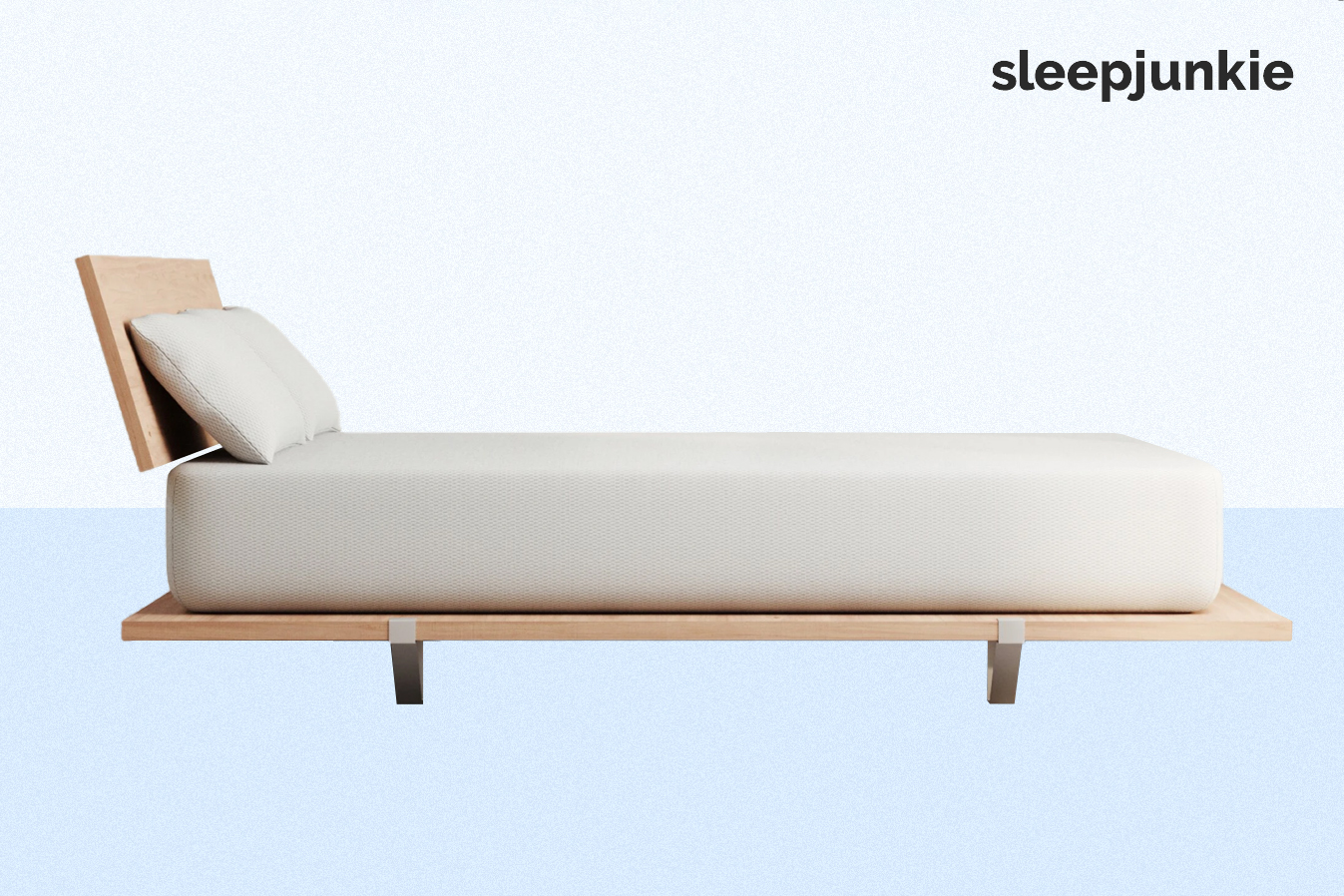
- Best Budget Mattress: Vaya Hybrid
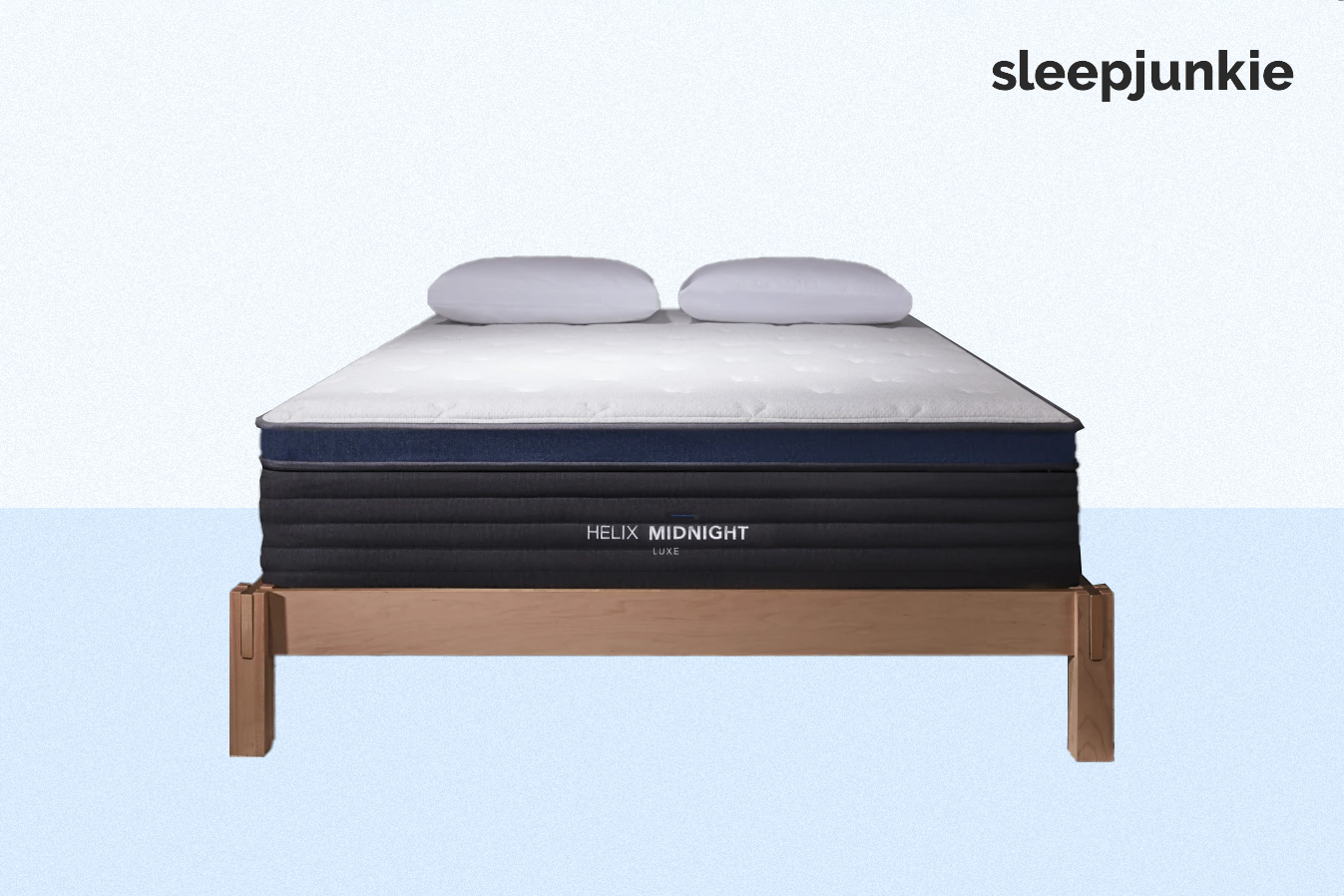
- Best Mattress for Side Sleepers: Helix Midnight Luxe
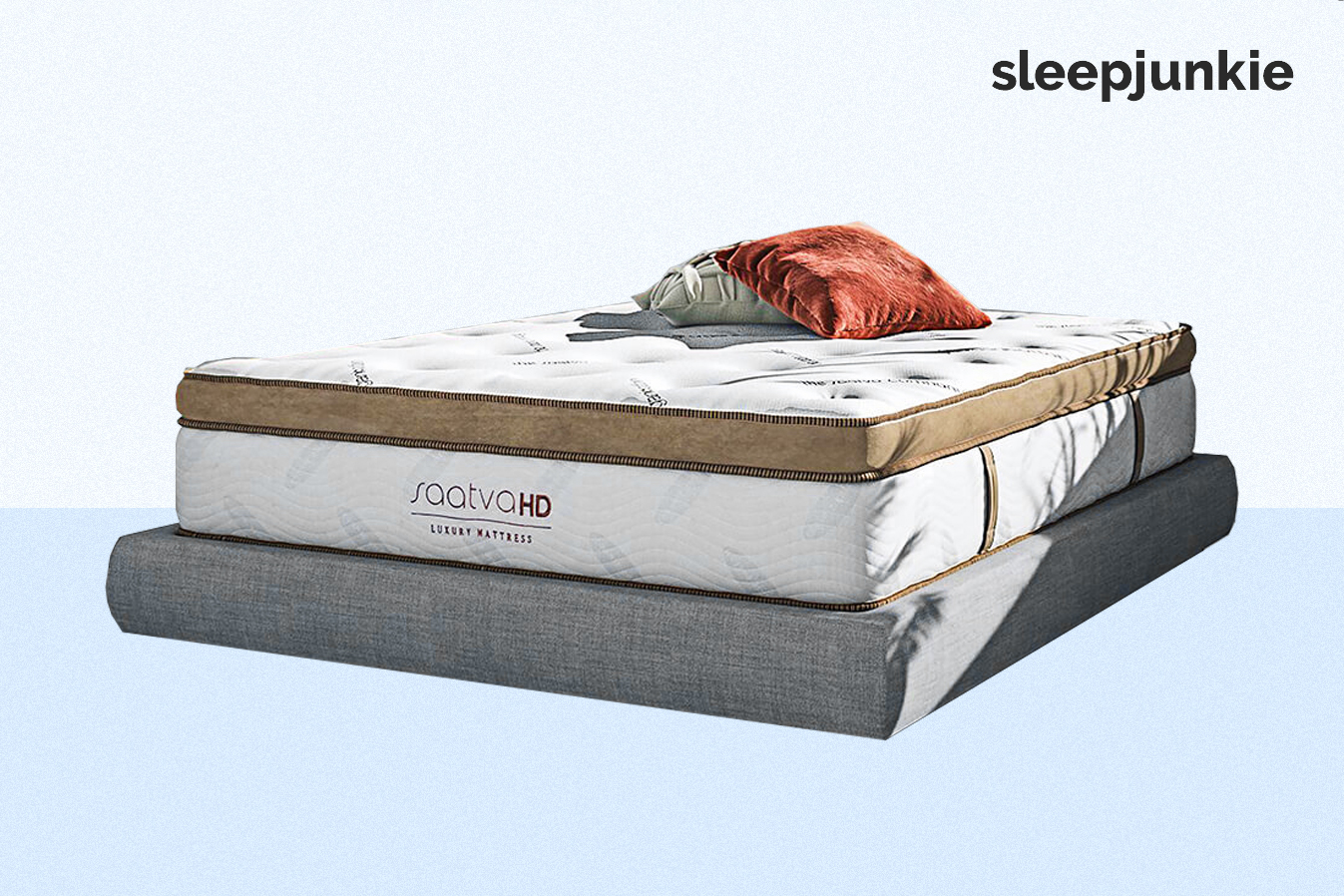
- Best Pillow Top Mattress: Saatva Classic
- Best Motion Isolating Mattress: Leesa Sapira Chill Hybrid
- Best Cooling Mattress: Nolah Evolution
- Best Latex Mattress: Amerisleep Organica
- Best Soft Mattress: Amerisleep AS5 Hybrid
- Best Mattress for Couples: Nest Bedding Sparrow Hybrid
After testing 50+ mattresses across support, pressure relief, cooling, motion isolation, edge support, and value, I ranked the 11 best innerspring and coil-based hybrid mattresses of 2026. The Amerisleep AS3 Hybrid took the top spot for its balanced medium feel and consistent support across positions, with the FORM Core Hybrid, Zoma Boost, and Saatva Classic close behind for responsiveness, luxury feel, and true coil-on-coil innerspring construction. Today’s coil beds pair a steel-coil support core with a foam, latex, or grid comfort layer, which is why they sleep cooler and more responsive than all-foam beds.
Innerspring mattresses, or coil beds, have been around since the first model was built in 1871, and the design has evolved a long way since. Today’s versions commonly use individually wrapped coils, zoned back support, and foam or latex comfort layers. They stay popular for their even surface, responsiveness, and strong coil support, and they tend to sleep cooler than foam or latex because air moves more freely between the coils.
For this guide I paid special attention to beds with a strong steel-coil support core and a soft comfort layer of latex, foam, or polyfoam to offset any rigidity from the coils. If you are considering an innerspring, weigh your sleeping position, body weight, and whether you share the bed, since those factors decide whether a coil bed is right for you.
Best Innerspring Mattresses
Watch Our Amerisleep AS3 Hybrid Video Review
When I tested mattresses for this innerspring guide, the Amerisleep AS3 Hybrid stood out for its versatility across positions. Designed with a balanced blend of support and plushness, itโs clear this mattress caters to a wide range of sleepers, whether you’re a back, side, or combo sleeper.
I analyzed this mattress for its ability to deliver pressure relief without sacrificing support. What I found is that it uses an advanced hybrid design, combining a responsive coil base with soft yet supportive foam layers. The standout is its medium firmness: not too firm and not too soft, which suits sleepers who want a balanced feel.
During testing, even on warmer nights, the surface felt cool to the touch, because the coil core kept air moving under the foam instead of trapping it the way denser all-foam beds I compared did. This makes it a fantastic pick for anyone prone to overheating while sleeping.
Structurally, the coils provide a sturdy foundation and strong motion isolation, which helps couples. Meanwhile, the foam layers contour to the body and take pressure off the shoulders and hips. That construction is what set the AS3 apart from the plainer innerspring models I compared.
If you want a mattress that balances comfort, support, cooling, and durability, the AS3 Hybrid is a strong pick, and in my testing it held up across back, side, and combination sleeping.
- 9 Value
- 9 Edge Support
- 9 Trial Period
- 8 Response Time
- 8 Motion Transfer
- 10 Cooling & Breathability
I picked the AS3 Hybrid as the top overall coil pick because it was the most position-flexible medium hybrid I tested. During testing, when I lay on my back the pocketed coils held my lower back in steady contact while the Bio-Pur foam gave just enough at the hips to keep my spine level; rolling to my side, the same surface let my shoulder settle in without the stuck feeling of denser memory foam. โ When my partner changed positions, the movement on my side stayed muted rather than traveling across the bed, so a lighter sleeper sharing the mattress is less likely to wake. The medium feel also kept me from overheating the way I do on all-foam beds, because the coil core moved air under the comfort layer instead of trapping it.
Best For:
- Combination sleepers who change positions through the night
- Back sleepers who want steady lumbar contact rather than a firm push
- Couples who want coil bounce without feeling every movement
Compare Instead:
- FORM Core Hybrid if you want a more responsive, cooler-sleeping surface and a longer trial
- Amerisleep AS5 Hybrid if you sleep strictly on your side and want a softer, deeper cradle
- Saatva Classic if you want a true coil-on-coil innerspring feel with a firmness choice
I noticed the AS3 Hybrid’s blend of support and softness right away. On my side, the Bio-Pur foam gave at my shoulder and hip enough to take the pressure off without the deep sinking feeling of softer all-foam beds, so my spine stayed level. Moving to my back, the pocketed coils lifted and held my lower back in steady contact while spreading my weight evenly. Even on my stomach the AS3 kept my hips from dropping, though dedicated stomach sleepers will still want a firmer surface. The bed stayed quiet through position changes, and thanks to the coil airflow under the foam I did not wake up overheated the way I do on denser foam. For couples, the standout was motion control: when my partner moved, my side stayed steady rather than rippling.
The AS3 Hybrid is built as a medium hybrid, and in testing each layer mapped to a specific result. The cover sits over the foam and, because the coil core moves air beneath it, the surface did not warm around my back the way the denser all-foam beds I compared did. The Bio-Pur comfort foam is what gave at my shoulders and hips on my side, relieving pressure without the slow, stuck sink of standard memory foam, and its open-cell structure is part of why the surface stayed breathable. The Affinity transition layer with Zoned HIVE support is the reason my spine stayed level: it stayed softer under my shoulders and firmer under my hips and lower back, so nothing dipped or propped up. The pocketed coil core is what muted partner movement on my side while still giving the bed its responsive push, so I did not feel stuck changing positions. The high-density base foam anchors the coils and is what kept the surface from dipping over time. All foams are CertiPUR-US certified and tested for low VOC emissions.
Pros and Cons โ Amerisleep AS3 Hybrid
Pros:
- Cooling & Breathability (10/10): the coil core moved air under the foam and the surface did not warm the way the all-foam beds I compared did.
- Edge Support (9/10): the reinforced perimeter held firm when I sat on it, keeping the full width usable.
- Balanced medium feel kept my spine level on both my back and my side during testing.
Cons:
- Motion Transfer (8/10): good, but a notch below the top coil beds here, so a very light sleeper may notice a restless partner.
- Response Time (8/10): the medium foam takes a moment to rebound, so dedicated stomach sleepers who want instant push-back may prefer the FORM Core Hybrid.
Among the innerspring and hybrid beds I tested for this guide, the AS3 Hybrid stood out for staying level across every position. It supported lumbar contact on my back, enough give at the shoulder on my side, and muted partner movement through the coil core. It won on balance and versatility rather than on any single extreme, which is what makes it the coil pick I would point most sleepers to first, especially combination sleepers and couples who want an innerspring feel without feeling every move.
Watch Our FORM Core Hybrid Video Review
The FORM Core Hybrid earns its place here because the coil system at its center is doing exactly what a strong coil system should:
- Providing zoned support
- Creating natural airflow through the mattress interior
- Enabling the kind of motion isolation that individually wrapped coils are built to deliver
What makes it stand out from the other hybrids on this list is what FORM placed above those coils.
Most hybrid mattresses pair a coil base with traditional memory foam or polyfoam in the comfort layer. That combination often works against itself: the coil system creates airflow and responsiveness, and the foam layer on top absorbs heat and slows the surface down.
FORM’s solution is a GelGrid + Integra-Mesh comfort layer, an open-cell gel grid with thousands of individual cells that flex under pressure and spring back immediately. The result is a comfort surface that enhances the coil system’s responsiveness rather than muting it.
In testing, the FORM Core Hybrid scored 10 out of 10 for responsiveness, motion isolation, and edge support simultaneously:
- The responsiveness score reflects the GelGrid’s near-instant recovery under pressure, a result more comparable to latex than to foam.
- The motion isolation score reflects the Integra-Mesh reinforcement absorbing movement at the grid surface before it can ripple across the mattress, exceptional performance for any hybrid.
- The edge support score reflects the BaseFlex foam encasement around the ZoneCoil perimeter, which keeps the full usable surface stable from edge to edge.
For shoppers specifically looking at coil-based mattresses, the cooling performance is worth noting. The open coil architecture creates continuous airflow through the mattress interior, the GelGrid cells channel heat away from the body rather than absorbing it, and the AeroWeave cover maintains airflow from first contact rather than warming up after a few minutes.
That is the structural cooling advantage that coil-based construction offers over all-foam alternatives, and the FORM Core Hybrid is built to take full advantage of it.
- 8 Value
- 10 Edge Support
- 10 Trial Period
- 10 Response Time
- 10 Motion Transfer
- 9 Cooling & Breathability
The FORM Core Hybrid belongs on an innerspring list for the same reason hybrids belong on it at all: the coil system is doing real structural work, and this one does it better than most.
The ZoneCoil 7-Series pocketed coil foundation is the backbone of the mattress.
Each coil responds independently, which enables both the motion isolation and the zoned support, firmer resistance in the lumbar region and more yielding response at the shoulder zone.
The coils are wrapped in the BaseFlex foam encasement around the perimeter, which reinforces the edge and delivers the kind of full-surface stability that sets strong hybrids apart from weaker ones.
The open coil architecture creates natural airflow channels through the support core, which is a core advantage of coil-based construction over all-foam alternatives.
What separates the FORM Core Hybrid from other hybrids is what sits above those coils. Most hybrids place traditional memory foam or polyfoam over the coil base.
FORM uses a GelGrid + Integra-Mesh comfort layer: an open-cell gel grid with thousands of individual cells that flex under pressure and return to shape immediately.
The result is a mattress that combines the airflow and responsiveness of a coil base with a comfort layer that matches or exceeds the responsiveness of the best foam alternatives, rather than undermining the coil system’s advantages with a slow, heat-retaining foam on top.
In testing, the FORM Core Hybrid scored 10 out of 10 for responsiveness, motion isolation, and edge support simultaneously, a combination I have rarely seen in a hybrid at this price point.
Responsiveness was comparable to latex. Motion isolation was exceptional for a coil-based construction, driven by the Integra-Mesh absorbing movement at the grid surface before it could transfer outward.
Edge support held without sag or tip under full body weight at the perimeter.
For shoppers on an innerspring list specifically, the cooling case is straightforward: the ZoneCoil 7-Series creates continuous airflow through the mattress interior, the GelGrid cells channel surface heat away rather than absorbing it, and the AeroWeave cover maintains airflow from first contact.
Coil-based mattresses cool better than all-foam alternatives because of that internal airflow, and the FORM Core Hybrid maximizes that advantage rather than working against it.
The 365-night sleep trial is more than three times the 100-night standard most brands on this list offer, and the lifetime warranty covers the full construction rather than tapering after ten years.
For a mattress in this category, those policies represent a meaningful reduction in purchasing risk.
Best For:
- Combination sleepers who want near-instant response when changing positions
- Hot sleepers who want coil airflow plus a grid surface that does not trap heat
- Couples who want strong motion isolation without a dead, sinky foam feel
Compare Instead:
- Amerisleep AS3 Hybrid if you prefer a traditional foam-over-coils feel
- Saatva Classic if you want a firmness choice or a taller pillow-top profile
- Zoma Boost if you want a plusher, 15-inch luxury surface
The FORM Core Hybrid’s surface feel is distinctive in a way that takes one night to understand and a second night to appreciate. It is not the conforming softness of memory foam, and it is not the firm push-back of a traditional coil surface.
The GelGrid layer compresses exactly where your body makes contact and rebounds the moment that pressure shifts, a feel that is more similar to latex than to foam and more responsive than most coil-based hybrids I have tested.
On my back, the ZoneCoil 7-Series engaged with a firmer, more active response at the lumbar than at the shoulders.
The lumbar zone filled the natural curve of my lower back with consistent contact.
The GelGrid above provided enough surface contouring to make back sleeping genuinely comfortable, not rigid and not enveloping, just supported.
On my side, the GelGrid contoured around my shoulder and hip without the heat buildup that extended side-sleeping causes on memory foam.
My shoulder sank in just enough to keep my spine neutral, and the ContourFlex transition layer prevented any hard-stop sensation between the comfort zone and the coil base below.
I tested across several consecutive side-sleeping nights and did not wake with hip or shoulder soreness.
Moving around on this mattress is the most noticeable difference from other hybrids I have tested.
Rolling from one position to another met no resistance, and the GelGrid reset within seconds while the coils adjusted independently to the new position.
For combination sleepers who move frequently, that responsiveness is immediately and consistently apparent.
The cooling held throughout testing. The open coil interior creates airflow that all-foam alternatives cannot replicate, and the GelGrid cells remained open under body weight rather than compressing closed and trapping heat. The surface temperature stayed neutral across extended testing sessions.
The FORM Core Hybrid pairs a grid-and-foam top with a zoned coil core, and in testing the division of labor was clear. The AeroWeave cover felt cool from first contact and kept airflow moving instead of warming up after a few minutes. The GelGrid layer beneath it is what took pressure off my shoulders and hips on my side, buckling under the heavier points while staying supportive elsewhere, and it snapped back fast so I never felt stuck changing positions. The ContourFlex foam is what smoothed the transition from the grid to the coils so there was no hard-stop. The ZoneCoil support layer firmed under my lumbar and hips while staying softer at the shoulders, which kept my spine level, and its individually responsive coils are why partner movement stayed muted on my side while the perimeter held firm when I sat on the edge. All foams are CertiPUR-US certified and tested for low VOC emissions.
Pros:
- ZoneCoil 7-Series coil foundation delivers the airflow, responsiveness, and zoned support that define strong hybrid-innerspring performance
- GelGrid + Integra-Mesh comfort layer provides instant response (10/10) and exceptional motion isolation (10/10) without the heat retention of traditional foam over coils
- Perfect scores for responsiveness, motion isolation, and edge support (10/10) in testing, a rare combination at this price point
- 365-night sleep trial and lifetime warranty are among the most generous policies on this list
Cons:
- Single firmness only, so sleepers who need a plush or extra-firm option have no alternative configuration within this model
- The GelGrid surface feel is distinct from traditional foam over coils, and sleepers who specifically want the classic memory foam-over-coils hybrid feel may need an adjustment period
- At 12 inches the profile is mid-height; sleepers who want a 14-16 inch hotel-style mattress presence should look at taller options on this list
The FORM Core Hybrid treats the coil system as a genuine structural advantage rather than a base to cover up with foam. The ZoneCoil 7-Series creates the airflow, responsiveness, and zoned support you expect from a well-engineered coil foundation, and the GelGrid layer above it adds a comfort surface that is more responsive than traditional foam rather than slower.
The combination produces a hybrid that genuinely delivers on what coil-based construction promises, cooling through airflow, responsiveness, and position-change ease, without trading those qualities away for comfort-layer thickness.
Watch Our Zoma Boost Video Review
Tailored for Luxury Sleepers
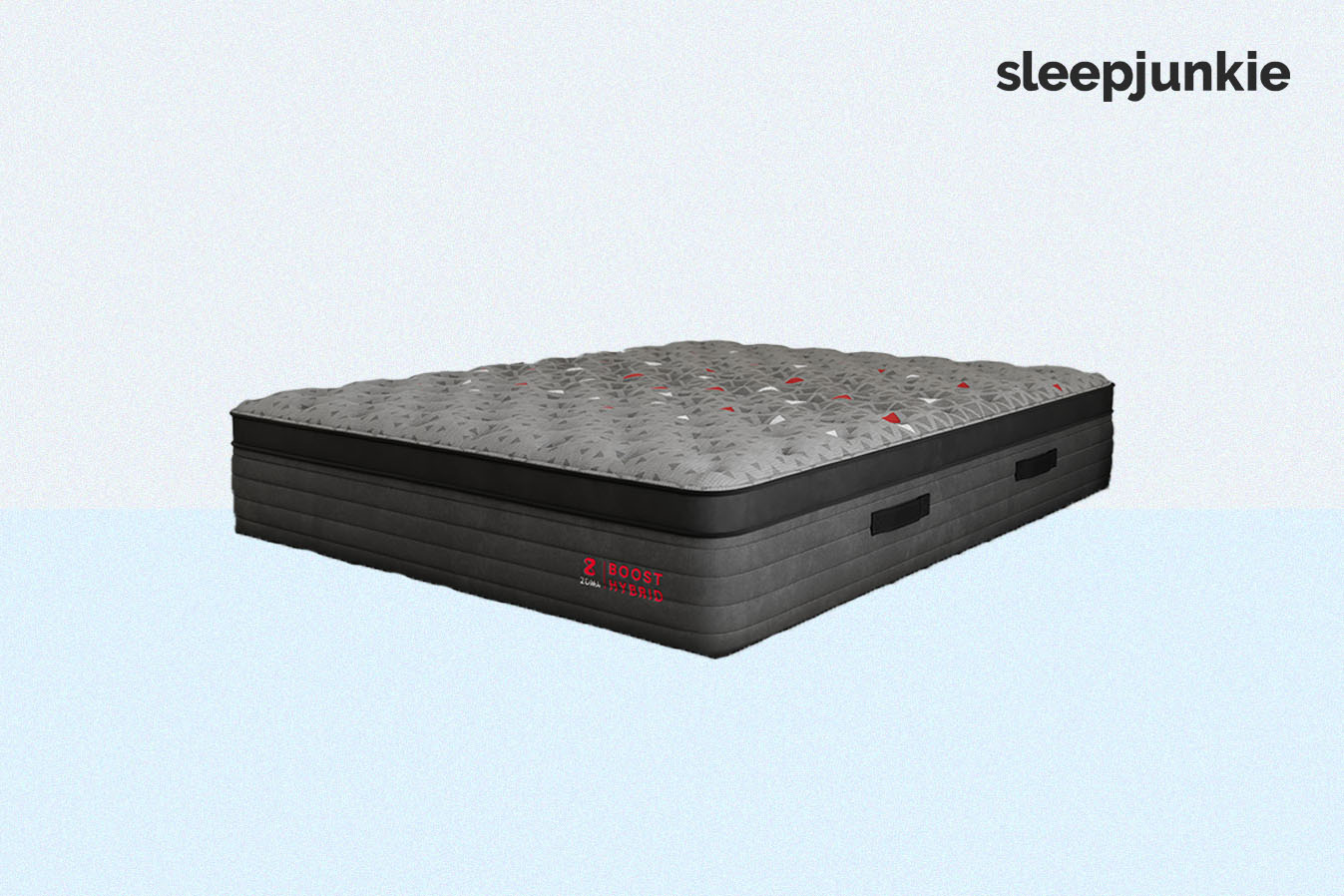
The Zoma Boost is built as a luxury option. It targets customers who prioritize both comfort and performance, offering a solution that works for a variety of sleeping styles. Whether you’re a back sleeper who needs firm support or a side sleeper who wants a plush, pressure-relieving surface, the Zoma Boost is designed to deliver exceptional comfort and restorative rest.
Who Should Consider the Zoma Boost?
Based on our research and testing, the Zoma Boost is ideal for:
Luxury Sleepers who are willing to invest in a high-end mattress that offers superior comfort, support, and durability.
Side Sleepers who need extra pressure relief for their hips and shoulders.
Hot sleepers who want a coil core that keeps the surface from warming as fast as all-foam beds.
How Does the Zoma Boost Differ?
In my testing, I noted a few features that truly elevate the Zoma Boost above many other innerspring mattresses in the luxury category.
Zoned Coil System: In testing, the zoned coil system stood out. It uses coils of varying firmness to support the lumbar and hips while staying softer at the shoulders and upper body. This zoning kept my hips and lumbar supported while my shoulders got more give, so my spine stayed level during testing rather than bowing at the waist.
Breathable, Cooling Cover: Another feature we appreciated during our testing was the mattressโs cooling cover. Made with a breathable fabric that promotes airflow. During testing the cover felt cool on first contact and the coil core kept the surface from warming as fast as the all-foam beds I compared, which helps a sleeper who runs warm.
Durable Construction: The Zoma Boost is built to last. The sturdy steel coil base offered consistent support in testing, and the surface held its shape across sessions without early softening at the center.
- 10 Value
- 10 Edge Support
- 9 Trial Period
- 9 Response Time
- 10 Motion Transfer
- 9 Cooling & Breathability
I chose the Zoma Boost as the luxury pick because its 15-inch build gave the deepest cushion on this list without going soft in the lumbar. During testing, the zoned coils firmed up under my hips and lower back while the top gel and Energex foams cradled my shoulders, so on my side my spine stayed level instead of bowing. โ The graphite-infused Energex layer rebounded quickly when I changed positions, which meant I did not have to fight the surface to roll over, so a combination sleeper who wants a plush feel does not get trapped in it. The coil core kept the surface from warming as fast as the all-foam beds I compared during the same sessions.
Best For:
- Side and back sleepers who want a deep, plush surface that still supports the lumbar
- Sleepers who want a taller 15-inch profile and pillow-top feel
- Couples who want plushness with muted motion transfer
Compare Instead:
- Amerisleep AS3 Hybrid if you want a lower-profile medium at a lower price
- Nolah Evolution if cooling is your first priority
- Amerisleep AS5 Hybrid if you want an even softer, side-focused cradle
The Zoma Boost gave the deepest cushion of anything I tested on this list without going soft where it matters. On my back, the gentle contouring kept steady contact along my spine while the zoned coils held my lumbar. On my side, the plush top layers cradled my shoulder and hip so my spine stayed level. As a combination sleeper, I could change positions without fighting the surface, because the Reactiv layer rebounded quickly rather than holding a dent. The coil core also kept the surface cooler than the all-foam beds I compared during the same sessions. The one limit worth naming: strict stomach sleepers who want an ultra-firm surface may find the medium feel too soft.
The Zoma Boost’s 15-inch stack is built so the softer foams handle contact and the coils handle support, and in testing you can feel the division of labor. The gel and graphite-infused Energex foams up top are what let my shoulders and hips settle in on my side without the surface going flat, which is why side sleepers get pressure relief here. The hyper-cooling memory foam under them is the reason the surface did not warm as fast as the all-foam beds I compared, since it moves heat down and away from the contact zone rather than holding it. The Reactiv layer is what gave the bed its quick rebound when I changed positions, so combination sleepers are not fighting the surface to roll over. Underneath, the ZonedEdge coil system firmed up under my lumbar and hips while staying softer at the shoulders, which kept my spine level, and the reinforced perimeter is what kept the edge stable when I sat on it. All foams are CertiPUR-US certified and tested for low VOC emissions.
Pros and Cons โ Zoma Boost
Pros:
- Motion Transfer (10/10): partner movement stayed muted across the surface during testing.
- Edge Support (10/10): the reinforced perimeter barely gave when I sat on the edge.
- On my side the zoned coils held my hips while the top foams cushioned my shoulder, keeping my spine level.
Cons:
- At a medium feel this is not for strict stomach sleepers who want a firm surface; size toward firmer support or consider the Saatva Classic (Firm).
- The 15-inch profile is tall, so it may not fit low bed frames or shallow-pocket sheets.
On my side, the zoned coils held my hips up while the top foams cushioned my shoulder, so my spine stayed level; on my back, the lumbar zone kept steady contact. The Zoma Boost is the pick for side and back sleepers who want a deep, plush 15-inch surface that still supports the lower back.
Watch Our Vaya Hybrid Video Review
KEY FEATURES:
Hybrid Construction: In testing, the Vaya Hybrid’s multi-layer design pairs memory foam with individually wrapped coils. This combination offers a balanced feel that caters to a wide range of sleep preferences. The memory foam layer conforms to the body’s curves, relieving pressure points and promoting relaxation. The individually wrapped coils provide targeted support and minimize motion transfer, reducing disturbances caused by a partner’s movements.
Pressure Relief and Temperature Regulation: In testing, the memory foam comfort layer contoured to my body and eased pressure at my shoulders and hips. The open-coil design let air move under the foam, so during testing the surface did not warm up the way all-foam beds I compared did.
Edge Support and Durability: I believe that the Vaya Hybrid offers decent edge support, preventing sinkage and making it easier to get in and out of bed. The durable construction ensures that the mattress will last for many years.
- Side Sleepers, Back and Stomach Sleepers, and Combination Sleepers: In testing, the Vaya Hybrid’s balanced feel suited multiple sleep positions. The balanced feel caters to combination sleepers, the medium-firm support benefits back and stomach sleepers and the memory foam offers some pressure point relief for side sleepers.
The Vaya Hybrid is a well-rounded mattress that offers impressive value for the price. It’s a great choice for those looking for a comfortable and supportive sleep experience without breaking the bank.
However, itโs important to note that individual preferences can vary. Trying the mattress in person or taking advantage of a trial period is always recommended to ensure itโs the perfect fit for you.
- 10 Value
- 10 Edge Support
- 9 Trial Period
- 10 Response Time
- 7 Motion Transfer
- 9 Cooling & Breathability
I selected the Vaya Hybrid as the budget pick because it delivered the most balanced coil-and-foam feel for the price of anything I tested in this range. During testing, the memory-foam comfort layer gave at my shoulders and hips while the pocketed coils kept my back from sagging, so the surface felt supportive rather than cheap or hammocky. โ When I sat on the edge to put on shoes, the foam-encased perimeter compressed only slightly and stayed stable, so a couple can use the full width of the bed without the roll-off feel budget beds often have. The one honest limit: motion transfer scored lower here than on the pricier coil beds, so a very light sleeper with a restless partner will notice more movement.
Best For:
- Budget shoppers who want a genuine coil-and-foam hybrid, not an all-foam bed
- Back and combination sleepers who want balanced medium support
- Guest rooms and secondary bedrooms where value matters most
Compare Instead:
- Amerisleep AS3 Hybrid if you want stronger motion isolation for a shared bed
- Nest Bedding Sparrow if you want a firmness choice and split-firmness for couples
- Leesa Sapira Chill Hybrid if motion isolation is your top priority
The 14-inch foam-and-coil build felt inviting no matter how I shifted. The quilted cover added a soft first touch, the foam layer gave gentle cushioning at my shoulders and hips, and the coils added enough bounce that I could move without feeling stuck. On my back, the coils kept my lower back from sagging while the foam relieved pressure at my shoulders. Combination sleepers get the most from it, since the balanced medium feel adapts as you move. The honest tradeoff, matching the score box, is motion isolation: movement carries a little more here than on the pricier coil beds, so a light sleeper with a restless partner should weigh that.
The Vaya Hybrid’s build is straightforward, and each layer earns its place in how the bed performed. The quilted cover added a soft first-touch feel and, because the coil core sits below it, the surface breathed rather than trapping heat against my back. The CertiPUR-US certified polyfoam comfort layer (certified and tested for low VOC emissions) is what gave at my shoulders and hips on my side without the deep sink of memory foam, so I could still shift positions easily. The 8-inch pocketed steel-coil support layer is the reason the bed felt supported rather than hammocky under my back, and the foam-encased perimeter is what kept the edge stable when I sat on it, so a couple can use the full width. The dense polyfoam base anchors the coils and is what keeps the surface from dipping over time. The honest note that matches the score box: motion isolation is the weakest dimension here, so movement carries a little more than on the pricier coil beds.
Pros and Cons โ Vaya Hybrid
Pros:
- Value (10/10): the most balanced coil-and-foam feel I tested in the budget range.
- Edge Support (10/10): the foam-encased perimeter stayed stable when I sat on it.
- Response Time (10/10): the surface rebounded quickly, so changing positions was easy.
Cons:
- Motion Transfer (7/10): the lowest score on the page, so a light sleeper with a restless partner will notice more movement; consider the Amerisleep AS3 or Leesa Sapira Chill.
- A single medium feel means firm-surface and plush-surface sleepers should look elsewhere on this list.
On my side, the comfort foam gave at my shoulder and hip while the coils kept my back from sagging, and the perimeter held when I sat on it. The Vaya is the pick for budget shoppers and back or combination sleepers who want a real coil-and-foam hybrid without paying for extras.
Watch Our Helix Midnight Luxe Video Review
Thoughtful Design for Side Sleepers:
- I analyzed the Helix Midnight Luxe’s design, focusing on how it handles sleep posture and pressure points.
- From its cover options to its zoned lumbar support, the design targets side-sleeper posture and pressure relief.
Supportive Firmness:
- At its core, the Helix Midnight Luxe delivers a medium feel, striking that perfect balance between soft and supportive.
- It suits couples who want a shared medium feel, and its zoned lumbar support kept steady contact under my lower back during testing.
Luxe Features for a Premium Experience
- The Helix Luxe line is an upgrade from the Core Collection, and you can feel the difference. The quilted pillow top gives it a plush, hotel-like feel, and the 2-inch extra height adds to the surface depth.
- Its foams are CertiPUR-US certified, meaning they are tested for low VOC emissions and made without certain regulated substances.
Unboxing: A Hassle-Free Setup
Even the setup experience felt seamless when my team unpacked the Helix Midnight Luxe. Within 30โ45 minutes of unrolling and unwrapping, it expanded fully, ready for testing. This quick setup adds to its convenience, especially for busy sleepers who want a no-fuss start.
Why It Works for Side Sleepers?
- With layers of luxury memory foam, this mattress cradles your shoulders and hips, which is especially important if you sleep on your side or change positions throughout the night.
- By being softer at the shoulders and firmer at the hips, the mattress keeps your body aligned, which can help reduce tossing and turning.
- Whether you pick the TENCEL cover or the GlacioTex cover, both stayed cool to the touch in my testing; the TENCEL breathed well over several hours and the GlacioTex pulls heat faster on first contact.
- 7 Value
- 10 Edge Support
- 9 Trial Period
- 9 Response Time
- 10 Motion Transfer
- 9 Cooling & Breathability
I picked the Midnight Luxe as the side-sleeper pick because its zoned coils and memory-foam layers matched a side-sleeping load better than most hybrids I tested. During testing, my shoulder sank in while the firmer hip zone held me up, so my spine stayed in a straight line instead of dipping at the waist. โ When I sat and lay near the perimeter, the edge held firm with little sinkage, so a side sleeper who sleeps close to the edge keeps the full surface usable. On the TENCEL cover, the surface stayed cool to the touch for the first several hours rather than warming the way denser foam beds I compared did. It ships in a single medium feel (no firmness options), so it is dialed for medium-preference sleepers rather than firm-surface sleepers.
Best For:
- Side sleepers who need shoulder and hip pressure relief with lumbar support
- Couples who want strong motion isolation and a plush, hotel-like top
- Medium-firmness sleepers who want a cooling cover choice
Compare Instead:
- Amerisleep AS5 Hybrid if you want an even softer side-sleep cradle
- Nolah Evolution if you sleep hot and want the strongest cooling build
- Saatva Classic if you want a firmness choice and a taller pillow top
On my side, the memory foam layers let my shoulder sink in while the zoned lumbar stayed firmer under my hip, so my spine held a straight line instead of dipping at the waist. That is the combination side sleepers need, and it was the clearest strength in my testing. On my back, the lumbar zone kept steady contact under my lower back while the coils supported the rest of my weight. The quilted pillow top gave the surface a plush, hotel-like feel without letting me sink too far. When I sat and lay near the edge, the perimeter held firm, so a side sleeper who sleeps close to the edge keeps the full surface usable. On the TENCEL cover the surface stayed cool to the touch for the first several hours; the GlacioTex upgrade pulls heat faster on first contact. The main tradeoffs are the tall profile, which needs deep-pocket sheets, and the price, which sits above the other side-sleep options here.
The Midnight Luxe is a zoned hybrid tuned for side sleepers, and in testing each layer earned its place. The cover (TENCEL standard, GlacioTex as a cooling upgrade) stayed cool to the touch: the TENCEL breathed well over several hours and the GlacioTex pulled heat faster on first contact. The memory foam comfort layer is what let my shoulder sink in on my side while cushioning my hip, which is why the surface relieved pressure at the points side sleepers load most. The zoned lumbar support layer stayed firmer under my hips and lower back and softer under my shoulders, so my spine stayed in a straight line instead of dipping at the waist. The individually wrapped coils are the reason partner movement stayed contained and the reinforced perimeter held firm when I sat and lay near the edge, so a side sleeper close to the edge keeps the full surface usable. The high-density base foam anchors the coils for a stable foundation. Its foams are CertiPUR-US certified and tested for low VOC emissions.
Pros and Cons – Helix Midnight Luxe
Pros:
- Motion Transfer (10/10): I could change positions without disturbing the other side of the bed.
- Edge Support (10/10): the perimeter held firm when I sat and lay near the edge.
- On my side, the zoned coils kept my spine straight while my shoulder sank in.
Cons:
- Value (7/10): the priciest side-sleep option here, so budget shoppers should compare the Vaya or AS3.
- The tall profile needs deep-pocket sheets and may be awkward for sleepers with mobility limits.
On my side, my shoulder sank in while the firmer hip zone held me up, keeping my spine straight, and the edge stayed firm when I sat near it. The Midnight Luxe is the pick for side sleepers who want pressure relief with a cooling cover choice and a plush, hotel-like top.
Watch Our Saatva Classic Video Review
I tested the Saatva Classic, a coil-on-coil innerspring hybrid. In testing it stood out for its dual-coil support and the plush Euro pillow top sitting over a genuinely firm base.
A Closer Look at the Saatva Classic
The Saatva Classic is a well-crafted mattress that caters to a wide range of sleepers. Its dual-coil system, featuring both individually wrapped comfort coils and a sturdy base layer, provides excellent support and pressure relief. Additionally, the mattress incorporates eco-friendly foams, including CertiPUR-USยฎ certified memory foam, to enhance comfort and breathability.
- Patented Lumbar Zoneยฎ Technology: This innovative design feature targets the lower back, providing additional support and alleviating pressure in this crucial area.
- Strong Performance: In testing, the Saatva Classic performed well on responsiveness, edge support, cooling, and motion isolation.
- Eco-Friendly Materials: The mattress is constructed using sustainable materials, making it a conscious choice for eco-minded consumers.
Durability and Warranty
In testing, including the steel ball drop test and weight distribution test, it consistently performed well.
Saatva’s commitment to quality is further evidenced by their “Friends for Life” lifetime warranty. This warranty covers defects in materials and workmanship for as long as the original owner possesses the mattress.
- 7 Value
- 10 Edge Support
- 10 Trial Period
- 10 Response Time
- 9 Motion Transfer
- 9 Cooling & Breathability
I chose the Saatva Classic as the pillow-top pick because it was the truest coil-on-coil innerspring on this list, and the Euro pillow top gave it a plush surface without losing the underlying support. During testing, the Lumbar Zone quilting kept steady contact under my lower back on my back, while the individually wrapped comfort coils above the base coils let my shoulders and hips settle in on my side. โ When I sat on the edge, the high-density foam rails barely gave, so a couple can use the whole surface and get in and out without the perimeter caving. It comes in three firmness options and two heights, so match the Luxury Firm for most sleepers and the Firm for stomach-dominant sleepers.
Best For:
- Sleepers who want a classic innerspring coil-on-coil feel with a plush pillow top
- Buyers who want a firmness choice (Plush Soft, Luxury Firm, or Firm)
- Couples who want strong edge support and full-surface usability
Compare Instead:
- FORM Core Hybrid if you want a cooler, more responsive single-firmness surface
- Amerisleep AS3 Hybrid if you want a lower price and a bed-in-a-box setup
- Zoma Boost if you want a plusher foam-forward luxury feel
On my back, the Saatva Classic conformed to my shape: my hips and shoulders settled in while the Lumbar Zone quilting kept steady contact under my lower back. On my side, the memory foam under the pillow top let my shoulder and hip sink in without twisting my spine, and I woke up rested with no tightness at those points. The dual-coil design kept the surface cool enough that I did not wake up warm on the nights I tested. Motion isolation was solid; I felt a little movement when my partner turned, but not enough to wake me. The Euro pillow top gives a plush first-contact feel over a genuinely supportive coil-on-coil base, which is what makes it the pillow-top pick for sleepers who want plushness without losing support.
The Saatva Classic is a true coil-on-coil innerspring, and in testing the dual-coil layout is what set it apart from the foam-over-coil hybrids on this list. The organic cotton cover and Euro pillow top gave the plush first-contact feel, and the Lumbar Zone quilting is what kept steady contact under my lower back on my back. The CertiPUR-US certified memory foam under the pillow top (certified and tested for low VOC emissions) is what let my shoulders and hips settle in on my side without twisting my spine. The upper layer of individually wrapped comfort coils is the reason partner movement stayed muted, while the tempered steel base coils are what gave the bed its firm, responsive innerspring push and kept it from sagging. The high-density foam rails are what held the edge firm when I sat on it, so the whole surface stays usable. Airflow through the two coil layers is why the surface stayed cooler than the denser foam beds I compared.
Pros and Cons โ Saatva Classic
Pros:
- Response Time (10/10): the dual-coil system gave a true, springy innerspring push.
- Edge Support (10/10): the foam rails barely gave when I sat on the edge.
- Trial Period (10/10): a 365-night trial, the longest tier on this list.
Cons:
- Value (7/10): a premium price and, delivered by white-glove, a heavy bed that is not easy to move.
- Motion Transfer (9/10): strong, but I still felt slight movement when my partner turned, so very light sleepers may prefer the Zoma Boost or Nest Sparrow.
On my back, the Lumbar Zone quilting kept steady contact under my lower back while the dual coils pushed back with a true innerspring feel, and the foam rails held the edge firm. The Saatva Classic is the pick for sleepers who want a coil-on-coil innerspring with a plush pillow top and a firmness choice.
Watch Our Leesa Sapira Chill Hybrid Video Review
The design features three layers of foam on top of a layer of pocket springs, offering a balance of support and comfort. This fusion creates a balance of support and comfort while also minimizing motion transfer.
When I tested it, the foam layers did a great job of absorbing movement, making it an excellent choice for people who are light sleepers or those who share their bed with a restless partner. The pocket springs, in particular, contribute significantly to isolating motion from one side of the bed to the other.
The design features three layers of foam on top of a layer of pocket springs, offering a balance of support and comfort. The foam contours to the body, while the pocket coils provide firm support without transferring movement. I found this to be especially beneficial for partners who toss and turn during the night.
The Sapira Chill ships in three comfort levels (Plush, Medium-Firm, Firm); I tested the Medium-Firm, which stayed comfortable across side, back, and stomach sleeping. It also did not trap heat the way denser foam beds do, thanks to the open-cell GreenFlex foam and the Ultra Cool quilt cover, so the surface stayed cooler through my testing sessions.
What We Liked:
- Effective motion isolation: Great for couples or anyone who shares their bed with a restless sleeper.
- Hybrid design: Balances memory foam comfort and the responsive support of pocket coils.
- Breathable and cool: the Ultra Cool quilt cover and open-cell GreenFlex foam kept the surface from warming the way denser foam beds I compared did.
- Supportive for all sleeping positions: Accommodates side, back, and stomach sleepers well
- 8 Value
- 8 Edge Support
- 9 Trial Period
- 9 Response Time
- 9 Motion Transfer
- 9 Cooling & Breathability
I picked the Sapira Chill Hybrid as the motion-isolation pick because its foam-over-zoned-spring stack damped movement better than most coil beds I tested while still sleeping cool. During testing, when weight shifted on the other side of the bed the GreenFlex and quilt foams absorbed most of it before it reached me, so I felt only a slight dip when someone got in or out. โ The zoned lumbar springs firmed up under my hips while the pocketed springs kept enough response that I did not feel stuck changing positions, so a combination sleeper who shares the bed gets motion control without a dead, sinky surface. The Ultra Cool quilt cover also felt cool to the touch on first contact and did not warm the way denser foam beds I compared did. It ships in three comfort levels (Plush, Medium-Firm, Firm), so match Medium-Firm for most sleepers and Firm for stomach-dominant sleepers.
Best For:
- Couples and light sleepers who prioritize motion isolation
- Hot sleepers who want a cooling quilt top plus coil airflow
- Sleepers who want a firmness choice (Plush, Medium-Firm, or Firm)
Compare Instead:
- Nest Bedding Sparrow if you want split-firmness for two partners in one bed
- Nolah Evolution if raw cooling is your single top priority
- Saatva Classic if you want firmer edges and a coil-on-coil innerspring feel
The cooling foam on top felt refreshing, especially since Iโm usually a bit warm when I sleep. As I sank just enough into the memory foam, I could feel the pressure easing around my shoulders and hips, which is particularly comforting for side sleepers like me. The medium firmness didnโt let me sink too deeply, instead, it felt like a perfect balance of comfort and support.
I wasnโt expecting it, but the pocket spring system made a difference. It wasnโt as springy as a traditional innerspring mattress, but the coil support beneath the foam layers was responsive enough that I didnโt feel stuck. I could move without feeling like I was fighting the bed. The mattress seemed to respond to my movementsโwhether I was shifting positions or adjusting to get more comfortable, I didnโt feel restricted.
I tested the motion isolation aspect too. Despite some bounce from the springs, the foam layers did a solid job of dampening any movement from the other side. Even though I could feel a slight transfer when someone got in or out of bed, it wasnโt enough to disrupt my sleep, which is a plus for anyone sharing a bed with a restless sleeper.
The Sapira Chill is a seven-layer cooling hybrid, and in testing each layer earned its place. The Ultra Cool quilt cover felt cool to the touch on first contact and kept the surface from warming the way denser foam covers I compared did. The quilt foam and plant-based GreenFlex BioFoam beneath it are what gave at my shoulders and hips on my side; GreenFlex’s open-cell structure let heat escape rather than hold it, which is why the top stayed breathable. The responsive and transition foams are the reason the bed rebounded when I changed positions instead of trapping me. The 8-inch zoned lumbar springs firmed up under my hips and lower back while staying softer elsewhere, which kept my spine level and, because they are individually responsive, is why partner movement stayed muted on my side. The durable base foam anchors the springs so the surface holds its shape. All foams are CertiPUR-US certified and the mattress is GREENGUARD Gold certified, both tested for low VOC emissions, and it uses a fiberglass-free fire barrier.
Pros and Cons โ Leesa Sapira Chill Hybrid
Pros:
- Motion Transfer (9/10): the GreenFlex and quilt foams absorbed most movement before it reached my side.
- Cooling & Breathability (9/10): the Ultra Cool quilt top stayed cool on contact and did not warm the way denser foam beds I compared did.
- Response Time (9/10): the springs kept enough bounce that I never felt stuck changing positions.
Cons:
- Edge Support (8/10): stable but a notch below the strongest coil beds here, so the very edge gives more; the Saatva Classic holds firmer.
- Value (8/10): priced above the budget picks, and a strict heavier stomach sleeper should choose the Firm comfort level for hip alignment.
When weight shifted on the other side of the bed, the GreenFlex and quilt foams absorbed most of it before it reached me, while the zoned springs firmed under my hips and kept enough response that I did not feel stuck. The Sapira Chill Hybrid is the pick for couples and light sleepers who want motion isolation with a cooling quilt top and a firmness choice.
Watch Our Nolah Evolution 15 Video Review
In my analysis, the mattress scored high for durability. The reinforced edge support prevented sagging and made the entire sleep surface usableโa feature couples will appreciate. Plus, the materials used are CertiPUR-USยฎ certified, meaning they meet strict standards for environmental safety and low emissions. Nolah put thought into creating a mattress thatโs not only long-lasting but also eco-friendly.
Nolah Evolution’s cutting-edge cooling system? In order to dissipate heat and provide a cool sleeping environment, ArcticTexTM fibers are incorporated into its quilted Euro-top. The breathable AirFoamICETM layer actively removes heat from the body underneath that.
In testing, the combination held a neutral surface temperature even on warm evenings, which helps sleepers who tend to overheat.
In addition to keeping cool, the Nolah Evolution is designed to be incredibly comfortable. Its tri-zoned support coil system is the core of the build. These coils provide softer shoulder cushioning and stronger hip support by adjusting to various body parts.
The zoning kept my spine level during testing, firmer under the lumbar and softer at the shoulders. Combined with the medium-firm feel and the foam layers above, it gave a balanced mix of contouring and support across positions.
At 15 inches, the Nolah Evolution has a tall, substantial profile. The extra height made the mattress easier to get in and out of, a small but practical perk. The combination of layers also gives it a slightly bouncy feel, making it responsive to movement without sacrificing the cushioning support foam lovers enjoy. Whether you sleep alone or share your bed, the design caters to a variety of sleep styles, from side sleepers to back sleepers.
- 10 Value
- 10 Edge Support
- 9 Trial Period
- 9 Response Time
- 10 Motion Transfer
- 9 Cooling & Breathability
I picked the Nolah Evolution as the cooling pick because it held a neutral surface temperature longer than the other coil beds I tested in the same sessions. During testing, the ArcticTex Euro-top felt cool on first contact and the AirFoamICE layer under it did not warm up around my shoulders and hips the way standard memory foam did. โ The tri-zoned coils firmed under my lumbar and softened at the shoulder, so on my back my spine stayed level while my shoulders still got some give, which helps a back-and-side combination sleeper who runs hot. At 15 inches it is one of the tallest beds here, so it suits sleepers who want a substantial profile and is less ideal for anyone who wants a low bed.
Best For:
- Hot sleepers who want the strongest cooling build on this list
- Back and side combination sleepers who want zoned support
- Sleepers who want a tall, plush 15-inch profile
Compare Instead:
- FORM Core Hybrid if you want cooling through coil airflow plus a more responsive surface
- Amerisleep AS3 Hybrid if you want a lower profile and lower price
- Helix Midnight Luxe if side-sleep pressure relief matters more than raw cooling
Lying down on the Nolah Evolution felt instantly welcoming. On my side, my shoulders and hips sank in just enough to relieve pressure while the zoned coils held everything else in line. On my back, the AirFoamICE layer and coils cradled my spine and stayed stable. When I moved to my stomach, my hips stayed level with no excessive sinking. The Euro-top stayed cool on contact and did not warm around my contact points the way standard memory foam did during the same sessions. Its versatility across all three positions is what set it apart from other beds I have tested.
The Nolah Evolution is a 15-inch cooling hybrid, and in testing each layer tied to how it handled temperature and support. The ArcticTex cover and Euro-top felt cool on first contact and did not warm the way standard covers I compared did. The AirFoamICE layer beneath is what took pressure off my shoulders and hips on my side without trapping heat around my contact points the way traditional memory foam did. The high-resilience transition foam is the reason the bed rebounded when I changed positions instead of holding a dent. The tri-zoned support coils firmed under my lumbar and softened at my shoulders, which kept my spine level on my back, and their individually responsive design is why partner movement stayed muted; the reinforced perimeter coils are what held the edge firm when I sat on it. The base foam anchors the coils so the tall build stays stable. Its foams are CertiPUR-US certified and tested for low VOC emissions.
Pros and Cons โ Nolah Evolution
Pros:
- Cooling & Breathability (9/10): the Euro-top stayed cool on contact and did not warm around my shoulders and hips like standard memory foam.
- Motion Transfer (10/10): partner movement stayed muted during testing.
- Edge Support (10/10): no sag when I sat or lay near the perimeter.
Cons:
- At 15 inches it is one of the tallest beds here, so it is not for anyone who wants a low-profile bed or has shallow sheets.
- Response Time (9/10): the plush surface rebounds a touch slower than the FORM Core Hybrid for fast position changers.
The Euro-top felt cool on first contact and the foam below it did not warm around my shoulders and hips the way standard memory foam did, while the zoned coils kept my back level. The Nolah Evolution is the pick for hot sleepers and back-and-side combination sleepers who want the strongest cooling build here.
Watch Our Amerisleep Organica Video Review
Hybrid Construction
- Organic Cotton Cover: The soft, breathable organic cotton cover felt smooth against the skin in testing and wicked moisture away rather than holding it.
- Natural Wool Comfort Layer: The natural wool comfort layer offers exceptional temperature regulation, keeping you cool in the summer and warm in the winter.
Sustainable Materials
Amerisleep’s commitment to sustainability is evident in the careful selection of materials used in the Organica:
- Talalay Latex Core: This premium latex core provides superior pressure relief, support, and responsiveness. Its open-cell structure let air move through the core, so the surface stayed cooler than the denser foam beds I compared.
- Pocketed Coil Support System: The individually wrapped coils offer targeted support, minimizing motion transfer and ensuring proper spinal alignment.
The Organica’s innovative design and natural materials work together to create a cool and comfortable sleep environment:
- Breathability: The open-cell structure of the Talalay latex core and the breathable organic cotton cover promote optimal airflow.
- Temperature Regulation: The natural wool comfort layer effectively wicks away moisture, keeping you dry and comfortable.
By choosing the Amerisleep Organica, you’re not only investing in your sleep health but also contributing to a more sustainable future. This mattress is built to last, offering long-lasting comfort and support.
- 9 Value
- 8 Edge Support
- 9 Trial Period
- 10 Response Time
- 9 Motion Transfer
- 9 Cooling & Breathability
I picked the Organica as the latex pick because its Talalay latex and coil core gave the most responsive natural-material feel I tested. During testing, changing positions felt effortless โ the latex sprang back instead of holding an impression, so I never had to climb out of a dip to roll over. โ On my side, the latex relieved pressure at my shoulder and hip without the enveloping sink of memory foam, which suits a combination sleeper who wants pressure relief and easy movement. I ran the glass-on-the-mattress test and partner-side movement stayed minimal; the honest limit is edge support, where I felt a slight dip when sitting on the very edge, and the naturally breathable build cools by airflow rather than any active cooling tech.
Best For:
- Side and combination sleepers who want responsive, natural-latex pressure relief
- Shoppers who want organic cotton and Talalay latex over synthetic foams
- Couples who want minimal motion transfer
Compare Instead:
- Nolah Evolution if you want stronger, tech-driven cooling
- FORM Core Hybrid if you want firmer edges and a more supported perimeter
- Saatva Classic if you want a coil-on-coil innerspring with a firmness choice
When I lay down, the quilted organic cotton cover felt cool on first contact and smooth against the skin.
Responsive Design
One standout feature was the mattressโs responsiveness. Changing positions felt seamlessโthere was no โsinkingโ or lag, thanks to the natural buoyancy of latex. This makes it a great choice for combination sleepers or those who move frequently during the night.
What Couples Will Love
For couples, the Organica excels in two critical areas:
- Motion Isolation: I tested this by rolling from one side to the other while observing a glass placed on the opposite side. The movement was minimal, meaning disturbances from a partnerโs tossing and turning will likely go unnoticed.
- Edge Support: While the mattress provides solid edge reinforcement for sleeping, I noticed a slight dip when sitting on the edge.
Hereโs how it felt across different sleeping positions:
Side Sleeping:
The latex layer provided noticeable pressure relief for my shoulders and hips.
Unlike memory foam, it did not feel too enveloping, so I could shift positions easily.
Back Sleeping:
The pocketed coils worked in harmony with the latex to support my lumbar region.
I felt comfortably elevated, with no sagging around the lower back.
Stomach Sleeping:
While supportive, the medium firmness might not be ideal for strict stomach sleepers who prefer a firmer feel.
The Organica is built from natural materials, and in testing each one mapped to a specific result. The organic cotton cover felt cool on first contact and wicked moisture rather than holding it against me. Beneath it, the natural wool acts as the fire barrier; wool handles that job without added chemical flame retardants (the mattress meets federal flammability standards through the wool layer). The Talalay latex comfort layer is the heart of the feel โ it relieved pressure at my shoulder and hip on my side and sprang back instantly when I changed positions, which is why movement felt effortless. The micro-coil transition layer is what smoothed the shift from soft latex to the firmer core so there was no hard-stop. The pocketed coil core is the reason partner movement stayed minimal in my glass test and why my lumbar stayed supported on my back, and the Dunlop latex base is what keeps the structure from sagging over time. The tradeoff the score box reflects: the perimeter dipped slightly when I sat on the very edge.
Pros and Cons โ Amerisleep Organica
Pros:
- Response Time (10/10): the Talalay latex sprang straight back, so position changes felt effortless.
- Motion Transfer (9/10): partner-side movement stayed minimal in my glass test.
- Natural organic cotton, wool, and latex build for shoppers who want fewer synthetic foams.
Cons:
- Edge Support (8/10): the perimeter dipped slightly when I sat on the very edge; the FORM Core Hybrid holds firmer.
- Medium firmness is not ideal for strict stomach sleepers, and cooling comes from natural airflow rather than active cooling tech, so dedicated hot sleepers may prefer the Nolah Evolution.
Changing positions felt effortless because the Talalay latex sprang straight back, and on my side it relieved pressure at my shoulder and hip without enveloping me. The Organica is the pick for side and combination sleepers who want responsive natural-latex pressure relief and easy movement.
Watch Our AS5 Hybrid Video Review
The Amerisleep AS5 Hybrid is the softest bed in this guide, built so side sleepers get a deep cradle while the coil core keeps it from bottoming out. In testing, its soft comfort layers and cooling cover suited side sleepers who want plushness without sinking to the base.
- On my side I felt clear pressure relief around my shoulders and hips, where the plush comfort layers gave way and took the load off those points.
- I slept noticeably cooler on the AS5 Hybrid compared to my previous mattress. The Refresh cover and Bio-Pur foam moved heat away from the surface, so I slept cooler on the AS5 than on the denser foam beds I compared.
- I was impressed by the mattress’s ability to minimize motion transfer. My partner’s movements didn’t disturb my sleep, allowing me to enjoy uninterrupted rest.
- The robust edge support system provides a stable sleeping surface, preventing edge sag and ensuring a comfortable sleep experience.
- I was impressed by the innovative cooling technology, which combines the Refresh Cooling Cover with Bio-Purยฎ foam. Together they kept the surface cool to the touch through my testing, even on warmer nights.
- The soft, contouring feel of the top layer provides exceptional pressure relief, especially for side sleepers like me.
- I appreciate the durable construction of the AS5 Hybrid. The use of high-quality materials and advanced techniques ensures long-lasting comfort and support.
- Amerisleep’s commitment to sustainability is evident in the use of plant-based Bio-Purยฎ foam. I find this eco-conscious approach refreshing and aligns with my personal values.
Is the Amerisleep AS5 Hybrid Right for You?
The Amerisleep AS5 Hybrid is an excellent choice for individuals who prioritize comfort, cooling, and durability. Its soft, contouring feel and advanced cooling technology make it particularly well-suited for side sleepers. However, it may be too soft for some back and stomach sleepers who prefer firmer support.
While the AS5 Hybrid is a premium product with a higher price point, its soft, deep cradle and coil support make it a strong long-term pick for side sleepers who want a plush surface that still holds its shape.
- 8 Value
- 9 Edge Support
- 9 Trial Period
- 8 Response Time
- 9 Motion Transfer
- 10 Cooling & Breathability
I picked the AS5 Hybrid as the soft pick because at a 3-out-of-10 firmness it gave the deepest cushion on this list while the coil core kept it from bottoming out. During testing, on my side the soft top layer let my shoulder and hip sink in far enough to take the pressure off, but the pocketed coils underneath still pushed back so I did not sink to the base. โ The Active Flex layer rebounded when I changed positions, so a side sleeper who wants a plush surface still gets enough response to move, which is where many soft all-foam beds fail. The clear tradeoff: this is a soft bed, so a back or stomach sleeper who wants firm support will find it too yielding.
Best For:
- Side sleepers who want a soft, deep-cradle surface with coil support underneath
- Sleepers who find most hybrids too firm at the shoulders
- Hot side sleepers who want softness plus coil airflow
Compare Instead:
- Amerisleep AS3 Hybrid if you want a balanced medium for multiple positions
- Helix Midnight Luxe if you want plush side-sleep support that is not as soft
- Saatva Classic (Plush Soft) if you want a soft feel with a coil-on-coil base
The plush top layer cradled my hips and shoulders, the notorious pressure points for side sleepers, without letting me sink to the base. For back and stomach sleepers the AS5 will read as too soft, though the Bio-Pur foam still contours without fully giving way on spinal support. The Refresh cover and Bio-Pur foam kept the surface cool through my testing, a noticeable difference from denser beds I have tested. I woke up feeling rested, with no tightness at my shoulders or hips. The clear tradeoff is firmness: this is a soft bed built for side sleepers, not for firm-surface sleepers.
The AS5 Hybrid is Amerisleep’s softest bed, and its layers are tuned so a soft surface still stays supported. The Refresh cover felt cool to the touch through my testing and kept first-contact temperature down (CertiPUR-US certified foams below it, tested for low VOC emissions). The Bio-Pur comfort foam is what gave the plush, deep cradle at my shoulders and hips on my side, and its open-cell structure is why I did not get the stuck feeling I get on standard memory foam. The Active Flex layer under it is the reason the bed rebounded when I changed positions instead of holding a dent, which is what keeps a soft bed usable for a combination sleeper. The pocketed coil core is what kept me from sinking to the base despite the soft top, and the double-density perimeter coils are what held the edge when I sat on it. The dense base foam anchors the coils for a stable, long-lasting foundation. The tradeoff: this is a genuinely soft bed, so back and stomach sleepers who want firm support should size up in firmness or choose the AS3.
Pros and Cons โ Amerisleep AS5 Hybrid
Pros:
- Cooling & Breathability (10/10): the Refresh cover stayed cool to the touch and the coil core kept airflow moving under the soft top.
- Edge Support (9/10): the double-density perimeter coils held when I sat on the edge, unusual for a soft bed.
- On my side, the soft top cradled my shoulder and hip while the coils kept me from bottoming out.
Cons:
- Response Time (8/10): a soft surface that rebounds more slowly, so fast combination sleepers may prefer the AS3 or FORM.
- At a 3/10 softness it is too soft for back and stomach sleepers who want firm support; the AS3 Hybrid is the firmer routing.
On my side, the soft top let my shoulder and hip sink in to take the pressure off while the coils underneath kept me from bottoming out, and the Active Flex layer let me still move. The AS5 Hybrid is the pick for side sleepers who want the softest, deepest cradle on this list with coil support beneath it.
Watch Our Nest Bedding Sparrow Video Review
In testing, its standout quality was clear: it balances personal comfort with shared-bed needs.
Customizable Comfort for Both Sides
What makes the Sparrow especially appealing for couples is its dual-firmness option. King and California King sizes can be ordered with split comfort layers, allowing each partner to choose their preferred firmness level. Whether one of you prefers plush while the other opts for firm, this feature ensures no one has to compromise.
Motion Isolation and Responsiveness
For light sleepers, motion transfer is often a deal-breaker. The Sparrowโs individually wrapped coils work to isolate movement, meaning youโre less likely to feel your partner tossing or turning. Meanwhile, its Energex foam delivers a responsive surface that contours to your body without the โstuckโ sensation of traditional memory foam. In testing this kept my spine aligned and eased pressure at my shoulder and hip.
Staying Cool
Overheating at night can be a challenge, but the Sparrow tackles this issue with its Thermic Phase Change Cooling technology and quilted gel memory foam. In my testing these layers kept the surface cool on contact and it did not warm up quickly, which helps a sleeper who runs warm.
Why It Lasts (and Why Thatโs Good for the Planet)
This isnโt a mattress youโll toss after a few years. The LRE program means you can refresh it by swapping out the foam layer, reducing waste and saving money.
In short, the Nest Sparrow Hybrid works well for couples. Itโs designed to make sure you both sleep well, night after night, no matter how different your sleep styles are.
- 8 Value
- 10 Edge Support
- 10 Trial Period
- 9 Response Time
- 10 Motion Transfer
- 9 Cooling & Breathability
I picked the Sparrow as the couples pick because it is the only bed here you can order split-firmness, so two partners who disagree on feel do not have to compromise on King and Cal King. During testing in the medium build, the individually wrapped coils damped partner movement well โ when weight shifted on the other side, my side stayed steady. โ The Energex comfort layer contoured at my shoulder and hip while keeping my spine aligned, and it rebounded on position changes rather than holding a dent, so a combination sleeper who shares the bed gets contouring without the stuck feeling. Stomach-dominant sleepers should size up to the firm build for better hip alignment.
Best For:
- Couples with different firmness preferences (split-firmness on King / Cal King)
- Side and back sleepers who want contouring plus strong motion isolation
- Buyers who want a firmness choice and the Lifetime Renewal Exchange
Compare Instead:
- Leesa Sapira Chill Hybrid if you want motion isolation with a cooling quilt top and a firmness choice
- Amerisleep AS3 Hybrid if you want stronger cooling airflow at a lower price
- Helix Midnight Luxe if you want a plush hotel-like side-sleep surface
I tested the medium build, which is the most adaptable of the three firmness options. The quilted gel memory-foam cover felt cool on first contact and did not warm quickly, which is a plus for anyone who runs warm. On my side, my shoulder and hip settled into the Energex layer without sinking too far, and my spine stayed aligned. The individually wrapped coils gave a subtle bounce that kept me from feeling stuck when I changed positions. On my back and stomach the surface stayed supportive, though stomach-dominant sleepers will do better on the firm option, which keeps the hips more level. Motion control was the standout: when weight shifted on the other side of the bed, my side stayed steady. The Lifetime Renewal Exchange, which lets you swap the comfort layer instead of replacing the bed, is a genuine long-term advantage.
The Sparrow is a foam-over-coil hybrid built for shared beds, and in testing each layer tied to how it handled two sleepers. The quilted THERMIC phase-change and gel memory-foam cover is what kept the surface cool on first contact rather than warming after a few minutes. The Energex comfort layer is the standout โ it contoured at my shoulder and hip while rebounding on position changes, so I got pressure relief without the stuck feeling, and its firmness varies by model (plush, medium, firm). The SmartFlow transition layer is what smoothed the move from the comfort layer to the coils. The individually wrapped coil system is the reason partner movement stayed muted on my side, and the coil count scales with size for more support in larger beds. The 3-lb base foam anchors the coils and protects them from bottoming out.
Pros and Cons โ Nest Bedding Sparrow
Pros:
- Motion Transfer (10/10): my side stayed steady when weight shifted across the bed.
- Edge Support (10/10): strong perimeter in the medium build during testing.
- Split-firmness on King and Cal King lets two partners choose different feels.
Cons:
- Value (8/10): priced above the budget picks here; the Vaya is the lower-cost couples-friendly routing.
- The medium build can read soft for strict stomach sleepers; size up to the firm option for hip alignment.
In the medium build, the coils kept my side steady when weight shifted across the bed, and the Energex layer contoured at my shoulder and hip while rebounding on position changes. The Sparrow is the pick for couples who want split-firmness and strong motion isolation in one bed.
Innerspring vs. Hybrid Mattresses
Weโve discussed both hybrids and innersprings in this article, but whatโs the true difference between the two? While innerspring mattresses are currently a more popular option, hybrids are becoming more sought-after thanks to their unique combination of foam and innersprings.
Innerspring mattresses are named as such for their support core. Considered the โheartโ of the mattress, the support core consists of metal springs or coils spaced evenly apart. They give the bed its familiar โbouncyโ feel and the natural airflow between springs makes for a cooler mattress.
While innersprings make up about โ of sales in the mattress industry, they are also associated with the most customer dissatisfaction. Some common complaints associated with innerspring mattresses include sagging, too much motion transfer, and a short lifespan. The companies on our list have begun to address these issues by adding additional comfort and support layers as well as โconvertingโ their innerspring beds to hybrids.
By definition, a true hybrid bed must have at least two inches of foam and/or latex in the comfort layerโ anything less than that makes it an innerspring. Most hybrids use more than two inches of foam as the top layer, and many of them reinforce other layers with foam as well. To many, hybrids are some of the most comfortable mattresses on the market.
A frequent issue associated with foam is it sleeps too hot. Foam mattress companies have already begun to tackle this problem by using open-cell or cooling technologies such as gel, copper, or graphite. A hybrid conveniently combines the airflow of innerspring mattresses with the softness of foam, so you get the best of both worlds (without the worst)!
Different Coil Types
Not all coils are created equal. Letโs go over the different types you might find in the support cores of your favorite mattresses.
Bonnell Coils
Bonnell coils are the grandfather of all other coilsโ they are probably the type sitting in your childhood mattress. They are the cheapest and most widely available coil, often used in hotel mattresses due to their ability to withstand lots of use over time.
Offset Coils
Offset coils are made of tempered steel and, like Bonnell oils, they are shaped like an hourglass. Unlike Bonnell coils, however, they are hinged together for extra durability.
Thereโs actually two variations of offset coils: double offset coils, which are straightened at the top and bottom for more support, and free arm offset coils, which are not joined together. No matter the type of offset coil, mattresses made with them are usually more expensive since this coil type is long-lasting.
Continuous Wire Coils
Continuous wire coils are not really shaped like a โcoil,โ but they are known for being just as durable as offset coils. While the springs are joined together, they do not contour to the body as well as offset coils or Bonnell coils, so this coil type can be less supportive and comfortable than others.
Individually Wrapped Coils (Marshall Coils)
Wrapped coils, also known as Marshall coils or pocketed coils, are encased in fabric for better motion transfer. They are connected to each other with hot glue, unlike other coil types which are hooked together using wires or rings (known as โhelicalsโ).
The cloth encasement also gives the coils better contouring ability and insulation, so not only are they long-lasting, but they support your spine and back better than other coil types. As a result, mattresses using pocketed coils are on the pricier end.
Microcoils
As their name suggests, microcoils are tiny and they work much like pocketed coils do by limiting motion transfer. They are sometimes found in the comfort layer of a mattress, which is a bit unusual for coils.
A microcoil is typically between 1-3 inches long, wrapped in fabric or thin foam, and made of a thin wire with a high gauge. You may find microcoils most often in hybrid beds, but they can be used in innerspring, latex, or foam beds as well.
What makes microcoils so special? They are very good at isolating motion and they create excellent airflowโ think of them as an upgraded (albeit much smaller) coil.
Other Elements to Consider
When it comes to coils, keep in mind how other coil characteristics can affect the feel and cost of an innerspring. Letโs break down each of these in more detail.
Coil Count
Are more coils better? Not always! Sometimes a higher coil count is just a marketing tactic to make you think a bed has all the bells and whistles. The average coil count of an innerspring mattress falls between 500 to 1,000โ a coil count above 1,000 hasnโt yet been proven to increase comfort, support, or durability.
Pitch
Pitch refers to the angle of the coils and wires in relation to the mattress surface. The pitch determines how soft or hard a mattress feels.
Gauge
Gauge refers to the thickness of the coils. The higher the gauge, the thinner the wire, and the lower the gauge, the thicker the wire. One is not necessarily better than the other, but they do serve different purposes. High gauge coils are quite springy and sometimes used in comfort layers (microcoils are a good example of a high gauge coil).
Lower gauge coils are more durable and firmer, so they are often placed in the support core layer at the base.
How Sleeping Position Affects the Kind of Mattress You Should Buy
Side Sleepers
Side sleepers will be on the lookout for a bed with adequate cushioning in the comfort layer as well as a sturdy support system to keep their back and spine neutral. No matter the mattress type, a medium feel is usually the perfect fit for side sleepers.
| Mattress Type | Pros for Side Sleepers | Cons for Side Sleepers |
|---|---|---|
| Innerspring | Sleeps cool, good edge support | Typically quite firm, sagging, limited pressure relief |
| Hybrid | Close conforming, sleeps cool, good motion isolation | May be prone to sagging, may be too bouncy |
| Memory Foam | Close conforming, soft but supportive, good motion isolation | Can sleep hot, sometimes sags easily, minimal edge support |
| Latex | Supportive, pressure-relief, durable | Sometimes not as soft as memory foam or hybrids |
Stomach Sleepers
Sleep Junkie doesnโt recommend stomach sleeping simply because it puts you at a higher risk for misalignment and back pain. However, if youโre in the habit of sleeping this way, choosing a very supportive mattress and the right pillow can make a big difference. Stomach sleepers are usually most comfortable on a medium-firm to firm mattress.
| Mattress Type | Pros for Stomach Sleepers | Cons for Stomach Sleepers |
|---|---|---|
| Innerspring | Typically more firm, bouncy, supportive | Minimal pressure relief, not close-conforming, can sag |
| Hybrid | Close conforming, pressure relief, strong edge support, responsive | Some models may not be supportive enough, can sleep hot |
| Memory Foam | Close conforming, pressure relief, motion isolation | Sleep hot, some sagging, may be too soft, may not be supportive enough |
| Latex | Close conforming, pressure relief, motion isolation | May not be supportive enough for some stomach sleepers |
Back Sleepers
Back sleepers need a supportive mattress without too much give so they donโt feel like theyโre sinking. They will need a mattress with an even surface that doesnโt sag. A medium to medium-firm mattress is typically best if you sleep this way.
| Mattress Type | Pros for Back Sleepers | Cons for Back Sleepers |
|---|---|---|
| Innerspring | Even surface, supportive, sleeps cool | Prone to some sagging, may not be cushioned enough |
| Hybrid | Conforming, pressure relief | May sleep hot, prone to some sagging |
| Memory Foam | Pressure relief, soft, close conforming | Prone to more sag, may not be supportive enough |
| Latex | Close conforming, pressure relief, motion isolation | Some sagging, may be too bouncy |
How Do Innersprings Compare to Other Mattress Types?
| Mattress Type | Pros | Cons | Average Cost (Queen) |
|---|---|---|---|
| Innerspring | Good air circulation Responsive Often the most budget-friendly option | Limited contouring ability Can sag over time | $950 |
| Hybrid | All the benefits of foam and innersprings! | More expensive Heavy, hard to move | $1650 |
| Memory Foam | Soft and pressure-relieving Close-contouring | Can sleep hot Can have an off-gassing odor | $900 |
| Latex | Eco-friendly Long-lasting | More expensive Bouncier than memory foam | $2000 |
Average Lifespan and Warranties
An innerspringโs average lifespan is around 5.5 years, depending on the coil gauge, coil composition, coil type, and whether or not there are foam or latex layers.
Low-gauge coils or coils made of tempered steel tend to last longer than higher-gauge coils. Pocketed coils have a lower lifespan than other types, and Bonnell and offset coils have the longest.
Always look at a companyโs warranty before purchasingโ since innerspring mattresses have the shortest lifespan of any other mattress type, you will need to know whatโs covered in that warranty and how long you can rely on it. The industry standard is a 10-year warranty (for all mattress types), with many companies now offering 20 years or more.
If the warranty is longer than 10 years, usually itโs prorated, meaning after the first ten years, the owner has to pay a certain percentage of the original mattress cost to get it repaired.
Defects usually covered by warranties include sagging of more than 1โ, burst or deformed coils, or deformities in the mattress cover not caused by the owner.
Frequently Asked Questions
What is the best innerspring mattress of 2026?
After testing 50+ mattresses, I ranked the Amerisleep AS3 Hybrid the best innerspring mattress of 2026 for its balanced medium feel and steady support across back, side, and combination sleeping. Its pocketed-coil core kept my spine level while muting partner movement. Side sleepers may prefer the Helix Midnight Luxe, hot sleepers the Nolah Evolution, and budget shoppers the Vaya Hybrid.
How thick should an innerspring mattress be?
We strongly recommend you always try to buy a mattress that’s least 10 inches thick, regardless of its type. Thinner mattresses lack the material that would let them withstand years of wear and tear, so you’ll need to replace a thinner mattress sooner than you would a thicker bed. A bed that’s under 10 inches thick is also less comfortable and supportive than a thicker mattress.
Which company makes the best innerspring mattress?
There’s no one answer to this question because what the “best innerspring mattress” should have will depend on your sleep needs. For example, side sleepers need a softer innerspring mattress than back or stomach sleepers. Saatva, Amerisleep, and Zoma, all ranked in this guide, are well-established brands with strong reputations for innerspring and hybrid construction.
Do more pocket springs mean a better mattress?
Not at all. While the idea that more coils means more support might seem to make sense, that’s not always the case.ย A mattress with a high coil count over 1,000 might contain thinner coils that will sag with age. The 600 coils inside another mattress might be thick enough to withstand years of use.
Do innerspring mattresses need a box spring?
It’s traditional to place an innerspring mattress on top of a box spring. However, newer innerspring mattresses are often fine if placed directly on a platform bed or a more traditional bed frame. If you’re unsure, reach out to the mattress company’s customer service to ask what support your chosen innerspring mattress needs.
What is the best innerspring mattress for a side sleeper?
If you’re looking for a side sleeper’s mattress, make sure the bed has thick, soft padding. Side sleepers need a mattress that offers plenty of pressure relief, or else they may wake up with sore joints and a stiff back. Look for a bed with a soft to medium feel.
Did You Find Your Next Bed?
Choosing a mattress can be overwhelming and stressful, especially if youโre sharing it with a partner or have other health concerns youโre trying to address. We hope this guide has given you a little more know-how to buy a mattress with ease.