We may receive financial compensation for products purchased through links on this website. sleepjunkie.com is owned by Healthy Sleep, LLC and includes Amerisleep, LLC advertising. Learn more.

I Tested 50+ Mattresses to Find the 9 Best Budget Mattresses of 2026

I Tested 50+ Mattresses to Find the 9 Best Budget Mattresses of 2026

Mattress Guides
Read Time: 2 minutes

A quality mattress doesn’t have to cost a fortune. Sleep Junkie tested and evaluated 8 budget-friendly mattresses to identify the best options across comfort, support, cooling, and overall value. Our top pick is the Zoma Start, a memory foam mattress with zoned support and excellent cooling — tested and rated 9.2 out of 10 by our team.

Top Recommendation of 2026: Zoma Start

After testing 50+ mattresses for this guide, the Zoma Start earned our pick as the Best Budget Mattress of 2026 because it delivered the most balanced mix of support, pressure relief, responsiveness, and value at its price. During testing, the Reactiv layer let me move from my back to my side without the stuck feeling I get on denser budget foams, and the surface felt cooler to the touch through the first hours than the all-foam beds I compared in the same session. When my partner shifted, movement on my side barely registered. The Zoma Start suits combination sleepers who change positions, back and side sleepers who want medium-firm support, and couples who need strong motion isolation on a budget. Its steady support and easy repositioning are what made it the top overall pick in this guide.

Why Trust Sleep Junkie's Recommendations?

Every mattress featured on Sleep Junkie is evaluated using the same testing framework for support, pressure relief, cooling, motion isolation, edge support, responsiveness, and overall value. Learn How We Test Mattresses.

After testing 50+ mattresses for this guide, my best budget mattress overall is the Zoma Start, which balanced responsive support, quiet motion isolation, and a cooler-than-foam surface at a budget price. Across these 9 picks I compared support, pressure relief, cooling, motion isolation, edge support, and value so you can match a budget mattress to your sleeping position and firmness preference rather than price alone.

You can find an even wider selection to choose from under $2000. It’ll be worth your time to find a reliable mattress to provide an even blend of comfort and support.

When looking for a mattress in your budget, don’t sacrifice quality. Consider the types of materials used (does the bed use just regular foam or pressure-relieving memory foam?), the sleep trial and length of warranty offered (a good company backs their product up with a trial and warranty) and how many third-party reviews you can find to help you vet your options.

How We Selected These Mattresses

Our team evaluated each budget mattress for pressure relief, support, cooling, motion isolation, edge support, responsiveness, and overall value relative to price. We combined hands-on testing by Kristina Hindes with verified owner feedback collected from manufacturer sites, third-party review platforms, and forum discussions.

Sleep Junkie uses hands-on product evaluation, product-spec review, owner-feedback review where available, and insight from our expert review board where applicable. Health-related claims are routed to credentialed reviewers when the topic requires added clinical or scientific oversight. Pages with completed expert review should show the reviewer clearly on the page.

Best Budget Mattresses

Best Mattress Overall:

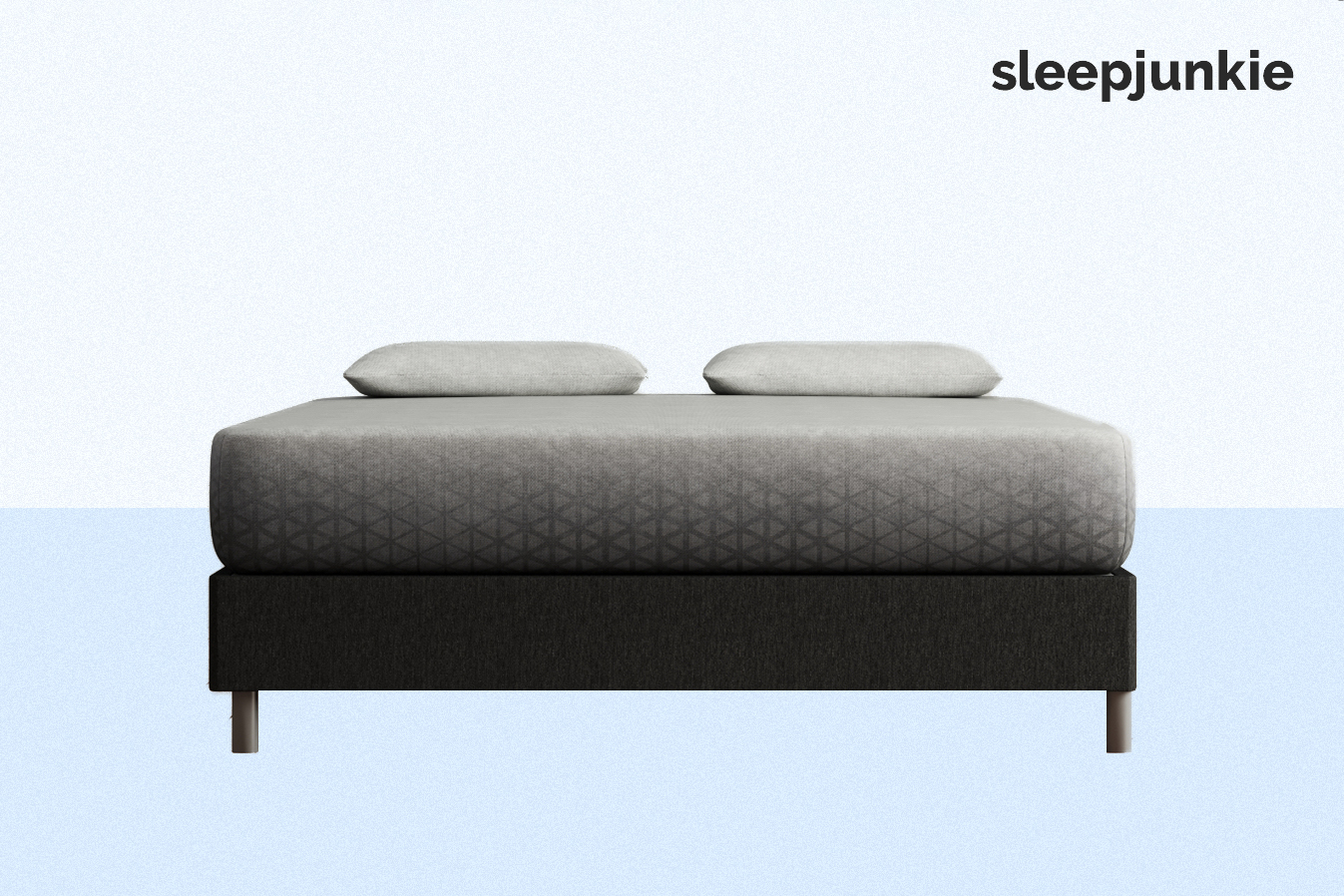
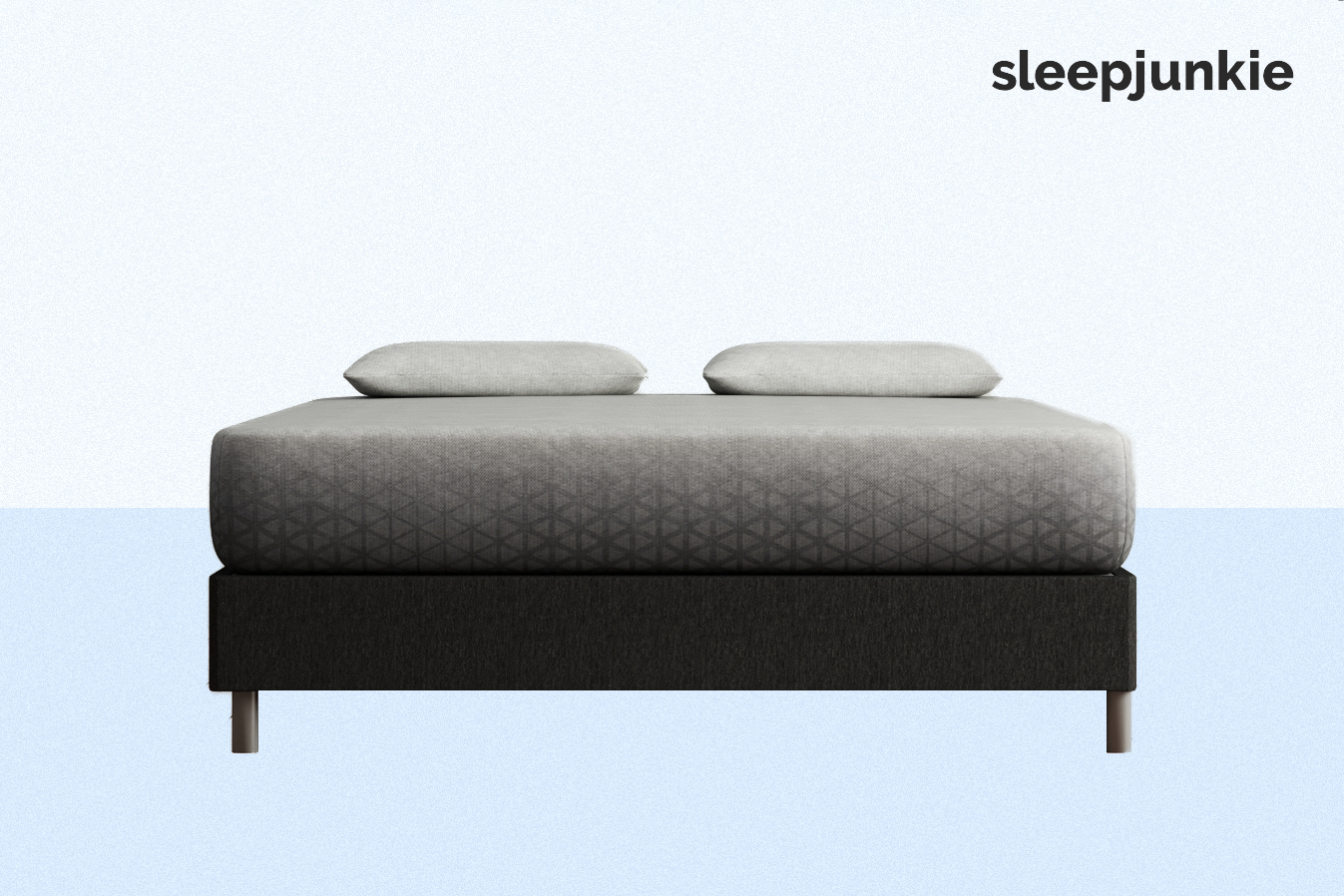
1. Zoma Start

1. Zoma Start
  • Price Range: See Price
  • Mattress Type: Memory Foam Mattress
  • Thickness: 10 inches
  • Firmness: 6 out of 10 (Medium)
  • Available In: Twin, Twin XL, Full, Queen, King, California King, Split King

Warranty

10 Years

Sleep Trial

100 Nights

Shipping

Free

Highlights
  • Reactive foam that offers a balance of comfort and support
  • Durable and high-quality construction
Recommended For
  • Budget shoppers looking for quality at an affordable price
  • Sleepers who prefer a medium-firm mattress

Watch Our Zoma Start Video Review

During testing, what stood out about the Zoma Start was how much balance it delivered for the price. This all-foam bed pairs a responsive feel with steady support, and it held up across back, side, and combination testing rather than favoring one position.

Two areas set it apart in my testing: it felt cooler to the touch early on than the denser budget foams I compared, and partner movement stayed quiet on the opposite side. Both matter to a lot of budget shoppers, myself included.

Cooling was a standout in my testing. The Zoma Start felt cooler to the touch through the first hours than the other budget foam beds I compared in the same session, and it did not warm up as quickly as the denser memory foam I tested. The breathable cover and the foam under it are what I would credit for that.

For a warm sleeper like me, that made a real difference. Traditional memory foam tends to trap heat, and the Zoma Start held a more neutral surface temperature through the early hours instead.

Motion isolation is another area where the Zoma Start performed well. During testing, even with a restless partner moving around, I barely felt any disruptions, which matters most for a light sleeper sharing the bed. In my side-by-side testing its motion isolation edged out the Bear Original, also on this list. For couples who want quiet sleep on a budget, that makes it a strong pick.

The medium-firm feel suited a range of sleepers in testing, from back to side. The Reactiv layer adapted well as I changed positions and across different body weights, easing pressure at the shoulders and hips while keeping my spine level on my back. That combination is what made it comfortable without feeling either plush or rigid.

What I also appreciated is how the Zoma Start balances comfort and responsiveness. Unlike mattresses that feel overly plush and sink too much or those that are too firm and unyielding, the Zoma Start offers a “just right” feel that suits a variety of needs. It doesn’t compromise on edge support either, which is a common downside with foam mattresses.

After weeks of testing against other budget beds, the Zoma Start held up as a well-rounded option. Whether the priority is cooler-than-foam feel, quiet motion isolation, or balanced medium-firm support, it covered the basics well at its price. It is best suited to combination and side-to-back sleepers who want a responsive foam feel without spending more.

9.2 Overall Score
  • 10 Value
  • 10 Edge Support
  • 9 Trial Period
  • 8 Response Time
  • 9 Motion Transfer
  • 9 Cooling & Breathability

The Zoma Start earned the top budget spot because it held the best balance of responsiveness, support, and value in my testing without leaning on any single gimmick.

Responsive, easy to move on. During testing, the Reactiv layer let me switch from my back to my side without the sunk-in, stuck feeling I get on denser budget foams, so a combination sleeper who changes positions at night can reposition without waking fully.

Cooler than the foams I compared. The surface felt cooler to the touch through the first hours of testing than the all-foam budget beds I compared in the same session, which helps a warmer sleeper who wants foam contouring without the heat trap.

Steady edge for an all-foam bed. When I sat on the edge to put on my shoes, the perimeter compressed less than most all-foam beds I have tested, so a couple can use more of the surface without the roll-off feeling.

Best For:

  • Combination sleepers who change positions during the night
  • Back and side sleepers who want medium-firm support with contouring
  • Couples on a budget who need strong motion isolation

Compare Instead:

  • Amerisleep AS2 if you are a back or stomach sleeper who wants firmer lumbar support
  • Vaya Mattress if you want a softer, more cushioning medium feel for side sleeping
  • Plank Mattress if you want a distinctly firm, flat surface

Best suited to combination and side-to-back sleepers who want a medium-firm, responsive foam feel on a budget.

The stretch cover and the foam directly under it are why the surface felt cooler to the touch early in testing than the denser budget foams I compared, which is what a warm sleeper notices first. The zoned comfort layer is what let my shoulders settle while my hips stayed supported, so pressure relief and alignment held in the same position. The Reactiv layer is the reason repositioning felt easy instead of sluggish, which is what keeps a combination sleeper from waking fully on a turn. Underneath, the high-density base is what kept the surface even with no soft spots after weeks of testing, so the support that made it comfortable on night one was still there later.

When I first laid down on the Zoma Start, the feel was immediately noticeable: supportive yet comfortable. Unlike some foam mattresses that sink too much, this one struck a balance between contouring and firmness.

On the first night, the surface kept my lower back supported, and by morning, I felt more comfortable than I usually do on my old mattress.. I often shift between my back and side, and the Reactiv™ layer made those transitions easy. The Triangulex™ zones cushioned my shoulders and hips while keeping my spine level, so I woke up feeling rested.

What reinforced this in testing was how consistent the zoned support and cooler surface felt night to night. The zoned comfort layer kept my spine level as I moved, and the surface felt cooler to the touch early on than the denser foams I compared, which is the combination that makes it work for combination sleepers.

After several weeks of use, the comfort and support didn’t wane. I noticed that I could sleep in any position without feeling any pressure buildup, and my partner appreciated the motion isolation, which meant my tossing and turning didn’t disturb her sleep. Overall, the Zoma Start offers a consistent, restful sleep experience night after night.

Pros:

  • Edge Support (10/10): the perimeter held firm when I sat on it, unusual for an all-foam bed.
  • Value (10/10): the balance of support and responsiveness sits well below typical queen pricing.
  • Motion Transfer (9/10): partner movement barely registered on my side during testing.
  • Cooling and Breathability (9/10): felt cooler to the touch early on than the denser foams I compared.

Cons:

  • Response Time (8/10): responsive for foam, but trails the coil-backed hybrids here on bounce; consider the Zoma Hybrid if you want more spring.
  • Single firmness: only one feel, so strict stomach sleepers who want firmer support should consider the Amerisleep AS2.
  • All-foam limits: no coil lift, so shoppers who want a springy surface should look at the Vaya Hybrid.

Why The Zoma Start Won

Among the budget mattresses I tested for this guide, the Zoma Start stood out for balancing responsiveness, motion isolation, and cooler-than-foam feel without giving up support or pushing past a budget price. It was the easiest to reposition on, and its edge held firmer than the other all-foam picks. That mix is why it is my top recommendation for combination and side-to-back sleepers shopping on a budget.

Kristina Hindes

Best Memory Foam Mattress:

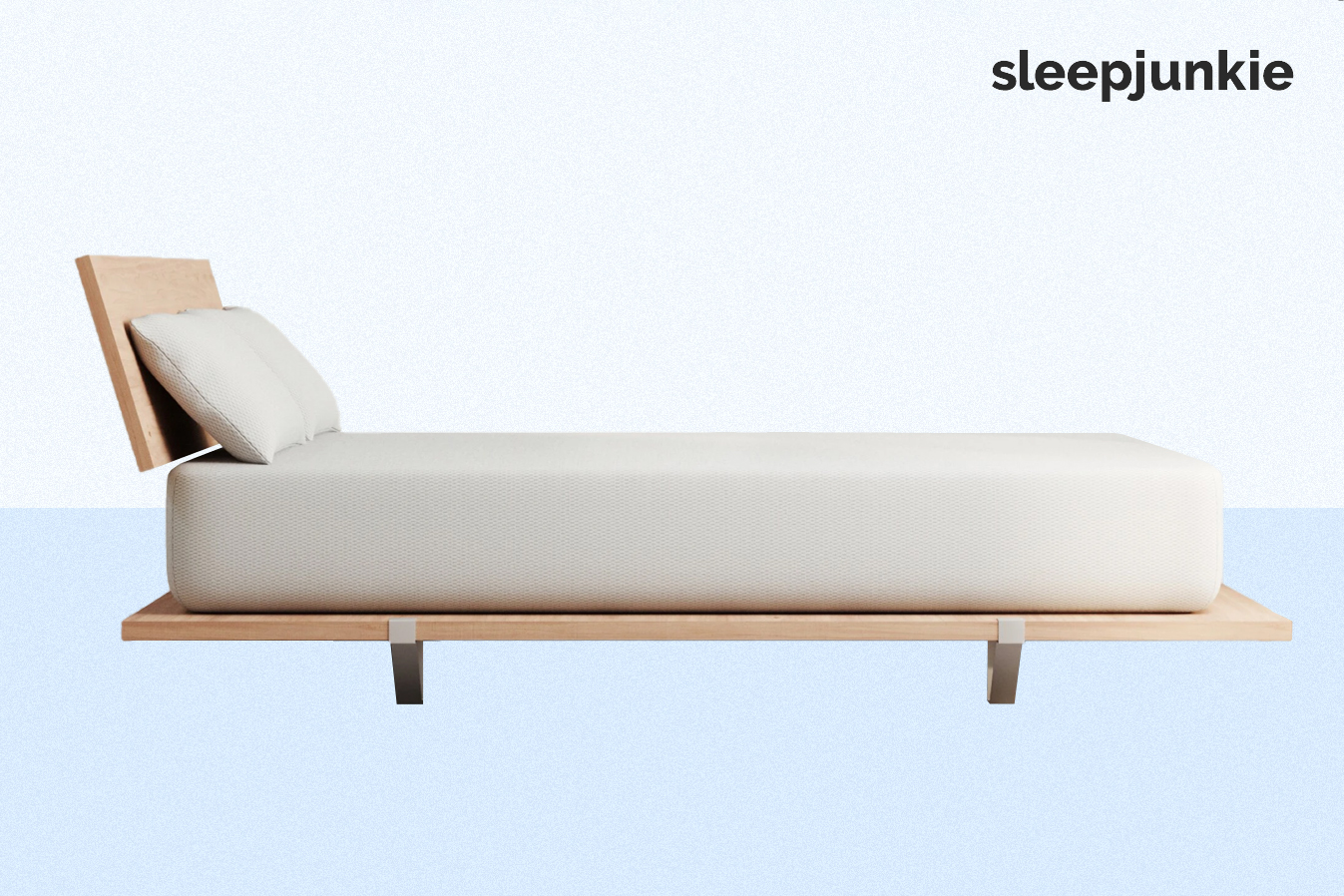
2. Vaya Mattress

2. Vaya Mattress
  • Price Range: See Price
  • Mattress Type: Memory Foam Mattress
  • Thickness: 12 inches
  • Firmness: 5 to 6 out of 10 (Medium)
  • Available In: Twin, Twin XL, Full, Queen, King, California King

Warranty

10 Years

Sleep Trial

100 Nights

Shipping

Free

Highlights
  • Affordable pricing
  • Sturdy foam base for ideal spine support and structure
  • Mattress cover woven for maximum breathability
Recommended For
  • Budget shoppers seeking an inexpensive gem
  • Sleepers who prefer a medium-firm mattress
  • Hot Sleepers

Watch Our Vaya Mattress Video Review

During testing, the Vaya Mattress stood out for how much comfort it delivered at its price. It keeps the build simple, a plush comfort layer over a firm base, and leans on dependable support rather than frills. That makes it a fit for budget shoppers who want a straightforward all-foam feel without a premium price.

The Vaya Mattress features an all-foam construction with two layers: a plush comfort layer on top and a durable support foam base beneath. The comfort layer, made from proprietary Vaya Foam, is not as dense as traditional memory foam, but it offers a responsive and breathable feel. During my testing, this foam cradled pressure points well while allowing easy movement, a real advantage for combination sleepers who change positions during the night.

In terms of firmness, the Vaya strikes a medium balance, landing around 5 to 6 out of 10. That level suited me as a side sleeper, cushioning the shoulders and hips without excessive sinking. Next to the firmer budget foams I compared in the same session, the Vaya felt more adaptable, especially for side and back sleepers who want gentle contouring.

Temperature regulation stood out in testing. Where dense memory foam tends to hold heat, the Vaya’s open-cell foam let more air move through. On a warm evening the surface stayed cooler to the touch than the denser foam beds I compared, which makes it a good fit for a warmer sleeper who still wants a foam feel.

The Vaya may not suit those who want the firm bounce of a hybrid or the depth of high-end memory foam. It has no coils, so for stronger edge support a couple who uses the full surface may prefer the Vaya Hybrid on this list. But as an affordable all-foam option with steady comfort and durability, the Vaya makes a strong case.

9.2 Overall Score
  • 10 Value
  • 9 Edge Support
  • 9 Trial Period
  • 10 Response Time
  • 8 Motion Transfer
  • 9 Cooling & Breathability

The Vaya Mattress earned the best memory foam pick because it delivered adaptable, cushioning contouring at the lowest effective price in this guide.

Adaptable across positions. Testing it on my back, side, and stomach, the Vaya Foam cradled my shoulders and hips while keeping enough push-back to hold my spine level, so a side or back sleeper gets pressure relief without sinking into a hole.

Ran cooler than dense foam. On a warm night the surface stayed cooler to the touch than the denser memory foam beds I compared, which helps a warmer side sleeper who still wants a foam feel.

Responsive, not sluggish. The foam let me change positions without the slow-recovery lag of traditional memory foam, a plus for restless sleepers.

Best For:

  • Side and back sleepers who want cushioning contouring
  • Budget shoppers who want a foam feel at the lowest price here
  • Warmer sleepers who still prefer all-foam over a hybrid

Compare Instead:

  • Zoma Start if you want a firmer, more responsive medium-firm surface
  • Vaya Hybrid if you want coil-backed edge support and more bounce
  • Amerisleep AS2 if you are a stomach sleeper who needs firmer support

Best suited to side and back sleepers who want a soft-to-medium foam feel and the lowest entry price in this guide.

The open-cell Vaya Foam on top is what let the surface stay cooler to the touch on a warm night than the denser memory foams I compared, which is what a warm side sleeper feels. That same layer is why my shoulders and hips settled in without the slow, sunk-in lag of traditional memory foam, so repositioning stayed easy. Beneath it, the high-density base is what kept the surface from compressing under prolonged weight during testing, which is what holds a back sleeper level over time. Together the two layers are why the Vaya delivered contouring and steady support at the lowest price in this guide, rather than trading one for the other.

From the moment I lay down on the Vaya Mattress, the initial impression was one of gentle cradling and support. The top layer immediately responded to my body, contouring my hips and shoulders while providing a subtle bounce. Unlike denser memory foams that take a moment to adjust, the Vaya Foam felt light and breathable right from the start.

First-Night Experience

On my first night, I tested the mattress on my side, a position where I often feel pressure buildup in my shoulders. The Vaya eased that pressure and created a sensation of near weightlessness. As I shifted between my back and side, the mattress adapted to each position, and my partner, who often tosses and turns, remarked on how evenly the surface absorbed movement, so I stayed undisturbed.

Comfort and Support Over Time

In my testing, the Vaya balanced softness and support well. The medium firmness suited side and back sleeping, cushioning the body while keeping my spine level. After repeated use it held its structure with no soft spots, so the support that made it comfortable early on stayed consistent.

Long-Term Comfort

After several weeks, the Vaya held up beyond first impressions. The breathable foam kept the surface feeling cooler than the denser foams I compared on hotter nights, and the support base kept it durable. Against the pricier foam beds I have tested, it held its own on consistent comfort, which is the point at this price.

Pros:

  • Response Time (10/10): shifted positions with no stuck feeling during testing.
  • Value (10/10): the lowest effective entry price in this guide.
  • Cooling and Breathability (9/10): stayed cooler to the touch on a warm night than the denser foams I compared.
  • Pressure relief: cradled shoulders and hips for side and back sleeping without bottoming out.

Cons:

  • Motion Transfer (8/10): good, but trails the AS2 and the top hybrids; a restless partner is a little more noticeable.
  • Edge Support (9/10): stable, but softer than the coil-backed picks for couples using the full surface; consider the Vaya Hybrid.
  • Too soft for firm-surface fans: strict stomach sleepers who want extra support should consider the Plank.

Vaya Mattress

Testing the Vaya on my side, my shoulders and hips settled in without excess pressure, and the medium feel adapted as I moved to my back. It fits side and back sleepers who want cushioning contouring and the lowest entry price in this guide.

Kristina Hindes

Read My Full Review of the Vaya Mattress

Best Cooling Mattress:

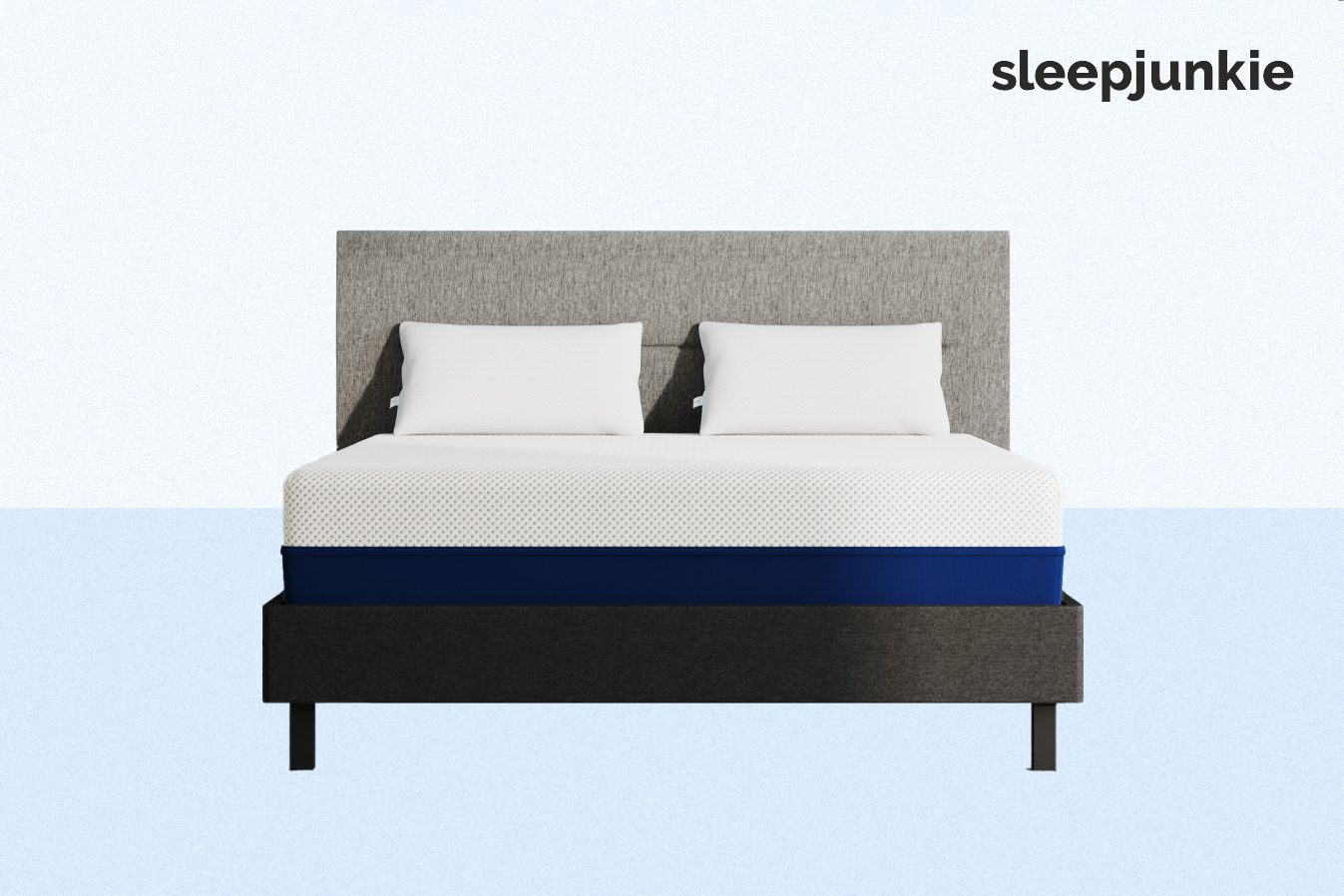
3. Amerisleep AS2

3. Amerisleep AS2
  • Price Range: See Price
  • Mattress Type: Memory Foam Mattress
  • Thickness: 12 inches
  • Firmness: 5 to 6 out of 10 (Medium Firm)
  • Available In: Twin, Twin XL, Full, Queen, King, California King, Split King

Warranty

20 Years

Sleep Trial

100 Nights

Shipping

Free

Highlights
  • Bio-Pur® foam with an open-cell design for superior cooling
  • Medium-firm feel ideal for back and stomach sleepers
Recommended For
  • Hot sleepers needing excellent temperature control
  • Back and stomach sleepers looking for firm support

Watch Our Amerisleep AS2 Video Review

During testing, the Amerisleep AS2 held up as a standout for back and stomach sleepers. Its medium-firm build uses Amerisleep’s Bio-Pur® foam over a zoned transition layer, which is what balanced firm support with enough cushioning to keep pressure off my shoulders.

Unlike traditional memory foam, Bio-Pur felt more breathable and responsive in testing, so the surface stayed cooler to the touch through the early hours and I did not sink in as deeply.

During testing, the HIVE transition layer stood out. It provides targeted zones, firmer under the torso and hips for alignment and softer under the shoulders. Next to the softer budget foam beds I compared, the AS2 held a more tailored balance of firmness and pressure relief, which is what makes it work for back sleepers who want support.

Edge support was another standout. All-foam beds often struggle here, but the AS2 held steady when I sat on the perimeter, better than the softer all-foam picks I compared. For couples, that means more usable surface and less roll-off at the edge.

Motion isolation was a strength. Despite the firmer feel, the AS2 kept movement quiet during the partner disturbance test, the best motion result on this page. Bouncier coil beds I have tested often trade away motion isolation, where the AS2 held it. For a light sleeper sharing the bed, that means fewer disturbances when a partner shifts.

The AS2 is not a plush bed, so side sleepers who want soft contouring may prefer the Vaya Mattress on this list. But for back and stomach sleepers who need firmer lumbar support, it holds alignment without feeling harsh. That is what makes it the cooling and support pick here for warm back and stomach sleepers.

9.2 Overall Score
  • 9 Value
  • 8 Edge Support
  • 9 Trial Period
  • 9 Response Time
  • 10 Motion Transfer
  • 10 Cooling & Breathability

The Amerisleep AS2 earned the cooling pick because it paired the lowest heat retention I measured on the page (Cooling and Breathability 10/10) with firm, zoned support.

Least heat retention on the page. During testing the Bio-Pur surface felt cooler to the touch and did not warm up as quickly as the denser all-foam beds I compared, which matters most for a back or stomach sleeper who also runs warm.

Firm, level support. The zoned transition layer kept my hips from dropping when I lay on my back, so the AS2 holds alignment for back and stomach sleepers who need lumbar support.

Strong motion isolation (10/10). When my partner moved, the opposite side barely registered, a win for a light sleeper sharing the bed.

Best For:

  • Back and stomach sleepers who want firmer lumbar support
  • Warm sleepers who want the coolest-feeling foam bed here
  • Couples where one partner is a light sleeper

Compare Instead:

  • Zoma Start if you want a more responsive, position-flexible feel
  • Vaya Mattress if you are a side sleeper who wants softer contouring
  • Zoma Hybrid if you want coil bounce with the cooling

Best suited to warm-sleeping back and stomach sleepers who want firm, zoned support and the lowest heat retention in this guide.

The Bio-Pur comfort layer and breathable cover are why the surface felt cooler to the touch and did not warm up as fast as the denser foams I compared, which is what a warm back sleeper notices. The zoned transition layer is what kept my hips from dropping when I lay on my back while easing pressure at the shoulders, so alignment and pressure relief held together. The high-density base is what gave the bed its firm, level feel and kept it from developing soft spots in testing, which is what a stomach sleeper needs to stay supported. That build is also why partner movement barely registered on the opposite side, the strongest motion result on the page.

When I first experienced the Amerisleep AS2, I immediately noticed its medium-firm feel. As someone who prefers a supportive surface for my back, the AS2 felt like it struck the perfect balance between firmness and cushioning.

From the very first night, the AS2 kept my lower back supported, and I woke up without the stiffness I get on beds that are too soft or too rigid. After years of testing, that balance stood out.

The Bio-Pur® foam provided a gentle contouring sensation without making me feel like I was sinking into the mattress. This is something I’ve found lacking in other foam mattresses, which often feel too dense and unresponsive.

The HIVE® transition layer worked seamlessly to support my body’s natural curves, especially under my hips and shoulders. By the second night, I realized how well this zoning technology kept my spine aligned, no matter how I shifted positions.

The zoned support was easy to feel in testing. The transition layer spread my weight evenly and kept my spine level as I shifted, which is what made the surface feel supportive rather than rigid across a full night.

Cooling stood out again here. The Bio-Pur foam let more air move through, and on warmer nights the surface stayed cooler to the touch than the traditional memory foam models I have tested, so I did not wake up as warm.

Pros:

  • Cooling and Breathability (10/10): the lowest heat retention I measured on the page.
  • Motion Transfer (10/10): partner movement barely registered during the disturbance test.
  • Spinal alignment: the zoned layer kept my hips from dropping on my back.
  • Value (9/10): firm, zoned support at a budget price.

Cons:

  • Edge Support (8/10): stable, but the perimeter compressed more than the coil-backed hybrids here.
  • Firm for side sleepers: the medium-firm feel can be too firm for side sleepers who want soft contouring; consider the Vaya Mattress.
  • No coil bounce: shoppers who want spring should consider the Zoma Hybrid.

Amerisleep AS2

On my back, the AS2 kept my hips from dropping and held my spine level, and the zoned layer eased pressure at the shoulders. It fits back and stomach sleepers who want firm, cooler-feeling support.

Kristina Hindes

Best Hybrid Mattress:

4. Zoma Hybrid

4. Zoma Hybrid
  • Price Range: See Price
  • Mattress Type: Hybrid
  • Thickness: 12 inches
  • Firmness: 5 to 6 out of 10 (Medium Firm)
  • Available In: Twin, Twin XL, Full, Queen, King, California King, Split King

Warranty

10 Years

Sleep Trial

100 Nights

Shipping

Free

Highlights
  • Triangulex™ zoned support for targeted pressure relief
  • Breathable cover and airflow technology for enhanced cooling
Recommended For
  • Combination sleepers who change positions during the night
  • People who are looking for a budget mattress

Watch Our Zoma Hybrid Video Review

During testing, the Zoma Hybrid stood out for pairing zoned foam with a coil core, which gave it more bounce than the all-foam picks without giving up support. That combination is what let it hold up across sleep positions rather than favoring one, from back to side.

The mattress features a tri-layer construction starting with a breathable, gel-infused memory foam comfort layer designed to dissipate heat and keep the surface cool. As someone who often overheats during the night, I appreciated the cooling effect that felt noticeably better than many all-foam alternatives.

Beneath this is a layer of responsive Reactiv™ foam, which provides a springy, supportive feel, making it easier to move or change positions without feeling stuck, a common complaint with traditional memory foam. Finally, the base consists of a durable pocketed coil system that enhances edge support and reduces motion transfer.

During testing, the Zoma Hybrid performed well for back and side sleepers, with a medium-firm feel that balanced contouring and support. The zoned foam over coils kept my spine level as I moved between my back and side, which is what makes it hold up across positions rather than favoring one.

Against the other budget hybrids I compared in the same session, the Zoma Hybrid stood out for edge support and motion isolation. For couples, that means stretching out across the bed or sharing it with an active sleeper with little disturbance, where the softer hybrids I tested showed slightly more motion transfer.

The Zoma Hybrid was originally built with active sleepers in mind, and the zoned support carries over to anyone. In testing, the zoned foam layers eased pressure at the shoulders and hips while keeping my spine level, which is what a combination sleeper feels most across a night.

The Zoma Hybrid may not suit strict stomach sleepers who need firmer support; for them, the Plank on this list is the firmer option. But for a combination or back-to-side sleeper who wants a medium-firm hybrid with cooler-than-foam feel and quiet motion isolation, it delivers strong value.

9.0 Overall Score
  • 10 Value
  • 9 Edge Support
  • 9 Trial Period
  • 9 Response Time
  • 8 Motion Transfer
  • 9 Cooling & Breathability

The Zoma Hybrid earned the hybrid pick because it added coil support and bounce to Zoma’s zoned foam without pushing the price out of budget range.

Coil bounce, easy repositioning. The Reactiv layer over pocketed coils let me change positions without the stuck feeling, so a combination sleeper who wants more spring than an all-foam bed can move freely.

Cooler than the all-foam picks. The gel-infused foam over an open coil core felt cooler to the touch through the first hours than the all-foam beds I compared, helping a warm sleeper who wants a hybrid.

Reinforced edge held firm. Sitting near the perimeter, the reinforced coils compressed less than the all-foam picks here, so couples get more usable surface.

Best For:

  • Combination and back-to-side sleepers who want coil bounce
  • Warm sleepers who prefer a hybrid to all-foam
  • Couples who want stronger edge support on a budget

Compare Instead:

  • Zoma Start if you want the same zoned foam feel at a lower price without coils
  • Vaya Hybrid if you want a taller, more cushioning medium hybrid
  • Plank Mattress if you are a stomach sleeper who needs a firmer surface

Best suited to combination and back-to-side sleepers who want coil support and bounce in a budget hybrid.

The gel-infused foam over the coil core is why the surface felt cooler to the touch through the first hours than the all-foam picks I compared, which is what a warm sleeper who wants a hybrid is after. The Reactiv layer is the reason turning over felt springy instead of stuck, so a combination sleeper moves freely. The pocketed coils each respond on their own, which is why movement on one side stayed quiet on the other during the partner test. The reinforced perimeter coils are what kept the edge from collapsing when I sat on it, so a couple gets more usable surface than the all-foam beds here deliver.

From the moment I lay down on the Zoma Hybrid, the medium-firm feel struck a balance between cushioning and support that suited back and side sleeping in testing. It contoured at the shoulders and hips without letting me sink, which is what makes it work across positions.

On my first night of testing the Zoma Hybrid, I noticed how quickly the mattress adapted to my body. The gel-infused memory foam layer provided immediate relief to my pressure points, particularly around my shoulders and hips.

The zoned support kept my spine level as I switched between my back and side, so I woke up without the stiffness I sometimes get on softer foam. That is the combination a combination sleeper feels most.

Cooling made a noticeable difference here too. The gel-infused foam kept the surface cooler to the touch through the early hours, and next to the warmer budget hybrids I compared, which held heat after prolonged contact, the Zoma Hybrid stayed more neutral.

What tied it together in testing was how the zoned support and breathable layers worked as a pair. The zoned foam kept my spine level while the surface stayed cooler to the touch than the all-foam picks I compared, which is the combination that suits an active, combination sleeper.

By the end of the week, I noticed that the mattress’s Reactiv™ foam transition layer made movement effortless, a feature I appreciated when turning during the night. It offered just enough bounce to keep me from feeling stuck while still providing ample support. For couples, this responsiveness ensures smooth movement without disrupting a partner’s sleep.

Pros:

  • Value (10/10): coil support and bounce at a budget price.
  • Edge Support (9/10): reinforced coils held the perimeter firm when I sat on it.
  • Cooling and Breathability (9/10): felt cooler to the touch early on than the all-foam picks I compared.
  • Response Time (9/10): the Reactiv layer made turning over easy.

Cons:

  • Motion Transfer (8/10): good, but the softest motion result among the top picks; a restless partner is slightly more noticeable than on the AS2.
  • Soft for stomach sleepers: the medium-firm feel can let hips sink; consider the Plank if you need firmer support.
  • Mild new-bed odor: a light off-gassing smell on unboxing that faded within a few days.

Zoma Hybrid

Lying on my side, the comfort foams cradled my hips while the coils kept me supported, and turning over felt springy rather than stuck. It fits combination and back-to-side sleepers who want coil bounce in a budget hybrid.

Kristina Hindes

Best Luxury Mattress:

5. Vaya Hybrid

5. Vaya Hybrid
  • Price Range: See Price
  • Mattress Type: Hybrid
  • Thickness: 14 inches
  • Firmness: 6 out of 10 (Medium)
  • Available In: Twin, Twin XL, Full, Queen, King, California King, Split King

Warranty

10 Years

Sleep Trial

100 Nights

Shipping

Free

Highlights
  • Excellent motion isolation
  • Reactive foam that offers a balance of comfort and support
Recommended For
  • Budget Shoppers
  • Couples needing motion isolation

Watch Our Vaya Hybrid Video Review

During testing, the Vaya Hybrid delivered a plush, tall feel with strong value. The plush comfort layer over a pocketed coil core gave cushioning and support at once, which is what set it apart from the all-foam picks I compared in the same session.

Cooling was a standout for the Vaya Hybrid. Next to the Plank on this list, the Vaya Hybrid felt more breathable through the early hours of testing, which I would credit to its breathable cover and the airflow through its coil core. That airflow is what a warm sleeper feels most.

Another area where the Vaya Hybrid shines is motion isolation. I tested this by having one person toss and turn while another lay still, and the results were clear: it outperformed the Zoma Start in limiting motion transfer. As someone who shares a bed with a partner who’s a restless sleeper, I appreciated how undisturbed I felt, even during the most active moments. This makes it an excellent choice for couples.

Hybrid mattresses, like the Vaya Hybrid, combine the benefits of both foam and innerspring designs. The Vaya Hybrid’s supportive coil base works seamlessly with its plush foam comfort layers to deliver a balance of pressure relief and spinal alignment. This versatility caters to a wide range of sleep styles, whether you’re a side sleeper who craves pressure relief or a back sleeper seeking robust support.

Edge support was another test point, and it matters for couples or anyone who spreads out. When I sat or lay near the perimeter, the Vaya Hybrid held its shape without sagging, better than the all-foam picks I compared, which made the 14 inch surface feel more spacious to use.

9.2 Overall Score
  • 10 Value
  • 10 Edge Support
  • 9 Trial Period
  • 10 Response Time
  • 7 Motion Transfer
  • 9 Cooling & Breathability

The Vaya Hybrid earned the luxury-feel pick because its taller build gave the most cushioned, spacious feel on the page while holding budget value (Value 10/10, Edge Support 10/10).

Cushioned but supported. The plush comfort layer over pocketed coils cradled my shoulders and hips while the coils kept my back level, so a side-to-back combination sleeper gets contouring without bottoming out.

Strongest edge on the page. Sitting and lying near the perimeter, the Vaya Hybrid held its shape better than the all-foam picks, so a couple can use the full 14 inch surface.

Cooler coil airflow. Airflow through the coil core kept the surface feeling more breathable than the all-foam beds I compared, useful for a warm sleeper.

Best For:

  • Side-to-back combination sleepers who want a plush, tall feel
  • Couples who want the strongest edge support here
  • Shoppers who want a near-premium feel at a budget price

Compare Instead:

  • Zoma Hybrid if you want a firmer medium-firm hybrid feel
  • Vaya Mattress if you want the same brand feel in a lower-priced all-foam build
  • Amerisleep AS2 if you are a stomach sleeper who needs firmer support (Motion Transfer 7/10 here is the softest tradeoff)

Best suited to side-to-back sleepers and couples who want a plush, tall hybrid with the strongest edge support in this guide.

The breathable cover and the coil core underneath are why the surface felt more breathable in testing than the all-foam picks I compared, since air moves through coils in a way it cannot through a solid foam base. The plush comfort layer is what cradled my shoulders and hips within minutes of lying down, so a side sleeper gets contouring, while the coils kept my back level for the back-sleeping stretch. Those wrapped coils are also why my partner’s movement stayed isolated on their side. The high-density base and reinforced edge are what held the tall 14 inch build stable when I sat near the perimeter, the strongest edge result in this guide.

I remember my first night on the Vaya Hybrid clearly. As soon as I lay down, the plush foam layer contoured my body, easing pressure at my shoulders and hips while the coils kept my back level. The mix of the foam’s softness and the coils’ support struck a balance that felt neither too firm nor too soft.

On a warm night, the Vaya Hybrid felt cooler to the touch than the all-foam picks I compared. The breathable cover and the airflow through the coil core are what I would credit, and for a warm sleeper that was the difference I noticed most.

By the second night, I paid closer attention to how well the Vaya Hybrid absorbed motion. My partner, a restless sleeper, tossed and turned several times, but I barely felt a thing. It’s clear that the individually pocketed coils and foam layer work together to keep movement isolated.

What made the balance work in testing was the pairing of adaptive foam over supportive coils. The foam eased pressure at my shoulders and hips while the coils kept my back level, which is what lets the Vaya Hybrid suit both side and back sleeping in one bed.

Pros:

  • Edge Support (10/10): held its shape best on the page when I sat near the perimeter.
  • Response Time (10/10): moved between positions with no stuck feeling.
  • Value (10/10): a plush, tall hybrid feel at a budget price.
  • Pressure relief: the plush layer cradled shoulders and hips while coils kept my back level.

Cons:

  • Motion Transfer (7/10): the lowest motion result on the page; a restless partner is more noticeable, so light sleepers sharing a bed should consider the AS2.
  • Soft for stomach sleepers: the medium feel can let hips sink; consider the Plank for firmer support.
  • Limited firmness: one feel only, so shoppers with a specific firmness need should compare the firmer picks here.

Vaya Hybrid

On the 14 inch Vaya Hybrid, the plush layer cradled my shoulders and hips while the coils held my back level, and the edge stayed firm when I sat near it. It fits side-to-back sleepers and couples who want a plush, tall hybrid with strong edge support.

Kristina Hindes

Best Purple Alternative:

6. FORM Core

6. FORM Core
  • Price Range: See Price
  • Mattress Type: Gel Grid + Foam
  • Thickness: 10 Inches
  • Firmness: 5 to 6 out of 10 (Medium)
  • Available In: Twin, Twin XL, Full, Queen, King, California King

Warranty

Lifetime

Sleep Trial

365 Nights

Shipping

Free

Mattress Highlights
  • Flexible grid comfort layer
  • Supportive foam base layers
  • Cooling mattress cover fabric
Recommended For
  • Hot sleepers
  • Side, back, and combination sleepers
  • Partners sharing a bed

Watch Our FORM Core Video Review

When I tested the FORM Core, what stood out immediately was how much performance it delivers relative to its price. This is an all-foam mattress built around a gel grid comfort layer rather than traditional memory foam, and that construction difference is what lets it punch above its budget-category weight class.

The GelGrid layer uses thousands of open cells that flex under pressure and recover almost immediately when you move. During testing, this earned the FORM Core a 9 out of 10 for response time and a 10 out of 10 for motion isolation, scores that are genuinely uncommon at this price point.

Most budget mattresses have to compromise on one performance category to hit an affordable price; the FORM Core did not show that tradeoff in our testing.

What also impressed me was the policy backing. FORM offers a lifetime warranty and a 365-night sleep trial on this mattress, both of which exceed what most budget brands provide.

A year-long trial with no restocking fees means you get a genuinely low-risk way to test whether the GelGrid feel works for you, which matters since the surface is noticeably different from the traditional memory foam most budget shoppers are used to.

For shoppers comparing this against the Purple Original, the FORM Core is the most direct comparison point in the budget category.

Both use a gel grid as the primary comfort layer, but the Integra-Mesh reinforcement woven into FORM’s grid stabilizes the surface and produces meaningfully better motion isolation in our side-by-side testing.

9.2 Overall Score
  • 8 Value
  • 9 Edge Support
  • 10 Trial Period
  • 9 Response Time
  • 10 Motion Transfer
  • 9 Cooling & Breathability

Performance Scores That Outpace the Price Point

The first thing that pulled the FORM Core onto this list was the gap between its price and its testing results.

A 9 out of 10 for response time and a 10 out of 10 for motion isolation are scores I more often see on premium hybrid mattresses costing significantly more. The GelGrid construction is what makes this possible.

The open-cell grid recovers almost immediately after pressure is removed, and the Integra-Mesh reinforcement woven into it contains surface movement locally rather than letting it transfer across the bed.

Active Cooling Without a Premium Surcharge

Heat retention is one of the most common compromises budget shoppers make when they choose an affordable foam mattress. The FORM Core does not require that tradeoff.

The GelGrid’s open cells stay open under body weight, so airflow keeps moving through the comfort layer under load in testing rather than only at first contact.

The AeroWeave cover adds further breathability from the surface down.

During testing, the mattress stayed noticeably cooler than the denser foam options we compared it against, without the added cost of gel infusions or phase-change materials.

Policies That Reduce Purchase Risk

A lifetime warranty and a 365-night sleep trial are not standard at the budget tier, and that gap is exactly why I included the FORM Core.

Most competitors in this price range offer a 10-year warranty and a 100-night trial.

FORM’s terms give shoppers significantly more time to confirm the GelGrid feel is right for them, and the lifetime coverage signals real confidence in the materials holding up over the long term.

When I first lay down on the FORM Core, the surface responded the moment pressure landed rather than slowly conforming the way budget memory foam typically does.

The GelGrid flexed at my hip and shoulder without swallowing them, and my spine stayed in a neutral position through an extended side-sleeping session.

Switching to my back, the grid provided consistent contact along the lumbar region, pushing back proportionally to the load rather than passively giving way.

What stood out most was how easy it was to change positions. Because the GelGrid recovers almost immediately, shifting from back to side felt effortless rather than like working against the mattress.

This is a meaningful upgrade over the slower-responding foam I have tested at this price point.

Motion isolation was the most impressive result. When my testing partner moved on the opposite side of the bed, the disturbance barely registered on mine.

For a budget-priced mattress, that level of motion containment is genuinely uncommon.

AeroWeave Cover

The outermost layer is the AeroWeave cover, a knit fabric with an open weave structure that promotes airflow from the surface down.

It stays cool to the touch and stretches without resistance so the grid layer below can flex fully under body weight.

GelGrid Comfort Layer with Integra-Mesh Reinforcement

Beneath the cover is the GelGrid, a hyper-elastic gel polymer formed into thousands of open cells.

Each cell flexes under concentrated pressure and returns almost immediately when that pressure lifts.

Heat moves through the open structure continuously rather than pooling against the body.

The Integra-Mesh is woven into the grid to stabilize it laterally, which is what eliminates the wobble that budget-tier grid mattresses can sometimes have.

ContourFlex Transition Layer

Below the GelGrid sits the ContourFlex transition foam, which bridges the responsive comfort layer above and the firm foundation below.

It distributes pressure gradually, preventing the abrupt shift from soft to firm that thinner budget constructions can produce.

StableCore Foundation

The base is the StableCore high-density support foam, which maintains the mattress’s geometry and provides the stable platform the comfort layers depend on for consistent performance over the long term.

All foam components carry CertiPUR-US certification, independently tested for low VOC emissions and made without formaldehyde and certain other regulated substances.

The mattress also holds GREENGUARD Gold and OEKO-TEX Standard 100 certifications. Fiberglass-free. Made in the USA.

Pros

  • Scored 9/10 for response time and 10/10 for motion isolation, performance results that are uncommon at this price point
  • GelGrid open-cell structure maintains active airflow under body weight, running noticeably less heat-retentive than the denser budget foam options we compared
  • Lifetime warranty and 365-night trial exceed the policies of most competing budget mattresses
  • Fiberglass-free with CertiPUR-US, GREENGUARD Gold, and OEKO-TEX Standard 100 certified foams

Cons

  • The responsive grid feel is noticeably different from traditional memory foam, which is what most budget shoppers are accustomed to
  • Dedicated stomach sleepers over 180 pounds may find the medium firmness allows more midsection sinkage than their position requires
  • Single firmness option, no softer or firmer variant available

FORM Core

The FORM Core is one of the strongest value propositions I have tested in the budget category. The combination of a 9/10 response time, a 10/10 motion isolation score, and policy terms that most competitors reserve for premium mattresses makes it a genuine standout for shoppers who do not want to compromise on performance to stay within budget.

Kristina Hindes

Read My Full Review of the FORM Core

Best Mattress for Back Sleepers:

7. Bear Mattress

7. Bear Mattress
  • Price Range: See Price
  • Mattress Type: Memory Foam Mattress
  • Thickness: 10 inches
  • Firmness: 7 out of 10 (Medium Firm)
  • Available In: Twin, Twin XL, Full, Queen, King, Cal. King, Split King

Warranty

Lifetime

Sleep Trial

120 Nights

Shipping

Free

Highlights
  • Celliant cover paired with a graphite-infused comfort layer
  • Graphite-gel memory foam that felt cooler to the touch than traditional foam in testing
Recommended For
  • Back sleepers needing extra lumbar support
  • Hot sleepers needing cooling technology
  • Budget Shoppers

Watch Our Bear Original Mattress Video Review

During testing, the Bear Mattress stood out for firm back support and a cooler-feeling surface at a competitive price. Its graphite-infused comfort layer over high-density foam kept my hips level while easing pressure at the shoulders, which is what makes it a back-sleeper pick.

The Bear Mattress uses a Celliant cover over a graphite-infused comfort layer. In testing, what stood out was the surface feel: it ran cooler to the touch than the traditional memory foam beds I compared, and the firmer build kept me from sinking in. That is what a warm back sleeper notices first.

Unlike many other budget-friendly mattresses, which often rely solely on basic memory foam, Bear pairs this advanced technology with high-density foam layers to offer both pressure relief and spinal alignment.

Against the other budget foam beds I compared, the Bear stood out for its firmer medium-firm feel and cooler surface. Where the plusher foam picks lean soft, the Bear leans into support, which makes it a better fit for a back sleeper than a strict side sleeper.

Motion isolation was a strength in testing. Sharing the bed with a partner or a pet, their movements stayed quiet on my side. It held its own against the pricier foam beds I have tested for motion isolation, without the premium price, which is what makes it a solid couple’s pick on a budget.

It’s worth noting that the Bear Mattress may not suit everyone. During testing, some stomach sleepers found it slightly less firm than they preferred, since they may need more support to keep their hips from sinking too far. For most other sleepers, including couples and warm sleepers, it held up well in testing.

9.2 Overall Score
  • 10 Value
  • 10 Edge Support
  • 9 Trial Period
  • 9 Response Time
  • 8 Motion Transfer
  • 9 Cooling & Breathability

The Bear Mattress earned the back-sleeper pick because its firmer medium-firm surface held my hips level while still cushioning the shoulders.

Level back support. From the first night the medium-firm feel kept my lower back supported without letting my hips sink, so a back sleeper stays aligned through the night.

Cooler graphite surface. The graphite-infused foam felt cooler to the touch through the first hours than the traditional memory foam beds I compared, which helps a warm back sleeper.

Quiet under partner movement. When someone rolled over, the disturbance on the other side stayed minimal, a plus for couples.

Best For:

  • Back sleepers who want firmer lumbar support
  • Warm sleepers who want a cooler foam surface
  • Couples who want low motion transfer

Compare Instead:

  • Vaya Mattress if you are a side sleeper who wants softer contouring
  • Plank Mattress if you want an even firmer surface
  • Zoma Start if you want more responsiveness for position changes

Best suited to back sleepers who want a firmer, cooler-feeling foam surface with low motion transfer.

The graphite-infused comfort layer is why the surface felt cooler to the touch through the first hours than the traditional memory foam beds I compared, which is what a warm back sleeper feels first. That layer also eased pressure at the shoulders while the firmer feel kept my hips from sinking, so contouring and alignment held together for a back sleeper. The transition layer under it is what spread my weight evenly and kept me from settling too deep, which supports the medium-firm feel. The high-density base is what kept the surface even in testing and firmed up the edge, a common weak point on budget foam beds.

First Impressions

From the very first night, the Bear Mattress delivered on its promise of balanced comfort and support. As someone who occasionally switches between sleeping on my side and back, I found the medium-firm feel to be just right.

The moment I lay down, the mattress cradled my body while supporting my lower back. There was none of the stuck feeling that often comes with traditional memory foam, just a smooth transition between comfort and responsiveness.

Temperature Regulation

I frequently wake up overheated, so I was skeptical about the Bear’s cooling. In testing, the graphite-infused foam held up: the surface stayed cooler to the touch through the early hours than the traditional memory foam beds I compared. For a warm back sleeper, that was the difference I noticed.

Support and Feel Over Time

Across testing, the Bear held a firm, level feel. The graphite-infused comfort layer eased pressure at the shoulders while the firmer surface kept my hips from sinking, so a back sleeper stays aligned. The feel stayed consistent after the first week rather than softening.

Long-Term Comfort

By the end of the first week, the Bear held its shape and feel with no soft spots. The surface stayed consistent night to night, and the firmer support kept me level on my back, which is the kind of steadiness that is harder to find at this price.

Pros:

  • Value (10/10): a firmer, cooler-feeling build at a budget price.
  • Edge Support (10/10): the high-density base firmed up the perimeter, unusual for an all-foam bed.
  • Cooling and Breathability (9/10): the graphite-infused layer felt cooler to the touch early on than the traditional foams I compared.
  • Spinal alignment: held my hips level on my back while cushioning the shoulders at a firm 7 to 8 feel.

Cons:

  • Motion Transfer (8/10): the lowest Bear sub-score and a step behind the top motion picks like the AS2; a restless partner is a touch more noticeable.
  • Firm for side sleepers: strict side sleepers may want softer contouring; consider the Vaya Mattress.
  • Single firmness: only medium-firm, so shoppers wanting options should compare the flippable Plank.

Bear Original Mattress

On my back, the Bear held my hips level while cushioning my shoulders at a firm 7 to 8 feel, and it stayed cooler to the touch than the traditional foams I compared. It fits back sleepers who want a firmer, cooler-feeling surface.

Kristina Hindes

Best Firm Mattress:

8. Plank Mattress

8. Plank Mattress
  • Price Range: See Price
  • Mattress Type: Memory Foam Mattress
  • Thickness: 10.25 inches
  • Firmness: 9 out of 10 (Extra Firm)
  • Available In: Twin XL, Full, Queen, King, Cal. King, Split King, Split Cal King, Short Full, Short Queen, Olympic Queen, Short King, RV king

Warranty

10 Years

Sleep Trial

120 Nights

Shipping

Free

Highlights
  • Flippable design with two firmness levels (firm and ultra-firm)
  • High-density foam for long-lasting durability
Recommended For
  • Sleepers who prefer an extra-firm sleep surface
  • Back and stomach sleepers needing solid support

Watch Our Brooklyn Bedding Plank Mattress Video Review

During testing, the Plank Mattress lived up to its reputation as one of the firmest options here. Its dual-sided design offers a firm side and an ultra-firm side, and on the ultra-firm side my hips stayed level with almost no sink, which is what a stomach or back sleeper who wants a flat surface is after.

The Plank Mattress by Brooklyn Bedding features a dual-sided design, with one side offering a firm feel and the other an ultra-firm surface. During testing, I was impressed by the level of support it provides without compromising comfort.

The firmer side feels similar to sleeping on a supportive yoga mat, which suits sleepers who want firm support and a flat surface. The ultra-firm side is noticeably stiffer, for those who want maximum rigidity in their sleep surface.

In terms of construction, the mattress is made with high-density foams that ensure durability and long-lasting support. Unlike hybrid mattresses, which often balance softness and support, the Plank focuses purely on creating a firm, stable sleep environment. That said, I recommend pairing it with a plush topper if you occasionally want more cushioning without sacrificing its core firmness.

For anyone seeking a firmer sleep surface with excellent cooling and motion isolation, the Plank Mattress is a standout option. It caters primarily to back and stomach sleepers but also provides flexibility with its dual-sided firmness levels, ensuring it meets a wide range of preferences.

8.8 Overall Score
  • 9 Value
  • 10 Edge Support
  • 9 Trial Period
  • 9 Response Time
  • 8 Motion Transfer
  • 8 Cooling & Breathability

The Plank Mattress earned the firm pick because it delivered the flattest, most rigid surface in this guide (Edge Support 10/10) with a flippable second firmness.

Flat, no sink. On the ultra-firm side there was almost no give under my hips during testing, so a stomach or back sleeper who needs a flat surface stays level.

Two surfaces in one. Flipping to the firm side added a thin cushioned layer, so a back sleeper who wants firm-but-not-rigid support can dial it in without buying a second bed.

Stable edge. Sitting on the perimeter, the edge held firmer than the all-foam picks, useful when getting in and out of bed.

Best For:

  • Stomach and back sleepers who want an extra-firm surface
  • Sleepers who want two firmness levels in one bed
  • Shoppers who want a flat, supportive feel over contouring

Compare Instead:

  • Bear Mattress if you want firm support with more cushioning
  • Zoma Start if you want a medium-firm feel instead of extra-firm
  • Vaya Mattress if you are a side sleeper (this surface is too firm for most side sleepers without a topper)

Best suited to stomach and back sleepers who want an extra-firm, flat surface with a second firmness option built in.

On the ultra-firm side, the quilted top over dense foam is why there was almost no give under my hips in testing, which is what a stomach or back sleeper who wants a flat surface is looking for. The firm side adds a thin cushioned layer, so the same bed offers a second, slightly softer feel without changing its support. The high-density core is what kept the surface flat and resisted sagging across testing, which is what holds a heavier sleeper level. The dense foam also absorbed movement well, which is why partner motion stayed low on my side despite the rigid feel.

From the first night on the Plank Mattress, the feel was distinct. I started on the ultra-firm side to see how my body would adapt to such a rigid surface. It felt very firm, with almost no sinkage, and I could feel the surface supporting every part of my body evenly.

By the morning, I noticed less tension in my lower back, which I hadn’t realized was an issue with my previous mattress. This level of support is perfect for stomach sleepers or anyone who struggles with poor posture.

On the second night, I flipped the mattress to the firm side to see how it compared. This side provided just a hint of softness, which made it more comfortable for lounging before falling asleep. However, it still delivered excellent support throughout the night, making it a great option for back sleepers who want a slightly cushioned feel.

This matched what I felt in testing. On the ultra-firm side, my hips and shoulders stayed level and the surface kept my lower back from arching, which is exactly what a stomach or back sleeper wants. Side sleepers are the tradeoff: the surface can be too firm for their pressure points without a plush topper.

Pros:

  • Edge Support (10/10): the perimeter held firm when I sat on it.
  • Firmness: the ultra-firm side gave almost no sink under my hips, ideal for a flat, supportive feel.
  • Two feels in one: the flippable firm side adds a hint of cushioning without losing support.
  • Value (9/10): a durable, extra-firm build at a budget price.

Cons:

  • Too firm for most side sleepers: strict side sleepers will likely need a topper; consider the Bear or Vaya Mattress.
  • Cooling and Breathability (8/10) and Motion Transfer (8/10): both trail the top picks here.
  • No bounce: shoppers who want responsiveness should consider a hybrid pick.

Brooklyn Bedding Plank Firm

On the ultra-firm side there was almost no give under my hips, and flipping to the firm side added a hint of cushioning without losing support. It fits stomach and back sleepers who want an extra-firm, flat surface.

Kristina Hindes
9. Eco Terra Hybrid Latex
  • Price Range: See Price
  • Mattress Type: Hybrid Latex
  • Thickness: 11 inches
  • Firmness: 5 to 7 out of 10 (Medium to Medium Firm)
  • Available In: Twin, Twin XL, Full, Queen, King, California King

Warranty

15 Years

Sleep Trial

90 Nights

Shipping

Free

Highlights
  • Made with GOTS-certified organic cotton and 100% organic latex over wrapped coils
  • Breathable natural materials that felt more airflow-friendly than foam in testing
Recommended For
  • Eco-conscious consumers looking for natural materials
  • Side and back sleepers needing balanced support

Watch Our Eco Terra Hybrid Video Review

During testing, the Eco Terra Hybrid Latex stood out for pairing a buoyant natural-latex feel with coil support. Built with organic cotton, organic latex, and wrapped coils, it kept me lifted and level rather than sinking in, which is what makes it a fit for back and stomach sleepers who want natural materials.

The Eco Terra Hybrid Latex mattress is a standout choice for sleepers who crave a mix of natural materials and reliable support. Constructed with 100% organic latex, GOTS-certified organic cotton, and individually wrapped coils, this hybrid design masterfully combines eco-friendliness with high-performance functionality.

In testing, the latex gave a buoyant, responsive surface that kept my spine level rather than letting me sink. That lift particularly benefits back and stomach sleepers, since it keeps the hips from dropping below the shoulders.

Temperature regulation set the Eco Terra apart. Where dense memory foam holds heat, the breathable latex and coil core let more air move through during testing, and the surface felt more breathable than the traditional foam beds I compared. That is the main draw for a warm sleeper who wants a natural build.

For couples, the Eco Terra performed well on motion isolation and edge support. The wrapped coils absorbed movement, so when my partner moved, it stayed quiet on my side, which matters for a light sleeper. Against the other coil-backed beds I compared, it held comparable motion isolation with the added draw of natural materials.

The medium firmness makes it versatile, but in testing it did not offer deep sinkage for side sleepers who want soft contouring at the hips and shoulders. For those sleepers, a softer foam pick on this list like the Vaya Mattress is the better fit.

In terms of value, the Eco Terra competes well against more expensive hybrids, providing a luxurious sleeping experience without a hefty price tag. Its high-quality craftsmanship ensures durability, making it a long-term investment for restful nights. However, note that the mattress lacks a pillow-top layer, which some users may miss if they prefer a plusher surface.

Overall, the Eco Terra Hybrid Latex mattress is a compelling option for environmentally conscious individuals seeking balanced support and a cool, comfortable sleep experience. While it may not be the perfect fit for side sleepers, its versatility, durability, and natural materials make it a strong contender in the hybrid mattress category.

9.0 Overall Score
  • 10 Value
  • 8 Edge Support
  • 8 Trial Period
  • 10 Response Time
  • 9 Motion Transfer
  • 9 Cooling & Breathability

The Eco Terra Hybrid Latex earned the latex pick because it paired a buoyant natural-latex feel with coil support at a lower price than most latex hybrids (Value 10/10, Response Time 10/10).

Buoyant, responsive surface. During testing the latex pushed back rather than letting me sink, so a back or stomach sleeper stays lifted and level instead of settling in.

Cooler than foam. Airflow through the latex and coil core kept the surface feeling more breathable than the foam beds I compared, a plus for a warm sleeper who wants a natural build.

Quiet coils. When my partner moved, the wrapped coils kept the disturbance low on my side, useful for a light sleeper.

Best For:

  • Back and stomach sleepers who want a buoyant, responsive surface
  • Shoppers who want natural latex and cotton at a budget price
  • Warm sleepers who prefer latex airflow to foam

Compare Instead:

  • Vaya Mattress if you are a side sleeper who wants deeper contouring (this surface can feel firm for strict side sleepers)
  • Vaya Hybrid if you want a plusher hybrid feel
  • Zoma Start if you want a softer foam feel at a lower price

Best suited to back and stomach sleepers who want a responsive natural-latex hybrid with coil support on a budget.

The organic cotton cover and latex directly beneath it are why the surface felt more breathable in testing than the foam beds I compared, since latex and the coil core below let air move rather than trap it. The natural latex layer pushed back instead of letting me sink, which is what kept a back sleeper lifted and level and is also why strict side sleepers may find it firm. The wrapped coils each move on their own, which is why my partner’s movement stayed low on my side. The reinforced perimeter coils are what held the edge stable when I sat on it, so the usable surface stayed wide.

From the moment I lay down on the Eco Terra Hybrid Latex, the feel was distinct. On the first night, the buoyancy of the latex layer stood out, giving a sense of lift while still supporting me. The medium firmness struck a balance that was neither too soft nor too firm, which made it adaptable across sleeping positions.

I spent a full week sleeping on the Eco Terra, alternating between back, side, and stomach positions to assess its versatility. As a back sleeper, I appreciated how the mattress kept my spine aligned and distributed my weight evenly. On the second night, I tried sleeping on my side, and while the mattress provided decent pressure relief for my hips and shoulders, I did notice that side sleepers who prefer more contouring might find it slightly firm.

Cooling was a standout in testing. On warmer nights, the breathable latex and coil core kept the surface feeling cooler to the touch than the memory foam beds I compared, which is the main draw for a warm sleeper who wants a natural build.

What held up across testing was the mix of durability and airflow. The natural latex kept its buoyant support night to night, and the latex and cotton let more air move through than the foam beds I compared, so the surface stayed more breathable for a warm sleeper.

By the end of the week, the buoyant support had stayed consistent, keeping me level on my back and easing pressure at the shoulders, which is what makes it work for back and stomach sleepers.

Pros:

  • Response Time (10/10): the latex pushed back and made repositioning easy.
  • Value (10/10): natural latex and cotton with coils, below most latex hybrids.
  • Motion Transfer (9/10): partner movement stayed low on my side.
  • Cooling and Breathability (9/10): felt more breathable than the foam beds I compared.

Cons:

  • Firm for side sleepers: the buoyant surface can feel firm for strict side sleepers who want deep contouring; consider the Vaya Mattress.
  • Edge Support (8/10) and Trial Period (8/10): both trail the strongest picks here.
  • No pillow-top: shoppers who want a plusher surface should consider the Vaya Hybrid.

Eco Terra Hybrid

Testing on my back, the latex pushed back and kept me lifted and level rather than sinking in, and the surface felt more breathable than the foam beds I compared. It fits back and stomach sleepers who want a responsive natural-latex hybrid.

Kristina Hindes

What to Expect from a Budget Mattress?

First things first, you need to decide on your budget, because it  will dictate the mattress quality and its features.

You’ll want to take advantage of sales or bundle deals to get the most for your money. Even without sales, you’ll want to know the overall mattress quality within your budget .

Mattresses Below $100

These mattresses are either free or second-hand from thrift stores or Craigslist. We recommend this option only when you don’t have any other choice.

Second-hand beds could contain pests such as bedbugs and dust mites, especially if the original owner didn’t properly care for the mattress.

Cheap mattresses don’t come with a warranty since as most companies only extend a warranty to the original purchaser.

Mattresses Between $100 and $800

Mattresses in this price range typically aren’t very durable because they are made of cheap materials; however, they are a much better option compared to second-hand mattresses. Because of their shorter lifespans, these mattresses will usually only have 3 to 5-year warranties.

If you’re in a pinch, getting a mattress in this budget range would hold you over until you can afford a high-quality mattress.

Mattresses Between $800 and $2000

In the $800 to $2000 range, you’ll find mattresses with high-quality latex, both natural and synthetic, memory foam, and innerspring materials and construction. These mattresses are often infused with cooling materials like gel, copper, or graphite. You can expect moderate to great motion isolation and pressure relief, as well.

The best mattresses under $2000 last longer and come with warranties lasting ten years or longer.

What to Look For in a Budget Mattress?

Before browsing what’s available, know what to look for in a good quality mattress. Many don’t know what to look for and end up purchasing a popular model.

This can be a mistake since there isn’t one perfect bed for everyone. Each person has their own wants and needs and should look for a mattress based on their own preferences.

1. Regular Use or Guest Bed

One of the first things you should establish is who the bed will be for. Will it be regularly used by you, or will it be meant for a guest bed? A regularly used bed is worth paying extra for a higher-quality mattress with lasting durability.

But, a guest room – or as a temporary sleep surface – it might be better to save yourself money by choosing a low-cost option.

Regular Use

For regular use, a higher-quality bed will be more comfortable and durable. Typically, this type of bed should last between 8 to 10 years at a $700 to $1000 price range and include longer warranties. A supportive, higher-quality bed is often recommended for plus-sized sleepers, couples, and individuals managing certain health considerations.

Guest/Temporary Bed

Guest beds won’t have the same wear and tear like a regular bed. So, why pay extra for something you won’t be using?

Second, if you’re a single person who just moved into their first apartment or are attending college, you won’t have space for a large, luxurious bed. All you need is a basic mattress with adequate support and comfort.

As a warning to our readers, never settle for the cheapest mattress option.

Cheap beds will have low-quality materials with a lifespan of five years if you’re lucky. You may end up paying more by replacing that cheap mattress when it breaks down then if you had paid extra for a quality bed.

2. Quality Materials

Sorting through mattress components takes time; thankfully, most mattress companies provide transparency when their bed contains. Beware though – companies that don’t give specifics on layer numbers and layer thickness, or who give vague specification on their materials should be avoided. Chances are that these companies are selling poor-quality beds.

Layers

Good mattresses will have between two to four layers. Each layer is designed for a specific function.

  • Comfort layer (top 1-2 layers) – responsible for cooling, motion isolation, and responsiveness. Consists of a cover, pillow top and/or memory foam for a plush feel. The comfort layer should be at least 2 inches thick.
  • Support layer (middle layer) – firmer feel to help align the spine. This also acts as a transitional layer between comfort and support layers.
  • Foundation layer (bottom layer) – provides compressive support for a more durable mattress. About 50% of the foundation layer should make up a good-quality bed; anything less may not last long.

Some companies may switch comfort and support layers for additional luxury. The bed thickness contributes to the overall comfort and support.

Thickness

Many don’t realize the mattress thickness can contribute to a bed’s level of comfort and support. A good quality mattress will be between 9 inches – for a firm mattress – to 14 inches – for a soft mattress. Some may prefer an even thicker mattress because of height, weight, or personal preference.

Ideally, a thicker mattress is better for plus-sized sleepers, who need extra support.

Coils

Knowing the difference between coil gauge and count can help determine quality in an innerspring or hybrid mattress.

  • Gauge – measures the thickness of a coil. The lower the number, the thicker the coil. An ideal coil should be between 12 to 15.
  • Count – the number of coils in a mattress. It determines the level of support and firmness. Innersprings and hybrids should have a coil count of 300 or more. Avoid mattresses with a lower count as they will lack proper support and wear down quicker.

3. Foam

When judging foam quality, pay attention to its ILD rating. ILD, or Indentation Load Deflection, rates how soft or firm a layer of foam is. A quality foam will have a rating between 13 to 15.

Support foam will have a higher ILD rating reaffirming its ability in supporting a sleeper’s weight.

Avoid mattresses with an ILD rating lower than 10 – a low-density foam with an 8 ILD rating is more likely to sag and break down sooner.

Special Features

On top of everything, look to see if a prospective mattress includes special features. Perks like cooling technology or a lumbar support layer can appeal to someone’s personal preferences.

Cooling Technology

The denser the material, the less airflow. Density can easily cause sleepers to wake in the night, hot and sweaty. Luckily, manufacturers have noticed and taken steps to keep customers cool at night through cooling technology.

  • Phase Change Technology – transforms body heat into infrared energy
  • Gel – gel beads infused with memory foam absorb body heat and disperses it throughout the rest of the material. There is a risk that the gel beads will reach a limit of heat absorption before bouncing the heat back to the body.
  • Copper – metal infusion with heat conductive properties. It pulls heat away from the body.

Ergonomic 5-Zone Support
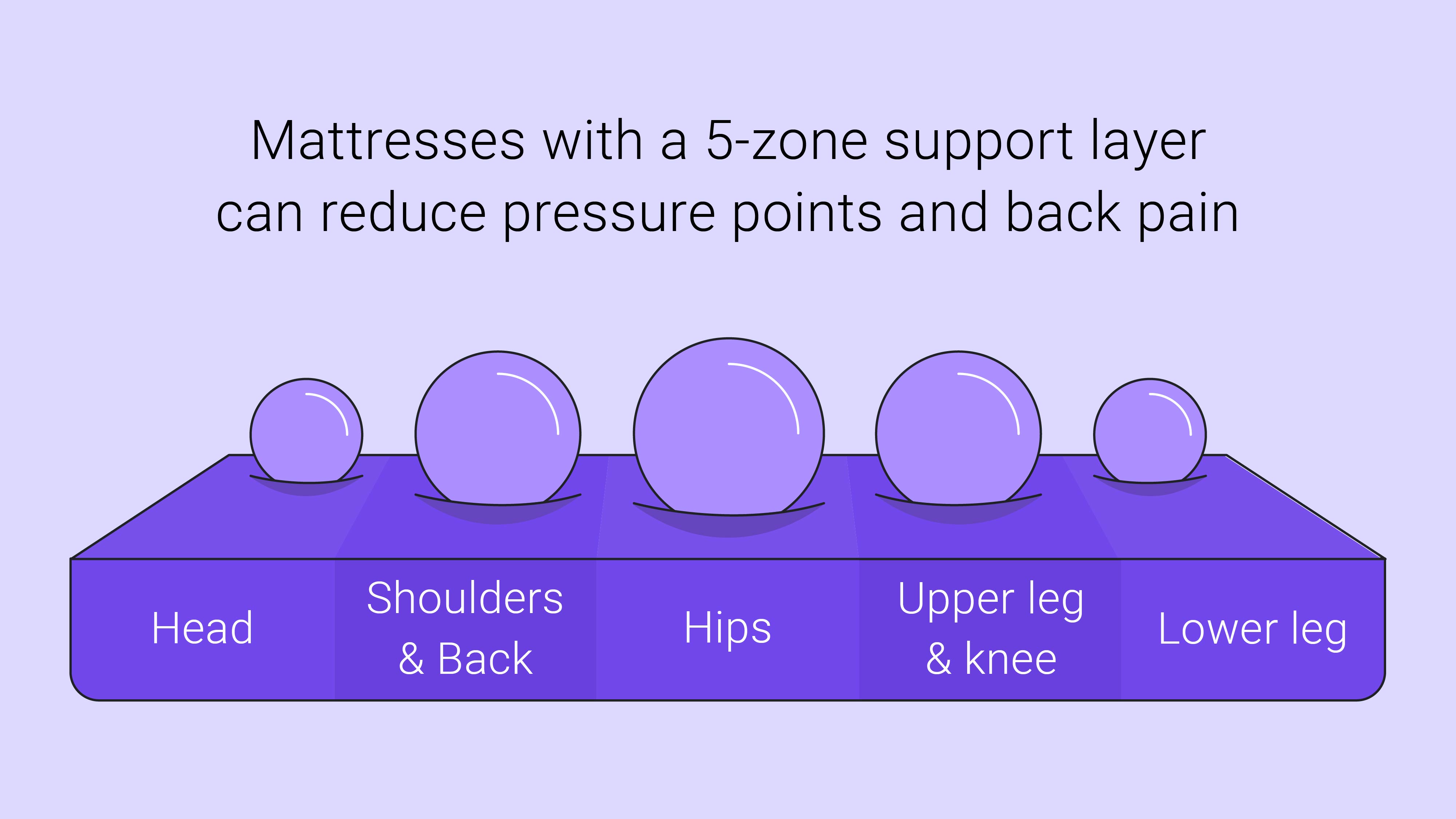
Illustrated graphic titled "Ergonomic 5-Zone Support" with text reading "Mattresses with a 5-zone support layer can reduce pressure points and back pain" above a purple mattress diagram divided into five labeled zones (head, shoulders and back, hips, upper leg and knee, lower leg), each topped with a purple ball of a different size to represent varying support firmness.

Some companies add an ergonomic 5-zone support layer that gives a firmer feel under the head, back, and legs and a softer feel under the hips and shoulders. This layer is designed to distribute weight more evenly and reduce pressure points.

It can be an appealing feature for sleepers who want more targeted support under specific areas of the body.

Companies may also include a lumbar support zoned layer. Lumbar refers to the lower back section of the spine. Some sleepers, especially those who want extra support under the lower back, may find this an appealing option in a mattress.

Mattress Types

In today’s world, innersprings are no longer the only type of mattress available. Memory foam, latex, and hybrid varieties are accessible from several companies. Materials have also evolved with better quality material and mattress technologies.

Each mattress type offers its own unique features that can benefit customers. Know to differentiate between each type and have a preference in mind before browsing.

1. Memory Foam

Memory foam is one of the most popular mattress types. It rose in popularity because of its contouring properties. By cradling the body with a hug-like sensation, memory foam cushions pressure points and eases pressure buildup. It also isolates motion well.

In contrast, it’s contouring abilities may also cause the body to retain heat. When looking for the best memory foam mattress, we suggest choosing one with some type of cooling properties, like open-cell or plant-based foam.

2. Innerspring

Known as the “traditional” choice, the innerspring mattress consists of steel spring coils assembled for support. These coils may be interlocked, stand-alone, or be individually wrapped. Most innerspring mattresses also include a comfort layer made of foam or cotton.

There are a few drawbacks to an innerspring. The coils may lend good support, but they can also create pressure points on the body. The thin comfort layer may not be effective in preventing this from happening.

3. Hybrid

Manufacturers combined the benefits of both memory foam and innersprings into one perfect mattress. In some ways, they nailed it. A hybrid mattress offers customers contouring pressure relief and coiled support. Yet, customers may also receive an increase in heat retention from the memory foam and more pressure points from the innersprings.

4. Latex

Extracted from the sap of rubber trees, latex mattresses are eco-friendly options for green sleepers. It conforms to the body, similar to memory foam, but more responsive. Latex is ideal for those who move around in their sleep or struggle getting out of bed.

Latex will undergo one of two processes; Dunlop or Talalay. Dunlop provides a firmer sleep surface, while Talalay is slightly softer with targeted support.

Sleeping Positions

Sleep position is one of the biggest factors in choosing a mattress firmness, since each position needs a different level of support to keep the spine aligned.

Side Sleeping Position

Side sleepers usually do best on a softer to medium feel that cushions the shoulders and hips while keeping the spine level.

Back Sleeping Position

Back sleepers tend to want medium to medium-firm support that holds the hips level and keeps the lower back from sagging.

Stomach Sleeping Position

Stomach sleepers need a firmer, flatter surface so the hips do not sink and pull the spine out of line; a thin pillow under the hips can help.

Combo Sleeping Position

Combination sleepers, who change positions during the night, do best on a responsive, balanced feel that makes it easy to move without feeling stuck.

Sleep Trials, Warranties, and Return Policies

Before finalizing a mattress purchase, look to see what sleep trials and return policies are available and always read up on the warranty. These features ensure customers they chose the right product and services to protect your investment.

Sleep Trial

Many companies offer sleep trials with a mattress purchase. The main benefit is trying out a mattress within the comfort of your own home without the added pressure of a hovering sale person. A sleep trial should include at least 100 days – this will allow time for the body to adjust to a new mattress and let you decide if you like it or not.

Warranty

A warranty helps to protect your investment and reflects the quality of a mattress. You can expect at least a 10-year warranty with any standard mattress purchase. Warranties with less than 10 years could be a sign of a bad investment and should be avoided. Be sure to read the fine print before buying a new bed.

Return Policy

A return policy is definitely worth looking into, especially if a sleep trial isn’t available. If you purchase a mattress and within a few days realize it’s not for you, it’s nice to have the ability to return it for a full refund.

Make That Mattress Last!

A few habits extend a mattress’s lifespan and protect the warranty. Use a mattress protector to guard against spills and stains, since most warranties void once the surface is stained, and to block dust mites and allergens; wash it every couple of weeks. Pair the mattress with the right foundation, since box springs are not ideal for memory foam or latex, and spot-clean with warm water and mild detergent, using baking soda and a vacuum to freshen the surface.

Risks of “Cheap” Mattresses

A very cheap mattress often shows its limits fast. Watch for sagging, which comes from low-density foam (check the ILD) or thin, high-gauge coils, and for early wear you can spot in the cover, like brittle or loose stitching. If a seller cannot give clear foam or coil specs, treat that as a warning sign, and read the full warranty for sagging coverage before buying.

Save with Mattress Sales

Frequently Asked Questions

What is the best budget mattress of 2026?

Across the 50+ mattresses I have tested, the Zoma Start was my best budget pick for balancing responsive support, quiet motion isolation, and a cooler-than-foam surface without pushing past a budget price. Back and stomach sleepers who want firmer support may prefer the Amerisleep AS2, and side sleepers who want softer contouring may prefer the Vaya Mattress. The right budget mattress depends on your position and firmness preference more than price alone.

What is the best affordable mattress to buy?

It is hard to beat a well-made memory foam mattress at a budget price, and the type is sold at all price points. A quality memory foam bed at least 10 inches thick can cushion pressure points and hold the spine in a neutral position. Just choose one with cooling features, since traditional memory foam tends to hold body heat. On this list, the Zoma Start is my top budget memory foam pick.

Are certain mattress types less expensive than others?

Yes, not all mattress types fall into the same price range. When it comes to affordability, memory foam and innerspring mattresses are relatively low-priced, with many excellent models sold for under $1000 for a queen. Meanwhile, hybrids and latex mattresses tend to cost more, with many models falling into the $1000 to $2000 range for a queen size mattress.

Are cheap mattresses worth it?

An inexpensive mattress often lacks the support of a higher-quality bed, which can leave you waking up less than well-rested. You may also find that a thinner, less costly mattress is more likely to wear out within a few years. That said, there a number of quality mattresses you can find for less than $1,000 or even $500.

How much does a high-end mattress cost?

A higher-end mattress can still be relatively affordable, with many of the best mattresses under $2000 featuring a number of innovative comfort features. Some of them are even around $1000 or just a little over it, particularly if you’re looking for a well-made memory foam mattress. High-end hybrid and latex mattresses cost more due to their material costs.

Is it better to buy a cheap mattress online or in store?

Online retailers usually offer their mattresses at a lower price because they have fewer costs to meet and can pass the savings onto the customer. However, many shoppers enjoy the security that comes from trying out a mattress in a store before they buy it. It’s all a matter of what’s important to you when you’re choosing a new mattress.

How much should you spend on a good budget mattress?

A good budget mattress typically costs between $300 and $800 for a queen size, depending on the materials and construction. While it may be tempting to choose the cheapest option available, extremely low-priced mattresses often sacrifice durability and support.

Many experts recommend focusing on value rather than just price, looking for mattresses that include high-density foams, durable coil systems, or breathable materials. A well-made budget mattress can still provide solid comfort and support without the premium price tag. Affordable mattresses can still deliver quality sleep as long as they are constructed with reliable materials and balanced support layers.

How long does a budget mattress usually last?

A budget mattress generally lasts around 5 to 7 years, depending on the quality of its materials and how well it’s maintained. Lower-priced mattresses often use simpler constructions or lower-density foams, which can wear out faster than premium models.

To extend the lifespan of a budget mattress, it helps to use a supportive bed frame, rotate the mattress periodically, and protect it with a mattress protector. With proper care, many budget mattresses can still provide comfortable and supportive sleep for several years.

Have You Found Your Budget Bed?

An expensive price tag doesn’t always result in quality. A great mattress can be found as long as you know what to look for. An advantage to buying an online mattress in comparison to a brick-and-mortar shop is the reduced price for high-end materials.

For this reason, many of our top picks for the best budget mattress were mattress-in-a-box type brands. Customers can expect better quality and durability at a lower cost.

As a dedicated mother of two, Kristina places a high value on holistic health and the well-being of her family. She understands the significance of maintaining hormonal balance and cherishes the essential role of sleep in optimizing overall health. In her leisure time, she indulges her love for the outdoors through hiking, fostering a deep connection with nature, and expresses her creativity through various forms of art. Her life is a vibrant canvas, adorned with wellness and inspiration.

Leave a Reply

Your email address will not be published. Required fields are marked *