We may receive financial compensation for products purchased through links on this website. sleepjunkie.com is owned by Healthy Sleep, LLC and includes Amerisleep, LLC advertising. Learn more.

I Tested 50+ Mattresses to Find the 13 Best Mattresses for Motion Isolation of 2026

Mattress Guides
Read Time: 2 minutes

Top Recommendation of 2026: Amerisleep AS3

After testing 50+ mattresses for this guide, the Amerisleep AS3 earned our pick as the best mattress for motion isolation of 2026 because it paired a perfect 10 out of 10 motion-transfer result with the most position-flexible medium feel on this list. During testing, when my partner rolled over and got out of bed, movement on my side barely registered, and the Bio-Pur comfort layer contoured my shoulder and hip without the slow, stuck sink I noticed on denser all-foam beds I compared.

The AS3 suits couples who want one partner’s movement to stay contained, side sleepers who need shoulder and hip pressure relief, and combination sleepers who reposition through the night and want a medium feel that works in more than one position. Its balance of contained motion, medium support, and versatility across positions is what made it the strongest overall motion-isolation pick in this guide.

Why Trust Sleep Junkie's Recommendations?

Every mattress featured on Sleep Junkie is evaluated using the same testing framework for support, pressure relief, cooling, motion isolation, edge support, responsiveness, and overall value. Learn How We Test Mattresses.

The best mattresses for motion isolation absorb a partner’s movement so it does not travel across the bed, and after testing 50+ mattresses we ranked the 13 that did it best, led by the Amerisleep AS3. Across all 13 we judged motion transfer alongside pressure relief, cooling, edge support, responsiveness, and value, and the strongest picks contained movement whether they were all-foam, hybrid, or latex.

However, even if you sleep alone, you still need to think about motion isolation because a mattress that doesn’t give it to you can leave you disturbing yourself with your own movements. The good news is that it’s now easier than ever to find mattresses that isolate motion without sacrificing an iota of comfort. Let’s talk about a few of them.

Best Mattress Overall:

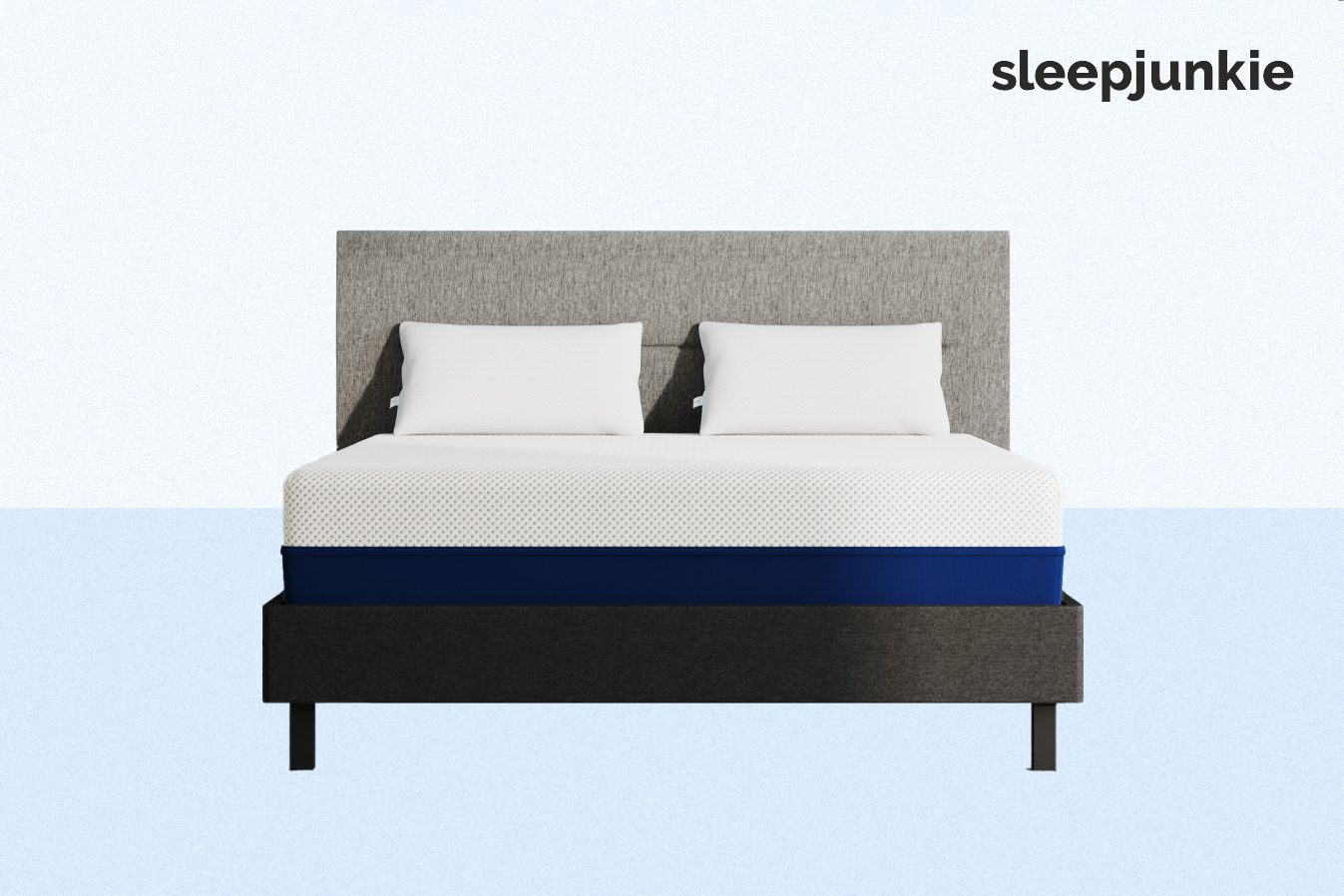
1. Amerisleep AS3

1. Amerisleep AS3
  • Price Range: See Price
  • Mattress Type: Memory Foam
  • Thickness: 12 Inches
  • Firmness: 5 to 6 out of 10 (Medium)
  • Available In: Twin, Twin XL, Full, Queen, King, California King, Split King

Warranty

20 Years

Sleep Trial

100 Nights

Shipping

Free

Mattress Highlights
  • Plant-based memory foam
  • Zoned transition foam
  • Durable base foam support
Recommended For
  • Most sleeping styles
  • Hot sleepers
  • Sleepers with allergies

Watch Our Amerisleep AS3 Video Review

After testing 50+ mattresses for this guide, the Amerisleep AS3 was the most position-flexible bed on the list, which is what earned it the top overall spot for motion isolation. Its medium feel gave me cushioning at the shoulder and hip without letting my spine dip out of line, so it held up whether I slept on my side or my back.

The comfort layer is Bio-Pur, a plant-based memory foam. In testing it contoured to my shoulder faster and with less of the stuck, sinking feel I noticed on the denser all-foam beds I compared, which made repositioning easy and kept the surface from warming up as quickly on early contact.

Motion isolation was the standout. When my partner rolled over and later climbed out of bed, the movement reached my side as a faint, distant nudge rather than a bounce, so a light sleeper sharing the bed is less likely to wake.

Under the comfort layer, the HIVE zoned transition foam firms up beneath the hips and back and softens under the shoulders. On my back that is what kept my lower back supported instead of dishing into the surface, and it is the same zoning that keeps pressure off the shoulders and hips when I turn onto my side.

9.2 Overall Score
  • 9 Value
  • 8 Edge Support
  • 9 Trial Period
  • 9 Response Time
  • 10 Motion Transfer
  • 10 Cooling & Breathability

The AS3 is the most position-flexible pick on this list, and it earned the top motion-isolation spot on a 10 out of 10 motion-transfer result during testing. When my partner rolled over and later climbed out of bed, the movement reached my side as a faint, distant nudge rather than a bounce, so a light sleeper sharing the bed is less likely to wake. Lying on my side, the Bio-Pur comfort layer gave under my shoulder and hip and held my spine level, without the slow, stuck sink I felt on the denser all-foam beds I compared, which is what let me change positions without fighting the surface. On my back, the zoned transition layer kept my lower back supported rather than letting it dish into the surface.

Best For:

  • Couples who want one partner’s movement contained
  • Side sleepers needing shoulder and hip pressure relief
  • Combination sleepers who reposition through the night

Compare Instead:

  • Saatva Classic if you want innerspring bounce and a choice of firmness levels
  • Brooklyn Plank if you are a dedicated stomach sleeper who wants a much firmer, flatter surface
  • FORM Prime if you want a faster, more responsive grid feel instead of foam contour

Lying down on the Amerisleep AS3, the first thing I noticed was how balanced it felt: plush enough to give at my shoulder, firm enough that I did not sink in. The Bio-Pur comfort layer reads right around a medium, in line with the 5 to 6 firmness on the spec sheet, which is the range that worked across side and back sleeping for me.

Motion isolation is where the AS3 stood out most. The Bio-Pur foam absorbed movement in place rather than passing it along, so when my partner shifted on the other side of the bed I barely felt it. That is what makes this an easy pick for couples and light sleepers.

Beneath the comfort layer sits a 2-inch Affinity layer with HIVE zoning, hundreds of hexagonal cutouts that vary in firmness across the surface. It gives more support under the head, back, and legs and more give under the shoulders and hips, and in testing that kept my spine level and kept pressure from building at my contact points.

Temperature held steady through the night. The open-cell structure of the Bio-Pur foam let air move, and the breathable cover kept the surface from feeling warm on contact, which matters to me since I tend to sleep hot.

The base is a 7-inch Bio-Core foam layer. It anchored the whole surface and kept the bed stable to the perimeter, so the edge stayed usable when I sat on it. Across side and back sleeping, the AS3 gave me pressure relief where I needed it and support where I did not, which is the balance that put it at the top of this list.

The Bio-Pur comfort layer is a plant-based memory foam, and in testing it contoured to my shoulder and hip faster and with less stuck feeling than the denser synthetic foams I compared, which is what made repositioning easy. Beneath it, the HIVE zoned transition layer firms up under the hips and back and softens under the shoulders, and that is what kept my spine level rather than dishing in when I lay on my back. The Bio-Core base is a high-density foam that held the whole surface stable to the perimeter, so the edge stayed usable when I sat on it. Together the foam layers absorb motion in place rather than passing it along, which is why a partner’s movement barely reached my side.

Pros:

  • Motion Transfer (10/10): partner roll-over and getting out of bed reached my side as a faint nudge, not a bounce
  • Cooling and Breathability (10/10): the Bio-Pur surface felt cooler on early contact than the denser all-foam beds I compared
  • Response Time (9/10): contoured at the shoulder and hip without the stuck sink that slows repositioning

Cons:

  • Edge Support (8/10): stable but compressed a bit more than the coil-heavy hybrids here when I sat on the perimeter
  • Firmness fit: at a true medium it is not flat enough for dedicated stomach sleepers who need the hips held high; consider Brooklyn Plank

Why The Amerisleep AS3 Won

Among the 50+ mattresses I tested for motion isolation, the AS3 stood out for pairing a 10 out of 10 motion-transfer result with a medium feel that held up across side, back, and combination sleeping. Its plant-based Bio-Pur layer contoured pressure points without the stuck sink of denser foam, while the zoned support kept my spine level. For couples who want one partner’s movement contained and a bed that works in more than one position, it earned the top overall spot.

Kristina Hindes

Best Purple Alternative:

2. FORM Prime

2. FORM Prime
  • Price Range: See Price
  • Mattress Type: Gel Grid Hybrid
  • Thickness: 14 Inches
  • Firmness: 5.5 to 6 out of 10 (Medium-Medium-Firm)
  • Available In: Twin, Twin XL, Full, Queen, King, California King

Warranty

Lifetime

Sleep Trial

365 Nights

Shipping

Free

Mattress Highlights
  • Grid with Integra-Meshโ„ข reinforcement
  • ZoneCoilโ„ข 7-Series wrapped coils
  • AeroWeaveโ„ข breathable cover
Recommended For
  • Hot sleepers seeking responsiveness
  • Partners sharing a bed
  • Side, back and combination sleepers

Watch Our FORM Prime Video Review

If you share a bed, the FORM Prime is the kind of mattress that quietly solves the problem you notice most: feeling every time your partner rolls over. It is a 14-inch hybrid, with a pocketed coil base under FORM’s signature GelGridโ„ข comfort layer, and the first thing I felt lying down was how quickly the surface met me.

The grid gave at my shoulder and hip, then held firm through the middle, so it felt responsive and buoyant rather than the slow sink of memory foam.

That combination of a bouncy grid over wrapped coils makes it a natural fit for couples, side sleepers, and anyone who changes position through the night. Rolling from back to side took no effort at all, and the edges held up too; I sat right on the perimeter with my full weight and felt a firm, defined boundary underneath me rather than a slow slide toward the floor.

Who should look elsewhere? If you are a dedicated stomach sleeper who wants a hard, unyielding surface, test this one carefully during the trial, because the grid flexes by design. If natural or organic materials are a priority, this is a proprietary synthetic build, so it will not be your match. And at 14 inches, plan on deep-pocket sheets and a taller step up into bed.

9.3 Overall Score
  • 8 Value
  • 10 Edge Support
  • 10 Trial Period
  • 9 Response Time
  • 10 Motion Transfer
  • 9 Cooling & Breathability

The FORM Prime earned its place on the single metric that matters most here: it scored a perfect 10 out of 10 for motion isolation in testing. In the mason jar test the jar barely moved through vigorous motion on the opposite side, because the Integra-Mesh reinforcement woven through the GelGrid cuts the surface ripple most grid beds transmit. The ZoneCoil 7-Series pocketed coils move independently underneath, so one sleeper shifting does not carry across to the other. In my weight-drop test the response was among the most dramatic I have measured, with the weights lifting off the instant they landed, so repositioning happened with no stuck or delayed feeling. Sitting on the perimeter with my full weight, the BaseFlex encasement held a firm, defined edge rather than sliding me toward the floor.

Best For:

  • Couples who also want fast, responsive repositioning
  • Side and combination sleepers who change position often
  • Hot sleepers who want a grid-over-coil feel rather than foam

Compare Instead:

  • Amerisleep AS3 if you prefer slow memory-foam contour over a springy grid
  • PlushBeds Botanical Bliss if natural or organic materials are a priority
  • Nolah Evolution if you want a plush pillow-top surface on top of the coils

The FORM Prime reads as a zoned medium, roughly 4.5 out of 10 at the shoulder and closer to 7 at the lumbar zone, which is what gives it that softer-where-you-need-it, firmer-where-you-don’t quality.

Lying on my side, the grid cells compressed right where my shoulder met the surface and stayed firm elsewhere, so my spine held neutral without the hammock sag a uniformly soft bed creates.

Across several nights on my side I woke without the shoulder tension I sometimes get on firmer surfaces.

On my back, the ZoneCoilโ„ข system carried my lower back without any pressure point building up, while the grid followed the curve of my spine.

Moving between positions, the surface caught up instantly, with none of the lag that pulls light sleepers awake mid-adjustment.

In my weight-drop test the response was among the most dramatic I have measured; the weights lifted off the surface the moment they landed.

The GelGrid comfort layer is a polymer grid of open cells that flexed under my shoulder to relieve the contact point while channeling heat out, and the Integra-Mesh woven through it is what cut the surface ripple, so a partner’s motion barely traveled. The ContourFlex transition foam bridges the grid and coils so the feel does not switch abruptly between springy and foamy. The ZoneCoil 7-Series pocketed coils are split into seven zones, firmer at the lumbar and softer at the shoulders, which held my spine neutral on my back, and because each coil is wrapped it aids both airflow and motion isolation. The BaseFlex encasement wraps the perimeter, which is why the edge stayed firm and defined under my full weight. Foams are CertiPUR-US certified and tested for low VOC emissions.

Pros:

  • Motion Transfer (10/10): a mason jar on one side barely moved during vigorous motion on the other
  • Response Time (10/10): in the weight-drop test the weights lifted off the instant they landed, so position changes had no lag
  • Edge Support (10/10): the BaseFlex encasement held a firm, defined perimeter under my full weight

Cons:

  • Firmness fit: the grid flexes by design, so dedicated stomach sleepers who want a hard, unyielding surface should test it during the 365-night trial
  • Value (8/10): the 14-inch made-to-order build costs more and is not suitable for anyone who needs a mattress immediately, and it requires deep-pocket sheets
  • Materials fit: a proprietary synthetic build, so it is not a match for shoppers set on natural or organic construction

FORM Prime

In testing, the GelGrid flexed at my shoulder while holding firm through the middle, and a mason jar on one side barely moved during vigorous motion on the other. Between the zoned grid and the wrapped-coil base, it landed as a responsive medium that best suits side and combination sleepers, and couples who want fast repositioning without feeling each other move.

Kristina Hindes

Read My Full Review of the FORM Prime

Best Luxury Mattress:

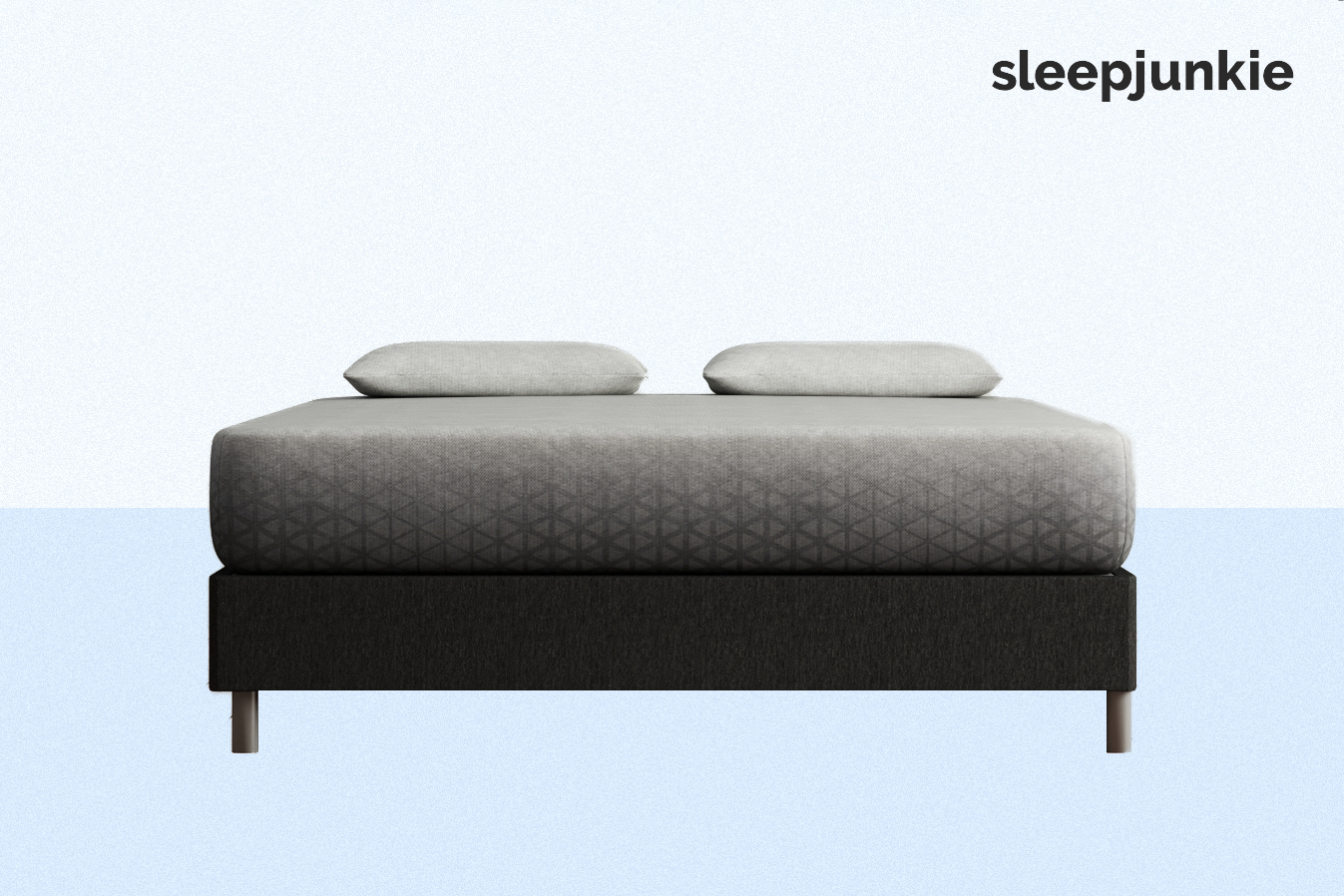
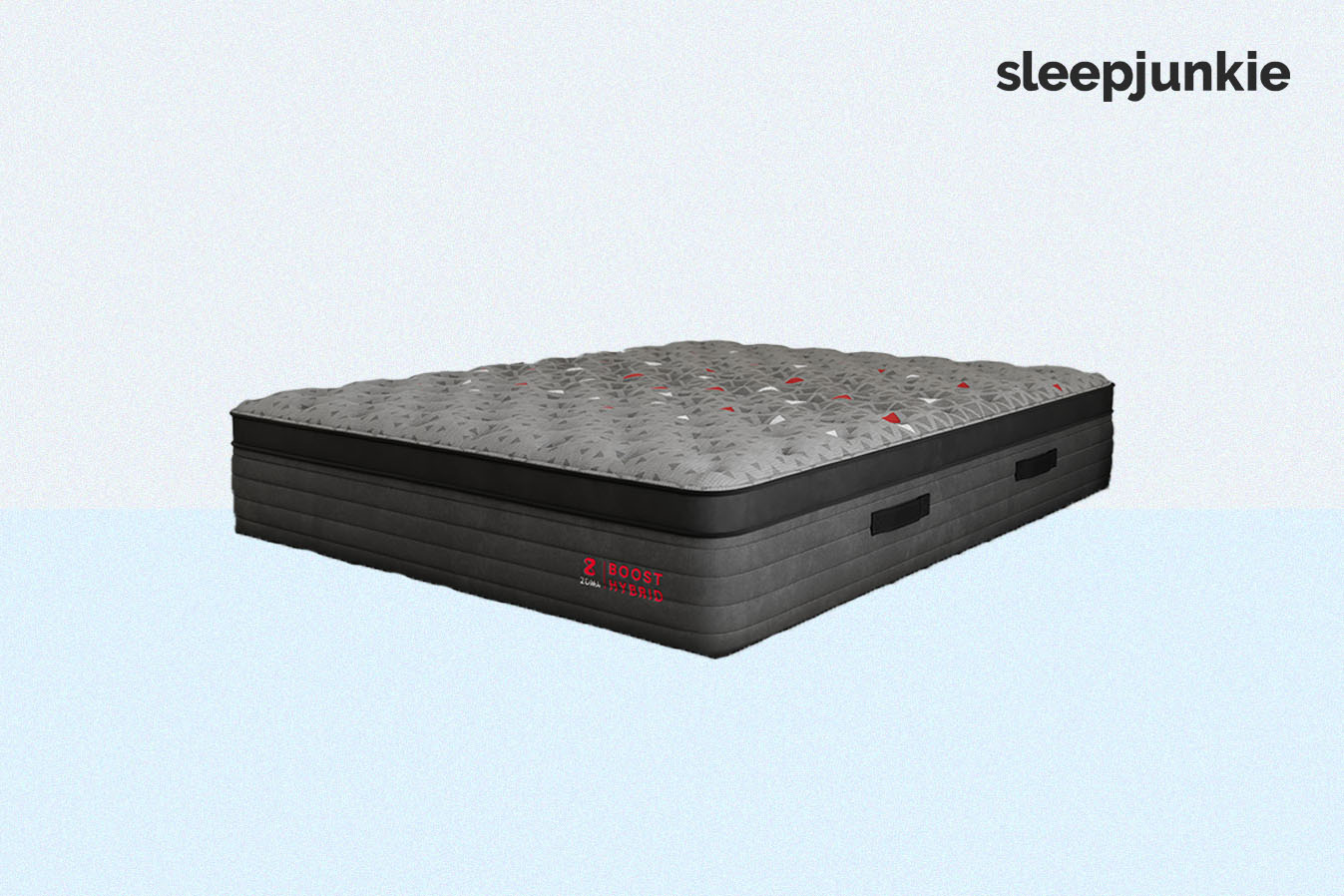
3. Zoma Boost

3. Zoma Boost
  • Price Range: See Price
  • Mattress Type: Hybrid
  • Thickness: 15 Inches
  • Firmness: 5.5 out of 10 (Medium-Firm)
  • Available In: Twin, Twin XL, Full, Queen, King, California King, Split King

Warranty

10 Years

Sleep Trial

100 Nights

Shipping

Free

Mattress Highlights
  • Strong motion isolation from wrapped coils
  • Reactiv foam recovers fast on repositioning
  • Gel foam and breathable cover for airflow
Recommended For
  • Couples who want contained motion
  • Combination sleepers who reposition often
  • Sleepers who want a medium-firm, responsive feel

Watch Our Zoma Boost Video Review

The Zoma Boost was the most responsive hybrid I tested for this guide, and it pairs that quick recovery with motion isolation that held up for couples. It is built on a wrapped-coil support core under layers of gel-infused and Reactiv foam, and that combination is what gave it both its bounce and its ability to keep one sleeper’s movement from crossing the bed.

The top layer is Reactiv foam. When I changed positions it sprang back the moment I moved, so I never felt stuck the way I did on the slower memory-foam beds I compared. A quilted gel foam top sits above it, and in testing that surface read cooler on early contact than the plain foam beds on this list.

Underneath, a zoned coil layer firms up through the hips and midsection to keep the spine level, while the individually wrapped coils flex on their own. That is why, when my partner moved on the other side of the bed, the motion barely registered on mine.

It reads a touch firmer than a true medium, around medium-firm, so it is worth noting if you are expecting a plush, deep-cradle surface. For couples who want contained motion with a responsive feel, it was the strongest luxury pick on the list.

9.5 Overall Score
  • 10 Value
  • 10 Edge Support
  • 9 Trial Period
  • 9 Response Time
  • 10 Motion Transfer
  • 9 Cooling & Breathability

The Zoma Boost pairs a 10 out of 10 motion-transfer result with the fastest recovery-to-neutral feel of the hybrids I tested. When my partner moved, the motion on the opposite side barely registered, because the individually wrapped coils in the support core flex on their own rather than passing movement along. The Reactiv transition foam sprang back the moment I shifted, so I did not feel stuck when changing positions the way I did on slower memory-foam beds I compared. Sitting on the edge, the perimeter compressed only slightly and stayed stable, so couples can use the full width. It reads a touch firmer than a true medium, around medium-firm, which is worth noting if you expect a plush surface.

Best For:

  • Couples who want contained motion with a responsive feel
  • Combination sleepers who reposition frequently
  • Sleepers who want a medium-firm rather than plush surface

Compare Instead:

  • Amerisleep AS6 Black Series if you want a plush, soft, cradling feel
  • Nolah Evolution if you want a taller pillow-top surface
  • Vaya Hybrid if you want similar coil-based motion control at a lower price

The first thing I noticed lying on the Zoma Boost was how quickly the top layer met me. The Reactiv foam responded almost immediately when I shifted, giving a balance of give and support without the trapped, sinking feel of slower foams. Since I move around a lot in my sleep, that responsiveness mattered.

The gel-infused foam and the breathable cover kept the surface from warming up quickly on contact, so I did not get the heat buildup I sometimes feel on all-foam beds through the early hours.

On my side, the foam gave at my shoulder and hip while the zoned coils underneath held my hips up, so my spine stayed level rather than bowing. That zoning is aimed at the shoulders and hips, the spots that usually take the most pressure when I sleep on my side.

Edge support held up well. Sitting near the perimeter, I felt a firm, defined boundary rather than a slow slide toward the center, which keeps the full width of the bed usable for two people. Across positions, the Boost read around medium-firm, responsive, and quiet under a partner’s movement, which is the combination that earned it the luxury spot.

The graphite-infused Energex memory foam comfort layer contoured at my hips and shoulders while a quilted gel foam top drew heat off the surface, so it felt cooler on early contact than the plain foam beds I compared. The Reactiv foam beneath is what gave the surface its fast recovery, springing back the instant I shifted so I did not feel stuck changing positions. The zoned coil support core, with reinforced edge coils, is what kept my back level and held the perimeter firm when I sat on it, and because the coils are individually wrapped they contained a partner’s movement rather than passing it across. The high-density base foam anchored the whole build. Foams are CertiPUR-US certified and tested for low VOC emissions.

Pros:

  • Motion Transfer (10/10): movement on the opposite side barely registered when my partner shifted
  • Response Time (9/10) and Edge Support (10/10): the Reactiv layer recovered instantly on repositioning and the reinforced edge stayed firm when I sat down
  • Value (10/10): priced below most hybrids with this level of coil-based motion control

Cons:

  • Firmness fit: it reads around medium-firm, so sleepers expecting a plush surface may find it too firm; consider Amerisleep AS6 Black Series
  • Off-gassing: a slight initial foam odor that faded over a few days

Zoma Boost

In testing, movement on the opposite side barely registered when my partner shifted, and the Reactiv foam recovered the moment I changed positions rather than holding me in place. It reads around medium-firm, which makes it a strong fit for combination sleepers who reposition often and couples who want contained motion with a responsive, not plush, surface.

Kristina Hindes

Best Affordable Mattress:

4. Vaya Hybrid

4. Vaya Hybrid
  • Price Range: See Price
  • Mattress Type: Hybrid
  • Thickness: 12 Inches
  • Firmness: 5 to 6 out of 10 (Medium)
  • Available In: Twin, Twin XL, Full, Queen, King, Cal. King, Split King

Warranty

10 Years

Sleep Trials

100 Nights

Shipping

Free

Mattress Highlights
  • Effective motion isolation
  • Responsive foam layers for comfort
  • Supportive for back/stomach sleepers
Recommended For
  • Budget-conscious shoppers
  • Back and stomach sleepers
  • Hot sleepers

Watch Our Vaya Hybrid Video Review

The Vaya Hybrid was the budget pick that still handled motion well in testing, which is a hard balance to strike at this price. Its wrapped coils and foam layers work together to absorb movement, so it holds up better for couples than most beds in its tier.

Lying down, the Vaya Comfort Foam top layer felt soft but responsive, contouring at my shoulder and hip on contact. Beneath it, the individually wrapped coils gave the real support and kept most of my movement from traveling across the surface, since each coil compresses on its own. Those coils are ringed by a high-density foam encasement, so when I sat on the edge I did not feel pushed toward the center.

Airflow was a strong point. The open-cell comfort foam and the coil layer let enough air move that the surface did not warm up as fast as the denser foam beds I compared, which suits sleepers who run warm.

Across back, side, and stomach sleeping, the Vaya kept my spine level and held its support, and the hybrid build gave enough bounce to make repositioning easy. For the price, that combination of contained motion and do-it-all support is what earned it the affordable spot.

9.2 Overall Score
  • 10 Value
  • 10 Edge Support
  • 9 Trial Period
  • 10 Response Time
  • 7 Motion Transfer
  • 9 Cooling & Breathability

The Vaya Hybrid is the budget pick that still contained motion well in testing, scoring 7 out of 10 for motion transfer, the lowest on this list but solid for its price tier. When I shifted near the middle of the bed, the individually wrapped coils absorbed most of the movement locally rather than sending it across the surface, though a very restless partner is more noticeable here than on the 10 out of 10 picks. The Vaya Comfort Foam gave immediate contour at my shoulder and hip, and the coils underneath kept my back supported across side, back, and stomach positions. Sitting on the edge, the high-density foam encasement held firm enough that I did not feel pushed toward the center.

Best For:

  • Budget-conscious shoppers who still want coil-based motion control
  • Back and stomach sleepers who want firmer support
  • Combination sleepers wanting a medium, do-it-all feel

Compare Instead:

  • Amerisleep AS3 if you want noticeably stronger motion isolation
  • Leesa Sapira Chill if you want a value hybrid with a stronger cooling cover
  • Nest Bedding Sparrow if you want to fine-tune the firmness after delivery

When I first lay down on the Vaya Hybrid, the top layer of Vaya Comfort Foam welcomed me with a soft yet responsive feel. This foam contoured perfectly to my bodyโ€™s shape, providing immediate pressure relief. Its open-cell structure enhanced breathability, allowing heat to dissipate, which kept the sleeping surface cool and comfortable.

Beneath the comfort foam, I could feel the support of the individually wrapped coils. These coils offered targeted support, adapting to my body’s natural curves. The coil system provided a sturdy base and reduced motion transfer, ensuring that my movements didn’t disturb my partner on the other side of the bed.

One feature that really stood out to me was the robust edge support. The coils are encased in high-density foam, which reinforced the mattress edges. This design prevented any feeling of roll-off when I slept near the edge, ensuring the entire surface was usable and supportive.

The combination of foam and coils enhanced airflow throughout the mattress. The Vaya Comfort Foam’s open-cell structure and the coil layer’s inherent breathability worked together to promote ventilation. This design effectively managed heat buildup, keeping me cool even on warm nights.

While the Vaya Hybrid’s motion isolation may not rival that of high-end memory foam mattresses, it performs admirably within its category. The individually wrapped coils play a significant role in minimizing motion transfer.

The Vaya Comfort Foam is an open-cell foam, and in testing it contoured at my shoulder and hip on contact while letting enough air move that the surface did not warm up as fast as denser foam I compared. Underneath, the individually wrapped coils are the reason a partner’s movement stayed mostly on their side and the reason my back stayed supported across side, back, and stomach positions, since each coil compresses on its own. Those coils are ringed by a high-density foam encasement, which is what held the edge firm enough that I did not slide toward the center when I sat down. A high-density base foam anchors the build so the surface stays even over time. Foams are CertiPUR-US certified and tested for low VOC emissions.

Pros:

  • Value (10/10) and Response Time (10/10): the strongest price-to-performance on the list, with a hybrid bounce that made repositioning easy
  • Edge Support (10/10): the high-density foam encasement kept me from sliding toward the center at the perimeter
  • Motion Transfer (7/10): the wrapped coils absorbed most localized movement, solid for a budget hybrid

Cons:

  • Motion Transfer (7/10): the lowest motion score here, so a very restless partner is more noticeable than on the 10/10 picks; consider Amerisleep AS3
  • Firmness fit: the medium feel is not firm enough for dedicated stomach sleepers who need the hips kept lifted

Vaya Hybrid

In testing, the wrapped coils absorbed most of my movement near the middle of the bed while the Vaya Comfort Foam contoured at my shoulder and hip. Its 12-inch build kept me supported across back, side, and stomach positions, which makes it a budget-friendly fit for back and stomach sleepers and couples who want solid, if not top-tier, motion control.

Kristina Hindes

Best Mattress for Side Sleepers:

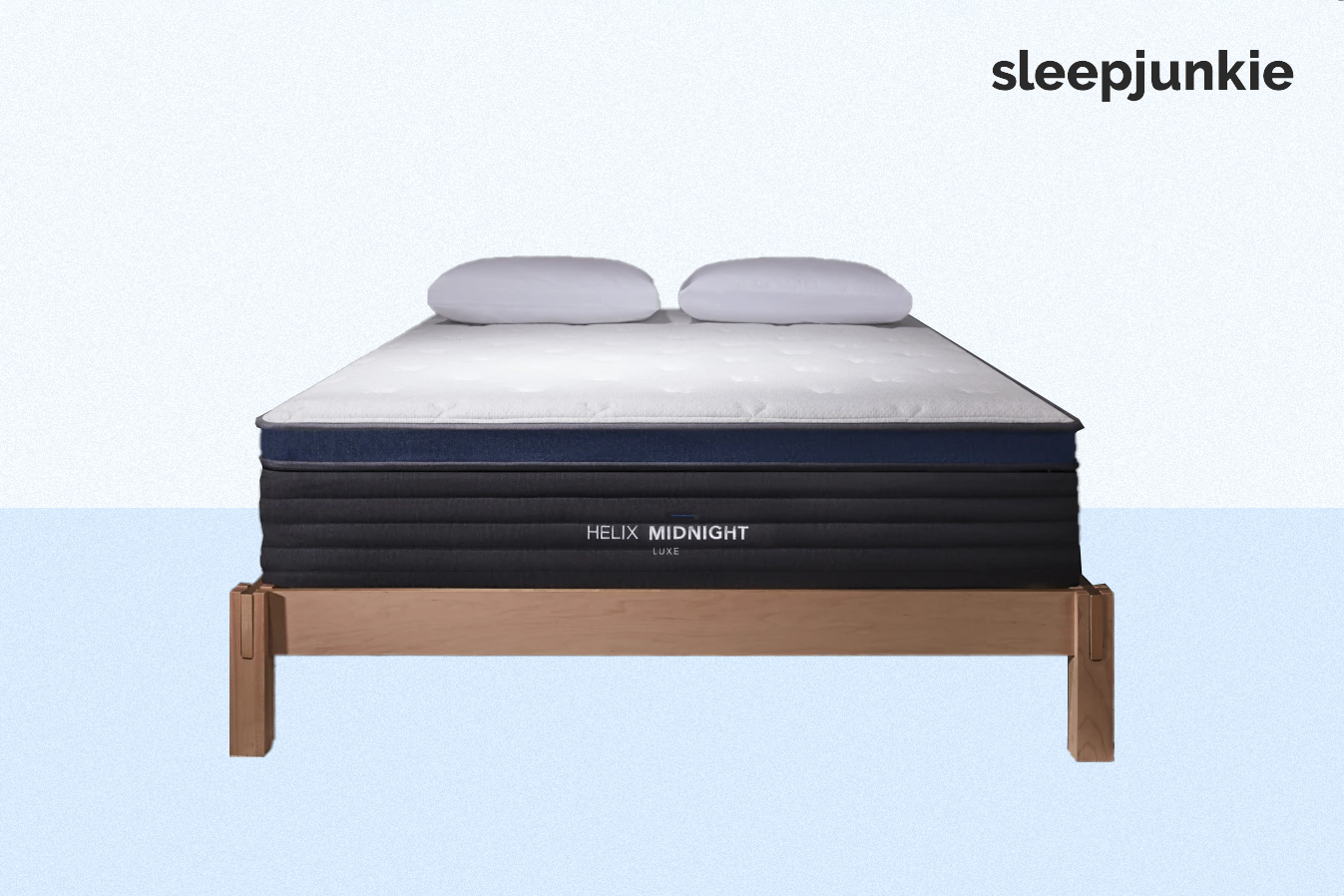
5. Helix Midnight Luxe

5. Helix Midnight Luxe
  • Price Range: See Price
  • Mattress Type: Hybrid
  • Thickness: 13.5 Inches
  • Firmness: 5 to 6 out of 10 (Medium)
  • Available In: Twin, Twin XL, Full, Queen, King, California King, Short Queen, RV King

Warranty

15 Years

Sleep Trials

100 Nights

Shipping

Free

Mattress Highlights
  • Cooling pillow top mattress surface
  • Responsive foam layers for comfort
  • Tri-zoned pocket coils isolate motion
Recommended For
  • Side sleepers
  • Couples sharing a mattress
  • Hot sleepers

Watch Our Helix Midnight Luxe Video Review

The Helix Midnight Luxe was the side-sleeper pick on this list, and it isolated motion at the top of the range in testing. Lying down, the quilted pillow top cradled my shoulder and hip right away, and the gel-infused memory foam and polyfoam beneath it kept contouring where a side sleeper needs it most.

Under the comfort layers sits a set of individually wrapped coils. When my partner changed positions, the coils flexed independently and I barely felt the movement on my side, which is what makes this one work for couples. The reinforced perimeter held firm when I sat on the edge, so both sleepers can use the full width of the bed.

The cover and copper-infused foam drew heat off the surface, so it stayed cool to the touch on early contact rather than warming quickly. For a side sleeper who shares a bed and runs warm, the Midnight Luxe covered all three at once, which is why it earned its spot.

9.0 Overall Score
  • 7 Value
  • 10 Edge Support
  • 9 Trial Period
  • 9 Response Time
  • 10 Motion Transfer
  • 9 Cooling & Breathability

The Helix Midnight Luxe is the side-sleeper pick, and it isolated motion at 10 out of 10 in testing. When my partner changed positions, movement on my side barely registered, thanks to the individually wrapped coils that respond independently. Lying on my side, the quilted pillow top and gel-infused memory foam let my shoulder and hip settle in while the coils held my spine neutral, which is the balance side sleepers usually struggle to find. Sitting on the reinforced perimeter, the edge stayed defined rather than collapsing, so both partners can use the full surface. It ships in a single medium feel, so there is no firmness to select at checkout.

Best For:

  • Side sleepers who need shoulder and hip pressure relief
  • Couples sharing a bed who want contained motion
  • Sleepers who want a plush pillow-top surface in a single medium feel

Compare Instead:

  • Nolah Evolution if you want a choice of firmness levels in a pillow top
  • Leesa Sapira Chill if you want a similar feel at a lower price
  • Saatva Classic if you prefer an innerspring with multiple firmness options

Settling onto the Helix Midnight Luxe, I first felt the Memory Plus transition foam holding me up rather than letting me sink. It spread my weight evenly, so I did not bottom out and my spine stayed in line.

As a side sleeper, the tri-zoned coils were what stood out. The surface gave more easily under my shoulder and stayed firmer under my hips, so my spine held neutral instead of bowing, and pressure did not build at my contact points the way it does on flatter beds.

Temperature held steady through the night. The breathable cover and the copper-infused memory foam pulled heat off the surface, so it read cool on contact rather than warming up, and I stayed comfortable across the night.

The quilted pillow top and gel-infused memory foam are what let my shoulder and hip settle in as a side sleeper, cushioning the contact points while the copper-infused layer drew heat off the surface, so it felt cool to the touch early rather than warming quickly. The Memory Plus transition foam distributed my weight so I did not bottom out, which is what kept my spine from bowing. The tri-zoned pocketed coils are softer under the shoulders and firmer under the hips, and because they are individually wrapped they held my back neutral while containing a partner’s motion. The DuraDense base foam anchored the perimeter, which is why the edge stayed defined when I sat on it. Cover options include a breathable TENCEL cover or a cool-to-the-touch GlacioTex cover.

Pros:

  • Motion Transfer (10/10): a partner changing positions barely registered on my side
  • Edge Support (10/10): the reinforced perimeter stayed defined when I sat on it
  • Cooling and Breathability (9/10): the copper-infused layer and cover felt cool to the touch on early contact

Cons:

  • Value (7/10): the lowest value score here; it costs more than several picks with comparable motion isolation
  • Firmness fit: it ships in a single medium feel with no firmness to select, so dedicated stomach sleepers who want firmer support should look at Brooklyn Plank

Helix Midnight Luxe

In testing, my shoulder and hip settled into the pillow top while the wrapped coils held my spine neutral, and a partner’s movement barely reached my side. In its single medium feel, it fits side sleepers who need shoulder and hip pressure relief and couples who want contained motion without choosing a firmness at checkout.

Kristina Hindes

Best Innerspring Mattress:

6. Saatva Classic

6. Saatva Classic
  • Price Range: See Price
  • Mattress Type: Innerspring
  • Thickness: 11.5 or 14.5 Inches
  • Firmness: 3 (Plush), 5 to 7 (Luxury Firm), and 8 (Firm) out of 10
  • Available In: Twin, Twin XL, Full, Queen, King, California King, Split King, Split California King

Warranty

Lifetime

Sleep Trial

365 Nights

Shipping

Free

Mattress Highlights
  • Dual support cores of coils
  • Antimicrobial treatments
  • Enhanced lumbar support
Recommended For
  • Sleepers with back pain
  • Innerspring mattress lovers
  • Sleepers with allergies

Watch Our Saatva Classic Video Review

The Saatva Classic blends traditional comfort with modern innovation, and my experience with it has been fantastic. The high-quality construction and thoughtful design cater to a wide range of sleep preferences. The multi-layered coil system delivers exceptional support and minimizes motion transfer, which is perfect for couples like us.

The edge support of the Saatva Classic is another highlight for me. The reinforced edges prevent the sensation of rolling off and allow full use of the mattress surface. This is particularly beneficial because I like to spread out or sit on the edge of the bed.

The comfort layers, including a Euro pillow top and high-density foam, provide plush cushioning and pressure relief, enhancing overall comfort. Additionally, the breathable organic cotton cover promotes airflow, helping to keep the mattress cool throughout the night.

What I really appreciate about the Saatva Classic is its multiple firmness options. Whether you prefer a plush, medium, or firm feel, Saatva has you covered. This versatility, combined with the mattress’s durable construction, ensures longevity and sustained comfort over years of use.

9.2 Overall Score
  • 7 Value
  • 10 Edge Support
  • 10 Trial Period
  • 10 Response Time
  • 9 Motion Transfer
  • 9 Cooling & Breathability

The Saatva Classic is the innerspring pick that still controlled motion well, scoring 9 out of 10 for motion transfer in testing, which is unusual for a coil bed. Its upper layer of pocketed coils moves independently, so when my partner shifted I felt a muted version of the movement rather than the full trampoline effect open-coil beds produce. The Euro pillow top gave an initial cushion at my hips and shoulders as a side sleeper, while the dual coil core kept my lower back lifted. Sitting on the perimeter, the foam rail system held firm with no roll-off. It comes in Plush Soft, Luxury Firm, and Firm, so the feel can be matched to sleep position.

Best For:

  • Innerspring fans who still want contained motion
  • Sleepers who want a choice of firmness levels
  • Back sleepers who want lifted lumbar support

Compare Instead:

  • Amerisleep AS3 if you want foam contour and stronger motion isolation
  • Leesa Sapira Chill if you want a stronger cooling surface
  • Nolah Evolution if you want a taller, plusher pillow top

The Saatva Classic mattress strikes a perfect balance between plush comfort and robust support, providing a sleeping surface that adapts to my body’s contours while maintaining a sturdy foundation. The Euro pillow top delivers an initial softness and gentle cradle, offering pressure relief and comfort throughout the night.

Beneath the plush surface, I noticed how the individually wrapped coils respond independently to my movements, providing targeted support to different areas of my body. This feature minimizes motion transfer, ensuring that my partner and I each receive personalized support without disturbing each other.

The high-density memory foam layer adds further contouring and support, which I found particularly beneficial for additional back support and pressure relief. Despite its plush feel, the Saatva Classic maintains a stable and supportive base, thanks to the durable tempered steel coils in the base layer.

The mattress’s edge support really stood out to me, with a reinforced perimeter allowing me to fully use the mattress surface without the sensation of rolling off. Overall, the Saatva Classic balances comfort and support perfectly. It suits various sleep positions and preferences, from side sleepers like me seeking pressure relief to back sleepers needing lumbar support and motion isolation.

The three-inch Euro pillow top over an organic cotton cover gave the initial cushion I felt at my hips and shoulders, and the cotton is treated with botanical antimicrobials to resist dust mites, mold, and mildew. Directly under it, a layer of high-density memory foam is what added the lumbar contour I noticed on my back. The upper pocketed-coil layer moves coil by coil, which is the reason this innerspring still contained a partner’s motion at 9 out of 10 rather than bouncing it across. The lower open-coil layer on tempered steel is what gives the bed its innerspring lift, and the high-density foam rail around it held the edge firm when I sat down. The dual-coil build is what let it feel plush on top yet stay supported underneath.

Pros:

  • Response Time (10/10) and Edge Support (10/10): the coil core made repositioning easy and the foam rail held a firm perimeter
  • Motion Transfer (9/10): the pocketed upper coils muted a partner’s movement rather than bouncing it across, unusual for an innerspring
  • Firmness choice: Plush Soft, Luxury Firm, and Firm let the feel match sleep position

Cons:

  • Value (7/10): among the lower value scores here for the base price
  • Compatibility: not compatible with adjustable bases, a limitation for anyone who wants to elevate the head or foot

Saatva Classic

In testing, the pocketed upper coils muted my partner’s movements to a faint version rather than the full spring bounce, while the Euro top cushioned my hips and shoulders. With Plush Soft, Luxury Firm, and Firm options, it suits innerspring fans who still want contained motion, and back sleepers who want lifted lumbar support.

Kristina Hindes

Best Value Mattress:

7. Leesa Sapira Chill

7. Leesa Sapira Chill
  • Price Range: See Price
  • Mattress Type: Memory Foam Hybrid
  • Thickness: 14 Inches
  • Firmness: 4, 6, or 8 out of 10 (Plush, Medium-Firm, or Firm)
  • Available In: Twin, Twin XL, Full, Queen, King, California King

Warranty

Lifetime

Sleep Trial

120 Nights

Shipping

Free

Mattress Highlights
  • Cover with heat-drawing fibers
  • Individually wrapped zoned springs
  • Personalized cushioning support
Recommended For
  • Most sleep positions
  • Couples seeking motion isolation
  • Sleepers needing consistent cooling

Watch Our Leesa Sapira Chill Video Review

The Leesa Sapira Chill was the value pick on this list, and it earns that on its coil system more than anything else. It is built on up to 1,032 individually wrapped pocketed springs, and because each one compresses and rebounds on its own, movement stays local instead of rippling across the surface to the other side of the bed.

The first thing I felt lying down was the quilted top, woven with cooling fibers that pull heat off the surface. It read cool on contact rather than just neutral, and it stayed that way through the early hours better than the plain foam surfaces I compared. Four foam layers under the cover give a cushioned, contouring feel without the slow, stuck response of traditional memory foam.

The springs are zoned, firmer through the lumbar region and softer at the shoulders, so my back stayed supported while my shoulder still got some give. In practice, one sleeper can shift or get out of bed without the other feeling much more than a faint, distant movement, which is exactly what a value motion-isolation pick needs to do.

9.3 Overall Score
  • 8 Value
  • 10 Edge Support
  • 9 Trial Period
  • 10 Response Time
  • 9 Motion Transfer
  • 10 Cooling & Breathability

The Leesa Sapira Chill is the value pick, built on up to 1,032 individually wrapped coils that isolated motion at 9 out of 10 in testing. When a partner climbs out of bed, each coil compresses and rebounds under that spot without sending ripples across the surface, so the other side registers little more than a faint, distant movement. The cooling-fiber quilt top felt cool on first contact rather than just neutral, staying less heat-retentive than the plain foam surfaces I compared through the early hours. The zoned springs firmed up through the lumbar region and softened at the shoulders, and the choice of Plush, Medium-Firm, or Firm is rare at this price. The edges held usable but softer than the strongest hybrids here.

Best For:

  • Value shoppers who want strong coil-based motion isolation
  • Couples who want a cooler surface on contact
  • Sleepers who want a choice of three firmness levels

Compare Instead:

  • Amerisleep AS3 if you want the most balanced overall performer
  • Nolah Evolution if you want a plusher pillow-top feel
  • Nest Bedding Sparrow if you want a longer trial and adjustable firmness

Lying down on the Leesa Sapira Chill, the first sensation is the cool, quilted surface. It read noticeably cool to me on contact rather than just neutral, and the foam layers underneath started contouring to my weight right away, giving a cushioned feel that took pressure off my shoulders and hips.

The zoned coil system adds a responsive lift underneath without the bouncy, motion-amplifying feel of an innerspring. On the Plush build, my shoulder and hip settled in enough to decompress those joints while the coils held my spine in line. The Medium-Firm build suited my back better, giving lumbar support without letting my lower back sink, and the Firm build keeps the hips lifted for stomach sleeping.

Motion isolation is the clearest strength here. The wrapped coils absorb movement where it happens, so a partner climbing out of bed in the middle of the night registered as barely noticeable on my side. Edge support held up across the perimeter, so neither sleeper felt pushed toward the center. The bed ships compressed and takes a couple of days to reach its full feel after it expands.

The cooling-fiber quilt top is what I felt first: it read cool on contact and stayed less heat-retentive than the plain foam surfaces I compared through the early hours. Below it, four foam layers handle the contour and bounce, giving a cushioned feel at the shoulders and hips without the slow, stuck response of traditional memory foam. The core is up to 1,032 individually wrapped pocketed coils, and because each one compresses and rebounds on its own, a partner climbing out at 2 a.m. registered as little more than a faint, distant movement. Those coils are zoned firmer through the lumbar region, which is what kept my back supported, and reinforced toward the edge, which held the perimeter usable when I sat down. Foams are CertiPUR-US certified and tested for low VOC emissions.

Pros:

  • Cooling and Breathability (10/10): the cooling-fiber quilt read cool on contact, not just neutral, and held through the early hours
  • Response Time (10/10): the foam-over-coil stack let me reposition without the stuck feel of traditional memory foam
  • Motion Transfer (9/10): up to 1,032 wrapped coils cut a partner’s late-night movement to a faint, distant registration

Cons:

  • Value (8/10): the lowest sub-score here; it is priced above a couple of the budget picks on this list, though it undercuts most hybrids with this coil count
  • Firmness lock-in: Plush, Medium-Firm, or Firm has to be chosen at purchase and cannot be changed after delivery without a return; if you want to adjust the feel later, consider Nest Bedding Sparrow

Leesa Sapira Chill

In testing, a partner climbing out of bed registered as little more than a distant movement, and the cooling-fiber quilt read cool on first contact rather than neutral. With Plush, Medium-Firm, and Firm builds, it fits value shoppers who want strong coil-based motion isolation and couples who share body heat and want a cooler surface.

Kristina Hindes

Read My Full Review of the Leesa Sapira Chill

Best Pillow Top Mattress:

8. Nolah Evolution

8. Nolah Evolution
  • Price Range: See Price
  • Mattress Type: Hybrid
  • Thickness: 15 Inches
  • Firmness: 5, 6 to 7, or 8 out of 10 (Plush, Luxury-Firm, Firm)
  • Available In: Twin, Twin XL, Full, Queen, King, California King, Split King

Warranty

Lifetime

Sleep Trial

120 Nights

Shipping

Free

Mattress Highlights
  • Heat escape gusset border
  • Organic cotton fibers in cover
  • Graphite infusions for coolness
Recommended For
  • Hot sleepers of all sleep styles
  • All sleeping positions
  • Couples who want a pillow top bed

Watch Our Nolah Evolution Video Review

The Nolah Evolution 15″ mattress has been a game-changer for my sleep, offering a luxurious and supportive experience. Crafted with advanced technology and high-quality materials, this mattress blends comfort and innovation perfectly to cater to various sleep preferences.

At its core, the Nolah Evolution 15″ features multiple layers designed for optimal comfort and support. The mattress starts with a luxurious quilted top layer that provides an initial plush feel, enhancing overall comfort as soon as I lie down. This top layer is soft and breathable, contributing to a cool and comfortable sleep environment.

Beneath the quilted top, I could feel the multiple layers of high-density foam and proprietary materials working together. These layers offer exceptional pressure relief and support.

The Nolah AirBreathโ„ข๏ธ foam adapts to my body shape without trapping heat, ensuring a cool and comfortable sleep throughout the night. This adaptive foam technology also minimizes motion transfer, which I found particularly beneficial since I share my bed.

Moreover, the Nolah Evolution includes a sturdy support core made of durable materials, providing stability and preventing sagging over time. This means the mattress maintains its integrity and supportive properties for years of use.

9.5 Overall Score
  • 10 Value
  • 10 Edge Support
  • 9 Trial Period
  • 9 Response Time
  • 10 Motion Transfer
  • 9 Cooling & Breathability

The Nolah Evolution is the pillow-top pick, and it isolated motion at 10 out of 10 in testing. When my partner moved on one side, the movement was barely perceptible on the other, because the high-resilience foam layers absorb motion before it reaches the coils. Lying on my side, the quilted pillow top and AirFoam cradled my shoulder and hip without the deep sink of traditional memory foam, then the zoned coils lifted my lumbar region back to neutral. The surface felt cooler on early contact than the plain foam beds I compared, which suits sleepers who run warm on a pillow top. It comes in Plush, Luxury-Firm, and Firm, though there is no true medium option between them.

Best For:

  • Sleepers who want a plush pillow top in a choice of firmness levels
  • Couples who want contained motion on a taller build
  • Warm sleepers who want a pillow top that does not trap heat on contact

Compare Instead:

  • Helix Midnight Luxe if you want a single medium side-sleeper feel
  • Amerisleep AS6 Black Series if you want a softer, cloud-like cradle
  • Leesa Sapira Chill if you want a similar surface at a lower price

The Nolah Evolution 15″ mattress offers a luxurious blend of comfort and advanced technology that caters to the body and the need for undisturbed sleep. As someone who has experienced its unique features firsthand, I can attest to its exceptional performance in several key areas.

Firstly, the mattress begins with a plush quilted top layer that provides immediate comfort upon lying down. This layer feels soft and enhances breathability, contributing to a cooler sleep environment.

Underneath this initial comfort layer, the Nolah AirBreathโ„ข๏ธ adapts to the body’s contours with remarkable precision. This adaptive foam technology offers excellent pressure relief by cradling the body’s curves without the sinking feeling often associated with traditional memory foam.

One of the standout features of the Nolah Evolution 15″ is its exceptional motion isolation capabilities. This is particularly noteworthy for couples, as movements on one side of the bed are barely perceptible on the other. This attribute ensures uninterrupted sleep, allowing both partners to rest peacefully without disturbance.

Moreover, the mattress has a robust support core to maintain durability and prevent sagging. This core provides stable support throughout the entire mattress surface, ensuring consistent comfort and support, regardless of sleeping position.

The organic cotton cover over an HTC Euro top is what drew heat toward the heat-escape gusset, and beneath it the graphite-infused memory foam pulled residual warmth further off my body, so the surface stayed cool on early contact rather than trapping heat. The AirFoam layer is what cradled my shoulder and hip as a side sleeper without the deep, sinking feel of traditional memory foam. Two high-resilience and high-density transition layers add the responsive lift that kept me from bottoming out. The zoned pocketed coils are reinforced through the center and perimeter, which is what held my lumbar region level and kept the edge firm when I sat on it, and because they are wrapped they contained a partner’s motion rather than passing it along.

Pros:

  • Motion Transfer (10/10): movement on one side was barely perceptible on the other
  • Value (10/10) and Edge Support (10/10): strong price-to-performance with a firm, usable perimeter
  • Cooling and Breathability (9/10): the graphite layer and Euro top kept the surface cool on early contact

Cons:

  • No true medium: the Plush, Luxury-Firm, and Firm options skip a middle feel, so medium-firmness sleepers may fall between builds
  • Profile: at 15 inches it needs deep-pocket sheets and a taller step into bed

Nolah Evolution

In testing, movement on one side was barely perceptible on the other, and the AirFoam cradled my shoulder and hip without the deep sink of memory foam. In Plush, Luxury-Firm, or Firm, it suits sleepers who want a plush pillow top with a firmness choice and couples who want contained motion on a taller build.

Kristina Hindes
9. Amerisleep AS6 Black Series
  • Price Range: See Price
  • Mattress Type: Hybrid
  • Thickness: 14 Inches
  • Firmness: 4, 5 to 7, 8 out of 10 (Plush Soft, Luxury Firm, or Firm)
  • Available In: Twin, Twin XL, Full, Queen, King, Cal. King, Split King

Warranty

20 Years

Sleep Trial

100 Nights

Shipping

Free

Mattress Highlights
  • Outstanding motion isolation makes it perfect for couples.
  • Zoned HIVEยฎ layer provides targeted support and pressure relief.
  • Plant-based Bio-Purยฎ foam for better airflow and eco-friendly comfort.
Recommended For
  • Side sleepers who want extra pressure relief for shoulders and hips.
  • Couples who need strong motion isolation.
  • Sleepers who love a soft, contouring, โ€œhug-likeโ€ mattress feel.

Watch Our Amerisleep AS6 Black Series Video Review

The Amerisleep AS6 Black Series was the cooling pick on this list, and it managed something most soft beds cannot: it isolated motion at the top of the range while still feeling plush. It is Amerisleep’s softest model, built to cradle pressure points, and the cooling cover and coil core are what keep that softness from turning into a hot, sagging surface.

When I shared the bed during testing, a partner shifting or getting out of bed stayed contained to their side rather than traveling across, which is the hard part to pull off on a soft mattress. On the plush-soft build, my shoulder and hip settled deep into the Bio-Pur comfort layer while the coil core underneath kept my spine from bowing, so the cradle did not collapse into a sag.

The cover read cool to the touch on first contact and did not warm up as quickly as the denser all-foam beds I compared through the early hours. It comes in Plush Soft, Luxury Firm, and Firm, so the softness is a choice rather than a fixed trait. For a hot sleeper who wants a soft, cradling feel and shares a bed, the AS6 was the strongest fit on the list.

9.3 Overall Score
  • 9 Value
  • 9 Edge Support
  • 9 Trial Period
  • 9 Response Time
  • 10 Motion Transfer
  • 10 Cooling & Breathability

The AS6 Black Series is the cooling pick, and it also isolated motion at 10 out of 10 in testing. When my partner shifted or got up, the movement stayed contained to their side rather than traveling across, which is what makes a soft mattress like this workable for couples. On the plush-soft build, the Bio-Pur comfort layer let my shoulder and hip settle deep while the PrecisionCoil core underneath kept my spine from bowing, so the cradle did not turn into a sag. The CryoCool cover felt cool to the touch on first contact and did not warm up as quickly as the denser all-foam beds I compared through the early hours. It comes in Plush Soft, Luxury Firm, and Firm, so the softness is a choice, not a fixed trait.

Best For:

  • Side sleepers who want a deep, cradling pressure-relief feel
  • Couples who want contained motion on a soft surface
  • Hot sleepers who want a cool-to-the-touch cover with a firmness choice

Compare Instead:

  • Amerisleep AS3 if you want firmer medium support instead of a soft cradle
  • Nolah Evolution if you want a pillow top with a choice of firmness levels
  • Zoma Boost if you want a more responsive, faster-recovering surface

On the plush-soft build I tested, the AS6 reads genuinely soft, but not the kind of soft that swallows you. The Bio-Pur comfort layer let my shoulder and hip settle in on contact, taking pressure off those joints, while the layers underneath kept me from feeling trapped when I wanted to move.

What kept that softness workable was the support beneath it. The Affinity layer with HIVE zoning firms up under the hips, and the PrecisionCoil unit below that held my spine level instead of letting me dish in, which is what usually goes wrong on a soft bed. On my side, that meant my hips and shoulders got the give they needed while my back stayed in line.

Motion isolation was the standout. Even on a surface this plush, when my partner got up or changed positions in the night, the movement stayed on their side and barely reached mine. That is unusual for a soft mattress and is what makes the AS6 workable for couples.

Temperature held better than I expect from a soft foam bed. The CryoCool cover felt cool on contact and the cooling layers underneath kept the surface from heating up quickly, so the plush feel did not come at the cost of sleeping hot. If you want to sleep on top of a firm, buoyant surface, this is not that bed, but if you want a soft, cradling feel that still supports your spine and stays cool, the plush-soft AS6 delivered it in testing.

The CryoCool cover is what felt cool to the touch on first contact, and the TitanAir titanium-infused layer plus the ArcticWave cooling bands beneath it are why the surface did not warm up as quickly as the denser all-foam beds I compared through the early hours. The Bio-Pur comfort layer let my shoulder and hip settle deep on the plush-soft build, cushioning those contact points. The Affinity transition layer with HIVE zoning firmed under the hips to keep my spine from bowing under all that softness. The PrecisionCoil core is a coil support system, not an all-foam base, and because the coils are individually pocketed they held my back level, contained a partner’s motion across the surface, and kept the edge firm when I sat down. Foams are CertiPUR-US certified and tested for low VOC emissions.

Pros:

  • Cooling and Breathability (10/10): the CryoCool cover felt cool to the touch on contact and did not warm up as fast as the denser foam beds I compared
  • Motion Transfer (10/10): a partner shifting or getting up stayed contained to their side, which is hard to achieve on a soft bed
  • Pressure relief: on the plush-soft build the Bio-Pur layer let my shoulder and hip settle deep while the PrecisionCoil core kept my spine from bowing

Cons:

  • Firmness fit (Plush Soft option): the softest build is too plush for stomach sleepers who need a flat, lifted surface; choose the Firm build or consider Amerisleep AS3
  • Value (9/10): a higher price point than several foam-heavy competitors here

Amerisleep AS6 Black Series

In testing, the CryoCool cover felt cool to the touch on first contact and did not warm up as quickly as the denser all-foam beds I compared, while a partner’s movement stayed contained to their side. On the plush-soft build it fits side sleepers who want a deep, cradling feel and hot sleepers who want a cool cover with a choice of firmness.

Kristina Hindes

Best Hybrid Mattress:

10. Nest Bedding Sparrow

10. Nest Bedding Sparrow
  • Price Range: See Price
  • Mattress Type: Hybrid
  • Thickness: 13 inches
  • Firmness: 3, 5, or 8 out of 10 (Plush, Medium, Firm)
  • Available In: Twin, Twin XL, Split California King, Full, Queen, King, California King

Warranty

Lifetime

Sleep Trial

365 Nights

Shipping

Free

Mattress Highlights
  • Individually pocketed coils and foam layers
  • Customizable Comfort
  • Hybrid Construction
Recommended For
  • Couples
  • Side Sleepers
  • Back Sleepers

Watch Our Nest Bedding Sparrow Video Review

The Nest Bedding Sparrow Hybrid mattress has proven to be a standout choice for those who prioritize motion isolation in their sleep setup. After personally testing this mattress, I can confidently say that it delivers a sleep experience that minimizes disturbances, making it ideal for couples or anyone sensitive to movement during the night.

One of the first things that struck me about the Sparrow Hybrid is its versatility in accommodating different sleep positions. I found the medium firmness option to be the sweet spot for my hips and shoulders. The customizable comfort layers are a game-changer, allowing you to tweak the mattress to match your exact needs.

During my testing, the Sparrow Hybridโ€™s motion isolation capabilities were particularly impressive. The individually pocketed coils work in harmony with the foam layers to absorb and isolate movement, so if you share your bed, youโ€™ll barely notice your partnerโ€™s tossing and turning. This feature, combined with the mattressโ€™s adaptability, creates a sleep environment thatโ€™s both personalized and undisturbed.

I also noted how the hybrid construction makes movement effortless throughout the night. Whether you’re changing positions or simply getting in and out of bed, the mattress responds swiftly, maintaining its support without transferring motion across the surface.

9.3 Overall Score
  • 8 Value
  • 10 Edge Support
  • 10 Trial Period
  • 9 Response Time
  • 10 Motion Transfer
  • 9 Cooling & Breathability

The Sparrow Hybrid pairs contained motion (10 out of 10 in testing) with a swappable comfort layer, so the feel can be dialed in after delivery. When my partner tossed and turned, the individually pocketed coils absorbed the movement locally and I barely noticed it on my side. On the medium build, my shoulder and hip sank in enough for side sleeping while the coils held my back level; the firm build kept my hips lifted for back and stomach sleeping. Because the comfort layer is exchangeable, a couple that disagrees on feel can adjust one side without buying a new bed. Sitting on the reinforced edge, the perimeter held stable with no roll-off.

Best For:

  • Couples who want contained motion plus adjustable firmness
  • Side sleepers on the medium build; back and stomach sleepers on the firm build
  • Sleepers unsure of their ideal firmness who want to change it later

Compare Instead:

  • Leesa Sapira Chill if you want strong motion isolation at a lower price
  • Saatva Classic if you prefer an innerspring feel
  • Amerisleep AS3 if you want the most balanced overall performer

The Sparrow Hybrid gives a different feel depending on the comfort layer you choose: Plush, Medium, or Firm. On the Medium build I tested, the surface felt soft and cradling at the shoulder and hip while the coils underneath kept me supported.

That Medium option suited me best as a side sleeper, letting my hips and shoulders sink in just enough while my spine stayed in line. For back and stomach sleeping, the Firm option keeps the hips lifted and the spine level. Whichever build you land on, the responsive pocketed coils made it easy to move around without feeling stuck, so repositioning never pulled me fully awake.

The phase-change cover is what drew heat off the surface on contact, and beneath it the Energex foam comfort layers cushioned my shoulder and hip while recovering quickly enough that I did not feel stuck changing positions. The comfort layer is exchangeable in Plush, Medium, or Firm, which is how the feel can be re-dialed after delivery without a new bed. The individually wrapped coil core is the reason a partner’s tossing stayed contained to their side and the reason my back stayed level, since each coil responds on its own. Reinforced edges are what kept the perimeter stable when I sat down, and a high-density base foam anchors the build so the surface holds its shape. Foams are CertiPUR-US certified and tested for low VOC emissions.

Pros:

  • Motion Transfer (10/10): my partner’s tossing stayed contained to their side
  • Edge Support (10/10) and Response Time (9/10): the reinforced perimeter held when I sat down and the coils made repositioning easy
  • Adjustable firmness: the swappable comfort layer lets the feel be re-dialed after delivery

Cons:

  • Value (8/10): the premium build and customization push it above several other hybrids here
  • Firmness changes cost extra: adjusting the feel later means buying a new comfort layer, not a free swap; if you want firmness locked in at a lower price, consider Leesa Sapira Chill

Nest Bedding Sparrow

In testing, my partner’s tossing stayed contained to their side, and on the medium build my shoulder and hip sank in while the coils held my back level. Because the comfort layer swaps out, it fits couples who want to fine-tune firmness after delivery, with side sleepers suited to the medium build and back or stomach sleepers to the firm.

Kristina Hindes
11. Plushbeds Botanical Bliss
  • Price Range: See Price
  • Mattress Type: Latex
  • Thickness: 9, 10, and 11 inches
  • Firmness: Medium and Medium Firm
  • Available In: Twin, Twin XL, Full, Queen, King, Cal. King, Split King, Split Queen, Split cal king

Warranty

Lifetime

Sleep Trial

100 Nights

Shipping

Free

Mattress Highlights
  • Superior motion isolation
  • Natural latex comfort
  • Organic cotton cover
Recommended For
  • Individuals with sleep partners
  • Eco-conscious consumers
  • Those seeking durability

Watch Our Plushbeds Botanical Bliss Mattress Video Review

The PlushBeds Botanical Bliss was the natural-materials pick on this list, and its organic latex is what carried it. In testing the latex contoured at my shoulders and hips with a buoyant, responsive feel rather than the slow sink of memory foam, and because it rebounds in place it kept a partner’s movement from traveling across the bed.

The layers can be rearranged to shift the feel between medium and medium-firm, so I could match the contour to how I was sleeping without buying anything new. The organic cotton cover over a wool layer kept the surface breathable and cool to sit on.

Its certifications are the real reason to choose it over the synthetic builds here. The Botanical Bliss carries GOTS and GOLS organic certification, covering both the cotton and the latex. Its overall score trails the top picks, mostly on value and recovery speed, so it is a fit-first choice for shoppers who specifically want certified organic materials with contained motion.

8.5 Overall Score
  • 7 Value
  • 8 Edge Support
  • 9 Trial Period
  • 8 Response Time
  • 10 Motion Transfer
  • 9 Cooling & Breathability

The Botanical Bliss is the natural-materials pick, and its organic latex layers isolated motion at 10 out of 10 in testing. When my partner moved, the latex absorbed the motion locally and rebounded without carrying it across, so movement stayed on their side. The latex gave a buoyant, responsive contour at my shoulders and hips rather than the slow sink of memory foam, and the arrangeable layers let me shift the feel between medium and medium-firm to match my position. It carries GOTS and GOLS organic certifications, which is the reason to choose it over the synthetic builds here. Its overall score (8.5) trails the top picks, mostly on value and response time, so it is a fit-first choice rather than an all-rounder.

Best For:

  • Eco-conscious shoppers who want certified organic materials
  • Couples who want contained motion with a responsive latex feel
  • Sleepers who want to adjust firmness by rearranging layers

Compare Instead:

  • FORM Prime if you want a responsive feel but synthetic materials are acceptable
  • Saatva Classic if you want an innerspring with an organic cotton cover
  • Helix Midnight Luxe if you want a plush foam pillow-top feel instead of latex

The natural latex is what defines the feel here. It gave a buoyant, responsive contour at my shoulders and hips, supporting me while still taking pressure off those joints, without the slow sink I get on memory foam. Rearranging the layers let me move between a medium and a medium-firm feel to match my sleeping position.

Motion isolation held up well for a bed this responsive. The latex rebounds in place, so movement from one side stayed there and did not carry across to mine, which mattered for undisturbed sleep when sharing the bed. The organic cotton cover and wool layer kept the surface breathable and cool to sit on, and the dense latex core held my spine aligned and kept the edge stable when I sat down.

The organic cotton cover over a wool layer is what kept the surface breathable and cool to sit on, and underneath it the GOLS-certified organic latex is the layer that did the real work in testing. The latex contoured at my shoulders and hips with a buoyant, responsive feel rather than the slow sink of memory foam, and because it rebounds in place it absorbed a partner’s motion locally instead of carrying it across, which is why it isolated motion at 10 out of 10. The layers can be rearranged to shift the feel between medium and medium-firm, so the contour can be matched to sleep position. The dense latex support core is what held my spine aligned and kept the edge stable when I sat down. It carries GOTS and GOLS organic certifications.

Pros:

  • Motion Transfer (10/10): the organic latex rebounded in place and kept a partner’s movement on their side
  • Cooling and Breathability (9/10): the organic cotton and wool layers kept the surface breathable and cool to sit on
  • Certified organic: GOTS and GOLS certifications back the natural-materials claim, unlike the synthetic builds here

Cons:

  • Value (7/10) and Response Time (8/10): the lowest overall score on the page (8.5), trailing mostly on price and recovery speed
  • Materials fit for firmness seekers: it comes only in medium and medium-firm, so sleepers who want a very firm surface should consider Brooklyn Plank

PlushBeds Botanical Bliss

In testing, the organic latex rebounded in place and kept a partner’s movement on their side, giving a buoyant contour at my shoulders and hips rather than a slow sink. With arrangeable medium and medium-firm layers and GOTS and GOLS certifications, it suits eco-conscious side and combination sleepers who want responsive, contained motion in a natural build.

Kristina Hindes

Best Dual-Sided Mattress:

12. Brooklyn Plank Firm

12. Brooklyn Plank Firm
  • Price Range: See Price
  • Mattress Type: Foam (Flippable)
  • Thickness: 11 Inches
  • Firmness: 7 & 9/10 (firm and extra-firm)
  • Available In: Twin, Twin XL, Full, Queen, King, Cal. King, Split King, short king, Olympic queen, RV King

Warranty

10 Years

Sleep Trial

120 Nights

Shipping

Free

Mattress Highlights
  • Flippable firm and extra-firm sides
  • Gel memory foam cushion
  • Copper infusions repel microbes
Recommended For
  • Stomach sleepers who need the hips kept level
  • Back sleepers who want firm, even support
  • Couples who both prefer a very firm surface

Watch Our Brooklyn Bedding Plank Mattress Video Review

The Brooklyn Plank Firm was the firmest bed I tested for this guide, and it is built for people who want a hard, supportive surface. It is an all-foam mattress with a flippable design, so you can choose between a firm side and an extra-firm side just by turning it over.

From the moment I lay down on the firm side, I was resting on top of the surface rather than sinking into it, and my back felt fully supported with no give at the hips. The high-density foam underneath is what holds that flat, level support in place through the night.

Flip it to the extra-firm side and almost all of the contour disappears, which is what a dedicated stomach sleeper or anyone who wants a board-like feel is after. Even at its firmest, the foam gave just enough at the surface to keep the contact points from feeling harsh, so it stayed supportive without turning punishing.

8.8 Overall Score
  • 9 Value
  • 10 Edge Support
  • 9 Trial Period
  • 9 Response Time
  • 8 Motion Transfer
  • 8 Cooling & Breathability

The Brooklyn Plank Firm is the firmest, flattest surface on this list, and its flippable design gives a firm side and an even firmer side. Motion isolation came in at 8 out of 10 in testing: because the surface is so firm and you rest on top of it rather than sinking in, a partner’s movement carries a little more here than on the plush 10 out of 10 picks, though the dense foam still absorbs most of it in place. On the firm side my hips and pelvis stayed lifted and level, which is what stomach and back sleepers need to keep the spine flat. Flipping to the extra-firm side removed nearly all of the contour for sleepers who want a board-like feel. Sitting on the edge, the firm foam perimeter stayed stable and supportive.

Best For:

  • Stomach sleepers who need the hips kept lifted and flat
  • Back sleepers who want firm, even support
  • Couples who both prefer a very firm surface

Compare Instead:

  • Zoma Start if you want a firm feel with a little more foam give
  • Saatva Classic (Firm) if you want firm support with innerspring bounce
  • Amerisleep AS3 if a very firm surface is more than you want

The Brooklyn Plank Firm is the firmest bed on this list, and it is built around that. From the moment I lay down, I was resting on top of the surface rather than sinking into it, and on the firm side my back felt fully supported with no sag at the hips.

The flippable design is the draw. One side is firm and the other is extra-firm, so you can adjust the feel by flipping the mattress rather than choosing at checkout. On the firm side, my hips and pelvis stayed lifted and level, which is what keeps the spine flat for stomach and back sleeping. Flipping to the extra-firm side removed nearly all of the contour for anyone who wants a truly board-like surface.

Motion transfer was solid but not the best on this list. Because you rest on top of such a firm surface, a partner’s movement came through a little more than on the plush picks here, though the dense all-foam build still absorbed most of it in place. The foam perimeter stayed stable when I sat on it, and the breathable build kept the surface from overheating, with an optional cooling cover if you want cool-to-the-touch contact.

This is the flippable all-foam Plank Firm build, so each side is a different firm feel over one shared foam core. The quilted top on the extra-firm side sits over a firm support foam that keeps you fully on top of the surface, which is what held my hips and pelvis lifted and flat for stomach sleeping. Flip it, and a slightly thicker quilted top over a firm comfort foam gives a marginally more forgiving firm side. In the middle, a shared high-density support foam core anchors both sides, held the edge stable when I sat down, and absorbed a partner’s movement in place rather than passing it across, though the very firm surface still transmits a little more than a plush bed. An optional GlacioTex cover adds cool-to-the-touch contact for hot sleepers.

Pros:

  • Edge Support (10/10): the perimeter stayed rigid and supportive when I sat on it
  • Spinal alignment: on the firm side my hips and pelvis stayed lifted and flat, which is what stomach and back sleepers need
  • Flippable feel: a firm side and an extra-firm side in one bed, adjustable without a return

Cons:

  • Motion Transfer (8/10): because you rest on top of a very firm surface, a partner’s movement transmits more than on the plush 10/10 picks here
  • Firmness fit: no soft or true medium option (firm and extra-firm only), so side sleepers who need deep cushioning should consider Helix Midnight Luxe

Brooklyn Bedding Plank Firm

In testing, my hips and pelvis stayed lifted and flat on the firm side, and the dense all-foam build absorbed most of a partner’s movement in place despite the very firm surface. Flippable between a firm and an extra-firm side, it fits stomach sleepers who need the hips kept level and couples who both prefer a rigid, on-top feel.

Kristina Hindes

Best Memory Foam Mattress:

13. Zoma Start

13. Zoma Start
  • Price Range: See Price
  • Mattress Type: Memory Foam
  • Thickness: 10 Inches
  • Firmness: Medium Firm
  • Available In: Twin, Twin XL, Full, Queen, King, Cal. King, Split King

Warranty

10 Years

Sleep Trial

100 Nights

Shipping

Free

Mattress Highlights
  • Advanced motion isolation
  • Triangulexโ„ข technology
  • Breathable mattress cover
Recommended For
  • Couples who want quiet, contained motion
  • Back sleepers who want foam contour with zoned support
  • Sleepers who run warm

Watch Our Zoma Start Video Review

The Zoma Start was the budget all-foam pick on this list, and its all-foam build is exactly what makes it good at motion isolation. With no coils, movement gets absorbed in place rather than passed across the bed, so a partner shifting on one side stayed quiet on the other in testing. For couples who want a contained, quiet surface on a budget, that is the core appeal.

The memory foam comfort layer molded to my hips and shoulders on contact, giving a cushioned feel where I usually carry pressure. Underneath, a zoned transition layer firms up through the middle to keep my spine level rather than letting my back dish in. The breathable cover and ventilated foam kept the surface from feeling warm on contact.

It reads around medium-firm rather than truly firm, and because it is all foam it recovers a beat slower than a coil bed, so a very active sleeper who repositions constantly will notice the lag. But for quiet, contained motion at this price, it holds its own.

9.2 Overall Score
  • 10 Value
  • 10 Edge Support
  • 9 Trial Period
  • 8 Response Time
  • 9 Motion Transfer
  • 9 Cooling & Breathability

The Zoma Start is the budget all-foam pick, and it isolated motion at 9 out of 10 in testing. When my partner moved, the memory foam absorbed the motion in place rather than passing it along, which is the classic all-foam advantage for couples. The gel-infused comfort layer contoured at my hips and shoulders, and the Triangulex zoned layer underneath firmed up through the middle to keep my back from dishing in. Because it is all foam with no coils, it runs quieter and controls motion better than a spring bed, but it is less responsive, so a very active sleeper who repositions constantly will feel it recover a beat slower. It reads around medium-firm rather than truly firm.

Best For:

  • Couples on a budget who want quiet, contained motion
  • Back sleepers who want foam contour with zoned support
  • Sleepers who prefer all-foam over coils

Compare Instead:

  • Vaya Hybrid if you want a coil-based feel at a similar budget
  • Brooklyn Plank if you want a genuinely firm, flat surface
  • Amerisleep AS3 if you want a hybrid with more responsiveness

The Zoma Start mattress has been a great addition to my bedroom, offering a unique feel with its blend of memory foam layers designed to provide both comfort and support. The top layer of memory foam closely conforms to my body’s contours, providing a plush feel that alleviates pressure points on my hips and shoulders. This responsiveness is enhanced by the memory foam’s ability to adapt to my body heat and weight, creating a personalized sleeping experience.

Beneath the memory foam comfort layer, there’s a transition layer that adds to the mattress’s supportive structure. This layer helps distribute my weight evenly across the mattress and ensures proper spinal alignment throughout the night. It acts as a buffer between the softer memory foam and the firmer base foam, enhancing overall stability and support.

The base foam layer provides a sturdy foundation for the entire mattress. This dense foam core reinforces the mattress and contributes to its durability, preventing sagging and ensuring long-term comfort.

What I really appreciate about the Zoma Start is its balanced feel, which caters to a wide range of sleep preferences. It excels in providing pressure relief and motion isolation, making it an excellent choice for couples or anyone sharing their bed. The mattress’s construction and materials promote a cool and breathable sleep environment, thanks to its ventilated design and moisture-wicking cover.

This is an all-foam build with no coils. The gel-infused memory foam comfort layer contoured at my hips and shoulders while the gel drew heat off the surface, so it stayed cooler on contact than plain memory foam I compared. Beneath it, the Triangulex zoned layer is cut into support zones that firm up through the middle, and that is what kept my back from dishing in and held my spine level on my back. The high-density base foam anchors the whole surface, which is what kept it even and stable and supported the edge when I sat down. Because it is entirely foam, it absorbs a partner’s movement in place rather than passing it across, which is why it isolated motion well and ran quiet. Foams are CertiPUR-US certified and tested for low VOC emissions.

Pros:

  • Motion Transfer (9/10): the all-foam surface absorbed a partner’s movement in place and ran quiet
  • Value (10/10) and Edge Support (10/10): budget-friendly with a stable perimeter for an all-foam build
  • Pressure relief: the gel-infused layer contoured at the hips and shoulders while the zoned layer held the back level

Cons:

  • Response Time (8/10): as an all-foam bed it recovers a beat slower, so a very active sleeper who repositions constantly will feel the lag; consider Vaya Hybrid for a coil bounce
  • Off-gassing: a slight initial foam odor that faded over time

Zoma Start

In testing, the all-foam surface absorbed my partner’s movement in place and ran quiet, while the gel-infused layer contoured at my hips and the zoned layer kept my back level. Reading around medium-firm, it fits budget-minded couples who want quiet, contained motion and back sleepers who prefer foam contour over coils.

Kristina Hindes

How to Choose the Best Mattress for Reduced Motion Transfer:

Choosing a mattress for motion isolation does not have to be an ordeal. In fact, there are several different mattress types that are great at controlling motion transfer to prevent you from disturbing your partner or bouncing around in the bed yourself.

Why Motion Isolation is Important

Motion transfer control is important for a few reasons. The most obvious of these reasons is for couples sharing a bed. If you sleep with a partner and your mattress is not good at motion isolation, every little movement you make can keep your partner from getting a good night’s sleep.

However, even if you sleep alone, motion isolation is still something you should pay attention to. If your mattress is not able to isolate motion, it could bounce you around every time you move, and this could leave you disturbing your own sleep. If you eat or drink in bed, it could also leave you with a lot more spills and accidents than you would otherwise have to deal with.

Ideal Mattress Materials for Motion Isolation

While it is true that some types of mattresses are better at motion isolation than others, the good news is that the majority of the most popular mattress types on the market today are capable of controlling motion transfer quite well. You just need to know which ones to choose.

If you want to ensure maximum motion isolation, you may wish to choose a mattress without springs that’s purely foam. However, a well-made coil mattress can still keep movement from rippling across the surface.

Memory Foam

When it comes to motion isolation, nothing beats memory foam mattresses. A memory foam mattress isolates virtually 100 percent of motion. This is all thanks to the nature of flexible polyurethane foam. This synthetic foam tends to absorb your motion without responding to it.

Not only is memory foam ideal for motion isolation. It’s also fantastic for pressure relief and contouring. Memory foam can mold its shape to fit yours in a way that no other material can, establishing top-notch mattresses for pressure points.

It can compress under the heavier parts of your body while simultaneously rising to meet the parts that need support. This makes memory foam mattresses ideal for those who need extra flexibility and pressure relief, such as side sleepers.

The bad news is that memory foam’s motion isolating and contouring capabilities come at a cost, and that cost is a lack of responsiveness. Memory foam is often slow to bounce back when you move.

If you do not toss and turn while asleep, this will likely not bother you. However, active sleepers who change positions several times a night will notice that it takes their mattress time to follow suit. This can be a problem for those who like to toss and turn.

Memory foam’s synthetic nature also means that it is not as good at shedding heat as other mattress types. While this may not bother cooler sleepers, those who sleep hot will definitely notice and may need to consider alternatives to a memory foam mattress, such as gel memory foam or natural latex foam.

Latex Foam

If you want a good mix of motion isolation and responsiveness in an all-foam mattress, natural latex foam may be the way to go. Natural latex comes from the sap of the rubber tree. This makes a latex mattress much bouncier and more responsive than its synthetic cousin: memory foam.

Despite its springiness, latex is very good at bouncing back underneath you without transferring your motion to other parts of the bed. The benefits of natural latex also include how highly breathable and much more cooling than memory foam it is.

For these reasons, active sleepers and hot sleepers who would like a pure foam cooling mattress should consider latex over memory foam. Those who want lots of buoyancy and support would do well on Dunlop latex, which is the denser and more durable of the two latex types.

Those who want the springiness of latex and the contouring of memory foam should consider Talalay latex, which is less dense and more flexible. See our guide to Talalay vs Dunlop latex foam.

The trade-off of latex’s natural springiness is that it is not quite as flexible as memory foam. This is especially true of Dunlop latex. Both latex varieties want to hold their shape more than memory foam does, meaning they will bounce back right away, but you will not get as much contouring out of them.

Most people will not notice this or will think the trade-off is worth it. Many active or hot sleepers may be more than willing to sacrifice a bit of contouring in favor of responsiveness and cooling. But side sleepers who do not move around in bed might find latex’s lowered contouring power annoying.

Hybrid

Those who want a mix of responsiveness, cooling, flexibility, and motion isolation should check out hybrid mattresses. A hybrid mattress combines a pocketed coil support core with at least two inches of comfort foam. This foam can be either memory foam or natural latex โ€“ or even a combination of both!

The pocketed coil support layer of a hybrid mattress is what gives it its unique feel. Pocketed coils can move independently of one another because they are individually wrapped in foam or cloth cases. This means each coil can compress or rise exactly how it needs to in order to give you contoured, customized support.

Pocketed coils don’t just contour like memory foam. They breathe and spring like latex to offer you coolness and responsiveness. Pocketed coils also do not transfer motion because they are not connected to one another. So they will bounce back underneath you without transferring your motion over the sleep surface.

The main problem with hybrid mattresses doesn’t come from issues with comfort. The coils inside hybrid mattresses will lose tension and break down faster than most base foams. This means hybrids are, on average, less durable than foam mattresses.

Hybrids are also much more expensive than memory foam mattresses, on average, and only a little less expensive than latex ones. If you combine this expense with the decreased durability, you get the most expensive mattress on the market over the course of its lifetime. This can put hybrids out of many people’s price range.

Innerspring

The one mattress you really don’t want if you’re in the market for a mattress that is good at motion isolation is an innerspring mattress. This type of mattress features a comfort layer that may be made of any plush material and a support layer made of open coils.

The problems with innerspring mattresses stem almost exclusively from their open coil support layers. Open coils do not have a casing and are wired together in a network that spans the entirety of the mattress. This means that when you move, an open coil support core will amplify your motion and transfer it all over the bed. It may also bounce you like a trampoline.

A lack of motion isolation is not the only problem with open coils, however. The metal-on-metal contact in an open coil support court means that your innerspring mattress will start squeaking and creaking with your motion at some point. Open coils also start to sag and break down much faster than base foam and pocketed coils alike.

Potentially the main issue with open coils is their inability to contour. Because they’re wired together, open coils tend to sag under your heavier parts rather than taking the shape of your body.

This can allow your spine to fall out of alignment and also exert pressure on your pressure points. For all these reasons, we suggest a hybrid mattress for those who want coils and a memory foam mattress for those who want affordability.

Ideal Mattress Firmness for Motion Isolation

Generally speaking, a mattress firmness has little to do with its ability to isolate motion. Motion isolation comes from a mattress’s construction and not its firmness. However, you cannot discount firmness when selecting a mattress for couples.

Firmness is one of the most important factors in your mattress selection, and it’s basically impossible to get the right mattress if you get the firmness wrong.

Sleep Position

Your preferred sleep position is the main factor that decides what firmness you need. This is because the way you sleep decides how your body contacts the bed and therefore how much support and pressure relief you need to keep your spine aligned and your pressure points free from pain.

While it’s true that your body type does impact your firmness needs as well, your sleep style determines your firmness baseline, while your body type dictates whether you should go up or down from there.

Back Sleepers

Back sleepers can have problems with both a lack of contouring and a lack of support, depending on whether their mattress is too soft or too firm. Back sleepers need a Goldilocks mattress that’s not too hard and not too soft but offers just the right firmness.

This is because an overly firm mattress can allow your lower back to collapse onto the sleep surface and leave you sleeping without lumbar support. Meanwhile, an overly soft mattress can allow your body to sink into the bed and leave you sleeping in a hunched position. Either way, if you have a too-soft or too-firm mattress, you’ll be waking up with back pain.

To counter both of these problems, back sleepers should select a medium-firm mattress (6 of 10). Medium-firm mattresses offer lots of lift to keep you on top of the sleep surface and just enough contouring to follow the curve of the spine for optimal lumbar support.

Combo Sleepers

Combination sleepers don’t have a strong preference for any sleep position. They may sleep on their stomachs, sides, or backs on any given night. Some combo sleepers even roll from one position to another several times throughout the night.

This means combination sleepers need a versatile mattress that can comfortably accommodate all sleep positions without being designed to accommodate a single one.

Medium mattresses (5 of 10) typically are the best for combo sleepers because they offer an even balance of support and pressure relief. Such mattresses for combination sleepers give them the versatility combo sleepers need to be comfortable in any position.

Side Sleepers

Side sleepers typically have the most problems with pressure, or rather, a lack of pressure relief. When you sleep on your side, the weight of your body presses one shoulder and one hip joint into the sleep surface. A mattress that’s overly firm will push back against your joints, exerting pressure on them and causing pain.

To counter this, side sleepers normally need a medium-soft (4 of 10) or even a soft mattress (3 of 10). Softer mattresses for side sleeping absorb pressure by compressing underneath the pressure points. This helps prevent you from waking up with pain in your hips and shoulders.

Stomach Sleepers

Stomach sleepers often have the opposite problem as side sleepers. Rather than insufficient pressure relief, stomach sleepers usually wind up with insufficient support. Sleeping on your stomach causes your pelvis to sink into the mattress.

When this happens, it pulls your spine out of alignment, overarching your lumbar region and causing pain in your lower back. For this reason, stomach sleepers need firm mattresses (7 of 10). Firmer mattresses for stomach sleeping offer enough support to prevent sinkage in the pelvis and keep the spine aligned when you sleep on your stomach.

Body Type

Though it is true that your preferred sleep position is the main factor that determines your firmness needs, some sleepers cannot discount their body types.

The mattress industry considers 130 to 230 pounds to be the average human weight range. If you fall into this range, then you do not have to worry about accounting for your body weight when choosing a mattress firmness. You can just choose the firmness that goes with your sleep position. However, if you fall outside this range, you may have to make some adjustments.

Petite Sleepers

Those who weigh less than 130 pounds are considered petite sleepers. Petite sleepers often do not get enough compression from the mattresses that correspond to their preferred sleep positions. This means they may not get sufficient pressure relief.

To counter this, petite sleepers should choose a mattress for lightweight sleepers that is a firmness level softer than the one that would normally match their sleep position. For example, petite stomach sleepers should consider a medium-firm mattress rather than a firm one.

Plus-Size Sleepers

Plus-size sleepers are above 230 pounds. At this weight, your body may compress the bed too much, leading to insufficient support and spinal misalignment. Therefore, you may need to increase your mattress firmness above what would typically be the best for your sleep position.

For example, heavier combo sleepers may need to upgrade from a medium to a medium-firm mattress. You might also want to look for mattresses for heavy people that stress support for plus-sized bodies.

FAQs

What is the best mattress for reduced motion transfer?

For the highest level of motion isolation, an all-foam memory foam bed absorbs nearly all movement, though it is slower to respond. If you want contained motion with more bounce, a latex or hybrid bed isolates motion well while rebounding faster. On this list, the Amerisleep AS3 was our top motion-isolation pick, scoring 10 out of 10 for motion transfer in testing with a versatile medium feel, while the Zoma Start is the budget all-foam option for the quietest, most absorbent surface.

Is an innerspring mattress good for motion isolation?

Innerspring mattresses are the worst mattresses for motion isolation. Not only are they all-around terrible at controlling motion transfer. They actually amplify your motion. This means that not only do they transfer motion all over the bed, but they will also bounce around underneath you in a way that may disturb your slumber.

Hybrid mattresses offer a better solution for those who want a spring mattress. Hybrid mattresses have coils that are not wired together and can move independently. This means you will get some bounce underneath you but not so much that it disturbs your sleep. You will also get superior motion isolation at the same time.

Do I really need to worry all that much about motion isolation?

Motion transfer can be anything from a minor annoyance to a major barrier between you and a good night’s sleep. Those who sleep alone don’t have to worry about motion transfer as much, but they still need mattresses that are not going to bounce their bodies as they move.

Couples sleeping in the same bed are the ones who will have the most issues with motion transfer. If you get a mattress that is not good at motion isolation, you will likely disturb your partner with your movements, and they will disturb you with theirs. This is why it’s vital for couples to select mattresses that offer good motion isolation.

Should single sleepers care about motion isolation?

It is true that single sleepers don’t have to worry about motion isolation as much as couples. But that doesn’t mean you should discount motion isolation altogether if you happen to be sleeping alone.

One of the main problems single sleepers can face with mattresses that offer poor motion isolation is that these mattresses can create a situation where single sleepers disturb their own rest. For example, an innerspring mattress may bounce like a trampoline to the point that you wake yourself up if you move in your sleep.

Mattresses that are bad at motion isolation may also make it harder to eat or drink in bed. So those who like to unwind at the end of the day with a good book and a cup of tea may have a harder time doing so. This is why you shouldn’t discount motion isolation even if you’re sleeping alone.

Are hybrid mattresses good for motion isolation?

Hybrid mattresses offer some of the best motion isolation around. The pocketed coil support core design of a hybrid mattress is the reason it is so good at controlling motion transfer. Each coil can move independently of all the others.

This means that each coil can bounce back underneath your body without amplifying your motion or transferring it to any of the other coils. This creates a fantastic mattress that will not have any issues with body impressions or slow response time while simultaneously offering excellent motion isolation.

Bottom Line

Whether you sleep alone or with a partner, motion transfer control is not something you can ignore. But if you snag one of the best mattresses on our list, it’s also not something you’ll ever have to worry about again.


As a dedicated mother of two, Kristina places a high value on holistic health and the well-being of her family. She understands the significance of maintaining hormonal balance and cherishes the essential role of sleep in optimizing overall health. In her leisure time, she indulges her love for the outdoors through hiking, fostering a deep connection with nature, and expresses her creativity through various forms of art. Her life is a vibrant canvas, adorned with wellness and inspiration.

Leave a Reply

Your email address will not be published. Required fields are marked *