We may receive financial compensation for products purchased through links on this website. sleepjunkie.com is owned by Healthy Sleep, LLC and includes Amerisleep, LLC advertising. Learn more.

I Tested 50+ Mattresses to Find the 13 Best Mattresses for Hip Pain of 2026

Dr. Jennifer Miller, PT, DPT: Expert Physical Therapist and Pelvic Health Specialist

Dr. Jennifer Miller, PT, DPT: Expert Physical Therapist and Pelvic Health Specialist

Dr. Jennifer Miller is a compassionate and skilled outpatient physical therapist with nine years of experience in the field. She earned her Doctor of Physical Therapy from Elon University and holds a Bachelor of Science in Health Science from Minnesota State University-Mankato. Dr. Miller specializes in Neurological, Geriatric, and Vestibular Physical Therapy and serves as […]

Mattress Guides
Read Time: 2 minutes

A mattress with strong pressure relief at the hips may help support more comfortable sleep for side sleepers and people managing hip pain. The mattresses in this guide were selected based on hands-on testing for hip pressure relief, motion isolation, and spinal alignment support. This page has been medically reviewed by Dr. Jennifer Miller, PT, DPT, a member of our Expert Review Board.

Top Recommendation of 2026: Amerisleep AS3

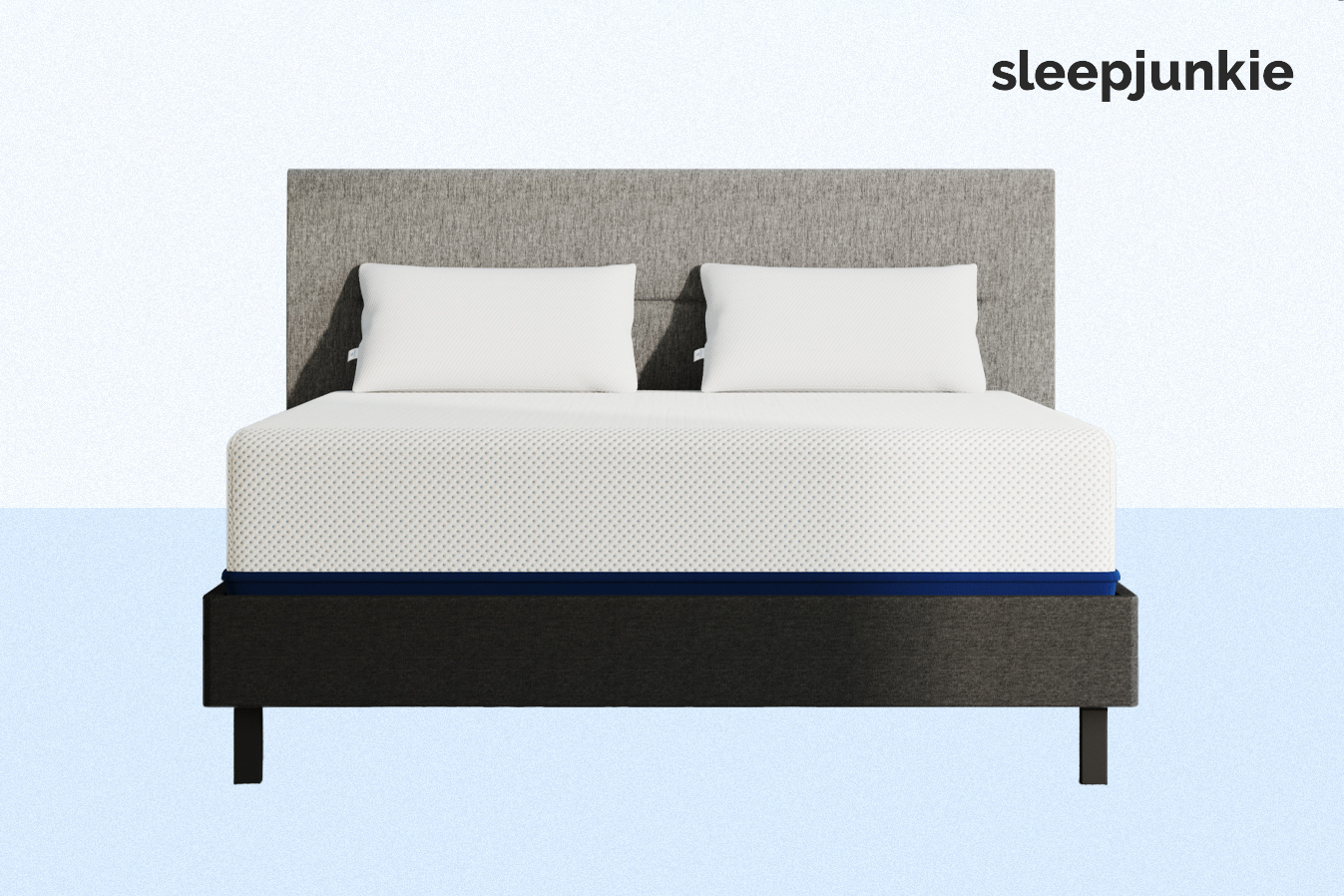
After testing more than 50 mattresses for this guide, the Amerisleep AS3 earned our pick as the Best Mattress for Hip Pain of 2026 because it delivered the strongest combination of pressure relief, spinal alignment, support, and value.

During testing, my hip and shoulder sank in comfortably without letting my pelvis fall out of alignment, minimizing the sharp pressure points I felt on firmer mattresses. On my back, the surface kept my hips level with my shoulders instead of allowing them to sink.

The AS3 is particularly well suited for side sleepers, combination sleepers, and back sleepers who want pressure relief without sacrificing support. Its balanced feel and consistently strong performance across every major testing category made it the top overall recommendation for hip pain in this guide.

Why Trust Sleep Junkie's Recommendations?

Every mattress featured on Sleep Junkie is evaluated using the same testing framework for support, pressure relief, cooling, motion isolation, edge support, responsiveness, and overall value. Learn How We Test Mattresses.

The best mattresses for hip pain combine medium pressure relief at the hip with enough support to keep the pelvis from sinking out of spinal alignment. After hands-on testing of 50+ mattresses for hip pressure relief, motion isolation, and spinal support, the Amerisleep AS3 was our top pick across 12 recommendations in this guide. Hip pain at night is often a sign your mattress is too firm at the hip or too soft to hold your spine in line, and the right feel depends on your weight and sleep position.

How We Selected These Mattresses

Our team evaluated mattresses for pressure relief at the hip contact zone, motion isolation, foam density, and overall support for side sleepers. We focused on designs with softer comfort layers above a supportive base that may help cushion the hips without allowing excessive sinkage. Consumer reviews from verified buyers managing hip discomfort were also assessed to reflect real-world comfort across different body types and sleep positions.

Sleep Junkie uses hands-on product evaluation, product-spec review, owner-feedback review where available, and expert review where applicable. Health-related claims are routed to credentialed reviewers when the topic requires added clinical or scientific oversight. Pages with completed expert review by our Expert Review Board should show the reviewer clearly on the page.

Best Mattresses for Hip Pain

Best Overall Mattress:

1. Amerisleep AS3

1. Amerisleep AS3
  • Price Range: See Price
  • Mattress Type: Hybrid
  • Mattress Thickness: 12 inches
  • Made in USA: Yes
  • Available Sizes: Twin, Twin XL, Full, Queen, King, Cal. King, Split King

Warranty

20 Years

Sleep Trial

100 Nights

Shipping

Free

Mattress Highlights
  • Plant-based memory foam
  • Cover felt cool to the touch in testing
  • HIVE technology for targeted support
  • Motion Isolation to reduce disturbances
Recommended For
  • Sleepers with hip and joint pain
  • Suitable for most sleeping positions, including side, back, and combination sleepers
  • Ideal for those who tend to feel either too hot or too cold during sleep

Watch Our Amerisleep AS3 Video Review

In my search for the best mattress for hip pain, I tested many options and the Amerisleep AS3 was the most balanced. It stood out because it eased pressure at my hip without letting my pelvis sink out of line.

When I tested the AS3, the plant-based comfort foam and zoned HIVE layer worked together so that my hip settled into the surface while my pelvis stayed supported. On my side, the cushioning eased the contact point at my hip and shoulder without the surface feeling overly firm.

The cover felt cool on first contact and stayed less heat-retentive than the denser foam beds I compared. It also contained partner movement well, so I was not disturbed when my partner shifted. As a hybrid, it suited side, back, and combination sleepers in my testing, and it ran cooler than most all-foam beds I compared, which helps hot sleepers.

I found the AS3 to have medium firmness, which is great for different sleeping positions. Whether I slept on my side, stomach, or back, this mattress provided the support and comfort I needed to wake up feeling refreshed.

Read My Full Review of the Amerisleep AS3

9.2 Overall Score
  • 9 Value
  • 8 Edge Support
  • 9 Trial Period
  • 9 Response Time
  • 10 Motion Transfer
  • 10 Cooling & Breathability

The AS3 was the most balanced bed I tested for hip pain: it cushioned my hip without letting it sink past the point where the spine stays neutral.

During testing, when I lay on my side the comfort layer compressed under my hip and shoulder and then firmed up, so I did not bottom out onto a hard contact point. On my back, my hips stayed level with my shoulders instead of dipping. When my partner moved, the opposite side of the bed barely registered, so a lighter sleeper sharing the bed is less likely to wake.

Best For:
– Side and combination sleepers who want hip cushioning without sinking
– Back sleepers who want contouring plus steady lumbar support
– Couples sensitive to partner movement

Compare Instead:
– Helix Midnight Luxe if you are primarily a side sleeper who wants a deeper hip cradle
– Saatva Classic if you prefer a responsive coil-on-coil feel with more bounce

From the moment I lay down on the AS3, I noticed its medium firmness, which struck a perfect balance between support and comfort.

As someone who often shifts positions during the night, I found the AS3 accommodating no matter how I slept. Whether I was on my side, back, or stomach, the surface gave consistent support and eased the pressure point at my hips, so I woke up feeling rested.

The plant-based comfort foam is what let my hip settle in slowly instead of snapping back, which is why the surface eased the side-sleeping contact point without feeling firm. Beneath it, the zoned HIVE layer firmed up under my pelvis while staying softer at the shoulders, so my spine held its line rather than dropping at the hip. The cover felt cool on first contact and the build kept partner movement from carrying across the bed, which is why a lighter sleeper sharing it was not disturbed when I shifted.

Pros

  • Motion Transfer (10/10): partner movement barely registered on the opposite side during testing
  • Cooling & Breathability (10/10): the cover felt cool on first contact and the build did not warm quickly
  • On my side, the comfort layer eased the hip contact point without letting my pelvis sink out of line

Cons

  • Edge Support (8/10): stable but compressed more at the perimeter than the coil hybrids on this list
  • Lighter side sleepers under 130 lb may want a softer surface; consider the Amerisleep AS5 Hybrid

Why The Amerisleep AS3 Won

Among the mattresses I tested for hip pain, the AS3 gave the best balance of hip cushioning and steady support: it eased the side-sleeping contact point at the hip without letting my pelvis sink out of alignment, held my hips level on my back, and kept partner movement contained. That balance across positions is why it is my top overall recommendation for hip pain.

Kristina Hindes

Read My Full Review of the Amerisleep AS3

Best Purple Alternative:

2. FORM Prime

2. FORM Prime
  • Price Range: See Price
  • Mattress Type: Gel Grid Hybrid
  • Mattress Thickness: 14 Inches
  • Made in USA: Yes
  • Available Sizes: Twin, Twin XL, Full, Queen, King, California King

Warranty

Lifetime

Sleep Trial

365 Nights

Shipping

Free

Mattress Highlights
  • Flexible gel grid comfort layer
  • Seven-zone pocketed coil base
  • Breathable cover and open-cell grid
Recommended For
  • Most sleeping positions
  • Hot sleepers
  • Couples seeking motion isolation

Watch Our FORM Prime Video Review

When I tested the FORM Prime for this guide, the feature I paid closest attention to was how its comfort layer handled the hip contact point during side sleeping, because that is where a mattress either earns or loses its place on a hip pain page.

The gel grid surface flexed immediately and precisely where my hip made contact, spreading the load across a wider area rather than concentrating it at the joint. It didn’t feel like sinking into foam. It felt like the surface was accommodating the shape of my body without resistance.

The grid works on an open-cell principle, flexing at pressure points while channeling heat away through open channels that stay open even under body weight. FORM weaves a mesh reinforcement through the grid that removes the surface wobble some grid designs are known for, so during testing the surface gave where I needed it and stayed stable everywhere else.

The seven-zone coil system underneath does something that a uniform grid alone cannot: it calibrates resistance by body region.

Softer coils under the shoulder zone let the upper body settle in appropriately during side sleeping, while firmer coils under the lumbar and hip region keep the pelvis supported rather than letting it drop below the plane of the shoulders.

I held a side-sleeping position for an extended period during testing and woke without the hip compression I sometimes carry from firmer surfaces.

The FORM Prime is best suited for side and combination sleepers. Hot sleepers will appreciate the grid ventilation and breathable cover, which kept the surface feeling cooler through extended contact than any all-foam alternative I tested alongside it. Stomach sleepers who need a very firm, unyielding surface should use the 365-night trial to confirm fit.

9.3 Overall Score
  • 8 Value
  • 10 Edge Support
  • 10 Trial Period
  • 9 Response Time
  • 10 Motion Transfer
  • 9 Cooling & Breathability

The FORM Prime earned its spot on this list because its gel grid comfort layer distributes weight away from the hip contact point quickly and precisely, while the seven-zone coil system keeps the pelvis supported throughout the night rather than allowing it to gradually sink.

Together those two systems address both sides of the pressure equation that matters most for side sleepers: cushioning at the joint and sustained spinal alignment beneath it.

It also scored a perfect 10 for motion isolation, which matters for couples where one partner’s movement can compound discomfort for the other.

Best For:
– Side and combination sleepers who want responsive pressure relief without a deep foam hug
– Hot sleepers who want grid ventilation plus a breathable cover
– Couples who want top-tier motion isolation

Compare Instead:
– Amerisleep AS3 if you want a slower memory-foam contour at the hip
– Helix Midnight Luxe if you want a zoned coil cradle with a softer foam top

The gel grid surface has a feel unlike traditional foam. It responds immediately when you settle in rather than slowly conforming, and it releases just as quickly when you move.

For side sleepers, that responsiveness means each position change is effortless rather than effortful.

I spent several consecutive nights testing on my side and found the hip contact point consistently cushioned without the enveloping depth of memory foam.

The zoned coil layer reinforces what the grid starts. When I lay on my side, the shoulder zone gave more and the hip and lumbar zone held firmer, the kind of targeted difference that matters over a full night rather than just the first few minutes.

Combination sleepers who shift between side and back through the night will feel the mattress adapt to each position without lag.

The FORM Prime is a 14-inch five-layer hybrid. A dense foundation layer anchors the perimeter and supports the coil system.

Above it, individually wrapped pocketed coils are divided into seven support zones: softer under the shoulder, firmer under the lumbar and hip.

A transition foam layer bridges the coil and comfort systems so the feel is cohesive rather than abrupt.

The gel grid comfort layer sits above that, its open-air cells flexing at pressure points while continuously channeling heat away. A breathable textile cover tops the mattress and maintains surface airflow.

All foams carry CertiPUR-US® certification; the mattress also holds GREENGUARD Gold and OEKO-TEX® Standard 100 certifications and is fiberglass-free throughout.

Pros

  • Gel grid flexed immediately at the hip and shoulder during side sleeping, distributing weight without the slow-sinking feel of memory foam
  • Seven-zone coil system keeps firmer support under the lumbar and hip zone through the night rather than allowing gradual sinkage
  • Scored 10/10 for motion isolation — partner movement stayed contained across the surface during testing
  • 365-night trial and lifetime warranty offer the strongest purchase protection of any mattress on this list

Cons

  • Single medium firmness; stomach sleepers who need a very firm surface should test carefully during the trial period
  • At 14 inches, requires deep-pocket sheets and sits higher than lower-profile options on this list
  • Made to order; confirm lead time with FORM if you need the mattress on a specific date

FORM Prime

The FORM Prime stood out in my testing for this guide because the gel grid handled the hip contact point differently than any foam surface I compared it against. The give was immediate and precise. The grid flexed where my hip pressed and stayed stable everywhere else, and the zoned coil system held that support consistently rather than softening over time.

For side sleepers who want responsive pressure relief without the slow-motion feel of traditional memory foam, it’s where I’d point them first.

Kristina Hindes

Read My Full Review of the FORM Prime

Best Luxury Mattress:

3. Zoma Boost

3. Zoma Boost
  • Price Range: See Price
  • Mattress Type: Hybrid
  • Mattress Thickness: 15 inches
  • Made in USA: Yes
  • Available Sizes: Twin, Twin XL, Full, Queen, King, Cal. King, Split King

Warranty

10 Years

Sleep Trial

100 Nights

Shipping

Free

Mattress Highlights
  • Cover felt cool to the touch in testing
  • Memory foam infused with graphite keeps heat away
  • Different types of foam and coils give support no matter how you sleep
Recommended for
  • People who need relief from pressure and wants their spine aligned for better sleep
  • Couples who want to sleep without being disturbed by each other's movements
  • People who get hot while sleeping and want a cooler, more comfortable night

Watch Our Zoma Boost Video Review

I tested the Zoma Boost as the luxury option on this list, and its taller build gave a deeper cushioned feel at the hip than the lower-profile beds I compared. The graphite-infused comfort foam let my hip settle in slowly while the coil core kept me from sinking too far, which suited my achy hips on my side.

The cover felt cool on first contact and the surface stayed less heat-retentive than the dense all-foam beds I tested in the same session. Edge support held firm when I sat on the side to stand up, which matters on a 15-inch bed.

The deep contour takes a night or two to get used to if you are coming from a firmer surface. It works for side sleepers who want a plush cradle and for couples who want strong edge support on a tall build.

9.5 Overall Score
  • 10 Value
  • 10 Edge Support
  • 9 Trial Period
  • 9 Response Time
  • 10 Motion Transfer
  • 9 Cooling & Breathability

The Zoma Boost earned the luxury pick because its taller build gave a deeper cushioned feel at the hip while the coil core kept me from sinking in.

During testing, the graphite-infused comfort foam let my hip settle in slowly rather than snapping back, and the surface felt cooler to the touch on first contact than the denser all-foam beds I compared. Edge support held firm when I sat on the side to stand up, which matters on a 15-inch bed.

Best For:
– Side sleepers who want a plusher, deeper hip cradle
– Couples who want strong edge support on a tall bed
– Hot sleepers who want a cooler surface than dense memory foam

Compare Instead:
– Amerisleep AS3 if you want a lower-profile medium bed at a lower price
– Vaya Mattress if you want a similar medium-firm feel on a budget

On my side, the taller comfort stack let my hip sink into a plush cradle while the coils underneath kept the surface responsive, so changing positions never felt like a struggle.

Back sleepers get a blend of cushioning and support rather than a firm push-back, and combination sleepers who shift through the night should find the responsive bounce makes repositioning easy.

The graphite-infused comfort foam is why my hip settled in slowly rather than snapping back, and the cover felt cool on first contact. Underneath, the wrapped coils are the reason I did not sink too far on a bed this tall: they held my pelvis level while the foam cradled the hip. That coil layer also kept partner movement from carrying across to my side.

Pros:

  • Edge Support (10/10): the perimeter held firm when I sat to stand on the 15-inch build
  • Motion Transfer (10/10): partner movement stayed contained during testing
  • The taller comfort stack let my hip settle in deeply while the coils kept me from sinking

Cons:

  • Response Time (9/10): the deep foam contour is slower to recover than the all-foam picks; restless movers may prefer the Vaya
  • Tall 15-inch profile makes getting in and out harder; lower-mobility sleepers may want the AS3

_______________________________

Zoma Boost

To date, the Zoma Boost is my favorite mattress that I’ve tested. Lying down on the Zoma Boost mattress in different sleeping positions offers varying experiences. For back sleepers, it provides good support and alignment, though some who like a super firm mattress may find it slightly soft.

Kristina Hindes

Best Budget Mattress:

4. Vaya Mattress

4. Vaya Mattress
  • Price Range: See Price
  • Mattress Type: Foam
  • Mattress Thickness: 12 inches
  • Made in USA: Yes
  • Available Sizes: Twin, Twin XL, Full, Queen, King, Cal. King

Warranty

10 Years

Sleep Trial

100 Nights

Shipping

Free

Mattress Highlights
  • Responsive foam top layer eases hip pressure and recovers quickly
  • Breathable cover and open foam structure for airflow
  • Top foam layer molds to your body for comfort and support
Recommended For
  • Suitable for side, back, or mixed sleepers desiring a medium-firm feel.
  • Ideal for hot sleepers, offering excellent airflow for cooling.
  • People who are looking for budget-friendly mattresses

Watch Our Vaya Mattress Video Review

After testing the Vaya mattress, I included it as the budget pick on this list. As an all-foam medium-firm bed, it balanced comfort and support well for side, back, and combination sleepers without the price of the hybrids here.

Its open foam structure felt cooler than the denser memory foam beds I compared, which helps if you tend to sleep warm, though an all-foam build will not move air the way the coil hybrids on this list do.

The Vaya also isolated motion well for a foam bed, so a partner’s movement stayed contained, and the foam recovered quickly enough that repositioning never felt stuck. For the price, it is a well-rounded choice for hip pressure relief.

9.2 Overall Score
  • 10 Value
  • 9 Edge Support
  • 9 Trial Period
  • 10 Response Time
  • 8 Motion Transfer
  • 9 Cooling & Breathability

The Vaya was the best value bed I tested for hip pain: an all-foam medium-firm build that relieved hip pressure without the price of the hybrids on this list.

During testing, the foam responded quickly when I changed positions, so I never felt stuck mid-roll, and on my side the surface gave enough at the hip to ease the contact point while keeping my back from rounding. It felt cooler than the denser memory foam beds I compared, though as an all-foam bed it does not breathe like the coil hybrids here.

Best For:
– Budget shoppers who want hip pressure relief without a hybrid price
– Side and combination sleepers who want a responsive medium-firm foam feel
– Sleepers who reposition often during the night

Compare Instead:
– Brooklyn Aurora Hybrid if you run hot and want coil airflow
– Amerisleep AS3 if you want a step up in support and longer warranty

From the first time I laid down on the Vaya, the surface felt supportive yet soft, and the foam recovered quickly when I moved, so I did not get the stuck feeling denser memory foam can give.

For an all-foam bed it slept cooler than I expected, feeling less heat-retentive than the denser foam beds I compared, though it will not move air the way a coil hybrid does.

As an all-foam bed, the Vaya gets its feel entirely from its foam layers, not coils. The responsive comfort foam is why I did not feel stuck when I rolled, and on my side it gave enough at the hip to ease the contact point while keeping my back from rounding. The breathable cover and open foam structure are why the surface felt cooler than the denser memory foam beds I compared, though an all-foam build will not move air like the coil hybrids on this list.

Pros

  • Value (10/10): full hip pressure relief at the lowest price on this list
  • Response Time (10/10): the foam recovered quickly, so repositioning never felt stuck
  • On my side, the surface eased the hip contact point while keeping my back from rounding

Cons

  • Motion Transfer (8/10): the lowest motion score here; a restless partner is more noticeable than on the coil hybrids
  • All-foam build moves less air than the coil picks; hot sleepers may prefer the Brooklyn Aurora

Vaya Mattress

In testing, the Vaya’s medium-firm feel cushioned my hip on my side without letting it sink, and the foam recovered fast when I moved. It is the pick for budget side and combination sleepers who want hip pressure relief without paying for a hybrid.

Kristina Hindes

Best Mattress For Side Sleepers:

5. Helix Midnight Luxe

5. Helix Midnight Luxe
  • Price: See Price
  • Mattress Type: Hybrid
  • Mattress Thickness: 13.5 inches
  • Made in USA: Yes
  • Available Sizes: Twin, Twin XL, Full, Queen, King, CA King, Short Queen, RV King

Warranty

Lifetime

Sleep Trial

120 Nights

Shipping

Free

Mattress Highlights
  • Memory foam that molds to your body to relieve pressure
  • It has coils that support different parts of your body
Recommended For
  • People who sleep on their side and have hip pain
  • People who get hot while sleeping and want to stay cool
  • People who want a mattress that lasts a long time

Watch Our Helix Midnight Luxe Video Review

Upon testing, I ranked the Helix Midnight Luxe as the side-sleeper pick on this list. I focused on how it handled the hip during side sleeping, where it performed best.

On my side, the memory foam top cradled my hip and shoulder while the zoned coils underneath kept my pelvis from dropping, so my spine stayed straighter than on softer all-foam beds. That combination is why it suits side sleepers dealing with hip pain.

The Tencel cover and gel-infused foam kept the surface feeling cooler than plain memory foam during testing, which helps if you tend to sleep warm.

The reinforced perimeter held its shape when I sat on the edge to get up, and it limited how much my partner’s movement carried across the bed, both of which matter for couples.

9.0 Overall Score
  • 7 Value
  • 10 Edge Support
  • 9 Trial Period
  • 9 Response Time
  • 10 Motion Transfer
  • 9 Cooling & Breathability

The Midnight Luxe was the strongest side-sleeper pick I tested for hip pain because its memory foam over zoned coils cradled my hip while the coils kept my pelvis from dropping.

During testing, on my side the hip and shoulder sank into the comfort layer while the firmer mid-section held my lumbar region, so my spine stayed straighter than on softer all-foam beds. When I sat on the perimeter to get up, the edge held its shape rather than collapsing. It ships in a single medium feel, so there is no firmness selection to fine-tune.

Best For:
– Side sleepers with hip pain who want a deep, zoned cradle
– Couples who want strong edge support and motion isolation
– Sleepers who want a single proven medium feel rather than choosing firmness

Compare Instead:
– Nolah Evolution if you want a plusher pillow-top surface
– Saatva Classic if you want a firmer coil feel with selectable firmness

On my side, the Midnight Luxe balanced softness and firmness well: the comfort layer cradled my hip and shoulder without letting me sink, and it never felt hard underneath.

The zoned lumbar section in the middle held my lower back in line as I lay there, and the optional cooling cover kept the surface feeling cooler than plain memory foam, which helps if you tend to sleep warm.

The memory foam top is what gave my hip and shoulder a deep cradle on my side, while the copper gel layer under it kept that contact point from feeling warm. The zoned pocketed coils are why my pelvis did not drop the way it does on all-foam beds: they pushed back hardest under the hips. That same coil layer kept the perimeter stable when I sat on the edge to stand and limited how much my partner’s movement carried across the surface.

Pros

  • Edge Support (10/10): the perimeter held shape when I sat to get up
  • Motion Transfer (10/10): partner movement barely carried across during testing
  • The zoned coils kept my pelvis from dropping while the foam cradled my hip on my side

Cons

  • Value (7/10): the lowest value score here; budget shoppers should consider the Vaya
  • Ships in a single medium feel, so there is no firmness to tune; heavier sleepers wanting firmer support may prefer the Saatva Classic (Firm)

Helix Midnight Luxe

On my side, the Midnight Luxe cradled my hip and shoulder while the zoned coils held my pelvis level, so my spine stayed in line without an excessive sinking feeling. It is the pick for side sleepers with hip pain who want a deep, zoned cradle in a single proven medium feel.

Kristina Hindes

Best Innerspring Mattress:

6. Saatva Classic

6. Saatva Classic
  • Price: See Price
  • Mattress Type: Coil Mattress
  • Mattress Thickness: 11.5 inches and 14.5 inches
  • Made in USA: Yes
  • Available Sizes: Twin, Twin XL, Full, Queen, King, Cal. King, Split King, Split Cal. King

Warranty

Lifetime

Sleep Trial

365 Days

Shipping

Free

Mattress Highlights
  • Two coil layer for support
  • Cotton coverd Euro Top surface
  • Dual-coil support keeps hips from dipping
Recommended For
  • Those seeking a durable mattress that resists sagging over time
  • Hot Sleepers

Watch Our Saatva Classic Video Review

After hands-on testing, I ranked the Saatva Classic as the innerspring pick on this list. It stood out for delivering a traditional coil feel that still kept my hips supported, which cheaper innersprings rarely manage.

During testing, the dual-coil system and plush Euro pillow top worked together so the surface felt soft on contact while the coils held my hips up. On my side, the pillow top cushioned the contact point at my hip and shoulder, and on my back the coils kept my hips from dipping below my shoulders.

It offers Plush Soft, Luxury Firm, and Firm, so side, back, and stomach sleepers can each match the feel to their weight and position.

The breathable coil core and organic cotton cover are why it felt cooler than the denser foam beds I compared, since air moved through the coils rather than being trapped in foam. That airflow helps if you tend to sleep warm.

The dual-coil build also felt more substantial than the single-coil hybrids I compared, which is part of why it suits sleepers who want a durable bed that holds its support over years rather than softening.

9.2 Overall Score
  • 7 Value
  • 10 Edge Support
  • 10 Trial Period
  • 10 Response Time
  • 9 Motion Transfer
  • 9 Cooling & Breathability

The Saatva Classic was the best traditional innerspring feel I tested for hip pain, with a coil-on-coil build that kept me on top of the bed rather than sinking in.

During testing, the Euro pillow top softened the initial hip contact while the dual coils pushed back enough to keep my hips from dipping, which is the failure point on cheaper innersprings. Repositioning was easy thanks to the responsive coils, and the perimeter stayed stable at the edge. It comes in Plush Soft, Luxury Firm, and Firm, so the feel can be matched to body weight and position.

Best For:
– Sleepers who want a responsive coil feel rather than memory foam
– Back and combination sleepers who want selectable firmness
– Anyone who wants an easy in-and-out edge for morning stiffness

Compare Instead:
– Helix Midnight Luxe if you want more hip cradle than a coil feel gives
– Amerisleep AS3 if you prefer memory foam contouring over bounce

The Saatva Classic felt balanced across positions in my testing. It comes in Plush Soft, Luxury Firm, and Firm, so side, back, and stomach sleepers can each find a version that fits. The coils responded quickly as I changed positions, so I never felt stuck in one spot.

The Euro pillow top adds a layer of softness that cradles the body while the dual coils maintain support, so the surface felt plush on top without losing its structure underneath.

The Saatva Classic is crafted with high-quality materials that enhance its comfort and support. The top layer features a plush Euro pillow top that provides a soft, comfortable surface. Beneath that, a layer of memory foam eased the pressure point at my hip during side sleeping.

The dual-coil system is why I rode on top of the bed rather than sinking, and the airflow between the coils is what kept the surface from trapping heat the way dense foam does, so the build supported my hips without the heat buildup of all-foam beds.

Pros

  • Edge Support (10/10) and Response Time (10/10): stayed stable at the edge and easy to reposition on
  • Trial Period (10/10): a full 365-day trial, the longest here
  • The coil-on-coil build kept my hips from dipping while the Euro top softened the initial contact

Cons

  • Value (7/10): the lowest value score on this list
  • A responsive coil feel sits higher and hugs less; sleepers wanting a deep memory-foam cradle should consider the AS3

Saatva Classic

The Saatva Classic mattress impressed me across various sleep positions during testing. As a side sleeper, I felt well-cradled without sinking excessively at the hips and shoulders, while stomach and back sleepers will appreciate the ample support provided.

Kristina Hindes

Best Mattress in a Box:

7. Leesa Sapira Chill

7. Leesa Sapira Chill
  • Price Range: See Price
  • Mattress Type: Memory Foam Hybrid
  • Thickness: 14 Inches
  • Firmness: 4, 6, or 8 out of 10 (Plush, Medium-Firm, Firm)
  • Available In: Twin, Twin XL, Full, Queen, King, California King

Warranty

Lifetime

Sleep Trial

120 Nights

Shipping

Free

Mattress Highlights
  • Ultra-cool, heat-wicking quilt cover
  • Graduated cushioning and body contouring
  • Individually wrapped zoned springs
Recommended For
  • Hot sleepers escaping discomfort
  • Side sleepers experiencing hip pain
  • Combo sleepers who need responsiveness

Watch Our Leesa Sapira Chill Video Review

When hip pain keeps you up at night, the culprit is almost always the same: a mattress that either creates pressure at the hip joint or lets the hips sink deep enough to throw the spine out of alignment.

Both problems compound each other. More pressure leads to worse sleep, and worse sleep makes pain harder to manage. The Leesa Sapira Chill Hybrid addresses both sides of this equation, which is why it earned its place on this list.

The design feature that matters most for hip pain sufferers is the zoned coil system. The Sapira Chill uses up to 1,032 individually wrapped pocketed springs, concentrated specifically at the hips and edges.

This is not a uniform coil grid. It is a targeted support architecture that reinforces exactly where the body bears the most weight during side sleeping.

By minimizing excessive hip sinkage while still allowing enough give to relieve direct pressure on the joint, the mattress keeps the pelvis in a more neutral position and reduces the spinal torque that side sleepers with hip pain know all too well.

The three available comfort levels add a critical layer of personalization that most boxed mattresses skip entirely. For hip pain sufferers, firmness selection is not a matter of preference. It is a functional decision.

Side sleepers who weigh under 130 pounds often need a plush surface to get enough compression under the hip and shoulder.

Sleepers in the mid-weight range typically do best with medium-firm, which provides pressure relief without excessive sinkage. Heavier sleepers who need more support to avoid hip dipping should consider firm.

Being able to make that choice at the point of purchase, rather than hoping a single-firmness mattress happens to be right, is one of the Sapira Chill’s most practical advantages for pain sufferers.

9.3 Overall Score
  • 8 Value
  • 10 Edge Support
  • 9 Trial Period
  • 10 Response Time
  • 9 Motion Transfer
  • 10 Cooling & Breathability

Zoned coil concentration at the hips. During testing, the coils under my hip pushed back noticeably harder than under my shoulders, so my pelvis stayed level instead of dropping into the kind of lateral spine curve side sleepers with hip pain feel on uniform-coil beds.

Three comfort levels that match body weight. Firmness here is a fit decision, not a preference. In the plush build the hip compressed deeply; the medium-firm held me higher. Lighter side sleepers will likely want plush, mid-weight sleepers medium-firm, heavier sleepers firm to stop the hip dipping.

Four-layer foam stack for sustained cushioning. The comfort layers did not bottom out under my hip over a full session the way a single thin top layer does, so the pressure relief held rather than fading after a few minutes.

Cooling cover. The quilted cover felt cool on first contact and stayed less heat-retentive than the dense foam beds I compared, which helps a hip-pain sleeper already fighting fragmented sleep.

Best For:
– Side sleepers with hip pain who want firmness matched to body weight
– Hot sleepers who want a cool-to-the-touch surface
– Sleepers who reposition often and need an easy edge

Compare Instead:
– Helix Midnight Luxe if you want a single proven medium feel instead of choosing
– Nolah Evolution if you want a thicker pillow-top surface

The Sapira Chill Hybrid delivers a feel that’s immediately recognizable as well-engineered for pressure-sensitive sleepers.

The cooling cover is genuinely cool to the touch, not just described that way, and that sensation persists meaningfully through the night.

In the plush comfort level, side sleepers will feel the hip and shoulder areas cushioned with real give, enough to relieve direct joint pressure without the pelvis sinking into misalignment.

The foam layers beneath the surface provide a progressive cushioning response that feels supportive rather than restrictive.

And the coil core contributes enough lift to keep the body riding on the mattress rather than sinking into it.

The mattress is responsive, so shifting positions feels natural rather than effortful, which matters for hip pain sufferers who move frequently to find relief.

Edge support is solid, making it easier to sit on the side of the bed and push up to standing, a practical benefit for anyone whose hip pain affects morning mobility.

Overall, the Sapira Chill strikes the medium balance this guide recommends for hip pain: cushioned enough to relieve pressure, supportive enough to maintain alignment, and cool enough to keep pain-compounding heat disruptions to a minimum.

The Sapira Chill Hybrid opens with an ultra-cool quilted cover infused with heat-wicking cooling fibers that actively draw warmth away from the sleep surface.

Four distinct foam layers are stacked beneath the cover, each contributing a specific function (surface cushioning, bounce, pressure relief, and body contouring) in a graduated sequence that delivers sustained hip pressure relief rather than a single thin comfort layer.

The support core features up to 1,032 individually wrapped pocketed coils, zoned to concentrate reinforcement at the hips and edges where side sleepers experience the greatest pressure accumulation.

The mattress stands 14 inches tall and is available in plush, medium-firm, and firm comfort levels.

It is fiberglass-free and assembled to order at Leesa’s Arizona factory by craftspeople with over a decade of experience.

Pros:

  • Cooling & Breathability (10/10): the quilt cover was cool on first contact and stayed less heat-retentive than the dense foam beds I compared
  • Edge Support (10/10) and Response Time (10/10): stable at the edge and easy to reposition for sleepers who shift to find relief
  • Zoned coils pushed back hardest under the hips, keeping the pelvis level on my side

Cons:

  • Value (8/10): trails the budget picks; the Vaya costs less
  • Petite side sleepers under 130 lb should confirm the plush build gives enough hip compression before buying

Leesa Sapira Chill

The Sapira Chill Hybrid takes the proven coil system from the Sapira and adds the advanced cooling technology that hot sleepers have been requesting, creating what I found to be the most well-rounded option in Leesa’s lineup.

The combination creates what I experienced as a medium-firm feel with excellent pressure relief, strong support, and impressive cooling properties. For a hybrid mattress, the construction seems well-thought-out and purposeful.

Kristina Hindes

Read My Full Review of the Leesa Sapira Chill

Best Pillow Top Mattress:

8. Nolah Evolution

8. Nolah Evolution
  • Price: See Price
  • Mattress Type: Hybrid
  • Mattress Thickness: 15 inches
  • Made in USA: Yes
  • Available Sizes: Twin, Twin XL, Full, Queen, King, Cal. King, Split King

Warranty

Lifetime

Sleep Trial

120 Nights

Shipping

Free

Mattress Highlights
  • Cooling cover and foam layers felt cool to the touch in testing
  • Foam and coils provide targeted support and pressure relief.
  • Eco-friendly with organic cotton and recycled plant fibers.
  • High-quality materials ensure long-term comfort and durability.
Recommended For
  • Those who overheat during sleep and need a cooling mattress.
  • Side, back, or combination sleepers needing support and pressure relief.
  • Fans of luxury mattresses seeking lasting comfort.
  • Couples wanting minimal motion transfer for undisturbed sleep

Watch Our Nolah Evolution 15 Video Review

I tested the Nolah Evolution 15 as the pillow-top pick for hip pain, focusing on whether a plush surface could still hold the hips in line. On my side, the quilted top let my hip and shoulder sink into a soft cradle while the zoned AirFoam underneath caught my pelvis before it dropped, so my back stayed in line rather than rounding.

The build pairs an organic cotton and ArcticTex cover with zoned AirFoam over HDMax Tri-Zone coils, and in testing each layer earned its place: the cover stayed cool on contact, the AirFoam cushioned the hip, and the coils kept me riding on top of the 15-inch profile.

Each layer plays a role in the bed’s plush-but-supported feel. What stood out was that despite feeling extra luxurious on top, it still held my hips supported, which is what makes a soft bed workable for hip pressure relief.

When I switched from side to back, the surface adapted without lag: my shoulder sank a little less and the lumbar zone firmed up under me, which is the kind of difference that matters for combination sleepers who change positions through the night.

The cover and cooling foam layers also kept the surface feeling cooler than plain memory foam, which helps if you tend to sleep warm.

At 15 inches it sits taller than most beds here, which can make getting in and out harder, so it suits side and combination sleepers who want a plush surface and do not mind a tall profile.

9.5 Overall Score
  • 10 Value
  • 10 Edge Support
  • 9 Trial Period
  • 9 Response Time
  • 10 Motion Transfer
  • 9 Cooling & Breathability

The Nolah Evolution 15 was the plushest pillow-top I tested that still held my hips in line, which is the hard part for a soft surface on a hip-pain page.

During testing, the quilted Euro-style top gave a soft initial sink at the hip and shoulder, but the zoned AirFoam underneath firmed up before my pelvis dropped, so the surface felt cushioned without rounding my back. The coil core kept me riding on top of the bed, and the cover felt cool on first contact. At 15 inches it is tall, which can make getting in and out harder for some.

Best For:
– Side sleepers who want a plush pillow-top feel with managed sinkage
– Hot sleepers who want a cool surface on a soft bed
– Combination sleepers who want cushioning that still supports the back

Compare Instead:
– Helix Midnight Luxe if you want a lower-profile, firmer-feeling cradle
– Leesa Sapira Chill if you want to select firmness by body weight

On my side, the pillow top gave a soft initial sink at the hip and shoulder, but the support system underneath kept my spine in line rather than letting the softness turn into a sag.

What struck me was how cool the surface stayed on contact. The breathable cover and cooling foam layers kept it from warming up as quickly as the denser foam beds I compared, which helps hot sleepers.

Overall, it blends a plush surface with enough underlying support that the softness did not turn into misalignment for me.

The quilted Euro-style top and AirFoam cover are why the surface felt cool on first contact and gave a soft initial sink at the hip. The zoned AirFoam beneath is what kept that softness from turning into misalignment: it firmed under my pelvis while staying plush under the shoulder. The HDMax coils are the reason I rode on top of the bed rather than sinking into the 15-inch profile, and they kept partner movement from traveling to my side.

Pros

  • Value (10/10), Edge Support (10/10), Motion Transfer (10/10): top marks across all three during testing
  • The zoned AirFoam firmed under my pelvis before the plush top let it drop, so the soft surface still held my back
  • Coil core kept me riding on top of the 15-inch build rather than sinking in

Cons

  • Single firmness only: no way to tune the feel; weight-specific sleepers may prefer the Leesa Sapira Chill
  • At 15 inches it is tall, which can make getting in and out harder

Nolah Evolution

On my side, the zoned AirFoam eased the pressure point at my hip and shoulder while the Tri-Zone coils held my spine in line. It is the pick for side and combination sleepers who want a plush pillow-top surface that still supports the hips.

Kristina Hindes

Best Latex Mattress For Hip Pain:

9. PlushBeds Botanical Bliss

9. PlushBeds Botanical Bliss
  • Price: See Price
  • Mattress Type: Latex
  • Mattress Thickness: 9 inches, 10 inches and 12 inches
  • Made in USA: Yes
  • Available Sizes: Twin, Twin XL, Full, Queen, King, Cal. King, Split King, Split Queen, Split Cal. King

Warranty

Lifetime

Sleep Trial

100 Nights

Shipping

Free

Mattress Highlights
  • Uses Dunlop latex known for its antimicrobial properties and resistance to mold, mildew, and dust mites
  • Made with certified wool, certified cotton, and certified latex layers.
  • Has a soft knit cover for good air circulation and moisture absorption
Recommended For
  • People who sleep on their side, back, or stomach
  • Environmentally friendly shoppers looking for sustainable bedding
  • People with allergies or sensitivities, thanks to its antimicrobial properties

Watch Our Plushbeds Botanical Bliss Mattress Video Review

After hands-on testing, I ranked the PlushBeds Botanical Bliss as the latex pick on this list. It stood out for its natural materials and for letting me rearrange the latex layers to change the firmness.

The Botanical Bliss is built from certified wool, certified cotton, and Dunlop latex. On my side, the latex pushed back faster than memory foam, so my hip was supported with a buoyant lift rather than a slow sink, and there was no stuck-in feeling when I rolled.

Its standout feature is the rearrangeable latex layers. When I swapped the layer order, the feel shifted from plush to firmer, which is why it works for a couple who needs a different firmness on each side, or for one sleeper who wants to re-tune the feel over time.

The soft knit cover and the open structure of the latex let the surface breathe, so it felt less heat-retentive than the foam beds I compared.

8.5 Overall Score
  • 7 Value
  • 8 Edge Support
  • 9 Trial Period
  • 8 Response Time
  • 10 Motion Transfer
  • 9 Cooling & Breathability

The Botanical Bliss was the best latex option I tested for hip pain because its rearrangeable latex layers let me change the feel rather than commit to one firmness.

During testing, the natural latex pushed back faster than memory foam, so my hip was supported with a buoyant lift instead of a slow sink, and there was no stuck-in feeling when I rolled. Swapping the layer order shifted it from plush to firmer, which is useful when one side of a couple needs more support. The latex breathes well, though the buoyant feel will not suit sleepers who want a deep memory-foam hug.

Best For:
– Sleepers who want responsive natural latex over memory foam
– Couples who want to tune firmness by rearranging layers
– Shoppers prioritizing natural and certified materials

Compare Instead:
– Amerisleep AS3 if you want a slower memory-foam contour at the hip
– Nolah Evolution if you want a plush pillow-top rather than latex bounce

On my side, the latex contoured to my hip and shoulder while still pushing back, so the surface felt cushioned without the deep sink of memory foam. That responsive support held up as I moved between side, back, and stomach positions.

In my testing, the natural latex layers gave responsive support, contouring to my body while easing the pressure point at my hip. The organic cotton and wool cover added breathability, so the surface felt less heat-retentive than the foam beds I compared.

The natural latex layers are why the bed pushed back with a buoyant lift instead of a slow sink, so my hip was supported without the stuck-in feeling of memory foam. Because those layers can be rearranged, I could shift the feel from plush to firmer, which is what makes it workable for a couple with different needs. The cotton-and-wool cover breathes, which is why the surface stayed less heat-retentive than the foam beds I compared.

Pros

  • Motion Transfer (10/10): the highest-isolating sub-score in its box
  • Rearrangeable latex layers let me shift from plush to firmer, useful for couples with different needs
  • Natural latex gave a buoyant lift at the hip with no stuck-in feeling

Cons

  • Value (7/10): the lowest overall score (8.5) here; budget shoppers should consider the Vaya
  • The buoyant latex feel will not suit sleepers who want a deep memory-foam hug; consider the AS3

PlushBeds Botanical Bliss

On my side, the soft latex layer cradled my hip and shoulder while the firmer layer below held my spine in line, so I had pressure relief without the numbness a too-firm surface can cause. It is the pick for sleepers who want responsive natural latex over a memory-foam hug, and for couples who want to tune firmness by side.

Kristina Hindes
10. Brooklyn Aurora Hybrid
  • Price: See Price
  • Mattress Type: Hybrid
  • Mattress Thickness: 13.25 inches
  • Made in USA: Yes
  • Available Sizes: Twin, Twin XL, Full, Queen, King, CA King, Split CA King, Short Queen, RV King, RV Bunk

Warranty

10 Years

Sleep Trial

120 Nights

Shipping

Free

Mattress Highlights
  • Individually Wrapped Coils
  • Adaptive Foam Layers
  • Optional Cooling Cover
Recommended For
  • Suitable for side, back, stomach, and combination sleepers
  • Provides targeted support and pressure relief for those suffering from hip pain.
  • Ideal for individuals who tend to overheat during sleep.

Watch Our Brooklyn Aurora Luxe Review

After hands-on testing, I ranked the Brooklyn Aurora Hybrid as the cooling pick on this list. It ran cooler than the all-foam beds I compared, which is what earned it the spot.

On my side, the TitanCool cover felt cool on first contact and did not warm up as quickly as the dense foam models I tested in the same session, and the coil core kept airflow moving under my hips.

On the medium build, the CopperFlex and TitanFlex foams cushioned my hip while the encased coils kept my pelvis from sinking, so the feel landed as soft on top yet supportive underneath. That balance is what makes it a strong choice for a side sleeper who wants cushioning at the hip without losing support.

With selectable soft, medium, and firm builds, it suits side, back, and combination sleepers who want to match firmness to their weight and position, and it is the pick I would point a hot sleeper to first thanks to the coil airflow and phase-change cover.

9.0 Overall Score
  • 9 Value
  • 8 Edge Support
  • 9 Trial Period
  • 9 Response Time
  • 9 Motion Transfer
  • 10 Cooling & Breathability

The Aurora was the coolest-sleeping bed I tested for hip pain, with a phase-change cover and a coil core that moved air better than the all-foam beds here.

During testing, the cover felt cool to the touch on first contact and did not warm up as quickly as the dense foam models I compared in the same session, and the coil core kept airflow moving under my hips. It comes in soft, medium, and firm; on the medium build my hip settled in with cushioning while the coils kept me from sinking. The foam can feel slightly slow to respond for sleepers who want a buoyant surface.

Best For:
– Hot sleepers who want coil airflow plus a cooling cover
– Side and back sleepers who want to select firmness for hip fit
– Sleepers who want cushioning over a supportive coil core

Compare Instead:
– Vaya Mattress if you want a cooler-than-foam feel at a budget price
– Helix Midnight Luxe if you want a deeper zoned hip cradle

The Brooklyn Aurora Hybrid offers a balanced feel of support and comfort, which is particularly beneficial for those suffering from hip pain.

The multiple firmness options let sleepers match the support level to their body weight and position, which matters for hip pain because the right firmness changes how much the hip cushions versus sinks.

On the medium build, the surface gave enough at the hip to cushion the contact point without the stuck-in feeling of softer foam beds. The coil airflow kept the surface from trapping heat, which helps a hip-pain sleeper who is already prone to fragmented rest.

The TitanCool phase-change cover is why the surface felt cool on first contact and was slower to warm than the dense foam beds I compared. Underneath, the CopperFlex and TitanFlex foams cushioned my hip while staying responsive, and the individually wrapped coils are the reason my pelvis stayed supported rather than sinking, while also keeping my partner’s movement from carrying across to my side. The copper in the comfort foam adds an antimicrobial element to the build.

Pros

  • Cooling & Breathability (10/10): cool on first contact and slower to warm than the foam beds I compared
  • Coil core kept airflow moving under my hips while still cushioning the contact point
  • Selectable soft, medium, and firm builds let the feel match body weight and position

Cons

  • Edge Support (8/10): trails the strongest hybrids here at the perimeter
  • The foam can feel slightly slow to respond; sleepers wanting a buoyant surface may prefer the Saatva Classic

______

Brooklyn Bedding Aurora Luxe

Across positions, the three firmness options let me match the feel to how I slept. On my back the medium and firm builds held my hips level through the zoned coils, and on my stomach the firm build kept my hips from dropping so my spine stayed neutral. It is the pick for hot sleepers who want to select firmness for their position.

Kristina Hindes

Best Customizable Mattress:

11. Nest Bedding Sparrow

11. Nest Bedding Sparrow
  • Price: See Price
  • Mattress Type: Hybrid
  • Mattress Thickness: 13 inches
  • Made in USA: Yes
  • Available Sizes: Twin, Twin XL, Split CK 1-side, Full, Queen, King, Cal. King

Warranty

Lifetime

Sleep Trial

365 Nights

Shipping

Free

Mattress Highlights
  • Soft pillow-top for cloud-like comfort
  • Customizable layers for personalized sleep
  • Minimal motion transfer for undisturbed sleep
Recommended For
  • People with hip pain seek comfort
  • Those who want a mattress adaptable for partners
  • Suitable for side or back sleepers needing support and pressure relief

Watch Our Nest Bedding Sparrow Video Review

The Nest Bedding Sparrow’s standout feature is its swappable comfort layer, which lets you choose plush, medium, or firm and change it later. That versatility made it work for me across side and back positions, and it suits couples who need different feels on each side.

On my side, the medium build eased the pressure point at my hip while the pocketed coils held my pelvis level, and the coils kept my partner’s movement from carrying across the bed. The phase-change cover felt cool on first contact, which helps if you tend to sleep warm.

The Sparrow uses CertiPUR-US certified foams, which are tested for low VOC emissions, under an organic cotton cover. The foams are Energex rather than standard memory foam, which is part of why the surface felt responsive rather than slow during testing.

9.3 Overall Score
  • 8 Value
  • 10 Edge Support
  • 10 Trial Period
  • 9 Response Time
  • 10 Motion Transfer
  • 9 Cooling & Breathability

The Sparrow was the most adjustable bed I tested for hip pain because its swappable Energex comfort layer lets you change firmness after delivery, not just at checkout.

During testing, the medium build let my hip and shoulder settle in while the wrapped coils held my pelvis level, and the phase-change cover felt cool on first contact. Because the comfort layer is replaceable, a couple with different firmness needs can split a king or re-firm one side later. The plush build gave less support for me on my back, so heavier sleepers should size up in firmness.

Best For:
– Couples who want to tune or split firmness by side
– Side and back sleepers who want adjustable hip support
– Sleepers who want a long trial to dial in the feel

Compare Instead:
– PlushBeds Botanical Bliss if you want adjustable latex instead of foam
– Helix Midnight Luxe if you want one proven medium feel out of the box

The Sparrow balances cushioning and support, and because the comfort layer is adjustable, you can shift that balance to match your weight and position. On the medium build, the surface gave at my hip without the stuck feeling of softer foam beds, while the coils held my back in line.

The phase-change cover and the responsive Energex foam also kept the surface from trapping heat the way denser memory foam can.

The Energex comfort foam is the replaceable layer that lets you re-firm the bed after delivery, which is why it handled my back and side positions differently as I swapped feels. Under it, the individually wrapped coils held my pelvis level while isolating my partner’s movement, so the opposite side stayed quiet. The phase-change cover felt cool on first contact. The foams are CertiPUR-US certified and tested for low VOC emissions.

Pros

  • Edge Support (10/10), Trial Period (10/10), Motion Transfer (10/10): top marks during testing, plus a 365-night trial
  • Replaceable Energex comfort layer lets you re-firm a side after delivery, not just at checkout
  • Wrapped coils held my pelvis level while the medium build cradled my hip

Cons

  • Value (8/10): trails the budget picks here
  • The plush build gave less back support for me; stomach sleepers and heavier sleepers should size up in firmness or consider the Saatva Classic (Firm)

Nest Bedding Sparrow

On my side, the medium build let my hip and shoulder settle in while the coils held my pelvis level. Because the comfort layer swaps out, it is the pick for couples who need different firmness on each side, or for a sleeper who wants to re-tune the feel later.

Kristina Hindes

Best 10 Inch Mattress:

12. Zoma Start

12. Zoma Start
  • Price: See Price
  • Mattress Type: Memory Foam
  • Mattress Thickness: 10 inches
  • Made in USA: Yes
  • Available Sizes: Twin, Twin XL, Full, Queen, King, Cal. King, Split King

Warranty

10 Years

Sleep Trial

100 Nights

Shipping

Free

Mattress Highlights
  • Cooling AirCloth cover and gel memory foam for temperature control
  • Triangulex™ zoned support gives targeted relief for hips and shoulders
  • The responsive transition layer acts like latex for support and comfort
Recommended For
  • Side and combination sleepers who want zoned pressure relief at the hip
  • People with hip pain or discomfort during sleep
  • Those who get hot while sleeping while in need of a cooler mattress

Watch Our Zoma Start Video Review

Zoma Start stood out for its exceptional blend of comfort, support, and advanced cooling features, making it a standout choice for a variety of sleepers, especially those dealing with hip pain.

I chose the Zoma Start for its zoned Triangulex comfort layer. During testing, the cutouts under my hip gave more compression there than under my back, so the hip eased into the surface while my lumbar region stayed supported.

The breathable top foam gave a soft, responsive surface, and the zoned layer beneath kept my spine in line without feeling firm. As a 10-inch all-foam bed it suits side and combination sleepers who want targeted hip relief on a budget, though it offers less lift than the taller hybrids here for heavier sleepers.

9.2 Overall Score
  • 10 Value
  • 10 Edge Support
  • 9 Trial Period
  • 8 Response Time
  • 9 Motion Transfer
  • 9 Cooling & Breathability

The Zoma Start was the best low-profile value bed I tested for targeted hip relief, thanks to its Triangulex zoned comfort layer.

During testing, the zoned cutouts under my hip gave more compression there than under my back, so the hip eased into the surface while my lumbar region stayed supported. The breathable cover let the surface feel cooler than plain memory foam, and the foam responded quickly enough that I did not feel stuck when changing positions. As a 10-inch all-foam bed it offers less lift than the taller hybrids here for heavier sleepers.

Best For:
– Budget side sleepers who want zoned hip relief
– Combination sleepers who want a responsive low-profile foam feel
– Sleepers who want targeted pressure relief over a tall plush build

Compare Instead:
– Vaya Mattress if you want a simple all-foam medium-firm at a similar price
– Nolah Evolution if you want a taller, plusher pillow-top with coils

The Zoma Start felt balanced underfoot, not too soft and not too firm. On my side the zoned cutouts let my hip ease in while the foam beneath held my lower back, and the responsive top layer made it easy to change positions without feeling stuck.

The breathable cover and gel-infused top foam are why the surface felt cooler than plain memory foam and recovered quickly when I moved, so repositioning never felt stuck. The Triangulex zoned layer beneath is the reason my hip eased in while my lumbar region stayed supported: the cutouts give more under the hip and firmer support under the back. The durable foam base anchors that structure so the feel holds over time.

Pros

  • Value (10/10) and Edge Support (10/10): top marks in its box
  • The Triangulex zoned cutouts gave more compression under the hip than the back, so the hip eased in while the lumbar stayed supported
  • The breathable cover kept the surface cooler than plain memory foam

Cons

  • Response Time (8/10): the lowest sub-score; deep contour is slower to recover for restless movers
  • At 10 inches of all-foam it gives less lift; heavier sleepers may prefer a taller hybrid like the Nolah Evolution

Zoma Start

On my back, the Triangulex zones held my hips level while the top foam contoured to my spine. It is the pick for budget side and combination sleepers who want targeted hip relief in a low-profile, all-foam bed.

Kristina Hindes
13. Amerisleep AS5 Hybrid
  • Price: See Price
  • Mattress Type: Hybrid
  • Mattress Thickness: 14 inches
  • Made in USA: Yes
  • Available Sizes: Twin, Twin XL, Full, Queen, King, Cal. King, Split King

Warranty

20 Years

Sleep Trial

100 Nights

Shipping

Free

Mattress Highlights
  • Comfy Memory Foam
  • Supportive Coils
  • Easy Movement
Recommended For
  • People looking for a mattress offering hip support
  • Sleepers who tend to sleep hot at night

Watch Our AS5 Hybrid Video Review

I tested the AS5 Hybrid as the soft pick on this list. It was the softest bed I tried that still kept my hips supported, which is what separates it from a bed that is simply plush.

On my side, the soft comfort foam let my hip and shoulder sink in deeply for a low-pressure, cushioned feel, while the coil core underneath kept my pelvis from dropping out of line. The surface felt cool on first contact for a soft bed.

Because it sinks more than the medium picks here, stomach sleepers and anyone who wants firm lumbar support will likely find it too soft. It also sits at a higher price point. For side sleepers who want a deep, soft cradle, it was the standout.

8.8 Overall Score
  • 8 Value
  • 9 Edge Support
  • 9 Trial Period
  • 8 Response Time
  • 9 Motion Transfer
  • 10 Cooling & Breathability

The AS5 Hybrid was the softest bed I tested that still kept my hips supported, which is what makes it the soft pick rather than just a plush one.

During testing, the soft comfort layer let my hip and shoulder sink in deeply for a cushioned, low-pressure feel, while the coil core underneath kept my pelvis from dropping into misalignment. The surface felt cool on first contact for a soft bed. Because it sinks more than the medium picks here, stomach sleepers and those who want firm lumbar support should look elsewhere.

Best For:
– Side sleepers who want a deep, soft hip cradle
– Lighter sleepers who find medium beds too firm at the hip
– Sleepers who want plush cushioning over a supportive coil base

Compare Instead:
– Amerisleep AS3 if you want a medium feel with firmer support
– Saatva Classic (Firm) if you are a stomach sleeper who needs more lift

On my side, the AS5 Hybrid gave the deepest soft sink of any bed I tested, the kind of plush, enveloping feel that lighter side sleepers who find medium beds too firm tend to want from the first moment they lie down.

The soft surface cradled my hip and shoulder while the coils held my spine in line, so I woke up feeling rested rather than stiff.

For a deep, soft bed it also slept cooler than I expected: the cover felt cool on first contact and the surface was slower to warm than the dense foam beds I compared.

The soft top foam is what let my hip and shoulder sink in deeply for the cushioned, low-pressure feel that defines this bed. The transition layer kept that sink from feeling abrupt as I changed positions, and the coil core underneath is the reason my pelvis stayed supported instead of bottoming out in the soft surface. The cover felt cool on first contact for a plush bed, which helps offset the heat a deep foam cradle can hold.

Pros

  • Cooling & Breathability (10/10): cool on first contact for a deep, soft bed
  • The coil core kept my pelvis supported even as the soft top let my hip sink in deeply
  • Soft cradle eased the side-sleeping contact point more than the medium picks here

Cons

  • Value (8/10) and Response Time (8/10): among the lowest scores on this list, and the lowest overall (8.8)
  • The deep soft sink is not ideal for stomach sleepers or those needing firm lumbar support; consider the AS3 or Saatva Classic (Firm)

Amerisleep AS5 Hybrid

Across positions, the AS5 Hybrid gave the deepest soft cradle I tested, with the comfort layers easing the hip and shoulder contact points while the coils held my spine in line. It is the soft pick for side sleepers who want cushioning over firmness.

Kristina Hindes

What Causes Hip Pain?

Your hip has your body’s largest ball-and-socket joint. This joint is incredibly durable considering it endures the constant wear and tear of daily life. When working properly, the leg bone can move freely in the hip socket, thanks to the support of the cartilage.

Unfortunately, over time the cartilage that cushions your hip bone can wear down, leading to general discomfort, limited range of motion, aches, inflammation, and pain. The tendons and muscles surrounding the hip can also become inflamed and irritated. As you age, your hip becomes more susceptible to injury.

When you’re experiencing aches and pains, it’s helpful to determine the cause of the pain so you can take the proper steps towards relieving discomfort. Medical doctors and physical therapists encourage low-impact exercise and stretching to improve mobility and decrease pain over time. Physical therapy is another option too. More serious damage to the hip requires injections or even surgery.

But before you pencil in your first physical therapy appointment or schedule a consultation for trigger point injections, know this: you may be able to make a big change without even leaving the house.

When did you buy your current mattress? Can’t remember? If so, then it’s probably time to invest in a new one. Experts advise that you should replace your mattress every seven to ten years, and more frequently if your mattress is showing signs of deep sagging or impressions.

Simply put, if you find it difficult to get comfortable on your current bed, or you experience pain upon waking, it’s time to consider purchasing a new mattress.

Suffer from back pain, too? Read our other guide to find the best mattress for back pain.

The Importance of Pain-Free Sleep

pain free sleep There are countless studies explaining why sleep is so important to overall health and happiness. We learn more every day about the vital benefits of a proper sleep routine, and we’re constantly reminded of the terrifying consequences of poor sleep.

Sleep is as integral to our health as proper nutrition and exercise. Hectic work and social schedules tempt people to sacrifice their sleep schedule to accommodate the demands of family, work, and activities. Experts recommend adults receive seven to nine hours of sleep every single night, yet so many people put sleep on the backburner and allow themselves to grow sleep deprived. Though life happens, and it may seem difficult to pencil in an adequate amount of time to rest, your waking hours can be greatly affected by sleep debt.

According to recent data, sleep deprivation is responsible for 100,000 traffic accidents, 76,000 injuries, and 1,500 deaths per year. When you consider the negative impact one night of sleep loss can have on the body, it’s concerning to think about the influence months or years of sleep deprivation can have on your health.

Committing yourself to getting quality sleep consistently is critical to your well-being during your waking hours.

The Division of Sleep Medicine at Harvard Medical School states:

In the short term, a lack of adequate sleep can affect judgment, mood, ability to learn and retain information, and may increase the risk of serious accidents and injury. In the long-term, chronic sleep deprivation may lead to a host of health problems including obesity, diabetes, cardiovascular disease, and even early mortality.

At this point, you may be wondering what the quality of your sleep has to do with the frequency or severity of your hip pain; but, the relationship between sleep and pain is stronger than many realize.

How to Alleviate Pain with Healthy Sleep?

The relationship between pain and sleep is directly correlated. Meaning, when your hip is aching, your quality of sleep is hindered; and when you’re pain-free, your quality of sleep improves.

Studies surrounding chronic pain and sleep by the Johns Hopkins University School of Medicine concluded pain disturbs sleep continuity and quality. Even worse, poor sleep further exacerbates pain; so when you’re not getting enough rest, you’re more prone to aches and pains.

When Dr. Jennifer Miller, physical therapist, advises her patients, she says, “I always ask my patients about their quality of sleep and their preferred sleeping position. We spend hours asleep and if our joints are not properly supported, it can lead to increased pain. I recommend that patients sleep on their backs or sides, if possible. If my patients sleep on their side, I recommend using a body pillow to decrease hip pain.”

Sleep Quality Suffers

According to the American Pain Society:

In patients with osteoarthritis (OA), more than half experience pain during the night, resulting in sleep disruption, poor sleep quality, sleep fragmentation and frequent shifts between sleep stages. Recent studies have shown that sleep disruption can be a predictor of pain severity. Sleep disruption, therefore, could be associated with increased pain sensitivity and enhanced pain facilitation in addition to reduced pain inhibition in persons with chronic pain.

Some hip pain is related to pressure points, which are places that bear the weight of our body when we sleep. Unfortunately, the long-term consequences can be significant.

Long-Term Impact

Osteoarthritis is the most prevalent form of arthritis, afflicting millions of people worldwide. It is also the most common reason for total knee and total hip replacements each year. Of course, hip replacement surgery is a last-case scenario. But it’s important to manage your hip pain appropriately to avoid more serious intervention like hip replacement surgery.

This issue isn’t only painful to deal with each day, but also decreases your quality of life, so how can you break it?

For starters, you can invest in a quality mattress. The right mattress for you should reduce the pressure points at your hip, which can help you sleep more soundly. Secondly, you can incorporate low-impact exercise, such as walking or swimming, into your daily routine. This not only helps reduce pain but can aid in sleeping better at night.

Before buying your next mattress, you should first factor in your sleeping position.

Sleep Positions and Pressure Points

What kind of sleeper are you? If you’re unsure, take a minute to think about how you tend to fall asleep and the position you’re in when you wake up in the morning.

When reading about the positions below, keep in mind that body type also plays a big role in weight distribution and pressure points.

  • Back sleepers: If you’re one of the 8% of people who sleeps on his/her back, good news: you’re doing it right! Sleeping on your back is considered the healthiest position. This allows your body to rest in a neutral position and doesn’t add any extra pressure to important areas like your neck, hips, or back.
  • Stomach sleepers: Bodyweight can play an especially big part in how pressure points accumulate with stomach sleeping. If someone carries significant weight in the stomach, then sleeping on the stomach can cause the body to sink too deeply, putting pressure on their spine. There should be an even distribution of body weight, reducing the amount of pressure concentrated in one area.
  • Side sleepers: Sleeping on your side can be gentle on the back and neck but it causes added pressure on the hips. That’s why the best mattresses for side sleepers are memory foam, as they’re the best for relieving pressure. The most popular side sleeping position, the fetal position, is very problematic for the joints. If this is how you sleep, try to make a conscious effort to stretch out your limbs to avoid too much pressure on your joints. Also, consider adding a body pillow between your knees and to support your arm while you sleep.

Mattress Types

There are different types of mattresses sold today, from latex to airbeds. If you’re looking for a pain-relieving mattress, we recommend choosing a memory foam mattress. However, we know memory foam may not be for everybody.

If you aren’t so sure about memory foam, read about other kinds of mattresses to decide which is the best for your sleep needs.

1. Latex Mattresses

Latex mattresses offer good support for sufferers of hip pain. You can buy them in natural latex, synthetic, or blends. You may also find them with firmer or softer support under specific body areas. Side sleepers will appreciate the pressure relief latex offers at the hip and shoulder.

Natural latex comes from the sap of a renewable resource, rubber trees. Once tapped, the rubber continues to grow which creates a denser, heavier foam. Natural rubber allows for greater conforming properties, though it’s not as remarkable as memory foam.

Latex provides air circulation and springy support in mattresses to create a cooler and more comfortable sleep experience.

2. Hybrid Mattresses

As its name suggests, hybrid mattresses use a combination of materials, including a pocketed coil system and layers of memory foam or latex.

The core of a hybrid mattress features the standard coil support of an innerspring mattress. The coil system is then topped with a comfort layer of memory foam or latex in an attempt to highlight the best of both materials. Because they commonly use pocketed coil systems, hybrid mattresses tend to isolate motion well, which means less disturbance for couples.

Though there are a variety of pluses to choosing a hybrid mattress, there are still drawbacks to these beds, particularly for those with hip pain. Because many of the hybrid options use low-density foam, it doesn’t provide enough support to relieve pressure points. Hybrid mattresses are also a bit pricier due to the complexity of their design.

3. Airbed Mattresses

Not to be confused with the air mattresses used on camping trips, airbeds contain individual air filters that can be adjusted to modify the firmness of the bed. The more chambers in the airbed, the more customizable it becomes. In theory, this personalized support makes the airbed a suitable option for all: back, stomach, and side sleepers.

Unfortunately, many external factors such as temperature, air pressure, and sleep position can impact the air chambers, making airbeds unpredictable. Common complaints include noisiness due to the electric pump, a gap in the middle of the airbed, and costly repairs.

4. Innerspring

Innerspring mattresses have been around since the beginning of the mattress industry. Every innerspring bed has a coil system inside that gives the bed a little bit of bounce.

Traditional innerspring mattresses may offer a familiar, comfortable softness. But they simply aren’t designed to provide the necessary support you need. Specifically, innerspring mattresses fail when it comes to hip and waist support.

Much of the body’s weight transfers to the hip area when sleeping on an innerspring mattress. Over time, this uneven weight distribution can create dips in the exact spots where you need the support. When your hips dip into these soft spots, the result is curving in the spine.

Innerspring mattresses also don’t provide optimal waist support. Some people attempt to correct this problem with a firm innerspring mattress. Unfortunately, firm mattresses create an opposite curve by holding the hips too high, causing the waist to dip. After a while, this can lead to hip pain, headaches, back pain, and other spinal injuries.

Why Memory Foam is The Best Choice?

best mattress for hip pain Memory foam, developed by NASA, is known for its ability to relieve pressure. Originally, it was used in seat cushions to keep the NASA astronauts comfortable during their long treks in space. Now, it’s used in helmets of race car drivers and professional athletes to reduce the chance of injury and concussion. It’s also commonly used in shoe insoles and bulletproof vests to absorb pressure and act as soft padding.

Memory foam is perfect for pain relief because it conforms to the body and evenly distributes body weight. Its cell structure condenses when compressed and relays the weight to the underlying structure. These beds cradle and cushion the body in luxurious comfort, which is why a memory foam mattress is considered the best option for pain and pressure relief.

Common Complaints of Memory Foam Mattresses

Memory foam mattresses have not always had the best reputation. Below, we’ll touch on the biggest hesitations customers usually have before buying a memory foam bed.

“What if the memory foam traps heat?”

Memory foam mattress users have long complained that the foam traps body heat, leading to an uncomfortable night’s sleep. If you live in warmer environments, this is even more concerning. The good news is, many memory foam mattress brands have taken this concern into consideration and modified their beds to reduce the chance of heat being trapped within. Now, by using open-cell foams, cooling channels, and plant-based materials, brands are able to near completely minimize the chance of you heating up while sleeping on their bed.

“What if I sink too far into the mattress?”

Since its introduction in the 1990s, new types of memory foams have corrected this prominent problem of response time (the time it takes for a mattress to regain its shape). In fact, traditional memory foams had response times of up to a minute. Gel and open-cell memory foam, for example, have a response time of approximately 30 seconds. Plant-based memory foam is even better, with a response time of 5-8 seconds.

With the response times in today’s memory foam options, you won’t ever feel like you’re stuck.

“Memory foam smells bad.”

Traditionally, the scent of newly-purchased memory foam mattresses was compared to the infamous “new car smell.” When you’re trying to relax for bed, this chemical-like smell can be off-putting. While the odor does fade over time, many mattress companies have found a way to bypass it altogether.

Newer memory foam mattresses are manufactured to minimize off-gassing, and mattress manufacturers have found plant-based memory foam emits virtually zero off-gassing. Before, traditional memory foam contained compounds that break down and release an unpleasant odor. Now, newer memory foams are made without the presence of these compounds, so you no longer have to wait weeks for this smell to fade. Additionally, buying a plant-based memory foam mattress reduces your chance of experiencing those unpleasant odors altogether.

“It won’t fit in my stairwell or on my bed frame.”

Memory foam mattresses are designed with standard dimensions to easily fit into your bedroom. Furthermore, memory foam mattresses have greater flexibility so you can maneuver them easily through tight stairwells and hallways.

If you have your mattress delivered, many companies package the mattress compressed and in a convenient, eco-friendly box. No need to bring your mattress up through the window!

“A mattress topper provides just as much support as a full mattress.”

Not necessarily. For those with hip pain especially, you need to be able to sink far enough into your mattress to relieve pressure points. When you use a mattress topper, it does not allow you to sink into your mattress below much at all, and mattress toppers themselves are too thin to allow your body to sink adequately. It’s best to consider mattress toppers as a short-term option until you’re ready to invest in the real thing.

Can a Mattress in a Box Ease Hip Pain?

A mattress in a box is a great alternative to traditional beds for a few reasons. If you can’t haul a mattress from a retailer to your home, or don’t want to arrange a delivery time and wait around for your bed to be dropped off, mattress-in-a-boxes are for you.

These often cost less than beds at retailers, too. Because mattress-in-a-box beds are sold direct-to-consumer, many brands can cut costs and price their mattresses more affordably.

However, for somebody with hip pain, a mattress-in-a-box may not be the best option. If your pain is to the point where it hinders your day-to-day functionality, you may find it hard to maneuver and set-up a mattress-in-a-box.

You can save yourself a hassle by going directly to a retailer or buying from an online brand offering White Glove Delivery.

Watch for Mattress Sales

Most mattress brands and furniture retailers run sales and promotions on their mattresses. Waiting to buy when a deal is running could save you extra cash and even land you with some free accessories.

Also, many mattress companies will offer discounts when you bundle products. If you’re in the market for other sleep accessories such as sheets, pillows, or even an adjustable base, save money by bundling it with your mattress.

Consider the Warranty

Mattresses are supposed to last around seven to ten years, so it’s important the company who you’re purchasing from will back its product. Many retailers offer a substantial 10-year, non-prorated warranty which states they will repair or replace your mattress should it become defective.

To be considered defective, most mattress companies require your bed to have a visible sag. The size of the visible sag will vary from brand to brand.

Before you buy, ask about the specifics of the warranty including what is covered and if there are any fees that come with having a mattress repaired or replaced.

Final Tips & Tricks

Read the reviews

Mattress reviews are here to help and guide you. You can ask your family and friends how they like their mattresses, but remember: what suits them may not necessarily suit you.

You may question how reliable reviews are. To reduce skepticism, many retailers use a third-party vendor to verify their reviews are genuine, authentic, and written by real customers like you (not robots). These platforms also restrict brands from being able to alter the reviews, so you’re viewing customers’ full feedback.

These testimonials can also answer important questions or concerns you may not have realized earlier. For example, is the bed squeaky? Is it disruptive when one partner gets up in the middle of the night? Real customers can give you insights into what it’s like to own and, hopefully, love your new mattress.

Risk-free trials

If you’re still skeptical of mattress reviews, why not try the mattress risk-free?

You can certainly stick to tradition and visit a mattress retailer and showroom, which allows you to feel and test out the comfort and support of a mattress. However, resting on a bed for 5 minutes in a loud, crowded showroom is no replacement for testing the mattress in your home.

Many retailers allow customers to try mattresses for weeks, or even months, with liberal return policies and free returns.

Frequently Asked Questions

What is the best mattress for hip pain of 2026?

After testing 50+ mattresses, we picked the Amerisleep AS3 as the best mattress for hip pain of 2026. Its medium feel eased the pressure point at the hip during side sleeping without letting the pelvis sink out of alignment, and it held the hips level for back sleepers. Side sleepers who want a deeper cradle should look at the Helix Midnight Luxe, while budget shoppers should consider the Vaya.

Are memory foam mattresses the best for hip pain?

Many sleepers feel memory foam mattresses are the best for pain relief, and side sleepers avoiding hip pain usually get the most comfortable sleep on these beds. Memory foam adapts to your body to distribute your weight and relieve pressure, so it is naturally better at easing pressure at the hip than springs and latex.

Is a firm or soft mattress better for hip pain?

Neither, medium mattresses are usually the best for hip pain because they offer a balance of cushion and support. Medium mattresses are soft enough to cushion the hips and relieve pressure, but they’re also firm enough to keep you sleeping in a healthy position. Of course, body weight will influence the ideal firmness of your mattress.

Why do my hips hurt at night when I sleep on my side?

If you’re experiencing hip pain while side sleeping, it’s a good sign that your mattress is too firm. Hip and shoulder pain, as well as numb or tingling limbs, is common amongst side sleepers who have overly firm mattresses.

If you are a side sleeper experiencing hip pain, try adding a soft mattress topper or switching to a softer mattress.

What’s the best mattress for shoulder and hip pain?

If you’re suffering from shoulder and hip pain, you might want to shop with a mattress that features targeted support. You may also be a side sleeper with a too-firm mattress. If your current bed isn’t relieving enough pressure for a good night’s rest, we recommend switching to one with a soft to medium feel.

What kind of mattress is best for hip pain?

When it comes to mattress types for hip pain, we recommend ones with a conforming surface. Memory foam is a customer favorite for pain relief, but latex foam has a similar contouring feel that eases pressure. All-foam mattresses or hybrid models can successfully reduce hip pain.

We suggest staying away from classic innerspring mattresses, as their thin layers of padding often don’t cushion the hips enough for pain relief.

What firmness is best for hip pain?

For most people with hip pain, a medium to medium-soft mattress gives the best balance of cushion and support: soft enough to ease pressure at the hip, firm enough to keep the spine aligned. Too firm creates pressure points at the hip and shoulder, especially for side sleepers; too soft lets the hips sink and strains the lower back. Side sleepers usually do better with a slightly softer mattress, back sleepers slightly firmer.

Can a mattress topper fix hip pain?

A topper can sometimes help if your current bed is too firm and creating pressure at the hips. A 2 to 3 inch memory foam or latex topper adds cushioning and improves pressure relief without replacing the mattress. But if your mattress is sagging or no longer supportive, a topper is only a temporary fix, and a new mattress built for pressure relief is the better long-term option.

Research and Resources

In making this article, we:

    • Researched the major contributors to hip pain and the science behind managing aches and pains with sleep.
    • Compared the pressure-relieving features of different mattress types across the 50+ mattresses we have tested.
    • Spent 17 hours writing and revising the article to deliver the most value-driven, accurate content possible.

Did You Find Your Next Bed?

Congratulations! Now that we’ve covered everything to consider before buying a new bed, you’re ready to start your search for the best mattress of 2026 for your own sleep needs. Come time to shop, remember these key points:

    • Memory foam is our pick because it is designed to relieve pressure points and offer even support.
    • Do your research. Arm yourself with knowledge before you start shopping. Mattress reviews and buying guides can help you zone in on which mattress fits your needs.
    • Utilize risk-free trials. Test the mattress in your home for at least a month to see how it works for you.
    • Stay within your budget. Advanced, high-end mattresses can be affordable these days. If the price is too steep at the moment, wait for a sale.

Kick off your mattress shopping by checking out the Amerisleep AS3, our recommended mattress for hip pain.

As a dedicated mother of two, Kristina places a high value on holistic health and the well-being of her family. She understands the significance of maintaining hormonal balance and cherishes the essential role of sleep in optimizing overall health. In her leisure time, she indulges her love for the outdoors through hiking, fostering a deep connection with nature, and expresses her creativity through various forms of art. Her life is a vibrant canvas, adorned with wellness and inspiration.

Comments (53) Leave a reply

  • I understand you my be looking for people to test your mattress My wife has severe back problems and maybe she would be a candidate for your research Let me know

  • I had a medium /hard mattress that was comfortable but it’s getting to the end of its life and as I am beginning to get hip pain I wonder what I should get next?
    Just a name, that’s all I need. A recommendation that won’t waste my hard earned money

  • We have decided on a split king adjustable frame but after reading all the mattress problems i am

    sure there is a good one out there.

  • Latex is too soft, I struggle for two years thinking my expensive purchase organic dunlop mattress was the best thing: healtlhy, durable, supportive–NOT! My chiropractor kept asking me are you sure it’s not your bed. Now, yes, I know it is my bed since I had a friend see that my hips were dipping down and she felt the bed and that alone she thought was too soft. Bought a firm coil bed-can’t wait to sleep on it!

  • Believe it or not, I found relief from night-time hip pain using an air bed.

    It was comfortable and I slept pain free almost throughout the night (Until enough air was out to get soggy).

    However, the one I had, leaked and by morning it was at 8o percent inflation. I had to pump it every night.

    Unfortunately, I had to return it and it has been finding one with enough ratings that say it does not leak. And that is what brought me here (Air bed alternatives).

  • I’ve just started having pain from hip bursitis a year ago. Two solutions for me–first, I bought a micro-coil (plus) over coil (plush) mattress from Naturepedic. Second, I bought a cheap ($45) portable ultrasound device. Problem solved. Yay!

  • I used to have a firm bed with Pillowtop from Stearns and Foster. After 15 years needed a new bed. I am on my 2nd memory foam bed this year and have severe back, hip, buttox and side pain. The store is trying to talk me into a Tempur-Pedic. I am leaning toward a hybrid or regular spring mattress with Pillowtop. I am in constant agony and am afraid to try any foam bed even a Tempur-Pedic.

    • I have the same problem you have. I slept on a regular innnerspring mattress for 10 years and it was wonderful, But then it started to get lumpy after 10 years so I had them take it away and bought a Leesa foam Mattress. After one month I started getting some serious back pain. After two months I knew it had to go back. So I thought I would try a Casper since it was number one in consumer reports. My back continue to deteriorate and the pain got worse. The new Puffy Lux Came out, costing $1520 on sale. The advertisement said this is the best thing for side sleepers. I thought this must be the one that will work. I cannot sleep on that at all! It hurts my whole back. I think all the raves about foam mattresses Are simply because they are the “new big thing.” After having to have sureties come pick up three different foam mattresses, then waiting a long time to get my money back, I’m going back to the brick and mortar store to start seriously testing out hybrid mattresses. Wish me luck

    • I tried two different Winkbeds to help with my hip and shoulder pain. I have spent two months in agony. They would not take the first bed back for a month, suppose to get used to a bed in that time. I am not trying to get rid of the replacement. When I wake up not only do I have hip and shoulder pain but my hands cannot bend to make a fist. I had NO pain before buying this bed. DO NOT BUY this bed, either Luxury firm or plush which is no softer. Time for more research but the internet is just full of companies trying to sell beds, where is the neutral good information.

    • I’m 63 and have some lower back and hip pain. I also go to a chiropractor. After sleeping in numerous beds throughout my life, none being very helpful for a side sleeper, I think I am discovering the perfect bed: Yogibo. It is filled with little styrofoam beads and comes in many applications. When my daughter moves out, I plan on putting it on the floor. So far so good. Not as much pain.

    • I purchased a Tempur-Pedic for $$$$ and was told this would be the answer to my excruciating hip pain – it is not – this mattress is awful – it’s hot! and I flip like a fish all night long…don’t know what to do.

    • I have a Serta hybrid which works great for my husband. But I sleep on my side and it creates severe hip and shoulder pain. I bought a plush memory foam mattress for our camper and it is better for me. Keep in mind your size and how you sleep. I am 6′ tall and 200 pounds and sleep on my side, where the Serta might be great for a smaller person.

      • I’m just about your size less an inch in height. LOL I used to be 6′ I think the shinkage is due to back, hip and knee pain. Plus I have had to have metal put into my c spine. But anyway my husband is a bit heavier than I and has no issues with our Beauty Rest. I have MS as well so there are times I have to stay in bed quite a bit and I have found that we get indentations on my side in the hip area. I am wondering how long a memory foam mattress can keep it’s memory? How long have you been using it in your camper? Sorry for the lengthy reply but we’re going through mattresses about every 3-4 years now and I have lost over 165lbs. We had a great Beauty Rest that lasted about 10yrs. But the last 2 have been the same brand but haven’t lasted. I would really appreciate it if you could give me some information on what’s worked best for you. Signed, Your side sleeping Tall and Full Bodied friend Suzanne

  • Do you know if the sleep number bed is a good choice ? Should I have it harder or softer? My sleep # is 35 which is pretty soft. It has gotten better but is not gone

    • I gave up my sleep number. It didn’t help my hip pain at all. Infact it bothered my lower back. I need something that would be soft so my hips and shoulders can sink in but firm enough for my waist to not dip and bend my spine. I am still looking for the best fit but the sleep number wasn’t it.

    • I have a sleep number and terrible hip and groin pain. In fact, I can’t put any weight on my leg. Im buying a different mattress.

      • I have a sleepnumber also but have real bad hip pain no matter how I change settings– did you find a mattress that helps yet? I have been researching but haven’t decided yet

        • We have a sleep number, but a foam in our camper. My hip and shoulder pain is thru the roof on the sleep number but is virtually non existent on the foam!! I got a Zina from Amazon and we love it!

  • Sleep number no shift body pillow between the knees works wonder for hip bursitis. I’ve had bursitis since I was 30. I’m 31. Just got my SN pillow. It evens out my body. I currently have a memory foam pillow top mattress. This 50.00 pillow already helps with the right hip. No pain. Ahhhhh…..sleep

  • I suffer from back and hip pain due to arthritis. I go to pain management and get injections. I recently bought a new memory foam mattress but it seems to be to firm. I only sleep about an hour and a half before waking in alot of pain in my hips. Im looking to get a softer memory foam topper. What do you suggest?

  • I am female nearly 60 and suffer with hip a shoulder pain and can not settle in bed ,I am looking for a mattress topper can you recommend one that will suit my needs thanking you Helen

  • Do you know the best type of mattress for SI joints? The SI joints are two joints that reside in the middle of our pelvis. buttocks . If I sleep on a mattress that is too soft or caves in around my pelvis, my SI joints get stuck.
    Tks.

    • I have tried a Nectar mattress and these joints were so inflamed. I returned it and purchased a Purple Mattress. The first night was heaven-no pain…but within the month, the pain is back. The mattresses are just too firm…….still looking for the unicorn!

  • I have hip, back & neck pain. I sleep on my stomach mostly, some side, hardly ever on my back. Would a soft latex mattress be suitable?

  • My husband sleepers on back but he has not worked 8 yrs because of back problems. I am side sleeper with sever pirfumus pain in buttock. Also have disk problem our physo told us to get water ed but it is stopping my muscle getting better. I also suffer bad theocratic pain so necessarily soft at top end but support at bottom. Can you help.Do you know if I can get water bed mattress I sent as frame headboard and carpet would need replacing otherwise. Have Friedman beds before but just can not get it right.
    Thank you linda

  • I got a new Serta perfect sleeper, one step below the extra firm, 880 coils. My husband is 230# a side sleeper, has right hip arthritis, 65 years old and played every sports from football 25 years, baseball and basketball. Yet this the new mattress that I shopped for isn’t any better. I even got a new bamboo pillow.
    Should I get A latex topper? He doesn’t like it too soft.

    • Hello,

      If you need extra cushioning but aren’t a fan of the feel of memory foam, latex toppers can be an excellent option. It feels more buoyant and has a very quick response time (comes right back up when you move).

      Ideally, all-natural or organic latex will offer the best feel and durability for your dollar. One brand that comes in high in consumer ratings in our previous comparisons is Astrabeds.com, who offers an organic latex topper with custom firmness (soft, medium and firm options). Online will likely be the best source for a latex topper, as not many stores carry these.

      Hope this helps!

  • Every website which discusses hip pain concentrates only on the mattress? What about the foundation? I have a latex mattress which is on European slats which are adjustable for the hips and shoulder areas. Should they be hard or soft or somewhere in between? Adjusting them seems to result in trading one type of hip pain for another.

    • Hello,

      Your point is also important in the equation. The foundation can have a significant role in how soft or firm a bed feels, as well as how ergonomic the support you receive is. Ideally, your slats should be no more than 3″ apart, otherwise it may not be providing adequate back support (and could shorten mattress lifespan).

      A side sleeper needs a surface that is yielding enough to contour to the hips and shoulders, while still support the waist. You have it right when your back and neck are in a straight line, parallel to the floor. Hard would be ideal for back and stomach sleepers, soft would likely allow too much sagging. Somewhere in the middle may provide the give you need though.

      Mattress comfort is really quite individual, so it’s hard to pinpoint an exact “sweetspot” for each individual. Also, it could be possible that your mattress is overly firm or that the surface layers lack adequate density to cushion against pressure points. We hope this helped a bit!

  • I am a side sleeper. I wake up everyday with lower back and hip pain . I have a firm mattress that I thought would help and even purchased a memory foam topper . It helped for a little while . The pain is becoming unbearable. What is the best mattress for hip pain sufferers?

    • Hello,

      Firm mattresses are recommended for back and stomach sleepers. Side sleepers need a mattress with a thicker cushioning layer that can accommodate your hips and shoulders. The bed should allow your spine to rest in straight line from neck to tailbone. Usually, the better fit for side sleeping is medium to medium firm, sometimes plush, depending on your personal tastes. High quality memory foam and latex tend to best at preventing pressure points.

      In our 2016 Best Mattress guide, most of the memory foam beds would meet this (our pick was the Amerisleep Revere). For Springs, the iSeries and Stearns could also work for side sleeping.

      Hope this helps!

  • I bought a memory foam mattress a year ago and am just about crippled from it. The foam, once sunk in to the weight of the hips, becomes hard, thus causing pain to the hip joints. I have developed severe leg pains as well as an increase in back and hip pain. I am now shopping for a “real” mattress. Before people buy a memory foam mattress, they need to Google other sites and read what actual users have to say about them.

  • I bought a memory foam mattress a year ago and am just about crippled from it. The foam, once sunk in to the weight of the hips, becomes hard, thus causing pain to the hip joints. I have developed severe leg pains as well as an increase in back and hip pain. I am now shopping for a “real” mattress. Before people buy a memory foam mattress, they need to Google other sites and rad what actual users have to say about them.

  • Recently I have been woken with enormous pains like a slipped disc. Only in my right hip though . I sleep on my right side mostly . I started to sleep in a chair all night to avoid the struggle of getting vertical from the bed. Fully clothed in my overcoat and shoes . This is how tramps have to live .(?) I was feeling jet lagged but free of pain . After a week I yearned to lie down again , yesterday. One night in bed and the pain began again . It used to clear away in about half an hour. The worst ,it`s impossible to stand on my right leg .Today the discomfort has lasted much longer . Thanks for the advice about mattresses .

    • I am suffering from your exact problem. I have a medium hybrid mattress and can’t bear weight on my right hip when I try to get up. I refuse to sleep in it but ling for a bed that doesn’t cripple me.

  • I just bought a Seally foam top mattress and I have only had it for a month and I am having hip pain for the first time. I had a pillow top matress and did not have this pain. I feel like I have slept on the floor all night. Our mattress is on a bunky board and a slated bed frame. Do you know what the problem may be?

  • I added a 1.5 inch memory foam topper to my too firm mattress and find that helps. It’s not perfect but better.

  • I frequently suffer hip pain during the night preventing a restful nights sleep. I have a good quality medium sprung mattress, would a good quality memory foam mattress topper help?

  • Hello……..thank you for offering this information on mattresses on this website. I am a sidesleeper and I wake up every morning with hip and back pain. My matteress is only 4 years old but with my age of 60 and diabetic, I find that my mattress is killing me slowly every night. It takes me hours every morning to work out the pain of my nights sleep. I live in Ontario Canada and was curious to know what your top 3 picks would be for my situation, that I could buy in Ontario. Thanks for your time.

  • thanks so much for the information do you think if I put my memory foam mattress over top of the message that I have will that work

    • Massagers designed to go beneath mattresses or those in adjustable beds definitely work with memory foam mattresses as well. Thanks for reading!

Leave a Reply

Your email address will not be published. Required fields are marked *