We may receive financial compensation for products purchased through links on this website. sleepjunkie.com is owned by Healthy Sleep, LLC and includes Amerisleep, LLC advertising. Learn more.

I Tested 50+ Mattresses to Find the 14 Best Mattresses For Back Sleepers of 2026

I Tested 50+ Mattresses to Find the 14 Best Mattresses For Back Sleepers of 2026

Dr. Jennifer Miller, PT, DPT: Expert Physical Therapist and Pelvic Health Specialist

Dr. Jennifer Miller, PT, DPT: Expert Physical Therapist and Pelvic Health Specialist

Dr. Jennifer Miller is a compassionate and skilled outpatient physical therapist with nine years of experience in the field. She earned her Doctor of Physical Therapy from Elon University and holds a Bachelor of Science in Health Science from Minnesota State University-Mankato. Dr. Miller specializes in Neurological, Geriatric, and Vestibular Physical Therapy and serves as […]

Mattress Guides
Read Time: 2 minutes

Top Recommendation of 2026: Amerisleep AS2

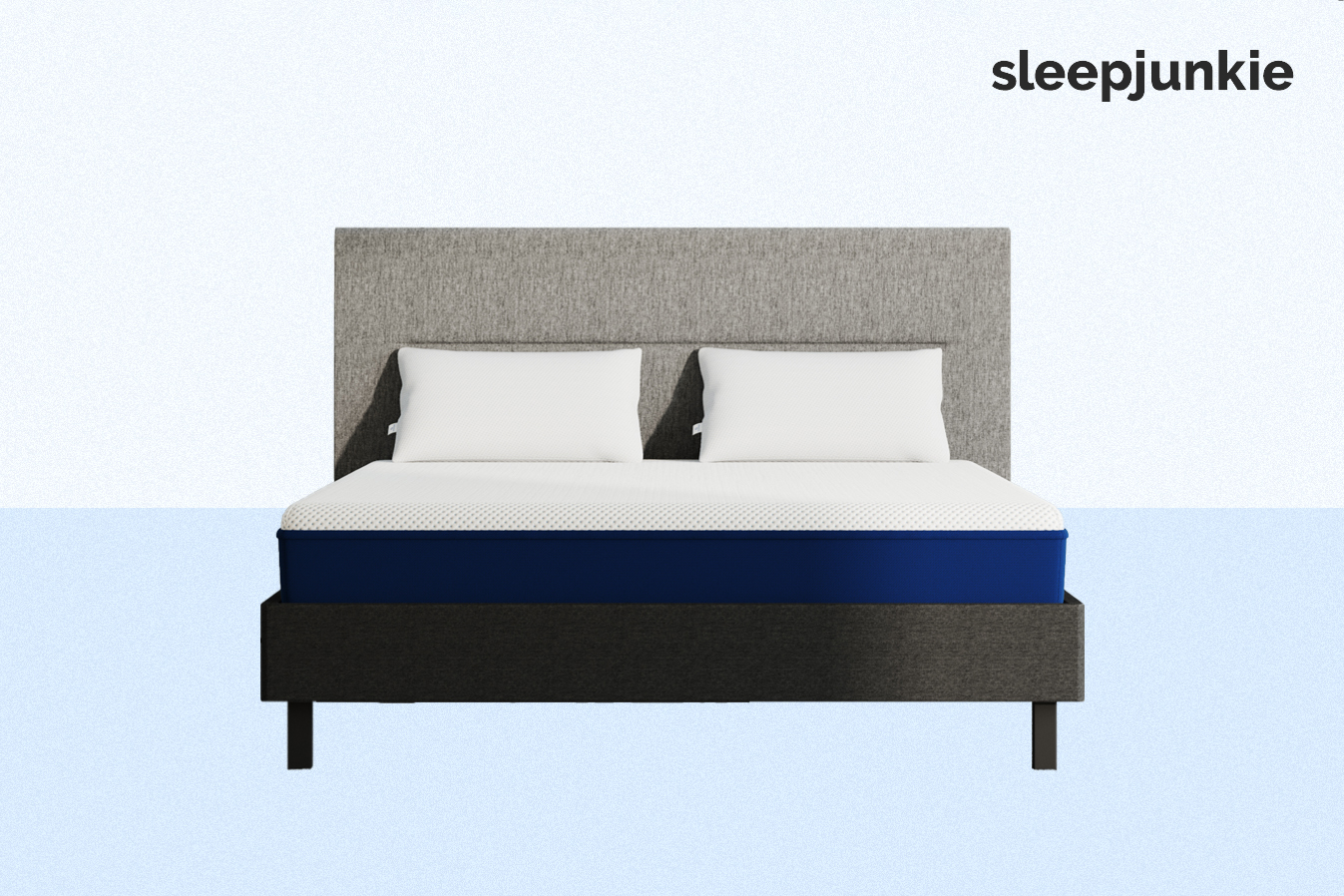
After testing 50+ mattresses for this guide, the Amerisleep AS2 earned our pick as the best mattress for back sleepers of 2026 because it paired firm lumbar support with enough contouring to keep pressure off the shoulders. During testing on my back, my hips stayed level with my shoulders and my lower back stayed supported without sinking into the surface, which is exactly what keeps a back sleeper’s spine neutral. The medium-firm foam felt cooler to the touch on first contact than the denser all-foam beds I compared, and motion on the opposite side barely registered when my partner moved.

The AS2 suits back sleepers who want firmer lumbar support, stomach sleepers who need their hips held up, and couples who want strong motion isolation in an all-foam bed. Its balance of firm support and light contouring across positions is what made it the top overall pick for back sleeping in this guide.

Why Trust Sleep Junkie's Recommendations?

Every mattress featured on Sleep Junkie is evaluated using the same testing framework for support, pressure relief, cooling, motion isolation, edge support, responsiveness, and overall value. Learn How We Test Mattresses.

The best mattress for back sleepers is a medium to medium-firm bed that keeps the hips from sinking while supporting the lower back’s natural curve. Across 50+ mattresses we tested for this guide, the 14 below scored highest for back sleeping on lumbar support, spinal alignment, pressure relief, cooling, and motion isolation, with the Amerisleep AS2 as the top overall pick. Below, we cover how back sleeping affects your spine and what to look for before buying.

Sleeping on your back lets your spine, hips, and pelvis relax in a neutral position. Your weight is evenly distributed across the mattress, decreasing the risk of neck strain, paresthesia (pins and needles), and shoulder pain.

Back sleeping does not come without downsides, however. Those who sleep on their back report worse sleep than side sleepers. Back sleepers are also more prone to snoring, sleep apnea, or lower back pain, and if you already suffer from these conditions, sleeping on the back can make them worse. The key is a supportive, durable mattress.

In this article, we’ll discuss our top mattress recommendations for back sleepers, how to maintain the healthiest posture while sleeping on the back, and everything else you need to know before purchasing a mattress.

Best Mattresses for Back Sleepers 2026

Best Mattress Overall

1. Amerisleep AS2

1. Amerisleep AS2
  • Price: See Price
  • Mattress Type: Memory Foam
  • Thickness: 12 inches
  • Firmness: Medium Firm
  • Available In: Twin, Twin XL, Full, Queen, King, Cal. King, Split King

Warranty

20 years

Sleep Trial

100 Nights

Shipping

Free

Mattress Highlights
  • Alleviates Pressure Points
  • Consists of plant-based Bio-Pur® memory foam
  • Uses HIVE® technology
Recommended For
  • People suffering from back pain
  • For back and stomach sleepers

Watch Our Amerisleep AS2 Video Review

The Amerisleep AS2 is our top pick for back sleepers because its medium-firm feel lands in the range most back sleepers need: firm enough to keep the hips from sinking, soft enough to cushion the shoulders. In testing it held that balance better than the softer and firmer beds I compared in the same session.

The feel comes from its all-foam build. The Bio-Pur comfort layer contours at the shoulders while staying responsive, and the HIVE zoned layer under it firms up beneath the lumbar, so the surface supports the lower back without pushing back against the whole body. The high-density base keeps that support steady over time.

For back sleepers who want firm lumbar support with a little give at the shoulders, the AS2 is the most reliable fit on this page. Stomach sleepers get the same hip-lifting support, while strict side sleepers who want deep shoulder contouring will do better on the Helix Midnight Luxe.

9.2 Overall Score
  • 9 Value
  • 8 Edge Support
  • 9 Trial Period
  • 9 Response Time
  • 10 Motion Transfer
  • 10 Cooling & Breathability

The AS2 is our top back-sleeping pick because its medium-firm foam held my spine neutral without the trade-offs I felt on softer or firmer beds in the same session. During testing on my back, my hips stayed level with my shoulders and my lower back stayed supported without sinking, so the natural lumbar curve kept its shape rather than flattening out. The Bio-Pur comfort layer felt cooler to the touch on first contact than the denser memory-foam beds I compared, which helps a back sleeper who runs warm. When my partner shifted on the other side, movement barely registered, so a lighter sleeper sharing the bed is less likely to wake.

Best For:

  • Back sleepers who want firm lumbar support with light contouring
  • Stomach sleepers who need their hips held up
  • Couples who want strong motion isolation in an all-foam bed

Compare Instead:

  • FORM Prime if you want a firmer lumbar zone paired with a softer shoulder zone rather than one uniform feel
  • Helix Midnight Luxe if you also spend part of the night on your side and want more shoulder give
  • Brooklyn Plank Firm if the AS2 feels too soft and you want a genuinely firm surface

On my back, my spine stayed aligned: the Bio-Pur comfort layer and HIVE transition layer kept my hips from sinking below my shoulders, so my lower back held its natural curve instead of flattening. On my stomach, the same firmness kept my hips lifted rather than letting them drop, which is what keeps a stomach sleeper’s lower back from arching.

Side sleepers may find it too firm, with less give at the shoulders and hips than softer Amerisleep models like the AS3 or AS5. As a combination sleeper, I could change positions easily thanks to the responsive foam, though if I spent most of the night on my side I would want the AS3 for more pressure relief.

On temperature, the cover felt cooler on first contact than most of the all-foam beds I compared, and it was one of the coldest-feeling foam mattresses I tested for this guide, which helps a back sleeper who runs warm.

The Bio-Pur comfort foam is what let the surface feel cooler on first contact than the denser memory foam beds I compared, and it contoured at the shoulders without the slow, stuck sink of traditional memory foam. Underneath, the HIVE zoned transition layer firmed up under my lumbar while staying softer at the shoulders, which is what kept my hips from dropping while my spine stayed level on my back. The high-density Bio-Core base held that support steady when I shifted my weight around, so the alignment did not change edge to center. The AS2 uses CertiPUR-US certified foams, tested for low VOC emissions.

Pros:

  • Motion Transfer (10/10): partner movement barely registered during testing
  • Cooling & Breathability (10/10): surface felt cooler on first contact than the denser foam beds I compared
  • Held my hips level with my shoulders on my back for neutral spinal alignment
  • CertiPUR-US certified foams, tested for low VOC emissions

Cons:

  • Edge Support (8/10): stable but the perimeter compressed more than the strongest hybrids here
  • Too firm for strict side sleepers who want deep shoulder contouring; consider Helix Midnight Luxe
  • Slight off-gassing odor on unboxing that eases within a day or two

Why The Amerisleep AS2 Won

Across the 50+ mattresses I tested for this guide, the AS2 was the one that held my hips level with my shoulders on my back while still contouring enough to keep pressure off. It led the field on motion isolation and cooling for an all-foam bed and kept its lumbar support steady across positions. For back sleepers who want firm support without a hard, flat surface, it is the top overall pick.

Kristina Hindes

Best Purple Mattress Alternative

2. FORM Prime

2. FORM Prime
  • Price Range: See Price
  • Mattress Type: Gel Grid Hybrid
  • Thickness: 14 Inches
  • Firmness: 5.5 to 6 out of 10 (Medium-Medium-Firm)
  • Available In: Twin, Twin XL, Full, Queen, King, California King

Warranty

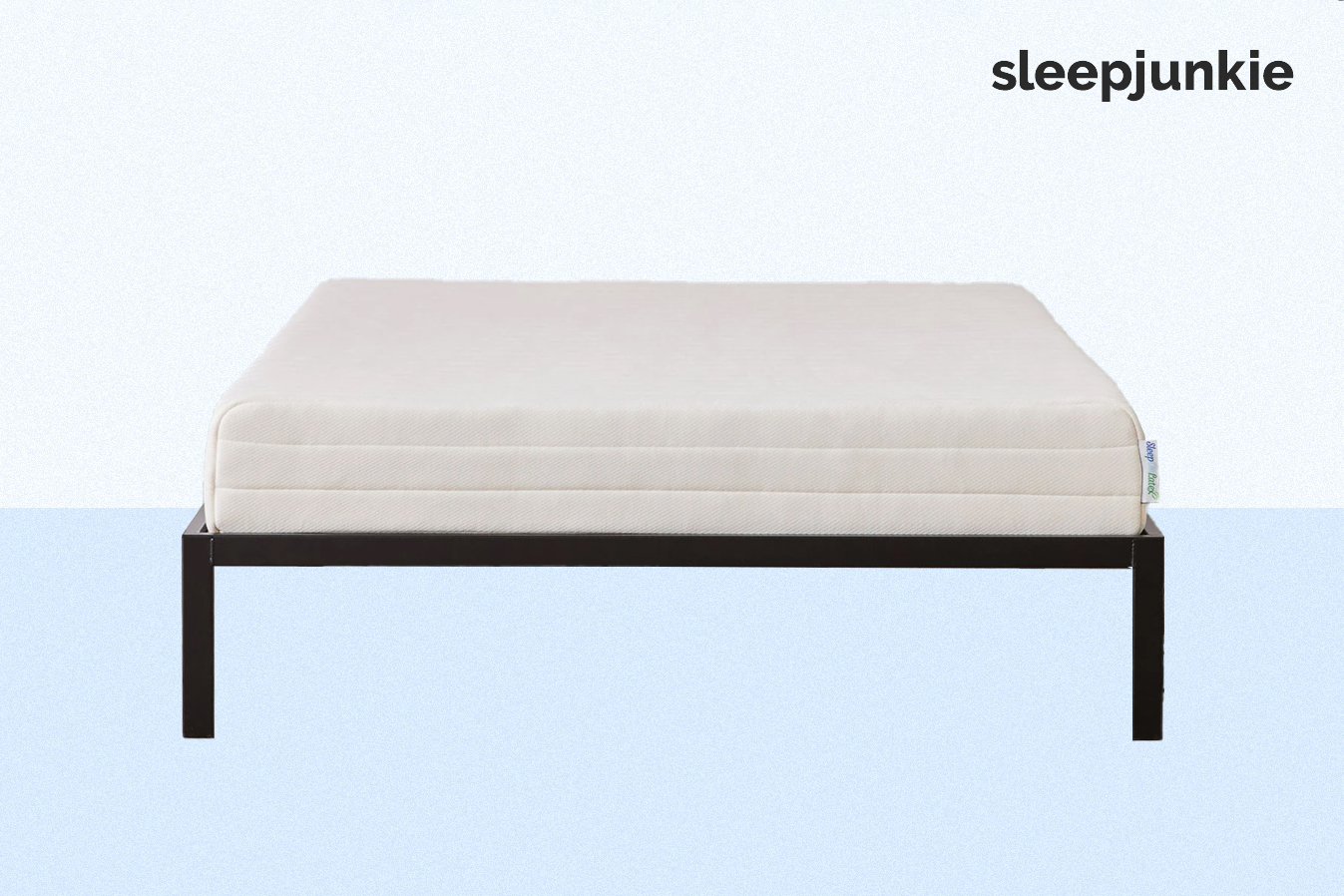
Lifetime

Sleep Trial

365 Nights

Shipping

Free

Mattress Highlights
  • ZoneCoil™ 7-Series support base
  • GelGrid™ + Integra-Mesh™ comfort
  • Cover with a cool-to-the-touch feel
Recommended For
  • Hot sleepers
  • Couples who need motion isolation
  • Side, back, combination sleepers

Watch Our FORM Prime Video Review

Back sleepers have a specific problem most mattresses don’t solve well: the lumbar area needs firmer support to keep the hips from sinking, but the shoulder blades still need some give to avoid pressure buildup. Most mattresses pick one firmness and apply it everywhere, which forces a compromise in one direction or the other.

That’s the gap the FORM Prime fills, and it’s why it earned a spot on this list. Instead of a single firmness across the surface, FORM built the ZoneCoil™ 7-Series coil system with a softer shoulder zone, measuring around 4.5 out of 10 on firmness, and a firmer lumbar zone, closer to 7 out of 10.

For a back sleeper, that split means the lower back sits on a genuinely firmer platform than the shoulders do, which is the opposite of what a uniform-firmness mattress can offer.

Testing this on my back, the difference was noticeable within the first few minutes. My lumbar area felt supported rather than sunken, while my shoulder blades still had enough give that I wasn’t lying flat against an unyielding surface.

The grid responded quickly when I shifted from my back to my side, which matters for anyone who moves through positions during the night rather than staying flat on their back for eight hours straight.

Where I’d point a different back sleeper: if you specifically want the deep, slow-contouring hug of traditional memory foam, the GelGrid™’s more buoyant, faster-responding feel isn’t that. The Amerisleep AS2 at the top of this list has that more traditional memory foam character if that’s the priority.

9.3 Overall Score
  • 8 Value
  • 10 Edge Support
  • 10 Trial Period
  • 9 Response Time
  • 10 Motion Transfer
  • 9 Cooling & Breathability

Zoned Firmness Built for Back Sleeping: The lumbar zone measures around 7 out of 10 on firmness against a shoulder zone closer to 4.5 out of 10. On my back, that firmer lumbar platform kept my lower back from sinking while my shoulder blades still had room to settle in.

Fast Recovery for Combination Movement: Dropping a 10-pound weight onto the surface during testing showed the GelGrid™ layer recovering its shape in under two seconds across every zone tested.

For back sleepers who also spend part of the night on their side, that responsiveness matters when transitioning between positions.

Edge Support Solid Enough for the Full Surface: Sitting at the full perimeter with complete body weight, the edge held firm throughout testing, useful for back sleepers who tend to use the whole mattress surface rather than staying centered.

Motion Isolation for Shared Beds: A mason jar placed on one side of the mattress showed almost no movement during simulated tossing and turning on the other side.

Best For:

  • Back sleepers who want a firmer lumbar zone and a softer shoulder zone in one bed
  • Combination sleepers who move between back and side during the night
  • Couples who want strong motion isolation with a cooler-sleeping grid surface

Compare Instead:

  • Amerisleep AS2 if you want the deeper, slow-contouring hug of traditional memory foam
  • Saatva Classic if you prefer a bouncier innerspring feel over a grid
  • Nolah Evolution if you want a plush pillow-top over a hybrid rather than a grid surface

Lying flat on my back, the first thing I noticed was how differently the FORM Prime responded under my lower back compared to my shoulders.

The ZoneCoil™ 7-Series gave my lumbar area a distinctly firmer platform, which kept my hips from dropping into the surface the way they do on softer, uniform mattresses.

My shoulder blades, by contrast, settled into the GelGrid™ layer without any pressure building up.

The AeroWeave™ cover felt cool against my skin immediately, without the initial warmth some quilted covers develop over the first few minutes of contact.

When I shifted onto my side to test combination sleeping, the GelGrid™ responded without any perceptible lag. There was no sense of the mattress holding my previous position or requiring extra effort to move against it.

The one position I’d flag for a different reader is strict stomach sleeping.

The GelGrid™ flexes by design, and stomach sleepers who want a firm, non-yielding surface should use a meaningful stretch of the 365-night trial to confirm fit before that window closes.

The FORM Prime is built with the following layers:

AeroWeave™ Cover: A ventilated, cool-to-the-touch cover that promotes airflow across the sleep surface.

GelGrid™ + Integra-Mesh™ Comfort Layer: FORM’s proprietary gel grid, reinforced with a woven mesh that prevents the surface wobble found in unreinforced grid designs. This is the primary responsiveness and pressure-relief layer.

ContourFlex™ Transition Foam: Sits between the grid and the coil system, smoothing the transition from grid to spring so individual coils aren’t felt through the comfort layers.

ZoneCoil™ 7-Series: Individually wrapped, zoned pocketed coils that provide firmer support at the lumbar zone and softer give at the shoulders, isolating motion coil by coil.

BaseFlex™ Foam Encasement: Wraps the perimeter of the coil system, anchoring the edge and contributing to the edge-support results above.

FORM uses CertiPUR-US® certified foams throughout, tested for low VOC emissions and made without certain regulated substances. The mattress also carries GREENGUARD Gold and OEKO-TEX® Standard 100 certifications, and construction is fiberglass-free.

Pros:

  • Zoned lumbar-to-shoulder firmness gives back sleepers firmer lower-back support without sacrificing shoulder contouring
  • Fast surface recovery supports back-to-side combination sleeping without lag
  • Strong edge support for sleepers who use the full mattress surface
  • Excellent motion isolation, useful for shared beds
  • Passive cooling keeps the surface comfortable without active phase-change materials

Cons:

  • Strict stomach sleepers who want a firm, unyielding surface should test carefully during the trial, since the GelGrid™ flexes by design
  • At 14 inches, this is a tall mattress that may require deep-pocket sheets
  • Single firmness option, no plush or firm variant for further customization
  • Made-to-order delivery means a longer lead time than a stocked, box-shipped mattress

FORM Prime

Lying flat on my back on the FORM Prime, the zoned firmness was the most noticeable feature throughout testing. My lower back stayed supported on the firmer lumbar zone while my shoulder blades settled comfortably into the softer shoulder zone, without either area feeling neglected.

Kristina Hindes

Read My Full Review of the FORM Prime

Best Luxury Mattress

3. Zoma Boost

3. Zoma Boost
  • Price: See Price
  • Mattress Type: Hybrid
  • Thickness: 15 inches
  • Firmness: 5.5 out of 10 (Medium-Firm)
  • Available In: Twin, Twin XL, Full, Queen, King, Cal. King, Split King

Warranty

10 Years

Sleep Trial

100 Nights

Shipping

Free

Mattress Highlights
  • Reactiv™ response layer
  • Hyper Cooling Memory Foam
  • Zoned Edge Coil Support
Recommended For
  • People who sleep on their back
  • Sleepers looking for a luxurious mattress feel

Watch Our Zoma Boost Video Review

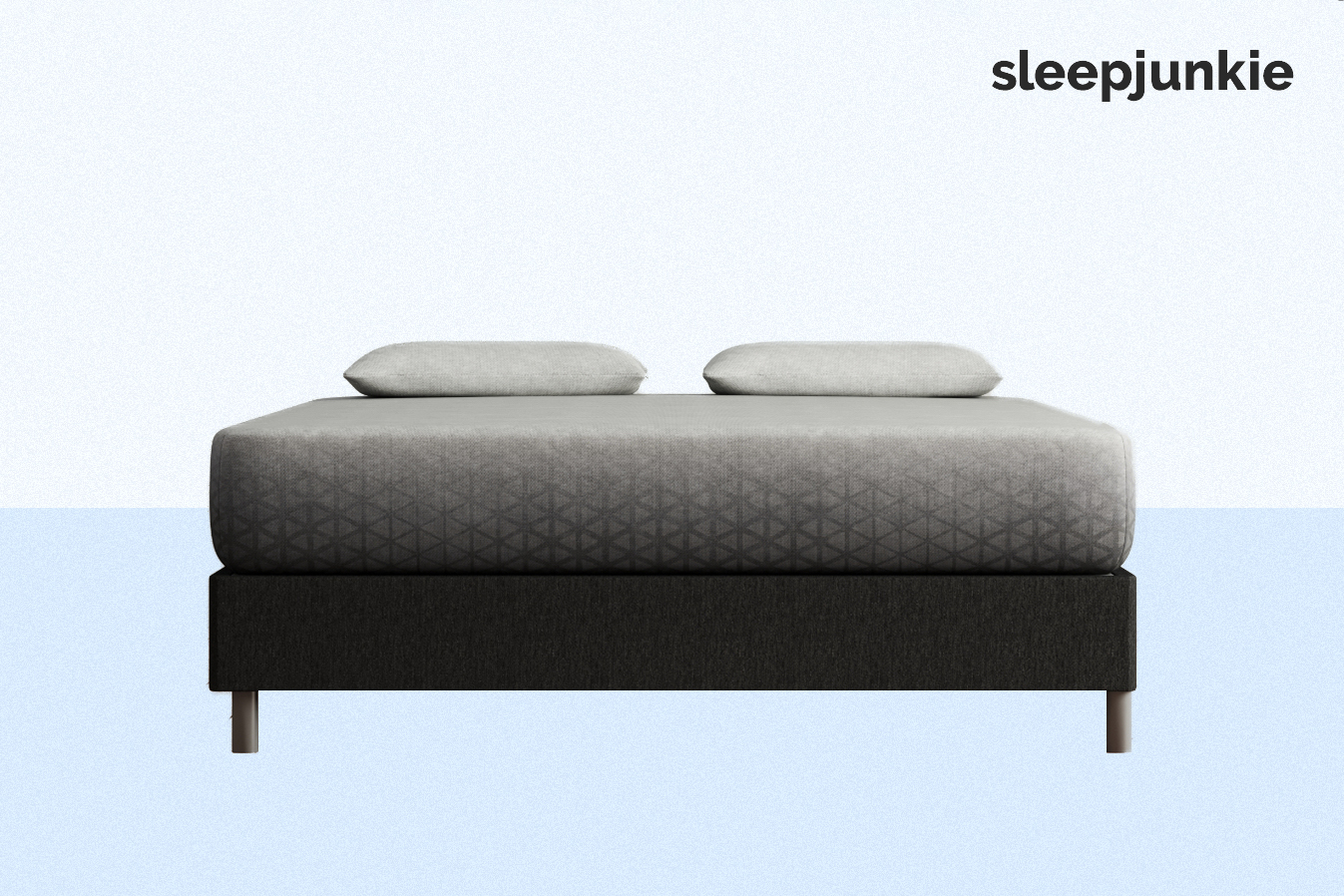
The Zoma Boost is our luxury pick because it delivers a plush, deep-cushion feel without giving up the lumbar support back sleepers need. In testing it kept that balance where softer beds let the hips drop.

The build pairs a graphite-infused memory foam top with a Reactiv response layer over a zoned edge coil core. The memory foam does the cushioning at the hips and shoulders, the Reactiv layer keeps the surface from feeling stuck, and the coils carry the support and anchor the edge. The result is a soft surface that still holds the spine level.

For back sleepers who want a cushioned, high-end feel without sinking, the Boost is the pick here. Sleepers who want a genuinely firm surface should size down to the Brooklyn Plank Firm instead.

9.5 Overall Score
  • 10 Value
  • 10 Edge Support
  • 9 Trial Period
  • 9 Response Time
  • 10 Motion Transfer
  • 9 Cooling & Breathability

The Zoma Boost is our luxury pick because it kept the plush, deep-cushion feel back sleepers like without letting the hips drop out of line. During testing on my back, the gel-infused memory foam cushioned my hips and shoulders while the coil layer underneath kept my lower back from sinking, so the surface felt soft on top but still supported. The Reactiv layer let me change positions without the stuck feeling I get on all-foam beds, and the surface felt cooler on first contact than the denser foam beds I compared. Motion on the far side stayed low when my partner moved.

Best For:

  • Back sleepers who want a plush, cushioned feel without losing lumbar support
  • Couples who want strong motion isolation
  • Sleepers who like a taller, more luxurious hybrid profile

Compare Instead:

  • Brooklyn Plank Firm if the Boost feels too soft and you want firm support
  • Amerisleep AS2 if you want a firmer all-foam feel at a lower profile
  • Nolah Evolution if you want a similar plush hybrid with multiple firmness options

On my back, the gel-infused memory foam cushioned my hips and shoulders while the coil core underneath kept my lower back from dropping, so the surface felt soft on top but still aligned. The Reactiv layer meant I never felt stuck as I shifted, which is the trade-off that usually comes with a plush memory foam top.

On temperature, the surface felt cooler on first contact than the denser all-foam beds I compared, helped by the coil layer moving air under the foam. Motion on the far side stayed low when my partner moved, so a lighter sleeper sharing the bed is less likely to wake.

The one caution is firmness preference: at a medium-firm 5.5, the Boost reads soft next to the firm picks here, so strict firm-surface sleepers should look at the Plank Firm. For back sleepers who want luxury cushioning with real support, it is a top-tier fit.

The graphite-infused memory foam top layer is what cushioned my hips and shoulders on my back, and it felt cooler on first contact than the denser all-foam beds I compared. The Reactiv layer underneath is why I could reposition without the stuck feeling memory foam usually gives, pushing back quickly as I moved. The zoned edge coil core kept my lower back lifted while the softer top did the cushioning, which is what let the Boost feel plush without letting my spine fall out of line. The coils also anchored the perimeter so the edge held when I sat on it.

Pros:

  • Motion Transfer (10/10): movement on the far side stayed low when my partner shifted
  • Edge Support (10/10): the perimeter held firm when I sat on it
  • Gel foam cushioned my hips and shoulders while the coils kept my lumbar supported
  • Cooling & Breathability (9/10): felt cooler on first contact than the denser foam beds I compared

Cons:

  • Response Time (9/10): plush feel means it is softer than strict firm-surface sleepers want; consider Brooklyn Plank Firm
  • Taller 15-inch profile may need deep-pocket sheets
  • Initial odor on unboxing that eases quickly

Zoma Boost

On my back, the gel foam cushioned my hips while the coil core kept my lumbar from dropping, so the surface felt plush but aligned. Best for back sleepers who want a soft, luxurious feel without losing support; strict firm-surface sleepers should size up to the Plank Firm.

Kristina Hindes

Best Hybrid Mattress

4. Vaya Hybrid

4. Vaya Hybrid
  • Price: See Price
  • Mattress Type: Hybrid
  • Thickness: 14 inches
  • Firmness: 5 to 6 out of 10 (Medium)
  • Available In: Twin, Twin XL, Full, Queen, King, Cal. King, Split King

Warranty

10 Years

Sleep Trial

100 Nights

Shipping

Free

Mattress Highlights
  • Motion-isolating coils offer cushioning comfort
  • Breathable and bouncy
  • Blending bounce and cloud-like comfort
Recommended For
  • People who sleep on your back, side, or stomach
  • Hot Sleepers
  • Couples require motion isolation

Watch Our Vaya Hybrid Video Review

The Vaya Hybrid is our best hybrid pick because it does the core hybrid job well: it pairs responsive pocketed coils with a cushioning foam top, so back sleepers get coil support and airflow together with foam pressure relief. In testing it delivered that balance in a straightforward, well-rounded package, and at a lower price than most hybrids here.

The coils carry the support and keep the lower back lifted, while the Vaya comfort foam softens the surface at the hips and shoulders. Because the coil core is open, air moves through it better than through a solid foam base, so it sleeps cooler on first contact than the all-foam beds I compared.

For back sleepers who want the bounce, airflow, and support of a hybrid without paying a premium, the Vaya is the most accessible fit on this page. Couples who need the strongest motion isolation should compare the Nolah Evolution, since motion transfer is the one area where the Vaya trails the pricier hybrids.

9.2 Overall Score
  • 10 Value
  • 10 Edge Support
  • 9 Trial Period
  • 10 Response Time
  • 7 Motion Transfer
  • 9 Cooling & Breathability

The Vaya Hybrid is our best hybrid pick because it delivers the core benefits of a hybrid, coil support, airflow, bounce, and foam cushioning, in a well-rounded package at an accessible price. During testing on my back, the pocketed coils kept my lower back supported while the Vaya foam softened the surface enough to avoid pressure at the hips. Changing positions felt easy thanks to the coil bounce, and the coil core let more air move through than the all-foam beds I compared, so the surface felt cooler on first contact. Motion isolation was the one area where it trailed the pricier hybrids here (7/10), so a very restless partner is more noticeable.

Best For:

  • Back sleepers who want the support and airflow of a hybrid without a premium price
  • Combination sleepers who want easy repositioning
  • Hot sleepers who want more airflow than an all-foam bed

Compare Instead:

  • Nolah Evolution if motion isolation matters most and budget is flexible
  • Amerisleep AS2 if you prefer an all-foam feel over a hybrid
  • Zoma Boost if you want a more plush, luxurious hybrid

On my back, the pocketed coils kept my lower back supported while the Vaya foam took the pressure off my hips, so the surface felt balanced rather than either too firm or too soft. Changing positions was easy because the coils give the bed a natural bounce that a foam core does not.

The edge held steady when I sat on the perimeter, so the full surface stayed usable, which matters for anyone who spreads out or shares the bed. On temperature, the coil core moved more air than the all-foam beds I compared, so the surface felt cooler on first contact and did not warm up as quickly through the first hours.

Motion isolation is the trade-off: when my partner moved, I noticed it more than on the AS2 or Nolah. For back sleepers who want a well-rounded hybrid at an accessible price, though, it covers the essentials well.

The Vaya comfort foam softened the surface at the hips and shoulders, and because it is more open than dense memory foam it let the surface feel cooler on first contact than the all-foam beds I compared. The pocketed coil layer underneath is what kept my lower back supported and gave the bed its easy repositioning, since coils recover faster than a foam core. The coil core also moved more air than a solid foam base. The durable base foam held the coils steady so the support stayed consistent across the surface. Motion isolation trailed the pricier hybrids here, the one trade-off of the more open coil build.

Pros:

  • Value (10/10): coil support and easy repositioning at a budget price
  • Response Time (10/10): coil bounce made position changes effortless
  • Kept my lower back supported while softening pressure at the hips on my back
  • Edge Support (10/10): stable across the full surface including the perimeter

Cons:

  • Motion Transfer (7/10): the lowest motion score here; a restless partner is more noticeable than on the AS2 or Nolah
  • Medium feel is not firm enough for strict firm-surface sleepers; consider Brooklyn Plank Firm
  • Initial odor on unpacking that eases quickly

Vaya Hybrid

On my back, the coils kept my lower back supported while the foam eased pressure at the hips, so my spine stayed level. Best for back sleepers who want the airflow and bounce of a hybrid without a premium price; couples who need the strongest motion isolation should compare the Nolah Evolution.

Kristina Hindes

Best Mattress for Side Sleepers

5. Helix Midnight Luxe

5. Helix Midnight Luxe
  • Price: See Price
  • Mattress Type: Hybrid
  • Thickness: 13.5 inches
  • Firmness: 5 out of 10 (Medium)
  • Available In: Twin, Twin XL, Full, Queen, King, Cal. King, Split King, Short Queen, RV King

Warranty

Lifetime

Sleep Trial

120 Nights

Shipping

Free

Mattress Highlights
  • Hypoallergenic Tencel cover
  • Excellent motion isolation
  • Zoned Lumbar Support
Recommended For
  • People who prefer sleeping on their back
  • Couples seeking excellent motion isolation
  • Those wanting a plush yet supportive mattress

Watch Our Helix Midnight Luxe Video Review

The Helix Midnight Luxe is our side-sleeping pick, and it earns a place on a back-sleeper list because its medium feel cushions pressure points without letting the lumbar collapse. In testing it cradled the hips and shoulders while the zoned coils held the lower back up.

A quilted pillow top and memory foam layers sit over zoned lumbar coils, so the surface feels plush on contact but firms up under the lower back where support matters. It ships in a single medium feel, so it is not adjustable for firmness, and buyers can choose the standard TENCEL cover or the GlacioTex cooling upgrade.

For side sleepers and back-and-side combination sleepers who want a plush-but-supported medium feel, the Midnight Luxe is the strongest fit here. Back sleepers who want a firmer lumbar platform should compare the Amerisleep AS2.

9.0 Overall Score
  • 7 Value
  • 10 Edge Support
  • 9 Trial Period
  • 9 Response Time
  • 10 Motion Transfer
  • 9 Cooling & Breathability

The Midnight Luxe is our side-sleeping pick that still works for back sleepers because its medium feel cradled pressure points without collapsing under the lumbar. During testing, the pillow top and memory foam cushioned my hips and shoulders while the zoned lumbar coils kept my lower back lifted, so on my back the surface felt plush but supported. The cover felt cool to the touch on first contact, and movement on the far side barely registered when my partner shifted. This ships in a single medium feel, so it is not adjustable for firmness.

Best For:

  • Side sleepers who want pressure relief at the hips and shoulders
  • Back-and-side combination sleepers who want a plush-but-supported feel
  • Couples who want strong motion isolation

Compare Instead:

  • Amerisleep AS2 if you sleep mostly on your back and want a firmer lumbar platform
  • Brooklyn Plank Firm if you want a much firmer surface
  • Zoma Boost if you want a plush feel with more of a luxury hybrid profile

On my side, the pillow top and memory foam cushioned my hips and shoulders and eased the pressure points that build up on firmer beds. On my back, the zoned lumbar coils firmed up under my lower back, so I got the plush surface without my spine bowing out of line.

The cover felt cool on first contact, and the optional GlacioTex upgrade pulls more heat for sleepers who run hot. Movement on the far side barely registered when my partner shifted, which is what makes it work for couples.

The single medium firmness is the main limit: it is not adjustable, so strict firm-surface sleepers should look elsewhere. For side and combination sleepers who want a cool, plush, supportive feel, it is an excellent match.

The quilted pillow top and memory foam layers are what cushioned my hips and shoulders, which is why side and back sleepers get pressure relief without a hard surface. Beneath them, the zoned lumbar coils firmed up under my lower back specifically, so my spine stayed level rather than bowing on my back. The base coils kept the whole surface responsive, so repositioning did not take effort. The TENCEL cover felt cool on first contact, and the optional GlacioTex upgrade pulls more heat for sleepers who run hot. It ships in a single medium feel, so the build is not adjustable for firmness.

Pros:

  • Motion Transfer (10/10): movement on the far side barely registered during testing
  • Edge Support (10/10): perimeter held firm when I sat on it
  • Pillow top and memory foam eased hip and shoulder pressure on my side and back
  • Cover felt cool on first contact, with a GlacioTex cooling upgrade option

Cons:

  • Value (7/10): priced above several picks here for a single medium feel
  • Ships in one medium firmness only, so it is not adjustable; strict firm sleepers should look elsewhere
  • Initial odor possible that eases with airing out

Helix Midnight Luxe

On my side and back, the pillow top cushioned my hips and shoulders while the zoned coils kept my lumbar lifted, so pressure points eased without sinking. Best for side and combination sleepers who want a plush-but-supported medium feel and strong motion isolation.

Kristina Hindes

Best Innerspring Mattress

6. Saatva Classic

6. Saatva Classic
  • Price: See Price
  • Mattress Type: Innerspring
  • Thickness: 11.5 inches and 14.5 inches
  • Firmness: Multiple firmness option
  • Available In: Twin, Twin XL, Full, Queen, King, Cal. King, Split King

Warranty

Lifetime

Sleep Trial

365 Nights

Shipping

Free

Mattress Highlights
  • Excellent edge support
  • Antimicrobial cotton cover
  • Individually wrapped pocketed coils
Recommended For
  • Those who need good edge support
  • Hot Sleepers

Watch Our Saatva Classic Video Review

The Saatva Classic is our innerspring pick because it delivers the responsive, buoyant feel that back sleepers who dislike foam are after. Its coil-on-coil build pushes back quickly instead of letting you sink, which is the opposite of the slow-contouring memory foam feel.

It comes in three firmness options, Plush Soft, Luxury Firm, and Firm. I tested the 11.5-inch Luxury Firm and measured it at around a medium-firm 6.5, a supportive feel with a touch of plushness on top. A zoned lumbar pad adds firmer support through the lower back, and the bed arrives fully formed by white-glove delivery, so there is no off-gassing period.

For back sleepers who want a classic innerspring feel with strong edge support and a firmness they can choose, the Saatva is the fit here. Sleepers who want more contouring should compare the Amerisleep AS2.

9.2 Overall Score
  • 7 Value
  • 10 Edge Support
  • 10 Trial Period
  • 10 Response Time
  • 9 Motion Transfer
  • 9 Cooling & Breathability

The Saatva Classic is our innerspring pick because its coil-on-coil build gave the responsive, buoyant feel back sleepers who dislike foam are looking for. During testing on the Luxury Firm model, the surface pushed back quickly and kept my lower back lifted, so I never felt the slow sink of memory foam, and repositioning took no effort. The reinforced perimeter held firm when I sat on the edge, so the full surface stayed usable. Because it comes in Plush Soft, Luxury Firm, and Firm, the same bed can be matched to different sleeper weights and positions.

Best For:

  • Back sleepers who want a responsive innerspring feel over foam
  • Sleepers who want to choose a firmness (Plush Soft, Luxury Firm, or Firm)
  • Anyone who uses the full mattress surface and wants strong edge support

Compare Instead:

  • Amerisleep AS2 if you want a foam feel with more contouring
  • Nolah Evolution if you want a hybrid with a plush pillow-top instead of a traditional innerspring
  • Brooklyn Plank Firm if you want the firmest possible surface

On my back, the coil-on-coil build pushed back quickly and kept my lower back lifted, so I never felt the slow sink of memory foam, and the zoned lumbar pad added support right where a plain innerspring would sag. Repositioning took no effort because the surface responds fast.

Motion transfer was low for an innerspring: when my partner moved, I was not disturbed. The reinforced edges held firm when I sat on the perimeter, so the full surface stayed usable and the bed felt larger than its footprint.

Across positions, the Luxury Firm balanced soft contouring with supportive lift. The Plush Soft adds cushioning for strict side sleepers, while the Firm adds reinforcement for stomach sleepers or heavier sleepers. For back sleepers who want a responsive innerspring with a firmness choice, it is a strong match.

The coil-on-coil build is what gives the Saatva its buoyant, responsive feel: the comfort coils near the top pushed back quickly so I never sank, while the tempered steel base coils carried the support. The memory foam lumbar pad in the middle is what kept my lower back lifted where a plain innerspring would sag. The dual-perimeter foam rails held firm when I sat on the edge, so the full surface stayed usable. The organic cotton cover and open coil structure moved air well, so the surface felt cooler than the all-foam beds I compared. Available in Plush Soft, Luxury Firm, and Firm.

Pros:

  • Edge Support (10/10): reinforced rails held firm at the perimeter for full-surface use
  • Response Time (10/10): coil-on-coil build pushed back quickly for effortless repositioning
  • Zoned lumbar pad kept my lower back lifted where a plain innerspring would sag
  • Three firmness options (Plush Soft, Luxury Firm, Firm) plus no off-gassing at delivery

Cons:

  • Value (7/10): premium price and white-glove-only delivery
  • Heavy and hard to move or rotate once placed
  • Motion isolation, while good for an innerspring, trails the all-foam picks here for very light sleepers

Saatva Classic

On my back, the coil-on-coil build kept my lower back lifted with a responsive push that never let me sink. Best for back sleepers who want a classic innerspring feel with strong edge support and a choice of three firmnesses; sleepers who want more contouring should compare the AS2.

Kristina Hindes

Best Memory Foam Mattress

7. Leesa Original

7. Leesa Original
  • Price Range: See Price
  • Mattress Type: Memory Foam
  • Thickness: 10 Inches
  • Firmness: Medium (5 to 6 out of 10)
  • Available In: Twin, Twin XL, Full, Queen, King, California King

Warranty

Lifetime

Sleep Trial

120 Nights

Shipping

Free

Mattress Highlights
  • Aerated foam for airflow and cooling
  • Deep memory foam for tension relief
  • Durable base foam for support
Recommended For
  • Back sleepers seeking pressure relief
  • Hot sleepers who run warm at night
  • Combo sleepers who need adaptability

Watch Our Leesa Original Video Review

The Leesa Original is one of the best memory foam mattresses you can buy if you sleep on your back. I tested it closely and found it does three things well: it keeps your spine lined up, takes pressure off your hips and lower back, and sleeps cooler than most foam mattresses.

The feel is medium-firm, which is the sweet spot for back sleepers. It is soft enough to cushion your body where you need it most, but firm enough to stop your hips from sinking too far. When the hips sink too deep, the lower back arches out of position, which is what leaves back sleepers stiff in the morning.

Cooling is often a weak spot for foam mattresses, but the Leesa Original holds up better than most thanks to its aerated foam design. It will not sleep as cool as a hybrid, but it does a solid job for an all-foam option.

For back sleepers who want a foam mattress that supports the spine, relieves pressure, and holds up over time, the Leesa Original is a smart pick.

8.3 Overall Score
  • 8 Value
  • 7 Edge Support
  • 9 Trial Period
  • 9 Response Time
  • 9 Motion Transfer
  • 8 Cooling & Breathability

The Leesa Original earns its spot on this list because of how well it addresses the core needs of back sleepers: lumbar support, pressure relief, and spinal alignment.

Its medium-firm feel hits the sweet spot that most back sleepers need—firm enough to prevent the hip sinkage that throws the spine out of neutral, yet soft enough to contour to the lower back’s natural curve and relieve pressure along the hips and shoulders.

What also sets it apart is its motion isolation, which scored 9 out of 10 in testing. The all-foam construction absorbs movement locally rather than transmitting it across the surface, making it an excellent choice for couples with different sleep schedules or sleep positions.

For back sleepers who share a bed with a restless partner, this is a meaningful advantage that many hybrid mattresses struggle to match.

The limited lifetime warranty is another standout feature. Most mattress brands offer a standard 10-year warranty, so Leesa’s lifetime coverage reflects genuine confidence in the materials and construction—and gives buyers long-term peace of mind that’s hard to find at this price point.

Best For:

  • Back sleepers who want an all-foam bed that holds the lumbar curve
  • Couples who need strong motion isolation (9/10 in testing)
  • Combination sleepers who want a foam feel without the stuck sensation

Compare Instead:

  • Amerisleep AS2 if you want a slightly firmer all-foam feel and stronger cooling
  • FORM Prime if you want a hybrid with a firmer lumbar zone and stronger edge support
  • Vaya Hybrid if you want coil support at a comparable price

The Leesa Original has a medium-firm feel. Based on customer surveys, 76% of sleepers describe it as medium, which aligns closely with my own testing experience.

It’s supportive without feeling rigid, and it contours to your body without the slow-sinking, stuck sensation that traditional memory foam can create.

When I lay on my back, the mattress supported my lower back’s natural curve without letting my midsection sag into the surface.

I felt evenly supported from shoulders to hips, with the memory foam layer filling the lumbar gap in a way that felt natural and comfortable rather than forced.

I didn’t experience the lower back discomfort that develops on mattresses that are either too soft or too firm for back sleeping.

Side sleepers will also find adequate pressure relief at the hips and shoulders, though those who strongly prefer a very plush feel may want something softer.

Stomach sleepers needing very firm, non-conforming support may find the medium-firm feel slightly too soft for optimal positioning.

The single firmness option means you can’t customize the feel, so if you sit at either extreme of the firmness spectrum, this mattress may not be the right fit.

The Leesa Original uses a three-layer all-foam construction designed to balance comfort, support, and durability.

The top layer is Leesa’s proprietary responsive foam, engineered to be breathable and more buoyant than traditional memory foam.

It compresses smoothly under pressure and bounces back quickly, giving the mattress a livelier feel that makes position changes easy without any of the sluggish recovery typical of conventional memory foam.

Beneath that sits the deeper memory foam recovery layer, which is where the pressure relief happens. This layer molds to your body’s contours, cushioning the hips and filling the natural curve of the lower back—both essential for keeping back sleepers in a neutral spinal position throughout the night.

The high-density foam base rounds out the construction, providing a firm and stable foundation that resists sagging and maintains consistent support for all body types over time.

All foam layers are CertiPUR-US certified and tested for low VOC emissions.

The mattress is finished with a breathable knit cover featuring moisture-wicking fibers, with an optional $199 cooling quilt top upgrade available for hot sleepers who need more active temperature management.

Pros:

  • Motion Transfer (9/10): all-foam build absorbs movement locally, ideal for couples
  • Medium-firm feel held my lumbar curve without letting my midsection sag on my back
  • Responsive top foam prevents the stuck feeling common in memory foam
  • Limited lifetime warranty and 120-night trial; CertiPUR-US certified, tested for low VOC emissions

Cons:

  • Edge Support (7/10): the lowest sub-score here; the perimeter compresses noticeably when sitting
  • Cooling & Breathability (8/10): sleeps warmer than the hybrids here without the $199 cooling top
  • Single firmness only, and a 10-inch profile lower than many modern beds

Leesa Original

Back sleepers require consistent support across the entire spine while allowing slight contouring for natural spinal curves. The Original performed well in this position, providing what I experienced as excellent lumbar support.

Overall, this mattress provides excellent lumbar support and allows for some contouring, helping to keep the spine properly aligned.

Kristina Hindes

Read My Full Review of the Leesa Original

Best Pressure Relieving Mattress

8. Nolah Evolution

8. Nolah Evolution
  • Price: See Price
  • Mattress Type: Hybrid
  • Thickness: 15 inches
  • Firmness: Multiple [Plush (4-5), Luxury Firm (6-7), and Firm (7-8)]
  • Available In: Twin, Twin XL, Full, Queen, King, Cal. King, Split King

Warranty

Lifetime

Sleep Trial

120 Nights

Shipping

Free

Mattress Highlights
  • Zoned individually wrapped coils
  • Luxuriously responsive surface feel
Recommended For
  • Couples who want a motion-isolating mattress
  • Back Sleepers
  • Hot sleepers of any sleep style

Watch Our Nolah Evolution Video Review

The Nolah Evolution is our pressure-relief pick because its plush pillow-top cushions the shoulders and hips while a tri-zoned coil core keeps the lower back supported. In testing it delivered deep cushioning without letting my hips sink, which is the balance pressure-sensitive back sleepers need.

A quilted Euro top sits over graphite AirFoamICE and a high-resilience transition foam, with the tri-zoned coils underneath. The foam layers do the cushioning and keep the surface from feeling stuck, while the coils carry the support and isolate motion. It comes in Plush, Luxury Firm, and Firm, so the feel can be matched to body type.

For back and side sleepers who want plush cushioning with strong support and motion isolation, the Evolution is the pick here. Sleepers who want a lower-profile bed than its 15 inches should compare the Amerisleep AS2.

9.5 Overall Score
  • 10 Value
  • 10 Edge Support
  • 9 Trial Period
  • 9 Response Time
  • 10 Motion Transfer
  • 9 Cooling & Breathability

The Nolah Evolution is our pressure-relief pick because its plush pillow-top over a tri-zoned coil core cushioned my pressure points without letting my hips sink. During testing on my back, the Euro top softened contact at the shoulders while the tri-zoned coils kept my lumbar lifted, so the surface felt cushioned but aligned. When I moved to my side, the AirFoamICE layer relieved pressure at the hips and shoulders. The surface felt cooler on first contact than the all-foam beds I compared, and movement on the far side barely registered when my partner shifted. It ships in Plush, Luxury Firm, and Firm, so the feel can be matched to body type.

Best For:

  • Back sleepers who want plush cushioning without losing lumbar support
  • Couples who want strong motion isolation (10/10 in testing)
  • Sleepers who want to choose a firmness (Plush, Luxury Firm, or Firm)

Compare Instead:

  • Amerisleep AS2 if you want a lower-profile all-foam bed instead of a 15-inch hybrid
  • Vaya Hybrid if you want similar coil support at a lower price
  • Brooklyn Plank Firm if you want a much firmer surface

On my back, the Euro top softened contact at the shoulders while the tri-zoned coils kept my lumbar lifted, so the surface felt cushioned but aligned. On my side, the AirFoamICE layer eased pressure at the hips and shoulders. On my stomach, the coils kept my hips from sinking too far.

Motion transfer was very low: even when my partner moved, I was not disturbed, which is a major benefit for couples. The reinforced edges held firm at the perimeter, so the full surface stayed usable.

On temperature, the AirFoamICE felt cooler on first contact than the all-foam beds I compared. For back and side sleepers who want plush pressure relief with a firmness choice, it is one of the strongest fits on this page.

The quilted Euro top is what cushioned my shoulders on first contact, and the graphite AirFoamICE beneath it felt cooler than the standard foams I compared while relieving pressure at the hips. The high-resilience and VariFlex transition foams are why the bed did not feel stuck when I changed positions, buffering the plush top from the firm core. The tri-zoned coil core firmed up under my lumbar and kept my spine level while isolating motion coil by coil, which is why movement on the far side barely registered. Reinforced edges held when I sat on the perimeter. Organic cotton cover; comes in Plush, Luxury Firm, and Firm.

Pros:

  • Motion Transfer (10/10): partner movement barely registered during testing
  • Edge Support (10/10): reinforced edges held firm across the full surface
  • Plush Euro top eased pressure at the hips and shoulders while the tri-zoned coils held my lumbar level
  • Three firmness options (Plush, Luxury Firm, Firm); Cooling & Breathability (9/10) felt cooler on first contact than the all-foam beds I compared

Cons:

  • Premium price, the trade-off for the pillow-top hybrid build
  • Tall 15-inch profile needs deep-pocket sheets
  • Heavy and hard to move without help

Nolah Evolution

On my back, the tri-zoned coils held my lumbar level under the plush Euro top, and on my side the AirFoamICE eased hip and shoulder pressure. Best for back and side sleepers who want plush cushioning with strong motion isolation and a firmness choice.

Kristina Hindes

Best Value Mattress

9. Zoma Start

9. Zoma Start
  • Price: See Price
  • Mattress Type: Memory Foam
  • Thickness: 10 inches
  • Firmness: 6 out of 10 (Medium)
  • Available In: Twin, Twin XL, Full, Queen, King, California King, Split King

Warranty

10 Years

Sleep Trial

100 Nights

Shipping

Free

Mattress Highlights
  • Triangulex™ zoned memory foam
  • Responsive Reactiv™ layer
  • Support+ foam base
Recommended For
  • People Suffering from Back Pain
  • Back Sleepers

Watch Our Zoma Start Video Review

The Zoma Start is our value pick because it delivers zoned all-foam support at a price well under the hybrids here. In testing its Triangulex memory foam firmed up under the lumbar while staying softer at the shoulders, so back sleepers get targeted support without a firm-all-over feel.

Under the Triangulex layer, a Reactiv foam keeps the surface responsive so it does not feel stuck, and a high-density base holds the support steady. The AirCloth cover felt cool on first contact.

For budget-minded, lighter-weight back sleepers who stay centered on the bed, the Start is a strong value. Heavier sleepers or those who use the edge should step up to a hybrid here, since edge support is softer on an all-foam build.

9.2 Overall Score
  • 10 Value
  • 10 Edge Support
  • 9 Trial Period
  • 8 Response Time
  • 9 Motion Transfer
  • 9 Cooling & Breathability

The Zoma Start is our budget all-foam pick because its zoned memory foam kept my lower back supported at a price well under the hybrids here. During testing on my back, the Triangulex zoned foam firmed up under my lumbar while staying softer at the shoulders, so my spine stayed level without a firm-all-over feel. The Reactiv layer let me reposition without the stuck sensation typical of memory foam, though response time (8/10) trails the coil beds here. The surface felt cool to the touch on first contact. Edge support is the trade-off (softer than the hybrids), so it favors centered sleepers.

Best For:

  • Budget back sleepers who want zoned all-foam support
  • Lighter-weight sleepers who want contouring at the lumbar
  • Sleepers who stay centered rather than using the edge

Compare Instead:

  • Amerisleep AS2 if you want stronger all-foam support and cooling
  • Vaya Hybrid if you want coil support and edge stability at a similar price
  • Brooklyn Plank Firm if you want a firm surface for heavier-weight support

On my back, the Triangulex zoned foam firmed up under my lumbar while staying softer at the shoulders, so my spine stayed level without the surface feeling hard. It contours gently, with the supportive resistance typical of memory foam rather than a deep sink.

The Reactiv layer kept repositioning easier than a plain memory foam bed, though response time still trails the coil beds here. Motion isolation held up well: movement on one side barely disturbed the other, which helps couples or anyone sensitive to movement.

Edge support is the trade-off on an all-foam bed at this price, so it favors sleepers who stay centered. For lighter-weight back sleepers who want zoned support on a budget, it is a strong value fit.

The Triangulex zoned memory foam is why the surface firmed up under my lumbar while staying softer at the shoulders, so my spine stayed level on my back without a firm-all-over feel. The Reactiv layer underneath is what kept repositioning easy, pushing back rather than trapping me in the foam. The Support Plus base held that alignment steady over the night. The AirCloth cover felt cool on first contact. Because this is an all-foam build with no coil core, edge support is softer than the hybrids here, which is the trade-off for the lower price.

Pros:

  • Value (10/10): zoned all-foam support well under the hybrids here
  • Triangulex zoned foam firmed under my lumbar while staying soft at the shoulders on my back
  • Motion Transfer (9/10): movement on the far side stayed low
  • Cooling & Breathability (9/10): AirCloth cover felt cool on first contact

Cons:

  • Response Time (8/10): the lowest response score here, typical of an all-foam core
  • Softer edge support than the hybrids; better for centered sleepers than edge users
  • May not support sleepers over 250 lb; heavier sleepers should consider a hybrid here

Zoma Start

On my back, the Triangulex zoned foam firmed under my lumbar while staying soft at the shoulders, keeping my spine level. Best for budget-minded, lighter-weight back sleepers who stay centered; heavier sleepers who use the edge should consider a hybrid here.

Kristina Hindes
10. Brooklyn Plank Firm
  • Price: See Price
  • Mattress Type: All Foam Mattress
  • Thickness: 10.25 inches
  • Firmness: 8 out of 10 (Firm), 10 out of 10 (Extra Firm)
  • Available In: Twin, Twin XL, Full, Queen, King, California King, Split Cal King, Short Full, Short Queen, Olympic Queen, Short King, RV King

Warranty

10 Years

Sleep Trial

100 Nights

Shipping

Free

Mattress Highlights
  • Flippable All-Foam
  • Firmest Mattress on the Market
  • High Density Foams
Recommended For
  • People having issues with Spinal Alignment
  • Sleeepers who need a firm surface to sleep

Watch Our Brooklyn Plank Firm Video Review

The Brooklyn Plank Firm is our firm pick because it delivers the flattest, most non-sinking surface I tested, which is exactly what strict back and stomach sleepers ask for. In testing my hips stayed on top of the surface with almost no sinkage, so my spine held a straight line.

It is a flippable, dual-sided all-foam bed: one side is firm, the other extra-firm, so sleepers get two firmness levels in one mattress. A thin comfort layer over a high-density core is what produces the flat, supportive platform, and the high-density foam runs to the edge for solid perimeter support.

For back and stomach sleepers, heavier sleepers, and anyone who wants a genuinely firm surface, the Plank Firm is the pick here. Side sleepers and anyone who wants cushioning should compare the Helix Midnight Luxe.

8.8 Overall Score
  • 9 Value
  • 10 Edge Support
  • 9 Trial Period
  • 9 Response Time
  • 8 Motion Transfer
  • 8 Cooling & Breathability

The Plank Firm is our firm pick because it delivered the flattest, most non-sinking surface I tested, which is what strict back and stomach sleepers ask for. During testing on my back, my hips stayed fully on top of the surface with almost no sinkage, so my spine held a straight line. Flipping to the extra-firm side firmed it further. As a combination sleeper I could reposition easily because the surface gives almost no resistance to movement, and the high-density foam held firm at the edge when I sat on the perimeter. Side sleepers felt too much pressure at the shoulder, so this favors back and stomach sleepers.

Best For:

  • Back and stomach sleepers who want a firm, non-sinking surface
  • Heavier-weight sleepers who need strong support (over 250 lb)
  • Sleepers who want to flip between firm and extra-firm

Compare Instead:

  • Amerisleep AS2 if you want firm support with more contouring at the shoulders
  • Saatva Classic (Firm) if you want firm support with an innerspring bounce
  • Helix Midnight Luxe if the Plank feels too firm and you want more give

On my back, my hips stayed on top of the surface with almost no sinkage, so my spine held a straight line, and the firmness kept my lower back from arching. Flipping to the extra-firm side firmed it further for sleepers who want the most support possible.

As a combination sleeper, I could change positions easily because the firm surface gives almost no resistance to movement. The high-density foam held firm when I sat on the edge, so the full surface stayed usable.

Side sleepers felt too much pressure at the shoulder, the expected trade-off of this little contouring. For back and stomach sleepers who want a firm, non-sinking platform, it delivers exactly that.

The TitanFlex comfort foam is thin by design, which is why almost none of my weight sank into the surface and my hips stayed on top on my back. The high-density support core is what produced the flat, non-yielding platform strict back and stomach sleepers want, and flipping to the extra-firm quilted side firms it further. The high-density foam runs to the perimeter, so the edge held when I sat on it and the full surface stayed usable. The dual-sided quilted build gives two firmness levels in one bed. Side sleepers felt too much shoulder pressure, the expected trade-off of this little contouring.

Pros:

  • Kept my hips on top of the surface with almost no sinkage on my back for a flat, aligned platform
  • Edge Support (10/10): high-density foam held firm at the perimeter
  • Dual-sided firm / extra-firm build gives two firmness levels in one bed
  • Response Time (9/10): easy repositioning despite the firm surface

Cons:

  • Too firm for side sleepers and anyone who wants cushioning; consider Helix Midnight Luxe
  • Cooling & Breathability (8/10) and Motion Transfer (8/10): the lowest scores here, trailing the cooling and couples picks
  • Heavy to flip without help; may feel excessively firm under 250 lb

Brooklyn Plank Firm

On my back, my hips stayed on top of the surface with almost no sinkage, so my spine held a straight line. Best for back and stomach sleepers and heavier-weight sleepers who want a genuinely firm, non-sinking surface; side sleepers should look softer.

Kristina Hindes
11. Amerisleep Organica
  • Price: See Price
  • Mattress Type: Latex Mattress
  • Thickness: 13 inches
  • Firmness: 5 to 6 out of 10 (Medium)
  • Available In: Twin, Twin XL, Full, Queen, King, California King, Split King

Warranty

10 Years

Sleep Trial

100 Nights

Shipping

Free

Mattress Highlights
  • Made with Organic Cotton
  • Knitted top
  • Woven sides
Recommended For
  • People who toss and turn
  • Sleeepers who need support for their back without being too firm

Watch Our Amerisleep Organica Video Review

The Amerisleep Organica is our latex pick because its natural Talalay latex supports the back with a buoyant lift rather than the slow sink of memory foam. In testing it contoured to my lumbar and then pushed back, so my spine stayed aligned without any stuck feeling.

The build pairs an organic cotton cover and New Zealand Joma wool over natural Talalay latex and a pocketed coil core. The latex does the responsive contouring, the coils add targeted support and move air through the bed, and the wool and cotton keep the surface breathable and dry.

For back and combination sleepers who want a responsive, natural-material bed, the Organica is the fit here. Sleepers who want an all-natural organic build at a lower price should compare the Happsy.

9.0 Overall Score
  • 9 Value
  • 8 Edge Support
  • 9 Trial Period
  • 10 Response Time
  • 9 Motion Transfer
  • 9 Cooling & Breathability

The Organica is our latex pick because its natural Talalay layer supported my back with a buoyant lift rather than the slow sink of memory foam. During testing on my back, the latex contoured to my lumbar and then pushed back, so my spine stayed aligned without any stuck feeling, and repositioning was effortless because latex recovers almost instantly (10/10 response time). The organic cotton and wool cover felt cool and dry on first contact. Edge support (8/10) is solid but trails the strongest hybrids here. Motion on the far side stayed low when my partner moved.

Best For:

  • Back sleepers who want a responsive latex feel over memory foam
  • Combination sleepers who want fast, effortless repositioning
  • Sleepers who want natural, certified organic materials

Compare Instead:

  • Happsy if you want an all-natural organic build at a lower price
  • Amerisleep AS2 if you want a memory-foam feel with stronger cooling
  • Saatva Classic if you want a responsive feel with an innerspring bounce

On my back, the Talalay latex contoured to my lumbar and then pushed back, so my spine stayed aligned without sinking, and the natural latex feel is buoyant rather than the slow mold of memory foam. On my side, it relieved pressure at the shoulders and hips well.

Because latex recovers almost instantly, changing positions took no effort and I never felt stuck. Motion on the far side stayed low when my partner moved, and the reinforced edge held firm when I sat on the perimeter.

On temperature, the latex, coils, cotton cover, and wool layer kept the surface breathable and dry on first contact, cooler than the foam beds I compared. For back and combination sleepers who want a natural, responsive bed, the Organica is a strong match.

The natural Talalay latex core is what gave the Organica its buoyant support: it contoured to my lumbar and then pushed back, so my spine stayed aligned without the sink of memory foam, and it recovered almost instantly so repositioning took no effort. The pocketed coils beneath added targeted support and moved air through the core, so the surface felt cooler than the foam beds I compared. The organic cotton cover and Joma wool layer felt dry and breathable on first contact, and the wool doubles as the fire barrier without added chemicals. GOLS/GOTS certified materials.

Pros:

  • Response Time (10/10): latex recovered almost instantly for effortless repositioning
  • Talalay latex contoured to my lumbar and pushed back, keeping my spine aligned without sinking
  • Motion Transfer (9/10): latex absorbed partner movement well
  • Certified organic materials with a natural wool fire barrier (no chemical retardants)

Cons:

  • Edge Support (8/10): solid but trails the strongest hybrids here
  • Premium price and heavy to move
  • Single firmness level; sleepers who want softer or firmer should compare on-page options

Amerisleep Organica

On my back, the Talalay latex contoured to my lumbar and pushed back, keeping my spine aligned without sinking, and repositioning was effortless. Best for back and combination sleepers who want a responsive, natural-material bed; heavier sleepers who want stronger edge support should compare the hybrids here.

Kristina Hindes

Best Mattress for Couples

12. Nest Bedding Sparrow

12. Nest Bedding Sparrow
  • Price: See Price
  • Mattress Type: Hybrid
  • Thickness: 13 inches
  • Firmness: 2, 4, 8 (Plush, Medium, Lux Firm)
  • Available In: Twin, Twin XL, Full, Queen, King, California King, Split King, Split Cal King

Warranty

Lifetime

Sleep Trial

365 Nights

Shipping

Free

Mattress Highlights
  • Multiple firmness options
  • Energex™ Temperature Responsive Foam
  • Serves people with broadest range of sleep preferences
Recommended For
  • Couples
  • People suffering from back issues
  • Hot Sleepers

Watch Our Nest Bedding Sparrow Video Review

The Nest Bedding Sparrow is our couples pick because its swappable firmness layers let two partners tune the same bed, and its coils keep motion contained. In testing the medium layer contoured without leaving a body impression while the coils held the lower back supported.

The build pairs Energex responsive foam over a pocketed coil core under a phase-change cover. The Energex cushions like memory foam but recovers quickly, the coils isolate motion and carry the support, and in King and Cal King the two sides can be set to different firmnesses. A Lifetime Renewal Exchange program lets owners swap the inner layers over time rather than replacing the bed.

For couples who want a different firmness on each side, and back sleepers who want coil support with a responsive foam feel, the Sparrow is the fit here. Sleepers who want the strongest motion isolation and a plush pillow-top should compare the Nolah Evolution.

9.3 Overall Score
  • 8 Value
  • 10 Edge Support
  • 10 Trial Period
  • 9 Response Time
  • 10 Motion Transfer
  • 9 Cooling & Breathability

The Sparrow is our couples pick because its swappable firmness layers let two partners tune the same bed, and its coils kept motion contained during testing. During testing on my back in the medium layer, the Energex foam contoured without leaving a lingering body impression, and the pocketed coils kept my lumbar supported. Movement on the far side barely registered when my partner shifted, which is the core benefit for couples. In King and Cal King the two sides can be set to different firmnesses. The surface felt cool on first contact thanks to the phase-change cover.

Best For:

  • Couples who want a different firmness on each side (King / Cal King)
  • Back sleepers who want coil support with a responsive foam feel
  • Sleepers who want to renew or re-firm the bed over time (LRE program)

Compare Instead:

  • Nolah Evolution if you want the strongest motion isolation and a plush pillow-top
  • Saatva Classic if you want a firmness choice in a traditional innerspring
  • Amerisleep AS2 if you want a simpler all-foam bed with strong motion isolation

On my back in the medium layer, the Energex foam contoured to my hips without leaving a lingering impression, while the pocketed coils kept my lumbar supported. Choosing the firmer layer adds support and alignment for back and stomach sleepers who want it.

Motion transfer was very low: movement on one side barely reached the other, which is the core benefit for couples. The reinforced perimeter held firm at the edge, so the full surface stayed usable.

The phase-change cover felt cool on first contact. For couples who want per-side firmness and back sleepers who want a responsive foam-over-coil feel, the Sparrow covers both well.

The Energex comfort foam contoured like memory foam but recovered quickly, so it cushioned my hips without leaving a lingering body impression. The pocketed coil core is what kept my lumbar supported and, because each coil moves independently, is why motion on the far side barely registered, the core reason it works for couples. The reinforced perimeter held firm at the edge. The phase-change cover felt cool on first contact. The swappable comfort layers (medium, firm, plush, plus dual-firmness in King and Cal King) are what let two partners tune the same bed.

Pros:

  • Motion Transfer (10/10): movement on the far side barely registered, the core couples benefit
  • Dual-firmness option in King and Cal King lets partners tune each side
  • Edge Support (10/10): reinforced perimeter held firm
  • Swappable comfort layers (LRE program) extend the bed’s life; phase-change cover felt cool on first contact

Cons:

  • Value (8/10): priced above basic beds, the trade-off for the customization
  • Heavy hybrid build, hard to move
  • Initial odor that eases over time

Nest Bedding Sparrow

On my back in the medium layer, the Energex foam contoured without a lingering impression while the coils kept motion contained. Best for couples who want a different firmness per side and back sleepers who want coil support with a responsive foam feel.

Kristina Hindes

Best Cooling Mattress

13. Brooklyn Aurora Luxe

13. Brooklyn Aurora Luxe
  • Price: See Price
  • Mattress Type: Hybrid
  • Thickness: 12 inches
  • Firmness: 5 to 6 out of 10 (Medium Firm)
  • Available In: Twin, Twin XL, Full, Queen, King, Cal. King, Split King, Split CA King, Short Queen, RV King, RV Bunk

Warranty

20 Years

Sleep Trial

100 Nights

Shipping

Free

Mattress Highlights
  • Cooling Technology
  • Individually wrapped coils
  • Copper infused foam
Recommended For
  • Couples
  • All sleeping Positions
  • Hot Sleepers

Watch Our Brooklyn Aurora Luxe Review

The Brooklyn Aurora Luxe is our cooling pick because its GlacioTex cover was the coldest surface on first contact of the beds I compared, and it still supported the lumbar for back sleeping. In testing the cover stayed cool longer than standard foam covers, and the coil core moved air well underneath.

The build layers the GlacioTex cover over copper-infused foams and a three-zone coil core, with a plush pillow top on top. The foams cushion the shoulders while the zoned coils firm up under the lower back, and it ships in soft, medium, and firm so the feel can be matched to position.

For hot sleepers who want the coolest surface on this page and a firmness choice, the Aurora Luxe is the fit. Back sleepers who want zoned lumbar-versus-shoulder firmness in a cool-sleeping bed should compare the FORM Prime.

9.0 Overall Score
  • 9 Value
  • 8 Edge Support
  • 9 Trial Period
  • 9 Response Time
  • 9 Motion Transfer
  • 10 Cooling & Breathability

The Aurora Luxe is our cooling pick because its GlacioTex cover was the coldest surface on first contact of the beds I compared, and it still supported the lumbar for back sleeping. During testing, the cover felt cold to the touch on first contact and did not warm up as quickly as the standard foam covers I compared, and the coil core moved more air than the all-foam beds here. On my back in the medium build, the zoned coils kept my lower back lifted under the plush pillow-top. Movement on the far side stayed low when my partner shifted. It ships in soft, medium, and firm, so the feel can be matched to position.

Best For:

  • Hot sleepers who want the coolest surface on first contact
  • Back sleepers who want a firmness choice (soft, medium, or firm)
  • Couples who want strong motion isolation with a cooler-sleeping hybrid

Compare Instead:

  • FORM Prime if you want zoned lumbar-vs-shoulder firmness in a cool-sleeping grid
  • Saatva Classic if you want innerspring airflow with a firmness choice
  • Nolah Evolution if you want a plush pillow-top hybrid with strong cooling

On my back in the medium build, the zoned coils kept my lower back lifted under the plush pillow top, so the surface felt cushioned but supported. On my side, the soft and medium builds relieved pressure at the hips and shoulders.

The cover felt cold to the touch on first contact and did not warm up as quickly as the standard foam covers I compared, which is the Aurora’s main draw for hot sleepers. The coil core moved more air than an all-foam base, adding to that cooler feel.

Motion on the far side stayed low when my partner moved, and the reinforced edge held firm at the perimeter. For hot back sleepers who want the coolest surface here with a firmness choice, it is the strongest cooling fit on this page.

The GlacioTex cover was the coldest surface on first contact of the beds I compared and did not warm up as quickly as standard foam covers, which is the Aurora’s main draw for hot sleepers. The copper-infused CopperFlex and VariFlex foams cushioned the shoulders while responding quickly to movement, and the three-zone coil core firmed up under the lumbar so my back stayed level while the coils moved more air than an all-foam base. The reinforced perimeter held at the edge. The high-density base kept the support consistent. Comes in soft, medium, and firm.

Pros:

  • Cooling & Breathability (10/10): the coldest surface on first contact of the beds I compared
  • Three firmness options (soft, medium, firm) to match position
  • Zoned coils kept my lumbar lifted on my back under the plush pillow-top
  • Motion Transfer (9/10): movement on the far side stayed low

Cons:

  • Edge Support (8/10): the lowest sub-score here; firmest build can feel stiff for some
  • Premium price
  • Heavy to move or rotate

Brooklyn Bedding Aurora Luxe

On my back in the medium build, the zoned coils kept my lumbar lifted and the GlacioTex cover stayed cold on first contact. Best for hot back sleepers who want the coolest surface here and a firmness choice.

Kristina Hindes
14. Happsy Organic Mattress
  • Price: See Price
  • Mattress Type: Organic Latex
  • Thickness: 10 inches
  • Firmness: Medium Firm and Plush
  • Available In: Twin, Twin XL, Full, Queen, King, Cal. King, Split King, Split CA King, Short Queen, RV King, RV Bunk

Warranty

20 Years

Sleep Trial

120 Nights

Shipping

Free

Mattress Highlights
  • Provides excellent support to the back
  • Organic Mattress
  • Pocketed Springs
Recommended For
  • People looking for eco-friendly options
  • Sleepers with back pain
  • Back Sleepers

Watch Our Happsy Organic Mattress Video Review

The Happsy is our organic pick because it pairs certified organic materials with genuine coil support, which many all-latex organic beds lack. In testing the organic latex contoured lightly while the pocketed coils kept my lower back supported.

The build uses an organic cotton cover, an organic wool layer that doubles as the fire barrier, an organic latex comfort layer, and a pocketed coil core, assembled without glues or adhesives. It carries GOLS, GOTS, and OEKO-TEX certifications, and comes in medium-firm and plush with an optional topper to soften the feel.

For back sleepers who want certified organic materials with real coil support, and sleepers avoiding synthetic foams and adhesives, the Happsy is the fit here. Shoppers who want natural Talalay latex with a more buoyant feel should compare the Amerisleep Organica.

8.8 Overall Score
  • 8 Value
  • 10 Edge Support
  • 9 Trial Period
  • 8 Response Time
  • 9 Motion Transfer
  • 9 Cooling & Breathability

The Happsy is our organic pick because it paired certified natural materials with genuine coil support, which many all-latex organic beds lack. During testing on my back, the organic latex comfort layer contoured lightly while the pocketed coils kept my lumbar supported, so my spine stayed aligned without sinking. Repositioning was easy because the latex recovers quickly, and the wool and cotton cover felt breathable and dry on first contact. It comes in medium-firm and plush, with an optional topper to soften the feel further.

Best For:

  • Back sleepers who want certified organic materials with coil support
  • Sleepers sensitive to synthetic foams and adhesives
  • Shoppers who want a firmness choice plus an optional topper

Compare Instead:

  • Amerisleep Organica if you want natural Talalay latex with a more buoyant feel
  • Saatva Classic if you want an organic-cotton innerspring with more firmness options
  • Nolah Evolution if organic materials are not essential and you want maximum pressure relief

On my back, the organic latex contoured lightly at the shoulders while the pocketed coils kept my lumbar supported, so my spine stayed aligned without sinking. On my side, the latex cradled my shoulders and hips, and the optional topper adds softness for sleepers who want more give.

Because the latex recovers quickly, changing positions was easy and I never felt stuck. The coils held firm at the edge, so the full surface stayed usable.

On temperature, the coil core and organic wool and cotton cover kept the surface breathable and dry on first contact, cooler than the solid-foam organic beds I compared. For back sleepers who want certified organic materials with coil support and a firmness choice, it is a strong fit.

The organic latex comfort layer contoured lightly at the shoulders and recovered fast, so repositioning was easy and the surface never felt stuck. The pocketed coil core is what kept my lumbar supported and moved air through the bed, so it slept cooler than solid-foam organic beds I compared. The organic wool layer felt dry and breathable on first contact and serves as the fire barrier without added chemicals, and the cotton cover kept the surface soft. It is built without glues or adhesives and uses GOLS/GOTS and OEKO-TEX certified materials.

Pros:

  • Certified organic materials (GOLS/GOTS/OEKO-TEX), built without glues or adhesives
  • Edge Support (10/10): coils held firm at the perimeter
  • Organic latex contoured lightly while the coils kept my lumbar supported on my back
  • Two firmness options plus an optional topper; Cooling & Breathability (9/10) felt breathable on first contact

Cons:

  • Value (8/10): organic materials carry a higher price
  • Only two firmness options
  • Natural materials may have a slight initial odor

Happsy Organic Mattress

On my back, the organic latex contoured lightly while the coils held my lumbar level, keeping my spine aligned. Best for back sleepers who want certified organic materials with real coil support and a firmness choice.

Kristina Hindes

Pros of Back Sleeping

Even though a small portion of the population sleeps on their backs, it’s still one of the healthiest of the three main sleeping positions. Those who sleep on their backs usually lay flat with their arms at their sides, or adopt the “starfish” position.

The starfish position appears as the name implies, you lay flat with your legs slightly apart and your arms above your head— like a starfish. Sleeping on the back is associated with less strain on the neck and shoulders since body weight is distributed evenly on the mattress surface, and the spine is not contorted or twisted in any way.

Back sleepers are less likely to develop wrinkles since their faces do not usually come in contact with their pillow (like side and stomach sleepers). If they choose a good pillow (one with a medium or high loft), they are also less likely to experience acid reflux.

Cons of Back Sleeping

Back sleeping is relatively healthy, but it does present some risks, especially if you already suffer from certain health conditions. One of the most common sleep disorders is obstructive sleep apnea, and sleeping on the back can worsen it.

When you sleep on your back, gravity pushes the base of the tongue down toward the throat, creating an obstruction. This either causes snoring or aggravates sleep apnea— the latter is related to other more serious health conditions, so if you think you’re suffering from it, talk to a health care professional about further treatment.

You might also consider switching to side sleeping since this position opens up the airways and allows for better breathing during sleep.

If you suffer from lower back pain, back sleeping may aggravate your symptoms; the best mattresses for back pain contain comfortable equal amounts of support and cushioning. Physical Therapist Dr. Jennifer Miller explains, “One of the first questions I ask my patients with back pain is, what positions do you sleep in and what pillows do they use. We spend many hours asleep and sleep hygiene can be a critical factor in back pain. One suggestion I give patients who sleep on their backs is to place a pillow under their knees to take pressure off the lower back at night.”

Pregnant women should also avoid back sleeping in their second and third trimesters since it can cause numbness and poor circulation to mother and baby.

What Should Back Sleepers Look for in a Mattress?

Regardless of your preferred sleeping position, your mattress should keep your posture in a neutral position and keep you from waking up with more aches and pains.

While even the most comfortable mattress is not a cure-all, it can certainly improve your sleep hygiene and allow you more restorative rest. Back sleepers, in particular, should consider a few things before purchasing their mattresses.

1. Support and Firmness

The main purpose of a mattress is to give your body a place to rest after a long day— it shouldn’t make you feel worse after sleeping on it. An unsupportive mattress is the fastest way to painful, disruptive sleep.

Back sleepers, because their weight is evenly distributed across the bed, usually prefer medium to medium-firm mattresses, while some even like firm beds (especially if the customer is lightweight). While sleeping position does affect the feel of the mattress, you also need to take into account your weight or the combined weight of you and your sleeping partner.

More weight compressing a mattress can lead to discomfort if the mattress is too soft— the customer might sink down too far, misaligning their hips or spine, or they might feel “stuck,” like they can’t move around. On the other hand, a lightweight sleeper on a too-firm mattress won’t press down on the comfort layers, so they might wake up feeling achy or stiff.

A good rule of thumb is to stick with medium or medium-firm beds if you weigh between 130-230 pounds. If you need a good mattress for a plus-size sleeper, choose a bed on the firmer side of the scale.

Most brands measure their mattresses with a simple 1-10 firmness scale, with 1 being the softest and 10 being the firmest. Mattresses on the market today are usually between 3-7, with a few exceptions.

Your weight and your sleeping position determine how supportive the mattress will be, but so do the mattress materials.

2. Mattress Types and Construction

Innerspring mattresses used to be the only mattress type you could buy, but now with the emergence of mattress-in-a-box brands, other mattress types have become more popular. Each of them has their own basic construction, but of course, this will vary across brands.

a. Foam

A basic foam mattress will have 2-3 layers: the base support layer (always the thickest and most dense layer), followed by the comfort layer on top made with a lower-density, soft foam. This layer is usually memory foam, gel foam, latex foam, or poly-foam.

Sometimes there is another layer between the base layer and the comfort layer called the transition layer— often made of egg-crate foam or something similar. This layer is a buffer between the dense base and the soft top, so sleepers feel supported.

Memory foam and gel foam are popular choices for back sleepers because they conform closely to the body and relieve pressure points— something back sleepers need as their bodies lay evenly atop the mattress. Gel foam is similar to memory foam; the only difference is that it’s infused with gel or embedded with gel beads to keep the foam from trapping heat (a common concern with memory foam mattresses).

b. Latex

Latex comes from the sap of a rubber tree, and mattresses using it are either 100% naturally derived or synthetic blends. Natural latex is much more durable, but both have a similar, bouncy feel. Latex contours closely to the body like memory foam and it relieves pressure points, but it’s a little bit firmer than most memory foams.

Some back sleepers prefer latex over memory foam because it’s aerated, meaning it circulates air easily, and it’s less prone to sagging.

A latex foam bed’s construction is similar to foam: there’s a high-density foam base— if the bed is 100% natural latex, this layer will often be made of Dunlop latex, which has less air pumped into it than Talalay latex, making it more sturdy. If the bed is a latex blend, the bottom layer is often made of poly-foam.

The layers above the base core consist of more latex, usually a lower-density latex, like Talalay. You’ll often find latex foam in hybrid beds, which use coils in their base layer instead of more foam. See our Talalay vs Dunlop latex foam guide for more information on the two’s differences.

c. Hybrids

A hybrid mattress is 50% coils, 50% foam (foam type varies across brands). Back sleepers often use hybrids because they offer the best of both foam and coil beds— the airflow, support, and bounce from the springs, and the cushioning pressure-relief from the foam.

Most hybrids today use pocketed coils, also known as Marshall coils. Pocketed coils are individually wrapped in fabric to improve motion isolation— a huge plus for back sleepers who worry about feeling trapped or stuck on their mattress. Many hybrids have built-in lumbar support as well, which is nice for back sleepers who are prone to back pain.

d. Innersprings

Innerspring beds are still popular, making up a large percentage of mattress sales. However, they are also the lowest-rated in terms of customer satisfaction thanks to their low-durability. Some customers report sagging after only 5 years of normal use!

Back sleepers often choose innerspring beds because they are usually medium-firm mattresses, and the springs in the base provide consistent support. Innersprings are made with steel coils in the base and then some kind of pillow-top comfort layer made of memory or poly-foam.

An innerspring bed may feel comfortable at first, but over time, the top layers may sag, and then the user will feel the coils digging into their backs. If you sleep on your back and you want to try an innerspring, choose one with some kind of transition layer between the coils and the comfort layers, or opt for a hybrid.

3. Durability

A good quality mattress should last you around 7-10 years. A company’s warranty will tell you how long they personally stand by their product— the industry standard-length warranty is 10 years, so if you’re considering a bed with a shorter warranty than that, look elsewhere.

The life expectancy of a mattress, or how long you can expect the mattress to last, depends on its material and construction. Foam beds made with poly-foam generally break down faster than latex or memory foam. Additionally, beds with a poor support core will sag quickly, rendering your bed unsupportive and useless.

Look for mattresses with a height of at least 10 inches— if you weigh more or share your mattress, consider a bed that’s 12 inches or taller.

How to Decide on a Mattress?

You’re almost ready to start shopping, but before you go out and buy the top-rated mattress on the internet, you’ll need to think about a few more things. After all, the last thing you want is to buy a mattress based on marketing alone, not knowing if it will actually be suitable for you.

1. Read Customer Reviews

Always read mattress reviews from customers— even the negative ones. Many brands let you “filter” reviews by concern, including sleeping style, health problems, shipping, and more. If you can’t seem to find any negative reviews, that’s a red flag. Most companies rely on customer feedback to improve their products, so it shouldn’t be hard to find these.

Keep in mind that not all customer reviews are based on the product— some relate to customer service or company policies. If the company sells their mattress on a third-party website, like Amazon, read the reviews there as well.

2. Set a Budget

Everyone has a set price in mind when they go to make a large purchase— a mattress is no different. Lots of companies selling so-called luxury beds mark up the price, making you think “you get what you pay for.” However, most good-quality queen-size mattresses cost an average of $1000, and many cost even less than that.

Beds-in-a-box are cheaper than those you’ll find in a brick and mortar store because there is no overhead or salesman making a commission. This way you can try premium materials for a fair price, and you usually get a sleep trial with your purchase.

3. Pay Attention to Sleep Trials, Warranties, and Return Policies

All of the beds on our list come with a sleep trial, allowing the customer to sleep on the bed in their own home for a minimum of 30 nights (the average sleep trial is 90 days). This trial gives you time to adjust to your new mattress and decide if it’s supportive enough for you.

If you decide not to keep the bed during that sleep trial, you can return it for a refund. Most companies don’t require you to physically box up the mattress and return it yourself— that would be a big hassle. Instead, they help you donate it or arrange a pickup. There’s virtually no risk, and you don’t have to worry about your investment going down the drain should you decide you want to try a different mattress.

Mattress warranties allow you to see how long the company backs their product for— the average warranty length for mattresses is 10 years, though some companies on our list offer much more. They can offer lengthy warranties based on the strength of their product, so read the terms and conditions carefully.

Lifetime warranties may seem ideal, but most mattresses, no matter how well-constructed, don’t last a lifetime. Warranties should cover manufacture defects such as sagging below a certain depth (usually 1 inch), burst or broken coils, or rips in the cover. Warranties do not cover damages caused by the owner. 

Other Sleep Accessories for Back Sleepers

A mattress is the best place to start if you’re dealing with poor sleep, but you can elevate your rest even more by choosing the best sleep accessories for your needs. Back sleepers will need a supportive pillow to prevent snoring or reflux, and some might find they like an added topper for extra cushioning.

All pillows have a certain “loft,” or thickness, which can either support the neck or cause it to sink down uncomfortably. Back sleepers should opt for a medium or high-loft pillow with ample cushioning— they should feel supported without sinking down too far, causing neck or head pain.

If your chosen mattress still feels too firm, you can use a topper. Back sleepers with lower back pain may like this approach since it adds an extra layer of cushioning while maintaining the feel of the bed underneath. This way, you don’t need to buy a new mattress if you’re feeling unsupported.

However, if your bed is 7 years or older and you’re sinking down, feeling stuck, or waking up in pain, it may be time for a new mattress after all.

Frequently Asked Questions

What is the best mattress for back sleepers?

The Amerisleep AS2 is the best mattress for back sleepers of 2026.

Is a firm mattress good for back sleepers?

Back sleepers typically find medium, medium-soft, and medium-firm mattresses most comfortable because they keep you lifted while providing some cushion for the shoulder blades. Overly-firm mattresses do a good job of maintaining healthy spinal alignment, but they can cause pain if they don’t provide enough comfort.

What is the best type of mattress for back sleepers?

Back sleepers can get good sleep on really any type of mattress, it all depends on personal preference. While side sleepers are advised to avoid innersprings because they lack cushion, back sleepers can get comfy on spring or all-foam mattresses. Out of all of the mattress types, we suggest memory foam mattresses and hybrids for back sleepers because they relieve pressure and maintain a healthy spine.

Can memory foam hurt your back?

Memory foam is a pressure-relieving material, so it shouldn’t cause aches and pains. That said, if you’re sleeping on a memory foam mattress that isn’t compatible with your sleep needs, it can cause discomfort. Whether the bed’s too firm or too soft, memory foam only feels supportive when the firmness matches your sleep position and weight.

What is the best mattress for a person with back problems?

For back sleepers who want extra support, a medium-firm memory foam or hybrid usually works best. Medium-firm surfaces distribute weight evenly and keep the hips from sinking, which helps hold the spine in a neutral position. On this page, the Amerisleep AS2 and Leesa Original are the medium-firm foam picks that fit that profile.

What firmness is best for back sleepers?

This really depends on body weight. Petite back sleepers will like medium-soft mattresses, plus-size back sleepers will need something firm, and back sleepers between 130 and 230 pounds can get comfy sleep on either medium, soft, or firmer mattresses—depending on personal preference.

Is a firm mattress always best for back sleepers?

Not necessarily. While back sleepers generally benefit from a supportive surface, a medium-firm mattress is usually the best option. This firmness level provides enough support to keep the hips from sinking while still allowing gentle contouring for the natural curve of the spine.

If a mattress is too soft, the midsection may sink too deeply, which can cause the spine to fall out of alignment. On the other hand, an extremely firm mattress may create pressure points along the back and shoulders. For most back sleepers, a medium-firm mattress with good lumbar support offers the ideal balance of comfort and stability.

Did You Find Your Next Mattress?

Back sleepers are a rare breed, but they enjoy better spinal alignment than side sleepers while also facing the risk of snoring or obstructed airways. Choosing the right mattress can help them avoid these issues— one with an ample support system, pressure-relieving materials, and minimal sinkage.

Look for a mattress with a trial period of at least 30 days and a generous warranty (at least 10 years). You’ll soon be on your way to sleeping peacefully and waking up well-supported.

As a dedicated mother of two, Kristina places a high value on holistic health and the well-being of her family. She understands the significance of maintaining hormonal balance and cherishes the essential role of sleep in optimizing overall health. In her leisure time, she indulges her love for the outdoors through hiking, fostering a deep connection with nature, and expresses her creativity through various forms of art. Her life is a vibrant canvas, adorned with wellness and inspiration.

Leave a Reply

Your email address will not be published. Required fields are marked *