I Tested 50+ Mattresses to Find the 11 Best Soft Mattresses of 2026

Top Recommendation of 2026: Amerisleep AS5 Hybrid
After testing more than 50 mattresses for this guide, the Amerisleep AS5 Hybrid earned our pick as the Best Soft Mattress of 2026 because it paired genuinely plush pressure relief with stronger support than most soft mattresses we tested.
During testing, the Bio-Pur foam let my shoulders and hips settle in while the pocketed coil base kept my lower back from sinking out of line, so the bed felt cushioned without that bottomed-out feeling I experienced on softer all-foam mattresses. When my testing partner shifted on the other side, the movement barely registered.
The AS5 Hybrid is particularly well suited for side sleepers who want deep shoulder and hip cushioning, lighter-weight sleepers who need a surface soft enough to contour, and couples who want strong motion isolation in a plush mattress. Its balanced feel, broad sleeper appeal, and consistently strong performance throughout our testing made it the top overall soft mattress recommendation in this guide.

Every mattress featured on Sleep Junkie is evaluated using the same testing framework for support, pressure relief, cooling, motion isolation, edge support, responsiveness, and overall value. Learn How We Test Mattresses.
- Best Mattress Overall: Amerisleep AS5 Hybrid
- Best Purple Alternative: FORM Prime X
- Best Luxury Mattress: Zoma Boost
- Best Budget Mattress: Vaya Hybrid
- Best Mattress for Side Sleepers: Helix Sunset Luxe
- Best Innerspring Mattress: Saatva Classic – Plush/Soft
- Best Pillow Top Mattress: Nolah Evolution 15” (Plush)
- Best Latex Mattress: Organica (Plush)
- Best Cooling Mattress: Brooklyn Bedding Aurora Luxe (Soft)
- Best Memory Foam Mattress: Amerisleep AS5
- Best Mattress For Couples: Nest Bedding Sparrow (Plush)
After testing 50+ mattresses for this guide, I ranked the 11 best soft mattresses of 2026 on pressure relief, support, cooling, motion isolation, edge support, and value. The Amerisleep AS5 Hybrid is my top pick for the best balance of plush contouring and coil-backed support. Our buyer’s guide below outlines the features to weigh when choosing a soft bed.
Watch Our Best Soft Mattresses 2026 Video Review
Best Mattress Overall
1. Amerisleep AS5 Hybrid


Warranty
20 Years

Sleep Trial
100 Nights

Shipping
Free
Watch Our Amerisleep AS5 Hybrid Video Review
After testing the Amerisleep AS5 Hybrid across several nights, I ranked it first for the balance most soft beds give up: a deeply cushioned surface that still holds the spine. During testing, my shoulders and hips settled into the Bio-Pur comfort layer while the coil base kept my lower back from sinking, so it cradled pressure points without that bottomed-out feeling. Compared with the Nest Bedding Sparrow and the Saatva Classic I tested alongside it, the AS5 Hybrid struck the cleaner balance of soft contour and coil-backed support.
On cooling, the AS5 Hybrid felt cooler to the touch on first contact and did not warm up as quickly as the denser foam beds I compared, which I put down to the plant-based Bio-Pur foam over the pocketed coil base. The coils let more air move through than the all-foam models I tested in the same session, so for a hot sleeper who wants a plush bed it ran more breathable than most.
For couples, motion isolation was a high point. When my partner shifted and got in and out of bed during testing, the movement barely reached my side, so a light sleeper sharing the bed is less likely to wake up. Compared with the Saatva Classic I tested alongside it, the AS5 Hybrid contained movement noticeably better.
The hybrid build pairs the coil base with thick memory foam, which during testing gave a soft, cradling surface that still kept my spine tracking straight when I changed positions. That combination is what makes it work for side sleepers who want cushioning at the shoulders and hips without losing lower-back support.
In testing, the AS5 Hybrid stood out for plush contouring, comparative cooling, and strong motion isolation. It is the best fit for side sleepers who want deep shoulder and hip cushioning and for couples who want that softness without giving up coil-backed support.
- 8 Value
- 9 Edge Support
- 9 Trial Period
- 8 Response Time
- 9 Motion Transfer
- 10 Cooling & Breathability
When I tested the AS5 Hybrid, the thing that earned it the top spot was how much support it held onto for a bed this soft. During testing the ultra-plush Bio-Pur top let my shoulders and hips settle in and spread the contact area instead of concentrating it at one point, while the pocketed coil base kept my lower back from sinking out of line. That is the balance most soft beds give up, and it is the main reason a side sleeper gets cushioning without the bottomed-out feeling.
Deep pressure relief for side sleepers
Over several nights on my side, I did not get the shoulder pressure that builds on firmer surfaces. The memory foam cradled the joint while the coils underneath stopped my hip from dropping, so the spine stayed level rather than bowing. For a strict side sleeper, that combination of give at the shoulder and support under the hip is the case for this bed.
Soft contour without the stuck feeling
The Active Flex layer under the comfort foam added enough bounce that I could change positions without waiting for the foam to recover, so it never had the slow-sink, stuck sensation I get on denser memory foam. When I rolled from my side to my back, the surface caught my hips instead of letting them drop, which kept the spine in line across positions.
Comparative cooling
On cooling, the AS5 Hybrid felt cooler to the touch on first contact and did not warm up as fast as the denser foam beds I compared, which I put down to the open Bio-Pur foam over the pocketed coil base. The coils let more air move than the all-foam models I tested in the same session, so for a hot sleeper who wants a plush bed it ran more breathable than most, though it is still a soft hybrid rather than the coolest pick on this list.
Strong motion isolation for couples
When my partner shifted and got in and out of bed during testing, the movement barely reached my side, because each pocketed coil moves on its own rather than carrying motion across the bed. For a light sleeper sharing with an active partner, that containment is one of the bed’s strongest points.
Edge support that held up
When I sat on the perimeter to put on my shoes, the reinforced edge compressed only a little and stayed stable rather than caving, so a couple can use the full width of the bed without that roll-off feeling near the edge.
Best For:
- Side sleepers who want deep shoulder and hip cushioning without bottoming out
- Lighter-weight sleepers who need a soft surface that still contours
- Couples who want strong motion isolation in a plush bed
Compare Instead:
- FORM Prime X if you want a buoyant latex-and-grid feel that returns faster than memory foam
- Vaya Hybrid if you want a similar coil-backed soft feel at a lower entry price
- Saatva Classic (Plush Soft) if you prefer a traditional innerspring surface over memory foam
From the first night I slept on the Amerisleep AS5 Hybrid, I noticed a significant difference in how my body responded to the plushness of the mattress. The initial sensation was one of complete cushioning, almost like sinking into a cloud. The Bio-Pur® foam instantly molded to my body, especially around my hips and shoulders, which are areas where I typically experience discomfort. As a side sleeper, this mattress provided the pressure relief I had been looking for without feeling too soft or unsupported.
The Active Flex layer gave the surface enough bounce that I did not get the stuck feeling I expect from soft foam, which was clearest when I changed positions. My body stayed supported instead of sinking past the comfort zone, so I did not get the over-soft sag I sometimes feel on plush beds. That blend of softness and support is a big part of why it ranked first.
What kept standing out across nights was how rarely a soft bed holds this much support: it cradled my body’s curves without piling pressure on my shoulders and hips, and it ran cooler than the foam-heavy soft beds I compared.
Cooling was a pleasant surprise. I tend to sleep hot, and the AS5 Hybrid felt cool to the touch on contact and did not warm up as fast as the foam-heavy soft beds I compared, which I put down to the open Bio-Pur foam over the coil base. Against the Nest Bedding Sparrow I tested alongside it, the AS5 Hybrid held its surface temperature longer into the night.
The Bio-Pur foam on top is what let my shoulders and hips settle in for pressure relief, and because it is more open than standard memory foam it adjusted as I moved instead of holding an impression, so repositioning never felt sluggish. Beneath it, the Active Flex layer added enough push-back that I did not sink past the comfort zone, which kept my spine tracking straight when I rolled to my back. The pocketed coil core carried the support: it firmed up under my lower back and hips where I needed it, and because each coil moves on its own, my partner’s movement stayed on their side rather than traveling to mine. The high-density base under the coils is what kept the whole surface stable across the night so the soft layers had something firm to work against.
Pros:
- Cooling & Breathability (10/10): the surface felt cooler on contact and did not warm up as fast as the all-foam beds I compared
- Motion Isolation (9/10): my partner’s movement barely reached my side
- Edge Support (9/10): the perimeter held firm when I sat on it to get up
Cons:
- Response Time (8/10): the plush surface recovers a touch slower than the more responsive hybrids here, so combination sleepers who reposition constantly may prefer FORM Prime X
- Value (8/10): priced above the budget picks on this list; consider Vaya Hybrid for a similar coil-backed soft feel for less
- Too soft for stomach sleepers, who should look to a firmer pick
Why The Amerisleep AS5 Hybrid Won
Among the soft mattresses I tested for this guide, the AS5 Hybrid earned the top spot by pairing the plushest contour with coil-backed support that kept my spine in line. It led the group on pressure relief and motion isolation while still holding the lower back, which is the balance most soft beds give up. For side sleepers and couples who want a cushioned surface that does not bottom out, it is my overall recommendation.
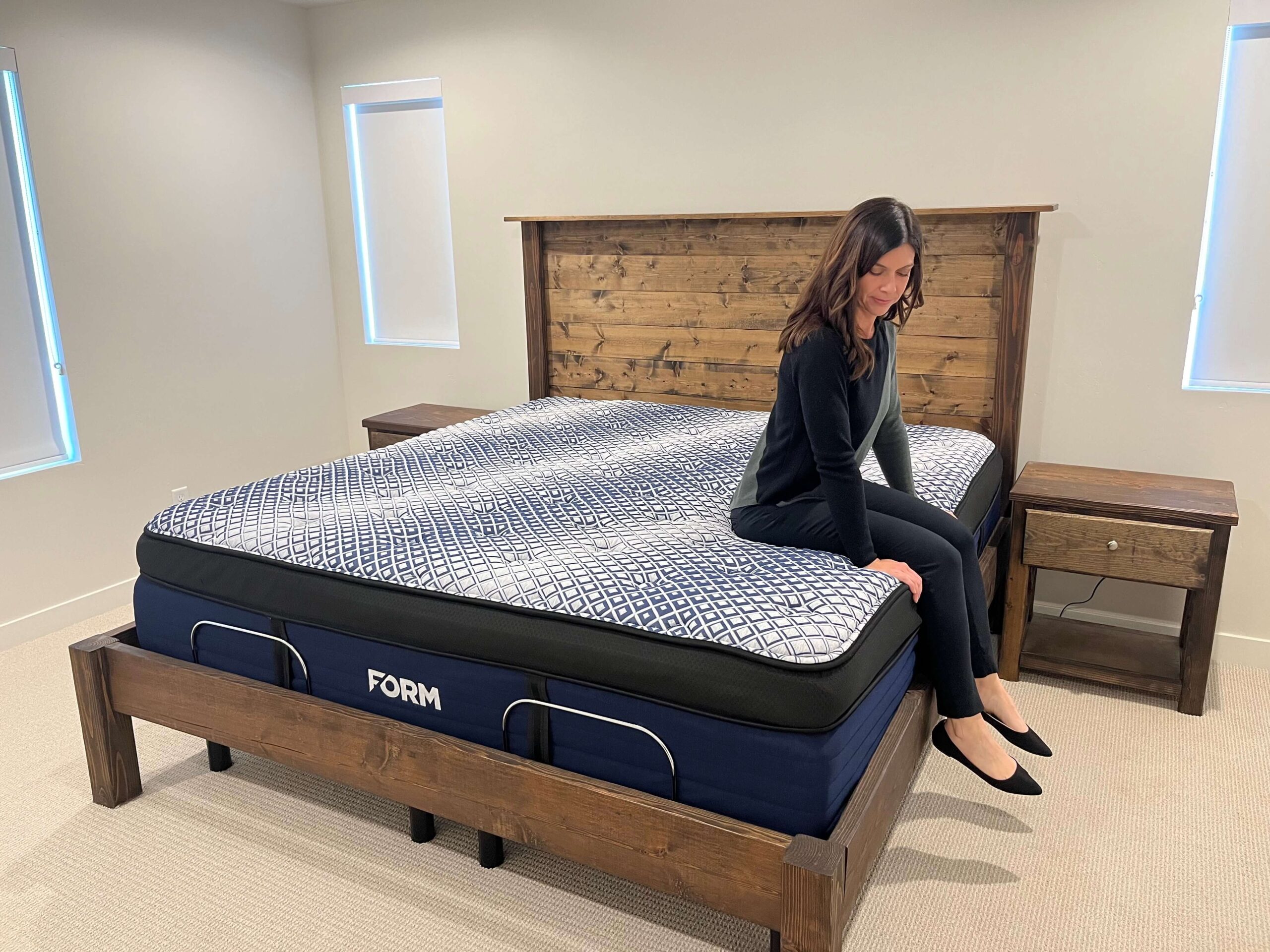
Watch Our FORM Prime X Video Review
At 15 inches tall, the FORM Prime X is the most complete option in the FORM lineup, and on a list of soft mattresses it earns its place through construction rather than marketing. The two-inch AeroWeave™ Euro-top cover creates a plush, quilted surface that registers as genuinely soft the moment you lie down.
Beneath it, a Talalay latex layer adds a buoyant, springy quality that feels distinct from both memory foam and standard poly foam, and that distinction is the reason this mattress qualifies here: it gives you the cushioning associated with soft beds without the slow-sink, heat-trapping drawbacks that often come with them.
The softness on this mattress is felt most clearly at the shoulder zone, which FORM rates at approximately 4 out of 10 on the firmness scale, the softest point in the entire FORM lineup.
For side sleepers, that means shoulders and hips settle into the surface with enough give to keep pressure off those contact points, while the ZoneCoil™ 7-Series below supplies firmer resistance along the lumbar zone to maintain a neutral spine position. The result is a soft feel that does not trade away support to get there.
The GelGrid™ + Integra-Mesh™ layer sits between the latex and the coil foundation. The open-channel grid architecture allows air to move through the mattress rather than trapping body heat at the surface.
The Integra-Mesh™ reinforcement addresses a common issue with grid-style mattresses, lateral wobble when you move, by stabilizing the grid so it responds at the point of pressure without rippling outward. For couples, this matters: motion stays contained to where it originates.
This mattress is not the right fit for every soft-mattress shopper. Dedicated stomach sleepers who need a genuinely firm, unyielding surface may find the Euro-top too accommodating, particularly if they carry more weight through the midsection.
And shoppers drawn to the slow, enveloping sensation of traditional memory foam will find the Talalay latex too responsive. It returns fast, and it feels like latex, not foam. Those preferences are served better elsewhere on this list.
- 8 Value
- 10 Edge Support
- 10 Trial Period
- 10 Response Time
- 10 Motion Transfer
- 9 Cooling & Breathability
When I tested the FORM Prime X, what stood out immediately was that the softness at the surface does not come at the expense of stability or cooling, two areas where plush mattresses often underperform.
The two-inch AeroWeave™ Euro-top sits against a Talalay latex layer that gives the mattress its signature buoyancy.
Latex is naturally more breathable than foam, and the open-cell structure of the layer underneath, the GelGrid™, compounds that by creating airflow channels through the core of the mattress.
Even on warmer nights, the surface felt noticeably less heat-retentive than the foam-heavy alternatives I test alongside it.
Pressure Relief Across Sleep Positions
The zoned construction of the ZoneCoil™ 7-Series coil system means the mattress is not uniformly soft from head to foot.
Seven distinct coil zones are calibrated to the anatomical demands of different body regions, softer at the shoulder zone and firmer through the lumbar and hip areas.
Side sleepers benefit from the shoulder zone giving way just enough to keep the spine in a horizontal line.
Back sleepers benefit from firmer lumbar resistance that prevents the hips from sinking out of alignment. The softness is structural, not just surface-level.
Motion Isolation and Edge Stability
For couples, the combination of individually wrapped ZoneCoil™ coils and the GelGrid™ + Integra-Mesh™ layer means motion is absorbed at its source.
The Integra-Mesh™ reinforcement prevents the lateral wobble that grid mattresses can transmit across a shared surface.
Edge support, reinforced by the BaseFlex™ perimeter encasement around the coil system, holds firm across the full width of the mattress, so neither partner loses usable sleeping surface to a soft perimeter.
Best For:
- Side and combination sleepers who want plush shoulder give with firmer lumbar resistance
- Hot sleepers who want a soft surface that does not warm up as fast as memory foam
- Couples who want the full mattress width usable thanks to the reinforced perimeter
Compare Instead:
- Amerisleep AS5 if you prefer the slow-contouring, enveloping feel of traditional memory foam over a buoyant latex and grid surface
- Organica (Plush) if you want all-natural materials including GOLS-certified latex and organic cotton
- Vaya Hybrid if budget is your primary concern and you want a soft hybrid at a lower entry price
The FORM Prime X offers a layered approach to softness. The Euro-top provides immediate surface cushioning, while the Talalay latex adds the responsive give that side sleepers in particular need around the hips and shoulders.
From the first night, the surface read as plush and hotel-quality.
The AeroWeave™ Euro-top is quilted directly into the mattress body rather than floating above it like a traditional pillow top, so the softness felt uniform and stable rather than piled and compressible.
Pressing into the shoulder zone, the Talalay latex layer provided what I’d describe as a buoyant give. It accepted the pressure and held the position without that delayed return you get from foam.
When I shifted from my side to my back, the mattress recalibrated immediately. There was no lag, no climbing out of an impression.
The cooling was the other thing I noticed early. The surface stayed comfortable across the full night in a way that memory foam mattresses in this softness range typically do not.
The GelGrid™ channels beneath the latex layer appeared to be doing real work. I did not wake up overheated, and the surface did not feel warmer at the end of the night than it did when I first lay down.
What keeps it from feeling too soft is the zoned coil system underneath, which supplies progressively firmer resistance through the lumbar zone.
It’s a balanced build for people who want plush comfort without sacrificing the support structure beneath it.
Edge support on a mattress this soft is often a weak point, but sitting on the perimeter of the Prime X, there was no sense of rolling off or losing support.
The reinforced edge construction held across the full width, which matters for couples who want to use the entire surface.
The two-inch AeroWeave Euro-top is quilted into the body rather than floating on top, so the plush surface stayed even and did not bunch or shift under me. Directly below it, the Talalay latex is what gave the surface its quick, buoyant give: it cushioned my shoulders and hips but returned fast when I turned, so I never had to climb out of an impression. The GelGrid layer beneath the latex is where the cooling came from, with open channels that kept the surface feeling cooler than the foam-heavy beds I compared, and the Integra-Mesh woven through it kept the grid from wobbling when my partner moved. The ZoneCoil 7-Series underneath supplied firmer resistance through the lumbar zone so the soft top never let my hips drop, and the reinforced perimeter held when I sat on the edge. The foams are CertiPUR-US certified and tested for low VOC emissions, and the mattress also carries GREENGUARD Gold and OEKO-TEX Standard 100 certifications and is fiberglass-free throughout.
Pros:
- Motion Transfer (10/10) and Response Time (10/10): the Talalay latex returned fast and kept my partner’s movement contained
- Edge Support (10/10): the reinforced perimeter held firm across the full width when I sat on the edge
- Trial Period (10/10): 365-night trial, well beyond the 100-night norm; fiberglass-free with CertiPUR-US, GREENGUARD Gold, and OEKO-TEX Standard 100 certifications
Cons:
- Value (8/10): premium price; budget-focused shoppers will find lower-cost soft hybrids on this list
- At 15 inches it needs deep-pocket sheets
- Memory-foam fans will find the latex too responsive; consider Amerisleep AS5 Hybrid for a slow-contour feel
During testing the FORM Prime X cushioned my shoulders and hips with a quick, buoyant give while the zoned coils held firmer through the lumbar zone, and it stayed cooler on contact than the foam beds I compared. It suits side and combination sleepers who want a plush surface that responds fast and runs cool.
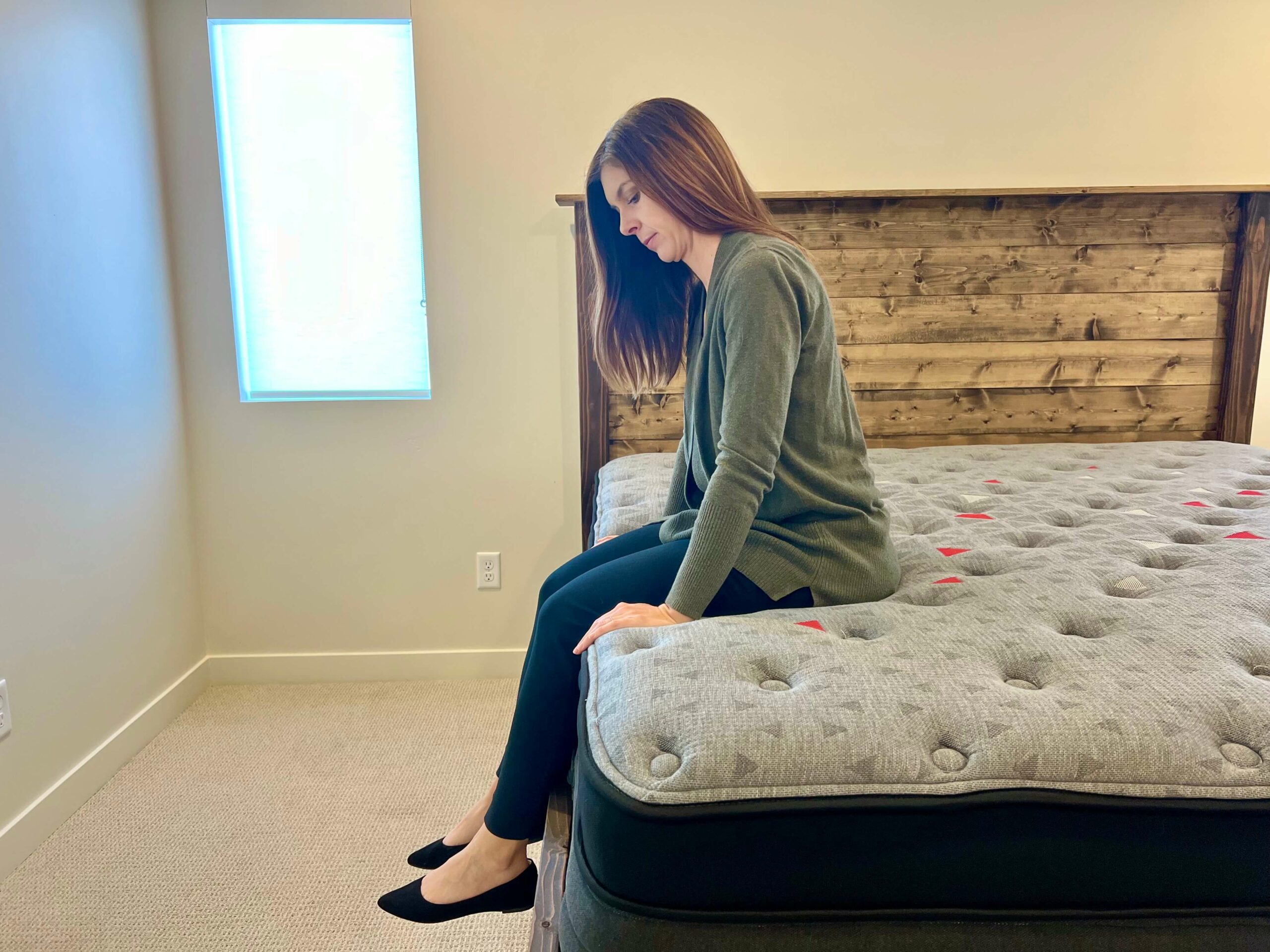
Watch Our Zoma Boost Video Review
I took a close look at the Zoma Boost and quickly saw why it shines as a top choice for those who prefer a softer mattress. My team and I noticed right away how well it manages temperature, outperforming the Saatva Classic in cooling. The mattress is designed with cooling features that work together to pull heat away from the body, making it a great pick for people who often wake up feeling too warm.
The Zoma Boost also impressed us with its exceptional motion isolation, performing even better than the Brooklyn Aurora Hybrid. My testing showed that when one person moved or got up, the mattress absorbed the motion effectively, ensuring the other side stayed undisturbed. This level of motion control is ideal for couples, especially if one partner is a restless sleeper or gets up early.
As a hybrid, the Zoma Boost pairs adaptive foam with a coil system, which during testing gave a more balanced feel than an all-foam soft bed: the foam contoured my shoulders and hips while the coils kept my lower back from dropping. When I rolled to my back, the surface caught my hips instead of letting them sink, so the spine stayed in line across positions.
The Zoma Boost suits more than one sleep style. During testing it cushioned my shoulders on my side and held my lower back on my back, so it is the best fit here for side and back sleepers who want a medium-soft surface that contours without sinking too far. Its motion isolation also makes it a strong pick for couples.
- 10 Value
- 10 Edge Support
- 9 Trial Period
- 9 Response Time
- 10 Motion Transfer
- 9 Cooling & Breathability
Balanced contour and support
When I tested the Zoma Boost, what stood out was how it cushioned my shoulders on my side without letting me sink too deep. The gel-infused foam on top took the pressure off the shoulder while the Reactiv foam under it added enough bounce to keep me near the surface, and the zoned coils held my lower back when I rolled onto my back. That is why a medium-soft bed like this still tracks the spine across positions.
Quick response for combination sleepers
When I changed from my side to my back, the Reactiv layer caught my hips instead of letting them drop into an impression, so repositioning stayed easy. For a sleeper who moves around at night, the bed works with the turn rather than against it.
Strong motion isolation for couples
When my partner moved on the other side, the movement barely reached mine, because the zoned coils move independently and keep motion contained at its source. For couples on different schedules, that is one of the Boost’s strongest points.
Comparative cooling
The gel-infused top felt cooler to the touch on first contact and did not warm up as fast as the denser foam beds I compared. It is cool on contact rather than the coldest soft pick here, so a hot sleeper gets a meaningful step up over plain foam without expecting the surface to stay cold all the way through.
Edge support that held firm
When I sat on the perimeter to get up, the reinforced edge held steady rather than caving, so the usable surface ran to the sides.
Best For:
- Side sleepers who want shoulder and hip cushioning with a quicker bounce-back than slow foam
- Back sleepers who want a soft-leaning surface that still holds the lower back
- Couples who want low motion transfer in a medium-soft hybrid
Compare Instead:
- Amerisleep AS5 Hybrid if you want a softer, more cradling surface than the Boost’s medium feel
- Nolah Evolution if you want a deeper pillow-top plushness at a similar build height
- Vaya Hybrid if you want a comparable hybrid feel at a lower price
When I first laid down on the Zoma Boost, the immediate feeling was one of plushness and coziness, yet it didn’t take long for me to notice the underlying support. On my first night, I sank comfortably into the top layer of gel-infused memory foam, and it felt like the mattress was gently cradling me. However, the mattress didn’t allow me to sink too deep, thanks to the responsive Reactiv™ foam underneath. I woke up feeling refreshed, without any of the stiffness I sometimes experience after sleeping on a too-soft surface.
By the third night, I had gotten a real sense of how well the Zoma Boost caters to different sleep positions. As a side sleeper, I often struggle with pressure buildup in my shoulders, but the mattress effectively cushioned those pressure points without feeling too soft. On nights when I switched to my back, I found that the zoned support coils kicked in, keeping my lower back properly supported.
What made it versatile in testing was the pairing of gel-infused foam on top and zoned coils beneath: the foam gave the softness while the coils kept my spine in line, and the gel layer felt cooler on contact than the plain foam beds I compared.
After a week of testing, the Zoma Boost adapted well across positions, giving comfort on my side and support on my back. On cooling, the gel-infused top felt cooler on contact and did not warm up as fast as the denser foam beds I compared.
The gel-infused memory foam on top is what drew heat off the surface, so it felt cooler to the touch on first contact than the denser foam beds I compared, and it cushioned my shoulders where I usually feel pressure as a side sleeper. Under it, the Reactiv foam added the bounce that kept me from sinking too deep, so when I turned to my back the surface caught me instead of letting my hips drop. The zoned support coils underneath firmed up through the middle where my lower back and hips sit, which is what kept my spine in line, and the reinforced perimeter held steady when I sat on the edge to get up. The high-density base under the coils is what kept the whole build from sagging across weeks of testing.
Pros:
- Value (10/10), Edge Support (10/10), and Motion Transfer (10/10): strong across the board, with the edge holding firm and my partner’s movement staying on their side
- Pressure relief in testing: the gel foam cushioned my shoulders while the Reactiv layer kept me from sinking too deep
Cons:
- Cooling & Breathability (9/10): cool on contact but not the coolest soft pick here; dedicated hot sleepers may prefer Brooklyn Bedding Aurora Luxe
- Its medium-soft feel is firmer than the softest beds here, so strict stomach sleepers still need a firmer surface
During testing the Zoma Boost cushioned my shoulders on my side while the zoned coils kept my lower back from dropping when I rolled to my back. Its medium-soft feel suits side and back sleepers who want plush contouring with a quicker bounce-back than slow foam.
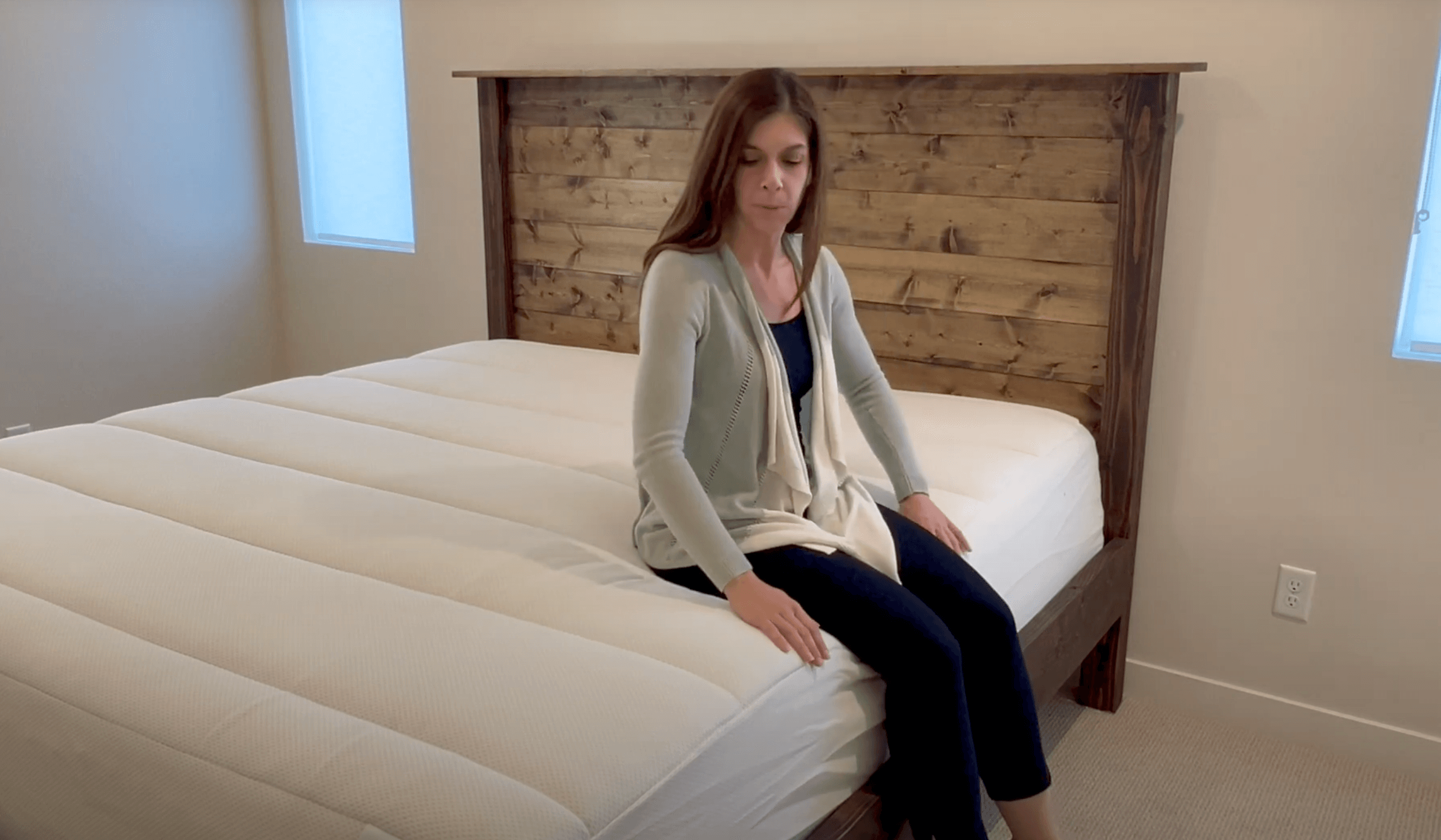
Watch Our Vaya Hybrid Video Review
When I tested the Vaya Hybrid, what stood out for the price was getting a coil base under a soft-medium surface. On my side, the adaptive foam cushioned my shoulders and hips while the pocketed coils kept my lower back from sinking, so it did not have the all-foam tradeoff of dropping in the middle. When I switched to my back, the foam responded quickly instead of holding an impression, which made repositioning easy. It suits back, side, and combination sleepers who want a balanced, coil-backed feel without paying for a premium build.
Cooling was a standout in testing. The breathable foam over the coil base let more air move through than the firmer foam beds I compared, so the surface felt cooler on contact and did not warm up as fast through the first hours. For a hot sleeper on a budget, that breathability is the Vaya’s strongest selling point.
Motion isolation is the Vaya’s weaker area, and testing bore that out: at a 7 out of 10 motion score it contained movement, but a restless partner came through more than on the Zoma Boost or Nest Sparrow I compared. It is fine for many couples, but light sleepers sharing with an active partner should weigh that tradeoff.
During my testing, I also found that the Vaya Hybrid offers excellent support at the edges, thanks to its pocketed coil base. This is a huge plus for those who like to sprawl or sit on the edge of the bed without feeling like they’ll slide off. In comparison to all-foam mattresses, hybrids like the Vaya tend to provide better edge support, making them a solid choice for couples who need every inch of their mattress.
The Vaya Hybrid strikes an impressive balance between comfort and support. Its ability to regulate temperature, combined with its motion isolation and edge support, makes it a versatile option for a variety of sleep preferences. Whether you prioritize cooling, motion isolation, or just want a mattress that adapts to your sleeping style, the Vaya Hybrid is an excellent choice.
- 10 Value
- 10 Edge Support
- 9 Trial Period
- 10 Response Time
- 7 Motion Transfer
- 9 Cooling & Breathability
Coil-backed soft-medium feel on a budget
When I tested the Vaya Hybrid, the draw was getting a coil base under a soft-medium surface at this price. The adaptive foam cushioned my shoulders and hips while the pocketed coils kept my lower back supported, so it did not have the all-foam tradeoff of sinking too far in the middle.
Easy repositioning
The foam responded quickly when I changed positions, so I never got the stuck feeling that denser foam can give. For a sleeper who switches between side and back, the Vaya turns over easily.
Comparative cooling
The breathable foam over the coil base let more air move than the firmer foam beds I compared, so the surface felt cooler on contact and did not warm up as fast through the first hours. For a hot sleeper on a budget, that breathability is the Vaya’s strongest selling point.
Edge support that held firm
When I sat on the edge to get up, the coil perimeter held steady rather than collapsing, so a couple can use the full width of the bed.
Motion isolation, the honest tradeoff
Motion is the Vaya’s weaker area. At a 7 out of 10 motion score it contained movement, but a restless partner came through more than on the Zoma Boost or Nest Sparrow I compared. It is fine for many couples, but a light sleeper sharing with an active partner should weigh that.
Best For:
- Budget-focused shoppers who want a coil-backed soft-medium feel without a foam-only tradeoff
- Side and back sleepers who switch positions and want easy repositioning
- Couples who want usable edges on a lower-priced hybrid
Compare Instead:
- Amerisleep AS5 Hybrid if you want a noticeably softer, more cushioned surface
- Zoma Boost if you want stronger motion isolation than the Vaya’s 7/10 result
- Nest Bedding Sparrow (Plush) if you want a plusher feel and adjustable firmness
The first night I slept on the Vaya Hybrid, I could immediately feel the difference in support and comfort. The top layer of adaptive foam cradled my body, especially around my shoulders and hips, where I tend to experience pressure on firmer mattresses. The foam’s softness was complemented by the subtle bounce from the pocketed coils, which made moving around easy without feeling stuck. I slept on my side for most of the night, and it was a noticeable relief compared to other mattresses I’ve tried, which either felt too firm or too soft.
Temperature stood out for me. I sleep hot and often wake up overheated on all-foam beds, but the Vaya felt cooler on contact and did not heat up as fast through the first hours, which I put down to the breathable foam over the airflow-friendly coils. My teammates testing in warmer rooms noticed the same.
By the second night, I had settled into a comfortable rhythm. My back felt well-supported without any stiffness, and I was able to switch from side to back sleeping seamlessly. One of my favorite aspects of the Vaya Hybrid is how it strikes a perfect balance between cushioning and responsiveness. It’s soft enough to relieve pressure points but firm enough to keep your spine in proper alignment.
What I experienced in testing matched that read: the Vaya contours to the body’s curves without feeling overly plush, which is what makes it a balanced budget pick for sleepers who want both cushioning and support. It is the best fit on this list for budget-focused side and back sleepers who want a coil-backed feel.
The adaptive foam comfort layer is what cushioned my shoulders and hips, and because it is more open than dense memory foam it responded quickly when I changed positions instead of holding the shape. Beneath it, the responsive transition foam added enough firmness that I did not feel stuck in one spot, which kept my lower back supported when I slept on my back. The pocketed coil base did the structural work: it supported my body evenly, held the edge firm when I sat on it, and because each coil is wrapped on its own, my partner’s movement stayed contained rather than crossing to my side. The sturdy base foam under the coils kept the surface stable so the soft top had a firm foundation to compress against.
Pros:
- Value (10/10) and Edge Support (10/10): the strongest value on the list, with a coil base that held firm when I sat on the edge
- Response Time (10/10): the foam responded quickly when I changed positions, so repositioning stayed easy
Cons:
- Motion Transfer (7/10): the lowest motion score on this list; a restless partner is more noticeable here than on the Zoma Boost or Nest Sparrow
- Its soft-medium feel is firmer than the plushest picks; side sleepers wanting deep cushioning may prefer the Amerisleep AS5 Hybrid
During testing the Vaya cushioned my shoulders and hips on my side, and the coil base held firm when I sat on the edge. Its soft-medium feel suits budget-focused side and back sleepers who want a coil-backed surface that is easy to reposition on.
Best Mattress for Side Sleepers
5. Helix Sunset Luxe

Warranty
Lifetime
Sleep Trial
120 Nights
Shipping
Free
Watch Our Helix Sunset Luxe Video Review
When I tested the Helix Sunset Luxe, the first thing I noticed on my side was how far my shoulder settled into the plush foam while the coils underneath kept my hip from dropping, so the spine stayed level. That deep shoulder give without losing support is what set it apart for side sleeping, and it is why it earns the side-sleeper pick here.
Cooling was the first thing I noticed, and it edged out the Vaya Hybrid I compared. The Tencel cover felt cool on contact and the gel-infused memory foam under it did not warm up as fast as the plain-foam soft beds I tested in the same session. That matters on a soft bed, where deep foam can otherwise trap heat around the shoulders and hips.
Another feature that stood out during the analysis was the mattress’s exceptional motion isolation. Compared to the Saatva Classic, which also ranks highly for its quality, the Helix Sunset Luxe offered superior motion control. When my partner shifted or moved, I hardly felt any motion on my side of the bed.
This is particularly important for couples, as it allows for undisturbed sleep even if one partner is more restless. The individually wrapped coils in the base work to isolate movement, while the plush foam layers provide a cushiony barrier that absorbs motion effectively.
Beyond these technical aspects, what makes the Helix Sunset Luxe a compelling choice is its hybrid construction, which blends the softness of memory foam with the durability and support of coils. The mattress feels plush but doesn’t sacrifice support, which is key for maintaining proper spinal alignment, especially for side sleepers. My team and I tested the mattress across multiple sleeping positions and found that side and back sleepers, in particular, will benefit from Sunset Luxe’s contouring and pressure relief.
For a strict side sleeper who wants deep cushioning at the shoulders and hips with the lower back still supported, the Helix Sunset Luxe was the standout of the soft beds I tested.
- 7 Value
- 8 Edge Support
- 9 Trial Period
- 9 Response Time
- 10 Motion Transfer
- 9 Cooling & Breathability
Deep side-sleeper cushioning
When I tested the Helix Sunset Luxe, the clearest thing was how the plush foam handled my shoulder on my side. It let the shoulder settle in far enough to take the pressure off the joint while the coils underneath kept my hip from dropping, so the spine stayed level. For a strict side sleeper, that shoulder give is the reason to choose it over a firmer soft bed.
Lumbar support under a soft surface
The zoned lumbar layer firms up under the lower back, and in testing that is what kept my hips from sinking past the comfort layer when I lay on my back. On a soft bed, that is the difference between a plush surface that still tracks the spine and one that lets the midsection bow.
Comparative cooling
The Tencel cover felt cool on contact and the gel-infused memory foam under it did not warm up as fast as the plain-foam soft beds I compared. That matters on a soft bed, where deep foam can otherwise trap heat around the shoulders and hips.
Strong motion isolation for couples
When my partner moved on the other side, I hardly felt it, so a light sleeper sharing the bed is less likely to wake up.
Value, the honest tradeoff
At a 7 out of 10 value score, the Sunset Luxe is the priciest-feeling pick relative to its build on this list. The comfort holds up, but if budget is the deciding factor, the Vaya Hybrid or Zoma Boost deliver a similar soft feel for less.
Best For:
- Strict side sleepers who want deep shoulder and hip cushioning
- Sleepers who want a plush surface that still keeps the lower back supported
- Couples where one partner is a light sleeper sensitive to movement
Compare Instead:
- Amerisleep AS5 Hybrid if you want an even softer, more enveloping memory-foam feel
- FORM Prime X if you want a faster-responding latex surface instead of slow memory foam
- Nest Bedding Sparrow (Plush) if you want adjustable firmness you can change after delivery
The first night I spent on the Helix Sunset Luxe was incredibly comfortable. As soon as I lay down, the plush memory foam layers instantly cradled my body, particularly around my shoulders and hips. The softness of the mattress was evident, yet I didn’t feel like I was sinking too deeply, which can sometimes be a concern with softer beds. Instead, I felt fully supported, and my spine remained aligned throughout the night—a key feature for back and side sleepers like myself.
What I appreciated most was how the gel-infused foam handled heat. I usually wake up too warm on memory foam, but the Sunset Luxe felt cooler on contact and did not warm up as fast as the foam beds I compared, with the Tencel cover adding to that cool first feel.
By the second night, I was even more impressed with how well the mattress adapted to my sleeping positions. Whether I slept on my back or side, the Helix Sunset Luxe provided excellent pressure relief without losing support. The memory foam layers conformed to my body’s natural curves, making it especially comfortable for my shoulders and hips when I slept on my side.
The Tencel cover felt cool and smooth on first contact, which set the surface temperature before the foams underneath came into play. Below it, the gel-infused memory foam is what cushioned my shoulders and hips while pulling some heat off the surface, so it did not warm up as fast as the plain-foam beds I compared. The plush memory foam beneath that gave the bed its deep, hugging give for side sleeping, and the high-density transition layer under it kept that softness from turning into a sink by easing the drop down to the coils. The pocketed coil base is what kept my spine tracking straight and held the edge when I sat on it, and because the coils move independently my partner’s movement barely reached my side. The DuraDense base under the coils kept the whole surface stable across testing.
Pros:
- Motion Transfer (10/10): when my partner moved, I hardly felt it on my side
- Pressure relief in testing: the plush foam let my shoulders and hips settle in while the coils kept my spine in line on my side
Cons:
- Value (7/10): the lowest value score on this list; Vaya Hybrid or Zoma Boost deliver similar comfort for less
- Edge Support (8/10): stable but trails the 10/10 hybrids here, so sitting on the perimeter compresses more
- Too soft for strict stomach sleepers
During testing my shoulders and hips settled into the plush foam while the coil base kept my spine in line on my side. It suits strict side sleepers who want deep shoulder and hip cushioning without sinking past the support layer.
Best Innerspring Mattress
6. Saatva Classic (Plush Soft)

Warranty
Lifetime
Sleep Trial
365 Nights
Shipping
Free
Watch Our Saatva Classic Video Review
When I tested the Saatva Classic in the Plush Soft build, the organic cotton pillow top cushioned my shoulders and hips on my side while the coil-on-coil base underneath kept my lower back from sinking. It is a traditional innerspring, so it had more bounce and easier repositioning than the foam beds I compared, without giving up the plush surface. That balance of a soft top over a responsive coil base is what earns it the innerspring pick.
After testing, the Saatva Classic (Plush Soft) earned its place for sleepers who want a soft, cloud-like feel without giving up support, with the dual coil system carrying the load under a plush top. On cooling, the organic cotton cover and the open coil layers let air move, so the surface felt cooler on contact and did not warm up as fast as the denser foam beds I compared.
Motion isolation was another strong area. The individually wrapped top coils kept my partner’s movement from traveling across the bed, so when one side moved the other stayed settled. That matters most for couples on different schedules.
The Saatva Classic is a coil-on-coil innerspring, not a hybrid, and in testing that traditional build is exactly what gave it its bounce and easy repositioning. The Plush Soft version suited my side sleeping: the pillow top cushioned my shoulders and hips while the coil system kept my spine in line. The lumbar pad set into the middle is what kept my lower back from sinking.
Across testing, the Saatva struck a clean balance between a soft top and targeted coil support, cushioning my shoulders and hips while keeping the spine in line. It is the best fit here for side and combination sleepers who want plush pillow-top cushioning over a responsive, traditional innerspring.
- 7 Value
- 10 Edge Support
- 10 Trial Period
- 10 Response Time
- 9 Motion Transfer
- 9 Cooling & Breathability
Plush pillow top over a coil-on-coil base
When I tested the Saatva Classic in the Plush Soft build, the pillow top cushioned my shoulders and hips on my side while the coil-on-coil base underneath kept my lower back from sinking. The memory foam pad set into the lumbar zone is what held the middle of the bed, so even on a soft innerspring the spine stayed in line.
A responsive innerspring for combination sleepers
This is a traditional innerspring, not a hybrid, and that build is exactly what gave it its bounce. When I changed positions, the surface pushed back and made repositioning easy, so a combination sleeper is not sinking into an impression on every turn.
Strong motion isolation for couples
The individually wrapped top coils kept my partner’s movement from traveling across the bed, so when one side moved the other stayed settled. That matters most for couples on different schedules.
Comparative cooling
The organic cotton cover and the open coil layers let air move rather than trapping it, so the surface felt cooler on contact and did not warm up as fast as the denser foam beds I compared.
Edge support and two heights
The high-density foam perimeter held firm when I sat on the edge, so the usable surface ran to the sides. The Saatva also comes in an 11.5-inch and a 14.5-inch profile, so you can match it to your bed frame and sheets.
Best For:
- Side sleepers who want plush pillow-top cushioning over a traditional coil feel
- Combination sleepers who want easy repositioning on a responsive innerspring
- Sleepers who want a low-profile or high-profile option (11.5 in or 14.5 in)
Compare Instead:
- Amerisleep AS5 Hybrid if you want a memory-foam contour instead of a coil-on-coil surface
- Helix Sunset Luxe if you want a softer hybrid feel with deeper foam cushioning
- Brooklyn Bedding Aurora Luxe (Soft) if cooling is your top priority
The first night I slept on the Saatva Classic (Plush Soft), I immediately noticed how plush yet supportive the surface felt. As soon as I lay down, the organic cotton pillow top provided a soft, cushiony feel, making me sink just enough to feel cozy, but not so much that I lost support. The plushness was balanced by the firm support of the coil system beneath, ensuring that my spine remained aligned throughout the night.
I typically sleep on my side, and this mattress was ideal for that position. The plush top allowed my shoulders and hips to sink in just enough to relieve pressure, while the dual coil system underneath ensured that I never felt unsupported. One of the standout features was how the mattress cradled my lower back, thanks to the lumbar support foam, making it easy to maintain a healthy posture even while side sleeping.
By the second night, I was even more convinced of its comfort and support. Even when my partner moved during the night, I barely noticed any motion thanks to the individually wrapped coils. The surface felt cool to the touch as well, despite my usual tendency to overheat. The combination of breathable materials and airflow through the coil system made a noticeable difference.
That matched my experience across testing: the lumbar zone and the coil base gave the soft top a structure under it, so it felt plush without losing support. It is well-suited to side sleepers who want shoulder and hip relief while keeping the spine in line.
The organic cotton pillow top is what gave the surface its immediate plush cushion, soft enough that my shoulders and hips settled in without feeling the coils underneath. The memory foam pad set into the lumbar zone is what kept my lower back from sinking, so even on my side the spine stayed in line rather than bowing. The real structure comes from the coil-on-coil system: individually wrapped coils on top let the surface contour and kept my partner’s movement from traveling across the bed, while the tempered steel coils below carried the durable support and let air move through rather than trapping it. The high-density foam perimeter is what held the edge firm when I sat on it, so the usable surface ran all the way to the sides.
Pros:
- Coil-on-coil support in testing: the pillow top cushioned my shoulders while the dual-coil base kept my lower back from sinking on my side
- Edge support in testing: the high-density foam perimeter held firm when I sat on the edge
- Two profile heights (11.5 in and 14.5 in) and a responsive innerspring feel that made repositioning easy
Cons:
- As an innerspring with a plush top it gives less deep contouring than the memory-foam picks; consider Amerisleep AS5 Hybrid for a closer cradle
- Too soft for stomach sleepers in the Plush Soft build
- Value scored at 7/10 as it’s one of the more expensive options on this list
During testing the pillow top cushioned my shoulders and hips while the coil-on-coil base kept my lower back supported on my side. It suits side and combination sleepers who want plush cushioning over a traditional, responsive innerspring surface.
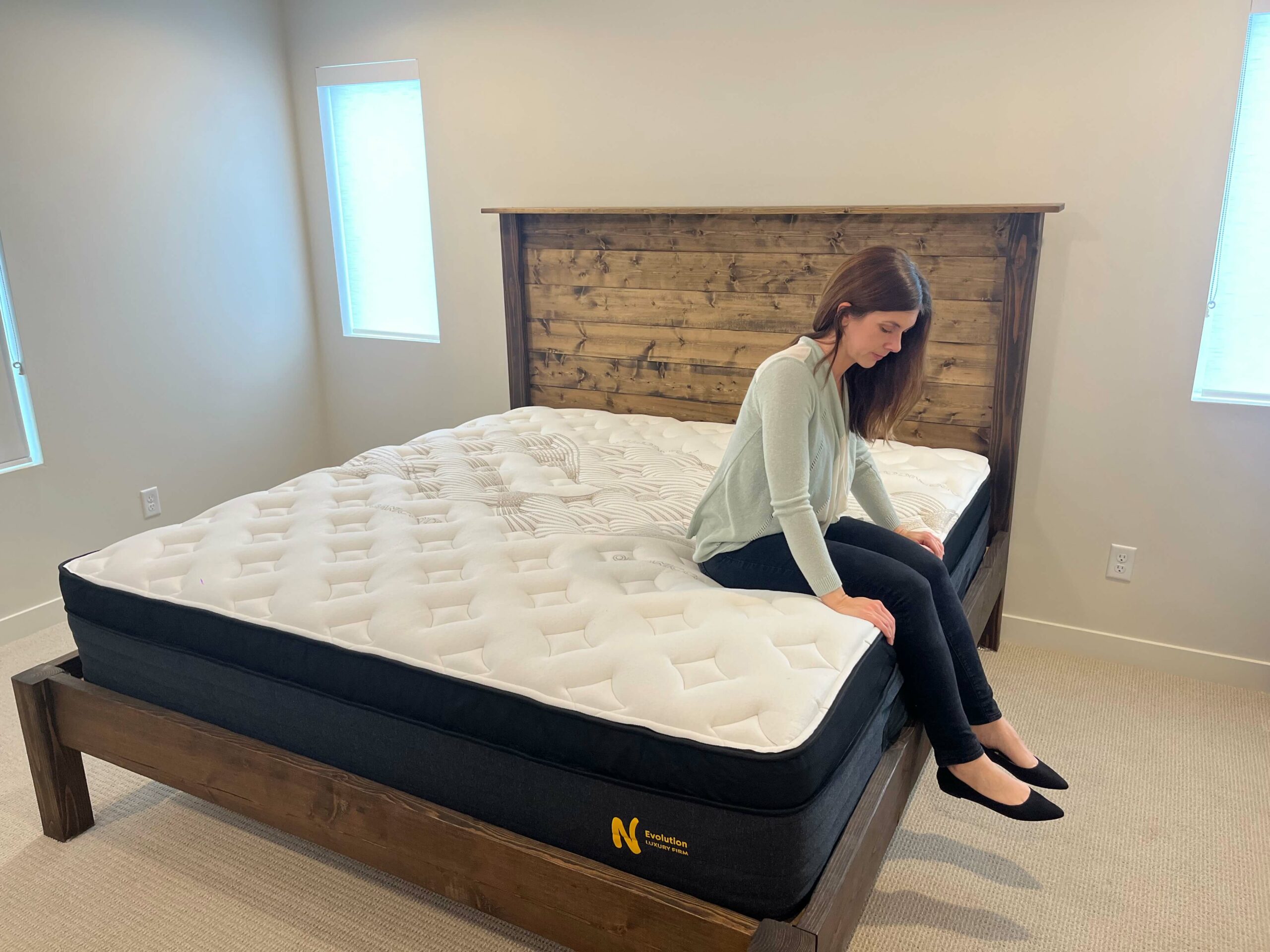
Watch Our Nolah Evolution Video Review
When I tested the Nolah Evolution, what separated it from the other pillow-top picks was how the plush quilted top sat over a genuinely firm coil base, so I got deep surface softness without the slow sink I expected. On my side, my shoulders and hips settled into the AirFoamICE top while the Tri-Zone coils kept my lower back level, and when I changed positions the foam let me move without climbing out of an impression. It suits side and combination sleepers who want a deep pillow-top feel with coil-backed support.
Cooling stood out in testing. The ArcticTex cover felt cool on first contact and the graphite-infused AirFoamICE under it did not warm up as fast as the denser foam beds I compared, so for a hot sleeper it held its surface temperature better than most plush foam beds in the same session.
Motion isolation is another area where this mattress excels. During testing, I compared it to the Brooklyn Aurora Hybrid, and the Nolah Evolution 15″ offered superior motion isolation. This is crucial for couples, as it prevents disturbances when one partner moves or shifts positions during the night. The advanced coil system and foam layers work together to absorb motion, making it easier to enjoy undisturbed sleep.
The Nolah Evolution 15″ also stands out because of its hybrid design, blending the comfort of plush foam with the resilience and support of individually wrapped coils. This combination creates a balanced feel that accommodates a range of sleep positions, making it suitable for side sleepers and back sleepers alike. What’s more, its edge support is outstanding, allowing you to comfortably sleep near the edges without feeling like you’re going to roll off the bed.
Across testing the plush AirFoam top suited side sleeping while the Tri-Zone coils kept my spine in line, and the surface ran cooler on contact than the foam beds I compared. It is the best fit here for side and combination sleepers who want a deep pillow-top feel with coil-backed support.
- 10 Value
- 10 Edge Support
- 9 Trial Period
- 9 Response Time
- 10 Motion Transfer
- 9 Cooling & Breathability
Deep softness without the slow sink
When I tested the Nolah Evolution, the thing that separated it from the other pillow-top picks was how the plush quilted top sat over a genuinely firm coil base, so I got deep surface softness without the slow sink I expected. My shoulders and hips settled into the AirFoamICE top layer while the HDMax Tri-Zone coils underneath kept my lower back from dropping, which is why it reads as a soft bed that still tracks the spine.
Easy turning for combination sleepers
When I changed from my side to my back, the high-resilience foam under the comfort layer let me reposition without climbing out of an impression, so a combination sleeper is not fighting the mattress to turn over.
Strong motion isolation for couples
When my partner moved on the other side, the movement barely reached mine, so a light sleeper sharing the bed is less likely to wake up.
Comparative cooling
On cooling, the surface felt cooler to the touch on first contact and did not warm up as fast as the denser foam beds I compared, though it is not the coolest hybrid on this list.
Best For:
- Side sleepers who want a deep, cushioned pillow-top feel with coil-backed support
- Combination sleepers who reposition often and want an easy turn
- Couples who want strong motion isolation in a tall plush build
Compare Instead:
- Brooklyn Bedding Aurora Luxe (Soft) if cooling is your single highest priority
- Amerisleep AS5 Hybrid if you want a softer, more enveloping memory-foam surface
- FORM Prime X if you want a faster latex response instead of slow foam
From the first night I slept on the Nolah Evolution 15″ (Plush), I could tell this was a mattress designed for comfort. The plushness is immediately noticeable, as you sink into the top layers of soft foam that hug your body in a way that feels luxurious yet supportive. As a side sleeper, I found that the mattress relieved pressure around my shoulders and hips while still offering enough support to keep my spine aligned. There was no excessive sinking, thanks to the high-resilience foam and coil system underneath.
By the second or third night the cooling was clear. I sleep warm, and the ArcticTex cover plus the AirFoamICE layer kept the surface feeling cool on contact and slow to warm up compared with the foam beds I tested in the same session.
Another thing I appreciated was the motion isolation. My partner tends to toss and turn, but with the Nolah Evolution, I barely felt a thing. The multi-layered foam, combined with the tri-zone coil system, did an excellent job absorbing any motion, allowing us both to sleep soundly.
Overall, the feel of the Nolah Evolution 15″ (Plush) is perfect for someone looking for a soft, luxurious sleep surface without sacrificing support or cooling. It cradles you gently, but its hybrid construction ensures you don’t feel stuck in the mattress or overly hot during the night.
The ArcticTex cover felt cool on first contact and is the surface that set the temperature before I sank into the foams. Below it, the graphite-infused AirFoamICE is what cushioned my shoulders and hips while drawing heat off the surface, so it did not warm up as fast as the denser foam beds I compared. The high-resilience foam under that is what let me reposition without climbing out of an impression, so turning from side to back stayed easy. The HDMax Tri-Zone coil system carried the support, firming up under my back and hips while staying softer under my shoulders, which is what kept the spine in line on a bed this plush, and because the coils are wrapped individually my partner’s movement stayed on their side. The reinforced edge foam held firm when I sat on the perimeter.
Pros:
- Value (10/10), Edge Support (10/10), and Motion Transfer (10/10): strong across the board, with the perimeter holding firm and my partner’s movement staying contained
- Pressure relief in testing: the AirFoam top cushioned my shoulders and hips while the Tri-Zone coils held my lower back
Cons:
- Cooling & Breathability (9/10): cool on contact but runs slightly warmer than the top cooling pick; dedicated hot sleepers may prefer Brooklyn Bedding Aurora Luxe
- At 15 inches it needs deep-pocket sheets, and it is too soft for strict stomach sleepers
During testing the AirFoam top cushioned my shoulders and hips while the Tri-Zone coils held my lower back, and I could turn without climbing out of an impression. It suits side and combination sleepers who want a deep pillow-top feel with coil-backed support.
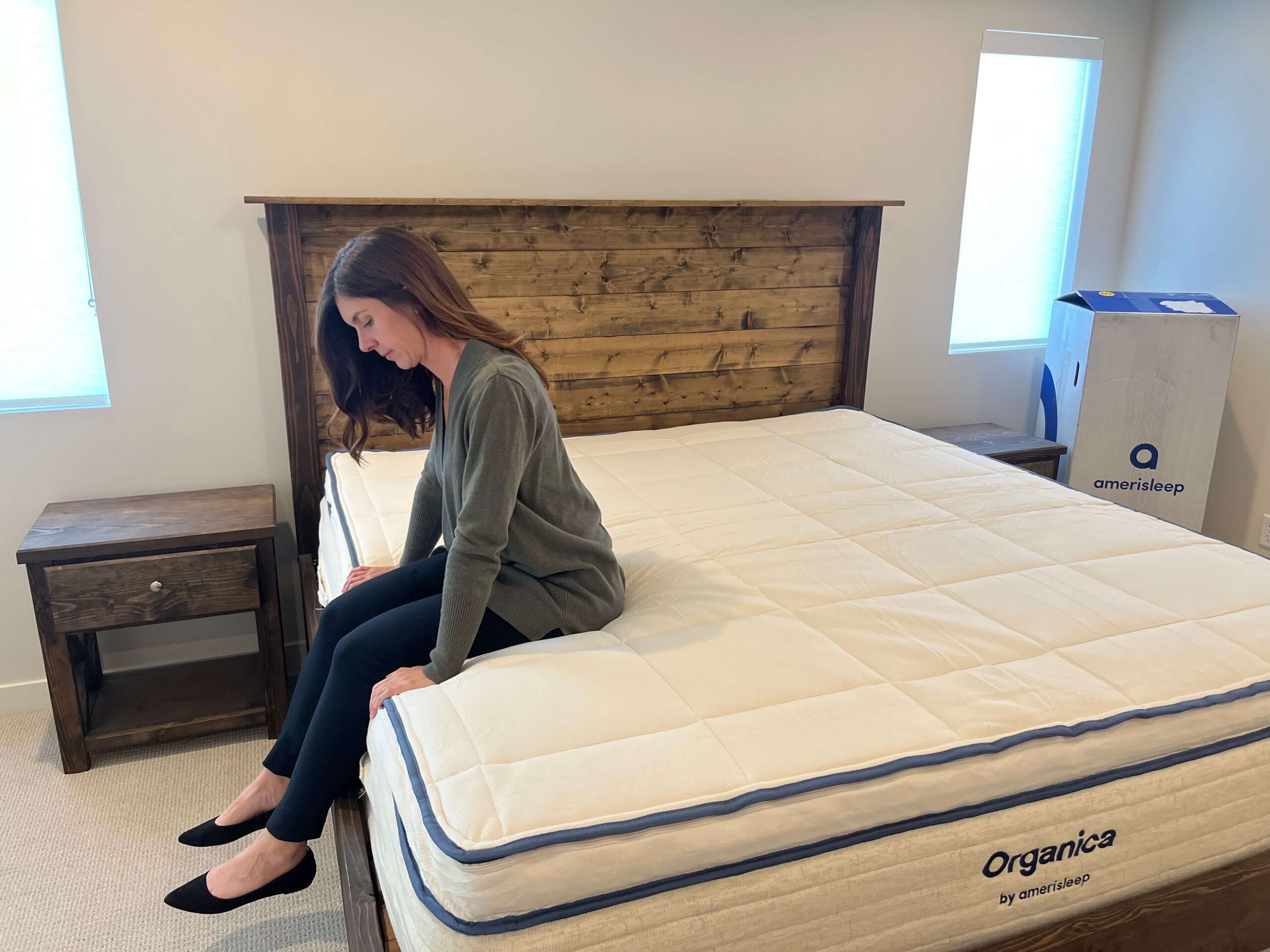
Watch Our Amerisleep Organica Mattress Video Review
When I tested the Organica, the latex cushioned my shoulders and hips and then adjusted the moment I shifted, because latex returns quickly instead of holding an impression. That is the main reason it never had the stuck feeling I get on dense memory foam. Paired with GOTS-certified organic cotton and natural latex, it suits side and combination sleepers who want natural materials and a responsive, breathable surface.
The Organica pairs natural latex with organic cotton for a breathable surface that, in testing, felt cooler on contact than the denser foam beds I compared. The latex gave a gentle bounce and cushioned my shoulders and hips, and because latex returns quickly it adjusted as I moved instead of holding the shape, so it never had the stuck feel of dense memory foam.
During testing the zoned coil system supported my lower back and firmed up at the perimeter, so when I sat on the edge it held better than the all-foam soft beds I compared. The wrapped coils also kept my partner’s movement from crossing the bed, so when they shifted at night my side stayed settled.
The natural materials are part of the appeal beyond comfort. Natural latex and organic cotton tend to resist dust mites better than synthetic foams, which is one reason shoppers who want a cleaner-feeling sleep surface gravitate to a build like this.
It is softer than the hybrid picks here, so it favors comfort over a firm feel, but for a shopper who wants natural materials with a plush, responsive surface, the Organica was the standout latex bed I tested.
- 9 Value
- 8 Edge Support
- 9 Trial Period
- 10 Response Time
- 9 Motion Transfer
- 9 Cooling & Breathability
Natural latex that adjusts as you move
When I tested the Organica, the latex cushioned my shoulders and hips and then adjusted the moment I shifted, because latex returns quickly instead of holding an impression. That is the main reason it never had the stuck feeling I get on dense memory foam, and it is what makes it work for a side sleeper who changes positions.
Natural materials
The build leads with GOTS-certified organic cotton, a wool layer, and natural latex, which appeals to shoppers who want a natural surface. In testing the cotton and wool also kept the surface feeling dry and breathable rather than clammy.
Comparative cooling
The breathable cover and latex let more air move than dense foam, so the surface felt cooler on contact than the denser foam beds I compared. For a hot sleeper who wants a natural bed, that breathability is a real advantage.
Edge support and motion isolation
The zoned coil base firmed up at the perimeter, so when I sat on the edge it held better than the all-foam soft beds I compared, though at an 8 out of 10 it trails the firmest-edged hybrids here. The wrapped coils also kept my partner’s movement from crossing the bed.
Best For:
- Shoppers who want natural materials, including GOLS/GOTS-certified latex and organic cotton
- Side sleepers who want latex cushioning that adjusts quickly as they move
- Hot sleepers who want a more breathable surface than dense memory foam
Compare Instead:
- FORM Prime X if you want Talalay latex over a cooling grid with stronger edge support
- Amerisleep AS5 Hybrid if you prefer a slow-contouring memory-foam feel
- Nolah Evolution if you want a deeper pillow-top plushness
From the first night, what stood out was how quickly the latex adapted. The moment I lay down it cushioned my shoulders and hips and shaped to my body, giving a soft, enveloping feel without the stuck sensation of dense foam. Where firmer beds push back when you lie down, the Organica gave a cloud-like softness that adjusted as I settled in.
As the night progressed, I could appreciate how well the mattress managed heat. The natural latex and organic cotton cover worked together to create a breathable sleep surface, and even though I typically wake up feeling overheated, the surface stayed cool to the touch and slow to warm up. The zoned coil system provided subtle but noticeable support for my lower back, and even as I shifted positions throughout the night, the mattress adapted without losing its cushioning quality.
What I kept noticing was how the latex worked for side sleeping: it cushioned my shoulders and hips while staying responsive enough to keep the spine in line as I moved.
The more I used the Organica, the more I noticed the little details that set it apart from other plush mattresses. The edge support, for example, was surprisingly firm, allowing me to comfortably sit on the edge of the bed without feeling like I was going to slide off. This is a feature that not all soft mattresses can boast, and it makes a difference for couples who want to maximize the usable surface area of their bed.
The GOTS-certified organic cotton cover felt breathable and cool on first contact, letting more air move through than a synthetic cover would. Beneath it, the wool layer doubles as the fire barrier and helped wick moisture, so the surface stayed dry rather than clammy through the night. The natural latex comfort layer is what cushioned my shoulders and hips, and because latex returns quickly it adjusted as I moved instead of holding me in place, which is the main reason it never felt stuck the way memory foam can. The zoned coil base firmed up around the lumbar region to keep my lower back supported and held the edge when I sat on it, and the wrapped coils kept my partner’s movement from crossing the bed. The latex base layer under the coils added the stability that kept the surface consistent across testing.
Pros:
- Response Time (10/10): the latex adjusted quickly each time I moved, so it never felt stuck
- Natural materials in testing: GOTS-certified organic cotton and natural latex over a breathable, responsive surface
Cons:
- Edge Support (8/10): solid for a plush bed but trails the 10/10 hybrids here
- Latex makes it heavier and harder to move, and it is too soft for stomach sleepers; consider FORM Prime X for stronger edges in a latex build
During testing the latex cushioned my shoulders and hips and adjusted quickly each time I moved, so it never felt stuck. It suits side and combination sleepers who want natural materials and a responsive, breathable surface.
Best Cooling Mattress
9. Brooklyn Bedding Aurora Luxe (Soft)

Warranty
20 Years
Sleep Trial
100 Nights
Shipping
Free
Watch Our Brooklyn Bedding Aurora Luxe Video Review
When I first tested the Brooklyn Aurora Luxe Hybrid (Soft), it was clear that this mattress was designed with cooling and comfort in mind. My team of testers and I spent several nights analyzing its performance across key areas like temperature regulation, motion isolation, and overall comfort, and we were impressed by how well it performed in each category.
Cooling was the Aurora Luxe’s standout. In testing it felt cooler on contact than the other soft beds I compared, including the Helix Sunset Luxe on this list, and held that cool surface longer into the night. The TitanCool phase-change layer is what drove it, staying cool the moment I lay down rather than warming under body heat.
Additionally, the combination of this cooling layer with breathable foams and pocketed coils helps promote airflow, which further enhances the mattress’s cooling abilities. I personally found that the cooling feature made a significant difference, especially during warmer nights when other mattresses tend to trap heat.
Beyond these key features, the Brooklyn Aurora Luxe Hybrid offers a plush, luxurious feel, ideal for side sleepers or anyone who prefers a softer mattress without sacrificing support. The combination of memory foam and pocketed coils delivers a balanced feel that contours to your body while still providing enough bounce to prevent you from feeling stuck in the bed.
For couples, motion transfer was a strong area. During testing my partner and I barely felt each other move across the bed, which I put down to the foam layers over individually wrapped coils that keep movement contained at its source.
I found that the memory foam layer combined with the responsive coils creates a perfect balance of softness and support. The top foam layers contour to the body, relieving pressure on my shoulders and hips, which is especially beneficial as a side sleeper. At the same time, the supportive coil system prevented the mattress from feeling too soft or saggy. This combination ensures that the plushness doesn’t come at the expense of proper alignment and support.
The two things that carried this mattress in testing were cooling and motion isolation: the TitanCool surface stayed cool on contact and my partner’s movement barely crossed the bed. It is the best fit here for hot side sleepers and lighter-weight sleepers who want a plush surface that runs cool.
- 9 Value
- 8 Edge Support
- 9 Trial Period
- 9 Response Time
- 9 Motion Transfer
- 10 Cooling & Breathability
The coolest surface among the soft picks
When I tested the Aurora Luxe in the soft build, cooling was its standout. The TitanCool top felt cool the moment I lay down and stayed the coolest-feeling surface among the soft beds I compared, including the Helix Sunset Luxe on this list. For a hot sleeper who still wants a plush feel, that is the reason to choose it.
A plush, cradling top with support underneath
The CopperFlex foam cushioned my shoulders and hips, and the firmer TitanFlex layer under it kept my lower back in line despite the soft surface. That is what lets a plush bed avoid the midsection sag a soft surface can otherwise have.
Strong motion isolation for couples
When my partner moved on the other side, the movement barely registered on mine, because the wrapped coils keep motion contained at its source.
Edge support, the honest tradeoff
The edge stayed stable when I sat on it, but at an 8 out of 10 it compresses a little more than the firmest-edged hybrids here, so it is solid rather than the strongest perimeter on the list.
Best For:
- Hot sleepers who want the coolest-feeling surface among the soft picks here
- Side sleepers and lighter-weight sleepers who want a plush, cradling top
- Couples who want strong motion isolation plus stable edges
Compare Instead:
- Amerisleep AS5 Hybrid if you want a softer, more enveloping memory-foam contour
- Nolah Evolution if you want a deeper pillow-top feel with similar cooling
- Nest Bedding Sparrow (Plush) if you want adjustable firmness you can change later
From the very first night on the Brooklyn Aurora Luxe Hybrid (Soft), I could tell that this mattress was designed for comfort.
As someone who prefers a plush, cushioned feel, the soft version of the Aurora Luxe delivered exactly that. The top layer of CopperFlex™ foam immediately cradled my body, offering a cloud-like softness that relieved pressure on my shoulders and hips.
Despite its softness, the mattress didn’t compromise on support. The TitanFlex™ foam beneath provided just the right amount of resistance to keep my spine in proper alignment.
I’m primarily a side sleeper, and I noticed that my shoulders and hips sank in just enough to feel supported without creating pressure points. This soft yet supportive feel is what makes it a standout option for side sleepers and those who want a luxurious, plush sleep surface.
The cooling was apparent from the first night. Even on warmer nights, the TitanCool™ surface felt cool on contact and did not warm up as fast as the other soft beds I compared, which was a relief as someone who often overheats.
What stood out across nights was the pairing of cooling and motion isolation: the TitanCool surface stayed cool on contact and my partner’s movement stayed on their side, which is the combination that makes it work for couples and hot sleepers.
The TitanCool top layer is where the cooling came from: it felt cool the moment I lay down and stayed the coolest-feeling surface among the soft beds I compared. Below it, the CopperFlex foam cushioned my shoulders and hips and stayed responsive enough that I could move without feeling stuck. The TitanFlex foam under that added a firmer, more resilient push-back that kept my lower back in line despite the plush top. The eight-inch individually wrapped coils carried the support and the motion control, so when my partner moved their side, mine barely registered it, and the same coils held the edge firm when I sat on it. The high-density base under the coils kept the surface stable so the soft layers had a firm foundation to work against.
Pros:
- Cooling & Breathability (10/10): the coolest-feeling surface among the soft picks, cool the moment I lay down
- Motion Transfer (9/10): my partner’s movement barely registered on my side
Cons:
- Edge Support (8/10): stable but trails the 10/10 hybrids here, so the perimeter compresses more when sitting
- The soft build is too soft for stomach sleepers or anyone needing extra-firm support; consider a firmer pick or the firmer Aurora build
During testing the soft Aurora Luxe cushioned my shoulders and hips on my side, and the surface felt cooler on contact than the foam beds I compared. The soft build suits hot side sleepers and lighter-weight sleepers who want a plush, cooling surface.

When I tested the all-foam AS5, what stood out was how deeply the surface cushioned without the trapped, stuck feeling I get on traditional memory foam. On my side, the Bio-Pur foam let my shoulders and hips sink in while the HIVE zoned layer pushed back a little more under my lower back, so it felt softest where I wanted give and firmer where I wanted support. It suits side sleepers and lighter-weight sleepers who want the deepest memory-foam cushioning here.
One of the most noticeable qualities of the Amerisleep AS5 is its superior cooling capabilities, which I found to be significantly better than the Nest Sparrow Hybrid. The mattress uses an open-cell memory foam called Bio-Pur®, which is specially designed to allow airflow and wick away heat. As a warm sleeper, I immediately appreciated the cooling effect from the first night, especially compared to traditional memory foam beds that tend to trap heat. The enhanced cooling properties are complemented by the mattress’s breathable cover, which further helps maintain a comfortable sleep temperature throughout the night.
When it comes to motion isolation, the Amerisleep AS5 truly shines, surpassing even the Saatva Classic in this regard. I experienced this firsthand when my partner shifted during the night; I barely noticed any disturbance on my side of the bed. This impressive level of motion isolation makes the AS5 a fantastic choice for couples who share a bed, as it minimizes disruptions from movement and helps ensure a peaceful night’s sleep for both partners.
What testing kept showing was how much pressure relief the AS5 gave side sleepers: the foam cradled my shoulders and hips and spread the contact area instead of concentrating it at a single point, which is the main reason a dedicated side sleeper would pick it.
The AS5’s comfort layer is where it truly excels, using Amerisleep’s proprietary Active Flex foam, which adds a layer of responsiveness to the plush feel. This makes the mattress ideal for people who like to sink into their bed but still want some level of bounce to make changing positions easy. The supportive foam base ensures that the mattress doesn’t sag under pressure, providing stability despite its softer feel.
As an all-foam build it runs a little warmer than the hybrid picks, but for a sleeper who wants a deep, cradling memory-foam feel with strong motion isolation, the AS5 was the standout foam bed I tested.
- 8 Value
- 9 Edge Support
- 9 Trial Period
- 8 Response Time
- 9 Motion Transfer
- 10 Cooling & Breathability
Deep cushioning without the stuck feeling
When I tested the all-foam AS5, what stood out was how deeply the surface cushioned without the trapped, stuck feeling I get on traditional memory foam. The Bio-Pur top layer let my shoulders and hips sink in while the HIVE zoned transition layer pushed back a little more under my lower back, so the bed felt softest where I wanted give and firmer where I wanted support.
Easy repositioning
When I switched from my side to my back, the Active Flex layer let me reposition without waiting for the foam to recover, so it does not feel sluggish the way slow memory foam can.
Strong motion isolation for couples
When my partner moved on the other side, the movement barely registered on mine, which matters for a light sleeper sharing the bed.
Comparative cooling, with an honest tradeoff
The surface felt cool to the touch on first contact and did not heat up as quickly as the denser foam beds I compared. As an all-foam build, though, it runs warmer than the hybrid picks on this list, so a sleeper who runs very hot may prefer one of the hybrids.
Best For:
- Side sleepers and lighter-weight sleepers who want the deepest memory-foam cushioning here
- Sleepers who want a soft foam feel without the slow-sink, stuck sensation
- Couples who want strong motion isolation in an all-foam bed
Compare Instead:
- Amerisleep AS5 Hybrid if you want the same plush feel with coil-backed support and better airflow
- Brooklyn Bedding Aurora Luxe (Soft) if cooling is your top priority
- Nest Bedding Sparrow (Plush) if you want a hybrid with adjustable firmness
My first night on the Amerisleep AS5 was all about indulgence in softness. The moment I lay down, the mattress enveloped me in a plush embrace, almost as if I were floating. The Bio-Pur® memory foam cradled my body, relieving pressure on my shoulders and hips while keeping me in a comfortable, supported position. It felt like sinking into a cloud, but without that “stuck” feeling often associated with traditional memory foam. As a side sleeper, I especially appreciated how the mattress contoured to my body, providing that extra cushioning I needed for my joints.
On cooling, the AS5 ran cooler than I expect from an all-foam bed. The Refresh cover felt cool on contact and the open-cell Bio-Pur foam did not warm up as fast as the denser foam beds I compared, though as an all-foam build it still runs warmer than the hybrid picks on this list. When I shifted positions, the Active Flex layer let me reposition without waiting for the foam to recover.
The softness never came at the cost of support in testing: the foam contoured my shoulders and hips while the zoned layer pushed back under my lower back, which kept the spine in line and is what makes it work for side sleepers.
The more I used the AS5, the more I appreciated its blend of plush comfort and responsive support. The zoned HIVE® transition layer made a noticeable difference, offering a slightly firmer feel under my lower back while maintaining softness around my shoulders. The edge support was also surprisingly strong for such a soft mattress, allowing me to sit comfortably on the sides without feeling like I was going to slide off.
The Refresh cooling cover felt cool to the touch on first contact and set the surface temperature before I settled into the foam. Beneath it, the open-cell Bio-Pur memory foam is what cushioned my shoulders and hips, and because it is more breathable than standard memory foam it did not heat up as fast as the denser foam beds I compared. The Active Flex layer under that added the responsiveness that let me reposition without waiting for the foam to recover, so it never felt sluggish. The HIVE zoned transition layer is what gave the bed its firmer push under my lower back while staying softer at my shoulders, which kept my spine in line on an otherwise very soft surface. The high-density base under it all is what kept the build stable so the soft layers had something firm to compress against.
Pros:
- Cooling & Breathability (10/10): for an all-foam bed it felt cool on contact and did not heat up as fast as the denser foam beds I compared
- Motion Transfer (9/10): my partner’s movement barely registered on my side
Cons:
- Response Time (8/10): recovers slower than the hybrids here; for easier repositioning consider the Amerisleep AS5 Hybrid
- As an all-foam build it runs warmer than the hybrid picks and is heavier to move, and it is too soft for stomach sleepers
During testing the Bio-Pur foam cushioned my shoulders and hips while the HIVE zone added firmer push under my lower back. It suits side sleepers and lighter-weight sleepers who want the deepest memory-foam cushioning here without the stuck feeling of traditional foam.
Best Mattress for Couples
11. Nest Bedding Sparrow (Plush)
Warranty
Lifetime
Sleep Trial
365 Nights
Shipping
Free
Watch Our Nest Bedding Sparrow Video Review
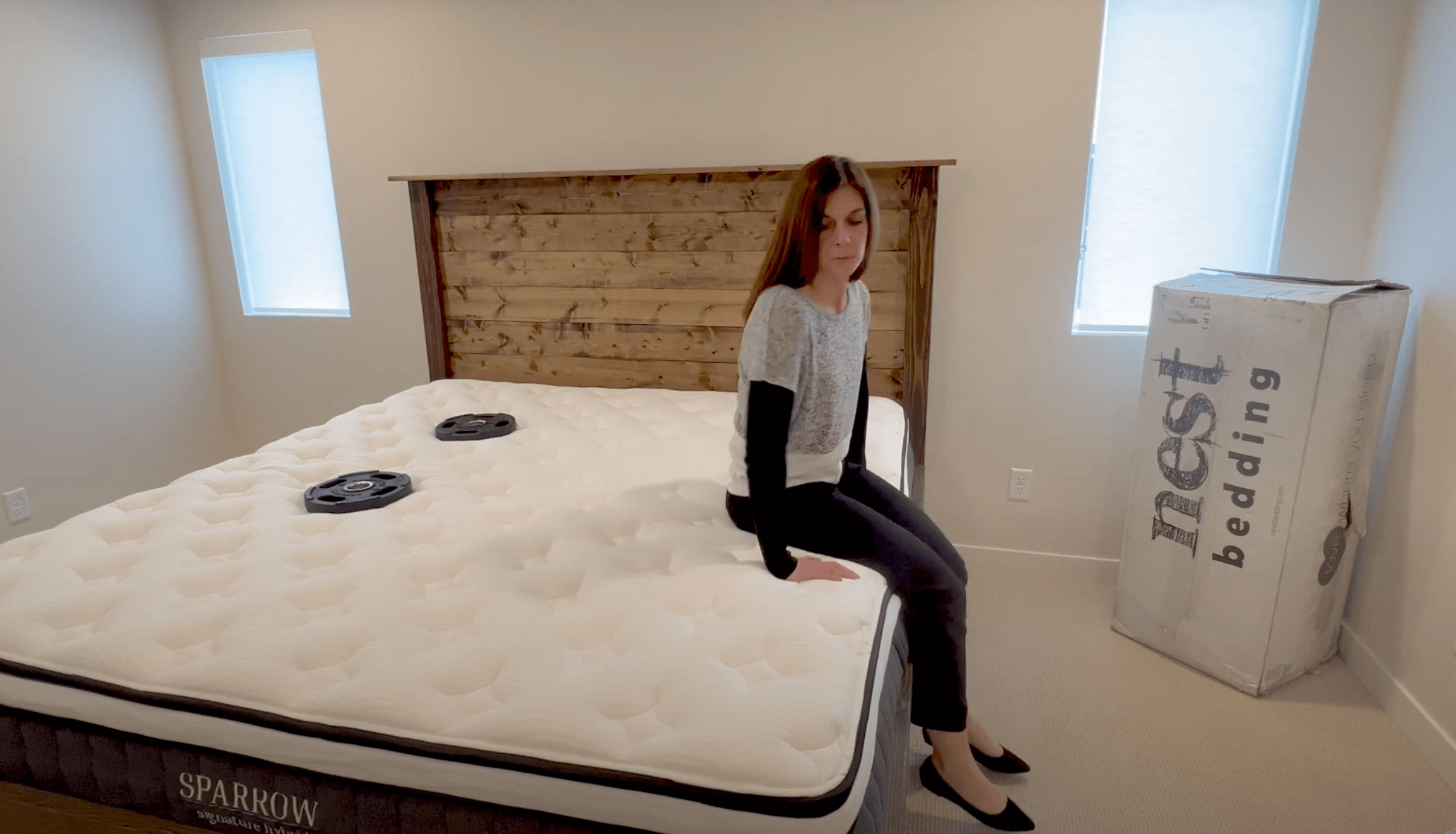
When I tested the Nest Sparrow in the Plush build, the comfort foam cushioned my shoulders and hips on my side without feeling overly squishy, while the firmer transition layer kept me from sinking too deep. What set it apart for couples is the swappable comfort layer: you can change the firmness after delivery, and on a king you can set each side differently. It suits couples who want adjustable firmness and side sleepers who want plush contouring over a coil base.
Cooling sets the Sparrow apart. Against the Vaya Hybrid I compared, the quilted phase-change cover and the foam beneath felt more breathable, and on the first night the surface still felt cool to the touch after hours of sleep rather than warming the way some plush beds do. For a hot sleeper who wants a soft bed, that held-cool surface is the draw.
The Sparrow also excels in motion isolation, performing even better than the Nolah Evolution in this category. I found that the individually wrapped coils work exceptionally well with the memory foam layers to dampen movement. During my testing, when my partner got up in the middle of the night, I barely felt a thing, which is a game-changer for light sleepers who are easily disturbed by a partner’s movements. This motion isolation paired with the mattress’s plush comfort creates a restful and uninterrupted sleep experience.
In testing the Plush Sparrow worked best for side sleepers who want a softer feel without giving up a supportive base: the foam cushioned my shoulders and hips while the pocketed coils kept the surface stable and the spine in line.
The Nest Bedding Sparrow (Plush) offers a cozy, cushioned feel while still supporting different sleeping positions, making it a versatile option for those who appreciate a soft mattress that adapts to their movements. It’s an excellent choice for sleepers seeking the best of both plush comfort and hybrid support, enhanced by impressive cooling and motion isolation capabilities.
- 8 Value
- 10 Edge Support
- 10 Trial Period
- 9 Response Time
- 10 Motion Transfer
- 9 Cooling & Breathability
Adjustable firmness you can tune later
When I tested the Nest Sparrow in the Plush build, the feature that set it apart was the swappable comfort layer: you can change the firmness after delivery, and on a king you can set each side differently. For a couple who disagree on feel, that is the reason to choose it over a fixed-firmness bed.
Plush cushioning over a supportive coil base
The comfort foam cushioned my shoulders and hips without feeling overly squishy, and the firmer SmartFlow transition layer under it kept me from sinking too deep, so the surface caught me when I rolled to my back.
Strong motion isolation for couples
When my partner got up during testing, I barely felt it, because the pocketed coils move on their own and keep movement from traveling across the bed.
Edge support that held firm
The edge held steady when I sat on it to get up, so the usable surface ran all the way to the sides.
Comparative cooling
The quilted phase-change cover felt cool against my skin on first contact and held that cool surface steady early in the night rather than warming the way some plush beds do.
Best For:
- Couples who want adjustable firmness so each side can be tuned later
- Side sleepers who want plush shoulder and hip cushioning over a coil base
- Light sleepers who wake easily when a partner gets in or out of bed
Compare Instead:
- Amerisleep AS5 Hybrid if you want a softer, more cradling memory-foam surface
- Brooklyn Bedding Aurora Luxe (Soft) if cooling is your single top priority
- Vaya Hybrid if you want a similar coil-backed feel at a lower price
On my first night sleeping on the Nest Bedding Sparrow (Plush), I was immediately struck by its cozy and enveloping feel. As soon as I lay down, the comfort foam cradled my body, providing pressure relief in all the right areas, especially around my shoulders and hips. As a side sleeper, I’ve often struggled with mattresses that don’t cushion these points enough, but the Sparrow provided just the right amount of softness to alleviate pressure without feeling overly squishy.
Early in the night, the surface felt cool to the touch and was slow to warm up. The quilted cover’s phase-change material, combined with the foam beneath, kept the surface from heating up the way some plush beds do, so I did not wake up overheated. Even when I shifted positions or moved to my back, the mattress adapted quickly, thanks to the SmartFlow transition layer and the pocketed coils that offered subtle bounce and support.
The balance of softness and support held up across nights: the layers cushioned my shoulders and hips while keeping the spine in line, which is what makes the Plush build a strong side-sleeper pick.
As I continued to use the Sparrow over several nights, I began to appreciate its motion isolation more and more. Despite sharing the bed with a partner who occasionally gets up during the night, I barely felt any disturbances. The individually wrapped coils did an excellent job of absorbing movement, allowing me to stay asleep longer and wake up feeling more refreshed.
The quilted cover with phase-change material felt cool against my skin on first contact and is what held the surface temperature steady early in the night. Below it, the comfort foam is what cushioned my shoulders and hips, settling them in without feeling overly squishy for a soft bed. The SmartFlow transition foam under that is firmer, and it is what kept me from sinking too deep, so the surface caught me when I rolled to my back. The pocketed coil core carried the support and the motion control: each coil moves on its own, so when my partner got up I barely felt it, and the same coils added the slight bounce that made repositioning easy and held the edge firm. The high-density base under the coils kept the whole surface stable across repeated testing.
Pros:
- Edge Support (10/10), Trial Period (10/10), and Motion Transfer (10/10): the edge held firm, the trial runs 365 nights, and I barely felt my partner get up
- Adjustable firmness (plush, medium, firm) with a swappable comfort layer after purchase
Cons:
- Value (8/10): priced above the all-foam alternatives here; consider Vaya Hybrid for a coil-backed soft feel for less
- Heavier and harder to move, and the Plush build is too soft for stomach sleepers
During testing the Plush Sparrow cushioned my shoulders and hips on my side while the coil base kept the spine supported, and I barely felt my partner get up. It suits couples who want adjustable firmness and side sleepers who want plush contouring over a coil base.
The Mattresses We Have Tested
Every mattress below was tested hands-on and on camera by me, Kristina Hindes, our lead tester. Each row links to its written review and filmed test, so you can check our work. For how we score every mattress, see How We Test Mattresses.
See the full list, with review and video links
| Mattress | Review and video |
|---|---|
| Amerisleep AS2 | Review · Video |
| Amerisleep AS3 | Review · Video |
| Amerisleep AS3 Hybrid | Review · Video |
| Amerisleep AS5 | Review (test clips inside) |
| Amerisleep AS5 Hybrid | Review · Video |
| Amerisleep AS6 Black Series | Review · Video |
| Amerisleep Organica | Review · Video |
| Amerisleep Organica Plush | Review · Video |
| Bear Original | Review · Video |
| Birch Natural | Review · Video |
| Brooklyn Bedding Aurora Luxe Hybrid | Review · Video |
| Brooklyn Bedding Plank Firm | Review · Video |
| Casper The One | Review · Video |
| Eco Terra Hybrid Latex | Review · Video |
| FORM Core | Review · Video |
| FORM Core Hybrid | Review · Video |
| FORM Prime | Review · Video |
| FORM Prime X | Review · Video |
| GhostBed Flex | Review · Video |
| Happsy Organic | Review · Video |
| Helix Dawn Luxe | Review · Video |
| Helix Midnight Luxe | Review · Video |
| Helix Sunset Luxe | Review · Video |
| Latex For Less Hybrid | Review · Video |
| Leesa Original | Review · Video |
| Leesa Sapira Chill Hybrid | Review · Video |
| Leesa Sapira Hybrid | Review · Video |
| Naturepedic Concerto | Review · Video |
| Naturepedic EOS Classic Organic | Review · Video |
| Nest Bedding Owl | Review · Video |
| Nest Bedding Puffin Kids | Review · Video |
| Nest Bedding Raven | Review · Video |
| Nest Bedding Sparrow Signature Hybrid | Review · Video |
| Nolah Evolution 15 | Review · Video |
| Nolah Natural 11 | Review · Video |
| Nolah Original Hybrid | Review · Video |
| PlushBeds Botanical Bliss | Review · Video |
| PlushBeds Luxury Bliss | Review · Video |
| PlushBeds Organic Bliss | Review · Video |
| PlushBeds Organic Kids | Review · Video |
| PlushBeds Signature Bliss | Review · Video |
| Saatva Classic | Review · Video |
| SweetNight CoolNest | Review · Video |
| SweetNight Prime | Review · Video |
| Vaya Hybrid | Review · Video |
| Vaya Mattress | Review · Video |
| Westin Heavenly Bed | Review · Video |
| Zoma Boost | Review · Video |
| Zoma Hybrid | Review · Video |
| Zoma Start | Review · Video |
Who Are Soft Mattresses Best For?
A soft mattress isn’t the most comfortable mattress for everyone. Your body type and sleep position often determine what firmness will feel most comfortable and supportive. Below, we’ve outlined those who are most suited to a soft mattress.
- Side sleepers: Those who rest on their side need more cushion around the hips and shoulders so they don’t develop pain in these areas.
- Lightweight sleepers: Those under 130 pounds will naturally sink less. Therefore, they need a softer bed to experience adequate contouring. When lightweight sleepers rest on a firm mattress, it can cause tension to build-up along the body, resulting in pain and discomfort.
The following individuals are less likely to find comfort on a soft mattress.
- Stomach sleepers: When resting on the stomach, the torso may sink too far into the bed, forcing the curve of the spine to become exaggerated.
- Back sleepers: For back sleepers, if the hips fall too far into the bed, it could cause alignment issues that leave you with aches and pains.
- Heavier sleepers (those 230 and up): Heavier sleepers may fall too far into a soft mattress. When this happens, it can result in spinal misalignment and difficulty changing positions. If you are a heavier sleeper who prefers a soft mattress, be sure to select a “plush firm mattress,” or “luxury firm.” These beds will provide the cushioning of a soft bed but the stability of a firm one.
- Those with chronic pain: People with chronic pain need a mattress that is soft enough to cushion the pressure points. These sleepers also need ample support to keep the body stable and prevent sinking. A medium to medium-firm mattress tends to be best for those with chronic pain.
It is also important to note that a soft mattress does not necessarily mean it is less supportive. A soft mattress can be supportive as long as it has a response layer or enough natural elasticity to prevent too much sinking.
Soft vs. Firm Mattresses
Mattress firmness ratings are not standard, varying from brand to brand. However, many brands stick to a basic firmness scale from 1 to 10, with 1 being the softest and 10 being the firmest. Soft and firm mattresses are the two extremes of this scale, but it is rare to find a bed rated a 10 or a 1.
Firm mattresses tend to rate between a 9 and a 7 on the firmness scale. These beds have less give and offer very little sinking. When resting on a firm bed, you will experience less contouring, and will likely feel more lifted on the mattress rather than cradled.
Soft mattresses are often rated between a 2 and a 3 on the firmness scale. These beds compress with very little pressure and mold to the body. When resting on a soft bed, you will experience more contouring and sink further into the mattress.
Both soft and firm mattresses can be incredibly comfortable and supportive. The primary difference between them is the level of sinking and contouring that you will experience. Since soft mattresses allow for more compression, these beds need more responsiveness to keep you lifted and aligned.
Mattress Types
The layers and materials that make up a mattress play an important role in the comfort and support they can provide. The following are the four most common mattress types.
Memory Foam
Memory foam is an incredibly responsive material that forms to the body like a glove. This type of mattress contours to the joints to relieve tension so you can fully relax.
Memory foam is available in different firmness levels, from soft to extra firm. Therefore, these beds can accommodate a wide range of comfort needs. Back, side, stomach, and combination sleepers can all find adequate comfort and support on a memory foam bed.
Memory foam mattresses often receive the highest customer satisfaction ratings. This popularity is due to their pressure-relieving abilities. Those with chronic pain often find relief on a memory foam mattress because it contours so closely to the body. Contouring allows tension to dissipate, so healing can take place during sleep.
Since traditional memory foam tends to trap heat, it is best to look for one with cooling properties. Infusions such as gel, copper, charcoal, and graphite help to wick moisture and body heat away from the bed’s surface. Also, memory foams made with fewer petroleum-based oils are more breathable and more responsive than most on the market.
Couples will also appreciate that memory foam beds have little motion transfer. With this material, you will be less likely to wake your spouse when getting in and out of bed or if you toss and turn during the night.
Latex Foam
Like memory foam, latex foam contours to the body for pressure relief and comfort. However, latex foam tends to have a firmer, more buoyant feel that keeps sleepers lifted rather than cradled.
Soft mattresses do not often feature latex foam in the top layer for this reason. Instead, latex foam can be used as a response layer beneath soft memory foam. A latex response layer will keep sleepers from sinking and forcing the spine out of alignment.
Latex mattresses are naturally breathable and suitable for hot sleepers. This material is also antibacterial and antimicrobial, so it tends to remain cleaner and germ-free for a longer period of time.
Latex foam can be either natural or synthetic. Synthetic latex is made with a combination of chemical compounds and is often less eco-friendly and more toxic for humans. Natural latex, on the other hand, is sustainably derived from the sap of the rubber tree. Keep in mind that organic latex can also increase the price of the bed.
Natural latex is available in two different types: Dunlop and Talalay. Dunlop has no chemical fillers but often has a firm feel. Talalay latex includes polyurethane fillers that soften the mattress. However, the Talalay process is not always environmentally friendly.
Latex foam mattresses tend to be more expensive than memory foam. However, they do have a long lifespan (about 15 years), and they are a good choice when shopping for an eco-friendly mattress.
Innerspring Coils
Innerspring mattresses have a support system of steel spring coils. Above these coils is a comfort layer made of either foam or fabric. The support of the steel coils and the thinner top layer give these beds a firmer feel.
The thickness of the wire gauge can vary from brand to brand. Thinner gauges tend to be softer. However, thinner coils can break fairly easily. When they become bent or broken, coils can stick up and cause painful pressure points.
For this reason, innerspring mattresses are quickly falling out of favor. Memory foam and latex foam mattresses tend to offer more contouring for pain and pressure relief. However, an innerspring bed that’s also a pillow top mattress may be softer than most beds of this type.
Mattress toppers made of foam can also reduce the feeling of the hard, spring coils. Innerspring beds tend to be more cost-effective, but they can increase in price if you add a topper.
Hybrid
A hybrid mattress has a base of spring coils but a comfort layer made with 2 to 3 inches of foam, either memory, latex, or polyurethane foam. The foam’s comfort level can range from firm to soft, so these beds are suitable for many different body types and sleep positions. A thicker layer of foam will result in a much softer mattress, while a thin one will create a firmer feel.
The coil base of a hybrid is typically made with pocketed spring coils. These coils move independently of each other, so they adapt and contour to the body better than most spring coil systems. Pocketed coils also give the bed a slight bounce, which makes moving across the bed more comfortable.
Sleeping Positions
As mentioned above, the position that you frequently rest in can determine the level of support you need. To help you determine if a soft mattress is right for you, we outline the firmness suited to each of the four common sleeping positions.
Side Sleepers
When resting on your side, your hips and shoulders bear the brunt of your body weight. If the mattress is too firm, tension can build-up in these sensitive areas, resulting in pain and stiffness.
The best mattress for side sleepers will be soft enough for these areas to sink further into the mattress and remain cushioned. To prevent excessive sinking that could force the spine out of alignment, opt for a soft mattress with a responsive foam or transition layer.
A memory foam or hybrid mattress with a soft comfort layer will be suitable for side sleepers.
Back Sleepers
Those who prefer back sleeping need a mattress that will keep the body weight evenly distributed. If one part of the body sinks more than another part, it could result in pressure build-up. Therefore, the best mattress for back sleepers will be medium to firm.
If you are a lightweight back sleeper, a medium mattress will likely be the best choice. However, if you are over 230 pounds, a medium-firm to firm bed will keep you from feeling stuck and make moving more comfortable.
Back sleeping can put pressure on the trachea, making breathable difficult. If you have sleep apnea or frequently snore, you may benefit from an adjustable bed. These bed frames lift the top portion of the mattress to open up airways and make breathing more comfortable.
Stomach Sleepers
When sleeping on your stomach, the curve of the spine becomes exaggerated. Over time, this puts pressure on the back and neck. Therefore, we recommend avoiding stomach sleeping wherever possible. It is especially dangerous for stomach sleepers to rest on a soft mattress because this exaggeration can become more pronounced on a plush bed.
However, we understand that sleep habits are sometimes hard to break. If you can’t avoid stomach sleeping, it is best to opt for a firm mattress. A firm bed will lift the hips and keep them aligned with the shoulders. This slight lift can lessen the curvature of the spine and alleviate pressure.
Combination Sleepers
Some sleepers tend to toss and turn during the night and don’t favor any one position. Combination sleepers need a bed that is soft enough to cushion joints when side sleeping. However, they also need a bed that will keep the lower back stable and supported when back sleeping. We typically recommended medium mattresses for combination sleepers.
Sleep Trials, Warranties, Return Policies
To get the most of your new mattress, be sure it comes with a suitable sleep trial and warranty. Both of these offerings suggest that the company stands behind the quality of the bed.
Sleep Trials
A sleep trial is especially helpful when purchasing a mattress online. Researching a mattress and its comfort level online will clue you into the kind of support it can offer. However, you won’t know if it’s right for you until you sleep on it for an extended time.
Even a quick 10 to 15-minute mattress “test” in-store is not enough to determine how it will feel during sleep. Therefore, it is important to have a sleep trial period, whether you are shopping in-store or online. It can take up to 3 to 4 weeks to become accustomed to a new mattress, so you will need at least 30 days. Most online mattress in a box brands offer 90 to 120-night sleep trials, so a suitable trial period is not hard to find.
After 30 to 60 nights of sleeping on the mattress, you may decide that it’s not the best fit. If this is the case, many companies will work with you to exchange the bed for a different model. If you decide to return it instead, they will arrange for the bed to be picked up and issue you a full refund. Most brands make this a relatively seamless process, so there is little inconvenience to the customer.
Warranties
A warranty protects the mattress from excessive sagging, indentations, broken coils, seam rips, and tears. The industry standard for a mattress warranty is 10 years. Since a high-quality mattress will last about 10 years, this length of time will likely cover the bed’s lifespan.
Warranties do not cover stains from spills or accidents, so it is best to use a mattress protector. A waterproof protector will ensure your bed stays clean throughout many years of use.
Return Policies
For most reputable brands, the sleep trial acts as the return policy. If you decide you are unhappy with the bed, they will donate the mattress to a local charity and issue you a refund.
However, if the company doesn’t offer a sleep trial, they may offer a return policy. When shopping, be sure the return policy is at least 30 days. One month should be enough time to sleep on the mattress and make sure it meets your specific needs.
Frequently Asked Questions
What is the best soft mattress?
After testing 50+ mattresses for this guide, my top soft pick is the Amerisleep AS5 Hybrid for its balance of plush memory-foam contouring and coil-backed support that keeps the spine in line. Side sleepers who want the deepest cushioning may prefer the Helix Sunset Luxe, while hot sleepers will find the Brooklyn Bedding Aurora Luxe (Soft) ran the coolest in testing.
Do soft mattresses cause back pain?
Soft mattresses do not necessarily cause back pain. However, if the bed allows for excessive sinking, it could lead to alignment issues that result in back pain. A foam mattress with a natural elasticity or an added response layer can prevent the sleeper from sinking too far into a soft mattress and forcing the spine out of alignment. The best mattresses for back pain are usually medium-firm in firmness.
Be sure to also keep in mind your body type and sleep position when considering a soft mattress. Heavier sleepers tend to experience too much sinking on a soft mattress, which can often cause back pain.
How do you know if your mattress is too soft?
If you frequently wake with aches and pains that last throughout the day, your mattress may be too soft. If you are a side sleeper and experience pain in the hips and shoulders, it could be a sign that you are sinking too far into the bed. Back sleepers resting on a mattress that is too soft may experience lower back pain due to spinal misalignment.
Do side sleepers need a soft mattress?
The best mattress for side sleepers is one that is soft enough to cushion the hips and shoulders. Side sleepers also need to make sure the bed has enough responsiveness. A slight lift will keep the spine resting in a neutral position. In most cases, a soft to medium comfort level is best for side sleepers.
How do I make a firm mattress softer?
If your mattress is too firm, you can give it a softer feel by adding a pillow top. A soft memory foam mattress topper will contour and cushion the pressure points. Likewise, if your mattress is too soft, you can increase the firmness by adding a firm mattress topper.
How do I choose a good mattress?
First, it is essential to consider the right firmness level. This firmness will depend on your body type and sleep position. Next, consider the mattress type that is most suited to your needs.
Before purchasing, be sure you have an adequate sleep trial to test out the bed at home. A sleep trial is the best way to ensure you’ve made the right choice.
Did You Find Your Next Soft Mattress?
A soft mattress may not be right for everyone. However, those who prefer extra cushioning find great comfort on a plush bed. If you choose a soft mattress, be sure it also supports a safe spinal position. When the joints are cushioned, and the spine is neutral, the body will fully relax, so you can drift off to sleep peacefully.
Related Reads
- I Tested 50+ Mattresses to Find the 14 Best Mattresses for Piriformis Syndrome of 2026

- I Tested 50+ Mattresses to Find the 14 Best Mattresses for Neuropathy of 2026


- I Tested 50+ Mattresses to Find the 14 Best Mattresses for Kyphosis of 2026

- I Tested 50+ Mattresses to Find the 14 Best Mattresses for Anterior Pelvic Tilt of 2026

Comments are closed.