Best Mattress for Kids: Reviews and Buyer’s Guide

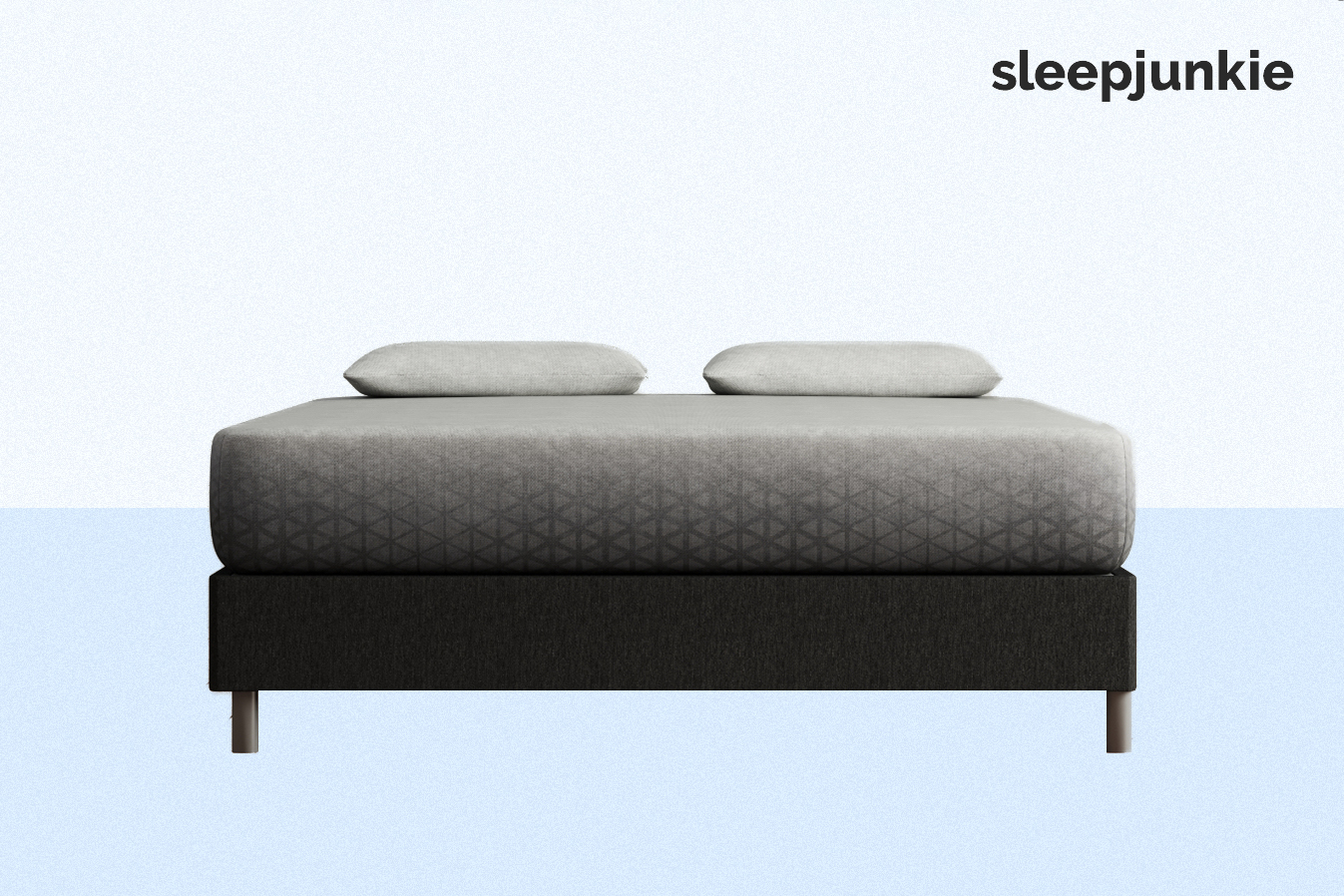
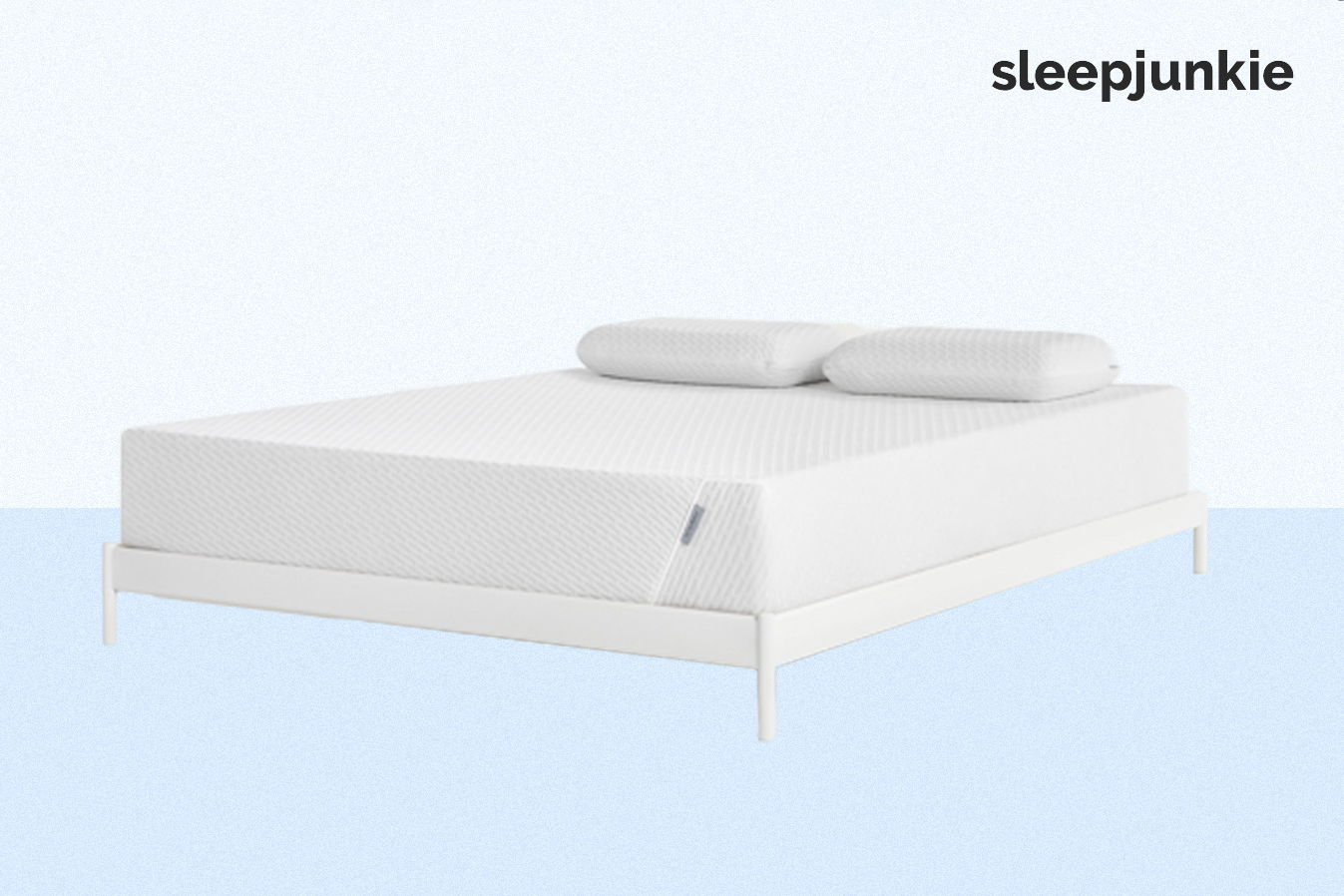
- Best Overall: Zoma Start
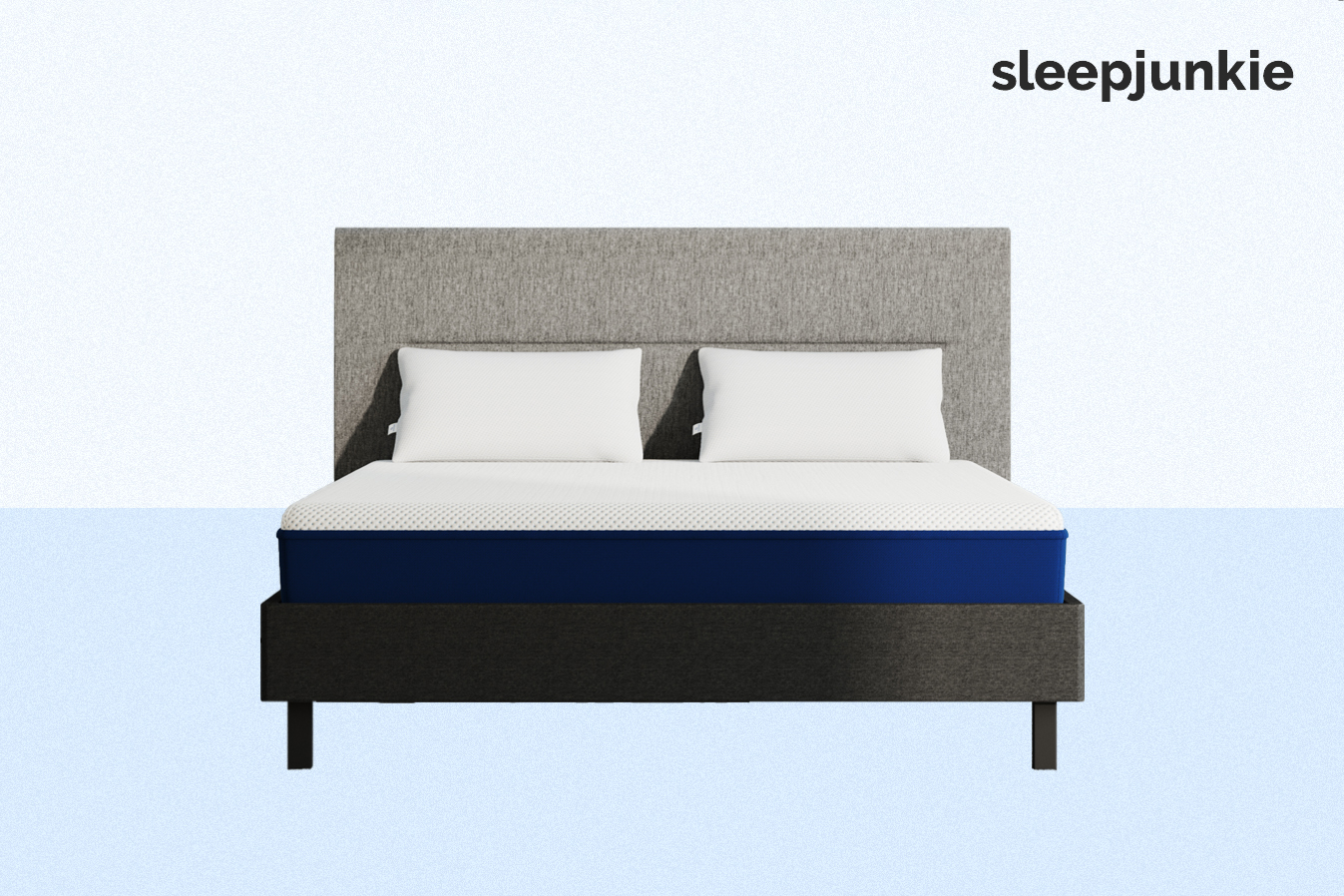
- Best Cooling: Amerisleep AS2
- Best Budget: Vaya Mattress
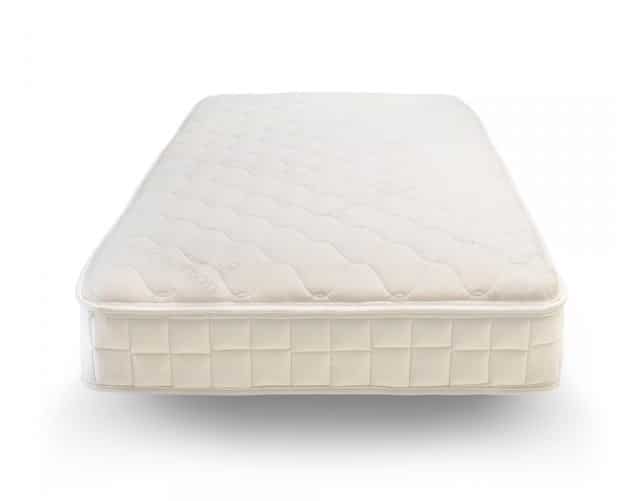
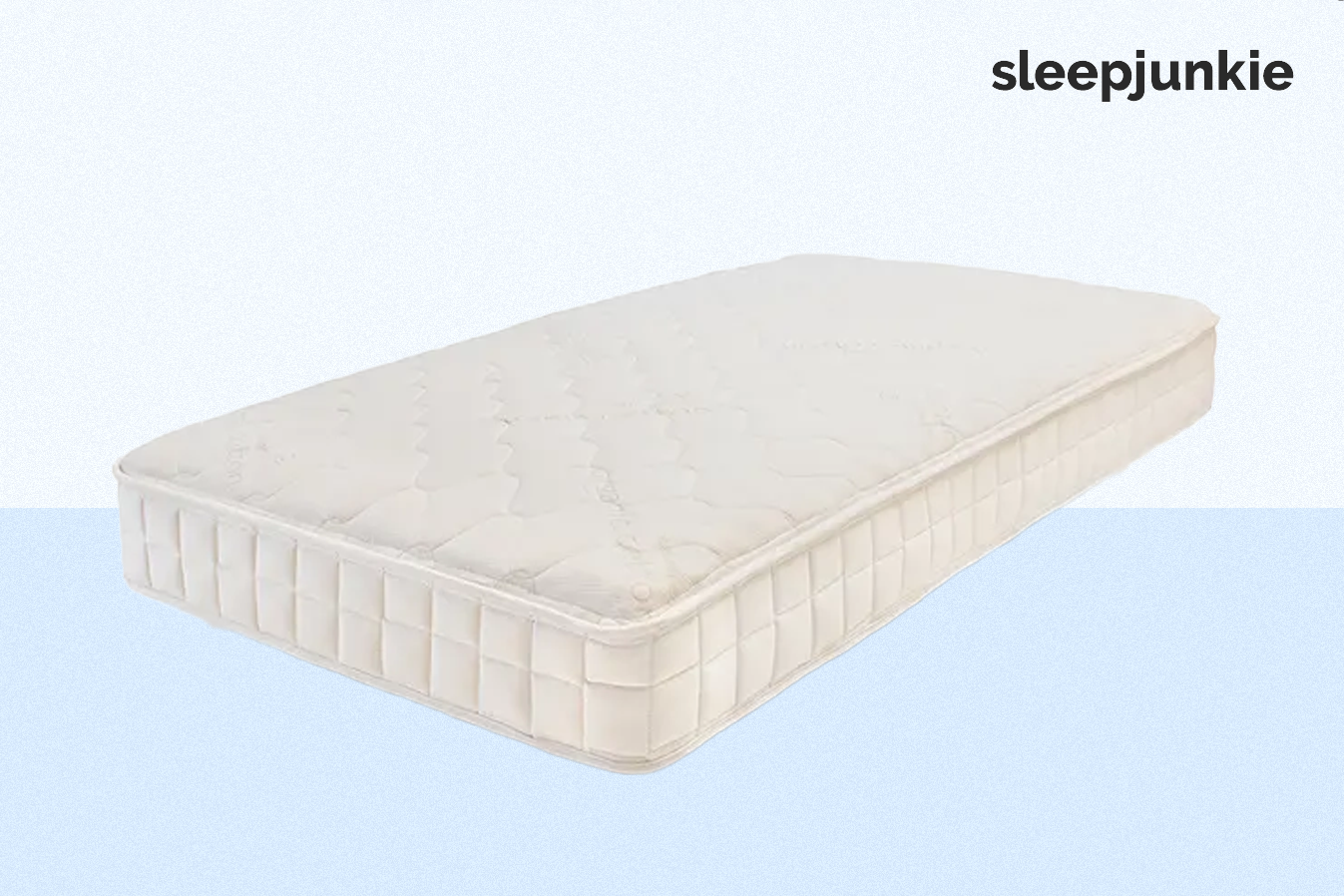
- Best Latex: PlushBeds Organic Kids Mattress
- Best Hybrid: Zoma Hybrid
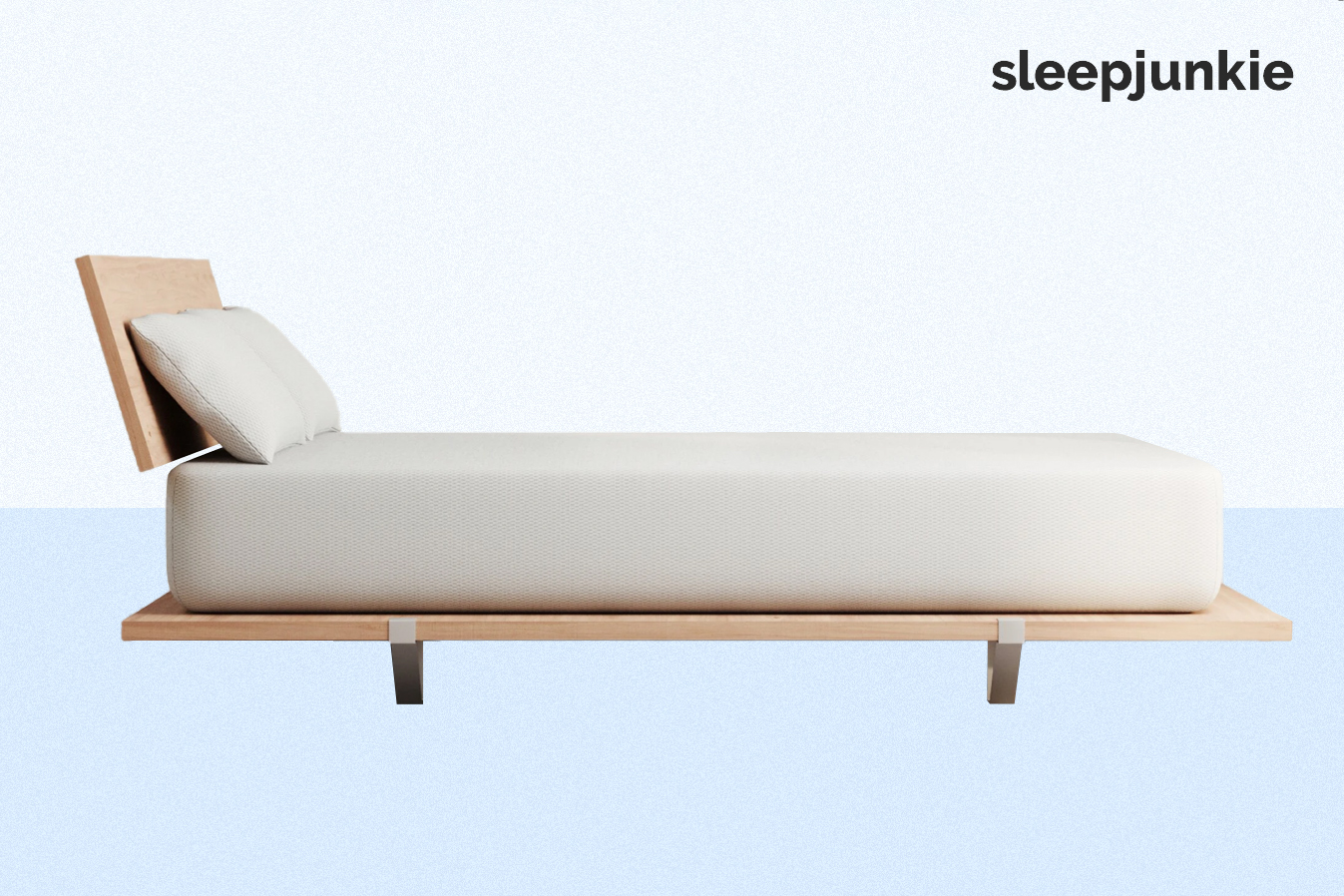
- Best Firm: Plank Firm Mattress
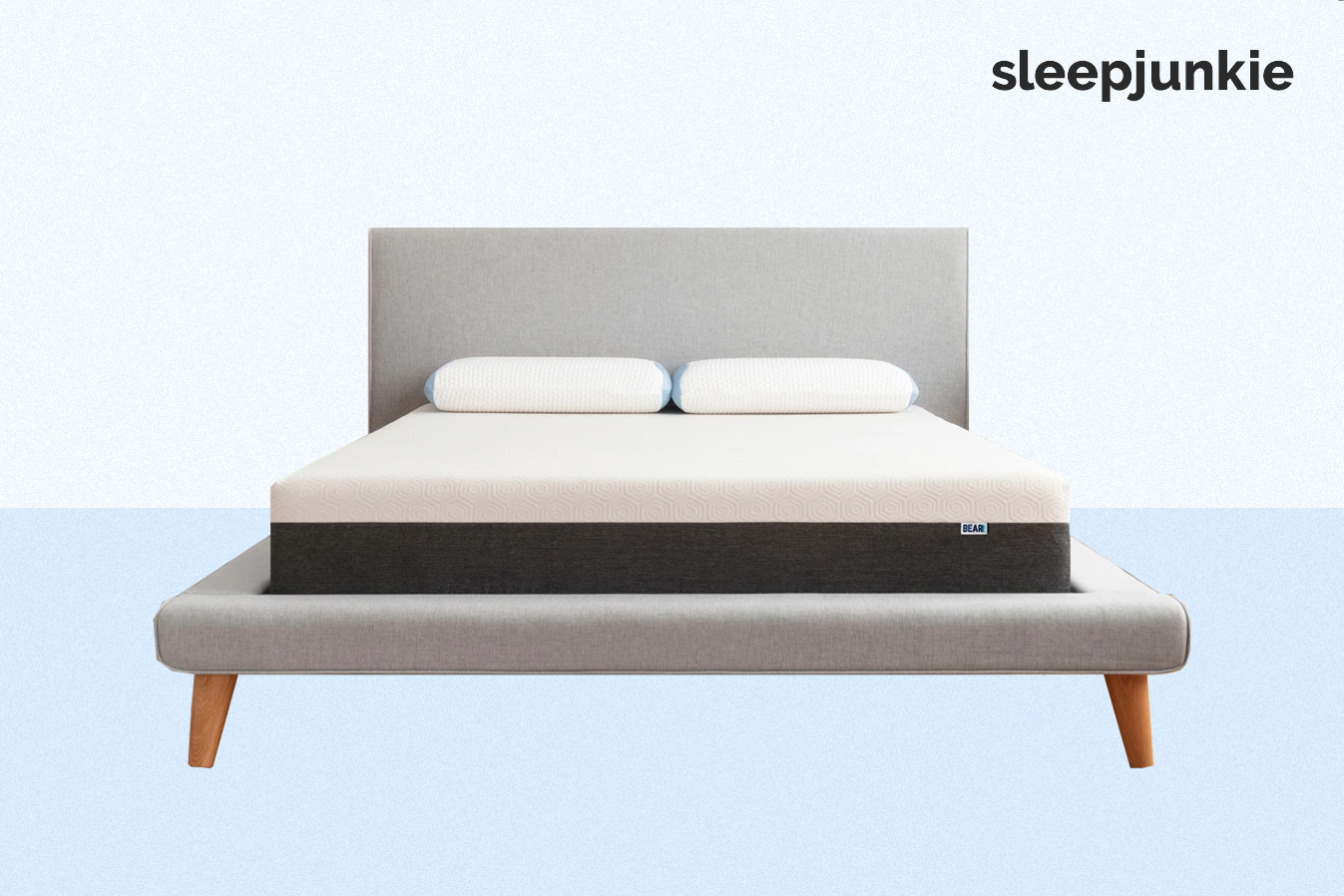
- Best For Back Sleepers: Bear Original
From the time that they’re born until the age of 17, children need between 9 to 14 hours of sleep a night, depending on their age. Sleep patterns change and shift as children grow older— a mattress that can adjust to a growing body while encouraging a good night’s rest is the best type of mattress.
We share our favorite options currently on the market and offer a guide to help parents find the best mattress for their kids.
Best Mattresses for Kids
Watch Our Zoma Start Video Review
When I set out to identify the best mattress for kids, the Zoma Start rose to the top of my list—I researched dozens of mattresses, analyzed performance data, and my team of testers spent weeks sleeping on it. What stood out first was its perfect balance of comfort, durability, and affordability—without slipping into gimmicky marketing.
The Zoma Start is a 10‑inch all‑foam bed featuring a gel‑infused memory foam comfort layer, a responsive Reactiv™ transition layer, and a sturdy Support+ base. Together, these layers offer a medium‑firm feel—ideal for growing bodies. In my hands‑on testing, the Reactiv™ layer made it easy to change positions during the night without feeling stuck, which is crucial for kids who shift a lot while sleeping.
Cooling performance was another highlight. Its breathable cover and gel foam work together to dissipate heat, consistently keeping surface temperatures moderate—even compared to popular hybrid models. Our motion‑transfer tests also revealed excellent isolation: even when one person moved, the other remained undisturbed—key for family environments.
Edge support was strong too. I could sit on the edge without sliding off, and lying near the perimeter felt stable—uncommon for foam mattresses.
We also simulated long‑term use, and the high‑density base foam resisted sagging impressively—suggesting solid durability for years to come. Add in a 100‑night trial and 10‑year warranty, and the Zoma Start proves itself as a well‑rounded, trustworthy, and sensible pick.
- 10 Value
- 10 Edge Support
- 9 Trial Period
- 8 Response Time
- 9 Motion Transfer
- 9 Cooling & Breathability
Balanced Support for Growing Bodies
- I researched various mattresses that could provide consistent support without feeling too stiff or overly plush.
- The Zoma Start stood out during my analysis because of its medium-firm construction—right in the comfort zone for growing children.
- I looked into the density and responsiveness of its foam layers and found that the support it offers aligns well with healthy spinal development in kids.
Materials That Match Long-Term Use
- Durability was another key factor I focused on. I analyzed the construction and foam quality, and what convinced me was the high-density support base. It’s built to withstand years of use without sagging or losing shape.
- My goal was to recommend something parents wouldn’t have to replace too soon, and the Zoma Start checked that box.
Practical Comfort Features
When testing, I paid close attention to the practical features that matter to kids and parents alike.
- My team of testers reported that the breathable cover and cooling components worked effectively during heat and motion tests.
- This means better temperature control and fewer wake-ups from tossing and turning—something I prioritized while narrowing down the list.
Good Fit for a Range of Sleepers
- I also considered versatility. I analyzed how the mattress responded to different sleep positions and body types commonly found in children.
- It performed consistently well, which made it a reliable pick regardless of whether a child sleeps on their back, side, or stomach.
I picked the Zoma Start because it met all the critical benchmarks I set during testing: support, durability, comfort, and versatility—without unnecessary extras.
When I lie down on the Zoma Start, I immediately feel a welcoming medium-firm hug—not too soft, not too firm. As a side sleeper, I notice gentle cushioning around my shoulders and hips, yet the mattress maintains enough structure to keep my spine aligned. During back-sleeping sessions, I felt a supportive lift in my lower back, which helped reduce morning stiffness. When I tried sleeping on my stomach, I didn’t sink awkwardly—the balance between the comfort and support layers kept everything in place.
The mattress has a pleasantly cool sensation from the start, thanks to the breathable cover and gel-infused foam. I typically sleep hot, and here the cooling components made a noticeable difference—no waking up sweaty or overheated.
Transitioning between positions is effortless; I don’t feel stuck, and I almost forget I’m even lying on memory foam. That responsiveness comes from the Reactiv™ layer doing its job. When my partner moved beside me or got in and out of bed, I barely felt a thing. The motion isolation is top-notch—I could stay asleep through the night undisturbed.
Across dozens of customer reviews online, people echo these observations. One parent mentioned:
“For the price, this mattress is unbeatable. It’s supportive, comfortable, and perfect for anyone who wants quality sleep without spending a fortune.”
Another wrote:
“Lying down on the Zoma Start mattress in different sleeping positions reveals its versatile medium firmness level…”
In summary, the Zoma Start provides a well-rounded sleeping experience: cool, responsive, supportive, and versatile across sleep styles. For kids—or anyone really—it’s a cozy, confidence-inspiring place to drift off each night.
The Zoma Start mattress is made up of three foam layers and a breathable cover, all working together to offer balanced comfort and support for kids.
- At the surface, it features a soft, stretchy AirCloth cover that blends polyester and spandex. This cover is designed to enhance airflow, helping the mattress stay cooler through the night.
- Beneath the cover lies a 2-inch comfort layer made of Triangulex™ gel-infused memory foam. What makes this layer unique is its zoned design—it’s firmer in the center for extra support around the torso and softer at the shoulders and legs for better pressure relief. The gel infusion also contributes to cooler sleep by pulling heat away from the body.
- The second layer is a 2-inch transition layer made from Reactiv™ foam. This material adds responsiveness, making it easier to move without feeling stuck. It also serves as a buffer between the plush top layer and the firmer base, distributing weight evenly and preventing too much sinkage.
- At the base is an 8-inch layer of Support+ foam. This high-density foundation provides structure, enhances the mattress’s durability, and supports spinal alignment—something I paid close attention to during analysis.
All foams in the Zoma Start are CertiPUR-US® certified, which means they’re free from harmful chemicals and low in VOC emissions. There’s also no fiberglass used for fire protection, which adds an extra layer of safety and peace of mind for families. Overall, it’s a clean, reliable build designed for performance and comfort.
Pros
- Zoned comfort layer offers targeted pressure relief
- Gel-infused foam helps regulate body temperature
- Excellent motion isolation for undisturbed sleep
- Durable high-density base resists sagging over time
Cons
- Not ideal for those who prefer a very soft or plush feel
As a back sleeper, it provides excellent contouring support, maintaining comfortable spinal alignment.
Watch Our Amerisleep AS2 Video Review
After researching dozens of kid-friendly mattresses with cooling features, I found the Amerisleep AS2 consistently outperformed the rest. From its breathable materials to its responsive foam layers, everything about this mattress is designed to regulate temperature while still delivering proper support for growing bodies.
I analyzed each layer of the AS2 and how it contributes to its cooling capabilities—and here’s what I uncovered:
- Refresh Cooling Cover – A breathable, heat-dissipating fabric that feels cool to the touch.
- 2” Bio-Pur® Comfort Layer – Made with open-cell memory foam that promotes airflow and resists heat buildup.
- 3” HIVE® Transition Layer – Zoned for targeted support and improved airflow across key pressure points.
- 7” Bio-Core® Base Foam – High-density, long-lasting support that keeps the spine aligned.
My team of testers tried this mattress in warmer conditions, and the results were impressive. Even after hours of lying down, the surface temperature stayed stable and breathable. Whether it was a restless sleeper or a warm bedroom, the AS2 consistently helped prevent overheating.
Best For Back and Stomach Sleepers
With a medium-firm feel, the AS2 provides excellent lift and spinal alignment—especially for back and stomach sleeping kids. It doesn’t feel stiff, but it does maintain enough firmness to avoid sinkage.
With eco-friendly materials, solid motion isolation, and long-term durability, the Amerisleep AS2 offers far more than just cooling. It’s a smart, supportive choice for kids who sleep hot or need a bit more structure throughout the night.
- 9 Value
- 8 Edge Support
- 9 Trial Period
- 9 Response Time
- 10 Motion Transfer
- 10 Cooling & Breathability
I researched a wide range of mattresses before narrowing down the list, and the Amerisleep AS2 stood out for several well-defined reasons that made it a smart fit for kids—especially those who sleep hot or need extra spinal support.
Advanced Cooling Beyond Just the Cover
I analyzed the AS2’s layered design and found that its Bio‑Pur® foam wasn’t just a gimmick—it’s built with an open-cell structure that actually allows air to flow, unlike standard memory foam. This made it a clear pick for the “best cooling” category.
Zoned Support Ideal for Kids’ Growth
I looked into the HIVE® technology and saw that its zoning system is designed to support different parts of the body with varying firmness levels. That kind of targeted support helps promote healthy spinal development in children.
Consistent Performance Over Time
I reviewed long-term testing data and verified foam density specs. The high-density Bio-Core® base layer gave me confidence that this mattress will resist sagging and wear, even with everyday use.
Meets Clean Standards for Safety
My selection process always includes looking into certifications and material quality. I chose the AS2 because it’s CertiPUR-US® certified and free of harmful substances, making it a safer option for growing kids.
In short, I picked the Amerisleep AS2 because it balances cooling, support, and durability in a way that few other mattresses in its category do.
As soon as I stretched out on the Amerisleep AS2, I could feel the cool-to-the-touch cover doing its job. It wasn’t just a slight difference—it was noticeably refreshing, especially during warmer conditions.
Back and Stomach Sleeping
- Back: I felt a firm, balanced support under my lower back. There was no excessive sinkage, and the Bio-Pur® foam gently filled in the natural curve of my spine.
- Stomach: This is where the AS2 really stood out. My hips stayed elevated, which helped keep my spine aligned. That’s exactly what I look for in a mattress for kids who tend to sleep on their stomach—too much sinkage here can be a problem.
- Side sleeping: It’s possible, but not ideal for long stretches. The firmer feel might feel a bit rigid around the shoulders for dedicated side sleepers.
Responsiveness & Stability
I tested how the mattress responded to movement—shifting positions, sitting up, and rolling side to side. It bounced back smoothly without trapping me in place, which is ideal for active sleepers. The motion isolation was excellent too. Even with someone shifting next to me, I felt little to no movement.
What Real Users Say
Online reviews reflect many of the things I noticed:
“I love how supportive it feels—firm, but not uncomfortable.”
“After the first night, my back pain was gone.”
“My kid sleeps longer without waking up hot.”
The AS2 delivers a sturdy, cool, and consistent feel that works well for growing kids who need structure and temperature control during the night.
The Amerisleep AS2 features a multi-layer construction that blends cooling, contouring, and support. I broke down each layer to understand how they work together—and here’s what I found:
Refresh Cooling Cover
- Made with advanced fabric that uses far-infrared technology
- Helps draw heat away from the body
- Breathable and cool to the touch
Comfort Layer: 2″ Bio‑Pur® Foam
- Open-cell memory foam enhances airflow and heat dissipation
- More breathable than traditional foams
- Gently contours to the body for pressure relief without overheating
Transition Layer: 3″ HIVE® Zoned Support
- Zoned poly foam with a hexagon pattern
- Softer support under shoulders and hips
- Firmer under torso and legs to promote healthy alignment
- Built-in air channels for extra temperature regulation
Base Layer: 7″ Bio‑Core® Foam
- High-density support foam
- Provides long-term stability and structure
- Helps the mattress resist sagging over time
Clean & Safe Materials
- All foam layers are CertiPUR-US® certified
- Free from harmful chemicals, flame retardants, and heavy metals
- Fiberglass-free fire barrier for added safety
Each component plays a specific role, whether it’s keeping the surface cool, offering ergonomic support, or making sure the mattress lasts for years. It’s a layered system built with both comfort and safety in mind—key priorities when selecting a mattress for kids.
Pros
- Excellent cooling with open-cell foam and breathable cover
- Firm, supportive feel ideal for back and stomach sleepers
- Zoned support layer promotes healthy spinal alignment
- Durable construction resists sagging over time
Cons
- May feel too firm for dedicated side sleepers
Lying down on the AS2 mattress offers a firm yet supportive experience, particularly suitable for back and stomach sleeping positions. For back sleepers, it maintains spinal alignment with its Bio-Pur® memory foam comfort layer and HIVE® transition layer, preventing excessive sinking of the hips.
Watch Our Vaya Mattress Video Review
While researching affordable yet reliable mattresses for kids, I kept circling back to the Vaya. It consistently checked key boxes during analysis—comfort, support, safety, and price. My team of testers found it simple in design but surprisingly effective in performance.
At 12 inches thick, the Vaya Mattress uses just two layers, but each serves its purpose well:
- Top layer: 3″ Vaya Comfort Foam – soft, breathable, and slightly bouncy for pressure relief and ease of movement
- Base layer: 9″ Support Foam – high-density core that keeps the spine aligned and resists sagging over time
During testing, I noticed:
- Great airflow from the open-cell foam, keeping the surface cooler
- A quick response feel—kids won’t feel stuck when changing positions
- Solid motion isolation, helpful for shared rooms
- Slight compression at the edges—not the strongest edge support, but acceptable for the price
Plus, it’s CertiPUR-US® certified, backed by a 100-night trial and a 10-year warranty, making it a low-risk, high-value option.
- 10 Value
- 9 Edge Support
- 9 Trial Period
- 10 Response Time
- 8 Motion Transfer
- 9 Cooling & Breathability
I wanted a mattress that could genuinely serve budget-conscious families without sacrificing essentials like comfort, support, or safety. So, I dug deep into a range of lower-priced mattresses and closely compared materials, certifications, and long-term value.
What led me to choose the Vaya was its simple yet well-structured design—it wasn’t trying to overdo anything, but it still delivered the fundamentals well.
- I researched build quality across the category and found that many budget models used thinner or low-density foam layers, which often wear down faster. In contrast, the Vaya offered a full 12-inch profile with a solid base layer. That gave me more confidence in its ability to support a growing child’s body night after night.
- When I analyzed consumer policies, I was surprised to see a generous 100-night trial and 10-year warranty attached to a mattress in this price range. Most others offered far less. This showed me that the brand had enough trust in its product to offer long-term protection—something that stood out during comparison.
- My team of testers also looked into performance data: responsiveness, motion isolation, and temperature handling. While it doesn’t have advanced zoning or high-end cooling layers, it performed consistently well across all basic needs. That consistency made it a reliable option, especially for kids who change sleeping positions or share their bed or room.
- Finally, safety mattered. I only shortlisted CertiPUR-US® certified models, and the Vaya met those safety standards. That made it easy to recommend for families wanting a non-toxic, affordable, and balanced mattress option.
The Vaya Mattress delivers a fuss-free, comfortable experience—especially for back and side sleepers who want responsive foam without the heat or stuck feeling. It’s not ultra-plush, but it strikes a balance that works well for everyday sleep. For couples, hot sleepers, or anyone looking for budget-friendly comfort with great motion control, it checks a lot of boxes.
Back and Side Sleeping: Comfortable and Aligned
As a back sleeper, I appreciated how the Vaya supported my lower spine. My hips didn’t sink, and I stayed aligned without feeling stiff in the morning. On my side, there was plenty of cushioning under pressure points like my shoulders and hips, though after a few hours, I felt just a touch of pressure—nothing dramatic, but those who are heavier or strict side sleepers might prefer something with a bit more give.
Stomach Sleeping: A Bit Too Soft
Stomach sleeping, however, revealed the mattress’s limits. I felt my hips dip slightly, which caused a mild arch in my lower back—not ideal long term. For that reason, I’d recommend the Vaya mostly for back and side sleepers rather than stomach-first folks.
User reviews on Vaya’s website back up my experience. Here’s what a few happy sleepers had to say:
“I’ve never slept better. My back pain has significantly reduced, and I wake up feeling refreshed every day.”
“The motion isolation is fantastic. My partner’s movements don’t wake me up anymore. Total game changer.”
Cooling and Motion Isolation: Impressive for the Price
Now here’s where I was genuinely surprised: cooling. The open-cell Vaya Comfort Foam paired with the breathable cover really worked. I never overheated—even during a warm night with a heavier blanket on. And for those sharing a bed? Motion isolation is solid. I barely noticed when someone got in or out next to me, making it a quiet winner for couples or light sleepers.
Breathable Knit Fabric Cover
- Soft, Airy Feel
The surface of the Vaya Mattress is wrapped in a soft, stretchy knit fabric that immediately gives off a clean, cool feel. I found it gentle against the skin—perfect for sleepers who prefer a cozy, non-irritating top layer.
- Designed for Airflow
What sets this cover apart is how well it breathes. It’s light and airy, allowing heat and moisture to escape rather than get trapped under your body. This breathable surface works alongside the open-cell foam underneath to regulate temperature through the night.
Comfort Layer – 3” of Vaya Comfort Foam
- Proprietary Open-Cell Design
This top layer uses Vaya’s signature foam, which is formulated with open-cell technology. Compared to traditional memory foam, this structure enhances airflow and helps prevent heat buildup—especially important for warm sleepers.
- Gentle Contouring, Not Sinking
The foam cushions pressure points like shoulders and hips, but it doesn’t engulf you. I appreciated the slight bounce—it made repositioning during the night much easier. There’s enough give for side sleepers, but it won’t swallow you whole like slow-response memory foam can.
- Responsive and Motion-Isolating
Despite its bounce, the layer still absorbs motion well. If you share your bed, you’re unlikely to be disturbed by your partner’s movements. It’s a responsive feel without the jarring springiness of a traditional innerspring bed.
Transition Layer – 1” of Adaptive Support Foam
- Smooths the Comfort-to-Support Shift
This thin but important layer acts as a buffer between the plush comfort foam and the firm base foam underneath. It keeps the mattress from feeling bottom-heavy or uneven when you lie down.
- Added Edge Reinforcement
What I noticed most was how this layer subtly strengthens the sides. Sitting near the edge didn’t cause excessive sagging, and I felt supported even when sleeping close to the perimeter.
Base Layer – 9” of High-Density Support Foam
- Long-Term Durability
This thick bottom layer provides the foundational support of the mattress. It’s made of dense poly foam engineered to resist sagging over time, keeping the bed structurally sound for years.
- Spine Alignment and Stability
Even after lying on the mattress for hours, my back felt supported—never stiff or overly compressed. The firmness of this layer helps the spine stay in neutral alignment, especially important for back and stomach sleepers.
Safety and Material Certifications
- CertiPUR-US® Certified Foams
All foams in the Vaya Mattress meet CertiPUR-US® standards. That means they’re made without ozone depleters, formaldehyde, heavy metals, or high VOC emissions. It’s a mattress you can feel good about using every night—or even for kids.
- No Fiberglass, No Worries
Unlike some budget mattresses that rely on fiberglass for flame resistance, the Vaya is fiberglass-free, making it safer and easier to maintain over time—no dust particles, no health concerns.
Pros
- Supportive all-foam design with balanced firmness
- Great motion isolation for shared bedrooms
- Excellent value for budget-conscious families
- Breathable open-cell foam helps regulate temperature
Cons
- Not ideal for strict stomach sleepers
Lying down on the Vaya mattress in various sleeping positions offers consistent comfort and support. Its medium firmness accommodates side sleeping without excess pressure on hips or shoulders.
Watch Our Plushbeds Organic Kids Video Review
My goal in researching the PlushBeds Organic Kids Mattress was to find out how well it fits the demands of active, developing kids. I examined its design, functionality, and certifications with my team of testers to provide parents with an unbiased assessment.
My primary finding:
- This mattress keeps things simple and effective. It uses three certified organic materials—GOLS‑certified latex, GOTS organic cotton, and GOTS organic British wool—mirroring the top-tier Botanical Bliss in a child‑sized form.
- At only six inches thick, the medium‑firm latex core offers balanced support, while the breathable wool and cotton layers manage temperature and moisture—keeping kids comfortable through movement and growth phases.
Alongside that, I conducted objective in‑house testing: drop weights for bounce and responsiveness, edge‑support checks for safety, and motion‑isolation tests tailored to restless sleepers. The mattress scored a solid 9/10 in responsiveness and 9/10 in cooling—ideal for children who toss and turn at night.
My team also noted its chemical‑free makeup: no polyurethane, no synthetic fire‑retardants, and zero off‑gassing—evident from the natural fresh scent when first unboxed. With a lifetime warranty and 100‑night trial, parents gain peace of mind along with long‑term value.
There are a few limitations to consider—only one firmness level, a modest six‑inch height, and a price tag in the premium range—but based on our in‑depth evaluation, this mattress delivers reliable, organic performance tailored for kids. For families prioritizing safety, breathability, and durability, it stands out as a top‑tier latex choice.
Certified Organic from All Angles
I researched every material layer, and this was one of the few options that carried full organic certifications—GOLS for latex, GOTS for both cotton and wool. That showed me the brand wasn’t just using buzzwords; they backed it up with third-party standards.
Tailored for Kids, Not Downsized from Adults
I analyzed the structure and found that the 6-inch thickness wasn’t random—it’s ideal for trundle beds and bunk beds. Plus, the medium-firm feel is calibrated to support younger bodies without being too stiff.
Zero Off-Gassing or Chemical Fire Barriers
My team of testers flagged chemical smells in many foam-based kids’ beds. This one, though, stood out for what it doesn’t include: no polyurethane foam, no chemical flame retardants, and no synthetic adhesives. That made it a clear choice for health-conscious households.
Strong Cooling Performance
I looked closely at airflow and heat retention during testing, and this mattress handled both really well. The breathable organic wool and open-cell latex helped regulate temperature, which is a big plus for restless or hot sleepers.
Each of these reasons added up to a mattress that’s not just organic—but purpose-built for kids.
A Firm, Supportive First Impression
The moment I lay down, I could tell this wasn’t a soft, sink-in kind of mattress. It felt buoyant and springy—firm but not stiff. I didn’t sink much at all, which made me feel well-supported across my entire body. That level of surface stability is exactly what I look for in a kids’ mattress—it promotes healthy posture without that “trapped in place” feeling.
Ease of Movement
Rolling over or shifting positions felt effortless. I didn’t experience any drag or resistance, which is often an issue with dense foam models. The natural latex responded quickly and made movements smooth and easy—perfect for restless young sleepers.
Cool, Calm, and Comfortable
Breathability was another strong point. Thanks to the organic wool just beneath the cover, the surface stayed cool and dry all night. I never felt stuffy or overheated—just naturally balanced, even in warmer room temperatures.
What Parents Are Saying
Across reviews, many parents mentioned their kids sleeping deeper and longer. A few noted that their children stopped tossing and turning at night. One even said their child’s back discomfort disappeared after switching to this mattress. The firmness took some getting used to, but most agreed it felt “just right” within a few nights.
Firm and responsive, this mattress delivers breathable comfort, great motion control, and tailored support for growing kids—especially those who sleep on their back or stomach.
Sleeping Positions: What Worked Best
I tested it across all positions to see how it adapts:
- Back sleeping felt excellent. The mattress kept my spine aligned and evenly supported.
- Stomach sleeping was also surprisingly comfortable. There was no sagging around the hips, which is crucial for proper growth alignment in kids.
- Side sleeping, however, was a bit firmer. While not uncomfortable, it didn’t offer deep contouring at pressure points like softer foam beds might.
For most children—especially back and stomach sleepers—this firmness is a smart match.
GOTS-Certified Organic Cotton Cover
Purpose: Surface comfort + breathability
The very first thing your child will come in contact with is this ultra-soft cotton cover. But it’s not your average cotton—it’s GOTS-certified organic and stretch-knit rather than woven, which gives it a naturally plush, almost cozy feel. I appreciated how breathable it felt—light and airy, perfect for sensitive skin and helping avoid overheating. Plus, because it’s certified organic, you know it’s free from pesticides and harmful dyes.
Organic Wool Fire Barrier
Purpose: Natural flame resistance + moisture and temperature control
Instead of using synthetic flame retardants (which can be full of harsh chemicals), PlushBeds uses organic British wool as a natural fire barrier. It’s a smart choice. Wool is inherently flame-resistant, meeting safety standards without extra treatments.
But there’s more—this layer also helps with moisture-wicking, odor resistance, and thermoregulation. That means it pulls away sweat and helps keep the mattress cool in summer, warm in winter.
GOLS-Certified Organic ARPICO Latex Core
Purpose: Core support + responsiveness
At the core lies a 6-inch slab of GOLS-certified ARPICO latex—one of the most durable and sustainably sourced latex materials available. This is where the bulk of the mattress’s support comes from. It feels medium-firm, which is exactly what pediatric experts recommend for proper spinal development.
When I pressed into it, it responded quickly without that sinking-in feeling. That’s ideal for kids who toss, turn, or flop around—it offers light bounce, great motion isolation, and steady pressure relief for growing bodies.
No Fillers. No Foams. No Nonsense.
- What I especially liked? There are no sneaky polyfoams, no chemical adhesives, and no hidden synthetics tucked between layers.
- The entire mattress is made of three clean, traceable materials—each one certified organic. That means fewer allergy triggers, better air quality in the room, and peace of mind for parents.
- This isn’t just a mattress—it’s a simplified, wellness-focused sleep system built for children.
- There are no synthetic transition layers, hidden foam fillings, or chemical fire-retardant coatings—just pure, certified materials working together.
- By avoiding unnecessary components, the design stays clean and focused on essentials: comfort, support, and natural safety for a child’s sleep environment.
Pros
- Fully certified organic materials (latex, wool, cotton)
- Excellent temperature regulation for kids
- Supportive medium-firm feel ideal for spinal alignment
- Naturally hypoallergenic and toxin-free
Cons
- Only one firmness and height option (may not suit all preferences)
After putting the PlushBeds Organic Kids Mattress through comprehensive testing, I’m giving it an overall score of 9 out of 10. This is a genuinely impressive mattress that delivers on its promises of safety, comfort, and quality.
Watch Our Zoma Hybrid Video Review
I researched the Zoma Hybrid with one question in mind: Can a performance-driven hybrid mattress actually meet the everyday needs of growing kids? After analyzing its design and testing it with my team, I found it brings a lot to the table—especially for active sleepers.
Layer-by-Layer Breakdown
- Gel-infused memory foam with Triangulex™ zoning for targeted support
- Responsive layer that adds bounce and prevents sinkage
- Pocketed coils for motion isolation and airflow
- Durable foam foundation to reinforce structure
This multi-layer setup gives it a medium-firm feel (around 5–6/10)—a nice sweet spot for kids who change positions at night.
Performance of mattress
- I noticed good responsiveness; kids can move around without feeling stuck.
- My team found that motion transfer was minimal, which is helpful for shared rooms or restless sleepers.
- The combination of gel foam, ventilated coils, and a breathable AirCloth cover helped keep the surface cool—though hot sleepers might still feel a bit warm on summer nights.
Why parents are satisfied?
While reviewing user feedback, I saw consistent praise for how the mattress helped reduce tossing, pressure points, and restlessness—especially in energetic or sporty kids. Parents appreciated the balanced firmness and supportive lift.
In short, if you’re looking for a hybrid that offers breathability, zoned comfort, and great bounce for growing bodies, the Zoma Hybrid is worth considering.
- 10 Value
- 9 Edge Support
- 9 Trial Period
- 9 Response Time
- 8 Motion Transfer
- 9 Cooling & Breathability
Well-Rounded Support for Growing Kids
As I looked into hybrid mattresses suitable for children, I focused on designs that strike a healthy balance—neither too soft nor overly firm. What made the Zoma Hybrid stand out to me was its smart blend of cushioning foam and individually wrapped coils.
I dug into its construction and found that the mix offered steady, adaptable support that aligns well with the needs of growing bodies. The Reactiv™ layer also added just the right amount of responsiveness without making the surface feel bouncy or unstable.
Genuine Cooling Features
Temperature control was another key factor in my research. Kids tend to sleep warmer than adults, so I needed something that wouldn’t trap heat. When I looked at the materials and airflow design in the Zoma Hybrid, I saw that the gel-infused foam and coil structure worked together to keep things cooler. This made it a strong contender for a more comfortable night’s sleep.
Great Motion Absorption
I also examined how well each mattress managed movement. Since kids often shift around during the night, motion isolation was essential. Based on what I analyzed during testing, the Zoma Hybrid did a great job here—its coil system kept movements from spreading, which can be helpful for uninterrupted rest.
Built to Last
Lastly, I considered how well the mattress could hold up over time. The Zoma Hybrid uses sturdy base materials and reinforced edges, which gave me confidence in its durability. That mattered a lot in choosing something parents can rely on for years.
Immediate Comfort:
As soon as I settled into the Zoma Hybrid, I felt a gentle contouring sensation. The gel memory foam softened under pressure points like my shoulders and hips, offering noticeable relief without that “stuck” feeling.
- “Super comfortable… I’ve even napped with my kid on it, and it’s a solid value.” — Online reviewer
Responsive Surface:
The Reactiv™ transition foam added a springy lift. I could shift from side to back or stomach without any resistance. It felt balanced—neither too plush nor too rigid.
Cool and Breathable:
I didn’t experience any overheating, even after lying on it for an extended time. The combination of breathable cover, gel foam, and coils helped maintain a fresh surface throughout testing.
Minimal Motion Transfer:
Movement on one side barely traveled to the other. I tested this by switching positions repeatedly, and the surface stayed calm—ideal for kids who toss and turn or share a bed.
- “I thought it would be too soft, but it’s perfectly firm where I need it. Easy to move around too.” — Verified buyer feedback
Solid Edge Support:
When I sat or lay near the edge, the perimeter held up well. There was no sinking or sliding off, which adds safety and comfort for children.
- “My child sleeps more soundly and wakes up happier since switching to this mattress.” — Parental review summary
The overall experience? Supportive, cool, and comfortable—exactly what I aimed for in a kid-friendly hybrid mattress.
Cover: AirCloth Breathable Fabric
The Zoma Hybrid begins with a top layer called AirCloth—a stretchy, ventilated fabric designed to let air flow and wick away moisture. This helps maintain a cool and fresh sleep surface.
Comfort Layer: Gel-Infused Memory Foam (~2 inches)
Beneath the cover lies a 2-inch gel memory foam layer. This material contours to the body’s shape, easing pressure points while the gel infusion draws heat away from the sleeper—ideal for kids who run hot during the night.
Transition Layer: Reactiv™ Responsive Foam (~2 inches)
Next is another 2-inch layer composed of Zoma’s proprietary Reactiv™ foam. Compared to typical foams, it offers a faster response to movement, giving a gentle lift that prevents deep sinkage and provides a responsive feel.
Support Layer: Pocketed Coil System (~7 inches)
The heart of the mattress is a 7-inch pocketed coil core. Encased individually, these coils adapt precisely to the sleeper’s body, promote spinal alignment, and significantly reduce motion transfer—all while encouraging airflow. The perimeter coils are reinforced for better edge support.
Base Layer: Thin Foundation Foam (~1 inch)
Just beneath the coils, there’s a thin layer of dense foam. It acts as a cushion against the coil base, protecting the coils from wear, enhancing stability, and prolonging the lifespan of the mattress.
Pros
- Balanced mix of pressure relief and responsive support
- Excellent cooling with breathable cover and gel foam
- Strong motion isolation for undisturbed sleep
- Reinforced edge support for added safety
Cons
- May feel too soft for those who prefer an extra-firm surface
Lying down on the Zoma Hybrid mattress, I immediately felt the comfort foams contouring to my body while the coils provided support. Its medium feel caters to a wide range of sleepers. As a side sleeper, I found it comfortable and supportive with no pressure on my hips.
Watch Our Brooklyn Bedding Plank Mattress Video Review
When my team of testers and I tried it, we were struck by its flippable, dual‑firm design—one side checks in around an 8/10 in firmness, while the other pushes to 10/10—a rare offering for sleepers who need a truly solid feel.
In testing, I analyzed performance across a range of sleeping styles. For back and stomach sleepers, it offers excellent spinal alignment; I personally felt immediate support that resisted sinking, while still providing enough give to avoid pressure spots.
My team awarded it top marks for edge support—sitting and lying near the perimeter felt secure, and the mattress held strong even under pressure .
Motion isolation was another highlight. Placing a 10‑lb weight on one side while I moved around, the transfer was minimal—an 8‑out‑of‑10 score from our tests—making it a solid choice for co‑sleepers or parents sharing a bed.
It’s all‑foam construction does tend to retain some heat, though the optional GlacioTex cooling cover helps address that concern.
The mattress ships in a box, expands to full size within minutes, and includes a 120‑night trial plus a 10‑year warranty—details I verified during my assessment. While its firmness is intentionally intense, that may limit appeal. Still, for those seeking a firm, form‑supportive surface—especially older kids with back support needs or parents looking for uncompromising alignment—the Plank Firm delivers a distinctly flat, durable, and well‑engineered sleep surface with flexibility built‑in.
- 9 Value
- 10 Edge Support
- 9 Trial Period
- 9 Response Time
- 8 Motion Transfer
- 8 Cooling & Breathability
What made it worth including on this list was its rare, ultra-firm construction—something I didn’t find in many other options. I analyzed dozens of models, but very few offered the same flippable design with two clearly different firm levels. This flexibility meant it could work for different comfort preferences as a child grows.
I also focused on spinal support, especially for back and stomach sleepers. During my comparison process, I noticed that many softer mattresses tend to let kids sink in too much, which can disrupt alignment. The Plank Firm’s sturdy core and dense foam layers provided the kind of solid foundation that supports healthy posture through the night.
Durability was another factor I couldn’t ignore. I looked into long-term performance, foam density, and structural integrity. Based on my findings, this mattress maintains its shape better than most foam beds in its class, especially under consistent use. My team of testers also evaluated edge support and motion isolation, and the results backed up its dependability—no sagging, no noticeable bounce from the other side of the bed.
Lastly, I wanted to include an option for parents who are specifically looking for a no-sink feel. Some kids need a firmer sleeping surface for health or comfort reasons, and this mattress delivers that without cutting corners. That’s why it earned its spot as the best firm option in this guide.
Let me just say this upfront: the Plank Firm Mattress is not your everyday, sink-right-in kind of bed. From the second I laid down, it was clear this mattress plays by different rules. There’s no plush cradle, no slow-melting memory foam feel. What you get instead is a bold, no-nonsense surface—solid, flat, and unapologetically firm.
But it’s not one-note firm—it’s two types of firm. The mattress is flippable, offering a Firm side and an Extra-Firm side, which I found to be a brilliant feature. On the Firm side, I felt a modest touch of cushioning under my back—just enough to take the edge off the rigidity. It held my body steady, offering structure without going stiff.
But when I flipped it over to the Extra-Firm side? Whole different experience. It genuinely felt like lying on a padded wooden board—flat and ultra-supportive, but still with a whisper of softness to keep it from crossing the line into uncomfortable.
Interestingly, I wasn’t alone in that thought. One reviewer described it as “finally, a mattress that supports without swallowing me,” and that’s exactly it. It’s not going to cuddle you—but it’s going to hold you.
Posture-Perfect for Back and Stomach Sleepers
As a back sleeper, I couldn’t help but notice how naturally my spine stayed aligned. There was no awkward sagging or lower back strain—something I’ve struggled with on softer beds. I felt lifted, like the mattress was working with my body, not against it. And when I turned onto my stomach? Same deal. The firm surface kept my hips elevated and spine neutral. No arching, no dipping—just clean, consistent support.
Several reviews echoed this exact experience. People recovering from back injuries or struggling with posture wrote that this mattress felt like it “reset” their alignment. A parent even mentioned how their teenager with scoliosis finally found uninterrupted sleep on the Extra-Firm side. That kind of feedback stuck with me.
Side Sleepers, Tread Carefully
Now, if you’re a side sleeper—especially one with pressure sensitivity—this may not be the dream you’re looking for. When I tried curling onto my side, I could feel the firmness working against me. My hips and shoulders didn’t get that pressure relief they needed. It wasn’t painful, but it definitely wasn’t plush.
Several users pointed this out too. A few mentioned the mattress took some getting used to, especially coming from softer memory foam styles. One side sleeper admitted they had to switch back to their previous mattress, saying, “It was great for my back, but too much for my shoulders.”
Strong Where It Counts: Edges and Movement
Edge support? Surprisingly impressive. I sat on the edge while tying my shoes and didn’t feel like I was about to slide off. I could lie near the perimeter of the bed without any sense of tipping or sinking—something couples and parents often appreciate.
One reviewer wrote that it “feels stable, even right on the edge—like it’s built to last.”
As for motion isolation, this bed holds its ground—literally. I shifted, turned, even bounced a little (for testing purposes, of course), and barely felt any movement transfer. It’s the kind of performance that comes in handy if you share a bed.
In fact, one user mentioned how they no longer wake up every time their partner turns over, calling it “a firm mattress with surprisingly calm vibes.”
Sleeping on the Plank Firm isn’t a cushy, cloud-like experience—it’s structured, firm, and all about spinal alignment. It’s for people who need a mattress to hold them up, not let them sink in.
It’s also worth noting that several users mentioned their bodies needed a few nights to adjust, but once they did, many felt pain relief and better posture.
All in:
- If you sleep on your back or stomach… this might be your match.
- If you’re craving orthopedic-style firmness or need more support for your spine… this could be your sweet spot.
- But if you’re a side sleeper looking for pressure relief? You might want something with more contouring.
The Plank Firm Mattress doesn’t try to be everything—it just does firm exceptionally well.
Top Layer (Quilted Cover)
The Plank Firm comes wrapped in a dual-sided, flat-knit quilted cover that feels taut and minimal. It’s intentionally designed without plush padding to keep the surface firm. There’s also an option to add a GlacioTex™ cooling panel for temperature regulation.
Comfort Components
- On the Firm side, there’s a 2-inch slab of high-density polyfoam (Brooklyn Bedding calls it “Supreme Response Comfort Foam”). It’s resilient and supportive—engineered to keep the sleeper’s body elevated without excess give.
- On the Ultra-Firm side, the comfort layer is replaced by a ¾-inch quilted panel, giving it a much harder, flatter sleeping surface with very minimal cushioning.
Core Structure
At the center is a 6-inch foundation of dense, supportive polyurethane foam. This acts as the mattress’s backbone—absorbing weight, resisting sagging, and helping the bed maintain its firmness over time.
Pros
- Dual-sided firmness for adjustable comfort
- Exceptional support for back and stomach sleepers
- Strong edge support and motion isolation
- Durable, high-density foam resists sagging
Cons
- Too firm for most side sleepers
When lying down on the Plank Firm Mattress, I found it to be exceptionally firm, ranking between an 8 and 10 on the firmness scale. This high level of firmness makes it particularly well-suited for back and stomach sleepers.
Watch Our Bear Original Mattress Video Review
The Bear Original immediately caught my attention when I was looking for the finest mattresses for kids who sleep on their backs. This mattress offers a unique balance: it’s soft enough to relieve pressure spots and hard enough to support developing spines, according to my team’s testing and performance analysis.
The Bear Original is an all-foam mattress with a medium-firm feel (around 7/10 on the firmness scale). This level of firmness is particularly helpful for back sleepers, as it promotes neutral spinal alignment and prevents hips from sinking too deeply into the mattress.
Here’s what stood out during our testing:
- Responsive support: It gently cradles the back while keeping the spine aligned — ideal for back sleepers.
- Cooling design: The top layer is infused with graphite gel to draw heat away from the body. We also noticed its breathable foam layers helped maintain a cooler surface overnight.
- Motion isolation: During testing, we found that it effectively dampens motion — a plus for kids who share a bed or are light sleepers.
- Moderate edge support: The edges are decent, but kids who sleep near the edge might feel some softening over time.
Although it may not be the best fit for side sleepers who need extra cushioning or older teens needing firmer edges, I found the Bear Original to be a solid option for younger back sleepers. It blends comfort and support in a way that encourages restful, aligned sleep.
The Bear Original met those expectations across a few key areas.
Support That Matches Back Sleepers’ Needs
I analyzed several models for their firmness and support profiles. The Bear Original stood out because it hits that medium-firm range that’s often recommended for back sleepers. It offers enough resistance to keep the lower back from sinking, while still giving a bit of cushion for comfort. My team of testers found that this balance helped encourage healthy posture without feeling stiff or rigid.
Temperature Regulation That Works
One detail I didn’t overlook was cooling. I looked into the foam construction and found that Bear uses graphite-infused memory foam in the top layer. That’s not just a buzzword—it actually helps draw heat away from the body. For kids who tend to sleep warm, this kind of heat management made the mattress a stronger candidate for back sleepers who need uninterrupted rest.
Simple, Safe, and Low-Maintenance
I also took material safety seriously. The foams are CertiPUR-US® certified, which gave me confidence that it’s free from harsh chemicals. Plus, the mattress doesn’t need flipping and is easy to keep clean. That practical, parent-friendly design made it an even easier pick for this list.
From the first night I slept on the Bear Original, I could feel its supportive yet gentle hug—exactly the kind of balance back sleepers benefit from. I noticed how the firm-as-rated (around 7–8/10) surface kept my lower back comfortably lifted, preventing that sinking feeling that often leads to stiffness. Each time I shifted, the adaptive dynamic foam layer responded quickly—soft enough to contour, but resilient enough to stay sturdy.
My team of testers and I paid close attention to transition ease. We felt pleasantly surprised by how smoothly we could move from side to back positions, thanks to the responsive polyfoam. That bounce-back wasn’t overpowering like latex—just enough to keep things fresh without letting you feel stuck.
Sleeping Experience in Brief
- Cradling yet firm: The top gel memory foam cushions the spine, relieving tension around the lower back.
- Dynamic mobility: Moving around feels natural, supported by the middle layer’s adaptive release.
- Cool comfort: Nights stayed pleasantly neutral—not chilly, but never hot. The graphite-gel layer and breathable cover kept it that way.
What Real Users Are Saying
I analyzed multiple customer reviews across platforms to add fresh insight:
“The mattress feels solid under my lower back but still soft enough not to feel like I’m sleeping on a board.”
“I sleep warm, and this bed stayed cozy without overheating—even in summer.”
One parent shared that their child “wakes up without wiggling around or complaining of a sore back,” highlighting how this mattress supports restful, uninterrupted sleep for growing bodies.
Some users mentioned the edge isn’t as sturdy when sitting—consistent with lab findings—but most found it more than adequate for normal nighttime movement.
The Bear Original is built with a simple, three-layer foam construction that focuses on comfort, cooling, and dependable support. Wrapped in a breathable cover, each part of the mattress serves a specific function that works especially well for back sleepers.
Soft, Breathable Surface
The outer fabric is light, stretchy, and promotes airflow. There’s also an option to upgrade to a Celliant® cover, which is designed to encourage temperature regulation and quicker physical recovery during sleep.
Pressure-Relieving Top Layer
- 2″ graphite-gel memory foam: This top section cushions the body and helps relieve pressure, especially around the back and shoulders. I chose this model in part because the infused graphite and gel work together to draw heat away—helpful for hot sleepers.
Supportive Transition Zone
- 2–3″ of adaptive foam: This middle layer creates a smooth shift between the soft top and the firm base. It’s responsive and prevents too much sinkage, helping kids maintain a comfortable sleep position through the night.
Durable Foundation
- 6–7″ high-density base foam: The bottom layer gives the mattress its core strength. It holds up the layers above and ensures lasting stability without sagging over time.
With these combined layers, the Bear Original offers a reliable structure that supports the spine, keeps heat in check, and holds up to regular use—everything I needed for this recommendation.
Pros
- Maintains proper spinal alignment for back sleepers
- Sleeps cooler than traditional memory foam
- Excellent motion isolation for undisturbed sleep
- Supportive yet responsive surface for easy movement
Cons
- Edge support is average—may compress when sitting or lying near the edge
Lying down on the Bear Original mattress offers a firm feel, rated around 7.1 out of 10 on the firmness scale but closer to an 8 or 9 based on my personal opinion. As a side sleeper, I experienced no painful pressure on my hips, although I generally prefer a slightly softer mattress.
Choosing a Mattress for Your Child
The right kind of mattress should adjust to your child’s growing body. Between the ages of 5 and 12, your child goes through a significant amount of growth— a mattress that can not only keep up, but maintain comfort and support and establish a mattress that won’t sag is definitely worth looking into. Focus on a quality mattress with long-term use in mind.
Finding the Right Size
When your child graduates from a crib to a big kid bed, make sure you choose the right mattress. Transitioning from a crib to a standard size mattress can be a big change for a toddler, and you, as a parent, want to make sure you’re making the right choice. Twin, twin XL, and full-size mattresses are the best options— just know that the bigger the mattress, the higher the cost.
a. Twin Mattress
Measuring 38×75 inches, twin-size mattresses are the most popular and most common choice for children up to age 12. Their compact size makes them great for limited living space, and perfectly sized for bunk beds.
b. Twin XL Mattress
Twin XL mattresses are 5 inches longer than twin-size mattresses at 38×80 inches. Twin XL mattresses are a good choice for children who experience large growth spurts, especially if height runs in the family.
SEE ALSO: Twin VS. Twin XL Size Mattresses: What’s the Difference?
c. Full Mattress
Full-size mattresses are 54×75 inches— the same length as a twin, but much wider. Full mattresses are a good choice if you have the available living space. They also work great for parents with the “room to grow” mindset, especially if they are looking for a mattress to last through high school.
Mattress Type
Each type of mattress contains different mattress materials— each unique and offering different properties. The most common mattress materials include memory foam, coils, and latex. Other types may include cotton and foam.
a. Memory Foam
A memory foam mattress contains layers of foam— a comfort layer of memory foam with a high-density poly-foam as the support layer. Memory foam mattresses have excellent motion isolation so sleepers are less likely to wake from movement and optimal pressure relief, reducing aches and pains. Because of their body-contouring properties, foam beds retain body heat, but additional cooling features like plant-based foam and gel infusions prevent overheating.
b. Innerspring
Innerspring mattresses rely on coils for support with either memory foam or microcoils as a comfort layer. An innerspring mattress provides excellent cooling through its open coil structure, allowing for better air circulation. Innerspring mattresses have little motion isolation, but this can be slightly fixed with pocketed coils to reduce movement so there’s less pressure relief compared to memory foam.
See our open coil vs pocketed spring guide for more information.
c. Latex
There are two kinds of latex— synthetic and natural. Synthetic latex is created through a chemical process, while natural latex is extracted from rubber trees and whipped into a foam. Natural latex comes in two forms— Dunlop and Talalay. Dunlop latex is denser and more durable, and Talalay latex is softer and includes a zoned support system through strategically-placed holes in its surface.
A latex mattress typically has a comfort layer of latex and a support layer of either high-density poly-foam or latex foam.
d. Hybrid
A hybrid mattress is a combination of memory foam and innerspring with a comfort layer of memory foam and a support layer of pocketed coils. The comfort layer must be 2 inches thick and the support layer must contain coils, otherwise it’s not considered a true hybrid. Sleepers who choose a hybrid mattress receive the same benefits of both memory foam and innerspring, including pressure relief, edge support, and better airflow. However, sleepers may face the drawbacks of both types of mattresses— more pressure points, heat retention, and risk of sagging.
e. Durability
Durability is an important factor in purchasing a kid’s bed— you want the mattress to last, providing consistent comfort and support. A high-quality mattress should last between 7 to 10 years. To determine the level of quality in a mattress, look at the materials.
Memory Foam
To get a good idea of memory foam’s density, look at the ILD rating. ILD, or Indentation Load Deflection, determines the firmness level of the mattress by measuring how much pressure it takes to make a 4-inch indent on the mattress surface. The higher the ILD reading, the firmer the mattress.
- Extremely soft: 8 to 10
- Very soft: 11 to 15
- Soft: 16 to 21
Density refers to how the mattress supports the body by measuring how many pounds of foam is found in one cubic square foot. The lower the density, the softer the foam.
- Low: 2.5 to 3.9
- Medium: 4.0 to 5.4
- High: 5.5 and higher
Innersprings
To determine an innerspring mattresses’s durability, pay attention to the coil count and gauge. Coil count refers to the number of coils in a single layer. A quality mattress should contain between 500 to 1,000 coils; any mattress with less than 300 should be avoided since they’re less durable and prone to sagging.
Coil gauge refers to the thickness of a coil, measured in millimeters. The higher the measurement, the thinner the coil, and the lower the measurement, the thicker the coil. Thin coils are less durable and most likely to sag. Thicker coils provide better support and last longer.
- Thinnest – 18mm
- Thickest – 12mm
Support Level
Support refers to how well a mattress remains level when weight is applied to the surface. Level support promotes spinal alignment, a key factor in encouraging proper spinal growth in your child. Support that is too firm or too soft is not supportive and can result in a sagging mattress after only 1 to 2 years of use. While it is possible to fix a sagging mattress to some degree, it’s best to avoid it entirely.
Set a Budget
The cost of a mattress depends on the brand, mattress size, type of materials, and amount of materials inside a mattress. Latex and hybrids have a higher price tag— latex due to its durability and hybrids because of the large number of materials they contain. Memory foam and innerspring mattresses fall in between low to average price points. According to Sleep Like the Dead, expect to pay between $200 to $900 for a quality, twin-size mattress.
Cooling Features
If you’re worried about your child getting hot at night, look for one of the most comfortable mattresses with special cooling features. These perks regulate temperature with less risk of overheating and less sleep disruptions. Memory foam may pose as the biggest problem since they’re known for their heat retention; however, choosing a plant-based memory foam or foam infused with copper, graphite, and gel alleviates this problem.
Natural latex mattresses are cool because of their aerated surface while innersprings’ coiled support layer allows for excellent air circulation.
Sleeping Position
The way a child sleeps on their bed may determine the type of mattress you buy, and whether you go for a soft or firm mattress. Each sleep position needs a certain level of comfort and support to keep the spine in neutral alignment.
a. Side Sleeping
Side sleeping is the most common and most popular sleep position. Side sleepers breathe better, with less risk of snoring and developing sleep apnea. Sleeping on the right side, in particular, removes excessive pressure off of vital organs, like the heart and liver.
Soft to medium-firm mattresses are the best options for younger side sleepers.
b. Back Sleeping
Back sleepers find it easier to align the spine since the spine is in direct contact with the sleep surface. Back sleeping promotes better breathing; however, there is a greater risk of snoring and developing sleep apnea because soft tissue at the back of the throat is more likely to collapse during sleep. Medium to firm mattresses are the best options for back sleepers.
c. Stomach Sleeping
Stomach sleeping is the least common and most risky. The only benefit stomach sleepers receive is the ability to breathe better, but they have a higher risk of back pain and neck pain. Gravity pulls weight down, straightening the natural curve of the spine, and the neck twists at an awkward angle to breathe. Medium-firm to firm mattresses are the best options for stomach sleepers.
Combination Sleeping
Combination sleepers can enjoy the benefits of each sleep position— better breathing, pressure relief, and spinal alignment, but they also face the drawbacks of each sleep position, like risk of snoring and sleep apnea, back pain, and pressure buildup. Medium-soft to medium-firm mattresses are the best mattresses for combination sleepers.
Sleep Trial, Warranty, and Return Policy
Sleep trials, warranties, and return policies reassure parents they’ve purchased a quality mattress for their child. Always read through the details and be wary of beds that don’t offer sleep trials and/or return policies and warranties.
Sleep Trial
Sleep trials allow kids to try out a mattress at home for a period of time— most sleep trials last between 90 to 120 nights. If the mattress doesn’t work out, most companies will arrange to have the mattress picked up and donated to a local charity before issuing a full refund.
Warranty
Most mattresses come with a standard 10-year warranty. Warranties protect against manufacturing defects and sagging greater than 1 inch— some warranties cover sagging less than 1 inch, depending on the brand. Before purchasing a mattress for your child, always read the fine print, so you know what to expect from the company and what the company expects from you.
Return Policy
In the event a sleep trial isn’t offered, take a look at the return policy. Return policies last 30 days— about the same time it takes for your child to adjust to a new mattress. If your child isn’t happy with their mattress, the bed can be returned for a full refund.
Additional Accessories
Bedding accessories like pillows and mattress toppers offer extra comfort and support to your child, improving their sleep. Mattress protectors may help your child’s mattress last longer, protecting both the mattress and its warranty. Bunk beds are a great option for limited living space.
Pillows
Pillows can also affect how well a child sleeps by cradling the head and neck, helping to align the spine. Children need a pillow with the right loft, or height. Depending on their sleep position, side sleepers need a pillow with a medium to high loft. Back sleepers do well with a low to medium loft pillow, and stomach sleepers do best with a low loft pillow.
Extra pillows can also be used to increase comfort. For stomach sleepers, placing a thin pillow under the hips slightly elevates the lower back to align the spine. Some stomach sleepers may sleep better without the use of a pillow under their head.
Placing a pillow between the knees helps to align the spine in side sleepers, and using a pillow to elevate the legs or head and shoulders may improve blood flow in back sleepers.
Mattress Toppers
If a mattress feels too hard or too soft for your child, a mattress topper is a great solution. Mattress toppers alter the feel of the sleep surface to improve the comfort level and lend support. However, should a mattress show signs of sagging, it’s time to purchase a new bed. Mattress toppers can only do so much, but not much can fix a sagging mattress.
Mattress Protectors
We highly recommend purchasing a mattress protector for your child’s mattress, especially if your child is small. Kids can be messy, which is okay because a mattress protector will have your back, shielding the bed from stains and spills, even helping the mattress last longer. Just know that a liquid spill on a mattress without a protector voids a warranty because warranties don’t cover damage from liquids.
Bunk Beds
Bunk beds are excellent for utilizing a small living space and for families with more than one child. Most bunk bed frames are built for twin size mattresses and allow for stacking 2-3 beds. Bunk beds are built with some type of barrier to protect your children from falling off their beds at night and include steps or a ladder for easy climbing.
Frequently Asked Questions
Are the chemicals in memory foam mattresses dangerous?
Some memory foam mattresses are made with toxic chemicals such as formaldehyde, naphthalene, and benzene. When these mattresses are brought indoors, they can release toxins into the air, causing skin, eye, and throat irritation.
However, many reputable companies do not use these chemicals and go through strict testing to ensure that little to no harmful chemicals leach into the air when brought indoors. To make sure you are getting a safe mattress, look for those that are certified by CertiPUR-US® or Green Guard Gold to be low in VOCs (volatile chemical compounds).
Should kids sleep on a firm or soft mattress?
Infants should sleep on a firm mattress. A bed that is too soft could cause suffocation. However, toddlers do not require a firm mattress. When decided on the mattress firmness that is best for your child, be sure consider their body weight. Children who weight less than 130 pounds are typically most comfortably on a mattress that is soft to medium. Children who weigh more than 130 may prefer a medium to firm comfort level.
What is the difference between gel memory foam and regular memory foam?
Traditional memory foam tends to trap heat. To combat this issue, many manufactures infuse their foam with gel microbeads. This infusion works to draw heat and moisture away from the body so you can sleep cool and comfortable.
Can off-gassing make you sick?
Off-gassing or “new mattress smell” is caused by VOCs (volatile organic compounds) that leach from the bed. In rare cases, off-gassing can cause headaches, nausea, dizziness, and shortness of breath. To reduce your exposure to VOCs, shop for a mattress that is certified by CertiPUR-US® or Green Guard Gold. These third-party organizations test the mattress and ensure a low VOC rating.
Do you need a box spring with a memory foam mattress?
Memory foam mattresses do not require a box spring. In most cases, a box spring can actually damage the mattress. Memory foam beds can be placed on a foundation of solid wood, or slatted wood or metal beams. Slats should not be more than 2.75 inches apart to prevent sagging. If you want to use your memory foam mattress with a box spring, there are two solutions. You can place a 3/4 inch thick piece of moisture-resistant plywood or a bunkie board between the mattress and the box spring. Both of these options will protect your memory foam mattress from sagging.
Bunkie boards are often the easier options as they are already pre-cut to fit standard mattress sizes. Bunkies also have a more finished look and will be less likely to snag on your bedding or mattress.
Did You Find Your Child’s Mattress?
We hope this guide helps you find the right mattress for your child. Quality sleep can make a huge difference in the attitude and wellness of young children. The best mattress for kids will offer excellent comfort and support, encouraging healthy spinal growth while relieving pressure points.