We may receive financial compensation for products purchased through links on this website. sleepjunkie.com is owned by Healthy Sleep, LLC and includes Amerisleep, LLC advertising. Learn more.

I Tested 50+ Mattresses to Find the 13 Best Queen Size Mattresses of 2026

I Tested 50+ Mattresses to Find the 13 Best Queen Size Mattresses of 2026

Mattress Guides
Read Time: 4 minutes

Top Recommendation of 2026: Amerisleep AS3

After testing 50+ mattresses for this guide, the Amerisleep AS3 earned the top spot as the best queen size mattress of 2026 because it delivered the most balanced combination of pressure relief, spinal alignment, motion isolation, and value across every position I tested it in. During testing, my hips stayed level with my shoulders when I lay on my back, and the surface held my lower back without the deep sinkage I felt on the softer foam beds I compared it against in the same session. When my partner rolled over on the other side of the queen, movement on my side barely registered, which is what the 10 out of 10 Motion Transfer score reflects.

The AS3 suits side sleepers who want give at the shoulder and hip, back sleepers who need steady lumbar support without a firm push, and couples sharing a queen who do not want to feel every shift from the other side. Its medium feel, consistent support across positions, and quiet surface are what made it the top overall queen recommendation in this guide.

Why Trust Sleep Junkie's Recommendations?

Every mattress featured on Sleep Junkie is evaluated using the same testing framework for support, pressure relief, cooling, motion isolation, edge support, responsiveness, and overall value. Learn How We Test Mattresses.

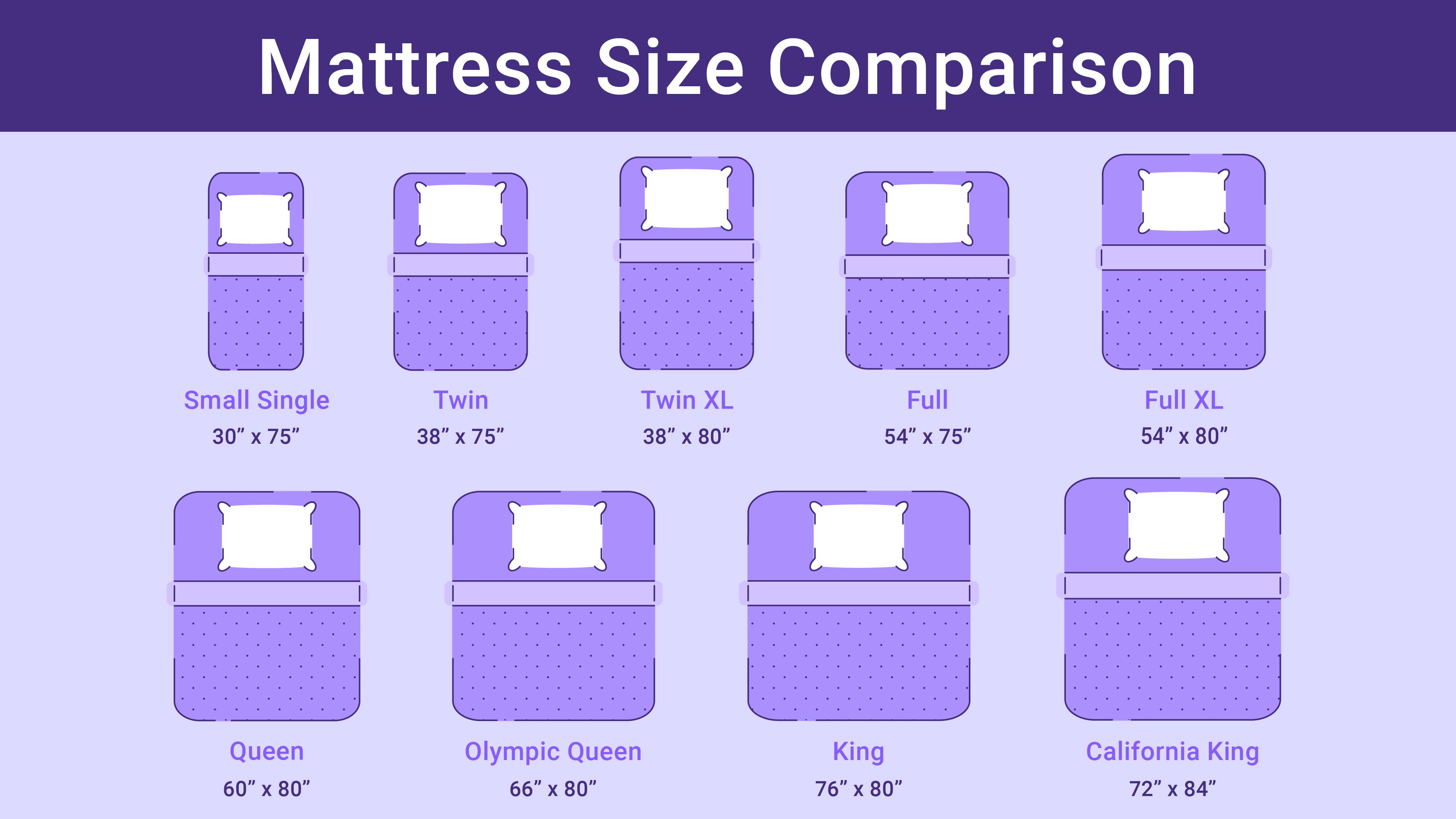
The best queen size mattress for most sleepers is the Amerisleep AS3, a 12 inch medium memory foam bed that held my hips level with my shoulders on my back and kept partner movement from crossing the 60 inch width of the queen. I tested more than 50 mattresses for this guide and ranked 13, scoring each one on support, pressure relief, cooling, motion isolation, edge support, responsiveness, and value. A queen measures 60 inches by 80 inches, which gives each of two sleepers roughly 30 inches of width, so motion isolation and edge support carry more weight at this size than they do in a king. The picks below range from a budget all foam bed to a 15 inch luxury hybrid, with a named winner for every sleeping position, firmness preference, and material type.

Each of the 13 picks below carries a full breakdown: what I observed in testing, who the bed is a good fit for, and which other mattress on this list is the better call if it is not. Every product also shows its sub-scores, so you can see exactly where a bed is strong and where it gives ground.

How I Tested and Ranked the Best Queen Size Mattresses

Testing Volume and Scope

I have tested more than 50 mattresses, and I tested every bed on this list in a queen. Thirteen made the final ranking.

What I Tested For

  • Pressure relief: I lay on my side and noted how far my shoulder and hip sank before the surface stopped them, and whether either joint was still pressing against something hard.
  • Spinal alignment: I lay on my back and checked whether my hips stayed level with my shoulders, and whether the surface met my lower back or left a gap under it.
  • Motion Transfer: I lay still while my partner rolled over and then got out of bed on the far side of the queen, and noted how much of that movement reached my side.
  • Edge Support: I sat on the perimeter to put my shoes on and noted how far it compressed and whether I felt like I was sliding off it.
  • Response Time: I rolled from side to back and noted whether the surface released me immediately or held my body impression and made me climb out of it.
  • Cooling and Breathability: I compared each surface by touch on first contact and again through the first hours, against the other beds tested in the same session.
  • Value: what a bed delivered across the dimensions above, measured against what it costs.
  • Trial Period: the length of the sleep trial and the warranty, and whether the warranty terms are prorated.

What Mattered Most on a Queen

  • Motion isolation carries more weight here than it does at any larger size. A queen is 60 inches wide, so two sleepers have roughly 30 inches each. That is closer together than a king, and a bed that carries movement across the width will wake one of you.
  • Edge support matters for the same reason. At 30 inches per person, a perimeter that collapses under weight makes the bed functionally narrower than it is on paper.
  • Breadth of fit mattered more than it would on a need-based guide. A queen search is a size question, not a problem question, so this list needed a named winner for each sleeping position, each firmness preference, and each material type, rather than one bed aimed at an average sleeper.

How the Winner Was Chosen

The top pick is the bed that performed best for the shopper this page is written for, not the bed with the highest aggregate number.

Two mattresses on this list score higher overall than the winner. The Zoma Boost and the Nolah Evolution both carry a 9.5, and the Amerisleep AS3 at number one carries a 9.2. That gap is real and I did not adjust a single score to close it. The Boost and the Evolution are both excellent, and each won its own category on this page.

The AS3 took the top spot because it was the only bed that did not make me trade one thing for another. It scored a 10 on Motion Transfer and a 10 on Cooling and Breathability, it held my hips level with my shoulders on my back, and it gave at the shoulder on my side without letting the hip follow it down. It gives real ground in exactly one place, the foam perimeter. On a 60 inch bed that two people usually share, that balance is what the category rewards. A higher score on a bed that is taller, more expensive, or built for a narrower type of sleeper does not beat it here.

Why You Can Trust These Rankings

I tested every mattress on this list myself and scored all 13 against the same framework. Every pick carries a stated limitation and a named alternative from this page if it is not the right fit for you. You can read the full method here: Learn How We Test Mattresses.

Best Queen Size Mattresses

Best Mattress Overall

1. Amerisleep AS3

1. Amerisleep AS3
  • Price Range: See Price
  • Mattress Type: Memory Foam
  • Thickness: 12 Inches
  • Firmness: 5 to 6 out of 10 (Medium)
  • Available In: Twin, Twin XL, Full, Queen, King, California King, Split King

Warranty

10 Years

Sleep Trial

100 Nights

Shipping

Free

Mattress Highlights
  • Bio-Pur® memory foam: This plant-based memory foam is incredibly soft, supportive, and breathable.
  • Celliant cover: The cover helps to regulate body temperature and improve sleep quality.
  • HIVE Transition layer: This zoned layer provides targeted support for different areas of the body.
  • Bio-Core support layer: The base layer offers durable support and helps to prevent sagging.
  • Enhanced edge support: This feature provides a more usable sleeping surface.
Recommended For
  • Side sleepers who want give at the shoulder and hip without sinking through
  • Back sleepers who want lumbar support without a firm push
  • Couples sharing a queen who are sensitive to partner movement
  • Sleepers who run warm and want a foam bed that does not trap heat the way denser memory foam does
  • Anyone who wants a medium feel that works across positions rather than a specialist bed

Watch Our Amerisleep AS3 Video Review

The Amerisleep AS3 is the queen I kept coming back to across the whole test group, and it is the one I would put in a bedroom I had to furnish tomorrow. It is a 12 inch all foam bed at a medium 5 to 6, which puts it squarely in the middle of this list, and that middle position is exactly why it wins.

On my back, my hips stayed level with my shoulders and the surface held my lower back rather than letting it drop. That is the specific thing a medium foam bed usually gets wrong: it either pushes back too hard through the lumbar or lets the hips sink and the pelvis tilt. The AS3 did neither, and the reason is the zoned HIVE layer sitting under the Bio-Pur comfort foam, which is firmer under the torso and softer under the shoulders and hips.

On my side, the shoulder sank in enough that I was not pressing against a hard surface, but the hip did not keep going. When I ran the same side-lying check on the softer all foam beds I compared, my hip settled noticeably deeper and my spine curved. The AS3 held the line.

Motion isolation is where it separates from the rest of the list. When my partner rolled over and then got out of bed on the far side of the queen, movement on my side barely registered. On a 60 inch wide bed, where two sleepers are closer together than they are in a king, that matters more than it does at any other size.

On temperature, the AS3 did not warm up as quickly as the denser memory foam beds I compared in the same session. The open cell structure of the Bio-Pur foam is doing real work here, and the surface stayed comfortable rather than building up heat under my shoulders and hips. It is a foam bed, so it does not move air the way the coil picks on this list do, and a sleeper who runs very hot in a warm room may still want a coil bed instead.

The tradeoff is the edge. When I sat on the perimeter to put my shoes on, the edge compressed more than it did on the coil picks here, and the outermost few inches of the surface feel less usable as a result. That is what the 8 out of 10 Edge Support score reflects, and it is the only place the AS3 gives real ground on this list.

9.2 Overall Score
  • 9 Value
  • 8 Edge Support
  • 9 Trial Period
  • 9 Response Time
  • 10 Motion Transfer
  • 10 Cooling & Breathability

The AS3 took the top spot because it is the only bed on this list that did not force me to choose. Across 50+ mattresses, most beds are good at one thing and pay for it somewhere else. The AS3 gave ground in only one place.

Alignment Without a Firm Push

During testing, my hips stayed level with my shoulders on my back and the surface held my lower back rather than letting it hollow. The zoned HIVE transition layer is why: it runs firmer under the torso and softer under the shoulders and hips, so a back sleeper gets lumbar support without a bed that feels like a board.

The Quietest Surface on This List

When my partner rolled over and then got out of bed on the other side of the queen, movement on my side barely registered. That is what the 10 out of 10 Motion Transfer score is measuring. On a 60 inch queen, where two sleepers sit closer together than in a king, a light sleeper sharing the bed is far less likely to be woken by a shift on the far side.

Heat That Did Not Build Up

The Bio-Pur surface did not warm up as quickly as the denser memory foam beds I compared in the same session, and I did not feel the pooled heat around my shoulders and hips that traditional memory foam gives me. It is still an all foam bed, so it does not move air the way the coil picks here do, and someone who sleeps very hot in a warm room will get more from a coil build.

Best For:

  • Side sleepers who want the shoulder to give without the hip following it down
  • Back sleepers who want lumbar support without a firm surface
  • Couples sharing a queen where one partner is a light sleeper

Compare Instead:

  • FORM Prime if you want a responsive grid surface that springs back rather than the enveloping contour of memory foam
  • Amerisleep AS5 Hybrid if you want a distinctly softer, more cradling feel
  • Vaya Mattress if budget is the deciding factor and you can live with less motion isolation

The 3 inch Bio-Pur comfort layer is the reason the surface did not warm up as fast as the denser memory foam beds I compared. Its open cell structure lets air move through the foam instead of trapping it against the body, which is why I did not get the pooled heat at my shoulders and hips that standard memory foam gives me. The foam is CertiPUR-US certified and tested for low VOC emissions.

The 2 inch HIVE transition layer underneath is doing the alignment work. It is zoned, running firmer under the torso and softer under the shoulders and hips, and that is what let my hips stay level with my shoulders on my back while my shoulder still had room to sink on my side. Without that zoning, a medium foam bed either holds the lumbar and punishes the shoulder or cradles the shoulder and lets the hips drop.

Beneath that sits 7 inches of dense Bio-Core foam. It is what keeps the surface from bottoming out under the hips, and it is also why this bed is quiet: a solid foam base has nothing to transmit movement through, which is what showed up as the 10 out of 10 Motion Transfer score. The perimeter is foam rather than an encased coil edge, and that is the one place the build shows a limit, which is what the 8 out of 10 Edge Support reflects.

The AS3 feels like memory foam that changed its mind halfway through. There is a slow, cradling give at the surface, but it stops. About an inch and a half in, the foam stops yielding and starts holding, and that is the whole character of this bed.

Lying on my side, the shoulder disappeared into the surface within a few seconds and the pressure across the joint went away. My hip settled in but did not keep going, which is the part that separates this from the softer foam beds I compared, where the hip kept sinking and my spine curved as a result.

Rolling onto my back, the change was immediate. The zoned layer under my lumbar pushed back where the side-lying surface had given way, and my lower back had something to rest against instead of a hollow. My hips and shoulders sat on the same plane.

On my stomach, the AS3 held better than most medium foam beds, but my hips still settled slightly below my shoulders. A dedicated stomach sleeper will want a firmer surface than this one gives.

Repositioning takes a beat. This is memory foam, so when I rolled from side to back the surface took a moment to release me and reform, and a combination sleeper who changes position often will notice that lag more than they would on a coil or grid bed.

The AS3 is the queen for a side or back sleeper at an average build who wants a medium feel and shares the bed with someone who moves at night, particularly if one of you is the lighter sleeper.

Pros:

  • Motion Transfer (10/10): when my partner rolled over and got out of bed on the far side of the queen, movement on my side barely registered
  • Cooling and Breathability (10/10): the open cell Bio-Pur surface did not warm up as quickly as the denser memory foam beds I compared in the same session
  • Spinal alignment: the zoned HIVE layer held my hips level with my shoulders on my back without the lumbar hollow I felt on softer foam beds
  • Value (9/10): the strongest all around performance on this list at a mid list price
  • CertiPUR-US certified and tested for low VOC emissions

Cons:

  • Edge Support (8/10): the foam perimeter compressed noticeably when I sat on it to put my shoes on, so the outermost few inches of a queen feel less usable than they do on the coil picks here
  • Response Time (9/10): the surface takes a beat to release and reform when changing position, so a combination sleeper who moves often will feel more lag than on a coil or grid bed
  • Available in one medium firmness, so a sleeper who wants a distinctly plush or firm surface has no option within the model

Why The Amerisleep AS3 Won

Among the 50+ mattresses I tested for this guide, the AS3 won because it was the only one that did not make me trade one thing for another. It scored a 10 in both Motion Transfer and Cooling and Breathability, it held my hips level with my shoulders on my back, and it gave at the shoulder on my side without letting the hip follow. It gives real ground in exactly one place, the foam perimeter, and that is a small price for the most consistent performance across positions on this list. It is the queen I recommend to a side or back sleeper at an average build who shares the bed.

Kristina Hindes

Best Purple Alternative

2. FORM Prime

2. FORM Prime
  • Price Range: See Price
  • Mattress Type: Gel Grid Hybrid
  • Thickness: 14 Inches
  • Firmness: 5.5 to 6 out of 10 (Medium-Medium-Firm)
  • Available In: Twin, Twin XL, Full, Queen, King, California King

Warranty

Lifetime

Sleep Trial

365 Nights

Shipping

Free

Mattress Highlights
  • A firm, stable edge you can sit on
  • Airflow built into the cover's stitching
  • Seven zones give the body support
  • Grid surface that flexes at contact
Recommended For
  • Anyone curious about a grid feel
  • Couples who want to limit motion
  • Side and combination sleepers
  • Hot sleepers

Watch Our FORM Prime Video Review

If you have been eyeing a Purple but want to weigh your options, the FORM Prime is the queen I would put next to it. The first thing you notice lying down is the grid surface on top.

Instead of slowly sinking in, you settle onto something that gives where you press and springs right back when you move. It has a buoyant feel, somewhere between foam and latex, and the reinforcement woven into the grid keeps it from feeling wobbly the way some grid beds do.

What makes it a strong all-around queen is the coil base underneath. It is zoned, so it stays firmer under your lower back and softer under your shoulders.

When I tested it across positions, my spine settled into a fairly neutral line without my hips dropping or my shoulders propping up. That balance is what lets it work for side sleepers and back sleepers alike, and the medium feel keeps it from ever feeling harsh.

I found it best suited to side and combination sleepers. The shoulder area gives enough to cradle you without letting your hip fall out of line, and switching positions never felt like a chore.

The cover felt cool on first contact and did not warm up as quickly as the foam beds I compared in the same session, because the grid is full of open channels and heat moved out through the surface instead of pooling underneath. Sharing the bed, I barely felt movement from the other side, which is a real plus if one of you shifts around at night.

It is not for everyone, though. Dedicated stomach sleepers and heavier back sleepers who want a very firm surface may find the medium feel too soft.

It also comes in a single firmness, so there is no plush or firm version to pick from, and anyone set on natural materials or a traditional foam or coil feel will want to look elsewhere on this list.

9.3 Overall Score
  • 8 Value
  • 10 Edge Support
  • 10 Trial Period
  • 9 Response Time
  • 10 Motion Transfer
  • 9 Cooling & Breathability

I picked the FORM Prime for this list because it delivers a well-rounded queen without leaning on any single gimmick. Here is what stood out during testing.

A Grid Surface That Stays Responsive

The grid on top relieves pressure at your hips and shoulders while springing back the moment you move. Unlike memory foam, there is no slow, sinking, stuck-in-quicksand feeling.

The reinforcement woven through the grid keeps the surface stable rather than jiggly, which made shifting positions genuinely easy.

Zoned Support for a Range of Sleepers

The coil base splits into seven zones, firmer under the lower back and softer under the shoulders.

For a queen that a couple often shares, that adaptability matters, since it holds up for a side sleeper and a back sleeper in the same bed rather than forcing a compromise.

A Surface That Did Not Warm Up

The cover felt cool on first contact, and the open grid channels let heat move out rather than collect beneath me. It felt less heat-retentive than the foam beds I compared in the same session.

It cools passively rather than with active technology, so someone who runs very hot in a warm room might still want a cooling pad, but through the first hours of testing the surface held a neutral temperature rather than building heat under my shoulders and hips.

Best For:

  • Side and combination sleepers who reposition often and want a surface that springs back instead of holding a body impression
  • Couples sharing a queen who want strong motion isolation without giving up a usable edge
  • Anyone curious about a grid feel who wants a coil base underneath it rather than foam

Compare Instead:

  • Amerisleep AS3 if you prefer the enveloping contour of memory foam over a responsive grid feel
  • Vaya Mattress if budget is your main concern
  • Brooklyn Aurora Luxe if you want multiple firmness options and a dedicated cooling build

The FORM Prime uses a five-layer system that pairs a proprietary gel grid with a zoned coil base. Here is how each part contributes.

AeroWeave™ Cover

The surface is wrapped in the AeroWeave™ cover, a ventilated textile with airflow built into the stitching and even the back panel.

It stayed cool to the touch during testing, and the open weave is functional rather than decorative, moving air across the surface edge to edge.

GelGrid™ with Integra-Mesh™

Beneath the cover sits FORM’s signature comfort layer, a polymer grid of thousands of open-air cells that flex under pressure to relieve tension at contact points while letting heat escape.

The Integra-Mesh™ reinforcement woven through the grid reduces the surface jiggle other grid designs carry.

In testing, it relieved pressure at my hips and shoulders without the sinking feel of foam.

ContourFlex™ Transition Layer

Below the grid is a 3-inch ContourFlex™ transition foam layer. It bridges the grid and the coils so the surface feels cohesive rather than disconnected, springy one moment and foamy the next. Here the handoff was smooth and the feel stayed consistent.

ZoneCoil™ 7-Series

The support core is a ZoneCoil™ 7-Series pocketed coil layer divided into seven zones.

The coils are individually wrapped, which helps with both motion isolation and airflow, and the zoning gives the shoulders more give while the lumbar region gets firmer support.

BaseFlex™ Foundation

At the base is the BaseFlex™ foundation, a dense encasement that reinforces the perimeter and supports the coils from beneath.

Pressing along the edges, this layer held firm, which is much of why the FORM Prime keeps a stable, usable edge.

The FORM Prime is made in the USA and is fiberglass-free.

The first night on the FORM Prime, the grid surface registered right away. It is neither the slow give of memory foam nor the firm push of a plain coil bed.

It felt buoyant and responsive, cradling my shoulders and hips at the contact points while keeping my midsection level.

As someone who moves between my back and side, I liked that I never felt locked into one spot.

By morning my lower back felt settled rather than strained, which I put down to the firmer lumbar zone holding my spine in line.

The medium feel gave enough at the shoulders without letting my hips drop, and the handoff from the grid into the coils below felt seamless rather than like two separate beds stacked together.

On later nights I paid attention to movement and temperature. The FORM Prime responded quickly whenever I changed position, and the surface stayed cool longer than the foam mattresses I usually test.

Sharing the bed, I barely noticed movement from the other side, which made for undisturbed rest even when one of us shifted around.

Pros:

  • Edge Support (10/10): pressing along the perimeter, the BaseFlex encasement held firm, and sitting on the edge to put shoes on produced almost no compression
  • Motion Transfer (10/10): sharing the bed, I barely felt movement from the other side even when my partner repositioned
  • Trial Period (10/10): a 365 night trial and a lifetime warranty, the longest combination on this list
  • The grid relieved pressure at my hips and shoulders and sprang back the moment I moved, with none of the stuck feeling I get on memory foam
  • The seven zone coil base held my spine in a neutral line across side and back, with the lumbar firmer and the shoulder softer

Cons:

  • Value (8/10): the lowest sub-score on this product, and it prices above the foam picks here without a lower cost tier to step down to
  • The medium feel let my hips settle slightly below my shoulders when I lay on my stomach, so dedicated stomach sleepers and heavier back sleepers will want a firmer surface
  • Available in a single firmness, so there is no plush or firm version to choose from and no way to tune it after purchase
  • The grid and synthetic build will not suit a shopper set on natural materials or a traditional foam or coil feel

FORM Prime

On my side, the grid gave at the shoulder while the softer shoulder zone in the coil base let it drop, and the firmer lumbar coils underneath held my spine in a neutral line rather than letting the hip sink. Rolling to my back, the surface sprang straight back with no lag. The FORM Prime is the queen for a side or combination sleeper who repositions often and shares the bed with a partner who moves at night.

Kristina Hindes

Read My Full Review of the FORM Prime

Best Luxury Mattress

3. Zoma Boost

3. Zoma Boost
  • Price Range: See Price
  • Mattress Type: Hybrid
  • Thickness: 15 Inches
  • Firmness: 5.5 out of 10 (Medium-Firm)
  • Available In: Twin, Twin XL, Full, Queen, King, California King, Split King

Warranty

10 Years

Sleep Trial

100 Nights

Shipping

Free

Mattress Highlights
  • Graphite-infused Energex memory foam that did not warm up as fast as the standard memory foam beds I compared
  • Reactiv foam that let the surface spring back rather than hold a body impression
  • Zoned edge coils that kept the perimeter usable when I sat on it, scoring 10 out of 10 for Edge Support
  • 15 inches of build, the tallest bed on this list
Recommended For
  • Back and combination sleepers who want a medium-firm surface with real support underneath
  • Sleepers who run warm and want a foam comfort layer that does not trap heat the way standard memory foam does
  • Couples sharing a queen who are sensitive to partner movement
  • Sleepers who sit on the edge of the bed often and want a perimeter that holds
  • Anyone with the budget and the ceiling height for a 15 inch bed

Watch Our Zoma Boost Video Review

The Zoma Boost is the tallest bed on this list at 15 inches, and the height is not decoration. It is what lets Zoma stack a graphite-infused Energex comfort layer, a quilted gel foam layer, and a Reactiv transition layer on top of a zoned edge coil unit without any single layer having to do two jobs at once.

Lying on my back, the medium-firm surface at about 5.5 gave enough at the shoulders that I was not propped up, and my lumbar met the coil support underneath rather than a hollow. My hips and shoulders sat level. This is the bed on the list that back sleepers who do not want a firm surface will get the most out of.

On my side, the graphite foam gave at the shoulder and hip, but the zoned coils underneath stopped the hip from continuing down. Compared with the softer all foam picks here, I sat noticeably higher in the surface and my spine held a straighter line.

The edge is the standout. When I sat on the perimeter to put my shoes on, it compressed very little and stayed stable under me, and I did not get that roll-off feeling. On a queen, where two sleepers are already sharing 60 inches, an edge you can actually sleep on adds usable surface, and that is what the 10 out of 10 Edge Support score is measuring.

On temperature, the graphite-infused comfort layer did not warm up as quickly as the standard memory foam beds I compared in the same session, and the coil core moved more air than any all foam bed on this list. It still holds more heat than the grid and phase-change picks here, which is what the 9 out of 10 Cooling score reflects.

The tradeoff is response and scale. The memory foam surface takes a beat longer to recover than the coil and grid picks here, so a frequent repositioner will notice more lag. And at 15 inches this bed needs deep pocket sheets and is heavy enough that setup is a two person job.

9.5 Overall Score
  • 10 Value
  • 10 Edge Support
  • 9 Trial Period
  • 9 Response Time
  • 10 Motion Transfer
  • 9 Cooling & Breathability

The Zoma Boost took Best Luxury because it is the only bed on this list where the premium price buys something I could actually feel in testing rather than something I could only read on a spec sheet. It also posted the joint-highest overall score on the page at 9.5.

An Edge That Holds

When I sat on the perimeter to put my shoes on, the edge compressed very little and stayed stable underneath me, with none of the roll-off I get on foam-perimeter beds. That is the zoned edge coil unit doing its job. On a queen, where two people already split 60 inches, an edge that holds means the outer few inches stay usable rather than being surface you avoid, and that is what the 10 out of 10 Edge Support score is measuring.

Support Without a Firm Push

On my back, the medium-firm surface at about 5.5 gave enough at the shoulders that I was not propped up, and my lumbar found the coil support underneath instead of a hollow. On my side, the graphite foam gave at the shoulder while the coils stopped my hip from continuing down. That combination is what makes it work across positions rather than only one.

A Comfort Layer That Did Not Trap Heat

The graphite-infused Energex layer did not warm up as fast as the standard memory foam beds I compared in the same session, and the coil core moved more air underneath than any of the all foam picks here. It still holds more heat than the grid and phase-change beds on this list, which is why it scores a 9 rather than a 10 on cooling. A sleeper who runs very hot will get more from the Brooklyn Aurora Luxe.

Best For:

  • Back and combination sleepers who want a medium-firm feel with coil support underneath rather than a firm surface
  • Couples sharing a queen who use the full width of the bed and want an edge they can actually sleep on
  • Sleepers who run warm but want the contour of memory foam rather than a grid

Compare Instead:

  • Brooklyn Aurora Luxe if cooling is your first priority and you want a phase-change cover
  • Leesa Sapira Chill if you want a choice of firmness levels rather than a single medium-firm feel
  • Amerisleep AS3 if you want the same balance in an all foam bed at a lower price and a lower profile

The ultra-cooling cover and the quilted gel foam layer under it are the reason the surface felt cool on first contact rather than warming under me the way a plain knit cover does. That is a surface effect, and it is what you notice in the first minutes on the bed.

The graphite-infused Energex memory foam beneath it is where the cooling actually gets earned. Graphite conducts heat away from the contact points, and in testing this layer did not warm up as quickly as the standard memory foam beds I compared in the same session, which is why I did not get pooled heat under my shoulders and hips.

The Reactiv transition layer is what keeps this bed from feeling like quicksand. Energex foam alone would hold a body impression, and Reactiv is what pushes the surface back up when you move off it. It is the difference between a bed a combination sleeper can live with and one they fight every time they move, although it still recovers a beat slower than the coil-forward picks on this list.

The zoned edge coil unit does two things I could feel. It runs firmer under the lumbar, which is why my hips stayed level with my shoulders on my back, and it reinforces the perimeter, which is why the edge held when I sat on it rather than collapsing. That perimeter reinforcement is what the 10 out of 10 Edge Support score is built on. Underneath it, a durable base foam keeps the coil unit from shifting on the frame.

The first thing you feel on the Zoma Boost is height. At 15 inches this is a tall bed, and getting onto it feels different from the 12 inch beds on this list. The surface has a cushioned give at the top, then a distinct second stage where the coils take over, and you register the handoff.

On my back, the medium-firm surface at about 5.5 held my lumbar without pushing back at it. My hips and shoulders sat on the same plane and I did not get the hollow under my lower back that softer foam beds give me. This is the position where the Boost is at its best.

On my side, the graphite comfort layer gave at the shoulder and the hip, but only so far. The zoned coils underneath stopped the hip from continuing down, and I sat noticeably higher in the surface than I did on the softer all foam beds I compared.

Sitting on the edge, it barely moved. This is the only bed on the list, alongside the FORM Prime, where I could sit on the perimeter to put my shoes on and not feel like I was sliding off it.

Repositioning is where the Boost gives ground. Rolling from side to back, the Energex surface took a moment to release and reform. The Reactiv layer underneath shortens that lag considerably compared with a plain memory foam bed, but it is still slower than the grid and coil-forward picks on this list.

The Zoma Boost is the queen for a back or combination sleeper at an average to larger build who wants a medium-firm surface with real coil support underneath, shares the bed, and uses the full width of it.

Pros:

  • Edge Support (10/10): sitting on the perimeter to put my shoes on, it compressed very little and stayed stable, with none of the roll-off I get on foam-perimeter beds
  • Motion Transfer (10/10): partner movement across the 60 inch queen barely registered on my side
  • Value (10/10): the highest value score on this list, and it carries the joint-highest overall score on the page at 9.5
  • The graphite-infused Energex layer did not warm up as quickly as the standard memory foam beds I compared in the same session
  • The zoned coils held my hips level with my shoulders on my back without a firm push through the lumbar

Cons:

  • Response Time (9/10): the Energex surface takes a beat to release and reform when I changed position, so a combination sleeper who moves often will feel more lag than on the grid and coil-forward picks here
  • Cooling and Breathability (9/10): it runs cooler than standard memory foam but still holds more heat than the phase-change and grid builds on this list, so a sleeper who runs very hot may want more
  • At 15 inches it is the tallest bed on this list, so it needs deep pocket sheets and clears a low bed frame by less than most, and it is heavy enough that setup is a two person job

Zoma Boost

On my back, the medium-firm surface held my lumbar without pushing at it and my hips stayed level with my shoulders. Sitting on the edge to put my shoes on, the perimeter barely moved, which is the clearest edge result on this list. The Zoma Boost is the queen for a back or combination sleeper at an average to larger build who wants coil support under a foam surface, shares the bed, and has the ceiling for a 15 inch profile.

Kristina Hindes

Best Budget Mattress

4. Vaya Mattress

4. Vaya Mattress
  • Price Range: See Price
  • Mattress Type: Foam
  • Thickness: 12 Inches
  • Firmness: 5 to 6 out of 10 (Medium)
  • Available In: Twin, Twin XL, Full, Queen, King, California King

Warranty

10 Years

Sleep Trial

100 Nights

Shipping

Free

Mattress Highlights
  • Value (10/10): the highest value score on this list and the lowest price of the 13 picks
  • Response Time (10/10): the surface sprang back immediately when I rolled off it, with none of the memory foam lag
  • 3 inch Vaya Comfort Foam that let my shoulder sink without my hip following it down
  • 9 inch high density base that kept me from bottoming out through the comfort layer
  • 10 year warranty and a 100 night sleep trial
Recommended For
  • Budget-conscious sleepers
  • Side sleepers
  • Combination Sleepers
  • People who sleep hot

Watch Our Vaya Mattress Video Review

The Vaya is the cheapest bed on this list, and the interesting thing about testing it is what it does not give up. It is a two layer all foam build, 3 inches of Vaya Comfort Foam over 9 inches of high density base, at a medium 5 to 6.

The comfort foam is responsive rather than slow. When I rolled off it, the surface sprang straight back with none of the lag I get from traditional memory foam, and that is what the 10 out of 10 Response Time score is measuring. For a combination sleeper who changes position several times a night, that responsiveness matters more than most people expect from a budget bed.

Lying on my side, my shoulder sank in enough that I was not pressing into the base foam, and my hip settled without continuing down. On my back, my lumbar had contact with the surface rather than sitting over a gap. Both of those are things this bed genuinely does, and they are the reason it is on this list rather than a cheaper foam bed that is not.

On temperature, the open cell comfort foam did not warm up as quickly as the denser memory foam beds I compared in the same session. It is a foam bed with no coil layer, so it does not move air the way the hybrids here do, and a sleeper who runs very hot will get more from a coil build.

The tradeoff is motion. When my partner got out of bed on the other side of the queen, I felt it. Not dramatically, but noticeably more than on the coil picks here and clearly more than on the AS3. That is what the 8 out of 10 Motion Transfer score reflects, and it is the lowest sub-score on this product. On a 60 inch queen shared by two people, that is the thing to weigh against the price.

9.2 Overall Score
  • 10 Value
  • 9 Edge Support
  • 9 Trial Period
  • 10 Response Time
  • 8 Motion Transfer
  • 9 Cooling & Breathability

The Vaya took Best Budget because when I tested it against the other low cost foam beds in this group, it was the only one that did not feel like a compromise in the first ten minutes. It also posted a 9.2 overall, which puts it level with beds costing twice as much.

A Surface That Springs Back

Rolling off the Vaya, the comfort foam recovered immediately rather than holding my body impression the way slow memory foam does. That is a 10 out of 10 on Response Time, and it is unusual at this price. For a combination sleeper who moves between side and back several times a night, it means changing position does not mean digging yourself out of a trench first.

Contour Without a Sinkhole

On my side, my shoulder sank into the comfort layer far enough to take the pressure off the joint, but my hip stopped where it should have. That is the 9 inch high density base doing its job: the 3 inch comfort layer gives, the base does not, and the two together kept my spine straighter than the softer foam beds I compared in the same session.

Where the Budget Shows

When my partner got out of bed on the far side of the queen, I felt it. The Vaya is a two layer foam build with no coil unit to absorb and localize motion, and it scores an 8 on Motion Transfer, the lowest sub-score on this product. On a queen shared by two people, a very light sleeper should weigh that against the price.

Best For:

  • Budget shoppers who want a real medium foam bed rather than a thin one
  • Combination sleepers who reposition often and want a surface that recovers immediately
  • Solo sleepers on a queen, where the motion transfer tradeoff costs nothing

Compare Instead:

  • Amerisleep AS3 if you share the bed and motion isolation matters more than price
  • Zoma Start if you want the lowest possible entry price and can live with a 10 inch profile
  • Nolah Evolution if you want a plush pillow top feel rather than a flat medium foam surface

There are only two layers here, and that simplicity is the whole reason the Vaya can cost what it does without feeling cheap under you.

The 3 inch Vaya Comfort Foam on top is responsive rather than slow, which is why the surface sprang straight back when I rolled off it instead of holding my shape. That is what produced the 10 out of 10 Response Time score, and it is the single most useful thing this bed does for a combination sleeper. It is also open cell, which is why it did not warm up as quickly as the denser memory foam beds I compared in the same session. The foam is CertiPUR-US certified and tested for low VOC emissions.

The 9 inch high density base underneath is what makes the comfort layer usable at only 3 inches. On my side, my shoulder sank through most of that comfort layer, but the base stopped my hip cold, and that is why my spine held a straighter line than it did on the softer foam beds in the same session. On my back, the base is what put something under my lumbar rather than a gap.

What the two layer build does not give you is a coil unit, and that is exactly where the 8 out of 10 Motion Transfer score comes from. A solid foam base transmits a partner’s movement across the width of a queen more readily than pocketed coils localize it, and that is the honest cost of this price.

The Vaya feels flatter and more direct than a memory foam bed. There is no slow envelopment, no sensation of being drawn into the surface. You press in, the foam gives, and when you move off it, it comes straight back.

On my side, my shoulder went in and the pressure across the joint eased within a few seconds. My hip settled but stopped, because at 3 inches the comfort layer is not deep enough to swallow it and the base underneath does not yield. My spine stayed straighter than it did on the deeper, softer foam beds I compared.

On my back, the surface met my lumbar rather than leaving a gap under it. It is not zoned, so it does not have the targeted lumbar push the AS3 has, but it also does not let the hips drop and tilt the pelvis.

On my stomach, the medium feel let my hips settle slightly below my shoulders. A dedicated stomach sleeper will want something firmer than this.

Repositioning is where this bed feels more expensive than it is. Rolling from side to back, there was no lag and nothing to climb out of. The surface simply released and reformed.

Sharing it, I felt my partner get out of bed on the far side of the queen more clearly than I did on any hybrid here. That is the compromise.

The Vaya is the queen for a budget shopper who sleeps on their side or moves between side and back, sleeps alone or with a partner who does not move much, and wants a genuinely medium foam bed rather than a thin one.

Pros:

  • Value (10/10): the lowest price of the 13 picks here and the highest value score on the page
  • Response Time (10/10): rolling off the surface, the comfort foam sprang straight back with none of the memory foam lag
  • On my side, the 3 inch comfort layer let my shoulder sink while the 9 inch high density base stopped my hip from following it down
  • The open cell comfort foam did not warm up as quickly as the denser memory foam beds I compared in the same session
  • CertiPUR-US certified and tested for low VOC emissions

Cons:

  • Motion Transfer (8/10): the lowest sub-score on this product. When my partner got out of bed on the far side of the queen, I felt it more clearly than on any coil pick here, because a solid foam base has no pocketed coils to localize movement
  • Available in one medium firmness at 5 to 6, so a sleeper who wants a distinctly plush or firm surface has no option within the model
  • The medium feel let my hips settle below my shoulders when I lay on my stomach, so dedicated stomach sleepers will want a firmer surface

Vaya Mattress

On my side, the 3 inch comfort layer let my shoulder sink while the base underneath stopped my hip from following it down, and rolling to my back the surface sprang immediately rather than holding my shape. The Vaya is the queen for a budget shopper who sleeps on their side or moves between side and back, and who either sleeps alone or shares with a partner who does not move much at night.

Kristina Hindes

Best for Side Sleepers Mattress

5. Helix Midnight LUXE

5. Helix Midnight LUXE
  • Price Range: See Price
  • Mattress Type: Hybrid
  • Thickness: 14 Inches
  • Firmness: 4 to 7 out of 10 (Medium)
  • Available In: Twin XL, Full, Queen, King, California King

Warranty

Limited Lifetime

Sleep Trial

120 Nights

Shipping

Free

Mattress Highlights
  • Plush pillow top
  • Memory foam layers
  • Zoned lumbar support
  • Breathable materials
  • Customizable covers
Recommended For
  • Side sleepers who want a deep pillow top cradle at the shoulder and hip
  • Couples sharing a queen who want both strong motion isolation and a usable edge
  • Sleepers who run warm and want the GlacioTex cooling cover option
  • Sleepers who sit on the edge of the bed often and want a perimeter that holds

Watch Our Helix Midnight Luxe Video Review

The Helix Midnight Luxe won Best For Side Sleepers on this list because of one specific thing I felt in testing: it lets the shoulder go deeper than any other coil bed here without letting the hip follow it.

Lying on my side, the quilted pillow top and the copper gel memory foam beneath it took my shoulder in far enough that the joint was not pressing against anything. That is the part most hybrids get wrong: the coil unit stops the shoulder too early and you end up with a pressure point right where a side sleeper needs relief. Underneath, the zoned coils run firmer through the lumbar, and my hip stayed lifted rather than sinking and tipping my spine out of line. That combination is why it is here.

The bed ships in a single medium feel, so the choice you are making is a cover, not a firmness. I tested the GlacioTex cover, and the surface felt cool on first contact and did not warm up as quickly as the standard knit covers on the foam beds I compared. The TENCEL cover is the more breathable and less actively cool of the two. Either way, this is a coil bed, so the core moves air underneath in a way none of the all foam picks on this list can.

The edge is excellent. Sitting on the perimeter to put my shoes on, it barely compressed, and that is a 10 out of 10 on Edge Support. On a 60 inch queen shared by two people, an edge that holds is real usable surface.

Motion isolation is the other 10. When my partner rolled over on the far side, the movement did not carry across to me, which on a coil bed is unusual and is down to the individually wrapped coils moving in isolation.

The tradeoff is price. This is the lowest Value score on the page at 7 out of 10. The Midnight Luxe costs more than several beds here that score higher overall, and because it ships in one feel, there is no cheaper firmness tier to step down to.

9.0 Overall Score
  • 7 Value
  • 10 Edge Support
  • 9 Trial Period
  • 9 Response Time
  • 10 Motion Transfer
  • 9 Cooling & Breathability

The Midnight Luxe earned Best For Side Sleepers on one specific result: it is the only coil bed on this list that let my shoulder go as deep as an all foam bed would while still holding my hip up.

The Shoulder Goes In, the Hip Stays Up

On my side, the quilted pillow top and the copper gel memory foam under it took my shoulder in far enough that the joint was not pressing against a hard stop. Most hybrids arrest the shoulder too early, right where a side sleeper needs the give. Underneath, the coils run firmer through the lumbar zone, so my hip stayed lifted instead of sinking and tipping my spine out of line. For a side sleeper, that is the entire question, and this bed answers it.

A Quiet Surface and a Solid Edge

Two 10 out of 10 sub-scores sit together here. When my partner rolled over on the far side of the queen, the movement did not carry, which is unusual for a coil bed and is down to the individually wrapped coils moving independently. And when I sat on the perimeter to put my shoes on, it barely compressed. For two people on a 60 inch queen, that combination means the whole surface is usable and neither of you wakes the other.

A Cover You Choose, Not a Firmness

The Midnight Luxe ships in a single medium feel. What you pick is the cover. The GlacioTex option felt cool on first contact and did not warm up as quickly as the standard knit covers on the foam beds I compared. The TENCEL is the breathable, moisture-wicking option rather than the actively cool one. This is a real choice, but it is worth being clear that it is not a firmness choice.

Best For:

  • Side sleepers who need the shoulder to sink deeply without the hip dropping with it
  • Couples on a queen who want both a quiet surface and an edge they can sit on
  • Sleepers who run warm and want a cooling cover on a coil core rather than a foam bed

Compare Instead:

  • Amerisleep AS5 Hybrid if you want a softer surface than a medium feel
  • Nolah Evolution if you want a pillow top with a choice of three firmness levels rather than one
  • Zoma Boost if you want stronger value at a similar profile, or Vaya Mattress if price is the deciding factor

The quilted cover is the layer you choose. The GlacioTex option felt cool on first contact during testing and did not warm up as quickly as the standard knit covers on the foam beds I compared in the same session. The TENCEL option is the moisture-wicking one rather than the actively cool one, so it is the right pick if you want breathability without a cold surface.

The two foam layers underneath, a responsive foam over a copper gel memory foam, are together why my shoulder went as deep as it did on my side. There is enough depth in that comfort stack that the joint was not stopped short, which is exactly what most hybrids do wrong for side sleepers. The copper gel layer is the slower of the two and is what gives the cradling feel.

The polyfoam transition layer is the reason the handoff from that soft comfort stack down to the coils does not feel like hitting a floor. Without it, the depth in the top layers would end abruptly and the bed would feel like two separate mattresses stacked.

The individually wrapped coil unit is doing the real structural work, and two sub-scores come straight out of it. It is zoned firmer through the lumbar, which is why my hip stayed lifted when my shoulder sank, and it is what kept my spine in line on my side. Because each coil is wrapped and moves independently, my partner’s movement on the far side of the queen did not carry across to me, which is what the 10 out of 10 Motion Transfer score is measuring. The reinforced perimeter is why the edge barely compressed when I sat on it, which is the other 10.

The mattress meets federal flammability standards.

The Midnight Luxe feels deeper than its 14 inches suggest, because so much of that height is soft. The quilted pillow top compresses immediately under you, and then the copper gel memory foam underneath keeps giving. It is the most cradling coil bed on this list.

On my side, the shoulder went in and kept going for a beat longer than I expected from a hybrid. The pressure across the joint went away entirely. My hip settled in too, but then met the firmer lumbar zone in the coils and stopped, and my spine held a straight line across shoulder, waist and hip.

On my back, the surface gave under my shoulders and hips while the lumbar zone pushed up under my lower back. It is not firm. If you want your back sleeping to feel supported by resistance rather than by contour, this is not that bed.

On my stomach, my hips settled below my shoulders. A dedicated stomach sleeper will not get what they need here.

Rolling from side to back, the memory foam element took a moment to release and reform. It is not the quicksand feel of traditional memory foam, but a frequent repositioner will notice the surface is slower here than on the grid and responsive foam picks on this list.

Sitting on the edge, it barely moved. And when my partner rolled over on the far side of the queen, I did not feel it.

The Midnight Luxe is the queen for a side sleeper at an average build who wants a genuinely plush cradle at the shoulder, runs a little warm, and shares the bed with a partner who moves at night.

Pros:

  • Motion Transfer (10/10): when my partner rolled over on the far side of the queen, the movement did not carry across to me, which is unusual on a coil bed
  • Edge Support (10/10): sitting on the perimeter to put my shoes on, it barely compressed
  • On my side, the pillow top and copper gel foam let my shoulder sink deeper than any other coil bed here while the zoned lumbar coils held my hip up
  • Two cover options, GlacioTex for a cool surface and TENCEL for breathability, so you can match the cover to how warm you sleep
  • The GlacioTex cover felt cool on first contact and did not warm up as fast as the knit covers on the foam beds I compared

Cons:

  • Value (7/10): the lowest sub-score on this product and the lowest value score on the page. It costs more than several beds here that score higher overall
  • Ships in a single medium feel, so there is no plush or firm version, and no lower cost firmness tier to step down to
  • The plush comfort stack let my hips settle below my shoulders when I lay on my stomach, so dedicated stomach sleepers will want a firmer surface
  • Response Time (9/10): the copper gel memory foam takes a beat to release when changing position, so a frequent repositioner will feel more lag than on the grid and responsive foam picks here

Helix Midnight Luxe

On my side, the pillow top and copper gel foam let my shoulder go deeper than any other coil bed on this list, and the zoned lumbar coils underneath held my hip up so my spine stayed in line. On my back the same surface gave under my shoulders while the lumbar zone pushed up. The Midnight Luxe is the queen for a side sleeper at an average build who wants a genuinely plush cradle, runs a little warm, and shares the bed with a partner who moves at night.

Kristina Hindes

Best Innerspring Mattress

6. Saatva Classic

6. Saatva Classic
  • Price Range: See Price
  • Mattress Type: Innerspring
  • Thickness: 11.5 or 14.5 Inches
  • Firmness: 3 (Plush), 5 to 7 (Luxury Firm), and 8 (Firm) out of 10
  • Available In: Twin, Twin XL, Full, Queen, King, California King, Split King, Split California King

Warranty

Lifetime

Sleep Trial

365 Nights

Shipping

Free

Mattress Highlights
  • Response Time (10/10): the dual coil build sprang back instantly, the easiest bed on this list to move around on
  • Edge Support (10/10): the reinforced perimeter barely compressed when I sat on it
  • Trial Period (10/10): a 365 night trial, tied for the longest here
  • Three firmness levels: Plush Soft, Luxury Firm, and Firm
  • GOTS certified organic cotton cover
  • Dual coil construction, individually wrapped comfort coils over an hourglass steel support base
Recommended For
  • People who prioritize comfort, support, and durability in their mattress.
  • Those who want a customizable sleep experience to suit their individual preferences.
  • Couples seeking a mattress that minimizes motion transfer.
  • Individuals who value eco-friendly and sustainable products.

Watch Our Saatva Classic Video Review

The Saatva Classic is the only true innerspring on this list, and testing it against twelve foam and hybrid beds made the difference obvious within about thirty seconds of lying down. It is a dual coil build: individually wrapped comfort coils sitting on an hourglass steel coil base, with a sewn-in Euro pillow top over the top.

The thing you notice first is the bounce. Rolling from side to back, the surface pushed me over rather than making me climb out of an impression. That is a 10 out of 10 on Response Time and it is the easiest bed on this list to move around on. Getting in and out of bed is easier here than on any foam pick, which matters more than it sounds if you have limited mobility.

On my side, the Euro top gave at the shoulder and hip, but the comfort coil layer underneath stops the sink earlier than a foam bed does. I sat higher in the surface. On the Luxury Firm option, my spine stayed in line, but a side sleeper who wants to be enveloped will find this bed holds them up rather than taking them in.

On my back, the coil base pushed up under my lumbar and my hips and shoulders held the same plane. This is where the Classic is strongest, and it is the reason the Firm option exists for back and stomach sleepers who want more.

The perimeter is reinforced, and when I sat on the edge to put my shoes on it barely gave. That is a 10 out of 10, and on a coil bed shared by two people on a queen it means you can use the whole 60 inches.

Motion is the honest weak point of an innerspring, and at 9 out of 10 the Classic does better than most, but I still felt my partner shift on the far side more clearly than I did on the AS3 or the FORM Prime. Coils move. That is what makes them responsive, and it is also what makes them talk.

The two real costs are price and weight. The Classic carries the lowest Value score on the page at 7 out of 10. And it arrives via white glove delivery in a queen because it is not a bed you unbox, move or flip on your own.

9.2 Overall Score
  • 7 Value
  • 10 Edge Support
  • 10 Trial Period
  • 10 Response Time
  • 9 Motion Transfer
  • 9 Cooling & Breathability

The Saatva Classic took Best Innerspring because it is the only bed on this list that actually feels like a coil mattress, and because the shopper searching for one wants exactly that, not a foam bed with springs in it.

A Surface That Pushes Back

Rolling from side to back, the dual coil unit sprang me over rather than making me climb out of a body impression. That is a 10 out of 10 on Response Time, the highest on this list alongside the Vaya. It is also the easiest bed here to get in and out of, which matters for a sleeper with limited mobility or anyone who is tired of sinking into a bed and having to push their way back up.

Support From the Base Up

On my back, the hourglass coil base pushed up under my lumbar and my hips and shoulders held the same plane. This is coil support rather than foam contour, and it is a fundamentally different feel: the bed holds you up rather than taking you in. Back and stomach sleepers who want that will find it here, and the Firm option is built specifically for them.

An Edge You Can Sit On

Sitting on the reinforced perimeter to put my shoes on, it barely compressed. That is another 10 out of 10. On a 60 inch queen shared by two people, the whole surface stays usable.

Three Real Firmness Options

The Classic ships in Plush Soft, Luxury Firm, and Firm. That is not a cover choice or a topper, it is the actual coil and comfort spec. For a couple who split on firmness preference, it is the difference between compromising and choosing.

Best For:

  • Back and stomach sleepers who want to be held up by coil support rather than taken in by foam contour
  • Combination sleepers who reposition often and want the easiest surface here to move on
  • Sleepers with limited mobility who want to be able to get in and out of bed without pushing out of an impression

Compare Instead:

  • Nolah Evolution if you want a pillow top with three firmness levels but a quieter, more contouring feel
  • Amerisleep AS3 if motion isolation is the priority and you can accept a foam bed
  • Zoma Boost if you want coil support with a memory foam surface and a stronger value score

The organic cotton cover and the sewn-in Euro pillow top are why an innerspring does not feel like one at first contact. Cotton breathes and does not hold heat against the body the way a synthetic knit does, and in testing the surface stayed cooler than the memory foam beds I compared in the same session, though the real airflow story here happens further down.

The dual coil build is the whole point of this mattress and it explains almost every sub-score. The upper layer of individually wrapped comfort coils is what let my shoulder and hip settle on my side without transmitting the movement sideways. Because each of those coils is wrapped and compresses on its own, a shift on my partner’s side of the queen stayed local rather than traveling. It scores a 9 rather than a 10 because coils, unlike solid foam, still carry some movement, and that is the honest tradeoff of a spring bed.

Underneath, the hourglass steel coil base is what pushed back under my lumbar on my back and held my hips and shoulders on the same plane. It is also the reason this bed sprang me over when I rolled rather than making me climb out, which is the 10 out of 10 Response Time score. Steel coils return energy, and foam absorbs it. That single difference is why the Classic is the easiest bed on this list to move around on and to get in and out of.

The perimeter is reinforced, which is why the edge barely gave when I sat on it, and why the full width of a queen stays usable for two people. Air moves through the open coil core more freely than through any solid foam base on this list, and that is where the Classic’s temperature performance actually comes from. It is not a cooling cover doing the work here. It is the two inches of open space between the coils.

The Saatva feels like a bed rather than a mattress, and I mean that as a description, not a compliment or a criticism. It is tall, it is bouncy, and it holds you on top of it rather than inside it. Everything else on this list is a compressed foam or grid surface. This is the outlier.

I tested the Luxury Firm, which is the middle of the three options and the one most people buy.

On my back, the coil base pushed up under my lumbar rather than letting it hollow, and my hips and shoulders sat level. The Euro top gave enough that my shoulder blades were not pressing on a hard surface. This is the position the Classic is built for.

On my side, the Euro top took my shoulder in, but the comfort coils underneath stopped the sink earlier than any foam bed here would. My spine stayed in line, but I sat higher in the surface. A side sleeper who wants to be enveloped will not get that here, and should look at the Plush Soft option or at a foam pick on this list.

On my stomach, the Luxury Firm held my hips up better than most beds here. The Firm option would hold them better still.

Rolling from side to back, the coils pushed me over. There is no lag and nothing to escape from, and it is the easiest bed on this list to move around on and to get in and out of.

Sharing it, I did feel my partner shift on the far side more than I did on the AS3. Coils move. That is the tradeoff for the bounce.

The Saatva Classic is the queen for a back or stomach sleeper, or anyone with limited mobility, who wants to be held up by coil support rather than sunk into foam, and who is willing to pay a premium and accept a white glove delivery for it.

Pros:

  • Response Time (10/10): rolling from side to back, the dual coil unit sprang me over rather than making me climb out of a body impression, the easiest surface on this list to move on
  • Edge Support (10/10): sitting on the reinforced perimeter to put my shoes on, it barely compressed
  • Trial Period (10/10): a 365 night sleep trial and a lifetime warranty
  • Three genuine firmness levels, Plush Soft, Luxury Firm, and Firm, so a couple who split on firmness are choosing rather than compromising
  • On my back, the hourglass coil base pushed up under my lumbar and held my hips and shoulders on the same plane

Cons:

  • Value (7/10): the lowest sub-score on this product and the lowest value score on the page. It prices above every other pick here
  • Motion Transfer (9/10): I felt my partner shift on the far side of the queen more clearly than on the foam picks here. Coils return energy, which is what makes this bed responsive, and it is also what carries movement
  • The comfort coil layer stopped my shoulder from sinking as deeply on my side as the foam and pillow top beds here did, so a side sleeper who wants to be enveloped rather than held up will feel held up
  • In a queen it is heavy enough to require white glove delivery, and it is not a bed you can move, rotate or reposition on a frame by yourself

Saatva Classic

On my back, the hourglass coil base pushed up under my lumbar and held my hips and shoulders on the same plane, and rolling from side to back the coils sprang me over with no lag. On my side, the comfort coils stopped my shoulder from sinking as deep as a foam bed would, so I sat on the surface rather than in it. The Saatva Classic is the queen for a back or stomach sleeper, or a sleeper with limited mobility, who wants to be held up by coil support rather than taken in by foam.

Kristina Hindes

Best Hybrid Mattress

7. Leesa Sapira Chill

7. Leesa Sapira Chill
  • Price Range: See Price
  • Mattress Type: Memory Foam Hybrid
  • Thickness: 14 Inches
  • Firmness: 4, 6, or 8 out of 10 (Soft, Medium, Firm)
  • Available In: Twin, Twin XL, Full, Queen, King, California King

Warranty

Lifetime

Sleep Trial

120 Nights

Shipping

Free

Mattress Highlights
  • Cooling and Breathability (10/10): the highest cooling score on this list. The quilt top felt cool on first contact and did not fade after the first hour the way some cooling covers do
  • Response Time (10/10): the foam stack released immediately when I rolled off it
  • Edge Support (10/10): the perimeter barely compressed when I sat on it
  • Zoned pocketed coils, firmer at the hips and lumbar, softer at the shoulder Three firmness options in queen, so two partners who disagree on feel can both get the same cooling and coil build
Recommended For
  • Side, back, and combo sleepers
  • Hot sleepers
  • Couples sharing a bed

Watch Our Leesa Sapira Chill Video Review

I will be upfront: when I started testing pillow top hybrids for this guide, my concern with the Sapira Chill was that it would be all surface and no substance, the kind of bed that feels wonderful for ten minutes and gives out underneath you three months in. After extended testing, that concern went away.

The reason is the quilt top. It felt cool on first contact, and unlike most cooling covers I have tested, it did not stop feeling cool after the first hour. That is the difference between a cover that reflects heat away and one that simply is not made of something that traps it, and it is why this bed carries the highest Cooling and Breathability score on this list at 10 out of 10.

Underneath, the four foam layers sequence from soft at the surface to stable at the base. On my side, my shoulder compressed into the surface without building the pressure that normally drives me to reposition, while my hip stayed lifted rather than sinking into misalignment. It is genuinely plush at the top without the sinking that makes a lot of pillow tops feel unsupportive.

On my back, the zoned coil calibration showed itself most clearly. The lumbar region had consistent contact rather than the slight hollow I get on beds whose coils run uniform tension edge to edge. My hips and shoulders held the same plane.

Rolling from side to back, the surface released immediately. That is a 10 out of 10 on Response Time, and on a plush pillow top it is unusual. Most beds this soft at the surface hold an impression.

The queen ships in three firmness options, which means you are not choosing the mattress and then accepting whatever feel comes with it. For a couple where one wants soft and the other wants firm, that is the difference between compromising and choosing.

The tradeoff is height and price. At 14 inches with a pillow top on top of that, this bed needs deep pocket sheets, and it carries an 8 out of 10 on Value, which is the lowest sub-score on this product.

9.3 Overall Score
  • 8 Value
  • 10 Edge Support
  • 9 Trial Period
  • 10 Response Time
  • 9 Motion Transfer
  • 10 Cooling & Breathability

The Sapira Chill took Best Hybrid because it is the only bed on this list that gave me a genuinely plush surface and a 10 out of 10 on Response Time at the same time. Those two things usually cancel each other out.

A Cool Surface That Stayed Cool

The quilt top felt cool on first contact, and it did not stop feeling cool after the first hour the way most cooling covers I have tested do. It also did not warm up under my shoulders and hips over a full night the way the memory foam beds I compared in the same session did. That is the highest Cooling and Breathability score on this list at 10 out of 10, and for two people sharing body heat on a 60 inch queen, the surface holding its temperature over hours rather than minutes is the thing that actually matters.

Plush at the Surface, Fast Underneath

On my side, my shoulder compressed into the pillow top without building the pressure that normally makes me reposition, while my hip stayed lifted rather than sinking. Then, rolling to my back, the foam stack released immediately with no lag. Most beds that give this much at the surface hold an impression and make you climb out of it. This one does not, which is the 10 out of 10 on Response Time and the reason a combination sleeper can live with a pillow top here.

Coils Calibrated for Where the Body Loads

On my back, the lumbar region had consistent contact rather than the slight hollow I get on beds whose coils run uniform tension edge to edge. The zoning runs firmer under the hips and lumbar and softer at the shoulder, and that split is what let the shoulder go in without the hip going with it.

Best For:

  • Hot sleepers who want a surface that holds its temperature over a full night rather than the first hour
  • Combination sleepers who want a plush surface that still releases immediately when they move
  • Couples on a queen who disagree on firmness and want the same cooling and coil build in two different feels

Compare Instead:

  • Brooklyn Aurora Luxe if you want the same cooling priority with a phase-change cover and a lower profile
  • Helix Midnight Luxe if you are a dedicated side sleeper who wants the shoulder to go deeper still
  • Amerisleep AS3 if motion isolation is your first priority and you can accept an all foam build

The heat-wicking fibers in the quilt top are why the surface felt cool on first contact and, more importantly, why it was still cool an hour in. Most cooling covers give you the first impression and nothing after it. This one drew heat away from the contact points over a full night, and it did not warm up under my shoulders and hips the way the memory foam beds I compared in the same session did. That is the 10 out of 10 Cooling score, and it is the single most useful thing about this bed.

The four foam layers underneath are sequenced, and the sequence is what lets it be plush without being slow. The surface foam is what took my shoulder in on my side without building pressure. The two middle foams are the ones that let go the instant I rolled off them, which is why a bed this soft at the top posted a 10 out of 10 on Response Time rather than holding a body impression. The base foam is doing none of the feeling and all of the not-sagging.

The zoned pocketed coils are the reason my hip stayed lifted while my shoulder sank. They run firmer under the hips and lumbar and softer at the shoulder, so on my side the surface gave exactly where I needed it to and held exactly where I needed it to. On my back, the same lumbar zoning meant contact under my lower back instead of a hollow. Because the coils are individually pocketed, my partner’s movement on the far side of the queen stayed mostly local, which is the 9 out of 10 on Motion Transfer, and the reinforced perimeter is why the edge barely gave when I sat on it.

In a queen, the Sapira Chill feels like what a good hotel mattress is aiming at: plush enough at the surface to be genuinely inviting, structured enough underneath that a full night on it does not leave you stiff.

The cooling surface is the first impression and it is a lasting one. It felt cool on contact and it was still cool an hour later, which is not true of most cooling covers I have tested.

On my side, the shoulder compressed into the surface without the pressure buildup that normally drives me to reposition, while my hip stayed lifted rather than sinking into misalignment.

On my back, the coil calibration showed itself. The lumbar region had consistent contact rather than the slight hollow that tells you a coil system runs uniform tension edge to edge.

On my stomach, the mid firmness option held my hips reasonably level, but the softest of the three options would let them drop, and a strict stomach sleeper should choose accordingly.

Rolling from side to back, the surface released immediately with no lag, which on a pillow top this plush is genuinely unusual.

Sharing the bed, my partner’s movement registered only faintly on my side, consistent with individually wrapped coils that keep a shift local rather than carrying it across 60 inches.

The Sapira Chill is the queen for a hot sleeper who is also a side or combination sleeper, wants a plush surface without the lag, and is sharing the bed with someone whose firmness preference differs from theirs.

Pros:

  • Cooling and Breathability (10/10): the highest cooling score on this list. The quilt top felt cool on contact and was still cool an hour in, unlike most cooling covers I have tested
  • Response Time (10/10): rolling from side to back, the surface released immediately, which on a pillow top this plush is unusual
  • Edge Support (10/10): the reinforced perimeter barely compressed when I sat on it
  • The zoned coils held my hip lifted on my side while the surface foam took my shoulder in without pressure buildup
  • Three firmness options in queen, all with the same cooling and coil build, so two partners who disagree on feel are choosing rather than compromising

Cons:

  • Value (8/10): the lowest sub-score on this product. It prices above the foam picks here and the cooling quilt is much of what you are paying for
  • Motion Transfer (9/10): my partner’s movement registered faintly on my side, more than it did on the all foam picks here, because pocketed coils localize movement rather than absorbing it entirely
  • At 14 inches plus a pillow top, it needs deep pocket sheets, so check your bedding depth and your frame height before ordering
  • The softest of the three firmness options let my hips settle below my shoulders when I lay on my stomach, so a strict stomach sleeper should choose the firmer end of the range

Leesa Sapira Chill

The quilt top felt cool on contact and was still cool an hour in, which almost no cooling cover I have tested manages. On my side, the shoulder went into the surface without building pressure while the zoned coils held my hip lifted, and rolling to my back the surface released with no lag at all. The Sapira Chill is the queen for a hot sleeper who is also a side or combination sleeper, wants a plush surface without the memory foam lag, and is sharing the bed with a partner whose firmness preference is different from their own.

Kristina Hindes

Read My Full Review of the Leesa Sapira Chill

Best Pillow Top Mattress

8. Nolah Evolution

8. Nolah Evolution
  • Price Range: See Price
  • Mattress Type: Hybrid
  • Thickness: 14 or 15 Inches
  • Firmness: 4 to 5, 6 to 7, or 7 to 8 out of 10 (Plush, Luxury Firm, Firm)
  • Available In: Twin, Twin XL, Full, Queen, King, California King, Split King

Warranty

Lifetime

Sleep Trial

120 Nights

Shipping

Free

Mattress Highlights
  • Luxurious pillow top layer
  • Hybrid design with innerspring coils and foam
  • Excellent pressure relief
  • Temperature-regulating
  • Durable and long-lasting
  • Suitable for various sleeping positions
Recommended For
  • Side sleepers who want a deep pillow top cradle with zoned support underneath it
  • Couples sharing a queen who want both strong motion isolation and a firm edge
  • Sleepers who want to pick their firmness, with Plush, Luxury Firm, and Firm all available
  • Anyone who wants a pillow top feel without paying the premium the other pillow tops on this list carry

Watch Our Nolah Evolution Video Review

The Nolah Evolution took Best Pillow Top because it does the thing a pillow top is supposed to do, gives you a soft landing, without doing the thing pillow tops usually do, which is give out underneath you. It also carries a 9.5 overall and a 10 out of 10 on Value, which is a combination nothing else at this profile on the list manages.

On my side, the zoned AirFoam layer took my shoulder and hip in without letting them bottom out into the coils. That is the specific failure mode of a cheap pillow top: the plush layer compresses fully and then you are lying on a spring unit. The Evolution has enough depth in the comfort stack that it never happened, and my spine held a straight line from shoulder to hip.

On my back, the Tri-Zone coils pushed up under my lumbar rather than letting it hollow. That zoning is the difference between a pillow top that supports you and one that just cushions you.

Sitting on the edge to put my shoes on, the perimeter barely gave. That is a 10 out of 10, and combined with the 10 out of 10 on Motion Transfer, it means two people on a queen get the full 60 inches and neither of you wakes the other.

Temperature is where it gives ground, at a 9 out of 10. The coil core moves air underneath, and the surface did not warm up as quickly as the all foam beds I compared in the same session. But it is a thick, plush pillow top, and a plush surface holds more heat against the body than a thin one. A sleeper who runs very hot will get more from the cooling picks on this list.

Two other tradeoffs are worth naming. The plush AirFoam surface takes a beat longer to recover than the coil-forward picks here, so a frequent repositioner will feel more lag. And there was noticeable off gassing for the first day after unboxing.

9.5 Overall Score
  • 10 Value
  • 10 Edge Support
  • 9 Trial Period
  • 9 Response Time
  • 10 Motion Transfer
  • 9 Cooling & Breathability

The Evolution took Best Pillow Top because it is the only bed on this list that gave me a genuinely plush surface and a 10 out of 10 on Value at the same time. Every other pillow top or pillow-top-adjacent bed here prices well above it.

A Plush Layer With a Floor Under It

On my side, the zoned AirFoam took my shoulder and hip in, and then stopped. That is the whole test for a pillow top. The failure mode is that the plush layer compresses all the way through and you end up lying on the coil unit, and every cheap pillow top I have tested does it. This one has enough depth in the comfort stack that it never bottomed out, and my spine held a straight line from shoulder to hip.

Zoned Coils Under the Cushion

On my back, the Tri-Zone coils pushed up specifically under my lumbar rather than running uniform tension across the bed. My lower back had contact instead of a gap, which is what separates a pillow top that supports you from one that merely cushions you.

Two 10s That Matter On a Queen

The perimeter barely compressed when I sat on the edge, and partner movement across the width of the bed did not carry. Those two 10 out of 10 sub-scores together mean two people on a 60 inch queen get to use the full surface and neither of you gets woken by the other, which for a bed this soft at the top is not a given.

Best For:

  • Side sleepers who want a deep plush cradle with zoned coil support underneath rather than a soft surface over a plain coil unit
  • Couples on a queen who want a quiet bed and a usable edge in the same mattress
  • Shoppers who want a pillow top feel without paying the premium the other pillow tops here carry

Compare Instead:

  • Leesa Sapira Chill if cooling is your first priority and you want the surface to hold its temperature over a full night
  • Helix Midnight Luxe if you are a dedicated side sleeper who wants the shoulder to sink deeper still
  • Saatva Classic if you want a Euro top on a true coil bed with more bounce and easier repositioning

The 2 inch pillow top and the 3 inch AirFoam comfort layer under it are what give the Evolution five full inches of give before you reach anything structural. That depth is the reason my shoulder and hip went in on my side without bottoming out into the coil unit, which is the specific thing that goes wrong on a cheap pillow top. The AirFoam is zoned, softer under the shoulder and firmer under the hip, and that is why my hip did not follow my shoulder down.

The 1 inch transition layer is the reason the drop from five inches of soft foam into a coil unit does not feel like hitting a floor. Without it, the plush layers would give out abruptly and the bed would feel like two mattresses stacked.

The 7 inch Tri-Zone coil core does two things I felt. It runs firmer under the lumbar, which is why my lower back had contact on my back rather than a hollow, and because the coils are wrapped and move independently, my partner’s shift on the far side of the queen did not carry to me. That is what the 10 out of 10 Motion Transfer score is measuring. The perimeter is reinforced, which is why sitting on the edge barely compressed it, and that is the other 10.

The 2 inch base foam is what keeps the coil unit stable on the frame. It is doing none of the feeling and all of the not-sagging.

The Evolution feels like a hotel bed that someone fixed. There is the soft landing you expect from a pillow top, but then the surface catches you instead of continuing to give.

On my side, my shoulder and hip sank into the AirFoam layer and stopped about five inches in, right before the coils. The zoning is doing that: softer under the shoulder, firmer under the hip, so my hip did not follow my shoulder down and my spine stayed straight from shoulder to hip.

On my back, the Tri-Zone coils pushed up under my lumbar and my lower back had contact rather than a hollow. My hips and shoulders sat level. The Luxury Firm option is the one I would point most back sleepers to.

On my stomach, the mid option held my hips reasonably close to level with my shoulders. The Plush option would let them drop. A dedicated stomach sleeper should take the Firm.

Repositioning is the tradeoff. Rolling from side to back, the plush AirFoam took a beat to release and reform. It is far from a quicksand feel, but it is slower than the coil-forward and grid picks on this list, and that is the 9 out of 10 on Response Time.

There was mild off gassing for the first day after unboxing, which faded after that.

Sitting on the edge, it barely gave, and my partner’s movement across the far side of the queen did not reach me.

The Nolah Evolution is the queen for a side sleeper who wants a genuinely deep plush cradle at a mid list price, shares the bed, and is willing to trade a little repositioning speed for that softness.

Pros:

  • Value (10/10): a 9.5 overall at a mid list price, the strongest value-to-performance ratio of any pillow top on this list
  • Motion Transfer (10/10): partner movement across the far side of the queen did not reach me
  • Edge Support (10/10): the reinforced perimeter barely compressed when I sat on it to put my shoes on
  • On my side, the zoned AirFoam took my shoulder and hip in about five inches and then stopped, without bottoming out into the coil unit the way cheaper pillow tops do
  • Three firmness options, Plush, Luxury Firm, and Firm, so the surface can be matched to sleeping position rather than accepted as given

Cons:

  • Response Time (9/10): the plush AirFoam takes a beat to release and reform when changing position, so a combination sleeper who moves often will feel more lag than on the coil-forward and grid picks here
  • Cooling and Breathability (9/10): the coil core moves air, but a deep plush surface holds more heat against the body than a thin one, and it warmed up more over a full night than the phase-change and quilt-top builds on this list
  • Mild off gassing was noticeable for the first day after unboxing
  • At 15 inches on the taller build, it needs deep pocket sheets and is heavy enough in a queen that setup is a two person job

Nolah Evolution

On my side, my shoulder and hip sank about five inches into the zoned AirFoam and then stopped short of the coil unit, so my spine held a straight line rather than collapsing into the springs the way it does on a cheaper pillow top. On my back, the Tri-Zone coils pushed up under my lumbar and my lower back had contact rather than a hollow. The Nolah Evolution is the queen for a side sleeper who wants a deep plush cradle at a mid list price and shares the bed with a partner who moves at night.

Kristina Hindes

Read My Full Review of the Nolah Evolution Mattress

9. Amerisleep Organica
  • Price Range: See Price
  • Mattress Type: Latex
  • Thickness: 13 Inches
  • Firmness: 5 to 6 out of 10 (Medium)
  • Available In: Twin, Twin XL, Full, Queen, King, California King, Split King

Warranty

20 Years

Sleep Trial

100 Nights

Shipping

Free

Mattress Highlights
  • Organic latex comfort layer
  • Reversible topper for customizable firmness
  • Breathable and cooling materials
  • Supportive hybrid construction
Recommended For
  • Shoppers who want natural materials with named certifications rather than a marketing claim
  • Combination sleepers who reposition often and want the fastest recovering surface on this list
  • Side and back sleepers at an average build who want a medium feel with latex bounce rather than foam contour
  • Sleepers who run warm and want the airflow of an open cell latex layer over a coil core

Watch Our Amerisleep Organica Mattress Video Review

The Amerisleep Organica is the only latex bed on this list, and lying on it after twelve foam, grid and coil beds, the difference is immediate. Latex does not hold you. It pushes back.

Rolling from side to back, the Talalay latex layer returned instantly and completely. There is no lag, no impression, nothing to climb out of. That is a 10 out of 10 on Response Time, the joint highest on this list, and it is the single most distinctive thing about this bed. A combination sleeper who spends the night moving will feel that difference more than any other sleeper type.

On my side, the latex gave at the shoulder and hip, but it gave less than a foam bed of the same rating would. I sat higher in the surface. That is characteristic of latex: it is buoyant rather than conforming, and a side sleeper who wants to be enveloped should know that going in.

On my back, the pocketed coils underneath held my hips level with my shoulders and my lumbar had contact rather than a hollow.

On temperature, the open cell structure of Talalay latex plus a coil core underneath means air moves through this bed in a way it cannot through any solid foam pick on this list. The surface did not warm up as quickly as the memory foam beds I compared in the same session, and I did not get pooled heat under my shoulders and hips.

The Organica is built from GOTS certified organic cotton, New Zealand Joma wool, Talalay latex and pocketed coils. It is certified to OEKO-TEX Standard 100 and tested for restricted substances, and the latex carries Rainforest Alliance and eco-INSTITUT certification. Those are named, scoped certifications rather than a claim.

The tradeoff is the edge. Sitting on the perimeter to put my shoes on, it compressed more than it did on the coil-edge picks here, which is the 8 out of 10 Edge Support score and the lowest on this product.

9.0 Overall Score
  • 9 Value
  • 8 Edge Support
  • 9 Trial Period
  • 10 Response Time
  • 9 Motion Transfer
  • 9 Cooling & Breathability

The Organica took Best Latex because it is the only genuine latex bed on this list, and because after twelve foam, grid and coil beds it did something none of them did.

A Surface That Gives Nothing Back Slowly

Rolling from side to back, the Talalay latex returned instantly and completely. No lag, no impression, nothing to climb out of. That is a 10 out of 10 on Response Time, and it is a fundamentally different sensation from every foam bed here. For a combination sleeper who changes position five or six times a night, that means repositioning costs nothing, and it is the strongest single reason to choose this bed.

Airflow Through the Whole Build

Talalay latex is open cell and the support core is pocketed coils, so air moves through this mattress in a way it simply cannot through a solid foam base. In testing, the surface did not warm up as quickly as the memory foam beds I compared in the same session, and I did not get the pooled heat under my shoulders and hips that dense foam gives me.

Certifications With Scope

The Organica is GOTS certified organic cotton over New Zealand Joma wool and Talalay latex, on a pocketed coil core. It is certified to OEKO-TEX Standard 100 and tested for restricted substances, and the latex holds Rainforest Alliance and eco-INSTITUT certification. That is a specific, scoped set of certifications rather than a general safety claim, which matters if natural materials are the reason you are shopping.

Where It Gives Ground

Sitting on the perimeter to put my shoes on, it compressed more than it did on the coil-edge picks here. That is an 8 out of 10 on Edge Support, the lowest sub-score on this product, and on a queen shared by two people it means the outermost few inches are less usable than they are on the Zoma Boost or the Helix.

Best For:

  • Combination sleepers who reposition often and want a surface that recovers instantly
  • Shoppers who want natural materials backed by named certifications rather than a marketing phrase
  • Sleepers who run warm and want airflow through the whole build rather than just at the cover

Compare Instead:

  • Amerisleep AS3 if you want the enveloping contour of memory foam rather than the buoyancy of latex
  • Zoma Boost if edge support matters and you want a perimeter you can sit on
  • Saatva Classic if you want a natural cover on a true coil bed with a firmness choice

The GOTS certified organic cotton cover and the New Zealand Joma wool layer under it are why the surface felt dry rather than clammy after extended contact. Wool moves moisture away from the body, and in testing that showed up as a surface that did not get that damp, warm feeling I get on synthetic knit covers over dense foam. The wool is also the fire barrier, which is why there is no chemical retardant treatment in this build.

The Talalay latex layer is the whole personality of this mattress. It is what made the surface return instantly when I rolled off it, with no impression left behind, and that is the 10 out of 10 Response Time score. It is also open cell, so air moves through the layer itself rather than being trapped in it, which is why the surface did not warm up as quickly as the memory foam beds I compared in the same session. Latex gives at the shoulder, but it gives less than foam of the same rating and it gives it back faster. That is buoyancy rather than contour, and it is the reason a combination sleeper will get more out of this bed than a side sleeper who wants to be enveloped.

The pocketed coil core underneath is what held my hips level with my shoulders on my back, and because each coil is wrapped and compresses independently, my partner’s movement on the far side of the queen stayed mostly local. The coil core is also open, so air moves through it, which is the second half of why this bed breathes. The perimeter is not reinforced the way the coil-edge picks here are, and that is what shows up as the 8 out of 10 Edge Support score when I sat on the side of the bed.

The mattress is certified to OEKO-TEX Standard 100 and tested for restricted substances. The latex carries Rainforest Alliance and eco-INSTITUT certification.

Latex feels like nothing else on this list, and the Organica is the cleanest example of it. Where memory foam draws you in slowly and holds you, latex meets you and pushes back. The surface has give, but it is springy give, not a sink.

On my side, my shoulder went into the latex and the pressure across the joint eased, but I sat noticeably higher in the surface than I did on the foam beds I compared. My hip settled and stopped almost immediately. My spine held a straight line, but I was on the bed rather than in it. A side sleeper who wants to be enveloped will not find that here.

On my back, the pocketed coils held my hips level with my shoulders and my lumbar had contact rather than a hollow. It is a medium, so this is contour-and-coil support rather than a firm push.

Rolling from side to back is where this bed is genuinely different. The latex released me instantly and reformed completely. Nothing to escape, no lag, no dent. If you change position five or six times a night, this is the surface that costs you the least to move on.

The surface stayed dry rather than clammy after extended contact, which is the wool doing its job, and it did not warm up as quickly as the memory foam beds I compared in the same session.

Sitting on the edge, it compressed more than I would like. The perimeter is not reinforced the way the coil-edge picks here are.

The Organica is the queen for a combination sleeper at an average build who changes position several times a night, wants natural materials with real certifications behind them, and prefers the buoyancy of latex to the contour of foam.

Pros:

  • Response Time (10/10): rolling from side to back, the Talalay latex released me instantly and reformed completely, leaving no impression to climb out of
  • The open cell latex over a pocketed coil core moves air through the whole build, and the surface did not warm up as quickly as the memory foam beds I compared in the same session
  • The Joma wool layer kept the surface dry rather than clammy after extended contact, and it doubles as the fire barrier, so there is no chemical retardant treatment in this build
  • Certified to OEKO-TEX Standard 100 and tested for restricted substances, with GOTS certified organic cotton and Rainforest Alliance and eco-INSTITUT certified latex

Cons:

  • Edge Support (8/10): the lowest sub-score on this product. Sitting on the perimeter to put my shoes on, it compressed more than it did on the coil-edge picks here, so the outermost few inches of a queen are less usable
  • Latex is buoyant rather than conforming, so on my side I sat on the surface rather than sinking into it. A side sleeper who wants to be enveloped will feel held up instead
  • The reversible topper changes the surface feel but the bed stays in the medium range either way, so a shopper who wants a distinctly firm or distinctly plush bed has limited room to move

Amerisleep Organica

Rolling from side to back, the Talalay latex released me instantly and reformed with no impression left behind, which is something no foam bed on this list did. On my side, the latex eased the pressure at my shoulder but I sat higher in the surface than I would on foam, held up rather than taken in. The Organica is the queen for a combination sleeper at an average build who changes position several times a night and wants natural materials with named certifications behind them.

Kristina Hindes
10. Nest Bedding Sparrow Hybrid
  • Price Range: See Price
  • Mattress Type: Hybrid
  • Thickness: 13 Inches
  • Firmness: 3, 5, or 8 out of 10 (Plush, Medium, Firm)
  • Available In: Twin, Twin XL, Split CK 1-side, Full, Queen, King, Cal. King

Warranty

Lifetime

Sleep Trial

365 Nights

Shipping

Free

Mattress Highlights
  • Motion Transfer (10/10): partner movement across the far side of the queen barely registered
  • Edge Support (10/10): the perimeter barely compressed when I sat on it
  • Trial Period (10/10): a 365 night trial and a lifetime warranty
  • Energex foam comfort layers over individually wrapped coils
  • Three firmness options, Plush, Medium, and Firm
Recommended For
  • Couples seeking a versatile mattress
  • Side sleepers needing pressure relief
  • Back sleepers needing lumbar support
  • Stomach sleepers needing a firm surface
  • Combination sleepers changing positions frequently

Watch Our Nest Bedding Sparrow Video Review

The Sparrow took Best For Couples because it is the only bed on this list that posted a 10 out of 10 on Motion Transfer, Edge Support and Trial Period all at once. Those are the three things two people sharing a 60 inch queen actually run into.

When my partner rolled over and then got out of bed on the far side, movement on my side barely registered. On a coil bed that is not automatic. The Sparrow’s coils are individually wrapped, so a compression on one side of the mattress stays where it happened rather than traveling across the width. For a couple where one person is a light sleeper and the other is not, that is the whole ballgame.

Sitting on the edge to put my shoes on, the perimeter barely gave. On a queen, where each sleeper has roughly 30 inches, an edge that collapses effectively narrows the bed. This one does not.

The third piece is the firmness choice. The Sparrow ships in Plush, Medium and Firm, and I tested the Medium. On my side, the Energex comfort layers gave at my shoulder and hip without letting them bottom out, and on my back the coils held my hips level with my shoulders. A couple who split on firmness preference can buy the same bed in two different feels.

The phase-change cover felt cool on first contact. Underneath, the coil core moves air the way no all foam bed here can, and the surface did not warm up as quickly as the memory foam beds I compared in the same session. At a 9 out of 10 on cooling it is not the coolest bed on this list, but it is not close to the warmest either.

The tradeoff is value, at an 8 out of 10, which is the lowest sub-score on this product. It prices above several beds here that score comparably, and the 365 night trial is part of what you are paying for.

9.3 Overall Score
  • 8 Value
  • 10 Edge Support
  • 10 Trial Period
  • 9 Response Time
  • 10 Motion Transfer
  • 9 Cooling & Breathability

The Sparrow took Best For Couples because of three sub-scores that landed together: Motion Transfer 10, Edge Support 10, Trial Period 10. No other bed on this list posted all three.

Movement That Stayed on One Side

When my partner rolled over and then got out of bed on the far side of the queen, movement on my side barely registered. The coils are individually wrapped, so a compression at one point stays local rather than traveling across the 60 inch width. On a coil bed that is not a given, and for a couple where one person is a light sleeper and the other gets up early, it is the single most useful thing a mattress can do.

An Edge That Does Not Shrink the Bed

Sitting on the perimeter to put my shoes on, it barely compressed. Each sleeper on a queen has roughly 30 inches of width. If the outer several inches roll off when you put weight on them, the bed is functionally narrower than it is on paper. This one keeps its full width.

Two People, Two Feels

The Sparrow ships in Plush, Medium and Firm. I tested the Medium: on my side the Energex comfort layers gave at my shoulder and hip without bottoming out into the coils, and on my back the coils held my hips level with my shoulders. Because the firmness is the only variable, a couple who disagree can each get what they want without giving up the motion isolation or the edge.

Best For:

  • Couples on a queen where one partner is a light sleeper and the other moves or gets up at night
  • Couples who disagree on firmness and want the same coil and cover build in two different feels
  • Sleepers who sit on the edge of the bed often and need the perimeter to hold

Compare Instead:

  • Amerisleep AS3 if you want the quietest possible surface and can accept an all foam build with a softer edge
  • Leesa Sapira Chill if cooling is a higher priority than edge support
  • Vaya Mattress if budget is the deciding factor and you can accept a weaker motion score

The phase-change cover is the layer you feel first. It drew heat away on contact rather than warming under me, and in testing the surface did not warm up as quickly as the memory foam beds I compared in the same session. It is a surface effect, so it does the most work in the first hour.

The Energex comfort layers underneath are what let my shoulder and hip sink on my side without bottoming out into the coil unit. Energex is a responsive foam rather than a slow one, which is why the surface came back reasonably quickly when I rolled off it. It is still a foam layer, so it recovers a beat slower than the latex and grid picks on this list, and that is the 9 out of 10 on Response Time.

The individually wrapped coil unit is where all three of this bed’s 10 out of 10 scores come from. Each coil compresses on its own, so when my partner rolled over on the far side of the queen the compression stayed where it happened rather than traveling across 60 inches, and that is the Motion Transfer 10. The perimeter is reinforced, which is why the edge barely gave when I sat on it, and that is the Edge Support 10. The coils are also what held my hips level with my shoulders on my back rather than letting the Energex layers give under my pelvis.

Because the core is open coil rather than solid foam, air moves under the sleeping surface, which is the second half of why this bed does not build heat the way an all foam bed does.

I tested the Medium, which is the middle of the three options and the one most couples will land on.

On my side, the Energex comfort layers took my shoulder and hip in far enough to take the pressure off both joints, but not so far that I hit the coil unit underneath. My spine held a straight line from shoulder to hip. This is a hybrid, so the sink is shallower than it would be on the foam beds here, and a side sleeper who wants a deep cradle should look at the Plush option or at a pillow top on this list.

On my back, the coils pushed up under my lumbar and my hips and shoulders sat level. There is no zoning in this coil unit, so this is uniform coil support rather than a targeted lumbar push, and it works because the Energex layers are shallow enough that my pelvis never got below the plane.

On my stomach, the Medium held my hips reasonably close to level. The Firm option would hold them better.

Repositioning is where it gives a little. Rolling from side to back, the Energex layers took a beat to recover. Not much, and far less than a memory foam bed, but noticeably more than the latex and grid picks here.

The two things that stood out most had nothing to do with position. Sitting on the edge, it barely moved. And when my partner rolled over and got out of bed on the far side, I did not feel it. On a queen, those two together are worth more than any single comfort characteristic.

The Sparrow is the queen for a couple sharing a 60 inch bed where one of you is a light sleeper, the other moves or gets up at night, and the two of you do not agree on firmness.

Pros:

  • Motion Transfer (10/10): when my partner rolled over and got out of bed on the far side of the queen, movement on my side barely registered
  • Edge Support (10/10): sitting on the reinforced perimeter to put my shoes on, it barely compressed, so the full 60 inch width stays usable
  • Trial Period (10/10): a 365 night sleep trial and a lifetime warranty, the longest combination on this list
  • Three firmness options, Plush, Medium and Firm, all with the same coil unit and cover, so two partners who disagree on feel are choosing rather than compromising
  • The phase-change cover drew heat away on contact and the surface did not warm up as quickly as the memory foam beds I compared in the same session

Cons:

  • Value (8/10): the lowest sub-score on this product. It prices above several beds here that score comparably overall, and the 365 night trial is part of what you are paying for
  • Response Time (9/10): the Energex comfort layers take a beat to recover when changing position, more than the latex and grid picks here, so a very frequent repositioner will feel it
  • The coil unit is not zoned, so back sleepers get uniform coil support rather than a targeted lumbar push
  • Mild off gassing was noticeable for the first day after unboxing

Nest Bedding Sparrow

When my partner rolled over and got out of bed on the far side of the queen, movement on my side barely registered, and sitting on the edge to put my shoes on, the perimeter barely gave. On my side, the Medium option let my shoulder and hip sink without bottoming out into the coils. The Sparrow is the queen for a couple sharing 60 inches where one of you is a light sleeper, the other moves at night, and the two of you do not agree on firmness.

Kristina Hindes

Best Cooling Mattress

11. Brooklyn Aurora Luxe

11. Brooklyn Aurora Luxe
  • Price Range: See Price
  • Mattress Type: Hybrid
  • Thickness: 12 Inches
  • Firmness: 5 to 6 out of 10 (Medium Firm)
  • Available In: Twin, Twin XL, Full, Queen, King, Cal. King, Split King, Split CA King, Short Queen, RV King, RV Bunk

Warranty

Limited Lifetime

Sleep Trial

120 Nights

Shipping

Free

Mattress Highlights
  • The GlacioTex cover felt cold on first contact, colder than any other surface I tested for this guide
  • TitanCool phase-change infusion in the quilted top, which is what kept the surface from warming under me
  • Three firmness options: Soft, Medium and Firm
  • Individually encased coils over 8 inches, which is what moves air under the sleeping surface
Recommended For
  • Sleepers who run hot and want the coldest surface on this list at first contact
  • Sleepers who want to choose their firmness rather than accept a single feel
  • Couples on a queen who want a quiet surface, though the edge is softer here than on the coil-edge picks
  • Combination sleepers who want a responsive foam surface over a coil core

Watch Our Brooklyn Aurora Luxe Mattress Video Review

The Brooklyn Aurora Luxe won Best Cooling on the strength of one specific thing: it is the only bed in this whole test group that felt genuinely cold when I first lay down on it. Not neutral, not less warm than foam. Cold.

That is the GlacioTex cover and the TitanCool phase-change infusion in the quilted top working together, and the effect is immediate rather than gradual. What matters more is what happened next: through the first hours of testing, the surface did not warm up under my shoulders and hips the way every foam bed I compared did. Phase-change material absorbs heat as it changes state, and that is why the surface holds its temperature rather than simply starting cool and catching up to your body.

Underneath, the 8 inch encased coil core is doing the other half of the job. Air moves through an open coil unit in a way it cannot move through a solid foam base, so the heat that leaves the surface has somewhere to go. That is the difference between a cooling cover and a cooling mattress.

On the comfort side, the CopperFlex and TitanFlex layers gave at my shoulder and hip on my side without a slow memory foam sink. Rolling from side to back, the TitanFlex layer came back quickly rather than holding my shape.

I tested the Medium of the three options. On my back, the zoned coil unit held my hips level with my shoulders. On my side, the Medium gave enough at the shoulder that the joint was not pressing on anything hard. The Firm option would hold a stomach sleeper’s hips better; the Soft would take a side sleeper’s shoulder deeper.

The tradeoff is the edge, at 8 out of 10, and it is the lowest sub-score on this product. Sitting on the perimeter to put my shoes on, it compressed noticeably more than the coil-edge picks here. On a shared queen, the outer few inches are less usable. And in a queen this bed is heavy and dense enough that unboxing and moving it is a two person job.

9.0 Overall Score
  • 9 Value
  • 8 Edge Support
  • 9 Trial Period
  • 9 Response Time
  • 9 Motion Transfer
  • 10 Cooling & Breathability

The Aurora Luxe took Best Cooling because it is the only bed in this test group that was actually cold when I lay down on it, and because it stayed that way for hours rather than minutes.

Cold on Contact, and It Held

The GlacioTex cover and the TitanCool phase-change infusion in the quilted top gave me the coldest first contact of any surface I tested for this guide. More importantly, through the first hours the surface did not warm up under my shoulders and hips the way every foam bed I compared did. Phase-change material absorbs heat as it changes state rather than simply not trapping it, which is a different mechanism from a breathable cover, and it is why the temperature held. For two people sharing body heat across 60 inches of queen, a surface that holds its temperature over hours is what actually matters.

A Coil Core Gives the Heat Somewhere to Go

The 8 inch encased coil unit means air moves under the sleeping surface. A cooling cover on a solid foam base is a cover that gets overwhelmed. This is a cooling cover with an exhaust underneath it, and that is why the cooling score here is a 10 rather than a 9.

Three Firmnesses, Not One Compromise

The Aurora Luxe ships in Soft, Medium and Firm. I tested the Medium: on my back the zoned coils held my hips level with my shoulders, and on my side the surface gave enough at the shoulder that the joint was not pressing on anything. A side sleeper who wants more give should take the Soft; a stomach sleeper should take the Firm.

Where It Gives Ground

Sitting on the perimeter to put my shoes on, it compressed noticeably more than the coil-edge picks here. That is an 8 out of 10 on Edge Support, the lowest sub-score on this product, and on a shared queen it means the outermost few inches are less usable than they are on the Zoma Boost or the Nest Sparrow.

Best For:

  • Sleepers who run genuinely hot and want a surface that starts cold and holds its temperature over hours, not minutes
  • Couples sharing a queen who both run warm and trap heat between them
  • Shoppers who want to pick their firmness rather than accept a single feel

Compare Instead:

  • Leesa Sapira Chill if you want the same cooling result in a plusher pillow top with a stronger edge
  • FORM Prime if you want passive cooling through an open grid rather than a phase-change cover
  • Zoma Boost if edge support matters more to you than the last degree of cooling

The quilted top cover is where the whole reputation of this bed comes from. The GlacioTex cover felt cold on first contact, colder than any other surface I tested for this guide, and the TitanCool phase-change infusion is what kept it that way. Phase-change material absorbs heat as it changes state, which is a different mechanism from a cover that simply does not trap heat, and it is why the surface did not warm up under my shoulders and hips through the first hours the way the foam beds I compared did.

The 1.5 inch CopperFlex layer under it gave at my shoulder and hip on my side without the slow sink of memory foam, and it moves heat down away from the contact points rather than holding it there. The 2 inch TitanFlex layer beneath that is what came back quickly when I rolled from side to back, so a combination sleeper is not climbing out of an impression every time they move.

The 1 inch gel memory foam layer adds the last bit of contour at the hips and shoulders. It is the slowest layer in the stack and the only one that would hold heat on its own, and it sits deep enough that the cooling layers above it are doing the surface work.

The 8 inch encased coil core is the half of this bed people forget about, and it is why the cooling score is a 10 rather than a 9. Air moves through an open coil unit in a way it cannot move through a solid foam base, so the heat pulled off the surface has an exit. The coils are individually encased, which is why my partner’s movement on the far side stayed local. The perimeter is not reinforced the way the strongest coil-edge picks here are, and that is exactly what showed up as the 8 out of 10 Edge Support score when I sat on the side of the bed.

The 1 inch high density base foam keeps the coil unit stable on the frame.

The first thing about the Aurora Luxe is not a feel, it is a temperature. The surface was cold when I first made contact with it. Not neutral, not merely less warm than foam. Actually cold to the skin, and it was the only bed in this whole test group that did that.

Then, and this is the part that matters, it stayed that way. Through the first hours, the surface did not warm up under my shoulders and hips the way every foam bed I compared did. That is the phase-change material working, and it is a different thing from a breathable cover.

I tested the Medium. On my side, the CopperFlex layer gave at my shoulder and hip and the pressure eased, without the slow sink of memory foam. My hip settled and the coils underneath stopped it. On my back, the zoned coils held my hips level with my shoulders and my lumbar had contact.

On my stomach, the Medium let my hips settle slightly below my shoulders. The Firm option would hold them.

Rolling from side to back, the TitanFlex layer came back quickly. There is a little more lag than on the grid and latex picks here, but I was not digging myself out of an impression.

Sitting on the edge, it compressed more than I would like. The perimeter is the softest of the coil picks on this list, and on a shared queen the outermost few inches feel less usable as a result.

The Aurora Luxe is the queen for a sleeper who runs genuinely hot, especially one sharing a bed with a partner who also runs hot, and who is willing to trade a firm edge for the coldest surface on this list.

Pros:

  • Cooling and Breathability (10/10): the GlacioTex cover felt cold on first contact, colder than any other surface I tested for this guide, and the phase-change infusion kept it from warming under me through the first hours
  • The 8 inch encased coil core moves air under the sleeping surface, which a solid foam base cannot do, and it is why the cooling result holds rather than fading
  • Three firmness options, Soft, Medium and Firm, all with the same cooling build
  • On my back, the zoned coils held my hips level with my shoulders and my lumbar had contact rather than a hollow
  • 120 night sleep trial and a limited lifetime warranty

Cons:

  • Edge Support (8/10): the lowest sub-score on this product. Sitting on the perimeter to put my shoes on, it compressed noticeably more than the other coil picks here, so the outer few inches of a queen are less usable
  • Response Time (9/10): the TitanFlex layer recovers well but still a beat slower than the grid and latex picks here, so a very frequent repositioner will feel it
  • The Medium let my hips settle slightly below my shoulders when I lay on my stomach, so a stomach sleeper needs to take the Firm rather than the default
  • In a queen it is heavy and dense enough that unboxing and moving it is a two person job

Brooklyn Bedding Aurora Luxe

The surface was cold when I first lay down on it, the only bed in this whole test group that was, and through the first hours it did not warm up under my shoulders and hips the way the foam beds I compared did. On my back the zoned coils held my hips level with my shoulders. The Aurora Luxe is the queen for a sleeper who runs genuinely hot, especially one sharing the bed with a partner who also runs hot, and who will trade a softer edge for the coldest surface on this list.

Kristina Hindes

Best Mattress in a Box

12. Zoma Start

12. Zoma Start
  • Price Range: See Price
  • Mattress Type: Memory Foam
  • Thickness: 10 Inches
  • Firmness: 6 out of 10 (Medium)
  • Available In: Twin, Twin XL, Full, Queen, King, California King, Split King

Warranty

10 Years

Sleep Trial

100 Nights

Shipping

Free

Mattress Highlights
  • Edge Support (10/10): unusual for an all-foam bed, and the perimeter held when I sat on it
  • Value (10/10): the joint highest value score on this list
  • Gel-infused memory foam top layer that did not warm up as fast as the standard memory foam beds I compared
  • Triangulex zoned transition layer, softer at the shoulders and hips, firmer through the torso
Recommended For
  • Back Sleepers: Provides excellent spinal alignment and support.
  • Side Sleepers: Eases strain on shoulders and hips, preventing discomfort.
  • Budget-conscious shoppers: Offers good value without compromising on essential features.
  • Combination Sleepers: Versatile medium firmness adapts to various sleep positions.

Watch Our Zoma Start Video Review

The Zoma Start is the simplest bed on this list and the one that takes the least effort to get into a room. It is three foam layers at 10 inches, the lowest profile of the 13 picks, and it arrives compressed in a box you can carry up a flight of stairs on your own. That is the entire case for it, and it is a better case than it sounds.

It is an all-foam memory foam mattress, not a hybrid. There are no coils in it.

On my back, the Triangulex zoned transition layer under the comfort foam pushed up through my torso and my lumbar had contact rather than a gap. That zoning, softer at the shoulders and hips and firmer through the middle, is doing more work than a 10 inch bed at this price should be able to.

On my side, the gel-infused memory foam took my shoulder in and eased the pressure, but at 10 inches there is not much foam above the base, and I felt the high-density base under my hip more readily than I did on the thicker foam picks here. At an average build that is fine. At a heavier build it is the limiting factor on this bed.

Sitting on the edge, it held better than an all-foam bed at this price has any right to, which is the 10 out of 10 on Edge Support.

On temperature, the gel infusion meant it did not warm up as quickly as the standard memory foam beds I compared in the same session. It is still an all-foam bed with no coil core, so it does not move air the way the hybrids here do.

The tradeoff is response, at 8 out of 10, which is the lowest sub-score on this product and the lowest response score on the page. This is memory foam, and it holds an impression. Rolling from side to back, I had to move out of a dent. A combination sleeper who changes position often will feel that more here than anywhere else on this list.

9.2 Overall Score
  • 10 Value
  • 10 Edge Support
  • 9 Trial Period
  • 8 Response Time
  • 9 Motion Transfer
  • 9 Cooling & Breathability

The Zoma Start took Best in a Box because it is the easiest bed on this list to actually get into a bedroom, and because at 10 inches and this price it still posted a 9.2. It is an all-foam memory foam mattress, not a hybrid, and it arrives compressed in a box a single person can carry.

Value (10/10) and Edge Support (10/10) On an All-Foam Bed

Sitting on the perimeter to put my shoes on, the edge held. That is genuinely unusual for an all-foam bed, and it is close to unheard of at this price. On a queen shared by two people, an edge that holds is real surface you can use rather than surface you avoid, and it is the specific thing budget foam beds most often get wrong.

Zoned Support at 10 Inches

On my back, the Triangulex layer pushed up through my torso and my lumbar had contact rather than a gap. The zoning is softer at the shoulders and hips and firmer through the middle, and that is what lets a 10 inch bed hold a spine in line rather than letting the whole surface give at once.

Where the 10 Inches Shows

On my side, the gel-infused memory foam eased the pressure at my shoulder, but there is only so much foam above the base at this profile, and I felt the high-density base under my hip more readily than I did on the thicker foam picks here. At an average build, that is a non-issue. At a heavier build, it is the reason to look elsewhere on this list.

Best For:

  • Budget shoppers who want the easiest possible setup, in a box a single person can handle
  • Back sleepers at an average build who want zoned lumbar support at the lowest price on this list
  • Anyone furnishing a guest room, a first apartment, or a low bed frame where a 10 inch profile is an advantage

Compare Instead:

  • Vaya Mattress if you want more foam depth over the base at a similar price and a faster recovering surface
  • Amerisleep AS3 if you carry more weight or want a full 12 inches of foam under you
  • Nolah Evolution if you want a plush surface and can move to a coil build

There are three foam layers here and no coils. That is worth saying plainly, because the page’s spec box previously called this a hybrid and it is not one.

The gel-infused memory foam on top is open cell, and in testing that showed up as a surface that did not warm up as quickly as the standard memory foam beds I compared in the same session. It is also the layer that took my shoulder in on my side and eased the pressure across the joint. It is memory foam, though, and it holds an impression: rolling from side to back, I had to move out of a dent, and that is the 8 out of 10 Response Time score, the lowest on this page.

The Triangulex zoned transition layer underneath is the reason a 10 inch bed at this price holds a spine in line at all. It is cut softer at the shoulders and hips and left firmer through the middle, so on my back my lumbar met resistance rather than a gap, and on my side my shoulder could drop while my torso stayed supported. Without that zoning, a bed this thin would simply give all at once.

The high-density base is doing two things. It is what keeps the surface from bottoming out, and it is also the reason the edge held when I sat on it, which at 10 out of 10 is an unusual result for an all-foam bed. The flip side is that at only 10 inches total there is not much foam between you and that base, and on my side I felt it under my hip more readily than I did on the thicker picks here.

The Zoma Start feels like a well-executed memory foam bed that ran out of inches, which is exactly what a 10 inch build at this price is.

On my back, the Triangulex layer pushed up through my torso and my lumbar met resistance rather than a gap. My hips and shoulders sat level. For a back sleeper at an average build, this bed does the job.

On my side, the gel memory foam took my shoulder in and the pressure across the joint eased. But there are only three inches of comfort foam above the base at this profile, and I felt the high-density base under my hip sooner than I did on the thicker foam picks here. At an average build that is a detail. At a heavier build it becomes the whole story, and a sleeper over roughly 250 pounds should choose a thicker bed on this list.

On my stomach, the medium feel let my hips settle slightly below my shoulders. It held better than most medium beds here, but a dedicated stomach sleeper wants firmer.

Repositioning is the weakest thing about this mattress. Rolling from side to back, the memory foam held my shape and I had to climb out of it. That is an 8 out of 10 on Response Time, the lowest score of any product on this page, and a combination sleeper who changes position several times a night will feel it every time.

Sitting on the edge, though, it held. That is genuinely uncommon on an all-foam bed and close to unheard of at this price.

The Zoma Start is the queen for a budget shopper at an average build who sleeps mainly on their back, wants the easiest possible setup, and does not move much at night.

Pros:

  • Value (10/10): the joint highest value score on this page, at the lowest price of the 13 picks
  • Edge Support (10/10): sitting on the perimeter to put my shoes on, it held, which is uncommon on an all-foam bed and close to unheard of at this price
  • On my back, the Triangulex zoned layer pushed up through my torso and my lumbar met resistance rather than a gap
  • The gel infusion meant the surface did not warm up as quickly as the standard memory foam beds I compared in the same session
  • At 10 inches it ships in a box a single person can carry and sets up in minutes, the easiest setup on this list

Cons:

  • Response Time (8/10): the lowest score of any product on this page. The memory foam surface held my shape, and rolling from side to back I had to climb out of a dent, so a combination sleeper will feel it every time they move
  • At 10 inches there are only about three inches of foam above the base, and on my side I felt the high density base under my hip sooner than on the thicker picks here. A sleeper over roughly 250 pounds should choose a thicker bed
  • Motion Transfer (9/10): a solid foam base carries a partner’s movement across a queen more readily than pocketed coils localize it
  • Available in one medium firmness at 6 out of 10, so a sleeper who wants a plush or firm surface has no option within the model

Zoma Start

On my back, the Triangulex zoned layer pushed up through my torso and my lumbar met resistance rather than a gap. Rolling from side to back, though, the memory foam held my shape and I had to climb out of the dent, which is the weakest response score on this page. The Zoma Start is the queen for a budget shopper at an average build who sleeps mainly on their back, wants a bed that arrives in a box one person can carry, and does not move much at night.

Kristina Hindes
13. Amerisleep AS5 Hybrid
  • Price Range: See Price
  • Mattress Type: Hybrid
  • Thickness: 14 Inches
  • Firmness: 3 out of 10 (Soft)
  • Available In: Twin, Twin XL, Full, Queen, King, California King, Split King

Warranty

20 Years

Sleep Trial

100 Nights

Shipping

Free

Mattress Highlights
  • Cooling and Breathability (10/10): the joint highest cooling score on this list, unusual on a bed this soft
  • The softest surface of the 13 picks at 3 out of 10, and it is the only bed here that let my shoulder disappear entirely
  • Bio-Pur comfort foam over a pocketed coil core, so the softness sits on real support rather than on more foam
  • Refresh cover felt cool on first contact and did not warm up as quickly as the softer foam beds I compared
Recommended For
  • Side sleepers who want the shoulder to disappear into the surface entirely
  • Sleepers who want a genuinely soft bed and run warm, a combination most soft beds cannot manage
  • Lighter sleepers who bottom out on medium beds and need the surface to give more
  • Anyone whose sole complaint about their current bed is that it is too firm

Watch Our Amerisleep AS5 Hybrid Video Review

The Amerisleep AS5 Hybrid is the softest bed on this list at 3 out of 10, and it is here for one reason: it is the only mattress I tested where my shoulder went in and simply kept going until the pressure was gone entirely.

On my side, the Bio-Pur comfort layer took my shoulder in deeper than anything else in this group. If your complaint about your current mattress is that your shoulder aches on your side, this is the bed that answers it. My hip also sank, but the pocketed coil core underneath caught it before my spine curved out of line, and that is why it is a hybrid rather than a very soft foam bed. Softness on foam alone means your hips end up below your shoulders. Softness on coils means the surface gives and the structure still holds.

That said, this is a soft bed, and softness has a cost that no construction fixes. On my back, my hips settled lower than I would want for a back sleeper who needs firm lumbar support. On my stomach, my hips dropped clearly below my shoulders. This is not a bed for a stomach sleeper and it is a marginal bed for a back sleeper who wants resistance rather than contour.

The cooling result is the surprise. Soft beds usually run warm, because the more surface area is touching you, the more heat has nowhere to go. The AS5 Hybrid scored a 10 out of 10 on Cooling and Breathability. The cover felt cool on first contact and did not warm up as quickly as the softer foam beds I compared, and the coil core moves air underneath in a way an all-foam soft bed cannot. That combination, genuinely soft and genuinely cool, is the thing this bed does that nothing else on this list does.

The tradeoff is response, at 8 out of 10. Deep, soft Bio-Pur is slow to recover, and rolling from side to back I had to move out of the impression. A combination sleeper who changes position often will fight this bed.

8.8 Overall Score
  • 8 Value
  • 9 Edge Support
  • 9 Trial Period
  • 8 Response Time
  • 9 Motion Transfer
  • 10 Cooling & Breathability

The AS5 Hybrid took Best Soft for a single, specific reason: at 3 out of 10 it is the softest bed on this list, and it is the only one where my shoulder went in and kept going until the pressure was gone entirely.

Soft, and Then a Floor

On my side, the Bio-Pur comfort layer took my shoulder deeper than anything else in this group. That is what a side sleeper with a persistent shoulder ache is looking for and rarely finds. My hip sank too, but the pocketed coil core underneath caught it before my spine curved. That is the whole argument for building a soft bed as a hybrid rather than as an all-foam bed: on foam alone, this much give at the surface means the hips end up below the shoulders. On coils, the surface gives and the structure still holds.

Soft and Cool at the Same Time

This is the part that should not work. Soft beds run warm, because the more of you the surface is touching, the less room heat has to escape. The AS5 Hybrid posted a 10 out of 10 on Cooling and Breathability anyway. The cover felt cool on first contact and did not warm up as quickly as the softer foam beds I compared in the same session, and the coil core moves air under the surface in a way no all-foam soft bed can. For a sleeper who wants a plush bed but runs hot, that combination does not exist anywhere else on this list.

Where the Softness Costs You

At 3 out of 10, this bed is soft in every position, not just the one you want it to be. On my back, my hips settled lower than a back sleeper who wants lumbar resistance would like. On my stomach, my hips dropped clearly below my shoulders. And rolling from side to back, the deep Bio-Pur held my impression and I had to move out of it, which is the 8 out of 10 on Response Time.

Best For:

  • Side sleepers whose main complaint is shoulder pressure and who want the surface to give as much as possible
  • Lighter sleepers who bottom out on medium beds and need more give before the support engages
  • Sleepers who want a genuinely soft bed but run hot, a combination almost no soft mattress manages

Compare Instead:

  • Amerisleep AS3 if you want the same brand and build in a medium feel that works across positions
  • Helix Midnight Luxe if you want a plush side-sleeping surface with a firmer base and a stronger edge
  • Nolah Evolution if you want a plush pillow top with a firmness choice and better repositioning

The cover is the reason this bed scored a 10 out of 10 on Cooling and Breathability despite being the softest mattress here. It felt cool on first contact and did not warm up as quickly as the softer foam beds I compared in the same session, which on a bed with this much surface contact should not have been possible. The more of you a surface is touching, the fewer places heat has to go, and this cover moved it anyway.

The Bio-Pur comfort layer is where the entire character of the AS5 lives. It is the deepest, softest comfort layer on this list, and it is why my shoulder went in on my side and kept going until the pressure across the joint was gone entirely. It is also the reason this bed is slow. Deep, soft foam holds an impression, and rolling from side to back I had to move out of the dent, which is the 8 out of 10 Response Time score.

The transition layer is what keeps the drop from that deep comfort foam into the coil unit from feeling abrupt. Without it, you would sink through soft foam and hit springs.

The pocketed coil core is why this bed is a hybrid and not just a very soft foam mattress, and it is the most important layer here. On my side, the coils caught my hip before my spine curved out of line, and that is the difference between a soft bed that supports you and a soft bed that folds you. Because the coils are individually wrapped, movement on my partner’s side of the queen stayed mostly local. The coil core is also open, so air moves under the sleeping surface, which is the other half of why a bed this soft does not sleep hot.

The high density base foam keeps the coil unit stable on the frame.

At 3 out of 10, the AS5 Hybrid is the softest bed on this list by a clear margin, and after testing the other twelve, the difference was not subtle.

On my side, my shoulder went into the Bio-Pur layer and kept going. It went further than on any other mattress I tested for this guide, and the pressure across the joint was gone entirely rather than merely reduced. My hip sank as well, but the coil unit caught it and my spine held its line. If your one complaint about your current bed is that your shoulder aches on your side, this is the answer to it.

On my back, my hips settled lower than I would want if I needed lumbar resistance. The coils are there and they do catch you, but the four plus inches of soft foam above them means you are contoured rather than supported. A back sleeper who wants to feel held up will not feel held up here.

On my stomach, my hips dropped clearly below my shoulders. This is not a stomach sleeper’s bed.

Rolling from side to back, the deep soft foam held my impression and I had to move out of it. That is the 8 out of 10 on Response Time and it is the honest cost of this much give.

The surprise is temperature. The cover felt cool on first contact and did not warm up as quickly as the softer foam beds I compared, and the coil core moves air under the surface. A bed this soft has no business sleeping this cool, and it does.

The AS5 Hybrid is the queen for a side sleeper, particularly a lighter one who bottoms out on medium beds, whose main problem is shoulder pressure and who also runs hot.

Pros:

  • Cooling and Breathability (10/10): the joint highest cooling score on this list, which on the softest bed here should not be possible. The cover felt cool on first contact and the coil core moves air under the surface
  • On my side, the Bio-Pur layer took my shoulder deeper than any other mattress in this test group, and the pressure across the joint was gone rather than merely reduced
  • The pocketed coil core caught my hip before my spine curved, which is what separates a soft bed that supports you from one that folds you
  • Edge Support (9/10): the perimeter held better than I expected on a bed this soft

Cons:

  • Response Time (8/10): the deep Bio-Pur layer held my body impression, and rolling from side to back I had to move out of it, so a combination sleeper who changes position often will fight this bed
  • At 3 out of 10 it is soft in every position, not just the one you want. On my back my hips settled lower than a back sleeper needing lumbar resistance would want, and on my stomach they dropped clearly below my shoulders
  • Value (8/10): it prices with the premium hybrids here while scoring 8.8 overall, the lowest overall score on this page
  • Available in one firmness only, so a sleeper who finds it too soft has no firmer version of this bed to move to

Amerisleep AS5 Hybrid

On my side, my shoulder went into the Bio-Pur layer further than on any other bed I tested for this guide, and the coil core underneath caught my hip before my spine curved out of line. On my back and my stomach, the same softness let my hips settle lower than I would want. The AS5 Hybrid is the queen for a side sleeper, particularly a lighter one who bottoms out on medium beds, whose main problem is shoulder pressure and who also runs hot.

Kristina Hindes

A queen is the most common mattress size sold in the United States, and for most couples and most bedrooms it is the right answer. But it is not the only one, and the five other standard sizes each solve a problem a queen does not.

 
Mattress SizeDimensions (IN)
Twin38 inches by 75 inches
Twin XL38 inches by 80 inches
Full54 inches by 75 inches
Queen60 inches by 80 inches
King76 inches by 80 inches
California King72 inches by 84 inches

Beyond these six, there are oversized nonstandard beds such as the Alaskan king, Texas king, and Wyoming king. They are enormous, they are expensive, and finding sheets for them is its own project. They are rare enough that I would only point you toward one if you already know you want it.

Twin Size

The smallest and most inexpensive size is a twin size mattress. Twin mattresses are a common choice for children’s rooms, but they’re hardly limited to kids. Adults can sleep on a twin mattress comfortably if they’re under 6 feet tall. The size is perfect for budget shoppers who need to make the most of a small space.

Twin XL Size

The next step up from a twin bed is the twin XL size mattress. The size is longer to better accommodate single sleepers who are over 6 feet tall, who often find their feet dangle off the end of a traditional twin. Some parents choose a twin XL instead of a standard twin to prepare for a teen’s final growth spurt.

Full Size

A full is 54 inches wide, which is 16 inches more than a twin and 6 inches less than a queen. It is the right size for a solo sleeper who wants room to sprawl, particularly a combination sleeper who moves across the bed at night, and it fits a room a queen would crowd.

What a full is not is a couple’s bed. Two adults on a full get 27 inches each, which is narrower than a standard twin. If you are sharing, go to a queen.

King Size

If a queen mattress isn’t large enough for you, there’s always the king size mattress to consider. The bed gives two people plenty of space, and there’s even room for a small child to occasionally join their parents.

If you and your partner want different firmnesses, a split king is two twin XL mattresses side by side, so each of you picks your own. It also articulates independently on an adjustable base. Worth knowing before you commit to a split king, though: several of the queens on this list already ship in multiple firmnesses, so if the firmness disagreement is the only reason you are considering a king, you may not need the extra 16 inches.

Split queens and split California kings exist but are much harder to find. If a brand does not sell a split king outright, two twin XL mattresses pushed together get you the same thing. For more, read our king vs split king mattress guide.

California King Size

A California king size mattress is the longer version of the traditional king bed. Some taller sleepers find that even a king mattress isn’t sufficiently large enough to feel fully comfortable. For these people, a longer and narrower California king bed is the perfect option.

Sometimes, the California king size is referred to as a Western king, while the standard king is called the Eastern king. If you want to learn more about these two sizes similarities and differences, check out our California king vs king mattress guide.

Sleepers who are also debating between a Cal king or a queen should read our queen vs California king mattress guide.

Mattress Sizes Comparison

If you are stuck between sizes, the decision almost always comes down to width per sleeper and how much floor you have. Here is how a queen compares to the two sizes it is most often weighed against.

Full vs Queen

A full is 54 by 75 inches. A queen is 60 by 80, so it is 6 inches wider and 5 inches longer. Those 6 inches are the whole difference, and they matter in one specific way: a full gives two sleepers 27 inches each, and a queen gives them 30. Twenty-seven inches is less than a standard twin. Thirty is workable. That is the line between a solo bed and a couple’s bed.

The 5 extra inches of length matter if you are over about 6 feet tall, where a full leaves your feet at the edge.

A queen wants a room at least 10 feet by 10 feet to leave walking space on both sides. If your bedroom is smaller than that, a full will sit in it more comfortably than a queen will, and a cramped queen is worse than a well-placed full.

If you are comparing a full against a king instead, read our king vs full mattress guide.

King vs Queen

A king is 76 by 80 inches, which is 16 inches wider than a queen and exactly the width of two twin XL mattresses side by side. Each sleeper gets 38 inches instead of 30.

That extra 8 inches per person is what you are buying, and whether it is worth it depends almost entirely on how much your partner moves. On a queen, two sleepers are close enough that motion isolation and edge support do real work, which is why I weighted both heavily in scoring the 13 picks above. On a king, there is enough distance between you that a bed with mediocre motion isolation becomes survivable. If you are on a queen and your partner moves, buy the motion isolation. If you are on a king, you have more room to prioritize something else.

A king also needs a room around 12 by 12 feet, and it is two people to move.

For a closer comparison, read our king vs queen mattress guide.

mattress size comparison

Different Queen Mattress Types

Across the 13 queens on this list, the single biggest predictor of how a bed felt was not the brand or the price. It was the material. Memory foam, latex, innerspring, and hybrid beds feel fundamentally different from each other, and once you know which one you want, the shortlist gets a lot shorter. Here is what each one actually did in testing.

Memory Foam Queen Size Mattresses

Memory foam draws you in. The surface gives slowly, it holds the shape of your body, and it lets go slowly when you move. Of the four types, it is the one that produces the quietest bed, because a solid foam core has nothing to transmit a partner’s movement through. That is why the Amerisleep AS3 posted a 10 out of 10 on Motion Transfer and won this guide.

The cost is response. Rolling from side to back on a memory foam bed, you are moving out of an impression rather than off a surface. The Zoma Start scored an 8 out of 10 on Response Time, the lowest on this page, and that is memory foam being memory foam. If you change position several times a night, this is the tradeoff to weigh.

On heat, an open cell or gel-infused foam is meaningfully different from a dense traditional memory foam. The AS3’s Bio-Pur layer did not warm up as quickly as the denser foam beds I compared in the same session. But no all-foam bed moves air the way a coil core does, so if you sleep genuinely hot, a hybrid is the better starting point.

On body type, a memory foam bed at 10 inches works for an average build and starts to run out of foam above the base for a heavier one. On my side, I felt the Zoma Start’s high-density base under my hip sooner than I did on the 12 inch foam picks. If you carry more weight, look for at least 12 inches with 3 or more inches of comfort foam.

Latex Queen Size Mattresses

Latex does the opposite of memory foam. It does not draw you in, it pushes back. The surface gives, but it gives springily and it returns instantly, and it leaves no impression behind at all.

That is not a small distinction. Rolling from side to back on the Amerisleep Organica, the Talalay latex released me and reformed completely, with nothing to climb out of. It scored a 10 out of 10 on Response Time, and if you are a combination sleeper who changes position five or six times a night, latex is the material that costs you the least to move on.

The flip side is that you sit on a latex bed rather than in it. On my side, the latex eased the pressure at my shoulder, but I sat noticeably higher in the surface than I did on the foam picks. If what you want is to be enveloped, latex is not going to give you that at any firmness.

Latex also breathes. Talalay latex is open cell, so air moves through the layer itself rather than being trapped in it, and on a latex bed over a coil core it moves through the whole build.

Natural latex comes from rubber tree sap and is a renewable material. It costs more than synthetic latex, and most latex beds use one, the other, or a blend. If the material sourcing is the reason you are shopping latex, look for named certifications rather than a general claim. The Organica carries GOTS certified organic cotton, OEKO-TEX Standard 100, and Rainforest Alliance and eco-INSTITUT certified latex, which is a specific, scoped set rather than a marketing phrase.

Innerspring Queen Size Mattresses

An innerspring mattress is exactly as it sounds. Rather than using support foam to create the base layer, these mattresses utilize coils, often individually wrapped, which help cut down on motion transfer.

Some of the most recognizable mattresses among consumers, these beds are known for their affordability, accessibility, and variety. While an innerspring mattress might sound appealing for its low price point, many innerspring mattresses are not very durable, lasting only about 3 years before the sagging starts. An average queen size innerspring mattress is around $950.

Though firm and more bouncy than other mattress types, these mattresses do not offer the same comfort level found in memory foam, hybrid or latex mattresses. Because of their design, these mattresses generally do not conform to your body and can cause unequal weight distribution and joint pressure. However, their quick responsiveness does make changing positions throughout the night, as well as getting in and out of bed, much easier.

An innerspring mattress can be a good choice for people of all body compositions, depending on the model you purchase. Heavy people may want to consider a more durable innerspring queen mattress with a firm feel; a smaller person may consider a softer option for optimal comfort.

Some innerspring mattresses include what is called a Euro top, which is a layer of dense padding made of foam or fiberfill. A Euro top, also common on some hybrid mattresses, is sewn flush with the edges of the mattress so it gives a more uniform, stacked look while providing an extra layer of comfort.

Hybrid Queen Size Mattresses

A hybrid mattress combines the strengths of the quality materials from two popular mattress types into one great option, infusing the contouring comfort and pressure relief of memory foam with the support of an innerspring mattress.

Hybrid mattresses range in price from $360-$2,200 with the average price for a queen mattress coming in at $1,200. But keep in mind that according to some mattress reviews, some customers report higher satisfaction with a lower-priced hybrid mattress.

True hybrid mattresses have a 2-3 inch memory foam top. This ratio of memory foam to pocket coil spring provides the most comfort and support for a variety of sleepers.

A common, often customizable option on some queen size hybrid mattresses is a pillow top. A pillow top layer is made of foam or fiber that feels ultra-plush and pillowy, hence the name. It is sewn to the top of the mattress, though there is often a small, almost unnoticeable gap between the original surface of the mattress, known as the comfort layer, and the pillow top.

Sleeping Position

A key component to choosing any mattress is you— specifically, your sleeping position. The support or firmness that side sleepers need will differ from back sleepers and stomach sleepers. Understanding how a mattress supports your sleep position will enable you to purchase the best mattress. Body type can also play an important factor in your decision, but in general, here are a few good rules of thumb when selecting a mattress.

Side Sleepers

Side sleeping— especially on your right side— is one of the healthiest ways to sleep, as it promotes proper alignment of the spine and can prevent problems associated with sleep apnea.  If you primarily sleep on your side, consider selecting a mattress that will naturally support your spine’s alignment and provide relief for joint pressure, specifically your shoulders and hips.

Finding a good supportive pillow will also help because it will work in tandem with a quality mattress to properly align the spine. Ideally, mattresses for side sleepers will offer an equal blend of comfort and support.

Back Sleepers

Back sleepers experience many pros and cons to their sleeping position. While sleeping on your back can naturally place your frame into a neutral position, it can also lead to snoring, lower back pain, and poor sleep. To combat all this, back sleepers should look for a supportive, durable mattress.

If you’re a back sleeper, be sure to take sagging into consideration as this can deeply impact your spinal alignment and cause sleepless nights and painful days. To combat this, consider something like a hybrid or latex mattress, which are generally firmer. If you prefer a memory foam mattress, be sure to find one that is firm or medium-firm. Whatever mattress type you decide, remember that a firmer option will help alleviate back pain.

Stomach Sleepers

First, it’s important to note that sleeping on your stomach is the least recommended sleeping position. In fact, it’s the most unhealthy as it goes against the natural curve of your spine and causes aches and pains. Similar to other sleeping positions, it’s important to find your own appropriate mix of comfort and support.

Because the goal of healthy sleep positioning is to align your spine in a neutral position while you sleep, factors like mattress firmness will vary from person to person based on their body type. For stomach sleepers, most do well with a firm or medium-firm mattress.

Memory foam mattresses are a great option because of their pressure-relieving properties. This relief will help take the pressure off of your spine, leaving you better able to get a good night’s sleep. Latex and hybrid queen size mattresses are also a great choice if they offer the right ratio of firmness to comfort.

Consider a Mattress Topper

If you’re looking for a plush mattress, an economical option is to add a mattress topper to a new or existing mattress for extra cushion or softness. Toppers, keep in mind, are not the same as mattress pads, which are used to protect a mattress and only provide minimal softness.

Some of the different topper options include memory foam, feather, latex or wool toppers. Toppers are a good choice if you’re looking to revitalize an aging bed while you search for a new one. Toppers are also a popular choice to adjust the firmness level of a new mattress that doesn’t suit you.

Memory foam toppers are the most popular and are very good at improving the overall comfort of your mattress, though they can be hot and emit an off-gassing odor. To avoid this, choose a topper made of gel memory foam. Feather mattress toppers are very good for softening a firm mattress and are lightweight, but they require a lot of maintenance like fluffing or shaking.

Latex toppers, though more expensive, offer above-average pain relief. And wool toppers are cool and dry, but may not provide enough additional cushioning for some sleepers.

Which Base is Best?

Many mattresses available today do not require box springs, which are normally only used with innerspring beds. We recommend using a slatted mattress foundation with memory foam beds, making sure the slats are no more than 3 inches apart. A platform base works for memory foam beds as well, but consider how well air can circulate through a solid base.

If you choose to use a box spring with a memory foam mattress, be sure to include a piece of moisture-resistant plywood in between the mattress and the box spring. This will help eliminate potential sagging.

Most mattresses can be placed on a flat surface. Viable base options for a number of mattresses include: slats, platform beds, adjustable bases, and even the floor. Be sure to check the dimensions of all base options and headboards before purchasing to make sure they will be a perfect fit for your new queen mattress.

Sleeping Cool and Airflow

If you sleep hotter than most, finding a mattress with cooling technology will be invaluable for you. Today, there’s a huge market for cooling mattresses, so here’s a few tips to keep in mind before you make your purchase.

Airflow is critical to you getting a good night’s sleep— if you’re constantly waking due to discomfort, your sleep health can be seriously compromised. We recommend a cooling memory foam mattress made with advanced open-cell technology or infused foams, such as gel memory foam, copper-infused foam, or graphite foam.

Another good option is an innerspring bed for one simple reason: the airflow in the support layer. The individual coils that make up this base layer easily circulate air; however, keep in mind that innersprings also sag much faster than memory foam beds do and they offer less support.

Sleep Trials, Return Policies, and Warranties

In general, most mattress companies— especially online mattress companies— offer a sleep trial for you to bring the mattress home and give it a test run. On average, most companies offer around 100 nights or about 3 months. If you’re not satisfied at the end of the sleep trial, most companies will offer a refund if you’re not satisfied.

Most companies offer a defect or manufacturer-issue warranty on their mattresses. A majority of extended warranties are for 10 years, with some companies offering 20-year warranties, and even a lifetime warranty in some cases. Be sure to check the warranty on the mattress before purchasing to know how you’re covered.

Keep in mind, however, that some 20-year warranties are prorated, meaning that for a portion of the warranty (normally the second 10 years) a percentage of any repairs or replacements will be coming out of your wallet.

Planning a Budget for a New Queen Mattress

Once you’ve narrowed down what type of mattress is best for your body type, sleep style, and even temperature regulation, it often comes down to dollars and cents. Fortunately, many mattress types have a broad spectrum of price points.

On average, plan to spend anywhere from $500-$2,000 on a good mattress. But remember, a higher cost doesn’t always equate with quality or cutting-edge mattress technology.

Thorough research, testing the mattress out in a showroom where possible, and utilizing a company’s sleep trial are all great ways to ensure you are getting the queen size bed you want at a price that works for your budget.

FAQs

What is the best queen size mattress?

The Amerisleep AS3 is the best queen size mattress for most sleepers. Of the 50+ mattresses I have tested, it was the one that held my hips level with my shoulders on my back while still letting my shoulder sink on my side, and partner movement across the 60 inch queen barely registered, which is a 10 out of 10 for Motion Transfer. If you run genuinely hot, the Brooklyn Aurora Luxe had the coldest surface I tested. If budget is the deciding factor, the Vaya Mattress is the lowest priced of the 13 picks and still scored 9.2 overall.

How much does a queen size mattress cost?

The average queen mattress costs about $1000. However, how much you can expect to pay depends on the queen mattress’s materials. Latex foam queen mattresses cost more than a queen size memory foam mattress because the production process for latex is costlier and usually involves certification fees, while queen size hybrid mattresses are expensive because they’re a mix of high-quality materials.

Is a queen size mattress big enough for two adults?

Yes, a queen mattress is an excellent mattress for couples, leaving each sleeper with a sleeping space roughly 30 inches wide and 80 inches long. This is adequate sleeping space for the average adult. However, plus-size sleepers or people who tend to toss and turn might prefer sharing a king size mattress.

What are the dimensions of a queen size mattress?

The traditional queen size mattress measures 60 inches wide and 80 inches long. However, there are size variations with different dimensions:

  • An Olympic queen mattress is 66 inches wide and 80 inches long.
  • A California queen mattress is 60 inches wide and 84 inches long.
  • A short queen, a common RV mattress size, is 60 inches wide and 74 or 75 inches long.
  • A split queen mattress has the same dimensions as a regular queen mattress, but is split into two halves.

Which queen size mattress is best for side sleepers?

Medium to soft queen mattresses suit side sleepers best, because the surface has to give at the shoulder and hip without letting the hip drop out of line. Of the 13 beds I tested for this guide, the Helix Midnight Luxe was the one that let my shoulder sink deepest while its zoned lumbar coils still held my hip up. If you want the surface to give even more, the Amerisleep AS5 Hybrid is the softest bed on this list at 3 out of 10.

What firmness should I choose for a queen mattress?

Medium to medium-firm suits the widest range of sleepers, which is why the top pick on this list, the Amerisleep AS3, sits at a 5 out of 10. Of the 13 queens I tested, the softer beds gave more at my shoulder on my side and the firmer beds held my hips higher on my back. If you sleep on your side, the Helix Midnight Luxe let my shoulder sink deepest of any coil bed here. If you sleep on your stomach or you are a heavier sleeper, the Saatva Classic in Firm held me highest on the surface.

Pick the Best Mattress

Choosing a new mattress is an overwhelming task to be sure, but we know with this newfound knowledge, you’re up for it. Just remember to keep your personal preferences in mind when selecting a mattress, rather than shopping by brand or popularity alone. Just as no two people are the same, no two mattresses are exactly the same, which is why we want you to be prepared to make the final purchase.

And once you do, remember you can sleep soundly, knowing you have that sleep trial window to change your mind. We’re sure one of these options could end up being the right one for you.

As a dedicated mother of two, Kristina places a high value on holistic health and the well-being of her family. She understands the significance of maintaining hormonal balance and cherishes the essential role of sleep in optimizing overall health. In her leisure time, she indulges her love for the outdoors through hiking, fostering a deep connection with nature, and expresses her creativity through various forms of art. Her life is a vibrant canvas, adorned with wellness and inspiration.

Leave a Reply

Your email address will not be published. Required fields are marked *