We may receive financial compensation for products purchased through links on this website. sleepjunkie.com is owned by Healthy Sleep, LLC and includes Amerisleep, LLC advertising. Learn more.

I Tested 50+ Mattresses to Find the 14 Best Mattresses For Combination Sleepers of 2026

Mattress Guides
Read Time: 2 minutes

Top Recommendation of 2026: Amerisleep AS3

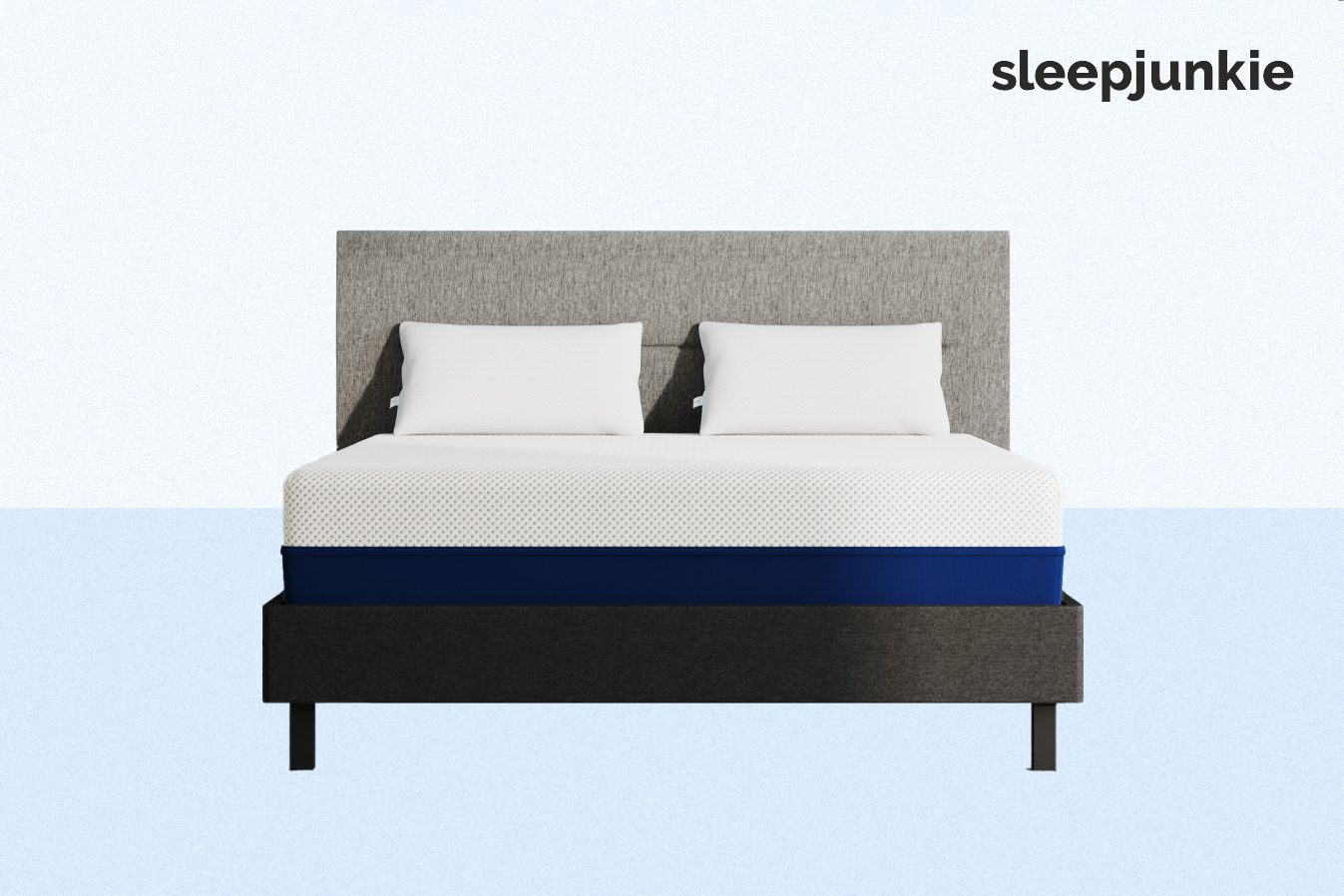
After testing 50+ mattresses for this guide, the Amerisleep AS3 earned our pick as the best mattress for combination sleepers of 2026 because it was the most consistent performer as I moved between positions. During testing, its medium-firm surface held my hips level with my shoulders on my back, and when I rolled to my side the Bio-Pur foam gave at the shoulder without letting my hips drop out of line. Changing positions took no real effort, and movement on the far side of the bed barely registered when my partner shifted.

The AS3 suits combination sleepers who split their night across back and side, couples who want a light sleeper undisturbed, and hot sleepers who found denser memory foam warm, since the open-cell surface felt cooler to the touch than the traditional foam beds I compared in the same session. Its even support across positions and quick recovery between them are what made it the top overall recommendation in this guide.

Why Trust Sleep Junkie's Recommendations?

Every mattress featured on Sleep Junkie is evaluated using the same testing framework for support, pressure relief, cooling, motion isolation, edge support, responsiveness, and overall value. Learn How We Test Mattresses.

The best mattress for combination sleepers is one that keeps the spine aligned across every position and resets quickly as you move, so changing from side to back to stomach feels effortless. After testing 50+ mattresses for support, pressure relief, cooling, motion isolation, edge support, and value, my top pick for combination sleepers is the Amerisleep AS3 for its even support and quick recovery between positions. Most people switch positions through the night, sometimes 30 or more times, so a versatile, responsive surface matters more than any single firmness. Below are my 14 picks and how to match one to your dominant sleeping position and body type.

Best Mattress for Combination Sleepers

Best Mattress Overall:

1. Amerisleep AS3

1. Amerisleep AS3
  • Price : See Price
  • Mattress Type: Memory Foam
  • Thickness: 12 inches
  • Firmness: Medium Firm
  • Available in: Twin, Twin XL, Full, Queen, King, Cal. King, Split King

Warranty

20 years

Sleep Trial

100 Nights

Shipping

Free

Mattress Highlights
  • Open-cell design wicks away warm air
  • Cooling technology
  • Durable Construction
Recommended For
  • Combination sleepers who shift positions frequently
  • People needing balanced support and pressure relief
  • Those who enjoy a medium-firm feel

Watch Our Amerisleep AS3 Video Review

The Amerisleep AS3 is my top pick for combination sleepers, and during testing it earned that spot by staying even underneath me as I moved. On my back, my hips sat level with my shoulders. On my side, the surface gave at the shoulder without letting my hips drop. On my stomach, it held firm enough to keep me from sinking. That consistency across positions is the hardest thing to find and the thing a combination sleeper needs most.

Its medium firmness is what makes that work. It never read too soft or too firm as I shifted, so I did not have to resettle every time I changed position. The Bio-Pur top gave a plush first feel while the support underneath kept me from bottoming out.

The AS3 also ran cooler than I expected for an all-foam bed. As someone who sleeps hot, I noticed the open-cell Bio-Pur surface felt cooler to the touch than the traditional memory foam I compared in the same session, and it did not warm up as quickly through the first hours.

It held its shape across the testing period with no soft spots or sagging, which is part of why it reads as a dependable long-term pick rather than a bed that breaks down after a season.

9.2 Overall Score
  • 9 Value
  • 8 Edge Support
  • 9 Trial Period
  • 9 Response Time
  • 10 Motion Transfer
  • 10 Cooling & Breathability

I picked the AS3 as the best overall for combination sleepers because it stayed even underneath me as I changed positions instead of forcing me to settle into one. During testing, my hips sat level with my shoulders on my back, and when I turned to my side the Bio-Pur top layer gave at the shoulder while the HIVE transition zone kept my hips from sinking, so my spine stayed in line across both positions. When my partner rolled over, movement on my side barely registered, which matters for a light sleeper sharing the bed. The open-cell surface also felt cooler to the touch through the first hours than the denser all-foam beds I compared.

Best For:
– Combination sleepers who split the night between back and side
– Couples who want partner movement kept quiet (Motion Transfer 10/10)
– Hot sleepers who found traditional memory foam warm

Compare Instead:
– Brooklyn Plank Firm if you sleep mostly on your stomach and want a flatter, firmer surface
– Amerisleep AS5 Hybrid if you want a plusher, softer feel with more cradle

During testing, the Bio-Pur top layer gave a plush initial feel without giving up the support underneath, so I settled in without sinking through to the base.

On my back, the HIVE transition layer kept my lumbar supported and my spine level rather than letting my hips dip. Turning to my side, the surface contoured around my shoulders and hips and eased the pressure I feel at those joints on firmer beds, so the change of position stayed comfortable.

On my side, the medium-firm support kept my hips from sinking too deeply, which held my spine in line instead of letting my lower back twist. That adaptability across positions is exactly what a combination sleeper like me needs.

The cooling held up too. As someone prone to overheating, I noticed the breathable cover and open-cell Bio-Pur surface felt cooler to the touch than the denser foam beds I compared, and it did not build heat around my hips as quickly through the first hours.

The Bio-Pur top layer is why the AS3 felt cooler to the touch than the traditional memory foam I compared, since its open-cell structure let air move instead of trapping it around my hips. Underneath, the HIVE transition layer is what kept my hips from dropping when I turned to my side while still letting my shoulder settle in, so my spine stayed level across positions. The Bio-Core base held that support steady with no sag over the testing period, and the breathable cover added to the cool-to-the-touch surface feel. Together the layers are why repositioning stayed easy rather than something I had to work against.

Pros

  • Motion Isolation (10/10): partner movement barely registered when my partner rolled over
  • Cooling (10/10): open-cell surface felt cooler to the touch than the denser foam beds I compared
  • Spinal alignment held level across back and side during position changes

Cons

  • Edge Support (8/10): the perimeter compressed more than the coil-forward hybrids here, so it is less stable to sit on
  • Too soft for stomach-dominant sleepers who need a flat surface; consider Brooklyn Plank Firm

Why The Amerisleep As3 Won

Among the 50+ mattresses I tested for combination sleepers, the AS3 won on consistency: it held my hips level with my shoulders on my back and cushioned my shoulders on my side without letting my hips drop, so my spine stayed in line as I changed positions. It scored top marks for motion isolation and cooling in my testing, and repositioning stayed easy rather than something to work against. For combination sleepers who split the night between back and side, it is the one I recommend first.

Kristina Hindes

Best Purple Alternative:

2. FORM Prime

2. FORM Prime
  • Price Range: See Price
  • Mattress Type: Gel Grid Hybrid
  • Thickness: 14 Inches
  • Firmness: 5.5 to 6 out of 10 (Medium-Medium-Firm)
  • Available In: Twin, Twin XL, Full, Queen, King, California King

Warranty

Lifetime

Sleep Trial

365 Nights

Shipping

Free

Mattress Highlights
  • Woven cover stays cool to the touch
  • Grid springs back under the body
  • Seven-zoned pocketed coils
Recommended For
  • Side, back, and combination sleepers
  • Hot sleepers hunting for cooler feels
  • Couples sharing a mattress together

Watch Our FORM Prime Video Review

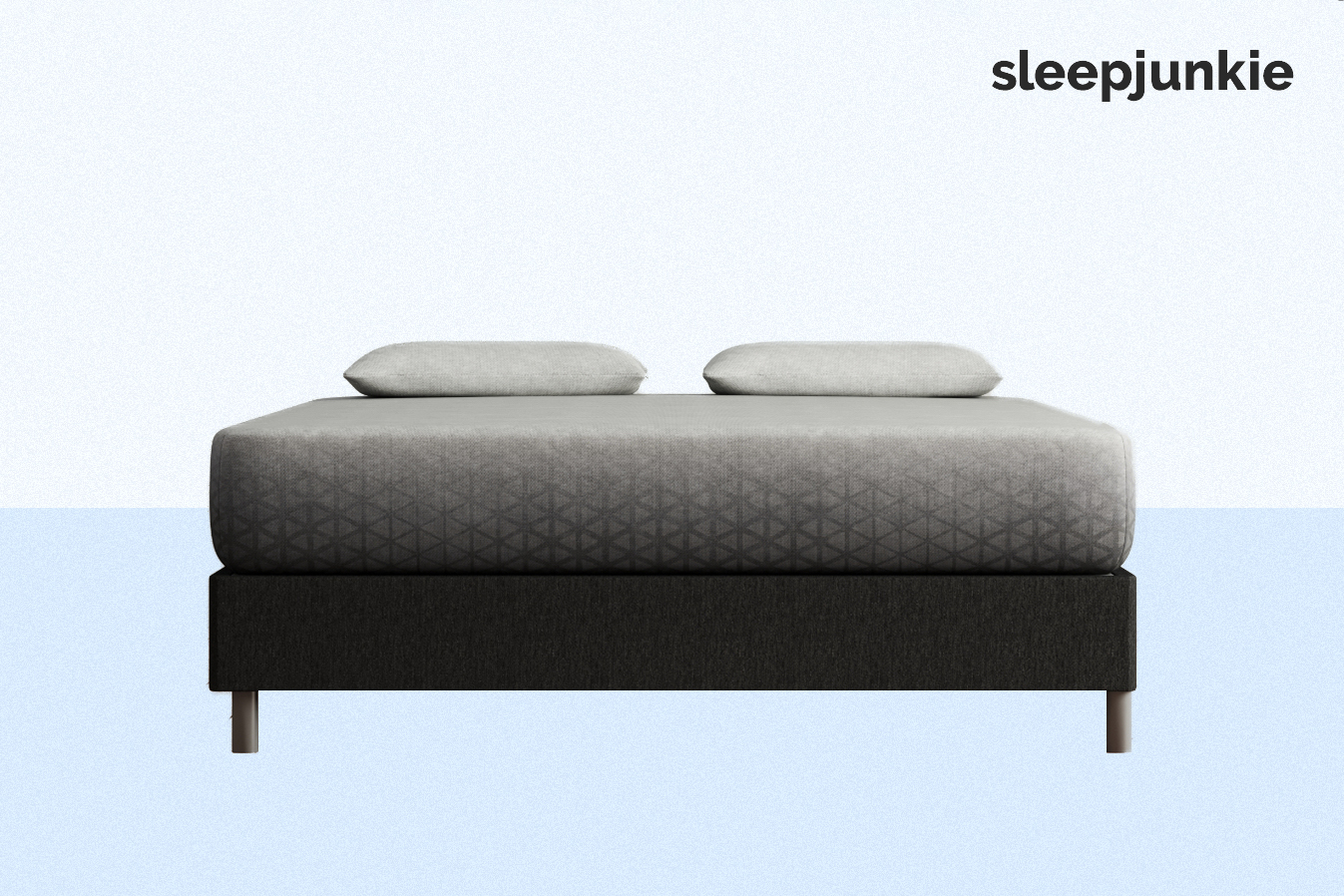
The FORM Prime is one of the more natural fits for a combination sleeper that I have tested. The surface is a grid rather than foam, so instead of slowly sinking in, you settle onto something that gives where you press and springs back the moment you move. That responsiveness is the whole story for someone who changes positions through the night, with none of the slow, stuck feel memory foam can have when you roll over.

What makes it work across positions is the zoned coil base underneath. It is firmer under the lower back and softer under the shoulders, so my spine settled into a fairly neutral line whether I was on my side or my back. Moving from side to back, the shoulder zone released and the lumbar zone held firm, and the transition took no more effort than the movement itself.

I found it best suited to combination sleepers who lean toward side and back sleeping. The shoulder area gives enough to cradle the joint without letting the hip drop out of line, and the medium feel keeps it comfortable at the contact points. The AeroWeave cover felt cool to the touch on contact, and because the grid is full of open channels, heat moved out through the surface rather than pooling underneath, which matters when the act of shifting positions generates its own warmth.

It is not for everyone. Combination sleepers who spend most of the night on their stomach, and heavier back sleepers who want a very firm surface, may find the medium feel too soft. It also comes in a single firmness, so there is no plush or firm version to choose from, and anyone set on natural materials or a traditional foam or coil feel will want to look elsewhere on this list.

9.3 Overall Score
  • 8 Value
  • 10 Edge Support
  • 10 Trial Period
  • 9 Response Time
  • 10 Motion Transfer
  • 9 Cooling & Breathability

I picked the FORM Prime as the best Purple alternative because its gel grid springs back the moment you move, which is exactly what a combination sleeper needs. During testing, moving from side to back, the shoulder zone released and the firmer lumbar coils held my spine in line, and the transition took no more effort than the movement itself, with none of the slow, stuck feel memory foam can have. The AeroWeave cover felt cool to the touch on contact and the open grid cells let heat move out rather than pooling underneath.

Best For:
– Combination sleepers who lean side and back and want a responsive grid feel
– Hot sleepers who want a cool-to-the-touch surface
– Couples who want partner movement kept quiet (Motion Transfer 10/10)

Compare Instead:
– Amerisleep AS3 if you prefer the enveloping contour of memory foam over a responsive grid
– Brooklyn Plank Firm if you sleep mostly on your stomach and want a much firmer surface
– Vaya Hybrid if budget is your main concern

The first night on the FORM Prime, the grid surface registered right away. It is neither the slow give of memory foam nor the firm push of a plain coil bed.

It felt buoyant and responsive, cradling my shoulders and hips at the contact points while keeping my midsection level. As someone who moves between my back and side, I liked that I never felt locked into one spot.

Position changes were the most telling part of testing. Moving from side to back, the shoulder zone released its compression and the lumbar zone provided the firmer support back sleeping needs, and the transition took no more effort than the movement itself.

Shifting back to my side, the shoulder settled in again while my hip stayed supported. The mattress followed rather than lagging.

On later nights I paid attention to temperature and motion. The FORM Prime stayed cool to the touch longer than the foam mattresses I usually test, and sharing the bed, I barely noticed movement from the other side.

Even on nights when one of us shifted around a lot, the surface kept up without waking either of us.

The FORM Prime uses a five-layer system that pairs a proprietary gel grid with a zoned coil base.

The surface is wrapped in the AeroWeave™ cover, a ventilated textile with airflow built into the stitching and even the back panel, which stayed cool to the touch during testing.

Beneath it sits FORM’s GelGrid™ comfort layer, a polymer grid of open-air cells that flex under pressure to relieve tension at contact points while letting heat escape, with Integra-Mesh™ reinforcement woven through to cut the surface jiggle other grid designs carry.

Below the grid is a 3-inch ContourFlex™ transition foam layer that bridges the grid and the coils so the surface feels cohesive rather than disconnected.

The support core is a ZoneCoil™ 7-Series pocketed coil layer split into seven zones, with individually wrapped coils that help with both motion isolation and airflow, giving the shoulders more give while the lumbar region gets firmer support.

At the base, the BaseFlex™ foundation reinforces the perimeter and supports the coils from beneath, which is much of why the FORM Prime keeps a stable, usable edge.

The FORM Prime is made in the USA and is fiberglass-free.

Pros

  • Responsive grid surface resets quickly through position changes without resistance
  • Zoned ZoneCoil™ 7-Series support holds the spine in line across side and back sleeping
  • Cover and open grid cells felt cooler than the foam beds we test against
  • Strong, stable edge from the BaseFlex™ encasement

Cons

  • Combination sleepers who spend most of the night on their stomach, and heavier back sleepers, may want a firmer surface
  • Single firmness option, with no plush or firm version to choose from
  • Grid-and-synthetic build will not suit shoppers set on natural materials or a traditional foam or coil feel

FORM Prime

Lying down on the FORM Prime across positions shows off its zoned medium feel. Moving from side to back, the grid surface and softer shoulder zone eased pressure at my hips and shoulders, while the firmer lumbar coils kept my spine in a neutral line through the transition.

Kristina Hindes

Read My Full Review of the FORM Prime

Best Luxury Mattress:

3. Zoma Boost

3. Zoma Boost
  • Price : See Price
  • Mattress Type: Hybrid
  • Thickness: 15 inches
  • Firmness: Medium firm
  • Available in: Twin, Twin XL, Full, Queen, King, Cal. King, Split King

Warranty

10 Years

Sleep Trial

100 Nights

Shipping

Free

Mattress Highlights
  • Advanced cooling technology
  • Excellent pressure relief
  • Support for active lifestyles
Recommended For
  • Combination sleepers who change positions frequently
  • Athletes and active individuals who want a supportive, cushioned feel
  • Those seeking advanced cooling technology in their mattress
  • Sleepers looking for a luxury feel with excellent pressure relief

Watch Our Zoma Boost Video Review

The Zoma Boost is the luxury hybrid on this list, and in testing it delivered a plush surface without giving up back support. From the first night, what stood out was how it contoured to my shoulders and hips while still holding my spine level on my back, so the cushioned feel never turned into sinking.

As a combination sleeper who shifts positions constantly, I look for a bed that keeps up with me rather than one I have to fight. The Boost adapted as I moved, cushioning my side one moment and supporting my back the next.

The graphite-infused Energex layer, Reactiv transition foam, and zoned edge coils are what carried that mix of plushness and support, and the edge held firm enough to sit on when I got up.

Its cooling held up in testing too. The graphite-infused surface felt cool to the touch on first contact and did not warm up as quickly as the all-foam beds I compared, which I noticed most as someone who tends to sleep hot.

9.5 Overall Score
  • 10 Value
  • 10 Edge Support
  • 9 Trial Period
  • 9 Response Time
  • 10 Motion Transfer
  • 9 Cooling & Breathability

I picked the Zoma Boost as the luxury choice because it paired a plush surface with support that did not give way when I moved. During testing, it cradled my shoulders and hips on my side, and on my back the Reactiv layer kept my lower back from dipping into the softer top. Its edge held firm when I sat on the perimeter to get up (Edge Support 10/10), so the full width stayed usable. The graphite-infused surface felt cooler on first contact than the all-foam beds I compared, though it recovers a touch slower than the coil-forward picks here.

Best For:
– Combination sleepers who want a plush feel without losing back support
– Couples who use the full mattress width (Edge Support 10/10)
– Sleepers who run warm and want a cushioned surface

Compare Instead:
– Vaya Hybrid if you want a similar hybrid feel at a lower price
– Brooklyn Plank Firm if you prefer a distinctly firmer, flatter surface

During testing, the Zoma Boost delivered immediate pressure relief as soon as I lay down. On my side, it cradled my shoulders and hips and took the pressure off those joints.

On my back, the Reactiv layer kept my spine level without letting my lower back sag into the softer top. That balance of softness and support is what a combination sleeper needs to stay comfortable across positions through the night.

On my stomach, the hybrid build kept my hips up rather than letting them sink, so my spine stayed level instead of bowing at the lower back. That support held steady as I moved between positions.

Its cooling stood out for a plush bed. As someone who often wakes up warm, I noticed the gel-infused surface felt cooler to the touch than the denser foam beds I compared and did not build heat around my hips as quickly through the first hours.

The graphite-infused Energex comfort layer is what gave the Boost its cool-on-contact feel while still cushioning my shoulders and hips on my side. Below it, the Reactiv transition layer is why my lower back stayed supported on my back instead of dipping into the softer top. The zoned edge coils held the perimeter firm when I sat on the side to get up, which is why the full width stayed usable (Edge Support 10/10), and the durable base foam kept that support consistent across the test. The ultra-cooling cover added to the surface’s cool first-touch.

Pros

  • Edge Support (10/10): perimeter held firm when I sat on the side to get up
  • Motion Transfer (10/10): far side stayed quiet when my partner shifted
  • Plush surface still supported my back without dipping through the lumbar

Cons

  • Response Time (9/10): recovers a beat slower than the coil-forward picks, so fast repositioners notice slight lag
  • Too plush for sleepers who want a distinctly firm, flat surface; consider Brooklyn Plank Firm

Zoma Boost

In testing, the Zoma Boost cradled my shoulders and hips on my side while the Reactiv layer kept my back from dipping on my back, and the edge held firm when I sat to get up. It fits combination sleepers who want a plush, cushioned surface that still supports back sleeping. Stomach-dominant sleepers who want a flat, firm feel should size down in softness.

Kristina Hindes

Best Value Mattress:

4. Vaya Hybrid

4. Vaya Hybrid
  • Price : See Price
  • Mattress Type: Hybrid
  • Thickness: 12 inches
  • Firmness: Medium
  • Available in: Twin, Twin XL, Full, Queen, King, Cal. King, Split King

Warranty

10 Years

Sleep Trial

100 Nights

Shipping

Free

Mattress Highlights
  • Affordable luxury feel
  • Excellent motion isolation
  • Breathable, cooling design
  • Balanced support and comfort
Recommended For
  • Combination sleepers who shift positions frequently
  • Budget-conscious shoppers seeking quality
  • Hot sleepers needing cooling features

Watch Our Vaya Hybrid Video Review

The Vaya Hybrid’s biggest draw is its price, and in testing it delivered a balanced hybrid feel for well under what the pricier hybrids on this list cost. Its medium firmness struck a workable middle ground: soft enough to cushion my side, supportive enough to hold my back, which is what made it versatile across positions.

One thing I liked was how it combined a supportive coil base with a plush foam top, so I got the responsiveness of coils with the contouring of foam in one bed.

Its cooling was another reason it made the list. The breathable cover and open-cell foam let the surface feel cooler to the touch than the all-foam beds I compared, and as someone who sleeps hot, I noticed it did not build heat as quickly through the first hours.

The high-density base held the build steady across the test, so it reads as a durable pick that does not feel cut-rate despite the low price.

9.2 Overall Score
  • 10 Value
  • 10 Edge Support
  • 9 Trial Period
  • 10 Response Time
  • 7 Motion Transfer
  • 9 Cooling & Breathability

I picked the Vaya Hybrid as the best value because it delivered balanced hybrid support for well under what the pricier hybrids here cost. During testing, the foam top cushioned my shoulders and hips on my side while the pocketed coils kept me from sinking on my back, so repositioning felt easy rather than labored. The coil layer also added enough bounce that changing positions did not feel like climbing out of the surface. Motion transfer is its softest point (7/10), so a very restless partner is more noticeable here than on the AS3.

Best For:
– Budget-conscious combination sleepers who still want a coil-and-foam feel
– Back-and-side sleepers who want easy repositioning (Response Time 10/10)
– Value shoppers comparing against higher-priced hybrids on this page

Compare Instead:
– Amerisleep AS3 if a partner’s movement wakes you and you want stronger motion isolation
– Zoma Boost if you want a more plush, luxury surface and will spend more

During testing, I noticed the gentle contouring of the top foam as soon as I lay down, giving immediate pressure relief without feeling overly soft. On my side, it cushioned my shoulders and hips and eased the tension I feel at those points on firmer beds.

On my back, the responsive coil system kept my spine aligned. Unlike the all-foam beds I compared, the coils added a bounce that kept me from sinking too far, so I felt supported and on top of the surface.

On my stomach, the firmer coil base kept my hips from sinking too deeply, so my spine stayed level rather than bowing at the lower back. That coil support paired with the plush top to keep me supported without the surface feeling hard.

The breathable cover and open-cell foam also kept the surface feeling cooler to the touch than the denser foam beds I compared. Between the coil support, the cushioning top, and that cooler surface, the Vaya handled the position changes a combination sleeper moves through without any one area falling short.

The Vaya Comfort Foam top is what cushioned my shoulders and hips on my side without feeling overly soft. Beneath it, the pocketed coil layer is why I stayed on top of the surface on my back rather than sinking, and it added the bounce that made turning over easy (Response Time 10/10). The reinforced edge kept the perimeter stable enough to sit on, and the high-density base held the whole build steady over the test. The coils also carry more motion than the all-foam picks here, which is why motion transfer (7/10) is its softest mark.

Pros

  • Response Time (10/10): coils gave enough bounce that turning over felt effortless
  • Value (10/10): coil-and-foam hybrid feel well below the pricier hybrids here
  • Edge Support (10/10): perimeter stayed stable to sit on

Cons

  • Motion Transfer (7/10): a restless partner is more noticeable here than on the AS3
  • Firmer coil base gives little for side-dominant heavier sleepers who want deep shoulder cushioning

Vaya Hybrid

In testing, the Vaya Hybrid’s foam top cushioned my side while the coils kept me on top of the surface on my back, so turning over stayed easy. It fits budget-minded combination sleepers who want a coil-and-foam feel, best for back-and-side sleepers. A partner who moves a lot is better served by the AS3’s stronger motion isolation.

Kristina Hindes

Best Hybrid Mattress:

5. Helix Midnight Luxe

5. Helix Midnight Luxe
  • Price : See Price
  • Mattress Type: Hybrid
  • Thickness: 14 inches
  • Firmness: Medium firm
  • Available in: Twin, Twin XL, Full, Queen, King, Cal. King, Split King, RV king

Warranty

15 Years

Sleep Trial

100 Nights

Shipping

Free

Mattress Highlights
  • Adaptive comfort layers
  • Excellent motion isolation
  • Breathable, cooling design
  • Enhanced edge support
Recommended For
  • Combination sleepers needing adaptive support
  • Couples seeking motion isolation
  • Hot sleepers requiring cooling features
  • Those needing pressure relief and spine alignment

Watch Our Helix Midnight Luxe Video Review

The Helix Midnight Luxe is a premium hybrid built for combination sleepers who want contouring and coil support in one bed.

From the moment I lay down, it read as plush yet supportive. The hybrid build pairs memory foam and pocketed coils, so I got the contouring of foam with the robust support of a coil system underneath.

What sets it apart is the zoned coil layer. Firmer coils under the lumbar held my back flat, while softer coils at the shoulders let me sink in just enough on my side to keep pressure off the joint, so it supported me differently depending on how I was lying.

Cooling was handled by the breathable TENCEL cover, which felt cool to the touch on contact and helped the surface shed heat rather than trap it. Combined with the coil airflow underneath, it stayed cooler through the first hours than the foam-topped beds I compared, whatever position I moved into.

9.0 Overall Score
  • 7 Value
  • 10 Edge Support
  • 9 Trial Period
  • 9 Response Time
  • 10 Motion Transfer
  • 9 Cooling & Breathability

I picked the Midnight Luxe as the best hybrid because its zoned coils changed how it supported me from one position to the next. During testing, the firmer lumbar coils held my back flat on my back, while the softer shoulder zone let me sink in just enough on my side to keep pressure off the joint. When my partner moved, the memory-foam transition layer kept the far side quiet (Motion Transfer 10/10).

Best For:
– Combination sleepers who want position-specific zoned support
– Couples who need partner movement kept quiet
– Side-and-back sleepers who want contouring plus coil support

Compare Instead:
– Vaya Hybrid if you want a similar hybrid feel for less (Value 10/10 vs 7/10 here)
– Amerisleep AS3 if you prefer an all-foam surface over a coil-forward one

During testing, the Midnight Luxe read plush and supportive at once. The quilted pillow top gave a soft first feel, and the Memory Plus foam beneath it conformed around my shoulders and hips, which as a side sleeper is where I need the cushioning most.

Underneath, the zoned support coils did the real work. Firmer coils held my lumbar for back sleeping, while softer coils at the shoulders and hips added contouring for side sleeping, so the bed matched what each position needed.

The Memory Plus transition layer also kept partner movement from carrying across the bed, so when my partner shifted, the far side barely moved. For couples, that matters.

On cooling, the breathable TENCEL cover felt cool to the touch on contact and helped the surface shed heat, so it stayed cooler through the first hours than the foam-topped beds I compared, whatever position I ended up in.

The zoned coil layer is the reason the Midnight Luxe supported me differently by position: firmer coils under the lumbar kept my back flat, while softer coils at the shoulder let me sink in on my side. The Memory Plus foam transition layer is what kept partner movement from carrying across the bed (Motion Transfer 10/10). The copper-gel foam and TENCEL cover gave the surface its cool first-touch, and the pillow top added the initial give I felt on lie-down.

Pros

  • Motion Transfer (10/10): memory-foam transition layer kept the far side quiet
  • Edge Support (10/10): reinforced perimeter stayed firm to sit on
  • Zoned coils changed support by position — firm at the lumbar, softer at the shoulder

Cons

  • Value (7/10): sits at the high end of this list
  • Firmer feel gives little for sleepers who want a very plush-soft surface; consider Amerisleep AS5 Hybrid

Helix Midnight Luxe

In testing, the Midnight Luxe’s firmer lumbar coils held my back flat while the softer shoulder zone eased side-sleeping pressure, and the far side stayed quiet when my partner moved. It fits combination sleepers who want zoned, position-specific support, best for side-and-back sleepers who value strong motion isolation.

Kristina Hindes

Best Innerspring Mattress:

6. Saatva Classic

6. Saatva Classic
  • Price : See Price
  • Mattress Type: Innerspring
  • Thickness: 11.5-14.5 inches
  • Firmness: 3 (Plush), 5 to 7 (Luxury Firm), and 8 (Firm) out of 10
  • Available in: Twin, Twin XL, Full, Queen, King, Cal. King, Split King

Warranty

Lifetime

Sleep Trial

365 Nights

Shipping

Free

Mattress Highlights
  • Dual-coil construction
  • Zoned lumbar support
  • Organic cotton cover
Recommended For
  • Combination sleepers needing versatile support
  • Individuals seeking pressure relief and spinal alignment
  • People who prefer a traditional innerspring feel

Watch Our Saatva Classic Video Review

From the moment I lay down on the Saatva Classic, its plush Euro pillow top gave an immediate softness that worked well for a combination sleeper moving between positions through the night.

Beneath the pillow top sits a layer of individually wrapped coils with a dual perimeter edge support system, which extends the usable surface and keeps motion transfer down. Sharing a bed with a restless sleeper, I noticed the difference.

It also carries a memory foam layer targeted at the lumbar, which added support for my lower back and helped keep my spine aligned as I shifted.

The Saatva comes in three firmness builds: plush soft, luxury firm, and firm. That let me match the feel to my dominant position rather than settling for one fixed firmness, which is a real advantage for combination sleepers who lean toward one position.

9.2 Overall Score
  • 7 Value
  • 10 Edge Support
  • 10 Trial Period
  • 10 Response Time
  • 9 Motion Transfer
  • 9 Cooling & Breathability

I picked the Saatva Classic as the best innerspring because its coil-on-coil build gave a responsive, on-top feel that suited quick position changes. During testing, the Euro pillow top cushioned my hips and shoulders on my side while the dual coils kept me from sinking, and the surface sprang back fast enough that turning over took no effort (Response Time 10/10). The dual perimeter edge held firm when I sat to get dressed (Edge Support 10/10). It comes in three firmness builds, so I could match the feel to my dominant position; value is its softest mark (7/10) given the price.

Best For:
– Combination sleepers who want a traditional, responsive innerspring feel
– Sleepers who use the edge and want it stable
– Buyers choosing a firmness to match their dominant position

Compare Instead:
– Leesa Sapira Chill if you want a boxed hybrid with a cooler surface
– Vaya Hybrid if you want similar responsiveness at a lower price

During testing, the plush pillow top cradled my body with immediate softness without giving up support, which set a comfortable starting point for a combination sleeper.

As I shifted positions, the dual coil system kept up. The tempered base coils gave robust support while the wrapped comfort coils adapted to my contours and kept motion transfer down, so my spine stayed aligned without my sinking too deeply.

Across side, back, and stomach, the bed held consistent support and pressure relief. The Euro top and responsive coils together let me feel both nestled and held up whatever position I was in.

The dual perimeter edge held firm when I sat on the side to get dressed, which maximized the usable surface. On temperature, the organic cotton cover and the coil-on-coil gap let air move through the mattress, so the surface felt cooler than the foam-topped beds I compared and did not warm up as quickly through the first hours.

The coil-on-coil build is what gave the Saatva its responsive, on-top feel: the tempered base coils held me level while the wrapped comfort coils adapted as I changed positions, so turning over took no effort (Response Time 10/10). The Euro pillow top and thin memory-foam layer are why the initial feel was plush without letting me sink. The dual perimeter edge is what kept the side stable when I sat to get dressed (Edge Support 10/10), and the coil-on-coil gap let air move, so the surface felt cooler than the foam-topped beds I compared.

Pros

  • Response Time (10/10): coil-on-coil sprang back fast when I turned over
  • Edge Support (10/10): dual perimeter edge held firm to sit on
  • Three firmness builds let me match the feel to my dominant position

Cons

  • Value (7/10): higher price than most innersprings, plus a $99 return-shipping cost
  • Bouncier, more on-top feel than foam beds; deep-contour seekers may prefer the AS3

Saatva Classic

In testing, the Saatva cradled my hips and shoulders on my side without excess sink, and the responsive coils sprang back fast when I turned over. It fits combination sleepers who want a traditional innerspring feel with a stable edge, best for back-and-side sleepers choosing a firmness to match their dominant position.

Kristina Hindes
7. Leesa Sapira Chill Hybrid
  • Price Range: See Price
  • Mattress Type: Memory Foam Hybrid
  • Thickness: 14 Inches
  • Firmness: 4, 6, or 8 out of 10 (Plush, Medium-Firm, Firm)
  • Available In: Twin, Twin XL, Full, Queen, King, California King

Warranty

Lifetime

Sleep Trial

120 Nights

Shipping

Free

Mattress Highlights
  • Cool top promotes undisturbed sleep
  • Responsive foam for position changes
  • Zoned pocketed coils for back support
Recommended For
  • Side, back, and combination sleepers
  • Couples wanting a responsive surface
  • Hot sleepers

Watch Our Leesa Sapira Chill Video Review

Finding a mattress that works for combination sleepers is harder than it sounds. Most beds are built with one position in mind, soft enough for side sleeping or firm enough for back and stomach, and ask combination sleepers to compromise somewhere. When I started testing the Leesa Sapira Chill Hybrid, what stood out was how little compromising it required.

The key for combination sleepers is responsiveness. A bed that responds slowly to position changes creates resistance, so you feel the effort of moving rather than the bed accommodating your next position. The Sapira Chill’s transitional foam layers respond quickly, resetting to neutral as you shift rather than holding you in the shape of wherever you were last. From the first night, position changes felt natural rather than effortful.

The cooling quilt top matters specifically for combination sleepers, because the act of repositioning generates heat. The Sapira Chill’s surface felt cool to the touch on contact and did not warm up as quickly as the denser foam beds I compared, so the temperature stayed steady through the movement rather than climbing at the transitions.

The zoned spring system keeps spinal alignment consistent as positions change. Its calibration gives firmer support at the hip and lumbar and more give at the shoulder, which is the right structural setup for side, back, and combination sleeping at once. It also ships in plush, medium-firm, and firm, so a combination sleeper can match the build to their dominant position without losing the responsiveness that serves the others.

9.3 Overall Score
  • 8 Value
  • 10 Edge Support
  • 9 Trial Period
  • 10 Response Time
  • 9 Motion Transfer
  • 10 Cooling & Breathability

I picked the Sapira Chill as the best boxed mattress because it reset between positions faster than most beds I tested. During testing, moving from side to back, the shoulder zone released and the lumbar zone firmed up with no lag, so the transition took no more effort than the movement itself. The surface felt cool to the touch on first contact and did not warm up as quickly as the denser foam beds I compared. It ships in plush, medium-firm, and firm, so a combination sleeper can match the build to their dominant position. Value is its softest mark (8/10).

Best For:
– Combination sleepers who reposition often and want a quick-resetting surface
– Hot sleepers who want a cool-to-the-touch top
– Buyers who want a firmness option matched to their main position

Compare Instead:
– Saatva Classic if you prefer a traditional innerspring over a boxed hybrid
– Amerisleep AS3 if you want an all-foam feel with strong motion isolation

The Sapira Chill felt cool to the touch from the moment I lay down, cooler than the surrounding room rather than just neutral. For combination sleepers who generate heat by moving, that cool surface is more than a comfort feature.

Position changes were the most telling part of testing. Moving from side to back, the shoulder zone released its compression, the lumbar zone firmed up for back sleeping, and the transition took no more effort than the movement itself. Shifting back to my side, the shoulder settled in while my hip stayed supported. The bed followed rather than leading or lagging.

The plush character of the quilt top held across positions. Whether I lay on my back, side, or moved between them, the surface felt consistently inviting rather than bottoming out in one position and feeling too thick in another.

For combination sleepers who have used beds that felt right in one position and wrong in others, that consistency is what makes the Sapira Chill worth recommending here.

The layers are built to do different jobs rather than repeat the same one, which is what makes the Sapira Chill work for position changes. The cooling quilt cover is why the surface felt cool to the touch on first contact and did not warm quickly as I moved. The middle foam layers are the ones that reset fastest, and their quick return is why shifting positions felt effortless rather than labored. Below them, the zoned pocketed coils held firmer at the hip and lumbar and gave at the shoulder, which is the structural reason my spine stayed level whether I lay on my side or back.

Pros:

  • Response Time (10/10): middle foam layers reset fast, so position changes felt effortless
  • Cooling (10/10): surface felt cool to the touch on contact and did not warm quickly
  • Three comfort levels match the build to a dominant position

Cons:

  • Value (8/10): priced above the budget hybrids here
  • Plush build feels insufficiently firm for stomach-dominant sleepers; choose the firm option or consider Brooklyn Plank Firm

Leesa Sapira Chill

In testing, the Sapira Chill reset fast between positions. The shoulder zone released and the lumbar firmed up with no lag, and the surface felt cool to the touch on contact. It fits combination sleepers who reposition often and run warm, best matched by choosing plush, medium-firm, or firm to their dominant position.

Kristina Hindes

Read My Full Review of the Leesa Sapira Chill

Best Pillow Top Mattress:

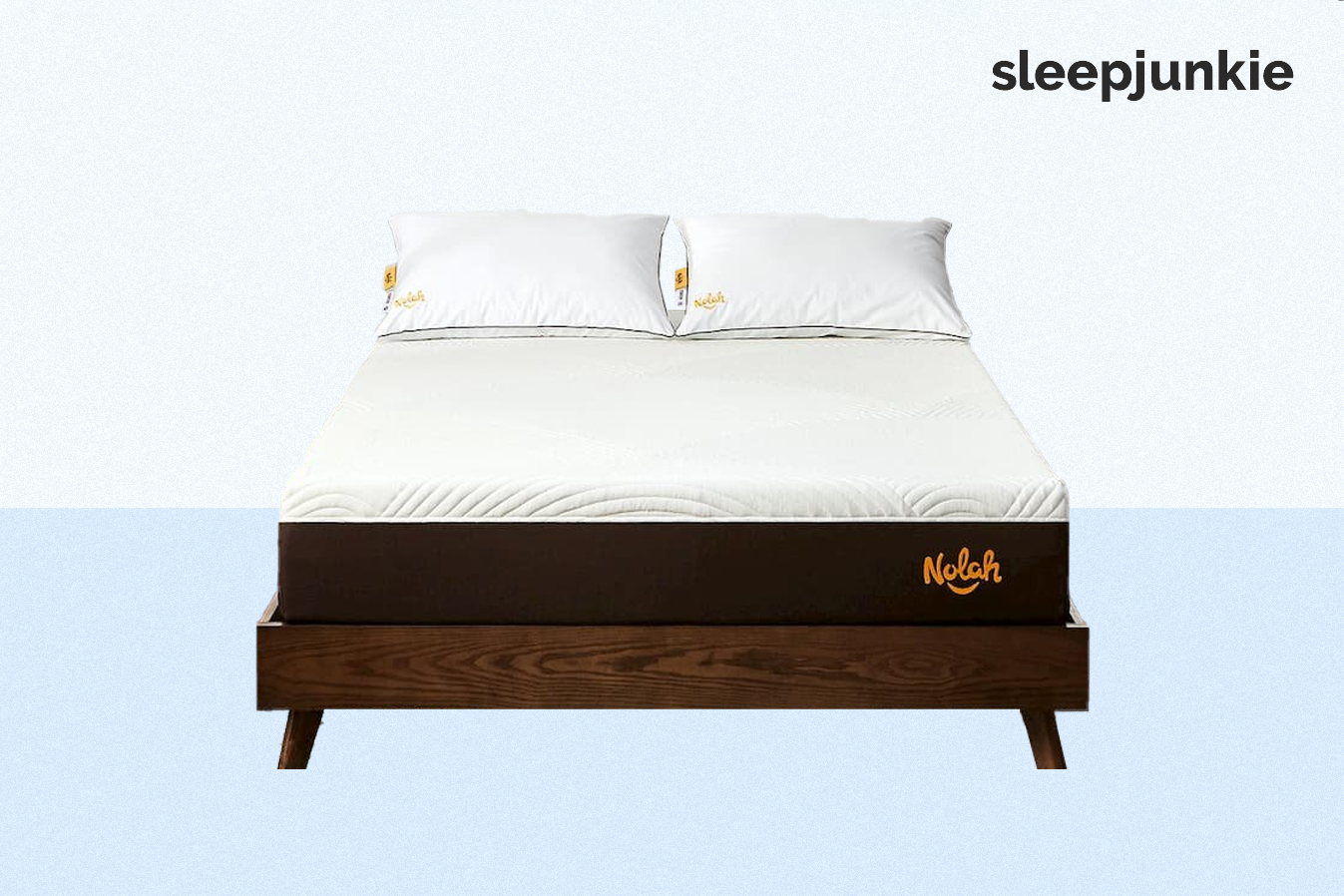
8. Nolah Evolution

8. Nolah Evolution
  • Price : See Price
  • Mattress Type: Hybrid
  • Thickness: 15 inches
  • Firmness: 5, 6 to 7, or 8 out of 10 (Plush, Luxury-Firm, Firm)
  • Available in: Twin, Twin XL, Full, Queen, King, Cal. King, Split King

Warranty

20 Years

Sleep Trial

100 Nights

Shipping

Free

Mattress Highlights
  • Advanced AirFoam™
  • Zoned support coils
  • Durable edge support
Recommended For
  • Combination sleepers needing adaptive support
  • Individuals seeking luxurious comfort
  • Hot sleepers requiring temperature regulation

Watch Our Nolah Evolution 15 Video Review

During testing, the Nolah Evolution 15 stood out for pairing a deeply plush pillow top with coil support that held its shape when I changed positions.

The pillow top felt cloud-like and eased pressure right away. As a side sleeper, I noticed it cushioned my shoulders and hips especially well.

As a combination sleeper who shifts from side to back, I found the bed kept up with me. The zoned support coils held my spine aligned whatever position I was in, and the transition stayed smooth, so I never felt stuck.

Cooling was a standout for me. The AirFoam layer and breathable cover kept the surface feeling cooler to the touch than the plain memory foam I compared, which I noticed most as someone who tends to sleep hot. It also kept partner movement from carrying across the bed, so my partner and I did not wake each other when one of us shifted.

9.5 Overall Score
  • 10 Value
  • 10 Edge Support
  • 9 Trial Period
  • 9 Response Time
  • 10 Motion Transfer
  • 9 Cooling & Breathability

I picked the Nolah Evolution as the best pillow top because its plush Euro top cushioned pressure without letting me lose position support. During testing, the top cradled my shoulders and hips on my side, and the zoned coils kept my back supported when I rolled flat, so the transition stayed smooth. When my partner shifted, the far side barely moved (Motion Transfer 10/10). At 15 inches it is a tall bed, so check your sheet depth and note it is a lot of mattress to move.

Best For:
– Combination sleepers who want a plush pillow-top surface with coil support
– Couples who want partner movement kept quiet
– Side-and-back sleepers needing shoulder and hip cushioning

Compare Instead:
– Amerisleep AS5 Hybrid if you want a soft feel in a lower-profile build
– Leesa Sapira Chill if you want a quicker-resetting, cooler surface

During testing, the Nolah Evolution 15 read plush without going soft, with layers that contoured my body and eased pressure right away.

The ArcticTex cover felt cool to the touch on contact, and combined with the open-cell AirFoam layer, the surface stayed cooler through the first hours than the plain memory foam I compared.

Moving from my side to my back, I got consistent support and alignment from the responsive core, which firmed up where I needed it while keeping a gentle cradle. Partner movement stayed well isolated, so shifts on one side barely registered on the other.

The high-density foam layers held their shape across the test with no early sagging, so it reads as a durable pick that should hold up over years of use.

The AirFoamICE comfort layer is what cushioned my shoulders and hips on my side while keeping the surface cool to the touch, so I did not feel the heat buildup I get on plain memory foam. The zoned support coils are the reason my back stayed supported when I rolled flat, adjusting firmer under the midsection and softer at the shoulder. The Euro top added the plush initial give, and the reinforced edge kept the perimeter stable. At 15 inches, the stacked layers make this a tall bed, which is worth checking against your sheet depth.

Pros

  • Motion Transfer (10/10): far side barely moved when my partner shifted
  • Value (10/10): 15-inch zoned-coil pillow top at a competitive price
  • Plush top cushioned shoulders and hips while coils held my back on the roll flat

Cons

  • 15-inch profile requires deep sheets and is heavy to move
  • Plush surface reads too soft for firm-preference and stomach-dominant sleepers; consider Brooklyn Plank Firm

Nolah Evolution

In testing, the Nolah’s zoned AirFoam layer cushioned my hips and shoulders on my side while the coils kept my back supported when I rolled flat. It fits combination sleepers who want a plush pillow-top surface with coil support, best for side-and-back sleepers who have the room for a 15-inch profile.

Kristina Hindes
9. Plush Beds Botanical Bliss
  • Price : See Price
  • Mattress Type: Latex
  • Thickness: 9, 10, and 11 inches
  • Firmness: Medium and Medium Firm
  • Available in: Twin, Twin XL, Full, Queen, King, Cal. King, Split King, Split Queen, Split cal king

Warranty

Lifetime

Sleep Trial

100 Nights

Shipping

Free

Mattress Highlights
  • Natural latex comfort
  • Adjustable firmness layers
  • Excellent breathability
  • Organic Cotton layer
Recommended For
  • Combination sleepers seeking versatile comfort
  • Eco-conscious individuals value natural materials
  • Those needing excellent support and pressure relief
  • Hot sleepers looking for a cool sleep surface

Watch Our Plushbeds Botanical Bliss Mattress Video Review

The PlushBeds Botanical Bliss is the natural-latex pick on this list, and for a combination sleeper it delivered support and comfort across positions. When I lay down, the latex conformed to my contours with a plush yet supportive feel that gave real pressure relief.

At its core are layers of natural Dunlop latex. The latex offered responsive support that adapted as I moved through the night and kept my spine aligned whatever position I was in.

The organic cotton cover and wool batting over the latex felt breathable. They wicked moisture and kept the surface feeling cooler to the touch than the denser foam beds I compared, which held up during warmer nights.

The natural latex held its shape across the testing period with no early softening, which is part of why latex tends to last. That resilience is a real part of the value here, though how long any mattress holds up depends on use and body weight.

8.5 Overall Score
  • 7 Value
  • 8 Edge Support
  • 9 Trial Period
  • 8 Response Time
  • 10 Motion Transfer
  • 9 Cooling & Breathability

I picked the Botanical Bliss as the best latex bed because its Dunlop latex gave a supportive, buoyant feel that suited moving between positions. During testing, the top latex layer cushioned my shoulders and hips on my side while the firmer layer below kept my spine level, and the surface pushed back rather than letting me settle in, so repositioning felt easy. The wool and organic cotton over the latex felt breathable and did not trap heat the way denser foam did in the same session. It is a firmer, more responsive feel than memory foam, which not every sleeper wants.

Best For:
– Combination sleepers who want a responsive natural-latex surface
– Sleepers who prefer latex buoyancy over memory-foam sink
– Buyers who want configurable firmness layers

Compare Instead:
– Amerisleep AS5 Hybrid if you want a softer, more contouring memory-foam feel
– Nest Bedding Sparrow if you want an adjustable hybrid rather than latex

During testing, the natural latex contoured gently as soon as I lay down, blending softness and firmness. The top layer of organic Dunlop latex gave a plush first feel while the firmer layers below kept the support robust.

On my side, the latex cushioned my shoulders and hips and eased the soreness I sometimes feel side sleeping. On my back, the supportive layers kept my spine neutral. On my stomach, the latex gave enough firmness to keep my hips from sinking too deeply, so my posture stayed level through the night.

On temperature, the organic cotton cover and wool worked together to wick moisture and move air, so the surface felt cooler to the touch than the denser foam I compared and did not leave me hot during warmer nights. The natural materials are breathable and hypoallergenic, which added to the comfort.

The 100 percent natural latex is resilient and held its shape without sagging across the test, which combined with the natural build makes it a durable, eco-minded pick.

The organic Dunlop latex layers are why the Botanical Bliss felt buoyant rather than sinky: the softer top layer cushioned my shoulders and hips on my side, while the firmer layer below kept my spine level when I rolled to my back. The natural latex pushes back quickly, which is what kept repositioning easy. The organic cotton cover and wool batting over the latex are why the surface felt breathable and did not trap heat the way denser foam did in the same session. The configurable firmness layers let the build be set toward a dominant position.

Pros

  • Motion Transfer (10/10): partner movement barely carried across the latex during testing
  • Latex pushed back quickly, so repositioning stayed easy rather than sinky
  • Breathable cotton-and-wool over latex felt cooler to the touch than the denser foam beds I compared

Cons

  • Value (7/10): priced above most foam and budget hybrids here
  • Edge Support (8/10) and Response Time (8/10) trail the coil-forward hybrids, and the firmer, buoyant latex feel is not for sleepers who want memory-foam sink; consider Amerisleep AS5 Hybrid

PlushBeds Botanical Bliss

In testing, the Botanical Bliss cradled my hips and shoulders on my side while the firmer latex below kept my spine level, and the surface stayed breathable. It fits combination sleepers who want a responsive natural-latex feel rather than memory-foam sink, best for side-and-back sleepers who prefer latex buoyancy.

Kristina Hindes
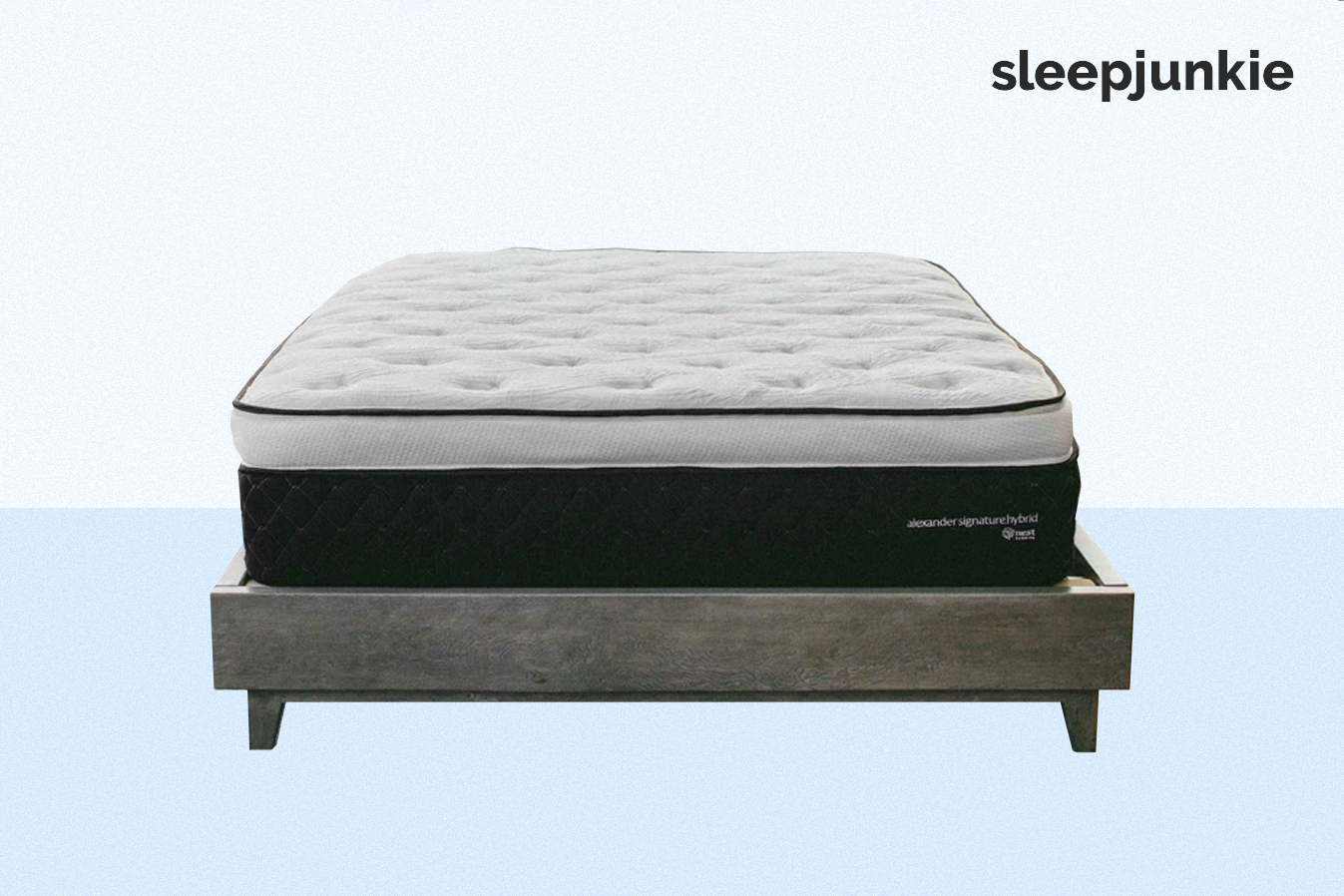
10. Nest Bedding Sparrow Signature Hybrid
  • Price : See Price
  • Mattress Type: Hybrid
  • Thickness: 13 inches
  • Firmness: Plush, Medium, Firm
  • Available in: Twin, Twin XL, Split CK 1-side, Full, Queen, King, Cal. King, Split King

Warranty

Lifetime

Sleep Trial

365 Nights

Shipping

Free

Mattress Highlights
  • Customizable firmness levels
  • Enhanced Edge Support
  • Cooling technology integration
Recommended For
  • Combination sleepers seeking tailored support
  • Couples with different firmness preferences
  • Eco-conscious individuals valuing sustainability

Watch Our Nest Bedding Sparrow Video Review

The Nest Bedding Sparrow Signature Hybrid mattress is a premium choice for those seeking comfort and support and is tailored to combination sleepers. Its innovative hybrid construction combines the best features of foam and coils, creating a responsive and supportive sleeping surface that adapts seamlessly to various sleeping positions.

Crafted with high-quality materials, including foam layers infused with cooling gel and individually wrapped coils, this mattress promotes airflow and regulates temperature effectively. The gel-infused memory foam contours to the body, providing plush comfort and alleviating pressure points, while the pocketed coils offer targeted support and minimize motion transfer.

It is designed to withstand years of use without sagging, ensuring long-term support and comfort. The mattress is CertiPUR-US® certified, meaning it meets rigorous emissions, durability, and performance standards.

9.3 Overall Score
  • 8 Value
  • 10 Edge Support
  • 10 Trial Period
  • 9 Response Time
  • 10 Motion Transfer
  • 9 Cooling & Breathability

I picked the Sparrow as the best customizable bed because its swappable Energex comfort layer lets each side of the bed be set to a different firmness. During testing, the Energex foam responded quickly when I turned over, so I never felt stuck the way I do on slower memory foam, and the pocketed coils held firmer under my hips and softer under my shoulders to keep my spine neutral. Partner movement barely carried across the surface (Motion Transfer 10/10). Setting up the split firmness takes some initial effort, and response time (9/10) trails the coil-forward picks slightly.

Best For:
– Couples who want a different firmness on each side
– Combination sleepers who want quick response between positions
– Buyers who value adjustable, replaceable comfort layers

Compare Instead:
– Saatva Classic if you want a fixed firmness without the setup step
– Helix Midnight Luxe if you want zoned coils without split customization

The Nest Bedding Sparrow Signature Hybrid is known for its comfortability and ability to cater to people’s sleeping preferences. It has a quilted cover that gives a luxurious feel, which is a soft and inviting feel. Beneath this cover, the gel-infused memory foam layer provided an immediate sense of plushness, contouring my body’s curves and alleviating pressure points, especially around my shoulders and hips.

You’ll feel the Energex™ foam layer while back sleeping, and it’s known for its quick responsiveness, adjusted to my movements effortlessly, offering just the right amount of bounce. This prevented the feeling of being stuck in the mattress, a common issue with traditional memory foam beds. The support system, featuring individually wrapped coils, was crucial in maintaining spinal alignment. These coils are designed to adapt to your body’s shape, providing targeted support and ensuring my lower back is well-supported without feeling overly firm.

The zoned support of the pocketed coils is particularly beneficial in offering firmer support under the hips and softer support under the shoulders, which helps maintain a neutral spine position.

Motion isolation is another excellent feature due to individually wrapped coils and the foam layers; movements on one side of the bed were barely noticeable on the other. This is a significant advantage for couples, ensuring both partners can move freely without disturbing each other’s sleep.

The quilted gel-and-phase-change cover is why the surface felt cool on first contact. Below it, the Energex temperature-responsive foam is the layer that responded fastest when I turned over, so I never felt stuck the way I do on slower memory foam. The SmartFlow foam added airflow and support underneath. The individually wrapped coils are why my hips stayed firmer-supported and my shoulders softer, keeping my spine neutral, and they are the reason partner movement barely carried across the bed (Motion Transfer 10/10). The swappable comfort layer is what allows each side to be set to a different firmness.

Pros

  • Motion Transfer (10/10): partner movement barely carried across the surface
  • Edge Support (10/10): reinforced perimeter stayed stable
  • Swappable Energex layer sets each side to a different firmness

Cons

  • Response Time (9/10): trails the coil-forward picks slightly
  • Split-firmness setup takes initial effort; fixed-firmness seekers may prefer Saatva Classic

Nest Bedding Sparrow

In testing, the Sparrow’s Energex layer responded quickly when I turned over and the coils held my hips firmer than my shoulders, keeping my spine neutral. It fits couples who want a different firmness on each side, best for combination sleepers who value adjustable comfort and don’t mind a short setup.

Kristina Hindes
11. Brooklyn Plank Firm
  • Price : See Price
  • Mattress Type: Hybrid
  • Thickness: 13 inches
  • Firmness: 7 & 9/10 (firm and extra-firm)
  • Available in: Twin, Twin XL, Full, Queen, King, Cal. King, Split King, short king, Olympic queen, RV King

Warranty

10 Years

Sleep Trial

120 Nights

Shipping

Free

Mattress Highlights
  • Exceptionally firm support
  • Minimalist design aesthetic
  • High-density foam construction
Recommended For
  • Combination sleepers seeking firm support
  • Stomach and back sleepers who want a flat, firm surface
  • Those who prefer a minimalist design
  • Sleepers want a durable mattress

Watch Our Brooklyn Bedding Plank Mattress Video Review

The Brooklyn Plank Firm is built for sleepers who want an exceptionally firm surface. Its high-density base foam gives a solid foundation that resists sagging and holds its shape, which is what delivers the firm, flat support stomach and back sleepers tend to want to keep their spines level.

On top of the base sits a transitional foam layer, slightly softer, that bridges the firm core and the top comfort layer for a smoother feel. The comfort layer is a firmer polyfoam that gives immediate support with a touch of pressure relief, so the bed stays firm without feeling punishing.

The breathable cover lets air circulate, which kept the dense foam from trapping as much heat as I expected, though it still runs warmer than the coil-forward cooling picks here.

The foams are CertiPUR-US certified and tested for low VOC emissions, which is the certification that covers content, emissions, and durability standards.

8.8 Overall Score
  • 9 Value
  • 10 Edge Support
  • 9 Trial Period
  • 9 Response Time
  • 8 Motion Transfer
  • 8 Cooling & Breathability

I picked the Plank Firm as the best firm bed because it held a flat, stable surface that suited back and stomach sleeping. During testing, my hips stayed up on my stomach instead of dropping into the bed, and on my back the surface stayed level with no sink through the lumbar. The perimeter held firm when I sat on the edge (Edge Support 10/10). The tradeoff is real: on my side it gave little at the shoulder and hip, so it reads too firm for side-dominant sleepers, and it retains a touch more heat than the coil-forward cooling picks here (Cooling 8/10).

Best For:
– Combination sleepers who lean stomach or back and want a firm, flat surface
– Sleepers who want minimal contouring and a stable edge
– Buyers who find soft mattresses let them sink too far

Compare Instead:
– Amerisleep AS3 if you split time on your side and need shoulder pressure relief
– Brooklyn Bedding Aurora Hybrid if you want firm support with a cooler surface

During testing, the Plank Firm read solid and stable as soon as I lay down. The high-density base held a flat surface with no sink, which kept my spine level on my back and my hips up on my stomach, the support back and stomach sleepers tend to want from a firm bed.

Despite the firmness, it did not feel harsh. The transitional layer under the top gave a slight cushion, so the initial feel was more inviting without softening the overall firmness or letting me sink.

The firmer polyfoam top gave immediate support with just enough give to keep pressure off my hips and shoulders, so I felt held up rather than pressed against a hard surface. For side sleeping, though, it gave little at the shoulder, so side-dominant sleepers will find it too firm.

The breathable cover helped with airflow and kept the dense foam from trapping as much heat as I expected. Combined with the CertiPUR-US certified, low-VOC-tested foams, the surface stayed breathable rather than stuffy.

The 6-inch high-density base is the reason the Plank held a flat, stable surface with no sink through the lumbar, which is what kept my hips up on my stomach. The 2-inch Supreme Response comfort layer is what added a small amount of give so the firm surface did not feel punishing, without softening it enough to let me sink. The zero-loft quilted top keeps the firm feel intact edge to edge. The optional GlacioTex cover adds a cooler first-touch; without it, the standard cover retains a little more heat than the coil-forward cooling picks here (Cooling 8/10). CertiPUR-US certified and tested for low VOC emissions.

Pros

  • Edge Support (10/10): perimeter held firm to sit on
  • Flat, stable surface kept my hips up on my stomach and my back level
  • High-density build showed no early sink through the lumbar

Cons

  • Cooling (8/10): standard cover retains more heat than the coil-forward cooling picks here (add GlacioTex for an added fee for a cooler top)
  • Gives little at the shoulder, so it reads too firm for side-dominant sleepers; consider Amerisleep AS3

Brooklyn Bedding Plank Firm

In testing, the Plank Firm kept my hips up on my stomach and my back flat with no lumbar sink, and the edge held firm when I sat on it. It fits stomach- and back-dominant combination sleepers who want a firm, flat surface. Side-dominant sleepers will find it too firm at the shoulder and should consider the AS3.

Kristina Hindes
12. Amerisleep AS5 Hybrid
  • Price : See Price
  • Mattress Type: Hybrid
  • Thickness: 14 inches
  • Firmness: Soft and Medium-firm
  • Available in: Twin, Twin XL, Full, Queen, King, Cal. King, Split King

Warranty

20 years

Sleep Trial

100 Nights

Shipping

Free

Mattress Highlights
  • Plush comfort for pressure relief
  • Advanced hybrid design
  • Enhanced edge support
Recommended For
  • Combination sleepers seeking plush comfort
  • Individuals with pressure point sensitivity
  • Those who prefer a luxurious sleep experience
  • Sleepers wanting advanced support and cooling

Watch Our AS5 Hybrid Video Review

The Amerisleep AS5 Hybrid is the soft pick on this list, built for sleepers who want plushness without giving up support.

At its heart is Bio-Pur foam, which I found breathable and cool to the touch thanks to its open-cell structure. It kept the surface cooler than the plain memory foam I compared while conforming to my body to ease pressure points, and it rebounded quickly, so I never felt stuck when I moved.

The Active Flex layer adds to the plush feel without giving up the support underneath. As I settled in, the bed adapted to my contours and gave targeted relief at my shoulders, hips, and lower back while keeping my spine aligned.

The Bio-Core base held the softer layers steady through testing with no early sink or soft spots. It carries a 20-year warranty, which is on the longer end for a hybrid, though how long any mattress lasts depends on use and body weight.

8.8 Overall Score
  • 8 Value
  • 9 Edge Support
  • 9 Trial Period
  • 8 Response Time
  • 9 Motion Transfer
  • 10 Cooling & Breathability

I picked the AS5 Hybrid as the best soft bed because it delivered deep cushioning without the stuck feeling soft foam usually brings. During testing, the Bio-Pur and Active Flex layers let my shoulders and hips sink in on my side, and the coils underneath kept my back from bowing when I rolled flat, so I stayed supported through the change. The surface rebounded quickly, so repositioning stayed easy for a soft bed. Its softest marks are response (8/10) and value (8/10), and it is too plush for stomach-dominant sleepers who need a flat surface.

Best For:
– Side-dominant combination sleepers who want plush pressure relief
– Sleepers with shoulder/hip pressure sensitivity who still want coil support
– Buyers who want a soft feel that does not trap them in the surface

Compare Instead:
– Brooklyn Plank Firm if you sleep mostly on your stomach and need a flat, firm surface
– Amerisleep AS3 if you want a medium feel between soft and firm

During testing, the AS5 Hybrid enveloped me in softness from the moment I lay down, thanks to its Bio-Pur open-cell top. It conformed to my contours and gave immediate pressure relief without the stuck feeling of traditional memory foam.

The Active Flex layer added softness while keeping me from sinking in, and it responded quickly as I shifted, which as a combination sleeper who moves often kept repositioning easy.

Underneath, the HIVE transition layer gave firmer support at my back and legs while cushioning my shoulders and hips, so my spine stayed aligned across positions. On my side, the soft top cradled my shoulders and hips; when I rolled flat, the coils kept my back from bowing.

The ultra-breathable cover added to the airflow through the open-cell top, so the surface felt cooler to the touch than plain memory foam and did not warm up as quickly through the first hours.

The Bio-Pur top layer is why the AS5 felt cooler to the touch than plain memory foam while still letting my shoulders and hips sink in on my side. The Active Flex layer beneath it is what added the plush cushioning without the stuck feeling, rebounding fast enough that repositioning stayed easy for a soft bed. The HIVE transition layer kept firmer support under my back and legs so I did not bow out of alignment when I rolled flat, and the Bio-Core base held that support steady over the test. The pocketed coils are the reason a soft bed still supported my back across position changes.

Pros

  • Cooling (10/10): Bio-Pur open-cell surface felt cooler to the touch than plain memory foam
  • Plush top cushioned shoulders and hips while coils kept my back from bowing on the roll flat
  • Rebounded fast enough that repositioning stayed easy for a soft bed

Cons

  • Response Time (8/10): slower to recover than the coil-forward picks
  • Too plush for stomach-dominant sleepers who need a flat surface; consider Brooklyn Plank Firm

Amerisleep AS5 Hybrid

In testing, the AS5 Hybrid let my shoulders and hips sink into the soft top while the coils kept my back from bowing when I rolled flat, and it rebounded fast for a soft bed. It fits side-dominant combination sleepers who want plush pressure relief. Stomach-dominant sleepers who need a flat surface should consider the Plank Firm.

Kristina Hindes

Best Budget Mattress:

13. Zoma Start

13. Zoma Start
  • Price : See Price
  • Mattress Type: Memory Foam
  • Thickness: 11 inches
  • Firmness: Medium Firm
  • Available in: Twin, Twin XL, Full, Queen, King, Cal. King, Split King

Warranty

10 years

Sleep Trial

100 Nights

Shipping

Free

Mattress Highlights
  • Responsive memory foam
  • Responsive zoned support
  • Pressure relief technology
Recommended For
  • Combination sleepers seeking responsive support
  • Active individuals who want a responsive foam feel
  • Sleepers looking for pressure relief and motion isolation
  • Those seeking a budget-friendly memory foam mattress

Watch Our Zoma Start Video Review

The Zoma Start is the budget memory-foam pick on this list, and in testing it gave responsive foam support that suited moving between positions. It is built around a zoned comfort layer and a responsive transition foam, which is what kept it from feeling slow or stuck the way cheaper memory foam often does.

At its core is a layer of Reactiv foam that gives responsive support and helps keep the spine aligned. It struck a balanced feel, firm enough to keep me from sinking while contouring enough to relieve pressure at my shoulders and hips.

The Triangulex zoned layer in the comfort foam gave targeted support at my shoulders, hips, and lower back, so my spine stayed aligned and pressure stayed off those points as I moved.

The gel-infused surface and breathable cover kept the bed cool to the touch on contact, and the high-density base held the 11-inch build steady with no early sag. The foams are CertiPUR-US certified and tested for low VOC emissions.

9.2 Overall Score
  • 10 Value
  • 10 Edge Support
  • 9 Trial Period
  • 8 Response Time
  • 9 Motion Transfer
  • 9 Cooling & Breathability

I picked the Zoma Start as the best budget memory-foam bed because it gave responsive foam support at the lowest price on this list. During testing, the Reactiv layer kept me from sinking on my back while the Triangulex zoning cushioned my shoulders and hips on my side, so I stayed aligned across positions without the slow, stuck feel of cheaper memory foam. The gel-infused surface felt cool to the touch on contact, though at 11 inches it is a thinner build than the hybrids here. Response time (8/10) is its softest mark.

Best For:
– Budget-conscious combination sleepers who want memory-foam contouring
– Back-and-side sleepers who want responsive, non-stuck foam
– Buyers who want motion kept quiet at a low price

Compare Instead:
– Amerisleep AS3 if you want a taller, more supportive all-foam build
– Vaya Hybrid if you want coils in your budget pick

During testing, the Zoma Start read supportive with a gentle firmness as soon as I lay down. The Reactiv foam responded promptly to my weight and movements, giving a balanced feel that kept me from sinking while still conforming to my shape, which held my spine aligned whether I was on my back, side, or stomach.

The Triangulex zoning gave targeted support right where I needed it, at my shoulders, hips, and lower back, so pressure stayed off those points and I could settle in comfortably across positions.

On temperature, the gel-infused surface felt cool to the touch on contact, and I noticed it did not build heat around my body as quickly as the denser foam beds I compared through the first hours.

The high-density base held the 11-inch build steady across the test with no early sag, and the CertiPUR-US certified, low-VOC-tested foams made it an easy budget pick to feel good about.

The Triangulex zoned memory-foam layer is what cushioned my shoulders and hips on my side while keeping firmer support under my midsection. Below it, the Reactiv foam is the reason I did not sink or feel stuck when I turned over, so repositioning stayed quick for a budget foam bed. The gel-infused surface and mesh cover gave the cool first-touch, and the high-density base held the 11-inch build steady with no early sag. This is an all-foam mattress with no coil layer, which is why it sits lower in profile than the hybrids here. CertiPUR-US certified and tested for low VOC emissions.

Pros

  • Value (10/10): lowest-priced memory-foam pick on this list
  • Reactiv layer kept me from sinking on my back while Triangulex cushioned my side
  • Gel-infused surface felt cool to the touch on contact

Cons

  • Response Time (8/10): slightly slower to reset than the coil-forward picks
  • All-foam 11-inch build sits lower and less supportive than the hybrids here for heavier sleepers; consider Amerisleep AS3

Zoma Start

In testing, the Zoma Start’s Reactiv layer kept me from sinking on my back while the Triangulex zoning cushioned my side, and it responded quickly for a budget foam bed. It fits budget combination sleepers who want memory-foam contouring in an all-foam build, best for back-and-side sleepers who don’t need a coil layer.

Kristina Hindes
14. Brooklyn Bedding Aurora Luxe
  • Price: See Price
  • Mattress Type: Hybrid
  • Thickness: 13 inches
  • Firmness: Soft, medium, and Firm
  • Available In: Twin, Twin XL, Full, Queen, King, Cal. King, Split King, short king, short queen, RV King, RV bunk

Warranty

Lifetime

Sleep Trial

120 Nights

Shipping

Free

Mattress Highlights
  • Responsive support and pressure relief
  • Advanced cooling technology
  • Enhanced breathability
Recommended For
  • Combination sleepers seeking temperature regulation
  • Individuals prone to overheating during sleep
  • Those looking for advanced cooling technology
  • Sleepers wanting responsive support and pressure relief

Watch Our Brooklyn Aurora Luxe Review

The Brooklyn Bedding Aurora is the cooling pick on this list, and in testing it ran the coolest of the beds here. Its cooling build is the whole point of the mattress, and the surface backed that up: it felt cold to the touch on first contact and did not warm up the way the foam-topped beds I compared did.

At its core is a GlacioTex cooling cover with cool-tech fibers that pull heat off the surface. The cover promotes airflow and felt cold on contact, so the bed stayed cool from the moment I lay down.

Beneath the cover, cooling-infused foam pairs with open-cell foam layers and a coil core, so air moved under me rather than pooling as heat around my hips. That airflow is why the surface stayed cooler through the first hours than the all-foam beds I compared.

For comfort, the Aurora adds a plush pillow-top option that contoured my shoulders and hips and gave real pressure relief without giving up support. It comes in soft, medium, and firm, so the feel can be matched to your position and preference.

9.0 Overall Score
  • 9 Value
  • 8 Edge Support
  • 9 Trial Period
  • 9 Response Time
  • 9 Motion Transfer
  • 10 Cooling & Breathability

I picked the Aurora as the best cooling bed because it ran cooler in testing than the other hybrids here. During testing, the GlacioTex cover felt cold to the touch on first contact and did not warm up as quickly as the foam-topped beds I compared, and the coil core let air move under me rather than trapping heat around my hips. The pillow-top build still cushioned my shoulders and hips on my side and held support when I rolled flat. Its softest mark is edge support (8/10), which gives a little more at the perimeter than the strongest hybrids here, and it is a heavy bed to move.

Best For:
– Hot combination sleepers who want the coolest surface on this page
– Sleepers who want cooling plus a plush pillow-top feel
– Buyers choosing among soft, medium, or firm builds

Compare Instead:
– Brooklyn Plank Firm if you want a firmer surface and care less about cooling
– Leesa Sapira Chill if you want cooling in a boxed hybrid with quicker reset

The GlacioTex cover set the tone from the moment I lay down. Its cool-tech fibers made the surface feel cold to the touch on contact, cooler than any other bed I tested here.

The cooling-infused top foam added to that, and underneath, the open-cell foam and coil core let air move rather than trapping heat around my hips. Between the cover, the foam, and the coil airflow, the Aurora stayed cooler through the first hours than the foam-topped beds I compared.

Beyond cooling, the pillow-top foam layer added plushness and contouring, giving pressure relief at my shoulders and hips while the zoned coils held support whatever position I moved into.

The high-density foam and encased coils held the build steady across the test, and the individually wrapped coils kept partner movement quiet, so shifts on one side barely registered on the other.

The GlacioTex cover is why the Aurora felt cold to the touch on first contact and stayed the coolest surface I tested here. The CopperFlex hyper-elastic layer is what let the surface respond instantly as I moved, so I did not feel stuck between positions, and the VariFlex transition layer smoothed the shift into the coils. The 3-zoned coil core is the reason air moved under me instead of heat building around my hips, and it is what kept partner movement quiet. The high-density base held the coil core steady. The pillow-top build cushioned my shoulders and hips on my side. CertiPUR-US certified and tested for low VOC emissions.

Pros:

  • Cooling (10/10): coldest-to-the-touch surface I tested here; coil core moved air rather than trapping heat
  • Motion Transfer (9/10): individually encased coils kept partner movement quiet
  • Pillow-top build cushioned my side while holding support on my back

Cons:

  • Edge Support (8/10): perimeter gives a little more than the strongest hybrids here
  • Heavy to move and set up; lighter-handling seekers should weigh that

Brooklyn Bedding Aurora Luxe

In testing, the Aurora ran the coolest of the beds here, cold to the touch on contact, with air moving through the coil core, while still cushioning my side and supporting my back. It fits hot combination sleepers who want the coolest surface on this page across soft, medium, or firm builds.

Kristina Hindes

What is a Combination Sleeper?

Combination sleepers regularly switch between two or more sleeping positions. Truthfully, most people are combination sleepers with greater preference for one sleeping position. Combination sleepers will stay in their preferred sleep position longer and switch to it more often.

Because a combination sleeper inhabits most sleeping positions during the night, they can receive the benefits and disadvantages of each position. Each sleeping position comes with pros and cons:

  • Back sleeping keeps the spine’s natural curve supported for many people. Those carrying more weight at the stomach, including during pregnancy, can feel added pressure at the hips and lower back in this position. Back sleeping can also make snoring and acid reflux more noticeable, since gravity works against the soft tissue in the throat.
  • Stomach sleeping tends to flatten the spine’s natural curve and add strain at the neck and lower back, since the hips are heavy and sink into a soft surface. A firmer, flatter mattress helps keep the hips level and the spine in a more neutral line.
  • Around 41% of Americans sleep on their sides. In this position, you are subjected to less back pain and can breathe easier— meaning reduced snoring issues and acid reflux symptoms.

Despite the benefits of sleeping this way, side sleepers are prone to developing pressure points and strained muscles due to weight build-up on their side and the unsupportive space between the head and the mattress. The best mattress for side sleepers has a medium firmness to support healthy posture while still relieving pressure points. A head supported with a lofty pillow will prevent a kinked neck. Placing a pillow between the knees will pull the hips into alignment, as well.

Due to combination sleepers’ frequent position switching, they are less likely to experience limb numbness. However, combination sleepers may experience aches and pains from one of their sleeping positions or an unsupportive mattress.

All sleepers need to keep their spine aligned to avoid pressure points in the neck, shoulder, lower back, and hips. To learn how to combat your chosen sleeping position’s downfalls, you’ll need to know your sleep routine. Ask yourself these questions to learn about your preferences:

  • Do you spend more time in one sleeping position than others?
  • What sleeping position do you fall asleep in?
  • What position do you wake up in?
  • Have you noticed patterns in your sleep style?

Choose the Best Mattress for Combination Sleepers

Finding the best mattress to support all sleeping positions can be grueling. Some mattresses are specifically designed for one sleeping style, with materials balanced between soft pressure relief and firm enough to promote natural spinal alignment.

Combination sleepers need a balance of support, resilience, and firmness in their perfect sleep surface. This combination of mattress qualities allows for easier mobility, promotes spinal alignment, and relieves pressure.

Firmness

Mattress firmness is rated on a scale of one (soft) to ten (firm). A softer mattress can cause mobility issues for combination sleepers, while too firm of a mattress won’t alleviate pressure points. A combination sleeper needs a balanced mattress with equal amounts of support and pressure relief.

Here’s where it gets tricky. Firmness is subjective. We already explained how your needed mattress firmness changes depending on your sleep style; however, it also adjusts based on your body type.

Support

The term “support” describes a flat surface that maintains its leveled state while bearing weight. Support is instrumental to align the spine, so combination sleepers should pay attention to how much support their chosen mattress offers.

If unsupportive mattress is too soft or firm, it can dramatically twist the back, contributing to long-term discomfort. A mattress with the right support for your body type can disperse your weight and relieve pressure while allowing enough contouring to adjust to multiple sleeping positions.

You’ll want to consider which sleeping position you spend most of your time in. Combination sleepers who spend a large portion of their time in the side sleeping position need a mattress with gentler support to combat the pressure building up on their sides. Meanwhile, a combo sleeper who spend the majority of their time on their stomach or back will require less cushioning.

Resilience

Since combo sleepers shift from one position to another, they need easy mobility. A very plush mattress will encourage you to sink rather than stay on top of the mattress’s surface. To avoid getting stuck in the material, search for a bed that can quickly bounce back to its original shape.

Lightweight individuals do not have the weight to sink into firm mattresses and, therefore, these beds will feel too firm to them. Meanwhile, larger people will feel the contouring benefits of a firm mattress easily. Yet, if a larger person sleeps on a plush mattress, their hips will sink into the materials, curving their spines out of alignment. Those who weigh between 130 lbs to 230 lbs will find a medium-soft to medium-firm mattress most comfortable.

Durability

If you’re going to drop a couple hundred dollars on a mattress, you’ll want to make sure the cushion can withstand ten years of regular use. A mattress’s durability is often determined by material quality and component design.

If the company or distributor cannot give you the specifications of the mattress’s material, it’s best to go with another brand since you don’t know the material quality. A company with confidence in its product will plainly state the mattress’s material makeup and characteristics.

Another way to learn a mattress’s durability is to look at their warranty. A manufacturing company puts its products through testing before placing them on the market. Therefore, when a company states their mattress should last ten years, most likely, it will last the promised time.

Motion Isolation

Combination sleepers are known for tossing and turning. Mattress materials that absorb motion at the point of impact can increase sleep quality. Memory foam and latex are some of the best mattress materials for reducing motion transfer.

Mattress Materials

A mattress with the right support, resilience, and firmness contains high-quality materials and sturdy comfort layers. While some mattress materials, like memory foam and latex, give a combination sleeper what they need, coil-based mattresses may fall short due to their high sagging risk.

Innerspring

An innerspring mattress has a spring core, which offers support and minimal motion isolation. Even though these mattresses are common, they have more bounce than necessary and don’t come with much conformability.

We do not suggest this type of mattress to combination sleepers who side sleep as the too firm support can cause pressure build-up in the hips and shoulders.

Hybrid

Hybrid mattresses are a combination of an innerspring support system and memory or latex foam comfort layers. They offer better motion isolation with the contouring abilities of memory foam while providing the support of an innerspring bed.

The hybrid mattress is good for combination sleepers who prefer side sleeping more, although back and stomach sleepers may find this mattress type too soft. The best hybrid mattresses for side sleepers offer the right balance of support for the spine and cushion for the joints.

Memory Foam

Memory foam mattresses come in a variety of firmnesses. Their contouring, support, and pressure-relieving qualities help keep the spine aligned and ease pressure at the shoulders and hips. Since a memory foam mattress can have various firmnesses, they are good for combination sleepers. A medium-firm mattress should have high levels of resilience conducive to easy mobility.

Remember, foam mattresses may not contain memory foam. Foam layers of poly-foam, polyurethane, and hyper-elastic polymer can make up the comfort and transitional layers.

Latex

A latex mattress rivals memory foam in its support and conformability. These mattresses do run on the firmer side, so those who sleep primarily on their backs and stomachs, or who have larger body types, will enjoy this mattress type.

We suggest going with natural latex for its antimicrobial and hypoallergenic qualities; however, blended and synthetic latex is a good, and cheaper, option.

Buying Tips

You should consider the product price and your budget before buying a mattress. Most expensive investments require a look at the return policy and warranty in case of unexpected defects.

Compare Price and Budget

Average mattresses cost around $1000, although they are available from $100 to $5000 and more. Your budget may determine the features your mattress contains.

Consider online mattresses. Mattress in a box mattress brands cut out the storefront and sell the bed at face value, potentially saving you upwards of hundreds of dollars.

Sleep Trial and Warranty

Never overlook sleep trials and warranties— they give you the opportunity to try out the product in your home with the opportunity to return the mattress for a refund within the sleep trial period. The warranty protects you from holding onto a defective mattress.

We suggest settling with a mattress that comes with a sleep trial no shorter than 100 nights. A 100-night time frame gives you the chance to try the mattress and decide if you like it, and then return it if it doesn’t fit your needs.

A warranty should last ten years minimum and state clearly what the contract protects against. As a general rule, a mattress warranty guards against indentations and sagging, faulty workmanship, split or cracked foam, and unraveling mattress covers.

There are companies offering warranties lasting up to 20 years or more. Be sure to read the contract as these warranties may not warrant against material and manufacturing defects for the entire length of the warranty.

Reliable Reviews

Customer reviews can help you learn about the product. Mattress reviews discuss the overall quality, what people dislike and appreciate about the bed, and each company’s focus on customer service.

We suggest reading verified reviews for valid information. If you’re able to find verified reviews through third party companies, your chance of reading untampered reviews goes up.

Best Pillow for Combination Sleepers

If combination sleepers find mattresses tricky to find, pillows are even harder. Depending on your sleep preferences, you may need a thin or lofty pillow or a contoured pillow. Avoid the one-size-fits-all pillows as they won’t provide enough support.

Contour pillows with raised edges of varied lofts will support the neck when side sleeping, allowing your muscles to relax and relieve undue pressure. If you sleep on your stomach or back, we suggest a thinner pillow to keep the neck aligned with the spine.

Frequently Asked Questions

What is the best mattress for combination sleepers of 2026?

My top pick is the Amerisleep AS3. In testing it stayed the most consistent as I changed positions, holding my hips level with my shoulders on my back and cushioning my shoulders on my side without letting my hips drop. Its medium-firm feel and quick recovery between positions are what put it ahead for combination sleepers who split the night across back and side.

Why does putting a pillow between your knees feel comfortable during sleep?

Placing a pillow between the knees during sleep will keep the hips and pelvis aligned and keep the spine in a neutral position. A pillow between the knees will also reduce the pressure on the hip muscles, allowing tension to release so you can sleep more comfortably.

Is a firm mattress better for combination sleepers?

Firmer mattresses limit sinking and keep the spine level, which many stomach and back sleepers prefer. Combination sleepers who split time on their side usually do better with a medium-firm feel that still cushions the shoulder and hip. On this list, the Brooklyn Plank Firm is the firm option and the Amerisleep AS3 is the balanced medium-firm pick.

Is a memory foam mattress better than a spring coil mattress?

Memory foam mattresses contour to the body to relieve pressure and tension. For this reason, they tend to rate the highest when it comes to customer satisfaction. Spring coil mattresses have a thin comfort layer and a firm coil base. This combination does not allow for the same pressure relief as memory foam. Plus, spring coils can often bend or break. When this happens, they can stick up into sensitive pressure points and cause discomfort.

Are hybrid mattresses good for side sleepers?

Hybrid mattresses are suitable for most sleep positions. If you are a side sleeper, look for a hybrid mattress with a soft to medium comfort layer. This firmness will ensure that hips and shoulders remain cushioned and protected during sleep.

Is stomach sleeping a problem for combination sleepers?

Stomach sleeping can flatten the spine’s natural curve and add pressure at the neck and lower back, especially on a soft surface that lets the hips sink. A firmer, flatter mattress helps keep the hips level. Combination sleepers who spend real time on their stomach are usually better served by a medium-firm to firm pick like the AS3 or the Brooklyn Plank Firm.

Did You Find Your Perfect Mattress?

Even if you don’t like our recommended mattresses, there are still plenty of options to choose from. Just remember, combinations sleepers need a balance of support, resilience, and firmness to achieve healthy sleep.


As a dedicated mother of two, Kristina places a high value on holistic health and the well-being of her family. She understands the significance of maintaining hormonal balance and cherishes the essential role of sleep in optimizing overall health. In her leisure time, she indulges her love for the outdoors through hiking, fostering a deep connection with nature, and expresses her creativity through various forms of art. Her life is a vibrant canvas, adorned with wellness and inspiration.

Leave a Reply

Your email address will not be published. Required fields are marked *