I Tested 50+ Mattresses to Find the 14 Best Mattresses for Pressure Points of 2026
Rebecca M. C. Spencer, PhD
Rebecca M. C. Spencer, PhD is a professor of Psychological & Brain Sciences at the University of Massachusetts Amherst. She received her PhD in Neuroscience at Purdue University and did her post-doctoral fellowship at the University of California, Berkeley. Her research in sleep spans from children to older adults and has focused on sleep function […]

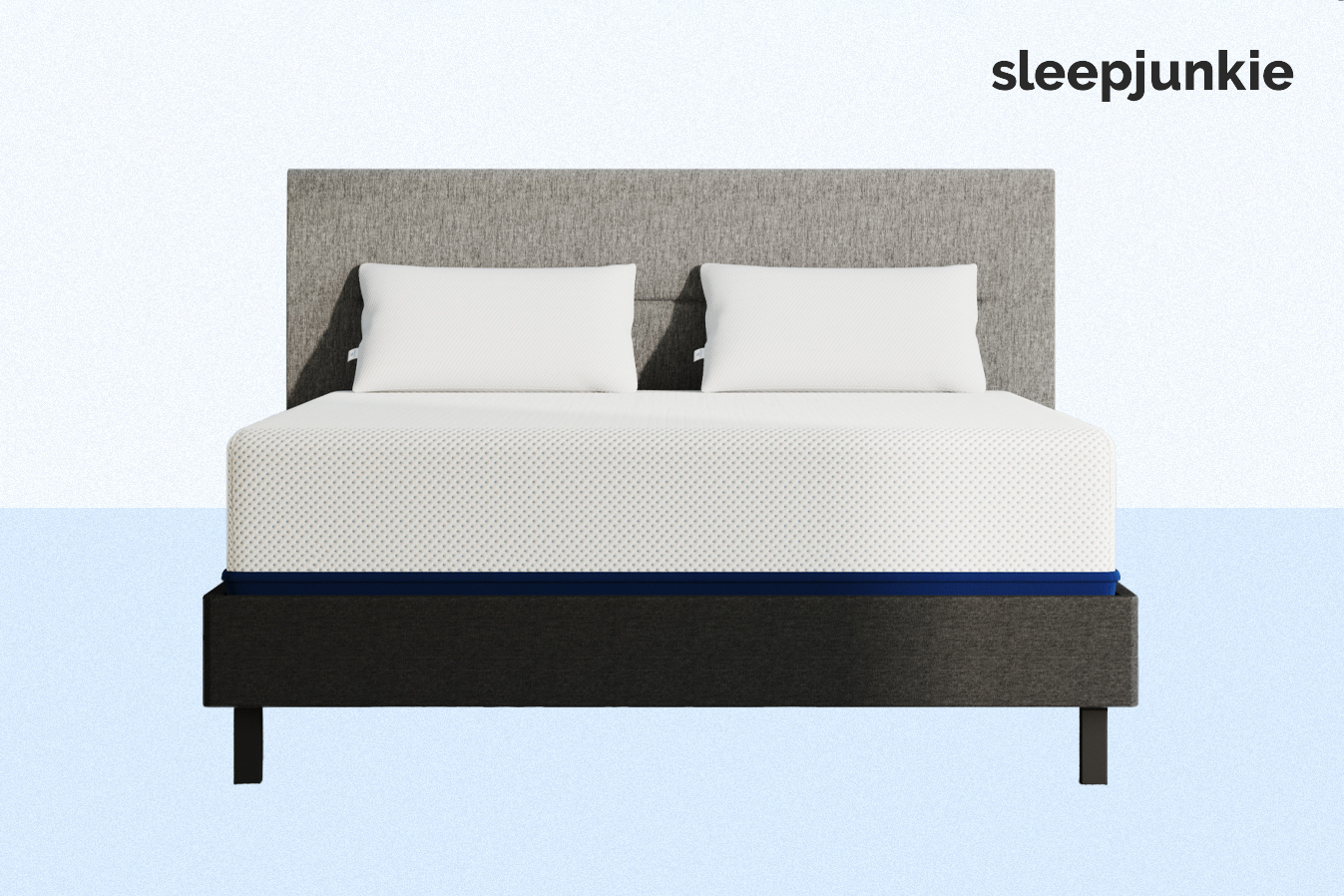
Top Recommendation of 2026: Amerisleep AS3
After testing 50+ mattresses for this guide, the Amerisleep AS3 earned the top spot as the best mattress for pressure points of 2026 because it delivered the most consistent pressure relief across the widest range of sleepers on this list. During testing, my shoulder and hip settled into the zoned transition layer far enough to release the tension that builds when I side sleep, while my lower back stayed level instead of dropping into the foam. When my partner shifted on the far side of a queen, the movement on my side barely registered, which lines up with its 10 out of 10 Motion Transfer score.
The AS3 fits side sleepers who need the shoulder and hip to sink without the spine following, combination sleepers who reposition often and do not want to fight the surface, and couples where one person wakes easily. That balance of give at the contact points and support underneath is what made it the top overall recommendation in this guide.
- Best Overall: Amerisleep AS3
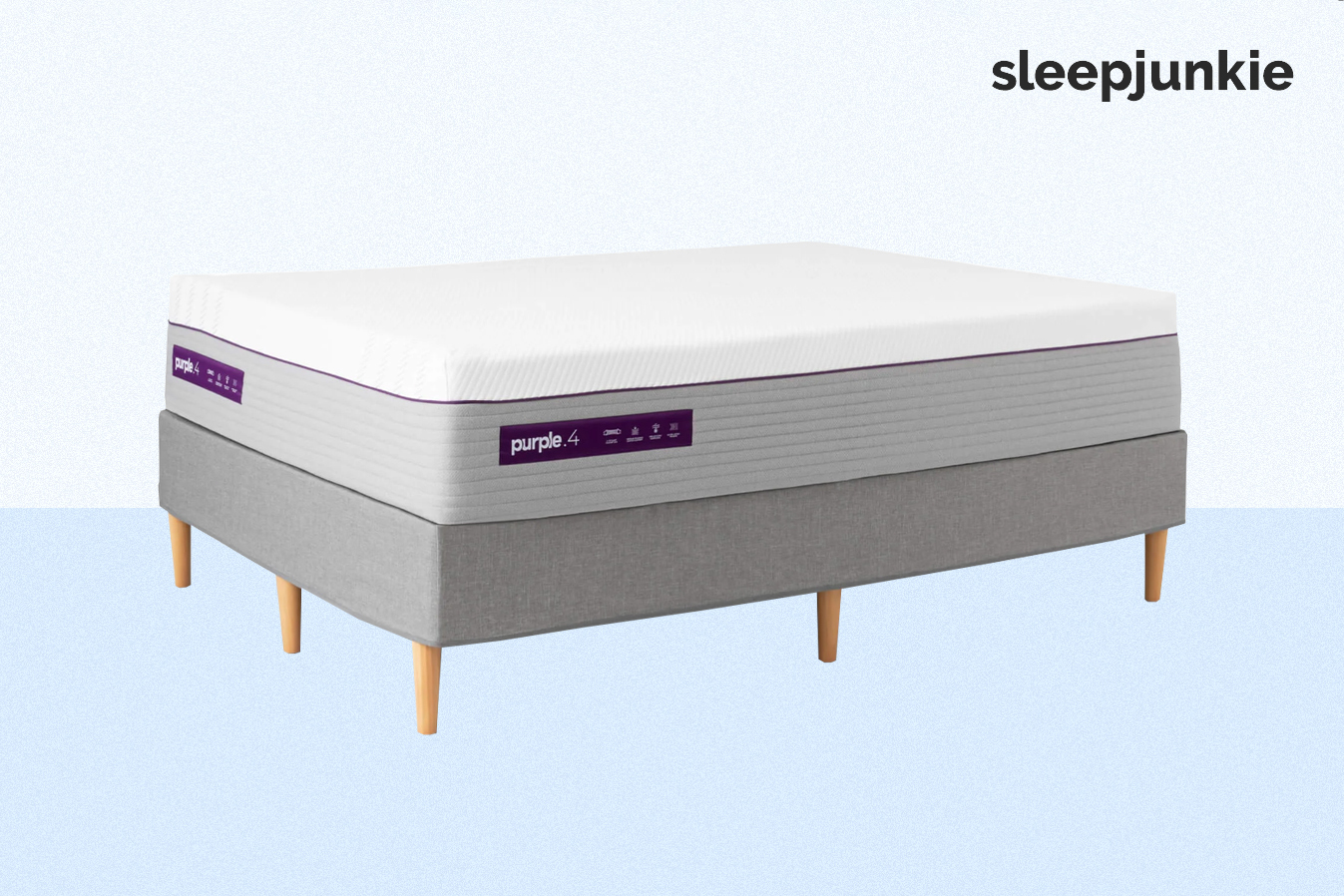
- Best Purple Alternative: FORM Prime
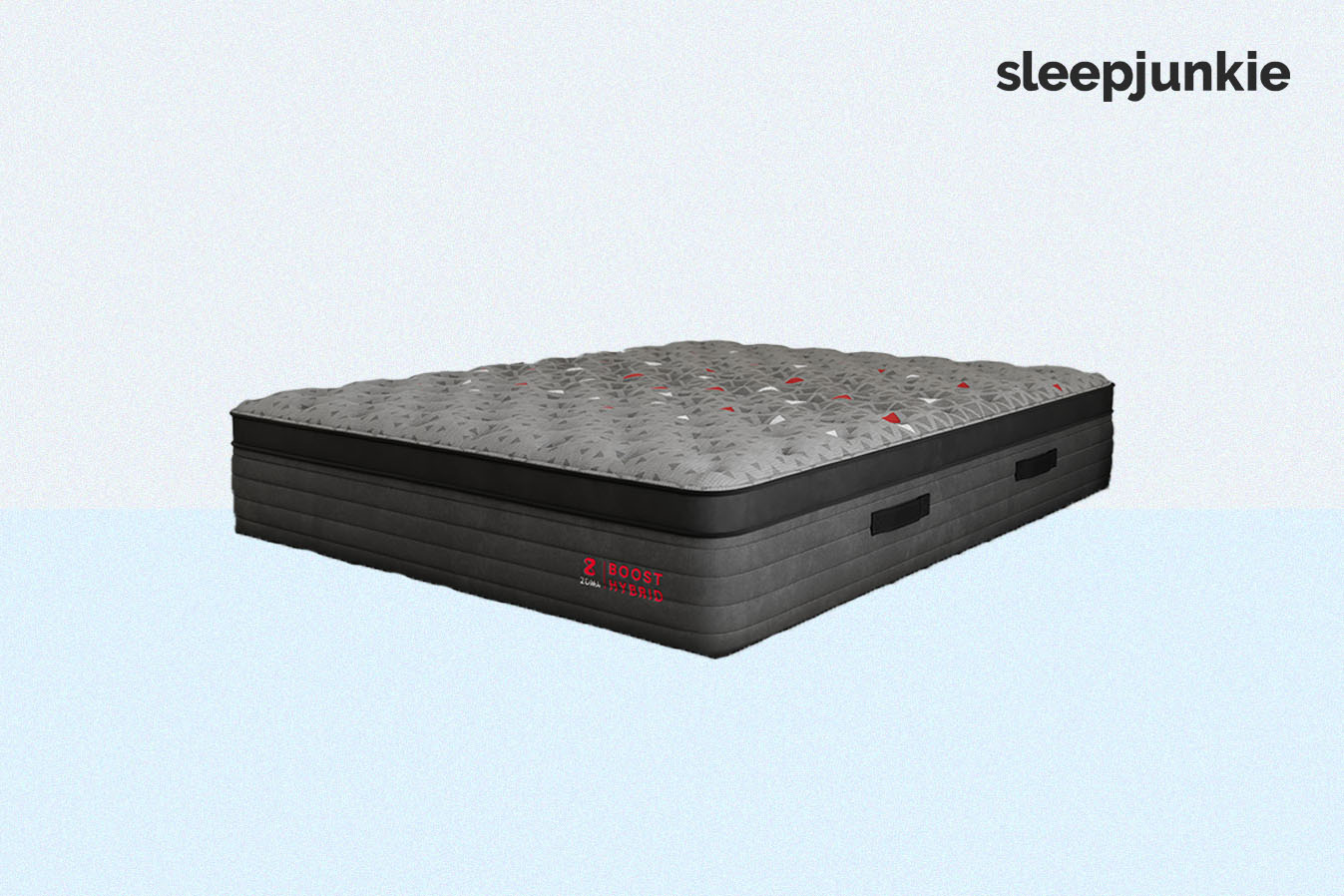
- Best Luxury: Zoma Boost
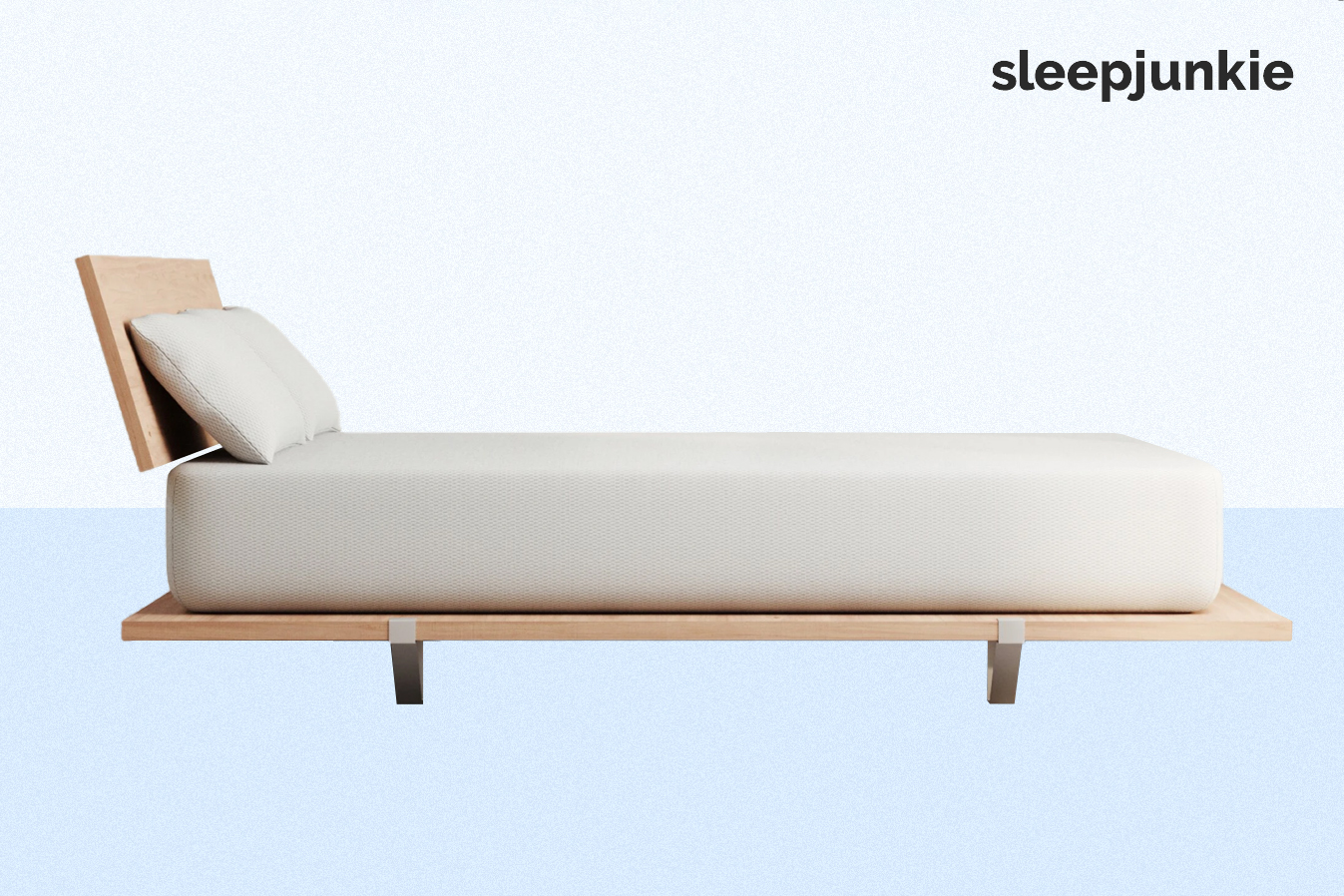
- Best Budget: Vaya Hybrid
- Best For Side Sleepers: Helix Midnight Luxe
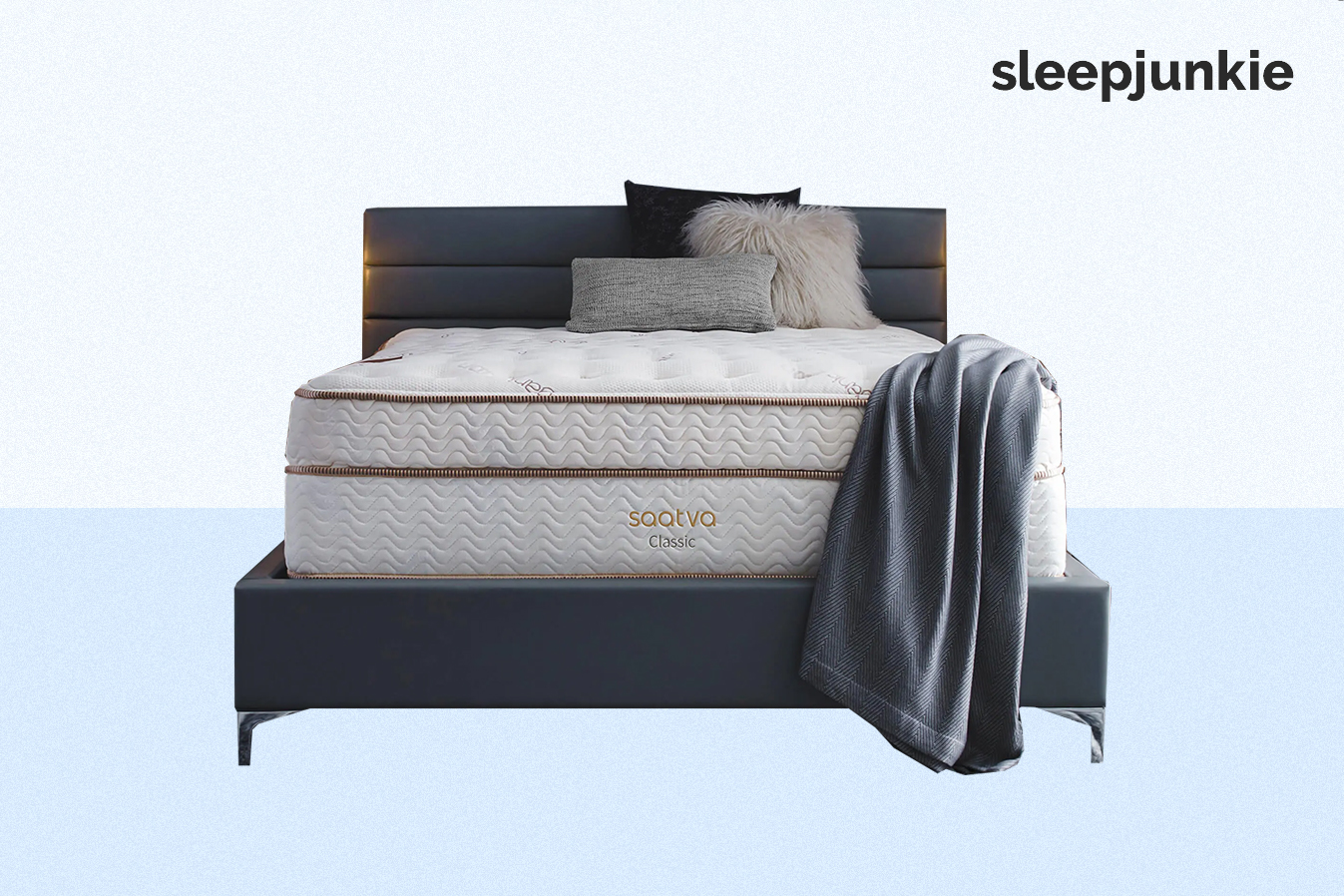
- Best Innerspring: Saatva Classic
- Best Hybrid: Leesa Sapira Chill
- Best Pillow Top: Nolah Evolution
- Best Latex: Amerisleep Organica
- Best Cooling: Amerisleep AS6 Black Series
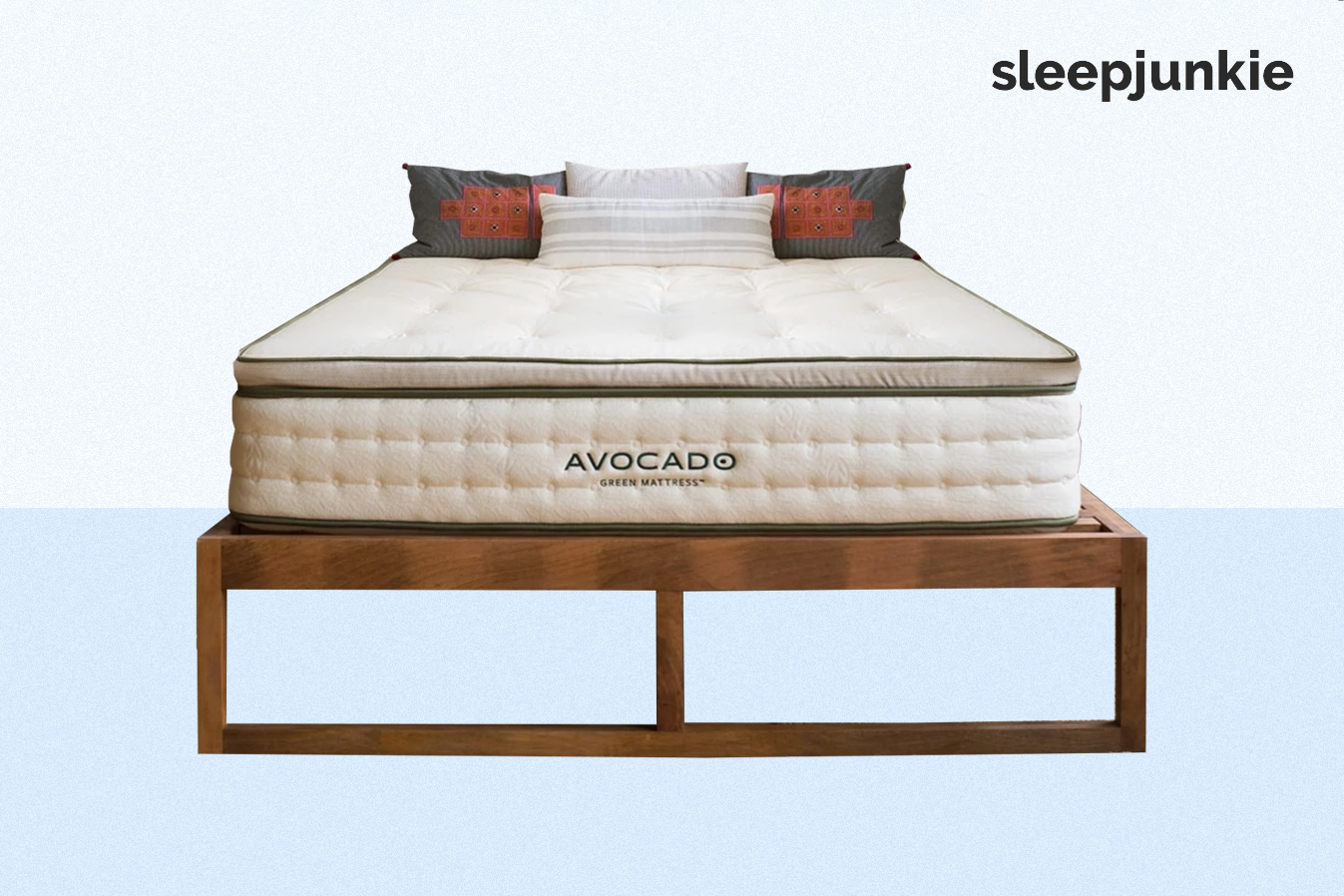
- Best Organic: PlushBeds Signature Bliss
- Best Soft: Amerisleep AS5 Hybrid
- Best Hotel Mattress: Westin Heavenly Bed
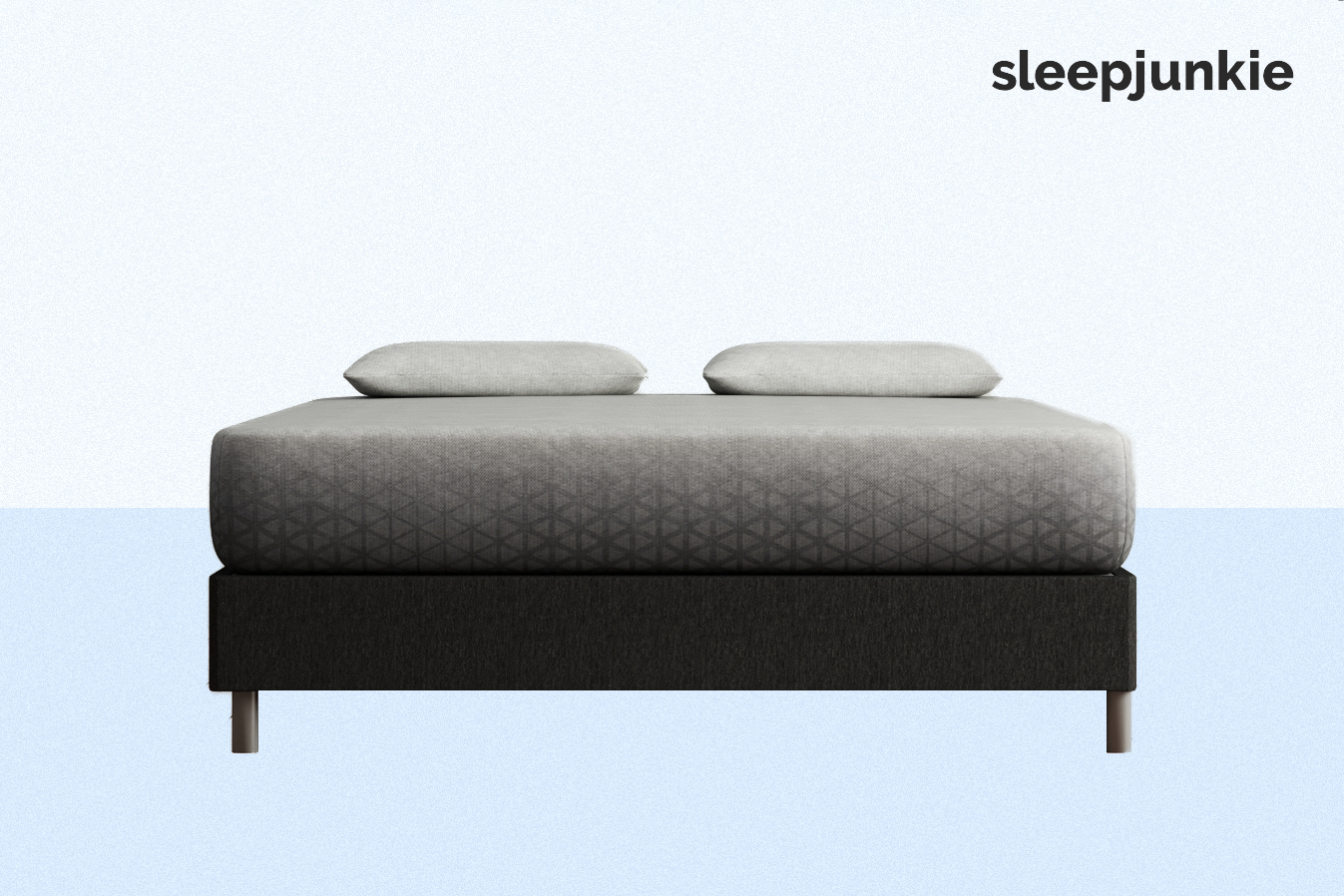
- Best Value Memory Foam: Zoma Start
The best mattress for pressure points is one that lets your shoulder and hip settle in far enough to release tension while still holding your lower back level, and after testing 50+ mattresses I narrowed the field to the 14 below. Pressure points build where body weight concentrates against a surface that will not give, most often at the shoulder, hip, and lower back, and the fix is rarely just a softer bed. A bed that is soft everywhere lets the spine sag along with the shoulder, which trades one problem for another.
What separates the picks on this list is how precisely they give. The strongest performers here use zoned comfort layers or zoned coils that are softer under the shoulder and hip and firmer under the lumbar, so the contact points release while the middle stays supported.
Sleeping position and body weight decide which of these fits you. Side sleepers need the most give at the shoulder, back sleepers need the lumbar held, and stomach sleepers need the hips kept level, which is why this list spans 3 out of 10 to 8 out of 10 on the firmness scale rather than recommending one feel for everyone.
Every mattress below was tested with the same framework and every pick carries a stated limitation as well as an alternative from this same list.
Watch How We Tested
Best Mattress for Pressure Points
Watch Our Amerisleep AS3 Video Review
The Amerisleep AS3 took the top spot because it is the only bed on this list that does two opposite jobs at once without asking you to choose which one matters more.
Most beds here specialize. The AS5 Hybrid gives at the shoulder and gives everywhere else too. The Saatva Classic holds the lumbar and asks you to pick a firmness to get there. The AS3 is an all-foam mattress at a true medium with a zoned transition layer that is deliberately inconsistent: more open under the shoulder and hip, tighter under the lumbar. That is why it releases at the contact points and holds in the middle at the same time, and it is the reason it works for a sleeper who splits their night between two positions rather than committing to one.
I tested it in the same session as the AS5 Hybrid. The AS3 gave roughly half as much at the shoulder and still cleared the pressure, which is what a medium is supposed to do and what most mediums fail at.
Temperature is the second reason it ranks where it does. Memory foam usually holds heat at the shoulder and hip, exactly where the contour is deepest, and that is where the AS3 did not warm up the way the denser foam beds I compared did. Cooling and Breathability sits at 10 out of 10.
The limitations are the edge at 8 out of 10 and the single firmness. If you and a partner sleep close to the sides of a queen you lose some usable width, and if you already know a medium is wrong for you, the Saatva Classic is the better starting point.
The AS3 is the pick for side and combination sleepers who want pressure relief that still works when they roll onto their back, and for couples where one person wakes at the slightest movement.
- 9 Value
- 8 Edge Support
- 9 Trial Period
- 9 Response Time
- 10 Motion Transfer
- 10 Cooling & Breathability
I picked the AS3 for the top spot because it handled the shoulder and hip better than anything else on this list without asking me to pick a firmness first.
Pressure Relief at the Contact Points
The zoned transition layer under the memory foam is cut with hexagonal openings that are more open under the shoulder and hip and tighter under the lumbar. Lying on my side, my shoulder settled into it far enough that the tension I usually feel building after fifteen or twenty minutes released instead, and my arm never went numb. For a side sleeper whose shoulder is the first thing to ache, that is the whole point of the bed.
Alignment on My Back
Rolling flat, my lower back stayed level with my hips rather than dropping the way it does on softer all-foam beds. That is what keeps the AS3 usable for back sleepers as well as side sleepers, and it is why it works for someone who moves between the two.
Motion at 10 out of 10
When my partner got in and out on the far side of a queen, I felt almost nothing on my side. That matches its Motion Transfer score, and it is the difference between waking up and not for a light sleeper sharing a bed.
Best For:
- Side sleepers whose shoulder or hip is the first thing to ache
- Combination sleepers who move between their side and back
- Couples where one partner wakes easily
Compare Instead:
- Amerisleep AS5 Hybrid if your pressure points are sharp enough that you want a much softer, deeper cradle
- Saatva Classic if you want a firmer surface with a coil feel and the option to choose your firmness
- Vaya Hybrid if you want most of this balance at a lower price
The AS3 reads as a true medium under load. There is a distinct two-stage give: the memory foam takes the first inch quickly, then the zoned layer beneath decides how much further you go depending on where you are pressing.
On my stomach, the difference from the softer picks on this list is obvious. My hips stayed close to level rather than dipping, though a dedicated stomach sleeper who wants real pushback will still find this too plush and should look at the Saatva Classic in its Firm build.
Repositioning is where the plant-based foam separates from traditional memory foam. Rolling from my side to my back, the surface released me rather than holding the shape of where I had been, so I never had to push out of a dent. That is what a combination sleeper is actually paying for.
Sitting on the edge to put shoes on, the perimeter gave more than the coil picks here did and I felt myself settle toward the side rather than staying planted. Lying right against the edge was fine; sitting on it is where you notice the 8 out of 10.
Overall this is a bed for someone who moves between their side and their back and wants the same surface to work for both, rather than a specialist in either.
The layer that decides how this bed handles pressure is the zoned transition foam under the memory foam, cut with hexagonal openings that are wider under the shoulder and hip and tighter under the lumbar. That is why my shoulder sank on my side while my lower back stayed level on my back, rather than the whole surface giving equally.
Above it, the plant-based memory foam is more open-celled than standard memory foam, which is why the surface released me quickly enough to roll from side to back without pushing out of a dent, and why it did not warm up as fast as the denser foam beds I compared in the same session.
Under both, a 7-inch high-density base is what stops the sink before the hip drops through. On a 12-inch bed there is not much depth to work with, so that base is what keeps the zoning above it from flattening out under load.
Pros
- Motion Transfer (10/10): my partner getting in and out on the far side of a queen barely registered on my side.
- Cooling and Breathability (10/10): the surface did not warm up as quickly at the shoulder and hip as the denser foam beds I compared in the same session.
- Pressure relief: the zoned openings under the shoulder and hip let my shoulder settle far enough that the tension released rather than building.
- 20-year warranty, the longest on this list alongside the other Amerisleep picks.
Cons
- Edge Support (8/10): sitting on the perimeter to put shoes on, it compressed more than the coil-based picks here, so a couple sleeping close to the edges loses some usable width.
- Single medium firmness, so sleepers who already know they need a firmer or softer surface cannot choose one.
- Mild off gassing was noticeable for the first day after unboxing.
Why The Amerisleep AS3 Won
Across the 14 mattresses on this list, the AS3 was the one that released shoulder and hip pressure on my side while still holding my lower back level on my back, without asking me to choose a firmness first. It carries 10 out of 10 for both motion isolation and cooling, which only one other bed here manages, and pairs that with a 20-year warranty at a mid-range price. Two beds carry higher overall scores, but for a side or combination sleeper who wants pressure relief that works in more than one position, the AS3 is the recommendation.
Watch Our FORM Prime Video Review
The FORM Prime is the alternative for anyone who wants pressure relief without the enveloped feeling that comes with memory foam.
The difference is immediate and it is a matter of direction. On every foam bed on this list you sink into the surface. On the FORM Prime you settle onto it. The polymer grid buckles under the shoulder and hip and holds everywhere else, so the relief happens at the contact points without the rest of you following. If you have tried memory foam and disliked the sensation of being held in place, that distinction is the entire reason to look here.
Underneath the grid sits a seven-zone pocketed coil base, which is what keeps this from being a novelty. A grid on its own can feel unsupported through the middle. Here the coils run firmer under the lumbar, so the surface gives where the weight concentrates and pushes back where it does not.
Trial and edge are both 10 out of 10. At 365 nights it ties the Saatva Classic for the longest trial on this list, which matters on this category because whether a bed genuinely relieves your shoulder is something you learn across weeks.
The limitations are choice and feel. It comes in a single firmness, so dedicated stomach sleepers and heavier back sleepers who want a very firm surface have nothing to select. Its cooling is passive rather than active, so someone who runs very hot in a warm room may still want a pad. And anyone set on natural materials or a traditional foam or coil feel will want to look elsewhere on this list.
The FORM Prime is the pick for side and combination sleepers who want pressure relief at the shoulder and hip without the slow-to-release feel of memory foam.
- 8 Value
- 10 Edge Support
- 10 Trial Period
- 9 Response Time
- 10 Motion Transfer
- 9 Cooling & Breathability
I picked the FORM Prime because its grid-and-zoned-coil build eases tension at the contact points without a hard, unforgiving feel.
Contouring Where Pressure Builds
The GelGrid surface relieved tension at my hips and shoulders while springing back the moment I moved, without the slow, sinking feel of memory foam. The Integra-Mesh reinforcement kept the surface stable rather than jiggly, so it cushioned the joints without feeling unsteady, which matters if you have tried a grid bed before and found it wobbly.
Zoned Support Underneath
The coil base splits into seven zones, firmer under the lower back and softer under the shoulders. During testing my shoulders and hips settled in enough to ease pressure while my lumbar region stayed supported, which kept my spine in a fairly neutral line rather than sagging.
A Surface That Ran Cooler Than the Foam Beds
The cover felt cool on first contact and did not warm up as quickly as the foam beds I compared in the same session, since the open grid channels let heat move out rather than collect underneath. It cools passively rather than actively, so someone who runs very hot in a warm room might still want a cooling pad.
Best For:
- Side sleepers who want pressure relief without the enveloped feel of memory foam
- Combination sleepers who reposition often and do not want to fight the surface
- Hot sleepers who tend to overheat on all-foam beds
Compare Instead:
- Amerisleep AS3 if you prefer the enveloping contour of memory foam over a responsive grid feel
- Amerisleep AS5 Hybrid if you want a much softer, plush surface for sharp pressure points
- Vaya Hybrid if budget is your main concern
The first night on the FORM Prime, the grid surface registered right away. It is neither the slow give of memory foam nor the firm push of a plain coil bed.
It felt buoyant and responsive, cradling my shoulders and hips at the contact points while keeping my midsection level. As someone who moves between my back and side, I liked that I never felt locked into one spot.
For side sleeping, the softer shoulder zone let my shoulder and hip settle in to ease the tension that usually builds there, without letting my spine fall out of line.
On my back, the firmer lumbar zone held my lower back settled rather than strained.
The medium feel gave enough at the shoulders without letting my hips drop, and the handoff from the grid into the coils below felt seamless rather than like two separate beds stacked together.
On later nights I paid attention to movement and temperature. The FORM Prime responded quickly whenever I changed position, and the surface did not warm up as quickly as the foam mattresses I usually test.
Sharing the bed, I barely noticed movement from the other side even when one of us shifted around, which matters most in the first hour when a pressure-sensitive sleeper is still settling.
The FORM Prime uses a five-layer system that pairs a proprietary gel grid with a zoned coil base. Here is how each part contributes.
The surface is wrapped in the AeroWeave™ cover, a ventilated textile with airflow built into the stitching and even the back panel, which stayed cool to the touch during testing.
Beneath it sits FORM’s GelGrid™ comfort layer, a polymer grid of open-air cells that flex under pressure to ease tension at contact points while letting heat escape, with Integra-Mesh™ reinforcement woven through to cut the surface jiggle other grid designs carry.
Below the grid is a 3-inch ContourFlex™ transition foam layer that bridges the grid and the coils so the surface feels cohesive rather than disconnected.
The support core is a ZoneCoil™ 7-Series pocketed coil layer split into seven zones, with individually wrapped coils that help with both motion isolation and airflow, giving the shoulders more give while the lumbar region gets firmer support.
At the base, the BaseFlex™ foundation reinforces the perimeter and supports the coils from beneath, which is much of why the FORM Prime keeps a stable, usable edge.
The FORM Prime is made in the USA and is fiberglass-free.
Pros
- Edge Support (10/10): the BaseFlex perimeter held when I sat on the side, with no sense of sliding off.
- Trial Period (10/10): 365 nights, the joint longest on this list.
- Motion Transfer (10/10): movement from the far side of the bed barely reached me.
- Pressure relief: the grid flexed at my shoulder and hip and sprang back the moment I moved, without the slow sink of memory foam.
Cons
- Single firmness only, so dedicated stomach sleepers and heavier back sleepers who want a very firm surface have no option to choose.
- Cooling is passive rather than active, so someone who runs very hot in a warm room may still want a cooling pad.
- The grid and synthetic build will not suit shoppers set on natural materials or a traditional foam or coil feel.
On my side, the grid surface and the softer shoulder zone released the tension at my shoulder within a few minutes, while the firmer lumbar coils underneath held my spine in a neutral line rather than letting it sag. Best for side and combination sleepers who want pressure relief without the enveloped, slow-to-release feel of memory foam.
Watch Our Zoma Boost Video Review
The Zoma Boost is the luxury pick because it buys you depth without the two things depth usually costs: a soft edge and a hot contact point.
At 15 inches it ties the Nolah Evolution as the tallest bed on this list, and almost all of that extra height is comfort layer rather than coil. That is the whole proposition. A side sleeper who has worked through a series of medium beds and kept finding them shallow is the specific person this is built for.
The graphite in the comfort foam is doing real work at the surface. A comfort layer this deep normally means the contact point heats up, since that is where you are most enclosed by the bed. Against the denser foam beds I compared in the same session, the Boost stayed closer to neutral at the shoulder and hip, though at 9 out of 10 for cooling it is not the coolest bed here and does not pretend to be.
What separates it from the rest of the luxury field is the perimeter. Deep comfort layers and firm edges usually trade against each other, and the Boost carries a 10 out of 10 edge alongside 10 out of 10 for value and motion.
The tradeoffs are physical. At 15 inches it needs deep pocket sheets and it is not realistic to rotate alone, and it comes in one medium-firm feel only, so there is nothing plush or firm to select if the standard build is not right for you.
The Zoma Boost is the pick for side sleepers who have found a standard medium too shallow and want a deeper cradle, and for couples who actually use the full width of the bed.
- 10 Value
- 10 Edge Support
- 9 Trial Period
- 9 Response Time
- 10 Motion Transfer
- 9 Cooling & Breathability
I picked the Zoma Boost as the luxury pick because it gave the deepest cushioning at the shoulder and hip of any bed here that still held a firm perimeter.
Cushioning That Did Not Bottom Out
The graphite-infused memory foam under the quilted top took my shoulder in more deeply than the AS3 did, but the Reactiv layer beneath it stopped the sink before my hip dropped out of line. On my side, the tension released without that swallowed feeling that makes repositioning a chore. For a side sleeper who has found medium beds too shallow, that extra depth is the reason to look here.
Edge Support at 10 out of 10
I sat on the perimeter to put my shoes on and it barely gave, and lying right up against the edge did not produce any roll-off feeling. On a 15-inch bed that is not a given, and it means a couple gets the full width of a queen instead of the middle two thirds.
Repositioning
Despite the depth of the comfort layers, rolling from my side to my back did not take effort. The transition layer released me quickly enough that I never had to push out of a dent.
Best For:
- Side sleepers who want deeper cushioning than a standard medium provides
- Couples who sleep close to the edges of a queen or king
- Sleepers who want a plush surface but have found all-foam beds too slow to move on
Compare Instead:
- Nolah Evolution if you want comparable luxury but the ability to choose a firmer feel
- Amerisleep AS5 Hybrid if you want the softest surface on this list
- Vaya Hybrid if you want a similar medium balance at roughly a third of the price
The Boost has a distinctly layered feel rather than a single sensation. The quilted top gives first and quickly, then the graphite foam underneath takes over more slowly, and the coils are the last thing you meet.
On my back, the lumbar zone held rather than letting my lower back settle into the depth above it, which is the thing that usually goes wrong on a bed with this much comfort layer. Someone who wants a genuinely firm back-sleeping surface will still find it soft, and the Saatva Classic in its Firm build is the better answer there.
Repositioning is easier than 15 inches of build suggests. The transition layer released me rather than holding the impression, so rolling from side to back did not mean climbing out of a dent. On a bed this deep that is the single most important thing it gets right.
Motion is the other standout. When my partner moved on the far side of a queen, the coil pocketing kept it there and almost nothing reached me.
The Boost suits a side sleeper who wants to feel held rather than supported on top, and who shares the bed with someone who moves.
The depth in this bed comes from graphite-infused memory foam sitting under a quilted gel foam top, and that pairing is why my shoulder went in further here than on the medium all-foam picks without the surface feeling hot at the contact point.
The Reactiv layer beneath is what keeps that depth usable. It is the reason my hip stopped rather than continuing down on my side, and the reason rolling to my back did not mean climbing out of a dent, which is the usual cost of a comfort layer this deep.
Underneath, zoned pocketed coils run firmer through the middle and reinforced at the perimeter. That reinforcement is why sitting on the edge to put shoes on barely compressed it, and why lying against the edge on a bed this tall did not produce a roll-off feeling.
Pros
- Value (10/10), Edge Support (10/10), and Motion Transfer (10/10): three top-tier scores at once, and the perimeter barely gave when I sat on it despite a 15-inch build.
- Pressure relief: my shoulder went deeper into the graphite foam than on the medium all-foam picks here, and the Reactiv layer stopped the sink before my hip dropped.
- Deepest comfort layer on this list that still holds a firm edge, which is a combination most luxury beds trade away.
Cons
- Cooling and Breathability (9/10): strong, but the deep comfort layers hold more heat at the contact point than the beds scoring 10 here.
- At 15 inches it ties the Nolah Evolution as the tallest bed on this list, so it needs deep pocket sheets and is not realistic to rotate alone.
- Single medium-firm feel, so there is no plush or firm version for sleepers who want a different surface.
- Mild off gassing was noticeable for the first two days after unboxing.
On my side, my shoulder went deeper into the graphite foam than on any medium bed here, and the Reactiv layer underneath stopped the sink before my hip dropped out of line. Sitting on the edge to put shoes on barely compressed it. Best for side sleepers who have found standard medium beds too shallow, and for couples who use the full width of a queen or king.
Watch Our Vaya Hybrid Video Review
The Vaya Hybrid is the budget pick because of where it chose to spend and where it chose not to.
Most beds at this price cut the comfort layer and hope a soft cover disguises it. The Vaya spends on a quilted Euro top and a reinforced pocketed coil unit, and takes the hit on motion isolation instead. That is a defensible trade for a solo sleeper and a real cost for a couple, and it is the single fact worth knowing before you buy.
What you get for it is a bed that scores 10 out of 10 on value, edge, and response at once, which nothing else on this list under twice the price manages. Rolling from side to back left no dent to push out of, and that responsiveness matters more on a pressure guide than it sounds, because sleepers who feel pressure build tend to move to relieve it.
What you give up, besides motion, is depth. The comfort layers are thinner than the Amerisleep AS3 or the Zoma Boost and you can feel that directly if your pressure points are sharp. This is not a bed that will fix a shoulder that a medium has never fixed. It is a bed that does the core job of this category at well under half the price of the luxury picks.
At 14 inches it is also taller than its price suggests and may not suit a low bed frame, so measure before ordering.
The Vaya Hybrid is the pick for a budget shopper who is a back or side sleeper and either sleeps alone or shares with someone who does not move much.
- 10 Value
- 10 Edge Support
- 9 Trial Period
- 10 Response Time
- 7 Motion Transfer
- 9 Cooling & Breathability
I picked the Vaya Hybrid as the budget option because it was the cheapest bed here that still released pressure at the shoulder and hip properly, rather than just feeling soft.
Pressure Relief Without a Premium Build
The Vaya foam over the coils gave under my shoulder without collapsing, and on my side the tension eased instead of concentrating. It does not contour as deeply as the AS3 or the Boost, and you can feel that difference directly, but it does the core job that this category asks for at well under half the price of the luxury picks.
Edge Support at 10 out of 10
Sitting on the perimeter to put my shoes on, it barely compressed. That is unusual at this price, and it is one of the two scores where the Vaya beats beds costing three times as much.
The Tradeoff Is Motion, at 7 out of 10
When my partner shifted on the far side of a queen, I felt it. Not enough to wake me from deep sleep, but enough to notice while falling asleep. This is the lowest Motion Transfer score on the page and the honest limitation of the bed.
Best For:
- Budget shoppers who still need real shoulder and hip relief
- Side and back sleepers who want a medium feel without choosing a firmness
- Guest rooms and first mattresses where the trial and warranty matter more than the last ten percent of performance
Compare Instead:
- Amerisleep AS3 if you sleep with a partner who moves and the 7 out of 10 motion score concerns you
- Zoma Start if you want an all-foam feel at a similar price
- Helix Midnight Luxe if you are a dedicated side sleeper and can stretch the budget
The Vaya reads softer on first contact than its 5 to 6 firmness suggests, because the quilted top compresses quickly before anything underneath engages. Once you settle, the coils are noticeably present in a way they are not on the foam-heavy picks here.
On my back, the coils held my lower back level rather than letting it settle, and the transition from side to back happened without any awkward step between the top layer and the support beneath it.
On my stomach, the medium feel let my hips drop a little more than I would want for a full night. A dedicated stomach sleeper should look at the Saatva Classic in its Firm build instead.
The coil bounce is the character of this bed. Changing position takes no effort at all, which is why Response Time sits at 10 out of 10, but that same responsiveness is why a partner moving carries across more than it does on a dense foam core. Those two things are the same property of the build, and you cannot have one without the other at this price.
The Vaya suits a back or side sleeper on a budget who wants a coil feel and does not share the bed with a restless partner.
The quilted Euro top is what does the initial cushioning here, compressing under the shoulder before the foam below it engages. That two-stage give is why the pressure eased on my side even though the comfort layers are thinner than the luxury picks on this list.
Under it, the Vaya foam is a faster foam than standard memory foam, which is why rolling from side to back did not leave a dent behind me and why the Response Time score sits at 10 out of 10.
The pocketed coil unit is reinforced at the perimeter, and that is what produced the 10 out of 10 edge: sitting on the side to put shoes on barely moved it. Those same coils are also where the 7 out of 10 motion score comes from, since a coil unit this responsive carries more of a partner’s movement across than a dense foam core would.
Pros
- Value (10/10) and Edge Support (10/10): the perimeter barely compressed when I sat on it, which is unusual at this price.
- Response Time (10/10): rolling from side to back left no dent to push out of.
- Pressure relief: the quilted Euro top gave under my shoulder before the foam engaged, so the pressure eased rather than concentrating.
Cons
- Motion Transfer (7/10): the lowest on this page. When my partner shifted on the far side of a queen I felt it, enough to notice while falling asleep.
- The comfort layers do not contour as deeply as the luxury picks here, and side sleepers with sharp pressure points will feel that difference directly.
- At 14 inches it is taller than average and may not suit lower bed frames.
On my side, the quilted Euro top gave under my shoulder before the foam below engaged, and the pressure eased rather than concentrating at the joint. On my back, the coils held my lower back level. Best for budget shoppers and back or side sleepers who want genuine pressure relief and can accept a 7 out of 10 motion score if they share the bed.
Watch Our Helix Midnight Luxe Video Review
The Helix Midnight Luxe is the side sleeper pick because it is the most narrowly built bed on this list, and that is a compliment.
Everything about it is aimed at one position. The coil unit runs in three zones rather than one, softest at the shoulder, firmest under the hips, medium through the lower back. The copper-infused memory foam above it contours around the shoulder while a faster Helix foam sits over the top so the surface still lets go when you move. There is a single medium firmness because the geometry, not the firmness number, is the product.
I tested it against the AS5 Hybrid in the same session, and the contrast is instructive. The AS5 gives more overall. The Midnight Luxe gives more precisely, and for a side sleeper who wants their shoulder released without their whole midsection following, precision is worth more than depth.
Motion and edge both sit at 10 out of 10, and the 15-year warranty is longer than most hybrids at this price carry.
The cost of that focus is written into the score box. Value is 7 out of 10, tied for the lowest on this page. You are paying a premium for zoned shoulder relief, and a back or stomach sleeper will be paying for something they never use. There is also no firmer or softer version to fall back on if the single medium turns out to be wrong, and at 13.5 inches with a heavy coil build it is awkward to move or rotate alone.
The Midnight Luxe is the pick for a dedicated side sleeper who shares a bed with someone who moves.
- 7 Value
- 10 Edge Support
- 9 Trial Period
- 9 Response Time
- 10 Motion Transfer
- 9 Cooling & Breathability
I picked the Helix Midnight Luxe for side sleepers because its shoulder zone is the most specifically built for that position on this list.
The Shoulder Zone Is the Point
The coil unit under the pillow top runs softer at the shoulders and firmer under the hips and lower back. Lying on my side, my shoulder dropped noticeably further than my hip did, which is exactly the geometry a side sleeper needs and the opposite of what happens on a uniformly firm bed. The tension across the top of my shoulder released within a few minutes rather than building.
Motion at 10 out of 10 and Edge at 10 out of 10
My partner moving on the far side of a queen barely registered, and sitting on the perimeter to put shoes on produced almost no compression. For a couple where one person is a dedicated side sleeper and the other moves a lot, that combination is hard to find.
The Tradeoff Is Value, at 7 out of 10
This is the joint-lowest Value score on the page. You are paying a premium over the Vaya Hybrid for the zoned shoulder relief and the stronger motion and edge numbers, and if you are not primarily a side sleeper, you may not use what you are paying for.
Best For:
- Dedicated side sleepers whose shoulder is the primary pressure point
- Couples where one partner moves frequently in bed
- Sleepers who want a plush pillow top without a fully enveloping memory foam feel
Compare Instead:
- Amerisleep AS5 Hybrid if you want a softer surface still built around side sleeping
- Saatva Classic if you want to choose your firmness rather than accept a single medium
- Vaya Hybrid if the 7 out of 10 Value score is the sticking point
The Midnight Luxe reads as a plush medium with a firm floor. The pillow top and the memory foam below it give quickly, then the zoned coils arrive and stop you, and where that stop happens depends entirely on which part of your body is pressing.
On my back, the firmer hip and lumbar coils held my lower back level rather than letting it settle behind my shoulders, which is what makes this usable for someone who splits their night between side and back rather than sleeping purely on their side.
On my stomach, the medium feel let my hips sit lower than ideal. A dedicated stomach sleeper wants a firmer surface than this offers, and there is no firmer version of this bed to choose.
Repositioning is quick. The faster foam above the copper gel layer releases rather than holding the impression, so I never had to push out of where I had been lying.
The Midnight Luxe suits a side sleeper who also spends part of the night on their back, and who wants a cushioned surface without the fully enclosed feel of a memory foam bed.
The part of this build that matters for side sleeping is the coil unit, which is zoned into three sections: softer at the shoulders, firmest under the hips, medium through the lower back. That is the reason my shoulder dropped further than my hip did on my side rather than the surface giving evenly, which is the geometry that actually releases shoulder pressure.
Above the coils, a copper-infused memory foam layer contours around the shoulder and a faster Helix foam sits above it, which is why the surface released me on repositioning instead of holding the shape.
The perimeter coils are reinforced, and that is what produced the 10 out of 10 edge: sitting on the side felt planted rather than tipping. The quilted pillow top and the choice of a Tencel or GlacioTex cover sit above all of it, and the GlacioTex version felt noticeably cooler on first contact than the Tencel did.
Pros
- Motion Transfer (10/10) and Edge Support (10/10): partner movement barely reached me, and sitting on the perimeter produced almost no compression.
- Pressure relief: the softer shoulder zone let my shoulder drop noticeably further than my hip, which is the geometry side sleepers need.
- 15-year warranty, longer than most hybrids at this price.
Cons
- Value (7/10): the joint lowest on this page. The zoned shoulder relief is a premium you may not use if you are not primarily a side sleeper.
- Single medium feel, so there is no softer or firmer version to choose.
- At 13.5 inches and a heavy coil build, it is awkward to move or rotate alone.
On my side, my shoulder dropped noticeably further into the softer shoulder zone than my hip did, which is the geometry that actually releases shoulder pressure rather than pushing back against it. Best for dedicated side sleepers whose shoulder is the primary pressure point, and for couples where one partner moves a lot in bed.
Watch Our Saatva Classic Video Review
The Saatva Classic is the innerspring pick because it removes the guess that every other bed on this list asks you to make.
Twelve of the fourteen picks here arrive at a firmness someone else chose. The Saatva arrives at the one you chose: Plush Soft at 3, Luxury Firm at 5 to 7, or Firm at 8, in either an 11.5 or 14.5 inch build. Those are genuinely different beds rather than the same bed with three labels, which is why this is the only pick here I would recommend to a stomach sleeper without qualification.
It is also the most traditional thing on this list. A dual coil unit under a Euro pillow top is an old construction, and what it buys is bounce. Response Time is 10 out of 10, and pairing that with a 365-night trial matters more on this category than on most, because pressure relief is something you assess over weeks rather than in a showroom.
Two practical costs come with the format. Value sits at 7 out of 10, tied for the lowest here. And the 14.5-inch build is heavy and delivered assembled rather than boxed, so it is genuinely difficult to move once it is in the room and it needs deep pocket sheets. If you move often or live up a narrow staircase, factor that in.
The Saatva Classic is the pick for a stomach sleeper, or for anyone who has already learned that a medium is not their firmness.
- 7 Value
- 10 Edge Support
- 10 Trial Period
- 10 Response Time
- 9 Motion Transfer
- 9 Cooling & Breathability
I picked the Saatva Classic as the innerspring option because it is the only bed on this list that lets you match the firmness to your position before it arrives.
Three Firmnesses, Three Different Answers
I tested the Luxury Firm build. On my side, the Euro pillow top gave enough at the shoulder that the pressure released, while the coils underneath held my hip up rather than letting it sink through. On my stomach, my hips stayed level rather than dipping. If you already know a medium is wrong for you, the Plush Soft and Firm options are the reason to pick this over the single-firmness beds here.
Response Time at 10 out of 10
Rolling from my side to my back, the surface released me immediately. There is no dent to climb out of. For a sleeper who repositions specifically to relieve pressure, that is not a small thing, and it is the practical advantage a coil bed has over foam.
A 365-Night Trial
The trial ties the FORM Prime for the longest on this list at 10 out of 10, and it matters more here than on most guides. Whether a bed actually relieves your pressure points is something you learn over weeks, not in a showroom.
Best For:
- Sleepers who already know a standard medium is too soft or too firm for them
- Stomach sleepers, who are underserved by most of this list
- Anyone who wants a traditional coil feel with a pillow top rather than a foam surface
Compare Instead:
- Nolah Evolution if you want three firmness choices in a foam hybrid rather than a coil bed
- Amerisleep AS3 if you would rather have a medium chosen for you and a deeper memory foam contour
- Vaya Hybrid if the 7 out of 10 Value score is the sticking point
The Saatva reads as a coil bed with a cushion on top, not as a foam bed. You feel the pillow top compress, then you feel the springs, and the two stay distinct rather than blending into one surface. Whether that is what you want is the main question with this bed.
In the Luxury Firm build, the reinforced center third is the thing you notice on your back. My lower back stayed level rather than settling, and on my stomach my hips stayed up. That center reinforcement is also why the same bed works across three positions rather than specializing in one.
The bounce is genuine. Rolling between positions took no effort and the surface pushed back rather than releasing slowly, which is the opposite experience from the memory foam picks on this list.
Motion is the cost of that bounce. At 9 out of 10 it is strong for a coil bed, but a partner getting up carried across more than it did on the foam-heavy picks here, and no dual coil unit will match a dense foam core on this measure.
The Saatva suits a sleeper who wants a coil feel and needs to pick a firmness, and who shares the bed with someone who does not get up much in the night.
This is a dual-coil bed, and the two coil layers do different jobs. The individually wrapped comfort coils near the surface are what let my shoulder settle on my side without the whole surface moving, and the steel base coils underneath are what kept my hips from continuing down after it did.
Between me and those coils sits a 3-inch Euro pillow top with CertiPUR-US certified memory foam, which is the layer responsible for the initial give at the shoulder and hip. It is also thin enough that the coils stay felt, which is why the surface released me immediately when I rolled and why Response Time scores 10 out of 10.
The reinforced center third is the reason my lower back stayed level on my back and my hips stayed up on my stomach, and it is the specific reason this bed works across all three positions rather than one.
Pros
- Trial Period (10/10) and Response Time (10/10): 365 nights, and the surface released me immediately when I rolled between positions.
- Edge Support (10/10): the perimeter held firm when I sat on it to get up.
- Three firmness options and two heights, the widest choice on this list, and the Luxury Firm build kept my hips level on my stomach.
- Lifetime warranty.
Cons
- Value (7/10): the joint lowest on this page. You are paying a premium for the coil build and the trial length.
- Motion Transfer (9/10): strong for a coil bed, but a dual coil unit will always carry more movement across than a dense foam core.
- The 14.5-inch build is heavy, needs deep pocket sheets, and is delivered rather than boxed, so it cannot be moved room to room easily.
On my side, the Euro pillow top gave at my shoulder while the dual coil layers underneath held my hip up, and on my stomach in the Luxury Firm build my hips stayed level rather than dipping. Best for stomach sleepers, who are underserved by most of this list, and for anyone who already knows a standard medium is wrong for them and wants to choose plush, luxury firm, or firm.
Watch Our Leesa Sapira Chill Video Review
The Leesa Sapira Chill is the hybrid pick because it solves cooling and pressure relief with two separate parts rather than asking one material to do both.
The cooling lives in the quilt top, which is fiber-infused rather than gel-infused foam. That architecture is worth understanding, and it makes for a useful contrast with the Amerisleep AS6 on this same list. The AS6 stacks three cooling layers above the contour and hits hardest in the first thirty seconds. The Sapira Chill starts less dramatically and does its work later, because a quilt does not warm the way a foam layer does once your body is pressing into it. Four beds here share the top cooling score and they arrive at it differently.
The pressure relief lives in the spring core, which runs firmer through the lumbar and around the perimeter and softer at the shoulder. Above it, four foam layers step down in softness rather than sitting as one thick block, which is why the surface still pushes back before the hip drops.
Three comfort levels at plush, medium-firm, and firm mean the feel can be matched to position and body weight rather than accepted. For a couple who disagree about firmness, that flexibility is the practical reason to look here over the single-firmness picks.
The tradeoff is value at 8 out of 10. This is premium hybrid pricing, and the cooling advantage is only worth paying for if you actually run warm. At 14 inches it also needs deep pocket sheets, worth checking before ordering.
The Sapira Chill is the pick for a hot sleeper who is also pressure-sensitive, and for a couple who want to choose different firmness levels.
- 8 Value
- 10 Edge Support
- 9 Trial Period
- 10 Response Time
- 9 Motion Transfer
- 10 Cooling & Breathability
I picked the Sapira Chill as the hybrid option because it holds its surface temperature longer than any other bed here without giving up cushioning at the shoulder.
Cooling at 10 out of 10
The quilt felt cool on first contact, which most cooling covers manage. What separated it was what happened next. After an hour of lying still it had not gone neutral, while the gel-foam beds I compared in the same session had. For a sleeper whose pressure points get worse once they start overheating and shifting around, that hour is the part that decides whether the bed works.
Zoned Springs Under the Shoulder and Hip
The spring unit runs firmer through the lumbar and edges and softer at the shoulder. On my side, my shoulder settled without my lower back giving way behind it, and the four foam layers above the springs kept the transition from feeling like two separate beds stacked together.
Response Time at 10 out of 10
Switching positions took no effort. The springs pushed back quickly and the comfort layers released rather than holding the shape of where I had been.
Best For:
- Hot sleepers whose discomfort is driven as much by heat as by pressure
- Sleepers who want to choose plush, medium-firm, or firm rather than accept one feel
- Combination sleepers who reposition frequently
Compare Instead:
- Amerisleep AS6 Black Series if cooling is your single priority and you want the deepest cooling stack here
- Vaya Hybrid if you want a hybrid at a much lower price and can accept a warmer surface
- Helix Midnight Luxe if you are a dedicated side sleeper and want a zoned shoulder rather than firmness options
The Sapira Chill feels spring-forward in a way the foam-heavy picks on this list do not. The quilt top is structured rather than pillowy, and underneath it you meet the foams and then the springs in quick succession rather than sinking gradually through one surface.
On my back, the zoned lumbar springs engaged clearly, holding my lower back level rather than letting it settle. That is the part of the build that makes the medium-firm version usable for back sleeping as well as side.
On my stomach in the medium-firm build, my hips stayed close to level. The firm option would suit a dedicated stomach sleeper better, which is the practical value of having three choices rather than one.
Motion is good but not category-leading. At 9 out of 10, a partner shifting registered slightly more than it did on the foam-core picks here, which is the usual cost of a responsive spring unit.
The Sapira Chill suits a sleeper who wants coils to be part of the feel rather than hidden underneath foam, and who can pick the firmness that matches their position.
The quilted top is where the cooling comes from, and it is a fiber-infused quilt rather than a gel foam, which is why it still felt cool after an hour of contact when the gel-foam beds I compared had gone neutral.
Below it, four foam layers step down in softness rather than sitting as one thick comfort block. That is why my shoulder found give on my side while the surface still pushed back before my hip dropped, and why repositioning did not mean waiting for foam to release.
The zoned spring core is the reason for both the support and the edge: firmer through the lumbar and around the perimeter, more forgiving at the shoulders. Sitting on the side to get up felt planted rather than compressing under me, and because the coils are individually wrapped, a partner moving stayed on their side of the bed.
Pros
- Cooling and Breathability (10/10): the quilt top still felt cool after an hour of contact, when the gel-foam beds I compared had gone neutral.
- Response Time (10/10) and Edge Support (10/10): repositioning took no effort, and sitting on the side felt planted rather than compressing.
- Three comfort levels, so the firmness can be matched to position and body weight rather than accepted.
- Limited lifetime warranty with a 120-night trial.
Cons
- Value (8/10): premium hybrid pricing, and the cooling advantage is only worth paying for if you actually run warm.
- Motion Transfer (9/10): good, but the spring-forward feel carries slightly more movement than the foam-heavy picks scoring 10 here.
- At 14 inches it needs deep pocket sheets, worth checking before ordering.
The quilt top still felt cool after an hour of contact, when the gel-foam beds I compared in the same session had already gone neutral, and on my side the zoned springs let my shoulder settle without my lower back giving way behind it. Best for hot sleepers whose pressure points get worse once they start overheating and shifting, and for couples who want to choose between plush, medium-firm, and firm.
Watch Our Nolah Evolution Video Review
The Nolah Evolution is the pillow top pick because it is the only bed on this list that carries a top layer this deep and a floor underneath it firm enough to make the depth safe.
That combination is rarer than it sounds. A plush Euro top usually means the hips go with the shoulder, which is why most pillow tops are side-sleeper-only beds. The Evolution puts a firmer transition layer and a tri-zone coil unit under all that softness, and you can feel precisely where the giving stops. It is also the reason the same bed can be recommended to a heavier sleeper, who will compress a thinner comfort layer flat and never reach the support beneath it.
Three firmness options at plush, luxury firm, and firm mean the build can be matched to the sleeper rather than accepted, which on a 15-inch bed at this price is not a small thing.
The score box is unusually strong across the board. Value, Edge Support, and Motion Transfer all sit at 10 out of 10, and it is the only pick on this list holding all three of those at once while also carrying a lifetime warranty.
The costs are height and speed. At 15 inches it ties the Zoma Boost as the tallest bed here, so it needs deep pocket sheets and rotating it alone is not realistic. And at 9 out of 10 for response time, the quilted top holds a shallow impression for a beat before releasing, which a combination sleeper who moves constantly will register.
The Evolution is the pick for a side sleeper who wants real depth at the shoulder, and for a heavier sleeper who has flattened thinner comfort layers before.
- 10 Value
- 10 Edge Support
- 9 Trial Period
- 9 Response Time
- 10 Motion Transfer
- 9 Cooling & Breathability
I picked the Nolah Evolution as the pillow top because it gave the most cushioning at the shoulder of any bed here that still kept my hips from dipping on my stomach.
A Euro Top That Cushions Without Collapsing
Lying on my side, the quilted top and the AirFoamICE layer under it took my shoulder in deeply, and the tension released rather than concentrating at the joint. What surprised me is that the same bed held my hips level when I rolled onto my stomach, which most plush pillow tops do not manage. The tri-zone coil unit is firmer through the middle, and you can feel where that firmness starts.
Motion at 10 out of 10
My partner getting up in the night did not carry across to my side, which for a 15-inch coil bed is unusual. The individually wrapped coils are doing most of that work.
Edge Support at 10 out of 10
Sitting on the perimeter to tie my shoes, the edge held rather than rolling under me. On a bed this tall that stability also makes getting in and out easier.
Best For:
- Side sleepers who want deep cushioning at the shoulder and hip
- Heavier sleepers who have bottomed out on thinner comfort layers
- Couples who use the full width of the bed and have one partner who gets up at night
Compare Instead:
- Zoma Boost if you want similar luxury cushioning in a single medium feel at a lower price
- Amerisleep AS5 Hybrid if you want the softest surface on this list rather than a choice of three
- Vaya Hybrid if you want a medium hybrid without the premium price
The Evolution has the most distinct two-stage feel on this list. The quilted top gives generously and immediately, then the transition foam arrives and the descent stops fairly abruptly. On a bed with this much comfort layer, that hard floor is the reason it stays usable across positions rather than becoming a soft trap.
On my back, the tri-zone coils lifted under the lumbar while my shoulders and legs stayed cushioned, and the weight distribution felt even rather than concentrated under my hips.
Repositioning takes slightly more effort than on the coil-forward picks here. At 9 out of 10 for response time, the quilted top holds a shallow impression for a moment before releasing, and a combination sleeper who moves constantly will register that.
Height is the other thing you feel daily. At 15 inches, getting into bed is a step up rather than a sit down, and rotating it alone is not realistic.
The Evolution suits a side sleeper who wants a genuinely deep pillow top, and a heavier sleeper who needs the firmer floor underneath it to actually stop the sink.
The reason this bed cushions the shoulder as deeply as it does without losing the hip is the split between the quilted Euro top and the tri-zone coil unit underneath.
The cotton cover with ArcticTex fibers felt cool on first contact, and the AirFoamICE layer under it is open-celled rather than dense, which is why the shoulder sank without the surface holding heat at the contact point the way a traditional memory foam pillow top does.
A firmer transition layer sits between the comfort foams and the coils, and that is what stops the sink. It is why my hips stayed level when I rolled onto my stomach on a bed with this much softness on top.
The coil unit runs softer at the shoulders and hips and firmer through the lumbar, with a reinforced perimeter and an edge gusset. That reinforcement produced the 10 out of 10 edge and made getting in and out of a 15-inch bed easier than the height suggests.
Pros
- Value (10/10), Edge Support (10/10), and Motion Transfer (10/10): three category-leading scores, and the edge held when I sat on it to tie my shoes.
- Pressure relief: the Euro top took my shoulder in as deeply as anything on this list while the firmer middle third still held my hips level on my stomach.
- Three firmness options and a lifetime warranty.
Cons
- Cooling and Breathability (9/10): strong, but the deep pillow top holds more heat at the contact point than the beds scoring 10 here.
- Response Time (9/10): the quilted top takes a moment longer to release than the coil-forward picks, which combination sleepers may notice.
- At 15 inches it ties the Zoma Boost as the tallest bed on this list, so it needs deep pocket sheets and is not realistic to rotate alone.
On my side, the quilted Euro top and the foam under it took my shoulder in as deeply as anything here, and when I rolled onto my stomach the firmer middle third still held my hips level. Best for side sleepers who want deep cushioning at the shoulder and hip, and for heavier sleepers who have bottomed out on thinner comfort layers.
Watch Our Amerisleep Organica Mattress Video Review
The Amerisleep Organica is the latex pick because it relieves pressure through a mechanism nothing else on this list uses.
Foam relieves pressure by staying compressed. Latex relieves it by compressing and then immediately letting go. Both get the shoulder out of trouble; only one of them lets you leave whenever you want. If memory foam has always felt like being held in place, that is the specific complaint this bed answers, and its 10 out of 10 for Response Time is the score that reflects it.
There are two latex picks on this list, and the honest comparison between them comes down to the perimeter and the price. The PlushBeds Signature Bliss uses a denser edge coil configuration and holds a 10 out of 10 edge for meaningfully more money. The Organica sits at 8 out of 10, tied for the lowest here, and costs less. Which of those matters depends entirely on whether you sleep and sit toward the sides of the bed or stay near the middle.
Materials are the other half of the case. GOTS certified organic cotton and OEKO-TEX certified wool, with a 20-year warranty behind them, which is the longest coverage on this list alongside the other Amerisleep picks.
The remaining limitations are a single medium firmness with nothing to select at either end, and a price premium over the conventional hybrids here that you are paying specifically for the certified natural build.
The Organica is the pick for a combination sleeper who changes position frequently to relieve pressure and has found memory foam too slow, provided they do not sleep right against the edge.
- 9 Value
- 8 Edge Support
- 9 Trial Period
- 10 Response Time
- 9 Motion Transfer
- 9 Cooling & Breathability
I picked the Organica as the latex option because it relieves pressure through a completely different mechanism than everything else on this list.
Latex Cushions Without Holding You
Talalay latex gives under the shoulder and hip the way memory foam does, but it comes back the instant you move rather than keeping the shape. On my side the tension released, and when I rolled to my back there was no lag and no dent to push out of. If memory foam has always felt like being held in place, this is the answer to that specific complaint.
Response Time at 10 out of 10
That instant rebound puts it in the top tier on this page for response, tied with the Vaya Hybrid, the Saatva Classic, the Leesa Sapira Chill, and the PlushBeds Signature Bliss. It is the practical reason to choose latex for pressure relief: you can reposition freely to relieve a hot spot instead of fighting the surface.
The Tradeoff Is the Edge, at 8 out of 10
Sitting on the perimeter, it compressed more than the coil-heavy picks here did, and I felt myself settle toward the edge rather than staying planted. It is the joint-lowest Edge Support score on this page and the honest limitation of the build.
Best For:
- Sleepers who find memory foam too slow or too enveloping
- Combination sleepers who change position frequently to relieve pressure
- Shoppers who want GOTS and OEKO-TEX certified natural materials
Compare Instead:
- PlushBeds Signature Bliss if you want a natural build with a stronger perimeter
- Amerisleep AS3 if you want a deeper, more enveloping contour and a lower price
- Saatva Classic if you want a natural cotton cover with a traditional coil feel and firmness choices
Latex has a buoyancy that neither foam nor coils reproduce. On the Organica you sit on top of the surface being pushed back at, rather than settling into it, and the give happens under that pushback rather than instead of it. Whether you like that is largely a matter of preference rather than performance.
On my back, the coils under the latex held my lower back level and the medium feel did not let my hips settle. On my stomach, the same firmness kept my hips from dipping more than the softer picks on this list did.
The cotton cover has a crisp, dry hand rather than a slick or plasticky one, and the wool underneath it is what you actually feel first at the shoulder before the latex engages.
Where you notice the 8 out of 10 edge is getting out of bed rather than lying down. Sitting on the perimeter, the surface compressed under me and I had to plant a foot rather than simply standing up.
The Organica suits a sleeper who wants natural materials and an immediate, springy response, and who sleeps toward the middle of the bed rather than the edges.
Talalay latex is the reason this bed behaves differently from everything else here. It gives under the shoulder and hip the way memory foam does, but it rebounds the instant load comes off, which is why rolling from my side to my back left no dent and why Response Time sits at 10 out of 10.
Above the latex, organic wool and cotton are what soften the first moment of contact, since bare latex can feel firm at the shoulder before it gives. The wool also moves moisture, which is part of why the surface did not feel clammy after extended contact.
Under the latex, a responsive transition foam keeps the bed from feeling like it is floating on the coils, and the pocketed coil core runs firmer under the torso than at the shoulders. The perimeter coils are lighter than the coil-heavy picks on this list, which is the honest reason Edge Support sits at 8 out of 10 rather than 10.
Certifications carry their scope: GOTS certified organic cotton and OEKO-TEX certified wool.
Pros
- Response Time (10/10): the latex rebounded instantly, leaving no dent when I rolled from side to back.
- Pressure relief: the wool and cotton layers soften the first moment of contact so the latex gives at the shoulder rather than pushing back.
- GOTS certified organic cotton and OEKO-TEX certified wool, with a 20-year warranty.
Cons
- Edge Support (8/10): the joint lowest on this page. Sitting on the perimeter, it compressed more than the coil-heavy picks and I settled toward the edge rather than staying planted.
- Single medium feel, so sleepers who want a firmer or softer surface have no option.
- Premium pricing for the certified natural materials, well above the conventional hybrids on this list.
Rolling from my side to my back, the latex released me instantly and left no dent to push out of, which is the specific advantage it has over every memory foam bed on this list. Best for combination sleepers who reposition often to relieve pressure and have found memory foam too slow, though the 8 out of 10 edge means it is not the pick if you sleep close to the perimeter.
Watch Our Amerisleep AS6 Black Series Video Review
The Amerisleep AS6 Black Series is the cooling pick because of where its cooling sits rather than what it is made of.
The clearest way to understand this bed is against the Amerisleep AS3, which sits at number one on this list. Underneath, they are close relatives: plant-based Bio-Pur foam for the contour, an Affinity transition layer to stop the sink, a pocketed coil core. The entire difference is in the top two inches, where the AS6 stacks its cooling above the contour rather than mixing it into the foam. That placement is the product, and it is why the AS6 behaves differently over an hour than a gel-infused bed does.
Three firmness options change the fit more here than they do elsewhere, and it is worth being blunt about it: the Plush Soft build at 3 to 4 is a different bed. It will not hold a stomach sleeper, and choosing it by default because softer sounds better for pressure points is the most common way to get this purchase wrong. The Luxury Firm is the build most people on this page should be looking at.
Motion sits at 10 out of 10 and the warranty runs 20 years.
The costs are price and mass. Value at 9 out of 10 reflects a real premium over the standard Amerisleep line, and at 14 inches with a coil core this is not a bed you rotate alone.
The AS6 is the pick for a hot sleeper who wants a deep contour without the heat that normally comes with it, and it is worth choosing the Luxury Firm build if you also sleep on your back.
- 9 Value
- 9 Edge Support
- 9 Trial Period
- 9 Response Time
- 10 Motion Transfer
- 10 Cooling & Breathability
I picked the AS6 Black Series as the cooling option because it was the least heat-retentive bed on this list over a full night, not just at first contact.
Cooling at 10 out of 10
The CryoCool cover felt genuinely cold to the touch when I first sat down, and unlike most cooling covers it had not gone neutral an hour later. Underneath it, the TitanAir layer and the ArcticWave bands sit between me and the memory foam, which is where heat usually collects on an all-foam bed. Compared against the denser foam beds I tested in the same session, it did not warm up at the shoulder and hip the way they did.
Motion at 10 out of 10
Partner movement on the far side of a queen barely reached me. The PrecisionCoil unit is individually pocketed, so movement stays where it happens.
Three Firmnesses, and That Changes the Fit
I tested the Luxury Firm. In that build my hips stayed level on my back while my shoulder still released on my side. The Plush Soft option is a different bed entirely and would not hold a stomach sleeper.
Best For:
- Hot sleepers whose pressure points get worse once they start overheating
- Side sleepers who want cooling without giving up a deep contour
- Couples where one partner runs hot and the other wakes easily
Compare Instead:
- Leesa Sapira Chill if you want comparable cooling in a spring-forward feel at a lower price
- Amerisleep AS3 if you want the same Amerisleep contour without paying for the cooling stack
- Vaya Hybrid if cooling matters but budget matters more
In the Luxury Firm build the AS6 reads as a medium that firms up as you press into it. The cooling layers at the top are thin and firm to the touch, so the first inch feels more structured than a plain memory foam surface, and the Bio-Pur underneath is where the actual contour happens.
On my side, my shoulder settled into that second stage while the Affinity layer below stopped the descent before my hip followed. On my back, my lower back stayed level rather than settling, which is what the Luxury Firm build is for.
The surface temperature is the thing you notice most, and it is a texture difference as much as a temperature one. The cover has a cool, slightly slick hand rather than the warm knit of a standard cover, and that persists rather than fading in the first few minutes.
Repositioning is straightforward at 9 out of 10. The Bio-Pur releases faster than traditional memory foam, so rolling over does not mean climbing out of an impression.
The AS6 suits a hot sleeper who wants memory foam contouring and has previously given it up because of the heat, and who is willing to pick the right firmness rather than defaulting to the softest one.
The cooling here is a stack of three things sitting between you and the memory foam, and that layering is why the surface had not gone neutral an hour into testing the way most cooling covers do.
The CryoCool cover is the part you feel first, cold to the touch on initial contact. Under it, the TitanAir layer is infused with titanium and the ArcticWave bands run through the same zone, and together they sit exactly where heat normally collects on a foam bed: at the shoulder and hip, under the deepest part of the contour.
Below that stack, plant-based Bio-Pur foam does the contouring and an Affinity transition layer stops the sink before the hip drops through, which is what keeps the Luxury Firm build usable for back sleeping.
The PrecisionCoil core is individually pocketed with a reinforced perimeter. That pocketing is why partner movement stayed on the other side of the bed at 10 out of 10 for motion, and the reinforcement is what holds the edge on a 14-inch build.
Pros
- Cooling and Breathability (10/10): the CryoCool cover felt cold on first contact and had not gone neutral an hour later, unlike most cooling covers I test.
- Motion Transfer (10/10): partner movement stayed on the other side of the bed.
- Three firmness options, so the same cooling build can be matched to side, back, or stomach sleeping.
- 20-year warranty.
Cons
- The Plush Soft option at 3 to 4 out of 10 lets the hips sink on the stomach, so stomach sleepers should choose Luxury Firm or Firm rather than assuming any build will work.
- Value (9/10): the cooling stack carries a real premium over the standard Amerisleep line.
- At 14 inches with a coil core it is heavy to move or rotate alone.
The CryoCool cover felt cold on first contact and, unlike most cooling covers I test, had not gone neutral an hour later, with the TitanAir layer and ArcticWave bands sitting between me and the memory foam at the shoulder and hip where heat usually collects. Best for hot sleepers who want a deep contour without the heat that normally comes with it, and worth choosing the Luxury Firm build if you also sleep on your back.
Watch Our Plushbeds Signature Bliss Video Review
The PlushBeds Signature Bliss is the organic pick because it fixes the two things natural beds usually get wrong.
The first is the shoulder. Bare latex pushes back before it gives, which is why so many natural mattresses feel unfriendly to side sleepers. The Signature Bliss puts a wool layer between the cotton cover and the latex, and wool compresses first, so the initial contact is softer than the material underneath would suggest.
The second is the perimeter, and this is where it separates from the Amerisleep Organica on this same list. Natural builds tend to have soft edges because the certified materials are in the comfort layers and the coil unit is an afterthought. Here the coil unit runs in five zones with a denser configuration around the outside, and Edge Support and Response Time both sit at 10 out of 10.
Certifications carry their scope: GOLS certified organic latex, GOTS certified cotton, and GREENGUARD Gold certified for low chemical emissions, with a lifetime warranty behind them.
Two limits are worth naming. At 9 out of 10 the wool and latex run temperature-neutral rather than actively cool, so a genuinely hot sleeper will not get the drop the top cooling picks here deliver. And there are only two firmness choices, medium and medium-firm, with nothing genuinely plush or genuinely firm at either end. The build is also heavy enough that rotating it alone is difficult.
The Signature Bliss is the pick for a side or combination sleeper who wants certified organic materials and sleeps close enough to the edge that perimeter support actually matters.
- 9 Value
- 10 Edge Support
- 9 Trial Period
- 10 Response Time
- 9 Motion Transfer
- 9 Cooling & Breathability
I picked the Signature Bliss as the organic option because it is the only certified-organic build here that also holds a 10 out of 10 edge.
Latex Over Coils, With a Wool Buffer
The wool layer under the cotton cover compresses under the shoulder and hip before the latex does, which softens the initial contact more than a bare latex surface would. On my side the pressure eased at the shoulder without the spine following it down, and rolling to my back the latex released immediately rather than holding the shape.
Edge Support at 10 out of 10
Sitting on the perimeter to put shoes on, the reinforced coils barely gave. That is the specific thing most natural and latex beds get wrong, and it is where this one separates from the Organica on this same list.
Response Time at 10 out of 10
Changing position took no effort. Five beds share the top response score here, and the Signature Bliss and the Organica get there through latex rebound rather than coil bounce, which is a different sensation for the same result.
Certifications carry their scope: GOLS certified organic latex, GOTS certified cotton, and GREENGUARD Gold certified for low chemical emissions.
Best For:
- Shoppers who want certified organic materials without giving up perimeter support
- Side sleepers who find bare latex too firm at the shoulder
- Combination sleepers who want a fast, responsive surface
Compare Instead:
- Amerisleep Organica if you want a similar natural build at a lower price and can accept a softer edge
- Saatva Classic if you want an organic cotton cover with firmness choices and a longer trial
- Vaya Hybrid if the organic certifications are not the priority
The Signature Bliss has a two-material feel that is unusual on this list. The wool gives softly and immediately, then the latex arrives with a distinct springiness underneath it, and the handoff between the two is what you notice in the first minute.
On my back in the medium-firm build, the zoned coils held my lower back level and the latex did not let my hips settle behind my shoulders. On my stomach, the same build kept my hips reasonably level, though a dedicated stomach sleeper would want firmer than medium-firm goes.
The cotton cover has a dry, slightly crisp hand rather than a slick one, and it stays neutral rather than actively cool. This is not a bed that drops in temperature under you; it simply does not build heat the way a dense foam surface does.
Repositioning takes no effort. The latex releases the instant load lifts, which is why the surface never holds an impression and why the response score sits at 10 out of 10.
The Signature Bliss suits a sleeper who wants natural materials and a springy, immediate surface, and who wants that without losing the perimeter support that natural beds usually give up.
This is a latex-over-coils build, and the wool layer between the cotton cover and the latex is what makes it work at the shoulder. Wool compresses before latex does, so the first moment of contact is softer here than on a bare latex surface, which is the usual complaint about natural beds for side sleeping.
The GOLS certified organic Talalay latex underneath is what does the actual pressure relief, and because it rebounds immediately rather than holding a shape, repositioning took no effort and Response Time sits at 10 out of 10.
A transition foam sits between the latex and the coils so the surface reads as one bed rather than two stacked pieces.
The pocketed coil unit is zoned firmer under the torso and built with a denser perimeter configuration, and that perimeter is the reason sitting on the side to put shoes on barely gave, which is unusual for a natural bed and the specific thing that separates this one from the other latex pick on this list. Certifications carry their scope: GOLS certified latex, GOTS certified cotton, GREENGUARD Gold certified for low chemical emissions.
Pros
- Edge Support (10/10) and Response Time (10/10): the reinforced perimeter barely gave when I sat on it, and the latex released me instantly when I rolled.
- Pressure relief: the wool compresses before the latex does, softening the first moment of contact that bare latex usually gets wrong.
- GOLS certified organic latex, GOTS certified cotton, and GREENGUARD Gold certified for low chemical emissions, with a lifetime warranty.
Cons
- Cooling and Breathability (9/10): the wool and latex run neutral rather than actively cool, so a hot sleeper will not get the drop the top cooling picks here deliver.
- Only two firmness choices, medium and medium-firm, with nothing genuinely plush or genuinely firm at either end.
- Premium pricing, and the latex and coil build is heavy enough that rotating it alone is difficult.
On my side, the wool layer compressed under my shoulder before the latex did, which softened the first moment of contact that bare latex usually gets wrong, and sitting on the perimeter to put shoes on barely gave. Best for shoppers who want certified organic materials without giving up edge support, and for side sleepers who have found latex too firm at the shoulder.
Watch Our AS5 Hybrid Video Review
The Amerisleep AS5 Hybrid is the soft pick because at 3 out of 10 it is calibrated for a body that never fully compresses a medium.
That is the whole case, and it is narrower than it looks. Firmness ratings are set against a sleeper between 130 and 230 pounds. Below that range you do not sink far enough into a medium for the comfort layer to do its job, so the surface behaves like a firmer bed than its number and the shoulder keeps building pressure no matter what the label says. The AS5 Hybrid is the answer to that specific problem rather than a bed for anyone who likes soft mattresses.
The comparison worth drawing is with the Amerisleep AS3 at the top of this list. Same plant-based Bio-Pur foam, roughly half the firmness, and an Active Flex layer directly underneath doing the work that lets a 3 out of 10 stay in alignment at all. Without that layer this would be a bed that swallows people.
Cooling at 10 out of 10 is the genuine surprise, since a deeply contouring soft bed is usually the warmest thing in a lineup. The pocketed coil core moving air under the foam is most of the reason.
The limits are real and they are why this sits at 8.8 overall. Response Time is 8 out of 10, tied for the slowest here. At 3 out of 10 it is too soft for strict back and stomach sleepers, whose hips will drop out of alignment. And value at 8 out of 10 reflects premium pricing for a bed that only makes sense if a medium genuinely has not worked for you.
The AS5 Hybrid is the pick for a petite side sleeper who does not weigh enough to compress a medium, and for anyone whose shoulder or hip still builds pressure on a bed most people call comfortable.
- 8 Value
- 9 Edge Support
- 9 Trial Period
- 8 Response Time
- 9 Motion Transfer
- 10 Cooling & Breathability
I picked the AS5 Hybrid as the soft option because at 3 out of 10 it is the only bed here built for sleepers whose pressure points are sharp enough that a medium does not help.
The Softest Surface on This List
Lying on my side, my shoulder went in further than on any other bed here, and the tension released almost immediately rather than over several minutes. The Active Flex layer underneath is what keeps that from becoming a problem: my hip stopped where it should rather than continuing down. For a petite side sleeper who does not weigh enough to compress a medium, this is the bed that actually contours.
Cooling at 10 out of 10
A soft, deeply contouring bed is usually the warmest thing in a lineup. This one was not. The mineral-infused cover felt cool on contact and the surface did not warm up as quickly as the denser foam beds I compared, largely because the coil core moves air under the foam.
The Tradeoff Is Response Time, at 8 out of 10
This is the slowest surface on the page. Rolling from my side to my back, the foam took a beat to release me. That is the cost of the depth, and combination sleepers will feel it.
Best For:
- Side sleepers with sharp shoulder or hip pressure that a medium does not relieve
- Petite sleepers who do not compress firmer comfort layers
- Sleepers who want a plush surface and run warm
Compare Instead:
- Amerisleep AS3 if 3 out of 10 sounds too soft and you want a medium with the same contour
- Nolah Evolution if you want deep cushioning but need your hips held on your stomach
- FORM Prime if you want pressure relief without the slow release of memory foam
The AS5 Hybrid gives further and faster on first contact than anything else on this page, then stops harder than you expect. That is a deliberate contrast: the top inch is genuinely plush, and the layer under it is not.
On my back, the coils and the Active Flex layer kept my lower back from settling behind my shoulders, though at 3 out of 10 a dedicated back sleeper is still getting less lumbar support here than they would from a medium. On my stomach the hips go too low, and there is no scenario where I would recommend this bed for stomach sleeping.
Edge support at 9 out of 10 is better than a bed this soft should manage. Sitting on the perimeter to put shoes on, the reinforced coils held rather than folding under me, though it is not as planted as the firmer coil picks here.
The response time is where you feel the tradeoff daily. Rolling over, the foam holds a shallow impression for a moment before it lets go. If you reposition constantly, that beat adds up.
The AS5 Hybrid suits a side sleeper who has tried mediums and still wakes with a sore shoulder, and who does not spend much of the night on their back or stomach.
Two layers explain why this bed can sit at 3 out of 10 and still hold a spine in line.
The ultra-soft Bio-Pur memory foam on top is what produces the deepest shoulder sink on this list. It is plant-based and open-celled rather than dense, which is why the contact point did not heat up the way a soft traditional memory foam does, though it is also the reason Response Time sits at 8 out of 10: this is the slowest surface here to release you.
Directly under it, the Active Flex layer is the reason the sink stops. Without it, a comfort layer this soft would let the hip keep going. With it, my hip halted while my shoulder kept contouring, which is the entire mechanism of the bed.
The pocketed coil core adds the airflow that a soft foam surface would otherwise lack, and its reinforced perimeter is what keeps the edge usable at 9 out of 10 despite how plush the top is.
Pros
- Cooling and Breathability (10/10): shares the top cooling score on this list and is the only bed at that level with a soft surface. It did not warm up as quickly as the denser foam beds I compared.
- Pressure relief: my shoulder went further into this bed than any other here and the tension released almost immediately, while the Active Flex layer stopped my hip from following.
- 20-year warranty.
Cons
- Response Time (8/10): tied for the slowest surface on this page. Rolling from side to back, the foam took a beat to release me, which combination sleepers will feel.
- At 3 out of 10 it is too soft for strict back and stomach sleepers, whose hips will sink out of alignment.
- Value (8/10): premium pricing, and the softness is only worth paying for if a medium genuinely does not relieve your pressure points.
On my side, my shoulder went further into this bed than any other on the list and the tension released almost immediately, while the Active Flex layer underneath stopped my hip before it followed. Best for petite side sleepers who do not weigh enough to compress a medium, though combination sleepers will feel the 8 out of 10 response time when they roll over.
Watch Our Westin Heavenly Bed Review
The Westin Heavenly Bed is the hotel pick because it is the actual bed people are searching for, not a licensed approximation of it.
That distinction is most of the value here. A lot of hotel-branded mattresses are ordinary beds with a logo. This is the construction that built the reputation: a deep tufted pillow top over individually wrapped coils at 13.25 inches, with gel-infused comfort foams between the two.
The detail that convinced me it earns its place is loft retention. Cheap pillow tops fail in a specific way, compressing into a channel where you sleep and going flat inside a season, at which point the pressure relief disappears entirely. Through weeks of testing the Heavenly Bed’s top stayed even rather than developing that trough, which is the difference between a pillow top that works in year three and one that does not.
Edge Support and Response Time both sit at 10 out of 10, which is what a wrapped coil unit should deliver and does here.
Then there is the reason this bed carries a 7.7 overall, the lowest score on this page. There is no in-home sleep trial at all, which produces the only 0 out of 10 on this list. Shipping is 285 dollars, it needs a box spring, and the warranty runs 10 years, the shortest coverage among the premium picks here. Every other bed on this list gives you at least 100 nights to change your mind, and on a category where two to four weeks is the minimum honest assessment period, buying without that window is a genuine risk rather than a formality.
The Heavenly Bed is the pick for someone who has slept on this exact bed in a hotel, wants that feel at home, and is comfortable buying without trying it first.
- 8 Value
- 10 Edge Support
- 0 Trial Period
- 10 Response Time
- 9 Motion Transfer
- 9 Cooling & Breathability
I picked the Heavenly Bed as the hotel option because it is the specific bed people are searching for after a hotel stay, and it performs closer to that memory than most hotel-branded beds do.
A Pillow Top Over Wrapped Coils
Lying on my side, the tufted pillow top gave at the shoulder and the coils underneath held my hip up rather than letting it drop through. On my back, my lower back stayed supported without the surface pushing up against it. It is a straightforward innerspring build with a genuinely deep top, not a foam bed with a hotel name on it.
Edge Support at 10 out of 10 and Response Time at 10 out of 10
Sitting on the perimeter, it barely compressed, and rolling between positions took no effort at all. Both are what you would expect from a wrapped coil unit, and both are strong here.
There Is No Sleep Trial, at 0 out of 10
This is the only 0 on this page and it is the reason the overall sits at 7.7. You cannot try it at home and send it back. You also pay 285 dollars for shipping and it needs a box spring. Everything else on this list gives you at least 100 nights.
Best For:
- Sleepers who have slept on this bed in a hotel and specifically want that feel at home
- Couples who use the full width of the bed and want a firm perimeter
- Sleepers who prefer a traditional coil bed over any foam surface
Compare Instead:
- Saatva Classic if you want a comparable coil and pillow top feel with a 365-night trial
- Nolah Evolution if you want a deeper pillow top with a lifetime warranty and a trial period
- Vaya Hybrid if you want to try a bed at home at a fraction of the price
The Heavenly Bed feels like a hotel bed because it is one. The pillow top is deep and soft and the coils under it are firm, and there is very little in between softening the transition, which is a more old-fashioned construction than most of this list.
On my back, my weight distributed evenly and I did not feel any dip under my lower back. On my stomach, the firm coil unit kept my hips from dropping, which makes this one of the more stomach-friendly beds here despite the plush top.
The bounce is pronounced. Rolling between positions took no effort and the surface pushed back rather than releasing slowly, which is the opposite of every memory foam bed on this page.
Motion at 9 out of 10 is the cost of that bounce. A partner getting up carried across more than it did on the foam picks here, though the coil pocketing keeps it from being disruptive.
The Heavenly Bed suits a back or stomach sleeper who wants a plush top over a firm, springy base, and who prefers a traditional coil bed to any foam surface.
This is a straightforward innerspring build, and the two parts that matter are the pillow top and the coil unit under it.
The tufted pillow top is deep and stays lofted rather than flattening into a channel where you sleep, and that depth is what gave at my shoulder on my side. Above the coils sit gel-infused comfort foams, which is why the contact point did not warm up the way a plain fiber-filled hotel pillow top does.
The individually wrapped coils are the reason the hip stopped where it should rather than dropping through the pillow top, and because each coil moves on its own, a partner shifting stayed largely on their side.
The perimeter is where this build is strongest: sitting on the side to get up barely compressed it, which is what produced the 10 out of 10 edge and makes the full width of a king genuinely usable. At 13.25 inches it needs a box spring, which is a real setup cost rather than a detail.
Pros
- Edge Support (10/10) and Response Time (10/10): the perimeter barely compressed when I sat on it, and rolling between positions took no effort.
- Pressure relief: the tufted pillow top gave at my shoulder while the wrapped coils held my hip up rather than letting it drop through.
- The pillow top held its loft through weeks of testing rather than flattening into a channel.
Cons
- Trial Period (0/10): there is no in-home sleep trial at all, the only zero on this page, and the single biggest reason the overall score sits at 7.7.
- Shipping is 285 dollars and the bed needs a box spring, so the real cost is meaningfully higher than the sticker.
- Single medium feel with a 10-year warranty, the shortest coverage among the premium picks here.
On my side, the tufted pillow top gave at my shoulder while the wrapped coils underneath held my hip up rather than letting it drop through, and sitting on the perimeter to get up barely compressed it. Best for sleepers who have slept on this bed in a hotel and specifically want that feel at home, and who are comfortable buying without a sleep trial.
Watch Our Zoma Start Video Review
The Zoma Start is the value pick because it is the least expensive way on this list to get real memory foam contouring rather than the appearance of it.
The comparison that matters is with the Vaya Hybrid, which sits at a similar price a few spots up this list. The Vaya gives you coils, a stronger response, and a firmer edge. The Zoma Start gives you a genuine memory foam surface. If you have slept on foam and want that specific enveloping contour rather than a coil bed with foam on top, this is the cheaper of the two ways to get it.
The gel infusion earns its place at the surface. A plain memory foam bed heats up exactly where you press deepest, and this one stayed closer to neutral through the first hours, though it does not run as cool as the hybrids on this list.
Edge support at 10 out of 10 is unusual for an all-foam bed and comes from the density of the base rather than any coil, which keeps the full width of the mattress usable.
Two limits define who this suits. At 10 inches it is the thinnest bed here, so there is less material between you and the foundation, and a heavier sleeper will reach the base sooner than they want to. And Response Time at 8 out of 10 is tied for the slowest on this page, which is normal for gel memory foam and noticeable if you move a lot.
The Zoma Start is the pick for a lighter budget shopper who specifically wants a memory foam feel rather than a hybrid, and who does not reposition constantly.
- 10 Value
- 10 Edge Support
- 9 Trial Period
- 8 Response Time
- 9 Motion Transfer
- 9 Cooling & Breathability
I picked the Zoma Start because it is the least expensive way on this list to get real memory foam contouring, and at 10 out of 10 for Value nothing else here comes close on price.
Contouring at 10 Inches
This is the thinnest bed on the list, and the gel memory foam over the zoned transition layer still took my shoulder in enough on my side that the pressure eased rather than pressing back. It does not have the depth of the AS3 or the Boost, and against those beds you notice it. Against anything else at this price, it contours properly rather than just feeling soft on top.
Edge Support at 10 out of 10
Sitting on the perimeter to put shoes on, it held better than most all-foam beds I have tested. That is unusual without coils and it means the full width stays usable.
The Tradeoff Is Response Time, at 8 out of 10
The surface takes a beat to release when you roll over. That is normal for gel memory foam and it is the joint-slowest score on this page. If you reposition constantly to relieve pressure, that lag will register.
Best For:
- Budget shoppers who specifically want a memory foam feel rather than a hybrid
- Side and back sleepers who want a medium contour without a coil bounce
- Guest rooms, teenagers, and first mattresses
Compare Instead:
- Vaya Hybrid if you want coils and a stronger response at a similar price
- Amerisleep AS3 if you want a deeper memory foam contour and can spend more
- Saatva Classic if the 10-inch profile feels too low for you
The Zoma Start reads softer on the surface than its 6 out of 10 suggests, then firms up quickly, and that happens sooner here than on the thicker beds on this list simply because there is less material between you and the base.
On my side, the top layer gave at my shoulder and then I met the transition layer. On a 14-inch bed that handoff is gradual; here it is closer to a step. Whether that reads as supportive or as bottoming out depends largely on body weight, and heavier sleepers will find the 10-inch profile limiting.
On my back, the transition layer held my lower back level rather than letting it settle, which is what makes this usable for back sleeping despite the thin comfort layer. On my stomach the hips sat a little low for a full night.
The surface holds a shallow impression for a beat when you roll over, which is the 8 out of 10 response time in practice and the most noticeable compromise in the bed.
The Zoma Start suits a lighter side or back sleeper on a budget who wants memory foam contouring, and who is not changing positions constantly.
At 10 inches this is the thinnest build on the list, so every layer has to earn its place.
The gel-infused memory foam on top is what contours at the shoulder, and gel-infused rather than standard memory foam is why the contact point did not heat up the way a plain foam surface would. It is also the reason Response Time sits at 8 out of 10, since gel memory foam releases slowly by nature.
Under it, a firmer zoned transition layer is what stops the sink and keeps the lower back level on your back. On a 10-inch bed there is not much room between you and the foundation, so that layer is doing more work here than the equivalent layer does on a 14-inch bed.
The high-density base underneath is what holds the perimeter, and it is the reason an all-foam bed at this price scored 10 out of 10 for edge support. The breathable knit cover sits above all of it and felt cool on first contact.
Pros
- Value (10/10) and Edge Support (10/10): both in the top tier on this list, and the perimeter held better than most all-foam beds I have tested, which is unusual without coils.
- Pressure relief: the gel memory foam contoured at my shoulder enough that the pressure eased rather than pressing back, which most 10-inch beds do not manage.
- The gel infusion kept the contact point from heating up the way a plain memory foam surface does.
Cons
- Response Time (8/10): tied for the slowest on this page. The surface takes a beat to release when you roll over, which is normal for gel memory foam but noticeable if you reposition often.
- At 10 inches it is the lowest profile here, which can feel too low on a tall bed frame and gives the comfort layers less room to work.
- Single medium feel and an all-foam build, so there is no firmness choice and none of the bounce a hybrid provides.
On my back, the gel memory foam and the firmer transition layer under it kept my lower back level rather than letting it settle, which is more than most 10-inch beds manage. Best for budget shoppers who specifically want a memory foam contour rather than a hybrid, and for guest rooms and first mattresses where value carries the most weight.
Types of Mattresses for Pressure Points
Mattress type shapes how a bed handles pressure, because each construction gives in a different way. Here is how the four types on this list actually behaved in testing.
1. Memory Foam
Memory foam gives slowly and holds the shape while you are in it, which is why it contours more closely around the shoulder and hip than any other material. That closeness is the reason it relieves pressure well and also the reason it is the slowest surface to release you when you roll over.
The two costs are heat and speed. Because the foam wraps the contact point, that is exactly where warmth collects, and because it recovers slowly, repositioning takes more effort. Plant-based, gel-infused, copper-infused, and graphite-infused foams all address the first problem to different degrees, and the faster ones address the second. On this list, the Amerisleep AS3 and the Zoma Start are the all-foam picks.
2. Latex
Natural latex gives under the shoulder and hip the way foam does but rebounds the instant the load lifts, so it never holds an impression. That makes it the fastest surface for a sleeper who repositions specifically to relieve pressure, and it is why the two latex picks on this list both score 10 out of 10 for response time.
It comes in two forms. Talalay is softer and more open, which suits side sleepers who want give at the shoulder. Dunlop is denser and firmer, which suits back and stomach sleepers who want support.
The cost is literal: latex is the most expensive material here, and natural latex beds routinely run well past a thousand dollars even in smaller sizes. They also last longer than most other constructions, typically 12 to 15 years, which is part of what you are paying for. The Amerisleep Organica and the PlushBeds Signature Bliss are the latex picks on this list.
3. Innerspring
An innerspring bed supports you on steel coils with a comfort layer on top, and the pressure relief comes almost entirely from that top layer rather than from the coils themselves. That is why innerspring quality varies so much: two beds with similar coil units can feel completely different depending on what sits above them.
The upside is airflow and responsiveness. Air moves freely through a coil unit rather than being trapped in dense foam, and the surface pushes back quickly, which makes repositioning effortless.
The downside is that a thin or low-quality pillow top compresses into a channel where you sleep and stops relieving anything. Older open-coil designs also carry motion across the whole bed. The two coil-forward picks on this list, the Saatva Classic and the Westin Heavenly Bed, both use individually wrapped coils and deep pillow tops for exactly this reason.
4. Hybrid
A hybrid pairs a pocketed coil support core with a foam or latex comfort layer thick enough to do real pressure relief, which is why nine of the fourteen picks on this list are hybrids. The coils handle support and airflow, the comfort layer handles the shoulder and hip, and each part does the job it is better at.
Because the coils are individually wrapped rather than laced together, they move independently, which reduces how much of a partner’s movement carries across compared with an older open-coil design. For a longer comparison of the two coil types, see our open coils vs pocket springs guide.
The tradeoffs are price and weight. Hybrids generally start higher than comparable all-foam beds and are considerably heavier to move or rotate, which is worth factoring in if you plan to flip or shift the bed yourself.
How to Choose a Mattress Firmness for Pressure Points
Firmness is how much a mattress gives before it starts pushing back, rated on a 1 to 10 scale where 1 is extra soft and 10 is extra firm. It is the single specification that decides most of how a bed handles pressure points, because it sets how far your shoulder and hip settle before the surface stops them.
Most sleepers land somewhere in the middle of that scale. A bed that is too firm will not let the shoulder and hip settle at all, so your weight concentrates on those two points instead of spreading across the surface. A bed that is too soft lets them settle so far that the lower back follows, which trades a pressure problem for an alignment one. Where you land between those two comes down to your sleeping position and your body weight. If you are unsure where you fall, our mattress quiz narrows it down in a couple of minutes.
1. Sleeping Position
Your position decides where your weight concentrates, and that decides how much give you need.
- Side sleepers generally do best between 3 and 6 out of 10, since the shoulder and hip need room to settle before the spine follows.
- Back sleepers generally do best between 5 and 7, firm enough that the lower back stays level with the hips rather than dropping behind the shoulders.
- Stomach sleepers generally do best between 6 and 8, since the hips are the heaviest point and the first thing to dip.
- Combination sleepers generally do best between 5 and 6, which is the range that works acceptably in more than one position rather than perfectly in one.
2. Body Type
Body weight decides how much of that give you actually get, because firmness ratings are set against an average sleeper rather than against you.
Manufacturer ratings assume someone between 130 and 230 pounds. If you weigh less than 130 pounds, you compress less of the comfort layer than the rating assumes, so a bed will feel firmer than its number and you should go a step softer than your position suggests. If you weigh more than 230 pounds, you compress further into the same layers, so a bed will feel softer than its number and you should go a step firmer, and our guide to the best mattresses for heavy people covers that in more depth. This is also why the 10-inch Zoma Start suits lighter sleepers better than heavier ones: there is less material between you and the base for your weight to work through.
FAQs
What mattress firmness is best for pressure points?
Most sleepers land between 3 and 7 out of 10, and your position decides where in that range. Side sleepers need the shoulder and hip to settle without the spine following, which usually means 3 to 6: on this list the Amerisleep AS5 Hybrid at 3 and the Helix Midnight Luxe at 5 to 6 are the clearest examples. Back sleepers need the lower back held level, which usually means 5 to 7, like the Amerisleep AS3. Stomach sleepers need the hips kept up and generally want 6 to 8, which on this list means the Saatva Classic in its Firm build. Body weight shifts this: under 130 pounds, go a step softer than your position suggests, and over 230 pounds, go a step firmer.
Do I need a soft mattress for pressure points?
No, and this is the most common mistake in this category. A bed that is soft everywhere lets the shoulder and hip sink, but it lets the lumbar sink with them, so the spine ends up out of line and you trade a pressure problem for an alignment one. What actually works is a surface that gives more where the weight concentrates and less where it does not. Every top-performing pick on this list does that through zoning: zoned coils on the Helix Midnight Luxe and FORM Prime, a zoned transition layer on the Amerisleep AS3, and a firmer transition layer under a very soft comfort layer on the AS5 Hybrid.
What should side sleepers look for in a mattress for pressure points?
Side sleepers concentrate their weight on two small areas, the shoulder and the hip, so the surface has to give more at those points than elsewhere. The best answer is a zoned comfort layer or zoned coils, softer at the shoulder and firmer under the lumbar, rather than a bed that is simply soft everywhere. On this list, the Helix Midnight Luxe is the most specifically zoned for side sleeping, the Amerisleep AS5 Hybrid is the softest option for sharp pressure points, and the FORM Prime gives at the contact points without the slow release of memory foam.
What type of mattress is best for pressure points?
Memory foam, latex, and hybrids all work, and they get there differently. Memory foam contours most closely around the shoulder and hip but releases slowly, which suits a sleeper who stays put. Latex gives similarly but rebounds instantly, which suits a sleeper who repositions often to relieve a hot spot. Hybrids pair a coil core with a thick comfort layer and are the most versatile, which is why nine of the fourteen picks here are hybrids. On this list, the Amerisleep AS3 is the memory foam pick, the Amerisleep Organica is the latex pick, and the Zoma Boost is the hybrid with the deepest comfort layer.
Can a firm mattress make pressure points worse?
It depends on your position. On your side, a firm surface will not let the shoulder and hip settle, so your weight concentrates on those two points instead of spreading, and that is where pressure builds fastest. On your back or stomach, a firmer surface usually helps rather than hurts, because the hips are held level instead of dropping. This is why firmness advice is only useful alongside position, and why this list spans 3 out of 10 to 8 out of 10 rather than recommending one feel.
How long does it take to know if a mattress is helping with pressure points?
Give it at least two to four weeks. A new surface feels different immediately, but whether it actually relieves the shoulder or hip is something you learn across a full sleep cycle, not in the first night, and most foam beds also soften slightly over the first few weeks as they break in. This is why trial length matters more on this category than on most, and why the Saatva Classic and FORM Prime at 365 nights and the Nolah Evolution and Leesa Sapira Chill at 120 nights carry an advantage over shorter windows. You can read more about how I test mattresses and what each score measures. If discomfort is persistent or worsening, that is worth discussing with a doctor rather than solving with a mattress.
Conclusion
The right mattress for pressure points is the one that gives where your weight concentrates and holds where it does not, and which bed that is depends on how you sleep and what you weigh more than on any single feature.
If you sleep on your side and your shoulder is the first thing to ache, start with the Helix Midnight Luxe or, if a medium has never been soft enough, the Amerisleep AS5 Hybrid. If you move between positions, the Amerisleep AS3 is the most consistent performer here. If you sleep hot, the Amerisleep AS6 Black Series and the Leesa Sapira Chill were the two least heat-retentive surfaces I tested. If budget is the constraint, the Vaya Hybrid and the Zoma Start both deliver real contouring well below the rest of this list.
Most of these beds come with a trial of 100 nights or longer, which matters here more than on most categories, because two to four weeks is roughly how long it takes to know whether a surface is actually working for you.