I Tested 50+ Mattresses to Find the 14 Best Hotel Mattresses of 2026

Top Recommendation of 2026: Amerisleep AS3 Hybrid
After testing 50+ mattresses for this hotel-style mattress guide, the Amerisleep AS3 Hybrid earned our top pick as the best hotel mattress of 2026 by pairing Bio-Pur foam over pocketed coils for a medium feel that held up across sleeping positions. During testing, my hips and shoulders stayed level when I lay on my back, and the coil base kept my lower back supported without the deep sinkage I felt on the softer foam beds I compared. When my partner shifted through the night, movement on my side barely registered, and the perimeter held firm when I sat on the edge to put on my shoes.
The AS3 Hybrid suits back and combination sleepers who want balanced support, couples who share a bed and want low motion transfer, and hot sleepers who ran warm on denser all-foam models I tested in the same session. Its steady support and easy repositioning made it the strongest all-around hotel choice in this guide.

Every mattress featured on Sleep Junkie is evaluated using the same testing framework for support, pressure relief, cooling, motion isolation, edge support, responsiveness, and overall value. Learn How We Test Mattresses.
- Best Overall: Amerisleep AS3 Hybrid
- Best Purple Alternative: FORM Prime
- Best Hybrid: Zoma Boost
- Best Budget: Vaya Hybrid
- Best For Side Sleepers: Helix Midnight Luxe
- Best Innerspring: Saatva Classic
- Best Luxury: Westin Heavenly Bed
- Best in a Box: Leesa Sapira Chill
- Best Pillow Top: Nolah Evolution
- Best Latex: Amerisleep Organica (Plush)
- Best Cooling: Amerisleep AS6 Black Series
- Best Soft: Amerisleep AS5 Hybrid
- Best For Couples: Nest Bedding Sparrow Hybrid
- Best Firm: Amerisleep AS2
I tested 50+ mattresses for hotel-like qualities to find the 14 best hotel mattresses of 2026, the beds that recreate that plush, well-supported feeling of a great hotel stay at home. Choosing one is really about matching feel to sleeper: a medium hybrid suits most back and combination sleepers, a plush pillow top suits side sleepers, and a cooling build suits anyone who sleeps hot. My top overall pick is the Amerisleep AS3 Hybrid for its balance of support, low motion transfer, and firm edges, with budget, luxury, cooling, and firm picks below for specific needs.
Best Hotel Mattresses of 2026
Best Mattress Overall:
1. Amerisleep AS3 Hybrid



Warranty
20 Years

Sleep Trial
100 Nights

Shipping
Free
Watch Our Amerisleep AS3 Hybrid Video Review
When I tested the Amerisleep AS3 Hybrid, it stood out for how evenly it performed across sleeping positions. It pairs Amerisleep’s plant-based Bio-Pur foam with a pocketed coil base, so the surface cushions like memory foam on top but stays responsive underneath.
Across a week of testing, the medium feel held up whether I was on my back, side, or stomach. On my back, the coil base kept my hips from dipping and held my spine level. On my side, the Bio-Pur layer gave at my shoulder and hip without the slow, stuck sink I get on the denser all-foam beds I compared in the same session.
Motion isolation was a strong point. When my partner shifted through the night, movement on my side barely registered, which matters for couples with different schedules. The open-cell Bio-Pur also let the surface breathe, so in a warm testing room it warmed up more slowly than the plain memory foam beds I compared.
Edge support was another highlight. When I sat on the perimeter to put on my shoes, the coils held firm instead of collapsing, so the full width of the bed stays usable. That balance of pressure relief, low motion transfer, cool contact, and firm edges is why the AS3 Hybrid took the top overall spot.
- 9 Value
- 9 Edge Support
- 9 Trial Period
- 8 Response Time
- 8 Motion Transfer
- 10 Cooling & Breathability
The AS3 Hybrid earned Best Overall for how steadily it held up across positions during hotel-style testing, not for any single standout number.
During testing, my hips and shoulders stayed level when I lay on my back, and the pocketed coil base kept my lower back from sinking the way it did on the softer all-foam beds I compared, so a back or combination sleeper keeps a neutral spine through the night. When my partner rolled over, movement on my side barely registered, which means a lighter sleeper sharing the bed is less likely to be woken. When I sat on the edge to put on my shoes, the perimeter compressed only slightly and stayed stable, so couples can use the full surface without the roll-off feeling.
Best For:
– Back and combination sleepers who want balanced medium support
– Couples who share a bed and want low motion transfer
– Hot sleepers who ran warm on denser all-foam beds
Compare Instead:
– Amerisleep AS5 Hybrid if you want a distinctly plush, softer surface
– Amerisleep AS2 if you want a firmer, flatter feel for stomach sleeping
– Amerisleep AS6 Black Series if maximum cooling is the priority
From the first night on the AS3 Hybrid, the Bio-Pur foam felt plush yet supportive, cradling my shoulders and hips without making me feel stuck. What stood out most was the responsiveness: unlike the slower memory foam beds I have tested, the foam-and-coil combination let me change position without fighting the surface.
As a back sleeper, I felt the coil base hold my lower back level while the comfort layer took pressure off my hips. Rolling to my side, the top layers gave enough for my shoulder to settle in while the coils kept my spine from bowing. The balanced feel held up across every position I tested over the week.
By the end of the first week, the mattress had held its shape, with no soft spots at the areas I slept on most. When I sat on the edge to get ready in the morning, the perimeter stayed firm rather than sagging. The result is a surface that reads supportive under the back yet plush enough to relieve pressure on the side, which is what makes it work across a range of sleepers.
The build matters here because of what each layer did under testing, not the spec list. The polyester-spandex cover felt cool on first contact and let the surface breathe, so it did not warm up as fast as the plain-knit covers I compared. The Bio-Pur foam on top is what let my shoulder and hip settle in without the slow, stuck sink of standard memory foam, so repositioning stayed easy. Under it, the transition foam kept my hips from dropping through to the coils, which is why my back stayed level rather than bowing. The pocketed coil core is what kept motion on my side low when my partner moved and held the perimeter firm when I sat on the edge, so couples get the full surface. The high-density base is what kept that support consistent from the center to the sides across nights of testing.
Pros:
- Cooling and Breathability (10/10): the surface ran cooler through testing than the denser all-foam beds I compared
- Edge Support (9/10): the perimeter compressed only slightly when I sat on the edge to put on my shoes
- Value (9/10): hybrid feel and support at a mid-tier price
- Bio-Pur over pocketed coils kept my hips and shoulders level on my back without deep sinkage
Cons:
- Response Time (8/10): recovers a touch slower than the coil-heavy picks, so a combination sleeper who repositions constantly feels a little more lag
- Motion Transfer (8/10): partner movement is low but slightly more noticeable than on the 10/10 picks here
- At a true medium feel, it is not a plush-soft surface for sleepers who want to sink in
Why The Amerisleep AS3 Hybrid Won
Across the 50+ mattresses I tested for hotel-like qualities, the AS3 Hybrid stood out for how steadily it performed everywhere at once: level support on my back, quick pressure relief on my side, low motion transfer when my partner moved, and firm edges when I sat on the perimeter. No single category ran away with the highest number, but nothing dropped off either, which is exactly what a hotel-style bed has to do across a range of guests. That balance is why it earned the top overall recommendation for back, combination, and couple sleepers who want one versatile bed.

Watch Our FORM Prime Video Review
When I tested the FORM Prime, what stood out was its premium feel that arrives without a trip to a showroom. It pairs a GelGrid™ comfort layer with a zoned pocketed coil base.
The grid flexes where your body needs give and holds firm where it doesn’t, giving it a buoyant, responsive feel. It also arrives at full size instead of compressed, so there’s no expansion wait and no off-gassing. You can sleep on it the first night.
Where other grid surfaces wobble under a hard press, the Integra-Mesh™ reinforcement kept the cells settled. The open grid columns also kept the surface feeling less heat-retentive than the dense foam I usually test.
That feel is what earns the FORM Prime a spot on a hotel-mattress list. A good hotel bed has to keep a wide range of guests comfortable and hold up to heavy use, and the medium feel plus seven-zone ZoneCoil™ layout does that.
Firmer coils under the lower back and hips keep the pelvis level, while softer coils under the shoulders let the upper body settle in. On my back, I could feel the lower back supported while the grid followed the curve of my spine. The lifetime warranty and made-to-order build cover the durability side.
Some shoppers should look elsewhere on this list. It comes in one medium feel, so dedicated stomach sleepers and heavier back sleepers who want a very firm surface may find it too soft, and my hips sank a bit more than ideal during stomach-sleeping tests.
Anyone after a plush pillow-top-and-innerspring hotel feel or a natural-materials build should note this is a synthetic grid-and-coil construction. It’s also a premium mattress, so budget shoppers have lower-priced picks on this page.
- 8 Value
- 10 Edge Support
- 10 Trial Period
- 9 Response Time
- 10 Motion Transfer
- 9 Cooling & Breathability
Hotel-Style Surface Feel Without the Showroom
The FORM Prime made the list for its premium, made-to-order surface feel. The GelGrid layer contoured under my shoulder and hip when I lay on my side, then recovered the moment I moved, so I got the elevated first impression of a plush hotel top without the slow sink of dense foam, which helps a side sleeper who repositions often.
Zoned Support That Suits a Range of Sleepers
The ZoneCoil 7-Series divides support into seven zones. On my back, the firmer lumbar coils held my pelvis level while the softer shoulder coils let my upper body settle, so one bed kept back, side, and combination sleepers aligned. When my partner moved, the independently wrapped coils kept motion on the far side barely noticeable.
During testing, the open grid columns felt less heat-retentive than the dense foam I usually test, and the perimeter held firm under the BaseFlex encasement when I sat on the edge.
Best For:
– Side and combination sleepers who want quick-recovering contouring
– Couples who want strong motion isolation and firm edges
– Sleepers who ran warm on dense memory foam
Compare Instead:
– Saatva Classic or Westin Heavenly Bed if you want a plush pillow-top-and-innerspring hotel feel
– Amerisleep AS5 Hybrid if you want a softer overall surface
– Vaya Hybrid if you want a lower price point
A surface that gives you an elevated, cushioned first impression but still recovers quickly is what makes a bed feel luxurious without leaving you stuck in one position.
The first thing I noticed lying down on the FORM Prime was the cool contact of the AeroWeave™ cover, followed by the buoyant response of the grid beneath it.
Unlike the slow compression of dense memory foam, there was no sinking-in delay.
As a back sleeper, I felt the ZoneCoil™ system engage firmly under my lower back, keeping my midsection from either suspending or dropping, the kind of balanced support that’s hard to describe until you feel it.
Switching to my side, the grid flexed immediately at my shoulder and hip. The give felt precise rather than indiscriminate: cells compressed where I needed them to and held firm where I didn’t, and my spine stayed neutral through the night.
My shoulder settled level with the rest of my body rather than propping up the way firmer surfaces sometimes leave it.
The responsiveness also made repositioning effortless, a clear contrast with the resistance dense foam creates when you move.
The FORM Prime is a five-layer hybrid, built from the surface down to deliver both feel and long-term support. Here’s how the layers work together:
AeroWeave™ Cover: The top layer is the AeroWeave™ cover, cool to the touch on contact. When I placed my hand on the mattress, the surface felt noticeably cooler than typical mattress fabrics. The weave is built for contact cooling and breathability, with ventilation carried across the stitching and even the back panel.
GelGrid™ with Integra-Mesh™ (Comfort Layer): Beneath the cover sits the defining FORM technology: a gel-based grid of thousands of open-air cells that flex under pressure to cushion the shoulders and hips while letting heat escape continuously. The Integra-Mesh™ reinforcement woven into the grid reduces the surface wobble common to other grid designs, so the response is quick and stable rather than springy and unsettled.
ContourFlex™ (Transition Layer): A 3-inch ContourFlex™ foam layer bridges the grid above and the coils below. Transition layers often get overlooked, but this one smooths the handoff between the compliant grid surface and the firmer coil base, so the feel stays cohesive rather than switching abruptly from grid to spring.
ZoneCoil™ 7-Series (Support Layer): The core is a ZoneCoil™ 7-Series pocketed coil system divided into seven zones. Firmer coils in the lumbar and hip region prevent the sag that pulls the lower back out of line, while softer coils under the shoulders allow appropriate sink when side sleeping. Because each coil is individually wrapped, they compress independently, which supports both motion isolation and airflow.
BaseFlex™ (Foundation Layer): At the bottom, the BaseFlex™ foundation provides the structural platform that keeps the mattress flat and stable over time, and reinforces the perimeter for the edge-to-edge support that extends the usable sleeping surface.
The FORM Prime’s foams carry CertiPUR-US® certification, which tests for low VOC emissions and is made without formaldehyde, ozone depleters, and certain heavy metals. It also holds GREENGUARD Gold and OEKO-TEX® Standard 100 certifications, both of which evaluate for chemical emissions and material content. The mattress is fiberglass-free, using an alternative fire barrier, and is made in the USA.
Pros:
- Edge Support (10/10): the BaseFlex encasement held the perimeter firm edge to edge when I sat on it
- Motion Transfer (10/10): partner movement barely traveled across the independently wrapped coils
- Trial Period (10/10): 365-night trial plus lifetime warranty
- The GelGrid contoured at my shoulder and hip and recovered immediately, so repositioning stayed easy
Cons:
- Single medium feel: dedicated stomach sleepers and heavier back sleepers who want a very firm surface find it too soft, and my hips sank a bit more than ideal during stomach-sleeping tests
- Value (8/10): premium price, the lowest of its sub-scores here, so budget shoppers have cheaper options on this page
- The grid surface feels unconventional and took a few nights to adjust to
The grid does the contouring while the coils do the supporting: on my back the firmer lumbar coils held my spine level, and on my side the GelGrid gave at my shoulder and hip and then recovered the moment I moved. Back and combination sleepers who want quick-recovering contouring with firm edges are the ones it suits best.

Watch Our Zoma Boost Video Review
During testing, the Zoma Boost stood out for pairing a responsive surface with steady support. It is built for sleepers who move a lot and want a bed that keeps up rather than trapping them in one position.
The Reactiv foam over the coil core was the key to that feel. When I alternated between side and back sleeping, the surface recovered quickly instead of holding an impression, so repositioning stayed easy. On my back, the coil core kept my lower back supported at the Medium-Firm feel rather than letting my hips sink.
Cooling was a strong point in the first hours of testing. The ultra-cooling cover and gel foam felt cooler on contact than the denser foam beds I compared, and the surface warmed up more slowly through the night. Motion isolation held up well too: when my partner shifted, movement on my side stayed low.
Edge support rounded it out. The zoned edge coils held their shape when I sat on and lay near the perimeter, so a couple can spread out to the sides. That combination of quick response, firm support, cool contact, and stable edges is why the Zoma Boost earned Best Hybrid.
- 10 Value
- 10 Edge Support
- 9 Trial Period
- 9 Response Time
- 10 Motion Transfer
- 9 Cooling & Breathability
The Zoma Boost earned Best Hybrid for pairing a responsive surface with firm edges during testing.
When I alternated between side and back sleeping, the Reactiv foam over the coils let me change position without the stuck feeling I get on slow memory foam, so a combination sleeper who moves a lot is not fighting the surface. On my back, the coil core kept my lower back supported at the Medium-Firm feel rather than letting my hips dip. When I sat on and lay near the edge, the zoned edge coils held their shape, so a couple can spread out to the perimeter. During testing, the surface felt cooler to the touch through the first hours than the denser foam beds I compared.
Best For:
– Combination sleepers who want responsiveness and easy repositioning
– Back sleepers who want firmer support at a Medium-Firm feel
– Couples who use the full surface to the edge
Compare Instead:
– Amerisleep AS5 Hybrid or AS3 Hybrid if you want a softer feel
– Vaya Hybrid if you want a lower price point
– Saatva Classic if you want a traditional innerspring feel
From the first night, the Zoma Boost matched the way I move in my sleep. As someone who shifts between side and back, I noticed right away how quickly the surface adapted: the Reactiv foam let me reposition without the stuck feeling I get on slower memory foam.
The top layers gave a cushioned feel at my shoulder and hip, while the zoned coil support kept my spine level. The support stayed even through the night rather than letting my hips drop the way less supportive beds do. Testing it face down, the Medium-Firm surface kept my midsection from sagging across the night, so it holds up for stomach sleeping too.
Over repeated sessions, the mattress held its support consistently rather than softening, and the edges stayed firm when I sat on the perimeter. The overall feel is responsive and supported, with just enough cushioning up top to take pressure off the shoulders and hips without losing the firmer, lifted feel that back and combination sleepers tend to want.
The build is what produced the Medium-Firm, responsive feel I tested. The ultra-cooling cover felt cool on contact and did not warm up as quickly as the denser foam beds I compared. The graphite-infused memory foam and quilted gel foam are what cushioned my shoulder and hip while still springing back, so a combination sleeper is not stuck when changing position. The Reactiv foam under them is what gave the surface its quick recovery, which is why repositioning felt effortless. The pocketed coil core with zoned edge coils is what kept my lower back supported at the firmer feel and held the perimeter steady when I sat on the edge. The durable base foam is what kept that support even from the middle to the sides over repeated testing.
Pros:
- Value (10/10): premium hybrid feel at a strong price
- Edge Support (10/10): the zoned edge coils held their shape when I sat on and lay near the perimeter
- Motion Transfer (10/10): my partner’s movement stayed low on my side
- Reactiv foam over the coils let me change position without the stuck feeling of slow memory foam
Cons:
- Response Time (9/10): responsive but a hair behind the springiest coil beds here for constant repositioners
- Cooling and Breathability (9/10): sleeps cool on contact but not the single coolest pick on this list
- At a Medium-Firm 5.5 feel, it reads too firm for sleepers who want an ultra-soft, sink-in surface
What I kept noticing was how fast the surface sprang back: alternating between side and back, the Reactiv foam let me reposition without the stuck feeling, while the coil core held my lower back level at its Medium-Firm feel. It lands squarely for combination and back sleepers who want a responsive hybrid, though anyone chasing a plush, very soft surface should size down in firmness.

Watch Our Vaya Hybrid Video Review
The Vaya Hybrid impressed me as a value pick that does not feel like a compromise. It pairs plush comfort foam with a pocketed coil base, so it stays supportive yet soft across back, side, and stomach sleeping.
What stood out first was its responsiveness. When I switched positions during testing, the surface adapted quickly rather than feeling stiff or overly plush, which suits a combination sleeper. As a side sleeper, the comfort layer gave at my shoulder and hip without letting me bottom out onto the coils.
Motion isolation was solid for the price. When one of us rolled over during side-by-side testing, the other felt only a little movement, though it came through slightly more than on the top picks, which is reflected in its motion score. The breathable cover and coil layer let heat move off the surface, so it warmed up more slowly through the night than the denser foam beds I compared.
Edge support was a highlight. When I sat on the perimeter to tie my shoes, the reinforced edges held firm, which is uncommon at this price. Over several weeks of testing, the Vaya Hybrid held its shape and comfort, making it a well-rounded budget option that still delivers hybrid support and cool contact.
- 10 Value
- 10 Edge Support
- 9 Trial Period
- 10 Response Time
- 7 Motion Transfer
- 9 Cooling & Breathability
The Vaya Hybrid earned Best Budget for delivering a balanced medium feel that held up in testing without a premium price.
When I switched from back to side during testing, the foam-over-coil build adapted quickly, so a combination sleeper on a budget is not stuck in one position. As a side sleeper, I felt the comfort layer give at my shoulder and hip without letting me bottom out onto the coils. When I sat on the edge to tie my shoes, the reinforced perimeter held firm. Motion transfer scored the lowest of its categories here (7/10): I still felt a bit more of my partner’s movement than on the top picks, which a very light sleeper should weigh.
Best For:
– Budget-conscious and first-time buyers who still want a hybrid
– Combination sleepers who want a balanced medium feel
– Sleepers who want reinforced edges on a value bed
Compare Instead:
– FORM Prime or Amerisleep AS6 Black Series if you want a more premium, cooler-sleeping build
– Amerisleep AS5 Hybrid if you want a plusher, softer surface
– Amerisleep AS2 if you want a firmer feel
From the first night, the Vaya Hybrid felt balanced. The plush foam layers cradled my shoulders and hips as I lay down, taking pressure off those areas, while the pocketed coils underneath kept me supported rather than sinking.
As someone who shifts between back and side, I was struck by how quickly the surface adapted to my movements. It felt neither too firm nor too soft. By the second night, I was sleeping more soundly, with less tossing and turning than I get on stiffer beds.
The reinforced edges held firm when I sat on the side to get ready, which gave me confidence the bed would hold up over time. Motion transfer was low enough that a partner shifting on the other side stayed easy to sleep through, though a very light sleeper may still notice a little more than on the top picks here. For a budget hybrid, the combination of pressure relief up top and steady coil support underneath made it feel well above its price.
Each layer earned its place by what it did in testing. The breathable cover let the surface shed heat, so it did not warm as fast as the denser foam beds I compared. The high-density comfort foam is what gave at my shoulder and hip and spread my weight so I did not feel a pressure ridge as a side sleeper. The transition layer under it is what kept me from sinking through to the coils, which is why my back stayed level across back and side sleeping. The pocketed coil base is what kept the surface responsive when I switched positions and held the reinforced edges firm when I sat on the perimeter. Motion transfer was the softer spot here (7/10): the coils reduced my partner’s movement but let a little more through than the top picks.
Pros:
- Value (10/10): a balanced hybrid at the lowest price tier on this page
- Response Time (10/10): adapted almost instantly when I switched positions
- Edge Support (10/10): reinforced edges held firm when I sat on the perimeter
- The comfort layer cradled my shoulder and hip as a side sleeper without bottoming out onto the coils
Cons:
- Motion Transfer (7/10): its weakest sub-score here, so a very light sleeper feels more of a partner’s movement than on the top picks
- Cooling and Breathability (9/10): breathable but not a dedicated cooling build
- Foam-and-coil feel will not satisfy a shopper who specifically wants an all-foam surface
For a bed at this price, the surprise was consistency: it adapted quickly as I switched positions, cradled my shoulder and hip without bottoming out, and held firm at the edges when I sat on the perimeter. Budget-conscious combination sleepers get the most from it, with the caveat that its motion transfer (7/10) trails the top picks for very light sleepers.
Best Mattress for Side Sleepers:
5. Helix Midnight Luxe

Warranty
15 Years
Sleep Trial
100 Nights
Shipping
Free
Watch Our Helix Midnight Luxe Video Review
When I tested the Helix Midnight Luxe, it stood out for delivering a premium, zoned sleep experience. It is a hybrid built around pressure relief for side sleepers, with plush top foam over a firmer zoned support system.
The first thing I appreciated was how the top layers cradled my shoulder and hip, the pressure-prone areas for a side sleeper, while the firmer lumbar zone kept my lower back from sagging. That contouring stood out next to the Vaya Hybrid, which is supportive but does not match the plush, zoned feel of the Midnight Luxe.
Edge support was another strength. Unlike many hybrids that feel unstable near the sides, the Midnight Luxe held firm whether I was lying near the edge or sitting on it to put on my socks. Motion isolation was strong too: compared with the Saatva Classic, movement transferred less across the surface, so a partner shifting through the night barely registered on my side.
The Tencel cover and gel-infused foam also felt cooler on first contact than the plain memory foam beds I compared. That mix of plush shoulder relief, real lumbar support, firm edges, and cool contact is why it earned Best for Side Sleepers.
- 7 Value
- 10 Edge Support
- 9 Trial Period
- 9 Response Time
- 10 Motion Transfer
- 9 Cooling & Breathability
The Helix Midnight Luxe earned Best For Side Sleepers for how its zoned build cradled the shoulder and hip during testing.
As a side sleeper, the plush top layers let my shoulder settle while the firmer lumbar zone kept my lower back from sagging, so my spine stayed neutral instead of bowing. Rolling to my back, the same lumbar firmness supported my midsection without a pressure ridge. When my partner shifted through the night, movement on my side barely registered, which helps a lighter sleeper sharing the bed. During testing, the Tencel cover and gel-infused foam felt cooler on first contact than the plain memory foam beds I compared.
Best For:
– Side sleepers who want shoulder and hip pressure relief with lumbar support
– Couples who want low motion transfer
– Sleepers who want a plush surface that still supports the lower back
Compare Instead:
– Amerisleep AS2 if you want a firmer, flatter surface
– Vaya Hybrid if you want a lower price point
– Amerisleep AS6 Black Series if cooling is the priority
From the moment I lay down on the Helix Midnight Luxe, the balance of softness and support stood out. On the first night, I tested it in several positions. As a side sleeper, the plush top layers cradled my shoulder and took pressure off my hip, while the firmer lumbar zone kept my lower back from sagging, so my spine stayed neutral.
Shifting to my back, the same lumbar support held my midsection level without a pressure ridge. By the second night, the zoned support system showed its value: it adapted to the curves of my body in a way I do not often find, and I woke feeling supported rather than sunk in the way flatter beds leave me.
Motion isolation held up well. When my partner moved through the night, movement on my side barely registered. The Tencel cover and gel-infused foam also felt cooler on first contact than the plain memory foam beds I compared. The overall feel is plush where a side sleeper needs give and firm where the lower back needs support, which is what makes it work for side sleeping without giving up alignment.
The layers explain the zoned feel I tested. The Tencel-covered quilted pillow top felt cool and dry on contact and did not trap heat the way plain foam tops I compared did. The gel-infused memory foam under it is what let my shoulder settle in as a side sleeper while pulling body heat off the surface. The zoned support layers are the reason my lower back stayed level while my shoulders and hips still got give, so my spine did not bow to either side. The pocketed coil core is what kept motion on my side low when my partner moved and held the reinforced edges firm when I sat on the perimeter. The high-density base is what kept that support consistent over nights of testing.
Pros:
- Edge Support (10/10): stayed firm and stable when I lay on and sat at the edge
- Motion Transfer (10/10): my partner’s shifts barely registered on my side
- Zoned build let my shoulder settle while the lumbar zone kept my lower back level as a side sleeper
- Tencel-and-gel top felt cooler on first contact than the plain foam beds I compared
Cons:
- Value (7/10): its lowest sub-score here, priced above several picks on this page
- Single medium feel: reads too plush for a sleeper who wants an ultra-firm surface
- Foam-forward hybrid gives less bounce than the coil-heavy picks for constant repositioners
Side sleeping is where it made its case: the plush top let my shoulder settle while the firmer lumbar zone kept my lower back from sagging, so my spine stayed neutral rather than bowing. It is the pick for side sleepers who want real shoulder and hip relief without losing lumbar support, and it suits couples who want low motion transfer.

Watch Our Saatva Classic Video Review
During testing, the Saatva Classic delivered the closest thing to a luxury hotel bed among the innerspring options. It combines a dual-coil system with a Euro pillow top, so it pairs plush cushioning with the responsive, supported feel of a traditional innerspring.
Cooling was a strong point. The breathable organic cotton cover and coil-on-coil construction let air move through the mattress, so during testing the surface stayed cooler than the all-foam beds I compared. That airflow is one of the advantages a coil core has over dense foam.
Motion isolation was better than I expected from an innerspring. The individually wrapped top coils kept a restless partner’s movement low on my side, so shared-bed disturbances stayed minimal. Edge support was a highlight too: the high-density rails held the perimeter firm when I sat on the edge, which suits couples who like to spread out.
The dual-coil core also gave the surface a responsive, easy-to-move-on feel that all-foam beds do not match, which helps anyone who gets in and out of bed often. With three firmness options covering plush to firm, one model can match very different sleepers, which is what a hotel-style bed has to do. That mix of plush comfort, airflow, firm edges, and durability is why it earned Best Innerspring.
- 7 Value
- 10 Edge Support
- 10 Trial Period
- 10 Response Time
- 9 Motion Transfer
- 9 Cooling & Breathability
Luxurious Innerspring Construction
The Saatva Classic earned Best Innerspring for pairing a Euro pillow top with a dual-coil core that delivered a plush-but-supported feel in testing.
As a side sleeper on the Luxury Firm option, I felt cradled at the hips and shoulders without sinking through to a hard base, while on my back the lumbar zone kept my spine level. The dual-coil core gave the surface a responsive, sit-up-easily feel that all-foam beds I compared did not match, which suits an older guest or anyone who gets in and out of bed often. When my partner moved, the pocketed top coils kept motion on my side low.
The three firmness options (Plush Soft, Luxury Firm, Firm) let one model match different guests, which is what a hotel-style bed needs to do.
Best For:
– Sleepers who want a traditional innerspring feel with a plush top
– Couples with different firmness preferences (three options)
– Combination sleepers who want responsiveness getting in and out of bed
Compare Instead:
– Amerisleep AS3 Hybrid if you want a boxed foam-and-coil feel with quicker delivery
– Amerisleep AS5 Hybrid if you want a softer, plusher surface
– FORM Prime if you want a quick-recovering grid feel
From the first night, the Saatva Classic felt balanced. I switch between back and side sleeping, and the Luxury Firm option gave enough cushioning for pressure relief while keeping the support my back needs. The surface felt responsive and sturdy, with just enough give to cradle my body without letting me sink in.
As a side sleeper, I felt cradled at the hips and shoulders without dropping through to a hard base. On my back, the lumbar zone kept my spine level. The dual-coil core made getting in and out of bed easy, which is something the all-foam beds I compared did not match.
By the second night, the sleep experience was consistent. Unlike some beds that feel overly firm or soft after a few nights, the Saatva Classic held its balance, which points to a build designed for long-term use. The Euro pillow top kept the top surface plush while the coils underneath did the supporting work, so the plush feel never turned into sinkage.
The layers explain the plush-but-supported feel I tested. The organic cotton cover with the Euro pillow top felt soft and breathable on contact and let air move rather than trapping heat. The lumbar zone under it is what kept my lower back level on my back while the top still cradled my hips and shoulders on my side. The dual-coil system, base coils under individually wrapped pocketed coils, is what gave the surface its responsive, easy-to-move-on feel and let air move through the core, so it did not warm up like the all-foam beds I compared. The high-density foam rails around the coils are what held the perimeter firm when I sat on the edge, which is why the Edge Support score is high. Together they are why one bed offers three firmness options without losing support.
Pros:
- Edge Support (10/10): high-density rails held the perimeter firm when I sat on the edge
- Trial Period (10/10): 365-night trial plus lifetime warranty
- Response Time (10/10): the dual-coil core made getting in and out of bed easy
- Three firmness options let one bed match different guests, and the lumbar zone kept my spine level on my back
Cons
- Value (7/10): its lowest sub-score here, priced above the budget picks on this page
- Heavier innerspring build makes setup harder than the boxed foam beds
- Not the deep memory-foam hug some sleepers want, and the Plush Soft can feel firmer to lighter sleepers
On the Luxury Firm build, the Euro top cradled my hips and shoulders as a side sleeper while the dual coils kept me from sinking through, and on my back the lumbar zone held my spine level. Sleepers who want a traditional innerspring feel with a plush top will feel at home here, and the three firmness options make it a natural pick for couples who disagree on feel.
Best Luxury Mattress:
7. Westin Heavenly Bed

Warranty
10 Years
Sleep Trial
None (final sale)
Shipping
Free
Watch Our Westin Heavenly Bed Review
When I evaluated the Westin Heavenly Bed, the goal was to see whether the mattress guests recognize from Westin hotels holds up at home. From the first night, it was clear it is built around a plush, inviting surface layered over a supportive coil core.
The pillow-top layer gives an immediate soft, cushioned feel the moment you lie down. What stood out in testing was that it pairs that plushness with real support: unlike overly soft beds, the coil core kept my spine aligned rather than letting me sink through. That makes it a fit for side and back sleepers who want a soft top without losing support.
Compared with the Saatva Classic, which offers more lumbar firmness and multiple firmness options, the Westin leans into a single plush, medium feel that recreates the specific hotel surface it is known for. Over several nights, with my partner and me on opposite sides, it held its shape and kept even support, so neither of us rolled toward the other.
Airflow through the coil layer kept the surface from warming as fast as the all-foam beds I compared. The main tradeoff to weigh is the trial and return policy, which is more limited than the boxed beds on this list, so confirm the terms before buying.
- 8 Value
- 10 Edge Support
- 0 Trial Period
- 10 Response Time
- 9 Motion Transfer
- 9 Cooling & Breathability
The Westin Heavenly Bed earned Best Luxury for the plush pillow-top-over-pocketed-coil feel that guests recognize from Westin hotels, and it holds that spot on category fit rather than aggregate score.
When I lay on my side, the pillow top cushioned my shoulder while the coil core kept me from sinking through, so a side or back sleeper who wants a soft top with a supportive base is the target guest. On my back, the medium feel kept my midsection level without a pressure point at the lower back. When my partner shifted, the pocketed coils kept motion on my side low. One tradeoff stands out: the Westin is a final-sale purchase with no at-home sleep trial, so a shopper who wants to test a bed before committing should factor that in.
Best For:
– Side and back sleepers who want a plush hotel pillow-top feel
– Sleepers who specifically want the recognizable Westin surface
– Couples who want a soft top with coil support
Compare Instead:
– Amerisleep AS6 Black Series if cooling is the priority
– Leesa Sapira Chill if you want boxed delivery and an at-home trial
– Amerisleep AS2 if you want firmer, flatter support
From the very first night, the Westin Heavenly Bed offered a distinct combination of plush comfort and support. Lying down, I noticed how the surface cradled my shoulders and hips while keeping my back aligned. The medium feel suited my preferred positions, especially side sleeping, where the pillow top took pressure off my shoulder.
By the second night, the balance held. Even coming from firmer beds I have tested, the medium feel struck the right middle ground rather than reading too soft or too hard. The plush top never turned into deep sinkage, because the coil core underneath kept the support steady.
Temperature control was a positive. Rather than trapping heat the way dense foam can, the coil layer let air move, so on warmer nights the surface warmed up more slowly than the all-foam beds I compared. Motion isolation was another strength: when my partner shifted or got in and out of bed, movement on my side stayed low. The overall feel is soft and welcoming up top with enough coil support underneath to keep a side or back sleeper aligned through the night.
The layers explain the plush hotel feel I tested. The quilted pillow top gave the surface its soft first impression on contact without collapsing, so a side sleeper feels cushioned at the shoulder right away. The premium foam layers under it are what cradled my hips and shoulders while keeping the medium feel from sinking through, which is why my back stayed level. The pocketed coils are what kept motion on my side low when my partner moved and gave the surface enough response to get in and out of bed easily. The reinforced base is what kept the mattress from dipping when two people lay on opposite sides, so both sleepers keep even support. Airflow through the coil layer is why the surface did not warm up as fast as all-foam beds I compared.
Pros:
- Edge Support (10/10): the reinforced base held firm with my partner and me on opposite sides
- Response Time (10/10): the coils made repositioning and getting up easy
- The pillow top cushioned my shoulder as a side sleeper while the coil core kept me from sinking through
- Airflow through the coil layer kept the surface from warming as fast as all-foam beds I compared
Cons:
- Trial Period (0/10): no trial period or returns, all sales are final
- Medium feel does not offer a very firm option for sleepers who need one
- Priced as a luxury pick without the multi-firmness flexibility some rivals here offer
The appeal is specific: the pillow top cushioned my shoulder on my side while the coil core kept me from sinking through, and on my back the medium feel held my midsection level. If you want the plush Westin hotel surface, it delivers it, but weigh the final-sale policy before buying, since there is no at-home sleep trial.
Best Mattress in a Box:
8. Leesa Sapira Chill

Warranty
Lifetime
Sleep Trial
120 Nights
Shipping
Free
Watch Our Leesa Sapira Chill Video Review
The Leesa Sapira Chill Hybrid earns its spot by delivering a hotel-worthy feel without a trip to a showroom. What sets it apart in the boxed-bed category is how much engineering is packed in.
The cooling quilted cover felt cool on first contact in testing, and its cooling fibers moved heat off the surface rather than holding it, so it stayed closer to a comfortable skin temperature than the plain foam tops I compared. For anyone who kicks off the covers at 2 a.m., that matters.
Beneath the cover, four foam layers work together for a mix of cradling pressure relief and responsive bounce, a layered approach that held its own against the pricier luxury beds I compared. The real standout is the zoned spring system: up to 1,032 individually wrapped coils concentrated at the hips and edges kept the surface firm all the way to the perimeter, so I did not feel the roll-off that many boxed beds have.
Three comfort levels (Plush, Medium-Firm, Firm) make it versatile enough to serve a wide range of sleepers, which is a key quality for any bed trying to feel hotel-like. That combination of cool contact, zoned support, firm edges, and responsive feel is why it earned Best in a Box.
- 8 Value
- 10 Edge Support
- 9 Trial Period
- 10 Response Time
- 9 Motion Transfer
- 10 Cooling & Breathability
The Leesa Sapira Chill earned Best in a Box for delivering a zoned, cooling hybrid feel that held its own against traditional hotel beds without a showroom trip.
The zoned coil system, concentrated at the hips and edges, held firm across the whole surface in testing, where many boxed beds I compared went soft near the perimeter, so a couple can use the full width. As a side sleeper, the quilted top gave at my shoulder and hip while the springs kept me lifted, and the bounce-back made repositioning easy rather than slow. The cooling cover felt cool on first contact and less heat-retentive than plain foam tops I compared. Three comfort levels (Plush, Medium-Firm, Firm) let it match different guests.
Best For:
– Sleepers who want a boxed bed that rivals a traditional hotel mattress
– Side and combination sleepers who want targeted support with a cool top
– Couples who want firm edges and low motion transfer
Compare Instead:
– Saatva Classic if you want a traditional innerspring build
– Amerisleep AS5 Hybrid if you want a softer overall feel
– Vaya Hybrid if you want a lower price point
Lying down on the Leesa Sapira Chill Hybrid, the first thing I noticed was the quilted top: soft and cushioned but not marshmallow-squishy. Depending on the comfort level, the surface delivers a gentle cradle (Plush), a balanced hug (Medium-Firm), or a firmer, more lifted feel (Firm).
The zoned spring system stood out for side and combination sleepers. My hips and shoulders got enough give to relieve pressure without the unsupported sinking that flatter boxed beds allow. As a back sleeper, I felt the lumbar firmness hold my lower back level.
Edge support held up whether I sat on the side of the bed or spread out to the very edge of the sleep surface, so the full width stayed usable. The bounce-back was responsive rather than slow-sinking, which made repositioning easy and helps couples with different sleep styles get through the night undisturbed. The cover also kept the surface feeling cool on contact, so the plush top never turned warm the way some foam tops do.
The build is what produced the cool, zoned feel I tested. The quilted cooling cover felt cool on first contact and stayed less heat-retentive after extended contact than the plain foam tops I compared. The four foam layers under it are what gave the surface its balance of cushioning give at the shoulder and hip and quick bounce-back, so repositioning stayed easy rather than slow. The zoned coil system, with up to 1,032 individually wrapped springs concentrated at the hips and edges, is what held the surface firm from the center all the way to the perimeter, so I did not feel the roll-off that boxed beds I compared had, and it kept motion on my side low when my partner moved. The same coil and foam build carries across Plush, Medium-Firm, and Firm.
Pros:
- Cooling and Breathability (10/10): the cooling cover felt cool on contact and stayed less heat-retentive after extended contact than plain foam tops I compared
- Edge Support (10/10): the springs held firm to the perimeter where boxed beds I compared went soft
- Response Time (10/10): quick bounce-back made repositioning easy
- Three firmness options (Plush, Medium-Firm, Firm) and up to 1,032 zoned springs concentrated at the hips
Cons:
- Value (8/10): its lowest sub-score here, priced above many boxed competitors
- The cooling result depends on individual sleep temperature, so it will not read equally cool for everyone
- Edge support, while strong, feels softer than the firmest coil perimeters on this page
For a bed that ships in a box, the standout was the perimeter: the springs held firm from the center to the very edge, where the boxed beds I compared went soft, while the quilted top gave at my shoulder and hip. Side and combination sleepers who want a cool, well-supported boxed bed get the most from it, and couples benefit from the firm edges and low motion transfer.

Watch Our Nolah Evolution Video Review
While testing the Nolah Evolution 15″, I was drawn to its tall, high-profile build and performance-driven design. Its multi-layer construction is engineered for a range of sleep needs, which makes it a strong pick for anyone after a luxurious pillow-top feel.
From the first night, it was clear the Evolution prioritizes comfort without giving up support. The quilted Euro-top cushioned my shoulder as a side sleeper, while the zoned coils underneath kept my lower back lifted, so I did not roll into a dip. On my back, the firmer lumbar coils held my spine level under the soft top.
Cooling and motion isolation were both strengths. The surface felt cooler on contact than the plain-foam pillow tops I compared, and when my partner moved, the pocketed coils kept motion on my side low. That combination makes it appealing for couples and for sleepers who run warm.
Edge support rounded it out: the reinforced perimeter held firm when I sat on the side of the bed. The Evolution strikes a balance between plush luxury and real support, which is why it earned Best Pillow Top for sleepers who want a tall, high-profile bed.
- 10 Value
- 10 Edge Support
- 10 Trial Period
- 9 Response Time
- 10 Motion Transfer
- 9 Cooling & Breathability
The Nolah Evolution earned Best Pillow Top for its tall Euro-top profile that stayed supportive under the plush surface in testing.
As a side sleeper, the Euro-top and AirFoam gave at my shoulder and hip while the zoned coils held my lower back up, so I did not roll into a dip. On my back, the firmer lumbar coils kept my spine level under the soft top. The reinforced edges held firm when I sat on the perimeter, and when my partner moved, the pocketed coils kept motion on my side low. During testing, the surface felt cooler on contact than the plain-foam pillow tops I compared.
Best For:
– Side and back sleepers who want a tall, plush high-profile bed
– Couples who want firm edges and low motion transfer
– Sleepers who want a luxurious pillow top with lumbar support
Compare Instead:
– Saatva Classic if you want a traditional innerspring pillow top
– Vaya Hybrid if you want a lower price point
– Amerisleep AS5 Hybrid if you want a softer, lower-profile feel
From the first night on the Nolah Evolution 15″, the mattress balanced comfort and support well. The Euro-top gave a soft, luxurious feel as I settled in, while the layers underneath kept my spine aligned through the night. I woke up feeling rested, and the surface stayed comfortable in a way firmer beds are not always for me.
By the second night, the zoned coil system showed its value in my preferred side-sleeping position: extra support under my lower back while my shoulder and hip got cushioning. Rolling to my back, it stayed equally supportive, holding my spine level under the plush top.
The tall profile gave the surface a plush, cushioned feel without turning into sinkage, because the coils held firm underneath. When I sat on the edge, the reinforced perimeter stayed stable, and a partner moving on the other side barely registered. The overall feel is high-profile and plush up top with enough zoned support to keep a side or back sleeper aligned, which is what makes it read like a luxury pillow-top bed.
The layers explain the tall, plush-but-supported feel I tested. The quilted Euro-top gave the surface its soft first impression and cushioned my shoulder as a side sleeper without collapsing. The high-resilience comfort foam under it is what let the surface contour and then recover, so I was not stuck when I moved. The reinforced transition layer is what kept my hips from dropping through to the coils, which is why my back stayed level under the soft top. The zoned coil core, firmer under the lower back and hips and softer under the shoulders, is the reason my spine stayed neutral across side and back sleeping, and it kept motion on my side low when my partner moved. The dense base foam is what held the reinforced edges firm when I sat on the perimeter.
Pros:
- Value (10/10): premium high-profile build at a competitive price
- Edge Support (10/10): reinforced edges held firm when I sat on the perimeter
- Motion Transfer (10/10): my partner’s movement stayed low on my side
- The Euro-top gave at my shoulder as a side sleeper while the zoned coils kept my lower back up
Cons:
- Response Time (9/10): responsive but a step behind the springiest coil beds here
- The 15-inch profile is tall and heavy, so setup needs help and deep fitted sheets
- Reads too soft on the plush build for a sleeper who wants a very firm surface
The tall Euro-top could have felt unsupported, but it did not: as a side sleeper the top and AirFoam gave at my shoulder and hip while the zoned coils held my lower back up, so I never rolled into a dip. It suits side and back sleepers who want a high-profile, plush bed with firm edges.
Best Latex Mattress:
10. Amerisleep Organica (Plush)

Warranty
20 Years
Sleep Trial
100 Nights
Shipping
Free
Watch Our Amerisleep Organica Video Review
While testing the Amerisleep Organica (Plush), I was drawn to its mix of natural materials and plush comfort. I spent several weeks with it, and what stood out was that it uses organic and sustainable materials without giving up comfort or support.
The plush surface offers a cloud-like feel that contours to the body without going overly soft. During testing, it delivered strong pressure relief, especially for side sleepers like me. Unlike dense foam that can feel rigid or trap heat, the natural Talalay latex and organic wool stayed breathable and responsive, so the surface warmed up more slowly than the all-foam beds I compared.
The latex is what gives it a responsive, springy feel rather than the slow, stuck sink of memory foam. When I changed position, the surface recovered quickly, which suits a combination sleeper. On my back, the latex core kept my spine level without creating pressure points.
Edge support was the softer spot: the perimeter held for lying near the edge but gave a little more than the coil-heavy picks when I sat right on it. For a plush, natural-materials bed that stays responsive and sleeps cool, the Organica earned Best Latex.
- 9 Value
- 8 Edge Support
- 9 Trial Period
- 10 Response Time
- 9 Motion Transfer
- 9 Cooling & Breathability
The Amerisleep Organica earned Best Latex for a plush latex-and-wool surface that stayed responsive rather than sinking in testing.
As a side sleeper, the Talalay latex gave at my shoulder and hip and then sprang back, so I did not get the slow, stuck feeling of dense memory foam, which suits a combination sleeper who changes position. The organic wool layer felt breathable on contact and did not warm up as quickly as the foam beds I compared. When my partner shifted, the build kept motion on my side low. Edge support scored the lowest of its categories here (8/10): the perimeter held for lying near the edge but gave a little more than the coil-heavy picks when I sat right on it.
Best For:
– Side and combination sleepers who want a plush but responsive surface
– Sleepers who specifically want natural latex and wool
– Sleepers who ran warm on all-foam beds
Compare Instead:
– Amerisleep AS5 Hybrid if you want a foam feel rather than latex bounce
– Amerisleep AS2 if you want a firmer surface
– Vaya Hybrid if you want a lower price point
From the first moment I settled into the Amerisleep Organica (Plush), the inviting softness and balanced support stood out. The organic wool layer gave the surface a plush, cloud-like feel, while the natural latex core kept my spine aligned. Unlike plush beds that go soft and unsupportive, this one held the balance between comfort and stability.
By the end of the first night, the pressure relief was clear. As a side sleeper, the latex gave at my shoulders and hips and then sprang back, so I did not feel the pressure ridge I get on firmer beds. Rolling to my back, the latex core supported my lower back without creating pressure points.
The natural materials also kept the surface breathable, so it did not warm up the way dense foam can. Over the testing period, the latex held its responsive feel rather than developing a soft spot. The result is a surface that feels indulgent and plush up top but stays supportive and responsive underneath, which is what sets a good latex bed apart from a soft foam one.
The layers explain the plush, responsive, natural feel I tested. The GOTS-certified organic cotton cover felt soft and breathable on contact and wicked moisture rather than trapping heat. The organic wool under it is what added cushioning give at the surface while helping heat move off it, so it did not warm up as fast as the all-foam beds I compared. The GOLS-certified Talalay latex core is the reason the surface cradled my shoulder and hip and then sprang back, so a combination sleeper avoids the stuck feeling of dense foam, and it kept my spine level on my back. The dense base is what stabilized the whole build and kept it from dipping over testing. Edge support was the softer spot (8/10): the perimeter held for lying near the edge but gave a little more when I sat right on it. [Certification scope: GOLS/GOTS certified; state exact tested scope per Amerisleep PDP rather than any bare safety phrasing.]
Pros:
- Response Time (10/10): the Talalay latex sprang back fast, so I was never stuck when I moved
- The wool-and-latex surface stayed breathable and did not warm as fast as the foam beds I compared
- As a side sleeper, the latex cradled my shoulder and hip and then recovered, keeping my spine level
- GOLS and GOTS certified natural latex, wool, and cotton
Cons:
- Edge Support (8/10): its lowest sub-score here; the perimeter gave a little more than the coil-heavy picks when I sat on it
- Latex bounce will not suit a sleeper who wants the sinking hug of memory foam
- The 16-inch profile is heavy and needs help to move or set up
Latex is what defines the feel: it gave at my shoulder and hip as a side sleeper and then sprang back rather than trapping me, while the wool surface breathed instead of holding heat. Side and combination sleepers who want a plush but responsive natural-latex bed, especially those who sleep warm, are the target.
Best Cooling Mattress:
11. Amerisleep AS6 Black Series

Warranty
20 Years
Sleep Trial
100 Nights
Shipping
Free
Watch Our Amerisleep AS6 Black Series Video Review
When I tested the Amerisleep AS6 Black Series, it stood out as the coolest-sleeping bed on this list and the plushest in Amerisleep’s lineup. It is built to recreate the soft, cushioned feel of a luxury hotel bed, but with a coil core that keeps the support honest.
The cooling stack is what earns it Best Cooling. The CryoCool cover felt cold on first contact, and through the first hours of testing the TitanAir layer and ArcticWave bands kept the surface from warming the way the denser foam beds I compared did. For a hot sleeper, that meant noticeably less trapped heat.
Under the plush top, the Bio-Pur comfort foam cushioned my shoulder and hip while the PrecisionCoil core kept my back supported, so a side or combination sleeper still gets alignment rather than just softness. When my partner moved, the coils kept motion on my side low.
Because it comes in Plush Soft, Luxury Firm, and Firm, the feel should be matched to the sleeper rather than treated as one soft bed, and it ships compressed in a box for easy setup. That mix of cool contact, plush pressure relief, and coil support is why it took Best Cooling.
- 9 Value
- 9 Edge Support
- 9 Trial Period
- 9 Response Time
- 10 Motion Transfer
- 10 Cooling & Breathability
The AS6 Black Series earned Best Cooling for how much less heat it held during testing than the other plush beds I compared.
The CryoCool cover felt cool the moment I lay down, and through the first hours the TitanAir layer and ArcticWave bands kept the surface from warming the way the denser foam beds did, which helps a hot sleeper who shares body heat. In the Luxury Firm build, the Bio-Pur comfort layer cushioned my shoulder and hip while the PrecisionCoil core kept my back supported, so a side or combination sleeper still gets alignment under the plush top. When my partner moved, the coils kept motion on my side low. Because it comes in Plush Soft, Luxury Firm, and Firm, match the firmness to the sleeper rather than treating it as one soft bed.
Best For:
– Hot sleepers who want the coolest surface on this list
– Side and combination sleepers who want plush comfort with coil support
– Couples who want low motion transfer
Compare Instead:
– Amerisleep AS2 if you want a firmer, flatter feel
– Vaya Hybrid if you want cooling at a lower price point
– Saatva Classic if you want innerspring airflow with a traditional feel
Testing the Amerisleep AS6 Black Series, the first thing I noticed was the cool contact of the CryoCool cover, followed by a plush, cushioned surface as I settled in. As I lay there, the deeper layers engaged to support my spine and take pressure off my hips and shoulders.
As a side sleeper on the Luxury Firm build, the Bio-Pur layer gave enough for my shoulder and hip to settle while the PrecisionCoil core held my back level, so the plush feel never turned into a lack of support. It handled pressure relief well without feeling overly squishy.
What set it apart from the other plush beds I compared was temperature. Through the first hours, the cooling layers kept the surface from warming up, so I did not get the trapped-heat feeling dense foam can create. Motion isolation held up too: when my partner shifted, movement on my side stayed low. The overall feel is soft and hotel-like up top, cool on contact, and supported underneath, which is what makes it work for a hot side or combination sleeper.
The layers explain why this was the coolest bed I tested here. The CryoCool cover felt cold on first contact, and the TitanAir titanium-infused layer and ArcticWave cooling bands under it are what kept the surface from warming through the first hours the way the denser foam beds I compared did. The Bio-Pur comfort foam is what cushioned my shoulder and hip while still recovering quickly, so a side or combination sleeper gets plush give without the stuck feeling. The Affinity transition layer is what kept my hips from dropping through to the coils, so my back stayed level under the soft top. The PrecisionCoil core is what supported that alignment and kept motion on my side low when my partner moved. Because it comes in Plush Soft, Luxury Firm, and Firm, the feel is set by the firmness chosen, not by one soft build.
Pros:
- Cooling and Breathability (10/10): the CryoCool cover felt cold on contact and the surface held less heat through the first hours than the other plush beds I compared
- Motion Transfer (10/10): my partner’s movement stayed low on my side
- Bio-Pur over the PrecisionCoil core cushioned my shoulder and hip while keeping my back supported
- Comes in Plush Soft, Luxury Firm, and Firm, so the feel can be matched to the sleeper
Cons:
- On the Plush Soft build, it reads too soft for a stomach sleeper who needs firmer midsection support
- Value (9/10): priced above entry-level boxed beds
- The plush surface prioritizes contour over a lifted, firm feel, so firm-surface sleepers should size up in firmness
Cooling was the headline in testing: the CryoCool cover felt cold on contact and the surface held less heat than the other plush beds I compared, while the Bio-Pur layer over the PrecisionCoil core kept my back supported on my side. Hot side and combination sleepers who want the coolest plush surface on this list are the ones it is built for.
Best Soft Mattress:
12. Amerisleep AS5 Hybrid

Warranty
20 Years
Sleep Trial
100 Nights
Shipping
Free
Watch Our AS5 Hybrid Video Review
When I tested the Amerisleep AS5 Hybrid, I wanted to see whether the plushest hybrid in Amerisleep’s lineup could stay supportive. Across a week of testing, it delivered deep cushioning without giving up the benefits of a coil base.
The AS5 stands out for its plushness paired with a responsive coil system. As I settled into the memory foam top, it cradled my body without the trapped feeling some all-foam beds create, because the Active Flex layer recovers quickly. When I compared it with the Nest Sparrow Hybrid, the AS5 felt cooler on contact, and even on warmer testing nights the breathable materials let the surface shed heat rather than holding it.
Motion isolation was a strong point. Testing with a partner who tosses and turns, I felt little movement on my side, so it suits light sleepers and couples. As a side sleeper, the soft top let my shoulder and hip sink in while the pocketed coils kept my lower back supported, so the plush feel never bottomed out.
At a 3/10 feel it is genuinely soft, which is the point for a plush pick, though stomach sleepers who need a flat surface will want something firmer. For anyone after an indulgent yet supported bed, the AS5 earned Best Soft.
- 8 Value
- 9 Edge Support
- 9 Trial Period
- 8 Response Time
- 9 Motion Transfer
- 10 Cooling & Breathability
The AS5 Hybrid earned Best Soft for its deep, plush cushioning that still kept me supported in testing.
As a side sleeper, the Bio-Pur and Active Flex layers let my shoulder and hip sink in while the pocketed coils held my lower back up, so I got the soft feel without bottoming out. The Active Flex layer recovered quickly when I changed position, so even at this soft feel a combination sleeper is not stuck. When my partner moved, the coils kept motion on my side low. The surface felt cooler on contact than the softer all-foam beds I compared. At a 3/10 feel it is genuinely soft, so a stomach sleeper who needs a flat surface will want a firmer pick.
Best For:
– Side sleepers who want deep, plush pressure relief
– Sleepers who want a soft surface that still supports the spine
– Couples who want low motion transfer
Compare Instead:
– Amerisleep AS2 or AS3 Hybrid if you want firmer support for stomach or back sleeping
– Amerisleep AS6 Black Series if cooling is the top priority
– Vaya Hybrid if you want a plush-leaning feel at a lower price
The first night on the Amerisleep AS5 Hybrid, the luxurious comfort stood out. The plush top layer enveloped me in softness, while the support layers underneath kept me from sinking too deeply. I woke up feeling rested, and the balance of softness and support read like a high-end hotel bed.
As a side sleeper, the Bio-Pur and Active Flex layers let my shoulder and hip settle in deeply while the pocketed coils held my lower back level, so I got the soft feel without bottoming out onto a hard base. The Active Flex layer also recovered quickly when I changed position, so even at this soft feel I was not stuck.
Motion isolation held up well: a partner shifting on the other side stayed easy to sleep through. The surface also felt cooler on contact than the softer all-foam beds I compared, which helps at this plush feel where heat can build. The overall experience is deep, cushioned pressure relief up top with enough coil support underneath to keep a side sleeper aligned.
The layers explain the deep-plush-but-supported feel I tested. The Bio-Pur comfort foam is what let my shoulder and hip sink in as a side sleeper while recovering faster than standard memory foam, so I was not stuck when I moved. The Active Flex layer under it is what carried that soft feel into the transition without a hard drop-off, which is why the surface felt plush yet caught my weight. The zoned pocketed coils are the reason my lower back stayed supported under all that give and why motion on my side stayed low when my partner moved. The transition and base layers are what kept the whole build stable so the soft top did not bottom out over testing. The surface felt cooler on contact than the softer all-foam beds I compared.
Pros:
- Cooling and Breathability (10/10): the surface felt cooler on contact than the softer all-foam beds I compared
- Active Flex over Bio-Pur let my shoulder and hip sink in while recovering quickly, so I was not stuck
- The zoned coils kept my lower back supported under a genuinely soft top
- Motion Transfer (9/10): my partner’s movement stayed low on my side
Cons:
- At a 3/10 soft feel, it is too soft for stomach sleepers who need a flat surface
- Response Time (8/10) and Value (8/10): its lowest sub-scores here; a deep-plush top responds a touch slower and prices above budget picks
- Back sleepers who want firm lumbar lift will find it softer than ideal
This is the softest pick, and it earns it: as a side sleeper the Bio-Pur and Active Flex layers let my shoulder and hip sink in while the coils kept my lower back supported, so the plush feel never bottomed out. Side sleepers after deep, cushioned pressure relief will get the most from it, while a stomach sleeper who needs a flat surface should choose something firmer.
Best Mattress for Couples:
13. Nest Bedding Sparrow Hybrid

Warranty
Lifetime
Sleep Trial
365 Nights
Shipping
Free
Watch Our Nest Bedding Sparrow Video Review
When I tested the Nest Bedding Sparrow Hybrid, its blend of comfort and customization stood out right away. Rather than a single fixed feel, it offers three firmness levels, and during testing the Medium option struck the best balance of support and softness.
The construction is what makes it work. A phase-change cover felt cool on first contact and pulled heat off the surface rather than holding it. Beneath it, a swappable comfort layer over Energex foam kept the surface responsive, so switching positions did not feel slow, a step up from the Vaya Hybrid in that respect. The supportive coil system added durability and firm edges, which stood out in testing.
Motion isolation was among the best I tested. Even with a restless sleeper on one side, I barely felt disruptions on the other, a step up from the Nolah Evolution in this category, which makes it a strong pick for couples. The open coil structure and breathable materials also kept the surface cooler on contact than the Vaya Hybrid on warmer nights.
That mix of customizable firmness, low motion transfer, firm edges, and cool contact, plus a comfort layer you can retune over time, is why it earned Best for Couples.
- 8 Value
- 10 Edge Support
- 10 Trial Period
- 9 Response Time
- 10 Motion Transfer
- 9 Cooling & Breathability
The Sparrow Hybrid earned Best For Couples for combining low motion transfer, firm edges, and a swappable comfort layer in testing.
When a restless sleeper moved on the far side, the pocketed coils kept motion on my side low, so a couple with different schedules is less likely to wake each other. In the Medium build, the Energex foam gave at my shoulder and hip while keeping my back level, and the swappable comfort layer means one partner can retune the feel without a new bed. When I sat on the edge, the perimeter held firm, so both sleepers can use the full width. The phase-change cover felt cool on first contact.
Best For:
– Couples who want low motion transfer and firm edges
– Sleepers who want to fine-tune firmness over time (replaceable layer)
– Side and back sleepers on the Medium build
Compare Instead:
– Vaya Hybrid if you want a lower price point
– FORM Prime if you want a quick-recovering grid feel
– Amerisleep Organica if you want a natural latex build
From the moment I first lay on the Sparrow Hybrid, it balanced plush comfort with reliable support. My first night was remarkably restful. The Medium firmness I chose gave enough cushioning to take pressure off my shoulders and hips while keeping my back aligned.
Through the night, I did little tossing and turning, a sign the surface distributed weight evenly and held consistent support. By morning, I woke up rested, without the not-quite-supported feeling other beds sometimes leave me with.
As a side sleeper, the comfort layer cradled my hips and shoulders without letting me sink too far, while the coils kept my spine level. When I sat on the edge, the perimeter held firm, so the full width stayed usable. Motion isolation stood out: a restless sleeper moving on the far side barely registered on mine. Knowing the comfort layer can be swapped later also makes the feel adjustable over time, which is part of what makes it work so well for couples with different preferences.
The layers explain the customizable, couple-friendly feel I tested. The phase-change cover felt cool on first contact and pulled heat off the surface rather than holding it. The swappable comfort layer is what let me set the Medium feel that cradled my shoulder and hip while keeping my back level, and it is the layer a sleeper can retune later without a new bed. The Energex foam under it is what kept the surface responsive, so changing position did not feel slow. The transition layer is what spread weight and kept me from bottoming out. The pocketed coil core is what kept motion on my side low when a restless sleeper moved and held the edges firm when I sat on the perimeter. The base is what stabilized the whole build over testing.
Pros:
- Edge Support (10/10): the perimeter held firm when I sat on the edge
- Motion Transfer (10/10): a restless sleeper’s movement stayed low on my side
- Trial Period (10/10): 365-night trial plus lifetime warranty
- Three firmness options and a swappable comfort layer let a couple retune the feel without a new bed
Cons:
- Value (8/10): its lowest sub-score here, priced above standard boxed beds
- The replaceable comfort layer needs periodic rotation to keep the feel even
- Heavier than average, so setup needs help
Motion isolation is where it shines: a restless sleeper moving on the far side barely registered on mine, and on the Medium build the Energex foam cradled my shoulder and hip while keeping my back level. Couples who want low motion transfer, firm edges, and the option to swap the comfort layer over time get the most out of it.

Watch Our Amerisleep AS2 Video Review
When I tested the Amerisleep AS2, its firm, supportive design stood out for back and stomach sleepers. Known for its medium-firm feel, it delivers targeted support and pressure relief, and in testing it balanced firmness with comfort well.
The AS2 uses Amerisleep’s Bio-Pur foam, which is more breathable than standard memory foam. During testing, the surface stayed cooler on contact than the denser memory foam beds I compared, so it avoided the trapped-heat feeling all-foam beds can have. Its HIVE support layer adapts to the body, adding cushioning at the shoulders and hips while keeping firmer support under the lower back, so where the softer foam beds I compared prioritized cushioning over alignment, the AS2 kept my spine level.
I also compared it with hybrid beds like the Saatva Classic. While hybrids are known for bounce, the AS2 showed that a foam bed can match them on edge support and motion isolation: even when my partner shifted, I felt little disturbance on my side.
At a 7/10 feel it reads firm, so side sleepers who want deep shoulder give should size softer, but for anyone who prioritizes firm support and a cool surface, the AS2 earned Best Firm.
- 9 Value
- 8 Edge Support
- 9 Trial Period
- 9 Response Time
- 10 Motion Transfer
- 10 Cooling & Breathability
The AS2 earned Best Firm for the flat, supported feel it held under back and stomach sleeping in testing.
On my back, the Bio-Pur comfort layer over the firmer support core kept my hips from dipping, so my spine stayed level. Face down, the firm surface kept my midsection from sagging, which is what a stomach sleeper needs. When my partner moved, the all-foam build kept motion on my side low, showing a foam bed can isolate motion as well as some hybrids I compared. The surface felt cooler on contact than the denser memory foam beds I tested. As a 7/10 firm feel, it will read too firm for a side sleeper who wants deep shoulder give.
Best For:
– Back and stomach sleepers who want firm, flat support
– Sleepers who want a foam bed with low motion transfer
– Sleepers who run warm on traditional memory foam
Compare Instead:
– Amerisleep AS3 Hybrid or AS5 Hybrid if you want a softer surface
– Saatva Classic or FORM Prime if you want hybrid bounce
– Amerisleep AS6 Black Series if you want plush cooling
From the very first night, the Amerisleep AS2 offered immediate, firm support, keeping my spine aligned and my body comfortably settled. I sleep on my back, and I was impressed by how the surface held my lower back level while still feeling forgiving rather than hard.
By the second night, I woke up feeling more refreshed. My partner, who sleeps on their stomach, found the AS2 supportive without feeling too firm, and it kept their midsection from sagging. Sharing the bed was easy too: I barely noticed when they changed position, a sign of how well the foam isolates motion.
The surface also stayed cooler on contact than the denser memory foam beds I compared, which helps a warm sleeper. Over the testing period, the firm core held its shape and even support rather than developing a soft spot. The overall feel is firm and flat with enough contour up top to avoid feeling harsh, which is what back and stomach sleepers tend to want.
The layers explain the firm, flat, supported feel I tested. The Bio-Pur comfort foam is what gave a thin layer of contour and let the surface breathe, so it did not warm up as fast as the denser memory foam beds I compared. The HIVE-style firmer support core under it is the reason my hips stayed level on my back and my midsection did not sag face down, which is what a back or stomach sleeper needs. That same firm core is what kept motion on my side low when my partner moved, showing an all-foam bed can isolate motion as well as some hybrids I tested. The high-density base is what held that support flat and even over nights of testing rather than developing a soft spot.
Pros:
- Cooling and Breathability (10/10): the surface felt cooler on contact than the denser memory foam beds I compared
- Motion Transfer (10/10): my partner’s movement stayed low, showing an all-foam bed can isolate motion like a hybrid
- The firmer core kept my hips level on my back and my midsection from sagging face down
- Value (9/10): firm, durable foam support at a mid-tier price
Cons:
- Edge Support (8/10): its lowest sub-score here; the foam perimeter gives more than the coil picks when you sit on the edge
- At a 7/10 firm feel, it reads too firm for a side sleeper who wants deep shoulder give
- All-foam build lacks the bounce of the hybrid picks for sleepers who want responsiveness
Firm and flat is the whole point here: on my back the support core kept my hips from dipping so my spine stayed level, and face down it held my midsection from sagging. Back and stomach sleepers who want firm support with low motion transfer are the fit, while a side sleeper who wants deep shoulder give should size softer.
The Mattresses We Have Tested
Every mattress below was tested hands-on and on camera by me, Kristina Hindes, our lead tester. Each row links to its written review and filmed test, so you can check our work. For how we score every mattress, see How We Test Mattresses.
See the full list, with review and video links
| Mattress | Review and video |
|---|---|
| Amerisleep AS2 | Review · Video |
| Amerisleep AS3 | Review · Video |
| Amerisleep AS3 Hybrid | Review · Video |
| Amerisleep AS5 | Review (test clips inside) |
| Amerisleep AS5 Hybrid | Review · Video |
| Amerisleep AS6 Black Series | Review · Video |
| Amerisleep Organica | Review · Video |
| Amerisleep Organica Plush | Review · Video |
| Bear Original | Review · Video |
| Birch Natural | Review · Video |
| Brooklyn Bedding Aurora Luxe Hybrid | Review · Video |
| Brooklyn Bedding Plank Firm | Review · Video |
| Casper The One | Review · Video |
| Eco Terra Hybrid Latex | Review · Video |
| FORM Core | Review · Video |
| FORM Core Hybrid | Review · Video |
| FORM Prime | Review · Video |
| FORM Prime X | Review · Video |
| GhostBed Flex | Review · Video |
| Happsy Organic | Review · Video |
| Helix Dawn Luxe | Review · Video |
| Helix Midnight Luxe | Review · Video |
| Helix Sunset Luxe | Review · Video |
| Latex For Less Hybrid | Review · Video |
| Leesa Original | Review · Video |
| Leesa Sapira Chill Hybrid | Review · Video |
| Leesa Sapira Hybrid | Review · Video |
| Naturepedic Concerto | Review · Video |
| Naturepedic EOS Classic Organic | Review · Video |
| Nest Bedding Owl | Review · Video |
| Nest Bedding Puffin Kids | Review · Video |
| Nest Bedding Raven | Review · Video |
| Nest Bedding Sparrow Signature Hybrid | Review · Video |
| Nolah Evolution 15 | Review · Video |
| Nolah Natural 11 | Review · Video |
| Nolah Original Hybrid | Review · Video |
| PlushBeds Botanical Bliss | Review · Video |
| PlushBeds Luxury Bliss | Review · Video |
| PlushBeds Organic Bliss | Review · Video |
| PlushBeds Organic Kids | Review · Video |
| PlushBeds Signature Bliss | Review · Video |
| Saatva Classic | Review · Video |
| SweetNight CoolNest | Review · Video |
| SweetNight Prime | Review · Video |
| Vaya Hybrid | Review · Video |
| Vaya Mattress | Review · Video |
| Westin Heavenly Bed | Review · Video |
| Zoma Boost | Review · Video |
| Zoma Hybrid | Review · Video |
| Zoma Start | Review · Video |
How to Choose a Hotel Mattress
When considering the best hotel mattresses, you’ll want to keep a few things in mind. Naturally, everyone wants to get a good price on mattresses they’re buying and you can find excellent mattresses under $2000, including some budget-priced gems. However, money isn’t the only factor that needs to go into your decision.
You’ll also need to consider durability. Mattresses take a beating, so you’ll want a durable mattress that can stand up to usage night after night.
You’ll also want to think about your comfort. Finding the most comfortable mattress means you’ll want to get the right mattress material and the right firmness level.
Material
The material your hotel mattress is made of decides a large part of its feel. Ideally, you want a versatile type of mattress that offers tons of comfort but also stands up to harder use.
Aside from the bed’s feel, there may be other properties to consider. For example, some bed types establish a better hypoallergenic mattress for allergies than others.
Innerspring
Innerspring mattresses typically do not make the best hotel mattresses. This older sleep technology has a lot of issues that are drastically improved by newer sleep technologies. Innerspring mattresses don’t contour well and have motion transfer issues.
However, there are a few reasons you might want to choose an innerspring mattress. These mattresses are still the most popular mattress type and some people find their familiarity comforting. Innerspring mattresses are also among the most affordable mattresses, which can be very tempting to budget shoppers.
Hybrid
Hybrid mattresses have a lot to offer. They’re extremely adaptable, so they’re versatile enough to keep you comfortable regardless of sleeping position or body type. They’re also responsive and cooling.
Best of all, they’re a lot more durable than open coil mattresses. So if you want a coil mattress that can take a beating, hybrids are the way to go.
There are some downsides, though. Hybrid mattresses are among the most expensive mattress types, though a few can be found among the best mattresses under $1000. They’re also less durable than most all-foam mattresses, though they are more durable than innerspring ones.
Memory Foam
Memory foam mattresses can be a good choice for your hotel rooms as long as you keep a few things in mind. Memory foam is durable, affordable, and adaptable. So it will keep you comfortable without lightening your wallet too much.
However, the wrong memory foam mattress can leave you uncomfortable and unhappy. That’s why you’ll want to get a cooling mattress with open-cell construction or gel infusions. You’ll also want to consider a memory foam mattress with technologies to increase responsiveness.
Our memory foam mattress buying guide discusses this type of mattress in greater detail for interested shoppers.
Latex Foam
Natural latex has a lot going for it, meaning latex mattresses can make for a fantastic hotel experience. For instance, it’s the most durable mattress material. So it can stand up to years of use.
Latex is also the only material you can use if you want an organic mattress. The biggest issue with latex is its expense. Natural latex foam is the most durable mattress material, but it’s also the most pricey. That means you’ll be paying less in the long run but way more upfront.
Firmness Level
When searching for a hotel-like mattress, keep in mind that hotels try to accommodate the highest number of sleepers. That means you don’t want an overly soft or firm mattress.
Typically, the ideal firmness for hotels would be medium. Medium mattresses offer an equal balance of support and cradling. That means they can comfortably accommodate the numerical majority of sleepers for a few nights.
Medium-firm mattresses are another good option. These mattresses offer more support than cradling without sacrificing all the pressure relief. That means they’re a good alternative to true medium mattresses if you think you would appreciate a little more lift.
Feel
The ideal skin temperature for sleep is 88 degrees. That means you’ll want to snag a mattress with lots of cooling technologies to keep you icy cool. Few sleepers enjoy slow response times in their beds, so you’ll want to make sure to get a mattress that bounces back into place as soon as the sleepers move.
Price and Durability
It’s easy to be tempted to grab the cheapest mattress you can get away with. However, that may not always be the best idea. Mattresses at the lowest price are typically not the best quality and can mean waking up with sore backs or necks. Still, there are a number of well-made, comfortable budget mattresses to consider.
You also have to think about durability. Mattresses with a high initial price can get more affordable if they’re highly durable. You pay less year over year for a more expensive, durable mattress than you do for a cheaper, less durable mattress. That’s something to consider when deciding how much you want to pay upfront.
FAQs
What is the best hotel mattress?
Across the 50+ mattresses I tested for this guide, the Amerisleep AS3 Hybrid was the best overall hotel mattress for its versatile medium feel, low motion transfer, and firm edges. Side sleepers may prefer the Helix Midnight Luxe, hot sleepers the Amerisleep AS6 Black Series, and budget shoppers the Vaya Hybrid.
Should a hotel mattress have a pillow top?
A pillow top is a layer of extra padding sewn on top of the mattress comfort layer. This extra padding can be made of cotton, wool, foam, or other plush materials. Euro tops are sewn under the mattress cover, while regular pillow tops are sewn on top of the mattress cover. That means a Euro top will offer a more luxurious look than a standard pillow top.
Either way, a pillow top is an extra layer of luxury that doesn’t cost a whole lot extra. It will give you more cushioning and pressure relief without changing the overall support of the mattress. So a mattress with a pillow top could be a good purchase for you, especially if you want your bed to have a luxe feel.
What is the best mattress type for a luxury hotel sleep experience?
If you want to have a truly luxurious sleep experience, we’d recommend a top-of-the-line hybrid mattress. Hybrids offer all the pressure relief and contouring of foam mattresses and all the bounce and cooling of an innerspring mattress. Gel memory foam and latex hybrids are the way to go for the coolest sleep.
Latex mattresses are also a great option for a luxury feel. These mattresses offer delightful springiness and high breathability. Talalay latex is also just as light and contouring as memory foam. So it will give you a highly customized sleep experience. Natural Dunlop latex is also the way to go if you want to the experience of organic mattresses.
Which firmness level is best for a hotel mattress?
When choosing a mattress that mimics the feel of a hotel, you’ll want to get a firmness level that’s highly versatile and can take multiple sleeping positions. A true medium mattress is your best bet. Mediums can accommodate a variety of sleep positions and body types, and they’re the most likely to keep the majority of you comfortable.
Medium-firm mattresses are also a good option. These mattresses offer a bit more support than cradling, and they’ll keep you lifted onto the sleep surface. Medium-firm mattresses are especially good for heavier sleepers, back sleepers, and those who want firmer lumbar support.
A medium-firm may also be a good mattress for couples, as their enhanced lift can better support two sleepers.
Are innerspring mattresses good for a hotel room?
Innerspring mattresses are the most common hotel mattresses because they’re typically the cheapest option. However, they do have a few problems. For instance, innerspring mattresses are typically the least durable option. So they’ll break easier when they’re subjected to abuse by sleepers. They’ll also just wear out faster even if they don’t break.
Innerspring mattresses might also not be the most comfortable option for anyone who wants to replicate that hotel room feel. They’re not very contouring. They have problems with motion transfer. And they can become noisy over time. For all these reasons, you may want to consider a hybrid mattress if you want more comfortable sleep.
Is an online mattress a good choice for a hotel bed?
An online mattress could be a great choice. They often come with longer warranties than traditional mattresses. They also tend to be more on the cutting edge of sleep technology. So you might find things like gel memory foam, microbeads, and other cooling technologies more easily.
Another great thing about getting an online mattress is you can usually expect to pay less than you would with in-store purchases. If you purchase in a store, you’re typically paying their overhead. Online mattress companies cut out the middle man and give you direct access to the product, which can usually make it cheaper.
Bottom Line
There are tons of fantastic mattresses out there that can make great hotel beds. Just remember, you want the right firmness, a durable material, and cooling technologies. You might also consider a pillow top or Euro top for added comfort.
Related Reads
- I Tested 50+ Mattresses to Find the 14 Best Mattresses for Restless Legs Syndrome of 2026
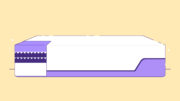

- I Tested 50+ Mattresses to Find the 14 Best Mattresses for Multiple Sclerosis of 2026

- I Tested 50+ Mattresses to Find the 14 Best Mattresses for Menopause of 2026

- I Tested 50+ Mattresses to Find the 14 Best Mattresses for Piriformis Syndrome of 2026