We may receive financial compensation for products purchased through links on this website. sleepjunkie.com is owned by Healthy Sleep, LLC and includes Amerisleep, LLC advertising. Learn more.

I Tested 50+ Mattresses to Find the 13 Best Mattresses Recommended by Chiropractors of 2026

Dr. Jordan Burns, DC, MS

Dr. Jordan Burns, DC, MS

Dr. Burns is an established authority in sleep health, combining over a decade of hands-on experience in chiropractic care with a deeply rooted knowledge of sleep science. A holder of degrees in Kinesiology, Life Sciences, Sports Science and Rehabilitation, and Chiropractic, his interdisciplinary background uniquely positions him at the intersection of wellness, ergonomics, and sleep […]

Mattress Guides
Read Time: 2 minutes

Top Recommendation of 2026: Amerisleep AS2

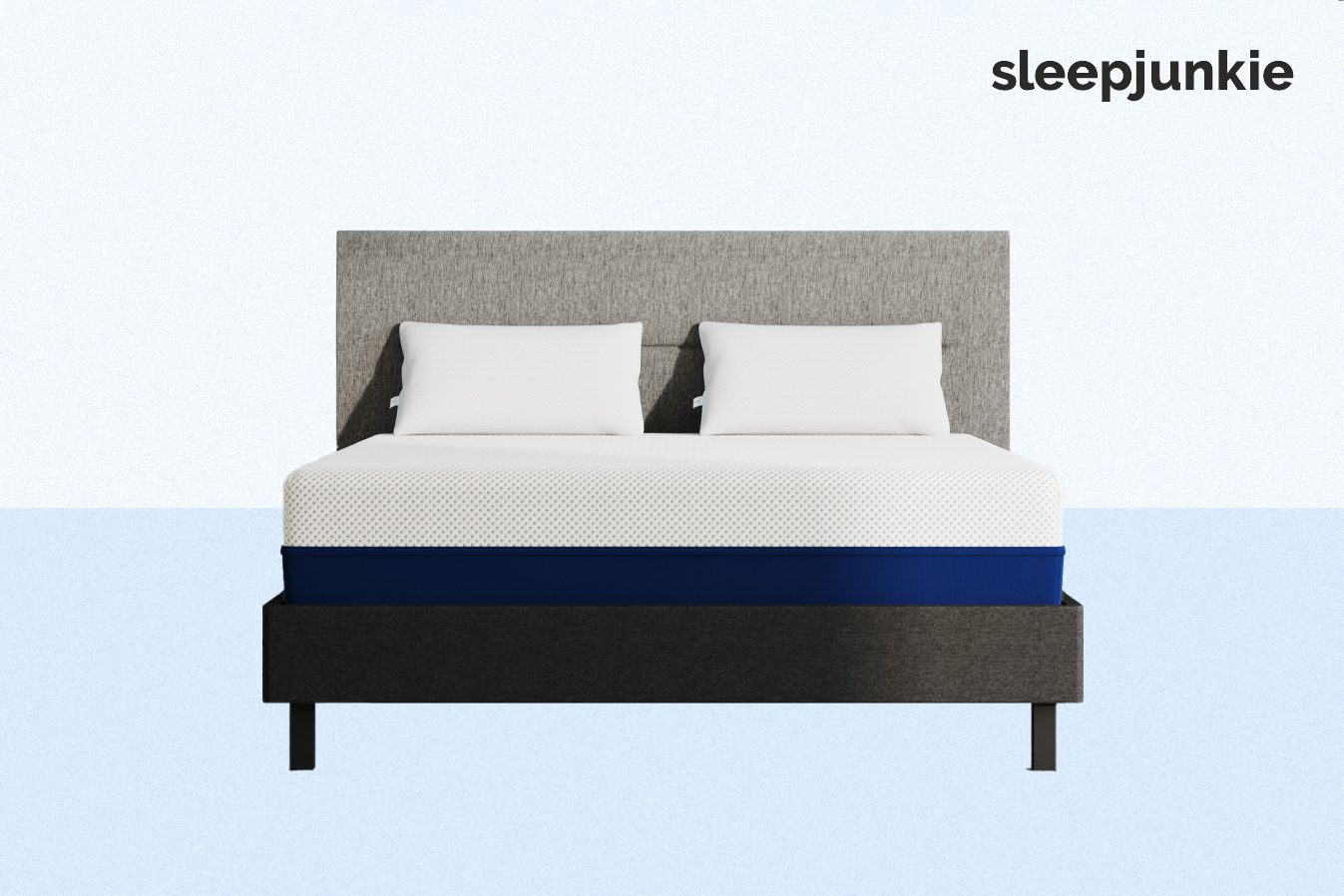
After testing 50+ mattresses for this guide, the Amerisleep AS2 earned our pick as the best mattress recommended by chiropractors of 2026 for the most consistent spinal support across back and stomach sleeping. During testing, my hips stayed level with my shoulders when I lay on my back, and my lower back stayed supported without sinking through, so my spine held a neutral line rather than bowing at the midsection. When I rolled to my stomach, the medium-firm surface kept my hips from dipping, which is where less supportive foam beds let the lower back overarch.

The AS2 suits back sleepers who want firm lumbar support, stomach sleepers who need their hips held level, and hot sleepers who found denser all-foam beds warmed up faster in my testing. Its steady, low-bounce support and neutral-temperature surface are what kept it in front as the top overall pick for alignment-focused shoppers.

Why Trust Sleep Junkie's Recommendations?

Every mattress featured on Sleep Junkie is evaluated using the same testing framework for support, pressure relief, cooling, motion isolation, edge support, responsiveness, and overall value. Learn How We Test Mattresses.

I tested 50+ mattresses for this guide against the same framework I use on every bed: support, pressure relief, cooling, motion isolation, edge support, responsiveness, and value, with a close look at how each one held my spine in a neutral line across back, side, and stomach sleeping. The picks below range from a firm all-foam bed for back and stomach sleepers to a plush luxury hybrid and a cooling-first hybrid, so there is a fit across positions, body types, and budgets. Each recommendation is grounded in what I observed during testing, and every section names who the mattress is best for and who should look at a different pick on this list.

Two of my picks come from Amerisleep, one of the few mattress brands officially endorsed by the American Chiropractic Association (ACA), the largest professional chiropractic organization in the United States. The ACA grants its endorsement only after a multi-month review and testing process led by licensed doctors of chiropractic, which makes it a meaningful third-party signal on a page like this one.

Best Mattress Overall

1. Amerisleep AS2

1. Amerisleep AS2
  • Price Range: See Price
  • Mattress Type: Memory Foam
  • Thickness: 12 Inches
  • Firmness: 6 to 7 out of 10 (Medium-Firm)
  • Available In: Twin, Twin XL, Full, Queen, King, California King, Split King

Warranty

20 Years

Sleep Trial

100 Nights

Shipping

Free

Mattress Highlights
  • Officially endorsed by the American Chiropractic Association (ACA)
  • Plant-based memory foam cushion
  • Five zones of targeted support, including back
  • Temperature-neutral fabric cover
Recommended For
  • Back sleepers
  • Hot sleepers
  • Heavier individuals

Watch Our Amerisleep AS2 Video Review

The AS2 is a medium-firm, all-foam bed built around spinal support, which is why it opens this list. It runs around a 6 to 7 on the firmness scale, firm enough to hold the lower back in line but not so firm that the shoulders feel perched on top.

During testing, the standout was how level it kept my spine on my back. My hips stayed in line with my shoulders and my lower back stayed in contact with the surface with no gap, so nothing bowed at the waist. On my stomach the same firmness kept my hips from dipping, which is where softer foam lets the lower back overarch.

Motion isolation was another strong point. When my partner shifted on the far side, the movement barely reached me, so a lighter sleeper sharing the bed is less likely to wake from repositioning. On temperature, the surface stayed neutral to the touch and did not warm up as fast as the denser foam beds I compared.

The one tradeoff is bounce. The AS2 is a low-bounce, stable bed rather than a springy one, so shoppers who want a lively surface should look at the coil picks here. For back and stomach sleepers who want firm, alignment-focused support in an all-foam bed, it is the one to beat.

For those looking for chiropractor-approved support without sacrificing comfort, the Amerisleep AS2 seems to strike that balance perfectly. The AS2 is also one of Amerisleep’s officially ACA-endorsed models, a recognition the American Chiropractic Association grants only after hands-on review by licensed chiropractors.

9.2 Overall Score
  • 9 Value
  • 8 Edge Support
  • 9 Trial Period
  • 9 Response Time
  • 10 Motion Transfer
  • 10 Cooling & Breathability

I put the AS2 at the top because it held a neutral spine more consistently than any other all-foam bed I tested for this guide.

During testing, when I lay on my back my hips stayed level with my shoulders and my lower back stayed supported without sinking through, so my spine held a flat line instead of bowing at the waist. When I rolled to my stomach, the medium-firm surface kept my hips from dropping, which is where softer foam lets the lower back overarch. The Bio-Pur comfort layer still gave enough at the shoulders that I did not feel perched on top of the bed.

On motion, when my partner shifted on the far side the movement barely reached me, so a lighter sleeper sharing the bed is less likely to be woken by repositioning.

Officially ACA-Endorsed: The AS2 is one of a small group of Amerisleep models formally endorsed by the American Chiropractic Association. That endorsement follows a multi-month evaluation by licensed doctors of chiropractic, which is exactly the kind of independent, profession-backed vetting I want to see on a chiropractor-focused list.

Best For:
– Back sleepers who want firm lumbar support
– Stomach sleepers who need their hips held level
– Hot sleepers who overheat on denser memory foam

Compare Instead:
– Helix Midnight Luxe if you sleep on your side and want deeper shoulder and hip pressure relief
– Vaya Mattress if you want a similar foam feel at a lower price
– Saatva Classic if you want coil bounce and a choice of firmness levels

I move between my back and stomach, so the first thing I checked was alignment. On my back the AS2 gave firm, even support and kept my hips from sinking too far, which is what holds a neutral spine. The Bio-Pur foam still cradled me enough that I did not feel stuck when I changed positions.

On my stomach, the firmness kept my midsection from dipping into the surface the way softer beds allow, so my hips stayed level with the rest of my body. When I rolled to my side, the firmness was more noticeable at my shoulder and hip, and the surface did not cushion those points as much as a softer bed would, so dedicated side sleepers will feel more pressure here.

On temperature, the cover stayed neutral to the touch even though I usually sleep warm, and it did not heat up as quickly as the denser foam beds I compared. Across the testing period it held its shape with no soft spot at the midsection, which matters for a bed meant to keep the spine aligned over years of use.

For back and stomach sleepers who want firm support and a neutral-temperature surface, the AS2 fits. Side sleepers who want deeper shoulder and hip relief will be more comfortable on a softer bed like the Helix Midnight Luxe.

The AS2 is built around what I felt during testing rather than a layer chart. The Bio-Pur comfort layer is the reason my shoulders settled in without the stuck feeling of denser memory foam, so I could change positions freely. Under it, the HIVE-cut Affinity layer is what let my shoulders give while my hips and lower back stayed firmer, which is why my spine held a neutral line on my back and my hips did not drop on my stomach. The dense Bio-Core base is what kept the whole surface from bottoming out under my midsection, so the support stayed even end to end. The cover felt neutral in temperature during testing, and did not warm up as fast as the denser foam beds I compared.

Pros:

  • Spinal Alignment: on my back and stomach, hips stayed level with shoulders and my lower back stayed supported without sinking through
  • Motion Transfer (10/10): partner movement on the far side barely reached me
  • Response Time (9/10): the foam recovered quickly, so repositioning felt easy for an all-foam bed

Cons:

  • Side sleeping: the medium-firm surface gave less at the shoulders and hips, so dedicated side sleepers feel more pressure; consider Helix Midnight Luxe
  • Edge Support (8/10): stable but gives a little more at the perimeter than the coil-heavy hybrids here

Why The Amerisleep AS2 Won

Among the mattresses I tested for this guide, the AS2 held a neutral spine most consistently across back and stomach sleeping, keeping my hips level with my shoulders and my lower back supported without sinking through. It led on motion isolation and stayed neutral in temperature where denser foam warmed up. For back and stomach sleepers who want firm, alignment-focused support, it earned the top spot.

Kristina Hindes

Best Purple Alternative

2. FORM Prime

2. FORM Prime
  • Price Range: See Price
  • Mattress Type: Gel Grid Hybrid
  • Thickness: 14 Inches
  • Firmness: 5.5 to 6 out of 10 (Medium-Medium-Firm)
  • Available In: Twin, Twin XL, Full, Queen, King, California King

Warranty

Lifetime

Sleep Trial

365 Nights

Shipping

Free

Mattress Highlights
  • Individually wrapped coils in 7 zones
  • Grid open cells let heat pass through
  • Airflow built into the cover stitching
Recommended For
  • Hot sleepers who want a cooler feel
  • Shoppers weighing a Purple vs others
  • Side, back, combination sleepers

Watch Our FORM Prime Video Review

When I tested the FORM Prime, the first thing I noticed was the grid surface on top. Instead of slowly sinking in, you settle onto something that gives where you press and springs back the moment you move.

It has a buoyant feel, somewhere between foam and latex, and the reinforcement woven into the grid keeps it from feeling wobbly the way some grid beds can.

What makes it a fit for this page is how it handles support and alignment. The coil base is zoned, firmer under the lower back and softer under the shoulders, which is the kind of firm-yet-contouring balance the mattresses on this list tend to share.

During testing, my spine settled into a fairly neutral line, with my lumbar region held in place while my shoulders were allowed to give. That combination of a supportive base and a surface that keeps the body lifted rather than sagging is what the page describes as ideal, and the FORM Prime delivers it without a hard, rigid feel.

I found it best suited to back and side sleepers, along with combination sleepers who move around. The shoulder zone gives enough to cushion the joint without letting the hip fall out of line, and the medium feel keeps it comfortable at the contact points.

The cover stayed cool to the touch on first contact, and because the grid is full of open channels, heat moved out through the surface rather than pooling underneath, so it stayed cooler longer than the foam beds I usually test.

It is not for everyone, though. Dedicated stomach sleepers and heavier back sleepers who want a very firm surface may find the medium feel too soft, since the shoulder zone gives more than a firm mattress would.

It also comes in a single firmness, so there is no plush or firm version to choose from, and anyone set on natural materials or a traditional foam or coil feel will want to look elsewhere on this list.

9.3 Overall Score
  • 8 Value
  • 10 Edge Support
  • 10 Trial Period
  • 9 Response Time
  • 10 Motion Transfer
  • 9 Cooling & Breathability

I picked the FORM Prime for this list because its grid-and-zoned-coil build delivers a supportive, aligning surface without a hard, unforgiving feel. Here is what stood out during testing.

Zoned Support for a Neutral Spine

The coil base splits into seven zones, firmer under the lower back and softer under the shoulders.

During testing, the lumbar zone held firm right where the lower back needs it, while the shoulder zone gave way enough to keep everything in line.

That kind of position-aware support is the sort of thing the mattresses on this page have in common.

A Grid Surface That Stays Responsive

The grid relieves pressure at the hips and shoulders while springing back the moment you move, without the slow, sinking feel of memory foam.

The Integra-Mesh™ reinforcement keeps the surface stable rather than jiggly, which made shifting positions easy.

A Surface That Sleeps Cooler

The cover stayed cool to the touch, and the open grid channels let heat move out rather than collect beneath me. It felt less heat-retentive than the foam beds I usually test against.

It cools passively rather than with active technology, so someone who runs very hot in a warm room might still want a cooling pad, but for most sleepers the surface held a comfortable, neutral temperature.

Best For:

  • Hot sleepers who want a responsive grid surface rather than slow-sinking foam
  • Combination sleepers who reposition often
  • Back and side sleepers wanting zoned lumbar support without a rigid feel

Compare Instead:

  • Amerisleep AS2 if you want a firmer medium-firm surface with more reinforcement for back and stomach sleeping
  • Vaya Mattress if you prefer the enveloping contour of memory foam over a responsive grid feel, or if budget is your main concern
  • Amerisleep Organica if you want natural latex and organic materials

The first night on the FORM Prime, the grid surface registered right away.

It is neither the slow give of memory foam nor the firm push of a plain coil bed. It felt buoyant and responsive, cradling my shoulders and hips at the contact points while keeping my midsection level.

As someone who moves between my back and side, I liked that I never felt locked into one spot.

By morning my lower back felt settled rather than strained, which I put down to the firmer lumbar zone holding my spine in line.

The medium feel gave enough at the shoulders without letting my hips drop, and the handoff from the grid into the coils below felt seamless rather than like two separate beds stacked together.

On later nights I paid attention to movement and temperature. The FORM Prime responded quickly whenever I changed position, and the surface stayed cool longer than the foam mattresses I usually test.

Sharing the bed, I barely noticed movement from the other side, which made for undisturbed rest even when one of us shifted around.

The FORM Prime uses a five-layer system that pairs a proprietary gel grid with a zoned coil base.

The surface is wrapped in the AeroWeave™ cover, a ventilated textile with airflow built into the stitching and even the back panel, which stayed cool to the touch during testing.

Beneath it sits FORM’s GelGrid™ comfort layer, a polymer grid of open-air cells that flex under pressure to relieve tension at contact points while letting heat escape, with Integra-Mesh™ reinforcement woven through to cut the surface jiggle other grid designs carry.

Below the grid is a 3-inch ContourFlex™ transition foam layer that bridges the grid and the coils so the surface feels cohesive rather than disconnected.

The support core is a ZoneCoil™ 7-Series pocketed coil layer split into seven zones, with individually wrapped coils that help with both motion isolation and airflow, giving the shoulders more give while the lumbar region gets firmer support.

At the base, the BaseFlex™ foundation reinforces the perimeter and supports the coils from beneath, which is much of why the FORM Prime keeps a stable, usable edge.

The FORM Prime is made in the USA and is fiberglass-free.

Pros:

  • Zoned ZoneCoil™ 7-Series support, firmer under the lower back, for a neutral-spine feel
  • GelGrid™ with Integra-Mesh™ relieves pressure at contact points while staying responsive
  • Cover and open grid cells felt cooler than the foam beds we test against
  • Strong, stable edge from the BaseFlex™ encasement
  • Lifetime warranty and a 365-night sleep trial

Cons:

  • Dedicated stomach sleepers and heavier back sleepers may want a firmer surface than the medium feel provides
  • Single firmness option, with no plush or firm version to choose from
  • Grid-and-synthetic build will not suit shoppers set on natural materials or a traditional foam or coil feel

Best Luxury Mattress

3. Zoma Boost

3. Zoma Boost
  • Price Range: See Price
  • Mattress Type: Hybrid
  • Thickness: 15 inch
  • Firmness: 5 out of 10 (Medium-Firm)
  • Available In: Twin XL, Full, Queen, King, California King, Split King

Warranty

10 Years

Sleep Trial

100 Nights

Shipping

Free

Mattress Highlights
  • Graphite-infused memory foam for optimal cooling
  • Reactiv foam transition layer for added support
  • Dynamic edge coils for enhanced stability
  • Durable base foam for long-term durability
  • Soft, quilted cover for a luxurious feel
Recommended For
  • Individuals seeking a high-quality, luxury mattress
  • People with back pain, neck stiffness
  • Athletic individuals who are heavily active
  • Those who tend to sleep hot
  • Couples looking for less motion transfer

Watch Our Zoma Boost Video Review

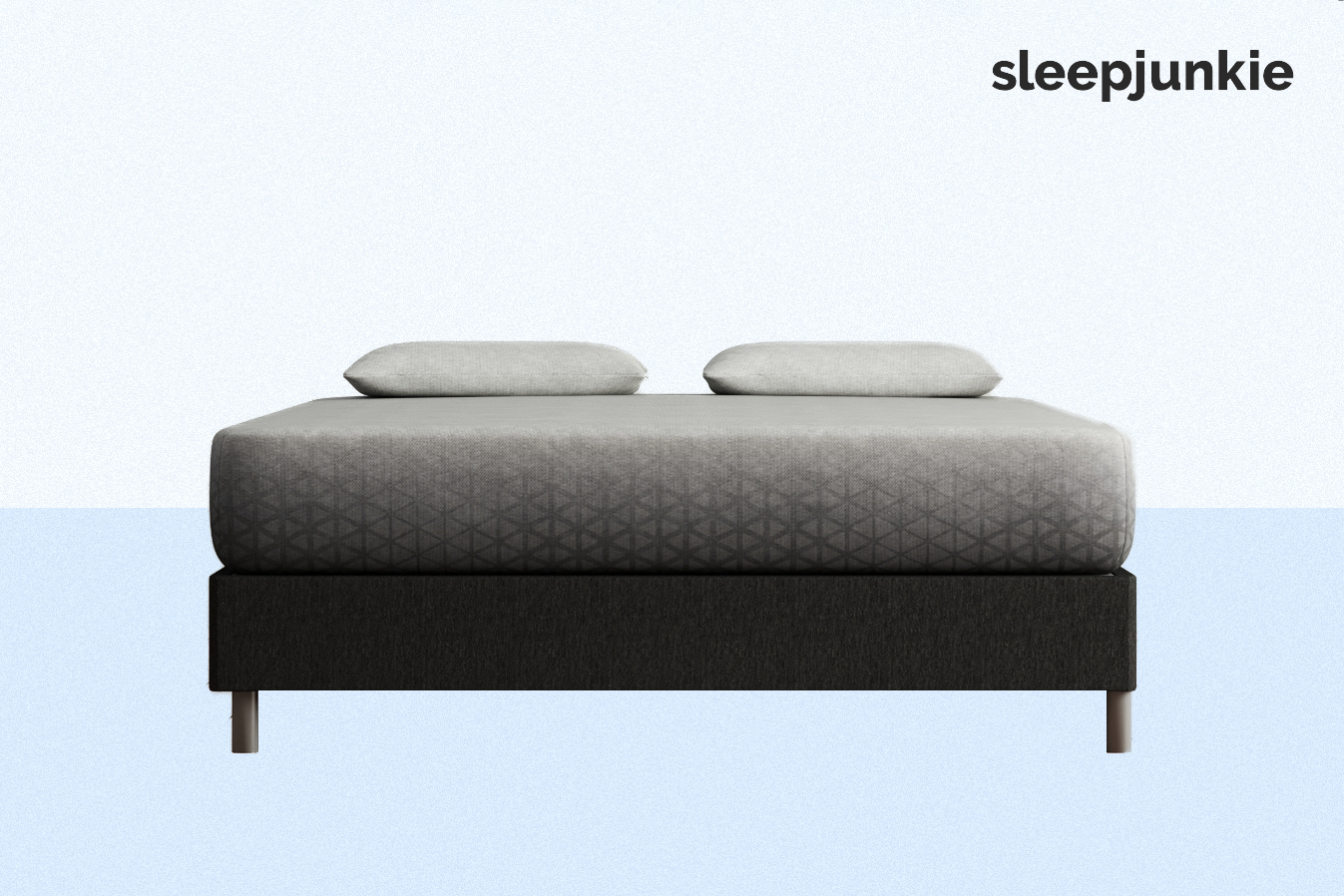
The Zoma Boost is the luxury hybrid on this list, ranked third overall. It pairs a plush memory foam surface with a pocketed coil core, and during testing that combination gave me contouring at the shoulders and hips without the hammock feel that softer hybrids can have.

On my side, the graphite memory foam let my shoulders and hips settle in while the coils underneath kept my midsection lifted, so my spine held a level line rather than dropping into the surface. When I moved to my back, the bed read as supportive rather than soft, and my lower back stayed in contact with the surface instead of leaving a gap.

The coils carry through to the edge. When I sat on the perimeter to get up, the zoned edge coils held firm, so the usable surface ran closer to the edge than on the softer foam beds I compared. On temperature, the graphite layer and quilted cover felt cooler to the touch on first contact than the denser all-foam beds I tested, though this is a plush hybrid rather than a cooling-first bed, so a very hot sleeper in a warm room may still want a cooling pad.

For shoppers who want a luxury, plush feel without giving up coil support, the Zoma Boost fits, especially side sleepers and couples who also want a stable edge and low motion transfer.

9.5 Overall Score
  • 10 Value
  • 10 Edge Support
  • 9 Trial Period
  • 9 Response Time
  • 10 Motion Transfer
  • 9 Cooling & Breathability

I picked the Zoma Boost as the luxury option because it pairs a plush surface with a coil core that still held my spine in line.

During testing, the graphite memory foam let my shoulders and hips settle in on my side while the pocketed coils underneath kept my midsection from sinking, so I did not get the hammock feel that softer hybrids can have. When I moved to my back, the surface felt supportive rather than soft, and my lower back stayed in contact with the bed instead of leaving a gap.

The zoned edge coils held firm when I sat on the perimeter to get up, so the usable surface ran closer to the edge than on the softer foam beds I compared.

On temperature, the graphite layer and quilted cover felt cooler to the touch on first contact than the denser all-foam beds I tested, though this is a plush hybrid, so a very hot sleeper in a warm room may still want a cooling pad.

Best For:
– Shoppers who want a plush, luxury feel without losing coil support
– Side sleepers who want contouring plus a supported midsection
– Couples who want a stable edge and low motion transfer

Compare Instead:
– Brooklyn Aurora Luxe if cooling is your first priority
– Nolah Evolution if you want a firmer pillow-top option
– Vaya Mattress if you want a supportive bed at a lower price

As a side sleeper, the clearest thing I noticed on the Zoma Boost was how little pressure built up at my hips and shoulders compared with firmer beds. The graphite memory foam molded to those contact points while the coils underneath kept my midsection from sinking, so my spine stayed level instead of bowing.

On my back, the surface felt balanced rather than soft. There was give at the shoulders but the coils held the lumbar region, so I did not get the quicksand feeling some all-foam beds have. Sharing the bed, the surface stayed quiet with no creak or squeak, and my partner’s movement stayed mostly on their side.

On temperature, the surface felt cooler to the touch on first contact than the denser foam beds I compared and did not warm up as fast under extended contact. As someone who tends to overheat, I noticed the difference against plain memory foam, though it is still a plush hybrid rather than a dedicated cooling bed. Across the testing period it held its shape with no soft spot at the midsection.

For side sleepers and couples who want a luxury feel with a genuinely supported core and a stable edge, the Zoma Boost is an easy one to recommend.

During testing the Zoma Boost read as a plush surface over a genuine coil core, and each layer earned its place. The graphite-infused memory foam is what let my hips and shoulders settle in on my side, and it felt cooler to the touch on first contact than the all-foam beds I compared. The Reactiv transition layer is what kept that soft top from turning into a sink, so my midsection stayed lifted when I rolled to my back. The pocketed coils with zoned edge coils are why the perimeter held firm when I sat to get up and why my partner’s movement stayed mostly on their side. The quilted cover added the surface plushness without trapping heat the way dense foam did.

Pros:

  • Edge Support (10/10): the zoned edge coils held firm when I sat on the perimeter to get up
  • Motion Transfer (10/10): my partner’s movement stayed mostly on their side
  • Support with plush feel: the coils kept my midsection lifted while the graphite foam cushioned my shoulders on my side

Cons:

  • Firm-preference fit: the medium-firm plush surface felt slightly soft for back sleepers who want a firm bed; consider Nolah Evolution (firm) or Brooklyn Aurora Luxe (firm)
  • Value tradeoff: it sits at the higher end of this list, so budget shoppers get more feel-per-dollar from the Vaya

Zoma Boost

On my back the Zoma Boost kept my midsection lifted while the plush top still cushioned my shoulders, so my spine held a level line. It suits shoppers who want a luxury, plush-but-supported hybrid, especially side sleepers and couples who also want a stable edge.

Kristina Hindes

Best Budget Mattress

4. Vaya Mattress

4. Vaya Mattress
  • Price Range: See Price
  • Mattress Type: Foam
  • Thickness: 12 Inches
  • Firmness: 5 to 6 out of 10 (Medium)
  • Available In: Twin, Twin XL, Full, Queen, King, California King

Warranty

10 Years

Sleep Trial

100 Nights

Shipping

Free

Mattress Highlights
  • Affordable budget-friendly design
  • Thick top relieves pressure in any position
  • Sturdy base foam extends the mattress's expected life
Recommended In
  • Most sleeping positions
  • Budget shoppers and bargain hunters
  • Hot sleepers

Watch Our Vaya Mattress Video Review

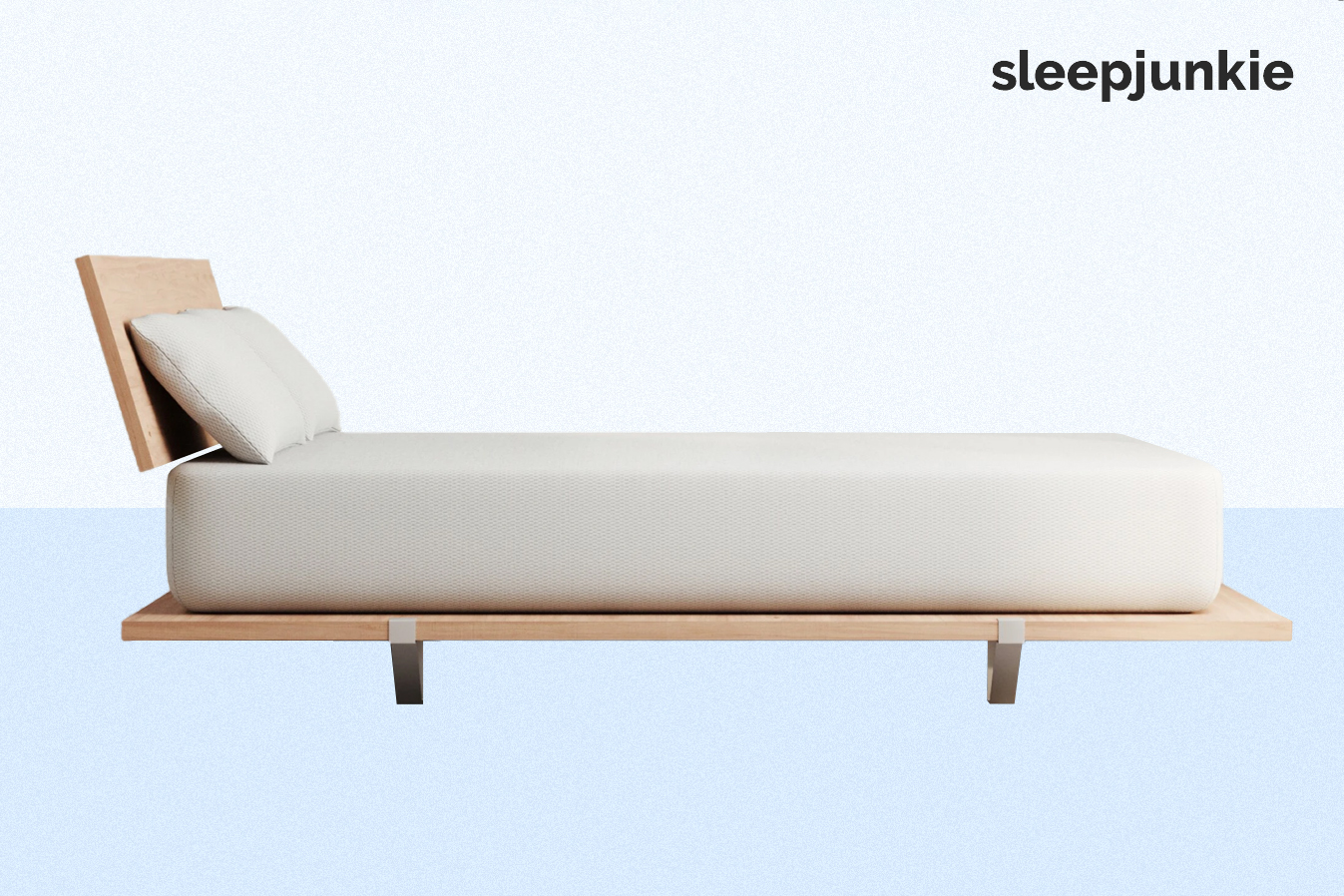
The Vaya is the budget pick on this list, and across the affordable beds I tested it stood out for holding a balanced medium feel at a low price. It is an all-foam bed, a comfort foam over a denser support foam, with no coils, so it keeps things simple and puts the value where it counts.

During testing, the medium surface gave enough at my hips and shoulders on my side to take the edge off pressure, while the support foam underneath kept my back from sinking when I rolled flat. That meant it held a level spine across positions rather than collapsing into one soft pocket the way cheaper foam beds often do.

The response time stood out for the price. When I changed positions the foam recovered quickly rather than holding a dent, so I never felt stuck. Because it is all-foam, motion transfer is its softer spot compared with the coil beds here, so a very restless partner is more noticeable.

For budget shoppers and combination sleepers at lighter and average weights who want balanced support without a premium price, the Vaya is one of the best values in this guide. Those who want firmer support for back and stomach sleeping should look at the Amerisleep AS2.

9.2 Overall Score
  • 10 Value
  • 9 Edge Support
  • 9 Trial Period
  • 10 Response Time
  • 8 Motion Transfer
  • 9 Cooling & Breathability

I picked the Vaya as the budget option because it delivered a balanced medium feel that held up across positions for far less than most beds here.

During testing, the medium surface gave enough at my hips and shoulders on my side to take the edge off pressure, while still keeping my back supported when I rolled flat, so it did not sink into one soft pocket the way cheaper foam beds often do.

The response time stood out for the price: when I changed positions the foam recovered quickly rather than holding a dent, so I never felt stuck.

Its lowest sub-score is motion transfer (8/10), so a very restless partner is more noticeable here than on the coil beds in this guide.

Best For:
– Budget shoppers who still want balanced support
– Combination sleepers who want an easy-to-move-on surface
– Lighter and average-weight sleepers across positions

Compare Instead:
– Amerisleep AS2 if you want firmer support for back and stomach sleeping
– Nolah Evolution if you want coils and stronger pressure relief
– Zoma Start if you want a budget bed with a firmer feel

The Vaya has a soft, welcoming first-contact feel, but it does not let you sink through to an unsupported position. When I settled in on my side, the medium surface eased pressure at my hips and shoulders without letting them drop out of line.

On my back and stomach, the mix of support and give held my spine supported and level. Some back sleepers who want a firmer surface will prefer a higher firmness, but the medium feel covers a wide range of sleepers well.

As a combination sleeper, I moved easily between my stomach, back, and side without hunting for a comfortable spot, and the foam kept up with the changes rather than holding a dent. A few nights in, there was no soft spot developing at the midsection.

For budget-minded side and combination sleepers who want support and easy repositioning on an all-foam surface, the Vaya delivers more than its price suggests.

The Vaya is a simple all-foam build, and in testing that simplicity worked in its favor. The breathable cover kept the surface feeling neutral rather than warm on first contact. The comfort foam is what gave at my shoulders and hips on my side to take the edge off pressure, while the denser support foam underneath is what kept my back from sinking when I rolled flat, so the medium feel held a level spine instead of collapsing into one soft spot. That two-layer pairing is the whole reason a bed at this price still recovered quickly when I changed positions rather than holding a dent. Treated to meet federal flammability standards.

Pros:

  • Value (10/10): balanced medium support at the lowest price on this list
  • Response Time (10/10): the foam recovered quickly when I changed positions, with no lingering dent
  • Pressure relief: the medium surface eased pressure at my hips and shoulders on my side

Cons:

  • Motion Transfer (8/10): the lowest here, so a restless partner is more noticeable than on the coil beds
  • Firm-preference fit: the medium feel is a touch soft for those who want firm support; consider Amerisleep AS2 or Zoma Start

Vaya Mattress

On my side the Vaya’s medium surface eased pressure at my hips and shoulders while still supporting my back when I rolled flat. It suits budget shoppers and combination sleepers at lighter and average weights who want balanced support without a premium price.

Kristina Hindes

Best for Side Sleepers

5. Helix Midnight Luxe

5. Helix Midnight Luxe
  • Price Range: See Price
  • Mattress Type: Hybrid
  • Thickness: 14 Inches
  • Firmness: 4 to 7 out of 10 (Medium)
  • Available In: Twin, Twin XL, Full, Queen, King, California King

Warranty

Lifetime

Sleep Trial

120 Nights

Shipping

Free

Mattress Highlights
  • Tencel or GlacioTex Cooling Cover
  • Memory Plus Foam for improved cushion
  • Shoulder and hip targeted support
Recommended For
  • Side and combination sleepers
  • Couples
  • Hot sleepers

Watch Our Helix Midnight Luxe Video Review

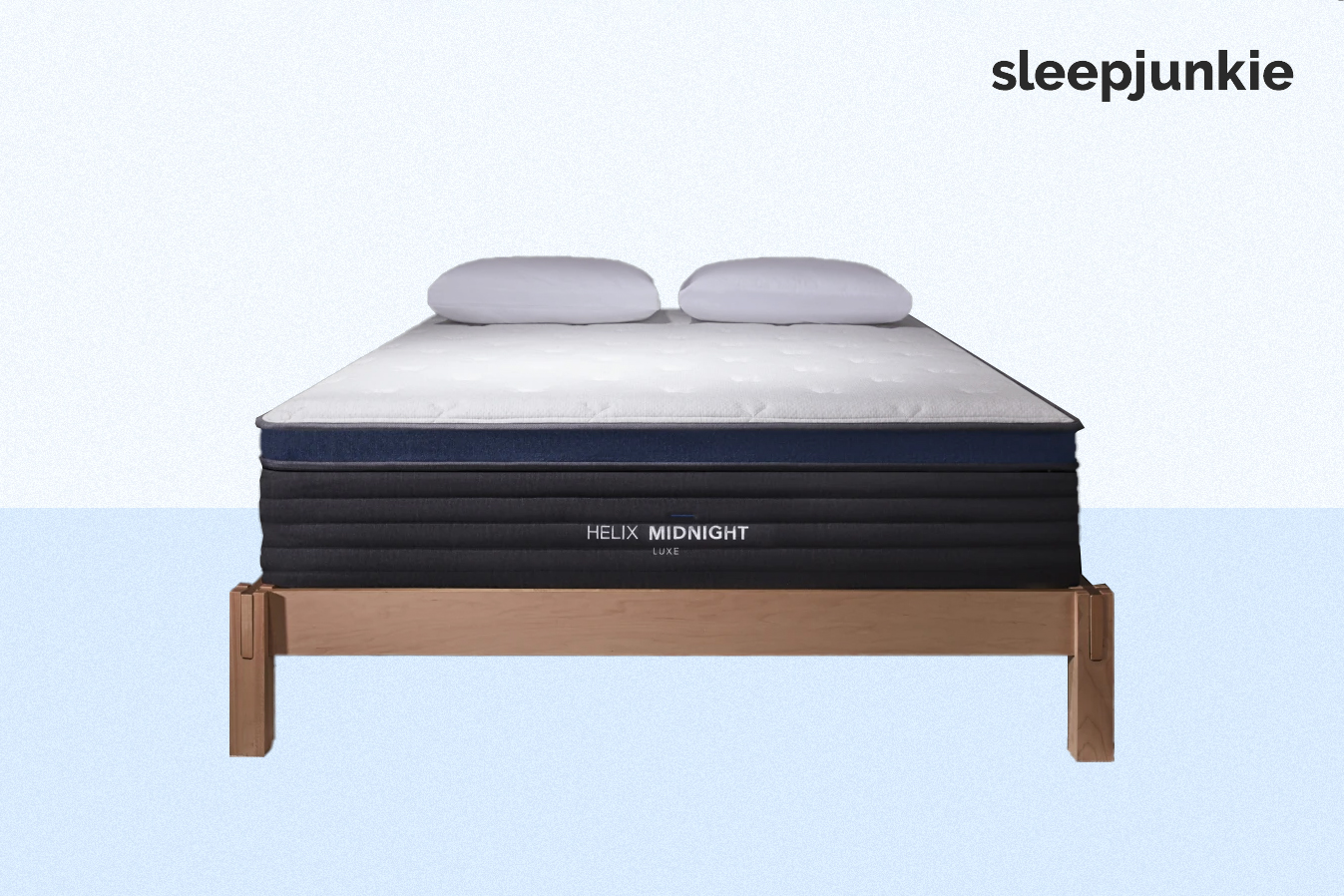
If you sleep on your side, the Helix Midnight Luxe is one of the best-balanced beds I tested for this list. It pairs a plush pillow top with zoned coils, and that combination is what makes it work for side sleepers who need shoulder relief without losing support at the waist.

During testing on my side, the pillow top let my shoulder settle in while the zoned coils firmed up under my waist, so my spine stayed level from shoulder to hip rather than dropping at the middle. When I turned to my back, the same zone kept my lower back supported without a gap.

The pillow top is genuinely plush on first contact, which is the draw for side sleepers, but it also makes the bed heavy and hard to reposition without help. On temperature, the Tencel cover felt cool on first contact and the surface did not warm up as fast as the denser foam beds I compared.

It ships in a single medium feel and sits at the higher end of this list on price, so shoppers who want to choose a firmer build should look at the Saatva Classic. For side and combination sleepers who want pressure relief with a supported midsection, the Helix Midnight Luxe earns its spot.

9.0 Overall Score
  • 7 Value
  • 10 Edge Support
  • 9 Trial Period
  • 9 Response Time
  • 10 Motion Transfer
  • 9 Cooling & Breathability

I picked the Helix Midnight Luxe as the side-sleeper choice because its zoned coils held my lumbar region firm while letting my shoulder settle in.

During testing on my side, the shoulder sank into the pillow top enough to keep pressure off the joint, while the middle of the bed pushed back under my waist, so my spine stayed level from shoulder to hip instead of dropping at the middle. When I turned to my back, the same zone kept my lower back supported without a gap.

The pillow top is genuinely plush on first contact, which is why side sleepers land here, but it also makes the bed heavy and hard to reposition without help.

It ships in a single medium feel, so there is no firmer build for those who want one.

Best For:
– Side sleepers who want shoulder and hip pressure relief with a supported waist
– Combination sleepers who mostly favor their side
– Couples who want strong motion isolation

Compare Instead:
– Saatva Classic if you want to choose a firmer feel
– Nolah Evolution if you want a plush pillow top with a firm option available
– Amerisleep Organica if you want natural materials with side-sleeper contouring

Side-lying on the Helix Midnight Luxe, the surface molded to my hips and shoulders without feeling too firm or too soft, and the zoned support gave a gentle push under my waist that kept my spine in line. There was no pinch at my shoulder or hip.

Turning onto my back, the pillow top and foam contoured to my curves while the coils held my lower back, so I felt supported without any pressure building up. As a combination sleeper I never felt locked into one position.

Temperature held up well. The Tencel cover felt cool on first contact and the surface did not trap heat the way denser foam can, so it stayed comfortable rather than warm across the night. What I noticed most across nights was how little I shifted around, since the zoned support kept me settled instead of hunting for a comfortable spot.

For side and combination sleepers who want that mix of plush pressure relief and a supported waist, plus couples who value strong motion isolation, the Helix Midnight Luxe is one of the strongest options here.

Every layer here maps to something I felt on my side. The Tencel cover felt cool and dry on first contact and wicked rather than clung. The gel-infused memory foam is what cradled my shoulder and hip so pressure came off the joints. The polyfoam transition layer is what stopped me from sinking past that comfort layer into the coils. The zoned pocketed-coil layer is the key piece: it stayed firmer under my waist while giving at the shoulders, which is why my spine held a level line from shoulder to hip rather than dropping in the middle. The DuraDense base kept the coils from bottoming out, so the support felt consistent through the night. The pillow-top height that makes it so plush is also what makes it heavy to move.

Pros

  • Motion Transfer (10/10): partner movement barely reached my side
  • Edge Support (10/10): the perimeter held firm when I sat to get up
  • Side-sleeper support: the zoned coils kept my waist supported while my shoulder settled into the pillow top

Cons

  • Value (7/10): the lowest sub-score here, a higher price than several picks for a single medium feel
  • Weight and firmness: heavy to reposition, and too soft for strict stomach sleepers; consider Saatva Classic (Firm)

Helix Midnight Luxe

On my side the zoned coils kept my waist supported while my shoulder settled into the pillow top, so my spine stayed level. It suits side and combination sleepers who want pressure relief with a supported midsection, and couples who value strong motion isolation.

Kristina Hindes

Best Innerspring Mattress

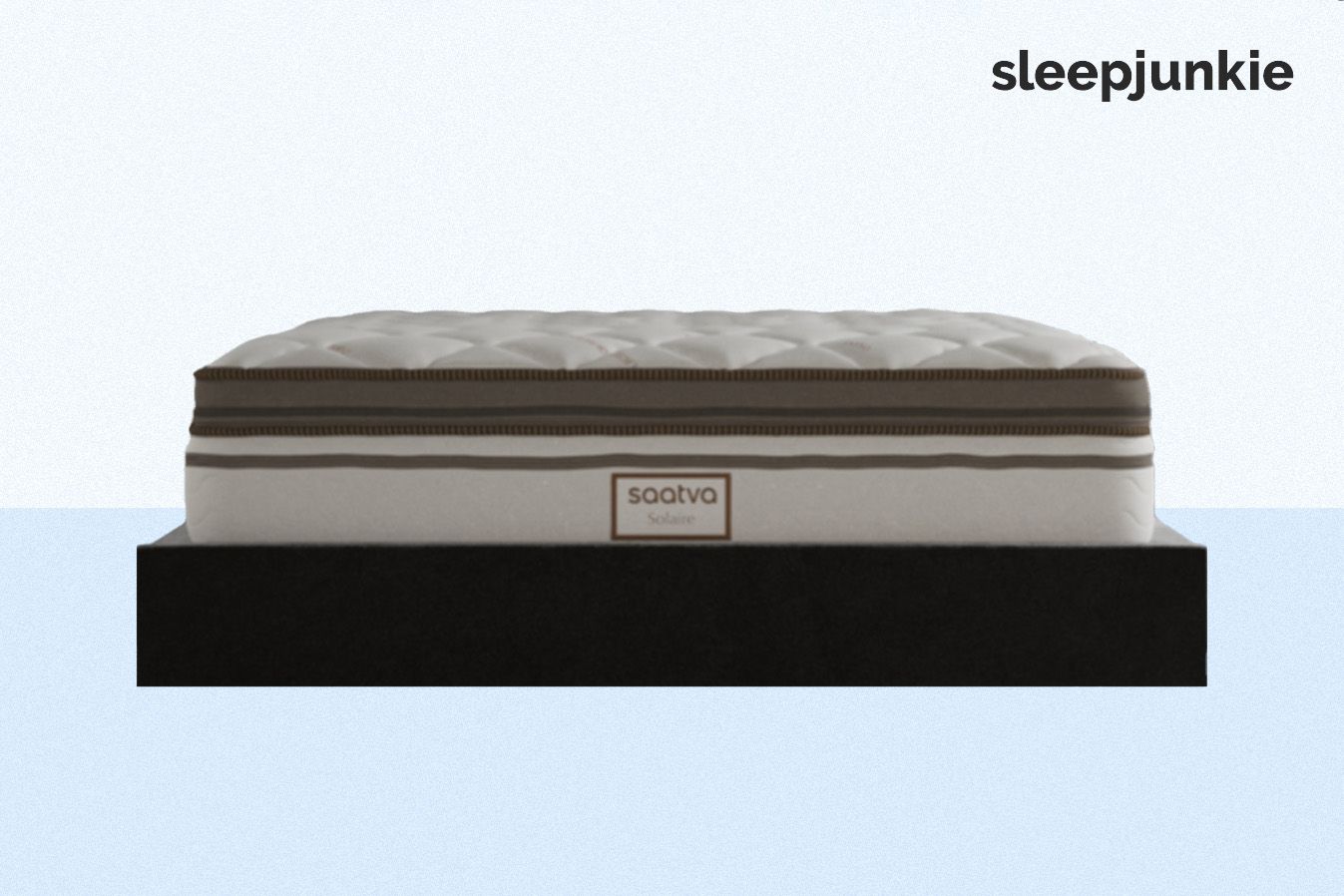
6. Saatva Classic

6. Saatva Classic
  • Price Range: See Price
  • Mattress Type: Innerspring Hybrid
  • Thickness: 11.5 or 14.5 Inches
  • Firmness: 3, 5 to 7, or 8 out of 10 (Plush Soft, Luxury Firm, or Firm)
  • Available In: Twin, Twin XL, Full, Queen, King, Split King, California King, Split California King

Warranty

Lifetime

Sleep Trial

365 Nights

Shipping

Free

Mattress Highlights
  • Eco-friendly and ethically sourced materials
  • Exceptional edge support
  • Breathable materials for a cool and comfortable sleep
  • Handcrafted quality for durability and longevity
Recommended For
  • Individuals with back or joint pain
  • Side, back, and combination sleepers
  • Couples who want to avoid disturbing each other while sleeping

Watch Our Saatva Classic Video Review

Among the innerspring beds I tested, the Saatva Classic gave the most lifted, supported feel while still cushioning the shoulders. It is built on a dual-coil system with a thin layer of memory foam and organic cotton on top, and during testing that combination kept me on top of the surface rather than settled into it.

The standout was edge support. When I sat toward the edge to get up, the reinforced perimeter barely compressed, so the whole surface stayed usable, which is the strongest edge on this list. Lying on my back, the coil-on-coil core kept me lifted while the top layers took the firmness off my shoulders.

It comes in Plush Soft, Luxury Firm, and Firm, so the feel can be matched to position and weight. The tradeoff is logistics: it is heavy and arrives by white-glove delivery rather than compressed in a box, and it sits at the higher end on price.

For back and combination sleepers who want a lifted, supported innerspring feel and the option to pick a firmness level, the Saatva Classic is the innerspring to beat in this guide.

9.2 Overall Score
  • 7 Value
  • 10 Edge Support
  • 10 Trial Period
  • 10 Response Time
  • 9 Motion Transfer
  • 9 Cooling & Breathability

I picked the Saatva Classic as the innerspring choice because its dual-coil build gave the most supportive, lifted feel of any bed here while still cushioning the shoulders.

During testing in the Luxury Firm, I sat toward the edge to get up and the perimeter barely compressed, so the whole surface stayed usable, which is the strongest edge support on this list. Lying on my back, the coil-on-coil core kept me lifted onto the surface rather than letting me settle in, and the thin foam and cotton layers on top took the firmness off the shoulders.

It comes in Plush Soft, Luxury Firm, and Firm, so the feel can be matched to position and weight, though the tradeoff is that it is heavy and needs white-glove delivery rather than a boxed setup.

Best For:
– Back and combination sleepers who want a lifted, supported feel
– Anyone who wants to choose a firmness level
– Sleepers who value a stable, usable edge

Compare Instead:
– Helix Midnight Luxe if you want a boxed hybrid tuned for side sleeping
– Amerisleep Organica if you want natural latex over recycled steel coils
– Leesa Sapira Chill if you want boxed convenience with three firmness options

I tested the Luxury Firm, which balanced soft contouring at the shoulders with a supportive lift under my spine. On my side the top layers cradled my hips and shoulders without letting them sink too deeply, and on my back the coils kept everything aligned.

The three firmness options genuinely change the fit. The Plush Soft is the softest and gives the most pressure relief for side sleepers, though it offers less support for heavier back and stomach sleepers. The Firm is the most supportive and suits back and stomach sleepers or heavier sleepers who want to stay lifted onto the surface. The Luxury Firm sits in the middle and covers the widest range.

As a combination sleeper, I found the Luxury Firm adapted well as I switched positions, giving consistent support without a sag at the center. Across the testing period the coils held their shape, which is what I expect from a handcrafted innerspring built to last.

For back and combination sleepers who want a lifted feel and the flexibility to choose a firmness level, the Saatva Classic fits. Side sleepers who want the softest option should look at the Plush Soft build.

The Saatva’s dual-coil build is why it felt more lifted than anything else I tested. The recycled-steel comfort coils, individually wrapped over a tempered-steel base unit, are what kept me on top of the surface rather than settled into it, and they are why my partner’s movement stayed mostly contained. The thin memory foam plus organic cotton and natural latex on top are what took the firmness off my shoulders so the innerspring feel did not turn harsh. The reinforced perimeter is why the edge barely compressed when I sat to get up, the strongest edge on this list. The cotton and latex kept the surface breathable, so it did not warm up as fast as the foam beds I compared. Organic cotton and natural latex are the substantiated version of its eco claim.

Pros

  • Edge Support (10/10): the reinforced perimeter barely compressed when I sat to get up
  • Response Time (10/10): the coil-on-coil core kept me lifted and easy to move on
  • Firmness choice: Plush Soft, Luxury Firm, and Firm let the feel match position and weight

Cons

  • Value (7/10): the lowest sub-score here, and it needs white-glove delivery rather than a boxed setup
  • Softest build fit: the Plush Soft gives less support for heavier back and stomach sleepers; choose Luxury Firm or Firm

Saatva Classic

On my back the dual-coil core kept me lifted onto the surface while the top layers took the firmness off my shoulders, and the edge barely gave when I sat to get up. It suits back and combination sleepers who want a lifted, supported feel and the option to choose a firmness level.

Kristina Hindes
7. Leesa Sapira Chill Hybrid
  • Price Range: See Price
  • Mattress Type: Memory Foam Hybrid
  • Thickness: 14 Inches
  • Firmness: 4, 6,or 8 out of 10 (Plush, Medium-Firm, Firm)
  • Available In: Twin, Twin XL, Full, Queen, King, California King

Warranty

Lifetime

Sleep Trial

120 Nights

Shipping

Free

Mattress Highlights
  • Calibrated for targeted coil support
  • Relieves pressure without sinkage
  • Top actively draws heat away
Recommended For
  • Side, back, and combo sleepers
  • Hot sleepers
  • Partners sharing a king or queen

Watch Our Leesa Sapira Chill Video Review

When I started testing boxed mattresses for this list, I expected convenience to come at the cost of construction, and most of the category confirmed that. The Leesa Sapira Chill Hybrid was the exception, and it comes down to how the bed is built.

The zoned spring system was what caught my attention first. The springs are firmer under the hip and lumbar region and give more at the shoulders, so during testing my spine held a level line on my side rather than dropping at the middle. That position-aware support is the kind of thing the strongest beds on this list share.

The four-layer foam stack backs it up. The surface contours enough to take pressure off the lower back and hips without the deep sinkage that pulls the spine out of line, and the base kept my midsection from bottoming out. The cooling quilt top rounded it out, feeling cool on first contact and staying cooler under extended contact than the foam beds I compared.

Three comfort levels, plush, medium-firm, and firm, make it work across positions and body types. For side and combination sleepers who want a boxed cooling hybrid with a firmness choice, the Sapira Chill is the standout in the mattress-in-box category here.

9.3 Overall Score
  • 8 Value
  • 10 Edge Support
  • 9 Trial Period
  • 10 Response Time
  • 9 Motion Transfer
  • 10 Cooling & Breathability

Chiropractors don’t just recommend firm mattresses, they recommend mattresses that keep the spine in a neutral, supported position for the duration of sleep, and that means different things for different sleepers.

The Leesa Sapira Chill Hybrid earned its place on this list because it approaches that problem with real structural intelligence rather than just marketing language.

The zoned spring system was the primary reason. The springs are designed to provide firmer support at the lumbar and hip region, exactly where chiropractors flag the most risk for misalignment, while allowing more give at the shoulders to prevent the lateral compression that side sleepers experience on overly rigid surfaces.

That kind of position-aware design is exactly what chiropractic recommendations point toward.

Each layer serves a specific function: surface contouring for immediate pressure relief, transitional responsiveness to prevent that stuck-in-the-mattress feeling, and a stable base that keeps the support core from compressing over time.

The result is a mattress that maintains its supportive character across positions and through a full night, not just during the first few minutes of contact.

The cooling quilt top rounds it out. During testing it felt cool on first contact and stayed cooler under extended contact than the foam beds I compared, so I shifted position less from overheating. A surface that stays thermally steady is one less thing pulling you out of alignment during the night.

Three comfort levels extend the mattress’s reach. The medium-firm option covers the widest range, most back sleepers and combination sleepers will land here.

Meanwhile the plush serves side sleepers who need more pressure relief, and the firm option provides the resistance that stomach sleepers and heavier back sleepers typically require to maintain spinal neutrality.

Best For:
– Side and combination sleepers who land on the medium-firm build
– Hot sleepers who want a cooling quilt over a coil core
– Anyone who wants three firmness options in a boxed hybrid

Compare Instead:
– Saatva Classic if you want a handcrafted innerspring with white-glove delivery
– Nolah Evolution if you want a taller plush pillow top
– Amerisleep AS2 if you want a firmer all-foam feel at a lower price

The Sapira Chill has a plush, cooling first-contact feel that might make you think it favors softness over support, but a few minutes in, the structure comes through. The foam layers contour to your shape without letting the hips or lower back sink to an unsupported position.

Side sleeping on the medium-firm build felt well balanced during testing. My shoulder had enough give to keep pressure off the joint, while the hip and lumbar region got the firmer push-back the zone is built for. Switching to my back, the lumbar region stayed supported instead of leaving a gap, which is a common weak point on less carefully built boxed beds.

The cooling effect held under extended contact rather than fading after the first few minutes, so the surface stayed comfortable through the night. Because it stayed thermally steady, I shifted position less, which kept my alignment more consistent.

For side and combination sleepers who land on the medium-firm build and want a cooling hybrid delivered in a box, the Sapira Chill is a strong fit. Strict stomach sleepers should choose the firm build for more support.

The cooling quilt top is where the temperature story lives: the woven cooling fibers are why the surface felt cool on first contact and did not warm up as quickly under extended contact as the foam beds I compared. Beneath it, the foam stack is tuned by depth, soft at the surface where my shoulder needed to give, more responsive through the middle so it reset quickly when I changed positions, and dense at the base so my midsection did not bottom out. The zoned wrapped coils are the piece that maps to spinal support: they stay firmer under the hip and lumbar region and softer at the shoulder, which is why my spine held level on my side and my lower back stayed supported on my back. Each coil moves on its own, which is why partner movement barely reached me.

Pros:

  • Cooling & Breathability (10/10): the quilt top felt cool on first contact and held it under extended contact
  • Edge Support (10/10): the perimeter stayed firm when I sat to get up
  • Zoned support: firmer under the hip and lumbar region kept my spine level on my side and back

Cons:

  • Firm-preference fit: the plush build is insufficient for strict stomach sleepers; choose the firm build or consider Saatva Classic (Firm)
  • Profile height: the pillow-top build is tall and may need a low-profile foundation

Leesa Sapira Chill

On the medium-firm build my shoulder gave while my hip and lumbar region got firmer push-back, so my spine held level, and the quilt top felt cool on first contact. It suits side and combination sleepers who want a boxed cooling hybrid with three firmness options.

Kristina Hindes

Read My Full Review of the Leesa Sapira Chill

Best Pillow Top Mattress

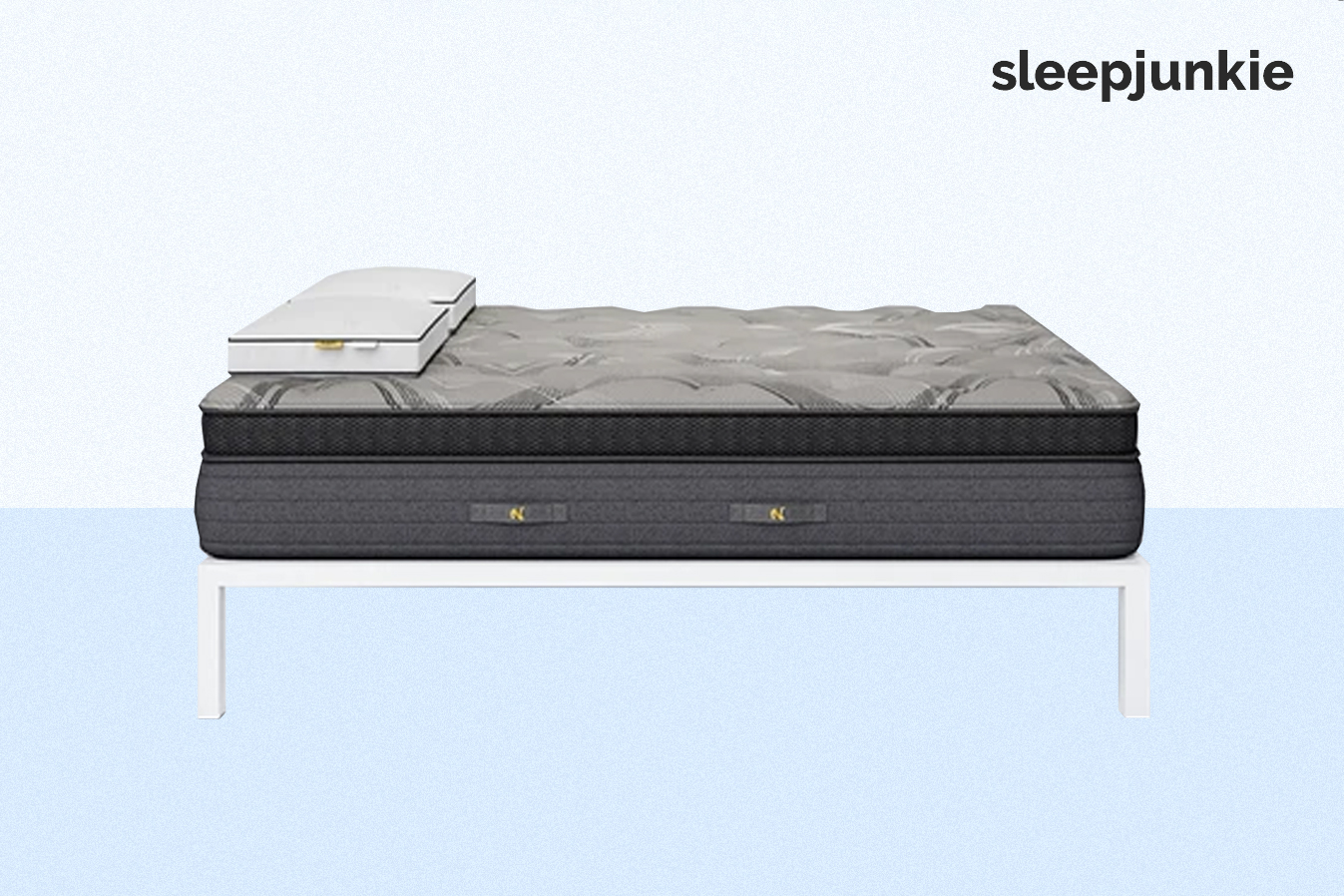
8. Nolah Evolution

8. Nolah Evolution
  • Price Range: See Price
  • Mattress Type: Hybrid
  • Thickness: 15 Inches
  • Firmness: 5 (Plush), 6 to 7 (Luxury Firm), 8 (Firm) out of 10
  • Available In: Twin, Twin XL, Full, Queen, King, California King, Split King

Warranty

Lifetime

Sleep Trial

120 Nights

Shipping

Free

Mattress Highlights
  • Pillowtop surface with cooling materials
  • Transition foams keep sleepers lifted
  • Wrapped coils zoned for better support
Recommended For
  • Side sleepers (plush)
  • Back sleepers (luxury firm)
  • Stomach sleepers (firm)

Watch Our Nolah Evolution Video Review

The Nolah Evolution is the pillow-top pick on this list, and from the first night it read as a plush surface with real support underneath rather than just a soft top. Its blend of a cushioned pillow top and zoned coils is what makes it work across positions.

As a light sleeper, the first thing I noticed was motion. Compared with the denser foam hybrids I tested in the same session, the high-density foam and individually wrapped coils absorbed almost all of my partner’s movement, so the far side stayed quiet. That makes it a strong choice for couples on different schedules.

Its multi-layer build kept my spine supported across the night, so I woke up feeling less stiff and more supported than on flatter beds. On temperature, the graphite-infused foam and breathable cover felt cooler to the touch through the first hours than the denser foam and natural-latex beds I compared, and the surface did not warm up as quickly under extended contact.

The medium-firm feel adapted well whether I slept on my back, side, or stomach, without the sinking feeling some all-foam beds have. For hot sleepers, couples, and anyone who wants a plush pillow top with genuine coil support, the Nolah Evolution stands out, with a firm build available for strict back and stomach sleepers.

9.5 Overall Score
  • 10 Value
  • 10 Edge Support
  • 9 Trial Period
  • 9 Response Time
  • 10 Motion Transfer
  • 9 Cooling & Breathability

I picked the Nolah Evolution as the pillow-top choice because it layers a plush top over zoned coils that kept my spine supported in every position I tried.

During testing, the AirFoamICE top took pressure off my hips and shoulders on my side, while the Tri-Zone coils firmed up under my waist so my midsection did not sag. On my back and stomach the firmer zones kept my hips from dipping, and the coil layer made repositioning easy rather than sticky.

On motion, when my partner moved on the far side I felt very little of it, so it works for couples on different schedules. The graphite-infused foam and cover felt cooler to the touch through the first hours than the denser all-foam beds I compared.

The tradeoff is height: at 15 inches with a plush top, strict back and stomach sleepers who want a very firm surface should choose the firm build, and the tall profile may need a low-profile foundation.

Best For:
– Side sleepers who want a plush pillow top with real coil support (plush build)
– Back sleepers who want a supported, lifted feel (luxury firm build)
– Couples who want strong motion isolation

Compare Instead:
– Leesa Sapira Chill if you want a boxed cooling hybrid at a lower profile
– Brooklyn Aurora Luxe if cooling is your first priority
– Saatva Classic if you prefer an innerspring feel

Lying down on the Nolah Evolution, the balance of support and cushioning came through right away. On my back there was no sinking, just firm, dependable support, and my lower back felt held rather than bridging a gap.

On my stomach, a position I usually avoid, there was just enough firmness beneath my hips to hold everything in place, so my midsection did not sag out of alignment. On my side, the zoned AirFoam layer took the pressure off my hips and shoulders that I usually feel building up, while the coils underneath kept my spine level.

The pillow top gives a soft first-contact feel, but the transition foams kept me from sinking through it, so the support stayed consistent as I changed positions. On temperature, the surface stayed cooler to the touch than the foam beds I compared, even on warmer nights.

For side sleepers who want a plush pillow top with real coil support, and couples who want strong motion isolation, the Nolah Evolution delivers. Strict back and stomach sleepers who want a very firm surface should choose the firm build.

Each layer here tied to something I felt across positions. The organic cotton cover and cooling Euro top gave the plush first-contact feel and kept the surface breathable. The graphite-infused AirFoamICE is what took pressure off my hips and shoulders on my side while feeling cooler to the touch than the denser foam beds I compared. The high-resilience and transition foams are what kept me from sinking through that plush top, so my midsection stayed supported. The HDMax Tri-Zone coils are the core piece: firmer under the lumbar area and softer at the shoulders, which is why my spine held level, and the reinforced perimeter coils kept the edge usable. The dense base kept it all stable. It is a foam-and-coil hybrid rather than a natural build, so it is the coil-and-graphite-foam construction, not natural materials, that does the work here.

Pros:

  • Value (10/10): a full pillow-top hybrid at a strong price for this list
  • Edge Support (10/10): the reinforced perimeter coils kept the full surface usable
  • Motion Transfer (10/10): my partner’s movement barely reached my side

Cons:

  • Firm-preference fit: the plush build is not firm enough for strict back and stomach sleepers; choose the firm build
  • Profile height: at 15 inches with a plush top, it may need a low-profile foundation

Nolah Evolution

On my side the zoned AirFoam took pressure off my hips and shoulders while the Tri-Zone coils held my waist, so my spine stayed supported. It suits side sleepers who want a plush pillow top with real coil support and couples who want strong motion isolation.

Kristina Hindes

Best Natural Mattress

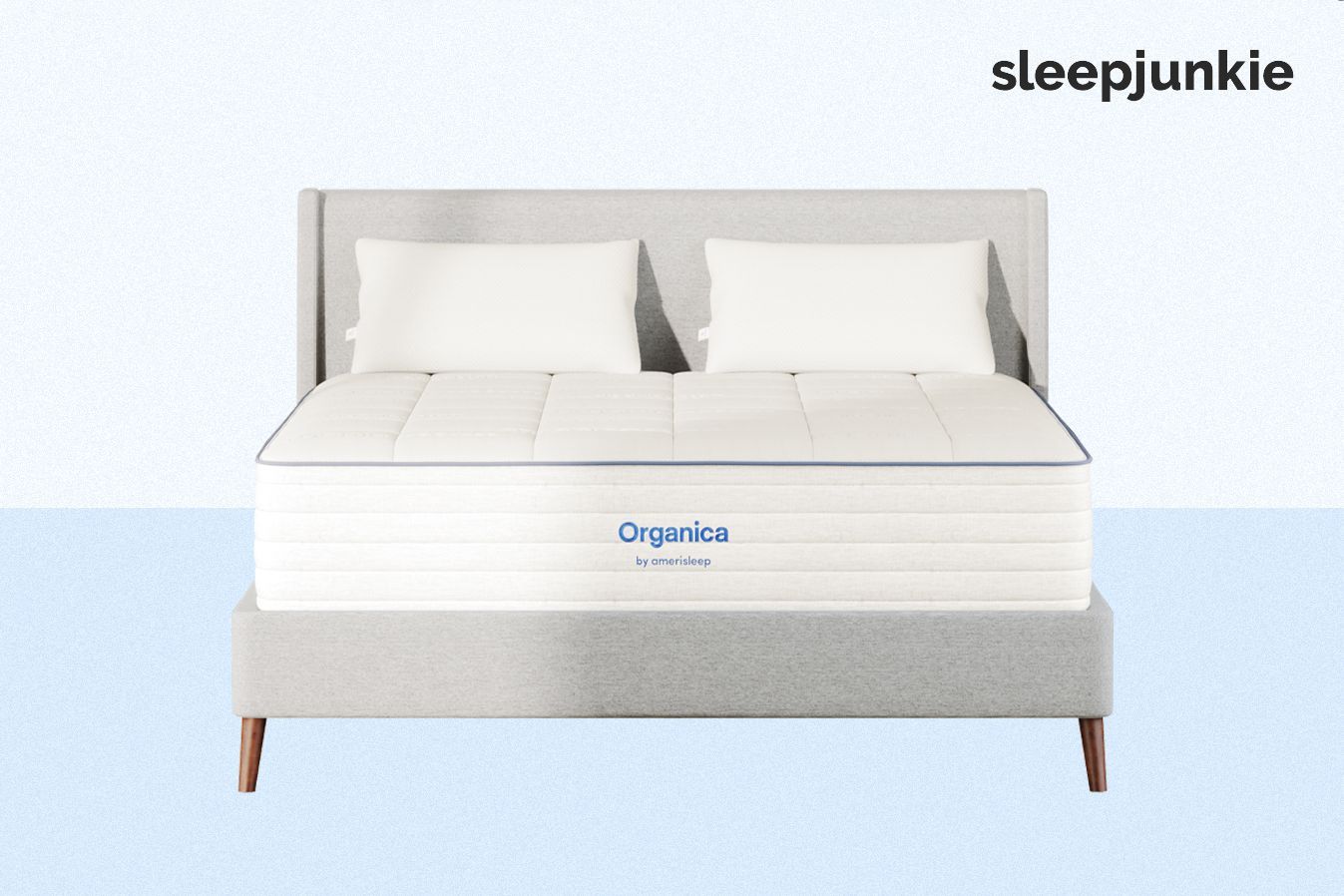
9. Amerisleep Organica

9. Amerisleep Organica
  • Price Range: See Price
  • Mattress Type: Latex Hybrid
  • Thickness: 13 Inches
  • Firmness: 5 to 6 out of 10 (Medium)
  • Available In: Twin, Twin XL, Full, Queen, King, California King, Split King

Warranty

20 Years

Sleep Trial

100 Nights

Shipping

Free

Mattress Highlights
  • Officially endorsed by the American Chiropractic Association (ACA)
  • Cooling organic cotton and wool batting
  • Contouring Talalay latex comfort foam
  • Wrapped coils for independent reactions
Recommended For
  • Hot sleepers
  • Side, back, and combination sleepers
  • Shoppers sensitive to synthetic materials

Watch Our Organica Video Review

The Amerisleep Organica is the natural pick on this list, built from Talalay latex over a pocketed coil core with organic cotton and wool up top. During testing it contoured like foam but moved like latex, which is what sets it apart from the all-foam beds here.

The Talalay latex stood out first. It cradled my shoulders and hips on my side with a light bounce, so I could change positions without digging out of a foam pocket, and it kept my spine level on my back without letting me sink in. The New Zealand wool layer kept the surface breathable and dry, so it stayed cooler to the touch than dense foam across warmer nights.

The coil system is the backbone. I tested it alongside my partner and the wrapped coils held most of the movement on each side, so we did not disturb each other. On materials, the cover is GOTS certified and the latex and wool are OEKO-TEX certified and tested for low emissions, which is the substantiated version of its natural claim.

For shoppers who want certified natural materials, and side or combination sleepers who like latex contouring with bounce, the Organica is the natural choice here. Its edge gives a little more than the strongest hybrids, and it is heavy to move.

In my view, the Amerisleep Organica masterfully balances natural materials with luxurious comfort, making it a great choice for those who care about sustainability but also need support for spinal health. The Organica is also one of Amerisleep’s officially ACA-endorsed models, carrying the same American Chiropractic Association recognition as the AS2 at the top of this list.

9.0 Overall Score
  • 9 Value
  • 8 Edge Support
  • 9 Trial Period
  • 10 Response Time
  • 9 Motion Transfer
  • 9 Cooling & Breathability

I picked the Organica as the natural choice because it delivered latex contouring over a coil core with a clean, certified material stack.

During testing, the Talalay latex contoured to my shoulders and hips on my side with a light bounce, so I could change positions without digging out of a foam pocket. On my back, the two latex layers plus the pocketed coils kept my spine level without letting me sink in. When my partner shifted, the wrapped coils kept most of that movement on their side.

On materials, the cover is GOTS certified and the latex and wool are OEKO-TEX certified and tested for low emissions, which is the substantiated version of its natural claim.

Its lowest sub-score is edge support (8/10), so the perimeter gives a little more than the strongest hybrids here, and it is heavy to move.

Additionally, the Organica is formally endorsed by the American Chiropractic Association, one of a small group of Amerisleep models to carry that recognition. The endorsement follows a multi-month evaluation by licensed doctors of chiropractic, which is exactly the kind of independent, profession-backed vetting I look for on a chiropractor-focused list.

Best For:
– Shoppers who want certified natural materials
– Side and combination sleepers who want latex contouring with bounce
– Hot sleepers who prefer wool and latex over dense foam

Compare Instead:
– Saatva Classic if you want an innerspring feel with a firmness choice
– Helix Midnight Luxe if you want synthetic contouring tuned for side sleeping
– Nolah Evolution if you want a firmer build or a plush pillow top

On the first night, the Organica gave a balance of tailored support and natural give. Under my back the surface felt supple but firm, with enough support that I did not sink in, and its medium firmness suited my habit of switching positions.

On my side, the latex cradled my shoulders and hips while keeping my spine in line, so pressure came off the joints without letting me drop out of alignment. On my back, the latex layers gently contoured my lumbar curve while the coils underneath kept my midsection lifted, which is where alignment tends to break down on softer natural beds.

The mix of cotton, latex, and coils kept airflow moving, so the surface stayed cooler to the touch than dense foam even on warmer nights. Changing positions was easy, since the latex responded quickly and let me roll over without resistance.

For side and combination sleepers who want certified natural materials with latex bounce, the Organica fits well. Shoppers who want an innerspring feel with a wider firmness range should look at the Saatva Classic.

The Organica’s build is why it contoured like foam but moved like latex. The GOTS-certified organic cotton cover and organic wool layer kept the surface breathable and dry, so it did not warm up as fast as dense foam in testing. The soft Talalay latex is what cradled my shoulders and hips with a light bounce, so I could reposition without digging out of a pocket, and the medium Talalay layer under it is what firmed the support so my spine stayed level on my back. The 8-inch pocketed-coil unit is what kept my midsection lifted and held most of my partner’s movement on their side, and its reinforced edge kept the perimeter usable. The cover is GOTS certified and the latex and wool are OEKO-TEX certified and tested for low emissions.

Pros:

  • Certified materials: GOTS-certified cotton and OEKO-TEX-certified latex and wool, tested for low emissions
  • Response Time (10/10): the latex let me change positions without digging out of a pocket
  • Natural contouring: the Talalay layers cushioned my shoulders and hips while the coils kept my midsection lifted

Cons:

  • Edge Support (8/10): the perimeter gives a little more than the strongest hybrids here
  • Weight and firmness: heavy to move, and firmer than an ultra-soft bed; two firmness options only (medium and plush)

Amerisleep Organica

On my side the Talalay latex contoured to my shoulders and hips with a light bounce while the coils kept my midsection lifted. It suits shoppers who want certified natural materials and side or combination sleepers who like latex contouring over dense foam.

Kristina Hindes
10. Nest Bedding Sparrow Hybrid
  • Price Range: See Price
  • Mattress Type: Hybrid
  • Thickness: 13 Inches
  • Firmness: 3, 5, or 8 out of 10 (Plush, Medium, Firm)
  • Available In: Twin, Twin XL, Split CK 1-side, Full, Queen, King, Cal. King

Warranty

Lifetime

Sleep Trial

365 Nights

Shipping

Free

Mattress Highlights
  • Cooling Features: Keeps you comfortable all night.
  • Durable Construction: High-quality foams and coils.
  • Eco-Conscious Materials: Responsibly sourced.
  • Easy Movement: Smooth transitions between positions.
Recommended For
  • Side Sleepers
  • Back Sleepers
  • Stomach Sleepers
  • Combination Sleepers

Watch Our Nest Bedding Sparrow Video Review

The Nest Sparrow is the hybrid pick on this list, combining a gel memory foam comfort layer with an individually wrapped coil core. That mix is what gives it both the cushioning of foam and the responsiveness of coils.

During testing on my side in the medium build, the quilted gel foam let my hips and shoulders settle in while the wrapped coils kept my waist supported, so my spine stayed level rather than dropping. The coils added bounce, so I never felt stuck in the surface the way an all-foam bed can feel.

When I changed positions, the coils responded independently, so one area gave without pulling the rest of the bed with it, which kept the transitions smooth. The phase-change cover felt cool to the touch on first contact.

It comes in Plush, Medium, and Firm, so the same build can feel quite different by weight, and lighter sleepers should choose carefully. For side and back sleepers who want coil support with gel-foam cushioning and a firm, usable edge, the Sparrow is a solid hybrid choice.

9.3 Overall Score
  • 8 Value
  • 10 Edge Support
  • 10 Trial Period
  • 9 Response Time
  • 10 Motion Transfer
  • 9 Cooling & Breathability

I picked the Sparrow as the hybrid choice because its wrapped-coil core adapted position to position while the gel foam took pressure off the joints.

During testing on my side in the medium build, the quilted gel memory foam let my hips and shoulders settle in while the individually wrapped coils kept my waist supported, so my spine stayed level rather than dropping. When I changed positions the coils responded independently, so one area gave without pulling the rest of the bed with it.

I sat on the edge to get up and the reinforced 14.5-gauge perimeter held firm, so the full surface stayed usable, which matters for couples. The phase-change cover felt cool to the touch on first contact.

It comes in Plush, Medium, and Firm, so lighter sleepers should choose carefully because the same build can feel quite different by weight.

Best For:
– Side and back sleepers who want coil support with gel-foam cushioning
– Couples who want a firm, usable edge and low motion transfer
– Shoppers who want to pick a firmness level

Compare Instead:
– Saatva Classic if you want a handcrafted innerspring feel
– Nolah Evolution if you want a plush pillow top
– Amerisleep AS2 if you want a firmer all-foam bed at a lower price

As a side sleeper, the Sparrow had a soft, plush first-contact feel, but the coils underneath kept it from turning into a sinkhole. My hips and shoulders settled into the gel foam while the coils held my waist, so I felt cushioned and supported at the same time.

The first night, the surface adapted as I moved rather than fighting me, and I woke up without the stiffness I get on flatter beds. The gel foam took pressure off my joints while the wrapped coils kept my spine from dropping out of line.

Across positions it stayed adaptable. Whether I was on my side, back, or stomach, the coils responded independently so the bed met each position without me hunting for a comfortable spot. The phase-change cover kept the surface feeling neutral rather than warm.

For side and back sleepers who want coil support with gel-foam cushioning, the Sparrow adapts well across positions. Lighter sleepers should pick their firmness carefully, since the same build feels different by weight.

The Sparrow pairs gel foam over Energex foam and a wrapped-coil core, and each layer showed up in testing. The quilted gel memory foam is what let my hips and shoulders settle in on my side while feeling cool to the touch on first contact. The phase-change cover added to that neutral surface temperature. The Energex temperature-responsive foam and SmartFlow layer are what kept the transition from soft top to firm coils feeling continuous rather than abrupt. The 14.5-gauge reinforced wrapped coils are the core piece: they responded independently so one area gave without moving the rest, which is why partner movement barely reached me, and the reinforced perimeter kept the edge usable when I sat to get up. Foams are CertiPUR-US certified and the fire barrier is a non-chemical hydrogenated-silica layer.

Pros:

  • Edge Support (10/10): the reinforced 14.5-gauge perimeter held firm when I sat to get up
  • Motion Transfer (10/10): the wrapped coils kept my partner’s movement on their side
  • Certified foams: CertiPUR-US certified, with a non-chemical hydrogenated-silica fire barrier

Cons:

  • Firmness selection: the same build feels quite different by weight, so lighter sleepers must choose carefully
  • Value (8/10): sits at the mid-to-high end of this list

Nest Bedding Sparrow

On my side in the medium build the gel foam eased pressure at my hips and shoulders while the wrapped coils kept my waist supported. It suits side and back sleepers who want coil support with gel-foam cushioning and a firm, usable edge.

Kristina Hindes
11. Brooklyn Bedding Aurora Luxe
  • Price Range: See Price
  • Mattress Type: Hybrid
  • Thickness: 12 Inches
  • Firmness: 5 to 6 out of 10 (Medium Firm)
  • Available In: Twin, Twin XL, Full, Queen, King, Cal. King, Split King, Split CA King, Short Queen, RV King, RV Bunk

Warranty

20 Years

Sleep Trial

100 Nights

Shipping

Free

Mattress Highlights
  • TitanCool™ technology for optimal temperature regulation.
  • Gel-infused memory foam for enhanced pressure relief.
  • Zoned coil system for targeted support.
  • Reinforced edges for improved durability and usability.
Recommended For
  • Side sleepers needing pressure relief for hips and shoulders.
  • Back sleepers seeking balanced support and spinal alignment.
  • Stomach sleepers wanting to prevent lower back strain.
  • Combination sleepers who require versatility in their sleeping positions.
  • Hot sleepers looking for a cooling mattress option.

Watch Our Brooklyn Aurora Luxe Review

The Brooklyn Aurora Luxe is the cooling pick on this list, and in testing it felt coolest to the touch and held that surface longest. Its TitanCool and GlacioTex cooling stack is built specifically to pull heat off the surface, which is what makes it my choice for hot sleepers.

During testing, the GlacioTex cover felt cool on first contact and did not warm up as quickly under extended contact as the all-foam beds I compared. Beneath it, the gel-infused memory foam contoured to my body for pressure relief while the high-density support layer kept my spine aligned.

It suits a range of sleepers. On my side, the plush comfort layers cushioned my hips and shoulders, while on my back and stomach the zoned coil core held my spine supported. The pocketed coils also add responsiveness, so changing positions was easy.

It comes in soft, medium, and firm. For hot sleepers who want the coolest-feeling surface here, and back and stomach sleepers who want zoned support in a medium or firm build, the Aurora Luxe fits, though its edge gives a little more than the coil-heavy picks.

9.0 Overall Score
  • 9 Value
  • 8 Edge Support
  • 9 Trial Period
  • 9 Response Time
  • 9 Motion Transfer
  • 10 Cooling & Breathability

I picked the Aurora Luxe as the cooling choice because it felt cooler to the touch and held that surface longer than the other beds I tested in the same session.

During testing, the GlacioTex cover felt cool on first contact and did not warm up as quickly under extended contact as the all-foam beds I compared. The copper-infused foam under it added to that, so two sleepers sharing body heat had a more neutral surface than on dense memory foam.

On support, the zoned coil core kept my lower back lifted on my back, and in the firm build the surface held my hips level on my stomach without a rigid feel. It comes in soft, medium, and firm.

The tradeoff is at the edges: edge support is the lowest sub-score here (8/10), so the perimeter gives a bit more than the coil-heavy picks, and the cooling surface can feel too cool for someone who likes a warm bed.

Best For:
– Hot sleepers who want the coolest-feeling surface on this list
– Back and stomach sleepers who want zoned support (medium or firm build)
– Combination sleepers who want a choice of firmness

Compare Instead:
– Zoma Boost if you want a plusher luxury hybrid that still sleeps cool
– Nolah Evolution if you want a cooling pillow top
– Leesa Sapira Chill if you want a boxed cooling hybrid

From the first contact, the cooling layer gave a refreshing feel that helped regulate my surface temperature, which I appreciated since I tend to overheat. The gel-infused memory foam gave gently beneath me, contouring my body without making me feel trapped.

I tested all three firmness options. The medium accommodated my different sleeping positions with a balance of give and support. The firm supported my lower back well without feeling harsh, keeping my spine neutral on my back and stomach. The soft absorbed pressure at my shoulders and hips for side sleeping while still holding support underneath.

The zoned coil system kept my spine aligned while letting my lower back rest into the surface, and the medium and firm builds felt the most stable and supported. Across the night the cooling surface stayed more neutral than the dense foam beds I compared rather than warming up under me.

For hot sleepers who want the coolest-feeling surface on this list, with a firmness choice for different positions, the Aurora Luxe is the cooling pick. Someone who likes a warm bed may find the surface runs too cool.

The Aurora Luxe is a cooling-first hybrid, and the build backs that up. The GlacioTex cover is why the surface felt cool on first contact and did not warm up as quickly under extended contact as the all-foam beds I compared, and the copper-infused and gel memory foam under it carried that cooler feel deeper into the surface. The gel memory foam is also what contoured to my hips and shoulders, while the transition foam kept me from sinking past it. The zoned pocketed-coil core is what held my lower back lifted and, in the firm build, kept my hips level on my stomach; the coils also held most of my partner’s movement on their side. The high-density base kept the whole surface stable. Comes in soft, medium, and firm.

Pros:

  • Cooling & Breathability (10/10): the GlacioTex surface felt cool on first contact and held it longer than the foam beds I compared
  • Firmness choice: soft, medium, and firm to match position and weight
  • Zoned support: the coil core kept my lower back lifted and my hips level in the firm build

Cons:

  • Edge Support (8/10): the perimeter gives a bit more than the coil-heavy picks here
  • Warmth preference: the cooling surface can feel too cool for someone who likes a warm bed

Brooklyn Bedding Aurora Luxe

The GlacioTex surface felt cool on first contact and held that longer than the foam beds I compared, and in the firm build the zoned coils kept my hips level on my stomach. It suits hot sleepers who want the coolest-feeling surface here, with a firmness choice for back and stomach sleepers.

Kristina Hindes

Best Firm Mattress

12. Zoma Start

12. Zoma Start
  • Price Range: See Price
  • Mattress Type: Memory Foam Mattress
  • Thickness: 10 Inches
  • Firmness: 6-7 out of 10 (Medium-Firm)
  • Available In: Twin, Twin XL, Full, Queen, King, California King, Split King

Warranty

10 Years

Sleep Trial

100 Nights

Shipping

Free

Mattress Highlights
  • Triangulex™ zoned support: Targeted pressure relief for specific areas.
  • Reactiv™ layer: Responsive and easy to move in.
  • Breathable cover: Improved airflow and temperature regulation.
Recommended For
  • People on a budget
  • Back sleepers
  • Side Sleepers
  • Those who prefer a firmer mattress
  • Those who want a mattress that is cool and breathable

Watch Our Zoma Start Video Review

The Zoma Start is a budget all-foam pick, and for the price it held a balanced medium feel that supported my spine across positions. It is built in three foam layers, a gel memory foam top, a responsive transition layer, and a high-density base.

During testing, the gel foam contoured to my shoulders and hips on my side to ease pressure, while the transition layer and dense base kept my back supported when I rolled flat, so it held a neutral line without a soft sag. When I changed positions the foam bounced back quickly rather than holding a dent.

The gel foam top also kept the surface feeling neutral rather than warm, which is not a given at this price. Motion isolation is only average, so a very restless partner is more noticeable here than on the coil beds in this guide.

For budget shoppers and lighter to average-weight sleepers who want balanced support with easy repositioning, the Zoma Start is a strong value. Heavier sleepers may want a taller, firmer bed, and side sleepers who want deeper cushioning should look at a softer option.

9.2 Overall Score
  • 10 Value
  • 10 Edge Support
  • 9 Trial Period
  • 8 Response Time
  • 9 Motion Transfer
  • 9 Cooling & Breathability

I picked the Zoma Start as a budget all-foam pick because it delivered a supportive medium feel and quick foam recovery for the price.

During testing, the medium surface contoured to my shoulders and hips on my side enough to ease pressure, while the Reactiv layer and high-density base kept my back supported when I rolled flat, so it held a neutral line without a soft sag. When I changed positions the foam bounced back quickly rather than holding a dent.

Its lowest sub-score is response time relative to the coil beds here, and motion isolation is only average, so a very restless partner is more noticeable. Heavier sleepers may want a taller, firmer bed.

Best For:
– Budget shoppers who want balanced support
– Back and side sleepers at lighter and average weights
– Anyone who wants quick, easy repositioning on foam

Compare Instead:
– Vaya Mattress if you want a slightly softer budget feel
– Amerisleep AS2 if you want firmer all-foam support for back and stomach sleeping
– Bear Original if you want a genuinely firm all-foam surface

On the Zoma Start, the balance of softness and support came through right away. As a back sleeper, the surface contoured to my spine and kept it supported without feeling too soft or too hard.

On my side, the gel foam eased pressure at my shoulders and hips more than I expected from a budget foam bed, cushioning those contact points rather than compressing them. Motion isolation is decent but not the strongest here, so a very movement-sensitive partner might notice more transfer than on a coil bed.

Heavier sleepers over about 250 pounds may want a taller bed with a thicker base, but for most lighter and average-weight sleepers the medium feel holds up well. The gel foam top kept the surface feeling neutral rather than warm, and setup was quick out of the box.

For budget-minded back and side sleepers at lighter and average weights who want support and easy repositioning, the Zoma Start delivers more than its price suggests.

The Zoma Start is a three-layer all-foam bed, and in testing each layer pulled its weight for the price. The AirCloth cover kept the surface feeling neutral rather than warm and stretched enough not to restrict movement. The gel memory foam top is what contoured to my shoulders and hips on my side to ease pressure and felt cooler to the touch than plain memory foam. The Reactiv layer is what kept that soft top from turning into a sink, so it bounced back quickly when I changed positions rather than holding a dent. The high-density Support+ base is what kept my midsection from bottoming out, so my back stayed supported on my back. That base is also why it held its shape across the testing period.

Pros

  • Value (10/10): a supportive all-foam medium at a budget price
  • Edge Support (10/10): held firmer at the perimeter than expected for a foam bed at this price
  • Pressure relief: the gel foam eased pressure at my shoulders and hips on my side

Cons

  • Motion Transfer: only average, so a restless partner is more noticeable; consider a coil bed like the Nolah Evolution
  • Heavier-sleeper fit: heavier sleepers may want a taller, firmer bed with a thicker base

Zoma Start

On my back the Reactiv layer and dense base kept my spine supported while the gel foam eased pressure on my side, and it bounced back quickly when I changed positions. It suits budget shoppers and lighter to average-weight back and side sleepers who want quick, easy repositioning.

Kristina Hindes

Best for Back Sleepers

13. Bear Original

13. Bear Original
  • Price Range: See Price
  • Mattress Type: Memory Foam Mattress
  • Thickness: 10 Inches
  • Firmness: 8 out of 10 (Firm)
  • Available In: Twin XL, Full, Queen, King, California King, Split King

Warranty

Lifetime

Sleep Trial

120 Nights

Shipping

Free

Mattress Highlights
  • All-foam construction
  • Temperature-neutral cover
  • High-density base for durable support
  • Firm, supportive surface
Recommended For
  • Back sleepers
  • Individuals seeking a firm mattress
  • Those who prioritize comfort, support, and durability

Watch Our Bear Original Mattress Video Review

The Bear Original is a firm, all-foam bed built for back and stomach sleepers who want a supported surface rather than deep contouring. It is a firm feel, around an 8 out of 10, with a gel memory foam top over a high-density base.

During testing, the standout was how flat it kept my spine on my back. My lower back stayed in contact with the surface with no gap, and my hips did not drop, so nothing bowed out of line. On my stomach the firmness kept my pelvis from sinking, which is where the lower back tends to overarch on softer foam.

The gel memory foam top still contoured lightly at my hips, so the firm surface did not feel hard at the contact points. On my side, though, the firmness gave less cushion at the shoulder, so dedicated side sleepers will feel more pressure here.

On temperature, the surface stayed neutral to the touch during testing and did not warm up as quickly as the denser foam beds I compared. For back and stomach sleepers who want a firm, supported all-foam surface, the Bear Original is a strong, straightforward pick.

9.2 Overall Score
  • 10 Value
  • 10 Edge Support
  • 9 Trial Period
  • 9 Response Time
  • 8 Motion Transfer
  • 9 Cooling & Breathability

I picked the Bear Original as the back-sleeper choice because its firm all-foam surface kept my spine flat without the sink that softer beds allow.

During testing on my back, my lower back stayed in contact with the surface with no gap, and my hips did not drop, so my spine held a straight line end to end. On my stomach the firmness kept my pelvis from sinking, which is where the lower back tends to overarch on softer foam. On my side the firm surface was less cushioned, so dedicated side sleepers will feel more pressure at the shoulder here.

The foam recovered reasonably when I moved, and the surface felt neutral in temperature rather than warm during testing.

Best For:
– Back sleepers who want a firm, supported surface
– Stomach sleepers who need their hips held level
– Sleepers who prefer a firm feel over deep contouring

Compare Instead:
– Amerisleep AS2 if you want a medium-firm all-foam bed with more give
– Zoma Start if you want a softer budget option
– Saatva Classic (Firm) if you want firm support with a bit more edge and side comfort

The first thing I noticed on the Bear Original was the firm, solid surface. It is not rock hard, but it is firmly on the firmer end, around an 8 out of 10.

I expected pressure at my hips and shoulders on such a firm bed, but on my back that never came. My hips felt cradled without sinking, and there was no pinch at my shoulders. Where the bed really showed its strength was flat on my back: my lower back stayed aligned with no gap between my body and the surface, and I woke up without stiffness.

On my stomach, my torso did not sag into the surface, so my spine stayed neutral rather than overarching the way it can on softer beds. On my side, though, the firmness meant less cushion, so side sleepers who want a plush sinking feel will miss it here.

For back and stomach sleepers who want firm, reassuring support that holds the spine level, the Bear Original is built for exactly that. Side sleepers who want more give should look at a softer bed like the Amerisleep AS2.

The Bear Original is an all-foam bed built for a firm, supported feel, and the layers showed that in testing. The cooling gel memory foam top is what kept the surface feeling neutral in temperature and still contoured lightly to my hips without deep sink. The Bear Dynamic foam under it is what added a bit of give so the firm surface did not feel hard at the contact points. The high-density base is the piece that kept my spine flat on my back with no gap at the lumbar region and held my hips level on my stomach. The quilted cover kept the surface breathable.

Pros:

  • Back-sleeper support: my spine stayed flat with no gap at the lumbar region on my back
  • Value (10/10): a firm all-foam bed at a strong price
  • Edge Support (10/10): the perimeter stayed stable when I sat to get up

Cons:

  • Side sleeping: the firm all-foam surface gives less at the shoulder, so side sleepers feel more pressure; consider the Amerisleep AS2
  • Motion Transfer (8/10): the lowest sub-score here, so a restless partner is more noticeable

Bear Original Mattress

On my back the firm all-foam surface kept my spine flat with no gap at the lumbar region, and on my stomach it held my hips level. It suits back and stomach sleepers who want a firm, supported surface rather than deep contouring; dedicated side sleepers will want more cushion.

Kristina Hindes

How to Choose the Best Mattress for Back Pain

Chiropractor-approved mattresses that can help ease your back pain don’t have to be hard to find. You just need to know a few things about the way the best mattresses work – as well as the cause of your back pain – to pick the right one for you.

Most of the time, back pain is caused by some type of spinal misalignment 1 Verified Source National Library of Medicine (NIH) World’s largest medical library, making biomedical data and information more accessible. See the source . This could be the result of anything from poor posture to spinal disease to a bad mattress.

In fact, sleeping on a bad mattress is one of the main causes of back pain that doesn’t stem from an underlying illness. As the materials lose support, your body can develop unhealthy sleep positions that put too much strain on your back. So upgrading to a mattress for back pain might just solve your back issues.

“I tell my patients that a supportive mattress can play a real role in comfortable, well-aligned sleep,” says Dr. Jordan Burns, DC. “I also encourage sleeping on the back or side with a pillow, and the beds in this article support those positions.”

Material and Construction

You might think all mattress materials are the same when it comes to back pain relief. You’d be very wrong. Some mattress types offer amazing pain relief, while others just don’t make the cut.

There are other points to consider, too, as some materials have higher production costs that raise the mattress’s price. Shoppers interested in a budget mattress that can relieve back pain have fewer high-quality options, though there are hidden gems to uncover. So you’ll need to be careful when picking what your mattress is made of.

The best materials for back pain offer a combination of support and contouring to keep your spine aligned and your body lifted onto the sleep surface. A mattress that compresses under the heavier parts of your body while lifting up the lighter areas ensures your spine stays in a neutral horizontal line.

Memory Foam

Memory foam is among the best mattress materials for back pain. This is because it’s highly flexible and offers the best contouring of any mattress material. A memory foam mattress can take on your shape in a way that no other foam can. This promotes total spinal alignment because your sleep surface molds itself to your body.

Memory foam also offers tons of variety. It comes in every conceivable firmness level. It can have cooling infusions that don’t interfere with its unbeatable pressure relief. And you can also get memory foam mattresses for back pain that have layers for zoned support, responsiveness, and extra softness.

Despite memory foam’s fantastic benefits, it does have some drawbacks. Hot sleepers won’t appreciate the fact that even the coolest memory foam can still warm up after a while. And even the bounciest response layers can’t make a memory foam mattress compete with latex or hybrid mattresses in terms of responsiveness.

See also our memory foam mattress buying guide.

Natural Latex

Natural latex foam may be a good alternative to a memory foam mattress for back pain sufferers who sleep hot or like to toss and turn. Where memory foam fails, a latex mattress succeeds. It’s highly breathable and much better at temperature control than even the coolest gel memory foam. Latex is also more responsive than any memory foam could hope to be.

What’s more, you don’t have to sacrifice much contouring for these benefits. While latex isn’t as contouring as memory foam, it’s close. This means it’s more than adequate for most back pain sufferers’ needs. Our memory foam vs latex guide discusses the two materials in depth.

Latex’s issues are mostly practical concerns. Latex mattresses are extremely heavy. So a latex mattress may exceed the max weight of some adjustable bases or bed frames. Latex is also quite expensive, coming in as the costliest mattress type on average. However, some of this expense can be made up for on the back end, as latex mattresses are also some of the most durable mattresses.

Hybrid

Hybrid mattresses combine top layers of foam with a support layer of pocketed coils. Hybrids can have any kind of foam. Most are made of memory foam, but it’s also easy to find fantastic natural latex hybrids. Both memory foam and latex hybrids can offer fantastic relief from back pain because of the nature of pocketed coils.

Hybrid mattresses offer the best of both foams and coils. Pocketed coils move independently of one another. So they solve the main issues with open coils. They can move independently of one another, so they can adapt to your shape rather than sagging underneath you. They won’t make noise. And they wear out much slower than open coil networks.

Hybrid mattresses are contouring, responsive, cooling, and relatively durable. The main problem with them is their expense. Hybrid mattresses are almost as expensive as latex ones on average. And since they’re less durable than latex, the fact that you’ll have to replace them more often means you will pay more for them over the course of their lifetimes.

Innerspring

Innerspring mattresses are typically not chiropractor recommended, and we don’t recommend them for people with back pain either. The problem with innerspring mattresses is their open coil support core.

Open coils are wired together to form a network that stretches from one end of the mattress to the other. This network offers a lot of support, but it comes at the cost of just about everything else you need from your mattress.

Open coil networks cannot contour very well. They tend to sag under your middle, bending your spine out of alignment. Open coils also lose their tension and wear out faster than any other support core. And they tend to get squeaky after just a few years of use.

Not to mention they have no motion transfer control whatsoever. For all these reasons, we recommend you steer clear of innerspring mattresses. Those who want a coil mattress are better off with a hybrid.

Firmness Level

Firmness level is just as vital as material when it comes to relieving back pain. Mattress firmness is measured on a scale of 1 to 10, with 10 being the firmest. Usually, the firmest mattresses on the market are 8s, while the softest are 3s. Even these extremes need to have some support and some give.

For most people with back pain, the ideal firmness level is medium-firm (6). This firmness offers the right balance of lift and support you need to alleviate pain. That being said, you’ll need to take your sleeping position and body weight into account when determining your ideal firmness level.

Back Sleepers

Back sleepers typically need the same firmness level that back pain sufferers do: medium-firm. Sleeping on your back means you need a balance of support and cradling. A good mattress for back sleepers follows the curve of the lumbar region and fight sinkage at the same time.

Medium-firm mattresses have enough support to keep your body lifted up onto the sleep surface. At the same time, they have enough contouring to compress down under the buttocks, filling in the lumbar region to keep it supported and aligned.

Combination Sleepers

Combo sleepers like to switch things up, changing sleeping positions night after night or even several times throughout the night. This means they need a highly versatile mattress for combination sleepers that can provide comfort to multiple sleeping positions.

Medium mattresses (5) offer this versatility. They have a perfect balance of support and cushioning, allowing them to accommodate you no matter which sleeping position you choose on a particular night.

Side Sleepers

Side sleepers need soft to medium-soft mattresses (3 to 4) because of the pressure their body weight exerts on their joints. Sleeping on your side presses your body deeply into the mattress. This puts a lot of pressure on your hips and shoulders, which can lead to pain in these areas without the proper cushion a mattress for side sleepers offers.

Softer mattresses absorb this pressure by compressing under your joints. Those with back pain should consider going as firm as possible. Try medium-soft mattresses to relieve pressure on your joints while still providing spinal support. If you still have back pain, you might consider going up to a medium mattress, but be aware this may cause pain in your pressure points.

Stomach Sleepers

Stomach sleepers need the firmest mattresses of all (7 to 8). When you sleep on your stomach, your pelvis sinks into the bed, overarching your back and causing lower back pain. Firm mattresses keep your pelvis lifted and fight this sinkage.

If you have pain caused by spinal alignment issues, sleeping on your stomach may be contributing to it regardless of your mattress firmness. The best thing you can do for your back is to train yourself to sleep on your side or back and get away from this unhealthy sleeping position. If it’s the only position you can fall asleep in, a mattress for stomach sleeping can help you do so comfortably.

Body Type

While your baseline firmness is decided by your preferred sleeping position, your body weight does have some impact. If you weigh between 130 and 230 pounds, your firmness needs are not really impacted by your body weight. You can stick with your baseline firmness and not worry about how your weight impacts your needs.

Those who weigh below 130 pounds are considered petite sleepers. Petite sleepers generally need to go down one firmness level from their baseline in order to get the compression they need. For example, petite back sleepers might need a medium rather than a medium-firm mattress.

For sleepers above 230 pounds, the effects are the opposite. Heavier sleepers need to go up at least one firmness level to get the support they need to avoid sinking into their mattresses. For instance, plus-size side sleepers might need a medium mattress rather than a medium-soft.

FAQs

What mattress do chiropractors recommend for spinal alignment?

There is no single answer, because the right feel depends on your sleeping position and weight. In my testing, medium-firm beds that keep the lumbar region supported while cushioning the shoulders held a neutral spine best. Back and stomach sleepers did well on firmer all-foam picks like the Amerisleep AS2, while side sleepers got better shoulder relief on zoned hybrids like the Zoma Boost. Match the firmness to how you sleep rather than chasing the firmest option.

Are any mattresses officially endorsed by the American Chiropractic Association?

Yes. The American Chiropractic Association (ACA) runs an endorsement program that reviews and tests products for chiropractic-related benefits, then publishes the brands and models that pass. Amerisleep is one of the mattress brands the ACA officially endorses. The endorsed Amerisleep models are the AS2, AS3, AS5, AS6, and Organica, including their Hybrid versions, covered under an ACA certificate. On this page, that includes my top pick, the Amerisleep AS2, and the Amerisleep Organica. Keep in mind that an ACA endorsement reflects quality and design as judged by licensed chiropractors. It is not a medical claim that a mattress treats or cures any condition.

What’s the best firmness level for back pain?

Generally speaking, the best firmness level for back pain is medium-firm. Medium-firm mattresses offer a balance of support and compression that slightly favors support. This means your mattress can follow the curve of your spine and keep your body lifted at the same time. This allows the mattress to keep your lumbar region from collapsing.

An overly soft mattress can let your body sink into the surface, bending your spine out of a neutral line. A medium-firm feel keeps the lumbar region supported without letting it collapse. An overly firm mattress won’t compress under your buttocks or rise to your lumbar region. This lets your lumbar area collapse onto the bed and leaves you sleeping in a hunched position. To avoid either of these scenarios, a medium-firm mattress is best.

How much should I expect to pay for my ergonomic mattress?

Chiropractor-recommended mattresses designed for back pain don’t have to cost an arm and a leg. If you stick with a memory foam mattress, you can expect to pay around $1100 for a queen that will last anywhere from 10 to 15 years. That’s not a bad deal for a decade of pain relief.

Latex and hybrid mattresses are a bit more expensive. Pure natural latex mattresses are the most expensive, with an average queen costing over $2,000. However, latex mattresses will last halfway to forever. Some of them have been known to make it three or four decades. This means you’re paying less for your mattress over the course of its life.

Hybrid mattresses are the most expensive of all. At $1,750 for an average queen, they are a little less than latex in terms of the initial price. But you can only expect to get about 20 years out of your hybrid at the most. This means you will be paying more for it over the course of its life because you will have to replace it more often.

Which material is best for my bad back?

There are several chiropractor-recommended materials that can offer amazing pain relief. If you want the best of the best pain relief, we would recommend a hybrid. Hybrid coils allow the mattress to adapt all the way through. They also offer rigid support to keep you lifted. This combination of adaptability and extreme lift offers the most in terms of back pain relief.

Memory foam is another fantastic material for back pain sufferers. Memory foam is highly contouring and can take the shape of your spine to keep it aligned. Memory foam is also a great option for those looking to save some money.

Finally, latex is another excellent option for back pain sufferers who want an all-foam mattress that is cool and responsive. If you suffer from back pain and also sleep hot or like to toss and turn, breathable and bouncy latex might be for you.

Can an adjustable base help with my back pain?

An adjustable base can absolutely help with your back pain. Sleeping with the head and feet elevated takes pressure off the vertebral column and alleviates discomfort.

The zero-gravity pose – elevating both the head and feet above the heart – is especially good at relieving back pain because it helps take the pressure of your body weight off of your spine and keep it in perfect alignment.

Some adjustable beds offer other pain-relieving benefits like heating elements or massage features. Warmth and a vibrating massage can help relax muscles and alleviate pain associated with tension.

What is the best mattress thickness for back pain?

There is no hard and fast rule for mattress thickness to alleviate back pain. Just keep in mind that the thicker the mattress the more support it offers. This means it’s best to stick with at least 12 inches. Mattresses thinner than this might not give you the support you need to ease your back pain.

Bottom Line

There are tons of amazing mattresses recommended by chiropractors. The best of the best relieve your back pain by keeping your spine aligned and your body lifted. In fact, chiropractors might want to be careful recommending some of the most comfortable mattresses on our list. These amazing mattresses might just render the chiropractors who recommend them unnecessary!

As a dedicated mother of two, Kristina places a high value on holistic health and the well-being of her family. She understands the significance of maintaining hormonal balance and cherishes the essential role of sleep in optimizing overall health. In her leisure time, she indulges her love for the outdoors through hiking, fostering a deep connection with nature, and expresses her creativity through various forms of art. Her life is a vibrant canvas, adorned with wellness and inspiration.

Leave a Reply

Your email address will not be published. Required fields are marked *