We may receive financial compensation for products purchased through links on this website. sleepjunkie.com is owned by Healthy Sleep, LLC and includes Amerisleep, LLC advertising. Learn more.

I Tested 50+ Mattresses to Find the 14 Best Mattresses For Athletes of 2026

I Tested 50+ Mattresses to Find the 14 Best Mattresses For Athletes of 2026

Mattress Guides
Read Time: 3 minutes

Top Recommendation of 2026: Zoma Boost

After testing 50+ mattresses for this guide, the Zoma Boost earned the top spot because it delivered the strongest combination of cooling, motion isolation, responsive support, and edge stability for active sleepers. During testing, the graphite foam surface felt cooler to the touch through the first hours than the denser all-foam beds I compared, and when my partner shifted on the far side of the queen, movement on my side barely registered. When I sat on the perimeter to lace my shoes, the edge compressed very little and stayed stable.

The Zoma Boost suits hot sleepers who share a bed, couples bothered by a restless partner, and back and combination sleepers who want support that responds quickly when they change positions. Its balanced medium-firm feel and steady support across positions are what made it stand out as the top overall recommendation in this guide.

Why Trust Sleep Junkie's Recommendations?

Every mattress featured on Sleep Junkie is evaluated using the same testing framework for support, pressure relief, cooling, motion isolation, edge support, responsiveness, and overall value. Learn How We Test Mattresses.

After testing 50+ mattresses, I ranked the 14 best mattresses for athletes on cooling, responsiveness, motion isolation, edge support, pressure relief, and value, the qualities that matter most when an active body needs to settle quickly and stay undisturbed. Research links sleep quality to athletic performance, so the beds here were chosen for how well they helped me fall asleep and stay comfortable through the night, not for any single spec.

Below I cover what athletes should look for in a bed and walk through each pick, what I observed in testing, who it fits, and where it falls short.

Whatโ€™s the Best Mattress for Athletes?

It is recommended that athletes get 8 to 10 hours of sleep, and short or broken sleep is linked to decreased performance, slower reaction times, and reduced focus. A bed that keeps you cool, isolates motion, and supports your spine makes it easier to get that rest. Below are my recommended mattresses for athletes.

How I Tested and Ranked the Best Mattresses for Athletes

I tested 50+ mattresses for this guide and narrowed them to the 14 that performed best for active sleepers who want their bed to help them settle quickly and stay undisturbed.

What I tested for:
Cooling and breathability: I compared surface temperature by touch through the first hours against the other beds I ran in the same session, and noted which ones warmed up fastest.
Response time: I dropped weight onto the surface and rolled between positions to see how quickly each bed reset, which matters for sleepers who reposition often.
Motion transfer: I had my partner shift on the far side of a queen while I lay still and noted how much carried across.
Edge support: I sat and lay along the perimeter with my full weight to see how far it compressed and whether it stayed stable.
Value and trial period: I weighed each bed’s price against how it performed and logged the sleep trial and warranty length.
Pressure relief and spinal alignment: I lay on my side and back and noted where the surface gave at the shoulder and hip and how level my spine stayed.

What mattered most for athletes:
Cooling, because an active body often comes to bed warmer and a surface that holds heat makes it harder to settle.
Responsiveness, because active sleepers change positions more and need the surface to move with them rather than hold them in place.
Motion isolation, since many athletes share a bed and a partner’s movement should not carry across.
Zoned support and spinal alignment, so the hips and lumbar stay level through the night.

How I chose the winner:
The category winner is the bed that performed best for these athlete-weighted priorities, not automatically the one with the highest overall number. The Zoma Boost and the Nolah Evolution both scored 9.5 overall, but the Zoma Boost led on the balance that matters most here, pairing a surface that felt cooler to the touch than the denser foam beds I compared with the lowest motion carry-over and stable edges. I do not adjust scores to fit a ranking; where two beds sit close, the athlete-specific dimensions break the tie.

Why you can trust these rankings:
Every pick here was tested firsthand with the same framework, and every one carries a stated limitation and a fit-based alternative so you can tell where it fits your sleep style and where it does not. You can read the full method on our testing page.

Best Mattress Overall:

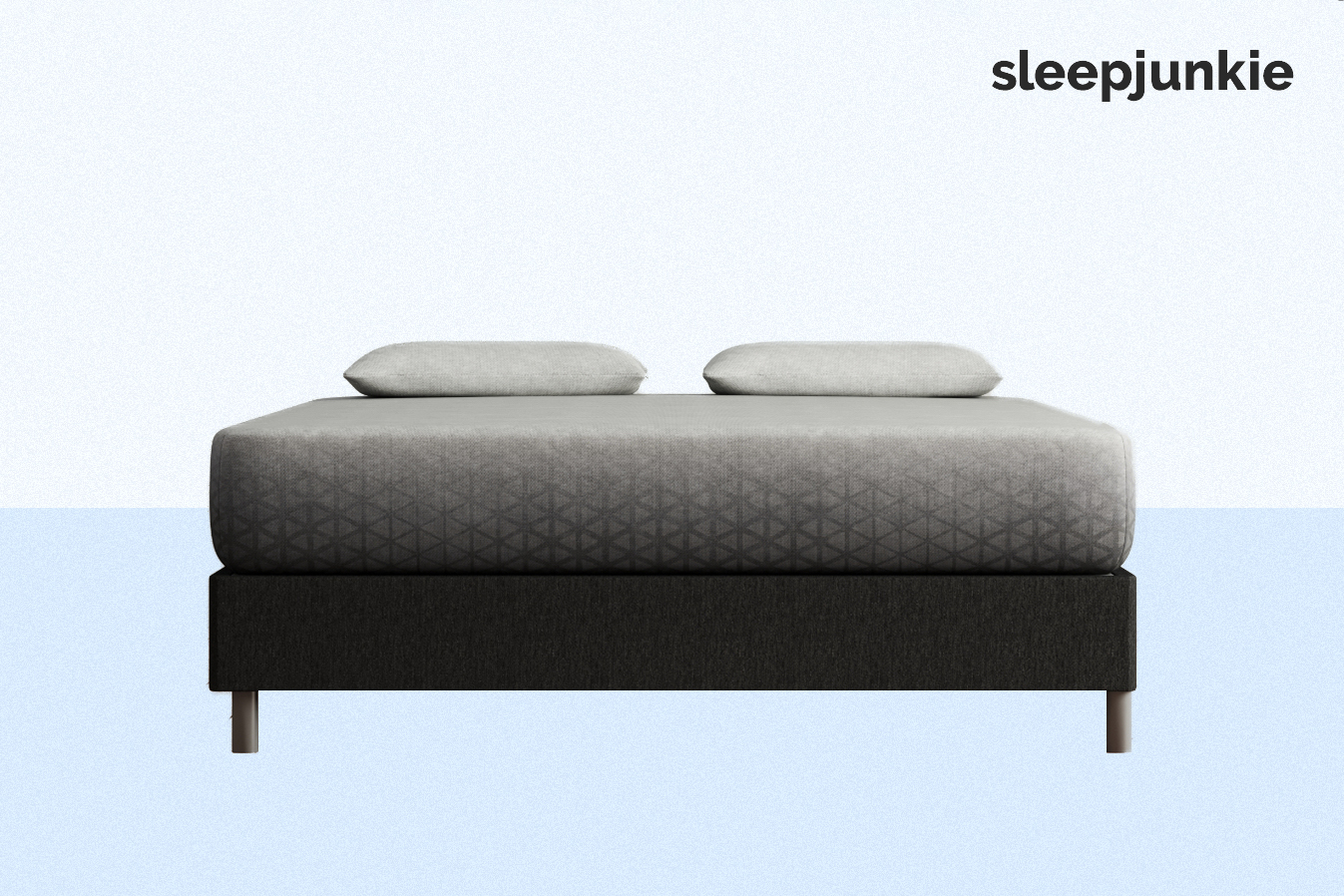
1. Zoma Boost

1. Zoma Boost
  • Price: See Price
  • Mattress Type: Hybrid
  • Thickness: 15 inches
  • Firmness: 5 out of 10 (Medium to Medium-Soft)
  • Available In: Twin, Twin XL, Full, Queen, King, Cal. King, Split King

Warranty

10 Years

Sleep Trial

100 Nights

Shipping

Free

Highlights
  • Graphite-infused foam that efficiently wicks away heat.
  • Zoned Edge Coil Support for balanced spine alignment and reduced sagging
  • Durable Hybrid Construction
Recommended For
  • Hot Sleepers
  • Couples
  • Individuals needing superior spine support and alignment

Watch Our Zoma Boost Video Review

The Zoma Boost was the strongest all-round performer I tested for this guide, and its cooling and motion isolation were what set it apart. During testing, the graphite-infused foam surface felt cooler to the touch through the first hours than the denser all-foam beds I compared, so it is a good fit for someone who comes to bed warm after an evening workout.

Motion isolation was the other standout. When my partner shifted on the far side of the queen, movement on my side barely registered, which matters for a light sleeper sharing with a restless partner. On my back, the zoned support kept my hips from dropping below my shoulders, so my spine stayed level, and the responsive foam let me change positions without the stuck feeling denser foam gives.

Edge support held up too. When I sat on the perimeter to lace my shoes it compressed very little and stayed stable, unlike some all-foam beds that give way at the sides, so couples can use the full width of the bed. Taken together, the cool-feeling surface, quiet motion isolation, and stable edge are what earned the Zoma Boost the top spot for active sleepers.

9.5 Overall Score
  • 10 Value
  • 10 Edge Support
  • 9 Trial Period
  • 9 Response Time
  • 10 Motion Transfer
  • 9 Cooling & Breathability

The Zoma Boost led this guide because it paired the coolest-feeling surface with the least motion carry-over of any bed I tested here. During testing, the graphite-infused foam felt cooler to the touch through the first hours than the denser all-foam beds I compared, so two people sharing body heat in a queen are less likely to wake up warm.

When my partner rolled over on the far side of the bed, movement on my side barely registered, which helps a light sleeper sharing with a restless partner. On my back, the zoned support kept my hips from sinking below my shoulders, and when I sat on the edge to lace my shoes the perimeter compressed very little and held steady.

Best For:

  • Hot sleepers who share a bed
  • Couples bothered by a restless partner
  • Back and combination sleepers who want responsive support

Compare Instead:

  • FORM Prime if you want faster response and an even firmer edge for repositioning
  • Saatva Classic if you want a firmer, coil-driven feel with a taller build

On my first night on the Zoma Boost, the surface adapted quickly as I lay down, cushioning my shoulders and hips while keeping my lower back supported. On my side, the foam gave where I needed it without letting me sink too far.

The cooling stood out right away. The surface felt cool to the touch on contact and did not warm up as quickly through the night as the denser foam beds I compared, so I did not get the heat buildup I notice on traditional memory foam. Switching from my back to my side took no effort, since the foam reset quickly rather than holding me in the previous position.

The ultra-cooling cover and graphite-infused Energex foam are what let the surface feel cooler to the touch through the first hours than the denser all-foam beds I compared, which is why hot sleepers do better on it. Underneath, the Reactiv foam is what gave the surface its quick response when I rolled between positions, so combination sleepers are not fighting the bed to move. The zoned support layer kept my hips from dropping below my shoulders on my back, holding my spine level, and the zoned edge coils are why the perimeter barely compressed when I sat on it, so couples can use the full width. The dense base foam underneath kept that support consistent night to night.

Pros:

  • Cooling and Breathability (9/10): the graphite foam felt cooler to the touch through the first hours than the denser foam beds I compared.
  • Motion Transfer (10/10): partner movement barely registered during shared-sleep testing.
  • Edge Support (10/10): the perimeter compressed very little when I sat on it to lace my shoes.
  • Value (10/10): strong all-round performance for the price.

Cons:

  • Response Time (9/10): recovers a beat slower than the coil-forward picks here, so frequent repositioners notice slightly more lag.
  • Firmness fit: at a medium-firm feel, dedicated stomach sleepers who want a very firm surface may want firmer.

Why The Zoma Boost Won

Among the 50+ mattresses I tested for this guide, the Zoma Boost stood out for the athlete-weighted dimensions that matter most: a surface that felt cooler to the touch than the denser foam beds I compared, the lowest motion carry-over on the list, and edges that stayed stable when I sat on them. It ties the top overall score here, and it led on the balance active sleepers rely on, which is why it is my top recommendation for athletes.

Kristina Hindes

Best Purple Alternative:

2. FORM Prime

2. FORM Prime
  • Price Range: See Price
  • Mattress Type: Gel Grid Hybrid
  • Thickness: 14 Inches
  • Firmness: 5.5 to 6 out of 10 (Medium-Medium-Firm)
  • Available In: Twin, Twin XL, Full, Queen, King, California King

Warranty

Lifetime

Sleep Trial

365 Nights

Shipping

Free

Mattress Highlights
  • Reinforced grid for responsive pressure relief
  • Wrapped coils for zoned hybrid support
  • Mattress cover ensures consistent airflow
Recommended For
  • Side, back and combination sleepers
  • Couples seeking motion isolation
  • Shoppers who want a USA-made premium hybrid

Watch Our FORM Prime Video Review

The FORM Prime is a 14-inch hybrid made to order in the USA, and its build quality is clear from the first inspection. It pairs a ZoneCoilโ„ข 7-Series pocketed coil base with a GelGridโ„ข and Integra-Meshโ„ข comfort layer, and when I pressed into it from different angles, the layers felt well-integrated with no gaps or soft spots. The stitching was clean and consistent throughout, which is the kind of detail that reflects domestic quality control.

Because it is made to order, the FORM Prime does not arrive compressed in a box. It ships at full size by free white glove delivery, so there is no expansion wait and no off-gassing period. That was a genuine differentiator during testing. You can sleep on it the same night it arrives.

On the surface, the GelGridโ„ข flexed immediately at my shoulder and hip, giving real pressure relief without a sinking sensation, and my spine stayed neutral through several nights of side sleeping. The mattress earned top marks for responsiveness, motion isolation, and edge support, which made it stand out among the hybrids on this list.

Side and combination sleepers get the most from it, and couples benefit from how little partner movement carried across the surface. Dedicated stomach sleepers who need a very firm, unyielding surface are the one group I would tell to test carefully during the trial, since the GelGrid flexes by design.

9.3 Overall Score
  • 8 Value
  • 10 Edge Support
  • 10 Trial Period
  • 9 Response Time
  • 10 Motion Transfer
  • 9 Cooling & Breathability

The FORM Prime is made to order in the USA and arrives at full size by white glove delivery, so there was no expansion wait and no off-gassing period during testing. When I pushed into it from different angles the layers felt cohesive rather than loosely stacked.

In my response testing the GelGrid surface reset faster than nearly anything I measured with that method, which earned it a 10/10, so a combination sleeper will not feel stuck when changing positions. When I sat and lay across the full perimeter the edge held firm, and partner movement during shared-sleep testing was only faintly perceptible.

Best For:

  • Side and combination sleepers who reposition often
  • Couples who want strong motion isolation
  • Shoppers who want a USA-made premium hybrid with no off-gassing

Compare Instead:

  • Zoma Boost if you want a cooler-feeling surface for hot sleepers
  • Nest Bedding Sparrow if you want to choose between plush, medium, and firm feels

The FORM Prime has a zoned medium feel, softer at the shoulder zone and firmer through the lumbar zone.

On my first night, the GelGridโ„ข flexed right at my shoulder and hip and gave real pressure relief without a sinking sensation.

My spine stayed neutral, and after several nights on my side I woke without the shoulder tension I sometimes get on firmer surfaces.

On my back, the ZoneCoilโ„ข system held my lower back firmly while the grid conformed to the curve of my spine, so my midsection never felt suspended or dropped. Small shifts registered right away, which helps light sleepers who move at night.

As a combination sleeper, I noticed how easy repositioning was. Rolling from back to side to stomach took no effort, and the surface adjusted instantly each time with no lag or resistance.

There is none of the quicksand feel some memory foam creates, which makes the FORM Prime easy to move on whether you sleep in one position or shift through several.

The GelGrid and Integra-Mesh comfort layer is what flexed at my shoulder and hip to relieve pressure without the sinking feel, and the Integra-Mesh woven through it is why it stayed responsive without the wobble other grids have. Beneath it, the ContourFlex transition foam kept the handoff to the coils smooth, so the feel never switched abruptly. The ZoneCoil 7-Series pocketed coils gave the shoulders more give while holding the lumbar firmer, which kept my spine level, and being individually wrapped is why partner movement barely carried across. The BaseFlex foam encasement is what held the perimeter firm when I sat on the edge. It holds CertiPUR-US, GREENGUARD Gold, and OEKO-TEX Standard 100 certifications and is fiberglass-free.

Pros:

  • Response Time (10/10): the GelGrid reset faster than nearly anything I measured with the weight-drop method.
  • Motion Transfer (10/10) and Edge Support (10/10): partner movement was only faintly perceptible and the edge held firm under my full weight.
  • Ownership: arrives at full size by white glove delivery with no off-gassing wait.

Cons:

  • Value (8/10): the made-to-order hybrid sits at a higher price than most boxed beds here.
  • Feel fit: the GelGrid flexes by design, so firm-surface stomach sleepers should confirm fit during the trial.
  • Design: the 14-inch profile needs deep-pocket sheets and makes a higher step up into bed.

FORM Prime

In testing, the GelGrid flexed right at my shoulder and hip and reset fast between positions, and the edge held firm when I sat on it. That makes the FORM Prime a strong fit for side and combination sleepers who reposition often and for couples who want a USA-made hybrid with no off-gassing.

Kristina Hindes

Read My Full Review of the FORM Prime

Best Memory Foam Mattress:

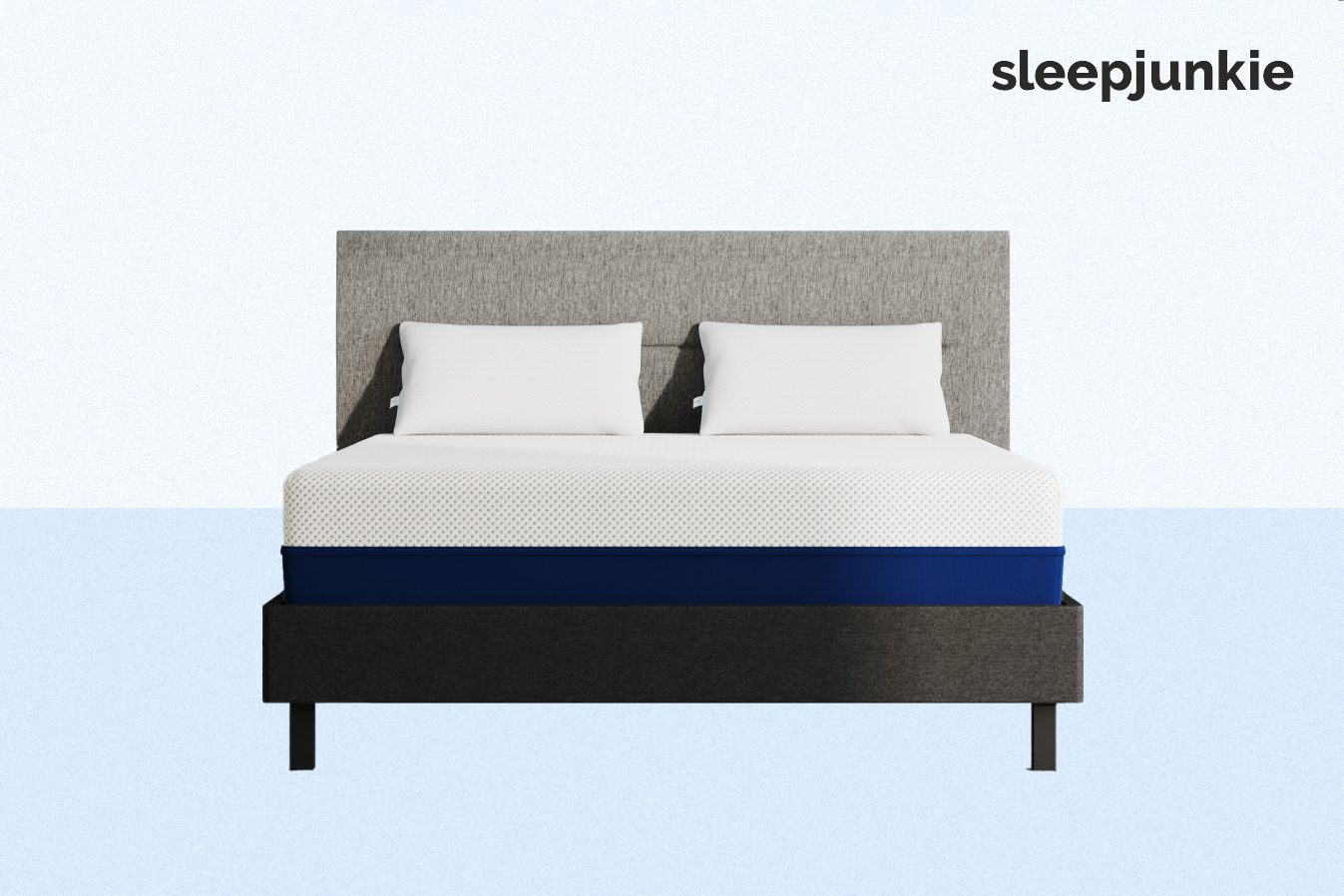
3. Amerisleep AS3

3. Amerisleep AS3
  • Price: See Price
  • Mattress Type: Memory Foam
  • Thickness: 12 inches
  • Firmness: 5 to 6 out of 10 (Medium)
  • Available In: Twin, Twin XL, Full, Queen, King, Cal. King, Split King

Warranty

20 Years

Sleep Trial

100 Nights

Shipping

Free

Highlights
  • Cooling comfort with Bio-Purยฎ open-cell design and Refresh Cover.
  • Eco-friendly construction with renewable plant-based oils and CertiPUR-USยฎ certification.
  • HIVE zoned support gives softer cushioning at the shoulders and firmer support at the lumbar
Recommended For
  • Hot Sleepers
  • Couples
  • Eco-conscious shoppers

Watch Our Amerisleep AS3 Video Review

The Amerisleep AS3 was the most adaptable memory foam bed I tested here. On my side, the medium Bio-Pur foam gave at my shoulder and hip while keeping my spine level, and on my back it held my hips up without letting me sink, so it worked across side, back, and combination sleeping.

Cooling was a strength. The open-cell Bio-Pur surface felt cooler to the touch than the traditional memory foam beds I compared and did not warm up as quickly through the first hours, which helps a warmer sleeper who still wants a foam feel over coils.

Motion isolation held up as well. When my partner shifted during the night, movement on my side barely carried across, so it suits couples who keep different schedules. The balanced medium feel is what makes it a versatile pick rather than a bed tuned for one position.

9.2 Overall Score
  • 9 Value
  • 8 Edge Support
  • 9 Trial Period
  • 9 Response Time
  • 10 Motion Transfer
  • 10 Cooling & Breathability

The AS3 is the memory foam pick because its medium feel adapted cleanly across positions in testing without the stuck sensation denser foams give. Lying on my side, the Bio-Pur foam gave at my shoulder and hip while my spine stayed level, so side sleepers get pressure relief without dropping out of alignment.

The open-cell Bio-Pur surface felt cooler to the touch through the first hours than the traditional memory foam beds I compared, which helps a warmer sleeper who still wants a foam feel. When my partner shifted, movement on my side barely carried across. Its CertiPUR-US certified foams are made without ozone depleters, formaldehyde, heavy metals, or phthalates and tested for low VOC emissions.

Best For:

  • Side and combination sleepers who want a foam feel
  • Warmer sleepers who prefer foam over coils
  • Couples who want strong motion isolation

Compare Instead:

  • Vaya Mattress if you want a similar foam feel at a lower price
  • Saatva Classic if you want a firmer, coil-driven surface

From the first night, what stood out on the AS3 was how quickly it contoured, cushioning my hips and shoulders as soon as I lay down while keeping my lower back supported. It felt settled right away rather than needing a few nights to break in.

The cooling held up through the night. The Bio-Pur surface stayed cooler to the touch than the denser foam beds I compared, even after a full night, which made a noticeable difference on warmer nights for a sleeper who runs hot.

The breathable cover and open-cell Bio-Pur foam are what kept the surface feeling cooler to the touch than the traditional memory foam beds I compared, which is why a warmer sleeper does better on it than on dense foam. The Bio-Pur layer is also more responsive than standard memory foam, so it cushioned my shoulder and hip on my side without the stuck feeling. Beneath it, the HIVE transition layer gave softer support under my shoulders and firmer support under my lumbar, which kept my spine level on my back. The high-density base kept that support steady and held the edge reasonably stable for an all-foam bed. Its CertiPUR-US certified foams are made without ozone depleters, formaldehyde, heavy metals, or phthalates and tested for low VOC emissions.

Pros:

  • Cooling and Breathability (10/10): the open-cell Bio-Pur surface felt cooler to the touch than the traditional memory foam beds I compared.
  • Motion Transfer (10/10): partner movement barely carried across during testing.
  • Pressure relief: the medium Bio-Pur gave at my shoulder and hip on my side while keeping my spine level.

Cons:

  • Edge Support (8/10): the perimeter compressed more than the hybrid picks here when I sat on it.
  • Firmness fit: the medium feel gives less support for dedicated stomach sleepers who want a firmer surface.
  • Design: all-foam build lacks the bounce of a coil bed.

Amerisleep AS3

On my side, the Bio-Pur foam gave at my shoulder and hip while my spine stayed level, and the surface felt cooler to the touch than the denser foam beds I compared. That makes the AS3 a good fit for side and combination sleepers who want a foam feel and run a little warm.

Kristina Hindes

Best Budget Mattress:

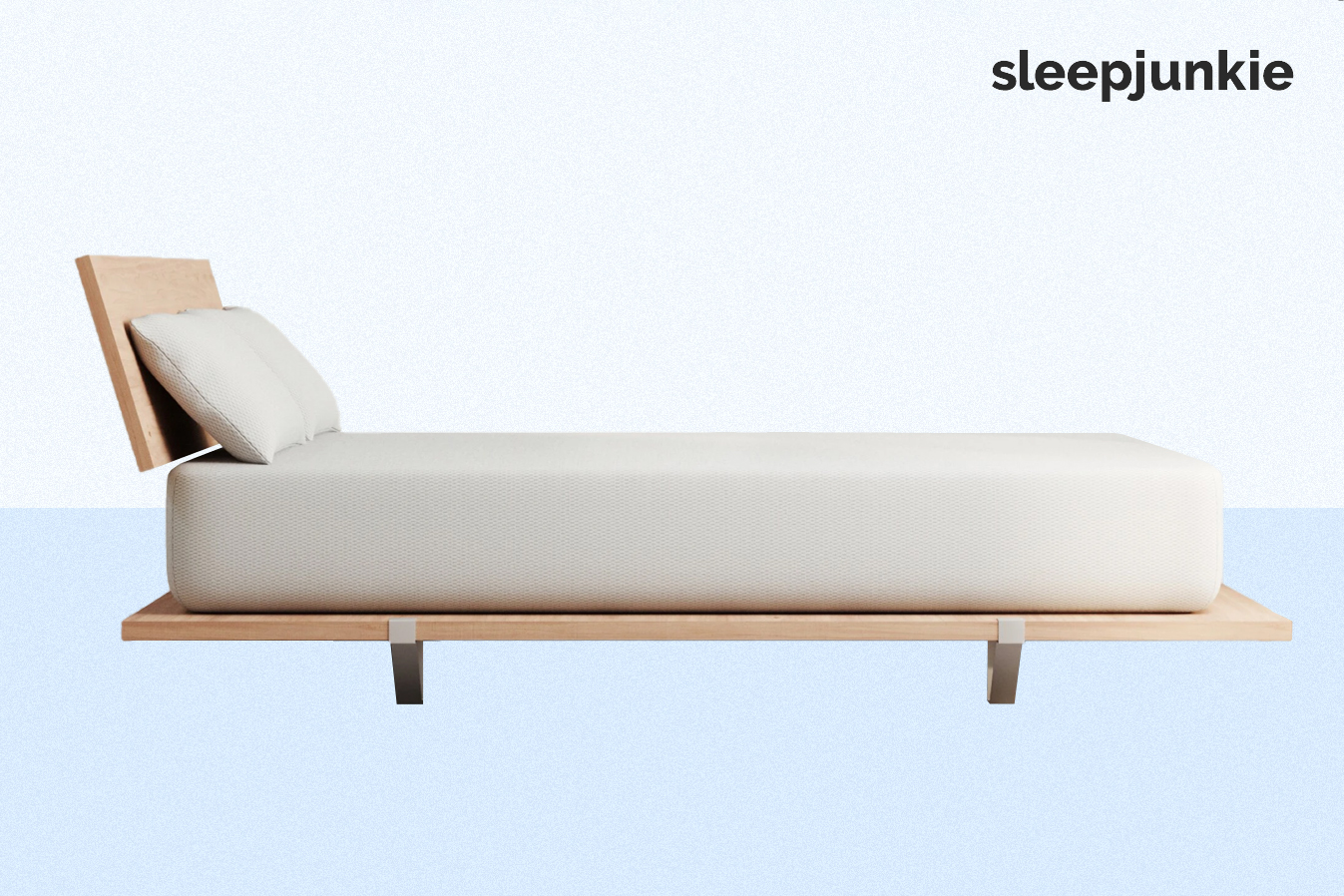
4. Vaya Mattress

4. Vaya Mattress
  • Price: See Price
  • Mattress Type: Foam
  • Thickness: 12 inches
  • Firmness: 5 to 6 out of 10 (Medium)
  • Available In: Twin, Twin XL, Full, Queen, King, Cal. King

Warranty

10 Years

Sleep Trial

100 Nights

Shipping

Free

Highlights
  • Lightweight top foam keeps cool with a breathable design
  • Base foam supports all sleeping styles and most body types
  • CertiPUR-USยฎ certified for safety
Recommended For
  • Budget-friendly mattress choice
  • Warm sleepers wanting a cool surface
  • Side sleepers needing pressure relief

Watch Our Vaya Mattress Video Review

The Vaya was the best value on this list, and in testing it delivered balanced foam comfort without feeling cheap. Lying on my side, the top foam cushioned my hip and shoulder while keeping my spine level, so budget-focused side sleepers still get real pressure relief.

Its foam ran cooler than expected. The breathable layers stayed cooler to the touch than the denser memory foam beds I compared, so a warmer sleeper is less likely to overheat on it than on traditional foam.

The medium feel worked across positions, cushioning my hip on my side and holding my back level when I switched, without the stuck sensation dense foam gives. Its main tradeoff is motion isolation, which carried across a little more than the coil beds here, but for the price it is a well-rounded foam bed.

9.2 Overall Score
  • 10 Value
  • 9 Edge Support
  • 9 Trial Period
  • 10 Response Time
  • 8 Motion Transfer
  • 9 Cooling & Breathability

The Vaya is the budget pick because it delivered balanced foam comfort at the lowest price on this list without feeling cheap in testing. Lying on my side, the top foam cushioned my hip and shoulder while keeping my spine level, so side sleepers on a budget still get real pressure relief.

The surface felt cooler to the touch than the denser memory foam beds I compared, and it was light enough that I moved and rotated it on my own with no trouble. When I unboxed it the odor was faint and cleared quickly. Partner movement carried across a little more than on the coil beds here, which is its main tradeoff.

Best For:

  • Budget-focused shoppers
  • Side sleepers who want pressure relief
  • Warm sleepers who want a cooler foam surface

Compare Instead:

  • Amerisleep AS3 if you want a more advanced foam and longer warranty
  • Zoma Boost if you want stronger edge support and motion isolation

On my first night on the Vaya, the top layer conformed as soon as I lay down, cushioning my hips and shoulders while keeping my spine level. Unlike many foam beds that hold you in place, it had enough bounce to move easily.

The cooling stood out. The breathable foam stayed cooler to the touch than the denser foam beds I compared, so I did not get the heat buildup I notice on traditional memory foam.

The breathable cover and Vaya comfort foam are what kept the surface cooler to the touch than the denser memory foam beds I compared, and the comfort foam’s lighter, bouncier feel is why moving on it took no effort, unlike the quicksand feel of traditional memory foam. On my side that top foam cushioned my hip and shoulder while keeping my spine level, so side sleepers get real pressure relief at this price. The high-density support core underneath is what kept the surface from sagging and held my back supported on my back. Partner movement carried across a little more than on the coil beds here, which is the tradeoff for the simpler all-foam build. It is CertiPUR-US certified.

Pros:

  • Value (10/10): balanced foam comfort at the lowest price on this list.
  • Response Time (10/10): the lighter comfort foam let me move without the stuck feeling denser foam gives.
  • Pressure relief: cushioned my hip and shoulder on my side while keeping my spine level.

Cons:

  • Motion Transfer (8/10): partner movement carried across a little more than on the coil beds here.
  • Edge Support (9/10): stable, but softer at the perimeter than the coil picks.
  • Design: single firmness, so shoppers who want a noticeably softer or firmer feel have fewer options.

Vaya Mattress

On my side the top foam cushioned my hip and shoulder while keeping my spine level, and the surface stayed cooler to the touch than the denser foam beds I compared. That makes the Vaya a good value fit for budget-focused side sleepers who want a cooler foam surface.

Kristina Hindes

Best Mattress for Side Sleepers:

5. Helix Midnight Luxe

5. Helix Midnight Luxe
  • Price: See Price
  • Mattress Type: Hybrid
  • Thickness: 13.5 inches
  • Firmness: 5 to 6 out of 10 (Medium)
  • Available In: Twin, Twin XL, Full, Queen, King, California King, Short Queen, RV King

Warranty

15 Years

Sleep Trial

100 Nights

Shipping

Free

Highlights
  • Premium Quilted Pillow Top
  • Exceptional Cooling Properties
  • Offers targeted lumbar support
Recommended For
  • Side sleepers looking for superior pressure point relief on their hips and shoulders.
  • Those who prefer a mattress with a balance of softness and support

Watch Our Helix Midnight Luxe Video Review

The Helix Midnight Luxe was the side-sleeper pick, and its pressure relief and cooling were what set it apart. As a hybrid with a medium feel, it cushioned my shoulder and hip on my side while the coil system kept my spine level, so side sleepers get relief without sinking out of alignment.

Cooling was one of its strengths. The breathable Tencel cover and gel-infused memory foam felt cool to the touch on contact and did not warm up as quickly through the first hours as the all-foam beds I compared, which held up on warmer evenings.

Motion isolation was another. When my partner shifted positions during testing, movement on my side barely registered, so it suits couples who want to sleep undisturbed. It also works for back sleepers, holding the lumbar level while cushioning the shoulders, though shoppers set on a firmer or softer surface should note it ships in a single medium feel.

9.0 Overall Score
  • 7 Value
  • 10 Edge Support
  • 9 Trial Period
  • 9 Response Time
  • 10 Motion Transfer
  • 9 Cooling & Breathability

The Midnight Luxe is the side-sleeper pick because its pillow-top and zoned coils cushioned my shoulder and hip while holding my lumbar firm in testing. On my side, the memory foam gave right where I needed it and my spine stayed neutral, so side sleepers get pressure relief without sinking out of alignment.

The gel-infused foam and Tencel cover felt cool to the touch on initial contact and did not warm up as quickly as the all-foam beds I compared. When I sat on the edge the perimeter stayed stable, and partner movement barely registered during shared-sleep testing. It ships in a single medium feel, so shoppers set on a firmer or softer surface have fewer options.

Best For:

  • Side sleepers who want shoulder and hip pressure relief
  • Back sleepers who want zoned lumbar support
  • Couples who want strong motion isolation and a stable edge

Compare Instead:

  • FORM Prime if you want faster response for frequent repositioning
  • Saatva Classic if you want a firmer feel or multiple firmness options

From the first night on the Helix Midnight Luxe, what stood out was the mix of plush cushioning and support. As someone who alternates between side and back sleeping, I found the pillow-top soft enough to cushion my shoulder and hip while the zoned support kept my spine level.

The cooling was noticeable right away. Even after a warm evening, the gel-infused memory foam felt cool to the touch on contact and was slower to warm than the all-foam beds I compared.

Motion isolation was the other strength. Sharing the bed with a partner who shifts through the night, I expected some disturbance, but the pocketed coils and foam layers absorbed the movement so that it barely registered on my side. The firmer lumbar zone kept my lower back level while the pillow-top cushioned my shoulders, which is the balance that makes it work for side sleepers who also spend part of the night on their back.

The Tencel cover and gel-infused memory foam are what kept the surface cool to the touch on contact and slower to warm than the all-foam beds I compared. The pillow-top and memory foam layers are what cushioned my shoulder and hip on my side, giving pressure relief without a sink-in feel. The zoned lumbar layer used firmer foam under my lower back, which kept my spine level, while the pocketed coil system is why partner movement barely registered and why the surface had enough response to reposition easily. The high-density base held the perimeter stable when I sat on the edge, so couples can use the full width. It ships in a single medium feel.

Pros:

  • Edge Support (10/10) and Motion Transfer (10/10): the edge stayed stable when I sat on it and partner movement barely registered.
  • Pressure relief: the pillow-top and gel foam cushioned my shoulder and hip on my side while my spine stayed neutral.
  • Cooling: the Tencel cover and gel foam felt cool to the touch on contact and were slower to warm than the all-foam beds I compared.

Cons:

  • Value (7/10): priced higher than several picks here.
  • Design: ships in a single medium feel, so shoppers set on a firmer or softer surface have fewer options.
  • Ownership: mild off-gassing was noticeable for a day or two after unboxing.

Helix Midnight Luxe

On my side the pillow-top and gel foam cushioned my shoulder and hip while my spine stayed level, and the cover felt cool to the touch on contact. That makes the Helix Midnight Luxe a strong fit for side sleepers who want pressure relief and part-time back sleepers who want zoned lumbar support.

Kristina Hindes

Best Innerspring Mattress:

6. Saatva Classic

6. Saatva Classic
  • Price: See Price
  • Mattress Type: Innerspring
  • Thickness: 11.5 or 14.5 Inches
  • Firmness: 3, 5 to 7, or 8 out of 10 (Plush Soft, Luxury Firm, or Firm)
  • Available In: Twin, Twin XL, Full, Queen, King, Split King, California King, Split California King

Warranty

Lifetime

Sleep Trial

365 Nights

Shipping

Free

Highlights
  • The dual coil system provides unmatched durability and support.
  • Excellent Edge Support
  • Luxurious Euro pillow top for a plush yet supportive feel
Recommended For
  • Couples, as it minimizes motion transfer
  • Hot sleepers who want a cooler-feeling coil surface
  • Back and stomach sleepers who want firmer support and spinal alignment

Watch Our Saatva Classic Video Review

The Saatva Classic was the standout innerspring on this list. As a coil-on-coil bed, it pairs a steel support base with individually wrapped comfort coils and a Euro pillow-top, which gave it a lifted, supportive feel that still cushioned at the shoulder in testing.

Cooling was a strength. The organic cotton cover and coil airflow let the surface feel more breathable than the all-foam beds I compared, so it stayed cooler to the touch for a warmer sleeper.

Motion isolation held up better than I expected for a coil bed. When my partner shifted or got out of bed during testing, movement on my side barely carried across, so it suits couples on different schedules. The zoned lumbar wire kept my lower back level on my back, and the Luxury Firm option struck the best balance of give and support in my testing.

9.2 Overall Score
  • 7 Value
  • 10 Edge Support
  • 10 Trial Period
  • 10 Response Time
  • 9 Motion Transfer
  • 9 Cooling & Breathability

The Saatva Classic is the innerspring pick because its coil-on-coil build gave the most lifted, on-top-of-the-bed feel here while still cushioning at the shoulder. In testing, the Euro pillow-top cradled my shoulders and hips without letting me sink, while the lumbar zone felt firmer and kept my lower back level.

It comes in Plush Soft, Luxury Firm, and Firm, so back and stomach sleepers who need more support can size up. When I sat on the reinforced edge it barely compressed, and its coil layers let more airflow through than the all-foam beds I compared, so the surface felt more breathable. Its weight makes it harder to move or rotate than the boxed beds here.

Best For:

  • Back and stomach sleepers who want firmer support
  • Shoppers who want to choose a firmness level
  • Couples who want strong edge support

Compare Instead:

  • FORM Prime if you want a hybrid with faster response and no rotation weight
  • Zoma Boost if you want a cooler-feeling foam-hybrid surface

When I first lay down on the Saatva Classic, it paired plush cushioning with clear support. The Euro pillow-top cradled my shoulders and hips without letting me sink too far, while the zoned lumbar felt firmer and kept my lower back level. As someone who shifts between back and side sleeping, I found it adapted well across both.

The first night confirmed it. I woke without the lower back stiffness I get on less supportive beds, and the reinforced edges were stable enough to sit on to read before sleep, which made the whole surface usable. The organic cotton cover and coil airflow kept the surface feeling more breathable than the all-foam beds I compared, even in a warm room.

The three firmness options are what make it work across a household. I found the Luxury Firm struck the best balance, plush at the pillow-top to cushion the shoulders and hips but firm enough through the coils to hold a back or stomach sleeper level, so two people with different preferences can often meet in the middle on one bed.

As a coil-on-coil innerspring, the Saatva Classic’s organic cotton cover and Euro pillow-top are what cradled my shoulders and hips without letting me sink, while the zoned lumbar wire kept my lower back firmer and level on my back. The upper layer of individually wrapped coils is why partner movement stayed contained, and the steel support coils beneath, plus the high-density foam around the perimeter, are why the edge barely compressed when I sat on it. The dual-coil airflow is what let the surface feel more breathable than the all-foam beds I compared. Its CertiPUR-US certified foams are made without formaldehyde, heavy metals, or ozone depleters, and the coils use recycled steel.

Pros:

  • Edge Support (10/10), Trial Period (10/10), and Response Time (10/10): reinforced edges held firm, a 365-night trial, and a lifted, responsive coil feel.
  • Design: three firmness options (Plush Soft, Luxury Firm, Firm) suit different sleepers.
  • Cooling: dual-coil airflow let the surface feel more breathable than the all-foam beds I compared.

Cons:

  • Value (7/10): premium price for the coil-on-coil build.
  • Ownership: heavy, so moving or rotating it takes help.
  • Feel: as an innerspring it gives less deep contouring than a memory foam bed.

Saatva Classic

On my side I felt cradled without sinking, and on my back the zoned lumbar kept my lower back level while the reinforced edge stayed stable. With Plush Soft, Luxury Firm, and Firm options, the Saatva Classic fits back and stomach sleepers who want firmer, coil-driven support.

Kristina Hindes

Read My Full Review of the Saatva Classic

Best Mattress in a Box:

7. Leesa Sapira Chill

7. Leesa Sapira Chill
  • Price Range: See Price
  • Mattress Type: Memory Foam Hybrid
  • Thickness: 14 Inches
  • Firmness: 4, 6, or 8 out of 10 (Plush, Medium-Firm, Firm)
  • Available In: Twin, Twin XL, Full, Queen, King, California King

Warranty

Lifetime

Sleep Trial

120 Nights

Shipping

Free

Mattress Highlights
  • Cover manages elevated temperatures
  • Foam deters movement resistance
  • Zoned pocketed coils keep the hips and lumbar supported
Recommended For
  • Hot sleepers
  • Athletes and active individuals
  • Side, back and combination sleepers

Watch Our Leesa Sapira Chill Video Review

Active sleepers often want a bed that keeps them cool, moves with them, and stays undisturbed by a partner. I tested the Leesa Sapira Chill Hybrid against those priorities, and it delivered the most balanced result of the boxed hybrids on this list.

The cooling quilt top was the first thing that registered. Its cooling fibers pull heat away rather than simply relying on breathable foam, and the surface felt genuinely cooler on first contact than the other hybrids I ran in the same session, which helps if you come to bed warm after an evening workout.

The zoned pocketed coils were the next. Firmer springs under the hip and lumbar kept my spine level while the shoulder zone gave enough to cushion side sleeping, so I stayed aligned without pressure building at the shoulder. The four foam layers reset quickly when I rolled between positions, so repositioning felt easy rather than effortful, which suits an active sleeper who shifts often. It ships in Plush, Medium-Firm, and Firm, so different body types can match the feel.

9.3 Overall Score
  • 8 Value
  • 10 Edge Support
  • 9 Trial Period
  • 10 Response Time
  • 9 Motion Transfer
  • 10 Cooling & Breathability

The Sapira Chill is the mattress-in-a-box pick because its cooling quilt top and zoned springs gave the most balanced feel of the boxed hybrids I tested. The surface felt genuinely cooler on first contact than the other hybrids in the session, which helps a sleeper who comes to bed warm after an evening workout.

On my side the shoulder zone compressed while the hip and lumbar springs stayed firmer, so my spine held level, and the middle foam layers reset quickly enough that rolling from side to back took no effort. That responsiveness helps active sleepers who move often. It ships in Plush, Medium-Firm, and Firm, so different body types can match the feel.

Best For:

  • Hot sleepers who want a boxed hybrid
  • Side and combination sleepers who reposition often
  • Shoppers who want to choose plush, medium-firm, or firm

Compare Instead:

  • Zoma Boost if you want the coolest-feeling surface on this list
  • Nolah Evolution if you want a taller pillow-top build

The first thing I noticed on the Sapira Chill was the surface temperature. It felt genuinely cooler on first contact than the other hybrids I tested in the session, which helps if you come to bed warm after an evening workout.

On my side, the shoulder zone compressed enough to relieve pressure at the joint without pushing back into it, while the hip and lumbar stayed firmer and kept my spine level. Repositioning felt easy rather than effortful, since the middle foam layers reset quickly when I moved from side to back, so an active sleeper who shifts often is not fighting the surface.

The cooling quilt cover woven with cooling fibers is what made the surface feel genuinely cooler on first contact than the other hybrids I tested in the session. Below it, the top foam cushioned my shoulder on my side, and the two middle foam layers are what reset quickly when I rolled between positions, so an active sleeper is not fighting the bed to move. The zoned pocketed coils held firmer under my hip and lumbar and softer under my shoulder, which kept my spine level, and being individually wrapped is why partner movement barely carried across. The dense base foam kept the upper layers from bottoming out. It is CertiPUR-US and GREENGUARD Gold certified and ships in Plush, Medium-Firm, and Firm.

Pros:

  • Cooling and Breathability (10/10): the quilt top felt genuinely cooler on first contact than the other hybrids I tested.
  • Response Time (10/10): the middle foam reset quickly enough that rolling side to back took no effort.
  • Design: three feels (Plush, Medium-Firm, Firm) match different body types.

Cons:

  • Value (8/10): sits above the budget picks here.
  • Motion Transfer (9/10): strong, though a beat behind the 10/10 picks on this list.
  • Feel fit: the Plush option gives less support for heavier sleepers who want firmer resistance.

Leesa Sapira Chill

The surface felt genuinely cooler on first contact than the other hybrids I tested, and the middle foam reset quickly when I changed positions. That makes the Sapira Chill a strong fit for hot sleepers and side or combination sleepers who reposition often.

Kristina Hindes

Read My Full Review of the Leesa Sapira Chill

Best Pillow Top Mattress:

8. Nolah Evolution

8. Nolah Evolution
  • Price: See Price
  • Mattress Type: Hybrid
  • Thickness: 15 Inches
  • Firmness: 4-5 (Plush), 6-7 (Luxury Firm), 7-8 (Firm)
  • Available In: Twin, Twin XL, Full, Queen, King, Cal. King, Split King

Warranty

Lifetime

Sleep Trial

120 Nights

Shipping

Free

Highlights
  • Plush Euro topper for a luxurious sleeping experience
  • Zoned AirFoamโ„ข and HDMaxโ„ข Tri-Zoneโ„ข coils for targeted support and pressure relief
  • GREENGUARD Gold and CertiPUR-USยฎ certifications for safety and quality assurance
Recommended For
  • Side sleepers seeking targeted support and pressure relief
  • Individuals prioritizing safety and quality certifications in their mattress choice
  • Individuals looking for a durable pillowtop mattress that resists sagging.

Watch Our Nolah Evolution Video Review

The Nolah Evolution was the pillow-top pick, and its cooling and plush-yet-supported feel were what set it apart. The Euro topper cushioned my shoulders and hips on my side while the tri-zone coils held my lumbar, so side sleepers get cushioning without sinking out of alignment.

Cooling impressed me most. The ArcticTex cover and AirFoamICE layer felt cool to the touch on contact and did not warm up as quickly through the first hours as the all-foam beds I compared, which helps a sleeper who runs hot.

Motion isolation was another strength. When my partner tossed and turned during testing, movement on my side barely registered, thanks to the individually wrapped coils and the foam layers above them, so it suits couples who want to sleep undisturbed. It ships in Plush, Luxury Firm, and Firm; I tested the Luxury Firm and found it the best mix of plush comfort and support, though the Plush option gives less support for heavier sleepers.

9.5 Overall Score
  • 10 Value
  • 10 Edge Support
  • 9 Trial Period
  • 9 Response Time
  • 10 Motion Transfer
  • 9 Cooling & Breathability

The Nolah Evolution is the pillow-top pick because its Euro topper and tri-zone coils gave plush surface comfort without losing support in testing. The pillow-top cushioned my shoulders and hips while the coils held my lumbar, so side sleepers get cushioning without sinking out of alignment.

The ArcticTex cover and AirFoamICE layer felt cool to the touch on contact and did not warm up as quickly as the all-foam beds I compared. When my partner shifted, movement on my side barely carried across, and the reinforced coil edge stayed stable when I sat on it. It ships in Plush, Luxury Firm, and Firm; the Plush option gave less support for heavier sleepers.

Best For:

  • Side sleepers who want a plush pillow-top with support
  • Hot sleepers who want a cooler-feeling hybrid
  • Couples who want strong motion isolation

Compare Instead:

  • Leesa Sapira Chill if you want a similar hybrid at a lower profile
  • Zoma Boost if you want the coolest-feeling surface here

From the first night, the Nolah Evolution balanced softness and support. As I lay down, the plush pillow-top cushioned my shoulders and hips while the tri-zone coils kept my spine level.

The cooling was a highlight. As someone who sleeps hot, I noticed the ArcticTex cover and AirFoamICE layer stayed cool to the touch on contact and slower to warm than many hybrids I have tested.

Over the week, the targeted support around my hips and shoulders held up well for side sleeping, and my partner, who sleeps on his back, found it supportive without feeling overly firm. When I sat on the reinforced edge it barely gave, so the full surface stayed usable, which matters for couples sharing the bed.

The ArcticTex cover and AirFoamICE layer are what kept the surface cool to the touch on contact and slower to warm than the all-foam beds I compared. The Euro pillow-top cushioned my shoulder and hip on my side, giving plush pressure relief, and the AirFoamICE beneath it is why that cushioning did not come with the heat buildup foam usually adds. The HDMax Tri-Zone coils held firmer under the lumbar and softer at the shoulder, which kept my spine level, and the individually wrapped coils are why partner movement barely carried across and why the reinforced edge stayed stable when I sat on it. The high-density transition foam kept the layers from bottoming out. It is CertiPUR-US and GREENGUARD Gold certified and ships in three feels.

Pros:

  • Value (10/10) and Edge Support (10/10): strong all-round performance for the price and a stable reinforced edge.
  • Cooling: the ArcticTex cover and AirFoamICE felt cool to the touch on contact and slower to warm than the all-foam beds I compared.
  • Motion Transfer (10/10): partner movement barely carried across.

Cons:

  • Design: the 15-inch profile may be too tall for standard fitted sheets.
  • Feel fit: the Plush option gives less support for heavier sleepers.
  • Value context: priced above the budget picks here despite the strong value score.

Nolah Evolution

The pillow-top cushioned my shoulder and hip while the tri-zone coils held my lumbar, and the cover felt cool to the touch on contact. That makes the Nolah Evolution a good fit for side sleepers who want a plush pillow-top with real support.

Kristina Hindes

Best Value Memory Foam Mattress:

9. Zoma Start

9. Zoma Start
  • Price: See Price
  • Mattress Type: Memory Foam
  • Thickness: 10 inches
  • Firmness: 6 out of 10 (Medium)
  • Available In: Twin, Twin XL, Full, Queen, King, California King, Split King

Warranty

10 Years

Sleep Trial

100 Nights

Shipping

Free

Highlights
  • Sturdy base layer for longevity, healthy alignment, and consistent support
  • GREENGUARD Gold and CertiPUR-US certifications
  • Gel-infused memory foam that helps the surface feel cooler to the touch
Recommended For
  • Those seeking pressure relief
  • Anyone in need of a durable mattress that maintains healthy alignment and offers consistent support.
  • Individuals looking for a durable pillowtop mattress that resists sagging.

Watch Our Zoma Start Video Review

The Zoma Start was the value all-foam pick, and in testing it balanced foam comfort with quiet motion isolation at an accessible price. The breathable cover and performance foam stayed cooler to the touch than the denser memory foam beds I compared, so the surface did not warm up as fast for a sleeper who runs hot.

Motion isolation was another strength. When my partner shifted or got out of bed during testing, movement on my side barely registered, since the foam layers absorb movement well, so it suits couples or a light sleeper.

The medium feel worked across positions, cushioning my hip and shoulder on my side while keeping my spine level, so side and back sleepers get pressure relief without a plush, sink-in feel. For a boxed all-foam bed at this price, that is a strong balance of comfort and support.

9.2 Overall Score
  • 10 Value
  • 10 Edge Support
  • 9 Trial Period
  • 8 Response Time
  • 9 Motion Transfer
  • 9 Cooling & Breathability

The Zoma Start is the value all-foam pick because it delivered balanced foam comfort and quiet motion isolation at an accessible price in testing. On my side, the performance foam cushioned my shoulder and hip while the support core kept my spine level, so side sleepers get pressure relief without a plush, sink-in feel.

The breathable cover and performance foam felt cooler to the touch than the denser memory foam beds I compared, and when my partner shifted, movement on my side barely registered, which helps a couple or a light sleeper. It ships compressed in a box and expands within hours. It comes in one firmness, so shoppers who want a noticeably softer or firmer feel have fewer options.

Best For:

  • Value-focused side and back sleepers
  • Couples who want quiet motion isolation
  • Shoppers who want an easy boxed setup

Compare Instead:

  • Vaya Mattress if you want the lowest price on this list
  • Zoma Boost if you want stronger cooling and edge support

The first night I slept on the Zoma Start, its balance of firmness and softness stood out. On my side, the performance foam cushioned my shoulder without feeling too plush, while the support core kept my spine level, which made for a comfortable night.

The cooling was apparent from the start. The breathable materials stayed cooler to the touch than the denser foam beds I compared, so I did not get the heat buildup I notice on traditional memory foam.

Over a week, my read held up. The medium feel worked for both side and back sleeping, and my partner’s movement stayed contained, so we slept without disturbing each other. For a boxed all-foam bed at this price, that is a strong balance of comfort and quiet.

The breathable knit cover and performance foam are what kept the surface feeling cooler to the touch than the denser memory foam beds I compared, which helps a warmer sleeper who wants a foam feel. On my side that performance foam cushioned my shoulder and hip while keeping my spine level, so side sleepers get pressure relief without a plush sink-in. The high-density support core underneath is what kept the surface from sagging and held my back supported on my back, and its density is part of why partner movement stayed contained. This is an all-foam build with no coils. It is CertiPUR-US and GREENGUARD Gold certified.

Pros:

  • Value (10/10) and Edge Support (10/10): accessible price with a surprisingly stable edge for an all-foam bed.
  • Pressure relief: the performance foam cushioned my shoulder and hip on my side while keeping my spine level.
  • Motion Transfer (9/10): partner movement stayed largely contained.

Cons:

  • Response Time (8/10): the all-foam surface recovers slower than the coil picks here, so frequent repositioners notice more lag.
  • Design: single firmness, so shoppers who want a softer or firmer feel have fewer options.
  • Feel fit: may give too little support for heavier sleepers who want firmer resistance.

Zoma Start

On my side the performance foam cushioned my shoulder while the core kept my spine level, and the surface felt cooler to the touch than the denser foam beds I compared. That makes the Zoma Start a good value fit for side and back sleepers who want a simple boxed all-foam bed.

Kristina Hindes

Best Latex Mattress:

10. Organica

10. Organica
  • Price: See Price
  • Mattress Type: Latex
  • Thickness: 13 inches
  • Firmness: 5 to 6 out of 10 (Medium)
  • Available In: Twin, Twin XL, Full, Queen, King, California King, Split King

Warranty

20 Years

Sleep Trial

100 Nights

Shipping

Free

Highlights
  • 100% Natural Talalay Latex for cooling, cushioning, and pressure relief
  • Organic Cotton Cover ensuring a comfortable and eco-friendly sleep surface.
  • Organic Wool Layer offers extra comfort but also acts as an all-natural fire barrier
Recommended For
  • Individuals looking for cooling comfort and pressure relief
  • Sleepers who prioritize natural and organic materials
  • Those who want a responsive surface that adjusts as they move

Watch Our Amerisleep Organica Video Review

The Organica was the latex pick, and its natural materials and responsive feel were what set it apart. Its Talalay latex and pocketed coils gave a naturally cool, responsive surface in testing, so a warmer sleeper who wants natural materials has a breathable option.

The organic latex, wool, and cotton stayed cooler to the touch than the memory foam beds I compared, without relying on synthetic cooling layers. On my side the latex gave at my shoulder and hip while the zoned coils held my lumbar, so my spine stayed level, and it responded quickly enough that switching positions took no effort.

Motion isolation held up well. When my partner shifted during testing, the pocketed coils held movement to their side, so a light sleeper is less likely to be disturbed. The medium-firm feel cushioned my side while still supporting my back and stomach, which makes it a versatile fit for shoppers who want durable, natural materials.

9.0 Overall Score
  • 9 Value
  • 8 Edge Support
  • 9 Trial Period
  • 10 Response Time
  • 9 Motion Transfer
  • 9 Cooling & Breathability

The Organica is the latex pick because its Talalay latex and pocketed coils gave a naturally cool, responsive feel without synthetic cooling layers in testing. The organic wool and latex surface stayed cooler to the touch than the memory foam beds I compared, so a warmer sleeper who wants natural materials has a breathable option.

On my side the latex gave at my shoulder and hip while the zoned coils held my lumbar, so my spine stayed level, and the latex responded quickly enough that switching positions took no effort. When my partner moved, the pocketed coils held movement to my side, and the reinforced edge stayed stable when I sat on it.

Best For:

  • Shoppers who want natural and organic materials
  • Side and combination sleepers who want a responsive feel
  • Warmer sleepers who want a breathable surface

Compare Instead:

  • PlushBeds Botanical Bliss if you want customizable latex layers
  • Saatva Classic if you want a coil-driven feel at a lower price

From the first night on the Organica, it balanced plush contouring with support. The latex gently cushioned my shoulders and hips while the coil system kept my spine level, and as a combination sleeper I could switch positions without feeling stuck or sinking too deeply.

The temperature regulation stood out. The organic wool and latex stayed cooler to the touch than the memory foam beds I compared, which tend to trap heat, so the surface felt more breathable on warmer nights.

The Organica also felt settled right away rather than needing a few nights to break in. The quick response of the latex is what made repositioning effortless, which suits a combination sleeper who moves through the night.

The organic cotton cover and organic wool are what kept the surface cooler to the touch than the memory foam beds I compared, and the wool doubles as a natural fire barrier, so there is no chemical flame treatment. The Talalay latex comfort layer is what cushioned my shoulder and hip on my side while responding quickly enough to switch positions without effort, unlike heat-holding memory foam. Beneath it, the zoned pocketed coils held firmer under the lumbar, which kept my spine level, and being individually wrapped is why partner movement stayed on their side. The firmer perimeter coils are what kept the edge stable when I sat on it. It uses natural latex, wool, and certified cotton.

Pros:

  • Response Time (10/10): the Talalay latex responded quickly enough to switch positions without effort.
  • Cooling: the wool and latex stayed cooler to the touch than the memory foam beds I compared.
  • Motion Transfer (9/10): the pocketed coils held movement to one side.

Cons:

  • Edge Support (8/10): the perimeter compressed more than the reinforced-coil picks here.
  • Value (9/10): natural materials place it above the all-foam budget picks.
  • Feel fit: the medium-firm latex feel may be too firm for those who want an ultra-soft surface.

Amerisleep Organica

On my side the Talalay latex gave at my shoulder while the zoned coils held my lumbar, and the wool and latex stayed cooler to the touch than the memory foam beds I compared. That makes the Organica a good fit for side and combination sleepers who want natural materials and a breathable surface.

Kristina Hindes

Best 10 Inch Mattress:

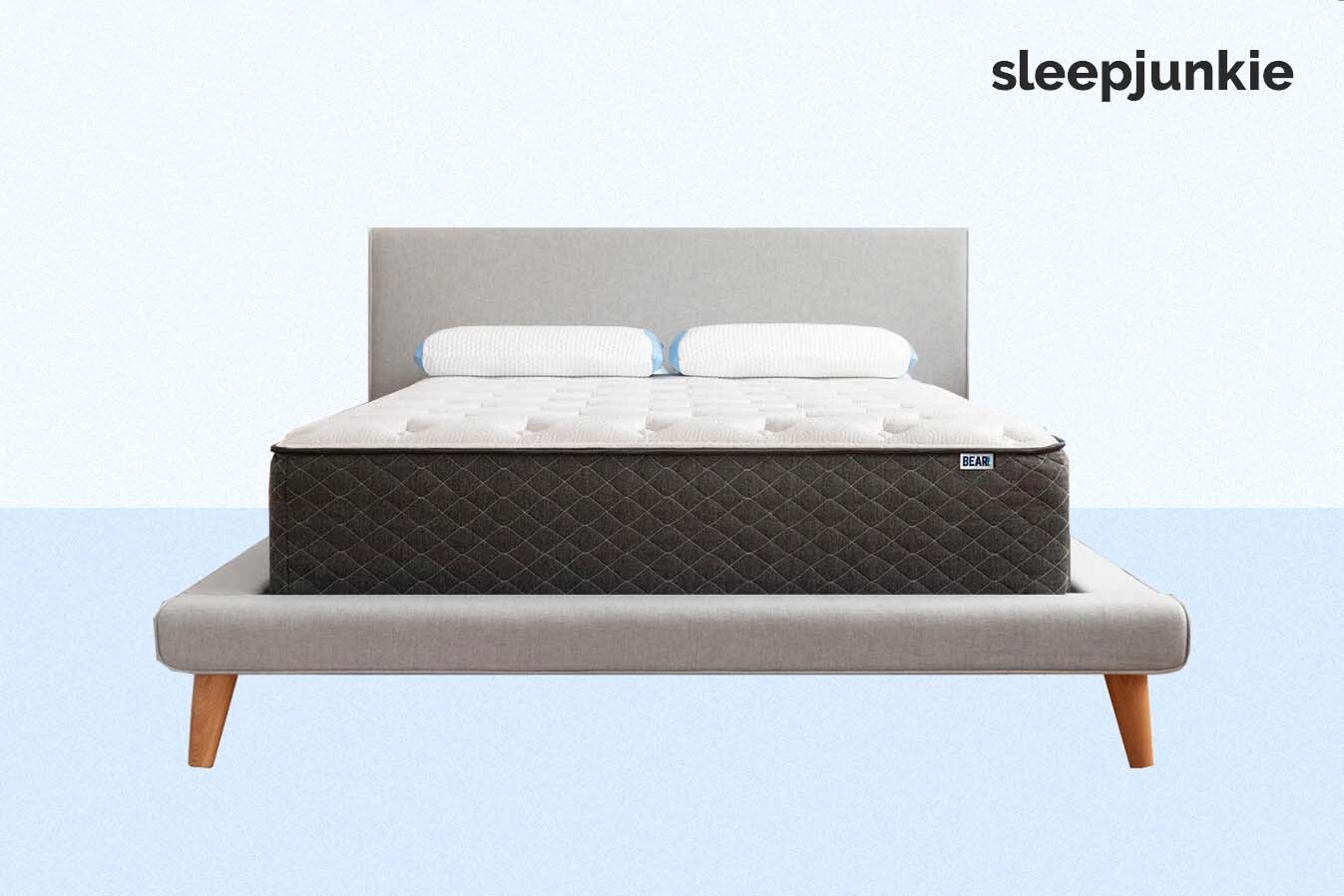
11. Bear Original

11. Bear Original
  • Price: See Price
  • Mattress Type: Memory Foam
  • Thickness: 10 inches
  • Firmness: 8 out of 10 (Firm)
  • Available In: Twin, Twin XL, Full, Queen, King, California King, Split King

Warranty

20 Years

Sleep Trial

100 Nights

Shipping

Free

Highlights
  • High-quality responsive foam for better body contouring
  • Great edge support and motion isolation
Recommended For
  • Great for eco-friendly shoppers
  • Couples who need motion isolation
  • Compatible with side and back sleepers

Watch Our Bear Original Mattress Video Review

The Bear Original was the pick for anyone who wants a firmer bed in a low-profile 10-inch build. On my back, the firm feel held my hips level without the stuck sensation denser memory foam gives, so back sleepers get support without sinking in. On my side it still gave a little at the shoulder, though its firmness means dedicated side sleepers who want a plush surface will find it less cushioning.

The gel-infused foam surface felt cooler to the touch than the traditional memory foam beds I compared, which helps a warmer sleeper who wants a firmer foam feel. When my partner shifted during testing, movement stayed mostly on their side, and the 10-inch profile made it easy to move and fit a platform or trundle frame.

For a firm, low-profile foam bed, the Bear Original balances support with a cooler-feeling surface, which is what earned it the 10-inch pick.

9.2 Overall Score
  • 10 Value
  • 10 Edge Support
  • 9 Trial Period
  • 9 Response Time
  • 8 Motion Transfer
  • 9 Cooling & Breathability

The Bear Original is the 10-inch pick because it delivered firm, supportive foam in a low-profile build that suited back and side sleepers in testing. On my back the firm feel held my hips level without the stuck sensation, so back sleepers get support without sinking in.

The gel-infused foam felt cooler to the touch than the traditional memory foam beds I compared, and the low profile made it easy to move and fit a platform or trundle frame. When my partner shifted, movement stayed mostly on their side.

Best For:

  • Back and side sleepers who want a firmer foam feel
  • Shoppers who need a low-profile 10-inch build
  • Couples who want solid motion isolation

Compare Instead:

  • Amerisleep AS3 if you want a softer medium foam feel
  • Zoma Start if you want a value all-foam option

On my first night on the Bear Original, the firm feel held me supported without the stuck sensation memory foam can give. My hips stayed level on my back, and my shoulder still got a little give when I turned onto my side.

The surface also ran cooler than I expected for an all-foam bed. The gel-infused foam stayed cooler to the touch than the traditional memory foam beds I compared, so I did not get the heat buildup I notice on denser foam.

The cover and gel-infused memory foam are what kept the surface cooler to the touch than the traditional memory foam beds I compared, so a warmer sleeper does better on it than on dense foam. On my back the firm feel held my hips level without the stuck sensation, and the responsive transition foam beneath the comfort layer is what added enough give to cushion the shoulder without softening the overall support. The high-density base foam is what kept the surface from sagging and held that firm support consistent, and it is part of why the low-profile 10-inch build stayed stable near the edge. It is CertiPUR-US certified, made without formaldehyde, heavy metals, or phthalates.

Pros:

  • Value (10/10) and Edge Support (10/10): a firm foam build at an accessible price with a stable edge for a 10-inch bed.
  • Support: the firm feel held my hips level on my back without a stuck sensation.
  • Cooling: the gel foam felt cooler to the touch than traditional memory foam.

Cons:

  • Motion Transfer (8/10): partner movement carried across a little more than the coil picks here.
  • Feel fit: the firm feel gives less pressure relief for dedicated side sleepers who want a plush surface.
  • Design: 10-inch all-foam profile lacks the bounce and height of a hybrid.

Bear Original

On my back the firm feel held my hips level without a stuck feeling, and the gel foam felt cooler to the touch than traditional memory foam. In a low-profile 10-inch build, the Bear Original fits back and side sleepers who want a firmer surface and need a slimmer bed.

Kristina Hindes
12. PlushBeds Botanical Bliss
  • Price: See Price
  • Mattress Type: Natural Latex
  • Thickness: 9, 10, 12 Inches
  • Firmness: 7 to 8 out of 10 (Medium-Firm)
  • Available In: Twin, Twin XL, Full, Queen, King, Cal. King, Split King, Split Queen, Split Cal King

Warranty

Lifetime

Sleep Trial

100 Nights

Shipping

Free

Highlights
  • Organic latex, wool, and cotton offer natural cooling and comfort.
  • Excellent pressure relief without sinking too deeply.
  • Natural materials make it a sustainable, hypoallergenic choice.
Recommended For
  • Sleepers looking for an eco-friendly, organic mattress.
  • Side sleepers needing pressure relief with gentle contouring.

Watch Our Plushbeds Botanical Bliss Mattress Video Review

The PlushBeds Botanical Bliss was the organic pick, and its natural materials and customizable feel were what set it apart. It is built from multiple layers of organic latex under an organic cotton cover, which gave it a durable, breathable surface in testing.

Cooling stood out. The naturally aerated latex stayed cooler to the touch than the synthetic foam beds I compared and did not warm up as quickly through the night, so it suits a sleeper who runs hot and wants natural materials.

What sets it apart is the customizable firmness. Rearranging the latex layers let me move it from a softer side-sleeping feel to a firmer back-sleeping feel, so one bed can suit different body types and preferences in a household, a flexibility most beds on this list do not offer.

8.5 Overall Score
  • 7 Value
  • 8 Edge Support
  • 9 Trial Period
  • 8 Response Time
  • 10 Motion Transfer
  • 9 Cooling & Breathability

The Botanical Bliss is the organic pick because its stacked organic latex layers can be rearranged to change the feel, which let me tune it during testing. Rearranging the layers took it from a plush side-sleeping feel to a firmer back-sleeping feel, so one bed can suit different sleepers in a household.

The aerated latex and organic cotton surface stayed cooler to the touch than the synthetic foam beds I compared, which helps a warmer sleeper. On my back the medium latex supported my lumbar while the firm base kept my spine level, and when my partner moved, the latex held movement to their side. It is heavy, so rearranging layers or moving it takes help.

Best For:

  • Shoppers who want organic, customizable latex
  • Back and side sleepers who want to tune the feel
  • Warmer sleepers who want a breathable surface

Compare Instead:

  • Organica if you want a coil-driven latex hybrid
  • Saatva Classic if you want reinforced edges and a lower price

From the moment I lay down on the PlushBeds Botanical Bliss, the latex gave a buoyant feel that cushioned my body while still supporting it. On my first night, my weight felt evenly distributed, relieving pressure around my shoulders and hips without the too-firm or too-soft feel some beds have.

After a week, the customizable firmness let me settle on the setup that suited my back sleeping best. The cooling held up on warmer nights, and the breathable organic cotton and wool kept the surface feeling fresh even after several nights of use.

Rearranging the layers is the feature I kept coming back to. Moving from a plush side-sleeping setup to a firmer back-sleeping setup took only a few minutes, and on my back the medium latex supported my lumbar while the firm base kept my spine level, so one bed can suit different sleepers.

The organic cotton cover and organic wool are what kept the surface cooler to the touch than the synthetic foam beds I compared, and the wool doubles as a natural fire barrier. The stacked organic latex layers are the defining feature: rearranging them is what let me move the bed from a plush side-sleeping feel to a firmer back-sleeping feel, so one bed can suit different sleepers. On my back the medium latex supported my lumbar while the firm base kept my spine level, and the latex responded quickly enough to switch positions without effort. The aerated latex is what let air move through, which is why it did not warm up like memory foam. The cotton is GOTS-certified and the latex is naturally sourced.

Pros:

  • Motion Transfer (10/10): partner movement barely registered on the far side of the bed.
  • Design: stacked latex layers can be rearranged to change the feel.
  • Cooling: the aerated latex and cotton stayed cooler to the touch than the synthetic foam beds I compared.

Cons:

  • Value (7/10): premium price for the organic latex build.
  • Edge Support (8/10): the perimeter gave more than the reinforced-coil picks here.
  • Ownership: heavy, so rearranging layers or moving it takes help.

Plushbeds Botanical Bliss

Rearranging the latex layers took the bed from a plush side feel to a firmer back feel, and the aerated latex stayed cooler to the touch than the synthetic foam beds I compared. That makes the Botanical Bliss a good fit for shoppers who want organic materials and the option to tune the feel.

Kristina Hindes

Best Cooling Mattress:

13. Zoma Hybrid

13. Zoma Hybrid
  • Price: See Price
  • Mattress Type: Hybrid
  • Thickness: 12 inches
  • Firmness: 5 to 6 out of 10 (Medium)
  • Available In: Twin, Twin XL, Full, Queen, King, California King, Split King

Warranty

20 Years

Sleep Trial

100 Nights

Shipping

Free

Highlights
  • Triangulexโ„ข zoned support for targeted pressure relief
  • Breathable cover and airflow technology for enhanced cooling
Recommended For
  • Athletes or active individuals who want a breathable hybrid
  • Those who prefer a balanced feel with both support and cushioning

Watch Our Zoma Hybrid Video Review

The Zoma Hybrid was the cooling pick, and its breathable feel and motion isolation were what set it apart. It pairs gel-infused memory foam with a pocketed coil system, which gave the most breathable surface of the hybrids I ran in the same session.

Motion isolation was one of the first things I noticed. When my partner shifted during testing, the individually wrapped coils held movement to their side, so a shift on one side did not carry across, which matters for couples or light sleepers.

The gel foam cushioned my shoulder and hip on my side while the coils kept my spine level, and the coils added enough bounce to change positions without the stuck feeling foam-only beds give. It ships in a single medium-firm feel, which suited back and combination sleepers best in my testing, though shoppers who want a softer or firmer surface have fewer options.

9.0 Overall Score
  • 10 Value
  • 9 Edge Support
  • 9 Trial Period
  • 9 Response Time
  • 8 Motion Transfer
  • 9 Cooling & Breathability

The Zoma Hybrid is the cooling pick because its gel foam over pocketed coils gave the most breathable feel of the hybrids I ran in the same session. The gel-infused surface felt cooler to the touch through the first hours than the all-foam beds I compared, and the coil airflow kept the surface feeling more breathable, which helps a warmer sleeper.

On my side the memory foam cushioned my shoulder and hip while the coils kept my spine level, and the coils added enough bounce to change positions without the stuck feeling foam-only beds give. When my partner shifted, the pocketed coils held movement to their side. It comes in one firmness, so shoppers who want a softer or firmer feel have fewer options.

Best For:

  • Hot sleepers who want a breathable hybrid
  • Back and combination sleepers who reposition often
  • Couples who want quiet motion isolation

Compare Instead:

  • Zoma Boost if you want stronger edge support and a cooler-feeling surface
  • Nolah Evolution if you want a plush pillow-top over the coils

On my first night with the Zoma Hybrid, it balanced cushioning and support. The top memory foam layer contoured to my shoulders and hips while the coil system added a gentle bounce that made moving on the surface effortless.

After a week, cooling stood out as one of its strongest traits. On warmer nights the gel-infused foam and coil airflow kept the surface feeling cooler to the touch than the all-foam beds I compared.

Motion isolation held up too. Even when my partner shifted positions, movement barely registered on my side, which is what makes it a good hybrid for a couple who runs warm.

The breathable cover and gel-infused memory foam are what kept the surface feeling cooler to the touch through the first hours than the all-foam beds I compared, and the pocketed coils beneath are what let air move through, so the surface stayed more breathable for a warmer sleeper. On my side the gel foam cushioned my shoulder and hip while the Reactiv foam kept the surface responsive, so switching positions took no effort. The pocketed coils held my spine level on my back and, being individually wrapped, are why partner movement stayed on their side. The high-density base is what kept the coils and foam from bottoming out over time. It comes in one firmness.

Pros:

  • Value (10/10): strong hybrid performance for the price.
  • Cooling: the gel foam felt cooler to the touch through the first hours than the all-foam beds I compared, helped by coil airflow.
  • Response Time (9/10): the coils and Reactiv foam gave enough bounce to reposition easily.

Cons:

  • Motion Transfer (8/10): partner movement carried a little more than the 10/10 picks here.
  • Design: single firmness, so shoppers who want a softer or firmer feel have fewer options.
  • Feel fit: the medium-firm surface may feel too firm for those who want an ultra-plush bed.

Zoma Hybrid

The gel foam felt cooler to the touch through the first hours than the all-foam beds I compared, and the coils added enough bounce to change positions easily. That makes the Zoma Hybrid a good fit for hot sleepers and back or combination sleepers who want a breathable hybrid.

Kristina Hindes

Best Mattress for Couples:

14. Nest Bedding Sparrow

14. Nest Bedding Sparrow
  • Price: See Price
  • Mattress Type: Hybrid
  • Thickness: 13 inches
  • Firmness: 3, 5, or 8 out of 10 (Plush, Medium, Firm)
  • Available In: Twin, Twin XL, Split California King, Full, Queen, King, California King

Warranty

Lifetime

Sleep Trial

365 Nights

Shipping

Free

Highlights
  • Customizable comfort layers for tailored firmness
  • Pocketed coils for responsive support and reduced motion transfer.
Recommended For
  • Couples with differing firmness preferences.
  • Combination sleepers seeking smooth transitions.

Watch Our Nest Bedding Sparrow Video Review

The Nest Bedding Sparrow was the couples pick, and its three feels plus strong cooling and motion isolation were what set it apart. Its standout layer is the Energex foam, a responsive material that cushions while staying breathable.

Cooling was evident in testing. The quilted phase-change cover and Energex foam stayed cooler to the touch than the denser foam beds I compared, so the surface did not warm up as fast on a warm night.

Beneath the cover, the transition foam and individually wrapped coils kept my spine level on my back while cushioning my shoulder on my side, so support held up across positions. That balance of contouring and support, plus a choice of plush, medium, and firm, is what makes it work for couples with different sleep styles.

9.3 Overall Score
  • 8 Value
  • 10 Edge Support
  • 10 Trial Period
  • 9 Response Time
  • 10 Motion Transfer
  • 9 Cooling & Breathability

The Sparrow is the couples pick because its three feels plus quiet motion isolation let two people match preferences on one bed. I tested all three; the medium was the most versatile, cushioning my shoulder and hip on my side while keeping my spine level, so a couple with different tastes can size up or down.

When my partner shifted on the far side, movement on my side barely registered, which matters for a light sleeper sharing the bed. The phase-change quilted cover and Energex foam felt cooler to the touch than the denser foam beds I compared, and the reinforced edge stayed stable when I sat on it. It is heavy and takes help to move.

Best For:

  • Couples with different firmness preferences
  • Combination sleepers who want smooth transitions
  • Light sleepers sharing with a restless partner

Compare Instead:

  • FORM Prime if you want faster response and a longer trial
  • Nolah Evolution if you want a plush pillow-top feel

On my first night with the Sparrow, it balanced plushness and support. As I lay down, the Energex foam cradled my body while the coil system gave a sturdy foundation, and the medium option felt right for my sleeping style.

Cooling was apparent from the start. The Sparrow’s surface felt cooler to the touch than the denser foam beds I compared and was slower to warm through the first hours, which helps a warmer sleeper.

Motion isolation was the other strength. When my partner shifted, movement on my side barely registered, which is what makes it a strong pick for couples and light sleepers, and the medium feel held my lower back level so I woke without stiffness.

The quilted cover with phase-change material and the Energex foam are what kept the surface feeling cooler to the touch than the denser foam beds I compared. The Energex layer responds faster than standard memory foam, which is why rolling between positions took no effort, so a combination sleeper is not fighting the bed. Beneath it, the SmartFlow support foam spread my weight so no single pressure point built up on my side. The individually wrapped, zoned coils held firmer under the lumbar to keep my spine level and, being wrapped, are why partner movement barely carried across, which matters most for couples. The high-density base kept the whole build stable, and the firmer perimeter coils held the edge when I sat on it. It ships in Plush, Medium, and Firm.

Pros:

  • Edge Support (10/10), Trial Period (10/10), and Motion Transfer (10/10): stable edge, 365-night trial, and partner movement barely registered.
  • Design: three feels (Plush, Medium, Firm) let couples match preferences.
  • Cooling: the phase-change cover and Energex foam felt cooler to the touch than the denser foam beds I compared.

Cons:

  • Value (8/10): premium pricing sits above the budget picks here.
  • Ownership: heavy, so moving it takes help.
  • Ownership: needs a short break-in period before it settles to its final feel.

Nest Bedding Sparrow

The medium option cushioned my shoulder on my side while keeping my spine level, and partner movement barely registered during shared-sleep testing. With three feels to choose from, the Sparrow fits couples with different firmness preferences.

Kristina Hindes

What Should Athletes Look for in a Mattress?

When it comes time to replace your mattress, there are four major things you should consider during your search for a new bed: your sleep style, your body type, chronic aches and pains, and lastly, your personal preference for firmness. On top of these basics, athletes need to think about much more before purchasing their best bed.

  • Temperature Regulation & Sleep-Promoting Technologies: Itโ€™s almost impossible to get a good nightโ€™s sleep if youโ€™re consistently waking up hot. Cooling & temperature regulating technologies help combat heat and contribute to uninterrupted sleep.
  • Zoned Support & Pressure Relief: The top layers of the bed should conform to your body to create a mattress for pressure points and tension, while still maintaining healthy spinal alignment. Athletes should look for additional lumbar support from their bed, too, as it prevents your torso from sinking too far into the mattress.
  • High-Quality Materials: With any investment, itโ€™s important youโ€™re spending your money wisely. Buying a bed with high-quality materials may be more costly now, but it protects you later on down the line from having to replace a saggy mattress.

As always, we recommend taking note of the sleep trial and warranty before purchasing a bed. Sleep trials conveniently allow you the chance to test a mattress in your home commitment-free; this gives you a more genuine experience of the bedโ€™s comfort to decide if itโ€™s the best fit for you.

Furthermore, warranties are in place to protect your investment for years to come. Be sure the bed youโ€™re buying comes with at least a 10-year warranty; the average lifespan of a mattress is around 7-10 years, so a 10-year warranty will have you covered for as long as the bed is expected to last. Before buying, read the warranty guidelines and have an understanding of whatโ€™s covered and what youโ€™d be responsible for in the event of a warranty claim.

1. Temperature Regulation & Sleep-Promoting Technologies

Sleep is when your body rests and resets from the day. Athletes cycle through both light and deep sleep, and getting enough total sleep is what lets you move through those stages. Technologies that keep the surface cool and the bed quiet make it easier to stay asleep.

Motion isolation, for example, helps keep movement from transferring across the mattress, so if you move around or share the bed with a restless sleeper, you are less likely to be disturbed by the bed shifting.

Mattresses use a range of materials to help the surface feel cooler; the most common are gel-infused foams and copper-infused foams. Here is how they work:

Gel-Infused Foams: cooling gel and gel beads help draw heat away from the surface. Cheaper gel foams can eventually take on the temperature of the rest of the bed, so the quality of the foam matters when comparing options.

Copper: copper is conductive and helps move heat away from the surface, so a copper-infused foam can feel cooler to the touch. Copper is also naturally antimicrobial.

Some covers use fabrics marketed for temperature or wellness benefits. When comparing these, focus on how the surface actually felt in reviews and testing rather than on the marketing claims attached to the fabric.

2. Zoned Support & Pressure Relief

Finding a mattress that supports your muscles while you rest matters for athletes. Many beds include a layer designed to offer targeted pressure relief and keep the spine in a healthy line, while others lack that support layer. When researching, look for how a mattress is built to maintain your spine’s natural curve and relieve pressure.

To support your body well, a mattress should be firmer around your neck, torso, and feet, and softer at your hips and shoulders, which helps keep your spine in its natural alignment. Extra support through the middle of the bed helps keep your torso from sinking too far.

3. Quality of Materials

A new mattress is an investment in better sleep, so when it comes time to drop a few hundred or a few thousand dollars on a bed, you want to make sure it will last and you get the best mattress for the money.

Most mattress brands will offer transparent information about how their beds are made and the materials inside of them. If youโ€™re struggling to find that information, ask. If a retailer shies away from disclosing this pertinent information, itโ€™s a reliable sign you should shop with a different brand.

Mattresses are made from a wide range of materials, when looking at foam beds, check the density of the top layer; when assessing latex, look at how itโ€™s made and if itโ€™s 100% natural, or a synthetic blend; for innerspring beds, look at what the steels coils are made from, are they steel or a cheap metal? Donโ€™t forget to consider the cover of the mattress as well and the fabrics in the cover, as they can play a big role in the overall comfort of the bed.

Other Things to Consider

Though it’s important for athletes to look for bed with zoned support, quality materials, and temperature regulating technologies, it’s also crucial to take different mattress types and your sleep style into account before choosing your next bed.

Different Types of Mattresses

Before you can narrow down your search for your best bed, it’s important to have an understanding of different mattress types and what they bring to the table.

Memory Foam

Memory foam is one of the most popular mattress types, especially among mattress-in-a-box brands. It is known for contouring closely to the body and relieving pressure, and it feels cradling and cushioning. Memory foam is also strong at isolating motion, so it is a good option if you share the bed with a restless sleeper.

Latex

Another popular type, latex, is a more breathable foam that lets heat move away from the surface more easily than dense memory foam. Unlike the cradling feel of memory foam, latex is bouncier and more responsive, cushioning you while holding you more on top of the bed than sinking in. Natural latex is a good fit for shoppers who want plant-based materials; look for a GOLS or similar certification to confirm the latex content.

Innerspring

Innerspring mattresses are becoming less and less popular as time goes on, but they’re still a comfortable solution for better sleep. Innersprings are bouncy and offer a more “on top of the bed” feel. While innersprings can’t cushion your body like memory foam or latex, they’re very responsive and can promote a healthy spine by keeping you lifted on the mattress.

Hybrids

Hybrid beds combine a pocketed coil system with foam layers. Some hybrids feature memory foam, others have latex, and a few use both latex and memory foam to create the most comfortable sleep surface. Because hybrids combine a variety of high-quality materails, they’re often the most expensive kind of mattresses sold.

Sleeping Positions

Your sleep style is the most important factor in determining how firm your next mattress should be. Before deciding on your next bed, take a step back and think about how you tend to sleep.

If you’re a back sleeper, you’re best suited for a firmer mattress because they keep you lifted and promote your spine’s neutral alignment.

Side sleepers, on the other hand, are best suited for medium to medium-soft mattresses because they’re supportive enough to foster a healthy spine, but soft enough to cushion the shoulders and hips. A common issue side sleepers experience is pressure points in the shoulders and hips, which are largely a result of sleeping on a mattress that is too firm. Medium and medium-soft mattresses allow your hips and shoulders to compress more, alleviating pressure.

Stomach sleeping is considered to be the unhealthiest sleep position. If you prefer to sleep on your stomach, we hate to be the bearers of bad news, but it can result in back pains later on down the line. If possible, we recommend switching to side or back sleeping to get the healthiest sleep.

If you do sleep on your stomach, you need a very firm mattress to do so. When you sleep on your stomach, your center of gravity shifts to your midsection. If your bed does not have the proper lumbar support or is not firm enough, this can cause your torso to sink in the mattress, overextending your spine. To prevent putting added stress on your spine, switch up how you sleep.

Frequently Asked Questions

What is the best mattress for athletes?

After testing 50+ mattresses, my top overall pick for athletes is the Zoma Boost. In testing its surface felt cooler to the touch than the denser foam beds I compared, partner movement barely carried across, and the edge stayed stable when I sat on it, a combination that suits active sleepers who share a bed and change positions often. Combination and back sleepers who run warm tend to do best on it.

What is the best mattress for side sleeping athletes?

Athletic side sleepers should look for a mattress that can ease pressure points in their hips and shoulders. The bed should also have enough cushion to let a sleeper sink in, since otherwise their spine can be lifted out of neutral alignment. The best mattresses for side sleeping usually have a soft to medium feel.

How long will a mattress for athletes last?

The lifespan of a mattress depends on its materials. Usually, a memory foam mattress is more durable than an innerspring model. The coils of an innerspring mattress are likely to sag within five to six years, losing support from nightly use. The average memory foam mattress typically lasts seven to eight years, and some high-quality models remain comfortable after more than a decade.

Eco-conscious athletes may also want to consider the benefits of latex foam vs memory foam. Latex is usually more durable and can last up to 15 years.

What is the best mattress for athletes with back pain?

An old or worn mattress can lose support and let a sleeper’s spine fall out of alignment, which many people notice as morning stiffness. Research often points to a medium-firm feel as a good general starting point for support. A top layer of memory foam or latex tends to give the most contouring and pressure relief. If back discomfort persists, it is worth checking with a medical professional.

Should athletes use a hybrid or memory foam mattress?

Hybrid and memory foam mattresses each have a set of pros and cons. Hybrid mattresses have added bounce and tend to keep cool better because of their coils. Memory foam mattresses tend to be slightly more durable because their base foam isn’t as quick to sag as a hybrid’s coils are. Both beds usually feature excellent pressure relief, helpful for any athlete feeling sore after working out.

How thick should a mattress for athletes be?

If you can afford it, always try to buy a mattress that’s at least 10 inches thick. Thinner mattresses usually aren’t as supportive or comfortable, meaning they can’t help you recover well enough to achieve your peak performance. Plus, mattresses under 10 inches often lack the durability of a thicker mattress.

Did You Find Your Next Bed?

All of these mattresses are great options for athletes. Before you decide on one as the most comfortable mattress for you, however, do further research to look for the model most compatible with your sleep needs.

Donโ€™t forget to take advantage of sleep trials. Fortunately, sleep trials give you the chance to try your new bed in the comfort of your home, risk-free, which helps you choose the best mattress for you.
As a dedicated mother of two, Kristina places a high value on holistic health and the well-being of her family. She understands the significance of maintaining hormonal balance and cherishes the essential role of sleep in optimizing overall health. In her leisure time, she indulges her love for the outdoors through hiking, fostering a deep connection with nature, and expresses her creativity through various forms of art. Her life is a vibrant canvas, adorned with wellness and inspiration.

Leave a Reply

Your email address will not be published. Required fields are marked *