We may receive financial compensation for products purchased through links on this website. sleepjunkie.com is owned by Healthy Sleep, LLC and includes Amerisleep, LLC advertising. Learn more.

I Tested 50+ Mattresses to Find the 12 Best Mattresses for Adjustable Beds of 2026

Mattress Guides
Read Time: 4 minutes

Pairing the right mattress with an adjustable bed frame can make a meaningful difference in comfort and flexibility. Sleep Junkie tested and evaluated mattresses for compatibility with adjustable bases, focusing on flexibility, durability, and performance across different positions. Our top pick is the Amerisleep AS3, based on hands-on testing and verified owner feedback.

Top Recommendation of 2026: Amerisleep AS3

After testing 50+ mattresses for this guide, the Amerisleep AS3 earned the top spot as the best mattress for an adjustable bed of 2026 because it is the only pick here scoring 10 out of 10 on both motion transfer and cooling, and because its all-foam build has no coil unit working against the frame. During testing it stayed flush with the base through the full range of head and foot articulation, with no gap opening at the hinge, and my hips stayed level with my shoulders once I dropped the bed flat again. When my partner shifted on the far side of a queen, movement on my side barely registered.

The AS3 suits back and side sleepers who want a medium feel, couples who adjust their halves independently, and anyone who reads or watches TV with the head raised for long stretches. That combination of clean flex, settled motion and low heat retention is what made it the strongest overall match for an articulating base in this guide.

Why Trust Sleep Junkie's Recommendations?

Every mattress featured on Sleep Junkie is evaluated using the same testing framework for support, pressure relief, cooling, motion isolation, edge support, responsiveness, and overall value. Learn How We Test Mattresses.

The best mattresses for adjustable beds are the ones that bend with the frame instead of resisting it, which in practice means all-foam, latex and wrapped-coil hybrid builds between 10 and 15 inches thick.

I tested 50+ mattresses on an adjustable base for this guide and 12 made the list, judged on how cleanly each one followed the head and foot travel, how quickly the surface recovered when I changed position at an incline, how much movement crossed the bed when one half was adjusted, and whether the edge stayed usable once the bed was raised.

Raising the head opens the airway and lifting the legs shifts load off the lower back, which is why so many people move to an adjustable base in the first place. It also makes reading, watching television and getting in and out of bed considerably easier. What it asks of the mattress is different from what a platform bed asks, and that difference is what this guide is built around.

Not every mattress type suits one of these frames. Below I have ranked the 12 that handled it best, and in the buyer’s guide underneath I have set out which constructions work, which struggle, and what profile height to look for.

Watch How We Tested the Best Mattresses for Adjustable Beds

How We Tested and Ranked the Best Mattresses for Adjustable Beds

I tested 50+ mattresses for this guide and 12 made the list. Every one of them was tested on an adjustable base, not just flat on a platform, because a mattress that performs well lying flat can still bunch, gap or go stiff the moment the frame starts to bend.

What I tested for:

Response Time: I rolled from back to side to stomach with the head raised, timing how long the surface took to recover and whether repositioning at an incline took real effort.
Motion Transfer: I had my partner shift, and separately adjust their own half of the base, while I lay still on the other side of a queen.
Edge Support: I sat on the perimeter to put my shoes on with the bed flat and again with the head raised, checking how far the edge compressed and whether it stayed stable.
Cooling and Breathability: I compared surface temperature by touch through the first hours against the other beds in the same session, and checked whether an incline trapped heat around the shoulders.
Value: I weighed what each bed delivers against its warranty term, trial length and build quality.
Trial Period: I checked the length and the return terms on each brand’s own policy.
Pressure relief and spinal alignment: I checked shoulder and hip cushioning on my side, and whether my hips stayed level with my shoulders on my back, in both the flat and the zero-gravity positions.

What mattered most for this category:

Flex behaviour. A bed has to bend with the frame instead of resisting it. All-foam and latex builds bend most freely, wrapped coils bend well, and continuous or coil-on-coil constructions bend least.
Profile height. Thinner beds articulate more easily. The picks here run from 10 to 15 inches, and the taller ones need a base rated for the weight.
Motion transfer and split availability. When two people adjust independently, motion isolation stops being a nice-to-have. Only some of these beds are sold in a split configuration at all, which is noted in each pick.
Response time. Repositioning is harder at an incline than it is flat, so a slow-recovering surface costs more here than it would on a static frame.

How the winner was chosen: the category winner is the bed that performed best for this specific need, not the bed with the highest aggregate score. On this page four picks score higher overall than the Amerisleep AS3 and three more tie it. The AS3 still leads because it is the only bed here scoring 10 on both motion transfer and cooling, and because an all-foam build with no coil unit conforms to head and foot articulation without gapping. Scores are never adjusted to fit a ranking.

Why you can trust these rankings: every bed was tested firsthand against the same framework, every pick carries a stated limitation, and every pick routes you to a better-fitting alternative on this page if it is not right for you. You can read the full method here: Learn How We Test Mattresses.

Beyond my own testing, every pick is pressure-tested against verified owner feedback pulled from manufacturer sites, third-party review platforms and owner forums, so a bed that felt right in one session has to hold up across months of real use before it earns a spot.

And because articulation and long-term comfort touch on more than feel alone, health-related claims on this page are routed to our expert review board for clinical and scientific oversight, with the reviewer shown clearly on the page wherever that review is complete.

Best Mattress Options for Adjustable Beds

Best Mattress Overall:

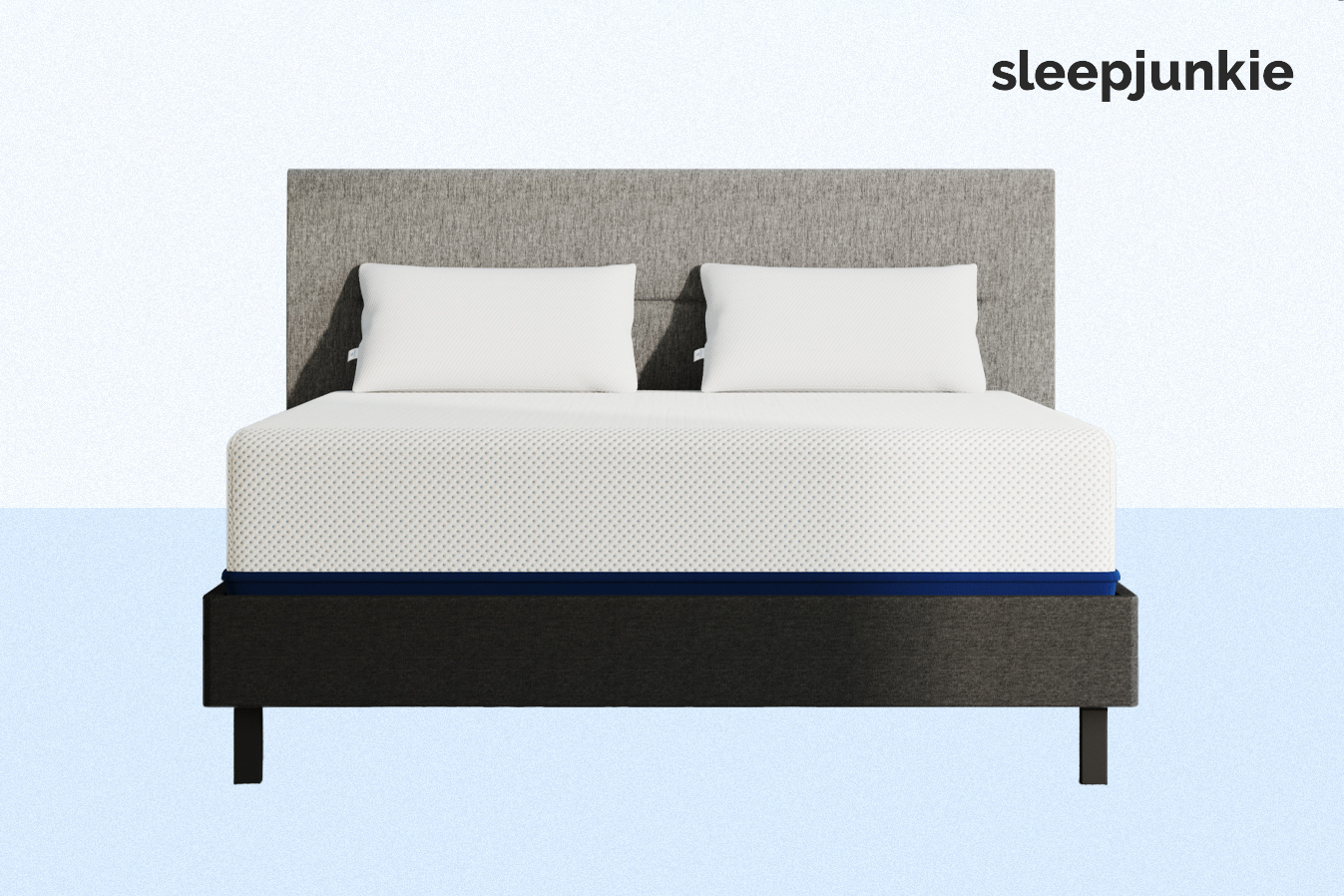
1. Amerisleep AS3

1. Amerisleep AS3
  • Price Range: See Price
  • Mattress Type: Memory Foam Mattress
  • Thickness: 12 inches
  • Firmness: 5 to 6 out of 10 (Medium)
  • Available In: Twin, Twin XL, Full, Queen, King, California King, Split

Warranty

20 Years

Sleep Trial

100 Nights

Shipping

Free

Mattress Highlights
  • Bio-Pur® memory foam provides excellent contouring and pressure relief.
  • Medium firmness caters to various sleeping styles.
  • Open-cell foam that did not warm up as quickly as the denser foam beds I compared.
Recommended For
  • People seeking a medium feel that suits back and side sleeping.
  • Those looking for a balanced mix of support and pressure relief.
  • Individuals with an adjustable bed looking for a memory foam mattress that adapts well to movement.

Watch Our Amerisleep AS3 Video Review

During testing, the AS3 was the bed that changed least when the frame moved. Running the head up to a steep reading angle, the surface stayed continuous behind my lower back instead of forming the shallow ridge that taller coil builds tend to produce at the hinge, and dropping it flat again my hips settled level with my shoulders rather than sitting proud of them.

That is mostly a question of what is inside it. The AS3 is one of only two all-foam picks in this guide, so there is no steel unit that has to deform for the bed to bend. The Bio-Pur comfort layer contours at the shoulder and hip without the slow drag of traditional memory foam, and the HIVE zoning in the Affinity layer underneath is cut softer at the shoulders and denser through the lumbar band, which is what holds the middle of the body up while the ends of the bed are moving.

It carries a 10 out of 10 for motion transfer and a 10 out of 10 for cooling, and it is the only pick on this page holding both. Four beds here score higher overall, and if you want a coil core the Vaya Hybrid recovers faster at an incline, but neither combination suits an articulating base as completely.

The AS3 is the pick for back and side sleepers who want a medium feel, and for couples on a split base who adjust their halves at different times.

9.2 Overall Score
  • 9 Value
  • 8 Edge Support
  • 9 Trial Period
  • 9 Response Time
  • 10 Motion Transfer
  • 10 Cooling & Breathability

The AS3 was the pick I kept returning to once the frame started moving. It is one of only two all-foam builds in this guide, and with no coil unit inside it, nothing structural resists the bend.

Flex Through the Full Range

I ran the head and foot through their full travel and the surface stayed flush the whole way, with no gap opening at the hinge and no ridge forming under my lower back. Dropped flat again, my hips settled level with my shoulders. For anyone who falls asleep in zero gravity and wakes up flat, that means the support underneath you does not change when the bed does.

Motion Stayed On Its Own Side

When my partner shifted, and separately when they raised their own half of the base, movement barely registered where I was lying. The Bio-Pur layer absorbs it instead of passing it along, so a light sleeper sharing a split king is far less likely to be woken by the other side moving.

Heat Around the Shoulders

Raising the head narrows airflow around the upper body on a lot of foam beds. The AS3 did not warm up as quickly there as the denser foam beds I compared through the first hours.

Best For:

  • Back and side sleepers who want a medium feel rather than a firm one
  • Couples on a split base who adjust their halves at different times
  • Sleepers who spend real time propped up reading or watching TV

Compare Instead:

  • Zoma Start if you want the lowest profile here at 10 inches, which bends most easily on a frame
  • Vaya Hybrid if you want a coil core and a 10 out of 10 response time for easier repositioning at an incline

On my first night on the AS3 I set the head to a shallow incline and read for an hour. What stood out was that the surface behind my shoulder blades stayed continuous rather than breaking into a ridge where the frame hinges, which is the thing that usually sends me back to flat.

On my side the Bio-Pur layer took my shoulder without letting my hip drop after it, and the zoning underneath was firm enough through the middle that my waist stayed lifted. Turning over was easy; there is enough push-back in this build that I never had to lever myself around the way slower memory foam makes you.

On my back at zero gravity the lumbar area stayed in contact with the mattress rather than bridging over a gap, and dropping the bed flat again my hips settled level with my shoulders instead of sitting proud of them.

On my stomach it is medium rather than firm, and my hips sat slightly lower than I would want for a full night in that position.

This is the surface for a back and side sleeper who wants a medium feel and spends real time propped up, rather than for a dedicated stomach sleeper.

The AS3 is 12 inches in four layers. Under the circular-knit Refresh cover sit 3 inches of plant-based Bio-Pur memory foam, which is the layer doing the contouring; its open-cell structure is why the surface did not warm up as quickly around my shoulders when I slept with the head raised. Below that, a 2 inch Affinity layer carries HIVE hexagonal zoning, cut softer under the shoulders and hips and denser through the lumbar band, and that is what kept my hips level with my shoulders rather than letting them drop. The 7 inch Bio-Core base is the reason the bed holds its shape through repeated articulation instead of developing a soft spot at the hinge. With no coil unit anywhere in the stack, there is nothing rigid resisting the frame.

Pros

  • Motion Transfer (10/10): with my partner adjusting their own half of the base, movement barely registered on my side.
  • Cooling and Breathability (10/10): the only pick in this guide scoring 10 on both cooling and motion transfer.
  • All-foam build with no coil unit, so it followed the head and foot travel without gapping at the hinge.
  • Bio-Pur contoured at the shoulder and hip without the stuck feeling of traditional memory foam.

Cons

  • Edge Support (8/10): the perimeter compressed more than the coil picks here when I sat on the raised side.
  • Available in one firmness only, so shoppers who want a noticeably softer or firmer feel have fewer options.
  • Mild off gassing was noticeable for the first day after unboxing.

Why The Amerisleep AS3 Won

Among the 50+ mattresses I tested for adjustable beds, the AS3 was the one that behaved best once the frame started moving. It is the only pick here scoring 10 out of 10 on both motion transfer and cooling, and with no coil unit in the build it followed the head and foot travel without gapping at the hinge. Four beds on this list carry a higher overall score, but none of them combines that flex with that motion and cooling performance, which is why it is my recommendation for anyone pairing a mattress with an adjustable base.

Kristina Hindes

Best Purple Alternative:

2. FORM Prime

2. FORM Prime
  • Price Range: See Price
  • Mattress Type: Gel Grid Hybrid
  • Thickness: 14 Inches
  • Firmness: 5.5 to 6 out of 10 (Medium-Medium-Firm)
  • Available In: Twin, Twin XL, Full, Queen, King, California King

Warranty

Lifetime

Sleep Trial

365 Nights

Shipping

Free

Mattress Highlights
  • Grid flexes at the shoulders and hips for responsive pressure relief
  • Wrapped coils flex with an adjustable base while holding support
  • AeroWeave™ cover and open GelGrid™ channels keep air moving across the surface.
Recommended For
  • Side and combination sleepers who want responsive contouring
  • Couples who want strong motion isolation when the base is angled
  • Sleepers who run warm and want a breathable surface at any incline

Watch Our FORM Prime Video Review

Moved into the zero-gravity preset, the Prime settled without bunching, gapping or hammocking, and pressing along the surface afterwards the shoulder zone read noticeably softer under my hand than the lumbar band did. That zoning is doing real work: on my side the shoulder had somewhere to go while the middle of the bed stayed firm underneath my waist.

The Prime is a 14 inch hybrid built on a ZoneCoil 7-Series pocketed coil base with a GelGrid and Integra-Mesh comfort layer above it. Because the coils are individually wrapped rather than tied together, they bend with the frame instead of fighting it, and because the grid recovers quickly, repositioning at an incline takes no more effort than it does flat.

It scored 10 out of 10 for edge support, motion transfer and trial period. It also arrives at full size by white glove delivery, so there is no expansion wait and no off-gassing period before the first night.

The limitation worth knowing is that the Prime is not sold in a split configuration. If you and a partner want each half of the base carrying its own mattress, this is not the bed, and the Nest Bedding Sparrow further down this list is.

The Prime is the pick for side and combination sleepers who want a responsive surface rather than a sink-in one, sharing a full-width bed rather than a split base.

9.3 Overall Score
  • 8 Value
  • 10 Edge Support
  • 10 Trial Period
  • 9 Response Time
  • 10 Motion Transfer
  • 9 Cooling & Breathability

The Prime scored 10 out of 10 for edge support, motion transfer and trial period, and on a base those first two carry more weight than they do on a static frame.

Flexes Cleanly Into Zero Gravity

Moved into the zero-gravity preset, the Prime settled without bunching, gapping or hammocking. The ZoneCoil 7-Series coils are individually wrapped, so they bend with the frame rather than fighting it, and the surface stayed flush through the full range of adjustment.

Repositioning At An Incline

The GelGrid sits directly under the AeroWeave cover and recovers quickly. With the head raised, rolling from back to side took no more effort than it did flat, and the surface came back under me straight away rather than holding the shape of where I had been. For a combination sleeper who props the bed up and then moves through the night, that is the difference between shifting and heaving.

Steady When The Other Half Moves

Motion transfer scored 10 out of 10. The BaseFlex encasement and the Integra-Mesh reinforcement together damp the surface, so when my partner adjusted their side of the base I was not pulled along with it.

Best For:

  • Side and combination sleepers who want responsive contouring without a sunk-in feel
  • Couples who want strong motion isolation when the base is angled
  • Sleepers who want the bed delivered assembled with no expansion wait

Compare Instead:

  • Nest Bedding Sparrow if you need a split configuration, which the Prime is not sold in
  • Zoma Start if you want a lower profile and a stronger value score

The Prime has a zoned medium feel, softer at the shoulder and firmer through the lumbar band, and the difference is obvious under your hand before you ever lie on it.

On my side the grid flexed immediately at my shoulder and hip and gave real pressure relief without a sinking sensation. My spine stayed neutral, and after several nights I woke without the shoulder tension I sometimes get on firmer surfaces.

On my back the ZoneCoil system held my lower back firmly while the grid conformed to the curve of my spine, so my midsection never felt suspended or dropped.

The clearest strength showed up when I changed positions at an incline. Rolling from back to side to stomach took no effort and the surface adjusted right away each time, with none of the quicksand feel some memory foam creates.

Dedicated stomach sleepers who want a very firm, unyielding surface should test carefully during the trial, since the grid flexes by design.

This is the surface for a side or combination sleeper who wants responsive contouring and repositions often with the bed raised.

The Prime is 14 inches in five layers. The breathable AeroWeave cover sits over the GelGrid, a polymer grid of open-air cells; the grid is why the surface recovered so quickly when I rolled over at an incline, and the Integra-Mesh reinforcement woven through it is why it did that without the surface wobble other grid beds produce. A 3 inch ContourFlex layer bridges the grid and the coils so the feel stays cohesive rather than switching from springy to foamy mid-bed. Underneath, the ZoneCoil 7-Series coils are individually wrapped across seven zones, which is both why the shoulder zone gave while the lumbar held and why the bed moved into zero gravity without gapping. The BaseFlex encasement is what kept the perimeter firm when I sat on it.

Pros

  • Edge Support (10/10): the BaseFlex encasement held firm when I sat on the perimeter with the head raised.
  • Motion Transfer (10/10): my partner adjusting their side of the base did not pull me along with it.
  • Trial Period (10/10): 365 nights, one of the three longest trials in this guide.
  • Moved into the zero-gravity preset with no bunching, gapping or hammocking.

Cons

  • Not sold in a split configuration, so couples who want each half of the base to carry its own mattress cannot use it.
  • Value (8/10): sits below the top value scores in this guide.
  • Available in one firmness only, so the feel cannot be matched to each sleeper.
  • The 14 inch profile needs deep-pocket sheets and makes a higher step up into bed.

FORM Prime

Through the full range of adjustment the Prime stayed flush against the base, and rolling from back to side with the head raised took no more effort than it did flat. The zoned grid gave at my shoulder while the lumbar band held, so my spine stayed straight on my side. This is the pick for side and combination sleepers who want a responsive surface rather than a sink-in one, and who do not need a split configuration.

Kristina Hindes

Read My Full Review of the FORM Prime

Best Luxury Mattress:

3. Zoma Boost

3. Zoma Boost
  • Price Range: See Price
  • Mattress Type: Hybrid
  • Thickness: 15 inches
  • Firmness: 5.5 out of 10 (Medium-Firm)
  • Available In: Twin, Twin XL, Full, Queen, King, Cal. King, Split King

Warranty

10 Years

Sleep Trial

100 Nights

Shipping

Free

Mattress Highlights
  • Hybrid design with zoned support and cooling features.
  • Reactive foam that recovers quickly when you change position at an incline.
  • Durable support layers that maintain comfort even when the bed is adjusted.
Recommended For
  • Sleepers seeking a luxurious hybrid mattress compatible with adjustable bases.
  • Sleepers who want pressure relief without giving up a medium-firm feel.
  • Those wanting a balance of comfort and support with premium materials.

Watch Our Zoma Boost Video Review

The clearest thing the Boost did in testing was hold its perimeter with the head raised. Sitting on the side of a bed that is already angled is where most edges give way, because the coil unit is being asked to hold a shape it was not built flat for. Here the edge compressed briefly, stopped, and let me stand up without the corner rolling out from under me.

The Boost is a 15 inch hybrid built around graphite-infused Energex memory foam, a quilted gel foam layer, Reactiv responsive foam and a dynamic edge coil unit. The coils are individually wrapped, which is why the bed follows the frame rather than resisting it, and the graphite and gel layers are why the surface felt cool on first contact and did not warm up as quickly as the denser foam beds I compared through the first hours.

It ties for the highest overall score in this guide and holds 10 out of 10 for value, edge support and motion transfer.

The tradeoff is height. At 15 inches it ties for the tallest bed here, it is heavy, and a taller build asks more of the base to bend. If your frame is older or lighter-duty, the Zoma Start further down this list is the easier pairing.

The Boost is the pick for back and side sleepers who want a medium-firm coil build, particularly couples on a split king who need the edge to stay usable when the bed is up.

9.5 Overall Score
  • 10 Value
  • 10 Edge Support
  • 9 Trial Period
  • 9 Response Time
  • 10 Motion Transfer
  • 9 Cooling & Breathability

The Boost ties for the highest overall score in this guide and holds 10 out of 10 for value, edge support and motion transfer. It is also one of the two tallest beds here, which cuts both ways on a base.

Edge Held When The Bed Was Raised

Edge support is easy to test flat and much harder once the head is up, because the perimeter is being asked to hold a shape it was not built flat for. Sitting on the side of the Boost with the head raised, the perimeter compressed a little and then stopped, and I could get up without the corner rolling away underneath me. That matters most for anyone who uses the raised position to get in and out of bed rather than to sleep in.

Motion Under An Adjusting Partner

With my partner raising and lowering their own half, the movement I felt on my side was faint enough that I did not look up from what I was reading.

The Height Question

At 15 inches this is a tall bed. Through the articulation it kept its shape, but it is heavy, and the taller the build the more the frame has to work to bend it.

Best For:

  • Back and side sleepers who want a medium-firm feel with a coil core
  • Couples sharing a split king who want strong edge and motion performance
  • Sleepers who want a premium build without giving up a top value score

Compare Instead:

  • Amerisleep AS3 if you want a lower profile that bends more freely on the frame
  • Nolah Evolution if you want the same overall score with a lifetime warranty and three firmness options

The first thing I noticed getting onto the Boost was how cool the cover felt on contact, and then how little the surface moved when I settled into it. It is a medium-firm bed and it reads that way immediately.

On my back the zoned coils held my hips level while the gel and Energex layers above still gave at the shoulder blades, so there was cushioning without the sense of dropping into the middle of the bed.

On my side the top layers took my shoulder and the coils stopped my hip, though this is a firmer surface than the softest picks in this guide and a lighter side sleeper may want more give.

At an incline the bed kept its shape rather than compressing towards the fold, and sitting on the raised edge to get up, the perimeter held long enough for me to stand.

At 15 inches the step up into bed is a real one once a base and frame are underneath.

This is the surface for a back or side sleeper who wants a medium-firm coil feel and uses the raised position to get in and out of bed.

The Boost is 15 inches. The ultra-cooling cover sits over graphite-infused Energex memory foam and a quilted gel foam layer, and those two together are why the surface did not warm as quickly as the denser foam beds I compared through the first hours. Below them, Reactiv foam is the responsiveness layer; it is the reason changing position at an incline did not leave me pushing against a dent. The dynamic edge coils are the part that matters most on a base, because they are what let me sit on the side of a raised bed without the corner folding away, and being individually wrapped they bend with the frame rather than against it. A durable base foam underneath keeps the stack from developing a soft spot where the frame hinges.

Pros

  • Value (10/10): ties for the top value score in this guide.
  • Edge Support (10/10): sitting on the raised side, the perimeter compressed briefly and then held.
  • Motion Transfer (10/10): my partner raising their own half of the base registered only faintly.
  • Individually wrapped edge coils bent with the frame rather than resisting it.

Cons

  • At 15 inches it ties for the tallest profile in this guide, so it needs deep-pocket sheets and makes a higher step up.
  • Heavy enough that repositioning it on the base is a two-person job.
  • The 10 year term ties for the shortest fixed warranty here.
  • Available in one firmness only.

Zoma Boost

Sitting on the perimeter of the Boost with the head raised, the edge compressed briefly and then held, and I could stand up without the corner rolling away underneath me. On my back the zoned coils kept my hips level while the surface still gave at the shoulder. This is the pick for back and side sleepers who want a medium-firm coil build, and for couples sharing a split king who need the edge to stay usable when the bed is up.

Kristina Hindes

Best Budget Mattress:

4. Vaya Hybrid

4. Vaya Hybrid
  • Price Range: See Price
  • Mattress Type: Hybrid
  • Thickness: 14 inches
  • Firmness: 5 to 6 out of 10 (Medium)
  • Available In: Twin, Twin XL, Full, Queen, King, California King, Split

Warranty

10 Years

Sleep Trial

100 Nights

Shipping

Free

Mattress Highlights
  • Affordable hybrid design with foam and coil layers.
  • Great balance of bounce and contouring for adjustable bed compatibility.
  • Open-cell comfort foam that recovers immediately when you reposition.
Recommended For
  • Budget-conscious shoppers seeking a quality mattress for an adjustable base.
  • Combination sleepers who require good support and pressure relief.
  • Those who want a hybrid mattress without breaking the bank.

Watch Our Vaya Hybrid Video Review

Rolling from back to side with the head raised, the Vaya came back under me immediately rather than holding a dent, and at no point did I feel the coil unit telegraphing through the comfort layer the way thinner hybrids do once the bed is angled. It scored 10 out of 10 for response time and that is the score that matters most here.

The Vaya Hybrid is a 14 inch build in four layers: a 2 inch quilted cotton cushion, 2 inches of open-cell Vaya Foam, an 8 inch pocketed coil unit and a 2 inch base foam. It is the only bed in this guide holding 10 out of 10 for value, edge support and response time at the same time, which is an unusual combination at any level.

The weakness is motion. It scored 7 out of 10 for motion transfer, the lowest motion score on this page and the only one below 9, and when my partner moved on a shared queen I felt it. On a split base where the two halves move independently that matters far less than it would on one continuous surface, but it is a real limitation and it is the reason this bed is not ranked higher. If you share a full-width bed and motion is your priority, the Amerisleep AS3 at the top of this list is the better pairing.

The Vaya is the pick for solo sleepers and combination sleepers who change position often at an incline.

9.2 Overall Score
  • 10 Value
  • 10 Edge Support
  • 9 Trial Period
  • 10 Response Time
  • 7 Motion Transfer
  • 9 Cooling & Breathability

The Vaya is the only bed in this guide scoring 10 out of 10 for value, edge support and response time all at once. It is also the pick with the clearest weak spot, and I would rather name it up front.

Repositioning Was The Easiest Here

Response time scored 10 out of 10 and it showed with the head raised. Rolling from back to side at an incline, the surface came back under me immediately instead of holding a dent, and I never had to push off to get moving. For a combination sleeper who props the bed up to read and then rolls over to sleep, that is the single most useful thing a mattress can do on a base.

Edge Stayed Usable At An Angle

Sitting on the perimeter with the head up, the coil unit and its foam encasement held rather than folding, so the usable surface did not shrink when the bed was raised.

Motion Is The Tradeoff

Motion transfer scored 7 out of 10, the lowest motion score on this page and the only one below 9. When my partner moved, I felt it. On a split base where the two halves move independently that matters less than it would on a shared queen, but it is a real limitation and it is why this bed is not ranked higher.

Best For:

  • Solo sleepers who want a coil build without stretching the budget
  • Combination sleepers who change position often at an incline
  • Anyone pairing a mattress with the Vaya adjustable base as a bundle

Compare Instead:

  • Amerisleep AS3 if you share the bed and want much stronger motion isolation
  • Zoma Start if you want a similar value score in a lower profile

The Vaya reads medium on first contact with a definite bounce underneath it. The comfort foam gives, and then the coil unit stops you, and that boundary is clear rather than gradual.

On my back the coils held my hips level and the foam above filled the gap at my lumbar curve without letting me settle too far in.

On my side there was enough contouring at the shoulder and hip to keep my spine straight, though the surface sits firmer than the plush picks in this guide.

The best of it was repositioning at an angle. With the head raised, rolling over took no effort and the surface was level again before I had finished moving.

The part I felt most was my partner. Movement on the far side of a shared queen carried across more here than on any other bed in this guide, so a light sleeper on one continuous surface will notice it.

This is the surface for a solo sleeper or a combination sleeper who changes position often, rather than for a light sleeper sharing a full-width bed.

The Vaya Hybrid is 14 inches in four layers that add up exactly: a 2 inch quilted cotton cushion, 2 inches of Vaya Foam, an 8 inch pocketed coil unit and a 2 inch base foam. The quilted top is the layer you feel first, and it is what stops the surface feeling springy with the coil unit sitting this close underneath. The Vaya Foam is open-cell and recovers quickly rather than holding a shape, which is what made repositioning at an incline as easy as it was flat. The pocketed coils are the structural part: individually wrapped, so they bend with the frame instead of resisting it, and reinforced along both sides, which is why the perimeter stayed usable when I sat on the raised edge. The 2 inch base foam holds the stack level through repeated articulation. The coils are wrapped rather than zoned, which is part of why motion travels further across this bed than most here.

Pros

  • Response Time (10/10): rolling over at an incline, the surface came back under me immediately rather than holding a dent.
  • Value (10/10) and Edge Support (10/10): the only bed in this guide holding 10 on value, edge support and response time together.
  • Sitting on the raised side, the coil encasement held rather than folding.

Cons

  • Motion Transfer (7/10): the lowest motion score on this page, and the only one below 9. When my partner moved on a shared queen, I felt it.
  • At 14 inches it needs deep-pocket sheets.
  • Available in one firmness only.
  • Mild off gassing was noticeable for the first few days after unboxing.

Vaya Hybrid

Rolling over at an incline on the Vaya, the surface came back under me immediately rather than holding a dent, and sitting on the raised side the perimeter held rather than folding. Motion travels further across this bed than most here, so it suits a solo sleeper better than a shared queen. This is the pick for combination sleepers who reposition often and want a coil build without stretching the budget.

Kristina Hindes

Best Mattress for Side Sleepers:

5. Helix Midnight Luxe

5. Helix Midnight Luxe
  • Price Range: See Price
  • Mattress Type: Hybrid
  • Thickness: 13.5 inches
  • Firmness: 5 to 6 out of 10 (Medium)
  • Available In: Twin, Twin XL, Full, Queen, King, California King, Short Queen, RV King

Warranty

Lifetime

Sleep Trial

120 Nights

Shipping

Free

Mattress Highlights
  • Zoned lumbar support for enhanced alignment.
  • Premium quilted pillow top for extra comfort.
  • Hybrid construction for adaptability on adjustable frames.
Recommended For
  • Side sleepers who need extra pressure relief on shoulders and hips.
  • Couples sharing a bed who want motion isolation.
  • Sleepers who prefer plush comfort on an adjustable base.

Watch Our Helix Midnight Luxe Video Review

At a steep head incline the pillow top on the Midnight Luxe stayed put under my shoulder blades instead of sliding or gathering, which is the failure I was watching for. Quilted tops sewn as a separate panel are the layer most likely to wrinkle once a frame bends, and this one did not.

The Midnight Luxe is a 13.5 inch hybrid with a memory foam comfort layer, a zoned transition foam and a zoned wrapped coil unit with thicker perimeter coils around the outside. The zoning is why my shoulder dropped in on my side while the middle third stayed firm under my waist, and the wrapped coils are why my partner’s movement stayed largely on their own side of the bed. It scored 10 out of 10 for both edge support and motion transfer.

Two things to weigh. It carries a 7 out of 10 for value, tied for the lowest here, and it is not sold in a split configuration. If you need each half of the base to carry its own mattress, the Nest Bedding Sparrow further down this list does that and the Midnight Luxe does not.

The Midnight Luxe is the pick for side sleepers who need shoulder and hip cushioning without losing lumbar support, sharing a full-width bed rather than a split base.

9.0 Overall Score
  • 7 Value
  • 10 Edge Support
  • 9 Trial Period
  • 9 Response Time
  • 10 Motion Transfer
  • 9 Cooling & Breathability

The Midnight Luxe scored 10 out of 10 for both edge support and motion transfer, and the zoned coil unit is what earns it the side-sleeping pick here.

The Shoulder Sank, The Lumbar Did Not

On my side with the head slightly raised, my shoulder dropped into the pillow top while the middle third of the bed stayed firm underneath my waist. The coils are zoned rather than uniform, so the give is not the same across the whole surface, and my spine stayed straight instead of bowing at the hip. Side sleepers who normally wake with a sore shoulder on firmer beds are the people this is built for.

Edge Support Under A Raised Head

Sitting on the perimeter with the bed angled, the edge compressed and then held. The reinforced perimeter coils do the work, and it meant I could sit on the side of a raised bed to put shoes on without sliding.

Motion Across A Queen

With my partner moving on the far side, I felt very little. The wrapped coils move independently rather than as a unit.

Best For:

  • Side sleepers who need shoulder and hip cushioning without losing lumbar support
  • Couples sharing a full-width bed rather than a split base
  • Sleepers who sit on the edge of a raised bed to get in and out

Compare Instead:

  • Amerisleep AS5 Hybrid if you want a genuinely soft surface at 3 out of 10 for side sleeping
  • Nest Bedding Sparrow if you need a split configuration or a longer trial

The Midnight Luxe gives at the top and firms up quickly underneath, and the quilted pillow top is the layer you register first.

On my side my shoulder dropped into the top layers while the middle third stayed firm under my waist, so my spine held straight rather than bowing at the hip. After several nights in that position I woke without the shoulder ache I get on firmer surfaces.

On my back the zoned coils pushed back harder through the lumbar band, and I felt equally supported flat or at a shallow incline.

At a steep head angle the pillow top stayed put under my shoulder blades rather than gathering or sliding, which is the failure I was watching for on a quilted panel.

Sitting on the raised edge, the reinforced perimeter compressed and then stopped, so getting up did not involve sliding off the corner.

This is the surface for a side sleeper who needs shoulder and hip cushioning without losing lumbar support, sharing a full-width bed rather than a split base.

The Midnight Luxe is 13.5 inches. The quilted pillow-top cover is the layer you feel first, and it is what let my shoulder drop in on my side without the surface feeling loose. Beneath it, a memory foam comfort layer does the pressure relief at the shoulder and hip, and a zoned transition foam adds firmness through the middle third, which together are why my spine stayed straight rather than bowing at the waist. The support core is a zoned wrapped coil unit, softer under the shoulders and firmer under the lumbar; wrapped coils are also why my partner’s movement stayed on their side. Thicker perimeter coils run around the outside, and that is the reason the edge held when I sat on a raised bed. A DuraDense base foam finishes the stack.

Pros

  • Edge Support (10/10): the reinforced perimeter compressed and then held when I sat on a raised bed.
  • Motion Transfer (10/10): with my partner moving on the far side of a queen, I felt very little.
  • Zoned coils let my shoulder drop on my side while the middle third stayed firm under my waist.
  • Backed by a limited lifetime warranty, one of six on this page.

Cons

  • Value (7/10): ties for the lowest value score in this guide.
  • Not sold in a split configuration.
  • Available in one firmness only, so side and back sleepers sharing the bed cannot each pick a feel.
  • Slight off gassing odour for the first few days.

Helix Midnight Luxe

On my side with the head slightly raised, my shoulder dropped into the pillow top while the middle third stayed firm under my waist, so my spine held straight instead of bowing at the hip. Sitting on the raised edge, the reinforced perimeter compressed and then stopped. This is the pick for side sleepers who need shoulder and hip cushioning without losing lumbar support, and who are sharing a full-width bed rather than a split base.

Kristina Hindes

Best Innerspring Mattress:

6. Saatva Classic

6. Saatva Classic
  • Price Range: See Price
  • Mattress Type: Innerspring
  • Thickness: 11.5 or 14.5 Inches
  • Firmness: 3, 5 to 7, or 8 out of 10 (Plush Soft, Luxury Firm, or Firm)
  • Available In: Twin, Twin XL, Full, Queen, King, Split King, California King, Split California King

Warranty

Lifetime

Sleep Trial

365 Nights

Shipping

Free

Mattress Highlights
  • Dual coil layers provide excellent support and durability.
  • Available in three firmness levels to match personal preferences.
  • Compatible with adjustable bases despite its innerspring design.
Recommended For
  • People who love a traditional innerspring feel but want compatibility with adjustable beds.
  • Sleepers seeking strong edge support and a responsive feel.
  • Those who need multiple firmness options.

Watch Our Saatva Classic Video Review

Changing position on the Saatva at an incline took no effort at all. Coil-on-coil beds recover immediately by construction, and this one never held the shape of where I had been, at any angle I put it through. It scored 10 out of 10 for response time, edge support and trial period.

The Classic is the only innerspring in this guide. An organic cotton cover sits over a Euro pillow top sewn flush with the mattress, a high-density memory foam panel runs through the middle third only, and beneath that sit a layer of individually wrapped coils over a steel coil base. You can feel where the lumbar panel starts and stops if you go looking for it, and on my back it is what kept my hips from dropping below my shoulders.

The honest limitation is flex. A coil-on-coil construction is the stiffest build here. Saatva makes it to work on an adjustable base and it does, but it does not bend as freely as the all-foam and latex picks in this guide, and it needs a frame rated for its weight. It also arrives fully assembled by white glove rather than compressed in a box.

It is, however, sold in both split king and split California king, and it is one of four offering more than one firmness.

The Saatva is the pick for sleepers who want a traditional innerspring feel and will not compromise on it, particularly couples who need split sizing.

9.2 Overall Score
  • 7 Value
  • 10 Edge Support
  • 10 Trial Period
  • 10 Response Time
  • 9 Motion Transfer
  • 9 Cooling & Breathability

The Saatva is the only innerspring in this guide, and it is sold in both split king and split California king. It scored 10 out of 10 for edge support, trial period and response time.

Response Was Immediate At Any Angle

Coil-on-coil beds recover fast, and this one did. With the head raised, changing position took no effort and the surface never held the shape of where I had been. Nothing here felt slow.

Edge Support Was The Strongest Category Of Its Build

The reinforced perimeter meant sitting on the raised side of the bed produced very little compression, which is the practical reason innersprings still appeal to anyone with limited mobility using a base to get up.

The Flex Limitation, Named Plainly

A coil-on-coil construction is the stiffest build in this guide. It does move with a base, and Saatva builds it to, but it does not bend as freely as the all-foam and latex picks here, and it needs a base rated for its weight. If you want the innerspring feel on an adjustable frame, this is the one I would use. If flex is your first priority rather than feel, it is not.

Best For:

  • Sleepers who want a traditional innerspring feel and will not compromise on it
  • Couples who need split king or split California king sizing
  • Anyone who wants to choose between three genuinely different firmness levels, including a 3 out of 10 plush soft

Compare Instead:

  • Amerisleep AS3 if you want a build that bends more freely on an articulating frame
  • Nolah Evolution if you want three firmness options in a wrapped coil build

The Saatva feels plush on top and structured immediately underneath, and it is the most immediately responsive bed in this guide. Nothing about it is slow.

On my side the Euro pillow top cradled my shoulder and hip without letting me sink far, and the lumbar panel through the middle third kept my waist from dipping. You can feel where that panel begins and ends if you go looking for it.

On my back my hips stayed level with my shoulders, and at an incline the surface never held the shape of where I had been. Changing position took no effort at any angle.

On my stomach the Luxury Firm build held my hips up better than any of the softer picks here.

What you notice on a base is that it moves less willingly than the foam beds. It bends, but it is working against more structure to do it.

This is the surface for a sleeper who wants a traditional innerspring feel and will not trade it, and who moves position often enough to value how fast it recovers.

The Classic is the only coil-on-coil build in this guide, at 11.5 or 14.5 inches. The organic cotton cover breathes well, and the Euro pillow top sewn flush beneath it is what produced the initial give without letting me sink. A high-density memory foam panel runs through the middle third only, and that lumbar band is why my hips stayed level rather than dropping on my back. Above the base sits a layer of individually wrapped coils, which is what absorbs a partner’s movement before it crosses the bed. The steel coil base underneath is the reason the surface recovers immediately at any angle, and it is also the reason this is the stiffest bed here to bend. A foam encasement around the perimeter is what kept the edge firm when I sat on it raised.

Pros

  • Response Time (10/10): changing position at an incline took no effort and the surface never held the shape of where I had been.
  • Edge Support (10/10): sitting on the raised perimeter produced very little compression.
  • Trial Period (10/10): 365 nights, one of the three longest trials in this guide.
  • Three genuinely different firmness levels including a 3 out of 10 plush soft, plus split king and split California king sizing.

Cons

  • Value (7/10): ties for the lowest value score in this guide.
  • Coil-on-coil is the stiffest construction here and does not bend as freely on an articulating frame as the foam and latex picks.
  • Needs a base rated for its weight, and it arrives fully assembled rather than compressed, so it cannot be manoeuvred through tight stairwells as easily.

Saatva Classic

Changing position on the Saatva at an incline took no effort at all, and the surface never held the shape of where I had been. Sitting on the raised perimeter produced very little compression. It is also the stiffest build here to bend, so it is the pick for sleepers who want the traditional innerspring feel and will not compromise on it, particularly couples who need split king or split California king sizing.

Kristina Hindes


Best Pillow Top Mattress:

7. Nolah Evolution

7. Nolah Evolution
  • Price Range: See Price
  • Mattress Type: Hybrid
  • Thickness: 15 Inches
  • Firmness: 4 to 5, 6 to 7, or 7 to 8 out of 10 (Plush, Luxury Firm, Firm)
  • Available In: Twin, Twin XL, Full, Queen, King, California King, Split King

Warranty

Lifetime

Sleep Trial

120 Nights

Shipping

Free

Mattress Highlights
  • Cooling Euro-top for plush comfort.
  • Zoned support coils adapt well to adjustable positions.
  • Three firmness options, so the same build suits side or back sleeping.
Recommended For
  • Sleepers wanting a plush pillow top combined with strong support.
  • Sleepers who want a plush surface that stays smooth when the frame bends.
  • Those with an adjustable bed frame looking for luxurious comfort.

Watch Our Nolah Evolution Video Review

Raising the foot section on the Evolution, the tri-zone coil unit firmed up noticeably under my hips as the bed folded, which is what a zoned core is supposed to do and what stops the middle of the body sagging when the ends come up. Through the full articulation the quilted Euro top stayed smooth against the layers underneath rather than folding at the hinge.

The Evolution is a 15 inch hybrid: an ArcticTex cover and quilted Euro topper over AirFoamICE, a high-resilience transition layer, an 8 inch HDMax tri-zone coil unit and a 1 inch base. It ties for the highest overall score in this guide and holds 10 out of 10 for value, edge support and motion transfer.

It also comes in three firmness levels, and they are genuinely different beds rather than marginal variations. I tested the Luxury Firm; the Plush sits meaningfully softer for side sleeping and the Firm meaningfully harder for back and stomach.

The tradeoff is height. At 15 inches it ties for the tallest bed on this page, the step up into bed is real once a base and frame are underneath it, and it takes two people to reposition. If a lower profile suits your room or your frame better, the Amerisleep AS3 at the top of this list gives up little on an articulating base.

The Evolution is the pick for side and back sleepers who want a genuinely plush surface on an adjustable base and can accommodate the profile.

9.5 Overall Score
  • 10 Value
  • 10 Edge Support
  • 9 Trial Period
  • 9 Response Time
  • 10 Motion Transfer
  • 9 Cooling & Breathability

The Evolution ties for the highest overall score in this guide and scored 10 out of 10 for value, edge support and motion transfer. It is also one of the two tallest beds here at 15 inches.

The Euro Top Did Not Bunch

Pillow tops are the layer most likely to wrinkle when a frame bends, because they are sewn as a separate panel. Through the full articulation the Evolution’s top stayed smooth against the layers underneath, with no fold forming at the hinge. For anyone who wants a plush surface and an adjustable base and has been told to pick one, that is the point of this bed.

Motion Held Across A Wide Bed

With my partner shifting on the far side of a king, movement reached me faintly if at all. The tri-zone coil unit is wrapped, and the foam above it damps rather than transmits.

Three Firmness Options, Which Changes The Fit

I tested the Luxury Firm. The Plush option sits meaningfully softer and the Firm meaningfully harder, so the same build can be matched to a side sleeper or a back sleeper rather than splitting the difference.

Best For:

  • Side and back sleepers who want a pillow-top surface on a base
  • Couples who want a lifetime warranty and strong motion isolation
  • Sleepers who want to choose a firmness rather than accept one

Compare Instead:

  • Amerisleep AS3 if the 15 inch profile is more than your base or your bedding can take
  • Nest Bedding Sparrow if you want a longer trial and split firmness for two sleepers

The Evolution is the plushest surface in this guide that still holds a shape. The quilted Euro top gives immediately and then the coils arrive underneath, and the handoff between them is smooth rather than abrupt.

On my side the AirFoamICE layer took my shoulder and hip without the slow drag of traditional memory foam, so I could still turn over without pushing off.

On my back the tri-zone coil unit pushed back hardest through the middle third and my hips stayed level with my shoulders. Raising the foot section, that middle band firmed up further as the bed folded, which is what stops the waist sagging when both ends come up.

Through the full articulation the quilted top stayed smooth against the layers underneath rather than folding at the hinge.

The height is the thing you adjust to. At 15 inches, with a base and frame underneath, this is a tall bed to climb into.

This is the surface for a side or back sleeper who wants genuine plushness on an adjustable base and has the room for the profile.

The Evolution is 15 inches. The ArcticTex cover and the quilted Euro topper are the two layers you feel first, and because the topper is quilted into the cover rather than sitting loose on top, it stayed smooth through the articulation instead of folding at the hinge. Under it, AirFoamICE handles the shoulder and hip cushioning without the slow drag of traditional memory foam, and a high-resilience transition layer smooths the handoff into the coils. The 8 inch HDMax tri-zone coil unit is the structural core: zoned so the middle third pushes back harder, and wrapped so a partner’s movement stays on their own side. A 1 inch base layer under the coils holds the stack square, which is what keeps the perimeter stable when the frame bends.

Pros

  • Value (10/10), Edge Support (10/10) and Motion Transfer (10/10).
  • The quilted Euro top stayed smooth through the full articulation rather than folding at the hinge.
  • Three firmness options, so the same build can be matched to a side sleeper or a back sleeper.

Cons

  • At 15 inches it ties for the tallest profile in this guide, so deep-pocket sheets are necessary and the step up into bed is higher.
  • Trial Period (9/10): 120 nights, shorter than the longest trials on this page.
  • Heavy enough that repositioning it on a base takes two people.

Nolah Evolution

Through the full articulation the Evolution’s quilted Euro top stayed smooth against the layers underneath rather than folding at the hinge, which is the usual failure of a pillow top on a moving frame. On my side the tri-zone coils held my waist while the top layer gave at the shoulder. This is the pick for side and back sleepers who want a genuinely plush surface on an adjustable base and can accommodate a 15 inch profile.

Kristina Hindes

Best Latex Mattress:

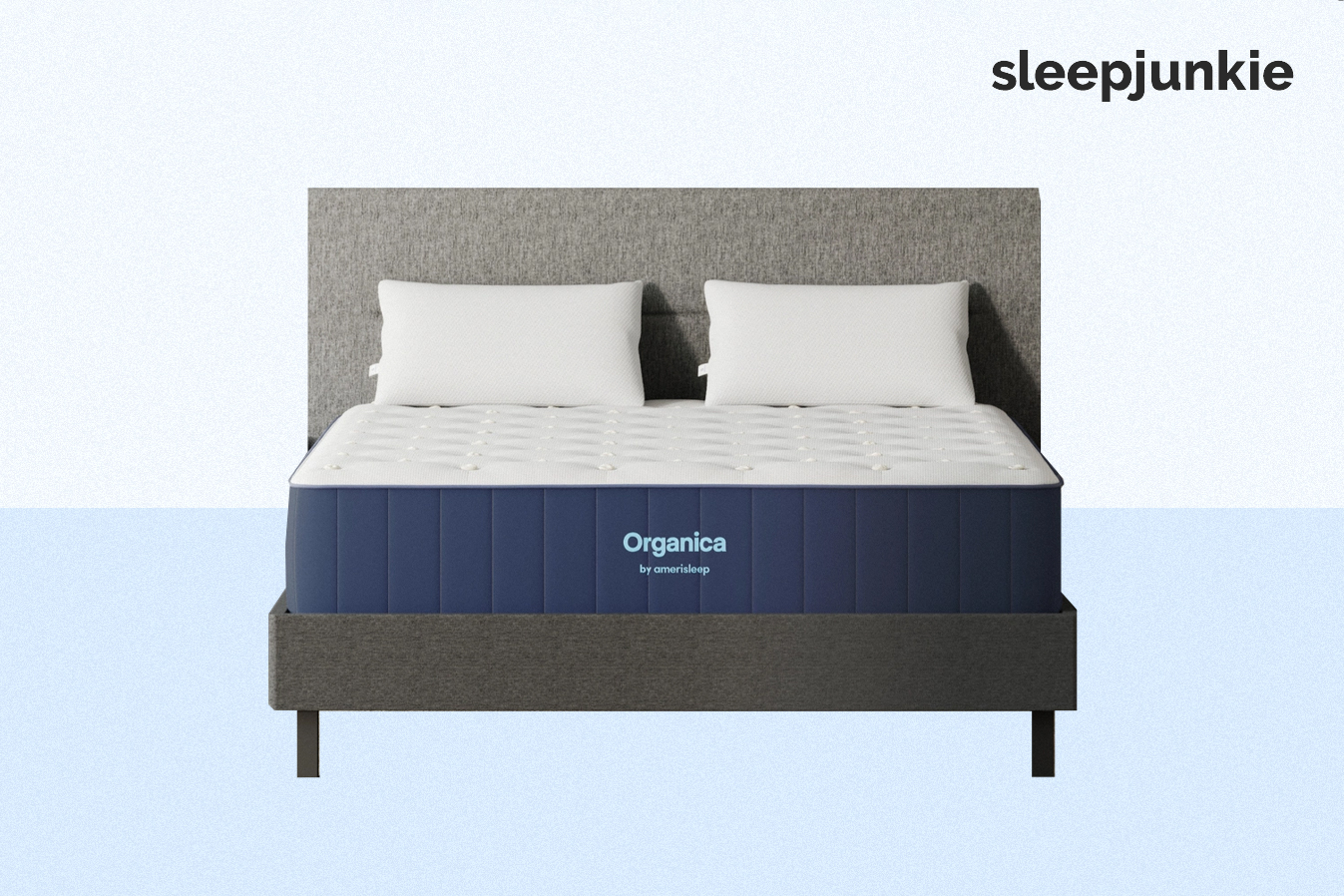
8. Amerisleep Organica

8. Amerisleep Organica
  • Price Range: See Price
  • Mattress Type: Latex Hybrid
  • Thickness: 12 Inches
  • Firmness: 6 out of 10 (Medium)
  • Available In: Twin, Twin XL, Full, Queen, King, California King, Split King

Warranty

20 Years

Sleep Trial

100 Nights

Shipping

Free

Mattress Highlights
  • Natural latex offers excellent bounce and pressure relief.
  • Organic cotton cover adds breathability and moisture-wicking properties.
  • Durable and long-lasting with flexible support for adjustable bases.
Recommended For
  • Eco-conscious shoppers who want a natural, latex mattress for an adjustable base.
  • Sleepers seeking responsiveness and breathability.
  • Shoppers who want natural latex and wool rather than synthetic foam.

Watch Our Amerisleep Organica Mattress Video Review

After several hours on the Organica the surface still felt dry rather than clammy, which is the wool layer doing its job, and rolling over the latex underneath was back to level before I had finished moving. Latex recovers faster than memory foam and the difference is more obvious at an incline than it is flat, because a slow surface makes you push against a dent to get going.

The Organica Medium is a 12 inch latex hybrid: an organic cotton cover over 1 inch of organic wool, 2 inches of soft Talalay latex over 1 inch of medium Talalay, and an 8 inch pocketed coil unit with reinforced perimeter coils wrapped in a wool border. It scored 10 out of 10 for response time, and through the full head and foot travel the feel stayed consistent rather than firming up as the frame bent.

Two limitations. Edge support scored 8 out of 10, tied for the lowest in this guide, and the perimeter gave when I sat on the raised side. And latex has real bounce, which some sleepers want and others do not; if you prefer to sink in rather than sit on top, this is the wrong construction.

The Organica is the pick for combination sleepers who reposition often, want natural latex and wool rather than synthetic foam, and are not relying on the edge to get in and out of a raised bed.

9.0 Overall Score
  • 9 Value
  • 8 Edge Support
  • 9 Trial Period
  • 10 Response Time
  • 9 Motion Transfer
  • 9 Cooling & Breathability

The Organica is the only latex bed in this guide and it scored 10 out of 10 for response time. Latex over a wrapped coil unit is one of the better structures for a frame that bends.

Latex Snapped Back At An Incline

Latex recovers faster than memory foam and it showed with the head raised. Rolling over, the surface was back to level before I had finished moving, with none of the drag that slower foams produce at an angle. Combination sleepers who reposition several times a night notice this more on a base than they would flat.

It Bent Without Changing Feel

Through the head and foot travel, the comfort layers kept the same feel at every angle. Some builds firm up noticeably as the frame flexes; this one did not, so the surface I fell asleep on was the surface I woke up on.

The Perimeter Is The Weak Point

Edge support scored 8 out of 10, tied for the lowest here. Sitting on the side, the edge gave more than the strongest coil picks in this guide, so if you sit on the perimeter to get in and out of a raised bed, it is worth knowing.

Best For:

  • Combination sleepers who reposition often and want a responsive surface
  • Sleepers who want natural latex and wool rather than synthetic foam
  • Back sleepers who want a medium feel with real bounce

Compare Instead:

  • Amerisleep AS3 if you want stronger motion isolation for a shared bed
  • Nolah Evolution if you want more than one firmness option in a coil build

The Organica feels buoyant rather than contouring. Latex holds you up more than it wraps around you, and that is either exactly what you want or exactly what you do not.

On my back the medium Talalay layer kept my hips level and the wool above it softened the surface without adding sink.

On my side there was enough give at the shoulder to keep my spine straight, though a lighter side sleeper who wants to disappear into a bed will find this one holds them nearer the surface.

Through the head and foot travel the feel stayed the same at every angle, where some builds firm up noticeably as the frame bends. After several hours the surface still felt dry rather than clammy, which is the wool layer working.

Sitting on the perimeter to get up, the edge gave more than the strongest coil picks in this guide.

This is the surface for a combination sleeper who repositions often and wants natural materials with real bounce, rather than for someone who sits on the edge to get in and out of a raised bed.

The Organica Medium is 12 inches. Under the organic cotton cover sits 1 inch of organic wool, which is the layer that carries moisture away and is also the reason there is no chemical flame barrier in the build. Below it, 2 inches of soft Talalay latex over 1 inch of medium Talalay do the contouring, and latex is why the surface came back to level before I had finished rolling over rather than holding the shape of where I had been. The 8 inch pocketed coil unit underneath is what keeps the bed responsive and lets it bend with the frame; its perimeter coils are reinforced and wrapped in a wool border, though the edge still gave more here than on the strongest coil picks in this guide. The latex carries OEKO-TEX Standard 100, Rainforest Alliance and eco-INSTITUT certification, and the wool is OEKO-TEX and GOTS certified.

Pros

  • Response Time (10/10): the latex was back to level before I had finished rolling over, with none of the drag slower foams produce at an angle.
  • The feel stayed consistent through the full head and foot travel rather than firming up as the frame bent.
  • The latex is OEKO-TEX Standard 100, Rainforest Alliance and eco-INSTITUT certified, and the wool is OEKO-TEX Standard 100 and GOTS certified.

Cons

  • Edge Support (8/10): ties for the lowest edge score in this guide, and the perimeter gave when I sat on the raised side.
  • Motion Transfer (9/10): a partner’s movement carried further than on the strongest motion performers here.
  • Available in one firmness at this height.
  • Latex adds real weight, so this is not a mattress one person moves alone.

Amerisleep Organica

Rolling over on the Organica, the latex was back to level before I had finished moving, with none of the drag slower foams produce at an angle. Through the head and foot travel the feel stayed consistent rather than firming up as the frame bent. The perimeter gave more than the strongest coil picks here, so this is the pick for combination sleepers who reposition often and want natural materials, rather than for anyone who sits on the edge to get in and out.

Kristina Hindes
9. Brooklyn Aurora Luxe Hybrid
  • Price Range: See Price
  • Mattress Type: Hybrid
  • Thickness: 13.25 Inches
  • Firmness: 4, 6, or 7 out of 10 (Soft, Medium, or Firm)
  • Available In: Twin, Twin XL, Full, Queen, King, Cal. King, Split King, Split CA King, Short Queen, RV King, RV Bunk

Warranty

Lifetime

Sleep Trial

120 Nights

Shipping

Free

Mattress Highlights
  • Phase-change cover that felt cool on first contact, scoring 10 out of 10 for cooling.
  • Hybrid design with strong coil support and pressure relief foam layers.
  • Adapts well to different angles of adjustable beds.
Recommended For
  • Hot sleepers needing a cooling mattress compatible with adjustable beds.
  • Combination sleepers looking for both support and comfort.
  • Those who want a luxury hybrid mattress with temperature regulation.

Watch Our Brooklyn Aurora Luxe Hybrid Video Review

The Aurora Luxe was cool to the touch the moment I lay down. That first-contact sensation comes from the phase-change material in the TitanCool cover, and it is strongest in the first minutes and then moderates, which is worth setting expectations on. What lasted was the comparison: through the first hours the surface did not warm up as quickly as the all-foam models I tested in the same session, including around the shoulders with the head raised, where heat usually collects first on an angled bed.

The Aurora Luxe is a 13.25 inch hybrid built from a TitanCool cover, CopperFlex foam, a TitanFlex responsive layer, an Ascension X pocketed coil unit and a high-density base. It scored 10 out of 10 for cooling and breathability, one of three picks here to reach that mark, and it comes in soft, medium and firm.

The limitation is flex. This is a firm-feeling coil build and it does not conform to an articulating frame as readily as the foam picks here. If cooling is what you are choosing on, it is among the strongest answers on this page. If how freely the bed bends is what you are choosing on, the Amerisleep AS3 carries the same 10 out of 10 cooling score in a build that follows the frame more closely, and it is worth testing the fit during the trial either way.

The Aurora Luxe is the pick for hot sleepers who want to choose their own firmness rather than accept one.

9.0 Overall Score
  • 9 Value
  • 8 Edge Support
  • 9 Trial Period
  • 9 Response Time
  • 9 Motion Transfer
  • 10 Cooling & Breathability

The Aurora Luxe scored 10 out of 10 for cooling and breathability, and it is one of four beds in this guide sold in more than one firmness.

Cool On Contact, And It Held

The TitanCool cover felt cool to the touch the moment I lay down, and it did not warm up as quickly as the all-foam models I compared through the first hours. With the head raised, the area around my shoulders is usually where heat collects first; here it did not build the way it did on the denser foam beds in the same session.

Three Firmness Options Change The Answer

I tested the medium. The soft and firm options are genuinely different beds, and on a base the softer build flexes more willingly than the firmer one does.

Flex Is Where It Is Weakest, And It Is Worth Saying

This is a firm-feeling coil build, and it does not conform to an articulating frame as readily as the all-foam and latex picks here. If you are choosing on cooling, it is among the strongest surfaces in this guide. If you are choosing on how freely the bed bends, look at the foam picks first.

Best For:

  • Hot sleepers who want a cover that felt cool on first contact
  • Sleepers who want to choose between soft, medium and firm in one build
  • Combination sleepers who want coil bounce rather than foam contour

Compare Instead:

  • Amerisleep AS3 if you want a matching 10 out of 10 cooling score in a build that flexes more freely
  • Nest Bedding Sparrow if you want stronger edge support and a longer trial

The Aurora Luxe is cool to the touch the second you get onto it. That first-contact sensation is the strongest of anything in this guide, and it moderates after the first few minutes rather than disappearing.

On my back the CopperFlex layer contoured at my lumbar curve while the coil unit held my hips level, with none of the sunk-in feel of traditional memory foam.

On my side the medium build gave at my shoulder and stopped at my hip. The soft option would suit a dedicated side sleeper better; the firm is aimed at back and stomach.

Through the first hours the surface did not warm up as quickly as the all-foam models I tested in the same session, including around the shoulders with the head raised, which is where heat collects first on an angled bed.

On the base it is the firmest-feeling bed here and it does not fold as willingly as the foam picks. It moves, but you can feel it resisting.

This is the surface for a hot sleeper who wants to pick their own firmness and does not need the bed to be the most flexible one on this list.

The Aurora Luxe is 13.25 inches. The TitanCool cover is infused with a phase-change material, and it is the reason the surface felt cool the moment I lay down rather than after an adjustment period. Below it, CopperFlex foam contours without the sunk-in feel of traditional memory foam, and it recovers quickly enough that rolling over at an incline did not leave a dent. A TitanFlex layer underneath adds the responsiveness that keeps this bed from feeling slow for a soft-side build. The Ascension X pocketed coil unit is the support core; individually wrapped coils bend with a frame rather than as a single unit, and the zoning is what held my lower back while the shoulder area gave. A high-density base foam keeps the stack from deforming where the frame hinges.

Pros

  • Cooling and Breathability (10/10): cool to the touch on first contact and slower to warm than the all-foam models I compared through the first hours.
  • Three firmness options, so the surface can be matched to a sleeping position rather than compromised on.
  • The Ascension X coils are individually wrapped, so they bend with the frame rather than as a single unit.
  • Backed by a limited lifetime warranty and a 120 night trial.

Cons

  • Edge Support (8/10): ties for the lowest edge score in this guide.
  • A firm-feeling coil build that does not conform to an articulating frame as readily as the foam picks here, so check the fit during the trial if flex is your first priority.
  • At 13.25 inches it already needs deep-pocket sheets, and the optional pillow top adds further height.

Brooklyn Bedding Aurora Luxe

The Aurora Luxe felt cool to the touch the moment I lay down and did not warm up as quickly as the all-foam models I compared through the first hours, including around the shoulders with the head raised. It is a firm-feeling coil build that does not conform to an articulating frame as readily as the foam picks here. This is the pick for hot sleepers who want a cool-to-the-touch surface and want to choose between soft, medium and firm.

Kristina Hindes
10. Amerisleep AS5 Hybrid
  • Price Range: See Price
  • Mattress Type: Hybrid
  • Thickness: 14 Inches
  • Firmness: 3 out of 10 (Soft)
  • Available In: Twin, Twin XL, Full, Queen, King, California King, Split

Warranty

20 Years

Sleep Trial

100 Nights

Shipping

Free

Mattress Highlights
  • Plush Bio-Pur® memory foam for cloud-like softness
  • Hybrid design for enhanced support and adaptability
  • Scored 10 out of 10 for cooling and breathability
Recommended For
  • Sleepers who love an ultra-plush feel with their adjustable bed.
  • Side sleepers needing maximum cushioning and pressure relief.
  • Those who want a responsive mattress that can conform to adjustable settings.

Watch Our AS5 Hybrid Video Review

On my side, my shoulder sank through the Bio-Pur layer further than on any other bed in this guide, and the coil unit underneath stopped my hip from following it down. That is the whole argument for this mattress: at 3 out of 10 it is the softest single-firmness build here, and it still held me level rather than folding me at the waist.

The AS5 Hybrid is a 14 inch build in five layers: a Refresh cooling cover, a thick Bio-Pur comfort layer, an Active Flex transition layer, a pocketed coil unit with double-density perimeter coils and a base foam. It scored 10 out of 10 for cooling and breathability, which is unusual for a bed this soft, and with the head raised the surface around my upper body did not warm as quickly as the denser foam beds I compared.

Two things it costs you. Response time scored 8 out of 10, tied for the slowest surface here, and changing position at an incline took a beat longer than it did on the coil-forward picks. And it is genuinely soft: on my stomach my hips dropped below my shoulders. It carries the lowest overall score on this page while still winning its category, and that is the honest picture.

The AS5 Hybrid is the pick for side sleepers and lighter sleepers who want deep cushioning and have not found a soft bed that also held them level.

8.8 Overall Score
  • 8 Value
  • 9 Edge Support
  • 9 Trial Period
  • 8 Response Time
  • 9 Motion Transfer
  • 10 Cooling & Breathability

At 3 out of 10 the AS5 Hybrid is the softest single-firmness build in this guide, and it scored 10 out of 10 for cooling and breathability.

The Shoulder Went In Without The Hip Following

On my side, my shoulder sank through the Bio-Pur layer far further than it did on any other bed here, but the coil unit underneath stopped my hip from following it down. My spine stayed straight rather than folding at the waist. For a side sleeper who has never found a soft bed that also held them level, that combination is the whole argument for this mattress.

Cool Under A Raised Head

Cooling scored 10 out of 10. Propped up, the surface around my upper body did not warm as quickly as the denser foam beds I compared, which is where soft foam usually gives ground.

The Slow Recovery Is Real

Response time scored 8 out of 10, tied for the slowest here. Changing position at an incline took a beat longer than it did on the coil-forward picks, and on a soft surface that is more noticeable than it would be on a firmer one. It is the reason this bed carries the lowest overall score on the page while still winning its category.

Best For:

  • Side sleepers who want deep shoulder and hip cushioning
  • Lighter sleepers who do not sink far enough into a medium build
  • Hot sleepers who want a plush surface without the heat that usually comes with it

Compare Instead:

  • Amerisleep AS3 if the 3 out of 10 feel is softer than you actually want
  • Saatva Classic if you want a soft option with a longer trial and a lifetime warranty

The AS5 Hybrid is soft in a way none of the other picks here are. You settle in rather than onto it, and the first thing to check is whether it holds you level once you have.

On my side my shoulder sank through the Bio-Pur layer further than on any other bed in this guide, and the coil unit stopped my hip from following it. My spine stayed straight rather than folding at my waist, which is the whole point of a soft hybrid rather than a soft all-foam bed.

On my back my hips settled deeper than they would on a medium build but stayed level with my shoulders.

On my stomach my hips dropped below my shoulders and I would not sleep a full night that way.

Getting up takes more effort than it does on a firmer surface, and repositioning at an incline took a beat longer than it did on the coil-forward picks here.

This is the surface for a side sleeper or a lighter sleeper who wants deep cushioning, and not for a stomach sleeper at all.

The AS5 Hybrid is 14 inches in five layers. The Refresh cooling cover sits over Bio-Pur memory foam, and that comfort layer is thicker here than on any other Amerisleep build, which is exactly why my shoulder sank as deep as it did on my side. Under it, Active Flex is the layer that stops a soft bed from feeling like a hole: it pushes back quickly enough that I could still change position, though this is the slowest-recovering surface in this guide. The pocketed coil unit underneath is what kept my hips from following my shoulder down, and its double-density perimeter coils are why the edge held better than the softness would suggest. A base foam layer finishes the stack and keeps it level through repeated articulation.

Pros

  • Cooling and Breathability (10/10): with the head raised, the surface around my upper body did not warm as quickly as the denser foam beds I compared.
  • At 3 out of 10 it is the softest single-firmness build in this guide, and the coil unit stopped my hip from following my shoulder down.
  • Double-density perimeter coils held the edge better than the softness would suggest.

Cons

  • Response Time (8/10): ties for the slowest surface recovery in this guide, and changing position at an incline took a beat longer.
  • Carries the lowest overall score on this page.
  • Too soft for stomach sleeping. On my front my hips dropped below my shoulders.
  • Available in one firmness only.

Amerisleep AS5 Hybrid

On my side, my shoulder sank through the Bio-Pur layer further than on any other bed here while the coil unit stopped my hip from following it down, so my spine stayed straight rather than folding at the waist. Changing position at an incline took a beat longer than on the coil-forward picks. This is the pick for side sleepers and lighter sleepers who want deep cushioning and have not found a soft bed that also held them level.

Kristina Hindes

Best Value Memory Foam:

11. Zoma Start

11. Zoma Start
  • Price Range: See Price
  • Mattress Type: Memory Foam
  • Thickness: 10 Inches
  • Firmness: 6 out of 10 (Medium)
  • Available In: Twin, Twin XL, Full, Queen, King, California King, Split King

Warranty

10 Years

Sleep Trial

100 Nights

Shipping

Free

Mattress Highlights
  • Tri-layered foam construction for optimal support and comfort.
  • Excellent motion isolation for couples.
  • Reactive foam layer adjusts well to different bed positions.
Recommended For
  • Memory foam lovers who need an affordable option for their adjustable bed.
  • Side and back sleepers wanting medium firmness with pressure relief.
  • People who prefer an all-foam mattress that moves fluidly with an adjustable base.

Watch Our Zoma Start Video Review

Through the full head and foot travel the Zoma Start followed the frame more closely than anything else in this guide, with no resistance at the hinge and no gap opening underneath. Profile height is the single mechanical variable that decides how readily a mattress articulates, and at 10 inches this is the thinnest bed on the page.

The Start is all foam, not a hybrid. One inch of gel memory foam with Triangulex zoning sits over 1 inch of Reactiv responsive foam and an 8 inch Support Plus base. The zoning is cut wider and softer at the shoulders and hips and tighter through the middle, so on my side my shoulder dropped while my waist stayed level. It scored 10 out of 10 for both value and edge support, and the edge score is unusual for a bed with no coil unit at all.

The tradeoffs are height in both directions. Response time scored 8 out of 10, tied for the slowest here. And once a base and a frame are underneath it, a 10 inch mattress makes for a low finished bed, which is a real drawback if you need height to stand up from rather than to lie down on.

The Start is the pick for back and side sleepers on an older or lighter-duty adjustable base, where a taller bed asks more of the frame than it can give.

9.2 Overall Score
  • 10 Value
  • 10 Edge Support
  • 9 Trial Period
  • 8 Response Time
  • 9 Motion Transfer
  • 9 Cooling & Breathability

At 10 inches the Zoma Start is the thinnest bed in this guide, and on an adjustable base that is an advantage rather than a compromise. It scored 10 out of 10 for both value and edge support.

The Thinnest Profile Bent The Most Easily

Thickness is the single mechanical variable that decides how readily a mattress articulates, and this is the lowest profile on the page. Through the full head and foot travel it followed the frame closely, with no resistance at the hinge and no gap underneath. Anyone with an older or lighter-duty base, which has less force available to bend a tall bed, gets the most out of a build like this.

Edge Held For An All-Foam Bed

Edge support scored 10 out of 10, which is unusual for a bed with no coil unit. Sitting on the perimeter with the head raised, the side compressed and then stopped rather than collapsing under me.

Zoned Foam Under The Shoulders

The Triangulex layer is cut with softer zones at the shoulders and hips and a firmer band through the middle. On my side I felt the shoulder drop while my waist stayed supported.

Best For:

  • Sleepers on an older or lighter-duty adjustable base
  • Back and side sleepers who want a medium memory foam feel
  • Anyone who wants a low bed height once the base and frame are added underneath

Compare Instead:

  • Amerisleep AS3 if you want a thicker all-foam build with stronger motion and cooling scores
  • Vaya Hybrid if you want a coil core and a 10 out of 10 response time

The Start reads medium on contact with a shallow layer of give and then a firm base very close underneath, which is what 10 inches of foam feels like.

On my side the Triangulex zoning gave under my shoulder while the tighter cutouts through the middle kept my waist supported, and my spine stayed straight.

On my back the Support Plus base held my hips level. There is less material between you and that base than on any other bed in this guide, so the support arrives quickly.

Through the head and foot travel it followed the frame more closely than anything else here, with no resistance at the hinge.

Two things to know. The surface recovers a beat slower than the coil-forward picks, so combination sleepers who reposition constantly will notice it. And the finished bed sits low once a base and frame are underneath.

This is the surface for a back or side sleeper on an older or lighter-duty base, who wants a medium memory foam feel and does not need height to stand up from.

The Start is 10 inches of foam with no coil unit, and at that height it is the thinnest bed in this guide. The top inch is gel memory foam cut with Triangulex zoning, hexagonal cutouts that are wider and softer under the shoulders and hips and tighter through the middle; on my side that is what let my shoulder drop while my waist stayed level. Below it, 1 inch of Reactiv is the responsiveness layer, and it is the reason a bed this soft on top does not feel slow to move on. The 8 inch Support Plus base carries the structure, and because it is foam rather than steel it follows the frame closely through the full head and foot travel rather than fighting it.

Pros

  • Value (10/10) and Edge Support (10/10), the latter unusual for a build with no coil unit.
  • At 10 inches it is the thinnest bed in this guide and followed the frame most closely through the full head and foot travel.
  • Triangulex zoning let my shoulder drop on my side while my waist stayed supported.

Cons

  • Response Time (8/10): ties for the slowest surface recovery in this guide.
  • At 10 inches the finished bed sits low once the base and frame are added, which is a drawback if you need height to stand up from.
  • Available in one firmness only.

Zoma Start

Through the full head and foot travel the Start followed the frame closely, with no resistance at the hinge and no gap opening underneath, which is what a 10 inch profile buys you on an adjustable base. Sitting on the perimeter, the edge compressed and then stopped rather than collapsing. This is the pick for back and side sleepers on an older or lighter-duty base, where a taller bed asks more of the frame than it can give.

Kristina Hindes


Best Mattress for Couples:

12. Nest Bedding Sparrow

12. Nest Bedding Sparrow
  • Price Range: See Price
  • Mattress Type: Hybrid
  • Thickness: 13 Inches
  • Firmness: 3, 5, or 8 out of 10 (Plush, Medium, Firm)
  • Available In: Twin, Twin XL, Full, Queen, King, Cal. King. Split firmness available in King and Cal. King.

Warranty

Lifetime

Sleep Trial

365 Nights

Shipping

Free

Mattress Highlights
  • Hybrid design with individually wrapped coils for better movement with adjustable bases.
  • Split firmness in king and Cal. king, so each side can be built to a different feel.
  • Phase-change cooling cover for temperature regulation.
Recommended For
  • Couples who want motion isolation and dual firmness options.
  • Sleepers looking for a durable hybrid mattress compatible with adjustable beds.
  • Those seeking long-term comfort and support.

Watch Our Nest Bedding Sparrow Video Review

Testing the medium and firm halves of the Sparrow side by side, the difference was obvious rather than marginal, and that is the point of this bed. Nest builds the comfort layer around a swappable Energex insert reached through a zip cover, so each half of a king or California king can be built to a different feel. On a split base, where the two halves already move independently, it is the last variable left to personalise.

The Sparrow is a 13 inch hybrid: a quilted gel foam cover over the Energex layer, a SmartFlow airflow layer, a zoned pocketed coil unit and a high-density base. It scored 10 out of 10 for edge support, motion transfer and trial period, and with my partner adjusting their own side of the base I felt very little of it.

The limitation is the size restriction. Split firmness is available in king and California king only, so a couple in a queen cannot use the feature this bed is best known for, and at that point most of the case for choosing it goes with it.

The Sparrow is the pick for couples in a king or California king who have spent years compromising on firmness and want each side built to a different feel.

9.3 Overall Score
  • 8 Value
  • 10 Edge Support
  • 10 Trial Period
  • 9 Response Time
  • 10 Motion Transfer
  • 9 Cooling & Breathability

The Sparrow is the only bed in this guide offering split firmness, where each half of a king or California king can be built to a different feel. On a split base, where the two halves already move independently, that is the last variable left to personalise.

Two Different Beds Under One Cover

Nest builds the comfort layer around a swappable Energex insert, so one side can run plush while the other runs firm. Testing the medium and firm side by side, the difference was obvious rather than marginal. For couples who have been compromising on firmness for years, this is the feature that actually solves it, and it is available in king and California king only.

Motion Between The Halves

Motion transfer scored 10 out of 10. With my partner adjusting their own side of the base, I felt very little of it.

Edge Held Through The Articulation

Edge support scored 10 out of 10. Sitting on the perimeter with the head raised, the coil encasement held its shape and the usable width did not shrink.

Best For:

  • Couples in a king or California king who want different firmness on each side
  • Sleepers who want a long trial and a lifetime warranty
  • Anyone who sits on the edge of a raised bed to get in and out

Compare Instead:

  • Amerisleep AS3 if you want a build that flexes more freely and a stronger value score
  • Zoma Boost if you want a higher value score and a split king configuration

The Sparrow feels different depending on which half you are on, and that is deliberate. I set one side to medium and the other to firm and the gap between them was obvious rather than marginal.

On the medium side my shoulder and hip sank in while the zoned coils held my waist, and on my back my hips stayed level with my shoulders. The firm side held me nearer the surface throughout and suited back and stomach sleeping better.

Through the articulation the quilted gel foam cover stayed smooth and the coil unit followed the frame rather than resisting it. With my partner adjusting their own half of the base, very little of it reached me.

Sitting on the raised perimeter to get up, the coil encasement held its shape and the usable width did not shrink.

Swapping the comfort insert is something you do yourself through a zip cover, which is straightforward but not instant.

This is the surface for a couple in a king or California king who want different firmness on each side, and who use a split base where each half moves on its own.

The Sparrow is 13 inches. The quilted gel foam cover gives the surface its initial cushioning and draws heat off the top layer. Under it sits the Energex layer, and this is the one that makes the bed unusual: it is swappable, so each half of a king or California king can be built plush, medium or firm. Energex also recovers faster than traditional memory foam, which is why changing position at an incline was straightforward. A SmartFlow layer beneath it keeps air moving between the foam and the coils. The zoned pocketed coil unit is the support core, wrapped so a partner’s movement stays on their own side, and its foam encasement is what held the perimeter firm when I sat on a raised bed. A high-density base foam finishes the stack.

Pros

  • Edge Support (10/10), Motion Transfer (10/10) and Trial Period (10/10).
  • Split firmness, so each half of a king or California king can be built to a different feel. No other bed in this guide offers it.
  • Lifetime warranty with a lifetime renewal exchange on the comfort layer.

Cons

  • Split firmness is available in king and California king only, so couples in a queen cannot use the feature this bed is best known for.
  • Value (8/10): sits below the top value scores in this guide.
  • At 13 inches with a quilted top it needs deep-pocket sheets.

Nest Bedding Sparrow

Testing the medium and firm halves of the Sparrow side by side, the difference was obvious rather than marginal, and with my partner adjusting their own side of the base I felt very little of it. Sitting on the raised perimeter, the coil encasement held its shape and the usable width did not shrink. This is the pick for couples in a king or California king who have spent years compromising on firmness and want each side built to a different feel.

Kristina Hindes

What Is an Adjustable Bed?

An adjustable base lifts the head and foot of the bed independently, so you can set a shape to read in, watch television in, or sleep in. Raising the head opens the airway; lifting the legs shifts load off the lower back. A remote controls the movement, most bases store one or two positions you can return to with a single button, and a flat button drops the whole thing back down so you can get out easily.

Most bases have an auto power-down that returns the frame to flat in a power cut. Some carry Wallhugger technology, which lifts the sleeper up and back so they stay within reach of a nightstand instead of sliding away from it. Queen and king adjustable beds ship in two halves because of the weight, joined by a sync cable so both sides move together, or left unsynced so each sleeper can set their own angle. Higher-end models add massage motors, under-bed lighting and USB ports.

How to Find the Best Mattress for an Adjustable Bed

A box spring used to be the only foundation question worth asking. Now the mattress has to do something a static frame never asks of it: bend, repeatedly, and go back to flat without losing its shape. Whatever type you choose, check the manufacturer’s own guidance on adjustable base compatibility before you buy, because the warranty usually depends on it.

Mattress Types

Memory foam. All-foam beds flex most freely because there is no steel unit inside that has to deform for the mattress to bend. Foam follows the frame closely and returns to flat without a gap opening at the hinge, which is why two of the top picks in this guide are all-foam builds.

Latex. Latex flexes well and recovers faster than memory foam, which matters more at an incline than it does flat, because a slow surface makes you push against a dent to change position. Latex is a denser material than polyfoam, so latex beds tend to be heavier for the same height.

Hybrid. A hybrid pairs a foam comfort layer with a pocketed coil core. Because the coils are individually wrapped rather than laced together, they bend with the frame instead of as one sheet, and most of the mattresses in this guide are built this way. Hybrids also breathe better than solid foam, since air moves through the coil layer.

Innerspring. Traditional innersprings built on a connected coil unit are the stiffest construction and the least suited to a moving frame. Some brands now build innersprings specifically for adjustable bases, using wrapped coils and reinforced perimeters, and those do work. The Saatva Classic in this guide is one of them. It bends less freely than the foam and latex picks here and it needs a base rated for its weight, but if the innerspring feel is what you want, it is the version to buy. Check the warranty terms on any spring mattress before pairing it with a base.

Air bed. Multi-chamber air beds can work on a base. Single-chamber models cannot, because one sealed chamber is too rigid to bend and the air simply displaces to whichever end is lowest.

What to Look For

Flexibility. The mattress needs to lie flush against the base at every angle, with no gap opening underneath when the head or foot is raised. A bed that bridges over a gap is not being supported along its length, and that is what shortens its life.

Profile height. Thinner beds articulate more easily, and the taller the build the more force the base needs to bend it. Most mattresses sold for adjustable bases run between 10 and 15 inches. Below about 10 inches you start giving up support; above about 15 inches you are asking a lot of the frame, and the picks in this guide at that height are all wrapped-coil or foam builds designed for it. If your base is older or lighter-duty, stay at the lower end of that range.

Durability. Repeated flexing is work, and a mattress paired with an adjustable base will generally show wear sooner than the same mattress lying flat. Higher-density foams and wrapped coil units hold up better. Certifications such as CertiPUR-US and GREENGUARD Gold indicate the foams have been tested to a third-party standard for emissions.

Support. Support comes from the mattress sitting flush against a solid surface. If it is doing that at every angle, it is distributing your weight the way it was designed to.

Keep Your Sleep Position in Mind

Side sleepers. Side sleeping is the most common position. A good mattress for side sleepers cushions the shoulder and hip while keeping the spine straight through the waist. A pillow between the knees helps hold the hips square.

Back sleepers. The spine sits in a neutral position with the weight spread across a wide surface. Raising the head on a base is one of the reasons back sleepers move to adjustable frames.

Stomach sleepers. This position needs the firmest surface of the three, because the hips are the heaviest point and the ones most likely to drop. A pillow under the hips helps. Most of the softer picks in this guide are not suited to it.

Combination sleepers. If you change position several times a night, response time matters more than anything else, and it matters more at an incline than it does flat. Look for a surface that recovers quickly rather than one that holds the shape of where you were.

If back discomfort is part of why you are shopping, our guide to the best mattress for back pain covers that separately.

Pros and Cons of Adjustable Beds

Pros

Positioning. Setting the head and legs to a shape you choose, rather than the flat one a static frame gives you, is the whole appeal. Raising the head opens the airway and lifting the legs takes load off the lower back.

Control. The zero-gravity preset, which raises the head and legs above the hips, is the position most people end up using, and it is difficult to approximate with pillows.

Getting in and out. Raising the head to sit up, then dropping the frame flat to stand, makes a real difference for anyone with limited mobility. This is also why edge support matters more on an adjustable base than it does on a platform bed.

Features. Higher-end bases add massage motors, under-bed lighting, USB charging and app control.

Cons

Faster wear. A mattress that bends repeatedly will generally not last as long as the same mattress lying flat, even one built for the job. This is a real cost and worth factoring into the warranty you choose.

Price. A queen adjustable base typically runs between $800 and $1,800 depending on features. Warranties on these frames usually cover the structure for far longer than the motor and electronics, so read the two terms separately.

Noise. Every adjustable base has a motor and every motor makes some noise when the frame moves. Modern ones are much quieter than older models but they are not silent.

Weight. Some bases approach 300 pounds. If you move often, that is a genuine consideration.

Frequently Asked Questions

What is the best mattress for an adjustable bed?

The Amerisleep AS3 was my top pick across the 50+ mattresses I tested for this guide. It is the only bed here scoring 10 out of 10 for both motion transfer and cooling, and as an all-foam build with no coil unit it followed the head and foot travel without gapping at the hinge. Side sleepers who want more cushioning should look at the AS5 Hybrid instead.

What type of mattress is best for adjustable beds?

All-foam and latex beds flex most freely, and wrapped-coil hybrids flex well because the coils bend individually rather than as one sheet. Traditional innersprings built on a connected coil unit are the least suited. Some brands now build innersprings specifically for adjustable bases, and those work, but check the manufacturer’s compatibility terms before buying any spring mattress for one.

Do you need a special mattress for an adjustable bed?

No, but the two meanings of “adjustable” get confused. An adjustable base is a frame with motors that raise the head and foot. An adjustable mattress is one with swappable comfort layers you can reconfigure. They are unrelated. What you need for a base is a mattress flexible enough to bend with it, not one sold under the word adjustable.

How thick should a mattress be for an adjustable bed?

Between 10 and 15 inches covers almost every mattress built for these frames, and thinner beds within that range bend more easily. Below 10 inches you start giving up support. Above 15 inches the base has to work harder to bend the mattress, and an older or lighter-duty frame may struggle with it. Check your base’s stated weight rating either way.

Do adjustable bed frames ruin mattresses?

Not if the mattress is built to bend. A mattress that is not will show damage, usually as a permanent crease at the hinge line. Even a compatible mattress will generally wear faster on a base than it would lying flat, simply because repeated flexing is work. Choosing a longer warranty is a reasonable hedge.

Are adjustable beds worth it?

That depends on whether you will use the positions. If you read, watch television or work in bed, or if getting in and out of a flat bed is difficult, the answer is usually yes. If you get in, lie flat and sleep, a base adds cost and weight for a feature you will rarely reach for. Try the zero-gravity position on a showroom floor before deciding.

Conclusion

The mattress matters as much as the base. A frame that articulates beautifully cannot do much with a mattress that will not bend, and pairing the wrong one shortens the life of both. Across the 50+ mattresses I tested for this guide, the beds that performed best were the ones that stayed flush through the full range of movement, recovered quickly when I changed position at an incline, and held their edge when the head was raised.

If you want one recommendation, the Amerisleep AS3 is where I would start. If you are still deciding on the mattress itself rather than the pairing, our guide to the best mattress of 2026 is the broader starting point, and you can read how we test here.

As a dedicated mother of two, Kristina places a high value on holistic health and the well-being of her family. She understands the significance of maintaining hormonal balance and cherishes the essential role of sleep in optimizing overall health. In her leisure time, she indulges her love for the outdoors through hiking, fostering a deep connection with nature, and expresses her creativity through various forms of art. Her life is a vibrant canvas, adorned with wellness and inspiration.

Leave a Reply

Your email address will not be published. Required fields are marked *