I Tested 50+ Mattresses to Find the 6 Best Orthopedic Mattresses of 2026
Dr. Jennifer Miller, PT, DPT: Doctor of Physical Therapy
Dr. Jennifer Miller is a compassionate and skilled outpatient physical therapist with nine years of experience in the field. She earned her Doctor of Physical Therapy from Elon University and holds a Bachelor of Science in Health Science from Minnesota State University-Mankato. Dr. Miller specializes in Neurological, Geriatric, and Vestibular Physical Therapy and serves as […]

Top Recommendation of 2026: Amerisleep AS3 Hybrid
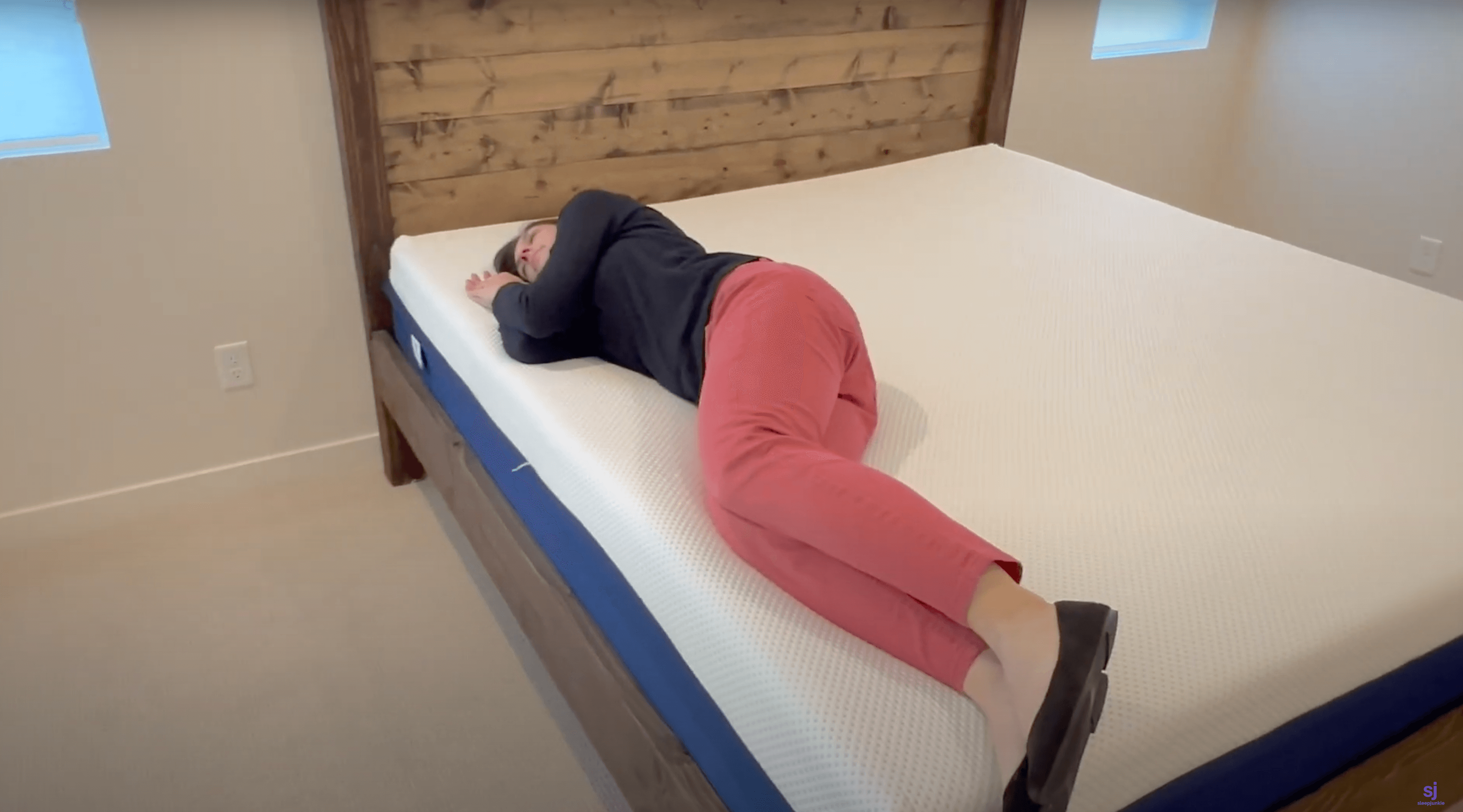
After testing 50+ mattresses for this guide, the Amerisleep AS3 Hybrid earned the top spot as the best orthopedic mattress of 2026 because it delivered the most balanced combination of support, pressure relief, and cooling across sleeping positions. During testing, my hips and shoulders settled into the Bio-Pur comfort layer without the deep sinkage I felt on softer all-foam beds, and my lower back stayed supported over the coil core when I lay on my back. When I switched to my side, the medium feel gave at the shoulder while keeping my spine level.
The AS3 Hybrid suits side sleepers who want cushioning without a stuck feeling, back sleepers who need steady lumbar support, and couples who share different firmness preferences and want a middle-ground feel. Its consistent support across positions and a surface that felt cooler to the touch than the denser foam beds I compared are what made it the strongest all-around orthopedic pick in this guide.

Every mattress featured on Sleep Junkie is evaluated using the same testing framework for support, pressure relief, cooling, motion isolation, edge support, responsiveness, and overall value. Learn How We Test Mattresses.
- Best Orthopedic Mattress Overall: Amerisleep AS3 Hybrid
- Best Orthopedic Purple Alternative: FORM Prime
- Best Orthopedic Hybrid Mattress: Zoma Boost
- Best Value Orthopedic Mattress: Vaya Hybrid
- Best Orthopedic Mattress in a Box: Leesa Sapira Chill
- Best Orthopedic Mattress for Active Sleepers: Zoma Hybrid
I tested 50+ mattresses for this guide to find the ones that held up best for orthopedic support: steady spinal alignment, pressure relief at the shoulders and hips, and support that stayed consistent across sleeping positions. An orthopedic mattress is built to keep the spine level and spread weight evenly rather than let the hips or shoulders drop out of line, and that is what I focused on in testing.
Not every mattress that carries the orthopedic label earns it. Some hold their support and alignment across body types and over time, and some do not. Below are the picks that performed best in my testing, with the sleeper each one fits and who should look at a different option instead.
My top pick comes from Amerisleep, one of the few mattress brands officially endorsed by the American Chiropractic Association (ACA), the largest professional chiropractic organization in the United States. The ACA grants its endorsement only after a multi-month review and testing process led by licensed doctors of chiropractic, which makes it a meaningful third-party signal on an orthopedic page like this one.
Best Orthopedic Mattress Overall
Amerisleep AS3 Hybrid


Warranty
20 Years

Sleep Trial
100 Nights

Shipping
Free
Watch Our Amerisleep AS3 Hybrid Video Review
During testing, the AS3 Hybrid held its support across positions rather than favoring one, which is what put it at the top of this guide. On my back, my hips settled into the Bio-Pur comfort layer while the coil core kept my lower back from bowing, so my spine stayed level. When I rolled to my side, the medium feel gave at my shoulder and hip without letting me sink in far enough to lose that alignment.
The surface felt cooler to the touch through the first hours than the denser all-foam beds I compared, so it did not build heat around my shoulders the way slower foam did. When my partner moved on the other side, the motion reached me only faintly, which matters for a lighter sleeper sharing the bed.
The medium feel keeps it flexible. Petite sleepers who want a little more support can size up a firmness, and back sleepers who find firmer beds harsh still get lumbar support without a hard surface. It is less suited to dedicated stomach sleepers, who need a flatter, firmer surface to keep the hips from dipping.
The AS3 Hybrid fits side and back sleepers who want cushioning with steady support, and couples splitting the difference on firmness. It comes with a 20-year limited warranty and a 100-night sleep trial.
The AS3 Hybrid is also one of Amerisleep’s officially ACA-endorsed models, a recognition the American Chiropractic Association grants only after hands-on review by licensed chiropractors.
- 9 Value
- 9 Edge Support
- 9 Trial Period
- 8 Response Time
- 8 Motion Transfer
- 10 Cooling & Breathability
The AS3 Hybrid ranked first because it held up across every position I tested it in, not just one. During testing, my hips and shoulders sank into the Bio-Pur comfort layer while the coil core kept my lower back from bowing, so my spine stayed level when I lay on my back. When my partner shifted on the other side, the movement reached me only faintly, so a lighter sleeper sharing the bed is less likely to wake. The surface also felt cooler to the touch through the first hours than the denser all-foam beds I compared, which helps a couple who shares body heat.
Best For:
- Side sleepers who want shoulder and hip cushioning without deep sinkage
- Back sleepers who need steady lumbar support
- Couples who split the difference on firmness preference
Compare Instead:
- Vaya Hybrid if you want the same medium feel at a lower price
- Zoma Boost if you want deeper contouring and a plusher top
- Leesa Sapira Chill if you want to choose a firmness (Plush, Medium-Firm, or Firm)
On the firmness scale the AS3 landed at a true medium for me, around a 5.5. Lying on my back, I settled into the top an inch or so before the coils caught me, so it felt cushioned but not slow, and I stayed on top of the bed rather than sinking into it. On my side, the comfort layer gave a little more at the shoulder and hip so the pressure spread out instead of concentrating at one point. Rolling from back to side, the surface kept up with me rather than holding the last impression, so I never had to wait for it to catch up. Overall it reads as a balanced medium, not a plush sink or a firm shelf.
The Bio-Pur comfort foam is what let my shoulders and hips settle in without the slow, stuck sinkage of traditional memory foam, so repositioning stayed easy. Its open structure is also why the surface felt cooler to the touch than the denser all-foam beds I compared. Underneath, the zoned coil core firmed up under my lower back and gave slightly under my shoulders, which is why my spine stayed level when I moved between my back and side. The individually wrapped coils are the reason my partner’s movement reached me only faintly, so a lighter sleeper sharing the bed is less likely to wake. Together the foam-over-coil build is what made the medium feel work across positions rather than favoring just one.
Pros:
- Cooling & Breathability (10/10): the surface felt cooler to the touch through the first hours than the denser all-foam beds I compared.
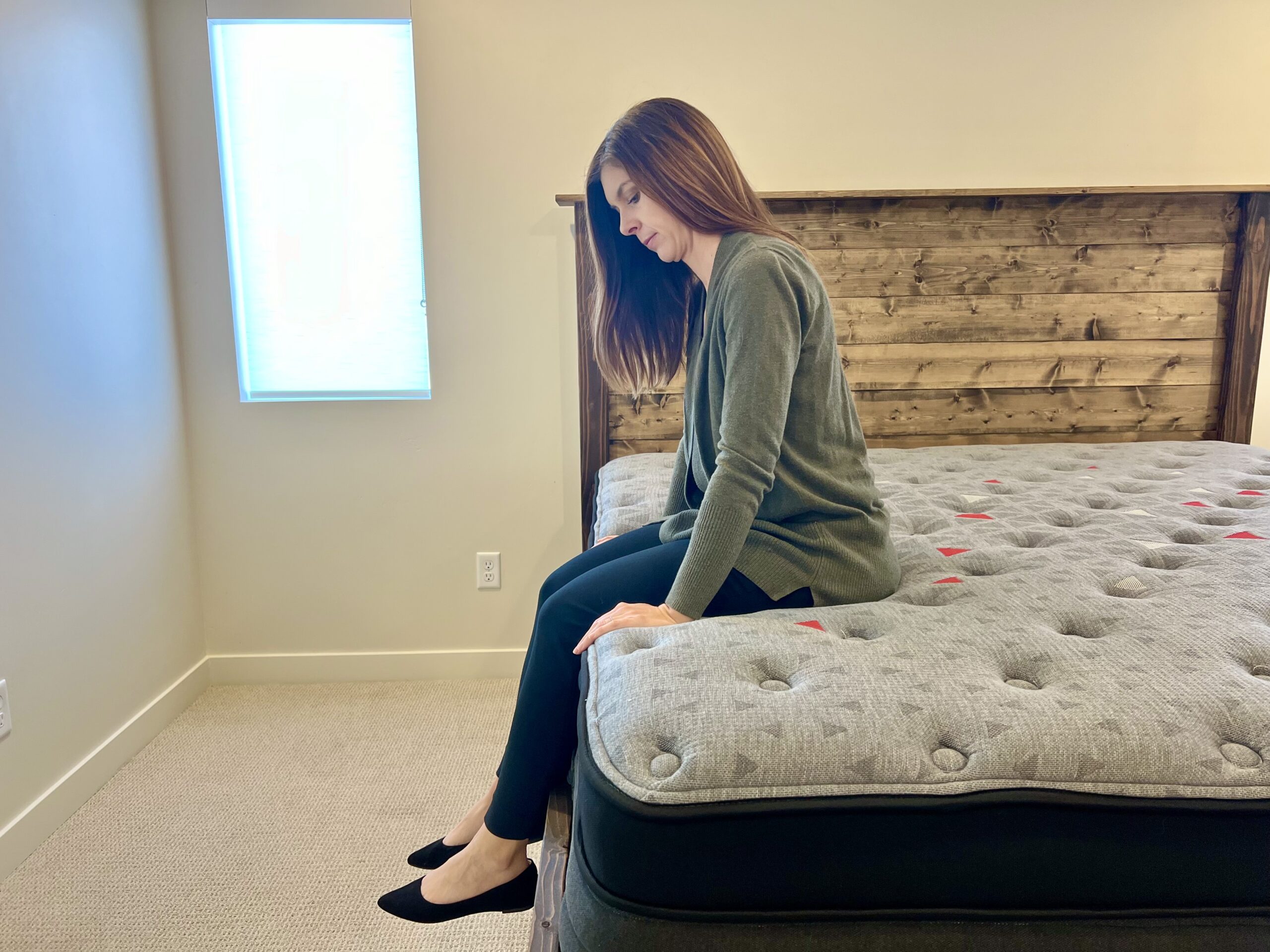
- Edge Support (9/10): the perimeter held firm when I sat on the side to put on my shoes.
- The medium feel worked across side, back, and combination positions in testing without favoring just one.
Cons:
- Motion Transfer (8/10): my partner’s movement registered a bit more than on the coil-heaviest hybrids here, so a very light sleeper sharing the bed may notice.
- Response Time (8/10): the Bio-Pur top recovers a beat slower than the bounciest picks here, so sleepers who want lively pushback may prefer a springier feel (see Compare Instead).
Why The Amerisleep AS3 Hybrid Won
Among the mattresses I tested for this guide, the AS3 Hybrid stood out for staying supportive across every position rather than favoring one. During testing, my spine stayed level whether I was on my back or my side, the surface ran cooler than the denser foam beds I compared, and my partner’s movement barely reached my side. For side sleepers who want cushioning without sinkage, back sleepers who need steady lumbar support, and couples splitting the difference on firmness, it was the strongest all-around orthopedic pick here.

Watch Our FORM Prime Video Review
The FORM Prime is the pick for shoppers who want the open, buoyant feel of a gel grid, the kind of surface Purple made popular, in an orthopedic hybrid build. Instead of a foam comfort layer, it puts a gel grid over a pocketed coil core, and that pairing is what set it apart in testing.
During testing, the grid walls buckled under my shoulder and hip where I pressed into them and stayed firmer everywhere else, so pressure eased at the joints without the whole surface caving in. The open channels between the grid columns let air move through the top layer, so it did not warm up the way a solid foam top does through the first hours. When my partner moved, the grid and pocketed coils kept most of the motion on their side, and the perimeter held firm when I sat on the edge to get dressed.
The grid gives the Prime a springy, responsive feel rather than a slow, sink-in one, so changing positions stayed easy. It is less of a match for sleepers who want a soft, deep-contouring hug, since the grid pushes back rather than letting you settle in.
The FORM Prime fits back and combination sleepers who want buoyant, breathable support, and hot sleepers who like a gel-grid surface over coils. It comes with a 365-night trial and a lifetime warranty.
- 8 Value
- 10 Edge Support
- 10 Trial Period
- 9 Response Time
- 10 Motion Transfer
- 9 Cooling & Breathability
The FORM Prime earned Best Purple Alternative because it delivers the open, buoyant gel-grid feel that draws people to Purple, but over a pocketed coil core built for orthopedic support. During testing, the grid gave under my shoulder and hip and stayed supportive under my lower back, so my spine stayed level while the surface still felt springy. Air moved through the grid channels, so the top did not warm up as fast as the foam-topped beds I compared. My partner’s movement barely reached my side, and the edge held firm when I sat on it to get dressed.
Best For:
- Back and combination sleepers who want buoyant, responsive support
- Hot sleepers who want airflow through the comfort layer
- Sleepers who like a gel-grid feel over a foam one
Compare Instead:
- Amerisleep AS3 Hybrid if you want a foam comfort layer instead of a grid
- Zoma Boost if you want deeper, plusher contouring
- Leesa Sapira Chill if you want to choose a firmness
The Prime feels different from the foam beds on this list the moment you lie down. The gel grid has a springy, buoyant push to it, so instead of sinking in I felt like I was resting on top while the grid flexed under the heavier parts of my body. On my back it felt like a medium to medium-firm, around a 5.5 to 6, with the grid giving under my hips just enough to keep my spine level. On my side, the grid walls collapsed under my shoulder while the rest stayed supportive. When I moved, it sprang back right away, so there was no slow or stuck feeling. If you have slept on a gel grid before, the feel will be familiar; if you have only been on foam, the bounce takes a night or two to get used to.
The gel grid is the whole story of how the Prime felt: its walls buckled under my shoulder and hip to ease pressure while staying firm under my midsection, which is why my spine stayed level without the surface feeling hard. The open channels between the grid columns are what let air move through the top layer, so it did not warm up as fast as the foam-topped beds I compared. Underneath, the pocketed coil core gave the lift that kept my lower back supported, and because each coil moves on its own, it kept my partner’s movement on their side. The reinforced perimeter coils are why the edge held firm when I sat on it to get dressed.
Pros:
- Motion Transfer (10/10): my partner’s movement barely reached my side during testing.
- Edge Support (10/10): the perimeter held firm when I sat on the edge to get dressed, so the full width stays usable.
- The gel grid let air move through the top layer, so it did not warm up as fast as the foam-topped beds I compared.
Cons:
- Value (8/10): the lowest sub-score here; it carries a higher price than the foam-topped picks, so budget shoppers may prefer a lower-cost option.
- The springy grid gives less deep, sink-in contouring than a plush memory foam top, so sleepers who want to be cradled may prefer a softer surface.
During testing, the FORM Prime’s gel grid gave under my shoulder and hip while staying supportive under my lower back, so my spine stayed level on a surface that still felt springy. Air moved through the grid channels, so the top did not warm up as fast as the foam beds I compared, and my partner’s movement barely carried across the bed. It fits back and combination sleepers who want buoyant, breathable support, and hot sleepers who like a gel-grid feel over coils.
Watch Our Zoma Boost Video Review
During testing, what stood out first on the Zoma Boost was how it paired a deep, cushioned top with a surface I could still move on. I settled into the graphite memory foam more than on the firmer beds in this guide, but the Reactiv layer underneath pushed back enough that repositioning never felt like a struggle.
On my back, the coils held my midsection up so my spine stayed level instead of sagging, and the reinforced edge stayed stable when I sat on it to get dressed. Through the first hours the surface did not warm up as fast as the all-foam beds I compared.
The one practical tradeoff is height: at 15 inches it is the tallest bed here, so it needs deep-pocket sheets and takes more effort to move. The Zoma Boost fits side and combination sleepers who want pressure relief with the responsiveness to reposition, and couples who want strong motion isolation. Sleepers who prefer a firm, on-top surface will find it plush.
- 10 Value
- 10 Edge Support
- 9 Trial Period
- 9 Response Time
- 10 Motion Transfer
- 9 Cooling & Breathability
The Zoma Boost earned Best Hybrid because it paired the deepest contouring on the page with a coil core that still pushed back. During testing, the graphite-infused memory foam let my shoulders and hips settle in more than the AS3, while the Reactiv layer underneath kept me from feeling stuck when I changed positions. Motion barely carried across the bed when my partner moved, so a restless sleeper is less noticeable on the other side. The perimeter also held firm when I sat on the edge to put on my shoes, so couples can use the full width of the surface.
Best For:
- Side and combination sleepers who want deeper pressure relief with responsiveness
- Couples who want strong motion isolation
- Sleepers who like a plusher top over a firm coil base
Compare Instead:
- Amerisleep AS3 Hybrid if you want a firmer, more on-top feel
- Zoma Hybrid if you want a similar Zoma feel in a lower profile
- Vaya Hybrid if you want a comparable medium feel for less
The Boost has the most cushioned top of the beds here, but it does not feel like quicksand. On my side, my shoulder and hip sank in noticeably before the coils pushed back, so it felt like a deep cradle rather than a firm shelf. On my back, that same deep top still let the coils hold my midsection up, so I did not feel like I was folding into it. Even though the quilt feels soft on first touch, the Reactiv layer gives it a quick response, so changing positions did not leave me stuck in a dent. It reads softer than its 5.5 label on first contact because of that cushioned top, then firms up as you press through to the support layers.
The quilted cover and graphite-infused memory foam are what gave the Boost its deep, cushioned top, so my shoulders and hips settled in further than on the firmer picks here. The Reactiv foam beneath is the reason that deeper contouring did not turn into a stuck feeling; it added the pushback that let me change positions freely. The zoned pocketed coils firmed up under my midsection to keep my spine level, and the reinforced edge coils are why the perimeter held when I sat on the side of the bed. The graphite layer and cover are also what kept the surface from warming up as fast as the all-foam beds I compared.
Pros:
- Motion Transfer (10/10): my partner’s movement barely reached my side during testing.
- Edge Support (10/10): the perimeter held firm when I sat on the edge, so the full width stays usable.
- Deep contouring from the graphite memory foam gave more shoulder and hip relief than the firmer picks here.
Cons:
- Profile: at 15 inches it is the tallest bed here, so it needs deep-pocket sheets and is heavier to move.
- Cooling & Breathability (9/10): strong, but the plush foam top ran a touch warmer than the coil-airflow-forward picks here, so the hottest sleepers may want a more breathable surface.
During testing, the Zoma Boost gave the deepest shoulder and hip contouring on this page while the coils kept my spine level, and my partner’s movement barely carried across the bed. On my back it stayed supported, though sleepers who want a firm, on-top surface will find it plush. It fits side and combination sleepers who want deep pressure relief with responsiveness, and couples who want strong motion isolation.

Watch Our Vaya Hybrid Video Review
The Vaya Hybrid is the value pick, and in testing it did not feel like a budget compromise. The queen runs $799, well under the four-figure average for a hybrid, but it held up against pricier beds I tested in the same session rather than feeling thin or unsupported.
During testing, the porous comfort foam gave at my shoulder and hip on my side without letting me press through to the coils, so the medium feel still cushioned pressure points. Airflow through the open coil core meant the surface did not warm up as fast as the denser all-foam beds I compared. The one place it trailed the coil-heavier picks was motion: when my partner rolled over, I felt it more than on the firmer hybrids here.
The Vaya Hybrid fits budget-minded side and petite sleepers who want gentle compression and airflow, and solo sleepers who are not sharing with a restless partner. It comes with a 10-year warranty and a 100-night sleep trial.
- 10 Value
- 10 Edge Support
- 9 Trial Period
- 10 Response Time
- 7 Motion Transfer
- 9 Cooling & Breathability
The Vaya Hybrid took Best Value because it delivered a medium hybrid feel at a queen price under most competitors, and it held up in testing rather than feeling like a budget compromise. During testing, the porous comfort foam gave at my shoulder and hip when I lay on my side without letting me bottom out onto the coils. Airflow through the open coil core meant the surface did not warm up as fast as the denser all-foam beds I compared. Motion transfer was the one place it trailed the coil-heavier picks: when my partner rolled over, I felt it more than on the Zoma Boost, so very light sleepers may notice a restless partner.
Best For:
- Budget shoppers who still want a coil-on-foam hybrid
- Side and petite sleepers who need gentle compression
- Hot sleepers who want airflow without paying up
Compare Instead:
- Amerisleep AS3 Hybrid if you want stronger motion isolation
- Zoma Boost if you want deeper contouring
- Leesa Sapira Chill if you want a firmness choice
The Vaya feels like a soft-leaning medium, a touch softer than its 5 to 6 label on first contact because of the pillowy cotton top. On my side, the porous foam gave gently at my shoulder and hip without a deep sink, so it cushioned the pressure points without swallowing me. On my back, I could feel the coils supporting my lower back close to the surface, so it never felt like I was drifting toward the base. The surface has an airy, breathable feel rather than a dense foam hug, and it responds quickly when you shift, so it does not cling. It feels lighter and less enveloping than the plusher hybrids on this list.
The temperature-neutral cotton top and ultra-porous comfort foam are what let the Vaya breathe: airflow moved through the surface so it did not warm up as fast as the denser all-foam beds I compared. That same porous foam gave at my shoulder and hip on my side without letting me press through to the coils, which is why the medium feel still cushioned pressure points. The pocketed coil base is what provided the lift under my lower back, so the soft top did not translate into sagging. The coils are also where the bed gives up some ground on motion isolation compared with the denser hybrids here, which is the tradeoff for its airflow and its price.
Pros:
- Value (10/10): a medium hybrid feel at a queen price under most competitors on this page.
- Response Time (10/10): the bed recovered quickly under me, so changing positions never felt like a struggle.
- Ultra-porous foam and open coils let the surface breathe, so it did not warm up as fast as the all-foam beds I compared.
Cons:
- Motion Transfer (7/10): the lowest score here; my partner’s movement carried more than on the coil-heavier picks I tested, so light sleepers sharing the bed may notice.
- The softer top gives less flat resistance than dedicated stomach sleepers need, so heavier stomach sleepers may prefer a firmer surface (see Compare Instead).
During testing, the Vaya’s porous foam gave at my shoulder and hip on my side without letting me bottom out, and airflow through the coils kept the surface from warming up as fast as the all-foam beds I compared. Motion carried more than on the coil-heavier picks. It fits budget-minded side and petite sleepers who want gentle compression and airflow without paying up.
Best Mattress in a Box:
Leesa Sapira Chill Hybrid

Warranty
Lifetime
Sleep Trial
120 Nights
Shipping
Free
Watch Our Leesa Sapira Chill Video Review
The Sapira Chill earned Best Mattress in a Box because it shipped compressed and still opened into a stable, zoned hybrid, and it comes in three firmnesses so more sleepers can match it to how they sleep. I tested the Medium-Firm.
During testing, the zoned coils were the difference-maker. They gave more under my shoulder and firmed up under my hips and lower back, so my spine stayed level when I lay on my side instead of letting my hips drop. Because each coil moves on its own, my partner’s movement stayed contained to their side of the bed. The comfort foams above the coils recovered quickly rather than holding an impression, so changing positions stayed easy.
The cover felt cool to the touch on first contact and did not warm up as fast as the all-foam beds I compared through the first hours. Across the three builds, the Plush suits lighter side sleepers who want more give at the shoulder and hip, the Medium-Firm is the broadest pick for back and combination sleepers, and the Firm gives heavier and stomach sleepers the flatter, more resistant surface that keeps the hips from dipping.
The Sapira Chill fits side and back sleepers who want zoned support and a cool-feeling cover, and anyone who would rather choose a firmness than settle for one feel. It comes with a 120-night trial and a limited lifetime warranty.
- 8 Value
- 10 Edge Support
- 9 Trial Period
- 10 Response Time
- 9 Motion Transfer
- 10 Cooling & Breathability
The Sapira Chill earned Best Mattress in a Box because it arrived compressed and still opened into a stable, zoned hybrid feel, and it comes in three firmnesses so more sleepers can match it to their position. During testing on the Medium-Firm, the zoned coils gave more under my shoulder and firmed up under my hips and lower back, so my spine stayed level on my side. The cover felt cool to the touch on first contact and did not warm up as quickly as the all-foam beds I compared. Repositioning was easy because the comfort foams recovered quickly rather than holding an impression. It carries the highest price of the value-focused picks here, so it is the splurge of the group.
Best For:
- Sleepers who want to choose Plush, Medium-Firm, or Firm
- Side and back sleepers who want zoned support
- Hot sleepers who want a cool-to-the-touch cover
Compare Instead:
- Vaya Hybrid if you want a similar hybrid feel for much less
- Amerisleep AS3 Hybrid if you prefer a single medium feel and a simpler choice
- Zoma Boost if you want a plusher, more contouring top
I tested the Medium-Firm build, which felt like a true 6: supportive, with a thin cushioned layer on top rather than a deep plush one. On my side, I could feel the zoning work, since the coils under my shoulder gave a little more than the coils under my hips, so my shoulder settled in while my hips stayed lifted. On my back it felt flatter and more supportive than the softer picks here. The cover has a crisp, cool-to-the-touch feel on first contact rather than a warm foam feel. Because the top layers are thin and responsive, you rest on the bed rather than in it, and the Plush and Firm builds shift that feel softer or firmer without changing the zoned support underneath.
The heat-wicking quilt cover is what made the surface feel cool on first contact and kept it from warming up as fast as the all-foam beds I compared. The foam layers above the coils are responsive rather than slow, which is why repositioning was easy and I never felt held in one spot. The zoned pocketed coil unit is the core of the feel: it gave more under my shoulder and firmed up under my hips and lower back, so my spine stayed level on my side. Because each coil moves on its own, my partner’s movement stayed contained to their side. The three firmness builds change how much the top layers give, which is why the same coil system can suit lighter side sleepers or heavier back and stomach sleepers.
Pros:
- Cooling & Breathability (10/10): the cover felt cool on first contact and did not warm up as fast as the all-foam beds I compared.
- Response Time (10/10): the comfort foams recovered quickly, so repositioning stayed easy.
- Three firmness builds (Plush, Medium-Firm, Firm) let more sleepers match the bed to their position.
Cons:
- Value (8/10): the lowest value score here; it carries the highest price of the box picks, so budget shoppers may prefer a lower-cost option (see Compare Instead).
- The Plush build is too soft for stomach sleepers who need a flat surface, so they should choose the Firm build of this same bed instead.
During testing on the Medium-Firm, the zoned coils gave under my shoulder and firmed up under my hips so my spine stayed level on my side, and the cover felt cool on first contact. Repositioning stayed easy because the foams recovered quickly. With three firmness builds, it fits side and back sleepers who want zoned support and a cool-feeling cover, and sleepers who want to choose their firmness rather than settle for one.
Best Mattress for Active Sleepers:
Zoma Hybrid

Warranty
10 Years
Sleep Trial
100 Nights
Shipping
Free
Watch Our Zoma Hybrid Video Review
The Zoma Hybrid made the list for its responsive medium feel, which made changing positions easy during testing. It is the lower-profile, lower-price Zoma, and it leans bouncier than the Boost.
During testing, the gel memory foam contoured to my shoulders and hips while the Reactiv transition layer and coils gave enough pushback that I never felt stuck when I rolled over. As a side sleeper, I felt even pressure at my hip rather than a concentrated hot spot, and on my back the coils kept my midsection supported. Motion transfer was moderate: my partner’s movement registered more than on the coil-heavier Boost, so it reads better for a solo sleeper or a couple who is not easily woken.
The Zoma Hybrid fits active and combination sleepers who reposition often and want a responsive medium feel over deep motion isolation. Dedicated stomach sleepers who need a flatter, firmer surface will want a firmer pick. It comes with a 100-night sleep trial and a 10-year warranty.
- 10 Value
- 9 Edge Support
- 9 Trial Period
- 9 Response Time
- 8 Motion Transfer
- 9 Cooling & Breathability
The Zoma Hybrid made the list because it delivered a responsive medium feel that made changing positions easy, which suits active sleepers who move a lot at night. During testing, the gel memory foam contoured to my shoulders and hips while the Reactiv transition layer and coils gave enough pushback that I never felt stuck when I rolled over. As a side sleeper, I felt even pressure at my hip rather than a concentrated point. Motion transfer was moderate: my partner’s movement registered more than on the Zoma Boost, so it fits a solo sleeper or a couple who is not easily woken better than a very light sleeper.
Best For:
- Active and combination sleepers who reposition often
- Side and back sleepers who want a responsive medium feel
- Solo sleepers who prioritize bounce over deep motion isolation
Compare Instead:
- Zoma Boost if you want deeper contouring and stronger motion isolation
- Amerisleep AS3 Hybrid if you want a firmer lumbar feel
- Vaya Hybrid if you want a similar feel at a lower price
The Zoma Hybrid feels like a responsive, slightly bouncy medium, right around a 5.5. The gel foam top gives a soft first impression, but there is more spring underneath than in the Boost, so I felt more on top of the bed than cradled in it. On my side, the top gave at my hip without a deep sink; on my back, the coils came through quickly to support my lower back. It has the liveliest feel of the Zoma beds here, so moving around felt easy and quick rather than slow. If you like a foam feel with some bounce rather than a deep memory-foam hug, this is the one that fits that.
The gel memory foam top is what contoured to my shoulders and hips and kept the surface feeling cooler than the denser foam beds I compared. The Reactiv transition layer is the reason the bed felt responsive rather than slow: it added the pushback that let me reposition without sinking in, which matters for a sleeper who moves a lot. The zoned pocketed coils firmed up under my midsection to keep my spine level while giving under my shoulders on my side. The coils also carry most of the support work, which is why the medium feel held up across body types rather than bottoming out. Motion carries a little more here than on the Boost, which is the tradeoff for the lighter, bouncier feel.
Pros:
- Value (10/10): a responsive Zoma hybrid feel at a lower profile and price than the Boost.
- Response Time (9/10): the Reactiv layer gave enough pushback that repositioning felt easy, which suits active sleepers.
- The gel memory foam top contoured at my hip on my side while the coils kept my back supported.
Cons:
- Motion Transfer (8/10): movement carried more than on the coil-heaviest picks here, so a very light sleeper sharing the bed may notice a restless partner.
- The medium feel lacks the flat firmness heavy stomach sleepers need, so they should choose a firmer option.
During testing, the gel foam contoured to my hips and shoulders while the Reactiv layer and coils kept me from sinking in, so changing positions felt easy. As a side sleeper I felt even pressure at my hip rather than a hot spot. It fits active and combination sleepers who reposition often and want a responsive medium feel, more than very light sleepers who need the deepest motion isolation.
The Mattresses We Have Tested
Every mattress below was tested hands-on and on camera by me, Kristina Hindes, our lead tester. Each row links to its written review and filmed test, so you can check our work. For how we score every mattress, see How We Test Mattresses.
See the full list, with review and video links
| Mattress | Review and video |
|---|---|
| Amerisleep AS2 | Review · Video |
| Amerisleep AS3 | Review · Video |
| Amerisleep AS3 Hybrid | Review · Video |
| Amerisleep AS5 | Review (test clips inside) |
| Amerisleep AS5 Hybrid | Review · Video |
| Amerisleep AS6 Black Series | Review · Video |
| Amerisleep Organica | Review · Video |
| Amerisleep Organica Plush | Review · Video |
| Bear Original | Review · Video |
| Birch Natural | Review · Video |
| Brooklyn Bedding Aurora Luxe Hybrid | Review · Video |
| Brooklyn Bedding Plank Firm | Review · Video |
| Casper The One | Review · Video |
| Eco Terra Hybrid Latex | Review · Video |
| FORM Core | Review · Video |
| FORM Core Hybrid | Review · Video |
| FORM Prime | Review · Video |
| FORM Prime X | Review · Video |
| GhostBed Flex | Review · Video |
| Happsy Organic | Review · Video |
| Helix Dawn Luxe | Review · Video |
| Helix Midnight Luxe | Review · Video |
| Helix Sunset Luxe | Review · Video |
| Latex For Less Hybrid | Review · Video |
| Leesa Original | Review · Video |
| Leesa Sapira Chill Hybrid | Review · Video |
| Leesa Sapira Hybrid | Review · Video |
| Naturepedic Concerto | Review · Video |
| Naturepedic EOS Classic Organic | Review · Video |
| Nest Bedding Owl | Review · Video |
| Nest Bedding Puffin Kids | Review · Video |
| Nest Bedding Raven | Review · Video |
| Nest Bedding Sparrow Signature Hybrid | Review · Video |
| Nolah Evolution 15 | Review · Video |
| Nolah Natural 11 | Review · Video |
| Nolah Original Hybrid | Review · Video |
| PlushBeds Botanical Bliss | Review · Video |
| PlushBeds Luxury Bliss | Review · Video |
| PlushBeds Organic Bliss | Review · Video |
| PlushBeds Organic Kids | Review · Video |
| PlushBeds Signature Bliss | Review · Video |
| Saatva Classic | Review · Video |
| SweetNight CoolNest | Review · Video |
| SweetNight Prime | Review · Video |
| Vaya Hybrid | Review · Video |
| Vaya Mattress | Review · Video |
| Westin Heavenly Bed | Review · Video |
| Zoma Boost | Review · Video |
| Zoma Hybrid | Review · Video |
| Zoma Start | Review · Video |
What’s An Orthopedic Mattress Anyway?
Orthopedic mattresses are built to support the joints and keep the spine aligned. They are usually on the firmer side to limit sinkage, though a softer mattress can still qualify as orthopedic if it is built for targeted support and even weight distribution rather than just surface softness.
You may have noticed a lot of hybrids on this list. That is because the pocketed coil support core in a hybrid is both adaptable and firm, which suits an orthopedic build: the coils give compression where you need it and resistance where you need it.
Hybrid mattresses pair that coil core with a comfort layer of either latex or memory foam. Foam makes a strong comfort layer because it contours to your shape and cushions pressure points. Innerspring mattresses also have a coil base, but the pillow top is usually thinner and cushions less than a hybrid, and hybrids run quieter with better motion isolation.
Latex mattresses tend to have more bounce than memory foam mattresses. Both contour to the body and support the spine, and both work well in an orthopedic build. Latex beds are also hypoallergenic, dust mite resistant, sag resistant, and highly durable.

FAQs
How can I tell if a mattress is orthopedic?
Since there aren’t any legal restrictions on what mattress manufacturers can and can’t call an orthopedic mattress, you need to watch out for pretenders. Real orthopedic mattresses offer pressure relief to your joints and support to your spine.
To ensure you’re checking off both these boxes, take a look at your prospective mattress’s description. Does the seller thoroughly outline all the layers? Do they tell you exactly how their new mattress offers support and cushioning?
Sellers with quality orthopedic mattresses will go into a lot of detail about how their mattress is set up and how that setup works to make you comfortable.
Who should sleep on an orthopedic mattress?
Anyone who wants steadier spinal support and pressure relief at the shoulders and hips is a good candidate for an orthopedic mattress. These beds are built to keep the spine aligned and distribute weight evenly, so the hips and shoulders are less likely to sink out of line. Back and side sleepers tend to notice the difference most, though the right firmness still depends on your body type and sleeping position.
Which firmness level should my orthopedic mattress be?
Normally, you want your orthopedic mattress to be on the firmer side, so you may want to go up a firmness level from your ideal one. The firmness scale runs from 1 to 10, with 1 being the softest. However, most mattresses on the market today fall between a 3 and an 8.
Sleep position is the number one factor in determining your mattress needs. Mattresses for side sleepers are often soft to medium to relieve pressure in their shoulders and hips. Beds for back sleepers are typically medium-firm mattresses because they have enough firmness to support the lumbar spine. Beds for stomach sleepers should be firm to keep their pelvises from sinking, and mattresses for combo sleepers should opt for a medium mattress.
Body type can also impact your firmness needs. Generally, if you’re under 130 pounds, you need a softer mattress to get enough compression. If you’re over 230 pounds, you need a firmer mattress to avoid too much compression. Everyone in between can stick to the firmness level corresponding to their sleep position.
Can I use a topper to make my existing mattress orthopedic?
Mattress toppers only change the firmness level of the mattress’s comfort layer. To be truly orthopedic, your mattress needs to support you all the way from the base layer to the top layer.
That means you can’t toss a topper on any old innerspring or foam mattress and expect it to be orthopedic. Adding a quality topper can help improve your mattress’s support and cushioning, but it won’t make your mattress orthopedic.
Are any mattresses officially endorsed by the American Chiropractic Association?
Yes. The American Chiropractic Association (ACA) runs an endorsement program that reviews and tests products for chiropractic-related benefits, then publishes the brands and models that pass. Amerisleep is one of the mattress brands the ACA officially endorses. The endorsed Amerisleep models are the AS2, AS3, AS5, AS6, and Organica, including their Hybrid versions, covered under an ACA certificate. On this page, that includes my top pick, the Amerisleep AS3 Hybrid. Keep in mind that an ACA endorsement reflects quality and design as judged by licensed chiropractors. It is not a medical claim that a mattress treats or cures any condition.
## Bottom Line
Bottom Line
An orthopedic mattress is built to support the spine and cushion the joints, but not every bed that carries the label delivers. Look at how the layers are designed and how each one supports your spine and relieves pressure so you know you are getting the real thing. And keep in mind that even a bed labeled orthopedic may not be right for you if the firmness does not match your body type and sleep position. According to Dr. Jennifer Miller, an outpatient physical therapist, “If changing your mattress does not ease your pain, make sure to see your doctor and physical therapist to address your pain.”
Related Reads
- I Tested 50+ Mattresses to Find the 14 Best Mattresses for Piriformis Syndrome of 2026

- I Tested 50+ Mattresses to Find the 14 Best Mattresses for Neuropathy of 2026


- I Tested 50+ Mattresses to Find the 14 Best Mattresses for Kyphosis of 2026

- I Tested 50+ Mattresses to Find the 14 Best Mattresses for Anterior Pelvic Tilt of 2026