Panel Bed vs. Platform Bed: Choosing the Perfect Bed Frame for Your Bedroom

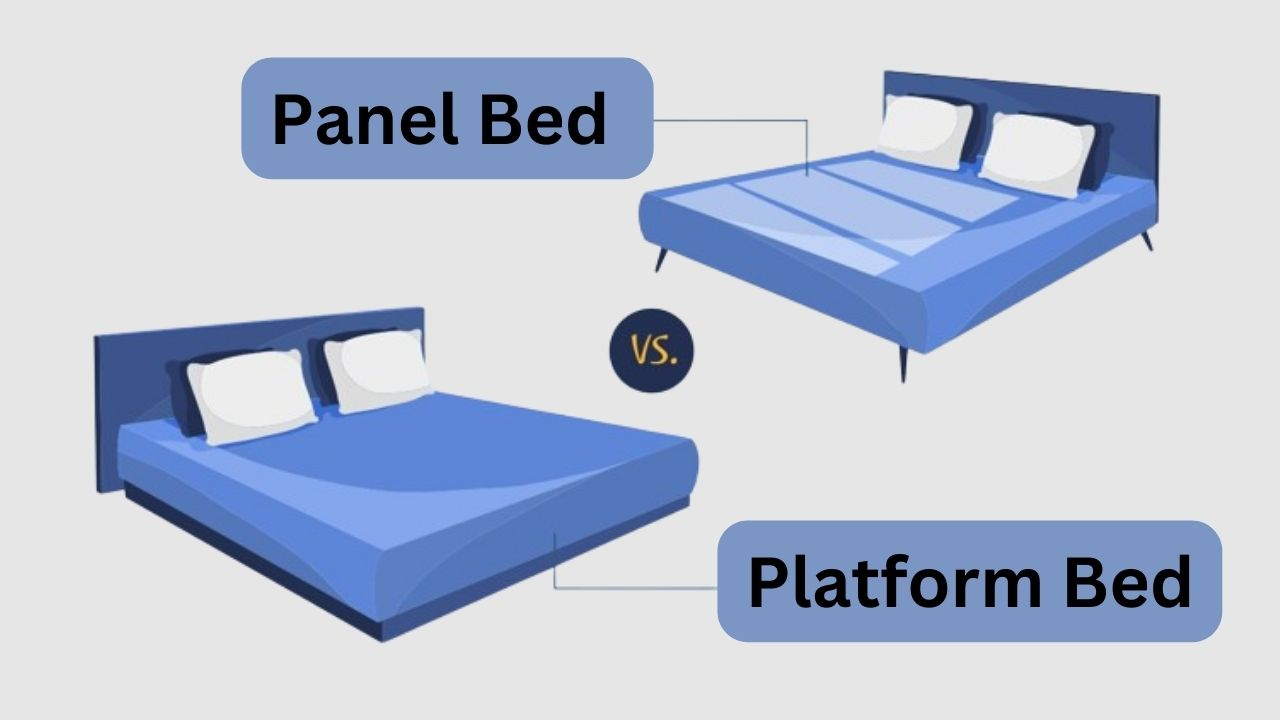
- Platform Beds: Platform beds are a modern and cost-effective option as they eliminate the need for a box spring. They offer under-bed storage options, modern designs, and stability, making them suitable for various mattress types.
- Panel Beds: Panel beds exude traditional elegance with various design options, including cushioned slats, solid wood, and metal rods. They provide a taller profile, making it easier to get in and out of bed, and often require a box spring for added support and comfort.
- Choosing Between the Two: Consider factors such as price, room dimensions, design preferences, and mattress type when deciding between platform and panel beds. Platform beds are often more budget-friendly and space-efficient, while panel beds offer a more traditional aesthetic with added height and support.
When choosing the ideal bed for your bedroom, there are many options available on the market. Two popular choices are platform beds and panel beds. While both offer great features, it’s important to understand their differences and how they can impact your sleep environment.
Comparison Table: Panel Bed vs. Platform Bed
| Feature | Panel Bed | Platform Bed |
| Definition | A traditional bed frame with a headboard, footboard, and side rails, requiring a box spring for support. | A modern, low-profile bed frame with a solid or slatted base that supports a mattress without a box spring. |
| Support System | Requires a box spring | No box spring needed |
| Height | Higher profile due to box spring | Lower to the ground |
| Aesthetic | Traditional and elegant | Modern and minimalist |
| Storage Options | Limited storage | Often includes built-in storage |
| Cost | Higher due to the box spring requirement | More cost-effective |
| Comfort Level | Softer with added cushioning | Firmer sleeping surface |
| Ease of Movement | Bulkier and harder to move | Lighter and easier to relocate |
| Assembly | More complex due to additional parts | Easier to assemble |
Platform Beds: Sleek and Modern
Platform beds are known for their distinct and modern style. They have been used in various forms for centuries and are a famous choice among homeowners. Platform beds do not require a box spring or any other type of mattress foundation. They are designed to support the mattress directly on a sturdy platform.
The Amerisleep Upholstered Bed Frame is a prime example of a platform bed that offers a neutral and classic look. It features a versatile gray fabric, espresso-colored legs, and a headboard for a traditional frame appearance. The frame is simple to put together without requiring any tools, and it works well with different types of mattresses, like memory foam, latex, innerspring, and hybrid mattresses. Additionally, the Amerisleep Platform Bed is a budget-friendly option, especially for those who have limited space and prefer twin-sized beds.
Advantages of Platform Beds
Platform beds offer several advantages that make them a popular choice among consumers:
- Cost-effective: Platform beds eliminate the need for a box spring, which can save you money on your bed setup.
- Underbed storage: Many platform beds come with built-in storage options, such as drawers, maximizing the use of space in your bedroom.
- Modern designs: Platform beds are available in a variety of modern designs, allowing you to find a style that complements your bedroom decor.
- Stability: Platform beds have a low profile, providing stability and preventing your mattress from shifting or sliding.
- Better Support: The solid or slatted base of a platform bed provides even support for your mattress, reducing sagging and extending its lifespan.
- Improved Airflow: Slatted platform beds allow for better airflow around the mattress, helping regulate temperature and prevent mold or mildew buildup.
- Eco-Friendly Options: Many platform beds are made from sustainable materials and don’t require a box spring, reducing waste.
- Easy to Assemble: Compared to traditional bed frames with multiple components, platform beds are often simpler and quicker to put together.
- Minimalist Appeal: Their sleek, low-profile design can make a room feel more open and less cluttered, perfect for small spaces.
- Versatile Mattress Compatibility: Platform beds work with various mattress types, including memory foam, hybrid, and latex, without needing extra support.
Disadvantages of Platform Beds
While platform beds offer numerous benefits, there are a few drawbacks to consider:
- Low height: The low height of platform beds may make it difficult for some people to get in and out of bed. However, bed risers can be used to increase the height if needed.
- Limited airflow: Solid platform beds may not allow for adequate airflow beneath the mattress, potentially creating a hot sleep environment. However, many platform beds feature slats that promote airflow.
- Heavier Frame: Platform beds are often heavier than traditional bed frames, making them harder to move or rearrange.
- Firm Feel: The solid support can make the mattress feel firmer, which may not be ideal for those who prefer a softer sleep surface.
- Storage Limitations: While some platform beds come with built-in storage, others sit too low to allow for additional under-bed storage.
- Assembly Required: Many platform beds require assembly, which can be time-consuming or challenging depending on the design.
- Potential for Slat Damage: If the bed has slats, they may bend or break over time, especially if they are made of lower-quality materials.
- Difficult to Pair with Traditional Accessories: Some traditional bed skirts, headboards, or other accessories may not fit properly with a platform bed’s design.
Panel Beds: Traditional Elegance
Panel beds, on the other hand, offer a more traditional and elegant look. They come in various designs and styles, including cushioned slats, solid wood, metal rods, rough-hewn logs, and wicker. While most modern panel beds lack side rails and footboards, classic panel beds often feature these additions. Panel beds are an excellent choice if you prefer a bed’s traditional look and feel.
Advantages of Panel Beds
Panel beds offer several advantages that make them a popular choice for those seeking a more traditional aesthetic:
- Design variety: Panel beds come in various designs and styles, allowing you to choose the one that best fits your bedroom decor.
- Height and comfort: Panel beds are typically taller than platform beds, making it easier to get in and out of bed. Additionally, the box spring used with panel beds can enhance the comfort and support of a spring mattress.
- Mattress support: The combination of a panel bed frame, box spring, and mattress provides ample support for a comfortable sleep experience.
- Classic and Timeless Appeal: Their traditional design adds a sophisticated and elegant look to any bedroom, making them a great choice for various decor styles.
- Customizable with Accessories: Panel beds pair well with headboards, footboards, and bed skirts, allowing for greater personalization.
- Better Shock Absorption: The use of a box spring helps absorb movement, reducing strain on the mattress and potentially increasing its lifespan.
- Elevated Storage Space: The higher profile of panel beds allows for more under-bed storage compared to platform beds.
- Reduced Wear on the Mattress: A box spring provides additional cushioning, which can help prevent premature sagging and extend the mattress’s durability.
- Warm and Cozy Feel: Wooden or upholstered panel beds can create a more inviting and cozier bedroom atmosphere.
Disadvantages of Panel Beds
While panel beds offer numerous benefits, there are a few drawbacks to consider:
- Cost and maintenance: Panel beds may be more expensive than platform beds, especially if you opt for additional accessories such as a box spring. Additionally, box springs require regular maintenance, including turning, rotating, and eventually replacing worn-out springs.
- Limited modern designs: Panel beds are typically available in classic styles, which may not suit a modern bedroom design.
- Bulkier Size: Panel beds tend to be larger and heavier than platform beds, making them harder to move and requiring more space in the bedroom.
- Extra Cost for Box Spring: Since panel beds require a box spring, you’ll need to factor in the additional cost when purchasing your bed setup.
- More Difficult to Assemble: Compared to platform beds, panel beds often have more components, making assembly more time-consuming and complex.
- Less Stability: Over time, the combination of a bed frame, box spring, and mattress may lead to more movement and creaking noises compared to a sturdy platform bed.
- Reduced Airflow with Box Spring: A box spring may trap heat and reduce airflow, potentially leading to a warmer sleep environment.
- Limited Storage Space: While panel beds are taller, they often don’t include built-in storage, and the use of a box spring may limit the available under-bed storage area.
Factors to Consider When Choosing Between Platform Beds and Panel Beds
When deciding between platform beds and panel beds, there are several factors to consider:
1. Price
Both platform beds and panel beds can be found at reasonable prices, but they often differ in cost due to their design elements. Platform beds are generally less expensive because they have a more basic form.
In contrast, panel beds may incorporate more elaborate design elements like nailhead trim, tufted upholstery, and wingback-type headboards. Additionally, panel beds may require additional accessories, such as a box spring, depending on the type of mattress used.
2. Room Dimensions
The size of your room is an important consideration when selecting a bed frame. Panel beds appear larger than platform beds due to the inclusion of a box spring. If you have a small bedroom or limited space, a platform bed with storage drawers may be a practical choice. On the other hand, if you have a spacious room to fill, a panel bed can serve as a striking centerpiece.
3. Design
The design of the bed frame plays a vital role in the overall aesthetics of your bedroom. Platform beds are minimalist, while panel beds offer more decorative details, including unique designs like canopy or sleigh beds. Consider your room’s aesthetic and personal preferences when choosing between the two.
4. Mattress Type
The type of mattress you have or plan to purchase can also influence your decision between platform beds and panel beds. Innerspring mattresses typically require the support of a box spring, making panel beds a suitable choice. However, latex and memory foam mattresses can be used directly on a platform bed without the need for a box spring.
It’s important to note that some mattress warranties specify specific surface requirements or slat spacing and thickness. If your mattress has such specifications, you may need to add wooden slats to your platform bed to ensure proper support.
5. Comfort & Support
The level of comfort and support provided by a bed frame can significantly impact sleep quality. Platform beds offer a firm, sturdy surface due to their solid or slatted base, making them ideal for those who need extra spinal support. This firmness can help with posture and reduce back pain but may feel too rigid for individuals who prefer a softer, more cushioned sleep experience.
On the other hand, panel beds typically use a box spring, which absorbs shock and provides more bounce, resulting in a more traditional and plusher feel. This additional cushioning can make a panel bed more comfortable for those who enjoy a softer sleeping surface or frequently change sleeping positions throughout the night.
6. Durability & Longevity
A bed frame is a long-term investment, so durability is an essential factor. Platform beds tend to be more durable since they rely on a sturdy base rather than a box spring, which can wear out over time. The absence of a box spring means fewer components that require maintenance or replacement, making platform beds a long-lasting choice.
Panel beds, however, involve a box spring that may sag or deteriorate over years of use, requiring periodic replacement. Additionally, if the slats or structural elements of a panel bed weaken, they can affect overall stability, whereas a well-built platform bed maintains its integrity for a longer period.
7. Ease of Assembly & Mobility
The complexity of assembling and moving a bed frame can vary between platform and panel beds. Platform beds are generally simpler to assemble because they have fewer components—often just the frame and slats. Their lightweight design makes them easier to relocate or reposition within a room.
In contrast, panel beds often require more effort to assemble due to the additional box spring, headboard, and sometimes a footboard. Their heavier construction makes them more difficult to move, especially when navigating stairs or tight spaces. If you frequently rearrange furniture or move homes, a platform bed may be a more convenient option.
8. Height Preference
The height of a bed frame can affect ease of use and accessibility. Platform beds sit lower to the ground, which enhances their modern and minimalist aesthetic but may pose a challenge for individuals with mobility issues or those who have trouble getting in and out of bed.
On the other hand, panel beds have a higher profile due to the added box spring, making them a better choice for taller individuals or those who prefer not to bend down as much. The elevated height of panel beds also makes it easier to get up in the morning, which can be beneficial for older adults or those with joint pain.
9. Storage & Space Utilization
Storage options are a crucial factor, especially in smaller bedrooms where maximizing space is essential. Platform beds often come with built-in storage solutions, such as drawers or lift-up mechanisms, allowing for convenient organization of bedding, clothing, or other essentials. These built-in storage features make platform beds a great choice for those looking to declutter their space.
Panel beds, while taller, often do not include built-in storage. The presence of a box spring can also limit under-bed storage space, reducing the ability to store larger items. If maximizing storage is a priority, a platform bed is a more practical choice.
10. Room Versatility & Style Adaptability
The aesthetic and design versatility of a bed frame play a significant role in creating a cohesive bedroom style. Platform beds are well-suited for contemporary, minimalist, and Scandinavian-inspired designs due to their sleek, low-profile appearance. They complement modern decor and work well in spaces with a clean, uncluttered look.
Panel beds, in contrast, offer a more classic and traditional appeal, often featuring ornate details, upholstered headboards, or intricate woodwork. They are a great fit for vintage, rustic, or elegant bedroom themes. If you prefer a timeless and decorative focal point in your bedroom, a panel bed may be the better choice. However, if you favor a clean and modern aesthetic, a platform bed is the way to go.
11. Personalization and Customization
Both panel beds and platform beds provide a unique opportunity to showcase your personal style through customization and design choices.
Panel beds serve as a classic foundation for personalization, offering a variety of headboard styles, wood finishes, and even upholstery or fabric accents. Depending on the manufacturer, you can choose from different panel designs that align with your aesthetic preferences.
Platform beds, on the other hand, offer flexibility in material selections, color options, and built-in storage solutions. Some models also allow for headboard customization or even a minimalist no-headboard look.
Enhancing your bed with accessories such as decorative pillows, throws, and bedding can further reflect your personality and design taste. Panel beds embrace a traditional yet adaptable charm, allowing you to add elements like wall art, string lights, or fabric drapes to elevate the ambiance.
Platform beds offer a modern canvas for creativity, letting you mix and match bedding sets, textures, and color palettes to create a space that feels uniquely yours.
12. DIY Assembly vs. Professional Help
When it comes to assembly, platform beds are generally easier to put together, making them a great choice for DIY enthusiasts. With clear instructions, labeled parts, and basic tools, assembling a platform bed can be a straightforward and rewarding experience.
Panel beds, especially those with elaborate headboard designs or heavier materials, may require professional assembly. Complex structures can make DIY assembly challenging, so if you’re short on time or prefer precision, hiring a professional ensures a hassle-free setup.
Ultimately, your decision between DIY and professional assembly should factor in your confidence with tools, available time, and budget. If you enjoy hands-on projects, assembling your own bed can be a fulfilling way to take ownership of your bedroom space. However, if convenience is a priority, professional assistance guarantees a smooth and secure installation.
See Also: Platform Bed vs. Box Spring
FAQs
What is the difference between panel beds and platform beds?
Panel beds and platform beds are two distinct bed frames, each with its own design and functionality. A solid, flat surface generally characterizes platform bed frames to support the mattress without the need for a box spring. On the other hand, panel beds feature a traditional headboard and footboard, creating a framed appearance.
Do most platform beds require a box spring?
Unlike traditional bed frames, most platform beds do not require a box spring. The design of platform bed frames includes slats or a solid surface that provides ample support for a mattress, making them compatible with various mattress types, including latex mattresses.
Do platform beds affect mattress longevity?
Yes, platform beds can extend the life of a mattress by providing even support and reducing sagging. The solid or slatted base promotes airflow, which helps prevent moisture buildup and maintains mattress integrity over time.
Are panel beds better for people who like a traditional bedroom aesthetic?
Absolutely! Panel beds often feature classic designs with decorative headboards and footboards, making them ideal for those who prefer a more traditional or elegant bedroom style.
How do wooden platform beds differ from traditional panel beds?
Wooden platform beds and traditional panel beds vary in design and structure. While wooden platform beds showcase a minimalist and contemporary look with a sturdy wooden frame, traditional panel beds have a more classic appearance, featuring a headboard and footboard with decorative panels. The choice between the two depends on personal style preferences.
What mattress types work well with panel beds?
Panel beds tend to accommodate many mattress types, including traditional innerspring and modern latex mattresses. The solid construction of panel beds provides ample support for various mattress options, allowing users to choose a mattress that suits their comfort preferences.
Do panel beds provide better back support than platform beds?
Not necessarily. The level of back support depends more on the mattress than the bed frame. However, some people find that the sturdy structure of panel beds, often paired with a box spring, offers a more cushioned feel compared to the firmer support of a platform bed.
Can a platform bed be converted into a panel bed?
While not common, some platform beds can be modified with an attachable headboard or footboard to mimic the look of a panel bed, offering flexibility in design preferences.
Are there any specific advantages of choosing a platform bed over traditional bed frames?
Yes, platform beds come with several advantages. Many platform beds eliminate the need for a box spring, providing a cost-effective solution. Additionally, the contemporary design of most platform beds aligns well with modern bed styles. They also offer versatility, accommodating different mattress types and eliminating the requirement for other mattress foundation options. The pros of platform beds make them a popular choice for those looking for a functional and stylish bed frame.
Conclusion
Selecting the best bed frame for your bedroom is crucial for both comfort and aesthetics. Platform beds and panel beds offer distinct advantages and disadvantages, catering to various needs and preferences.
Platform beds are sleek, modern, and cost-effective, while panel beds exude traditional elegance and offer added mattress support. Consider factors such as price, room dimensions, design, and mattress type when making your decision.
By understanding the unique features of platform beds and panel beds, you can choose the perfect bed frame that enhances your sleep environment and complements your bedroom decor.