
The Ultimate Guide to Helping Children With Autism Sleep Soundly at Night
Dr. Jessee Dietch, PhD
Dr. Jessee Dietch earned her Ph.D. in clinical health psychology with a specialization in behavioral sleep medicine from the University of North Texas. She completed her psychology residency at the Durham VA and her postdoctoral fellowship at Stanford University School of Medicine and VA Palo Alto. She is currently an assistant professor of psychology at […]

- Sleep issues are very common in children with autism, with 40-80% estimated to have some type of sleep disturbance. The most common issues are difficulty falling asleep, frequent night waking, early morning waking, erratic sleep patterns, and daytime sleepiness.
- There are many potential causes of sleep issues in autism, including abnormal circadian rhythms, difficulty perceiving social cues that signal bedtime, co-occurring medical or mental health conditions, physical discomfort, differences in melatonin production, and hypersensitive sensory systems.
- Strategies for improving sleep include making environmental modifications, addressing diet and nutrition, establishing sleep routines and hygiene practices, utilizing creative solutions, and troubleshooting specific sleep issues.
It can be difficult for children with autism and other special needs to fall asleep and stay asleep at night. Those lost hours of slumber take a toll not only on the children, who may be more irritable and prone to behavior problems, but also on their bleary-eyed parents. If you are struggling to help your child “power down” or relax at night, you are not alone.
Just how far-reaching is the problem? Research has found that 40 to 80 percent of people on the autism spectrum struggle to sleep. The most common sleep and circadian problems for this group include not being able to fall asleep at night, waking frequently or for long periods at night, waking too early in the morning, sleeping for only short periods, irregular or erratic sleep patterns, and daytime sleepiness. Many parents report that their children with autism struggle with bedtime meltdowns, needing specific objects or people present to fall asleep, refusal or inability to sleep in a bed, frequent night terrors, nighttime wandering or sleepwalking, and even binge eating at night. All of these behaviors add up to a lack of sleep for the entire family.
Children, both neurotypical and non-neurotypical, need sufficient sleep to grow and develop. The American Academy of Sleep Medicine recommends that toddlers (ages one to two) sleep 11 to 14 hours per 24 hours, including naps. In the preschool years (ages three to five), the need drops to 10 to 13 hours per 24 hours, including naps. Between ages six and 12, children need nine to 12 hours of sleep per 24 hours 1 Verified Source American Academy of Sleep Medicine The professional society for sleep medicine physicians and researchers in the U.S. See the source , according to the American Academy of Sleep Medicine.
In a household with a child who has sleep concerns, those numbers may seem out of reach. Nighttime wakefulness and lack of sleep can lead to more meltdowns and behavior challenges for the special-needs child and increased irritability and stress for the whole family. Sleep also supports the immune system, so ongoing sleep loss can leave both parents and children more prone to illness.
So why do so many children with autism or special needs struggle to sleep well? Research is ongoing, but there are a number of potential causes. Most likely, sleep problems are the result of a combination of biological, social/environmental, psychological, and family factors. Some of these include:
- Abnormal circadian rhythms. The circadian rhythm is the body’s natural sleep cycle. In children with sensory processing differences, including children with autism, this can be disrupted. In other words, children with autism may not naturally get sleepy when it is dark and wake up when it is light.
- Not perceiving social cues. Many elements of sleep hygiene are based on social cues. Observable changes like going upstairs, turning off lights, or seeing siblings get ready for bed are subconscious signals that bedtime is near. However, many children with autism may have difficulty perceiving or interpreting these external signals.
- Co-occurring medical, mental health, or neurological conditions. If a child with special needs has additional medical, neurological, or mental health conditions, like anxiety or epilepsy, sleep struggles can be worse. For example, anxiety may result in increased fears and racing or repetitive thoughts that interfere with sleep.
- Physical discomfort. Children who suffer from physical problems like reflux or constipation, but cannot express their medical need to a caregiver, may struggle to sleep.
- Insufficient melatonin production. Some research suggests that children with autism may produce less melatonin, a hormone that signals sleep, or release it at irregular times, which can make it harder to fall asleep.
- Hypersensitive sensory system. A sensory system that is alert to all environmental factors can prohibit sleep when even the smallest change in the environment occurs. Dishwashers, airflow, squeaky doors, light leaks, or other household stimuli can be a problem.
- Ineffective bedtime and sleep routines. Bedtime routines that change from night to night, or run too long, can make it harder for a child to wind down.
- Medications. Some medications can interfere with sleep. Ask your child’s doctor or pharmacist whether any of your child’s medications could be a factor.
Clearly, this is a complex challenge without a simple solution. That’s why this guide includes dozens of tips to help your family get more restful sleep. All children have unique needs, likes, and dislikes so it might take some trial and error to find the strategies that work for your child. But with some persistence, you can achieve better sleep for your autistic child and the rest of your family.
First Steps
Before you can start changing the home environment to encourage better sleep, you need to see if there are any medical factors that affect your child’s sleep. If sleeplessness is due to a medical condition that is unrelated to the child’s autism, then changing the home environment may not be as effective. A thorough medical evaluation and any recommendations from your child’s doctor are important first steps.
- Make an appointment with your child’s doctor to determine if there are any medical issues that could be causing the sleeplessness. A thorough physical exam is the first step to take. Sometimes small medical issues, like bladder concerns, can keep a child with autism up at night.
- Keep a sleep diary. Track your child’s sleep patterns for at least a week. Note when and how long your child sleeps, how often your child gets up, and anything you notice like snoring, body position, unusual movements and so forth. (If your child will tolerate wearing a sleep-tracking device, it can provide detailed insights.) How does your child’s behavior differ the day after sleeping well or sleeping poorly? Share the information with your doctor.
- Consider a sleep study. A sleep study can rule out sleep apnea, breathing problems, or conditions like restless legs syndrome that could be making sleep difficult for your child. Keep in mind that a sleep study can be stressful for a child with autism, so talk to your child’s doctor or therapist about whether it is necessary and if so, how best to approach the study for the most positive experience.
- Discuss light therapy with your doctor. When a child’s circadian rhythms are out of balance, light therapy can help restore that natural balance. Light therapy uses a bright light box that mimics natural sunlight. Bright light in the morning helps set the body clock, which can make it easier to feel sleepy at night. Your child’s doctor can tell you whether a light box is appropriate and how long to use it. Even increasing daytime sunlight exposure, like going for a walk outside in the morning, can help support healthy circadian rhythms.
For more information on the first steps to take in helping a child with autism or other special needs sleep, visit these resources:
- Seattle Children’s Hospital: Autism and Sleep Problems
- Raising Children: Sleep Problems – Children with Autism Spectrum Disorder
- American Pharmacists Association: Managing Insomnia in Children with Autism Spectrum Disorder
- Children’s Hospital of Los Angeles: Sleep Issues and Autism Spectrum Disorder
- Spectrum: How to Get Children with Autism to Sleep
Home Environment
Your child’s home environment can set the stage for restful sleep when it is properly controlled. But it can also make sweet dreams elusive. Often, sensory issues in the home environment make it difficult for a child with special needs to slumber. These are some factors to consider.
Light
- Control the lighting in the sleeping room. While every individual is different, most of the time a cool, dark, and quiet environment is the best sleep environment. Control the light in your child’s bedroom or any other sleeping location to avoid overstimulation at bedtime.
- Invest in blackout curtains. The body responds to darkness at sleep time. Blackout curtains can create a calming environment for sleep and reduce time cues given by outside light.
- Reduce light levels in general and exposure to blue spectrum light 1-2 hours before bedtime. Dim the lights around the house as much as possible leading up to bedtime. Blue spectrum light in particular, like the light from most technology devices, suppresses melatonin production. If your child is struggling to sleep, eliminate screen time at least an hour before bedtime to help reduce this effect.
- Use blue light blocking glasses, if needed. Some children on the autism spectrum rely on screen-based technology for self-soothing and communication. In these instances, invest in blue light blocking glasses to use before bedtime. If your child won’t tolerate glasses, consider a filter or film for the device.
- Use a red-hued bulb if a nightlight is needed. Many children, regardless of their neurological differences, need a nightlight. Dim red or amber light has less effect on circadian rhythms than blue or white light, so opt for this type of nightlight if needed.
- Block doorway light. The light coming in through the doorway to your child’s room can create sleep disturbances. If you cannot close the door and use a towel to block the light coming in underneath, place the bed so that it does not face the doorway.
Address Noises
- Pay attention to the ambient sounds in your home, which may be amplified for your sensory sensitive child. If you can identify noises like creaking doors, footfalls, and even the sound of your dishwasher, take measures to reduce them at bedtime. Keeping the entire household as quiet as possible after your child goes to bed is going to be helpful as you encourage healthy sleep habits. Don’t forget to notice and address sounds that may come from outside your home too.
- Add carpeting to hardwood flooring. This will reduce the sound of footsteps in your home when people who are not sleeping walk around.
- Oil squeaky hinges. This is a simple, yet effective, way to reduce ambient noise in your home so your child may have an easier time sleeping.
- Seal windows to block outdoor noises. If you notice outdoor noises, see if you can make changes to your windows to block them. Sealing the windows or upgrading to sound-reducing windows can help.
- Add insulation to mute outdoor noises. If your child’s bedroom has significant outdoor noise, consider adding a layer of insulation between the room and any outdoor areas.
- Reduce the use of technology in other areas of the home. Nothing will make a sound-sensitive child have trouble sleeping quite as quickly as the sound of someone enjoying a television program from another room of the home. Reduce the use of technology while you are encouraging your child to go to sleep.
Address Smells
- Recognize that odors can be very stimulating to children with sensory concerns. Many people with autism process smells differently, and some children are very sensitive to odors. If your child can smell something in the room, sleep may be a battle.
- Remove items that have a strong smell or the potential to off-gas a smell. Remember, even if the smell is pleasant to you or unnoticeable to you, it may be difficult for a child with autism to tolerate. Watch out for volatile organic compounds, or VOCs, that can make sensory problems worse.
- Use calming scents with caution. Some families use a mild scent, like lavender, as part of the bedtime routine, and a consistent smell can serve as a subtle cue that bedtime is near. Every child with sensory concerns is unique, though, and strong essential oils can do more harm than good. Essential oils can irritate a child’s airways, so use them sparingly, never apply them undiluted to the skin, keep them out of reach, and skip them if your child has asthma or other breathing problems.
Address Textures
- Recognize that textures can be a major factor in preventing comfortable sleep. If your child is struggling to sleep, take a look at the textures in the sleep environment, from the sheets to the clothing your child wears and even the firmness of the mattress.
- Choose soft, loose-fitting, tag-less clothing. Clothing that is too rough or restrictive will make sleep difficult. Choose pajamas without tags, which can be irritating to those with sensory concerns.
- Get the best mattress. Mattresses that are too saggy, have springs the child can feel, or are too hard can make sleep difficult.
- Be cautious with weighted blankets. Some children with sensory differences find the pressure of a weighted blanket calming. However, a randomized trial of 73 children with autism ages 5 to 16 2 Verified Source Guy’s and St Thomas’ NHS Foundation Trust A London NHS hospital trust that includes Evelina London Children’s Hospital, where this trial was led. See the source found weighted blankets did not help them sleep longer than a regular blanket. Talk with your child’s doctor or an occupational therapist before trying one. The AAP warns against any weighted blanket for babies 3 Verified Source American Academy of Pediatrics The leading professional organization of U.S. pediatricians, which sets safe sleep guidance for infants. See the source , and a weighted blanket should never be used for a child under 2 4 Verified Source Brown University Health A Rhode Island health system affiliated with Brown University, including Bradley Hospital for children’s mental health. See the source . UPMC advises that children under 50 pounds should not use one 5 Verified Source UPMC A major academic health system affiliated with the University of Pittsburgh. See the source . For older children, choose a blanket that weighs no more than 10 percent of your child’s body weight, spread it evenly over their body, and check on them during sleep to make sure it isn’t affecting their breathing.
Climate Control
- Ensure the bedroom has ample airflow. Stagnant air can be uncomfortable for children with sensory concerns, and it can also harbor allergens and scents. If airflow is not natural in the room, use a fan to keep it moving.
- Keep the temperature cool. No one can sleep easily when they are hot, but it is particularly difficult for children with autism to sleep if the temperature is too high. If your child uses a weighted blanket, they may need the room to be cooler than you think. Try lowering the thermostat, and adding an additional blanket to your own bed if needed.
Additional Concerns
- Check the room for allergens. Dust, mold, mildew, and pet dander, which can hide in stuffed animals and even in an old mattress, are sometimes factors that make it difficult for children to sleep.
For more information, visit:
- Harkla: 10 Bedroom Ideas for Kids with Autism
- Hunker: How to Design Bedrooms for Autistic Children
- Dreams: How to Create the Perfect Sleep Environment for Your Child
Nutrition

What you put into your body is as important in your sleep as what you put into your room, so a change of diet can help with sleep. When it comes to children with autism, nutrition is often a critical part of a good bedtime routine. This can be particularly challenging for parents, as many children on the autism spectrum are highly particular about what they will or will not eat. Keeping your child’s unique needs in mind, consider these tips as you look to reduce food-based sleep problems.
- Keep your child’s diet caffeine-free. For a child with heightened sensitivities, like a child with autism, simply avoiding caffeine before bed may not be enough. You will want to avoid caffeine as much as possible, and certainly after about noon. In addition to the obvious culprits like sodas and coffee drinks, watch for caffeine in chocolate, tea, energy drinks, workout products, and coffee-flavored food. You may even find caffeine hiding in snack bars.
- Avoid big meals close to bedtime. A large meal right before bed can cause discomfort or reflux, so aim to finish dinner a couple of hours before bedtime.
- Consider an early bedtime snack. There is a benefit to giving your child a snack before bed, as long as it is not too close to bedtime. A small snack that includes protein and complex carbs can keep your child from waking up hungry. When choosing a snack, avoid sugary foods and drinks.
- Ask your child’s doctor about omega-3 fats. Some research suggests children with autism may have lower levels of these fatty acids. Early studies of omega-3 supplements have shown mixed results, and the evidence that they improve sleep is limited. Talk to your child’s doctor before starting any supplement.
- Consider if your child has a food sensitivity. This is something you will need to discuss with your child’s doctor or dietitian, but sometimes food sensitivities, like sensitivities to dairy, can make it difficult to sleep.
- Avoid gas-inducing foods before bedtime. Your child may not be able to communicate stomach discomfort but avoiding foods known to cause gas can help reduce tummy complaints when it’s time for bed. Some culprits include peas, lentils, cabbage, broccoli, beans, mushrooms, carbonated drinks, and cauliflower. Whole grains and fatty foods can also be a concern.
- Limit sugar, especially in the evening. A diet high in added sugar has been linked to poorer sleep. Work to reduce the amount of sugar your child eats throughout the day, especially at dinner and afterward.
- Avoid acidic foods if you suspect your child suffers from reflux. Tomato products, garlic, onions, spicy foods, citrus fruits, and fruit juices can all make acid reflux worse, and when your child lies down to sleep, stomach acid can be quite painful. If you suspect reflux, talk to your child’s doctor.
For more information about the connection between diet and sleep, visit:
- Vanderbilt University: Strategies to Improve Sleep in Autistic Children
- Food for the Brain: About Autism
- Indiana University: Mealtime and Children on the Autism Spectrum – Beyond Picky, Fussy and Fads
- National Sleep Foundation: Food and Drink Promote a Good Night’s Sleep
- National Institutes of Health: Effects of Diet on Sleep Quality
Sleep Hygiene – The “Don’ts”
Hygiene is important in all areas of life, including sleep. Sleep hygiene refers to the practices you tackle every day to prepare yourself for sleep. For a child with autism or another sensory need, poor sleep hygiene can derail all your hard work in setting up a good sleep environment and controlling your child’s diet. Here’s a closer look at what you should not do as you prepare for your child’s sleep each night.
- Avoid rowdy and active play in the two hours before bedtime. Children with sensory concerns take longer to relax and rest than children who are neurotypical. Choose calming activities to help your child wind down.
- Don’t rely on technology to help your child relax. It’s tempting to give your child a tablet or a movie during the wind-down time, but don’t give in. Stimulation and blue light from technology can reduce the likelihood that a child can wind down for sleep.
- Avoid disrupting the nighttime routine. Life happens, and you may not be able to avoid disruptions forever, but try to keep your child’s nighttime routine as consistent as possible.
- Don’t surprise your child at bedtime. Surprises are hard for children with autism, as they need time to process new information. Avoid changes or surprises in the hours leading up to bedtime.
- Don’t do homework right before bed. Homework can be distressing or stimulating. Aim to finish it early in the evening, and not right before bed. If homework can’t be finished early, work with your child’s teacher to find a different time to complete it.
- Resist getting into your child’s bed or rocking your child to sleep. These habits can actually create too much stimulation and can be difficult to break. Encourage your child to learn to fall asleep without you.
- Don’t perform activities you know are difficult for your child to engage in. If bath time is a battle for your child, choose a different time of day to tackle this task. Having a bath before bed may make it impossible for your child to relax and prepare for sleep.
For more information, visit:
- Penn State: Examining Sleep Hygiene Factors and Sleep in Young Children With and Without Autism Spectrum Disorder
- Research Gate: Sleep, Chronotype, and Sleep Hygiene in Children with Attention-Deficit/Hyperactivity Disorder, Autism Spectrum Disorder, and Controls
- Olga Tennison Autism Research Centre: The Influence of Bedding and Sleep Hygiene Factors on Sleep in Children Aged 2-5 Years
- University of Southern Mississippi: The Relation Among Sleep, Routines, and Behavior in Children with Autism Spectrum Disorder
- Autism Awareness Centre, Inc.: Sleep Baby Sleep – Bedtime Tip for Those With Autism
Sleep Hygiene – the “Do’s”
While there are things you should avoid when preparing your child for bed, there are some things you should do to make the process easier. Here are the healthy sleep habits that can help children with autism and sensory disorders get healthy sleep.
- Establish and stick to routines and rituals. Create a nighttime ritual that rarely changes. This may include baths, stories, tooth brushing, changing, and tucking in. Choose activities that seem to help your child calm down, but do not stimulate your child too much.
- Use a visual schedule to help your child know what is coming next. Visual schedules use pictures to show your routine, step by step, so your child can navigate the evening successfully.
- Start your routine 20 to 40 minutes before the actual bedtime. This will help signal your child’s natural sleep cycle and encourage your child to start winding down.
- Perform a massage or a back rub. This can help soothe your child. Start at the neck and slowly massage down to the base of the spine using slow, rhythmic strokes to create a calming experience. Make this part of your bedtime routine if your child responds well to it.
- Wake your child up at the same time every morning. Just like a routine bedtime is important, waking your child at the same time every morning is also helpful. If the family likes to sleep in longer on weekends, it’s okay to have some flexibility in the wake up time, but ideally no more than an extra hour.
- Insist on having a consistent room for sleep, as much as possible. Making the room itself part of the sleep routine will help encourage healthy sleep habits.
- Use the bed primarily for sleeping, not other activities. This will help your child associate the bed with bedtime, not homework or play time.
- Make your nighttime routine short and efficient. Dragging this process out will not help your child sleep well. Keep it short and sweet!
For more information about healthy sleep hygiene for individuals with autism, visit:
- Autism Community Training: Solving Sleep Problems in Children with ASD
- NYU Child & Adolescent Psychiatry: 5 Strategies to Help Your Child with Autism Spectrum Disorder Get Some Sleep
- Child Mind Institute: Encouraging Good Sleep Habits
- Happy Sleep Head: Sleep Guide for Children with Autism Spectrum Disorder
- Parent to Parent: Sleep Hygiene
Get Creative
What can you do if these methods do not work for your child? One of the key truths about autism is that it affects each person uniquely, and what works for one may not work for the next. Sometimes, parents, who know their children well, must get creative. Here are some unique solutions that may help make sleep more peaceful in your home.
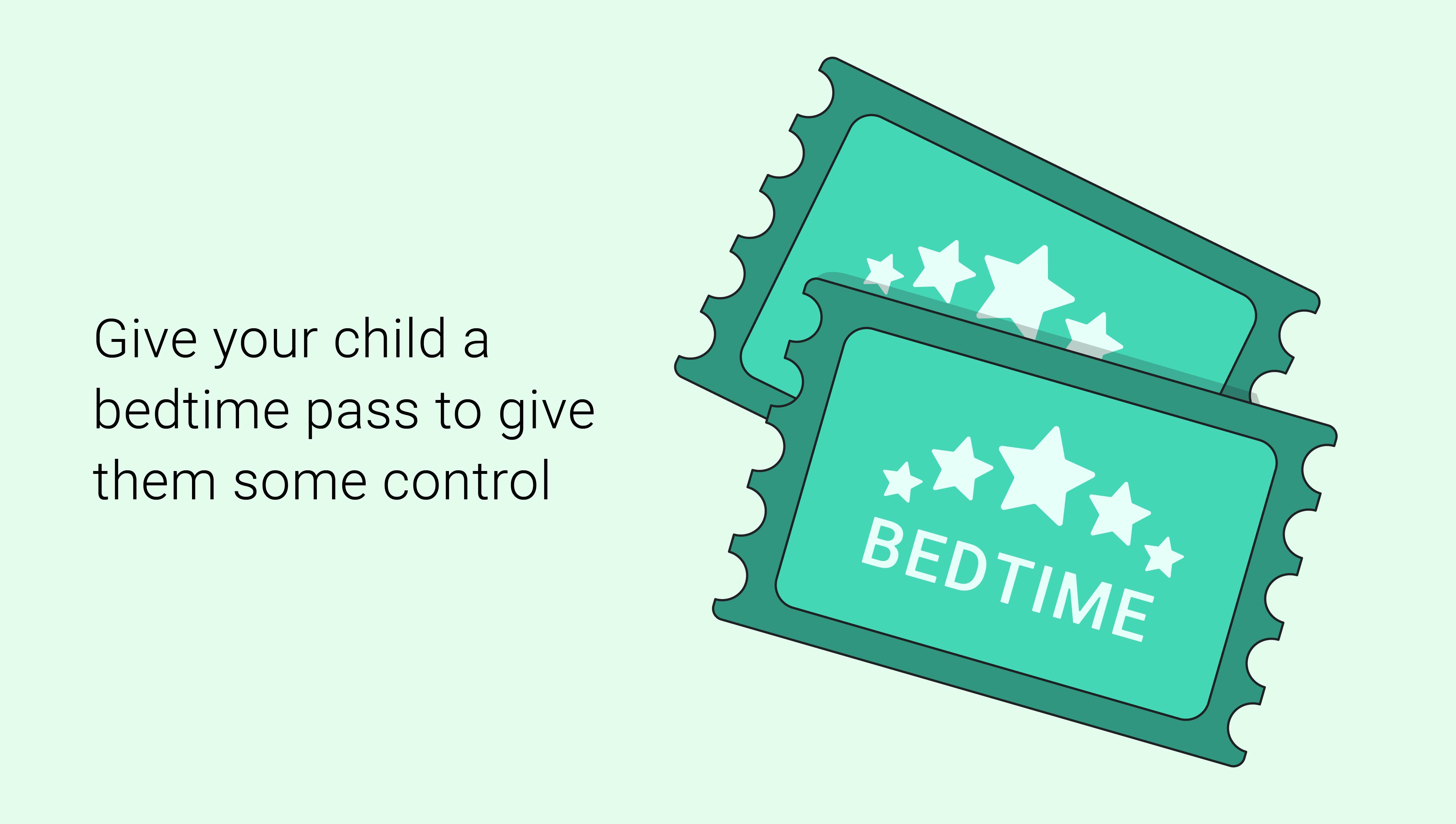
- Give your child a bedtime pass. A bedtime pass is a ticket your child can turn in if they feel they must get out of bed. It may be used for bathroom trips, drinks of water, parent visits, or anything else the child feels is necessary. This gives your child some measure of control at bedtime. Set up the bedtime pass so that it can only be used one time per night. The bedtime pass needs to be a tangible item that the child can turn in.
- Create rewards for not using the bedtime pass. Total freedom is not a good idea when you’re encouraging your child to sleep. Allow the use of the bedtime pass, but give your child an incentive if they choose not to use it, such as a special breakfast in the morning or extra play time.
- Stick glow-in-the-dark star stickers to the ceiling. This can give your child something to look at or count while falling asleep, without adding too much brightness to the room. Also, because the stickers will lose their glow slowly, they can encourage further “winding down” for sleep.
- Track your child’s sleep with a wearable device. A fitness tracker can give you insights into how well your child is sleeping. Use one to track the quality of your child’s sleep if you suspect a problem and discuss your concerns with their doctor.
- Use a sleep sack for further support. Children with autism may not be able to stay asleep if they kick off their covers. A wearable blanket or sleep sack that is not weighted can help keep them covered and comfortable.
- Invest in a visual clock or picture timer. Your child may not be able to remember times or tell time, but they can look at pictures. Try using picture or light-based clocks or timers to tell them when it is time to get up or when they have to stay in bed.
- Use pictures on mom and dad’s door. Put a picture on mom and dad’s door that indicates whether or not your child with autism can come in. During the night, the picture could be a stop sign or a sleep-related image, then in the morning, it could flip over to show sunshine or an image that signals the day has already started. This will give your child a visual reminder of when mom and dad need to sleep, which can help with early morning wake-ups.
- If you suspect reflux or stomach upset is keeping your child awake, talk to their doctor. For some children with GERD, doctors may recommend sleeping with the head elevated or on the left side 6 Verified Source National Institute of Diabetes and Digestive and Kidney Diseases (NIH) Part of the National Institutes of Health, focused on diabetes, digestive, kidney, and weight-related conditions. See the source . Babies should always sleep flat on their backs, even with reflux 3 Verified Source American Academy of Pediatrics The leading professional organization of U.S. pediatricians, which sets safe sleep guidance for infants. See the source .
For more creative sleep solutions, visit:
- Autism Parent Magazine: Innovative Device May Help Your Child with Autism Sleep Better
- Autism Support Network: Sleep and Autism – Helping Your Child
- The Autism Analyst: Autism and Bedtime – How to Get a Good Night’s Sleep
- SpringerLink: An Assistive Sleeping Bag for Children with Autism Spectrum Disorder
- Epidemic Answers: Sleep Strategies for Autism, ADHD, SPD, and Other Developmental Delays
Troubleshooting
Sometimes, no matter how careful you are, you will run into problems with sleep. It is simply part of raising a child with special needs. If you find consistent problems, then it is time to employ some troubleshooting techniques. Here are common problems you may face, and a few ideas to address them:
Child Won’t Go to or Stay Asleep
- Practice a fading parental presence. When children with autism have trouble falling and staying asleep, leaving them to cry it out often does not work well, because it can cause more anxiety than many children with autism can handle. A better solution is to practice what is known as a fading parental presence. Place a chair next to the child’s bed, and sit in it so your child can see you while falling asleep. Gradually move the chair closer to the door each night until you are no longer needed in the room.
- Avoid the temptation to rock or hold your child if he wakes. This will make it harder for your child to learn to self-soothe. You will need to attend to your child if he wakes up, but try to keep interactions minimal so your child does not rely on you to go to sleep.
- When your child wakes, go into the room and help her soothe, but do not pick her up. Patting the back or simply being in the room can sometimes be sufficient. The key is to teach the child to handle the self-soothing independently of you.
- Gradually start leaving your child with an explanation that you will return to check on him. Eventually, your child may learn to fall asleep independently of your presence.
Children who Wander
- Install door alarms on all outside doors that are loud enough to wake you at night. This will alert you if your child tries to leave the house at night. Wandering is a very serious safety risk for children with autism, so talk to your child’s doctor if it happens.
- Use child-proof door handles. This may not work for all children with autism, as many are quite good at figuring out childproof locks and puzzles, but it is a strategy to try.
- Add a secure, lockable baby gate at the top and bottom of all staircases. Again, this will add another barrier, both physical and visual, to protect your child.
- Make sure potential hazards within the home are stored out of sight and out of reach. The knives, cleaning supplies, and other household hazards need to be stored somewhere your child cannot access. It is important that this storage location also is out of sight, so your child does not try to access it.
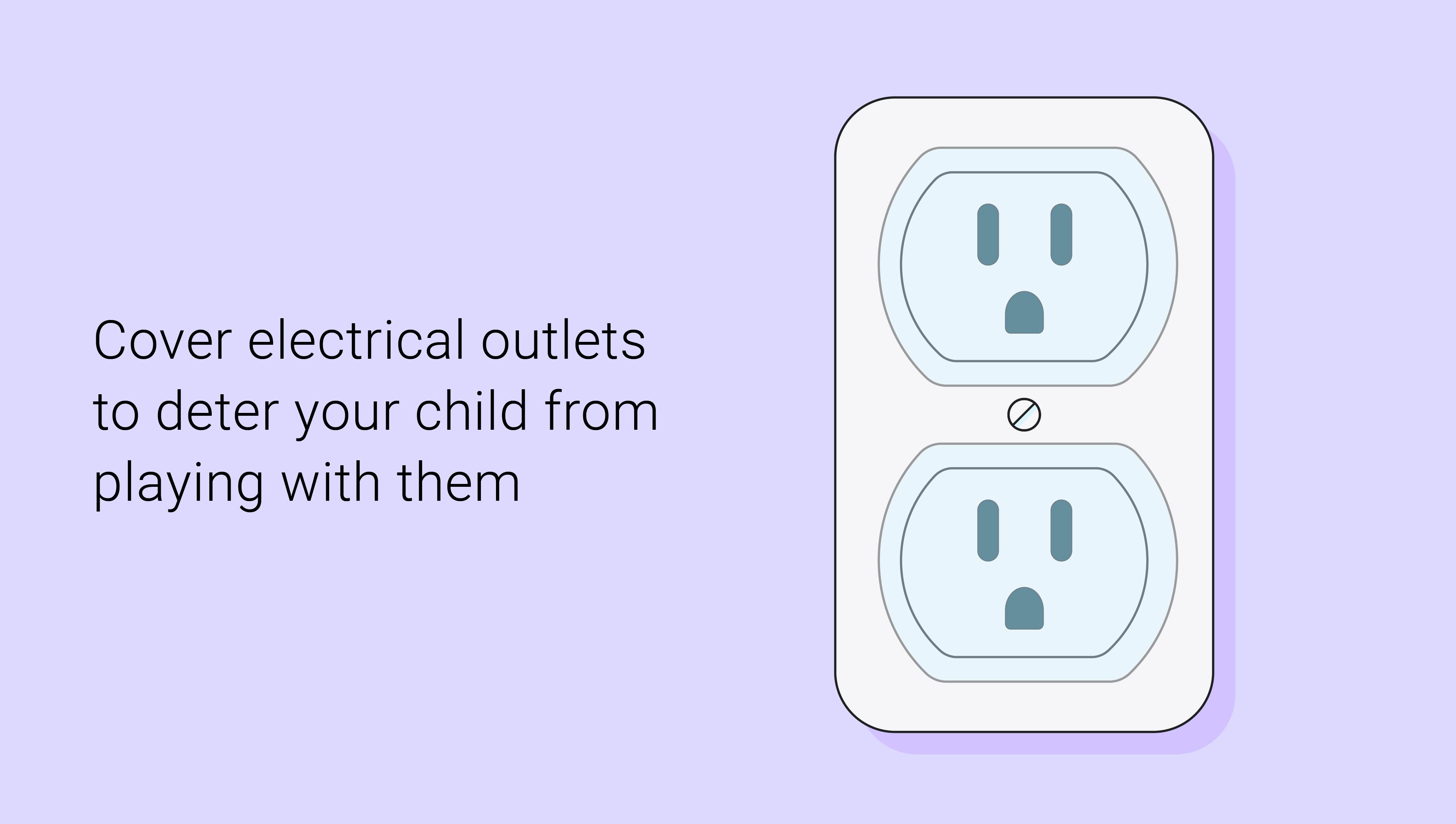
- Cover all electrical outlets. A child who wanders at night could be shocked or start a fire by playing with outlets.
- Anchor your furniture. Should your child try to climb furniture while you are sleeping, anchors are a critical safety mechanism.
- Gently lead your child back to bed if you catch her wandering. Many of these tips are designed to protect your child if you are unaware of the wandering. If you see the child wandering, gently lead her back to bed, repeating the process until you have established sleep again.
- Consider a GPS tracker. A wearable GPS tracker worn at bedtime will give you peace of mind if your child does wander in spite of your best intentions.
Children who Sleepwalk
In addition to the tips for wandering, for a sleepwalking child you will want to be aware that your child is not awake. They have no control over their behavior when sleepwalking.
- Install video monitors or a bedroom door alarm so you can be alerted when sleepwalking starts. This will help you get the child back to bed in a safe manner.
- Do not try to wake a sleepwalking child. Instead, lead the child back to bed and settle them in for sleep. Waking your child may cause them to become anxious, which will make it more difficult to get back to sleep.
- If you cannot lead your child back to bed, consider taking them to the restroom. Many children, regardless of neurology, will sleepwalk when they need to use the restroom. Alleviating this need can help the child return to sleep.
- Consider moving bedtime earlier. Not getting enough sleep can make sleepwalking more likely, so slowly easing bedtime earlier may help. If sleepwalking happens often or your child could get hurt, talk to their doctor.
Night Snacking or Binge Eating
- Consider putting childproof locks on the fridge and pantry to prevent your child from binge eating while you sleep. Binge or rapid eating is common among many children with autism or other special needs, and if you have made it clear this behavior is not appropriate, your child may engage in it after you have gone to bed. Since this has serious health risks, including obesity and the risk of aspirating, you need to prevent it with locked cabinets. Talk to your child’s doctor if night eating happens often.
- Make the kitchen and refrigerator inaccessible. It might not work with an open floor plan, but if possible, eliminate temptation by closing off the kitchen completely. Depending on your child’s age, you might be able to use a baby gate, child proof door knob cover, or latch high on the door.
Night Terrors
- Recognize that night terrors are more concerning for you as a parent than your child. Night terrors involve crying and screaming at night as if in distress, but unlike a nightmare, they are usually not something the child remembers the next morning.
- Soothe your child back to sleep, but avoid waking them fully. A night terror is hard to watch, but if you can simply soothe your child back to sleep without waking them fully, watching to ensure they are not injured when thrashing, you may be able to salvage the rest of the night.
- Avoid daytime sensory overload to reduce night terrors. Children with autism may suffer more night terrors if they experience sensory overload during the day, so work to reduce sensory input, especially in the hours before bedtime.
- Talk to your doctor if night terrors persist. Since children with autism are more prone to anxiety, talk to your child’s doctor if night terrors keep happening.
For more help troubleshooting sleep problems, visit:
- Mayo Clinic: Sleep Terrors Diagnosis & Treatment
- Autism Alliance of Michigan: Help with a 19-Year-Old with ASD who Does Not Sleep at Night
- Car Autism Roadmap: How Common Is Sleep Disturbance in Children with ASD?
- CentralReach: Resolving Sleep Issues with Children on the Autism Spectrum
Tips for Changing Routine
Once you establish a good routine for bedtime, it seems that life will throw change at you. Family vacation, adding a new sibling, or even just moving to a new home can hurt your child’s sleep routines. Change is difficult for all children, but it can derail an autistic child’s routines and impact all the progress you have made for sleep. Here are some tips to help manage the changes that life inevitably brings:
- When you need to adjust to a new bed or bedroom, practice desensitization. Desensitization strives to gradually introduce an unfamiliar space. Start with allowing your child to use the room for non-sleeping activities. Then, use it for nap time. Then, move his bedding into it, but allow him to sleep elsewhere if needed. Eventually, as your child realizes the exposures have no negative side effects, he will embrace the new space.
- Bring comforts from home when traveling. It’s not possible to desensitize your child when traveling, so bring as many comforts from home as possible. Your own bedding, for example, will feel and smell like home, and that may help sleep to happen.
- Use a sound machine and fan when traveling. Airflow and ambient noises are problems when you are on vacation and staying in a hotel, so bring supplies from home to help with these common issues.
- Use social stories to help your child prepare for the change. Social stories break down what is about to happen into easily digested pieces with pictures, and many children with autism respond well to them.
- Pack a go-to bedtime box when moving house. It may not be possible to have your child’s new bedroom set up completely in your new house when you need to move, so pack a box with the bedtime supplies that make bedtime easier for you, like stuffed animals, sound machines, and bedding. Use as much as you can from your old house as you establish bedtime in your new house.
- Keep as much routine as possible the same. Even when traveling or when moving to a new home or new bedroom, keep your bedtime routine in place as much as possible.
- Move bedtimes gradually. If you find that you need to adjust a bedtime either later or earlier, do so gradually. Change the time in 5 or 10-minute increments until you have arrived at the new, preferred time.
- Understand that new additions to the house will disrupt bedtime routines. Adding a sibling or a pet to your home may disrupt your child’s sleep cycles, causing bad sleep habits. Though it will feel like you are starting over, you need to be aware that these changes are huge to a child with autism. Be patient and work to reestablish the good sleep hygiene habits you have had in place.
- Keep a new sibling or pet out of the child’s sleep space. The addition of pet dander or the introduction of a new sibling can make the bedroom feel different, which will impact sleep. Keep these new additions out of your child’s bedroom until she has had time to adjust to them being part of the family.
- If you are making a new change, remember that it may not have the desired effect immediately. Trying something for just a few days and then quitting is usually not an effective strategy. Often, there will be an “extinction burst” where the behavior gets worse before it gets better. This is the time to hang on and keep it up the most so that you can start to see the benefits.
“Making changes to your child’s sleep environment and routine can be challenging. If you are having difficulty making these changes, it might be beneficial to consult with a pediatric behavioral sleep medicine specialist. A list of certified providers can be found here,” says Dr. Jessee Dietch, an assistant professor of psychology at Oregon State University.
For more help with changes in routine and a child with autism, visit:
- Special Learning, Inc.: Negative Response to a Disruption of Routine
- National Autistic Society: Preparing for Change
- Seattle Children’s Hospital: Autism and Dealing with Change
- Indiana University Bloomington: Change Is Good! Supporting Students on the Autism Spectrum when Introducing Novelty
Conclusion
Sleep concerns are a major issue for children on the autism spectrum and their parents. Sleep deprivation can disrupt family dynamics and make living life with sensory differences an even greater challenge, but restful sleep can lead to a peaceful home environment. Many children with autism struggle with sleep, but parents can help. With these tips and strategies, and a patient, loving approach to the sleep problem, parents can guide their children into healthy, restful sleep, which will benefit the entire family.