I Tested 50+ Mattresses to Find the 14 Best Mattresses for Neuropathy of 2026

Top Recommendation of 2026: Amerisleep AS3
After testing 50+ mattresses for this guide, the Amerisleep AS3 earned the top spot because it gave the most even contact across my shoulders, hips, and lower back while still letting me change positions without effort. During testing, my hips stayed level with my shoulders on my back, and when my partner rolled over, the movement barely reached my side.
The surface also felt cooler to the touch than the traditional memory foam beds I compared. The AS3 fits side, back, and combination sleepers who wake often and want one medium feel, plus couples where one person is up and down at night. It is one of only two picks here to score 10 for both Motion Transfer and Cooling and Breathability, and that pairing of calm, even contact is why it ranked first.
The best mattress for neuropathy is the Amerisleep AS3, a 12-inch medium memory foam bed that scored 10 out of 10 for both motion isolation and cooling in my testing of 50+ mattresses. On my back, my hips stayed level with my shoulders, and a partner’s movement barely reached my side. It suits side, back, and combination sleepers who wake often.

Every mattress featured on Sleep Junkie is evaluated using the same testing framework for support, pressure relief, cooling, motion isolation, edge support, responsiveness, and overall value. Learn How We Test Mattresses.
- Best Mattress Overall: Amerisleep AS3
- Best Purple Alternative: FORM Prime
- Best Mattress For Athletes: Zoma Boost
- Best Mattress for The Money: Vaya Hybrid
- Best Mattress for Side Sleepers: Helix Midnight Luxe
- Best Hybrid Mattress: Leesa Sapira Chill
- Best Innerspring Mattress: Saatva Classic
- Best Pillow Top Mattress: Nolah Evolution
- Best Latex Mattress: Organica
- Best Cooling Mattress: Amerisleep AS6 Black Series
- Best Organic Mattress: PlushBeds Signature Bliss
- Best Hotel Mattress: Westin Heavenly Bed
- Best Soft Mattress: Amerisleep AS5 Hybrid
- Best Mattress for Couples: Nest Bedding Sparrow
The top mattress I recommend for neuropathy is the Amerisleep AS3, a 12-inch medium memory foam bed that paired even pressure distribution with a 10 out of 10 score for both motion isolation and cooling in my testing. I tested 50+ mattresses and narrowed the list to 14 picks that suit different sleep positions, firmness preferences, and budgets.
No mattress treats neuropathy. What a mattress does change is the surface you spend seven or eight hours on. Nerve symptoms often feel more noticeable at night, so I focused on the things that shape those hours: how evenly a bed spreads your weight, how easily it lets you turn over, how steady the edge feels when you sit down to put on slippers, and how warm the surface gets after an hour.
I also paid close attention to partner movement. Many people with nerve symptoms wake more often, and a bed that passes every roll and shift across the surface makes falling back asleep harder for both people.
Below, each pick lists who it suits, what it does less well, and which other bed on this page may fit you better. Treatment decisions belong with your doctor, and nothing here replaces that conversation.
How We Selected These Mattresses
Our team evaluated mattresses for pressure-relieving foam layers, zoned support technology, motion isolation, and temperature regulation. We focused on designs that may help support comfort for sleepers with chronic pain sensitivity, particularly in the hips, shoulders, and lower back. Consumer reviews from verified buyers were also assessed to reflect real-world comfort experiences across different sleep positions and body types.
Sleep Junkie uses hands-on product evaluation, product-spec review, owner-feedback review where available, and expert review where applicable. Health-related claims are routed to credentialed reviewers when the topic requires added clinical or scientific oversight. Pages with completed commentary from our expert review board should show the reviewer clearly on the page.
Mattresses do not diagnose, treat, or cure neuropathy. A supportive mattress may help some sleepers feel more comfortable, but severe, persistent, radiating, or neurological symptoms should be discussed with a healthcare professional.
Best Mattresses for Neuropathy

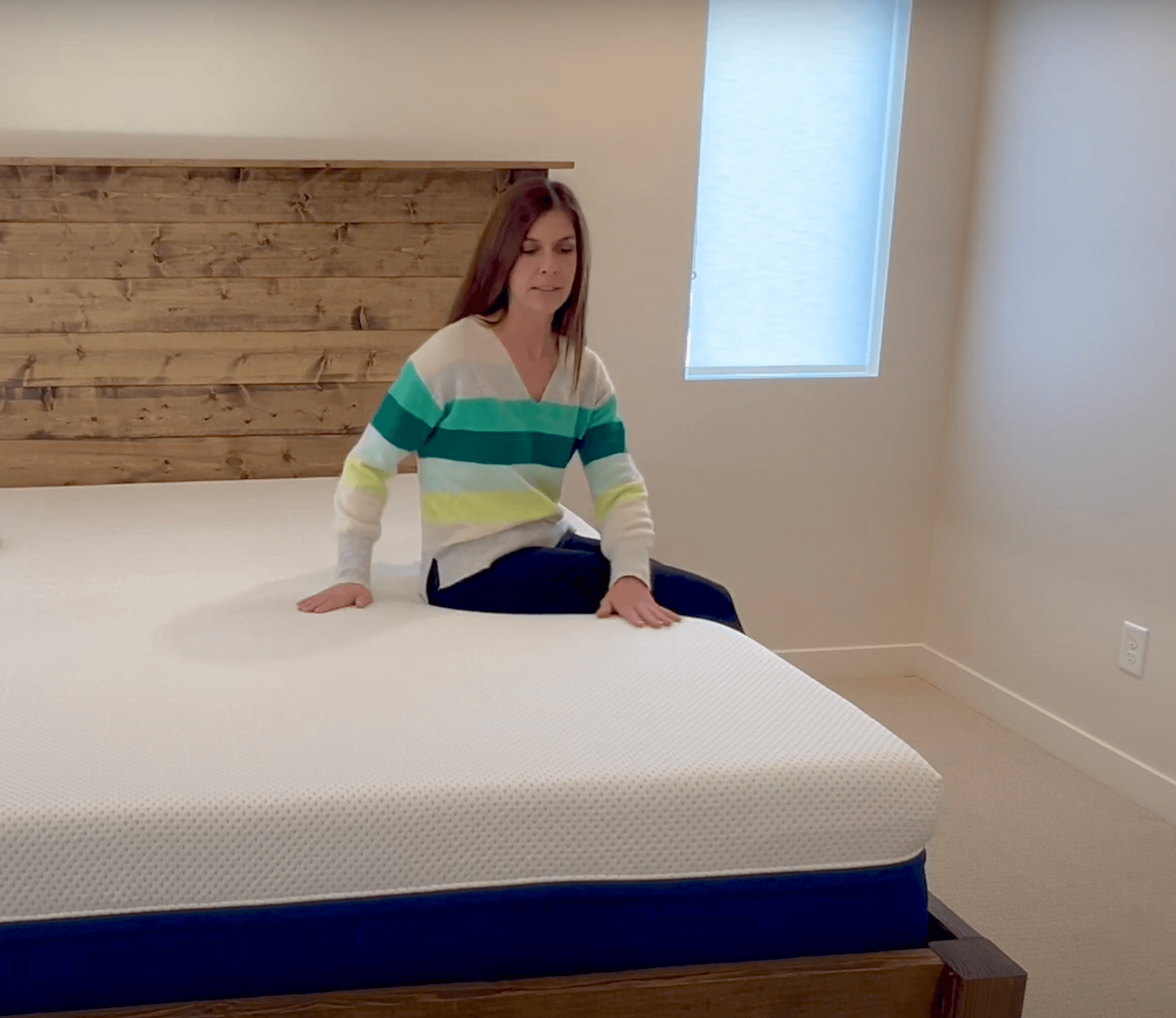
Watch Our Amerisleep AS3 Video Review
After testing 50+ mattresses, the Amerisleep AS3 earned the top spot for neuropathy because it kept my contact points even without trapping me in one position.
On my back, my hips stayed level with my shoulders and I could not slide a hand under my lower back. On my side, the foam let my shoulder and hip settle in first, so the pressure spread out instead of stacking at one point. When I rolled over, the surface let go quickly enough that turning took no push.
The AS3 is the only all-foam bed on this list, and that matters for a light sleeper. There are no coils to pass a bounce across the bed, which is part of why it tied for the top Motion Transfer score. Against the higher-scoring Zoma Boost and Nolah Evolution, the AS3 gives up edge strength and gains a calmer, more even surface.
It fits side, back, and combination sleepers who wake often and want one medium feel, plus couples where one person gets up during the night.
- 9 Value
- 8 Edge Support
- 9 Trial Period
- 9 Response Time
- 10 Motion Transfer
- 10 Cooling & Breathability
I picked the AS3 because it held an even line in every position I tested while keeping a partner’s movement off my side of the bed.
Motion isolation. During testing, my partner sat up and got out of bed while I lay still on the far side. I felt only a faint shift, so a light sleeper who already wakes easily is less likely to be pulled awake a second time.
Cooling. The surface felt cooler to the touch than the traditional memory foam beds I compared, and it did not warm up as quickly after I had been lying in one spot for a while.
Edge support. This is the AS3’s honest weak spot. When I sat on the side to put on socks, the edge compressed more than the coil beds here. Lying a few inches in from the side felt stable.
Best For:
- Side, back, and combination sleepers who want one balanced medium feel
- Light sleepers sharing a bed with a restless partner
- Sleepers who notice heat building up on foam beds
Compare Instead:
- FORM Prime if you sit on the edge of the bed often and want a stronger perimeter (Edge Support 10)
- Amerisleep AS5 Hybrid if you want a softer, deeper cradle at the shoulders and hips
- Saatva Classic if you prefer a firmer, on-top innerspring feel with three firmness choices
The AS3 lands at a true medium, about 5 to 6 out of 10. The top foam gives on contact and then stops, so you feel held rather than swallowed. On my side, my shoulder sank in far enough to keep my neck in line. On my stomach, my hips dipped slightly, which is why strict stomach sleepers may want something firmer. It is the bed I would point to for a side or back sleeper who wants even, quiet contact and does not want to feel stuck when turning over.
The Bio-Pur® comfort layer is what let the surface feel less heat-retentive than the traditional memory foam I compared, and it bounced back fast enough that repositioning never felt slow.
Under it, the zoned HIVE® transition layer is why my shoulders sank farther than my lower back, which kept my spine level on my side.
The Bio-Core® base set a firm stop underneath, so my hips did not drift lower the longer I lay there. Because every layer is foam, movement stayed local instead of traveling across the bed, which is the construction reason behind its motion result.
Pros
- Motion Transfer (10/10): a partner getting out of bed barely registered on my side during testing.
- Cooling and Breathability (10/10): the surface felt cooler to the touch than the traditional memory foam beds I compared.
- Even support: my hips stayed level with my shoulders on my back, with no gap under my lower back.
Cons
- Edge Support (8/10): the perimeter compressed more than the coil beds here when I sat on it to dress.
- Single medium feel: sleepers who want a noticeably softer or firmer surface have no firmness option on this model.
Why The Amerisleep AS3 Won
Among the 14 mattresses on this list, the AS3 gave the most even contact across side, back, and combination positions while keeping partner movement and surface heat low. Several beds here carry higher totals, but the AS3 is one of only two picks to score 10 for both Motion Transfer and Cooling and Breathability. It is my top pick for a sleeper who wakes often and wants a quiet, even, medium surface.
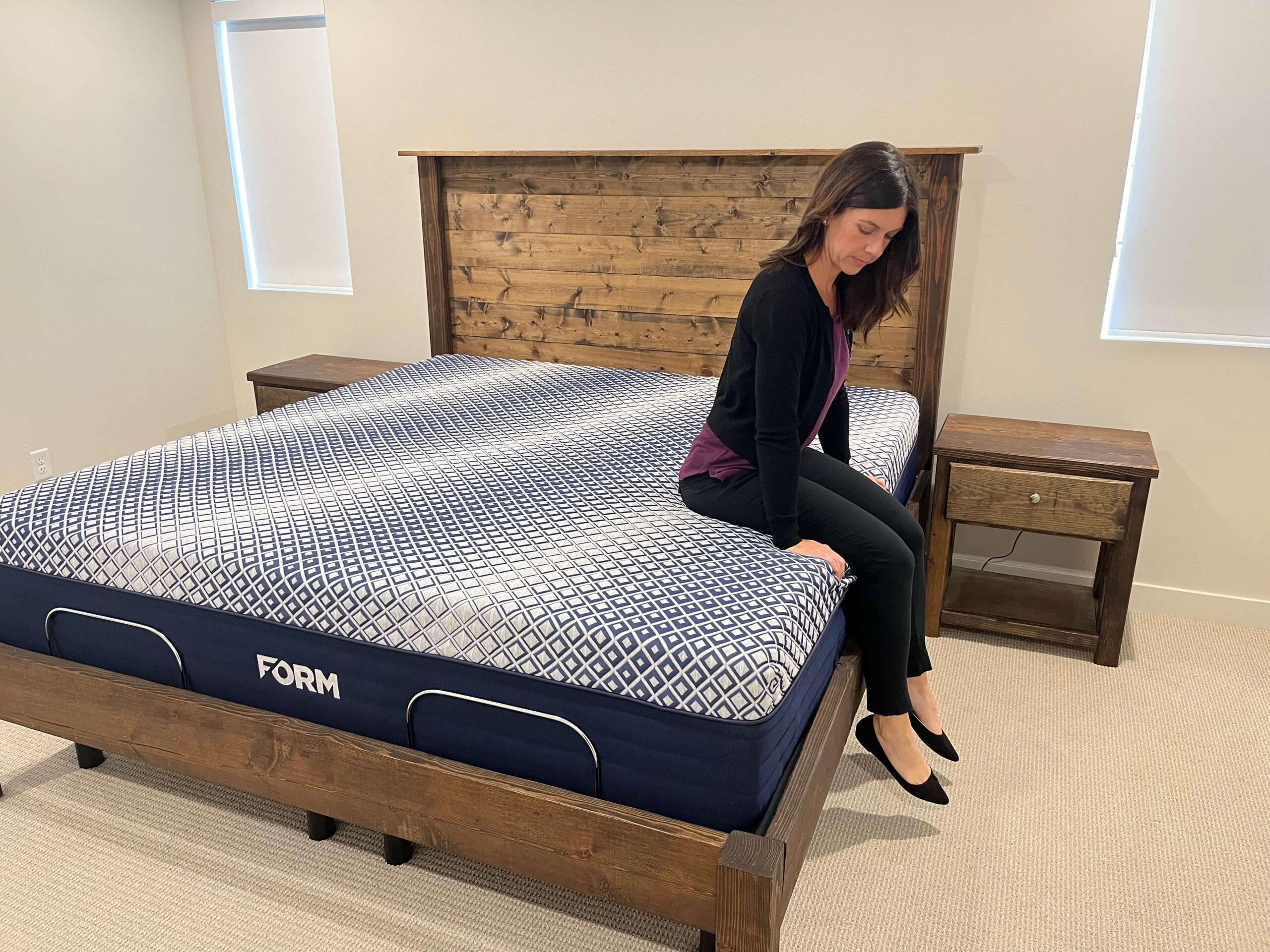
Watch Our FORM Prime Video Review
The FORM Prime is the only gel grid bed on this list, and it earned second place because it pairs targeted give at the shoulder and hip with an edge you can actually sit on.
On my side, the grid flexed right where my shoulder and hip pressed in while staying firm under my waist, so I got cushioning without a hammock feel. The Integra-Mesh woven through the grid kept the surface from rippling when my partner moved, and the zoned coils below held my hips up.
Where it beats the AS3 is the perimeter. When I sat on the edge to put on my shoes, it held level and I stood up without shifting my weight first. That, plus a lifetime warranty and a 365-night trial, makes it easy to live with over the long run.
It fits side and back sleepers who want pressure relief without sinking, and anyone who sits on the side of the bed before standing.
- 8 Value
- 10 Edge Support
- 10 Trial Period
- 9 Response Time
- 10 Motion Transfer
- 9 Cooling & Breathability
I picked the FORM Prime because it was the rare bed that gave both precise cushioning and a steady perimeter.
Pressure relief. During testing, the grid gave under my shoulder more than under my ribs, so side sleeping did not load up one spot. Lying on my back, my hips stayed level with my shoulders.
Edge support. When I sat near the corner, the edge compressed very little. For someone who pauses on the bed before standing, that steadiness is the point.
Motion. My partner rolled over on the far side and the movement stayed near its source, so a light sleeper sharing the bed is less likely to wake up.
Best For:
- Side sleepers who want shoulder and hip give without a deep sink
- Sleepers who sit on the edge to dress or rest before standing
- Shoppers who want a long trial to decide
Compare Instead:
- Amerisleep AS3 if you want an all-foam feel with a stronger cooling score (Cooling 10) at a better value (Value 9)
- Organica if you want natural latex that springs back the moment you move (Response Time 10)
The Prime sits near medium, about 5.5 to 6 out of 10. The first thing you notice is that the grid gives in columns rather than all at once, so the parts of you that press hardest sink the most. On my back and side, that kept my spine in a steady line. It does come in one feel only, so a sleeper who wants a much softer or much firmer surface should test it during the trial. It suits a side or back sleeper who wants targeted give and a firm edge to sit on.
The GelGrid™ layer is why my shoulder and hip got relief without my waist dropping: its open cells collapse only where the load is heaviest.
The Integra-Mesh™ built into the grid is what kept the surface steady when my partner moved, which is why the grid did not wobble like softer grid designs can.
Under it, a ContourFlex™ transition layer and the ZoneCoil™ 7-Series coils kept my hips supported, and the reinforced perimeter is the reason the edge held when I sat on it. The AeroWeave™ cover felt cool on first contact.
Pros
- Edge Support (10/10): the perimeter held level when I sat on it to put on shoes.
- Motion Transfer (10/10): my partner’s movement stayed near its source during testing.
- Trial Period (10/10): 365 nights plus a lifetime warranty.
Cons
- Value (8/10): it costs more than several beds here that scored close to it.
- One firmness only: sleepers who want a clearly softer or firmer surface have no other version to choose.
- At 14 inches tall, it may need deep pocket sheets.
On my side, the gel grid flexed at my shoulder and hip while staying firm under my waist, and the edge held level when I sat on it to put on shoes. It is the pick for a side or back sleeper who wants targeted give without a foam sink and a steady place to sit before standing.
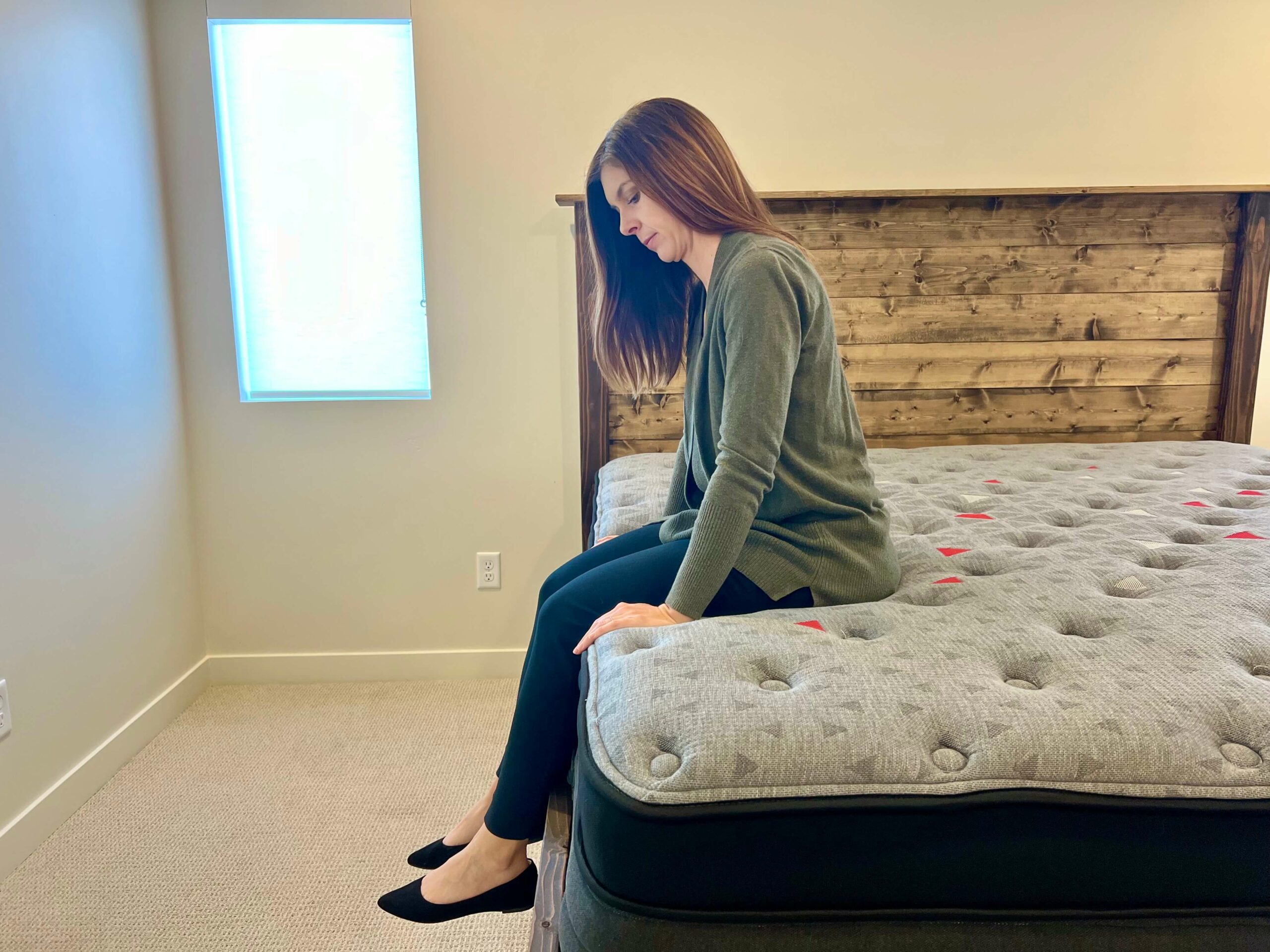
Watch Our Zoma Boost Video Review
The Zoma Boost ties for the highest total score on this page, and it is my pick for active sleepers who want deep cushioning at the shoulders and hips without losing support underneath.
On my side, the plush comfort layers let my shoulder and hip sink in on contact, and then the zoned coils caught my hips before they dropped out of line. That is the balance I look for when a sleeper wants softness but still needs the spine to stay level.
It ranked third rather than first because this guide leans hardest on quiet, even contact for sleepers who wake often, and the AS3 scored higher on cooling. The Boost answers with a stronger edge and a better value score, which makes it a strong pick for someone who spends time sitting on the side of the bed.
It fits side and combination sleepers who train hard and want a plush hybrid, and couples who share the bed.
- 10 Value
- 10 Edge Support
- 9 Trial Period
- 9 Response Time
- 10 Motion Transfer
- 9 Cooling & Breathability
I picked the Zoma Boost because it gave deep cushioning without the usual trade in edge or motion performance.
Pressure relief. During testing, my shoulder went in deeper on the Boost than on the firmer picks here before the coils stopped it, and my hip followed at a similar depth, so my waist stayed level.
Edge support. When I sat on the perimeter, it held level, which is unusual on a bed this plush. At 15 inches tall, sitting on the edge also puts you higher off the floor, so the step to standing is short on a standard frame.
Motion. My partner shifted on the far side and I barely noticed it, which helps couples on different schedules.
Best For:
- Side sleepers who want a plush surface that still holds the hips
- Active sleepers who want deep cushioning after hard training days
- Couples who want low motion transfer and a sturdy edge
Compare Instead:
- Amerisleep AS3 if cooling is your top priority (Cooling 10)
- Vaya Hybrid if you want a medium hybrid at a lower price
- Saatva Classic if you want a firmer, on-top feel with firmness choices
The Boost feels like a medium with a soft top, about 5.5 out of 10. You sink in a little farther than on the AS3, then the coils push back. Turning over, the comfort layers released a beat later than the fastest beds here, so a sleeper who changes position every few minutes may notice it. It suits a side or combination sleeper who settles in and wants a plush, cushioned feel with support below.
The graphite-infused memory foam on top is what let my shoulder sink in deeply while the surface still felt cooler to the touch than the denser all-foam beds I compared. The Reactiv™ layer below it is why the foam did not hold my shape for long when I moved, though it still released a beat slower than the coil-forward beds. The zoned edge coils are the reason my hips stayed up on my side and the perimeter held when I sat on it, and the base foam gave the coils a solid footing.
Pros
- Edge Support (10/10): the perimeter stayed level when I sat on it, even with a plush top.
- Value (10/10): it ties for the top value score on this page.
- Motion Transfer (10/10): my partner’s movement barely reached my side.
Cons
- Response Time (9/10): the comfort layers released a beat slower than the fastest beds here when I turned over.
- Warranty: 10 years, shorter than the lifetime and 20-year coverage on several other picks.
- At 15 inches tall, it needs deep pocket sheets.
During testing, my shoulder sank deep into the graphite foam before the zoned coils caught my hips, and the perimeter stayed level when I sat down. It is the pick for an active side or combination sleeper who wants plush cushioning without losing support underneath.
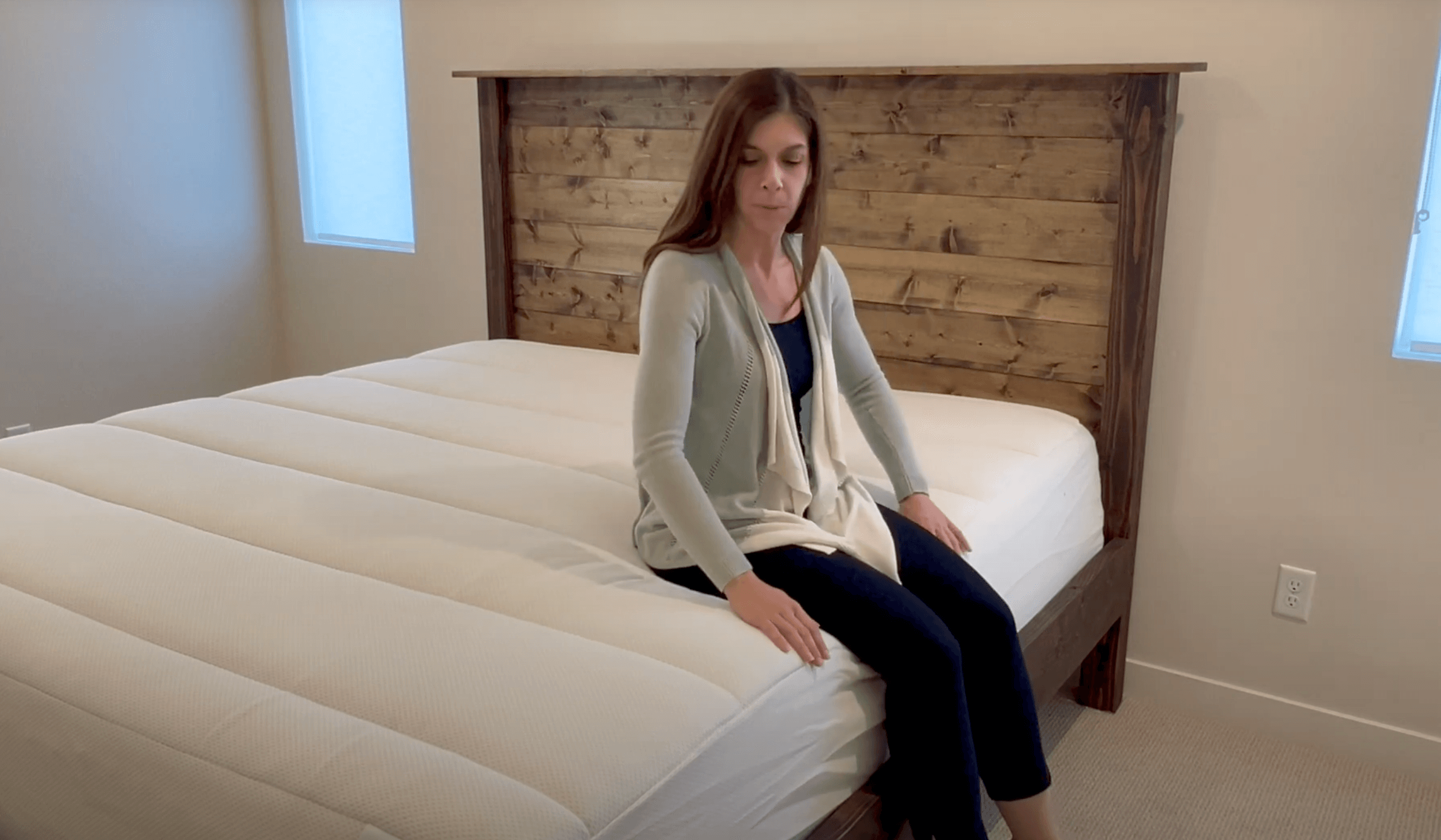
Watch Our Vaya Hybrid Video Review
The Vaya Hybrid is my value pick because it delivered one of the steadiest edges on this list at a price well below most hybrids I tested.
When I sat along the perimeter, I felt completely secure from the corner to the middle, and that result tied for the top Edge Support score here. For a sleeper who sits on the bed to pull on socks or pauses before standing, that is the feature worth paying for, and the Vaya does not charge much for it.
On my side, the quilted cotton top and Vaya Foam cushioned my shoulder and hip, and the coils kept my midsection from dropping. When I dropped weights on the surface, it sprang back right away, so changing positions took little effort.
It fits side and combination sleepers on a budget who want a medium hybrid with a strong edge, especially solo sleepers or couples who do not wake easily.
- 10 Value
- 10 Edge Support
- 9 Trial Period
- 10 Response Time
- 7 Motion Transfer
- 9 Cooling & Breathability
I picked the Vaya Hybrid because its edge support and quick response are rare at this price.
Edge support. During testing, I sat along the full perimeter and never felt like I would slide off. That steady edge also let me use the whole width of the bed when lying near the side.
Cooling. The thin cover, open-cell foam, and coil layer let more air move than the all-foam beds I compared. It did not feel as cool on first touch as the beds with special cooling covers, but it did not feel heat-trapping either.
Motion. This is its tradeoff. When I rolled around on one side, items on the other side shook a little, so a light sleeper may notice a restless partner.
Best For:
- Budget shoppers who want coils and a steady edge
- Side and combination sleepers who want a medium feel
- Solo sleepers who get in and out of bed often
Compare Instead:
- Nest Bedding Sparrow if a restless partner wakes you easily (Motion Transfer 10)
- Saatva Classic if you sleep on your stomach and need a firmer option
The Vaya Hybrid is a medium, about 5 to 6 out of 10, with a soft pillowy top over a bouncy coil base. On my back, it gave me gentle lift under my lower back. On my stomach, my hips sank a bit more than a strict stomach sleeper would want. It is a good match for a side or combination sleeper who wants some bounce and a soft top, and a less ideal match for someone who wants a deep, sinking hug.
The quilted cotton Euro top is the first layer of give, which is why my shoulder and hip settled gently instead of dropping. The open-cell Vaya Foam under it contoured without the slow recovery of memory foam, so I never felt stuck when I rolled. The individually wrapped coils are the reason the edge held when I sat on it and the reason air moved through the bed better than the all-foam version. A high-density base foam gives the coils a firm footing, and the whole stack stands 14 inches tall.
Pros
- Edge Support (10/10): I felt secure sitting along the full perimeter during testing.
- Value (10/10): it ties for the top value score on this page.
- Response Time (10/10): weights dropped on the surface sprang back right away.
Cons
- Motion Transfer (7/10): items on the far side shook when I rolled, so light sleepers may feel a partner move.
- Medium only: strict stomach sleepers may find their hips sink more than they want.
Sitting along the full perimeter, I never felt like I might slide off, and the coils sprang back fast when I rolled over. It is the pick for a side or combination sleeper on a budget who sits on the edge of the bed often and does not wake easily.
Best Mattress for Side Sleepers
Helix Midnight Luxe

Warranty
Lifetime

Sleep Trial
120 Nights

Shipping
Free
Watch Our Helix Midnight Luxe Video Review
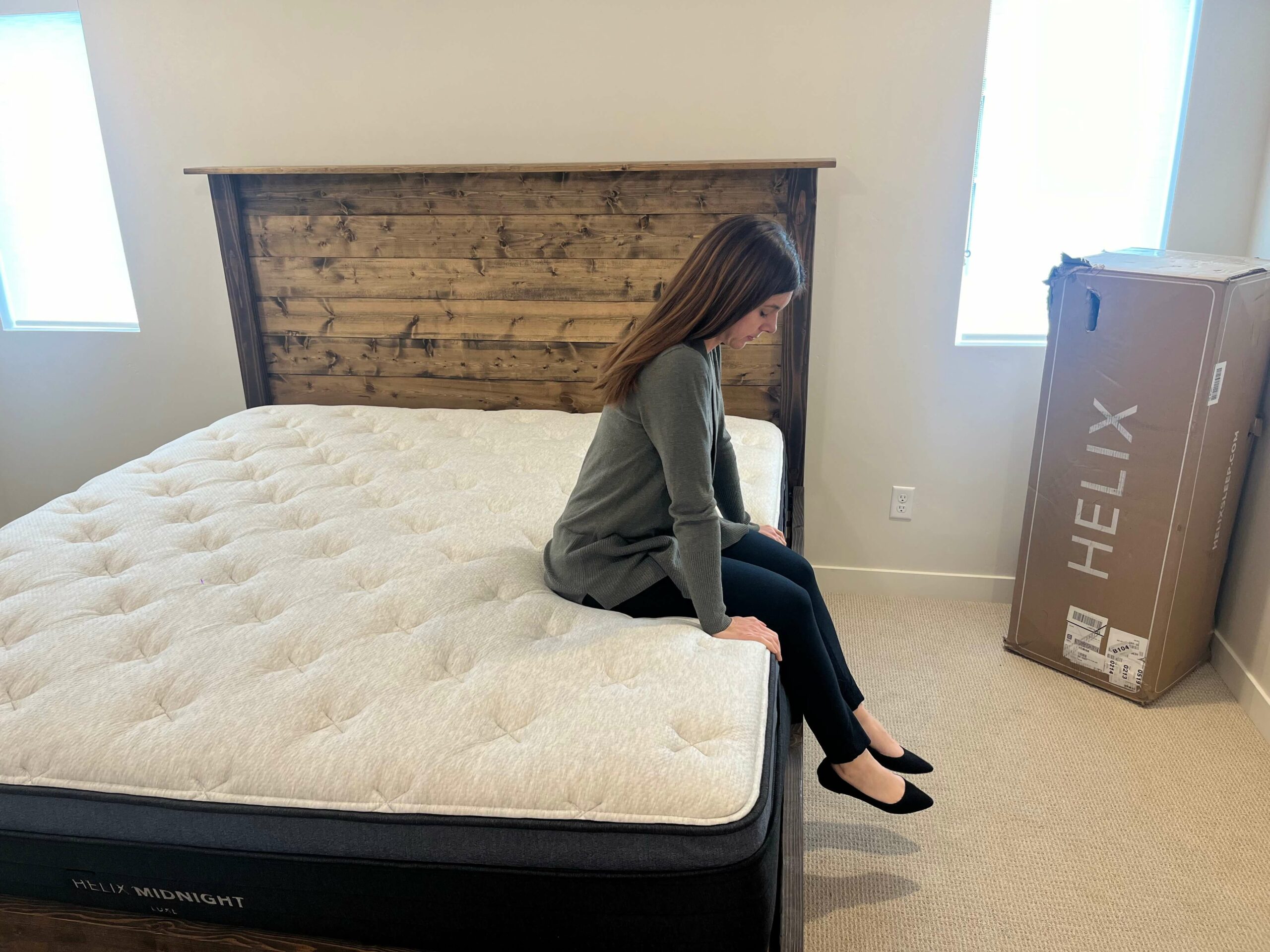
The Helix Midnight Luxe is my side sleeper pick because its zoned coils let my shoulder settle in while holding my hip level, so pressure did not pile up at one joint.
On my side, the pillow top and foam cushioned my shoulder first, and the firmer center zone kept my waist from sagging. The line from my shoulder to my hip stayed straight, which is what I check first for side sleepers.
It also backs up that comfort with a sturdy edge and low motion transfer. The tradeoff is price: it carries a 7 for Value, which ties for the lowest on this page, and it comes in one medium feel.
It fits side sleepers and combination sleepers who start on their side, especially those who share a bed and sit on the edge to get up.
- 7 Value
- 10 Edge Support
- 9 Trial Period
- 9 Response Time
- 10 Motion Transfer
- 9 Cooling & Breathability
I picked the Midnight Luxe because its zoning was the clearest match for side sleeping on this list.
Spinal alignment. During testing, my shoulder dropped into the softer zone while my hip stayed supported, so my spine held a level line from neck to hips.
Edge support. When I sat on the perimeter, it held level instead of tipping me toward the floor.
Motion. My partner turned over on the far side and the movement stayed on their half, which helps a light sleeper stay asleep.
Best For:
- Side sleepers who want zoned shoulder and hip support
- Couples who want low motion transfer
- RV owners who need a Short Queen or RV King size
Compare Instead:
- Vaya Hybrid if you want a medium hybrid with a steady edge at a lower price (Value 10)
- Leesa Sapira Chill if you want a firmness choice and a higher cooling score (Cooling 10)
The Midnight Luxe feels like a medium, about 6 out of 10, with a soft pillow top. You feel cushioned at the shoulder right away, then firmer support under the middle of your body. On my stomach, my hips dipped a little, so stomach sleepers may want more firmness. It is best for a side sleeper who wants the shoulder to sink without the hips following.
The pillow top and foam comfort layers are why my shoulder sank in softly on contact. The zoned wrapped coils are the reason my hip did not follow it down: the center zone pushes back harder, which kept my spine straight on my side. Those same coils kept motion local when my partner moved and gave the edge its stability when I sat down. The cover choice matters too, since the GlacioTex option is built to feel cool on first contact.
Pros
- Motion Transfer (10/10): my partner’s movement stayed on their side during testing.
- Edge Support (10/10): the perimeter held when I sat on it.
- Zoned support: my shoulder sank while my hip stayed level on my side.
Cons
- Value (7/10): it ties for the lowest value score on this page.
- One medium feel: it is not offered in a softer or firmer version.
On my side, my shoulder dropped into the softer zone while the firmer center held my hip level, so my spine stayed straight from neck to hips. It is the pick for a side sleeper who shares a bed and wants zoned support at the shoulder and hip.

Watch Our Leesa Sapira Chill Video Review
The Leesa Sapira Chill is my hybrid pick because it paired a cooling quilt top with three firmness levels and a surface that let go fast when I moved.
During testing, the quilt cover felt cooler to the touch than the standard pillow tops I compared. On my side, the foam let my shoulders sink while the zoned springs held my lower back up, so I did not lose my line.
It ties for the top Response Time and Cooling and Breathability scores here, which is an unusual pair. Most plush-topped beds give up one to get the other.
It fits side, back, and combination sleepers who run warm and want to choose their own firmness level.
- 8 Value
- 10 Edge Support
- 9 Trial Period
- 10 Response Time
- 9 Motion Transfer
- 10 Cooling & Breathability
I picked the Sapira Chill because it answered two common complaints at once: heat and feeling stuck.
Responsiveness. During testing, the surface returned right after I rolled from side to back, so I did not have to push my way out of a dip.
Edge support. When I sat on the side of the bed, the perimeter stayed firm, which makes the edge a safe place to pause before standing.
Firmness choice. Having Plush, Medium-Firm, and Firm options means a side sleeper and a back sleeper can each find a fit within the same model.
Best For:
- Hot sleepers who want a pillow-top feel
- Combination sleepers who change positions often
- Shoppers who want to pick from three firmness levels
Compare Instead:
- Amerisleep AS6 Black Series if cooling is the one thing you care about most
- Nest Bedding Sparrow if you want stronger motion isolation (Motion Transfer 10) and a 365-night trial
I tested the Sapira Chill with its cushioned quilt top, which gives a soft first touch before the springs push back. The Plush version suits side sleepers, the Medium-Firm version suits most back and combination sleepers, and the Firm version is the choice for stomach sleepers. It is best for a warm sleeper who changes positions often and wants the surface to follow them without lag.
The cooling quilt cover is why the surface felt cooler to the touch than the standard pillow tops I compared. Under it, four foam layers, including open-cell GreenFlex foam, cushioned my shoulders without the slow recovery of dense memory foam, which is why it scored so well for response. The zoned springs are the reason my lower back stayed supported as my shoulders sank, and their firmer perimeter is what held when I sat on the edge.
Pros
- Response Time (10/10): the surface returned right after I rolled over.
- Cooling and Breathability (10/10): the quilt cover felt cooler to the touch than standard pillow tops.
- Three firmness levels to match different sleep positions.
Cons
- Value (8/10): it costs more than the top value picks on this page.
- Motion Transfer (9/10): the springs passed a little more movement than the top motion-isolating beds here.
- At 14 inches tall, it may need deep pocket sheets.
The quilt cover felt cooler to the touch than the standard pillow tops I compared, and the surface returned right after I rolled from side to back. It is the pick for a warm combination sleeper who changes positions often and wants to choose from three firmness levels.
Watch Our Saatva Classic Video Review
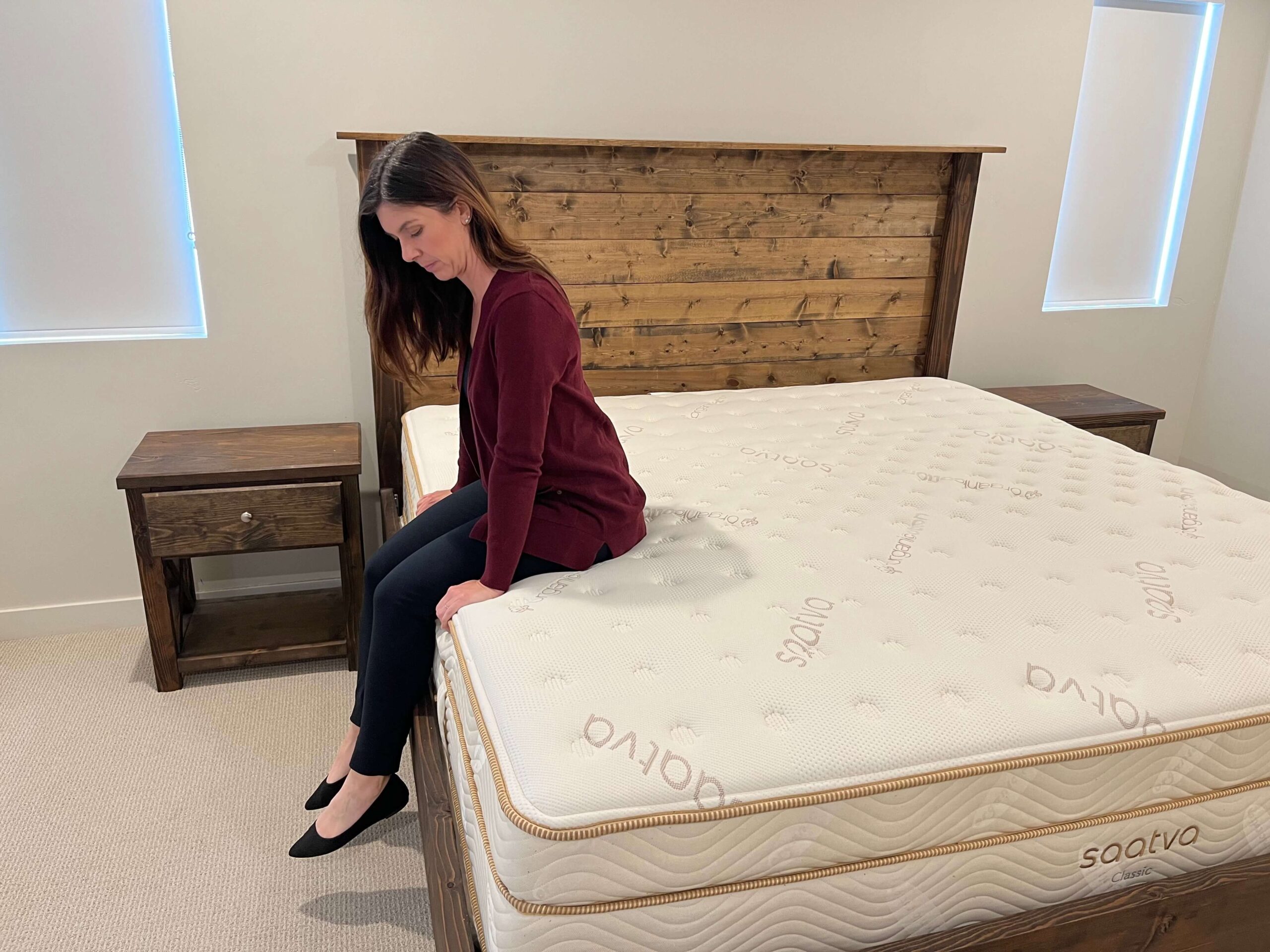
The Saatva Classic is my innerspring pick because its coil-on-coil build held my body on top of the surface and let me move without any lag.
On my back, the dual coils kept my midsection up instead of letting it sink, and the Euro pillow top still cushioned my shoulders on contact. When I turned over, the surface reset right away, which ties for the top Response Time score on this page.
It also comes in two heights and three firmness levels. That choice matters for this guide, since bed height changes how easily your feet reach the floor when you sit on the edge.
It fits back and combination sleepers who prefer to sleep on the bed rather than in it, and anyone who wants to pick a height that suits their frame.
- 7 Value
- 10 Edge Support
- 10 Trial Period
- 10 Response Time
- 9 Motion Transfer
- 9 Cooling & Breathability
I picked the Saatva Classic because it gave the most on-top, easy-to-move-on feel of the beds I tested.
Responsiveness. During testing, the coils pushed back the moment I shifted, so rolling from back to side took almost no effort.
Edge support. Sitting on the edge with my feet on the floor, the perimeter barely compressed, and I stood up without having to scoot forward first.
Height choice. The 11.5-inch and 14.5-inch options let you choose how high the sleep surface sits, which helps if you want your feet flat on the floor when seated.
Best For:
- Back and combination sleepers who want an on-top feel
- Sleepers who want to choose both height and firmness
- Anyone who wants a long trial and a lifetime warranty
Compare Instead:
- Vaya Hybrid if you want coil support at a much lower price (Value 10)
- Leesa Sapira Chill if you want a foam-topped hybrid with a higher cooling score (Cooling 10)
I tested the Luxury Firm, which sits around 5 to 7 out of 10. It feels buoyant: the pillow top gives at your shoulder and hip, and then the coils answer back. On my side, my shoulder did not sink as far as on the softer beds here, so side sleepers who want a deep cradle may prefer the Plush Soft option. It is best for a back or combination sleeper who wants to stay lifted and move freely.
The two coil layers are the reason this bed feels so lifted: the lower coil unit sets a firm floor, and the upper wrapped coils respond right under your body, which is why it reset so fast when I moved. The 3-inch Euro pillow top with Lumbar Zone® quilting cushioned my shoulders while the firmer center kept my lower back from dipping. The organic cotton blend cover felt breathable, and the steady perimeter is what held when I sat down.
Pros
- Response Time (10/10): the coils reset the moment I changed positions.
- Edge Support (10/10): the perimeter barely moved when I sat on it with my feet on the floor.
- Trial Period (10/10): 365 nights, plus a lifetime warranty.
Cons
- Value (7/10): it ties for the lowest value score on this page.
- Side sleepers on the Luxury Firm build may feel less shoulder give than on the softer beds here.
On my back, the dual coils kept my midsection lifted, and when I sat on the edge with my feet on the floor, the perimeter barely compressed. It is the pick for a back or combination sleeper who wants an on-top innerspring feel and a choice of height and firmness.
Watch Our Nolah Evolution Video Review
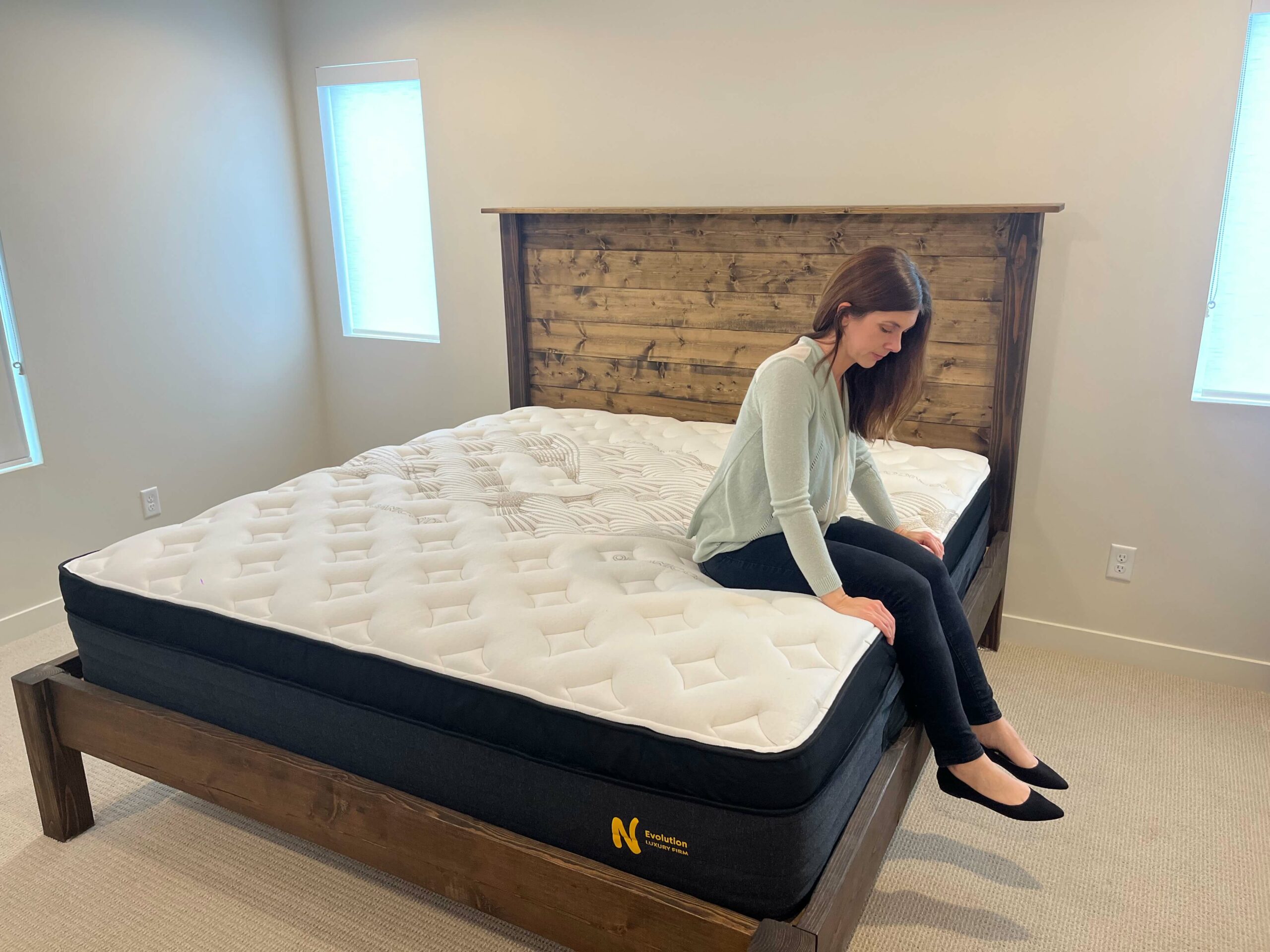
The Nolah Evolution is my pillow top pick because it gave me a plush first touch without letting my waist drop out of line.
On my side, the AirFoam layers cushioned my hip and shoulder, and the tri-zoned coils held my lower back up. The surface also felt cooler to the touch than the other pillow tops I compared, which is not something I expect from a bed this plush.
It ties with the Zoma Boost for the highest total score on this page. It landed at number eight because this guide is built around a specific shopper, and its release was a beat slower than the fastest beds when I turned over.
It fits side sleepers who want a plush pillow top, warm sleepers who usually avoid thick foam tops, and couples.
- 10 Value
- 10 Edge Support
- 9 Trial Period
- 9 Response Time
- 10 Motion Transfer
- 9 Cooling & Breathability
I picked the Evolution because it combined pillow top softness with an edge and motion result that thick tops usually give up.
Pressure relief. During testing, my hip and shoulder settled into the softer zones while the firmer middle zone kept my waist from sagging, so my spine stayed level on my side.
Edge support. Sitting on the edge, the reinforced border held rather than rolling me forward, which helps anyone who dresses sitting on the bed.
Motion. My partner moved on the far side and I barely felt it, so a light sleeper sharing the bed is less likely to wake.
Best For:
- Side sleepers who want a plush pillow top
- Couples who want low motion transfer and a sturdy edge
- Shoppers who want three firmness levels to choose from
Compare Instead:
- Leesa Sapira Chill if you want a quilt-top hybrid that resets faster (Response Time 10)
- Westin Heavenly Bed if you want a classic hotel pillow top on a coil base
I tested the Luxury Firm with the pillow top, which lands around 6 to 7 out of 10. It feels soft on top and steady underneath. Running a hand across it, you can feel that the shoulder zone is softer than the middle. On my back, my lower back stayed in contact with the surface. It is best for a side sleeper who wants the shoulder to give while the waist stays up.
The GlacioTex™ pillow top and gel-infused foam are why the plush top felt cooler to the touch than the other pillow tops I compared. The zoned foam below it, firmest in the middle, is what kept my waist up while my shoulder sank. The 8-inch zoned coil core added the lift underneath and gave the edge its strength when I sat on it, and a base foam layer gives the coils a stable footing.
Pros
- Value (10/10): it ties for the top value score on this page.
- Motion Transfer (10/10): my partner’s movement barely reached my side.
- Edge Support (10/10): the reinforced border held when I sat on it.
Cons
- Response Time (9/10): the pillow top released a beat slower than the fastest beds here when I turned over.
- At 15 inches with the pillow top, it needs deep pocket sheets and sits higher off the floor.
Nolah Evolution
On my side, the pillow top cushioned my shoulder while the firmer middle zone kept my waist from sagging, and my partner’s movement barely reached me. It is the pick for a side sleeper who wants a plush pillow top and shares the bed.
Watch Our Amerisleep Organica Video Review
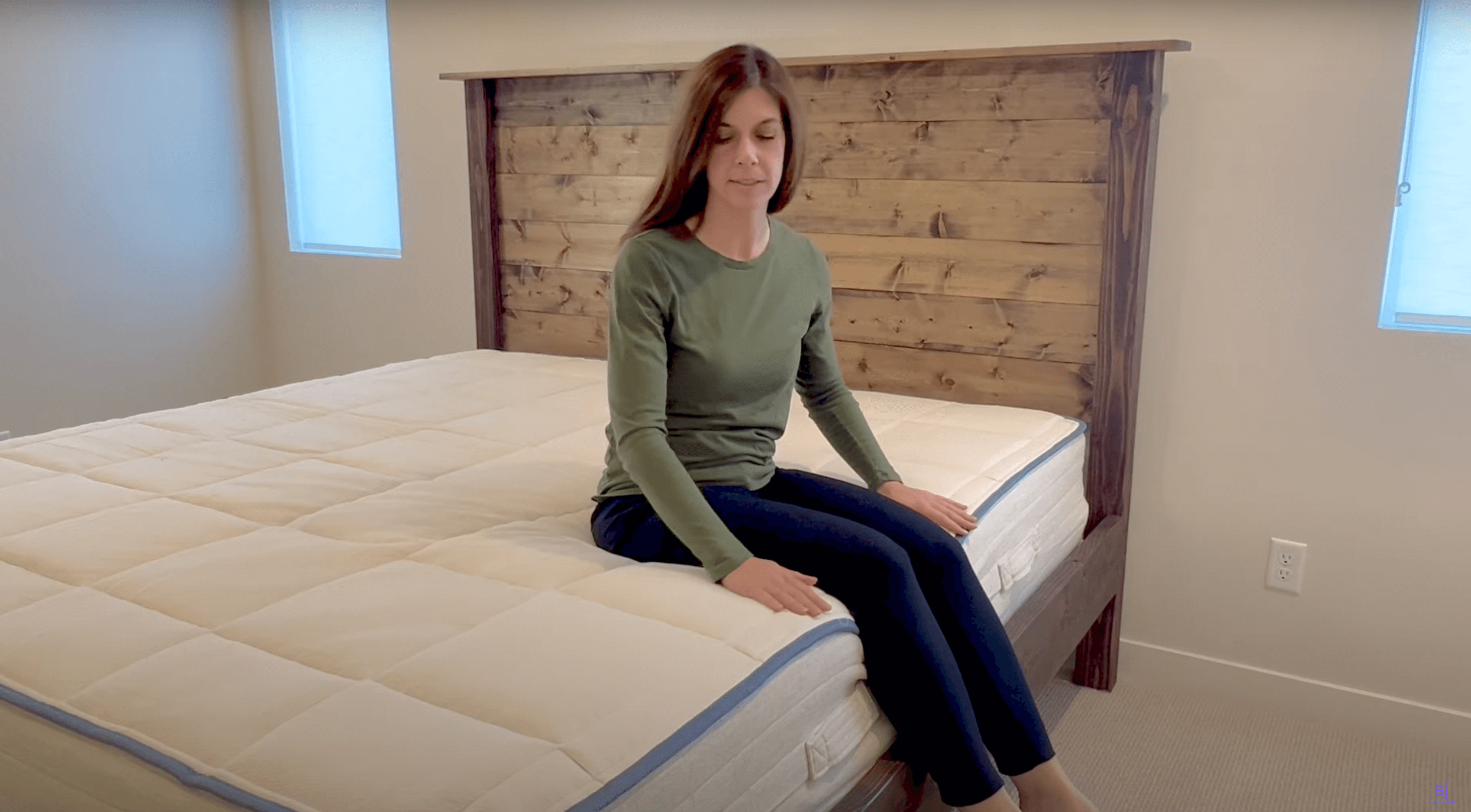
The Organica is my latex pick because it was one of the easiest beds on this list to change positions on, and that matters if you shift often at night.
On my side, the latex cushioned my shoulder and hip, then pushed back instead of holding an impression. By the time I finished rolling over, the surface had already returned, which ties for the top Response Time score on this page.
The tradeoff is the edge. When I sat on the perimeter, it compressed more than the coil-reinforced beds here, so it is better for sleeping on than for sitting on.
It fits side and combination sleepers who want a buoyant, springy feel instead of memory foam’s slow hug, especially solo sleepers who move a lot.
- 9 Value
- 8 Edge Support
- 9 Trial Period
- 10 Response Time
- 9 Motion Transfer
- 9 Cooling & Breathability
I picked the Organica because natural latex gave a feel no foam bed on this list matched: quick lift with gentle contour.
Responsiveness. During testing, the latex sprang back as I moved, so repositioning took almost no effort. For someone who wakes and turns several times a night, that means less work to get comfortable again.
Cooling. The wool and cotton cover over latex felt less heat-retentive than the dense memory foam beds I compared.
Motion. Latex and coils together passed a bit more movement than the dense foam beds, so a partner’s rolls were easier to notice.
Best For:
- Combination sleepers who change positions often
- Side sleepers who want buoyant cushioning
- Shoppers who prefer natural latex over memory foam
Compare Instead:
- PlushBeds Signature Bliss if you want latex with a stronger edge to sit on (Edge Support 10) and a 365-night trial
- Amerisleep AS3 if partner movement wakes you easily (Motion Transfer 10)
The Organica is a medium, about 5 to 6 out of 10, with a buoyant feel. You sink a short way, then the latex holds you there. On my back, my lower back stayed in contact with the surface. On my side, my shoulder and hip settled enough to keep my spine level. It is best for a side or combination sleeper who wants to float on the bed rather than sink into it.
The 2-inch soft Talalay latex layer is what cushioned my shoulder and hip on contact, and because latex rebounds so quickly, it is the main reason this bed tied for the top Response Time score. The 1-inch medium latex layer below it kept me from sinking past that first give.
The 8-inch coil unit adds lift and airflow, and the 1-inch organic wool layer under the cover helped the surface feel less heat-retentive. Together the layers total 12 inches. The coils are wrapped for edge support, but the perimeter still gave more than the stiffest edges here.
Pros
- Response Time (10/10): the latex sprang back as soon as I moved.
- Natural Talalay latex and organic wool and cotton.
- 20-year warranty.
Cons
- Edge Support (8/10): the perimeter compressed more than the coil-reinforced beds here when I sat on it.
- Motion Transfer (9/10): latex and coils passed more partner movement than the dense foam beds.
- Latex makes it heavy to move or rotate alone.
The latex cushioned my shoulder and hip, then sprang back as soon as I moved, so turning over took almost no effort. It is the pick for a side or combination sleeper who shifts often, sleeps solo, and prefers a buoyant latex feel to memory foam.

Watch Our Amerisleep AS6 Black Series Video Review
The AS6 Black Series is my cooling pick because its layered cooling build felt the least heat-retentive of the foam-topped hybrids I compared, and it pairs that with three firmness levels.
On first contact, the cover felt cool under my hand. After I had been lying still for a while, the surface still did not warm up the way the other foam hybrids did. If heat makes your nights harder, this is the bed on this list I would start with.
It also scored 10 for Motion Transfer, so a warm sleeper sharing the bed gets a quiet surface too. The firmness choice means you can match the same cooling build to your position instead of settling for one feel.
It fits hot sleepers of any position who share a bed, with Plush Soft for side sleepers, Luxury Firm for back and combination sleepers, and Firm for stomach sleepers.
- 9 Value
- 9 Edge Support
- 9 Trial Period
- 9 Response Time
- 10 Motion Transfer
- 10 Cooling & Breathability
I picked the AS6 because its cooling layers worked together rather than relying on one cool cover.
Cooling. During testing, the CryoCool™ cover felt cool on first touch, and the layers below kept the surface from building heat around my shoulders and hips the way denser foam does. That helps a sleeper whose symptoms feel worse when the bed gets warm.
Motion. My partner rolled over on the far side and I barely noticed, which pairs well with the cooling for couples.
Support. The PrecisionCoil™ core held my hips level on my back and gave the edge a steady feel when I sat down.
Best For:
- Hot sleepers who want the most cooling features in one bed
- Couples who want low motion transfer on a cooling bed
- Back sleepers who want a Luxury Firm, hotel-style feel
Compare Instead:
- Leesa Sapira Chill if you want a cooling hybrid that resets faster (Response Time 10)
- Amerisleep AS3 if you want an all-foam bed with similar motion and cooling scores at a lower price
I tested the Luxury Firm, which sits around 5 to 7 out of 10. It feels cushioned on top with a steady lift from the coils. On my back, my lower back stayed supported without a gap. Side sleepers who want a deeper cradle should look at the Plush Soft option, and stomach sleepers at the Firm. It is best for a hot back or combination sleeper who wants a supportive feel that stays cool to the touch.
The CryoCool™ cover is why the surface felt cool the moment I lay down. The titanium-infused TitanAir™ layer and ArcticWave™ bands under it are the reason the surface did not warm up after extended contact the way the other foam hybrids did. Bio-Pur® foam and an Affinity transition layer cushioned my shoulders and hips, and the PrecisionCoil™ core is what kept my hips level and gave the edge its stability.
Pros
- Cooling and Breathability (10/10): the surface felt cool on contact and did not warm up the way other foam hybrids did.
- Motion Transfer (10/10): my partner’s movement barely reached my side.
- Three firmness levels to match any sleep position.
Cons
- Response Time (9/10): the foam layers released a beat slower than the fastest beds here.
- Edge Support (9/10): steady, but the perimeter gave slightly more than the strongest edges on this page.
- The Plush Soft option may feel too soft for stomach sleepers.
The cover felt cool on first contact, and after I had been lying still for a while, the surface still had not warmed up the way the other foam hybrids did. It is the pick for a hot sleeper who shares a bed and wants to choose the firmness that fits their sleep position.
Best Organic Mattress
PlushBeds Signature Bliss

Warranty
Lifetime
Sleep Trial
365 Nights
Shipping
Free
Watch Our Plushbeds Signature Bliss Video Review
The PlushBeds Signature Bliss is my organic pick because it pairs certified organic latex with an edge you can sit on and a surface that springs back fast.
On my side, the organic latex cushioned my shoulder and hip and then lifted as soon as I shifted. When I sat on the edge, the zoned coils kept the perimeter firm, which is the main thing that sets it apart from the other latex pick on this page.
The latex is GOLS certified, and the cotton and wool in the cover are GOTS certified. Its 365-night trial also gives you a full year to decide.
It fits side and combination sleepers who want certified organic materials and a responsive latex feel, especially those who sit on the side of the bed to dress.
- 9 Value
- 10 Edge Support
- 10 Trial Period
- 10 Response Time
- 9 Motion Transfer
- 9 Cooling & Breathability
I picked the Signature Bliss because it was the organic bed that did not ask me to give up edge support.
Edge support. During testing, I sat on the side to put on shoes and the perimeter held level. That makes the edge a steady place to pause before standing.
Responsiveness. The latex sprang back the moment I moved, so turning over took little effort, which helps a sleeper who wakes and repositions often.
Cooling. The wool and cotton cover over latex felt less heat-retentive than the dense foam beds I compared.
Best For:
- Shoppers who want GOLS and GOTS certified materials
- Side and combination sleepers who want a springy feel
- Sleepers who want a full year to test the bed
Compare Instead:
- Organica if you want a lower 12-inch profile with Talalay latex
- Nest Bedding Sparrow if partner movement is your main concern (Motion Transfer 10)
The Medium option sits around 5.5 out of 10 and the Medium-Firm around 8. On the Medium, you sink a short way into the pillow top, then the latex lifts you back up. On my back, my hips stayed level with my shoulders. It is best for a side or combination sleeper who wants a springy, natural surface, while stomach sleepers should choose the Medium-Firm.
The organic Dunlop latex in the pillow top is what cushioned my shoulder and hip and then pushed back fast, which is why it tied for the top Response Time score. The 5-zoned, fabric-encased coils below are the reason the edge held when I sat on it and why my hips stayed up on my back. The organic cotton and wool cover helped the surface feel less heat-retentive than dense foam. PlushBeds also lets owners swap latex layers to adjust firmness during the trial.
Pros
- Edge Support (10/10): the perimeter held level when I sat on it to put on shoes.
- Response Time (10/10): the latex lifted as soon as I shifted.
- GOLS-certified latex and GOTS-certified cotton and wool.
Cons
- Motion Transfer (9/10): the latex and coils passed more partner movement than the dense foam beds here.
- Two firmness options only, with no soft version.
- Latex makes it heavy to move or rotate.
When I sat on the side to put on shoes, the zoned coils held the edge level, and the organic latex lifted the moment I shifted. It is the pick for a side or combination sleeper who wants certified organic materials and a firm edge to sit on.

Watch Our Westin Heavenly Bed Video Review
The Westin Heavenly Bed is my hotel pick because it delivered a plush pillow top feel with coils that answered every move right away.
On my side, the tufted pillow top gave my shoulder a soft landing, and the wrapped coils kept my midsection from sinking too far. When I rolled from side to back, the surface reset with no lag, and when I sat along the edge or lay right next to it, I felt no roll-off.
It is also the only pick on this list with no in-home trial. You cannot return it, checkout adds a $195 handling fee, and it is built to sit on a box spring. The practical move is to sleep on one at a Westin hotel before you buy.
It fits side and combination sleepers who already know they love the Westin feel and are comfortable with a final-sale purchase.
- 8 Value
- 10 Edge Support
- 0 Trial Period
- 10 Response Time
- 9 Motion Transfer
- 9 Cooling & Breathability
I picked the Heavenly Bed because it paired a classic hotel pillow top with coil response and an edge that held under every test.
Responsiveness. During testing, weights dropped on the surface recovered almost instantly, and changing positions overnight took no effort. For a sleeper who shifts often, that means less work to get settled again.
Edge support. I sat along the full perimeter and also lay near the edge, and neither test gave me a sliding feeling.
Motion. When my partner got into bed late or reached for a phone, I felt the movement as a faint, muffled shift rather than a jolt.
Best For:
- Side and combination sleepers who want a hotel pillow top
- Shoppers who have already slept on one at a Westin hotel
- Sleepers who want a bed that arrives full size, with no off-gassing period
Compare Instead:
- Saatva Classic if you want an innerspring pillow top with a 365-night trial
- Nolah Evolution if you want a pillow top hybrid with three firmness levels and a 120-night trial
The Heavenly Bed is a medium, about 5 to 6 out of 10, with a very soft first impression from the pillow top. Underneath, the coils push back enough to stop you from sinking deep. On my back, I felt a small natural gap under my lower back rather than a sag. On my stomach, my hips sank more than on the firmer beds here. It suits a side or combination sleeper who wants cloud-like softness on top of a responsive coil base.
The tufted pillow top is why my shoulder landed softly on contact, and the tufting kept that top from shifting as I moved. The gel-infused foam layers under it contoured without the slow sink of pure memory foam, and the surface did not feel noticeably warm when I checked it after several hours. The individually wrapped coils are the reason it reset so fast and held its edge, and the dense base gave them a stable anchor. Silver fibers are woven in to help keep the mattress fresh.
Pros
- Response Time (10/10): weights dropped on the surface recovered almost instantly.
- Edge Support (10/10): no roll-off when I sat on the edge or lay beside it.
- Arrives full size with white glove setup and no off-gassing period.
Cons
- No in-home trial and no returns, so the purchase is final.
- Value (8/10): the price, $195 handling fee, and optional box spring.
- It is designed for a box spring, so it is not built for adjustable bases without Westin’s approval.
The tufted pillow top gave my shoulder a soft landing, and the coils reset with no lag when I rolled from side to back. It is the pick for a side or combination sleeper who has already slept on one at a Westin hotel and is comfortable with a final-sale purchase.
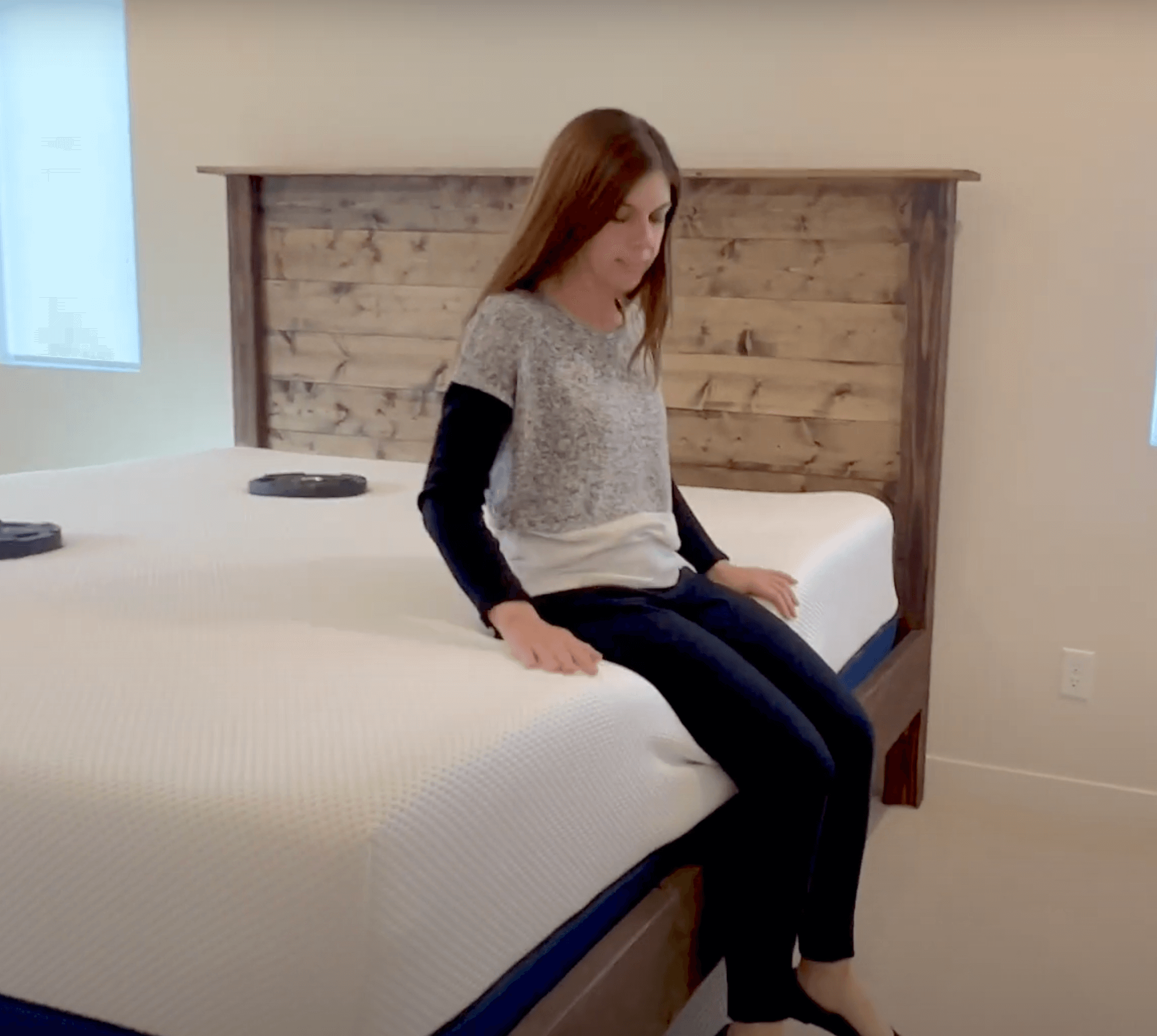
Watch Our AS5 Hybrid Video Review
The AS5 Hybrid is my soft pick because it gave the deepest cushion at my shoulders and hips while the coils underneath kept me from bottoming out.
On my side, the plush Bio-Pur® layer cushioned my shoulder and hip right away, so pressure spread out across a wide area. The zoned coils below kept my waist from sagging, which is the part many soft beds get wrong.
It also ties for the top Cooling and Breathability score here. The cost of all that softness is speed: it carries the lowest Response Time score on this page, so turning over takes a little more effort.
It fits side sleepers who want a genuinely soft surface and sleep warm, and it is a poor match for stomach sleepers or anyone who changes positions many times a night.
- 8 Value
- 9 Edge Support
- 9 Trial Period
- 8 Response Time
- 9 Motion Transfer
- 10 Cooling & Breathability
I picked the AS5 Hybrid because it was the softest single-feel bed I tested that still held my spine level.
Pressure relief. During testing, my shoulder sank in deeply on my side and my hip followed at about the same depth, so neither joint carried the load alone.
Cooling. The surface felt cooler to the touch than the traditional memory foam I compared, which helps a warm sleeper who wants a plush bed.
Responsiveness. This is its tradeoff. The thick foam released more slowly than the coil-forward beds when I rolled over, so frequent position changes take more effort.
Best For:
- Side sleepers who want a deep, soft cradle
- Lighter sleepers by body weight who feel firm beds as too hard
- Warm sleepers who want softness without trapping heat
Compare Instead:
- Amerisleep AS6 Black Series if you want a soft option that resets a little faster (Response Time 9) with more firmness choices
- Organica if you want cushioning that springs back quickly (Response Time 10)
The AS5 Hybrid is a true soft, about 3 out of 10. You sink in on contact and feel hugged at the shoulder and hip, then the coils stop you before you reach the bottom. On my back, my hips sat lower than on the medium beds here, and on my stomach they dipped too far for comfort. It is best for a side sleeper who wants the plushest surface on this list and does not move much at night.
The thick Bio-Pur® comfort layer is why my shoulder and hip sank in so deeply, and its open structure is why the surface felt cooler to the touch than traditional memory foam. The Active Flex layer below it added some lift, which is what kept the soft top from feeling like quicksand. The pocketed coils are the reason my waist did not sag and the edge held when I sat on it, though the thick foam on top still slowed how fast the bed reset.
Pros
- Cooling and Breathability (10/10): the surface felt cooler to the touch than traditional memory foam.
- Deep cushioning: my shoulder and hip sank in evenly on my side.
- 20-year warranty.
Cons
- Response Time (8/10): it has the slowest reset on this page, so turning over takes more effort.
- Value (8/10): it costs more than the top value picks here.
- Stomach sleepers will likely find their hips sink too far.
On my side, my shoulder and hip sank in evenly and deeply, and the coils underneath stopped me before I bottomed out. It is the pick for a warm side sleeper who wants a truly soft bed and does not change positions often.
Best Mattress for Couples
Nest Bedding Sparrow
Warranty
Lifetime
Sleep Trial
365 Nights
Shipping
Free
Watch Our Nest Bedding Sparrow Video Review
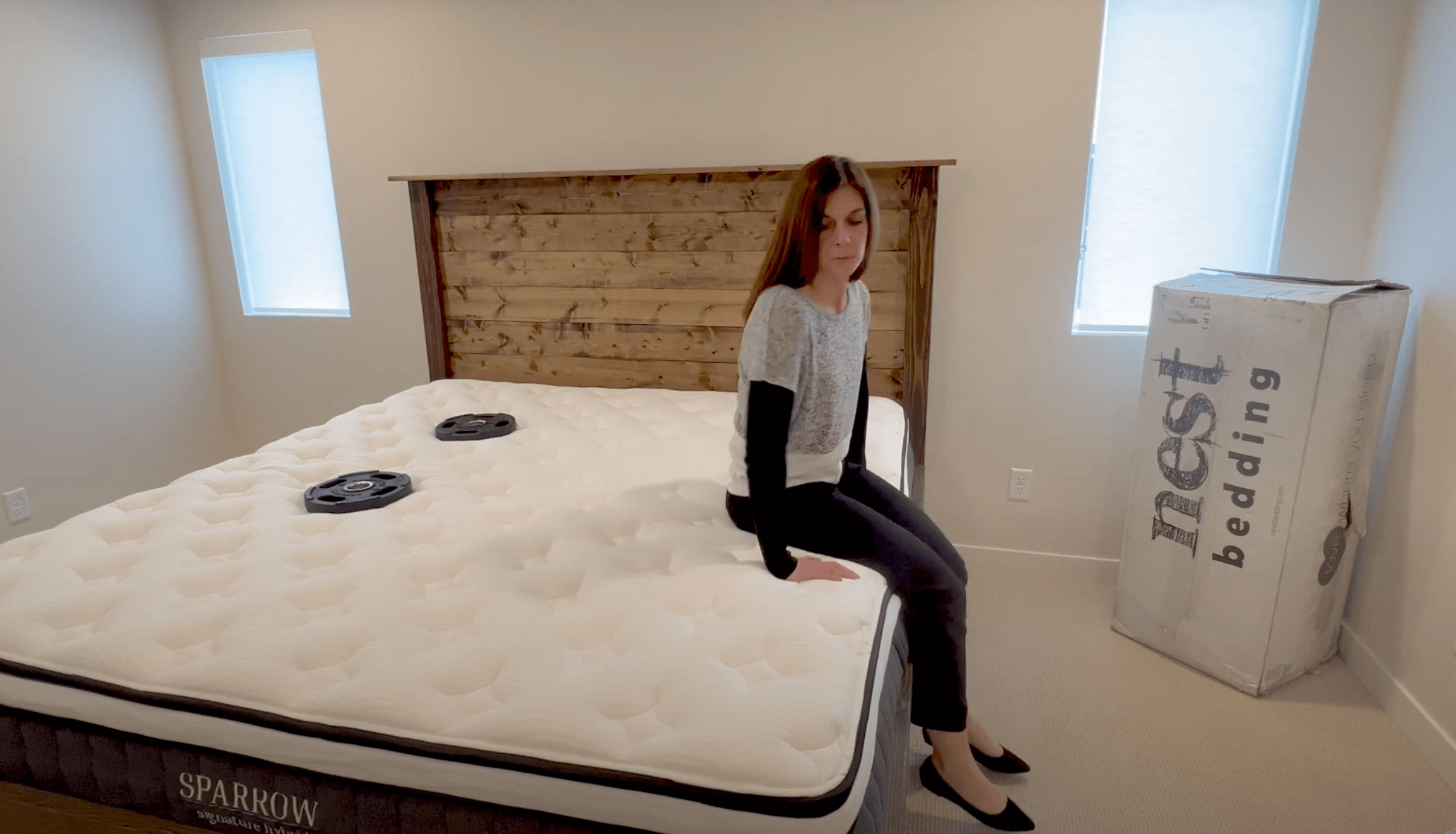
The Nest Bedding Sparrow is my couples pick because it kept a partner’s movement off my side and lets each person choose their own feel.
On my side, the Medium option let my shoulder and hip sink in while the coils held my spine level. When my partner rolled over or got out of bed, the movement barely reached me.
For couples, the bigger draw is flexibility. The king can be set up with a different firmness on each side, so a side sleeper and a back sleeper do not have to compromise. A 365-night trial gives you both a full year to decide.
It fits couples with different firmness needs, light sleepers who share a bed, and side sleepers who want cushioning with steady support.
- 8 Value
- 10 Edge Support
- 10 Trial Period
- 9 Response Time
- 10 Motion Transfer
- 9 Cooling & Breathability
I picked the Sparrow because it solved the two biggest couples problems on one bed: motion and mismatched firmness.
Motion. During testing, my partner sat up, rolled, and got out of bed while I lay still, and I barely felt any of it. That helps when one person wakes more often than the other.
Edge support. When I sat on the perimeter, the coils held it level, so both partners can use the full width and sit on the side to get up.
Firmness choice. Plush, Medium, and Firm options, plus a split firmness setup in the king, let two sleepers match the bed to their own position.
Best For:
- Couples with different firmness preferences
- Light sleepers who share a bed
- Side sleepers who want cushioning with steady support
Compare Instead:
- Vaya Hybrid if budget is your top concern (Value 10)
- Amerisleep AS3 if you want an all-foam feel with a higher cooling score (Cooling 10)
I tested the Medium, about 5 out of 10. The top gives on contact without the slow sink of memory foam, and then the coils stop the descent. On my back, my lower back stayed supported. Side sleepers who want more cushion can pick the Plush, and stomach sleepers the Firm. It is best for a couple where each person wants a different feel, or a side sleeper who shares a bed with a restless partner.
The Energex™ foam comfort layers are why my shoulder and hip sank in without feeling stuck, since the foam released faster than traditional memory foam when I moved. The individually wrapped coils are the reason my partner’s movement stayed on their side and why the edge held when I sat on it. The phase-change cover felt cool on first contact, though it did not match the top cooling scorers on this page after extended contact.
Pros
- Motion Transfer (10/10): my partner’s movement barely reached my side.
- Edge Support (10/10): the perimeter held level when I sat on it.
- Trial Period (10/10): 365 nights, plus a lifetime warranty.
Cons
- Value (8/10): it costs more than the top value picks on this page.
- Response Time (9/10): the foam released a beat slower than the fastest beds here.
- At 14 inches tall, it may need deep pocket sheets.
My partner sat up, rolled, and got out of bed while I lay still, and I barely felt any of it. It is the pick for a couple with different firmness needs, or a light sleeper who shares a bed with a restless partner.
The Mattresses We Have Tested
Every mattress below was tested hands-on and on camera by me, Kristina Hindes, our lead tester. Each row links to its written review and filmed test, so you can check our work. For how we score every mattress, see How We Test Mattresses.
See the full list, with review and video links
| Mattress | Review and video |
|---|---|
| Amerisleep AS2 | Review · Video |
| Amerisleep AS3 | Review · Video |
| Amerisleep AS3 Hybrid | Review · Video |
| Amerisleep AS5 | Review (test clips inside) |
| Amerisleep AS5 Hybrid | Review · Video |
| Amerisleep AS6 Black Series | Review · Video |
| Amerisleep Organica | Review · Video |
| Amerisleep Organica Plush | Review · Video |
| Bear Original | Review · Video |
| Birch Natural | Review · Video |
| Brooklyn Bedding Aurora Luxe Hybrid | Review · Video |
| Brooklyn Bedding Plank Firm | Review · Video |
| Casper The One | Review · Video |
| Eco Terra Hybrid Latex | Review · Video |
| FORM Core | Review · Video |
| FORM Core Hybrid | Review · Video |
| FORM Prime | Review · Video |
| FORM Prime X | Review · Video |
| GhostBed Flex | Review · Video |
| Happsy Organic | Review · Video |
| Helix Dawn Luxe | Review · Video |
| Helix Midnight Luxe | Review · Video |
| Helix Sunset Luxe | Review · Video |
| Latex For Less Hybrid | Review · Video |
| Leesa Original | Review · Video |
| Leesa Sapira Chill Hybrid | Review · Video |
| Leesa Sapira Hybrid | Review · Video |
| Naturepedic Concerto | Review · Video |
| Naturepedic EOS Classic Organic | Review · Video |
| Nest Bedding Owl | Review · Video |
| Nest Bedding Puffin Kids | Review · Video |
| Nest Bedding Raven | Review · Video |
| Nest Bedding Sparrow Signature Hybrid | Review · Video |
| Nolah Evolution 15 | Review · Video |
| Nolah Natural 11 | Review · Video |
| Nolah Original Hybrid | Review · Video |
| PlushBeds Botanical Bliss | Review · Video |
| PlushBeds Luxury Bliss | Review · Video |
| PlushBeds Organic Bliss | Review · Video |
| PlushBeds Organic Kids | Review · Video |
| PlushBeds Signature Bliss | Review · Video |
| Saatva Classic | Review · Video |
| SweetNight CoolNest | Review · Video |
| SweetNight Prime | Review · Video |
| Vaya Hybrid | Review · Video |
| Vaya Mattress | Review · Video |
| Westin Heavenly Bed | Review · Video |
| Zoma Boost | Review · Video |
| Zoma Hybrid | Review · Video |
| Zoma Start | Review · Video |
How Neuropathy Affects Sleep
Peripheral neuropathy is damage to the nerves outside the brain and spinal cord. More than 100 types have been identified, it is more common after age 50, and diabetes is the most common cause in the U.S. 1 Verified Source Harvard Health Publishing Consumer health publishing division of Harvard Medical School, with content reviewed by Harvard faculty physicians. See the source . An estimated 20 million people in the U.S. live with it 2 Verified Source U.S. Food & Drug Administration (FDA) Part of America's Department of Health and Human Services and dedicated to providing accurate health information. See the source . Some medicines, including certain chemotherapy drugs, can also damage peripheral nerves as a side effect 3 Verified Source National Library of Medicine (NIH) World's largest medical library, making biomedical data and information more accessible. See the source .
Nerve pain is sometimes worse at night, and some people become so sensitive that even the touch of their bedsheets hurts 4 Verified Source National Library of Medicine (NIH) World's largest medical library, making biomedical data and information more accessible. See the source . In one review, 68% of people with neuropathic pain said their sleep was mostly or strongly disturbed 5 Verified Source National Library of Medicine (NIH) World's largest medical library, making biomedical data and information more accessible. See the source . A study of 156 adults with painful diabetic neuropathy found nearly 97% had poor sleep quality, with sleep length and time to fall asleep the most affected 6 Verified Source ScienceDirect One of the largest hubs for research studies and has published over 12 million different trusted resources. See the source .
A 2026 review of 32 studies highlighted the gap in a group of more than 5,500 people with type 2 diabetes. Sleep problems were reported by 41.4% of those likely to have painful neuropathy, 33.1% of those likely to have neuropathy, and 11.4% of those without it 7 Verified Source ScienceDirect One of the largest hubs for research studies and has published over 12 million different trusted resources. See the source .
Pain is not the only factor. In one study, 64.5% of people with painless diabetic neuropathy slept poorly, compared with 30% of people with diabetes but no nerve damage 8 Verified Source National Library of Medicine (NIH) World's largest medical library, making biomedical data and information more accessible. See the source . That link held up even after the researchers accounted for other health factors 9 Verified Source Diabetes & Metabolism Journal Peer-reviewed journal of the Korean Diabetes Association. See the source . Another study found sleep quality dropped as neuropathy became more severe, affecting how long people slept and how quickly they fell asleep 10 Verified Source ScienceDirect One of the largest hubs for research studies and has published over 12 million different trusted resources. See the source . A 2024 study of 24 people with peripheral neuropathy linked worse pain to poorer scores on several sleep measures 11 Verified Source Neurology (American Academy of Neurology) Peer-reviewed medical journal published by the American Academy of Neurology. See the source .
Sleep studies in people with neuropathic pain show broken-up sleep, less time in deep and REM sleep, and frequent pain-related awakenings 12 Verified Source ScienceDirect One of the largest hubs for research studies and has published over 12 million different trusted resources. See the source .
Why Poor Sleep and Nerve Symptoms Feed Each Other
The relationship runs both ways. Sleep loss can lower pain thresholds, so the same sensation feels more intense 13 Verified Source Taylor & Francis Online Academic publisher hosting peer-reviewed journals across medicine and the sciences. See the source . Researchers also suspect sleep disruption may play a role in whether nerve pain becomes long-lasting 14 Verified Source National Library of Medicine (NIH) World's largest medical library, making biomedical data and information more accessible. See the source . In an animal study, rats kept awake right after a nerve injury developed worse nerve pain than rats allowed to sleep 15 Verified Source National Library of Medicine (NIH) World's largest medical library, making biomedical data and information more accessible. See the source . Sleep loss also affects attention, working memory, and mood 16 Verified Source ScienceDirect One of the largest hubs for research studies and has published over 12 million different trusted resources. See the source .
Sleep Apnea and Neuropathy
In a sleep lab study, 40% of people with diabetic peripheral neuropathy had sleep apnea, compared with 10% of people with diabetes but no neuropathy 17 Verified Source National Library of Medicine (NIH) World's largest medical library, making biomedical data and information more accessible. See the source . Research in type 1 diabetes found a similar pattern, with sleep apnea more common in people at higher risk of autonomic neuropathy, the type of nerve damage that affects automatic functions like heart rate 18 Verified Source ScienceDirect One of the largest hubs for research studies and has published over 12 million different trusted resources. See the source .
The link may run both ways. In a study of 17 people with severe sleep apnea, sensory nerve signals in the arm were weaker than in people without it, and the nerve changes were partly tied to how low oxygen dropped at night 19 Verified Source Oxford Academic Oxford University Press platform publishing peer-reviewed journals, including those of the American Thoracic Society. See the source . After at least two months of CPAP treatment, one sign of oxygen-related nerve strain went away in the patients who had it, though their baseline nerve signals stayed the same 20 Verified Source National Library of Medicine (NIH) World's largest medical library, making biomedical data and information more accessible. See the source . A small study of people with myotonic dystrophy also linked lower nighttime oxygen levels with weaker sensory nerve signals 21 Verified Source National Library of Medicine (NIH) World's largest medical library, making biomedical data and information more accessible. See the source . In one case report, a woman with Charcot-Marie-Tooth disease saw her nighttime numbness improve after starting CPAP for sleep apnea 22 Verified Source National Library of Medicine (NIH) World's largest medical library, making biomedical data and information more accessible. See the source .
A mattress will not fix sleep apnea. If you or a partner notice loud snoring or pauses in breathing, bring it up with your doctor. Our guide to the best mattresses for sleep apnea covers beds that pair well with an adjustable base for raising your head.
What to Look for in a Mattress for Neuropathy
Pressure Relief
Health experts advise avoiding body positions that press on your nerves 23 Verified Source National Library of Medicine (NIH) World's largest medical library, making biomedical data and information more accessible. See the source . A mattress with a contouring comfort layer spreads your weight across a wider area, so less pressure builds at the shoulders and hips. Softer is not always better, though. A surface that keeps sinking lets your heaviest part set the depth for everything else, and that is how the waist starts to sag. Look for give at the contact points and a firm stop underneath. Our pressure point guide goes deeper on this.
Firmness
There is little research on mattresses for neuropathy itself. A 2022 review of mattress studies in people with chronic low back pain found medium-firm mattresses may lead to less pain and better sleep quality than firmer ones 24 Verified Source National Library of Medicine (NIH) World's largest medical library, making biomedical data and information more accessible. See the source . That is why most picks on this list sit between medium and medium-firm. Side sleepers usually want a little more give at the shoulder, while back and stomach sleepers usually want less.
Responsiveness
If you shift often at night, a slow surface makes each turn more work. Latex and coil-based beds usually let go fastest, while dense memory foam holds your shape for a moment before releasing. The Response Time score in each product box shows how each bed did in my testing.
Edge Support and Bed Height
Numbness can make it hard to feel your feet, so the CDC advises never going barefoot, even indoors 25 Verified Source Centers for Disease Control and Prevention (CDC) The United States' health protection agency that defends against dangers to health and safety. See the source . That makes the edge of the bed a place you will use every day to put on slippers or socks. A firm edge holds level under your weight instead of tipping you forward. Height matters too. When you sit on the edge, your feet should rest flat on the floor so standing feels steady. If you tend to get lightheaded, sit for a moment before you stand.
Temperature
Autonomic neuropathy can cause you to sweat too much or not enough 26 Verified Source National Library of Medicine (NIH) World's largest medical library, making biomedical data and information more accessible. See the source . Temperature signals from your skin also feed into the brain areas that regulate sleep 27 Verified Source ScienceDirect One of the largest hubs for research studies and has published over 12 million different trusted resources. See the source . Cooling covers, open-cell foams, latex, and coil cores all help a surface feel less heat-retentive. Keep in mind that many people with neuropathy find cold makes symptoms flare, so a cooler mattress should be paired with a bedroom that stays comfortable rather than cold. See our cooling mattress guide for more options.
Motion Isolation
Nerve problems can show up as small muscle twitches during sleep. In one study of 98 people with frequent sleep-time twitches, half had signs of nerve problems, most often polyneuropathy 28 Verified Source ScienceDirect One of the largest hubs for research studies and has published over 12 million different trusted resources. See the source . If you share a bed, a mattress that keeps movement local helps both of you. Individually wrapped coils and dense foams do this best. Our motion isolation guide compares more beds on this measure.
Adjustable Base Compatibility
For people who get lightheaded when standing, sleeping with the head raised may help with low blood pressure and fainting 29 Verified Source National Library of Medicine (NIH) World's largest medical library, making biomedical data and information more accessible. See the source . An adjustable base makes that easy. Most foam and hybrid picks here work on one. The Westin Heavenly Bed is the exception, since it is built to sit on a box spring.
Bedroom Tips for Sleeping With Neuropathy
Because symptoms are often worse at night, the NIDDK suggests a bed cradle, a frame that keeps sheets and blankets off your legs and feet while you sleep 30 Verified Source National Library of Medicine (NIH) World's largest medical library, making biomedical data and information more accessible. See the source . Leaving the foot of the bed untucked does something similar for free.
If your feet run cold or numb, soft socks and a slightly warmer room may help. If your feet burn, lighter bedding and a cooler room usually feel better. If you wash your feet before bed, use lukewarm water and test it with your elbow first, since numbness can make it hard to tell when water is too hot.
For position, back sleepers can try a pillow under the knees, and side sleepers can try one pillow between the knees and another between the ankles so bony spots do not press together.
When to Talk to Your Doctor
The CDC recommends calling your doctor if burning, tingling, weakness, or pain in your hands or feet interferes with daily activities or sleep 31 Verified Source Centers for Disease Control and Prevention (CDC) The United States' health protection agency that defends against dangers to health and safety. See the source . Treatment depends on the cause, so a checkup is the first step.
Your doctor may talk with you about medication. A review that pooled three clinical trials found gabapentin and pregabalin reduced how much pain interfered with sleep in people with painful diabetic neuropathy 32 Verified Source National Library of Medicine (NIH) World's largest medical library, making biomedical data and information more accessible. See the source . Like any medicine, they can have side effects such as drowsiness, so the choice belongs with your doctor.
Non-drug options matter too. Cognitive behavioral therapy is the most-used non-drug treatment for insomnia, including in people with neuropathic pain 33 Verified Source ScienceDirect One of the largest hubs for research studies and has published over 12 million different trusted resources. See the source .
Frequently Asked Questions
What is the best mattress for neuropathy?
The Amerisleep AS3 is my top pick. It is a 12-inch medium memory foam bed, and it is one of only two picks here to score 10 for both Motion Transfer and Cooling and Breathability. In testing, my hips stayed level with my shoulders on my back and a partner’s movement barely reached my side. If you sit on the edge of the bed often, look at a pick with a 10 for Edge Support.
Can a mattress treat neuropathy?
No. A mattress is a surface, not a treatment, and nothing on this page replaces medical care. What a mattress changes is how evenly your weight is spread, how easily you turn over, how steady the edge feels when you sit down, and how warm the surface gets. Treatment decisions belong with your doctor.
What mattress firmness is best for neuropathy?
Medium to medium-firm suits the widest range of sleepers, which is why most picks on this list fall in that range. Your sleep position matters more than your diagnosis. Side sleepers usually want more give at the shoulder and hip. Back and stomach sleepers usually want a firmer surface that keeps the hips from sinking.
Is memory foam or latex better for neuropathy?
It depends on how you sleep. Memory foam spreads pressure evenly and absorbs a partner’s movement well, but it releases more slowly when you turn over. Latex springs back almost right away, which helps if you change positions often, though it passes a bit more motion. The AS3 and Organica show the difference well.
Why does neuropathy feel worse at night?
No one knows for certain. Leading ideas include fewer distractions once you lie still, cooler nighttime temperatures that can aggravate nerve pain, and natural body rhythms that may lower pain tolerance at night. If your symptoms have recently changed or are keeping you up, tell your doctor rather than trying to solve it with bedding.
Should I get an adjustable base if I have neuropathy?
It can help. Raising the head may make it easier for people who get lightheaded when standing, and raising the legs can make some sleepers more comfortable. Most foam and hybrid picks on this list work on an adjustable base. The Westin Heavenly Bed is the exception, since it is built for a box spring.
What mattress features matter most if neuropathy affects my feet?
Edge support and bed height. If you sit on the side of the bed to put on socks or slippers, you want a perimeter that stays level instead of tipping you forward. Your feet should rest flat on the floor when seated. A bed cradle or an untucked sheet can also keep bedding off sensitive feet.
Did You Find Your Next Bed?
Choosing a mattress when you have neuropathy comes down to the same things as any mattress, weighted a little differently: how evenly the surface spreads your weight, how quickly it lets you turn over, how steady the edge feels when you sit down, and how warm it gets after an hour.
The Amerisleep AS3 leads this guide because it kept contact even and quiet in every position. If you sit on the edge of the bed often, the FORM Prime, Vaya Hybrid, and Saatva Classic all scored 10 for Edge Support. If heat bothers you most, start with the AS6 Black Series. If you share the bed with someone who wants a different feel, the Nest Bedding Sparrow lets each side choose.
Use the trial where one is offered. Most picks here give you at least 100 nights, and several give you a full year. Nothing here is medical advice, and no mattress treats neuropathy. If your symptoms are new, changing, or keeping you up at night, talk with your doctor.
Sources
- Harvard Health Publishing. Peripheral neuropathy: types, risk by age, and common causes. health.harvard.edu
- U.S. Food & Drug Administration. Estimated U.S. prevalence of peripheral neuropathy. fda.gov
- National Library of Medicine (NIH), MedlinePlus. Medicines that can damage peripheral nerves. medlineplus.gov
- National Institute of Neurological Disorders and Stroke (NIH). Peripheral neuropathy symptoms, including nighttime pain and touch sensitivity. ninds.nih.gov
- National Library of Medicine (NIH), PubMed Central. Review of sleep disturbance in people with neuropathic pain. pmc.ncbi.nlm.nih.gov
- ScienceDirect. Study of sleep quality in 156 adults with painful diabetic neuropathy. sciencedirect.com
- ScienceDirect. 2026 review of sleep problems and diabetic neuropathy in people with type 2 diabetes. sciencedirect.com
- National Library of Medicine (NIH), PubMed Central. Study of sleep quality in painless diabetic neuropathy. pmc.ncbi.nlm.nih.gov
- Diabetes & Metabolism Journal. Painless diabetic neuropathy and poor sleep after adjusting for other health factors. e-dmj.org
- ScienceDirect. Neuropathy severity and sleep quality. sciencedirect.com
- Neurology (American Academy of Neurology). 2024 study of pain severity and sleep in 24 people with peripheral neuropathy. neurology.org
- ScienceDirect. Sleep structure and pain-related awakenings in neuropathic pain. sciencedirect.com
- Taylor & Francis Online. Sleep loss and pain thresholds. tandfonline.com
- National Library of Medicine (NIH), PubMed Central. Sleep disruption and the development of chronic nerve pain. pmc.ncbi.nlm.nih.gov
- National Library of Medicine (NIH), PubMed Central. Animal study of sleep loss after nerve injury. pmc.ncbi.nlm.nih.gov
- ScienceDirect. Effects of sleep loss on attention, working memory, and mood. sciencedirect.com
- National Library of Medicine (NIH), PubMed Central. Sleep apnea rates in people with and without diabetic peripheral neuropathy. pmc.ncbi.nlm.nih.gov
- ScienceDirect. Sleep apnea and autonomic neuropathy risk in type 1 diabetes. sciencedirect.com
- Oxford Academic. Sensory nerve function in people with severe sleep apnea. academic.oup.com
- National Library of Medicine (NIH), PubMed. Nerve function in sleep apnea after CPAP treatment. pubmed.ncbi.nlm.nih.gov
- National Library of Medicine (NIH), PubMed Central. Nighttime oxygen levels and sensory nerve signals in myotonic dystrophy. pmc.ncbi.nlm.nih.gov
- National Library of Medicine (NIH), PubMed Central. Case report of Charcot-Marie-Tooth disease and sleep apnea treated with CPAP. pmc.ncbi.nlm.nih.gov
- National Library of Medicine (NIH), MedlinePlus. Peripheral nerve disorders and avoiding pressure on nerves. medlineplus.gov
- National Library of Medicine (NIH), Bookshelf. Therapeutic mattresses for chronic pain (CADTH, 2022). ncbi.nlm.nih.gov
- Centers for Disease Control and Prevention. Diabetes and your feet. cdc.gov
- National Library of Medicine (NIH), MedlinePlus. Autonomic neuropathy and sweating. medlineplus.gov
- ScienceDirect. Skin temperature signals and sleep regulation. sciencedirect.com
- ScienceDirect. Study of 98 people with sleep-time muscle twitches and nerve findings. sciencedirect.com
- National Library of Medicine (NIH), MedlinePlus. Nerve damage, low blood pressure, and sleeping with the head raised. medlineplus.gov
- National Institute of Diabetes and Digestive and Kidney Diseases (NIH). Peripheral neuropathy and using a bed cradle. niddk.nih.gov
- Centers for Disease Control and Prevention. Diabetes and nerve damage: when to call your doctor. cdc.gov
- National Library of Medicine (NIH), PubMed. Pooled analysis of gabapentinoids and sleep interference in painful diabetic neuropathy. pubmed.ncbi.nlm.nih.gov
- ScienceDirect. Cognitive behavioral therapy as a non-drug treatment for insomnia. sciencedirect.com
Related Reads
- I Tested 50+ Mattresses to Find the 14 Best Mattresses for Piriformis Syndrome of 2026

- I Tested 50+ Mattresses to Find the 14 Best Mattresses for Kyphosis of 2026

- I Tested 50+ Mattresses to Find the 14 Best Mattresses for Anterior Pelvic Tilt of 2026
- I Tested 50+ Mattresses to Find the 13 Best Mattresses for Ankylosing Spondylitis of 2026