I Tested 50+ Mattresses to Find the 14 Best Mattresses for Anterior Pelvic Tilt of 2026
Dr. Jennifer Miller, PT, DPT: Doctor of Physical Therapy
Dr. Jennifer Miller is a compassionate and skilled outpatient physical therapist with nine years of experience in the field. She earned her Doctor of Physical Therapy from Elon University and holds a Bachelor of Science in Health Science from Minnesota State University-Mankato. Dr. Miller specializes in Neurological, Geriatric, and Vestibular Physical Therapy and serves as […]

Top Recommendation of 2026: Amerisleep AS3
After testing 50+ mattresses for this guide, the Amerisleep AS3 earned the top spot for anterior pelvic tilt because it held my lower back and my hips in the same place from the start of a session to the end, while still letting my shoulder sink on my side. During testing on my back, my hips stayed level with my shoulders and my lower back rested on the foam instead of arching over a gap.
On my side, my shoulder settled in while my waist stayed supported, so my spine ran straight. The AS3 is the pick for back sleepers who want their lower back met, side sleepers of average weight who need shoulder cushioning, and couples who wake when a partner moves. Its medium feel and zoned support under the back made it the most dependable match for a forward-tilted pelvis in this guide.
The best mattress for anterior pelvic tilt is the Amerisleep AS3. Out of 50+ mattresses tested, this medium memory foam bed kept the hips level with the shoulders and the lower back supported most consistently, thanks to a zoned layer that is firmer under the back. Back sleepers wanting lumbar support in the top layer should also consider the Saatva Classic, and side sleepers the Helix Midnight Luxe.

Every mattress featured on Sleep Junkie is evaluated using the same testing framework for support, pressure relief, cooling, motion isolation, edge support, responsiveness, and overall value. Learn How We Test Mattresses.
- Best Mattress Overall: Amerisleep AS3
- Best Purple Alternative: FORM Prime
- Best Mattress For Athletes: Zoma Boost
- Best Mattress for The Money: Vaya Hybrid
- Best Mattress for Side Sleepers: Helix Midnight Luxe
- Best Hybrid Mattress: Leesa Sapira Chill
- Best Innerspring Mattress: Saatva Classic
- Best Pillow Top Mattress: Nolah Evolution
- Best Latex Mattress: Organica
- Best Cooling Mattress: Amerisleep AS6 Black Series
- Best Organic Mattress: PlushBeds Signature Bliss
- Best Hotel Mattress: Westin Heavenly Bed
- Best Soft Mattress: Amerisleep AS5 Hybrid
- Best Mattress for Couples: Nest Bedding Sparrow
The best mattress for anterior pelvic tilt keeps your hips level with your shoulders and your lower back in contact with the surface, and after testing 50+ mattresses I picked 14 that did that across different sleep positions, firmness preferences, and budgets. The Amerisleep AS3 ranked first for its medium feel and zoned support under the lower back.
When your pelvis tips forward, your lower back arches more than usual. Lying on your back, that arch can leave a gap between your lower back and the bed. On a soft surface, the gap often grows, because your hips press deeper into the comfort layers than the rest of your body does.
So I tested for three things on every bed. How far did my hips travel before the mattress stopped them? Did they stay there, or keep settling the longer I lay still? And how much of my lower back stayed in contact with the surface? Side sleepers need one more thing: the shoulder has to sink while the waist stays held up. That is why the picks below run from a soft 3 out of 10 to firm options near 8.
A mattress is not a treatment for anterior pelvic tilt. Posture, sitting time, and training habits all play a part, and a clinician can tell you how they apply to you. What a good mattress can do is stop working against you while you sleep.
How We Selected These Mattresses
Our team evaluated mattresses for pressure-relieving foam layers, zoned support technology, motion isolation, and temperature regulation. We focused on designs that may help support comfort for sleepers with chronic pain sensitivity, particularly in the hips, shoulders, and lower back. Consumer reviews from verified buyers were also assessed to reflect real-world comfort experiences across different sleep positions and body types.
Sleep Junkie uses hands-on product evaluation, product-spec review, owner-feedback review where available, and expert review where applicable. Health-related claims are routed to credentialed reviewers when the topic requires added clinical or scientific oversight. Pages with completed commentary from our expert review board should show the reviewer clearly on the page.
Mattresses do not diagnose, treat, or cure anterior pelvic tilt correction. A supportive mattress may help some sleepers feel more comfortable, but severe, persistent, radiating, or neurological symptoms should be discussed with a healthcare professional.
Best Mattresses for Anterior Pelvic Tilt

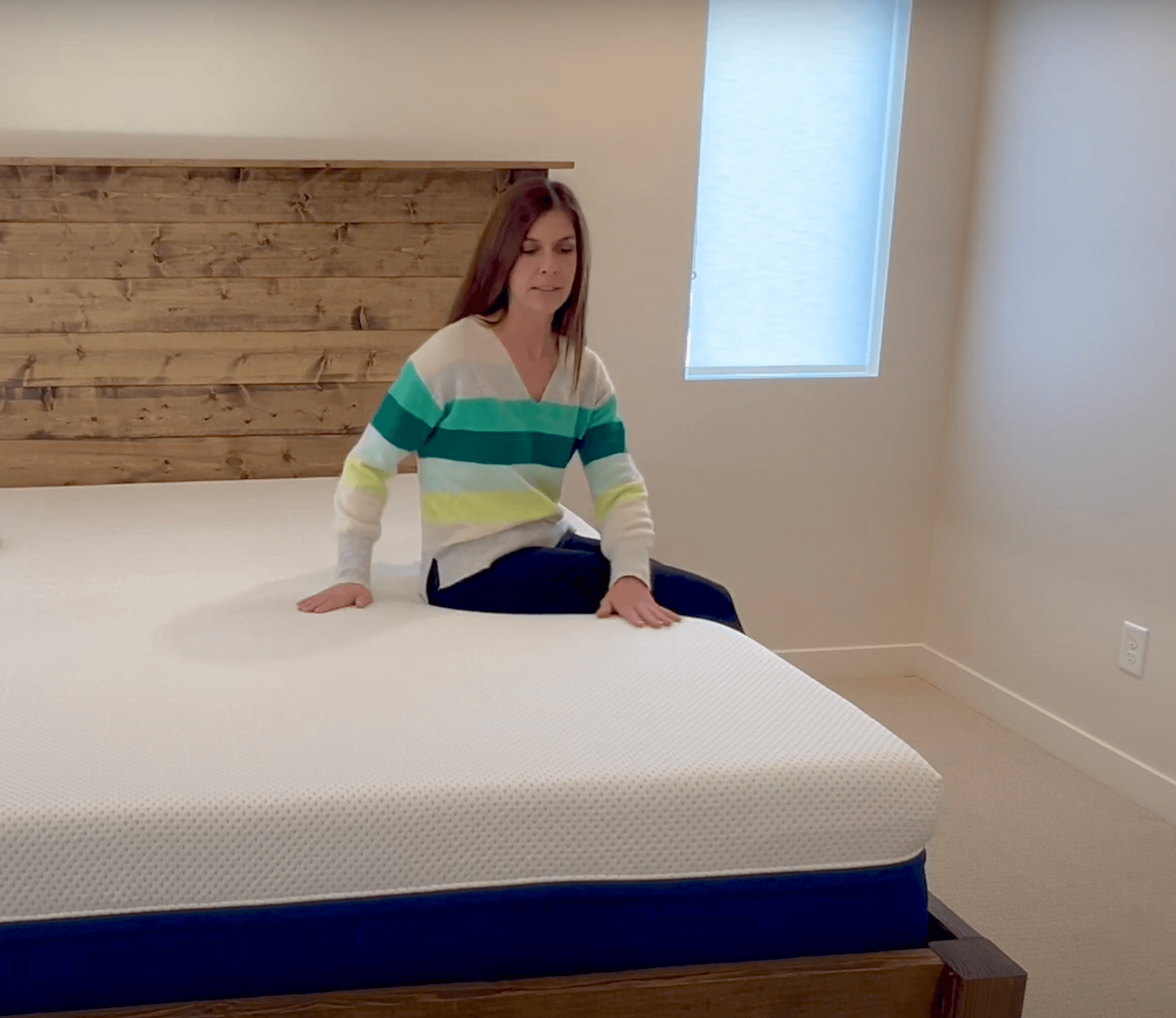
Watch Our Amerisleep AS3 Video Review
The Amerisleep AS3 ranked first because it did the job this guide screens for most consistently. It held my hips level with my shoulders while my lower back rested on the surface instead of arching over a gap. It is the only all-foam bed on this list, and it gets there with a zoned foam layer rather than coils.
What set it apart from the plusher picks was the lack of drift. Early in a back-sleeping session, and again after I had been lying still for a long stretch, my hips sat at the same height. The foam did not keep giving under my pelvis the way deeper comfort tops did.
It ties for full marks in motion transfer and in cooling and breathability. It gives up some ground at the perimeter, with an 8 for edge support, so it trades a firmer edge for its foam feel.
The AS3 fits back sleepers who want the lower back met, side sleepers of average weight who need the shoulder to sink, and couples who wake when a partner moves. Dedicated stomach sleepers and sleepers over about 230 pounds may want one of the firmer builds below.
- 9 Value
- 8 Edge Support
- 9 Trial Period
- 9 Response Time
- 10 Motion Transfer
- 10 Cooling & Breathability
I picked the AS3 because its support stayed in place under my lower back in both of the positions most people with a forward-tilted pelvis sleep in.
Lower-back contact
During testing on my back, I slid my hand under the curve of my lower back and met foam almost right away. My partner, watching from the side, saw my hips level with my shoulders.
For a back sleeper whose lower back usually arches off the bed, that contact means the muscles are not left holding the curve up on their own.
Side sleeping
On my side, my shoulder settled into the top foam while my waist stayed held up. My spine ran level from neck to tailbone instead of dipping in the middle.
Motion isolation
When my partner rolled over on the far side, I barely felt it, so a light sleeper sharing the bed is less likely to be woken.
Best For:
- Back sleepers who want the lower back met rather than bridged
- Side sleepers of average weight who need shoulder cushioning
- Couples sensitive to a partner’s movement
Compare Instead:
- Saatva Classic if you want lumbar reinforcement quilted into the top layer and a choice of three firmness levels
- FORM Prime if you want a similar medium feel over a zoned coil base with 10/10 edge support
- Amerisleep AS6 Black Series if you want Bio-Pur® foam over a coil core with three firmness choices
On my back, the top inch hugged me slowly, then the layer underneath held firm. My hips stopped at shoulder height, and my lower back had foam under it the whole time.
On my side, my shoulder sank deeper than my hip, which kept my waist from sagging. On my stomach, my hips dipped a little below my shoulders.
The AS3 feels best for back and side sleepers of average weight who like a medium foam feel with some hug.
The zoned HIVE® transition layer is why my lower back found support on my back. Its cells are firmer under the back and softer under the shoulders and hips, which is also why my shoulder could sink on my side while my waist stayed up. Above it, the plant-based Bio-Pur® foam has an open-cell structure.
That is why the surface felt less heat-retentive than the denser foam beds I compared and bounced back quickly when I rolled over.
Below, the Bio-Core® base kept the middle of the bed from dipping under my pelvis. Because the whole bed is foam, there is no coil unit firming up the perimeter, which is where its lower edge support score comes from.
Pros
- Motion Transfer (10/10): my partner’s movement barely registered on my side of the bed.
- Lower-back contact: my hand met foam under my lumbar curve while my hips stayed level with my shoulders.
- Cooling & Breathability (10/10): the surface felt cooler to the touch through the first hours than the denser foam beds I compared.
Cons
- Edge Support (8/10): the perimeter compressed more than most of the coil-based beds when I sat on it to put on my shoes.
- Stomach sleeping: my hips dipped slightly below my shoulders, so dedicated stomach sleepers may want a firmer surface.
- Single feel: it comes in one medium firmness only.
Why The Amerisleep AS3 Won
Among the 14 mattresses in this guide, the AS3 held my hips level with my shoulders and kept my lower back in contact with the surface most consistently, while still letting my shoulder sink on my side. It ties for full marks in motion transfer and in cooling and breathability. It is the pick for back and side sleepers who want lower-back support in a medium foam feel.
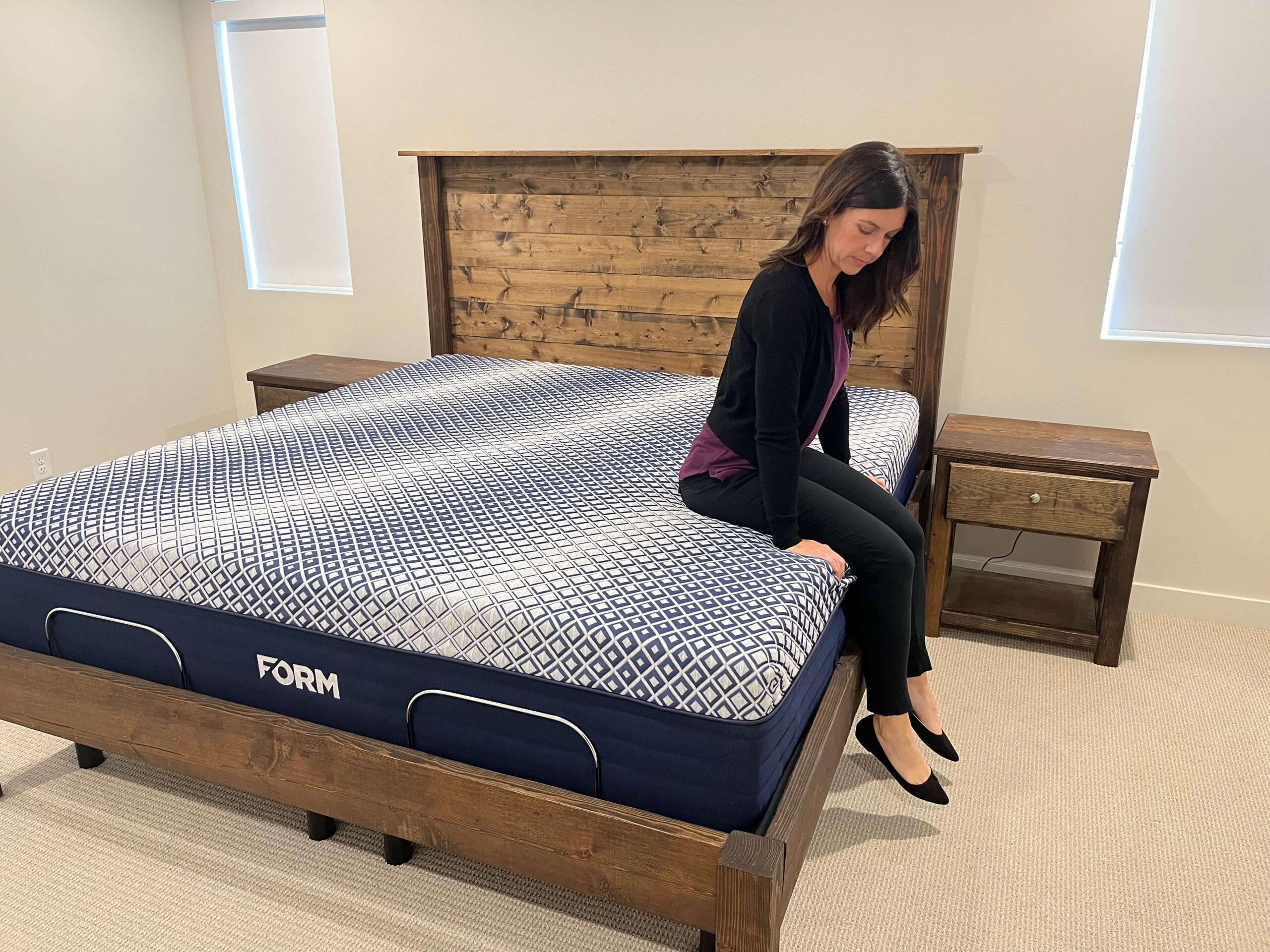
Watch Our FORM Prime Video Review
For shoppers who want a grid-style surface, the FORM Prime ranked second because its seven-zone coil base gave my hips a steady platform while the grid on top flexed only where it needed to.
On my back, my lower back rested on the grid along its whole curve, and over a longer session the slow sinking I noticed on softer beds never started. On my side, the grid gave way under my shoulder and hip but stayed firm under my waist, so I got shoulder relief without a hammock feeling.
It scores 10 for motion transfer, edge support, and trial period, sharing each of those marks with other picks here, and it backs that trial with a lifetime warranty. Its 8 for value is where it gives up ground.
The FORM Prime fits back sleepers who want the whole lumbar curve met, side sleepers who want grid pressure relief without deep sinking, and shoppers who want a full year to decide. Strict stomach sleepers should test it carefully during the trial.
- 8 Value
- 10 Edge Support
- 10 Trial Period
- 9 Response Time
- 10 Motion Transfer
- 9 Cooling & Breathability
I picked the FORM Prime because the grid and the zoned coils split the work cleanly: the grid handled pressure, and the coils held my hips.
Hip hold
During testing on my back, I stayed still for a long stretch and checked my hip height at the start and the end. It did not change, and my lower back stayed on the surface. For a back sleeper with a forward tilt, that means the arch stays supported as the night goes on.
Pressure relief
On my side, the grid cells folded under my shoulder while the cells under my waist stayed upright. My spine stayed level instead of bowing at the middle.
Motion isolation
When my partner changed positions, the grid did not ripple across to my side, so couples get the grid feel without the wobble.
Best For:
- Back sleepers who want continuous lower-back contact
- Side sleepers who want pressure relief without deep sinkage
- Shoppers who want a 365-night trial
Compare Instead:
- Amerisleep AS3 if you prefer an all-foam feel with 10/10 cooling and breathability
- Nest Bedding Sparrow if you want the same 10/10 marks for edge, trial, and motion plus three firmness levels
- Saatva Classic if you want a firmer, coil-on-coil innerspring feel
The grid feels springy and slightly squishy under a hand, then firm once you lie on it. On my back, my hips stayed level and the grid filled in under my lower back.
On my side, my shoulder pressed through the grid while my hip held.
On my stomach, my hips settled a little below my shoulders and legs, and a thin pillow under my stomach evened that out.
It feels best for back and side sleepers who like a buoyant, on-top feel rather than a deep hug.
The GelGrid™ layer is why pressure relief felt targeted. Its cells fold where weight concentrates, at the shoulder and hip, and stay upright everywhere else, which is why my waist stayed held on my side.
The Integra-Mesh™ woven through the grid is why the surface stayed steady when my partner moved.
Under that, the ZoneCoil™ 7-Series coils kept my hips level on my back, and their firm perimeter is why the edge barely compressed when I sat on it. The AeroWeave™ cover felt cool when I first lay down.
Pros
- Motion Transfer (10/10): the grid stayed steady on my side when my partner changed positions.
- Edge Support (10/10): the perimeter barely compressed when I sat on it.
- Trial Period (10/10): a 365-night trial backed by a lifetime warranty.
Cons
- Value (8/10): it scored below the picks that earned a 9 or 10 for value.
- Single feel: it comes in one medium feel only.
- Height: at 14 inches, it needs deep-pocket sheets.
The FORM Prime kept my hips at the same height from the start of a back-sleeping session to the end, while its grid flexed under my shoulder on my side. It scores 10 for motion transfer, edge support, and trial period, and backs its 365-night trial with a lifetime warranty. It is the pick for grid shoppers who want steady lower-back support.
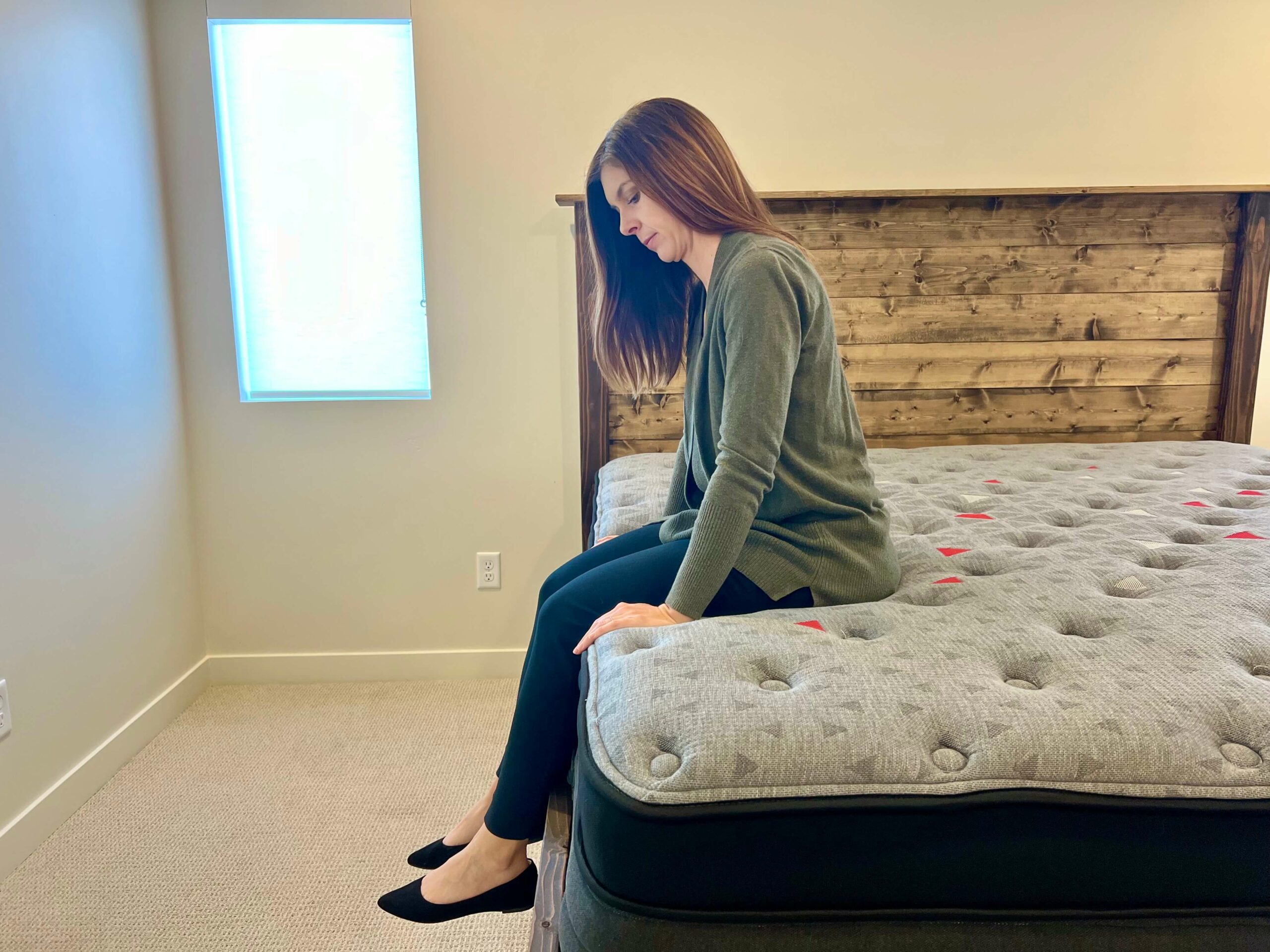
Watch Our Zoma Boost Video Review
The Zoma Boost ranked third and holds the athletes award because it handled what active sleepers ask of a bed: deep cushioning at the shoulders and hips after a hard day, and a surface that springs back fast enough to change positions easily. It ties with the Nolah Evolution for the highest score in this guide.
What stood out was where the sinking stopped. The top foam gave the way a soft bed does, then the Reactiv™ layer underneath firmed up quickly. On my back, my hips found a level and stayed there, and my lower back kept contact with the surface.
It scores 10 for motion transfer and edge support, and it is one of three picks with a 10 for value. At 15 inches, it is in a three-way tie for the tallest bed here.
The Zoma Boost fits active side and combination sleepers who want a plush top with firm hold under the hips, and couples who want a solid edge. Dedicated stomach sleepers may want a firmer build than the Medium I tested.
- 10 Value
- 10 Edge Support
- 9 Trial Period
- 9 Response Time
- 10 Motion Transfer
- 9 Cooling & Breathability
I picked the Zoma Boost because it gave me plush cushioning without letting my pelvis keep sinking, which is a hard balance for a thick comfort top.
Hip hold
During testing on my back, the top layer gave for about the first inch, then the transition layer stopped the descent. My hips held that level for the rest of the session, so a back sleeper gets the soft top without the arch opening up underneath.
Side sleeping
On my side, my shoulder and hip were cushioned on contact, while the zoned coils kept my hip from dropping below my waist.
Edge support
When I sat on the edge to put on my shoes, it compressed very little, so getting in and out of bed after a workout feels stable.
Best For:
- Active side and combination sleepers who want cushioning plus hip hold
- Couples who want low motion transfer and a firm edge
- Shoppers who want a 10/10 value score
Compare Instead:
- Nolah Evolution if you want the same 9.5 score in a pillow-top with a lifetime warranty
- Saatva Classic if you want a firmer surface with 10/10 response time
- Amerisleep AS3 if you want a lower 12-inch, all-foam profile
The first touch is soft and slightly cool. On my back, I sank a little, then stopped, and my lower back stayed on the surface. On my side, my shoulder had room to sink while my hip stayed in line.
Rolling over took little effort because the surface reformed quickly. On my stomach, my hips settled slightly below my shoulders. It feels best for active side and combination sleepers who like a plush top over a firm hold.
The graphite-infused Energex memory foam on top is why my shoulder and hip were cushioned on contact, and it felt less heat-retentive than the dense memory foam beds I compared.
Beneath it, the quilted gel foam and Reactiv™ transition foam are why the sinking stopped after the first inch instead of continuing.
The zoned edge coils and durable base foam underneath held my hips level on my back, and the reinforced perimeter is why the edge stayed stable when I sat on it.
Pros
- Value (10/10): it is in a three-way tie for the top value score in this guide.
- Edge Support (10/10): the perimeter barely compressed when I sat on it.
- Motion Transfer (10/10): my partner’s movement barely reached my side.
Cons
- Warranty: its 10-year warranty is shorter than the lifetime and 20-year terms most picks here carry.
- Height: at 15 inches, it needs deep-pocket sheets and makes a higher step up.
- Stomach sleeping: my hips settled slightly below my shoulders in the Medium feel.
The Zoma Boost gave me plush cushioning at the shoulders and hips, then stopped my hips at a level and held them there. It ties for the highest score in this guide and for the top value score, with full marks for edge support and motion transfer. It is the pick for active side and combination sleepers who want a soft top over firm hip support.
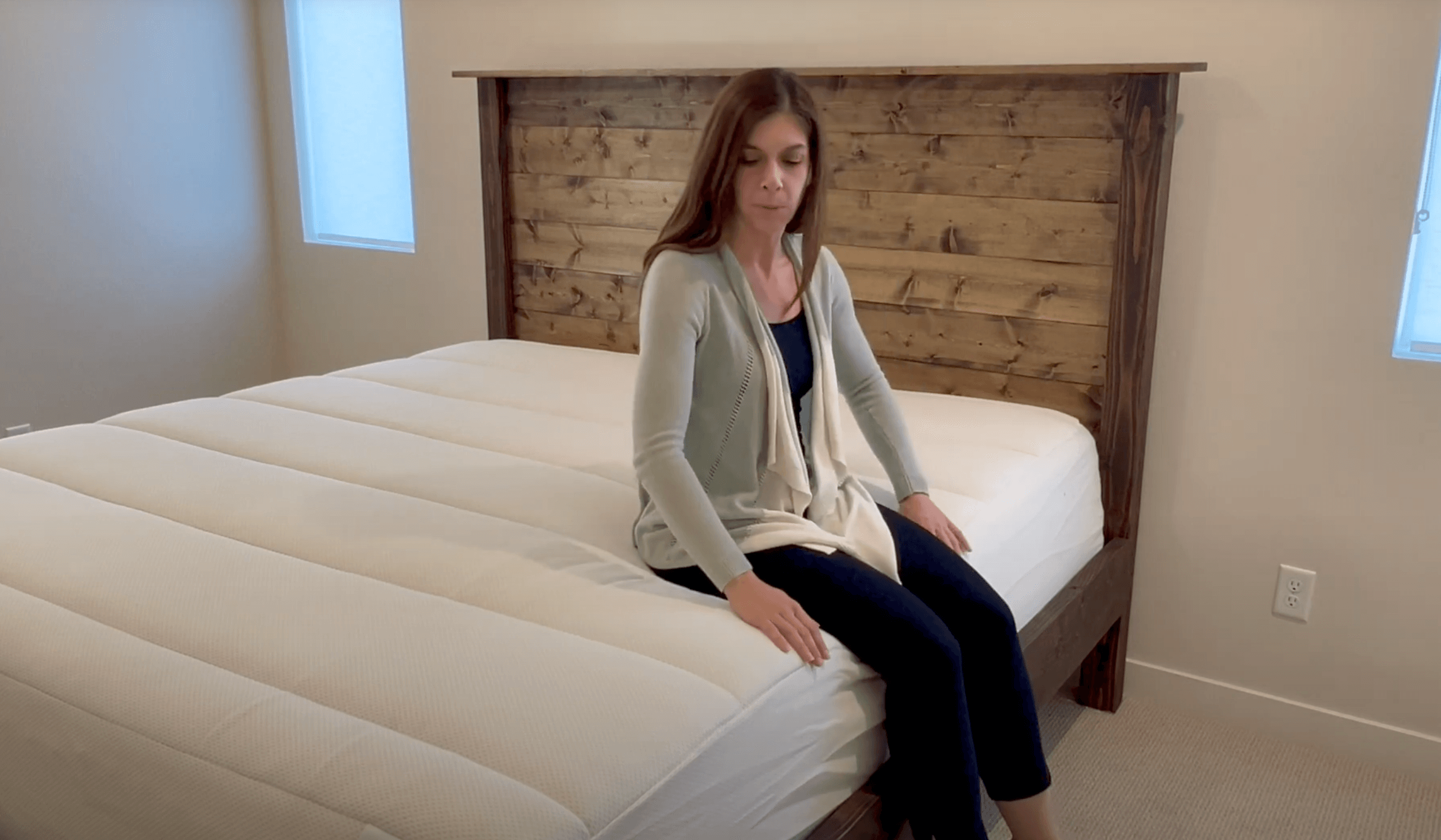
Watch Our Vaya Hybrid Video Review
The Vaya Hybrid ranked fourth and holds the value award because it gets the basic job right without extras. It is a simple build: comfort foam over a pocketed coil unit, with no zoning and no special cover.
On my back, the coils pushed back early. My hips did not travel far before the coil unit took the load, and my lower back kept contact along its curve. Without lumbar zoning, that comes from the coils being firm enough across the whole bed rather than from any targeted support.
The tradeoff shows on your side and when you share the bed. With no softer shoulder zone, my shoulder met the same firmness as my waist and did not sink as far as it did on the zoned picks. When my partner rolled over, I felt more of it than on the foam-heavy beds.
The Vaya Hybrid fits back sleepers and average-weight side sleepers who want coil support under the hips at a lower cost, especially people who sleep alone or with a partner who stays still.
- 10 Value
- 10 Edge Support
- 9 Trial Period
- 10 Response Time
- 7 Motion Transfer
- 9 Cooling & Breathability
I picked the Vaya Hybrid because it kept my hips level on my back without the price of a zoned bed.
Hip support
During testing on my back, the coils took my weight early, and my hips sat level with my shoulders from the start of the session to the end. For a back sleeper on a budget, that is the one behavior that matters most with a forward tilt.
Responsiveness
The coils made rolling from my back to my side easy, with no stuck feeling when I changed positions.
Temperature
The porous comfort foam felt less heat-retentive than the dense memory foam beds I compared.
Best For:
- Back sleepers on a budget who want coils under the hips
- Side sleepers of average weight who do not need deep shoulder sink
- Solo sleepers
Compare Instead:
- Zoma Boost if you want more luxury at a value price with a 10/10 edge
- Amerisleep AS3 if you share a bed and want 10/10 motion transfer
- Helix Midnight Luxe if you sleep on your side and want zoned coils
The top foam feels soft for a moment, then the coils push back with a little bounce. On my back, I felt lifted rather than cradled, and my lower back had support under it.
On my side, my shoulder sank less than on the zoned beds, so light side sleepers may feel pressure build there. On my stomach, my hips stayed close to level.
It feels best for back sleepers and average-weight combination sleepers who like a bouncy, on-top feel.
The Vaya Comfort Foam on top is porous, which is why it felt less heat-retentive than dense memory foam and why the first touch was soft.
It is a thinner cushion than the plush picks here, so the pocketed coils underneath reach you sooner, and that is why my hips stopped early on my back.
The coils also gave the bed its bounce when I rolled over. A layer of base foam under the coils keeps the unit stable. There is no zoning in the coils, which is why my shoulder did not sink as far on my side.
Pros
- Hip support: my hips stayed level with my shoulders on my back for the whole session.
- Responsiveness: the coils made changing positions easy.
- Terms: a 100-night trial, a 10-year warranty, and CertiPUR-US® certified foams.
Cons
- No zoning: my shoulder did not sink as far on my side as it did on the zoned picks.
- Motion transfer: I felt my partner roll over more than on the foam-heavy beds.
- Warranty: its 10-year warranty is shorter than the lifetime and 20-year terms most picks here carry.
The Vaya Hybrid’s coils took my weight early, so my hips stayed level with my shoulders on my back from the start of the session to the end. It skips zoning and extras to keep the price down. It is the pick for back sleepers and average-weight side sleepers on a budget, especially people who sleep alone.
Best Mattress for Side Sleepers
Helix Midnight Luxe

Warranty
Lifetime

Sleep Trial
120 Nights

Shipping
Free
Watch Our Helix Midnight Luxe Video Review
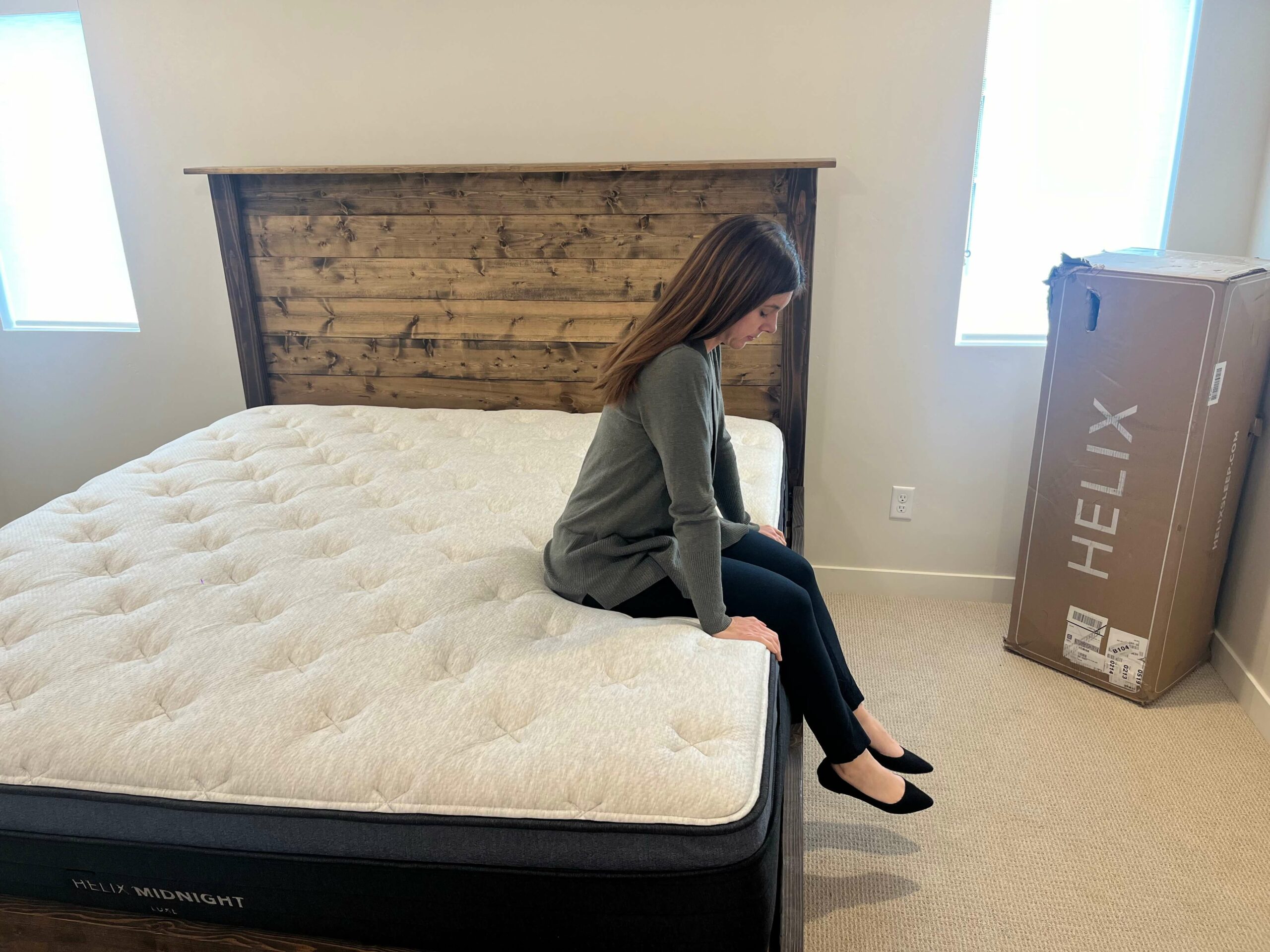
Side sleeping is where a forward-tilted pelvis is hardest to hold. The bed has to let your shoulder drop and stop your hip from dropping with it. The Helix Midnight Luxe earned the side sleeper award because it split those two jobs cleanly.
On my side, my shoulder settled into the pillow top while my waist stayed held up, and a straight line from my neck to my tailbone stayed level. The zoned coils underneath are firmer through the middle third, which is what kept my hip from sinking.
On my back, my hips stayed level with my shoulders, though the pillow top means the sinking is slower and a little deeper than on the firmer picks. It scores 10 for edge support and motion transfer. Its 7 for value ties for the lowest value score here.
The Midnight Luxe fits side sleepers of average to above-average build who want deep shoulder cushioning with firm hip support, and couples who want little motion transfer. Dedicated stomach sleepers will be better served by a firmer pick.
- 7 Value
- 10 Edge Support
- 9 Trial Period
- 9 Response Time
- 10 Motion Transfer
- 9 Cooling & Breathability
I picked the Midnight Luxe because it let my shoulder sink on my side without letting my hip follow it down.
Side-lying alignment
During testing on my side, my partner checked my spine from behind and saw it run level from neck to tailbone. I repeated the check lying on my other side and got the same result, which told me the zoning was doing real work.
Motion isolation
When my partner got up on the far side, the movement did not carry across, so side sleepers who share a bed are less likely to be disturbed.
Edge support
Sitting on the perimeter, I felt very little compression and no roll-off.
Best For:
- Side sleepers who want shoulder sink with firm hip support
- Combination sleepers who spend most of the night on their side
- Couples who want low motion transfer
Compare Instead:
- Amerisleep AS5 Hybrid if you want a softer 3/10 surface with even more shoulder sink
- Nest Bedding Sparrow if you want side-sleeper cushioning with three firmness choices and a 365-night trial
- Vaya Hybrid if price matters more to you than zoning
The pillow top feels soft and quilted, with firmer support underneath. On my side, my shoulder sank in while my hip held its place.
On my back, I sank a little deeper than on the firmer picks before the coils stopped me, but my hips still ended level. On my stomach, my hips sank below my shoulders.
It feels best for side sleepers who want a plush top with zoned support underneath.
The pillow top is why my shoulder had room to sink on my side, which kept pressure from building there. Under it, the support foam and zoned coils are firmer through the middle third, which is why my hip stayed level with my waist instead of dropping.
The individually wrapped coils are also why my partner’s movement stayed on their side. The firm perimeter coils explain the steady edge when I sat down. Helix offers a cooling cover upgrade in place of the standard cover, so hot sleepers can choose that option.
Pros
- Side-lying alignment: my spine stayed level from neck to tailbone on both sides.
- Motion Transfer (10/10): my partner getting up did not carry across the bed.
- Edge Support (10/10): the perimeter barely compressed when I sat on it.
Cons
- Value (7/10): it ties for the lowest value score in this guide.
- Single feel: it comes in one medium feel only.
- Stomach sleeping: my hips sank below my shoulders, so stomach sleepers may want a firmer surface.
The Helix Midnight Luxe let my shoulder sink into its pillow top while its zoned coils kept my hip from following it down, on both sides of the bed. It scores 10 for edge support and motion transfer. It is the pick for side sleepers who want deep shoulder cushioning with firm hip support.

Watch Our Leesa Sapira Chill Video Review
The Leesa Sapira Chill holds the hybrid award because its springs are zoned to put extra support under the hips, which is exactly where a forward-tilted pelvis tends to sink. It pairs that with a quilted top that cushions the shoulders.
On my back, the quilted top gave softly, then the zoned springs held my hips at shoulder height, and my lower back stayed in contact with the surface. It comes in three firmness levels, and motion stayed well contained across all three.
It ties for full marks in response time and in cooling and breathability. Partner movement was a little more noticeable than on the foam-heavy picks, which is where its 9 for motion transfer comes from, and its 8 for value sits below the seven picks that scored a 9 or 10.
The Sapira Chill fits combination sleepers who want a hybrid with hip-focused springs, hot sleepers who like a quilted top, and shoppers who want to pick their firmness. Back sleepers with a forward tilt should lean toward the Medium-Firm or Firm build.
- 8 Value
- 10 Edge Support
- 9 Trial Period
- 10 Response Time
- 9 Motion Transfer
- 10 Cooling & Breathability
I picked the Sapira Chill because its springs are zoned for the exact spot where a forward tilt needs help, and it adds a cool, quilted top on top of that.
Hip support
During testing on my back, my hips stopped at shoulder height after the top layer compressed, and they stayed there. For a back sleeper, that keeps the lower back from arching over a gap as the night goes on.
Cooling
The quilted cover felt cooler to the touch through the first hours than the standard pillow-top fabrics I compared, which helps hot sleepers who still want a plush top.
Responsiveness
When I rolled from my back to my side, the surface reformed right away with no leftover dip.
Best For:
- Combination sleepers who want hip-focused springs
- Hot sleepers who like a quilted top
- Shoppers who want three firmness levels to choose from
Compare Instead:
- Nolah Evolution 15 if you want a pillow top with foam zoned firmest in the middle and a 10/10 value score
- Amerisleep AS6 Black Series if you want 10/10 motion transfer with three separate cooling components
- Saatva Classic if you want a coil-on-coil innerspring with lumbar quilting
The top feels soft and cool, with a gentle bounce underneath. On my back, my hips held level and my lower back had support. On my side, my shoulder sank into the quilted top while the zoned springs kept my hip up. Changing positions was quick and easy. It feels best for combination sleepers who want a responsive hybrid with a soft, cool top.
The cooling quilt top is why the surface felt cool on contact and why my shoulder had room to sink on my side. Under it, the plant-based GreenFlex foam has an open-cell structure, which is why the comfort layers felt less heat-retentive than dense memory foam. The zoned springs put more support under the hips, which is why my pelvis stopped at shoulder height on my back. The springs are also why the surface bounced back fast when I rolled over and why the edge stayed firm when I sat on it.
Pros
- Response Time (10/10): the surface reformed right away when I changed positions.
- Cooling & Breathability (10/10): the quilted cover felt cooler than the standard pillow-top fabrics I compared.
- Edge Support (10/10): the perimeter held firm when I sat on it.
Cons
- Motion Transfer (9/10): my partner’s movement was a little more noticeable than on the foam-heavy beds.
- Value (8/10): it scored below the seven picks that earned a 9 or 10 for value.
- Height: at 14 inches, it needs deep-pocket sheets.
The Leesa Sapira Chill’s zoned springs put extra support under my hips, while its quilted top cushioned my shoulders and felt cool to the touch. It ties for full marks in response time and in cooling and breathability, and it comes in three firmness levels. It is the pick for combination sleepers who want a responsive hybrid with hip-focused springs.
Watch Our Saatva Classic Video Review
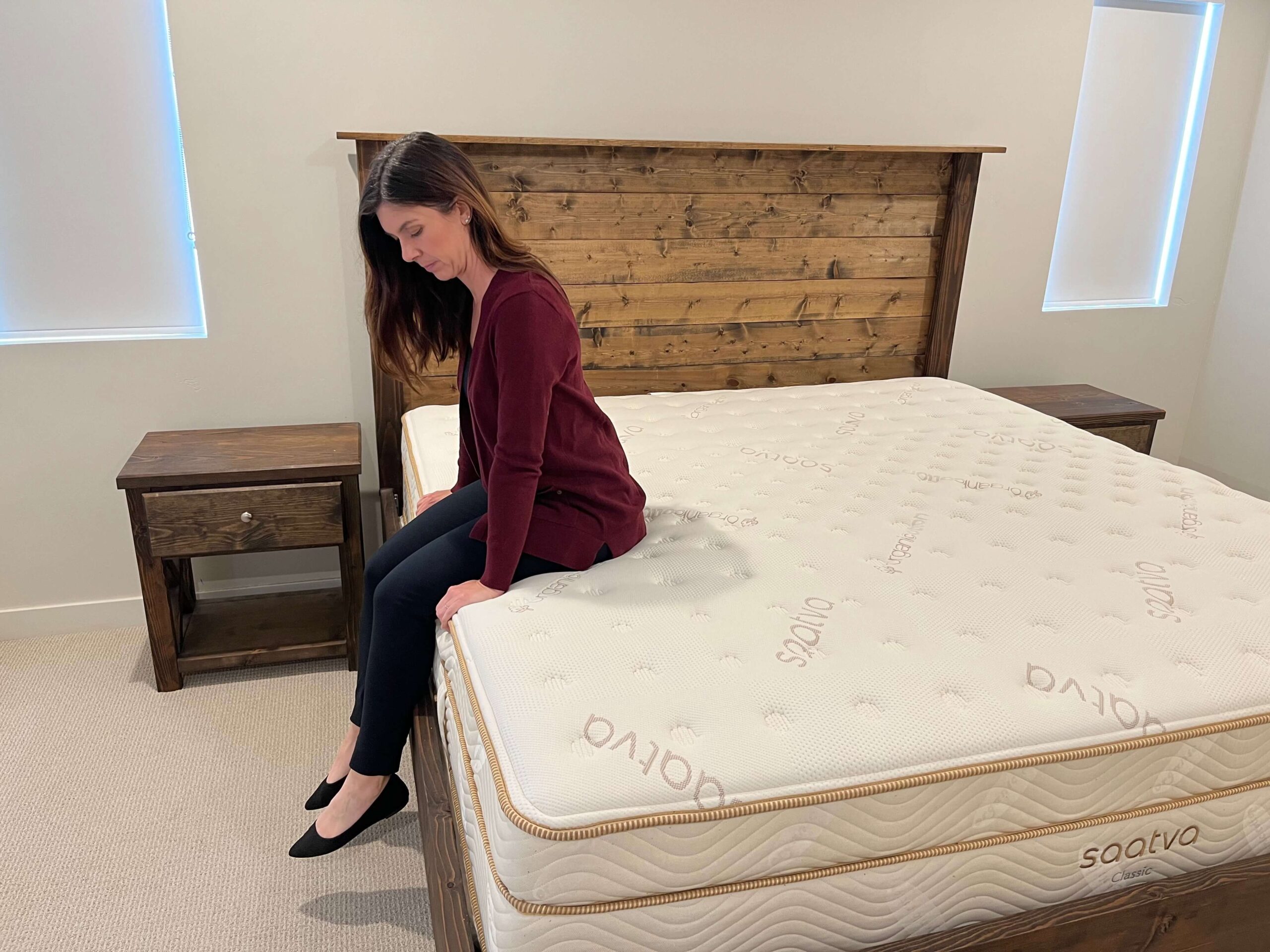
The Saatva Classic is one of two innerspring beds on this list, and it stands out for having one coil layer on top of another. It earned its spot for a feature built right into the top layer: Lumbar Zone® quilting in the center third of the pillow top.
I tested the 11.5-inch Luxury Firm. On my back, my lower back met that quilted zone within seconds of lying down, and my hips stopped early and stayed put. Most beds make the lower back wait for the comfort layers to compress before it meets anything. Here it did not have to wait.
It ties for full marks in response time, trial period, and edge support. Its 7 for value ties for the lowest here, and the coils carry a little more bounce than the foam-heavy picks.
The Saatva Classic fits back and combination sleepers who like to sleep on top of the bed rather than in it, and shoppers who want a long trial to pick the right firmness and height. Light side sleepers who need deep shoulder sink should look at the softer picks.
- 7 Value
- 10 Edge Support
- 10 Trial Period
- 10 Response Time
- 9 Motion Transfer
- 9 Cooling & Breathability
I picked the Saatva Classic because its lumbar reinforcement sits in the pillow top itself, so my lower back had support the moment I lay down.
Lower-back contact
During testing on my back, my hand met the quilted lumbar zone as soon as I slid it under my lower back. For a back sleeper with a forward tilt, that means the arch is supported right away, not after the bed settles.
Responsiveness
The coils made rolling over quick, and the surface felt buoyant rather than contouring.
Edge support
Sitting on the edge, the perimeter barely moved, which makes the full width of the bed usable.
Best For:
- Back sleepers who want support right under the lumbar curve
- Combination sleepers who want a quick-responding surface
- Shoppers who want to choose firmness and height
Compare Instead:
- FORM Prime if you want zoned support in a grid hybrid with 10/10 motion transfer
- Helix Midnight Luxe if you sleep on your side and need more shoulder sink
- Nolah Evolution 15 if you want a zoned pillow top with a 10/10 value score
The Luxury Firm feels cushioned on top and springy underneath, like a classic hotel bed. On my back, I felt lifted, and my lower back had support from the start.
On my side, my shoulder sank less than on the plush hybrids, so pressure built there after a while. On my stomach, my hips stayed close to level.
It feels best for back and combination sleepers who want to sleep on top of the bed.
The Lumbar Zone® quilting in the Euro pillow top is why my lower back met support within seconds on my back. Under it, the upper coil unit gives where your body presses in, while the lower coil unit stays firm, which is why my hips stopped early and the surface felt buoyant.
That dual-coil build is also why the bed responded fast when I rolled over, and why the edge held firm. Because the coils move more freely than foam, some bounce carried across when my partner shifted.
Pros
- Lower-back contact: my hand met the quilted lumbar zone as soon as I lay down.
- Response Time (10/10): the coils made changing positions quick and easy.
- Trial Period (10/10): a 365-night trial backed by a lifetime warranty.
Cons
- Value (7/10): it ties for the lowest value score in this guide.
- Motion Transfer (9/10): some bounce carried across when my partner moved.
- Shoulder pressure: in the Luxury Firm, my shoulder sank less on my side and pressure built after a while.
The Saatva Classic’s Lumbar Zone® quilting met my lower back the moment I lay down, and its coil-on-coil build stopped my hips early. It ties for full marks in response time, trial period, and edge support, with a 365-night trial and a lifetime warranty. It is the pick for back and combination sleepers who want support right under the lumbar curve.
Watch Our Nolah Evolution Video Review
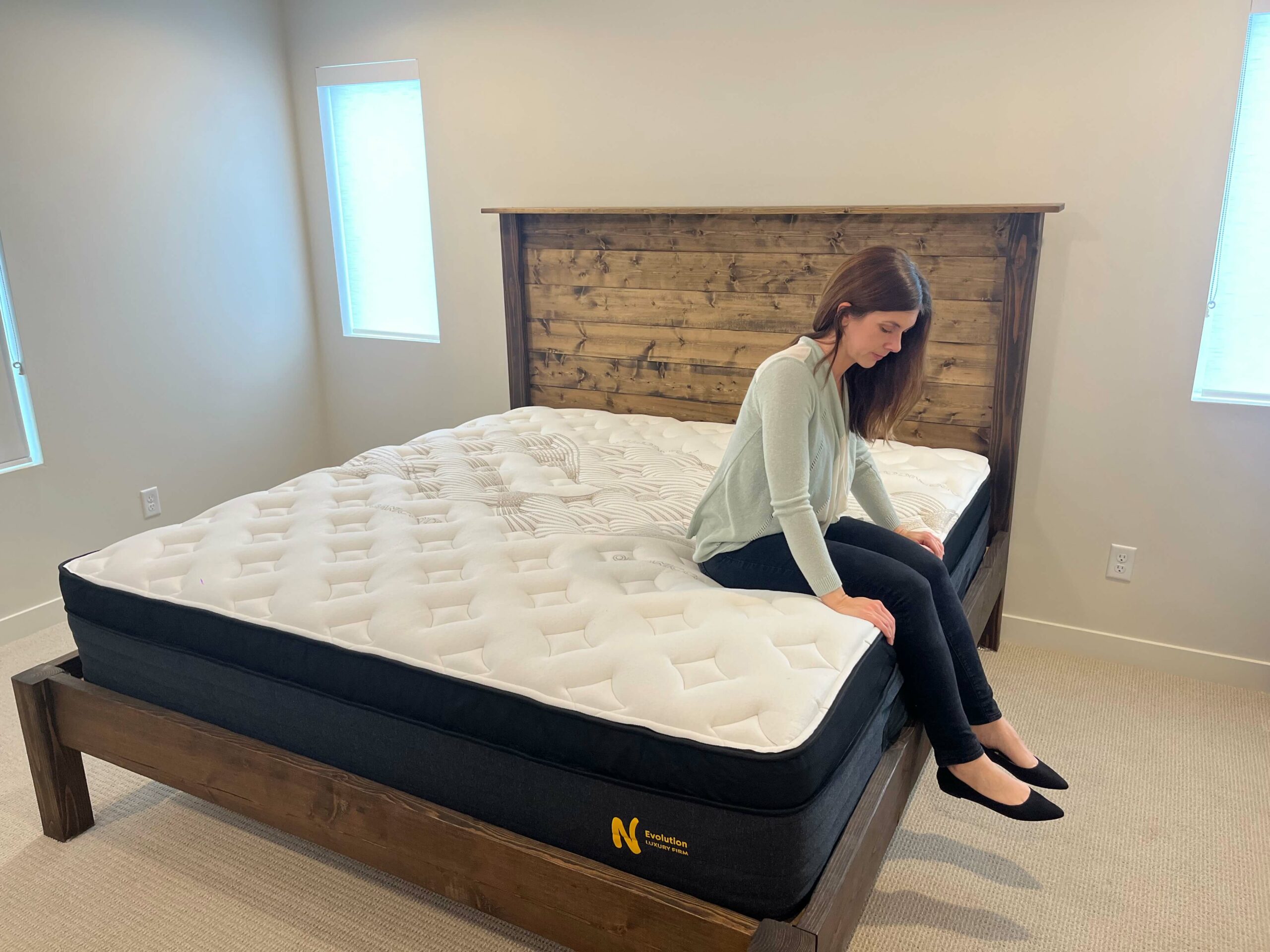
A pillow top and a level pelvis usually pull against each other, because extra cushioning on top is what lets the hips keep sinking. The Nolah Evolution holds the pillow top award because its zoning is firmest right under the lumbar area, in both the foam and the coils.
I tested the 15-inch Luxury Firm. The top gave for about the first inch, then the zoned layers took over. On my back, my hips reached a level and held it, and my lower back stayed in contact with the surface. On my side, the softer shoulder zone let my shoulder drop while the middle held my waist.
It ties with the Zoma Boost for the highest score in this guide and with the Boost and the Vaya Hybrid for the top value score, and it scores 10 for edge support and motion transfer. At 15 inches, it is in a three-way tie for the tallest bed here.
The Evolution fits back and side sleepers who want a plush top without their hips following it down, and couples who want movement to stay on one side of the bed.
- 10 Value
- 10 Edge Support
- 9 Trial Period
- 9 Response Time
- 10 Motion Transfer
- 9 Cooling & Breathability
I picked the Nolah Evolution because it gave me the soft first inch of a pillow top without my hips sinking after it.
Hip hold
During testing on my back, my hips stopped once the top compressed and stayed at that level for the rest of the session. That matters for a forward tilt, because a pillow top that keeps giving lets the lower back arch more over time.
Motion isolation
When my partner shifted on the far side, it did not reach me, so couples can share it without waking each other.
Temperature
The surface felt cooler to the touch through the first hours than the denser pillow-tops I compared.
Best For:
- Back and side sleepers who want a pillow top with firm hip hold
- Couples who want low motion transfer
- Shoppers who want three firmness levels
Compare Instead:
- Leesa Sapira Chill if you want a quilted top with 10/10 response time and cooling
- Zoma Boost if you want the same 9.5 score in a plush hybrid without a pillow top
- Saatva Classic if you want lumbar quilting in a firmer innerspring
The pillow top feels soft and plush at first touch. On my back, I sank about an inch, then the zoned layers held me, and my lower back stayed supported.
On my side, my shoulder sank into the soft shoulder zone while my hip stayed up. On my stomach, the Luxury Firm kept my hips close to level.
It feels best for back and side sleepers who want a plush top that still holds the hips.
The AirFoam® Luxe comfort foam is what gives the top its soft first inch, which is why my shoulder had room to settle on my side. Below it, the Tri-Zone™ foam is firmest in the middle, which is why my hips stopped after that first inch instead of continuing to sink.
The zoned Ascension coils work the same way, softer at the shoulder and firmer at the hips, which is why my spine stayed level on my side.
The individually wrapped coils also kept my partner’s movement from traveling, and the firm perimeter is why the edge held when I sat on it.
Pros
- Value (10/10): it shares the top value score in this guide.
- Hip hold: my hips stopped after the first inch and stayed there on my back.
- Motion Transfer (10/10): my partner’s movement did not reach my side.
Cons
- Returns: Nolah charges a $99 pickup fee if you return the mattress during the trial.
- Height: at 14 or 15 inches, it needs deep-pocket sheets.
- Response Time (9/10): the pillow top reformed a beat slower than the most responsive picks when I rolled over.
The Nolah Evolution gave me a soft first inch, then its zoning, firmest in the middle, held my hips at that level for the rest of the session. It ties for the highest score and the top value score in this guide. It is the pick for back and side sleepers who want a pillow top without their hips sinking after it.
Watch Our Amerisleep Organica Video Review
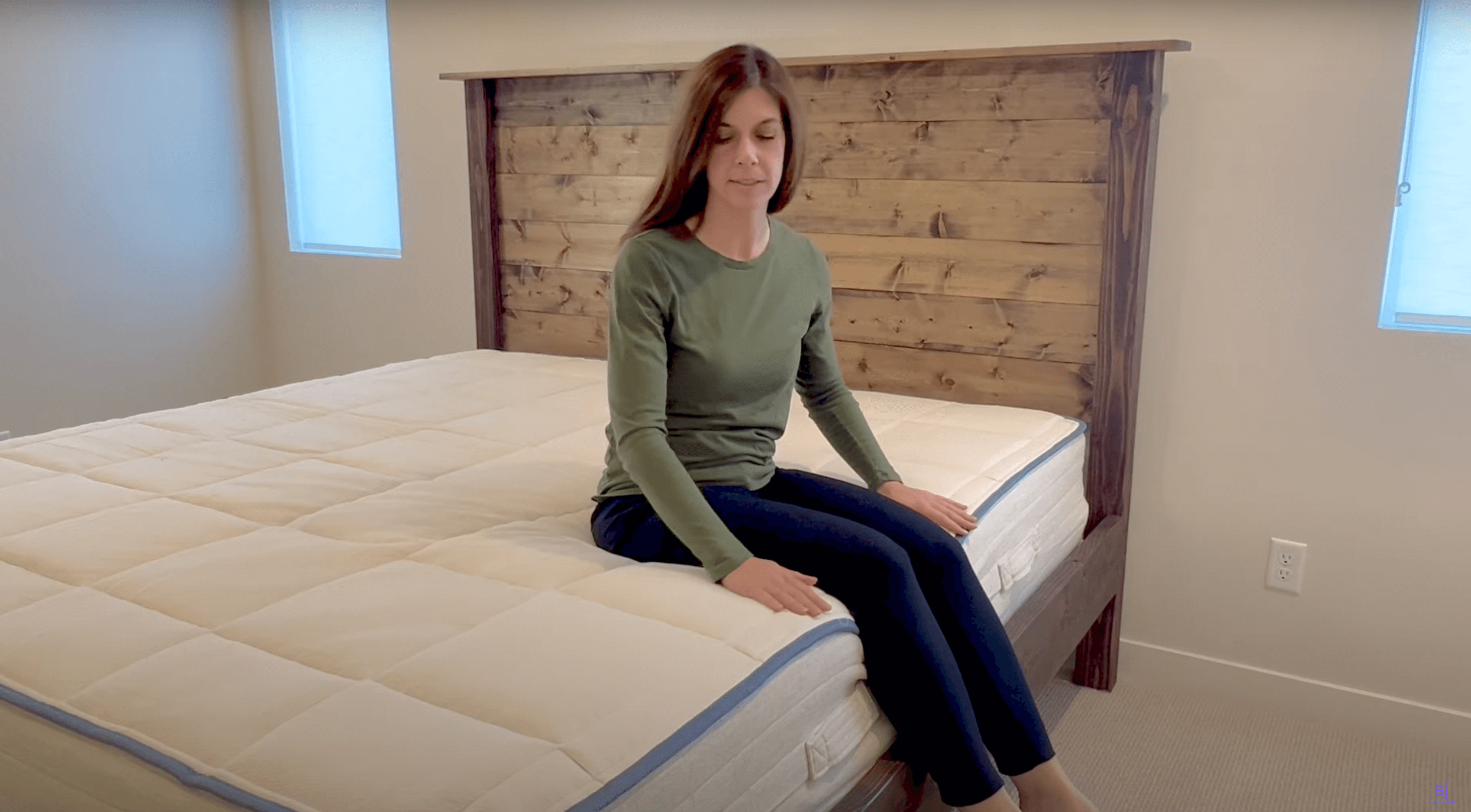
The Organica holds the latex award, and latex behaves differently under a hip than foam does. It pushes back instead of giving way, and it pushes back harder the deeper you press.
That showed up right away in testing. On my back, my hips sank a short distance and then met firm resistance, and they held there without the slow drift I noticed on softer foam beds. My lower back stayed in contact with the surface. When I rolled over, the latex sprang back instantly, with no dip left behind.
It ties for full marks in response time. Its 8 for edge support ties for the lowest here, so the perimeter gives more than on most of the hybrids.
The Organica fits back and combination sleepers who want a responsive, lifted feel and natural materials. Side sleepers who want the shoulder to sink deep, and anyone who dislikes bounce, should look at the softer picks.
- 9 Value
- 8 Edge Support
- 9 Trial Period
- 10 Response Time
- 9 Motion Transfer
- 9 Cooling & Breathability
I picked the Organica because its latex stopped my hips at a shallow depth, which is what a back sleeper with a forward tilt needs.
Hip hold
During testing on my back, my hips met firm resistance after a short sink and stayed at that level. That kept my lower back from arching over a gap as I lay there.
Responsiveness
Rolling from my back to my side took almost no effort, because the latex reformed the instant my weight left it. Combination sleepers who switch positions often will feel that.
Temperature
The latex and cotton surface felt less heat-retentive than the dense memory foam beds I compared.
Best For:
- Back sleepers who want the hips stopped early
- Combination sleepers who change positions often
- Shoppers who want natural latex over coils
Compare Instead:
- PlushBeds Signature Bliss if you want certified organic latex with a pillow top and a lifetime warranty
- Amerisleep AS5 Hybrid if you sleep on your side and want deep shoulder sink
- Saatva Classic if you want a firmer choice with a 10/10 edge
The latex feels springy and lifting, not sinking. On my back, I stopped early and felt held up, with my lower back supported. On my side, my shoulder sank less than it would into foam, so light side sleepers may feel some pressure. On my stomach, my hips stayed close to level.
It feels best for back and combination sleepers who want to feel supported rather than surrounded.
The two layers of natural Talalay latex, a soft layer over a medium one, are why my hips stopped at a shallow depth and why the surface sprang back the moment I moved.
Latex holds less heat than dense memory foam, which is why the top felt less heat-retentive. Under the latex, the 8-inch pocketed coil unit added lift under my hips and kept my partner’s movement from traveling far.
A layer of organic wool sits under the organic cotton cover. The latex is certified to OEKO-TEX® Standard 100 and eco-INSTITUT standards.
Pros
- Response Time (10/10): the latex reformed instantly when I rolled over.
- Hip hold: my hips stopped at a shallow depth on my back and stayed there.
- Materials: natural Talalay latex with OEKO-TEX® Standard 100 and eco-INSTITUT certification.
Cons
- Edge Support (8/10): the perimeter gave more than most of the hybrids when I sat on it.
- Bounce: the springy latex feel takes some getting used to if you are coming from memory foam.
- Shoulder sink: my shoulder sank less on my side than it would into softer foam.
The Organica’s Talalay latex stopped my hips at a shallow depth and sprang back the instant I rolled over. It ties for full marks in response time and pairs natural latex with an organic cotton cover. It is the pick for back and combination sleepers who want a lifted, responsive feel and natural materials.

Watch Our Amerisleep AS6 Black Series Video Review
The AS6 Black Series holds the cooling award for how its cooling is built. It shares the top cooling score in this guide with three other picks, but its cooling sits in three separate parts above the comfort foam: the cover, a titanium-infused foam layer, and cooling bands.
I tested the Luxury Firm. On first contact, the surface felt cold rather than neutral under my palm, and it did not warm up as quickly under my body through the first hours as the all-foam beds I compared.
For a forward tilt, the support matters just as much. On my back, my hips sank through the Bio-Pur® foam and then met the Affinity transition layer, which held them at shoulder height, and my lower back stayed supported. It ties for full marks in motion transfer. Its 9 for edge support sits a step below the 10s here.
The AS6 fits hot sleepers who want a coil core under memory foam, back and side sleepers who want to pick from three firmness levels, and couples who wake when a partner moves.
- 9 Value
- 9 Edge Support
- 9 Trial Period
- 9 Response Time
- 10 Motion Transfer
- 10 Cooling & Breathability
I picked the AS6 because it pairs a three-part cooling stack with support that held my hips level on my back.
Cooling
During testing, the cover felt cold on first touch, and the surface stayed cooler through the first hours than the all-foam beds I compared. For two hot sleepers sharing a queen, that means less heat building up where you lie.
Hip hold
On my back, my hips stopped once they reached the Affinity layer, and my lower back stayed on the surface.
Motion isolation
When my partner rolled over, the coils kept the movement on their side.
Best For:
- Hot sleepers who want memory foam over coils
- Back and side sleepers who want three firmness levels
- Couples who wake easily
Compare Instead:
- Leesa Sapira Chill if you want 10/10 cooling in a quilted-top hybrid with 10/10 response time
- Amerisleep AS3 if you want 10/10 cooling in an all-foam bed at 12 inches
- FORM Prime if you want a 10/10 edge and a 365-night trial
The Luxury Firm feels cool and cushioned on top, with firm support below. On my back, I sank a little, then the transition layer held me level. On my side, my shoulder sank further than my hip, so my waist stayed up. On my stomach, my hips stayed close to level.
It feels best for hot back and side sleepers who want memory foam cushioning without a warm surface.
The CryoCool™ cover is why the surface felt cold on first touch. Under it, the TitanAir™ titanium-infused foam and the ArcticWave™ cooling bands are why the surface did not warm as fast as the all-foam beds I compared.
The Bio-Pur® memory foam below gave my shoulder room to sink on my side.
The Affinity transition layer is what stopped my hips at shoulder height on my back. At the bottom, the PrecisionCoil™ core kept my partner’s movement on their side and gave the bed a steady base.
Pros
- Cooling & Breathability (10/10): the surface felt cold on first touch and stayed cooler than the all-foam beds I compared through the first hours.
- Motion Transfer (10/10): my partner’s movement stayed on their side.
- Firmness choice: three firmness levels on the same cooling build.
Cons
- Edge Support (9/10): the perimeter compressed a little more than the 10/10 picks when I sat on it.
- Plush Soft option: the softest version may let the hips sink too far for back sleepers with a forward tilt.
- Height: at 14 inches, it needs deep-pocket sheets.
The AS6 Black Series felt cold on first touch and stayed cooler through the first hours than the all-foam beds I compared, while its transition layer held my hips at shoulder height. Its cooling sits in three separate parts above the comfort foam, and it comes in three firmness levels. It is the pick for hot back and side sleepers who want memory foam over coils.
Best Organic Mattress
PlushBeds Signature Bliss

Warranty
Lifetime
Sleep Trial
365 Nights
Shipping
Free
Watch Our Plushbeds Signature Bliss Video Review
The PlushBeds Signature Bliss holds the organic award because its comfort layers use GOLS-certified organic latex under a GOTS-certified organic cotton cover. For a forward tilt, what mattered was how that latex sat on the coils.
On my back, the pillow top gave softly, then the latex and coils underneath stopped my hips and held them level with my shoulders. My lower back stayed in contact with the surface. When I rolled over, the latex pushed back quickly.
It ties for full marks in response time and edge support, and it is one of four picks with a 365-night trial. It scores a 9 for motion transfer and for cooling and breathability, a step below the 10s here.
The Signature Bliss fits back and combination sleepers who want organic materials with a soft top, and couples who want a firm edge to sit on. Side sleepers who want very deep shoulder sink may find the latex too lifting.
- 9 Value
- 10 Edge Support
- 10 Trial Period
- 10 Response Time
- 9 Motion Transfer
- 9 Cooling & Breathability
I picked the Signature Bliss because it gave me certified organic materials without giving up the hip hold a forward tilt needs.
Hip hold
During testing on my back, my hips stopped once the pillow top compressed and held level for the rest of the session. For a back sleeper, that keeps the lower back supported as the night goes on.
Edge support
Sitting on the edge, the perimeter barely moved, so couples can use the full width of the bed.
Responsiveness
The latex reformed quickly when I rolled from my back to my side.
Best For:
- Shoppers who want GOLS and GOTS certified materials
- Back and combination sleepers who like a soft top
- Couples who want a firm edge
Compare Instead:
- Organica if you want Talalay latex over coils with a 20-year warranty
- Nest Bedding Sparrow if you want a 365-night trial with 10/10 motion transfer
- Saatva Classic if you want lumbar quilting in a coil-on-coil innerspring
The top feels soft and woolly, with a springy latex layer underneath. On my back, I sank a little, then felt held up, and my lower back had support. On my side, my shoulder sank into the pillow top, though less than into soft foam. On my stomach, the Medium kept my hips close to level.
It feels best for back and combination sleepers who want an organic bed with a soft top and a lifted feel.
The organic wool and cotton pillow top is why the first touch felt soft. Under it, the organic Dunlop latex pushed back as I pressed in, which is why my hips stopped at shoulder height on my back and why the surface reformed fast when I moved.
The fabric-encased coils underneath added lift and a firm perimeter, which is why the edge barely compressed when I sat on it. The latex is GOLS certified and the cover is GOTS certified, which covers how those materials are grown and processed.
Pros
- Response Time (10/10): the latex reformed quickly when I changed positions.
- Edge Support (10/10): the perimeter barely moved when I sat on it.
- Materials: GOLS-certified organic latex and a GOTS-certified organic cotton cover.
Cons
- Motion Transfer (9/10): my partner’s movement was a little more noticeable than on the 10/10 picks.
- Cooling & Breathability (9/10): the surface felt a step warmer than the 10/10 cooling picks.
- Firmness range: it comes in two firmness levels, Medium and Medium-Firm.
The PlushBeds Signature Bliss cushioned me with an organic wool and cotton pillow top, then its latex and coils held my hips level with my shoulders. It ties for full marks in response time and edge support, and it is one of four picks with a 365-night trial. It is the pick for back and combination sleepers who want GOLS and GOTS certified materials.

Watch Our Westin Heavenly Bed Video Review
The Westin Heavenly Bed holds the hotel award because it is the pillow-top bed Westin designed for its hotels, now sold for home use. If you have slept on one while traveling and liked it, this is that feel.
On my back, the pillow top felt soft and deep, and the pocketed coils underneath caught my hips before they sank past my shoulders. My hips settled a little deeper than on the firmer picks, so my lower back had less under it early in the session. A pillow under my knees closed that gap.
The biggest limitation is the purchase terms. Marriott lists the mattress as non-returnable, so there is no sleep trial. It also skips Twin XL and split sizes.
The Heavenly Bed fits back and combination sleepers who already know they like this hotel feel and want white-glove delivery. Anyone who wants time to test a bed at home should pick one with a trial.
- 8 Value
- 10 Edge Support
- 0 Trial Period
- 10 Response Time
- 9 Motion Transfer
- 9 Cooling & Breathability
I picked the Heavenly Bed for shoppers who want the plush hotel feel and are willing to buy without a trial.
Plush top, coil hold
During testing on my back, the pillow top cushioned me on contact, then the coils stopped my hips just short of dropping below my shoulders. For a back sleeper who likes plush, a knee pillow helps keep the lower back supported.
Side sleeping
On my side, the pillow top gave my shoulder plenty of room to sink, and the coils kept my hip from sagging.
Delivery
White-glove setup and haul-away of the old mattress are included, so there is nothing to unbox or carry.
Best For:
- Shoppers who want the Westin hotel pillow-top feel at home
- Back and side sleepers who like a plush surface
- Buyers who want in-home setup
Compare Instead:
- Nolah Evolution if you want a pillow top zoned firmest in the middle, plus a 120-night trial
- Saatva Classic if you want a hotel-style innerspring with lumbar quilting and a 365-night trial
- Leesa Sapira Chill if you want a quilted top with zoned springs under the hips
The pillow top feels soft and deep, like a hotel bed. On my back, I sank into the top before the coils held me, and my hips ended slightly lower than on the firmer picks. On my side, my shoulder sank easily.
On my stomach, my hips sank below my shoulders. It feels best for back and side sleepers who like a plush hotel feel and use a knee pillow on their back.
The plush pillow top and foam layers are why the first touch felt soft and deep, and why my shoulder had room on my side.
Those layers are thicker than on the firmer picks, which is why my hips sank a little further before the pocketed coils took over.
The reinforced pocketed coils underneath are what stopped my hips short of dropping below my shoulders.
Pros
- Plush feel: the pillow top cushioned my shoulder deeply on my side.
- Coil hold: the coils stopped my hips short of dropping below my shoulders on my back.
- Delivery: white-glove setup and old-mattress haul-away are included.
Cons
- No sleep trial: Marriott lists the mattress as non-returnable.
- Hip sink: my hips settled a little deeper than on the firmer picks, leaving less under my lower back early on.
- Sizes: no Twin XL or split sizes.
The Westin Heavenly Bed brings the hotel pillow-top feel home, with coils that stopped my hips just short of dropping below my shoulders. It is non-returnable, so it makes sense only if you already know you like this feel. It is the pick for back and side sleepers who want a plush hotel bed with white-glove delivery.
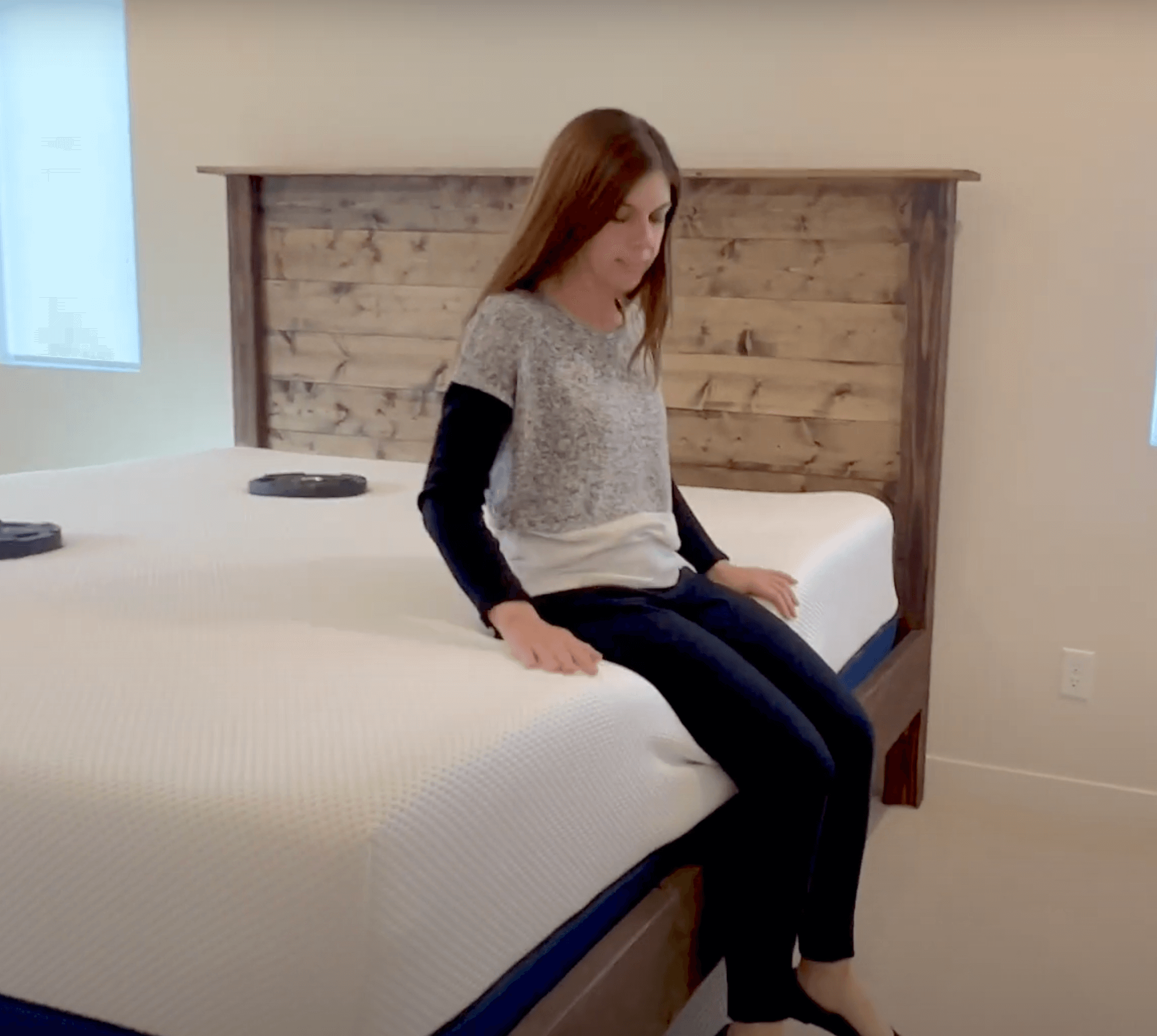
Watch Our AS5 Hybrid Video Review
The AS5 Hybrid holds the soft award, and I want to be direct about what that means on a guide about keeping the hips from sinking. It is not the pick for a back sleeper whose main concern is the middle of the bed dropping.
It is here for side sleepers with the opposite problem. A shoulder that cannot sink far enough bends the spine at the middle just as surely as a hip that sinks too far. On my side, my shoulder traveled deep into the Bio-Pur® foam while the Active Flex layer and coils kept my waist supported, so my spine stayed level.
On my back, my hips sank much further than on the firmer picks before they stopped, though they did end level with my shoulders. It ties for full marks in cooling and breathability. Its 8 for response time is the lowest here.
The AS5 Hybrid fits side sleepers, especially lighter ones, who need the shoulder to sink deep while the waist stays held, and hot sleepers who want a plush surface. Back sleepers, stomach sleepers, and sleepers over about 230 pounds should choose a firmer pick.
- 8 Value
- 9 Edge Support
- 9 Trial Period
- 8 Response Time
- 9 Motion Transfer
- 10 Cooling & Breathability
I picked the AS5 Hybrid for side sleepers whose problem is the shoulder, not the hip.
Shoulder sink
During testing on my side, my shoulder sank deep while my waist stayed held up, and my partner saw a level spine from behind. For a side sleeper with narrow hips or a light build, that keeps the spine from bending at the middle.
Cooling
The surface felt cooler to the touch through the first hours than the traditional memory foam beds I compared.
Edge support
The firmer coils along the sides kept the edge stable enough to sit on, though it compressed more than the 10/10 picks.
Best For:
- Side sleepers who need deep shoulder sink
- Lighter side sleepers who find medium beds too firm
- Hot sleepers who want a plush surface
Compare Instead:
- Helix Midnight Luxe if you want side-sleeper zoning in a medium feel with a 10/10 edge
- Amerisleep AS3 if you want firmer foam with lower-back contact on your back
- Nest Bedding Sparrow if you want a plush option plus firmer choices in one model
This is a soft, sink-in bed. On my side, my shoulder and hip sank deep, and my waist stayed supported. On my back, I sank a long way before stopping, so my lower back had less support early on. On my stomach, my hips sank too far.
It feels best for side sleepers, especially lighter ones, who want a soft bed that still keeps the spine straight.
The thick Bio-Pur® comfort foam is why my shoulder could sink so deep on my side, and its open-cell structure is why the surface felt cooler than traditional memory foam.
Under it, the Active Flex layer is what stopped my waist from sagging. It pushed back more than the foam above it, so my spine stayed level.
The pocketed coils add support and keep motion from spreading, and the firmer coils along the sides explain why the edge held up when I sat on it.
That thick foam is also why the surface reformed a little slower when I rolled over.
Pros
- Shoulder sink: my shoulder sank deep on my side while my waist stayed supported.
- Cooling & Breathability (10/10): the surface felt cooler than the traditional memory foam beds I compared.
- Warranty: a 20-year warranty.
Cons
- Response Time (8/10): the thick foam reformed more slowly than the other scored picks when I changed positions.
- Back sleeping: my hips sank much further than on the firmer beds, leaving less under my lower back early on.
- Heavier sleepers: the soft feel may let hips sink too far for sleepers over about 230 pounds.
The AS5 Hybrid let my shoulder sink deep on my side while its Active Flex layer and coils kept my waist supported and my spine level. It ties for full marks in cooling and breathability. It is the pick for side sleepers, especially lighter ones, whose problem is the shoulder rather than the hip.
Best Mattress for Couples
Nest Bedding Sparrow
Warranty
Lifetime
Sleep Trial
365 Nights
Shipping
Free
Watch Our Nest Bedding Sparrow Video Review
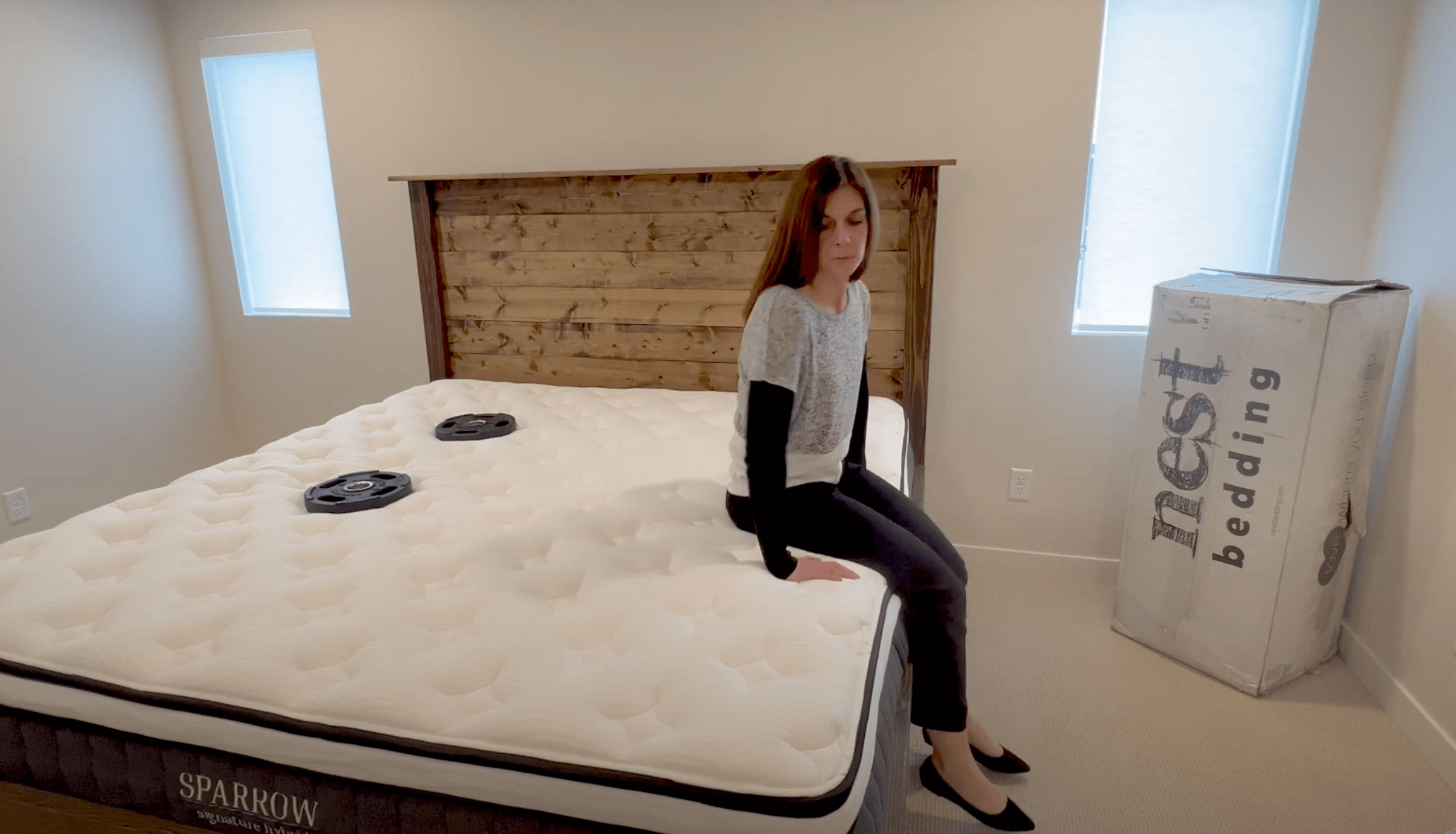
Two people rarely need the same surface, and a forward tilt adds one more reason to disagree. The Nest Bedding Sparrow holds the couples award because it pairs strong partner-friendly scores with a choice of three firmness levels.
I tested the Medium. On my back, the Energex foam gave first, then the coils stopped my hips and held them at shoulder height, and my lower back stayed supported. When my partner changed positions on the far side, it did not register on mine.
It scores 10 for motion transfer, edge support, and trial period, sharing each with other picks here, and it backs its 365-night trial with a lifetime warranty. Its 8 for value sits below the seven picks that scored a 9 or 10.
The Sparrow fits couples who want low motion transfer and a firm edge, and back and side sleepers of average build who want to pick their firmness. A partner with a forward tilt who sleeps on their back should lean toward the Medium or Firm.
- 8 Value
- 10 Edge Support
- 10 Trial Period
- 9 Response Time
- 10 Motion Transfer
- 9 Cooling & Breathability
I picked the Sparrow because it handles the things couples notice most, and lets you choose the firmness a forward tilt needs.
Motion isolation
During testing, my partner rolled over and got up on the far side of a queen, and I did not feel it. For a couple where one person moves a lot, that means fewer wake-ups.
Hip hold
On my back, my hips stopped once they reached the coils and held level with my shoulders for the rest of the session.
Edge support
Sitting on the perimeter, it barely compressed, so two people can use the full width of the bed.
Best For:
- Couples who want low motion transfer and a firm edge
- Back and side sleepers who want to pick their firmness
- Shoppers who want a 365-night trial
Compare Instead:
- FORM Prime if you want the same 10/10 marks for motion, edge, and trial in a grid hybrid
- Amerisleep AS3 if you want an all-foam bed with 10/10 cooling
- Leesa Sapira Chill if you want 10/10 response time and cooling
The Medium feels balanced, with a soft first layer and firm support below. On my back, my hips stayed level and my lower back had support. On my side, my shoulder sank in while my waist stayed up.
Changing positions felt easy. It feels best for couples and for back and side sleepers who want a medium hybrid with a firm edge.
The Energex foam comfort layers are why the first inch felt soft and then quickly stopped giving, which is what kept my hips from sinking past my shoulders on my back.
The individually wrapped coils underneath are why my partner’s movement stayed on their side and why the bed felt easy to move on.
The firm coil perimeter is why the edge barely compressed when I sat down. The phase-change cover felt cool when I first lay down.
Pros
- Motion Transfer (10/10): I did not feel my partner roll over or get up.
- Edge Support (10/10): the perimeter barely compressed when I sat on it.
- Trial Period (10/10): a 365-night trial backed by a lifetime warranty.
Cons
- Value (8/10): it scored below the seven picks that earned a 9 or 10 for value.
- Height: at 14 inches, it needs deep-pocket sheets.
- Plush option: the softest version may let the hips sink too far for back sleepers with a forward tilt.
The Nest Bedding Sparrow held my hips level on my back, and I did not feel my partner roll over or get up on the far side. It scores 10 for motion transfer, edge support, and trial period, and it comes in three firmness levels. It is the pick for couples who want low motion transfer and the freedom to choose their firmness.
The Mattresses We Have Tested
Every mattress below was tested hands-on and on camera by me, Kristina Hindes, our lead tester. Each row links to its written review and filmed test, so you can check our work. For how we score every mattress, see How We Test Mattresses.
See the full list, with review and video links
| Mattress | Review and video |
|---|---|
| Amerisleep AS2 | Review · Video |
| Amerisleep AS3 | Review · Video |
| Amerisleep AS3 Hybrid | Review · Video |
| Amerisleep AS5 | Review (test clips inside) |
| Amerisleep AS5 Hybrid | Review · Video |
| Amerisleep AS6 Black Series | Review · Video |
| Amerisleep Organica | Review · Video |
| Amerisleep Organica Plush | Review · Video |
| Bear Original | Review · Video |
| Birch Natural | Review · Video |
| Brooklyn Bedding Aurora Luxe Hybrid | Review · Video |
| Brooklyn Bedding Plank Firm | Review · Video |
| Casper The One | Review · Video |
| Eco Terra Hybrid Latex | Review · Video |
| FORM Core | Review · Video |
| FORM Core Hybrid | Review · Video |
| FORM Prime | Review · Video |
| FORM Prime X | Review · Video |
| GhostBed Flex | Review · Video |
| Happsy Organic | Review · Video |
| Helix Dawn Luxe | Review · Video |
| Helix Midnight Luxe | Review · Video |
| Helix Sunset Luxe | Review · Video |
| Latex For Less Hybrid | Review · Video |
| Leesa Original | Review · Video |
| Leesa Sapira Chill Hybrid | Review · Video |
| Leesa Sapira Hybrid | Review · Video |
| Naturepedic Concerto | Review · Video |
| Naturepedic EOS Classic Organic | Review · Video |
| Nest Bedding Owl | Review · Video |
| Nest Bedding Puffin Kids | Review · Video |
| Nest Bedding Raven | Review · Video |
| Nest Bedding Sparrow Signature Hybrid | Review · Video |
| Nolah Evolution 15 | Review · Video |
| Nolah Natural 11 | Review · Video |
| Nolah Original Hybrid | Review · Video |
| PlushBeds Botanical Bliss | Review · Video |
| PlushBeds Luxury Bliss | Review · Video |
| PlushBeds Organic Bliss | Review · Video |
| PlushBeds Organic Kids | Review · Video |
| PlushBeds Signature Bliss | Review · Video |
| Saatva Classic | Review · Video |
| SweetNight CoolNest | Review · Video |
| SweetNight Prime | Review · Video |
| Vaya Hybrid | Review · Video |
| Vaya Mattress | Review · Video |
| Westin Heavenly Bed | Review · Video |
| Zoma Boost | Review · Video |
| Zoma Hybrid | Review · Video |
| Zoma Start | Review · Video |
Understanding Anterior Pelvic Tilt and Sleep
Anterior pelvic tilt means the pelvis is rotated forward. The bony points at the front of your hips sit lower than the ones at the back. When that happens, the curve in your lower back gets deeper 1 Verified Source ScienceDirect One of the largest hubs for research studies and has published over 12 million different trusted resources. See the source . That deeper curve is the arch you notice in a side-view mirror check.
Some forward tilt is normal. In a study of 120 healthy adults, 85% of the men and 75% of the women stood with some anterior tilt 2 Verified Source National Library of Medicine (NIH) World’s largest medical library, making biomedical data and information more accessible. See the source . Clinicians usually measure it as the angle between a line joining the front and back hip points and the horizontal 3 Verified Source ScienceDirect One of the largest hubs for research studies and has published over 12 million different trusted resources. See the source . A visual check alone is not a reliable measure of how much tilt you have 4 Verified Source National Library of Medicine (NIH) World’s largest medical library, making biomedical data and information more accessible. See the source . If you are unsure whether yours is typical, a clinician can measure it.
Does Anterior Pelvic Tilt Cause Problems?
The research is less settled than social media suggests. A review of 43 studies found no significant difference in standing pelvic tilt between people with and without low back pain 5 Verified Source National Library of Medicine (NIH) World’s largest medical library, making biomedical data and information more accessible. See the source . A systematic review of treatment studies found only very low-quality evidence that exercise, manual therapy, or taping reduces excessive tilt 6 Verified Source National Library of Medicine (NIH) World’s largest medical library, making biomedical data and information more accessible. See the source . And in an 8-week home exercise trial with 42 patients who had excessive tilt, the angle did not change in a clinically meaningful way 7 Verified Source ScienceDirect One of the largest hubs for research studies and has published over 12 million different trusted resources. See the source .
Tilt is not automatically harmful either. In one modeling study, simulating more anterior tilt lowered hip joint forces during walking 8 Verified Source ScienceDirect One of the largest hubs for research studies and has published over 12 million different trusted resources. See the source . And people with symptomatic hip impingement stood with less anterior tilt than people without it 9 Verified Source ScienceDirect One of the largest hubs for research studies and has published over 12 million different trusted resources. See the source . If you have back or hip symptoms, the tilt may not be the cause, which is why an assessment tells you more than a mirror.
Why the Mattress Still Matters
Your lower-back curve changes all day. When researchers tracked 208 adults for 24 hours, the average lumbar curve across the day was about 8 degrees, compared with about 33 degrees in a standing measurement 10 Verified Source ScienceDirect One of the largest hubs for research studies and has published over 12 million different trusted resources. See the source . Pelvic position shifts with posture too. A study that measured pelvic tilt while standing, sitting, and lying down found large differences between positions and between people 11 Verified Source ScienceDirect One of the largest hubs for research studies and has published over 12 million different trusted resources. See the source .
So a mattress will not reshape your pelvis, but it does decide where your hips sit for the hours you spend lying down. A surface that lets the hips sink below the shoulders leaves the lower back arched over a gap on your back. A surface that holds the hips level gives the lower back something to rest on. That is the behavior I tested for on every bed above.
“A mattress can change how supported or comfortable you feel in a particular position, but I wouldn’t expect it to retrain your pelvic position,” says Dr. Miller. “If someone wakes up with back or hip pain, I care much more about whether the mattress allows them to rest comfortably and change positions than whether it keeps their pelvis at a particular angle all night. Sleep is another time when the body doesn’t need to be held in one ‘perfect’ posture.”
What Helps During the Day
Daytime habits have more room to make a difference than your bed does. In 23 healthy men, a single session of hip flexor stretching reduced standing anterior tilt by about 1.2 degrees on average 12 Verified Source ScienceDirect One of the largest hubs for research studies and has published over 12 million different trusted resources. See the source . In 45 people with low back pain, hamstring stretching and strengthening improved flexibility but did not change pelvic tilt 13 Verified Source ScienceDirect One of the largest hubs for research studies and has published over 12 million different trusted resources. See the source .
Muscle strategy varies from person to person. When 41 men tilted their pelvis back on command, the glutes were active in every muscle pattern recorded, even though people used their abs and back muscles in different ways 14 Verified Source National Library of Medicine (NIH) World’s largest medical library, making biomedical data and information more accessible. See the source . Leg alignment plays a part as well. In 30 healthy adults, more knee valgus was linked to more anterior tilt 15 Verified Source ScienceDirect One of the largest hubs for research studies and has published over 12 million different trusted resources. See the source . A clinician can tell you which of these factors applies to you.
What to Look For in a Mattress for Anterior Pelvic Tilt
Zoned Support
A zoned mattress uses firmer material through the hips and lower back and softer material at the shoulders. The shoulder and the hip want opposite things, and one even surface cannot give both. In my testing, the zoned picks produced the same result on my side every time: my shoulder dropped further than my hip, my waist stayed up, and my spine ran level. Brands zone with foam density, coil gauge, or foam cut into sections. What matters is whether the result holds on both sides of the bed.
Lumbar Reinforcement
Lumbar reinforcement is zoning aimed at the middle third of the bed. It fills the space between your lower back and the surface instead of leaving your back muscles to hold the curve. On this list, the Saatva Classic puts it in the pillow top with Lumbar Zone® quilting, while the FORM Prime, Nolah Evolution 15, and Leesa Sapira Chill build it into zoned coils or foam.
Firmness and Sleeping Position
Back sleepers with a forward tilt usually do best on the firmer side of medium, because the hips need to stop early. Side sleepers need a surface soft enough at the shoulder and firm enough at the hip, which is why medium zoned beds worked best for them in my testing. Stomach sleeping holds the lower back in its most arched position, so stomach sleepers need a firmer surface that keeps the hips close to the level of the shoulders.
Your build matters too. On average, women carry a deeper lower-back curve than men 16 Verified Source National Library of Medicine (NIH) World’s largest medical library, making biomedical data and information more accessible. See the source . That makes a surface that fills the curve on your back more noticeable for many women. Sleepers under about 130 pounds may not sink far enough into a very firm bed on their side. Sleepers over about 230 pounds will sink further into any given bed, so a firmer build usually holds their hips better.
Mattress Type
Memory foam hugs slowly and can soften as it warms, so look for open-cell or plant-based foam and a firm transition layer underneath. Latex pushes back harder the deeper you press, so it stops the hips at a shallow depth, with more bounce. Hybrids put foam or latex over coils, and the depth of the comfort layers decides how far your hips travel before the coils take over. Innersprings push back early and contour less, and modern versions like the Saatva Classic add a pillow top for cushioning.
A Simple Sleep Setup
On your back, a pillow under your knees bends your hips slightly, which reduces how far your lower back has to arch. On your side, a pillow between your knees keeps your top leg from pulling your pelvis forward. If you sleep on your stomach, a thin pillow under your hips can keep your lower back from arching as much. None of these are treatments, but they can make a supportive mattress feel better.
Trial and Warranty
You cannot judge hip hold in a few minutes, so a sleep trial matters. Give a new bed a few weeks before deciding. Four picks here offer 365-night trials, and the Westin Heavenly Bed offers none. For warranties, check the sag depth that is covered. A dip under the hips that is too shallow to qualify can still change where your pelvis sits.
| Model | Type | Firmness | Trial | Warranty |
|---|---|---|---|---|
| Amerisleep AS3 | Memory Foam | 5 to 6 out of 10 (Medium) | 100 Nights | 20 Years |
| FORM Prime | Gel Grid Hybrid | 5.5 to 6 out of 10 (Medium to Medium-Firm) | 365 Nights | Lifetime |
| Zoma Boost | Memory Foam Hybrid | 5 out of 10 (Medium) | 100 Nights | 10 Years |
| Vaya Hybrid | Foam Hybrid | 5 to 6 out of 10 (Medium) | 100 Nights | 10 Years |
| Helix Midnight Luxe | Memory Foam Hybrid | 6 out of 10 (Medium) | 120 Nights | Lifetime |
| Leesa Sapira Chill | Memory Foam Hybrid | 4, 6, or 8 out of 10 (Plush, Medium-Firm, or Firm) | 120 Nights | Lifetime |
| Saatva Classic | Innerspring Hybrid | 3 (Plush Soft), 5 to 7 (Luxury Firm), or 8 (Firm) out of 10 | 365 Nights | Lifetime |
| Nolah Evolution | Memory Foam Hybrid | 4 to 5, 6 to 7, or 7 to 8 out of 10 (Plush, Luxury Firm, Firm) | 120 Nights | Lifetime |
| Organica | Latex Hybrid | 5 to 6 (Medium) or 4 out of 10 (Plush Box-Top) | 100 Nights | 20 Years |
| Amerisleep AS6 Black Series | Memory Foam Hybrid | 4, 5 to 7, or 8 out of 10 (Plush Soft, Luxury Firm, or Firm) | 100 Nights | 20 Years |
| PlushBeds Signature Bliss | Latex Hybrid | 5.5 (Medium) or 8 (Medium-Firm) out of 10 | 365 Nights | Lifetime |
| Westin Heavenly Bed | Pillow Top Innerspring | 5 to 6 out of 10 (Medium) | None | 10 Years |
| Amerisleep AS5 Hybrid | Memory Foam Hybrid | 3 out of 10 (Soft) | 100 Nights | 20 Years |
| Nest Bedding Sparrow | Memory Foam Hybrid | 3, 5, or 8 out of 10 (Plush, Medium, Firm) | 365 Nights | Lifetime |
Frequently Asked Questions
What is the best mattress for anterior pelvic tilt?
After testing 50+ mattresses, I ranked the Amerisleep AS3 first. On my back, it held my hips level with my shoulders and kept my lower back in contact with the surface, and on my side it let my shoulder sink while my waist stayed up. Back sleepers who want lumbar support built into the top layer should also look at the Saatva Classic, and side sleepers at the Helix Midnight Luxe.
Can a mattress correct anterior pelvic tilt?
No. A mattress cannot reshape your pelvis, and the research on correcting tilt, even with targeted exercise, is weak. What a mattress can do is keep your hips from sinking below your shoulders while you sleep, so your lower back rests on the surface instead of arching over a gap. Daytime habits and a clinician’s advice matter more for the tilt itself.
What firmness is best for anterior pelvic tilt?
Most back sleepers with a forward tilt do best between about 5 and 7 out of 10, with zoned or reinforced support under the hips. Side sleepers usually do best at a medium with softer shoulder zones. Stomach sleepers need something firmer. Very soft beds let the hips sink furthest, and very firm beds may not let a side sleeper’s shoulder sink enough.
What is the best sleeping position for anterior pelvic tilt?
Back sleeping with a pillow under your knees is the setup most often suggested, because bending the hips slightly lets the lower back settle toward the mattress. Side sleeping works well with a pillow between your knees to keep your top leg from pulling your pelvis forward. In both positions, a bed that stops the hips early helps keep them level with your shoulders.
Is stomach sleeping bad for anterior pelvic tilt?
Stomach sleeping does not cause anterior pelvic tilt, but it holds your lower back in its most arched position for hours, especially on a soft bed where your hips sink. If you prefer your stomach, choose a firmer mattress and try a thin pillow under your hips. If you wake up stiff, try shifting toward your side or back.
Should I put a pillow under my knees if I have anterior pelvic tilt?
For back sleepers, yes, it is worth trying. A pillow under your knees bends your hips slightly, which lets your lower back settle closer to the mattress. Start with a medium-height pillow and adjust until your lower back feels supported without being pushed flat. If you roll off it during the night, a firm wedge holds its shape better than a pillow.
Does sleeping on the floor help anterior pelvic tilt?
A floor stops your hips from sinking, but it also gives your shoulder and hip almost nothing, so side sleepers usually feel pressure build quickly. It will not change your pelvic tilt. A medium to firm mattress with zoned support gives you the same early hip stop with cushioning where your body needs it.
Is anterior pelvic tilt normal?
Some anterior tilt is normal. Most healthy adults stand with the front of the pelvis slightly lower than the back, and the amount varies a lot from person to person. It becomes worth a closer look when you have symptoms or notice a change. A clinician can measure your tilt and tell you whether it needs attention.
Did You Find the Right Mattress for Anterior Pelvic Tilt?
The useful question when shopping with a forward-tilted pelvis is narrower than it first seems. It is not which mattress is softest or firmest. It is which one stops your hips at a depth that keeps them level with your shoulders, and keeps stopping them hours into the night.
Of the 14 picks in this guide, the Amerisleep AS3 did that most consistently for back and side sleepers. If you want lumbar support right in the top layer, the Saatva Classic puts it there. If your problem is a shoulder that cannot sink, the Amerisleep AS5 Hybrid solves that side of it.
Whichever you choose, use the sleep trial. Give a new bed a few weeks, and have someone check your alignment from the side instead of judging by the first minute. A mattress is one part of this. Daily posture, sitting time, and training habits are the rest, and a clinician can help you put them together.
Sources
- “Pelvic Tilt.” ScienceDirect Topics: Nursing and Health Professions. Elsevier.
- Herrington L. “Assessment of the degree of pelvic tilt within a normal asymptomatic population.” Manual Therapy. 2011;16(6):646-648. doi:10.1016/j.math.2011.04.006
- Herrington L. “Assessment of the degree of pelvic tilt within a normal asymptomatic population.” Manual Therapy. 2011;16(6):646-648. Publisher record.
- Suits WH. “Clinical Measures of Pelvic Tilt in Physical Therapy.” International Journal of Sports Physical Therapy. 2021;16(5):1366-1375. doi:10.26603/001c.27978
- Laird RA, Gilbert J, Kent P, Keating JL. “Comparing lumbo-pelvic kinematics in people with and without back pain: a systematic review and meta-analysis.” BMC Musculoskeletal Disorders. 2014;15:229. doi:10.1186/1471-2474-15-229
- Falk Brekke A, Overgaard S, Hróbjartsson A, Holsgaard-Larsen A. “Non-surgical interventions for excessive anterior pelvic tilt in symptomatic and non-symptomatic adults: a systematic review.” EFORT Open Reviews. 2020;5(1):37-45. doi:10.1302/2058-5241.5.190017
- Brekke AF, Overgaard S, Mussmann B, Poulsen E, Holsgaard-Larsen A. “Exercise in patients with acetabular retroversion and excessive anterior pelvic tilt: A feasibility and intervention study.” Musculoskeletal Science and Practice. 2022;61:102613. doi:10.1016/j.msksp.2022.102613
- Ismail KK, Lewis CL. “Effect of simulated changes in pelvic tilt on hip joint forces.” Journal of Biomechanics. 2022;135:111048. doi:10.1016/j.jbiomech.2022.111048
- Kussow SJ, Lisonbee RJ, Braun B, et al. “Standing anterior pelvic tilt is correlated with the proximal femur shape of individuals with cam morphology.” Clinical Biomechanics. 2026;133:106767. doi:10.1016/j.clinbiomech.2026.106767
- Dreischarf M, Pries E, Bashkuev M, Putzier M, Schmidt H. “Differences between clinical ‘snap-shot’ and ‘real-life’ assessments of lumbar spine alignment and motion: What is the ‘real’ lumbar lordosis of a human being?” Journal of Biomechanics. 2016;49(5):638-644. doi:10.1016/j.jbiomech.2016.01.032
- Pluchon JP, Gérard R, Stindel E, Lefèvre C, Letissier H, Dardenne G. “Variations in pelvic tilt during day-to-day activities after total hip arthroplasty measured with an ultrasound system.” Orthopaedics & Traumatology: Surgery & Research. 2024;110(2):103792. doi:10.1016/j.otsr.2023.103792
- Preece SJ, Tan YF, Alghamdi TDA, Arnall FA. “Comparison of Pelvic Tilt Before and After Hip Flexor Stretching in Healthy Adults.” Journal of Manipulative and Physiological Therapeutics. 2021;44(4):289-294. doi:10.1016/j.jmpt.2020.09.006
- Shamsi M, Shahsavari S, Safari A, Mirzaei M. “A randomized clinical trial for the effect of static stretching and strengthening exercise on pelvic tilt angle in LBP patients.” Journal of Bodywork and Movement Therapies. 2020;24(3):15-20. doi:10.1016/j.jbmt.2020.02.001
- Ludwig O, Dindorf C, Kelm S, Kelm J, Fröhlich M. “Muscular Strategies for Correcting the Pelvic Position to Improve Posture: An Exploratory Study.” Journal of Functional Morphology and Kinesiology. 2024;9(1):25. doi:10.3390/jfmk9010025
- Hodel S, Flury A, Hoch A, Zingg PO, Vlachopoulos L, Fucentese SF. “The relationship between pelvic tilt, frontal, and axial leg alignment in healthy subjects.” Journal of Orthopaedic Science. 2023;28(6):1353-1358. doi:10.1016/j.jos.2022.10.002
- Laird RA, Gilbert J, Kent P, Keating JL. “Comparing lumbo-pelvic kinematics in people with and without back pain: a systematic review and meta-analysis.” BMC Musculoskeletal Disorders. 2014;15:229. Full text, PubMed Central.
Related Reads
- I Tested 50+ Mattresses to Find the 14 Best Mattresses for Multiple Sclerosis of 2026


- I Tested 50+ Mattresses to Find the 14 Best Mattresses for Menopause of 2026


- I Tested 50+ Mattresses to Find the 14 Best Mattresses for Piriformis Syndrome of 2026
- I Tested 50+ Mattresses to Find the 14 Best Mattresses for Neuropathy of 2026