I Tested 50+ Mattresses to Find the 14 Best Mattresses for a Rental Property of 2026

Top Recommendation of 2026: Amerisleep AS3
After testing 50+ mattresses for this guide, the Amerisleep AS3 earned our pick as the Best Mattress to Buy For Rental Property of 2026 because its medium feel worked across the widest range of guests without alienating anyone. When I lay on my back, my hips stayed level with my shoulders and my lower back stayed supported without sinking, and moving from back to side to stomach felt easy rather than stuck, which is exactly what a rental needs when you cannot predict who checks in next. When my partner shifted during testing, motion on the opposite side barely registered, and the surface felt cool to the touch on contact rather than warming up as quickly as the denser all-foam beds I compared. The AS3 suits couples and mixed-weight guests who want one neutral, medium-firm feel that most sleepers settle into quickly. That balance of broad comfort, steady support, and strong motion isolation is what made it my top overall recommendation for a rental property.

Every mattress featured on Sleep Junkie is evaluated using the same testing framework for support, pressure relief, cooling, motion isolation, edge support, responsiveness, and overall value. Learn How We Test Mattresses.
- Best Overall: Amerisleep AS3
- Best Luxury: Zoma Boost
- Best Budget: Vaya Mattress
- Best Purple Alternative: FORM Core Hybrid
- Best For Side Sleepers: Helix Midnight Luxe
- Best Innerspring: Saatva Classic
- Best Memory Foam: Leesa Original
- Best Pillow Top: Nolah Evolution
- Best Latex: Organica
- Best Cooling: Amerisleep AS6 Black Series
- Best Organic: PlushBeds Signature Bliss
- Best Soft: Amerisleep AS5 Hybrid
- Best Hotel Mattress: Westin Heavenly Bed
- Best 10 Inch: Zoma Start
For a rental property, the best mattresses balance durability with broad sleeper comfort, and after testing 50+ mattresses I ranked 14 that held up to rotating guests. My top pick is the Amerisleep AS3 for its neutral medium feel and strong motion isolation, with options across budget, luxury, cooling, innerspring, and organic builds. Each was judged on the same framework: support, pressure relief, cooling, motion isolation, edge support, responsiveness, and value.
While buying a durable mattress for your own bedroom takes some effort, choosing one for a rental property feels like a completely different challenge. When it’s your rental, you’re not just thinking about comfort—you’re wondering how long that mattress will actually last with different guests using it month after month.
Rental property mattresses go through a lot more than most people realize. Different body types, sleep styles, and let’s be honest, varying levels of care from guests can really take a toll.
Even a decent mattress that should last 7-10 years might start sagging or developing lumps much sooner when it’s constantly being used by new people. Nobody wants to be replacing mattresses every few years—that gets expensive fast.
After digging into this challenge, we’ve found some mattresses that are genuinely built to handle rental property life. These beds can take the extra wear while still giving your guests the comfortable sleep that keeps them coming back.
Best Mattress to Buy For Rental Property

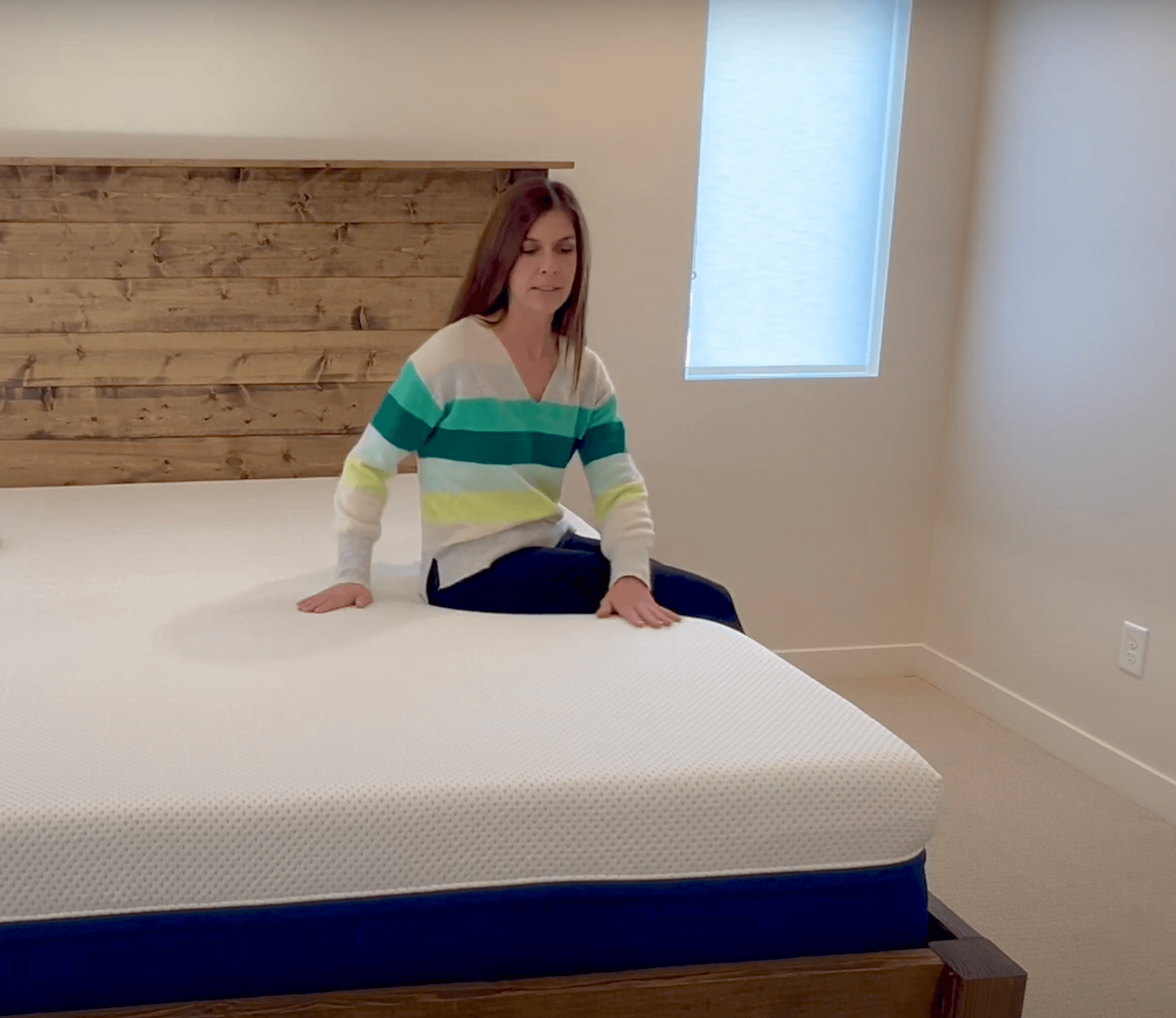
Watch Our Amerisleep AS3 Video Review
When it comes to outfitting a property for guests or renters, choosing the right mattress is more than a checkbox—it’s a reputation-defining decision that needs to last. I approached this review with that exact mindset.
I know from testing that comfort is only half the job in a rental; durability and consistent performance across very different guests matter just as much. After weeks of hands-on testing, what stood out about the Amerisleep AS3 was how neutral its medium feel is: it gave me contour at the shoulders and hips without the trapped feeling of dense memory foam, and it held its shape after repeated compression rather than softening at the edges.
What held up in testing was not just the spec sheet but the real-world scenarios: overnight sessions with different body types, temperature checks, edge-sitting evaluations, and repeated compression to see how it held its shape with different users.
What emerged was a profile of a mattress that won’t leave you replacing it in a few years. Whether you’re setting up an Airbnb that sees constant turnover or adding a reliable sleep setup to a secondary room, the AS3 maintains its supportive structure and comfort level, no matter how many different guests use it—saving you money and headaches down the road.
- 9 Value
- 8 Edge Support
- 9 Trial Period
- 9 Response Time
- 10 Motion Transfer
- 10 Cooling & Breathability
I picked the AS3 as the overall choice for a rental because its medium feel is the one most guests settle into without a learning curve, which matters when you cannot control who books next.
During testing, my hips stayed level with my shoulders when I lay on my back, and the lower back stayed supported without the deep sinkage I get on softer foam. Rolling from back to side to stomach, the surface released quickly instead of holding my last position, so a combination sleeper does not have to fight to move. When my partner changed positions, movement on my side barely registered, which means a light-sleeping guest sharing the bed is less likely to wake. The cover felt cool to the touch on first contact and did not warm up as fast as the denser all-foam beds I compared during the same sessions.
Best For:
- Couples and mixed-weight guests who need one neutral, medium feel
- Combination sleepers who change position through the night
- Hosts who want broad, low-complaint comfort over a niche feel
Compare Instead:
- Saatva Classic if guests want firmer support and a coil-on-coil feel with stronger edges
- Vaya Mattress if the priority is furnishing several units at the lowest cost
The Amerisleep AS3 feels like sleeping in a high-end hotel bed. The kind where you melt in just enough to relax every muscle but stay supported in all the right places. I could literally feel my spine aligning the moment I lay down—something I’ve come to appreciate more with every year I spend in this line of work.
During testing the AS3 gently cushioned my shoulders and hips without that sinking, stuck feeling. As a combo sleeper myself, I especially appreciated the AS3’s responsiveness. Changing positions felt natural and effortless—I never once felt “stuck” like I do on slower-reacting memory foam. It’s a fine balance between contour and bounce, and the AS3 nails it.
The sensation is neutral enough that it won’t alienate anyone. It’s not ultra-plush, nor is it stiff or board-like. That’s what makes it a winner in shared or guest settings. People with different preferences can lie down and say, “Yeah, this feels good.”
I unzipped the cover to see why the AS3 felt the way it did in testing. The Bio-Pur comfort foam is open-cell, which is why my shoulders and hips got contour without the trapped, warm feeling I get on dense memory foam. Under it, the Affinity transition layer with its HIVE cutouts is firmer along the spine and softer at the shoulders, and that zoning is why I woke in roughly the same position I fell asleep in rather than rolling into a dip. The thick Bio-Core base is what kept the surface level under my full weight and held its shape after repeated compression. The mineral-infused cover felt cool to the touch on contact and did not warm up as fast as the all-foam beds I compared. Together the layers explain the neutral, broadly agreeable feel that makes it work for varied guests.
Pros:
- Motion Transfer (10/10): when my partner shifted, movement on my side barely registered, which suits couples and light sleepers
- Cooling and Breathability (10/10): the cover felt cool on contact and did not warm up as fast as the denser all-foam beds I compared
- Response Time (9/10): I moved from back to side to stomach without the stuck feeling of slower memory foam
Cons:
- Edge Support (8/10): the perimeter compresses under full weight, so heavier guests may notice it near the edge; guests who need a firmer edge should consider the Saatva Classic or FORM Core Hybrid
- Firmness fit: the medium feel is too soft for guests who want a firm surface; route those guests to the Saatva Classic (Firm) on this list
Why The Amerisleep AS3 Won
Among the mattresses I tested for a rental property, the AS3 won on versatility: a neutral medium feel that most guests settle into, steady support that kept my hips level with my shoulders, easy repositioning for combination sleepers, and motion isolation that kept one side quiet when my partner moved. For a property that cannot predict who checks in next, that broad, low-complaint fit is what makes it my top overall recommendation.
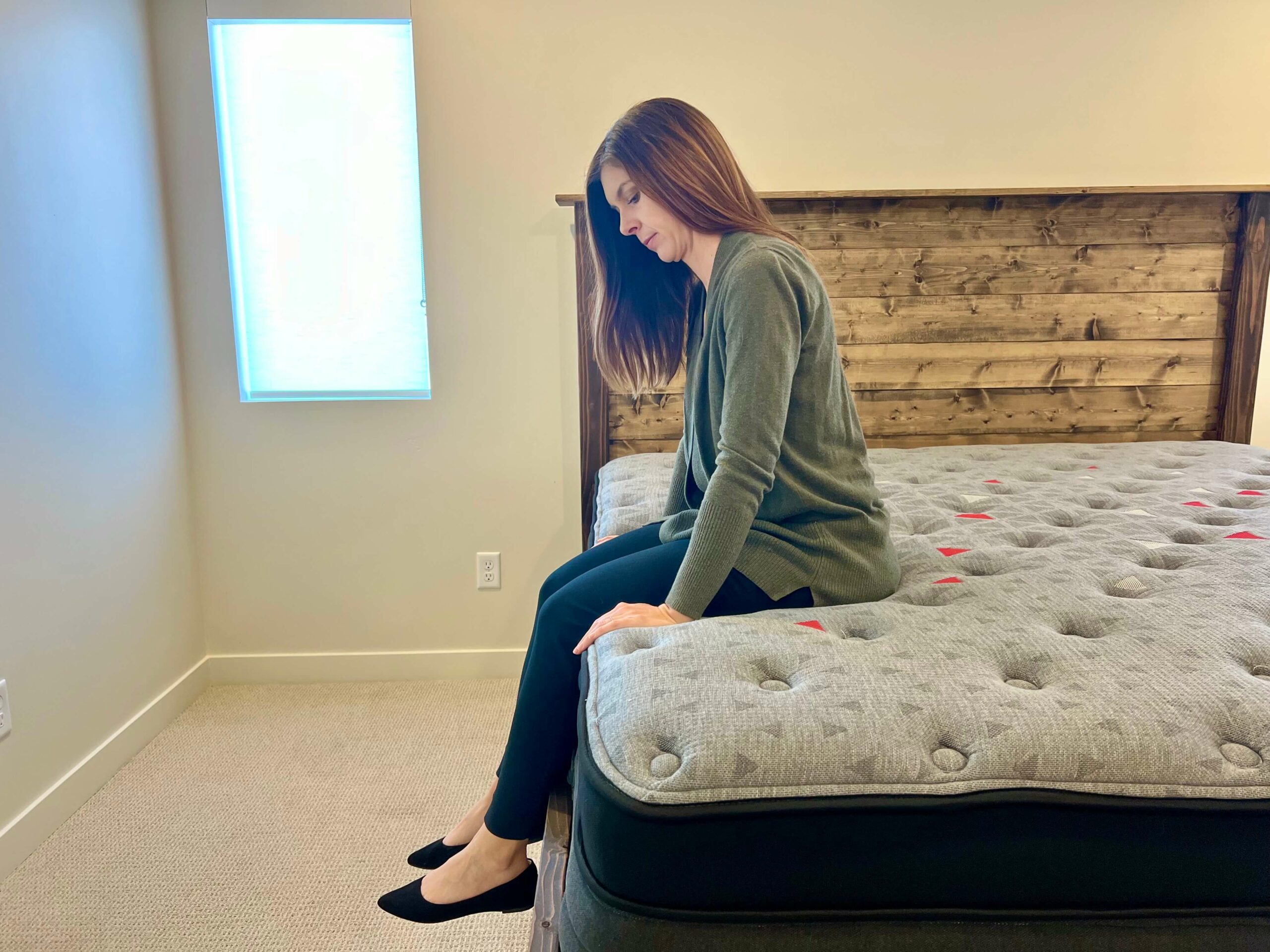
Watch Our Zoma Boost Video Review
When I began my search for a mattress that could truly meet the demands of a rental property—something that wouldn’t start sagging or losing support after a year of different guests—I knew I needed more than just a decent foam bed.
I needed a mattress that could genuinely handle the wear and tear of multiple tenants without forcing me into costly early replacements. Something that would maintain its comfort and support, whether it’s a 120-pound side sleeper one week or a 250-pound back sleeper the next. After rigorous hands-on testing across body types and positions, the Zoma Boost emerged as a clear standout for long-term rental use.
This mattress blends responsive foam layers with targeted coil support in a hybrid design that not only feels great initially, but also maintains that quality over time. It’s the kind of bed that makes an immediate impression in construction quality—the kind that won’t have you worrying about premature wear every time a new guest checks in.
The graphite-infused foam pulled heat off my back so the surface felt cooler through the first hours than the plain memory foam beds I compared, the zoned coils kept my spine level on my back, and when my partner rolled over the movement stayed faint on my side. From the first night what stood out was how stable the coil core felt under my full weight, and it held that feel across repeated compression, which is what a rental needs from a premium bed guest after guest.
- 10 Value
- 10 Edge Support
- 9 Trial Period
- 9 Response Time
- 10 Motion Transfer
- 9 Cooling & Breathability
I picked the Zoma Boost as the step-up option because it pairs a plusher top with a coil core that stayed stable under my full weight, which reads as premium to guests without going soft.
During testing, the upper foam cradled my hips and shoulders while the coils underneath kept my spine level rather than letting my midsection dip. When I sat on the edge to lace my shoes, the perimeter held its shape instead of caving, so guests can use the full width of the bed. When my partner rolled over, movement on my side stayed faint, which helps a couple where one person is restless. The graphite-infused foam felt cooler under my back than the plain memory foam beds I compared through the first hours.
Best For:
- Upscale or “luxury stay” listings that want a hotel-grade feel
- Couples who value strong edge support and motion isolation
- Back and side sleepers who want contour with real pushback
Compare Instead:
- Nolah Evolution if you want a taller pillow-top profile at a similar tier
- FORM Core Hybrid if you want a longer trial and lifetime warranty for first-time rental buyers
After weeks of testing, I can confidently say that the Zoma Boost feels like sleeping on a cloud that knows exactly when to push back. The first time I lay down on it, there was this instant sense of relief—like my body could finally relax without having to adjust or brace itself.
The upper foam cradled my hips and shoulders and distributed my weight evenly while the coils underneath kept my spine level as I settled in. It struck a balance between softness and support, and the cover felt cool on first contact rather than warming quickly under me.
The comfort level is what I’d describe as universally appealing—medium to medium-firm. Not too plush, not too rigid. It contours just enough to relieve pressure, but never to the point where you feel like you’re stuck in quicksand. The foam cushions you while still letting you move freely, and that’s what impressed me the most.
As a combination sleeper who tends to shift positions frequently throughout the night, I felt completely at ease. I tested it on my back, side, and stomach, and in each position, the foam responded instantly—no lag time, no awkward dips. Just smooth, intuitive transitions.
In fact, it felt like the mattress was reading my body. On my side, it relieved pressure in my shoulders and hips without sagging. On my back, it held my hips level and kept my spine in a neutral line.
On my stomach—which is often a challenge—it was still surprisingly comfortable for short stretches, although I’d say this mattress truly shines for back and side sleepers. If you’re hosting guests or tenants with varying sleep habits, this kind of adaptability is a major plus.
I also wanted to see how the mattress held up to shared sleep. So I had my partner join me during testing, and we were both pleasantly surprised by how little motion transferred across the bed. She’s a restless sleeper, and usually, I’d feel every toss and turn—but on the Zoma Boost, I hardly noticed. That level of motion isolation makes it perfect for couples or shared sleeping spaces where one person moves more than the other.
One subtle feature I didn’t expect to love as much as I did was the edge support. I tend to sleep close to the edge, and many mattresses start to give or collapse in that zone. Not this one. I felt fully supported even when sitting on the edge to lace up my shoes or when lying near the border of the bed.
But above all, the standout feeling is balance. The Zoma Boost hugs your body without swallowing it. It supports your frame without pushing back too hard. It felt cool to the touch on contact without feeling artificially cold.
And it moves with you—not against you. For a rental property—where you never know who’s going to sleep on the mattress next or what their preferences might be—that kind of balanced comfort isn’t just nice to have. It’s essential.
Inside, the pocketed coil base moves independently under load, which is why the surface stayed level when I shifted my weight around and why one side barely registered when my partner moved. Above it, the Reactiv foam behaves like latex, and that responsiveness is why I never felt stuck changing positions from side to back. The graphite-infused memory foam on top is what pulled heat away from my back, so the surface felt cooler through the first hours than the plain memory foam beds I compared. The cool-touch cover added that cool-on-contact feel when I first lay down. Each layer maps to something I felt: coils for stable, isolated support, Reactiv for easy movement, graphite foam for a cooler surface.
Pros:
- Edge Support (10/10): the perimeter held its shape when I sat to lace my shoes, so guests can use the full width
- Motion Transfer (10/10): my partner’s movement stayed faint on my side, which suits couples where one person is restless
- Value (10/10): the coil-and-foam build delivers a luxury feel without a top-tier price
Cons:
- Firmness fit: at a true medium, it is softer than strict stomach sleepers want for hip lift; route heavy stomach sleepers to the Saatva Classic (Firm)
- Break-in: the surface took a few nights to settle into its final feel
- Weight: the hybrid build is heavy and needs two people to move or rotate
On my side the top foam relieved pressure at my shoulder and hip while the coils kept my spine level, and the edge held when I sat on it. That suits back and side sleepers in an upscale listing who want a plush-but-supported hotel feel with strong edge support.
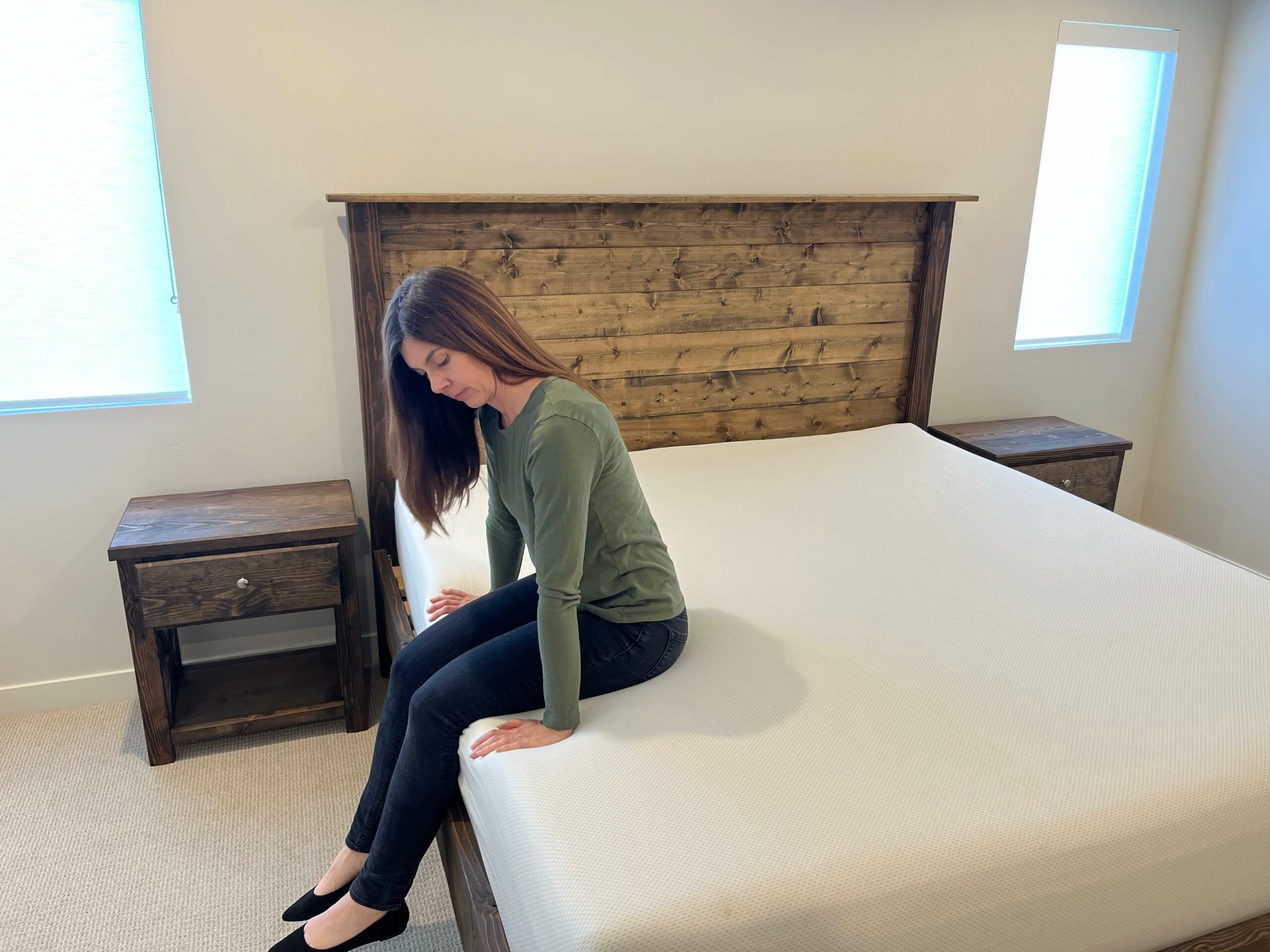
Watch Our Vaya Mattress Video Review
After spending over two weeks testing the Vaya Foam Mattress, I can confidently say it’s one of the smartest mattress purchases I’ve encountered in my career as a certified sleep coach.
My team and I have tested dozens of mattresses—some luxury models priced at over $3,000, others that promise more than they deliver. But the Vaya stands out in a way that matters most: it combines comfort, durability, and performance at a truly budget-friendly price.
When I look for mattresses that can handle regular turnover, varied sleepers, and long-term use, I want simplicity without sacrificing quality.
The Vaya delivers exactly that. With just two proprietary foam layers and a breathable, durable cover, it’s easy to manage, easy to move, and, most importantly, easy to sleep on—for pretty much anyone.
Whether you’re outfitting a spare bedroom, setting up a vacation rental, or simply need a versatile mattress that holds up over time, the Vaya deserves your attention.
- 10 Value
- 9 Edge Support
- 9 Trial Period
- 10 Response Time
- 8 Motion Transfer
- 9 Cooling & Breathability
I picked the Vaya as the budget workhorse because it delivers a broadly agreeable medium feel at a price that lets you furnish several units, and it was easy to move solo.
During testing, it cushioned my shoulders and hips on my side without the numb-arm feeling I get on cheaper foam, and it still held my spine level when I rolled to my back and stomach. It changed position without that stuck feeling common to budget all-foam beds, so guests unfamiliar with foam adapt quickly. When I sat near the perimeter, the edge held firmer than most budget foam I have compared, which adds usable surface. When I simulated a partner shifting, movement on my side stayed muted, which helps light sleepers in a shared unit.
Best For:
- Landlords furnishing multiple units on a tight budget
- Guest rooms and short-term rentals that may need periodic replacement
- Mixed sleepers who want a no-fuss medium feel
Compare Instead:
- Leesa Original if you want a lifetime warranty and stronger motion isolation at a small step up
- Amerisleep AS3 if you want a more durable long-term build for a primary rental
From the very first night, I noticed how balanced the Vaya felt. It hits that elusive middle ground between soft and firm—something that’s especially important when you’re trying to cater to a broad audience of sleepers.
As a side sleeper, I appreciated the gentle cushioning around my shoulders and hips. No pressure points, no numb arms in the morning. But then I shifted to my stomach and back and was surprised by how supportive it still felt. My spine stayed aligned no matter the position, and I never felt like I was sinking in too far.
What really surprised me, though, was how responsive it is. I could change positions easily without feeling “stuck”—a common issue with all-foam beds. And when I tested it with a partner, I barely noticed any movement on my side, even with them rolling around. That kind of motion isolation is key for shared spaces, especially if your guests are light sleepers.
Edge support? Also, impressive. Many foam mattresses compress too much when you sit near the edge, but the Vaya holds its shape remarkably well, offering consistent support across the entire surface.
In short: it feels cool, comfortable, and reliably supportive—whether you’re crashing for a weekend or staying for months.
The Vaya keeps it simple with two foam layers, and both earned their place in testing. The dense base foam is what kept my spine level and the surface from sagging under my weight, distributing load evenly instead of letting my hips settle low. The open-cell comfort foam on top contoured around my shoulders and hips just enough to relieve pressure without holding me in place, and its open structure is why the surface did not warm up as quickly as the closed-cell foams I compared, even while I was side sleeping. The tightly woven cover added to that airflow and stayed smooth rather than plasticky. For a budget all-foam bed, the two layers cover the essentials: level support below, breathable contour above.
Pros:
- Response Time (10/10): I moved side to back to stomach with no stuck feeling, unusual for budget foam
- Value (10/10): a broadly agreeable medium feel at a price that lets you furnish several units
- Edge Support (9/10): the perimeter held firmer than most budget foam I have compared when I sat near the edge
Cons:
- Motion Transfer (8/10): solid but a step below the coil hybrids here; a very light sleeper with a restless partner may prefer the Leesa Original (9/10)
- Firmness fit: heavier strict stomach sleepers may want firmer hip lift; route them to the Saatva Classic
- Long-term plus-size use: heavier guests may notice deeper sinkage over time versus a hybrid
On my side the Vaya cushioned my shoulders and hips without numb arms, and it still held my spine level on my back and stomach. That makes it a fit for budget-minded hosts furnishing multiple units for guests of unknown sleep style.
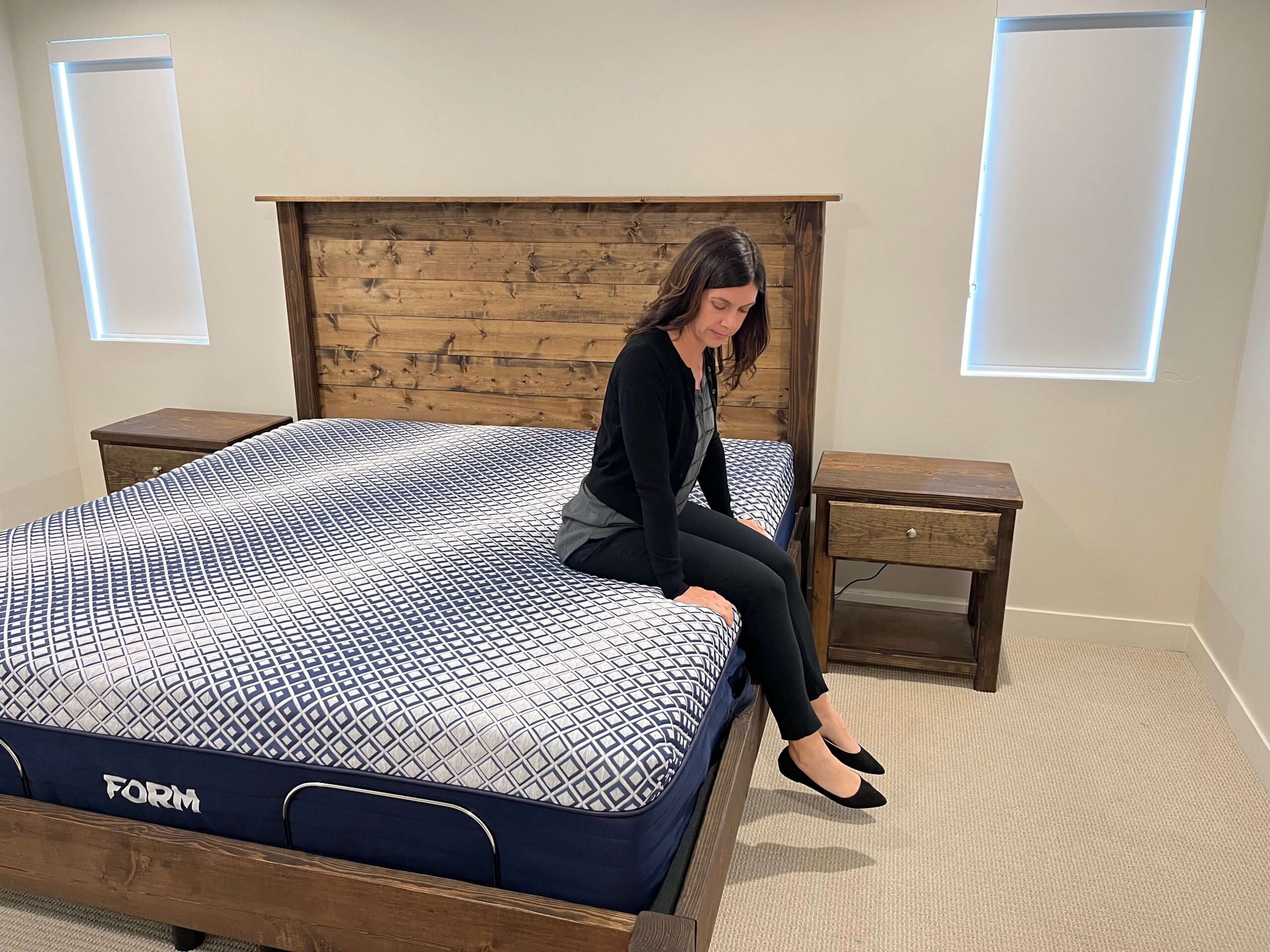
Watch Our FORM Core Hybrid Video Review
For a rental property, durability and broad sleeper compatibility matter as much as initial comfort. The FORM Core Hybrid holds up on both counts. The pocketed coil system runs independently to the perimeter, and in testing I could sit at the full edge with body weight and find a defined, stable surface with no collapse or tip
The grid comfort layer is reinforced throughout to address a known weakness in grid-style construction — surface instability under lateral movement — so the mattress feels controlled and substantial under different sleeping styles rather than fragile. Both qualities translate directly to long-term performance under rotating guests.
When I first laid down, the surface response stopped me. It is not the slow sink of memory foam and not the trampoline rebound of a traditional coil mattress.
The GelGrid™ flexes immediately under body weight and releases the moment you shift position — a feel that has more in common with responsive latex than with anything foam-based.
The AeroWeave™ cover was noticeably cool on first contact, and that quality held through extended testing rather than fading after a few minutes of body heat.
On the Purple comparison: shoppers cross-shopping the Purple Restore Hybrid will find the FORM Core Hybrid priced lower at current promotional pricing, with a 365-night trial versus Purple’s 100, and a lifetime warranty against Purple’s 10-year term.
The Integra-Mesh™ reinforcement also directly addresses the surface wobble documented in unreinforced grid designs. For rental owners investing in a mattress they expect to last, that policy and engineering combination makes the case.
- 8 Value
- 10 Edge Support
- 10 Trial Period
- 10 Response Time
- 10 Motion Transfer
- 9 Cooling & Breathability
I picked the FORM Core Hybrid for rentals because the grid-and-coil build held up in exactly the two areas guests punish first: the edge and the surface under movement.
During testing, I sat at the full edge with my body weight and felt a defined, stable boundary with no collapse or tip, which is the 10/10 edge result that matters when guests sit to dress or push to the perimeter overnight. When my partner moved to the far side, I registered it as a faint, distant signal rather than a disturbance, because the reinforced grid catches motion before the coils below can amplify it, so couples who sleep differently do not manage each other’s movement all night. The grid flexed immediately under my shoulder on my side and released the instant I rolled to my back, so a combination sleeper never fights a dip. The cover felt cool on first contact and did not warm up as quickly as the foam beds I compared.
Best For:
- Rentals that host couples and want top-tier motion isolation
- Guests who move a lot and want an immediate, latex-like response
- Owners who want the longest trial and warranty coverage on the list
Compare Instead:
- Nolah Evolution if guests want a plush pillow-top surface rather than a firm grid feel
- Saatva Classic if you want a traditional coil-on-coil feel with a hotel look
The zoned firmness is the first thing you notice once you settle in. Lying on my side, my shoulder sank into the GelGrid™ layer with a soft, localized give.
Not the slow memory foam descent, but an immediate flex that contoured around the joint without pulling the rest of the surface down with it.
The lumbar registered firmer, which kept my spine aligned without any conscious adjustment. Rolling from side to back, the mattress released instantly and the support shifted to match the new position.
There is no lag, no re-settling period, and no sense of being caught in a dip from the previous position.
I tested motion isolation with a partner during my evaluation. When they moved to the far side of the bed, I registered the shift as a faint, distant signal rather than a disturbance.
The Integra-Mesh™ reinforcement catches movement at the grid level so the coils below never amplify it outward.
For a couple unfamiliar with each other’s sleep habits — which describes most rental guests — that isolation level means neither partner is managing the other’s movement through the night.
The edge held at full compression without tip or collapse throughout seated and lying testing. I could position myself right at the perimeter and feel a defined, stable boundary rather than a gradual fade into softness.
For rental guests who tend to use the full width of the bed, that usable edge-to-edge surface matters.
The FORM Core Hybrid is a 12-inch hybrid, and each layer maps to something I felt. The ZoneCoil 7-Series pocketed coils run to the perimeter and move independently, which is the structural reason the edge held under my full weight and one side stayed quiet when my partner moved. The GelGrid comfort layer flexes immediately under pressure and springs back the instant you lift off, which is why my shoulder sank in on my side while the rest of the surface stayed put, and its open cells stay open under body weight, so the surface kept feeling cool longer than the compressed foams I compared rather than warming quickly. The Integra-Mesh reinforcement woven through the grid is what removed the surface wobble and caught motion before the coils could carry it. The BaseFlex foundation kept the whole stack from compressing unevenly over time. Certifications: CertiPUR-US (low-VOC), GREENGUARD Gold, OEKO-TEX Standard 100; fiberglass-free.
Pros:
- Edge Support (10/10): I sat at the full edge with body weight and felt a defined, stable boundary with no collapse
- Motion Transfer (10/10): the reinforced grid caught my partner’s movement before the coils could carry it
- Trial and warranty: a 365-night trial and lifetime warranty give first-time rental buyers a genuine evaluation window
- Certifications: CertiPUR-US (low-VOC), GREENGUARD Gold, and OEKO-TEX Standard 100, verified at the component level
Cons:
- Firmness fit: the medium zoned grid feels neutral, so guests wanting a deeply plush surface, and strict stomach sleepers over about 230 lb, may want a firmer build; those guests fit the Nolah Evolution (Firm) or Saatva Classic (Firm)
- Feel transition: the grid is distinct from memory foam and takes a night or two to adjust to
- Profile (12 in): lower than the 14-to-16-inch pillow-top look some owners want
The FORM Core Hybrid brought something to my testing that I don’t encounter often: a hybrid that achieves genuinely strong motion isolation without giving up responsiveness. The GelGrid™ technology is the reason — it absorbs movement locally so the coils below never have a chance to transmit it outward.
For couples in a rental setting, and for property owners who want a mattress built to last through consistent use, that performance profile is exactly what this list calls for.
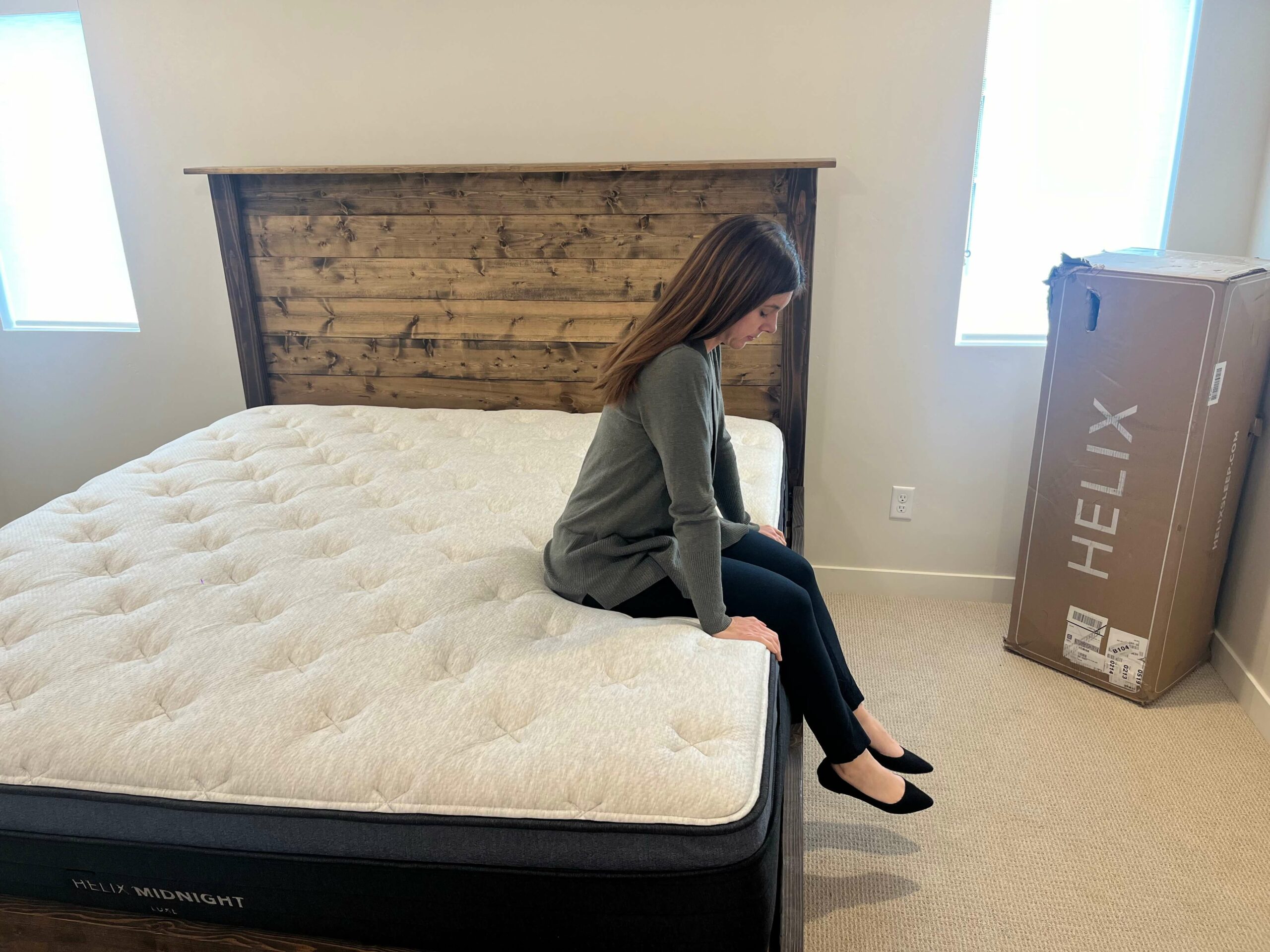
5. Best Mattress For Side Sleepers:
Helix Midnight Luxe

Warranty
Limited Lifetime

Sleep Trial
120 Nights

Shipping
Free
Watch Our Helix Midnight Luxe Video Review
- 7 Value
- 10 Edge Support
- 9 Trial Period
- 9 Response Time
- 10 Motion Transfer
- 9 Cooling & Breathability
I picked the Midnight Luxe as the side-sleeper choice because its plush pillow top cushioned my shoulder and hip while the zoned coils underneath kept my spine from bowing.
During testing on my side, the top layers let my shoulder settle in without the pressure I feel on firmer beds, yet my hips stayed lifted rather than sinking, so a side-sleeping guest gets pressure relief without a hammock feel. Rolling to my back, the surface rebounded quickly and the firmer lumbar zone took over, which suits a combination sleeper. When I sat on the edge, the reinforced perimeter held without collapsing, adding usable width for couples. The copper-gel layer and cover felt cool on contact and did not heat up as fast as the plain memory foam beds I compared.
Best For:
- Side and combination sleepers who want cushioned shoulders with lumbar support
- Premium listings stepping up from entry-level beds
- Couples who need reliable edge support
Compare Instead:
- Nolah Evolution if you want an even plusher pillow-top with firmness options at delivery
- Amerisleep AS3 if a guest wants a more neutral medium feel rather than a plush pillow top
Sleeping on the Helix Midnight Luxe was an experience I didn’t want to end. From the very first night, I felt the kind of immediate plushness that makes you go “ahh,” followed by subtle, firm support that kept my body properly aligned.
As a side sleeper, I was especially grateful for how well the top layers cradled my shoulders and hips, reducing pressure without ever making me feel stuck. Across back, stomach, and side testing the feel held up: buoyant yet supportive, soft yet structured.
It strikes a remarkable balance between cushioning comfort and deep support. The responsiveness was also top-tier; the mattress quickly rebounded after pressure, making it easy to shift positions without any feeling of being swallowed up.
I also liked how breathable it felt: air moved through the top layers, and the surface did not warm up as fast as the plain memory foam beds I compared, even on warmer nights. Whether I lay on my back or curled up on my side, the Midnight Luxe adapted with ease. It is rare to find a mattress this cushioned that still holds its support.
Taking the Midnight Luxe apart explained the feel. The zoned pocketed coils are firmer under the hips and gentler at the shoulders, and that zoning is why my hips stayed lifted while my shoulder was allowed to settle in on my side. The copper-gel memory foam contoured my pressure points and, with the responsive foam above the coils, kept the surface from heating up as fast as the plain memory foam beds I compared. The Memory Plus transition layer smoothed the shift from coil to comfort so there was no abrupt firm spot. The DuraDense base held the whole surface level under my weight. I tested the TENCEL cover version, which felt soft and breathable on contact. Each layer traces back to something I felt: coils for zoned alignment, copper-gel for cushioned pressure relief, transition foam for a seamless feel.
Pros:
- Edge Support (10/10): the reinforced perimeter held when I sat and slept near it, adding usable width for couples
- Motion Transfer (10/10): partner movement stayed muted on my side
- Pressure relief on the side: the pillow top cushioned my shoulder and hip while the zoned coils kept my hips lifted
Cons:
- Firmness fit: the plush pillow top is too soft for strict stomach sleepers who need firm hip support; route them to the Saatva Classic (Firm)
- Value (7/10): the lowest value score among the fetched picks; owners furnishing several rooms may prefer the Leesa Original or Vaya
- Weight: heavy and awkward to maneuver into place; plan for two people
On my side the pillow top cushioned my shoulder while the zoned coils kept my hips lifted, and the reinforced edge held when I sat on it. That makes the Midnight Luxe a fit for side and combination sleepers in a premium listing who want cushioning without losing support.
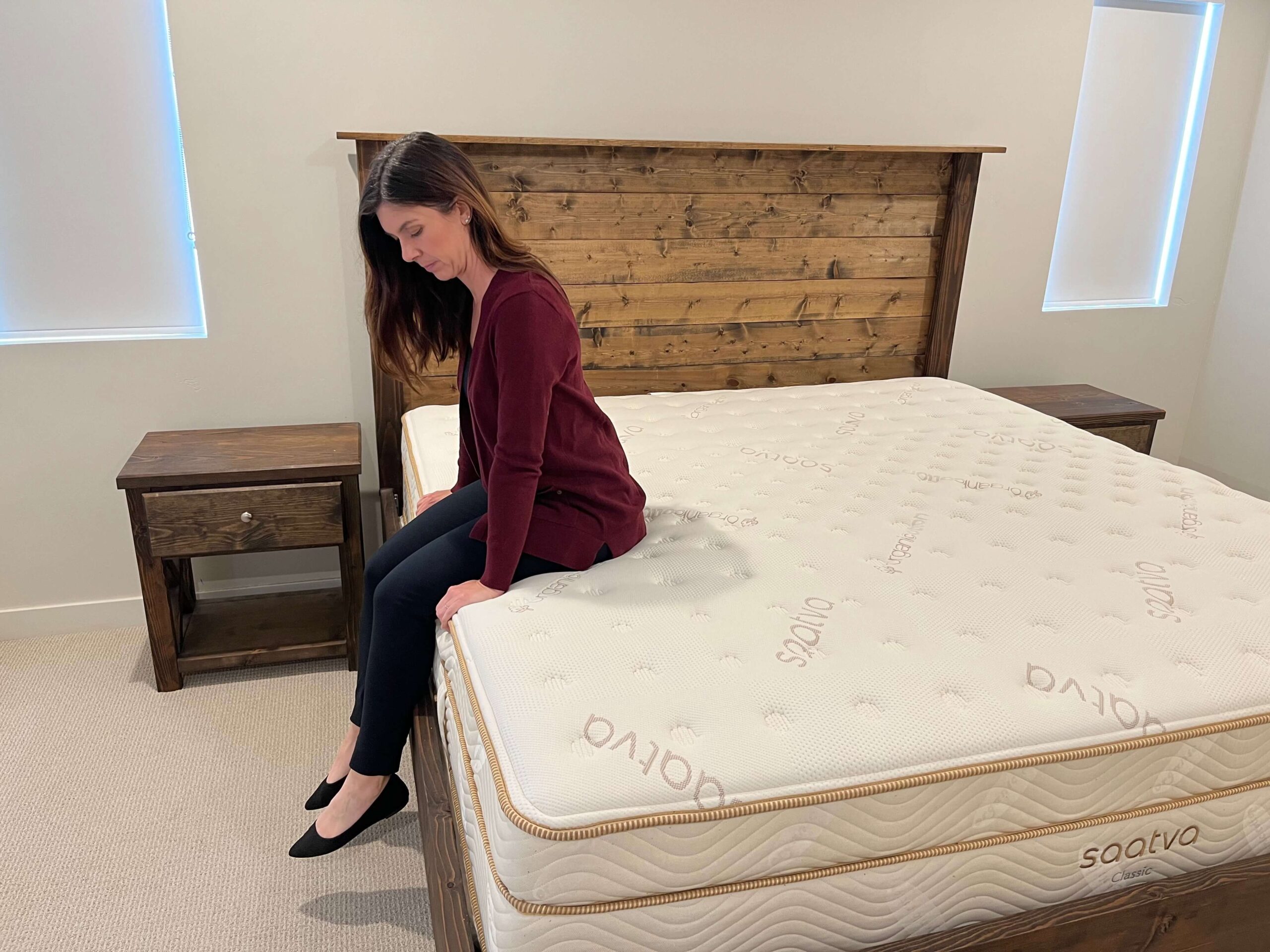
Watch Our Saatva Classic Video Review
When I first started searching for a mattress that could actually survive the rental property gauntlet—years of different guests without losing support or developing permanent indentations—the Saatva Classic immediately caught my eye. I needed something that wouldn’t have me replacing mattresses every few years, while still delivering the kind of sleep quality that keeps guests satisfied and reviews positive.
After extensive hands-on testing and putting it through durability scenarios that simulate real rental property conditions, I can confidently say that the Saatva Classic is one of the few mattresses genuinely built for the long haul. It’s a hybrid innerspring mattress that combines the lasting durability of dual steel coil systems with high-quality materials that resist wear and compression over time.
It is the kind of mattress that not only holds its support through countless different users but settles in with proper break-in, keeping my spine level across positions in testing year after year. With robust edge support that won’t sag from repeated sitting, reinforced construction, and materials designed to bounce back, it’s engineered to handle everything rental properties throw at it.
But what really makes the Saatva Classic a smart investment is how it maintains its premium performance regardless of who’s sleeping on it. Whether it’s hosting different guests every week or handling long-term tenants, this mattress delivers the same quality sleep experience without the gradual deterioration that forces costly early replacements.
- 7 Value
- 10 Edge Support
- 10 Trial Period
- 10 Response Time
- 9 Motion Transfer
- 9 Cooling & Breathability
I picked the Saatva Classic as the innerspring choice because its coil-on-coil build gives the traditional, hotel-style feel guests recognize, with edges that held up to repeated sitting.
During testing in the Luxury Firm, my shoulders and hips settled into the Euro pillow top on my side while the firmer center third held my hips up on my back, keeping my spine level. On my stomach, the surface stayed buoyant rather than letting my hips dip. When I sat on the reinforced foam rails, the edge stayed firm with no slide-off, adding usable surface for couples. Air moved through the open coil layers, so the surface did not trap heat the way the dense foam beds I compared did. The dual-coil bounce made getting in and out easy, with none of the stuck feel of all-foam.
Best For:
- Traditional or luxury rentals wanting a recognizable hotel feel
- Back and combination sleepers who want structure with pillow-top comfort
- Hosts who want free white-glove setup on a heavy bed
Compare Instead:
- Nolah Evolution if you prefer a boxed hybrid that ships compressed
- FORM Core Hybrid if motion isolation for couples is the priority
Right from the first night, what really struck me about the Saatva Classic was how seamlessly it walked the line between cozy and structured. It’s the kind of mattress that feels welcoming the second you lie down—thanks to that plush Euro pillow top—but it never lets you sink too far. Underneath the softness, there’s a real sense of strength and responsiveness that kicks in just when you need it.
Support That Meets You Where You Are
I tested the Luxury Firm version, and for me, it delivered exactly what the name suggests—a luxurious, medium-firm feel that supported every sleep position without feeling too hard or too soft. I tend to rotate between my side, back, and stomach throughout the night, and the mattress adjusts to each position without skipping a beat.
- On my side, my shoulders and hips gently sank into the pillow top just enough to relieve pressure. I’ve tried beds that left me feeling sore in the morning—this wasn’t one of them. No numb arms, no aching joints, just a comfortable cradle that let me settle in and stay relaxed.
- On my back, I could feel the zoned support doing its job. That firmer middle section, with its targeted lumbar reinforcement, gave me the sense that my hips were being held up while the rest of my body relaxed. It kept my spine in that nice, neutral position you want for healthy alignment.
- On my stomach, which can be tricky for some mattresses, I never felt like I was arching my back or dipping uncomfortably at the hips. The surface stayed buoyant and lifted rather than letting my hips dip, which kept my spine level on my stomach.
What really impressed me was that I didn’t have to think about how it felt—it just worked. No constant repositioning, no digging around for the right angle. That ease of rest is something you notice more the longer you use the mattress.
Responsive, Not Rigid
Another thing I loved? The responsiveness. Some memory foam beds feel like you’re slowly sinking into a marshmallow, which can be nice at the moment but frustrating if you move around at night. The Saatva Classic moves with you, not against you. That dual-coil system provides just the right amount of bounce—not the trampoline-like springiness of older innerspring mattresses, but a gentle lift that helps you change positions effortlessly.
It also means no “stuck” feeling when getting in and out of bed, which is something I’ve had issues with on all-foam mattresses. Whether I was rolling over at 3 a.m. or sliding out of bed in the morning, the surface stayed supportive and easy to move on.
Cool, Clean, and Comfortable
One of my biggest concerns when testing mattresses is heat retention. I’m a hot sleeper, and I’ve tried more than one memory foam bed that left me tossing off the covers in the middle of the night. The Saatva Classic, with its organic cotton cover and coil-on-coil support, felt cooler under me than the dense foam beds I compared, with air moving through the coil layers instead of trapping heat.
Air circulates easily through the coil layers, and I never felt like the surface was trapping heat beneath me. Even during warmer nights or with heavier blankets, the surface did not heat up the way the dense foam beds I compared did. That cooling factor really sealed the deal for me—especially when I compare it to some of the dense foam models I’ve tested in the past.
The coil-on-coil build is the reason the Saatva feels the way it does. The top layer of pocketed coils contoured gently and moved independently, so a partner shifting produced less of the old innerspring ripple, while the base steel coils held the surface level and let air move so it did not trap heat the way the dense foam beds I compared did. The center-third Lumbar Zone foam and its embedded spinal wire are what kept my hips from dropping on my back, holding my spine neutral. The three-inch Euro pillow top gave the instant cushioned feel on my side without compressing flat. The reinforced foam rails are why I could sit on the edge without sliding off, adding usable width. Every layer maps to a result: coils for airflow and alignment, lumbar foam for support, rails for edge stability.
Pros:
- Edge Support (10/10): the reinforced rails held me right at the perimeter with no slide-off
- Response Time (10/10): the dual-coil bounce made repositioning and getting in and out easy, with no stuck feeling
- Airflow: open coil layers let the surface stay cooler than the dense foam beds I compared
Cons:
- Motion Transfer (9/10): strong but a touch behind the all-foam and grid picks; a very motion-sensitive couple may prefer the Leesa Original or FORM Core Hybrid
- Value (7/10): higher upfront cost than an all-foam pick, a factor when furnishing multiple rooms
- Weight: the 14.5-inch version is heavy to rotate; free white-glove delivery offsets setup
On my side I was cradled without sinking at the hips, and on my back the firmer center held my spine neutral, with edges firm enough to sit on. That suits back and combination sleepers in a traditional or luxury rental who want a recognizable hotel feel.

Watch Our Leesa Original Video Review
When I set out to find a memory foam mattress that could genuinely hold up in a rental property setting, I wasn’t just looking for something comfortable. I needed something that wouldn’t start developing soft spots or losing support after a season of rotating guests — the kind of breakdown that quietly eats into your profits and reputation.
After putting the Leesa Original through weeks of testing that simulated real rental property conditions, I can say it earns its spot on this list for reasons that go beyond initial comfort. This is a mattress that was built with longevity in mind, and that shows in everything from its material certifications to the lifetime warranty backing it up.
What stood out most in testing was how consistently it performed across different body types and sleep styles. Rental properties don’t get to pick who sleeps on their mattresses — a 140-pound side sleeper one week, a 220-pound back sleeper the next.
The Leesa Original handled that range without showing the uneven wear patterns we see in lower-quality foam options. The high-density base foam held its shape throughout our accelerated use testing, and the responsive top layer kept bouncing back rather than compressing permanently the way traditional memory foam eventually does.
For property owners tired of replacing mattresses ahead of schedule, that resilience is exactly what makes the Leesa Original worth a close look.
- 8 Value
- 7 Edge Support
- 9 Trial Period
- 9 Response Time
- 9 Motion Transfer
- 8 Cooling & Breathability
I picked the Leesa Original as the memory-foam choice because its responsive top layer avoids the slow, swallowing sink of traditional memory foam, which matters when guests shift position through the night.
During testing on my side, I felt genuine pressure relief at the hip and shoulder without the compression that holds you in place, and on my back the foam cradled my lumbar curve without letting my hips drop. Changing positions felt easy rather than like climbing out of a divot, so a combination-sleeping guest moves freely. Motion isolation scored a 9 in my testing, so one partner’s late-night trip is far less likely to wake the other. The tradeoff is edge support (7) and cooling (8): the perimeter softens under concentrated weight, and the all-foam build runs warmer than the hybrids here.
Best For:
- Budget and value shoppers who want a lifetime warranty
- Couples who prioritize motion isolation over coil bounce
- Back, side, and combination sleepers who want one medium-firm feel
Compare Instead:
- FORM Core Hybrid if guests sleep hot or use the edge heavily
- Saatva Classic if you want coil bounce and stronger edge support
I tested the Leesa Original across multiple nights and sleep positions to get a full picture of how a guest with any sleep style would experience it — and across the board, the results were solid.
The first thing I noticed was how quickly it was ready to sleep on after unboxing.
Minimal off-gassing and fast expansion mean guests checking in the same day a mattress arrives won’t have to wait or deal with chemical odors. That’s a practical detail that matters in a rental context.
The feel is balanced and approachable. Guests who like a plush surface won’t feel like they’re sleeping on a board, and guests who need firmer support for their back won’t sink through the comfort layers before they find it.
My side sleeping tests showed genuine pressure relief at the hip and shoulder without that slow, swallowing compression that traditional memory foam produces.
My back sleeping tests showed solid spinal support with the foam cradling the lumbar curve without letting the hips drop.
What really stood out for rental purposes was the response time. Combination sleepers — guests who shift positions throughout the night — often struggle on traditional memory foam because it holds the shape of their last position rather than releasing quickly.
The Leesa Original’s responsive top layer avoids that problem. Changing positions felt easy and natural, not like climbing out of a divot.
Motion isolation scored a 9 out of 10 in my testing. For couples staying in your property, that’s the difference between one partner’s 3 a.m. bathroom trip disturbing the other or not.
Strong motion isolation is one of the most guest-satisfaction-relevant features a mattress can have, and the Leesa Original delivers it without needing pocketed coils to do so.
What stood out most in my testing was how un-memory-foam it feels: easy to fall asleep on, easy to move around on, and easy to get up from without the stiff, sunk-in feeling denser foam leaves.
The Leesa uses three foam layers, and construction is what determines how long it lasts in a rental. The responsive comfort top releases quickly after pressure lifts rather than holding an impression, which is why changing positions felt easy and why the surface resisted the permanent body dents cheaper foam develops. The memory foam middle layer is where the pressure relief happened: it softened around my hips, shoulders, and lumbar so my joints had somewhere to settle without letting me sink through. The high-density base is what held the surface level under a range of weights and is the practical reason behind the lifetime warranty. A moisture-wicking knit cover rounds it out and helped the surface stay breathable across sessions. Each layer maps to a felt result: responsive top for easy movement, memory middle for pressure relief, dense base for lasting support.
Pros:
- Motion Transfer (9/10): a partner’s late-night trip is far less likely to wake the other, without needing coils
- Response Time (9/10): the responsive top released quickly, so combination sleepers move without climbing out of a divot
- Consistency: held its shape across a range of body weights in testing, which matters for rental turnover
- Lifetime warranty: genuine long-term coverage versus the typical 10-year term
Cons:
- Edge Support (7/10): the perimeter softens under concentrated weight; guests who sleep near the edge fit the FORM Core Hybrid or Saatva Classic better
- Cooling (8/10): the all-foam build runs warmer than the hybrids here; consider the cooling quilt upgrade for warm climates
- Single firmness: no softer or firmer option for specific guest demographics
On my side the responsive top eased pressure at my hip and shoulder without the slow sink of traditional memory foam, and on my back it cradled my lumbar without dropping my hips. That makes the Leesa Original a fit for budget-minded hosts and back, side, or combination sleepers who want strong motion isolation in one medium feel.
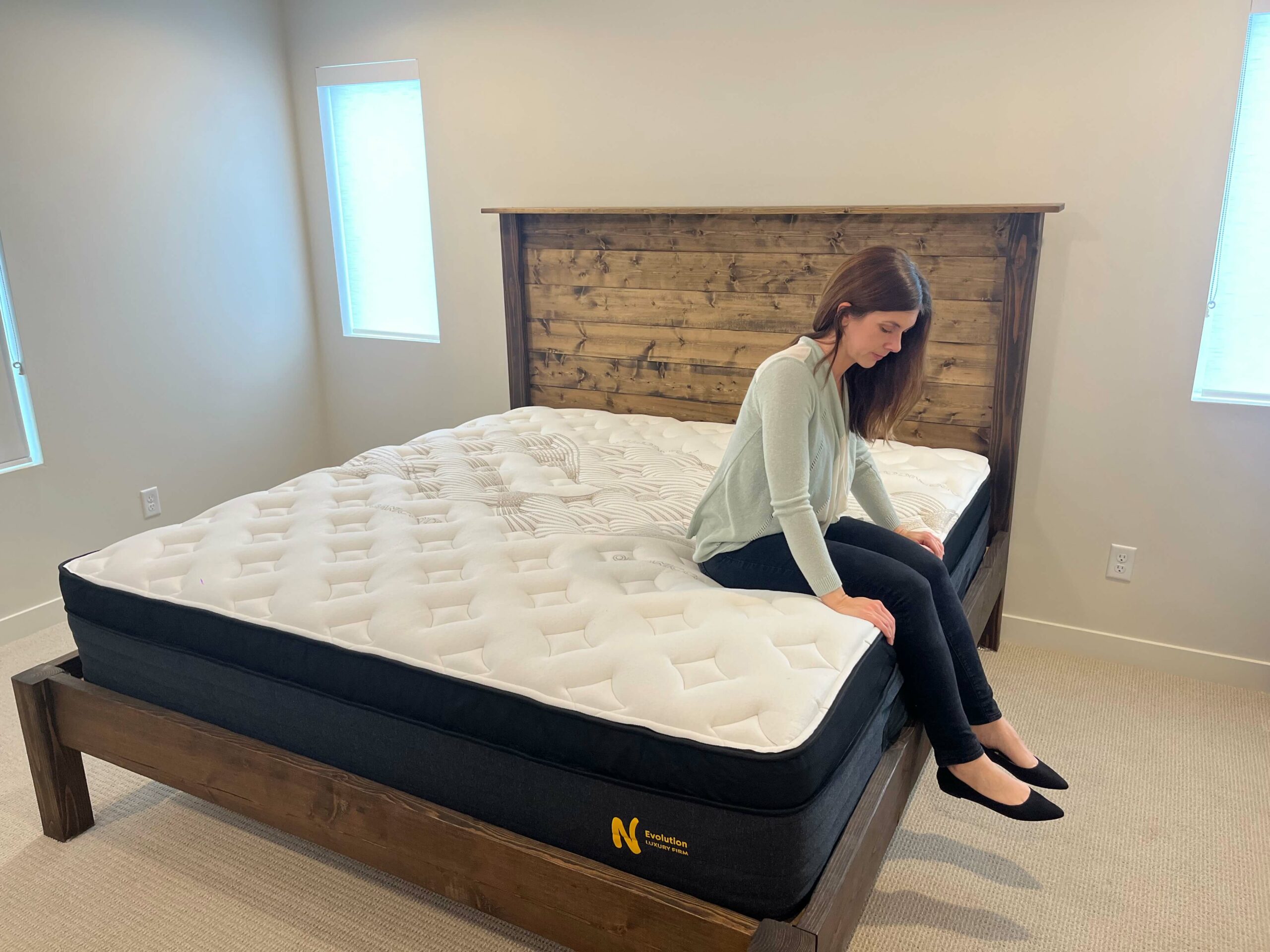
Watch Our Nolah Evolution Video Review
After weeks of hands-on testing across positions and body types, the Nolah Evolution 15 stood out as a smart long-term investment for rental property owners who are tired of frequent mattress replacements eating into their profits.
What initially caught my attention was how well it maintained its performance characteristics even after extensive use by different body types and sleep styles—the kind of consistency that’s crucial when you can’t control who’s using your mattress or how they treat it.
Standing tall at 15 inches, this hybrid mattress combines high-density foam layers with a robust, zoned coil system that’s specifically engineered to resist the sagging and compression that destroys most rental property mattresses within a few years. The substantial construction isn’t just about immediate comfort—it’s about maintaining that comfort through countless different users.
The premium materials and reinforced design mean this mattress can handle the reality of rental property life: varying guest weights, different care levels, and the kind of heavy use that would break down cheaper alternatives. For property owners who want to buy once and forget about costly replacements for years to come, the Nolah Evolution 15 delivers the kind of durability that actually saves money over time.
- 10 Value
- 10 Edge Support
- 9 Trial Period
- 9 Response Time
- 10 Motion Transfer
- 9 Cooling & Breathability
I picked the Nolah Evolution as the pillow-top choice because its thick Euro top gave a plush surface while the zoned coils kept the support underneath from feeling soft.
During testing on my side, the pillow top cradled my shoulders and hips without making me feel stuck, and on my back my spine stayed aligned with no hip dip on my stomach. I dropped a 10-pound weight on the surface and it recovered almost immediately, which tracks with how easily I changed positions, so a combination sleeper moves without effort. The edge felt as supportive as the center when I sat on it, which adds usable width for couples. The AirFoamICE layer and gusset kept the surface from heating up as quickly as the plain memory foam beds I compared.
Best For:
- Luxury-seeking guests who want a tall, plush pillow-top feel
- Couples who value strong edge support and motion isolation
- Combination sleepers who want quick response
Compare Instead:
- Zoma Boost if you want a similar luxury tier with a slightly firmer coil feel
- Leesa Original if you want the same medium comfort at a lower price point
I opted for the Luxury Firm version, which, in my opinion, hits that perfect balance between cushioning and support. I compared the Plush and Firm versions too, and across positions each had a feel that held its support.
As a side sleeper, I noticed how beautifully the mattress cradled my shoulders and hips, relieving pressure without making me feel stuck. On my back, my spine stayed aligned and supported, and when I rolled onto my stomach, I didn’t experience that dreaded sinking feeling in the hips.
What stood out the most was the responsiveness. I tossed a 10-pound weight onto the surface to measure how fast it recovered, and the mattress bounced back almost instantly—a huge plus for combination sleepers. The foam layers hugged my body without holding me in place, making it easy to change positions throughout the night.
Even the edge felt as supportive as the center, which is critical in high-traffic situations like rental properties. Overall, it’s a mattress that feels both indulgent and functional—something that rarely goes hand in hand.
Unboxing the Evolution, each layer traced to something I felt. The AirFoamICE layer under the Euro top is open-cell, and that is why my shoulders and hips got contour without the warm, stuck feeling of dense memory foam, and why the surface did not heat up as fast as the beds I compared. The quilted Euro top and the side gusset added airflow, so the surface shed heat rather than holding it against warmer sleepers. The HDMax Tri-Zone coils are firmer under the lower back and softer at the shoulders, which is why my spine stayed aligned on my back while my shoulder was cushioned on my side, and why the edge felt as supportive as the center when I sat on it. The transition and base foams kept the stack level under load. Coils for zoned alignment, AirFoamICE for cooler contour, reinforced edges for usable width.
Pros:
- Edge Support (10/10): the edge felt as supportive as the center when I sat on it
- Motion Transfer (10/10): movement on one side did not carry to the other
- Value (10/10): a tall, plush hybrid at a competitive price for the tier
Cons:
- Weight and profile: at 15 inches it is a two-person job to move or rotate, awkward in small rental rooms
- Firmness lock-in: you choose one firmness at order and cannot change it; unsure hosts may prefer the medium Vaya or Leesa Original
- Premium price for budget builds: overkill for a low-cost multi-unit furnish; route those to the Vaya
On my side the zoned AirFoam relieved pressure at my hips and shoulders while the Tri-Zone coils held my spine aligned, and the edge matched the center when I sat on it. That makes it a fit for luxury-seeking guests and couples who want a tall, plush pillow-top with real support.
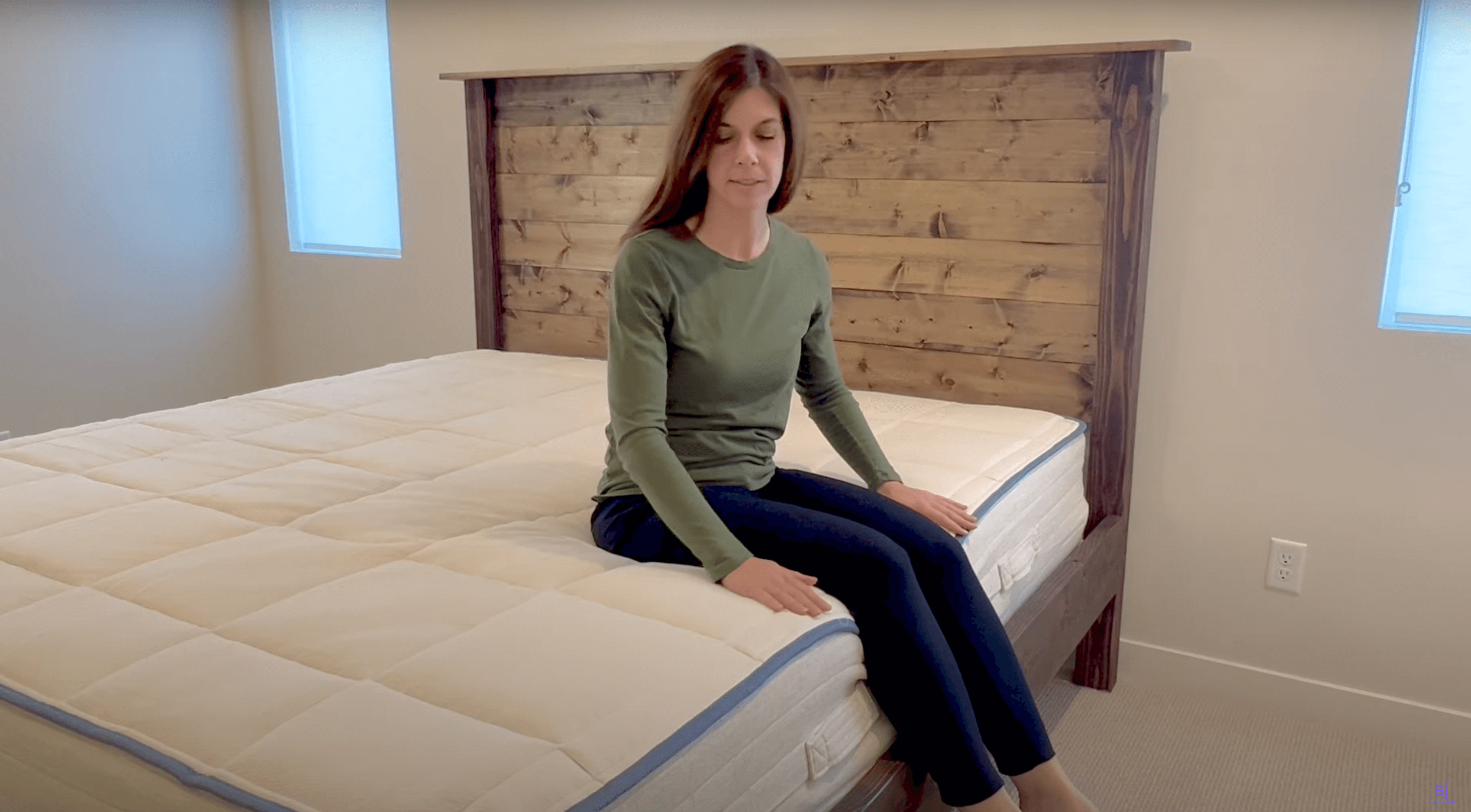
Watch Our Amerisleep Organica Mattress Video Review
- 9 Value
- 8 Edge Support
- 9 Trial Period
- 10 Response Time
- 9 Motion Transfer
- 9 Cooling & Breathability
I picked the Organica as the latex choice because the Talalay latex gave a buoyant, responsive surface that adapted quickly as I moved, which suits guests who change position.
During testing, the latex contoured to my shoulders and hips on my side without letting me sink too deep, and on my back it held a level, supported feel rather than a plush cradle. Changing positions was easy with none of the stuck feeling of memory foam, so a combination sleeper moves freely. The natural cotton and wool cover felt dry and breathable, and the coil core let air move so the surface did not warm up as fast as the dense foam beds I compared. The tradeoff is edge support (8): the perimeter softens noticeably when you sit right on it.
Best For:
- Eco-focused rentals marketing natural materials
- Side and combination sleepers who like a springy latex feel
- Owners investing once in a long-lasting build
Compare Instead:
- PlushBeds Signature Bliss if you want organic latex with stronger edge support
- FORM Core Hybrid if guests want a firmer, more defined edge and grid response
When I first lay down on the Amerisleep Organica, I was immediately impressed by how responsive the mattress felt. The Talalay latex provided a slight bounce, offering a comforting level of support while never feeling too firm.
I noticed how the latex adapted to my body, contouring to the shape of my shoulders and hips without allowing me to sink too deeply into the mattress. The organic cotton cover felt incredibly soft, and the moisture-wicking properties were evident, keeping me cool and dry as I tested the mattress for extended periods.
Throughout my testing, I found that the mattress offered great comfort regardless of my sleeping position. Side sleepers like myself will appreciate the pressure relief around the shoulders and hips, while back sleepers will find adequate lumbar support.
The responsive latex made it easy to shift positions without feeling stuck, and the natural cover and coil airflow kept the surface from warming up as fast as the dense foam beds I compared.
Taken together, the springy latex and coil support suit side and combination sleepers who want a natural feel that stays responsive as they move.
The Organica’s natural build maps directly to how it felt. The Talalay latex core is the reason the surface was buoyant and responsive: it contoured my shoulders and hips on my side without letting me sink, and it sprang back so I never felt stuck changing positions. The pocketed coils under the latex kept the surface level under my weight and moved independently, which held motion transfer down for a couple. The organic cotton cover and wool layer felt dry and breathable in extended contact, and together with the coil airflow the surface did not warm up as fast as the dense foam beds I compared. The edge reinforcement helped, though the perimeter still softened when I sat right on it. Each material earns its place through a felt result: latex for springy pressure relief, coils for level support and isolation, natural cover for breathability.
Pros:
- Response Time (10/10): the latex sprang back immediately, so I changed positions with no stuck feeling
- Motion Transfer (9/10): the coils and latex kept a partner’s movement from carrying across the bed
- Natural materials: organic cotton, wool, and Talalay latex that stayed breathable and resilient in testing
Cons:
- Edge Support (8/10): the perimeter softens noticeably when you sit right on it; guests who use the edge fit the FORM Core Hybrid or PlushBeds Signature Bliss
- Firmness fit: the medium feel may let strict stomach sleepers’ hips dip; route them to the Saatva Classic (Firm)
- Price: a higher upfront cost than synthetic foam options for the same rental slot
The latex stayed buoyant and responsive, contouring my shoulders and hips on my side without deep sinkage while keeping my spine level on my back. That suits eco-focused rentals and side or combination sleepers who want a springy natural-latex feel.
10. Best Cooling Mattress:
Amerisleep AS6 Black Series

Warranty
20 Years
Sleep Trial
100 Nights
Shipping
Free
Watch Our Amerisleep AS6 Black Series Video Review
- 9 Value
- 9 Edge Support
- 9 Trial Period
- 9 Response Time
- 10 Motion Transfer
- 10 Cooling & Breathability
I picked the AS6 as the cooling choice because its cover and top foams stayed cool under extended contact rather than warming up after a few minutes like most foam I test.
During testing, the surface felt cool to the touch on first contact and still felt cool after I had been lying on it, where the denser foam beds I compared warmed up quickly under my back and shoulders. On my side, the top foam cushioned my shoulder and hip without the trapped, stuck feeling of dense memory foam, and switching positions felt quick rather than sluggish. The pocketed coil core kept me supported near the edge and in the center alike. Because it comes in three firmness options, you can match the same cooling build to a firmer or softer guest need.
Best For:
- Rentals in hot or humid climates and summer vacation properties
- Hot sleepers who want cooling that holds under extended contact
- Guests who want to choose a firmness that fits their position
Compare Instead:
- FORM Core Hybrid if you want strong cooling plus the longest trial and warranty
- Zoma Boost if you want graphite cooling in a slightly lower price tier
Lying on the AS6, my first reaction was, “This is what a luxury mattress should feel like.” It’s soft, but not saggy. Supportive, but not stiff. I felt weightless, yet secure—like the mattress was reading my body and adapting to it in real time.
The BioPur® foam layer does this incredible thing where it cushions pressure points without swallowing you whole. Whether I was lounging near the edge or stretched out in the center, the comfort was consistent.
During one of my overnight tests, I deliberately changed positions multiple times—side, back, stomach—to mimic what a restless guest might do. Each time, the mattress responded quickly, adjusted under my hips and shoulders, and never made me feel like I had to “climb” out of a divot.
The best way I can describe it is: that it feels like floating on a perfectly engineered cloud—soft on top, firm underneath, with an underlying bounce that keeps you supported.
On temperature, I run hot, and I rarely felt heat build up around my back and shoulders. The CryoCool cover and TitanAir foam felt cool to the touch the second I lay down and stayed cool under extended contact, where the foams I compared warmed within minutes.
The AS6 pairs a pocketed coil core with a cooling foam stack, and each layer traces to something I felt. The PrecisionCoil core moved independently under me, which kept the surface supported edge to center and held motion transfer down when I shifted. The high-density foam encasement is why the perimeter stayed usable when I sat on it. The Bio-Pur comfort foam is open-cell, so it cushioned my shoulders and hips without the trapped, warm feeling of dense memory foam, and the TitanAir layer above it added cooling and resilience so the surface did not warm up quickly under extended contact. The CryoCool cover felt cool to the touch on first contact and still felt cool after I had been lying on it, where most covers I compared warm within minutes. Coils for isolated support, Bio-Pur and TitanAir for cooler contour, CryoCool for a cool surface.
Pros:
- Cooling and Breathability (10/10): the cover felt cool on contact and still felt cool after extended contact, where the foams I compared warmed within minutes
- Motion Transfer (10/10): the coil core kept one side quiet when I shifted, which suits couples
- Firmness choice: three firmness options let you match the cooling build to a firmer or softer guest need
Cons:
- Firmness fit: the Plush Soft option is too soft for heavier stomach sleepers; choose the Luxury Firm or Firm for those guests, or route to the Saatva Classic (Firm)
- Weight and profile: at 15 inches it is heavy and needs two people to set up
- Price: a premium upfront cost, justified for hot-climate rentals but high for a budget furnish
The cover felt cool on first contact and stayed cool after extended contact, where most foam I compared warms within minutes, and the coils kept support even near the edge. That makes the AS6 a fit for hot sleepers and warm-climate rentals who want cooling that holds through the night’s first hours.
11. Best Organic Mattress:
PlushBeds Signature Bliss

Warranty
Lifetime
Sleep Trial
100 Nights
Shipping
Free
Watch Our Plushbeds Signature Bliss Video Review
- 9 Value
- 10 Edge Support
- 10 Trial Period
- 10 Response Time
- 9 Motion Transfer
- 9 Cooling & Breathability
I picked the Signature Bliss as the organic choice because the natural latex core stayed resilient and springy under repeated compression, and the certified organic cover felt breathable through extended testing.
During testing on my side, the latex hugged my hips and shoulders, and on my back I felt a level, floating support rather than a deep cradle. It responded immediately when I changed positions, so a combination sleeper never feels bogged down the way memory foam can. The coil core let air move so the surface did not warm up as fast as the dense foam beds I compared. When I sat on the edge to get up, the perimeter held firm with no roll-off, so guests can use the full width of the bed.
Best For:
- Eco-conscious and luxury vacation rentals
- Side and combination sleepers who want a springy latex feel
- Owners who want certified organic materials
Compare Instead:
- Amerisleep Organica if you want organic latex at a lower entry price
- FORM Core Hybrid if guests want a firmer, more defined edge
From the first night, the feel of the Signature Bliss was striking—responsive, cushioned, and incredibly stable. I tested the medium firmness version, and it walked that perfect line between comfort and support.
When I laid on my side, the latex gently hugged my hips and shoulders. On my back, I felt a floating sensation—well-supported without being stiff.
Even more impressive was how quickly it responded to changes in position. I tend to move a lot during the night, and this mattress never made me feel stuck or bogged down like memory foam often does.
Instead, the latex offered a springy buoyancy that adjusted immediately. It’s the kind of responsiveness that makes it ideal for couples and guests who shift positions frequently.
Temperature-wise, the surface felt cool to the touch on contact and did not warm up as fast as the dense foam beds I compared, even on warmer evenings. The wool and latex moved heat away from my body rather than trapping it. The sturdy edge support made sitting and getting up feel natural and balanced, with no sagging or roll-off sensation at the sides.
The Signature Bliss is a latex hybrid, and each layer traces to something I felt. The GOLS-certified organic latex is the reason the surface was buoyant and cradling at once: it contoured my hips and shoulders on my side without letting me sink, and it sprang back so I never felt stuck changing positions. Under it, the zoned pocketed coils moved independently, which held motion transfer down for a couple and kept the surface level under my full weight, and their open structure let air move so the surface did not warm up as fast as the dense foam beds I compared. The GOTS-certified organic cotton cover and wool layer felt dry and breathable in extended contact, with the wool doubling as the fire barrier. The zippered encasement lets the layers be accessed rather than glued in, which is why the build reads as one that lasts through rental turnover. Latex for springy pressure relief, coils for level support and isolation, natural cover for breathability.
Pros:
- Edge Support (10/10): the perimeter held firm when I sat to get up, with no roll-off, so guests can use the full width
- Response Time (10/10): the latex sprang back immediately, so a combination sleeper changes position without feeling stuck
- Natural materials: GOLS-certified organic latex with GOTS-certified cotton and wool, resilient and breathable in testing
Cons:
- Price: a higher upfront cost than synthetic foam, a factor when furnishing multiple rooms; for budget multi-unit fills consider the Vaya
- Break-in odor: a mild new-material smell at unboxing that faded in a day or two
- Weight and setup: ships in two boxes and needs two people to assemble
On my side the organic latex cradled my hips and shoulders while keeping my spine level, and the edge held firm when I sat to get up. That makes the Signature Bliss a fit for eco-conscious hosts and side or combination sleepers who want a springy, certified-organic feel.
12. Best Soft Mattress:
Amerisleep AS5 Hybrid

Warranty
20 Years
Sleep Trial
100 Nights
Shipping
Free
Watch Our AS5 Hybrid Video Review
- 8 Value
- 9 Edge Support
- 9 Trial Period
- 8 Response Time
- 9 Motion Transfer
- 10 Cooling & Breathability
I picked the AS5 Hybrid as the soft choice because it delivers a plush, cushioned surface without the sluggish, stuck feeling most soft beds have, which keeps it comfortable for guests who move at night.
During testing on my side, my shoulders and hips settled deep into the Bio-Pur comfort layer and pressure eased at both points, yet the Active Flex layer underneath lifted my hips enough that I did not bottom out. Rolling to my back and stomach, the surface responded quickly rather than holding my last position, so a combination sleeper is not fighting the foam. When my partner shifted, movement on my side stayed muted. The cover felt cool to the touch on contact and did not warm up as fast as the denser foam beds I compared. The tradeoff is firmness: at a 3 out of 10 this is a genuinely soft bed, so strict stomach sleepers and heavier guests may want more hip lift.
Best For:
- Guests who love a plush, cushioned surface
- Side sleepers and lighter-weight guests who want deep pressure relief
- Upscale suites and honeymoon or luxury listings
Compare Instead:
- Amerisleep AS3 if guests want a neutral medium feel rather than a soft one
- Saatva Classic (Firm) if you host stomach sleepers or heavier guests who need firmer hip support
The moment I lay down on the Amerisleep AS5 Hybrid, I could tell this wasn’t just any ordinary soft mattress — it was something truly special.
As someone who’s tested countless beds in search of that ideal combination of softness and support, I can honestly say the AS5 Hybrid delivers a feeling that’s both indulgent and practical. It’s that rare plush mattress that doesn’t compromise on structure — a soft cradle with a solid foundation.
I still remember my first impressions vividly. As I eased myself onto the surface, I was greeted with this luxuriously plush, almost cloud-like sensation that immediately relaxed my body. It felt like the mattress was giving me a gentle hug — not too tight, not too loose, but just right.
That sensation came from the Bio-Pur® comfort layer, and let me tell you, it’s leagues ahead of the typical memory foam I’ve tested in other mattresses. It doesn’t trap heat or hold you in place like traditional memory foam often does.
Instead, it responds smoothly and quickly, so you never feel stuck. I found myself naturally adjusting positions without even thinking about it — no tugging at the sheets or slow-motion rolls.
What makes the AS5 Hybrid especially unique is how it balances its softness with responsiveness. Soft mattresses often fall into the trap of feeling too squishy or sluggish, but that’s not the case here.
As I shifted positions throughout the night — from my side to my back — the mattress adapted instantly to support my new alignment. The Active Flex transition foam played a key role here, giving me a noticeable lift and bounce that kept my hips from sinking too far, even as I melted into the comfort layer.
There’s a buoyancy to this mattress that’s incredibly comforting, almost like the bed is helping you move rather than fighting against you.
Another standout for me was how cool the surface felt for someone who runs warm at night. The Refresh cover and breathable Bio-Pur foam felt cool to the touch on contact and did not warm up as fast as the denser foam beds I compared, even after extended contact. I rarely felt heat build up around my back and shoulders the way I do on traditional memory foam, which made getting into bed something I looked forward to.
For side sleeping, this was one of the most cushioned beds I tested. My hips and shoulders sank into the comfort layer and pressure eased at both points, and the Active Flex layer underneath kept them from dropping out of line. I moved easily through the night without that pinned feeling I get on firmer foam. Back sleeping felt good, though a tad softer than ideal for my preference — I’d still recommend this for back sleepers who like a plush feel or have a petite frame.
For stomach sleeping, I personally found it a bit too soft, as my hips dipped slightly more than I’d like, but again, this speaks to the AS5’s identity: it’s made for luxurious comfort, not for rigid firmness.
Overall, the feel of the AS5 Hybrid is indulgent, cozy, and supportive in all the right places. If I were furnishing a space where comfort and crowd-pleasing sleep were a top priority — like a high-end guest suite or a vacation rental where five-star sleep makes or breaks reviews — this would be my go-to recommendation.
The AS5 Hybrid pairs a plush foam stack with a coil core, and each layer traces to something I felt. The Bio-Pur comfort foam is open-cell, so it cushioned my shoulders and hips deeply on my side without the trapped, warm feeling of dense memory foam, and it released quickly when I changed position. The Active Flex transition layer is what added the lift and bounce that kept my hips from sinking too far even as I settled into the soft top, which is why a soft bed still felt supported. The zoned pocketed coils moved independently, holding the surface level and keeping motion on one side from carrying to the other, and their open structure kept the surface more breathable than the all-foam beds I compared. The Refresh cover felt cool to the touch on contact. Bio-Pur for plush pressure relief, Active Flex for lift, coils for level support and airflow.
Pros:
- Cooling and Breathability (10/10): the cover and open-cell foam felt cool on contact and did not warm up as fast as the denser foam beds I compared
- Pressure relief on the side: the Bio-Pur and Active Flex layers cushioned my shoulders and hips without letting them drop out of line
- Edge Support (9/10): the reinforced perimeter coils held better than most soft beds when I sat on the edge
Cons:
- Firmness fit: at a 3 out of 10 it is too soft for strict stomach sleepers, whose hips dip; route them to the Saatva Classic (Firm)
- Heavier guests: sleepers over about 230 lb may want firmer support than the soft build gives; consider the AS3 or Saatva Classic
- Response Time (8/10): quick for a soft foam bed but a step behind the coil and grid picks here
On my side the soft Bio-Pur layer cushioned my hips and shoulders while the Active Flex layer kept them from dropping out of line, and I moved without feeling pinned. That makes the AS5 Hybrid a fit for side sleepers and lighter-weight guests in an upscale suite who want a genuinely plush feel.

Watch Our Westin Heavenly Bed Review
The moment the Westin Heavenly Bed arrived for testing, I immediately knew I was dealing with a mattress that had more than just brand recognition—it had history, reputation, and serious expectations to live up to. As someone who’s spent years evaluating sleep products for both private and commercial use, I was curious to see if this hotel-famous mattress could truly transition into long-term residential performance.
My team and I approached this evaluation with a thorough, data-driven methodology. We didn’t just sleep on it for a few nights—we broke it down across all the key performance metrics that matter: edge support, motion isolation, cooling, responsiveness, and overall comfort for multiple sleeping positions.
Using calibrated weights, thermographic readings, and good old-fashioned sleep journaling, I collected real-world results that go far beyond marketing claims.
What stood out to me almost immediately was how seamlessly the Westin Heavenly Bed blended that iconic hotel luxury with practical performance for daily use.
From the structured innerspring base to the indulgent pillow top, every component felt purpose-built not just to impress for one night—but to endure and perform night after night. Whether you’re furnishing a second home, outfitting a high-end Airbnb, or simply looking for a mattress that delivers a premium guest experience, this one delivers on almost all fronts.
- 8 Value
- 10 Edge Support
- 0 Trial Period
- 10 Response Time
- 9 Motion Transfer
- 9 Cooling & Breathability
I picked the Westin Heavenly Bed as the hotel choice because it recreates the recognizable plush-pillow-top-over-coils feel guests associate with a hotel stay, and it held up where hotel beds get punished: the edge and repositioning.
During testing, the pillow top gave an immediate soft cushion while the pocketed coils underneath lifted and contoured my frame, so on my side my shoulders and hips settled in without my spine bowing, and on my back the coils held my hips up. When I sat on the edge, the perimeter stayed firm with no slide-off, and the coil response made rolling over and getting in and out easy rather than stuck. The surface felt cool to the touch and did not trap heat the way the dense foam beds I compared did. Edge support and responsiveness both scored a 10 in my testing, which is what a high-turnover listing needs.
Best For:
- Listings recreating a recognizable hotel-style sleep experience
- Back and combination sleepers who want plush comfort with coil support
- Couples who value a firm, usable edge
Compare Instead:
- Saatva Classic if you want a similar hotel feel with a sleep trial and free white-glove delivery
- Nolah Evolution if you want a boxed pillow-top hybrid with a lifetime warranty and lower delivery cost
When I first experienced it, I could tell the Westin Heavenly Bed was built to mimic that high-end hotel sleep—soft enough to cradle, yet firm enough to support. I would describe the feel as a true medium on the firmness scale, landing right around 5.5 out of 10. That puts it in the sweet spot for accommodating a wide range of body types and sleep styles.
What surprised me most was the combination of immediate plushness with underlying push-back. As I lay down, the pillow top greeted me with a soft, welcoming cushion.
But as I settled in, I could feel the coils underneath working to contour and lift my frame. This dual-layer effect—soft on the surface, structured underneath—is hard to achieve, and it’s what gives the mattress its signature “floating on a cloud” feel.
Throughout testing it felt comfortable across positions. Side sleeping felt luxurious—the pillow top allowed my shoulders and hips to sink just enough without misaligning my spine.
Back sleeping was equally comfortable, with a slight sink at the hips balanced by excellent lumbar support. Even as a stomach sleeper (on occasion), I found the mattress provided enough firmness to keep my hips level, though those who sleep strictly on their stomach might want something a bit firmer.
The overall sensation is one of balance. You’re cushioned, supported, and never stuck. And thanks to the responsive coil layer, changing positions is effortless—no fighting against the foam or getting “stuck” in a divot. This quality alone makes it a strong choice for combination sleepers and couples alike.
The Westin Heavenly Bed is built around a pocketed-coil core, and each layer traces to something I felt. The individually wrapped coils move independently, which is why a partner shifting produced little ripple across the surface and why air moved through the core so the bed did not trap heat the way the dense foam beds I compared did. The gel-infused foam over the coils is what gave the plush, hotel-grade cushion on my side without compressing flat. The dense base layer held the surface level and is the reason it resisted sagging under repeated pressure in testing. The deeply tufted pillow top kept its loft after weeks of use, which preserved the soft-on-top, supported-underneath feel. Silver-fiber threading adds antimicrobial treatment, useful in a high-turnover setting. Coils for airflow and motion isolation, gel foam for plush cushion, dense base for lasting shape.
Pros:
- Edge Support (10/10): the perimeter held firm right at the border, maximizing usable surface
- Response Time (10/10): the coil layer made repositioning and getting in and out easy, with no stuck feeling
- Recognizable hotel feel: the plush pillow-top-over-coils build recreates the branded hotel sleep guests expect
Cons:
- No sleep trial (Trial 0/10): you cannot return it once delivered, unlike most beds on this list; if trial matters, the Saatva Classic gives 365 nights
- Value (8/10): the mattress plus the $285 white-glove delivery makes the upfront cost high
- Box spring required: a proper box spring is mandatory for warranty and performance, so it will not sit on a platform or slat base
On my side the pillow top cushioned my shoulders and hips while the coils held my spine level, and the edge stayed firm right to the border. That makes the Heavenly Bed a fit for listings recreating a hotel-style stay for back and combination sleepers who want plush comfort over a supportive coil core.
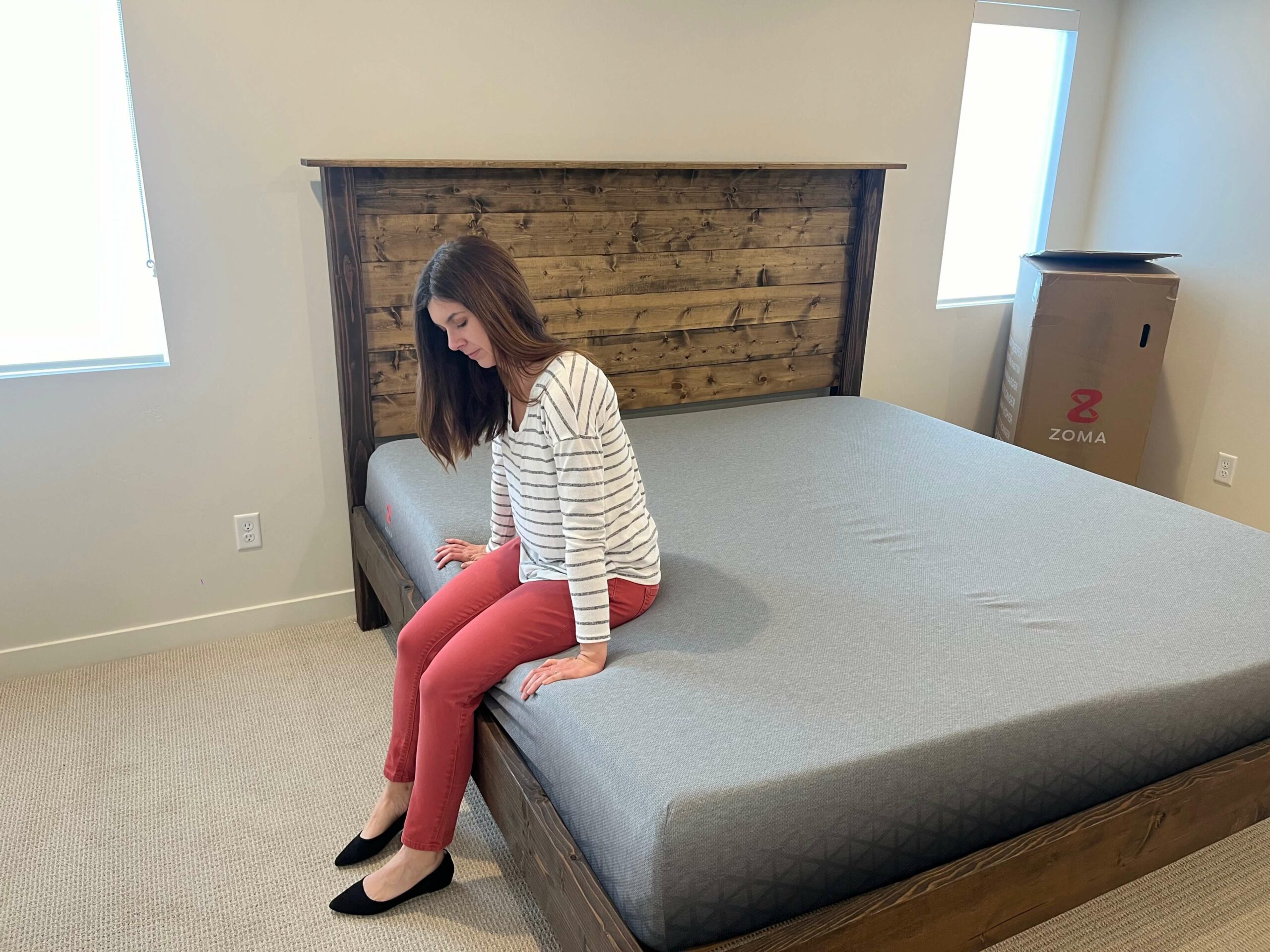
Watch Our Zoma Start Video Review
When outfitting a rental property, every decision comes down to balancing cost, longevity, and guest satisfaction. That’s exactly why I took the Zoma Start mattress through an extended hands-on testing process.
As someone who’s reviewed dozens of mattresses with my team and helped countless property owners pick the right fit for their units, I knew the Zoma Start had potential on paper—but I wanted to see if it could truly deliver long-term comfort at a price point landlords would appreciate.
After sleeping on it for several weeks, performing lab-style pressure tests, and evaluating its structure, I can confidently say this mattress punches far above its price tag.
Designed with high-performance memory foam, responsive layers, and cooling tech, the Zoma Start offers an all-around satisfying experience that feels far from “budget.”
Whether it’s a guest staying for a weekend or a tenant living in your rental for a year, the Zoma Start’s versatile medium-firm feel, motion isolation, and edge support make it a smart investment. It’s not just about affordability—it’s about giving your renters a reason to come back.
- 10 Value
- 10 Edge Support
- 9 Trial Period
- 8 Response Time
- 9 Motion Transfer
- 9 Cooling & Breathability
I picked the Zoma Start as the 10-inch choice because it delivers a broadly agreeable medium feel and genuine edge support at a low, multi-unit-friendly price, in a slim profile that suits bunk, trundle, and platform setups.
During testing on my side, the gel memory foam cushioned my hips and shoulders while the firm base kept my spine level, and I did not bottom out on the 10-inch profile. When my partner shifted, movement on my side stayed muted. When I sat on the edge, the perimeter held firmer than most beds at this price, which adds usable surface. The tradeoff is the slim profile: at 10 inches and a response score of 8 out of 10, heavier guests may want more support than it gives.
Best For:
- Short-term rentals, starter units, and furnished apartments on a budget
- Bunk, trundle, or platform setups that need a slimmer profile
- Back and side sleepers who want a no-fuss medium feel
Compare Instead:
- Zoma Boost if you host heavier guests who need a thicker hybrid with more support
- Vaya Mattress if you want a similar budget medium feel in a taller 12-inch profile
After testing this mattress myself, I can say the Zoma Start delivers a truly universal comfort feel—and that’s a major advantage in the rental world where you’re not customizing a bed to one person.
Rated as a medium firmness (around 6 out of 10), it strikes a perfect middle ground. As a side sleeper who occasionally flips to my back, I found that the mattress cradled my hips and shoulders while keeping my spine aligned. I moved easily through the night, without the stiff, pinned feeling I get on budget models that are either too firm or too soft.
When I had my partner lie down to simulate couples using the bed, we noticed very little motion transfer. That’s a huge win if you’re furnishing a space for couples or roommates—no one wants to feel every toss and turn.
The surface had a lightly cushioned, cooling feel thanks to the gel memory foam, and it did not sink too deeply. The zoned foam beneath made repositioning easy, so I could roll and sit up without feeling stuck. Whether someone sleeps light and switches positions or just needs stable support, the Zoma Start accommodates them without compromise. I’d describe the feel as a soft cradle on top of a stable foundation—something that really leaves a strong impression, especially for short-term guests.
The Zoma Start is an all-foam bed, and each layer traces to something I felt. The gel-infused memory foam on top cushioned my hips and shoulders and pulled heat off the surface, so it felt cool to the touch and did not warm up as fast as the plain memory foam I compared. The zoned middle layer is firmer under the hips and softer at the shoulders, which is why my spine stayed level on my back while my shoulder was cushioned on my side, and why repositioning felt easy rather than stuck. The high-density base is what held the surface level under my weight and kept the edge from collapsing when I sat on it. For a slim, budget bed, the layers cover the essentials: cool contour on top, zoned support in the middle, a firm base below.
Pros:
- Edge Support (10/10): the perimeter held firm when I sat on it, unusual at this price and profile
- Value (10/10): a neutral medium feel and real edge support at a budget, multi-unit price
- Motion Transfer (9/10): a partner’s movement stayed muted on my side
Cons:
- Heavier guests (Response 8/10): the 10-inch profile may lack support for sleepers over about 250 lb; route them to the thicker Zoma Boost
- Slim profile: the 10-inch height sits lower than the 12-to-15-inch beds here, a factor for guests who want a tall look
- Two-person setup: dense out of the box and easier to place and unroll with help
On my side the gel foam cushioned my hips and shoulders while the firm base kept my spine level, and the edge held when I sat on it. That makes the Zoma Start a fit for budget and short-term rentals and back or side sleepers who want a slim, no-fuss medium feel.
The Mattresses We Have Tested
Every mattress below was tested hands-on and on camera by me, Kristina Hindes, our lead tester. Each row links to its written review and filmed test, so you can check our work. For how we score every mattress, see How We Test Mattresses.
See the full list, with review and video links
| Mattress | Review and video |
|---|---|
| Amerisleep AS2 | Review · Video |
| Amerisleep AS3 | Review · Video |
| Amerisleep AS3 Hybrid | Review · Video |
| Amerisleep AS5 | Review (test clips inside) |
| Amerisleep AS5 Hybrid | Review · Video |
| Amerisleep AS6 Black Series | Review · Video |
| Amerisleep Organica | Review · Video |
| Amerisleep Organica Plush | Review · Video |
| Bear Original | Review · Video |
| Birch Natural | Review · Video |
| Brooklyn Bedding Aurora Luxe Hybrid | Review · Video |
| Brooklyn Bedding Plank Firm | Review · Video |
| Casper The One | Review · Video |
| Eco Terra Hybrid Latex | Review · Video |
| FORM Core | Review · Video |
| FORM Core Hybrid | Review · Video |
| FORM Prime | Review · Video |
| FORM Prime X | Review · Video |
| GhostBed Flex | Review · Video |
| Happsy Organic | Review · Video |
| Helix Dawn Luxe | Review · Video |
| Helix Midnight Luxe | Review · Video |
| Helix Sunset Luxe | Review · Video |
| Latex For Less Hybrid | Review · Video |
| Leesa Original | Review · Video |
| Leesa Sapira Chill Hybrid | Review · Video |
| Leesa Sapira Hybrid | Review · Video |
| Naturepedic Concerto | Review · Video |
| Naturepedic EOS Classic Organic | Review · Video |
| Nest Bedding Owl | Review · Video |
| Nest Bedding Puffin Kids | Review · Video |
| Nest Bedding Raven | Review · Video |
| Nest Bedding Sparrow Signature Hybrid | Review · Video |
| Nolah Evolution 15 | Review · Video |
| Nolah Natural 11 | Review · Video |
| Nolah Original Hybrid | Review · Video |
| PlushBeds Botanical Bliss | Review · Video |
| PlushBeds Luxury Bliss | Review · Video |
| PlushBeds Organic Bliss | Review · Video |
| PlushBeds Organic Kids | Review · Video |
| PlushBeds Signature Bliss | Review · Video |
| Saatva Classic | Review · Video |
| SweetNight CoolNest | Review · Video |
| SweetNight Prime | Review · Video |
| Vaya Hybrid | Review · Video |
| Vaya Mattress | Review · Video |
| Westin Heavenly Bed | Review · Video |
| Zoma Boost | Review · Video |
| Zoma Hybrid | Review · Video |
| Zoma Start | Review · Video |
Considerations When Buying a Mattress For Rental Property
Look for mattresses that will work in the long-term for your guests. The right mattress for your rental property should be durable and balanced. It’s always best to protect even the most durable mattress with long-lasting and breathable bedding.
1. Size
Mattress size is key when choosing a bed that can accommodate guests. Naturally, larger beds cost more and leave less free space, but they can also fit more sleepers comfortably.
There are six standard sizes to consider:
- Twin Size Mattress
- Twin XL Size Mattress
- Full Size Mattress
- Queen Size Mattress
- King Size Mattress
- California King Size Mattress
2. Durable Materials
When countless guests will be in and out of your rental property, sleeping on the same bed, it’s essential to have a mattress that can withstand constant usage. Some of the most popular mattress types include memory foam, latex, innerspring, and hybrid.
a. Memory Foam
Memory foam mattresses offer great cradling and pressure relief for sleepers. While this material is popular, some sleepers may find it a bit uncomfortable and feel stuck in bed.
Some memory foam can get a bit hot, so look for memory foam made with castor oil, gel, or graphite as it’s more cooling. A memory foam mattress lasts 7 to 10 years on average.
b. Latex
Latex is a buoyant material known for staying cool. Although latex mattresses are durable and high-quality, they can get quite expensive, which can hinder your ability to buy multiple beds at a time. However, beds made entirely of latex can last between 10 to 15 years.
c. Innerspring
Innerspring beds contain continuous coils for support and have a pillow top for comfort. They’re supportive, but not always the most comfortable.
While innerspring beds are fairly inexpensive, they only last around 6 years on average. The springs in the bed can bend, snap, and poke through the pillowtop, irritating sleepers at night.
d. Hybrid
A superior alternative to an innerspring bed is a hybrid. Hybrid mattresses contain individually pocketed coils and a thick foam upper layer. This way, sleepers can enjoy the targeted support of coils and the pressure relief of foam.
Pocketed coils are not only breathable but are more durable and effective than continuous coils. Thanks to their adaptability, pocketed coils are a key feature inside some of the most comfortable mattresses. Hybrid mattresses last roughly 8 to 10 years.
3. Firmness
It can be tricky to find a mattress firmness suitable for all types of sleepers. Most brands follow a firmness scale from 1 to 10, with 1 being the softest and 10 being the firmest mattress. When accommodating sleepers of different sizes with a variety of sleeping positions, we recommend medium or medium-firm mattresses—or a 5 to 6.5 on the firmness scale.
Medium and medium-firm mattresses offer a reliable balance of support and comfort. They’re not too firm nor are they too soft. Medium and medium-firm mattresses work well for couples, children, and all types of sleeping positions.
4. Protective Bedding

While we always recommend using a mattress protector over any mattress, it’s crucial for a mattress you’d use with a rental property. Mattress protectors keep the mattress safe from spills and stains your guests may accidentally cause, which can permanently damage the bed as well as void the mattress’s warranty.
We also suggest choosing durable bedding you can care for easily from guest to guest. Bed sheets made from Tencel, cotton, and linen are machine washable and dryer safe. Sheets made from these fabrics are quite breathable, so your guests are less likely to complain about hot nights.
Make sure you get a mattress protector that matches your mattress thickness, as you would with a set of sheets.
FAQs
What is the best mattress for a rental property?
Across 50+ mattresses I tested, the Amerisleep AS3 was the best all-around pick for a rental because its neutral medium feel suits the widest range of guests, it kept my spine level across back, side, and stomach testing, and motion on one side barely registered when my partner moved. For hot-climate listings the Amerisleep AS6 held its cool surface longer in testing, and for tight budgets the Vaya offers a similar medium feel at a lower price.
What size mattress is best for a rental property?
It depends on your space and how many guests you need to sleep. Twin and twin XL beds suit high-occupancy setups and work on bunk and trundle beds. Queen and king beds best fit couples, and can also sleep two or three children. Match the size to the room so guests have space to move around the bed.
How thick should a mattress be for a rental property?
Mattresses between 10 to 14 inches thick are suitable for most people. Too thick or thin of a mattress can affect your guests’ ability to get in and out of bed and be comfortable.
However, if you plan on using trundle beds or bunk beds, it’s better to use a slightly thinner bed. Trundle beds only accommodate mattresses thinner than 8 inches, while thick mattresses on bunk beds can limit a person’s overhead clearance.
How much should you pay for a mattress for a vacation rental?
It can be tempting to buy a cheap mattress for $100 or $200, but realistically, these mattresses won’t be comfortable and won’t last.
We suggest spending between $500 to $2000 on a mattress, depending on the size of the bed. Most mattresses within this price range come with warranties, so as the beds begin wearing out, you can have them repaired or replaced for little to no extra charge.
How do you care for mattresses in rental properties?
Always use a mattress protector; it keeps dust, sweat, and stains off the mattress between guests. Since you cannot machine-wash a mattress, spot clean it every three to six months with a gentle detergent, then sprinkle baking soda over the surface, leave it 30 minutes, and vacuum all sides. Airing it near a sunny window afterward helps keep it fresh for the next guest.
What type of mattresses do 5-star hotels use?
When trying to make your rental property reminiscent of a luxurious hotel, choosing the right mattress is essential to pleasing your guests. Most hotels use memory foam, latex, and hybrid mattresses as they’re durable, breathable, and comfortable.
Some hotels also use innerspring beds with a mattress topper, though they’re not quite as durable and aren’t worth the investment.
Conclusion
Sleep is crucial to have a good vacation, so be sure to provide a comfortable mattress for your guests. When buying a new mattress for your rental property or vacation home, consider how to accommodate different types of sleepers. Search for a high-quality mattress with a balance of support and cushioning to ensure your guests are well taken care of.
Related Reads
- I Tested 50+ Mattresses to Find the 14 Best Mattresses for Piriformis Syndrome of 2026

- I Tested 50+ Mattresses to Find the 14 Best Mattresses for Neuropathy of 2026


- I Tested 50+ Mattresses to Find the 14 Best Mattresses for Kyphosis of 2026

- I Tested 50+ Mattresses to Find the 14 Best Mattresses for Anterior Pelvic Tilt of 2026