Best Mattress for Teenagers: Buyer’s Guide


Sleep Junkie delivers accurate, up-to-date sleep product reviews through comprehensive testing, catering to diverse sleeper needs. Learn More.
- Best Mattress for Teenagers Overall: Amerisleep AS3
- Best Memory Foam Mattress: Zoma Mattress
- Best Value Mattress for Teenagers: Vaya Mattress
- Best Cooling Mattress: Zoma Hybrid
- Best Eco-Friendly Mattress for Teenagers: Nolah Natural 11
- Best Innerspring Mattress for Teenagers: Saatva Classic
- Best Hybrid Mattress for Teenagers: Helix Midnight
- Best Mattress for Athletic Teenagers: Bear Hybrid
- Best Luxury Mattress for Teenagers: Tuft & Needle Hybrid
- Best Memory Foam Alternative for Teenagers: Purple Mattress
Teenagers need 9 to 10 hours of sleep per night. After all, they’re doing a lot of growing. And if they don’t have a supportive mattress to accommodate growth spurts, chances are they’ll be asking for a new, more comfortable mattress sooner than later— that’s why it’s so important to find a mattress to fit your teen for years to come.
To help your teen get the sleep they need, we’ve put together a list of the best mattresses for teenagers and what they need to sleep comfortably.
Best Mattress for Teenagers Overall:
Amerisleep AS3


Warranty
20 Years

Sleep Trial
100 Nights

Shipping
Free
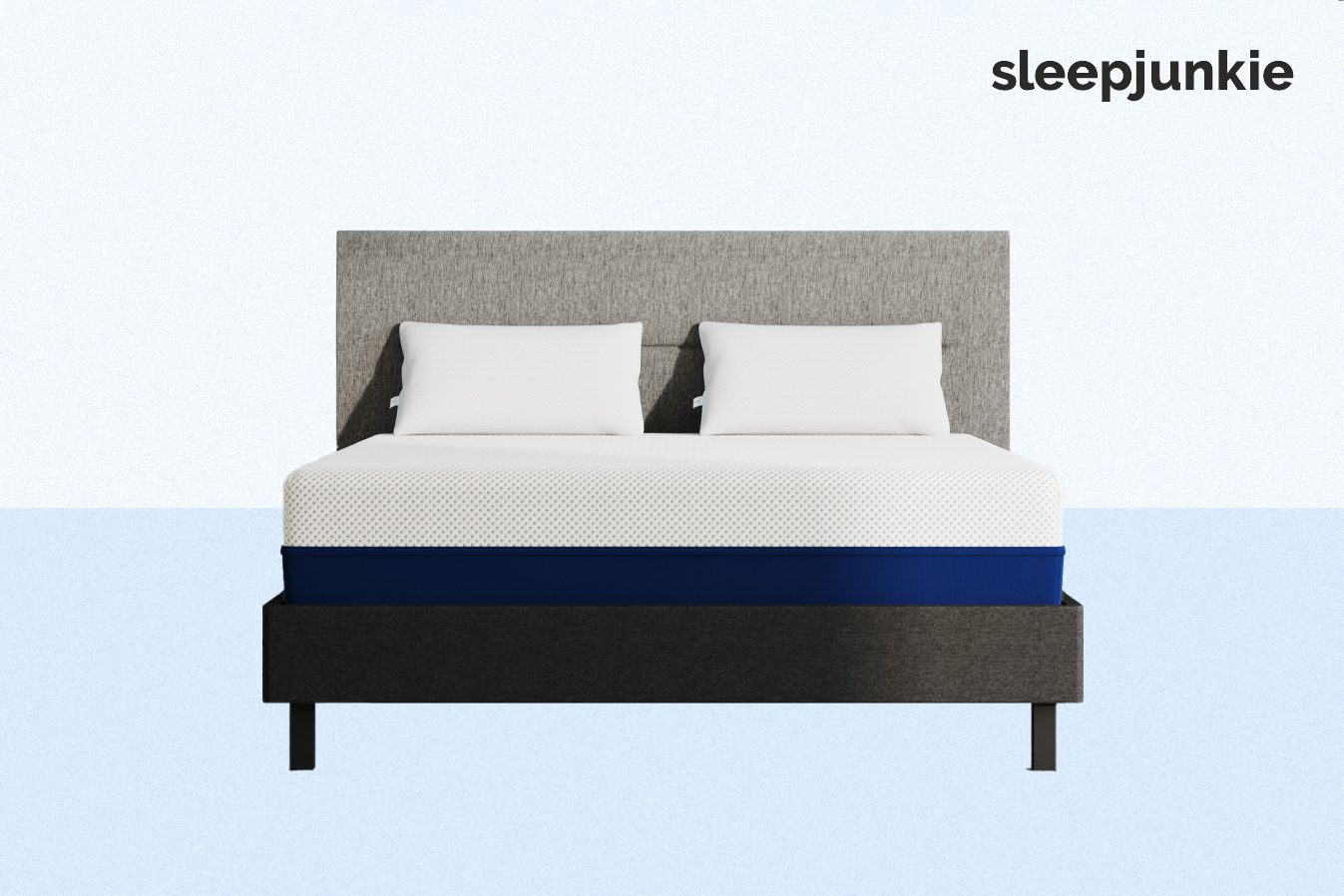
Amerisleep AS3 Overview
As Amerisleep’s most versatile mattress, the Amerisleep AS3 accommodates most sleeping positions. It spans the standard mattress size range and has three layers of high-quality foam.
Amerisleep offers a 100-night sleep trial, 20-year warranty, free shipping, and returns with every mattress.
The Editors at Sleep Junkie recommend Amerisleep’s AS3 as the best mattress for teenagers of 2024.
- Plant-Based Memory Foam
Top layer is partly plant-based for a more breathable, responsive feel than standard memory foam.
- Restorative Mattress Cover
Refresh fabric takes body heat and transforms it into infrared energy.
- Five Zones of Targeted Support
Middle layer ensures the surface feels soft and firm as needed.
The medium feel of the AS3 isn’t quite uniform, as sections of the mattress have extra contouring for increased comfort. Under the shoulders and hips, cutouts in the transition foam help the mattress flex close to the body, easing more tension in a teen’s growing body. In the head, torso, and feet sections, the mattress remains focused on spine support.
The surface of the AS3 is quick to respond to movements, giving teenagers the easy freedom to change position and slide out of bed in the morning.

Comfort Layers
The comfort layer is a plant-based Bio-Pur® memory foam. The layer keeps your teen cooler than traditional memory foam by wicking away moisture and heat.

Transition Layers
Below the Bio-Pur® layer, the Affinity layer with HIVE® technology offers support and air circulation through hundreds of hexagon-shaped cut-outs. The cut-outs are grouped close together for firm support in the hips and shoulders and spaced out where the body needs pressure relief.

Support Layers
The bottom layer is Amerisleep’s high-density Bio-Core®, which produces a reliable structure for the above layers, keeping it sag-free and extending its life.
Zoma Mattress Overview
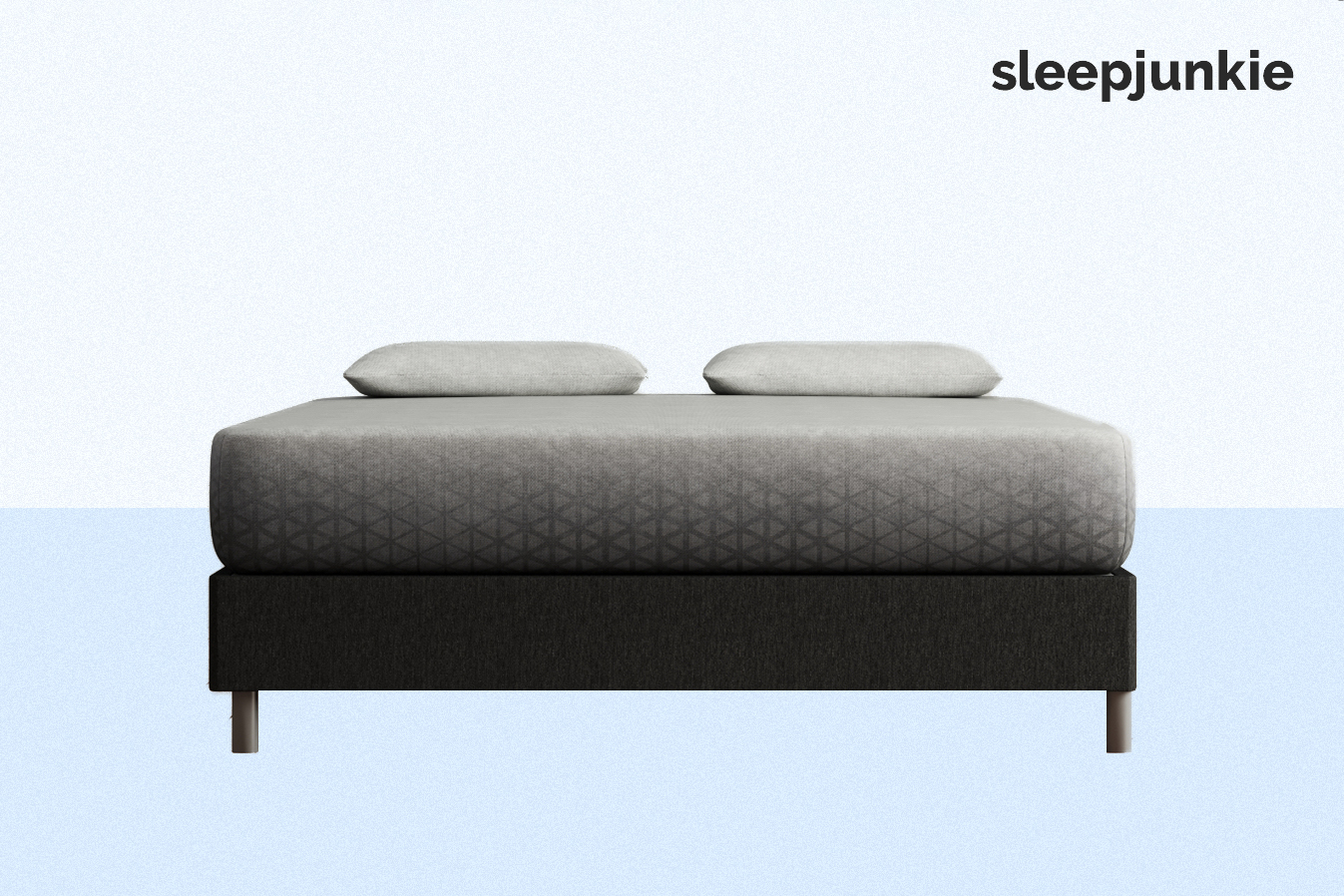
The Zoma Mattress is designed for active individuals who need rejuvenating sleep. It’s cooling surface minimizes the chances of waking up sweating and overheated, perfect for active teenagers or those living in warmer climates.
Zoma offers a 100-night trial period and 10-year warranty, and the warranty covers up to an inch in sagging. The mattress comes with free shipping and returns, as well.
The Editors at Sleep Junkie recommend the Zoma Mattress as the best memory foam mattress for teenagers of 2024.
- Heat-Wicking Gel Memory Foam
Gel infusions pull body heat away and helps it escape the mattress.
- Transition Foam Responds to Sleepers
Named for its sheer reactivity, the transition layer keeps teenagers comfortably buoyed on the mattress.
- Three Zones of Targeted Support
The head and foot of the mattress relies on cutouts for added flexibility and pressure relief.
The Zoma Mattress offers a medium feel that’s meant to suit a wide range of sleepers. Its gel memory foam meets the body’s curves and stays cool even as it remains in contact with a warm sleeper, ensuring a teenager wakes up feeling better than when they went to bed.
Comfort Layers
The knit polyester-elastane blend cover is designed to increase air circulation, keeping the sleeper cool throughout the night.
The first layer is two inches of gel-infused memory foam that uses Triangulex™, a zoned technology exclusive to the Zoma. This layer has hundreds of triangular cut-outs, which add additional comfort while supporting the hips and fostering pressure relief for the rest of the body.
Transition Layers
Below the Triangulex™ layer, two inches of Reactiv™ foam produce a latex-like feel that buffers between the comfort and support layer.
Support Layers
The last layer is eight inches of Support+ foam, which cultivates soft support to the upper layers of foam and improves spinal alignment.
Best Value Mattress for Teenagers
Vaya Mattress
Warranty
10 Years
Sleep Trial
100 Nights
Shipping
Free
Vaya Mattress Overview
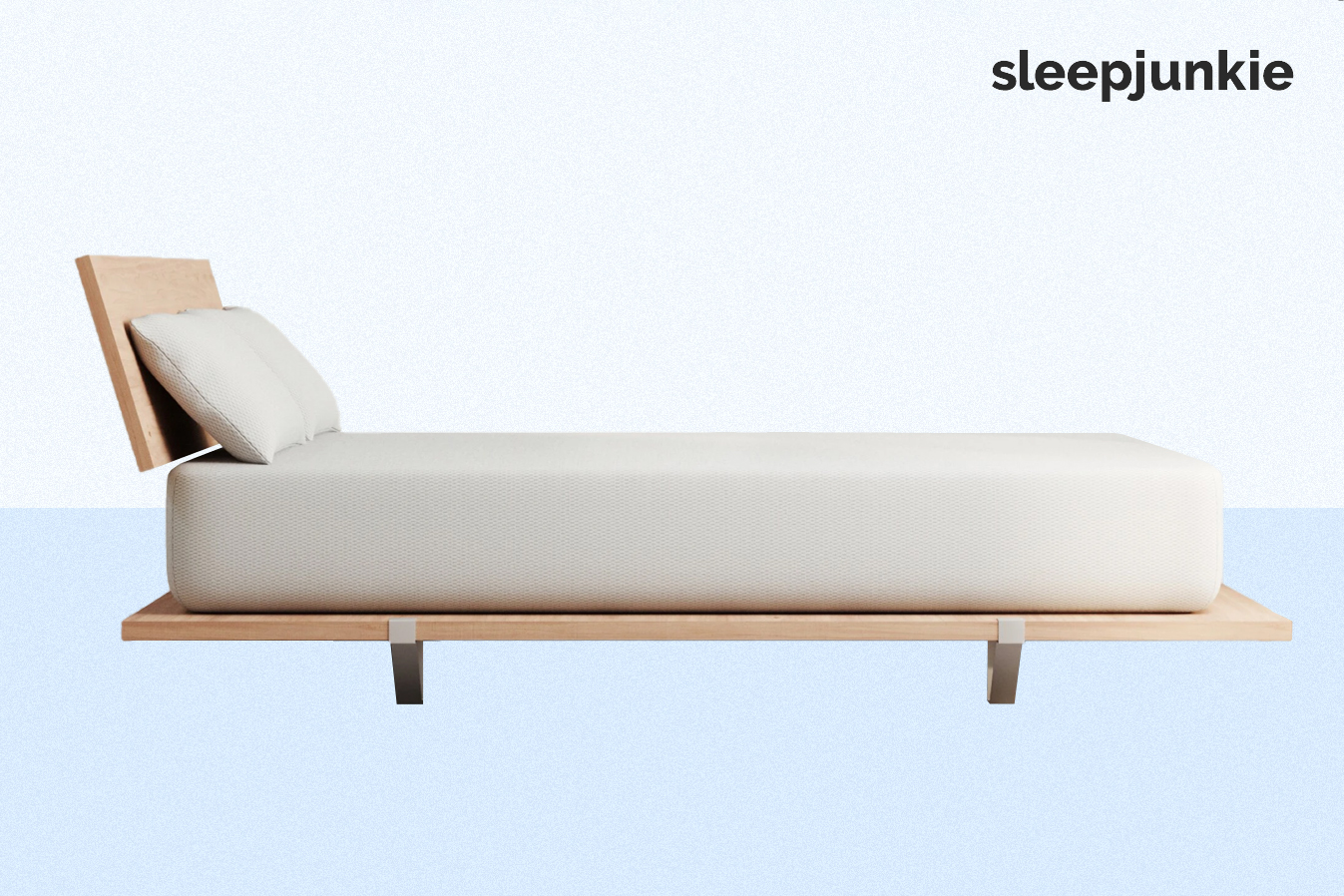
If you’re shopping on a budget for a mattress that’s suitable for a teen, we highly recommend the Vaya Mattress. The makers wanted a bed that delivers pure comfort at an affordable price and created a simple design that balances plushness with support.
Every Vaya Mattress includes a 100-night sleep trial and a 10-year warranty.
The Editors at Sleep Junkie recommend the Vaya Mattress as the best value mattress for teenagers of 2024.
- Little Chance of New Mattress Smell
The CertiPUR-US® certified foams minimize the off-gassing that creates an unpleasant chemical smell.
- Thick, Soft Top Layer
The Vaya Comfort Foam yields to the body in any position, hugging a sleeper’s curves.
- Resilient Base Layer
The durable, thick base foam stands strong after years of use to extend its value.
The Vaya Mattress has a medium feel that skews toward the softer side, giving teens a surface that supports them yet offers space for pleasant sinkage. The cushioning top will embrace the body in any position, with a light and airy feel that adapts quickly to movements and changes in positions.
A Vaya Mattress contains two foam layers, wrapped in a soft and breathable cover. Each layer is certified safe by CertiPUR-US®, which means they’re free of harmful chemicals and contain only trace amounts of volatile organic compounds (VOCs) from production.
Comfort Layers
The mattress is topped with 3 inches of Vaya Comfort Foam, a lightweight and buoyant material. The foam molds to a person’s body for pressure relief, yet is breathable enough to avoid retaining body heat.
Support Layers
At the bottom is 9 inches of dense Vaya Base Foam. This foam resists sagging and compression well, even after years of regular use.
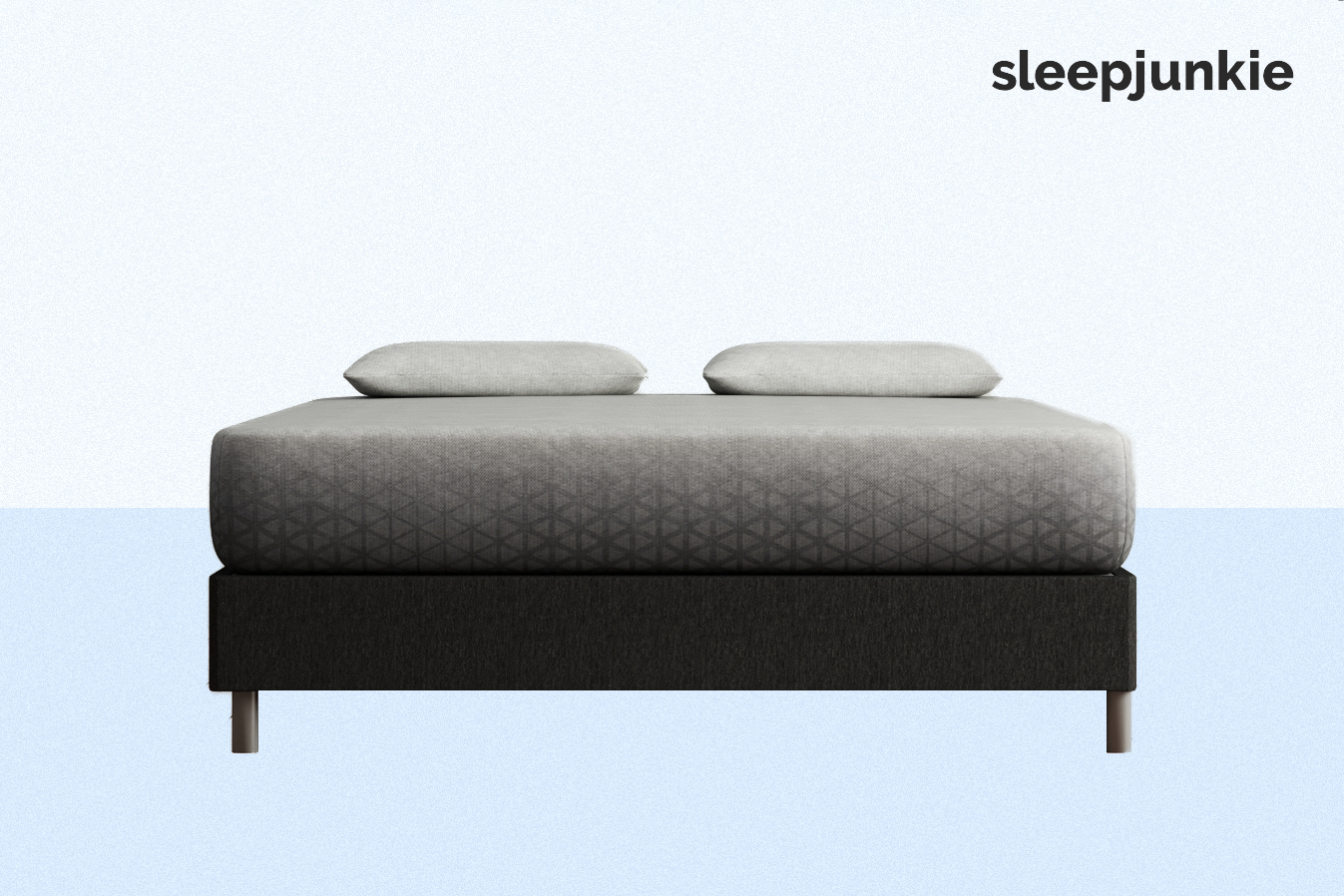
Zoma Hybrid Overview
Like the original Zoma Mattress, a Zoma Hybrid has restorative features that can help a teenager get a night of uninterrupted sleep. A teenager has 100 nights to try out a Zoma Hybrid after the mattress arrives at your home. The hybrid also includes a 10-year warranty.
The Editors at Sleep Junkie recommend the Zoma Hybrid as the best cooling mattress for teenagers of 2024.
- Cooling Materials for Comfort & Support
Gel memory foam, elastic fabric cover, and pocketed coils allow for easy air circulation.
- Motion-Isolating Wrapped Coils
The pocketed coils are individually encased to minimize jarring motion transfer and offer edge support.
- Reactiv™ Increases Responsiveness
The transition foam works with pocketed coils to provide a bouncy surface.
The Zoma Hybrid offers a middle-of-the-road middle feel like the classic Zoma Mattress. Because of its pocketed coil core
There are four layers inside the hybrid, which work together to promote a cool and consistent surface for deep sleep.
Comfort Layers
The top layer is 2 inches of gel memory foam for contouring cushioning. The infused gels wick away body heat.
Transition Layers
Underneath is 2 inches of Reactiv™ foam, a springy material that limits sinkage. Reactiv™ makes it easy to move across the mattress, preventing you from ever feeling trapped in your own bed.
Support Layers
The bed’s bounce comes from the 7-inch pocketed coil layer, which rests on a firm foam base. The coils have stiff foam along the sides for protection and edge support. Edge support makes it easier for your teen to move out of bed and even lets them sit on the side.
Best Eco-Friendly Mattress for Teenagers
Nolah Natural 11
Warranty
Lifetime
Sleep Trial
120 Nights
Shipping
Free
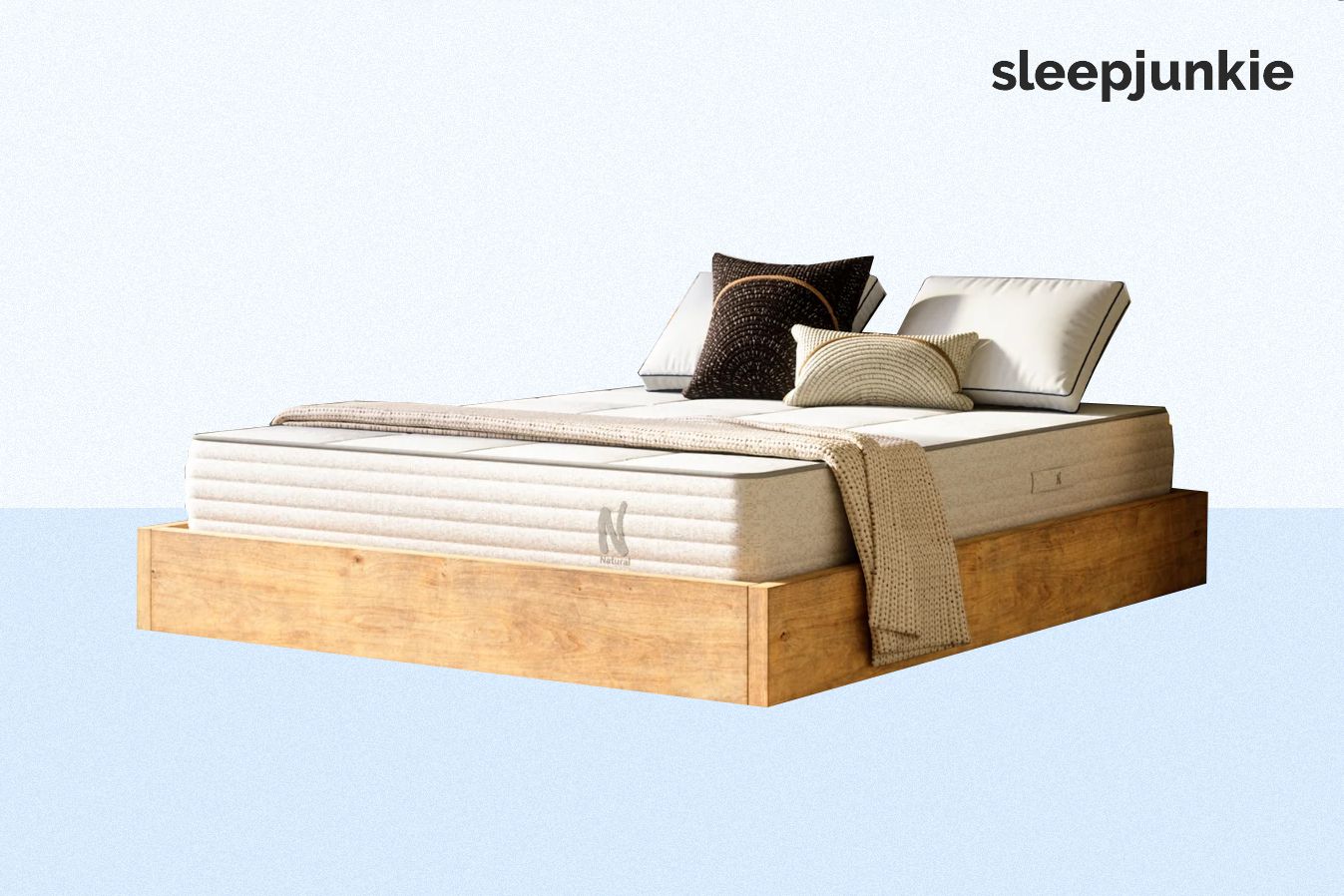
Nolah Natural 11 Overview
Many parents want to give their growing teenagers a natural surface to rest upon. Mattresses like the Nolah Natural 11 provides the comfort of latex and organic textiles with bouncy pocketed springs, maximizing comfort.
The Nolah Natural 11 ships free and comes with a 120-night sleep trial and a lifetime warranty. Parents who want to save can remove the sleep trial at checkout for an added discount.
The Editors at Sleep Junkie recommend the Nolah Natural 11 as the best eco-friendly mattress for teenagers of 2024.
- Natural, Cooling Materials
Hole-punched latex foam layers, organic wool, and organic cotton enable swift heat dispersion.
- Pocketed Coils with Back Support
The three zones of support from the coils feature extra lumbar support.
- Handles for Easy Portability
The handles along the side make it easier for the bed to be carried and shifted.
The medium feel of the Nolah Natural doesn’t quite feel like a 1:1 match with a medium memory foam mattress, as the Talalay latex resists impressions and indentations more readily than memory foam. The surface still contours to the body, but provides a touch more lift that keeps it from fully embracing a sleeper.
Comfort Layers
The surface of the Nolah Natural 11 is organic cotton, certified by Global Organic Textile Standard. The fabric is durable, plush and cool, maintaining comfort all night long.
Underneath the cotton is GOTS-certified organic wool. While the wool furthers the surface heat and sweat-wicking abilities and increases the bed’s soft feel, it’s main purpose is to provide a flame barrier in case of emergency.
The primary comfort, though, comes from a 2-inch layer of contouring Talalay latex. Perforations in the foam let air slip through more easily and wick away heat.
Transition Layers
The transition foam layer is another layer of Talalay latex foam, thinner than the comfort layer. Its buoyancy increases the surface’s body support.
Support Layers
The core of the Nolah Natural is HDMax™ Tri-Zone™ Support Coils, made with recycled steel. The coils are arranged to have three separate support zones, segmenting the mattress into a more supportive middle with a flexible head and foot.
These coils rest on a organic wool and cotton base, with the fabric bottom of extra-durable organic cotton.
Best Innerspring Mattress for Teenagers
Saatva Classic
Warranty
Lifetime
Sleep Trial
365 Nights
Shipping
Free
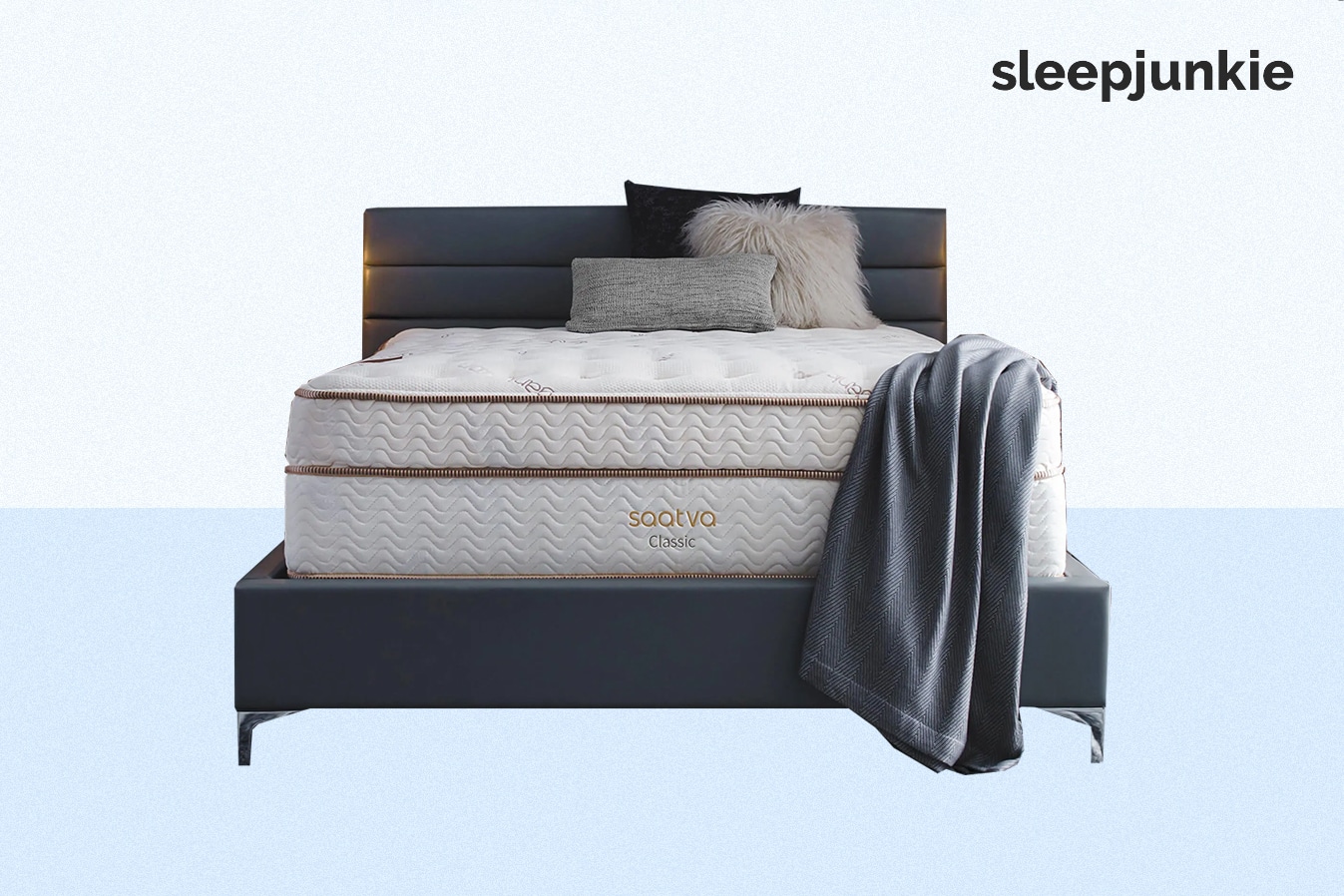
Saatva Classic Overview
Teenagers who enjoy a responsive bounce as they stretch out on a bed may want to consider an innerspring mattress like the Saatva Classic. Innerspring mattresses have lost some of their luster in the eyes of shoppers, but beds like the Saatva Classic show that the design can still offer plenty of comfort when paired with innovative materials.
The Saatva Classic comes with a 365-night trial and a lifetime warranty.
The Editors at Sleep Junkie recommend the Saatva Classic as the best innerspring mattress for teenagers of 2024.
- Dual Coil Support
This Saatva bed offers the sturdy support of classic innersprings and a transition layer of pocketed coils.
- Organic Cotton with Antimicrobial Barrier
The cover fabric is heat-wicking, comfy cotton with a botanical protective treatment.
- Targeted Back Support
Memory foam and pocketed coils feature zoned lumbar support for optimal spine alignment.
Despite the pillowtop surface, the Saatva Classic needn’t feel soft. Shoppers can choose a luxury firm or true firm mattress, if it better suits their sleeping style. Regardless of what firmness you choose, the Saatva Classic offers targeted back support that minimizes unwanted sinkage.
Comfort Layers
The Saatva offers the luxurious experience of a 3-inch Euro pillow top, with a heat-wicking organic cotton cover. This cover fabric has been treated with a botanical compound to ensure antimicrobial protection.
Underneath the pillow top is a dense memory foam with Lumbar Zone® Active Spinal Wire for enhanced back support.
Transition Layers
The Saatva Classic has a unique transition layer in the form of pocketed coils, made from recycled steel. The wrappings around the pocketed coils isolate motions as a teenager shifts position, so they don’t have to put up with jarring movements.
The middle third of these pocketed coils are firmer and sturdier for extra back support. These pocketed coils respond to a sleeper’s curves yet buoy the body.
Support Layers
The core of the Saatva Classic is traditional tempered steel innersprings, surrounded by a perimeter of foam for edge support and a sag-free structure.
Best Hybrid Mattress for Teenagers
Helix Midnight
Warranty
10 Years
Sleep Trial
100 Nights
Shipping
Free
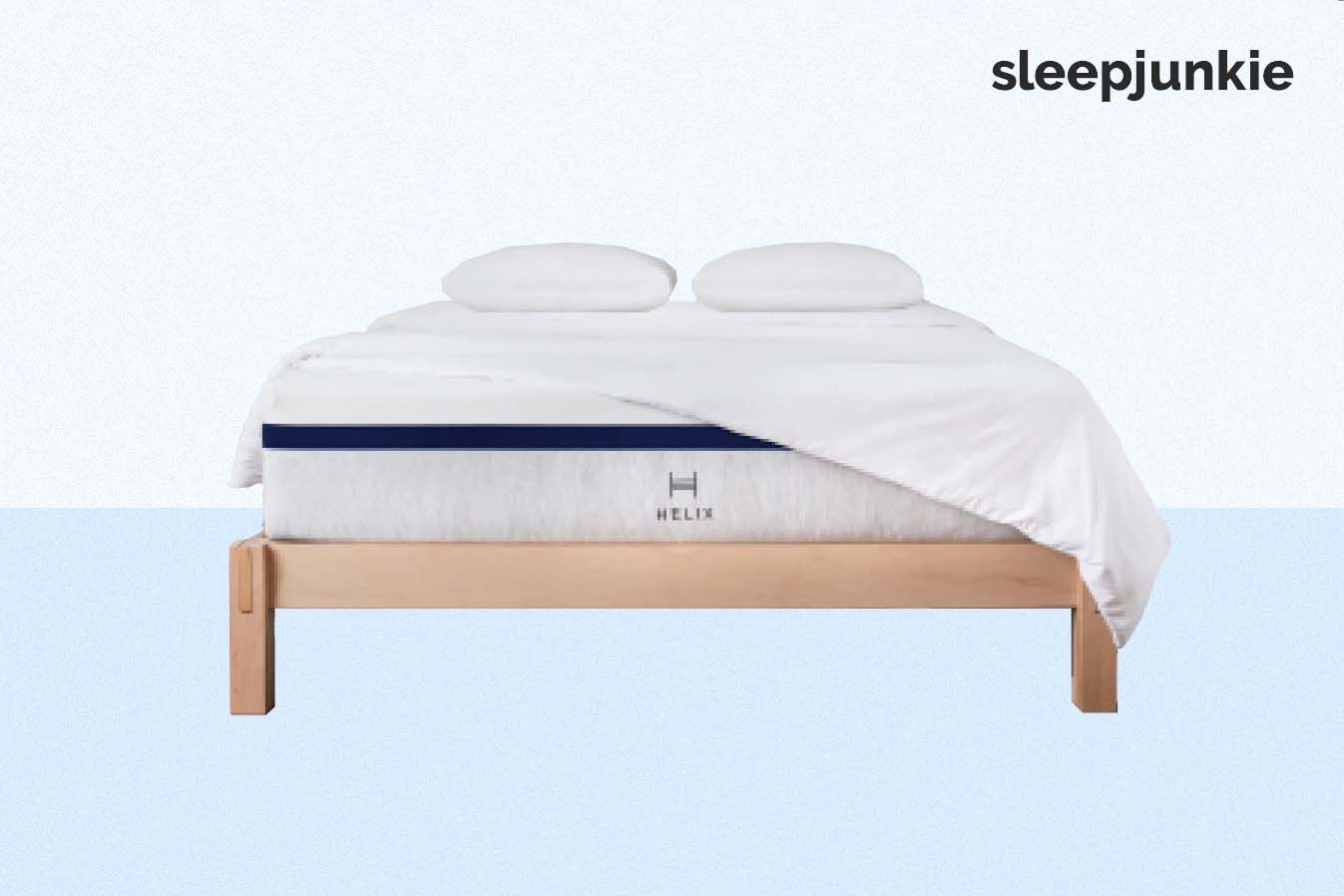
Helix Midnight Overview
The Helix Midnight comes with a 10-year warranty and a 100-night trial period. Parents who want to treat their teenagers to a more luxurious model can also consider the thicker Helix Midnight Luxe, which offers the same medium feel with added targeted support.
The Editors at Sleep Junkie recommend the Zoma Hybrid as the best cooling mattress for teenagers of 2024.
- Two Potential Mattress Covers
Stick with a simple SoftTouch mattress cover or upgrade to a GlacioTex Cooling Cover for extra comfort.
- Innovative Memory Foam
Helix’s memory foam formula is engineered for buoyant cushion.
- Responsive Base Materials
Transition layer and pocketed coils keep teenagers from feeling stuck in bed.
The Helix Midnight mattress provides a medium feel designed specifically to complement side sleepers. Its surface to quick to hug the heavier parts of the body, while the transition layer and pocketed coils keep the sleeper’s spine from bowing too far into the bed.
Comfort Layers
The comfort layer of the mattress is Helix’s proprietary Memory Plus Foam. This conforming foam is wrapped up underneath a cover of stretchy SoftTouch or the cooling GlacioTex fabric for an added fee.
Transition Layers
The transition foam is high-quality polyfoam, designed to deepen ergonomic support and responsive cushion.
Support Layers
The pocketed coils is the backbone of the Helix Midnight, with the coils along the sides providing edge support. The coils rest on a base of DuraDense Foam, named for its sturdy dense structure that keeps the coils from sagging.
Best Mattress for Athletic Teenagers
Bear Hybrid
Warranty
Lifetime
Sleep Trial
120 Nights
Shipping
Free
Bear Hybrid Overview
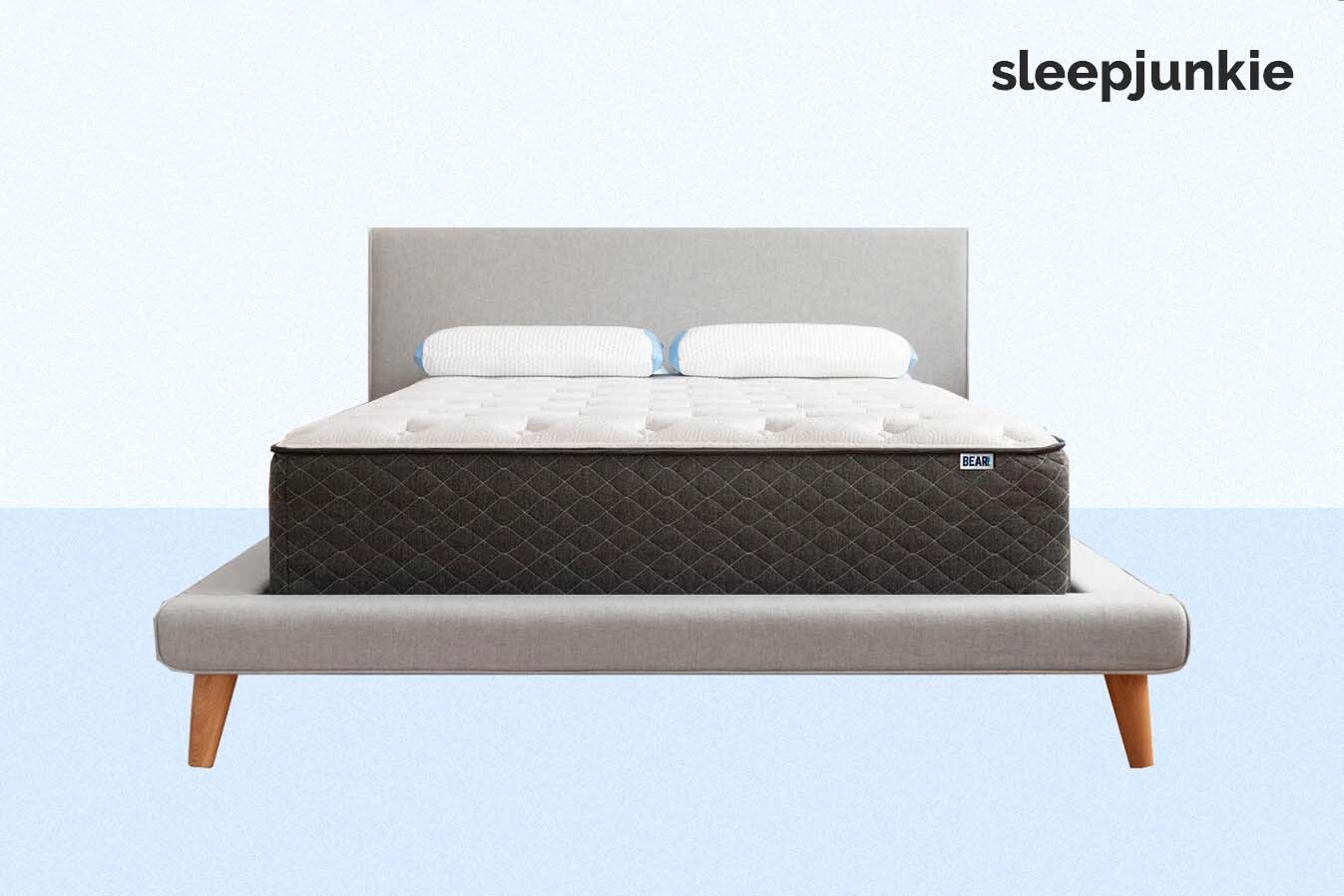
The Bear Hybrid Mattress is a high-performance mattress intended for athletes— perfect for active teens. The medium-firm mattress offers support and pressure relief using five premium layers of CertiPUR-US® certified foams.
This Bear mattress comes with a 120-night sleep trial, along with a lifetime warranty.
The Editors at Sleep Junkie recommend the Bear Hybrid as the best mattress for athletic teenagers of 2024.
- Transformative Mattress Cover
The Celliant® fabric has thermoreactive minerals that not only move heat away from the body but convert it into infrared energy.
- Soft, Conforming Comfort Foams
The gel foam and premium comfort foam ease pressure points across the body for restorative rest.
- Reinforced Edge Support
The sides are strengthened for easier movements and greater mattress longevity.
The Bear Hybrid is slightly firmer than a true medium, responsive to the body yet ultimately focused on support. Its foam layers provide a cushion that hugs the body without creating sinkage, while the coil core maintains a healthy spine alignment.
Comfort Layers
The Celliant® cover improves circulation and cellular regeneration and is quilted into hypersoft cooling gel foam, which wicks away heat and contours for proper spinal alignment.
Below, the premium comfort foam offers firm support, which caters to all body types and sleeping positions.
Transition Layers
Next, a responsive transitional foam encourages airflow and alleviates pressure by buffering between the comfort and support layers.
Support Layers
The support layer consists of a Quantum edge coil system and a density support foam. Together they offer enhanced edge support and prolong the mattress’s longevity.
Best Luxury Mattress for Teenagers
Tuft & Needle Hybrid
Warranty
10 Years
Sleep Trial
100 Nights
Shipping
Free
Tuft & Needle Hybrid Overview
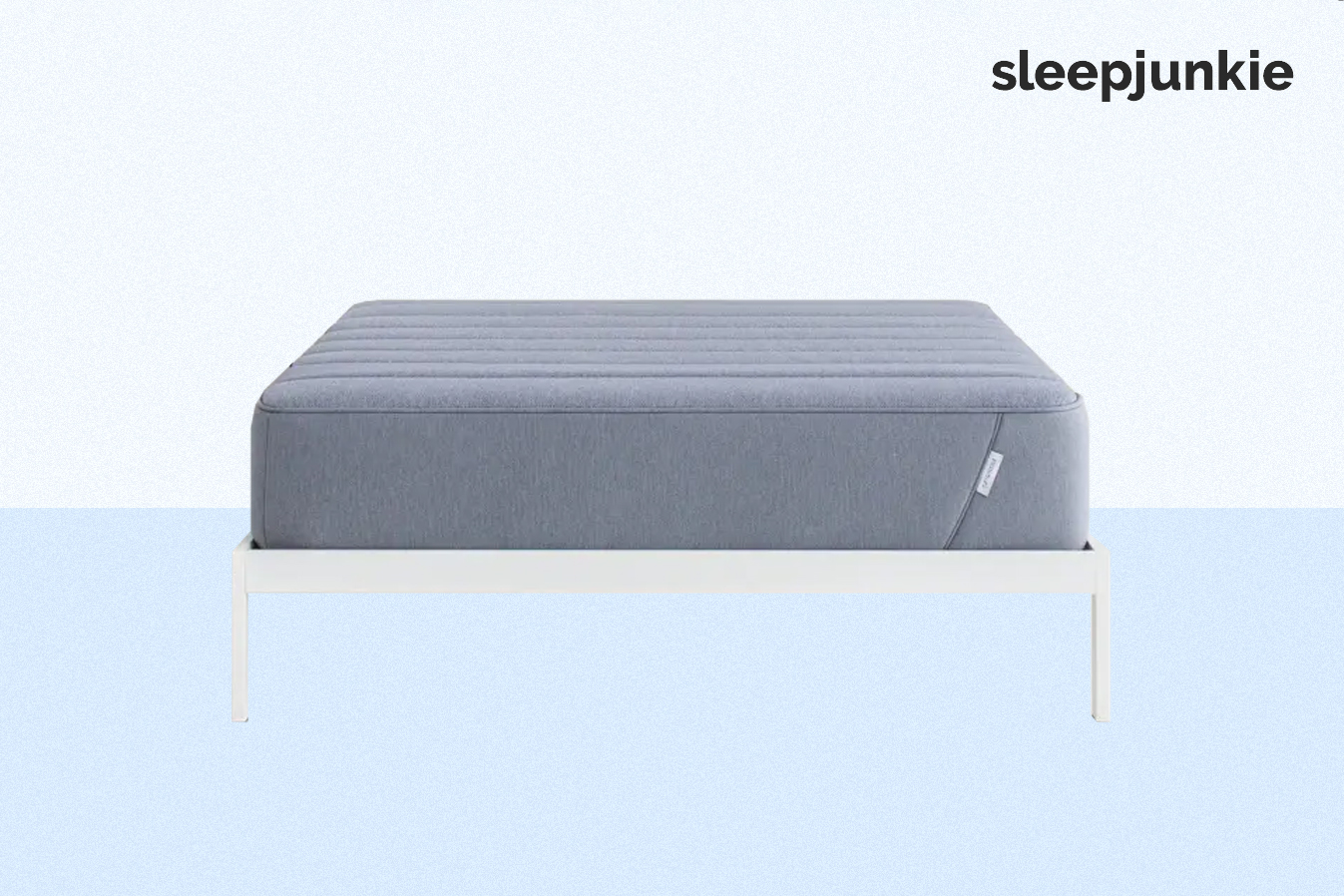
The Tuft & Needle Hybrid Mattress combines contouring foam comfort layers with innerspring underlayers to foster the right support for your growing teenager. This can give it a luxurious feel that won’t break the average parents’ budget.
Tuft & Needle offers free shipping, a 10-year warranty against manufacturer defects and offer a 100-night sleep trial.
The Editors at Sleep Junkie recommend the Tuft & Needle Hybrid as the best luxury mattress for teenagers of 2024.
- Adaptable Foams and Coils
Nano coils and aptly named Adaptive® foam ensure a responsive surface.
- Durable Structure
Carbon fibers and sturdy pocketed steel springs heighten the bed’s supportive structure.
- Cooling Infusions
Graphite and ceramic gels pull unwanted heat away from teenagers.
The Tuft & Needle Hybrid mattress comes in one firmness, medium, that can suit most sleeping styles. Its surface feels quite similar to a pillowtop, with breathable materials and adaptable support from the nano coil layer.
Comfort Layers
The comfort layer is made of 1 inch of quilted comfort foam. Its carbon fiber infusion and open-cell construction creates a temperature-neutral sleep environment.
Below the comfort layer is two inches of Adaptive® foam, which responds quickly to pressure and offers gentle support, alleviating pressure on the hips and shoulders. The foam’s graphite and gel infusions disperse heat throughout the mattress.
Transition Layers
Next, a supportive transitional coil layer prevents your hips and shoulders from sinking too deeply and gives you easy mobility on the mattress surface.
The Adaptive® foam cushions the coils above and below, extending the mattress’s longevity.
Support Layers
The 6-inch pocketed coil support layer and 1 inch of high-quality poly-foam provide support and bounce. The edge is reinforced with even more supportive coils for great edge support.
Best Memory Foam Alternative for Teenagers
Purple® Mattress
Warranty
10 Years
Sleep Trial
100 Nights
Shipping
Free
Purple® Mattress Overview
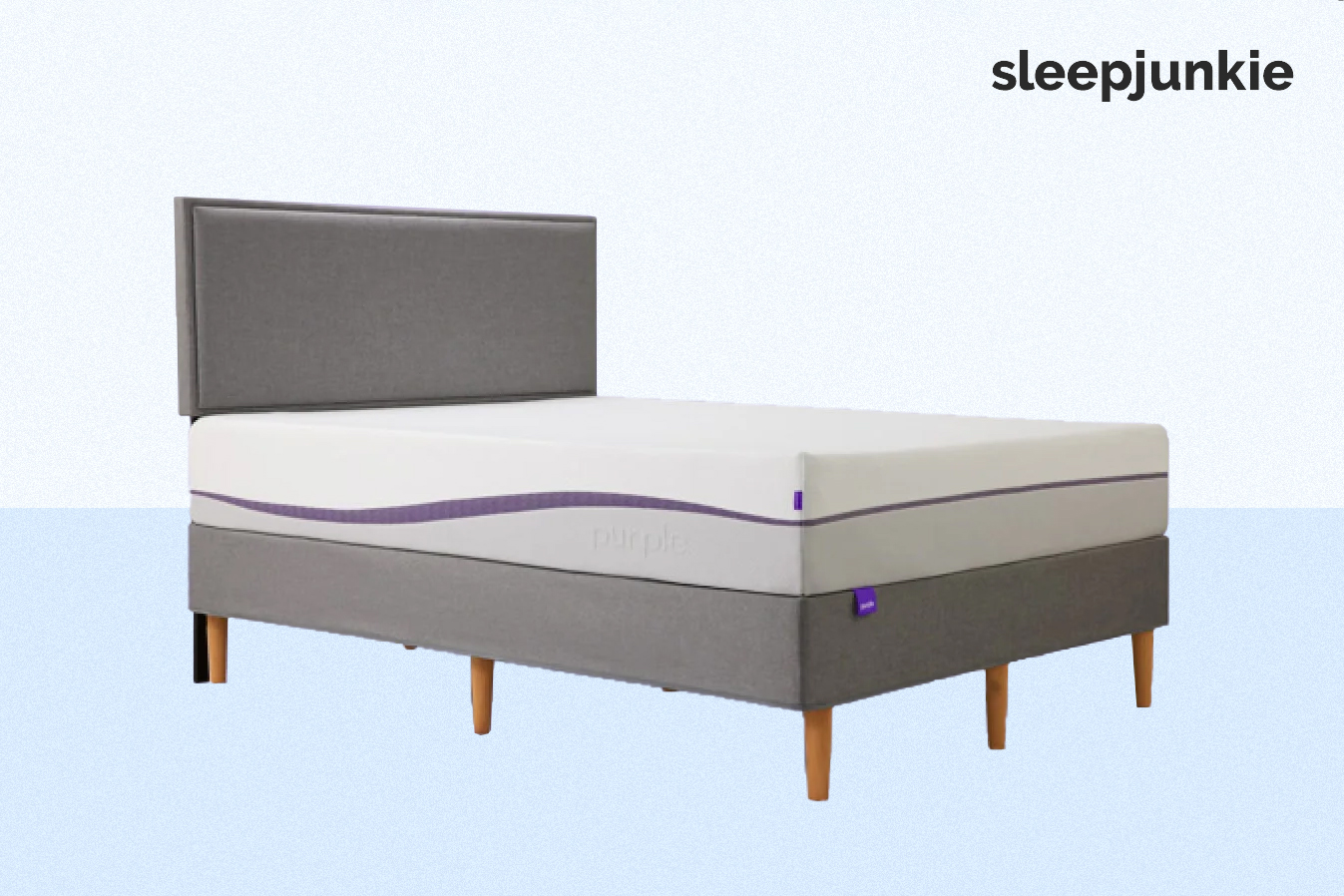
Purple® is well-known for their unique comfort material, an alternative to more traditional latex and memory foams. Their original model uses innovative, pressure-relieving technology that eliminates motion transfer and maximizes airflow. While they offer a range of other mattresses, their Purple® mattress remains an excellent option for parents who want to provide a simple yet flexible mattress.
Purple® offers free shipping and returns, a 100-night sleep trial, and a 10-year limited warranty against manufacturer defects.
The Editors at Sleep Junkie recommend the Purple Mattress as the best memory foam alternative mattress for teenagers of 2024.
- Grid-Like Comfort Layer
The top grid layer flexes under bodies and the channels provide added airflow.
- Airy Surface
The cover fabric is woven to enable rapid air circulation.
- Sag-Resilient Base Layers
Support and durability from second and third foam layers.
The Purple Mattress is engineered to be a responsive medium, with the surface material yielding to the body’s weight for flexible comfort. Heavier parts of the body sink in for a more pressure-relieving cushion, while lighter areas remain buoyed and supported yet is still gently embraced by the surface.
Comfort Layers
The top layer features the GelFlex Grid™, a system made from two inches of Hyper-Elastic Polymer™ material, which creates a zero-gravity effect, facilitating zero pressure and spinal alignment.
Transition Layers
Below the GelFlex Grid™, a soft and responsive foam layer buffers between the grid and the high-density support layer, to ensure no pressure points.
Support Layers
The HD supportive poly-foam reinforces the above layers and the mattress’s longevity.
Sleep Considerations for Teenagers
Sleep experts state adolescents need between 9 and 10 hours of sleep every single day due to their changing bodies. Half of the American teenagers get two sleep hours less than they need because of physiological and physical changes, school, and social schedules.
See also How Much Sleep Do Kids and Babies Need?
Physiological and Body Changes
Teenagers’ bodies are growing rapidly, resulting in growing pains; however, physical changes aren’t the only changes a teenager endures. Turns out, their circadian rhythm also changes.
The circadian rhythm is the physiological clock that regulates our physical and behavioral routines in a 24-hour period. It dictates when we get hungry, get tired, and wake up. Puberty can cause a change in the circadian rhythm and limit the sleep an individual can get. It can also cause daytime sleepiness during certain times of the day, resulting in extensive napping.
School and Sleep Schedule Conflicts
It’s a well-known fact— teenagers stay up later, which conflicts with American school systems. American schools start between 7 and 7:30 am, requiring teenagers to rise early and prepare for the day. A teenager’s high school sleep habits aren’t always where they should be.
On top of the skewed schedules, middle and high schoolers have to study and finish homework, and many participate in after school activities and clubs, sports, social activities, and jobs, which can keep them up late, causing undue stress and poor sleep habits.
Important Mattress Features for Teenagers
If you’re shopping for a new mattress for your teenager, we encourage you to include them in the process. It will give your teen the chance to express their sleep needs, such as firmness preferences, sleep position, and temperature needs.
Mattress Size and Thickness
If your teenager is over 6 feet tall, a twin mattress won’t have enough length to accommodate their height. If your teen still has some growing to do, you might consider getting a larger bed. This way, your teenager can use the bed in adulthood.
You’ll want to consider your teenager’s bedroom before deciding on mattress size:
- If your child exercises in their bedroom or moves around a lot, you’ll what to stick to a twin or twin XL mattress.
- But if your teen sleeps with a pet or tends to toss and turn, you might consider a full or a queen mattress.
We discuss potential standard mattress sizes for your teenager in another section below.
Mattress thickness is another important consideration. While younger children can sleep comfortably on thinner mattresses, we recommend you shop for a teenager’s mattress as you would an adult’s and look for a mattress at least 10 inches thick. Mattresses that are this thick tend to provide years of comfortable, supportive sleep.
Support
First off, support is a term describing the mattress’s ability to remain flat while bearing weight. Sleeping on a flat surface encourages spinal alignment, although your sleeping style and preferences may influence the type of support you need.
For instance, side sleepers don’t need as much support as a stomach sleeper. Side sleepers need to sink into the mattress to maintain balance on their sides; meanwhile, stomach sleepers are susceptible to muscular and skeletal pain when they sink too far into a mattress.
Conformability
Since teenagers are susceptible to growing pains, a conforming mattress is instrumental in alleviating those aches and any pressure points. A mattress’s contouring abilities will align the shoulders and pelvis with the spine, improving sleep quality.
Memory foam and latex mattresses have resilient foams, which contour closely to your teen’s body for unmatched pain relief.
Motion Isolation
If your teenager shares their bed or is a restless sleeper, their bed may need motion isolation properties. Since motion transfers in waves, motion can rebound on a restless sleeper and disrupt sleep.
Memory foam and latex mattresses absorb motion on impact. Hybrid mattresses have good motion isolation, as well; however, their innerspring core decreases their ability to isolate motion transfer as well as memory foam.
Budget
You can get a budget mattress as cheap as $100; however, we highly suggest a budget of $800 to $2000 for a high-quality bed. Memory foam and innerspring mattresses with sleep-promoting technologies are found in this price range. You can also find hybrid and latex mattresses at this price point, although they are closer to $2000 because of their natural materials and many layers.
You can usually find affordable, top-rated mattresses by shopping with online or mattress in a box brands. These brands cut costs by eliminating the middle man and selling their products direct-to-consumer.
Oftentimes they offer free shipping and free returns as well since you can’t try their beds in store. These mail order mattresses let you do all the shopping from the comfort of your couch or kitchen table, saving you the trouble of leaving your home.
So if you’re like most shoppers— looking for a high-quality mattress at an affordable price— we recommend trying your luck with an online mattress before heading to a traditional mattress retailer.
Sleep Trial and Warranty
Every good mattress company offers some sort of warranty and sleep trial, but we suggest shopping with a brand offering at least a 100-night sleep trial and a 10-year warranty.
A sleep trial gives the customer the chance to try the mattress in their home before committing to the purchase. Make sure the trial is risk-free. If the company charges for restocking, shipping, or donation fees in the case of a return, you may consider going with another brand as there are plenty of companies who offer those services for free.
A warranty protects the customer’s investment. Since a well-maintained mattress can last up to 10 years, we suggest searching for a warranty lasting 10 years. Make sure to read through the warranty’s details. Warranties should offer a replacement or repair in the case of indentations and sagging, foam cracking and splitting, and other manufacturing defects not caused by misuse.
Sleeping Position and Firmness
Deciding how firm the next mattress for a teenager should be isn’t necessarily a matter of their personal preference. Your teenager’s chosen sleeping position is actually the biggest indicator of how firm the bed should be. Different firmness levels conform to the body more readily, while others are less responsive for more support.
Side sleeping is the most common sleeping position. It puts extra pressure on the shoulders and hips, which can cause pain and joint soreness. We recommend medium to soft mattresses for side sleepers, as they support the torso area, cradle the shoulders and hip bones, and alleviate pressure points.
A memory foam or latex mattress with a medium to medium-plush firmness will offer proper support and conformability to side sleepers.
Back sleeping naturally aligns the spine. A medium to firm mattress will contour to the sleeper’s back to relieve pressure without causing the hips and shoulders to bow. The best mattresses for back sleepers are memory foam, latex, or hybrids, as traditional innersprings may feel too firm.
Stomach sleeping places immense stress on the lower back leading to back and neck pain. If you sleep on your stomach, you need a firm mattress to keep your torso lifted and prevent pains. The right mattresses for stomach sleepers buoy the body to keep owners comfortable.
Mattress Types for Teenagers
The mattress material you choose will largely depend on your preference. While it’s a given that the best mattresses offer great support, some types of mattresses are more supportive than others.
Innerspring
Innerspring mattresses are made from coil system core and thin layers of cotton, wool, or polyester comforters or pillow tops. These mattresses are naturally cooling and cultivate firm support. They are best for heavy sleepers as the springs will push back to promote spinal alignment.
Our innerspring mattress buying guide can offer parents all the need-to-know details.
Memory Foam
Memory foam mattresses are made of layers of foam. They promote spinal alignment and relieve pain through their contouring abilities. Modern open-cell and plant-based memory foam are much more breathable than traditional memory foam and often have copper, graphite, and gel infusions, which pull heat from the sleeper.
We have a guide to memory foam mattresses for kids for parents with younger children seeking a bed that can last into their teen years.
Latex
Latex mattresses are some of the most eco-friendly mattresses on the market, but they can be made in several different ways.
Natural latex is made from rubber tree sap, making it antimicrobial and biodegradable. There are two types of natural latex, Talalay and Dunlop. Using the Dunlop manufacturing process, latex is dense and firm; meanwhile, Talalay latex is bouncier, lighter, and more breathable. Out of the two manufacturing processes, Talalay latex is the most expensive.
Natural latex can make up some of the most durable mattresses on the market. However, the material’s production expense can keep it out of reach of budget shoppers.
Synthetic latex is produced through chemicals to mimic latex properties. It isn’t antimicrobial or biodegradable, although it is a great alternative for those who want the supportive and contouring qualities of latex materials in a hypoallergenic mattress but are allergic to latex.
Blended latex is a mixture of synthetic and natural latex. It contains some of the antimicrobial and hypoallergenic qualities of 100% natural latex, and some beds will have a CertiPUR-US® certification. If a blended latex mattress does not have this certification, it may contain harmful additives.
We have a latex mattress buying guide for interested shoppers.
Hybrid
Hybrid mattresses are made of coils and memory foam or latex comfort layers. Together, the spring and foam layers create a balanced between comfortability, supportiveness, and motion isolation. Look for comfort layers with infusions or air passages to reduce heat retention.
Parents who want to learn more about this mattress type should read through our hybrid mattress buying guide.
Mattress Sizes for Teenagers
Some parents may debate what the best mattress size for their teenager is. Room size and budget are two ways to determine what works for your needs, along with the sleeping space your teenager requires for comfortable rest.
Parents with more than one child may want to consider bunk bed mattress sizes, too.
Twin
Twin size mattresses are the smallest standard bed we would recommend for teenager, measuring 38 inches by 74 or 75 inches. While they can be a good choice for smaller bedrooms, many teens over 6 feet tall will find a twin bed cramped and uncomfortable.
Twin XL
Twin XL size mattresses are typically a better choice for a growing teen than a traditional twin bed, with 38 inches of width and 80 inches of length. A twin XL mattress can give teens plenty of legroom without taking up room space.
Full
Full size mattresses are excellent for teens who want more sprawling space than what a twin mattress provides. With 16 inches of added width, measuring 54 inches by 75 inches, teens can easily spread out starfish-style. The extra space can also make the bed a great lounging space during the day when they have friends over and such.
See also our twin vs full size mattress guide.
Queen
Likely the largest size you’ll consider for your teen is a queen size mattress, measuring 60 inches and 80 inches. It’s only a little wider than a queen and is 5 inches longer, so it can be a better way to accommodate a teenager’s final growth spurt.
Some teens may even want to bring their queen mattress with them when they leave home, if parents want to plan ahead for a young adult’s needs. So it can pay to plan ahead and choose one of the most comfortable mattresses to maximize the value of a queen bed.
Saving on a Mattress for Teenagers
Parents can save on a new mattress for teenagers by buying during one of the year’s big mattress sales:
- MLK Day Mattress Sales
- Sleep Awareness Week Mattress Sales
- Presidents Day Mattress Sales
- Memorial Day Mattress Sales
- 4th of July Mattress Sales
- Labor Day Mattress Sales
- Columbus Day Mattress Sales
- Black Friday Mattress Sales
- Cyber Monday Mattress Sales
FAQs
Do pillows matter?
Your teen’s pillow also makes a difference in sleep quality. A supportive pillow should keep the head in a neutral position to prevent shoulder and neck pain.
For back sleepers, a medium-firm pillow with medium loft will support the head and neck while keeping the head from tipping to one side. The pillow shouldn’t push the chin toward the chest or cause a stiff or achy body. Place a pillow under the knees to create a slight bend to take pressure off the lower back.
Side sleepers need a firmer pillow with varied lofts, so the neck is supported as well as the head.
Stomach sleepers will need a very thin pillow that doesn’t force them to arch their necks as it will enhance back strain. Stomach sleepers will benefit from putting a small pillow under their pelvis to facilitate proper spinal alignment.
Is a memory foam mattress good for teenagers?
Yes. Memory foam mattresses are conforming and long-lasting. Memory foam will contour to their bodies, so they get personalized support and pressure relief as they grow. Supportive foams are also overall less likely to sag than coils if parents take care to choose a high-quality mattress.
What is the best mattress for a 12-year-old?
We recommend including your 12-year-old in the shopping process to learn their preferences and needs. Kids at any age, especially athletic kids, are susceptible to aches and pains. The best bed for them is firm, supportive, and contouring. Memory foam and latex are excellent comfort materials that hug the bodies yet maintain a healthy spine alignment.
What if my teen is moving out soon?
If your teen is planning on moving out soon, you might consider a potential second use for the mattress, such as a mattress for a guest bedroom. In this case, consider shopping for a full size or queen size bed. This way, your teen can have a comfortable mattress, and your future guests can reap the benefits.
What bed size should a teenager have?
It’s a smart idea to give your teenager a twin XL mattress. This size fits in most bedrooms and can accommodate a teenager’s growth spurt. Some teenagers might find a twin bed feels too small as they grow taller.
Conclusion
Ask for your child’s input as you make mattress selections and keep in mind what will work best for their bedroom, social life, and sleeping style. Considering the right materials, bed size, and firmness is a great place to start. These factors, along with our recommendations for the best mattress for kids and teens, will help you choose the best mattress for your teenager.