I Tested 50+ Mattresses to Find the 12 Best for Spondylolisthesis of 2026
Dr. Jennifer Miller, PT, DPT: Doctor of Physical Therapy
Dr. Jennifer Miller is a compassionate and skilled outpatient physical therapist with nine years of experience in the field. She earned her Doctor of Physical Therapy from Elon University and holds a Bachelor of Science in Health Science from Minnesota State University-Mankato. Dr. Miller specializes in Neurological, Geriatric, and Vestibular Physical Therapy and serves as […]

Top Recommendation of 2026: Amerisleep AS2
After testing 50+ mattresses for this guide, the Amerisleep AS2 earned our pick as the best mattress for spondylolisthesis of 2026 because it paired firm, even support with enough contour to keep my spine in a neutral line, which is what matters most when one vertebra sits forward of the one beneath it. When I lay on my back, my hips stayed level with my shoulders and my lower back stayed supported without dropping into the surface, and when I rolled to my stomach the firmer feel kept my hips from sinking and rounding my lower spine.
The AS2 is best for back and stomach sleepers who want a firmer, medium-firm feel that holds the spine steady, and for anyone who wants foam contour without the slow, stuck sink of denser memory foam. Its steady support across positions and easy repositioning are why it stood out as the top overall recommendation on this page.

Every mattress featured on Sleep Junkie is evaluated using the same testing framework for support, pressure relief, cooling, motion isolation, edge support, responsiveness, and overall value. Learn How We Test Mattresses.
- Best Mattress Overall: Amerisleep AS2
- Best Purple Alternative: FORM Prime
- Best Budget Mattress: Zoma Start
- Best Memory Foam Mattress: Vaya Mattress
- Best Cooling Mattress: Helix Dawn Luxe
- Best Pillow Top Mattress: Nolah Evolution
- Best Firm Mattress: Plank by Brooklyn Bedding
- Best Luxury Mattress: Saatva Classic
- Best 10 inch Mattress: Bear Original Mattress
- Best Latex Mattress: PlushBeds Botanical Bliss
- Best Hybrid Mattress: Nest Sparrow
- Best Organic Mattress: Happsy
After testing 50+ mattresses for spondylolisthesis, I ranked 12 that hold the spine in a neutral line, with the Amerisleep AS2 as my top pick for its firm, even support across back and stomach sleeping. Spondylolisthesis is a spinal condition where one vertebra sits forward of the one beneath it, so the surface needs to support the lower back without letting the hips sink or arch.
I graded every mattress on the same framework: support, pressure relief, cooling, motion isolation, edge support, responsiveness, and value. Below are the 12 picks, what testing showed for each, and who each one fits.
My top pick comes from Amerisleep, one of the few mattress brands officially endorsed by the American Chiropractic Association (ACA), the largest professional chiropractic organization in the United States. The ACA grants its endorsement only after a multi-month review and testing process led by licensed doctors of chiropractic, which makes it a meaningful third-party signal on a page like this one.


Watch Our Amerisleep AS2 Video Review
When I tested the Amerisleep AS2, it stood out as a firm, supportive option for back and stomach sleepers, who tend to need firmer support to keep the spine level. During testing, the surface relieved pressure at my shoulders and hips while holding my lower back steady, so my hips never dropped below my shoulders on my back.
The AS2 uses Bio-Pur memory foam, which felt more responsive and less heat-retentive than traditional memory foam. Its open-cell structure let air move more freely, so I did not feel the shoulder-and-hip heat buildup I get on denser foam. As one of the firmer Amerisleep builds, it gave substantial support while still contouring to my body, which is what keeps pressure from concentrating at the lower spine.
Compared with the softer foam beds I tested in the same session, the AS2 allowed far less sinkage, so my hips and shoulders stayed in line rather than letting my midsection drop. Under the comfort layer sits the HIVE layer, zoned firmer beneath the lumbar and softer beneath the shoulders and hips. In testing that zoning kept my lower back supported while my shoulders settled, which held a flatter back-sleeper line.
If you want a firmer, medium-firm surface that holds a neutral spine, the AS2 is worth considering. It kept my hips level and my lower back supported across back and stomach sleeping, which is why it reads best for those two positions. The AS2 is also one of Amerisleep’s officially ACA-endorsed models, a recognition the American Chiropractic Association grants only after hands-on review by licensed chiropractors.
- 9 Value
- 8 Edge Support
- 9 Trial Period
- 9 Response Time
- 10 Motion Transfer
- 10 Cooling & Breathability
I picked the AS2 because its medium-firm feel held my spine in a neutral line without the slow sink I get on softer foam.
Firm support where the lower back needs it: When I lay on my back, my lower back stayed supported and my hips did not drop below my shoulders, so a back sleeper managing a forward-slipped vertebra keeps a flatter, steadier posture at night.
Contour without the stuck feeling: The Bio-Pur comfort layer cradled my shoulders and hips but let me change position without pushing out of a pocket, which suits a sleeper who wants some give but repositions often.
Cooling that held up in testing: The surface felt less heat-retentive than the denser all-foam beds I compared, and I did not feel the shoulder-and-hip heat buildup I notice on traditional memory foam.
Additionally, the AS2 is one of a small group of Amerisleep models formally endorsed by the American Chiropractic Association, an endorsement that follows a multi-month evaluation by licensed doctors of chiropractic, which is exactly the kind of independent, profession-backed vetting I want to see on a spondylolisthesis list.
Best For:
- Back sleepers who want firm, even lumbar support
- Stomach sleepers who need their hips held level
- Foam fans who want contour with quicker response than dense memory foam
Compare Instead:
- FORM Prime if you want a zoned grid-and-coil surface with more airflow
- Saatva Classic if you want a coil hybrid with a plush pillow top on the same firm base
My first night on the AS2, the firmness registered right away, with a level of support I do not get from softer beds. On my back, the surface held my spine level and kept pressure off my lower back, and while it is firm, it never felt rigid or hard. It does not have the deep sink-in quality of a plush foam bed.
What stood out was how the Bio-Pur foam adapted to my body without the heat buildup I usually feel on memory foam. Where I often wake warm after a few hours, the AS2 felt less heat-retentive deeper into the night, and the open-cell structure seemed to be the reason. I also woke without the lower-back stiffness I get on softer beds, which told me the firm support was doing its job.
The second night I focused on movement. I change position a lot, and the AS2 responded quickly, so I could shift without feeling stuck, and my partner was not disturbed when I moved. That combination of steady support and easy repositioning is what makes it work for back and stomach sleepers who want a firmer medium-firm feel without giving up ease of movement.
The Bio-Pur comfort layer is what let the surface contour to my shoulders and hips while still springing back when I moved, so I never felt locked in a pocket the way I do on dense memory foam. Beneath it, the HIVE layer runs firmer under the lumbar and softer under the shoulders, and that zoning is why my lower back stayed supported while my shoulders settled, keeping a flatter back-sleeper line. The high-density base held the whole surface steady with no soft spots after several weeks, which is why the firm feel stayed consistent. Together the build reads as firm and supportive rather than plush, which is why it suits back and stomach sleepers who want their spine held level.
Pros:
- Motion Transfer (10/10): my partner’s movement barely registered on my side during testing
- Cooling and Breathability (10/10): the surface felt less heat-retentive than the denser foam beds I compared
- Firm, even support held my hips level with my shoulders on my back
Cons:
- Edge Support (8/10): stable, but the perimeter compressed more than the strongest hybrids on this page
- Firm medium feel is too much for side sleepers who want plush cushioning; consider Vaya
- Limited bounce compared with the coil beds here, so dedicated combination sleepers who want lift may prefer FORM Prime
Why The Amerisleep AS2 Won
Among the 50+ mattresses I tested for spondylolisthesis, the AS2 earned the top spot for holding the flattest, steadiest spinal line across back and stomach sleeping while still contouring at the shoulders and hips. It led the group on the balance that matters most for a forward-slipped vertebra: firm, even support, easy repositioning, and a surface that did not warm up like traditional foam. For back and stomach sleepers who want a firmer medium-firm feel, it is my top recommendation on this page.

Watch Our FORM Prime Video Review
When I tested the FORM Prime, what stood out first was how it felt to lie down on. The top layer is a grid rather than foam, so instead of slowly sinking in, I settled onto a surface that gave where I pressed and sprang back the moment I moved.
It has a buoyant quality that sits somewhere between foam and latex. Some grid beds feel unsettled and jiggly, but this one stayed stable underneath me, so shifting around never felt awkward. For a spinal condition like spondylolisthesis, where staying in one position too long gets uncomfortable, that easy movement matters.
What earns the FORM Prime its place here is the support underneath. The coil base is zoned, firmer under the lower back and softer under the shoulders.
During testing I could feel my lumbar held in place while my shoulders settled, so my spine stayed in a fairly neutral line instead of my hips dropping or my shoulders propping up. Compared with a foam bed like the Vaya Mattress, the FORM Prime adapted to the shape of my body more deliberately rather than treating my whole torso the same.
The AeroWeave cover stayed noticeably cooler than the quilted covers I usually test, and heat moved out through the open grid cells rather than building up under me. Motion stayed contained too. The medium feel reads best for side and combination sleepers, since the shoulder zone yields enough to cradle without letting the hip drop out of alignment.
- 8 Value
- 10 Edge Support
- 10 Trial Period
- 9 Response Time
- 10 Motion Transfer
- 9 Cooling & Breathability
I picked the FORM Prime because the grid-and-coil build handled spinal support without a hard, unforgiving surface.
Zoned support where the spine needs it: The ZoneCoil 7-Series base runs firmer under the lumbar and softer under the shoulders; in testing my lower back stayed held while my shoulders settled, so a side or combination sleeper keeps a neutral line instead of the hips dropping.
Grid contour without the stuck feeling: The GelGrid flexed at my hips and shoulders and sprang back the moment I moved, which makes shifting position genuinely easy for a sleeper who does not want to stay locked in one spot.
Cooler surface than foam: The AeroWeave cover felt cooler to the touch than the foam surfaces I usually compare, and heat moved out through the open grid cells rather than pooling, which helps a hot sleeper or a couple sharing body heat.
Best For:
- Side and combination sleepers who reposition often
- Couples who want strong motion isolation
- Hot sleepers who want airflow through the surface
Compare Instead:
- Amerisleep AS2 if you want a firmer medium-firm feel with more reinforcement for stomach sleeping
- Vaya Mattress if you prefer the enveloping contour of memory foam over a responsive grid
- PlushBeds Botanical Bliss if you want natural latex and organic materials
The first night on the FORM Prime, the grid surface registered immediately. It is neither the slow give of memory foam nor the firm push of a coil bed.
It felt buoyant and responsive, cradling my shoulders and hips at the contact points while holding my midsection level.
As someone who moves between my back and side, I appreciated that I never felt locked into one spot.
By morning my lower back felt settled rather than strained, which I put down to the firmer lumbar zone keeping my spine neutral as I slept.
The medium feel gave enough at the shoulders without letting my hips drop, and the transition into the coils underneath felt seamless rather than like two separate layers stacked together.
On later nights I focused on movement and temperature. The FORM Prime responded quickly whenever I changed position, and the surface stayed cooler for longer than the foam mattresses I typically test.
Sharing the bed, I barely registered movement from the other side, which made for undisturbed rest even when one of us shifted.
That mix of quick response and contained motion is why it fits side and combination sleepers, and couples who do not want to feel each other move.
The FORM Prime uses a five-layer system that pairs a proprietary gel grid with a zoned coil base. Here is how each layer contributes.
1. AeroWeave™ Cover
The surface is wrapped in the AeroWeave™ cover, a ventilated textile with airflow built into the stitching pattern and even the back panel.
During testing it stayed cool to the touch, and on close inspection the open weave was clearly functional rather than decorative, moving air across the surface edge to edge.
2. GelGrid™ with Integra-Mesh™
Beneath the cover sits FORM’s signature GelGrid™ comfort layer, a polymer grid of thousands of open-air cells that flex under pressure to relieve tension at contact points while letting heat escape.
The Integra-Mesh™ reinforcement woven into the grid reduces the surface jiggle that other grid designs carry. In testing, this layer relieved pressure at my hips and shoulders without the sinking feel of foam.
3. ContourFlex™ Transition Layer
Below the grid is a 3-inch ContourFlex™ transition foam layer. It bridges the grid above and the coils below so the surface feels cohesive rather than disconnected.
Without a layer like this, hybrids can feel springy one moment and foamy the next. Here, the handoff was smooth, and the feel stayed consistent from the grid down into the coils.
4. ZoneCoil™ 7-Series
The support core is a ZoneCoil™ 7-Series pocketed coil layer divided into seven targeted zones. The coils are individually wrapped, which helps with both motion isolation and airflow.
The zoning gives the shoulders more give and the lumbar region firmer support, so the mattress adapts to the body’s shape rather than treating it uniformly.
5. BaseFlex™ Foundation
At the base is the BaseFlex™ foundation, a dense encasement that reinforces the perimeter and supports the coils from beneath.
When I pressed along the edges, this layer held firm, which is a large part of why the FORM Prime keeps a stable, usable edge.
The FORM Prime is made in the USA and carries GREENGUARD Gold and OEKO-TEX® certifications along with fiberglass-free construction.
Pros:
- Edge Support (10/10): the perimeter held firm when I sat on the edge
- Motion Transfer (10/10): I barely registered movement from the other side
- Zoned coils held my lumbar firm while the shoulder zone gave, keeping my spine level
Cons:
- The medium feel is too soft for dedicated stomach sleepers who need a firmer, flatter surface; consider Helix Dawn Luxe
- Single firmness only, with no plush or firm version to choose from
- Grid-and-synthetic build will not suit shoppers set on natural materials
On my side, the GelGrid and softer shoulder zone relieved pressure at my hip and shoulder while the firmer lumbar coils held my spine in a neutral line. The zoned medium feel reads best for side and combination sleepers who want contour without a dropped hip.

Watch Our Zoma Start Video Review
When I tested the Zoma Start, its balance of a low price and solid performance stood out. During testing it held up well on cooling and motion isolation, and it gave zoned support without feeling too firm or too soft.
The Triangulex layer caught my attention. It runs softer under the shoulders and firmer under the hips and lower back, and I felt that zoning keep my back-sleeper posture flatter than the non-zoned foam beds I compared. The breathable cover and responsive foam felt less heat-retentive than the denser foam beds I tested in the same session, which helps a warmer sleeper who does not want to spend up.
Motion isolation was another strong point. Testing it by having one side move while I lay still, the Zoma Start kept movement from traveling across the surface better than the Bear Original, which makes it a fit for couples when one partner is restless.
During testing the comfort layer added enough bounce that shifting position stayed easy, and the surface adapted quickly without the sinking feel memory foam often creates. That responsiveness helps a sleeper who moves around a lot at night. The Zoma Start pairs a cooler-running foam surface, zoned support, and strong motion isolation at the lowest price on this page, which is why it reads best for budget-minded back sleepers who still want zoned support.
- 10 Value
- 10 Edge Support
- 9 Trial Period
- 8 Response Time
- 9 Motion Transfer
- 9 Cooling & Breathability
I picked the Zoma Start because it delivered zoned support and a cooler-than-average foam feel at the lowest price on this page.
Zoned support with Triangulex: The layer runs softer under the shoulders and firmer under the hips and lower back; in testing that zoning kept my back sleeper posture flatter, and I woke with less low-back stiffness than I felt on the non-zoned foam beds I compared.
Foam with bounce: The comfort layer gave enough push-back that I could change position without sinking into a pocket, which suits a sleeper who moves a lot on a budget bed.
Cooling for an all-foam build: The surface stayed cooler for longer than the denser foam beds I compared in the same session, which helps a warmer sleeper who does not want to spend up.
Best For:
- Budget shoppers who still want zoned support
- Back sleepers who want a firmer midsection
- Foam sleepers who want some responsiveness
Compare Instead:
- Vaya Mattress if you want a deeper, plusher memory-foam contour
- Bear Original if you want a firmer 10-inch foam feel with a quicker response
When I first lay down on the Zoma Start, the feel was balanced firmness with a touch of softness. It is a medium-firm surface, and that held true across testing. The top layer cradled my pressure points while the base kept my spine supported, which made it a good match for switching between back and side without feeling too rigid or too soft.
On the first night, the Zoma Start controlled motion transfer well. Even shifting position during the night, the foam absorbed movement, so a partner is less likely to feel it. The layers gave a stable surface with minimal disturbance from the other side of the bed.
Cooling was a strong point relative to other foam beds I compared. Despite being all-foam, it stayed at a comfortable temperature and felt less heat-retentive than the denser foam surfaces I tested, which helps a sleeper who tends to run warm. Across the week the medium-firm feel held steady with no soft spots. That combination of zoned support, contained motion, and a cooler-running surface at a low price is why it fits budget-minded back sleepers who still want their spine held level.
The Triangulex layer is the reason the surface felt firmer under my hips and softer under my shoulders; that split is what kept my back-sleeper posture flatter and left me with less low-back stiffness than the non-zoned foam beds I compared. The comfort layer above it gave enough bounce that I could change position without sinking into a pocket, which is what makes this an easy bed to move on. The high-density base held its shape across testing with no dips, so the medium feel stayed consistent. The moisture-wicking cover ran cooler to the touch than the plain covers on the denser foam beds I compared.
Pros:
- Value (10/10): zoned support and a cooler-running foam surface at the lowest price on this page
- Motion Transfer (9/10): movement stayed contained better than the other foam beds I compared
- Triangulex zoning kept my back-sleeper posture flatter with less morning stiffness
Cons:
- Response Time (8/10): recovers a beat slower than the coil beds here, so restless combination sleepers notice a little more lag
- Too firm at the surface for side sleepers who want plush cushioning; consider Vaya
- All-foam build lacks the airflow of the hybrids here for very hot sleepers
On my back, the Triangulex zoning held my hips and lower back firmer while my shoulders settled, which kept my posture flat as I slept. The medium feel and low price make it a fit for budget-minded back sleepers who still want zoned support.

Watch Our Vaya Mattress Video Review
The Vaya Mattress has a simple all-foam design that works well for sleepers who want foam contour with steady support. When I tested it, the balance between comfort and support stood out. The all-foam build gives a medium firmness that held my spine level, which matters for managing a condition like spondylolisthesis where support does a lot of the work.
On cooling, the Vaya felt less heat-retentive than the Brooklyn Bedding Plank I compared it against. Its foam layers moved air better than denser foam, so the surface did not warm up as quickly under me through the first hours, which helps a sleeper who runs warm on all-foam beds.
Motion isolation was another strength. Compared with the Zoma Start, the Vaya absorbed movement a bit better, so even when my partner moved I hardly noticed it on my side. That makes it a fit for couples who want undisturbed rest.
During testing, the foam cradled my pressure points, especially at my hips and shoulders, which matters most for side sleepers. The surface struck a balance between contour and support, holding my spine level while still relieving my shoulder and hip. It does not have the coil base or edge support of a hybrid, but for a sleeper who wants the simplicity of foam, its pressure relief and motion isolation are why it reads best for side and back sleepers.
- 10 Value
- 9 Edge Support
- 9 Trial Period
- 10 Response Time
- 8 Motion Transfer
- 9 Cooling & Breathability
I picked the Vaya because its simple all-foam build gave plush contour without letting my spine fall out of line.
Pressure relief at the shoulders and hips: On my side, the top foam cradled my shoulder and hip while my waist stayed supported, so a side sleeper who feels pressure on firmer beds gets relief without a dropped hip.
Motion isolation: When my partner shifted, movement on my side barely registered, which matters for a light sleeper sharing the bed.
Cooler than dense foam: The comfort layer felt less heat-retentive than the denser foam beds I compared, though it does not move air the way a coil bed does.
Best For:
- Side and back sleepers who want plush contour
- Budget shoppers who want simple foam comfort
- Sleepers who prioritize pressure relief over bounce
Compare Instead:
- Zoma Start if you want more bounce and zoned support at a similar price
- Amerisleep AS2 if you want a firmer surface for stomach sleeping
- Saatva Classic if you want a hybrid with stronger edge support
From the first night, the Vaya felt comfortable in a straightforward way. Lying down, the top foam conformed to my body without letting me sink too deeply, which is sometimes an issue with all-foam beds. That balance of softness and support held up across testing.
By the next morning, the mattress had kept my spine aligned. I sleep mostly on my side, and it supported the natural curve of my lower back and relieved the pressure I usually feel there. I did not wake with the stiffness I get on softer beds. The surface reads plush at the top with a firmer base underneath, which gives just enough give without losing support.
Motion isolation is where the Vaya really stands out. Testing it with my partner, even when one of us moved, the other barely felt it, so we both got uninterrupted rest, which matters for anyone sharing a bed. The following nights confirmed the first impression: on my side the adaptive foam kept relieving pressure at my shoulder and hip while holding my spine level. That combination of contour and support is why the Vaya reads best for side and back sleepers who want foam over bounce.
The Vaya comfort foam is what cradled my shoulder and hip on my side while keeping my waist supported, which is why the pressure relief landed without letting my hip drop out of line. It springs back faster than dense memory foam, so I could reposition without feeling stuck. The dense support base underneath held my spine level on my back and showed no sagging across testing, which is what keeps the surface consistent over time. The two-layer build is simple by design, so it contours and isolates motion well but does not move air the way a coil bed does, which is why it reads best for side and back sleepers who want plush foam over active cooling.
Pros:
- Response Time (10/10): the foam recovered quickly when I changed position
- Value (10/10): plush foam contour and solid pressure relief at a low price
- On my side, the top foam relieved my shoulder and hip without a dropped hip
Cons:
- Motion Transfer (8/10): the lowest of its scores here, so a very restless partner is a touch more noticeable than on the AS2
- Too soft for dedicated stomach sleepers who need a flat, firm surface; consider Plank
- All-foam build moves less air than the coil beds here for very hot sleepers
On my side, the top foam cradled my shoulder and hip while my waist stayed supported, so pressure relief landed without a dropped hip. The plush medium feel suits side and back sleepers who want foam contour over bounce.

Watch Our Helix Dawn Luxe Video Review
When I tested the Helix Dawn Luxe, it stood out as a firmer surface that still keeps its comfort. Built as a hybrid, it pairs a coil system with foam comfort layers, which gives a supportive feel that suits back and stomach sleepers who need to keep their spine level.
The support is firm without feeling rigid. The coils and foam work together to give a stable foundation with just enough cushioning, so I did not get the deep sinking sensation that comes with some memory foam. It also stayed responsive, which made changing position and getting out of bed easy.
What stood out most in testing was the zoned lumbar support. The firmer lumbar zone reinforced my lower back on my back and stomach, so my hips did not sink and my spine stayed in a flatter line than on the softer beds I compared. The ventilated coil core moved more air than the all-foam beds I tested in the same session, so the surface did not warm up as quickly under my shoulders and hips.
The Helix Dawn Luxe pairs a firm, supportive surface with a coil core that keeps air moving. In testing it held my hips level on my back and stomach while running cooler than the all-foam beds I compared, which is why it reads best for back and stomach sleepers who want a firm feel and tend to run warm.
- 7 Value
- 8 Edge Support
- 9 Trial Period
- 9 Response Time
- 9 Motion Transfer
- 9 Cooling & Breathability
I picked the Dawn Luxe because its firm hybrid build held a very flat back-and-stomach posture while a coil core kept the surface breathing.
Firm support that holds the hips: On my back and stomach the surface kept my hips from sinking, so a stomach sleeper who needs a flat plane keeps the lower spine from rounding.
Coil airflow: The pocketed-coil core let more air move through than the all-foam beds I compared in the same session, so the surface did not warm up as quickly under my shoulders and hips, which helps a hot sleeper who still wants a firm feel.
Motion contained on a firm bed: When my partner moved, the opposite side stayed quiet despite the firmness, which is unusual for a bed this firm and helps couples.
Best For:
- Back and stomach sleepers who want a firm surface
- Hot sleepers who want coil airflow rather than foam
- Couples who want firm support with contained motion
Compare Instead:
- Plank by Brooklyn Bedding if you want an even firmer, flippable foam surface
- Saatva Classic if you want firm support softened by a pillow top
- FORM Prime if this firm feels too rigid and you want more give at the shoulders
From the first night on the Helix Dawn Luxe, I noticed its firm but comfortable feel. As a back sleeper, I appreciated how it kept my spine aligned and my hips from sinking too deep. The surface was firm without being hard, and the foam layers gave just enough cushioning to take pressure off my lower back and shoulders.
Over the first few nights, the coil airflow made a clear difference. Even though I run warm, the Helix Dawn Luxe felt less heat-retentive than the all-foam beds I compared, because the coil core let air circulate rather than trapping heat under me. I woke without the warm, restless feeling I get on beds that hold heat.
Movement was easy too. When my partner shifted, the wrapped coils kept the motion from carrying across, so my side stayed quiet even on such a firm surface. Across the week the firm feel held steady with no soft spots. That combination of a flat, supportive surface and a cooler-running coil core is why the Helix Dawn Luxe fits back and stomach sleepers who want firm support and tend to sleep hot.
The Helix Dynamic comfort foam gave a firmer contour than memory foam, cushioning my shoulders and hips without the sink, which is why the surface felt supportive rather than plush on my back. The polyfoam transition kept me from feeling the coils below and smoothed the handoff into the core. The zoned pocketed coils are the reason my lower back stayed reinforced while the surface still moved air, so I did not feel the heat build I get on all-foam beds, and the wrapped coils kept my partner’s motion from carrying across. The reinforced foam perimeter held firm when I sat on the edge, which is why the full surface stays usable. The build reads firm and breathable, suiting back and stomach sleepers who run warm.
Pros:
- Cooling and Breathability (9/10): the coil core moved more air than the all-foam beds I compared, so the surface ran cooler for a firm bed
- Motion Transfer (9/10): my partner’s movement stayed contained even on such a firm surface
- Firm support kept my hips from sinking on my back and stomach, holding a flat spinal line
Cons:
- Value (7/10): the lowest of its scores here and priced above the foam beds on this page
- Edge Support (8/10): stable, but the perimeter gives a little more than the 10-out-of-10 hybrids here
- The firm 8-to-9 feel is too much for side sleepers who want plush cushioning; consider Nolah Evolution
On my back and stomach, the firm surface kept my hips from sinking while the coil core moved air under me. The firm feel reads best for back and stomach sleepers who run warm and want a breathable, supportive surface.

Watch Our Nolah Evolution 15 Video Review
The Nolah Evolution blends a plush surface with real support, which makes it a strong option for sleepers who want pressure relief without losing spinal alignment. During testing, the plush top cushioned sensitive areas like the shoulders and hips while the coil support held my spine level.
Cooling stood out. Compared with the PlushBeds Botanical Bliss, the Nolah felt cooler to the touch, thanks to a layer of graphite-infused AirFoamICE that pulled heat away from my body. As someone who tends to run warm, I noticed the surface stayed less heat-retentive through the first hours, even on warmer nights.
Motion isolation was another highlight. The individually wrapped coils and soft foam kept my partner’s movement from carrying across the surface, and I hardly noticed when they shifted, which matters for a light sleeper sharing the bed.
The multi-layer design also delivers zoned pressure relief, cushioning the hips and shoulders while keeping the spine supported. That balance of a plush face and a supported middle is what a side sleeper who wants softness without a sagging middle is after, which is why the Nolah Evolution reads best for side sleepers seeking deep pressure relief.
- 10 Value
- 10 Edge Support
- 10 Trial Period
- 9 Response Time
- 10 Motion Transfer
- 9 Cooling & Breathability
I picked the Evolution because it paired a plush top with a coil core that kept me from bottoming out.
Plush surface, supported spine: I sank into the top layers enough to feel cradled at the shoulders and hips, but the Tri-Zone coils held my midsection so my back sleeper posture stayed level, which suits a sleeper who wants softness without a sagging middle.
Zoned pressure relief: The softer shoulder zone let my shoulder settle on my side while the firmer lumbar zone held, so a side sleeper gets relief without a dropped hip.
Cooler-running plush bed: The graphite AirFoamICE top felt cooler to the touch than the other plush foam surfaces I compared, which helps a hot sleeper who still wants a pillow-top feel.
Best For:
- Side sleepers who want deep pressure relief
- Sleepers who want a plush surface with real support underneath
- Couples who want strong motion isolation
Compare Instead:
- Saatva Classic if you want a firmer luxury feel
- Nest Bedding Sparrow if you want to choose your firmness
- Helix Dawn Luxe if you want a distinctly firmer surface
The first night on the Nolah Evolution, the plush top layer struck me, but what impressed me more was how supported I felt. I sank into the top just enough to feel cradled without any sag or loss of support, and I woke without the lingering back discomfort I get on softer beds.
By the second night, the cooling stood out. The graphite-infused foam kept the surface cooler to the touch than the plush foam beds I compared, including the PlushBeds Botanical Bliss, which made for more settled sleep for someone who runs warm.
Motion isolation was another standout. Even when my partner moved or got out of bed, I barely felt it on my side, which is where the Nolah stood out against the other coil beds I compared. Across testing, the balance of a plush surface, a supported midsection, and a cooler-running top held up night to night. That is why it fits side sleepers who want deep pressure relief without a sagging middle.
The graphite AirFoamICE top is what let the surface feel cooler to the touch than the other plush foam beds I compared, while still cradling my shoulders and hips. The high-resilience transition foam kept the plush top from letting me bottom out, which is why I felt cradled without sinking through. The HDMax Tri-Zone coils firm up under the lumbar, and that zoning is why my midsection stayed level on my back even with a soft surface on top. The reinforced coil edges held when I sat on the perimeter, so the full width stays usable for a couple. The build pairs a plush face with a supportive core, which is why it suits side sleepers who want pressure relief without a sagging middle.
Pros:
- Motion Transfer (10/10): my partner’s movement barely reached my side
- Edge Support (10/10): the reinforced coils held when I sat on the perimeter
- The plush top cradled my shoulders while the Tri-Zone coils held my midsection level
Cons:
- Cooling and Breathability (9/10): strong, but the plush face runs a touch warmer than the firmer coil beds here
- The plush feel is too soft for sleepers who want a firm surface; consider Helix Dawn Luxe
- Heavier and harder to move than the foam beds on this page
On my side, the AirFoam top cushioned my shoulder and hip while the Tri-Zone coils held my midsection level. The plush-over-supportive build suits side sleepers who want deep pressure relief without a sagging middle.
Best Firm Mattress
7. Plank By Brooklyn Bedding


Warranty
10 Years

Sleep Trial
120 Nights

Shipping
Free
Watch Our Brooklyn Plank Firm Review
When I tested the Plank by Brooklyn Bedding, it was clearly built for sleepers who want a firmer, more supportive surface. The firm construction stands out against softer beds, and it gives a flat, stable foundation without feeling harsh, which is what a sleeper seeking extra support is after.
The dual-sided design lets you choose between two firmness levels. One side is ultra-firm, the other slightly softer but still firm, which makes it a fit for anyone unsure exactly how firm they want, or whose preference may change over time.
One standout is cooling. Compared with the other firm foam beds I tested, the Plank felt less heat-retentive, and the optional cover brought the surface down further, so a warm sleeper who wants firm support is not stuck with a hot surface. It also isolated motion well: in side-by-side testing it reduced motion transfer better than the Bear Original, which matters for couples.
From my own testing, the Plank delivered firm, consistent support that held my spine level without feeling harsh. On my stomach it kept my hips from dropping, which is what a stomach sleeper who needs a flat plane wants, and the two firm levels let me dial in the exact feel. That is why it reads best for back and stomach sleepers who want maximum firmness.
- 9 Value
- 10 Edge Support
- 9 Trial Period
- 9 Response Time
- 8 Motion Transfer
- 8 Cooling & Breathability
I picked the Plank because it delivers the flattest, firmest surface on this page and lets you pick between two firm levels.
Two firm surfaces in one: I tested both sides; the ultra-firm side held my back with almost no sink, and the flip side added a hint of contour, so a sleeper unsure exactly how firm they want can dial it in on one bed.
Support that holds the hips flat: On my stomach the surface kept my hips from dropping, which keeps the lower spine from rounding for a stomach sleeper who needs a flat plane.
Cooling on a firm foam bed: With the optional phase-change cover, the surface felt cooler to the touch than the plain foam firm beds I compared, so a warm sleeper who wants maximum firmness is not stuck with a hot surface.
Best For:
- Back and stomach sleepers who need maximum firmness
- Sleepers who want to flip between two firm levels
- Warm sleepers who add the cooling cover
Compare Instead:
- Helix Dawn Luxe if you want firm support with coil airflow
- Bear Original if 9-out-of-10 firm is too much and you want medium-firm
- FORM Prime if you want firm lumbar support with more give at the shoulders
When I first lay down on the Plank, the firmness registered immediately. I started on the ultra-firm side and felt strong support with very little sink. The surface has a solid, stable feel that suits back and stomach sleeping, and I woke after the first night without the lower-back discomfort I sometimes get on softer beds.
On the second night I flipped to the firm side, which has a bit more give than the ultra-firm side while still reading firm. It added just a hint of contour around the hips and shoulders, so a sleeper who wants firm support without an ultra-hard surface can settle on this side. It gave a little pressure relief while keeping that solid, supportive base.
Across testing the Plank held its shape with no softening, and on my stomach it kept my hips level so my lower spine did not round. With the optional cover, the surface stayed cooler to the touch than the plain foam firm beds I compared. That flat, firm, temperature-steady feel is why the Plank fits back and stomach sleepers who want maximum firmness and a flat plane.
The quilted top adds just enough cushion that the ultra-firm side never felt harsh, without softening the flat, supportive plane. The TitanFlex layer under it gave a subtle bounce, which is why I could change position on such a firm bed without feeling stuck. The high-density core is what produces the extra-firm feel and held its shape across testing, so my hips stayed level on my stomach and my back stayed flat, which is exactly what a stomach sleeper who needs a flat plane wants. The optional phase-change cover ran cooler to the touch than the plain foam firm beds I compared, so choosing it keeps a warm sleeper from being stuck with a hot, hard surface. The build is firm-first, which is why it suits back and stomach sleepers above all.
Pros:
- Edge Support (10/10): the perimeter stayed stable across the surface
- Flippable firm and ultra-firm sides let me dial in the exact firm feel
- On my stomach, the flat surface kept my hips from dropping
Cons:
- Cooling and Breathability (8/10): the plain surface runs warm; the optional cover is needed to bring it down
- Motion Transfer (8/10): a restless partner is a touch more noticeable than on the hybrid picks here
- Too firm for side sleepers or anyone who wants plush cushioning; consider Bear Original
On the ultra-firm side, my back stayed flat with almost no sink, and on my stomach my hips held level. This extra-firm surface reads best for back and stomach sleepers who want maximum firmness and a flat plane.

Watch Our Saatva Classic Video Review
When I tested the Saatva Classic, it stood out for its balance of firm support and plush comfort. The coil-on-coil base pairs with memory foam layers to relieve pressure while holding the spine level, and during testing it delivered a luxury feel without giving up the firm support underneath.
The dual coil system is the standout. Where many beds use a single coil layer, the Saatva uses two, which gives support that adjusts to the body and extra reinforcement at the lower back. Its firm edge support held up too: compared with the Zoma Start, the Saatva kept a cooler, more breathable surface across the night rather than warming up under me.
Motion isolation is another strength. Compared with the all-latex PlushBeds Botanical Bliss, the Saatva showed less motion transfer when my partner moved, which makes it a fit for couples with different sleep habits.
Across testing, the Saatva relieved pressure at my shoulders and hips without giving up support, and the wrapped coils kept my partner’s motion from carrying across. The memory foam and coil layers held my spine level while cushioning the contact points. That mix of firm coil support and a plush face is why it reads best for back sleepers who want luxury support and a stable edge.
- 7 Value
- 10 Edge Support
- 10 Trial Period
- 10 Response Time
- 9 Motion Transfer
- 9 Cooling & Breathability
I picked the Saatva because its coil-on-coil build gave firm, luxury support with a pillow top that took the edge off.
Lumbar reinforcement: The center-zone support held my lower back while I lay on my back, so a back sleeper who wants firm support keeps a steady lumbar line without the middle giving way.
Edge-to-edge stability: When I sat on the perimeter to put on shoes, the edge compressed very little, so a sleeper who sits on the side of the bed to get up gets a stable, usable edge.
Pillow top over a firm base: The Euro pillow top cushioned my shoulders and hips while the dual coils kept the support firm underneath, which suits a sleeper who wants luxury softness without losing spinal support.
Best For:
- Back sleepers who want firm, luxury support
- Sleepers who want strong edge support for getting in and out of bed
- Couples who want support plus a plush surface
Compare Instead:
- Nolah Evolution if you want a plusher, softer pillow-top feel
- Helix Dawn Luxe if you want an all-firm surface without a pillow top
- Nest Bedding Sparrow if you want to select your firmness
When I first lay down on the Saatva Classic, it struck a balance between firm support and plush comfort. I felt the pillow top cushioning my body while the dual coils gave a firmness that read as reassuringly supportive. For a medium-firm preference, it hit the sweet spot: luxurious without being too soft.
My first night, it adapted well to my body. Despite the firm support system, the Euro pillow top felt plush under my shoulders and hips. I switch between back and side, and the Saatva gave enough at the shoulders to accommodate both without letting my spine fall out of line. By morning I noticed less stiffness in my lower back than I get on other beds.
The center zone firmed up under my lumbar, which is why my lower back stayed reinforced on my back rather than dropping into the coils, and when I sat on the edge to get up, the perimeter held with no collapse. That combination of firm lumbar support, a plush surface, and a stable edge is why the Saatva fits back sleepers who want luxury support and a dependable edge for getting in and out of bed.
The Euro pillow top is what cushioned my shoulders and hips the moment I lay down, and its organic cotton cover ran cool to the touch. The center memory-foam zone firms up under the lumbar, which is why my lower back stayed reinforced on my back rather than dropping into the coils. The dual coil system is the core of the feel: the wrapped upper coils moved independently so my partner’s motion stayed local, while the steel base coils held the support firm and showed no sag across testing. The high-density foam perimeter is why the edge held when I sat to get up. The build pairs firm coil support with a plush face, which is why it suits back sleepers who want luxury softness without losing spinal support.
Pros:
- Edge Support (10/10): I sat on the side with no collapse
- Response Time (10/10): the coils recovered quickly when I changed position
- The center lumbar zone held my lower back firm while the pillow top cushioned my shoulders
Cons:
- Value (7/10): the lowest of its scores here and higher-priced than the all-foam picks
- The luxury-firm feel is firmer than sleepers who want an ultra-plush surface may like; consider Nolah Evolution
- Heavy and difficult to move without help
On my back, the center lumbar zone held firm while the Euro pillow top cushioned my shoulders and hips. The firm-with-a-pillow-top feel suits back sleepers who want luxury support and a stable edge for getting in and out of bed.
Best 10-inch Mattress
9. Bear Original Mattress

Warranty
Lifetime
Sleep Trial
120 Nights
Shipping
Free
Watch Our Bear Original Mattress Video Review
When I tested the Bear Original, it stood out for cooling and balanced comfort in a low-profile 10-inch foam bed. During testing the Celliant cover felt cool to the touch, and the surface did not warm up as quickly as the traditional memory foam beds I compared.
The Bear Original has a medium-firm feel that gave balanced support. The memory foam adapted to my body and relieved pressure without feeling too soft, and it did not sink too far, so my spine stayed level across back, side, and stomach sleeping.
Cooling stood out in testing. Where memory foam often traps heat, the Bear’s cover felt cool on contact and the surface stayed less heat-retentive than the other all-foam beds I compared, even on warmer nights, which helps a sleeper who runs hot on foam.
Motion isolation was another strength. Even when my partner shifted, I barely felt it on my side, and compared with a hybrid like the Saatva Classic, the all-foam Bear absorbed movement more completely. That mix of a cooler-running surface, balanced medium-firm support, and contained motion in a 10-inch bed is why it reads best for back and side sleepers who want a simple, low-profile foam mattress.
- 10 Value
- 10 Edge Support
- 9 Trial Period
- 9 Response Time
- 8 Motion Transfer
- 9 Cooling & Breathability
I picked the Bear Original because it gave balanced medium-firm support in a low-profile 10-inch foam bed.
Balanced support across positions: On my back the foam held my spine level, and on my side it relieved my shoulder and hip without letting me sink too far, so a combination sleeper gets one surface that works for both.
Quick response: The bed recovered its shape fast when I changed position, so a sleeper who moves at night does not feel stuck in a pocket.
Cooler-running foam: The surface felt cooler than the traditional memory foam beds I compared, so a warm sleeper who wants a simple 10-inch foam bed is less likely to feel heat build under the shoulders and hips.
Best For:
- Back and side sleepers who want balanced medium-firm support
- Sleepers who want a low-profile 10-inch foam bed
- Sleepers who want quick response from foam
Compare Instead:
- Zoma Start if you want zoned support at a lower price
- Vaya Mattress if you want a softer, plusher contour
- Plank by Brooklyn Bedding if you want a much firmer surface
From the first night on the Bear Original, the surface felt soft at the top thanks to the plush cover, but as I settled in I noticed the firmer support underneath. It struck a balance between cushioning and firmness that kept my spine level without letting me sink too deep.
On my back, the memory foam contoured to my spine and relieved pressure at my lower back. I did not get the warm, restless feeling I sometimes have on foam, because the cover and graphite-infused foam kept the surface cooler to the touch than the plain foam beds I compared. When I switched to my side, it kept relieving pressure at my hips and shoulders without feeling too firm.
By morning I felt rested, without the stiffness I get on overly soft beds. After a week the Bear held its shape with no sag and responded quickly when I changed position, so I could move from back to side without feeling stuck. That combination of quick response, a cooler-running surface, and balanced support is why it fits combination sleepers who want a low-profile 10-inch foam bed.
The Celliant cover ran cool to the touch and stayed that way on first contact, which is why the surface did not warm up as fast as the plain memory foam beds I compared. The graphite-gel memory foam below relieved pressure at my shoulders and hips while pulling the surface temperature down further, which is why a warm side sleeper gets relief without heat build. The responsive transition foam kept me from sinking too far and recovered quickly when I moved, so repositioning stayed easy. The high-density base held the medium-firm feel steady across testing with no dips, which is why the support stayed consistent for a back or side sleeper.
Pros:
- Value (10/10): balanced medium-firm support in a 10-inch foam bed at a low price
- Edge Support (10/10): the perimeter held better than most 10-inch foam beds I compared
- Quick response let me move from back to side without feeling stuck
Cons:
- Motion Transfer (8/10): the lowest of its scores here, so a restless partner registers a bit more than on the AS2
- Too firm for sleepers who want a soft, plush feel; consider Vaya
- All-foam build lacks the bounce and airflow of the hybrids here
On my back the foam held my spine level, and on my side it relieved my shoulder without letting me sink too far. The medium-firm 10-inch feel suits combination sleepers who want balanced support in a low-profile foam bed.
Best Latex Mattress
10. Plushbeds Botanical Bliss

Warranty
Lifetime
Sleep Trial
100 Nights
Shipping
Free
Watch Our Plushbeds Botanical Bliss Mattress Video Review
The PlushBeds Botanical Bliss is a strong pick for sleepers who want a natural, organic build. In testing, its 100% organic latex, organic cotton, and organic wool gave a breathable, hypoallergenic surface, and compared with the Zoma Start it ran cooler across the night, which helps a warm sleeper.
One defining feature is customizable comfort. You can rearrange the latex layers to change the firmness, which I found to be a real advantage for couples with different preferences or for a sleeper still dialing in their ideal feel.
Motion isolation is another strength. Compared with the Brooklyn Bedding Plank, the Botanical Bliss showed less motion transfer, so movement stayed on one side of the bed, which makes it a fit for light sleepers and couples.
The organic latex, wool, and cotton carry GREENGUARD Gold and OEKO-TEX certifications, tested for low chemical emissions, which is what a sleeper who wants organic materials is looking for. In testing the latex held my back level and bounced back the moment I moved, so I could reposition without the stuck feel of memory foam. That responsive, adjustable, naturally cool build is why it reads best for side and back sleepers who want organic materials. [Confirm exact certifications against the live PlushBeds PDP.]
- 7 Value
- 8 Edge Support
- 10 Trial Period
- 8 Response Time
- 10 Motion Transfer
- 9 Cooling & Breathability
I picked the Botanical Bliss because its natural latex gave responsive support and let me adjust the firmness.
Responsive support without the sink: The latex held my back level and bounced back the moment I moved, so a back or combination sleeper who dislikes the stuck feel of memory foam can reposition easily.
Adjustable layers: I rearranged the latex layers to change the feel, which suits a sleeper who is unsure of their ideal firmness or a couple splitting the difference.
Naturally cooler surface: The wool and latex ran cooler than the synthetic-foam beds I compared, which helps a warm sleeper who wants organic materials.
Best For:
- Sleepers who want natural and organic materials
- Side and back sleepers who want responsive latex over foam
- Sleepers who want to fine-tune firmness with adjustable layers
Compare Instead:
- Happsy if you want an organic latex hybrid at a lower price
- Saatva Classic if you want a coil hybrid instead of all-latex
- Vaya Mattress if you prefer a softer foam contour
The PlushBeds Botanical Bliss has a distinct feel. On the first night, I noticed how the latex layers responded to my body: a medium-firm surface with enough contour to relieve pressure while still supporting my spine. Switching between side and back, I felt supported in both.
After a few nights, I appreciated how the latex adapted without ever feeling too soft or saggy. It gives a slight bounce, so I felt cradled without sinking too deeply, and I could change position without feeling stuck the way I do on traditional memory foam. I woke without stiffness in the morning.
On my back, the medium latex layer held my lower back level while the firm base kept the surface from sagging, and on my side the latex cradled my shoulder without a stuck feeling. The wool and cotton kept the surface cooler than the synthetic-foam beds I compared. That responsive, naturally cool feel with adjustable firmness is why the Botanical Bliss fits side and back sleepers who want natural latex.
The organic Dunlop latex is the reason the surface held my back level and bounced back the instant I moved, so a back or combination sleeper avoids the stuck feel of memory foam. Rearranging the latex layers changed the firmness in testing, which is what makes the feel adjustable for a couple splitting the difference. The organic cotton cover ran breathable and cool to the touch, and the organic wool beneath wicked moisture and helped the surface run cooler than the synthetic-foam beds I compared. The wool also serves as the flame barrier, which is why the build carries its certifications without added chemical retardants. The all-latex construction is responsive and naturally cool, which is why it suits side and back sleepers who want organic materials.
Pros:
- Motion Transfer (10/10): the highest here; movement barely carried across the surface
- Adjustable latex layers let me change the firmness in testing
- The organic wool and latex ran cooler than the synthetic-foam beds I compared
Cons:
- Value (7/10): the lowest of its scores here, priced above the foam picks
- Response Time (8/10) and Edge Support (8/10) trail the coil hybrids, so it flexes less at the edge than Saatva
- Medium-firm latex is too firm for sleepers who want a soft surface; consider Vaya
On my back, the medium latex layer held my lower back level while the firm base kept the surface from sagging, and on my side the latex cradled my shoulder without a stuck feeling. The responsive, adjustable feel suits back and side sleepers who want natural latex.
Best Hybrid Mattress
11. Nest Bedding Sparrow

Warranty
Lifetime
Sleep Trial
365 Nights
Shipping
Free
Watch Our Nest Bedding Sparrow Video Review
When I tested the Nest Bedding Sparrow Hybrid, it stood out for pairing comfort with support. During testing it held up well on the two things a couple sharing a bed tends to care about most: temperature and motion isolation.
Cooling was a strong point. The phase-change cover felt cool on first contact, and the coil core moved air better than the all-foam beds I compared, including the Vaya, so the surface stayed less heat-retentive under me. That helps a sleeper who tends to run warm.
Motion isolation was another strength. Compared with the Nolah Evolution, the individually wrapped coils kept my partner’s movement more contained, so one person shifting did not disturb the other, which matters for couples.
In testing, the Sparrow balanced comfort and support: the coil system held my spine level while the foam layers cradled my shoulders and hips, and the surface stayed responsive enough to suit both side and back sleeping. The edges held firm when I sat on them, and the plush, medium, and firm options let a sleeper match the feel to their position and body type. That adjustable, well-isolated build is why it reads best for couples and for side and back sleepers who want to choose their firmness.
- 8 Value
- 10 Edge Support
- 10 Trial Period
- 9 Response Time
- 10 Motion Transfer
- 9 Cooling & Breathability
I picked the Sparrow because its foam-and-coil hybrid let me choose a firmness and still held my spine in line.
Firmness you choose: I tested the medium build; the top foam cradled my shoulders and hips while the coils held my back level, and the plush and firm options let a sleeper match the feel to their position and body type.
Motion isolation from the wrapped coils: When my partner moved, the individually wrapped coils kept the motion local and my side stayed quiet, which matters for a light sleeper sharing the bed.
Cooler hybrid surface: The phase-change cover felt cool on first contact and the coil core moved air better than the all-foam beds I compared, which helps a hot sleeper.
Best For:
- Couples who want motion isolation and airflow
- Sleepers who want to select plush, medium, or firm
- Back and side sleepers who want balanced support
Compare Instead:
- Nolah Evolution if you want a fixed plush pillow-top feel
- Saatva Classic if you want a coil-on-coil luxury build
- Happsy if you want organic materials
From the first night, the Nest Bedding Sparrow Hybrid balanced plush comfort and firm support. I switch between side and back, and both worked here: the top foam gave my shoulders and hips a soft cradle while the pocketed coils kept my spine level when I rolled to my back.
That first night I sank into the top layer just enough to feel supported without feeling stuck, and the surface had enough bounce that I could adjust position without disturbing my partner. By morning I felt rested, with none of the soreness my previous bed left me with.
After a week, I was sleeping cooler than I had on my old foam mattress. The comfort foam and coil core kept the surface from warming up under me, so I was not waking overheated, which improved my sleep as someone who runs hot. The wrapped coils also kept my partner’s motion local, and the edges stayed stable when I sat on them. That mix of adjustable feel, contained motion, and a cooler surface is why the Sparrow fits couples and side and back sleepers who want to choose their firmness.
The phase-change quilted cover felt cool on first contact, which is why the surface did not warm up under me the way an all-foam bed does. The gel-infused comfort foam cradled my shoulders and hips while running cooler than plain memory foam, so a warm side sleeper gets contour without heat build. The SmartFlow transition kept the surface from feeling too soft and smoothed the move into the coils. The individually wrapped coils are why my partner’s motion stayed local while the surface still moved air, and they carry the adjustable plush/medium/firm feel. The high-density base held everything stable with no sag across testing, which is why it suits couples who want motion isolation with airflow.
Pros:
- Motion Transfer (10/10): the wrapped coils kept my partner’s movement local
- Edge Support (10/10): the perimeter stayed stable when I sat on it
- Adjustable plush, medium, and firm let me match the feel to my position
Cons:
- Value (8/10): the lowest of its scores here, priced at a premium
- May carry a slight initial off-gassing odor when new
- Heavier and harder to move than the foam beds on this page
On my side in the medium build, my shoulder and hip settled into the foam while the wrapped coils held my spine level. The adjustable feel suits side and back sleepers, and couples who want motion isolation with airflow.

Watch Our Happsy Organic Mattress Video Review
When I tested the Happsy Organic Mattress, it stood out for pairing certified organic materials with real support. From the start, Happsy takes a natural approach, using organic latex, wool, and cotton without giving up performance.
It balances firm support with a softer, cushioned feel. It does not have the active cooling of some hybrids, but the organic wool layer kept the surface breathable, so it did not trap heat the way dense foam does. The organic latex layer gave strong pressure relief at my shoulders and hips on my side, and after several nights I woke without the stiffness I get on firmer beds.
The certified organic cotton cover felt soft and breathable, and paired with the wool beneath it, the surface ran cooler than the dense foam beds I compared. It carries organic and low-emission certifications, which is what an eco-minded sleeper concerned about materials wants. [Confirm exact certifications against the live Happsy PDP.]
The latex has a natural bounce that made switching positions easy, and it held my spine level while cradling my shoulder and hip. It read a touch firm for sleepers who want a soft surface, and the all-latex build I tested isolates motion less than a coil hybrid. Still, its latex contour and breathable natural build are why it reads best for eco-minded back and side sleepers.
- 8 Value
- 10 Edge Support
- 9 Trial Period
- 8 Response Time
- 9 Motion Transfer
- 9 Cooling & Breathability
I picked the Happsy because it delivered organic latex support with responsive, easy-to-move contour.
Latex support that holds alignment: On my side the organic latex cradled my shoulder and hip while keeping my spine level, so a side sleeper who wants organic materials still gets a neutral line.
Easy repositioning: The latex sprang back quickly when I moved, so a sleeper who changes position often is not fighting a slow-recovering surface.
Breathable natural build: The wool and cotton ran cooler than dense foam, though it does not move air like the gel-and-coil hybrids I compared, so it suits an eco-minded sleeper who wants natural breathability over active cooling.
Best For:
- Eco-conscious sleepers who want certified organic materials
- Back and side sleepers who want latex contour
- Sleepers who want breathable natural materials
Compare Instead:
- PlushBeds Botanical Bliss if you want customizable latex layers
- Nest Bedding Sparrow if you want gel foam and stronger cooling
- Saatva Classic if you want a coil hybrid with a pillow top
From the first night, the Happsy felt built around support. The initial feel was firmer than the memory foam beds I tested, but in a way that gave clear support without feeling rigid.
As a side sleeper, pressure relief at my shoulders and hips matters most, and the organic latex delivered on that front. The latex conformed to my body, cradling those points while keeping my spine level, so I woke without discomfort. What stood out was the responsiveness: unlike memory foam, the latex bounced back quickly when I changed position, so switching between side and back stayed easy and I never felt trapped.
After several nights I noticed less morning stiffness, which I put down to the surface holding my alignment while still cushioning my pressure points. On temperature, the organic wool kept me comfortable, so the surface did not retain heat the way some foam beds do, even without active cooling. That mix of latex contour, quick response, and a breathable natural build is why the Happsy fits eco-minded back and side sleepers who want organic materials.
The organic cotton cover ran cool and breathable on first contact, which is why the surface did not trap heat the way dense foam does. The organic wool beneath wicked moisture and helped the surface run cooler than the dense foam beds I compared, and it doubles as the flame barrier, which is why the build carries its certifications without added chemical retardants. The organic latex core is the reason the surface held my spine level on my side while cradling my shoulder and hip, and its natural spring is why I could reposition without feeling stuck. An optional pocketed-coil layer can be added for more support and better motion isolation; the version I tested was the all-latex build, which is why it reads firm and breathable and suits eco-minded side and back sleepers.
Pros:
- Edge Support (10/10): the perimeter held firm when I sat on it
- On my side, the organic latex cradled my shoulder while holding my spine level
- The wool and cotton ran breathable and cooler than dense foam
Cons:
- Response Time (8/10): the lowest of its scores here; without the optional coils it flexes less than the hybrids
- The all-latex build is firmer than sleepers who want a soft surface may like; consider Vaya
- The optional coil layer adds cost if you want more support and motion isolation
On my side, the organic latex cradled my shoulder and hip while holding my spine level, and it sprang back quickly when I moved. The medium-firm feel suits eco-minded back and side sleepers who want latex contour.
The Mattresses We Have Tested
Every mattress below was tested hands-on and on camera by me, Kristina Hindes, our lead tester. Each row links to its written review and filmed test, so you can check our work. For how we score every mattress, see How We Test Mattresses.
See the full list, with review and video links
| Mattress | Review and video |
|---|---|
| Amerisleep AS2 | Review · Video |
| Amerisleep AS3 | Review · Video |
| Amerisleep AS3 Hybrid | Review · Video |
| Amerisleep AS5 | Review (test clips inside) |
| Amerisleep AS5 Hybrid | Review · Video |
| Amerisleep AS6 Black Series | Review · Video |
| Amerisleep Organica | Review · Video |
| Amerisleep Organica Plush | Review · Video |
| Bear Original | Review · Video |
| Birch Natural | Review · Video |
| Brooklyn Bedding Aurora Luxe Hybrid | Review · Video |
| Brooklyn Bedding Plank Firm | Review · Video |
| Casper The One | Review · Video |
| Eco Terra Hybrid Latex | Review · Video |
| FORM Core | Review · Video |
| FORM Core Hybrid | Review · Video |
| FORM Prime | Review · Video |
| FORM Prime X | Review · Video |
| GhostBed Flex | Review · Video |
| Happsy Organic | Review · Video |
| Helix Dawn Luxe | Review · Video |
| Helix Midnight Luxe | Review · Video |
| Helix Sunset Luxe | Review · Video |
| Latex For Less Hybrid | Review · Video |
| Leesa Original | Review · Video |
| Leesa Sapira Chill Hybrid | Review · Video |
| Leesa Sapira Hybrid | Review · Video |
| Naturepedic Concerto | Review · Video |
| Naturepedic EOS Classic Organic | Review · Video |
| Nest Bedding Owl | Review · Video |
| Nest Bedding Puffin Kids | Review · Video |
| Nest Bedding Raven | Review · Video |
| Nest Bedding Sparrow Signature Hybrid | Review · Video |
| Nolah Evolution 15 | Review · Video |
| Nolah Natural 11 | Review · Video |
| Nolah Original Hybrid | Review · Video |
| PlushBeds Botanical Bliss | Review · Video |
| PlushBeds Luxury Bliss | Review · Video |
| PlushBeds Organic Bliss | Review · Video |
| PlushBeds Organic Kids | Review · Video |
| PlushBeds Signature Bliss | Review · Video |
| Saatva Classic | Review · Video |
| SweetNight CoolNest | Review · Video |
| SweetNight Prime | Review · Video |
| Vaya Hybrid | Review · Video |
| Vaya Mattress | Review · Video |
| Westin Heavenly Bed | Review · Video |
| Zoma Boost | Review · Video |
| Zoma Hybrid | Review · Video |
| Zoma Start | Review · Video |
Understanding Spondylolisthesis and How It Affects Sleep
Spondylolisthesis is a spinal condition in which one of the vertebrae (the bones in your spine) slips forward over the vertebra beneath it. This misalignment can occur in various parts of the spine, though it most commonly affects the lower back, or lumbar spine.
The condition can be caused by several factors, including genetics, spinal degeneration, injury, or even certain high-impact sports. Symptoms can range from mild discomfort to severe pain, depending on the extent of the slippage and the individual’s condition.
How Spondylolisthesis Affects Sleep
For those with spondylolisthesis, getting a restful night’s sleep can be particularly challenging. Here’s how this condition impacts sleep and why mattress choice becomes so crucial:
1. Pain and Discomfort
The slipped vertebra can press on nerves, causing localized pain and sometimes radiating discomfort in the back, buttocks, and legs. This pain can worsen with prolonged periods of lying down, making it difficult to stay in one position for an extended time.
Constantly shifting or adjusting during the night to alleviate pain can disrupt sleep quality, leading to restlessness and fatigue.
2. Need for Spinal Alignment
Maintaining proper spinal alignment is essential for those with spondylolisthesis. When the spine is not aligned correctly, it can increase pressure on the vertebrae, worsening pain and potentially leading to further instability.
A mattress that supports natural spinal alignment can help relieve strain on the affected area, providing a more stable and comfortable sleeping posture.
3. Pressure on Joints and Muscles
In addition to spinal misalignment, spondylolisthesis can cause surrounding muscles to work harder to stabilize the spine, leading to muscle tightness and soreness.
A mattress that provides good pressure relief, especially in the lower back, hips, and shoulders, can help reduce muscle tension by distributing weight evenly, which minimizes pressure points and allows muscles to relax.
4. Challenges with Movement
People with spondylolisthesis often find it uncomfortable or even painful to change positions frequently during the night. Moving on certain mattresses, such as overly soft ones, can increase strain on the back.
For individuals with this condition, a mattress that provides support while being responsive can make it easier to shift positions without triggering pain, which is essential for those who need to move occasionally to stay comfortable.
5. Sleep Quality and Health Impacts
Poor sleep due to spondylolisthesis can lead to a cycle of sleep deprivation, which can further exacerbate pain sensitivity and increase stress.
Restorative sleep is crucial for managing chronic conditions, as it helps repair muscles and reduce inflammation.
Therefore, selecting a mattress that addresses the specific needs of someone with spondylolisthesis can significantly improve sleep quality and overall health.
Key Mattress Features to Consider When Buying The Mattress
When looking for a mattress to address spondylolisthesis, focus on features that enhance comfort, stability, and support. Here are the essentials:
a. Spinal Alignment and Support
A mattress that promotes proper spinal alignment helps reduce pain and discomfort by preventing excessive bending or arching of the spine.
Medium-firm to firm mattresses typically provide the best support for spinal alignment. This firmness level keeps your body in a neutral position, which minimizes stress on the vertebrae and relieves pressure.
b. Pressure Relief
Pressure relief is essential for easing the tension that builds up in the lower back and joints.
Mattresses made from memory foam, latex, or hybrid materials contour to the body, distributing weight evenly to relieve pressure points. This can help alleviate joint pain and improve overall comfort.
c. Motion Isolation
If you share your bed, motion isolation can make a big difference. A mattress with excellent motion isolation absorbs movement, so you’re less likely to be disturbed by a partner’s movements.
Memory foam mattresses are known for superior motion isolation, which could be beneficial for those with spondylolisthesis who need undisturbed rest.
c. Durability
Given the importance of consistent support, choose a mattress that remains firm and stable over time.
High-density foams, quality coils, and durable materials will ensure that your mattress won’t sag or lose its supportive structure, which can exacerbate spondylolisthesis symptoms.
Types of Mattresses for Spondylolisthesis
Each mattress type has unique properties that can make it more or less suitable for those with spondylolisthesis. Here’s a breakdown:
Memory Foam
- Pros: Memory foam excels in pressure relief and conforms to your body for a custom fit. It’s also excellent at isolating motion, which can help minimize sleep disruptions.
- Cons: Some memory foam mattresses retain heat, and some sleepers may find it harder to switch positions on the surface.
Latex
- Pros: Latex mattresses offer a balance between support and pressure relief. They’re also more responsive, which helps with movement, and naturally cooler.
- Cons: Latex mattresses can be more expensive and might feel too firm for some people with spondylolisthesis.
Hybrid
- Pros: Hybrid mattresses combine support from innerspring coils with foam or latex layers for cushioning, offering a mix of firmness and comfort.
- Cons: These are typically pricier, and the feel can vary significantly depending on the comfort layers.
Innerspring
- Pros: Innerspring mattresses provide strong support and tend to stay cooler than all-foam options.
- Cons: They lack the pressure relief of foam or latex and may not contour to the body as closely, which can be less comfortable for those with spondylolisthesis.
Mattress Firmness Recommendations
Medium-Firm
For most people with spondylolisthesis, a medium-firm mattress offers the best balance of support and comfort. This firmness level provides enough give to relieve pressure while keeping the spine aligned.
Personal Preference and Body Weight
Personal preference matters too. Lighter sleepers might prefer a slightly softer mattress (medium), while heavier individuals often benefit from a firmer mattress to maintain support without sinking too deeply.
Additional Considerations for Choosing a Mattress
Beyond the key features like support and pressure relief, there are other factors that can make a significant difference in comfort and sleep quality for people with spondylolisthesis.
Let’s explore these additional considerations in detail.
a. Temperature Regulation
People with spondylolisthesis often find themselves needing to adjust positions throughout the night, which can generate heat and disrupt sleep if the mattress retains too much warmth.
Temperature regulation is especially important for those who tend to “sleep hot” or live in warmer climates.
- Breathable Materials: Look for materials with natural airflow properties, such as open-cell memory foam, gel-infused memory foam, or latex, which tend to dissipate heat more effectively than traditional memory foam.
- Cooling Technologies: Many modern mattresses incorporate cooling technologies like gel beads, phase-change materials, or copper infusions that actively draw heat away from the body. These can help maintain a cooler sleeping surface, especially helpful for reducing night sweats and overheating that might disrupt sleep.
b. Edge Support
Good edge support can provide stability and help you use the entire mattress surface effectively. This feature is especially valuable for people with spondylolisthesis who may find it challenging to get in and out of bed due to lower back pain.
Hybrid and innerspring mattresses typically have better edge support because of the coil systems within them. Some foam mattresses now incorporate reinforced foam edges for added stability.
With stronger edge support, individuals with limited mobility or pain when shifting positions can feel safer and more supported when sitting or sleeping near the edge of the bed. This also helps extend the mattress’s usable area, which can be beneficial if you like to sit on the edge or if you share the bed with a partner.
c. Mattress Thickness
The thickness of a mattress can influence both comfort and support, making it an important consideration for people with spondylolisthesis.
A mattress that is too thin may lack sufficient layers for pressure relief, while an overly thick mattress can sometimes be difficult to get on and off, depending on the bed height.
Mattresses in the range of 10 to 14 inches often provide a balanced combination of supportive core layers and comfortable comfort layers. This thickness allows for a stable sleeping surface without compromising comfort or spinal alignment.
A moderately thick mattress with responsive layers can help those with spondylolisthesis change positions more comfortably, while also providing enough cushioning to relieve pressure points.
d. Hypoallergenic Materials
For people with spondylolisthesis who also suffer from allergies or respiratory issues, a mattress made from hypoallergenic materials can contribute to better sleep quality.
Dust mites, mold, and bacteria are common allergens that can accumulate in bedding, potentially worsening inflammation or causing discomfort.
- Natural Materials: Latex, especially natural or organic latex, is naturally hypoallergenic and resistant to dust mites and mold. Other hypoallergenic options include certain types of memory foam and covers made with organic cotton or bamboo.
- Easy-to-Clean Covers: Removable, machine-washable covers or antimicrobial-treated fabrics can also help keep the mattress surface cleaner and reduce allergens over time.
e. Trial Period and Return Policy
Since finding the perfect mattress is critical for managing spondylolisthesis symptoms, having a risk-free way to test it out is important. Many mattress brands offer trial periods, allowing you to assess how well the mattress meets your needs in real-life conditions.
- Sleep Trials: Look for brands that offer extended sleep trials, ideally 90 days or more. This allows you to experience the mattress for an extended period to ensure it provides the relief and support needed.
- Flexible Return Policies: Check that the return policy allows for a full refund or exchange if the mattress doesn’t meet your needs. Some companies also offer pickup services, making the return process smoother if you’re dealing with pain or mobility issues.
f. Adjustability
For those with severe spondylolisthesis or those who need to adjust sleeping positions often, an adjustable bed frame can be a worthwhile investment.
Adjustable bases allow you to change the incline of the head and/or feet, which can help reduce pressure on the spine and alleviate pain in specific areas.
Elevating the head slightly can shift pressure off the lower spine, and raising the legs can take load off the lower back, which some sleepers find eases muscle tension in that area.
Not all mattresses are compatible with adjustable bases. Memory foam, latex, and certain hybrids are usually suitable, while traditional innerspring mattresses may not be as adaptable.
g. Budget and Warranty
High-quality mattresses are an investment in your health, and with spondylolisthesis, the right mattress can significantly improve your sleep and comfort.
Memory foam and hybrid options offer excellent value in mid-to-high price ranges.
Since spondylolisthesis requires a well-suited mattress, prioritize brands offering at least a 90-day sleep trial. A warranty of 10+ years is ideal, as this guarantees long-term support, which is essential for maintaining spine health.
Tips for Sleeping with Spondylolisthesis
Optimal Sleeping Positions
For spondylolisthesis, sleeping on your back with a pillow under your knees can support spinal alignment. Side sleeping with a pillow between your knees can also reduce pressure on the spine.
Use of Pillows
Proper pillow placement can enhance spinal alignment. A supportive pillow under the knees or lower back can relieve lower back pressure.
Lifestyle Adjustments
Consider sleep habits such as maintaining a regular sleep schedule, staying active to support core muscles, and avoiding positions that strain the lower back.
Frequently Asked Questions (FAQ)
1. What is the best mattress for spondylolisthesis?
Across the 50+ mattresses I tested, the Amerisleep AS2 was my top pick. Its firm, medium-firm feel held my hips level with my shoulders on my back and kept my hips from sinking on my stomach, which keeps the spine in a flatter, steadier line. Side sleepers who want more contour may prefer the FORM Prime or Vaya, and sleepers who want a firmer surface can look at the Helix Dawn Luxe.
2. What type of mattress firmness is best for spondylolisthesis?
Medium-firm to firm mattresses are generally recommended for people with spondylolisthesis. A medium-firm mattress provides the balance of support and contouring needed to align the spine while relieving pressure on sensitive areas. Firm mattresses can also be suitable if you find it comfortable, but avoid excessively firm surfaces that may create pressure points.
3. How can I test a mattress to know if it’s suitable for my condition?
Many mattress brands offer trial periods, typically between 90 to 120 days. This lets you test the mattress in your own home to see if it meets your comfort and support needs. During the trial, pay attention to how your back feels in the morning and any pain or discomfort that develops throughout the night. Most companies will allow returns if the mattress doesn’t meet your needs.
4. How does a mattress choice matter for spondylolisthesis?
The right mattress supports a neutral spinal line and distributes weight so the lower back is not forced to arch or round. A medium-firm surface that combines even support with pressure relief helps you settle into a stable posture, especially when paired with a supportive pillow and a comfortable sleeping position. Comfort varies by body type and position, so a home trial is the best test.
5. Are memory foam mattresses good for people with spondylolisthesis?
Memory foam mattresses can be an excellent choice for people with spondylolisthesis because they contour to the body’s shape, relieving pressure points and supporting the spine’s natural alignment. However, some people may find memory foam too soft, so it’s best to choose a medium-firm option or a hybrid mattress that includes memory foam with added support layers.
6. How important is edge support for people with back issues?
Edge support is important, especially if you tend to sit or sleep near the edges of the bed. A mattress with strong edge support can prevent sagging and provide stability when getting in and out of bed, which is beneficial for those with limited mobility or pain due to spondylolisthesis. Hybrid and innerspring mattresses usually offer better edge support than all-foam models.
7. Do adjustable bases help with spondylolisthesis?
Yes, adjustable bases can provide added relief by allowing you to elevate your head and legs to reduce pressure on your lower back. By adjusting the bed’s angle, you can find a position that minimizes discomfort and allows for a more restful sleep. This can be especially helpful if you have severe pain or trouble finding a comfortable sleeping position.
8. What’s the ideal sleep position for people with spondylolisthesis?
Sleeping on your back with a slight elevation for the legs is often recommended, as it can help maintain spinal alignment and reduce pressure on the lower back. Side sleeping with a pillow between the knees can also provide support and reduce strain on the spine. Stomach sleeping should generally be avoided, as it can worsen spinal misalignment.
9. How often should I replace my mattress if I have spondylolisthesis?
Generally, a good-quality mattress should last 7-10 years. However, for individuals with spondylolisthesis, it’s important to replace a mattress as soon as it shows signs of sagging or no longer provides adequate support, as this can aggravate pain and discomfort. Regularly evaluate your mattress, especially if your symptoms start to worsen.
10. Will a mattress topper help if my current mattress is too firm or too soft?
A mattress topper can be a temporary solution to adjust the comfort level of your mattress. For example, a memory foam topper can add softness to a too-firm mattress, while a latex topper can provide extra support to a soft mattress. However, if your current mattress is sagging or lacks support, it’s best to consider a new mattress specifically suited for your condition.
11. Are latex mattresses good for spondylolisthesis?
Yes, latex mattresses can be a good option for spondylolisthesis sufferers as they provide both support and slight contouring without the “sinking” feeling of memory foam. Latex is also naturally responsive, making it easier to change positions and move around during the night, which is beneficial for those experiencing back pain.
12. Are any mattresses officially endorsed by the American Chiropractic Association?
Yes. The American Chiropractic Association (ACA) runs an endorsement program that reviews and tests products for chiropractic-related benefits, then publishes the brands and models that pass. Amerisleep is one of the mattress brands the ACA officially endorses. The endorsed Amerisleep models are the AS2, AS3, AS5, AS6, and Organica, including their Hybrid versions, covered under an ACA certificate. On this page, that includes my top pick, the Amerisleep AS2. Keep in mind that an ACA endorsement reflects quality and design as judged by licensed chiropractors. It is not a medical claim that a mattress treats or cures any condition.
Related Reads
- I Tested 50+ Mattresses to Find the 14 Best Mattresses for Restless Legs Syndrome of 2026
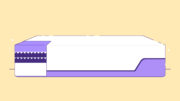

- I Tested 50+ Mattresses to Find the 14 Best Mattresses for Multiple Sclerosis of 2026

- I Tested 50+ Mattresses to Find the 14 Best Mattresses for Menopause of 2026

- I Tested 50+ Mattresses to Find the 14 Best Mattresses for Piriformis Syndrome of 2026