I Tested 50+ Mattresses to Find the 12 Best Mattresses Comparable to Stearns and Foster of 2026

Top Recommendation of 2026: Amerisleep AS6 Black Series
After testing 50+ mattresses for this guide, the Amerisleep AS6 Black Series earned our pick as the best mattress comparable to Stearns and Foster of 2026 because it paired the coolest-feeling surface on the page with balanced support across sleeping positions, at a fraction of the luxury-brand price. During testing, the cover felt cool to the touch on first contact and did not warm up as quickly as the denser all-foam beds I compared through the first hours, and when my partner rolled over, movement on my side barely registered. Lying on my back, my hips stayed level with my shoulders without excessive sinkage, and the surface responded quickly when I changed positions instead of holding me in place.
The AS6 suits hot sleepers who want a cooler-feeling surface, couples who need strong motion isolation, and side and back sleepers choosing among the three firmness options to match their position. Its cooler-sleeping surface, steady support, and easy repositioning are what made it the top overall recommendation in this guide.

Every mattress featured on Sleep Junkie is evaluated using the same testing framework for support, pressure relief, cooling, motion isolation, edge support, responsiveness, and overall value. Learn How We Test Mattresses.
- Best Mattress Overall: Amerisleep AS6 Black Series
- Best Purple Alternative: FORM Prime X
- Best Luxury Mattress: Zoma Boost
- Best Budget-Friendly Mattress: Vaya Hybrid
- Best Mattress for Side Sleepers: Helix Midnight Luxe
- Best Innerspring Mattress: Saatva Classic
- Best Pillow Top Mattress: Nolah Evolution
- Best Latex Mattress: Organica (Plush) by Amerisleep
- Best Organic Mattress: PlushBeds Signature Bliss
- Best Hotel Mattress: Westin Heavenly Bed
- Best Soft Mattress: Amerisleep AS5 Hybrid
- Best Mattress For Couples: Nest Bedding Sparrow
The best mattress comparable to Stearns and Foster is the Amerisleep AS6 Black Series, our top pick after testing 50+ mattresses across support, pressure relief, cooling, motion isolation, edge support, responsiveness, and value. This guide ranks 12 alternatives to luxury brands like Stearns and Foster, which often run $3,000 to $7,000, and matches each one to a specific sleeper by position, firmness preference, temperature needs, and budget. Below, every pick is scored on the same seven-part testing framework so you can compare them directly.
If you have shopped for a luxury mattress lately, you have seen the problem: brands like Stearns & Foster often run $3,000 to $7,000, while the budget end of the market can feel like a gamble. The good news is that the gap between those two extremes has narrowed. Several direct-to-consumer brands now build comparable hybrids and innersprings, with longer trials and free shipping, for a fraction of the price.
For this guide I focused on the things that actually show up in testing: support, pressure relief, cooling, motion isolation, edge support, responsiveness, and value. Each pick below is matched to a specific sleeper by position, firmness preference, temperature needs, and budget, so you can find the closest fit to what you liked about a luxury bed without the luxury price.
Here is how the 12 alternatives compared.


Watch Our Amerisleep AS6 Black Series Video Review
When you’re looking for a luxury mattress that won’t cost you $5,000 or more, the Amerisleep AS6 Black Series stands out as our top pick.
This mattress gives you many of the same high-end features you’d get from Stearns & Foster, but at a much more reasonable price and with some serious improvements.
The AS6 feels like a luxury hotel mattress, but it’s designed for your home. It comes in three different firmness levels, so whether you sleep on your side, back, or stomach, there’s probably an option that will work for you.
But it isn’t just that the AS6 costs less than premium brands. It’s that Amerisleep has focused on fixing the biggest problems people have with traditional luxury mattresses.
You know how memory foam mattresses can make you feel hot and trapped? The AS6 solves that. Worried about getting stuck with a mattress you don’t like? They give you 100 nights to try it out, not just 90 like Stearns & Foster.
Plus, it’s made right here in America and comes with a 20-year warranty, which is twice as long as most competitors.
- 9 Value
- 9 Edge Support
- 9 Trial Period
- 9 Response Time
- 10 Motion Transfer
- 10 Cooling & Breathability
I chose the AS6 as the best overall Stearns and Foster alternative because it delivered the coolest-feeling surface on the page without giving up support, and it does it at roughly $2,600 for a queen instead of the $4,000 to $6,000 range of comparable luxury models. During testing, the cover felt cool to the touch on first contact and did not warm up as quickly as the denser all-foam beds I compared through the first hours, which helps two hot sleepers sharing a queen or king. When my partner rolled over, movement on my side barely registered, so a light sleeper is less likely to wake. On my back, my hips stayed level with my shoulders without sinking too far, and the surface bounced back quickly when I changed positions rather than holding me in place.
Best For:
- Hot sleepers who want a cooler-feeling surface
- Couples who need strong motion isolation
- Side and back sleepers matching one of the three firmness options to their position
Compare Instead:
- Zoma Boost if you want a similar cooling build but prefer a single medium feel over choosing a firmness
- Saatva Classic if you want a coil-forward, bouncier surface instead of a memory-foam feel
- Amerisleep Organica Plush if you prefer natural latex and organic materials over memory foam
When I first lie down, the surface feels cool to the touch and there is immediate pressure relief at my hips and shoulders. I do not sink in dramatically the way I do on a traditional memory foam bed. It feels substantial and well made rather than soft or cheap.
As a side sleeper, I get pressure relief at my hips and shoulders without the mattress feeling too soft overall. My spine stays aligned while the pressure points stay cushioned, and the cooler surface helps since I tend to warm up against the mattress.
On my back, I get steady support through my lower back with some contouring around the natural curve of my spine. It does not feel too soft or too firm. It sits in that middle zone, and the coils support me without creating pressure points.
Stomach sleeping is the hardest position for any mattress, but the AS6 handles it well in the firmer options. I do not sink in too far, which keeps my hips in line with my shoulders. A dedicated stomach sleeper should choose the firmest option.
One thing I notice right away is how responsive the AS6 feels compared to traditional memory foam. When I change positions, it adjusts quickly rather than slowly reforming, so I never get that stuck feeling.
I sleep cooler on the AS6 than on my previous mattress. A very hot sleeper may still warm up, but the surface stayed cool to the touch on first contact and did not warm up as quickly through the first hours as the denser foam beds I compared.
When I share the bed, motion isolation is a standout. When one of us rolls over or gets up, the other side barely registers it, thanks to the wrapped coils and the way the foam absorbs movement.
The AS6 does not need much breaking in. It felt comfortable from the first night, though it softened slightly over the first few weeks as the materials settled, which is normal and did not affect the support.
The CryoCool cover is the reason the surface felt cool to the touch the moment I lay down, drawing heat off faster than the standard covers on the beds I compared. Under it, the TitanAir layer and the ArcticWave bands are what kept the surface from warming up as quickly through the first hours, so the cooling I noticed in testing came from the build, not marketing. The Bio-Pur comfort foam is open-cell, which is why it cushioned my hips and shoulders while still letting air move instead of trapping it. The Affinity transition foam kept my lower back from sinking too far, holding my spine in line, and the pocketed coil core added the airflow and the quick response that made repositioning easy.
Pros:
- Cooling and Breathability (10/10): the cover felt cool to the touch on first contact and did not warm up as fast as the denser foam beds I compared
- Motion Transfer (10/10): partner movement barely registered during testing
- Three firmness options let side, back, and stomach sleepers match their position
Cons:
- Response Time and Edge Support (9/10): strong, but the perimeter compressed slightly more than the coil-forward Saatva Classic on this page
- Memory-foam feel: if you prefer natural latex, the Amerisleep Organica Plush is the better on-page fit
- Heavier build is harder to move and rotate
Why The Amerisleep AS6 Black Series Won
Among the 50+ Stearns and Foster alternatives I tested, the AS6 earned the top spot for pairing the coolest-feeling surface on the page with balanced support and strong motion isolation across positions. It felt cool to the touch on first contact, held my hips level with my shoulders on my back, and let me reposition without a stuck feeling. For hot sleepers and couples who want a cooler surface with a choice of firmness, it was the standout overall pick.
Watch Our FORM Prime X Video Review
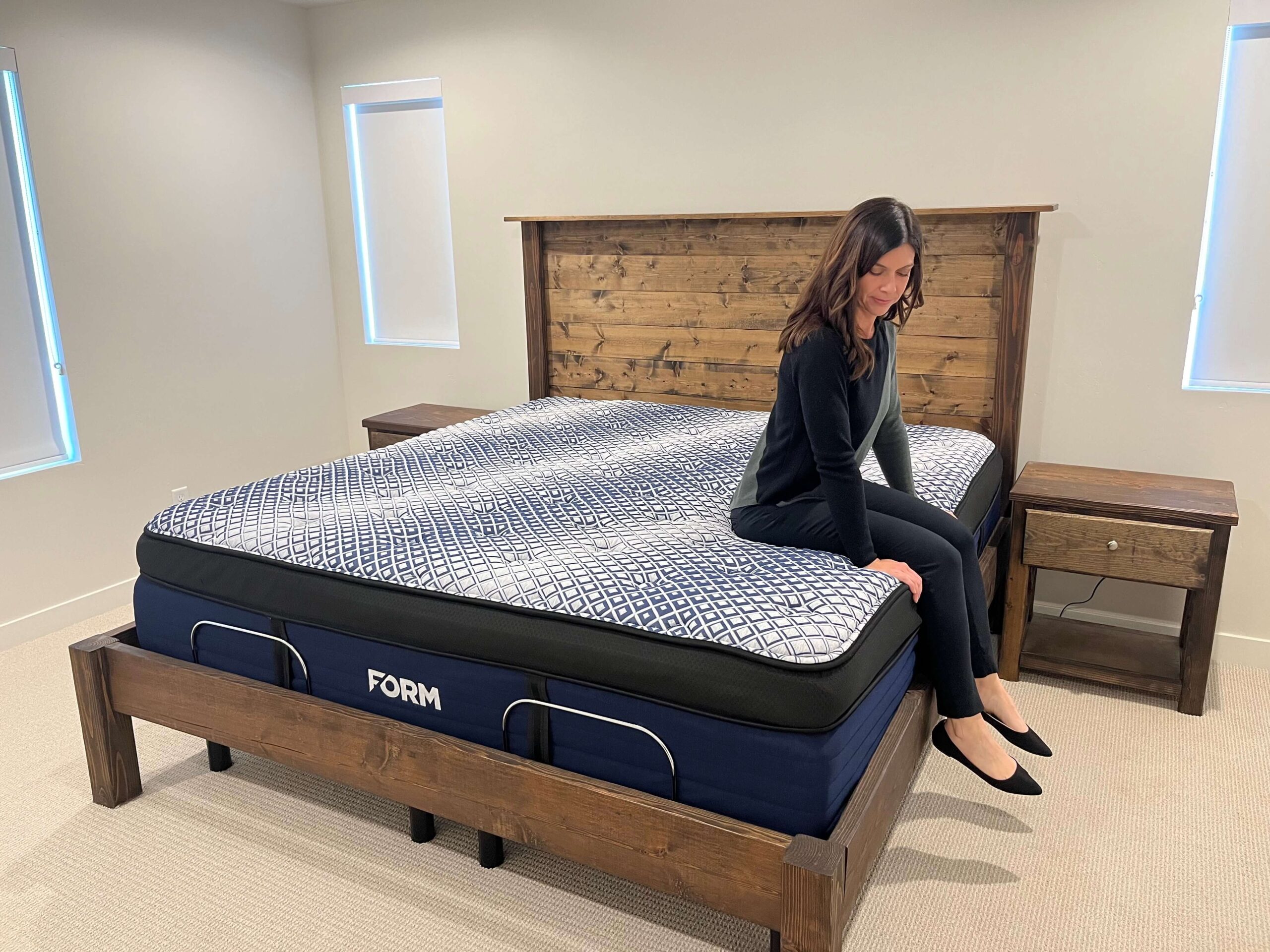
When you are spending serious money on a mattress, the construction has to justify it, and the FORM Prime X does. At 15 inches with six distinct layers, including Talalay latex, a titanium-infused pressure relief foam, and a two-inch AeroWeave Euro-top cover, it is built to a standard that Stearns & Foster charges $4,000 to $7,000 to match, and in several measurable categories it outperformed those models in my testing.
In testing, it earned perfect scores for responsiveness, motion isolation, and edge support at the same time. No other mattress I have tested has done all three together.
The most direct comparison is the Purple Restore Premier Hybrid, the luxury hybrid positioned at the same tier. The Prime X is priced lower, includes three construction elements the Purple does not, namely Talalay latex, titanium-infused foam, and a Euro-top cover, and comes with a 365-night trial versus Purple’s 100 nights. Returns on the Prime X are free, while Purple has reported fees of $150 to $350. At this tier, policies matter as much as materials, and the Prime X wins on both.
When I shifted positions, the mattress was already ready for the new one. There was no lag, no slow contour releasing me, no sense of pushing against the surface to move. For combination sleepers and anyone who has found luxury foam beds too slow or too enveloping, that responsiveness is the headline.
Cooling is the other place the Prime X outperforms its price tier’s reputation. Thick, plush mattresses tend to trap heat, but the Prime X avoids it through construction rather than marketing. The GelGrid open-channel layer beneath the Talalay latex keeps air moving through the core, and the latex itself is breathable by structure, so the surface did not build heat during my overnight testing.
The honest limitation is for dedicated stomach sleepers who need a very firm, unyielding surface. The shoulder zone at roughly 4 out of 10 may give more than a heavy stomach sleeper prefers. The 365-night trial exists for exactly this reason, so use it fully before deciding.
- 8 Value
- 10 Edge Support
- 10 Trial Period
- 10 Response Time
- 10 Motion Transfer
- 9 Cooling & Breathability
The FORM Prime X earned the Best Purple Alternative spot because it closes the gap between marketing and measured testing better than almost anything at this price. In testing it scored 10/10 for responsiveness, motion isolation, and edge support at the same time, which no other mattress I have tested has done together. When I pressed into the Talalay latex and released, it returned almost instantly with no memory-foam lag, so combination sleepers can change positions without fighting the surface. A mason jar set on one side barely moved during vigorous shifting on the other, which supports a couple where one partner is restless. Against the Purple Restore Premier Hybrid it sits at a lower price, adds Talalay latex, titanium-infused foam, and a Euro-top cover, and carries a 365-night trial versus Purple’s 100.
Best For:
- Combination sleepers who want fast response and no stuck feeling
- Couples who prioritize motion isolation and edge support
- Hot sleepers wanting a plush luxury hybrid that stays breathable
Compare Instead:
- Amerisleep AS6 if you want a cooler-feeling memory-foam surface and multiple firmness choices
- Nolah Evolution if you want a firmer pillow-top option for back or stomach sleeping
- Vaya Hybrid if you want a similar hybrid balance at a far lower budget
The FORM Prime X has a medium-soft feel with a zoned firmness profile. The shoulder zone registers at roughly 4 out of 10, the softest point in the entire FORM lineup.
The two-inch AeroWeave Euro-top is the first thing you feel, and it reads immediately as hotel quality: plush, quilted, and uniformly supportive from edge to edge. Beneath the cover, the Talalay latex adds a buoyant, springy quality that sets the Prime X apart from any foam-surface luxury mattress. When I pressed into the surface and released, the latex returned almost instantly, with no slow recovery and no sense of being held in place. Position changes felt frictionless.
Side sleeping is where the Prime X performed most precisely for me. The shoulder zone sank just enough to keep my spine in a lateral line, while the lumbar zone below held firmer, so I did not wake with the shoulder soreness or hip pressure that builds on a bed that does not zone its response.
For couples, motion isolation was the other standout. A mason jar placed on one side barely moved during vigorous rolling and shifting on the other, and in shared overnight testing, partner movement was barely perceptible.
The cooling is genuine rather than marketed. The GelGrid open-channel architecture keeps air moving through the core and the Talalay latex is breathable by structure, so the surface did not build heat during overnight testing, even on warmer nights.
The two-inch AeroWeave Euro-top is sewn into the body, which is why the plush surface stayed uniform edge to edge and did not bunch during testing. The Talalay latex beneath it is what gave the near-instant rebound I felt when changing positions, and its open-cell structure is why the surface stayed breathable rather than heat-trapping. The GelGrid layer with Integra-Mesh reinforcement flexes at each pressure point while resisting the lateral wobble common to grid beds, which is the structural reason motion isolation tested so high. The ZoneCoil 7-Series yields at the shoulder and firms through the lumbar, which is why my spine stayed in line on my side, and the reinforced perimeter coils are why edge support held firm under a plush top. Foams are CertiPUR-US certified and tested for low VOC emissions; the bed also holds GREENGUARD Gold and OEKO-TEX Standard 100.
Pros:
- Responsiveness (10/10): the Talalay latex returned almost instantly with no memory-foam lag when I changed positions
- Motion Isolation (10/10): a mason jar on one side barely moved during vigorous shifting on the other
- Edge Support (10/10): the reinforced perimeter stayed firm when I sat and slept near the edge
Cons:
- Premium price: costs more than the budget hybrids here; consider the Vaya Hybrid for a similar balance at a lower cost
- The grid-and-latex feel is distinctive; if you want traditional memory-foam contouring, the Amerisleep AS6 is the better on-page fit
- Plush luxury build; dedicated firm-surface sleepers should consider the Nolah Evolution firm option
The FORM Prime X is the most complete luxury hybrid I have tested, and the policies back the product. The 365-night trial is more than three times longer than Stearns & Foster’s, the lifetime warranty outlasts their 10-year coverage, and the white glove delivery and free returns remove the hassle that traditional luxury brands still build into the process. If you are shopping at this tier, the Prime X earns the comparison.
Watch Our Zoma Boost Video Review
If you want the feel and features of a high-end luxury mattress with modern cooling technology, the Zoma Boost deserves your attention. It is not just another expensive mattress with fancy marketing.
What sets the Zoma Boost apart from a traditional luxury bed like Stearns & Foster is its focus on a cooler-sleeping, responsive surface. Where many luxury brands rely on older materials, Zoma builds around graphite-infused memory foam and a zoned support layer that cushions pressure points while keeping the bed responsive.
The Zoma Boost costs significantly less than comparable Stearns & Foster models while delivering a cooler-feeling surface and a bouncier hybrid feel. You get the luxury feel you are looking for, plus a 100-night trial and a 10-year warranty so you can try it at home.
- 10 Value
- 10 Edge Support
- 9 Trial Period
- 9 Response Time
- 10 Motion Transfer
- 9 Cooling & Breathability
I picked the Zoma Boost as the best luxury Stearns and Foster alternative because it pairs a cooler-feeling graphite foam surface with a responsive, bouncy hybrid feel for less than comparable luxury models. During testing, the graphite-infused top layer felt cool to the touch on first contact and did not warm up as quickly as the denser all-foam beds I compared through the first hours, which helps a warm sleeper. The contouring cushioned my hips and shoulders without the slow, sinking quicksand feel, and when I changed positions the surface bounced back quickly instead of holding me in place. When my testing partner got up, movement on my side barely registered, which supports couples on a shared queen or king.
Best For:
- Hot sleepers who want a cooler-feeling memory-foam surface
- Side and combination sleepers who want contouring with quick response
- Couples who need strong motion isolation
Compare Instead:
- Amerisleep AS6 if you want the same cooling focus with a choice of three firmness levels
- Saatva Classic if you prefer a coil-forward, bouncier innerspring feel
- Vaya Hybrid if you want a comparable medium hybrid at a much lower price
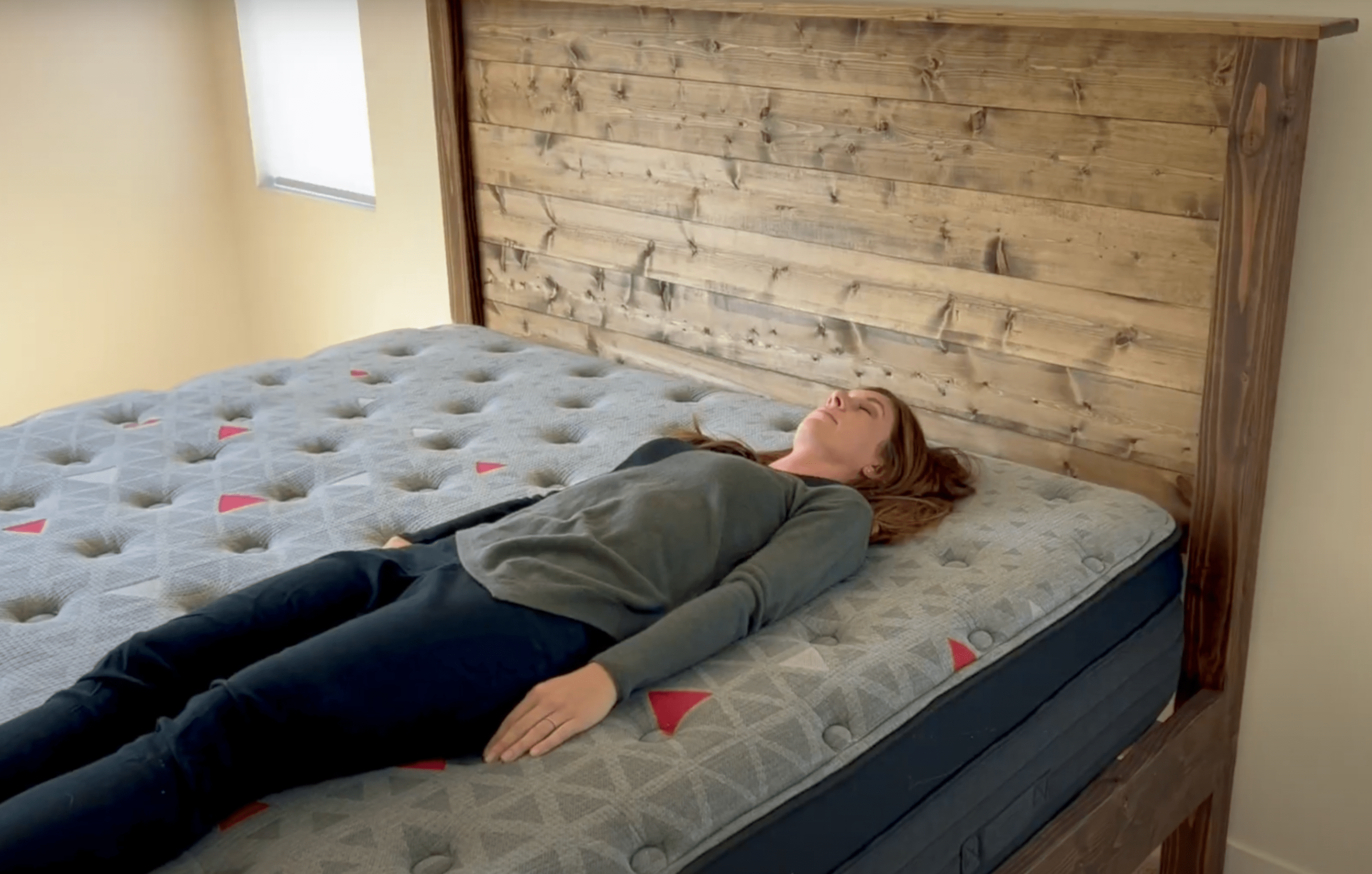
The Zoma Boost has a premium, substantial feel with a noticeable cooling sensation from the graphite-infused foam that reads as refreshing rather than cold.
The memory foam layers cushioned my hips and shoulders without the sinking-into-quicksand feeling. The contouring is gentle but the surface stays responsive, so I could move easily rather than feeling held in place.
The graphite foam felt cool to the touch when I first lay down, and it did not warm up as quickly as the plain memory-foam beds I compared through the first hours, even though I usually sleep warm. As a side sleeper, that mattered, since side sleeping puts more of me against the surface.
Pressure relief on my side was strong, and I did not get the stiffness I sometimes feel on firmer beds. When I needed to change positions, the surface adapted quickly rather than slowly reforming, so I never felt trapped.
Motion isolation was excellent. When my testing partner moved or got up, I rarely felt it on my side, thanks to the wrapped coils and foam layers working together.
The edges felt solid enough to sit on and to use the full surface, and the overall construction felt built to hold its comfort and support over time.
The graphite-infused memory foam top is what made the surface feel cool to the touch and kept it from warming up as fast as the plain memory-foam beds I compared, while still cushioning my hips and shoulders. The quilted gel foam below it added to that early-hours cooling and gave the surface its plush entry feel. The Reactiv transition foam is the layer that kept me from sinking too deep and let the bed bounce back quickly when I moved, so I never felt stuck. The pocketed coil core added the airflow that supported the cooling result and the independent support that kept partner movement from carrying across the bed. Foams are CertiPUR-US certified and tested for low VOC emissions, and the build is fiberglass-free.
Pros:
- Cooling and Breathability (9/10): the graphite foam felt cool to the touch and did not warm up as quickly as plain memory-foam beds through the first hours
- Motion Transfer (10/10): testing-partner movement barely reached my side
- Edge Support (10/10): the perimeter stayed firm enough to sit and sleep near the edge
Cons:
- Single medium feel: dedicated firm-surface sleepers may prefer the AS6 firm option on this page
- Memory-foam feel: if you want a coil-forward bounce, consider the Saatva Classic
- Trial Period (9/10): 100 nights trails the 365-night trials from FORM and Saatva here
The graphite foam felt cool to the touch when I first lay down and did not warm up as fast as the plain memory-foam beds I compared through the first hours, even on warmer nights. It cushioned my hips and shoulders while bouncing back quickly when I moved. It is the pick for hot sleepers who want a cooler memory-foam surface with a responsive feel.

Watch Our Vaya Hybrid Video Review
When you want the comfort and support of a luxury mattress but your budget is closer to $800 than $5,000, the Vaya Hybrid deserves serious consideration. It proves you do not have to spend a fortune to sleep well.
What makes the Vaya Hybrid stand out is not a low price alone. It is that the company focused on the fundamentals that matter for sleep: pocketed coils for support and bounce, pressure-relieving open-cell foam for comfort, and enough airflow to keep the surface breathable.
At around $800 for a queen, the Vaya costs less than many people spend on a phone, but it is built to give comfortable sleep for years. Vaya backs it with a 100-night trial and a 10-year warranty, so you can try it at home.
- 10 Value
- 10 Edge Support
- 9 Trial Period
- 10 Response Time
- 7 Motion Transfer
- 9 Cooling & Breathability
I chose the Vaya Hybrid as the best budget Stearns and Foster alternative because it covers the fundamentals, support, pressure relief, and airflow, at around $800 for a queen with no surprise fees. During testing, the surface gave immediate pressure relief at my hips and shoulders without letting me sink in and feel stuck, and the coil-and-open-cell-foam build let air move so I did not build up the heat I have felt on denser all-foam beds. The pocketed coils made repositioning easy and added enough bounce to get in and out of bed without effort. Motion isolation held up better than I expected at this price, though the perimeter is softer than the premium hybrids here.
Best For:
- Budget shoppers who still want a hybrid feel
- Back and side sleepers who want balanced medium support
- Hot sleepers on a tight budget
Compare Instead:
- Amerisleep AS6 if cooling and multiple firmness options matter more than price
- Saatva Classic if you want stronger edge support and a coil-on-coil build
- Zoma Boost if you want a more premium graphite-cooling surface
The surface feels welcoming and supportive without being too soft or too firm. There is immediate pressure relief at my hips and shoulders, but I do not sink in so far that I feel stuck. The balanced feel works across sleeping positions.
One thing that stood out is how breathable the mattress felt. The open-cell foam and the airflow from the coil system meant I did not warm up the way I have on some denser memory foam beds, and the lightweight cover helped.
As a side sleeper, the Vaya Comfort Foam cushioned my pressure points without letting me sink in too deeply. My spine stayed aligned and I did not get the shoulder tightness I sometimes feel on firmer beds. The breathability helped since I tend to sleep warm on my side.
On my back, the mattress supported my lower back while contouring slightly to my body’s curves. The pocketed coils give it a responsive feel, so changing positions was easy and I did not feel like I was sinking into quicksand.
Stomach sleeping worked reasonably well, though dedicated stomach sleepers may want something firmer. The mattress kept my hips from sinking too far while the comfort layer still cushioned my chest and pelvis.
Motion isolation was good for a hybrid at this price. When my partner moved or got up, I did not feel much on my side, thanks to the wrapped coils. The edges felt reasonably supportive, though not as firm as the premium hybrids here. I could sit on the edge to put on shoes without feeling like I would roll off.
The thin, breathable cover is intentionally simple, which is part of why air moved freely and the surface did not build heat the way plusher covers can. The quilted cotton just beneath adds surface softness without blocking that airflow. The Vaya Comfort Foam is open-cell, which is why it contoured to my hips and shoulders for pressure relief while still letting heat escape rather than trapping it. The pocketed coils are what gave the bed its responsive, easy-to-reposition feel and kept most partner movement from carrying across to my side, and the airflow through the coil layer supported the cooler feel. The dense base foam under the coils steadies the perimeter, though edge support here is softer than the premium hybrids on this page. Foams are CertiPUR-US certified and tested for low VOC emissions.
Pros:
- Value (10/10): a balanced hybrid feel and CertiPUR-US certified foams for around $800 a queen
- Response Time (10/10): the coils made repositioning easy with no stuck feeling
- Pressure relief at the hips and shoulders without the sunk-in feel on my side during testing
Cons:
- Motion Transfer (7/10): lowest on the page; a restless partner is more noticeable than on the AS6 or Zoma Boost
- Edge Support: the perimeter is softer than the premium hybrids here; consider the Saatva Classic if edge support is a priority
- Thin cover: the coils can be felt near the sides
The surface gave immediate pressure relief at my hips and shoulders without letting me sink in and feel stuck, and the coil-and-open-cell-foam build let air move so I did not warm up the way I have on denser foam beds. The coils made repositioning easy. It is the pick for budget shoppers who still want a balanced hybrid feel.

Watch Our Helix Midnight Luxe Video Review
Finding a mattress that truly understands the unique needs of side sleepers isn’t easy. Most mattresses are designed as one-size-fits-all solutions that don’t address the specific pressure points and alignment challenges that come with sleeping on your side.
The Helix Midnight Luxe changes that completely by being engineered specifically for side sleepers based on actual sleep science research and thousands of customer sleep preferences.
What sets the Helix Midnight Luxe apart is that it’s not just another soft mattress marketed to side sleepers. It’s the result of extensive research into what side sleepers actually need for restorative sleep.
And I can’t forget that the Midnight Luxe costs significantly less than comparable Stearns & Foster models while offering cutting-edge sleep technology designed specifically for side sleepers.
You get a 100-night trial to test how well it works for your specific needs, plus upgrade options like GlacioTex cooling technology and ErgoAlign lumbar support that can be customized to your preferences.
- 7 Value
- 10 Edge Support
- 9 Trial Period
- 9 Response Time
- 10 Motion Transfer
- 9 Cooling & Breathability
I picked the Midnight Luxe as the best pick for side sleepers because its softer comfort layer cradled my shoulders and hips while the zoned coils held my midsection steady. During testing on my side, the surface let my shoulder and hip settle in for pressure relief while keeping my spine in a straight lateral line, so I did not wake with the shoulder soreness I get on firmer beds. With the GlacioTex cover upgrade, the surface felt cool to the touch on first contact. When my partner moved, movement on my side barely registered, which matters for side sleepers, who tend to be more motion-sensitive. It ships in a single medium feel, with optional cooling and lumbar upgrades rather than firmness choices.
Best For:
- Side sleepers who want shoulder and hip pressure relief
- Combination sleepers who want a balanced medium feel
- Couples sensitive to partner movement
Compare Instead:
- Amerisleep AS6 if you want a firmer option and a cooler-feeling stock surface without paying for upgrades
- Nolah Evolution if you want a plusher pillow-top with a firm option for back sleeping
- Saatva Classic if you prefer a bouncier coil feel to memory foam
Stretching out on the bed, there is immediate relief at my pressure points. The Supreme Support 4.0 memory foam cradled my shoulders and hips and took away the pressure buildup I often feel on firmer beds. It feels designed for how my body contacts the surface when side sleeping.
The medium firmness strikes a good balance for side sleeping. It is soft enough to let my hips and shoulders settle in for pressure relief, but firm enough to keep my spine aligned laterally. The zoned coil system holds firmer at my midsection while contouring at my pressure points, so I woke without the lower-back stiffness I sometimes get on beds that do not zone for side sleepers.
With the GlacioTex cover upgrade, the surface felt cool to the touch when I first got in and did not warm up as quickly as the denser beds I compared through the first hours. Since side sleeping puts more of me against the surface, that mattered more here than on a back-sleeping bed.
The wrapped coils and memory foam kept motion transfer low. When my partner moved or got up, I rarely felt it on my side, which matters for side sleepers, who tend to be more motion-sensitive.
The Supreme Support foam gave noticeable cushioning at my hips and shoulders. On firmer beds I sometimes wake with numbness in my arm from the pressure, but the shoulder cushioning here kept that pressure off during testing.
With the ErgoAlign upgrade, I noticed extra support through my lower back that helped keep the natural curve of my spine while side sleeping, so my lower back did not feel unsupported the way it can when a side-sleeping surface is too soft under the waist.
Despite the memory foam, the mattress felt responsive when I changed positions. The foam-and-coil combination gave pressure relief without the stuck feeling. Over extended testing, the pressure relief and support held up.
The optional GlacioTex cover is what made the surface feel cool to the touch on first contact; the standard TENCEL cover reads smooth and breathable but without that cool hit. The Supreme Support 4.0 memory foam is the layer that cradled my shoulders and hips for pressure relief on my side while staying responsive enough that I did not feel stuck. The zoned coil system firms through the midsection and softens at the head and foot, which is why my spine stayed aligned laterally rather than bowing. Each coil is individually wrapped, which is the structural reason partner movement barely reached my side. The high-density base keeps the coil system stable and even. Foams are CertiPUR-US certified; the bed is assembled in Arizona.
Pros:
- Motion Transfer (10/10): partner movement barely registered, which matters for motion-sensitive side sleepers
- Pressure relief: the softer comfort layer cushioned my shoulders and hips while the zoned coils kept my spine aligned on my side
- Cooling and Breathability (9/10): with the cover upgrade the surface felt cool to the touch on first contact
Cons:
- Value (7/10): the lowest value score on the page, and the cooling and lumbar upgrades add cost
- Single medium feel: dedicated firm sleepers may prefer the AS6 firm option here
- Best suited to side and combination sleepers; dedicated stomach sleepers should consider the Saatva Classic firm
On my side, the softer comfort layer let my shoulder and hip settle in for pressure relief while the zoned coils kept my spine in a straight line, so I woke without the shoulder soreness firmer beds give me. With the cooling cover upgrade it felt cool to the touch on first contact. It is the pick I would point a side sleeper to who wants pressure relief without losing support.
Watch Our Saatva Classic Video Review
If you love the traditional feel of a luxury innerspring mattress but don’t want to pay Stearns & Foster prices, the Saatva Classic is exactly what you’re looking for.
This mattress captures everything people love about high-end hotel beds. That is, the bounce, the support, the luxurious feel. But delivers it for thousands less than what you’d pay at a traditional mattress store.
You’re not getting a cheaper version. No, you’re getting the same luxury materials and superior construction, just without the expensive retail markups.
The Saatva Classic proves that “old school” doesn’t mean outdated. While many companies have moved to all-foam or hybrid designs, Saatva has perfected the classic innerspring construction that has helped people sleep comfortably for over a century.
They’ve just made it better with modern materials, eco-friendly processes, and smart design features that solve the problems traditional innerspring mattresses used to have.
Plus, Saatva delivers it right to your home with white-glove service and gives you a full year to decide if you love it.
- 7 Value
- 10 Edge Support
- 10 Trial Period
- 10 Response Time
- 9 Motion Transfer
- 9 Cooling & Breathability
I chose the Saatva Classic as the best innerspring alternative because it delivers the traditional coil-on-coil bounce many luxury shoppers want, with strong edge support and three firmness choices. During testing, the Euro pillow top cushioned my hips and shoulders while the dual-coil system pushed back with steady support, giving that on-top-of-the-bed feel instead of sinking in. The coil core let air move freely, so the surface did not trap heat the way denser foam beds did. When I sat on the edge to put on shoes, the perimeter barely compressed, so couples can use the full width of the bed.
Best For:
- Back and side sleepers who want a classic coil feel with pillow-top cushioning
- Sleepers who want to pick plush soft, luxury firm, or firm
- Couples who value strong edge support
Compare Instead:
- Amerisleep AS6 or Zoma Boost if you prefer memory-foam contouring and stronger motion isolation
- Nolah Evolution if you want pillow-top plushness with zoned foam rather than a coil-forward feel
- PlushBeds Signature Bliss if you want a natural, organic build in this tier
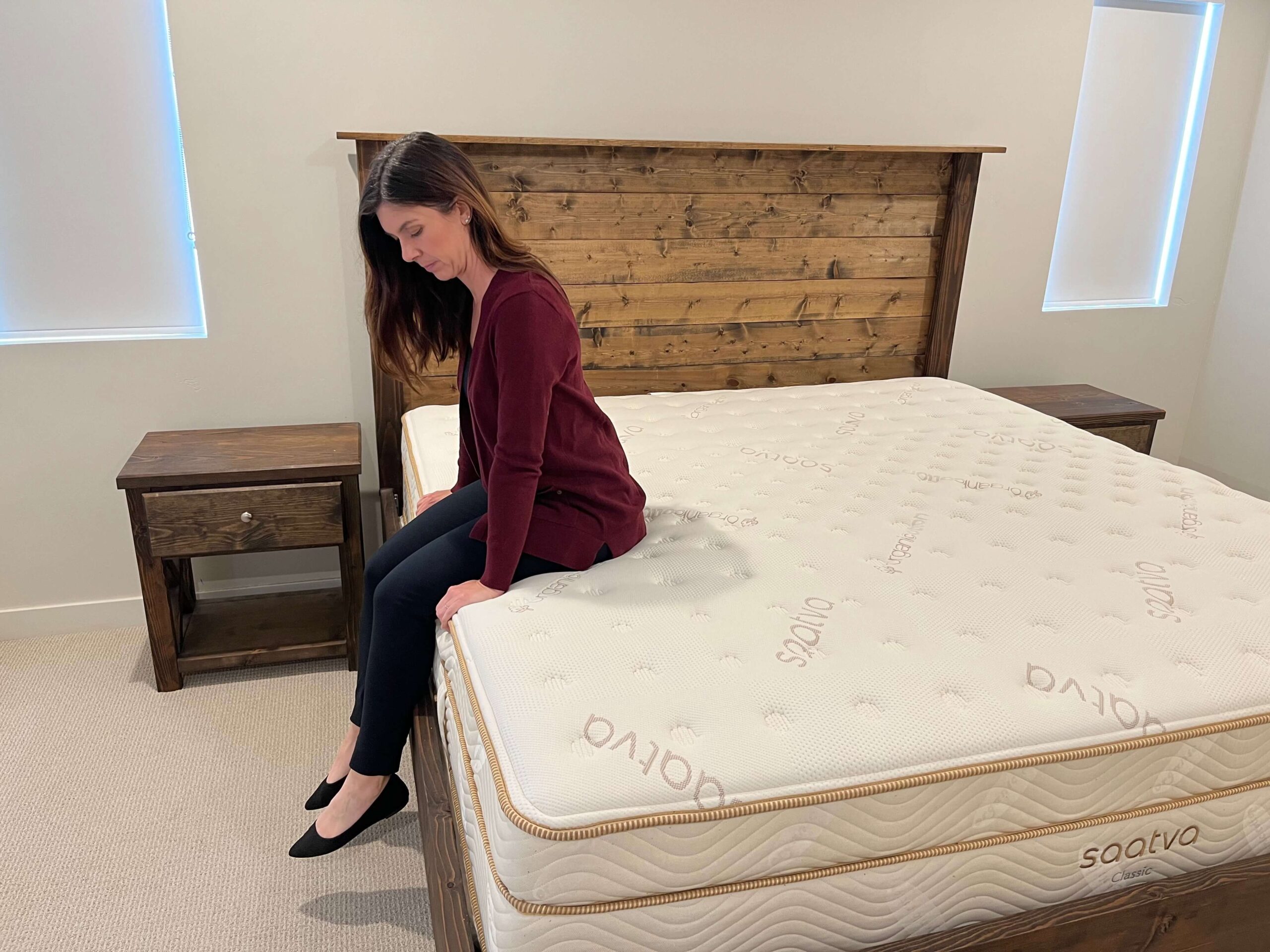
My first impression of the Saatva Classic is that it feels like a luxury hotel bed: substantial, supportive, and immediately comfortable. There is a satisfying bounce from the quality coils, combined with the plush cushioning of the Euro pillow top.
The mattress has that traditional on-top-of-the-bed feel rather than the sinking-in sensation of memory foam. I can feel the responsive support of the coils, but the pillow top cushions pressure points so they do not become uncomfortable. When I change positions, it adjusts and bounces back quickly.
As a side sleeper, the plush soft version cushioned my hips and shoulders while the Lumbar Zone reinforcement kept my spine aligned, so I did not wake with the shoulder tightness I sometimes feel on firmer beds.
On my back, the luxury firm option felt right. It supported the natural curve of my lower back while gently contouring at my shoulders and legs, and the dual-coil system spread support evenly without pressure points.
The firm version worked well for stomach sleeping, keeping my hips from sinking too far while still offering some surface give. The responsive coils made it easy to change positions.
One of the biggest advantages over memory foam is airflow. The coil system let air move freely and the organic cotton cover is breathable, so the surface did not warm up the way denser foam beds do.
Motion isolation is good for an innerspring thanks to the wrapped coils. When my partner moved or got up, I felt much less than I would on a traditional innerspring, though it is not as isolating as memory foam.
Edge support is a real strength. I could sit on the side to put on shoes without sliding off, and use the full surface without feeling like I would roll off. The responsive coils make it easy to change positions or get out of bed without the stuck feeling memory foam can create.
The organic cotton cover and 3-inch Euro pillow top are what cushioned my hips and shoulders on first contact, and the cover’s breathability is part of why the surface did not warm up the way denser foam beds do. The built-in Lumbar Zone reinforcement in the center third is what kept my lower back supported and my spine in line across positions. The upper pocketed coils gave the responsive, bounce-back feel I noticed when changing positions and reduced how much partner movement carried across. The memory-foam layer between the two coil banks smoothed the transition so no single spring stood out. The firmer lower coils are the stable base that resisted sagging, and the reinforced perimeter coils are why I could sit on the edge without rolling off. The flame barrier is natural thistle pulp rather than chemical retardants.
Pros:
- Edge Support: the perimeter barely compressed when I sat to put on shoes, so couples can use the full width of the bed
- Pressure relief with support: the Euro pillow top cushioned my hips and shoulders while the dual coils pushed back, giving an on-top-of-the-bed feel
- Three firmness choices (plush soft, luxury firm, firm) let you match the feel to your position
- Fiberglass-free with a natural thistle-pulp flame barrier
Cons:
- Motion Transfer (9/10): good for a coil bed, but the memory-foam picks like the AS6 isolate partner movement more
- Coil-forward, bouncier feel; if you want deep memory-foam contouring, consider the AS6 or Zoma Boost
- Not a natural latex build; if you want organic materials, consider the PlushBeds Signature Bliss
On my side, the Euro pillow top cushioned my hips and shoulders while the dual coils held steady support underneath, giving that on-top-of-the-bed feel rather than sinking in. The coil core let air move, so the surface did not warm up the way denser foam beds do. It is the pick for back and side sleepers who want a classic coil feel with a choice of firmness.
Watch Our Nolah Evolution Video Review
When you want the plush comfort of a traditional pillow top mattress but with modern engineering behind it, the Nolah Evolution is a strong option. It is not one of those old-school pillow tops that feels great in the store but starts sagging after a few months. It is a reimagined pillow top that pairs plush comfort with real support.
The Evolution uses zoned support, a breathable gusseted design, and high-density materials built to hold their shape over time, which addresses the usual pillow-top problems: sleeping hot, sagging, or losing support as the top layer shifts.
It delivers luxury pillow-top comfort at a fraction of what you would pay for a comparable Stearns & Foster model, and the design has been recognized by Forbes, Time, and the Sleep Foundation. The tri-zone coil system and the optional cooling pillow-top upgrade round it out.
- 10 Value
- 10 Edge Support
- 9 Trial Period
- 9 Response Time
- 10 Motion Transfer
- 9 Cooling & Breathability
I picked the Nolah Evolution as the best pillow top because it delivers plush surface comfort without the instability older pillow tops develop. During testing, my shoulders settled into the perforated zones for pressure relief while my lower back met firmer support, so my spine stayed aligned on my side and back. The gusseted perimeter let me feel heat moving out rather than building up around my shoulders. When I sat on the edge, the reinforced coils kept the perimeter stable rather than collapsing under the plush top, and partner movement barely registered on the other side. Three firmness options let you match plush, luxury firm, or firm to your position.
Best For:
- Side sleepers who want plush pressure relief with real support
- Combination sleepers who want a balanced luxury-firm feel
- Couples who want pillow-top comfort with strong edge support
Compare Instead:
- Amerisleep AS6 if you want a cooler-feeling surface and firmer stomach-sleep support
- Helix Midnight Luxe if you want a side-sleeper-specific medium build
- PlushBeds Signature Bliss if you want an organic pillow-top instead of engineered foam
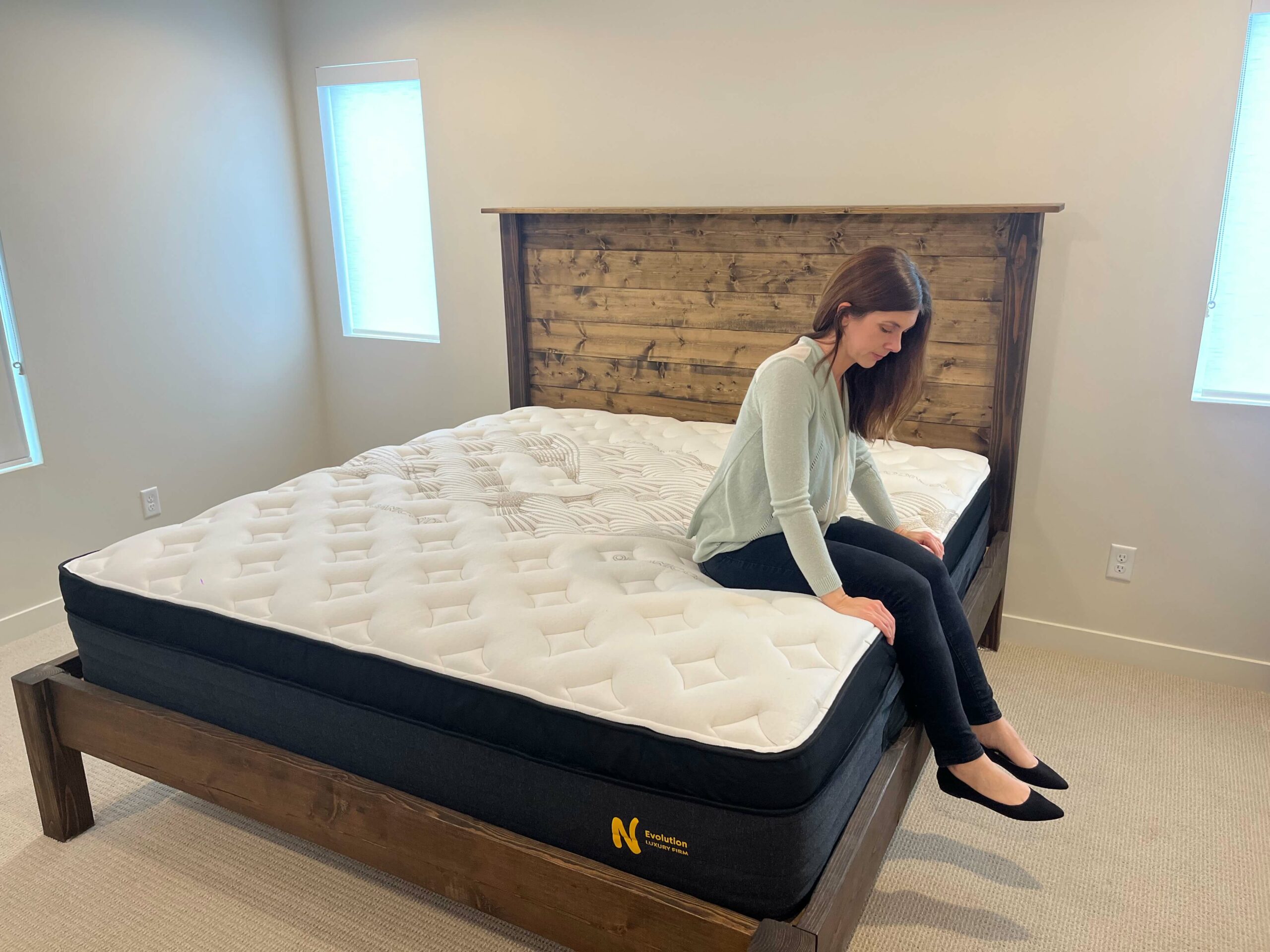
Lying down, there’s that immediate pillow top sensation of sinking into plush comfort.
The quilted foam layer provides gentle cushioning that feels welcoming and expensive.
But unlike traditional pillow tops, it doesn’t feel unstable or disconnected from the mattress below. There’s a sense of quality and structure that’s immediately apparent.
The zoned AirFoam technology creates a unique sleeping experience where different parts of my body get exactly the right amount of support.
My shoulders sink into the perforated zones for pressure relief, while my lower back gets firmer support that maintains proper spinal alignment. It feels like the mattress was designed specifically for my body shape.
The AirBreath gusset around the edges creates noticeable airflow, and I can actually feel heat dissipating rather than building up.
With the optional GlacioTex cooling upgrade, the surface feels actively cool to the touch rather than just temperature-neutral.
Contrary to traditional pillow tops that can feel slow to respond or create a sinking sensation, the Evolution feels responsive and supportive.
When I change positions, the mattress adjusts quickly without leaving body impressions or creating motion on my partner’s side.
The EverAdapt transition foam adds just enough bounce to make movement feel natural.
Looking at all three firmness options:
- The plush version provides cloud-like softness that’s perfect for side sleepers who want maximum pressure relief.
- The luxury firm offers a balanced feel that works for combination sleepers.
- The firm option maintains pillow top comfort while providing structured support for back and stomach sleepers.
The reinforced edge coils create excellent perimeter support that prevents the pillow top from creating weak edges.
I can sit on the side of the mattress to put on shoes without feeling unstable, and I can sleep near the edge without worrying about rolling off or losing support.
The individually wrapped coils and foam layers work together to minimize motion transfer effectively.
When my partner moves during the night, I feel very little disturbance, which is impressive for a mattress that also offers good responsiveness and bounce.
The high-density materials maintain their feel and support consistently over time. Unlike some pillow tops that can develop soft spots or lose their shape, the Evolution feels the same night after night.
The zoned support technology seems to prevent the uneven wear that can affect traditional pillow top construction.
The overall construction feels substantial and well-engineered. The 25% more coils than traditional systems creates a solid, supportive foundation, while the high-density foams feel like they’re built to last.
This is clearly a pillow top designed for long-term performance rather than just initial comfort.
The organic cotton cover and quilted foam top gave the plush entry feel, and because the quilting holds the foam in place, the surface stayed even instead of bunching like older pillow tops. The AirBreath gusset around the perimeter is what let me feel heat leaving the sides rather than building up. The zoned AirFoam is perforated at the shoulders for pressure relief and firmer at the lumbar, which is why my shoulders sank in while my lower back stayed supported. The EverAdapt transition foam added the quick response that made repositioning easy and buffered the coils below. The tri-zone 8-inch coils firm at the midsection and soften at the ends, and the thicker perimeter coils are why the edge stayed stable under the plush top. Foams are CertiPUR-US certified; the bed is GREENGUARD Gold certified for low emissions.
Pros:
- Pressure relief with support: my shoulders settled into the perforated zones while my lower back met firmer support, keeping my spine aligned on my side and back
- Edge Support: the reinforced coils kept the perimeter stable rather than collapsing under the plush top when I sat on the edge
- Three firmness options (plush, luxury firm, firm) let you match the feel to your position
- Fiberglass-free; GREENGUARD Gold certified for low emissions
Cons:
- Tall, heavy build is harder to move and rotate
- Plush pillow-top feel; dedicated firm-surface stomach sleepers should consider the Amerisleep AS6
- Engineered foam-hybrid rather than natural materials; if you want organic, consider the PlushBeds Signature Bliss
My shoulders settled into the perforated zones for pressure relief while my lower back met firmer support, so my spine stayed aligned on my side and back. The reinforced perimeter kept the edge stable under the plush top. It is the pick for side and combination sleepers who want pillow-top plushness that still supports.

Watch Our Organica Plush Video Review
You do not have to choose between comfort and conscience. If you want a luxury mattress that is good for both your body and the environment, the Amerisleep Organica Plush stands on its own.
This is not just another natural mattress with a few organic materials thrown in. It is built from certified organic and natural components, verified by OEKO-TEX Standard 100, Rainforest Alliance, and eco-INSTITUT certifications, from the organic cotton cover to the natural Talalay latex to the organic wool flame barrier.
Many people assume eco-friendly mattresses feel cheap, but the Organica Plush delivers the plush comfort you expect from a premium bed. It costs about the same as a mid-range Stearns & Foster model, and you also get Amerisleep’s 100-night trial and 20-year warranty.
- 8 Value
- 10 Edge Support
- 9 Trial Period
- 9 Response Time
- 9 Motion Transfer
- 9 Cooling & Breathability
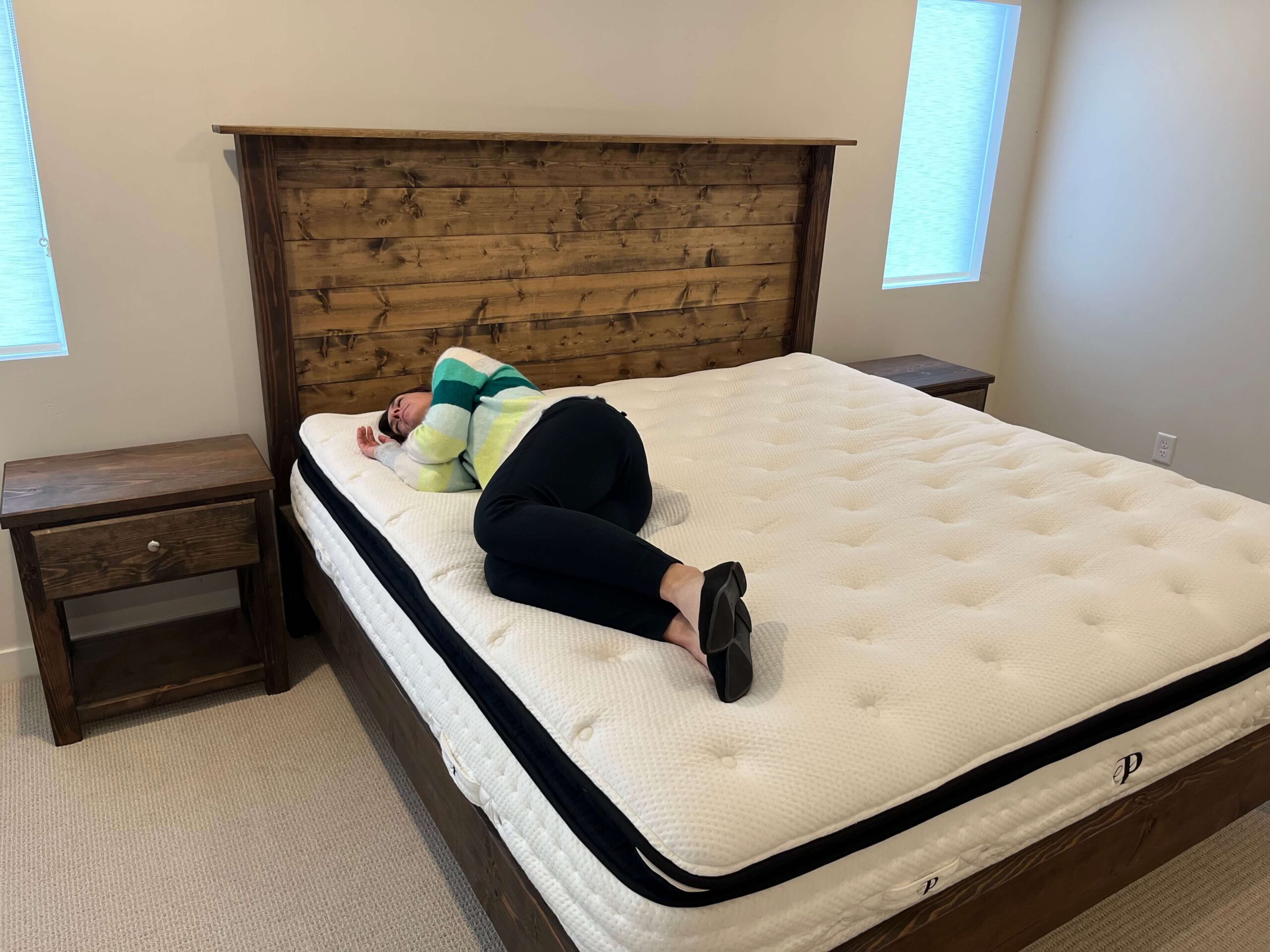
I chose the Organica Plush as the best latex alternative because its natural Talalay latex delivers a plush, buoyant feel that responds instantly instead of slowly sinking. During testing, the box top let me settle in for hip and shoulder pressure relief while the latex bounced back the moment I moved, so I never felt trapped. The latex, organic wool, and cotton build let air move well, and I did not warm up the way I have on denser synthetic beds. The natural materials made this a strong fit for sleepers who react to synthetic foams, though the latex bounce takes adjustment if you are used to memory foam.
Best For:
- Side sleepers who want a plush, natural surface
- Sleepers sensitive to synthetic foams who want organic materials
- Hot sleepers who prefer latex breathability
Compare Instead:
- PlushBeds Signature Bliss if you want a fully organic, handcrafted build with a firmer option
- Amerisleep AS6 if you prefer memory-foam contouring and active cooling
- Saatva Classic if you want a coil-forward feel with a natural cotton cover
The Organica Plush feels immediately soft and welcoming, with a substantial, premium quality and none of the chemical smell some synthetic beds have. The natural materials read clean and fresh.
The attached box top creates a very soft sleeping surface that suits side sleepers or anyone who loves a plush feel. I sank in just enough to relieve pressure at my hips and shoulders, but the support layers underneath kept me from sinking so far that my spine fell out of line. I woke without the shoulder tightness I sometimes feel on firmer beds.
The natural latex gives a sensation that is different from both memory foam and springs. Instead of slowly sinking in, the latex responded immediately, contouring to my shape while bouncing back the moment I moved, so I never felt stuck.
Breathability is a strong point. The latex, organic wool, and cotton let air move well, and I did not warm up the way I have on denser synthetic beds, even in warm weather. The wool helps regulate the surface temperature across seasons.
For sleepers who react to synthetic foams, the all-natural build made a noticeable difference for me, with none of the stuffiness I sometimes get on synthetic beds. The responsive latex also made it easy to change positions or sit on the edge without fighting the surface.
The organic cotton cover and 1-inch wool layer are what gave the surface its breathable, temperature-regulating feel, so I woke comfortable rather than clammy, and the wool doubles as a natural flame barrier. The 2-inch soft Talalay latex is the layer that cushioned my hips and shoulders while bouncing back instantly, which is why the plush feel never turned into a stuck feeling. The 1-inch firmer Talalay beneath it kept me from sinking too far into that soft top, holding my spine in line. The attached 3-inch latex box top is what made the surface feel cloud-soft on entry. The pocketed coil base added airflow and responsive support under the latex. Comfort materials carry OEKO-TEX Standard 100, Rainforest Alliance, and eco-INSTITUT certifications; the build is fiberglass-free.
Pros:
- Pressure relief with instant response: the latex box top cushioned my hips and shoulders and bounced back the moment I moved, so I never felt trapped
- Breathability: the latex, wool, and cotton let air move, so I did not warm up the way I have on denser synthetic beds
- Fiberglass-free, with OEKO-TEX Standard 100 and Rainforest Alliance certified latex
Cons:
- The latex bounce takes adjustment if you are used to memory foam; consider the Amerisleep AS6 for foam contouring
- Plush, soft feel; dedicated firm-surface sleepers should look elsewhere on this page
- Natural materials carry a higher price than the budget hybrids here
The plush latex cushioned my hips and shoulders while bouncing back the moment I moved, and even with all that softness the natural latex, wool, and cotton kept the surface breathable so I never overheated. It is the pick for side sleepers who want a plush, natural surface and for anyone sensitive to synthetic foams.
Watch Our PlushBeds Signature Bliss Video Review
When you want the craftsmanship of a premium mattress and also care about the materials touching your skin every night, the PlushBeds Signature Bliss Pillowtop stands in a category of its own.
This is not just a mattress with a few organic materials sprinkled in. It is built from certified organic and natural components, independently verified by GOLS, GOTS, GreenGuard Gold, and eco-INSTITUT, from the organic cotton cover to the British wool flame barrier to the Sri Lankan latex layers.
The Signature Bliss is strong value in the organic category, where many competitors charge $4,000 or more for similar construction. You get handcrafted quality, lifetime warranty protection, and a 100-night comfort guarantee that lets you adjust firmness without returning the whole mattress.
- 9 Value
- 10 Edge Support
- 10 Trial Period
- 10 Response Time
- 9 Motion Transfer
- 9 Cooling & Breathability
I picked the Signature Bliss as the best organic alternative because it combines certified organic latex, wool, and cotton with a handcrafted build that feels substantial. During testing, the organic latex pillowtop conformed for pressure relief but stayed light and responsive, bouncing back the moment I shifted rather than holding me in place. The wool and cotton let air move well, so I woke comfortable rather than clammy. Across the medium and medium-firm options I tested, my spine stayed aligned on both my side and back, and partner movement stayed minimal on the other side.
Best For:
- Side and back sleepers who want a natural, responsive surface
- Shoppers prioritizing certified organic materials
- Couples who want low motion transfer with a natural build
Compare Instead:
- Amerisleep Organica Plush if you want a plusher, softer natural latex feel
- Saatva Classic if you want an organic-cotton cover over a coil-forward innerspring
- Nolah Evolution if you want engineered pillow-top zoning rather than organic latex
When I first lie down on the Signature Bliss, there is an immediate sense of quality. The organic cotton cover feels softer and more breathable than synthetic covers, and the cashmere and silk blend gives a silky surface. The pillowtop cushions without feeling artificially soft.
The organic latex pillowtop gives a sensation different from both memory foam and synthetic latex. It conformed to my shape for pressure relief but stayed light and buoyant, responding the moment I moved rather than slowly reforming.
The organic cotton, wool, and latex give natural breathability that kept me comfortable without feeling artificially cooled. The British wool manages moisture well, and I woke comfortable rather than clammy.
The build reads clean and fresh, with no off-gassing or synthetic smell. For someone sensitive to synthetic materials, the difference was noticeable from the first night and stayed that way.
The latex layers and fabric-encased coils gave support without feeling rigid. My spine stayed aligned on my side and back, and the pillowtop kept pressure points from developing. The progressive firmness is soft where I needed pressure relief and supportive where I needed alignment.
The coils and latex kept motion transfer low. When my partner moved, I felt minimal disturbance, which is impressive for such responsive materials.
I tested both the medium and medium-firm options. The medium gave better pressure relief for side sleeping, while the medium-firm gave more structured support for back and stomach sleeping. The natural materials held their feel consistently night after night.
The organic cotton cover with cashmere and silk is what gave the surface its silky first-touch feel, and its breathability is part of why I woke comfortable rather than overheated. The organic wool underneath regulates temperature and serves as a natural flame barrier. The 3-inch organic Dunlop latex pillowtop is the layer that conformed for pressure relief while staying light and springy, which is why it responded the instant I moved. The second latex layer, calibrated firmer, is what kept my spine aligned as I sank into the softer top. The fabric-encased coils, hand-tufted rather than glued, gave responsive support and are the structural reason motion stayed low and the edge held. Materials carry GOLS, GOTS, GreenGuard Gold, and eco-INSTITUT certifications.
Pros:
- Pressure relief with response: the organic latex pillowtop conformed but stayed springy, bouncing back the moment I shifted
- Breathability: the wool and cotton let air move, so I woke comfortable rather than clammy
- Certified organic build (GOLS, GOTS, GreenGuard Gold) with medium and medium-firm options
Cons:
- Premium price for the organic materials; consider the Vaya Hybrid if budget is the priority
- Latex responsiveness differs from memory foam; if you want contouring, consider the Amerisleep AS6
- Firmer, more substantial feel than a plush memory-foam bed; deep-sink seekers should consider the Organica Plush
The organic latex pillowtop conformed for pressure relief but stayed springy, bouncing back the instant I shifted, and the wool and cotton kept me from waking clammy. My spine stayed aligned across the medium and medium-firm options. It is the pick for side and back sleepers who want a certified-organic build without giving up responsiveness.

Watch Our Westin Heavenly Bed Video Review
Ever stayed at a Westin hotel and wished you could take that amazing bed home with you? Well, now you can.
The Westin Heavenly Bed brings that perfect hotel sleep experience directly to your bedroom, giving you the exact same mattress that millions of travelers have raved about during their stays.
This is just any mattress that you’d encounter sleeping away from home. No, it’s the result of years of research into what creates the perfect sleep experience for guests from around the world.
Westin worked with sleep scientists and analyzed thousands of guest reviews to engineer a mattress that consistently delivers that “best night’s sleep” feeling that keeps people coming back to their hotels.
The Heavenly Bed has become so famous that guests regularly ask to purchase it, making it one of the most requested hotel amenities ever.
While the price tag can feel like a strain on smaller budgets, the Westin Heavenly Bed costs significantly less than comparable luxury mattresses while delivering that coveted hotel-quality sleep experience.
After all, you get commercial-grade durability designed to withstand nightly use by different guests, plus the comfort technologies that have made this mattress a hospitality industry standard for over two decades.
- 8 Value
- 10 Edge Support
- 0 Trial Period
- 10 Response Time
- 9 Motion Transfer
- 9 Cooling & Breathability
I picked the Westin Heavenly Bed as the best hotel alternative because it recreates the plush, cushioned innerspring feel of a high-end hotel bed at home. During testing, the tufted pillow top let my shoulders sink in just enough for pressure relief while my hips stayed supported, and the Feran-Ice cover felt cool to the touch on first contact. When I changed positions, the commercial-grade coils responded quickly, and when my partner moved, the wrapped coils kept most of the movement from carrying to my side. The honest tradeoff is the policy: there is no home sleep trial and shipping runs $285, which is why it carries the lowest overall score on this page.
Best For:
- Sleepers who want the plush, hotel-style innerspring feel at home
- Back and combination sleepers who like a cushioned pillow top over coils
- Couples who want strong motion isolation and edge support
Compare Instead:
- Saatva Classic if you want a similar luxury innerspring feel but with a 365-night home trial and a choice of firmness
- Amerisleep AS6 if you want a cooler-feeling surface and multiple firmness options
- Nolah Evolution if you want pillow-top plushness with a risk-free trial
The Westin Heavenly Bed delivers the hotel sleep feel it is known for. The tufted pillow top is both plush and supportive, and unlike some pillow tops that feel disconnected, this one felt integrated and substantial. I sank into it just enough to relieve pressure at my shoulders and hips, but not so far that I felt like I was disappearing into the mattress.
The Feran-Ice cover felt noticeably cool on first contact, and the open-cell foam did not warm up as quickly as the denser hotel-style beds I compared through the first hours. Even in warmer weather, I stayed comfortable without the stuffiness some hotel mattresses create.
The commercial-grade coil system feels substantial and responsive, with a solid, reliable quality. When I changed positions, the mattress adjusted quickly without carrying motion to my partner’s side.
While you cannot feel the silver-fiber treatment directly, the surface kept a fresh, clean feel over time, which I appreciated. The wrapped coils were the standout for couples: when my partner moved during the night, I felt minimal disturbance.
The Feran-Ice cover is the reason the surface felt cool to the touch the moment I lay down, wicking moisture and drawing heat off faster than the standard covers on the hotel-style beds I compared. Beneath it, the deeply tufted pillow top is what gave the plush, cushioned entry feel, and the tufting holds the comfort materials in place so the surface stayed even instead of shifting. The open-cell foam below is what kept the surface from warming up as quickly through the first hours, and the gel-infused memory foam cushioned my hips and shoulders while staying more breathable than plain memory foam. The commercial-grade wrapped coils are the structural reason partner movement barely reached my side and the reason the bed felt responsive when I changed positions, and the reinforced base kept support even across the surface. The silver fibers add an antimicrobial, fresh-surface benefit rather than a comfort one. Foams are CertiPUR-US certified and tested for low VOC emissions.
Pros:
- Response Time (10/10): the commercial-grade coils adjusted quickly when I changed positions
- Edge Support (10/10): the perimeter stayed stable enough to sit and sleep near the edge
- Motion Transfer (9/10): partner movement barely reached my side during testing
- Cooling and Breathability (9/10): the Feran-Ice cover felt cool on first contact and did not warm up as fast as the denser hotel-style beds I compared
Cons:
- Trial Period (0/10): there is no home sleep trial, the lowest score on the page; the Saatva Classic offers a 365-night trial instead
- Shipping runs $285 rather than free, which adds to the real cost
- Single medium feel with a plush top; dedicated firm-surface stomach sleepers should consider the Amerisleep AS6
The tufted pillow top cushioned my shoulders just enough to keep my spine aligned, and my hips stayed supported rather than pressured. On my side, the wrapped coils responded to my weight and created a supportive cradle that kept my midsection from sinking too far. It is the pick for sleepers who want to bring a plush hotel innerspring feel home, as long as the lack of a trial is not a dealbreaker.

Watch Our AS5 Hybrid Video Review
When you want serious pressure relief for your hips and shoulders but still want real support underneath, the Amerisleep AS5 Hybrid hits the sweet spot. It was built for side sleepers and anyone who prefers a softer surface, without giving up the support your spine needs.
Many soft mattresses let you sink in too far, which pulls the spine out of line and makes it hard to move. The AS5 avoids that with a smart build: responsive Bio-Pur foam over individually wrapped coils, so you get that sink-in, cloud-like feel while the coils keep you supported.
You also get a cooler-feeling Refresh Cover, plant-based foams made in the USA, and Amerisleep’s 100-night trial and 20-year warranty. For side sleepers who have struggled to find a soft mattress that still supports, it is worth a look.
- 8 Value
- 9 Edge Support
- 9 Trial Period
- 8 Response Time
- 9 Motion Transfer
- 10 Cooling & Breathability
I picked the AS5 Hybrid as the best soft pick because it delivers a genuinely plush, sink-in surface without letting the spine fall out of line. During testing, the soft Bio-Pur comfort layer cushioned my hips and shoulders almost immediately, but the Active Flex layer and coils underneath kept me from sinking so far that I felt stuck. The Refresh Cover felt cool to the touch on first contact, which is not a given on a soft, thick-comfort mattress. When my partner moved, the wrapped coils kept the movement from carrying to my side. The tradeoff is firmness: this is a true soft feel, so dedicated stomach sleepers and firm-surface sleepers should size up.
Best For:
- Side sleepers who want deep, plush pressure relief
- Lighter-weight sleepers who do not sink in enough on firmer beds
- Sleepers who prefer a soft, cushioning surface with hybrid support underneath
Compare Instead:
- Amerisleep AS6 if you want firmer support and a choice of three firmness options
- Helix Midnight Luxe if you want a medium feel tuned for side sleepers
- Amerisleep Organica Plush if you want a soft feel in natural latex rather than memory foam
When I first lie down on the AS5 Hybrid, I notice how soft and welcoming it feels, with an immediate settling into the plush comfort layers. The Refresh Cover feels cool to the touch, which stands out compared with most soft mattresses, and the build feels premium rather than cheap.
This mattress lives up to its soft rating. I sink into the comfort layers enough to feel cradled, but not so much that I disappear into the bed. The Bio-Pur foam contours gently and cushioned my hips and shoulders quickly, and unlike some soft mattresses that feel mushy, it kept a sense of structure.
Temperature is where it surprised me. Despite being soft with thick comfort layers, it stayed cooler than most plush beds I compared, and it did not warm up as quickly through the first hours. The Refresh Cover gave an initial cool-to-the-touch feel and the open-cell Bio-Pur let air move.
As a side sleeper, this bed felt made for me. My hips and shoulders settled in enough to take the pressure off, while my waist got gentle support that kept my spine aligned. On firmer beds I sometimes wake with numbness in my arm from the pressure, but the cushioning here kept that off during testing.
On my back, the soft comfort layers cushioned my shoulders and lower back while the HIVE zoning and coils supported my midsection, so I did not feel like I was sinking into a hole.
Despite the soft feel, the Bio-Pur bounced back faster than traditional memory foam, so I did not feel stuck when I rolled over, and the coils added a subtle bounce that made movement easy.
Motion isolation was a standout. My partner’s movements did not carry to my side, thanks to the foam-and-coil combination, and the bed held its soft, supportive feel consistently over extended testing rather than developing impressions.
The Refresh Cover is the reason the surface felt cool to the touch the moment I lay down, pulling heat off faster than the standard covers on the soft beds I compared. The 4 inches of soft Bio-Pur memory foam is what cushioned my hips and shoulders almost immediately, and because it is open-cell, it let air move instead of trapping heat the way dense memory foam does, which is why a soft, thick-comfort bed still slept cool for me. The Active Flex transition layer is what kept me from sinking too far into that soft top, so the plush feel never turned into a stuck feeling. The HIVE zoned foam is firmer under the midsection and softer under the shoulders and hips, which is why my spine stayed aligned while the pressure points still got relief. The wrapped coils added the airflow and the responsive support that kept partner movement from carrying across, and the high-density base kept the edges from collapsing under the soft layers. Foams are CertiPUR-US certified and tested for low VOC emissions, and the build is fiberglass-free.
Pros:
- Cooling and Breathability (10/10): the Refresh Cover felt cool on first contact and the bed did not warm up as fast as the plush beds I compared, despite the thick soft layers
- Pressure relief: the soft Bio-Pur cushioned my hips and shoulders quickly while the coils kept my spine aligned on my side
- Motion Transfer (9/10): partner movement did not carry to my side during testing
- Fiberglass-free; CertiPUR-US certified and tested for low VOC emissions
Cons:
- Very soft feel: too plush for dedicated stomach sleepers or firm-surface sleepers; consider the Amerisleep AS6 for firmer support
- Response Time (8/10): the soft top is a touch slower to reset than the firmer hybrids here
- Tall 14-inch profile may not fit every bed frame
On my side, the soft Bio-Pur layers cradled my hips and shoulders and took the pressure off, while the coils underneath kept my spine from falling out of line. Across positions, the surface stayed plush without turning into a stuck feeling. It is the pick for side sleepers and lighter-weight sleepers who want a genuinely soft surface that still supports.
Best for Couples:
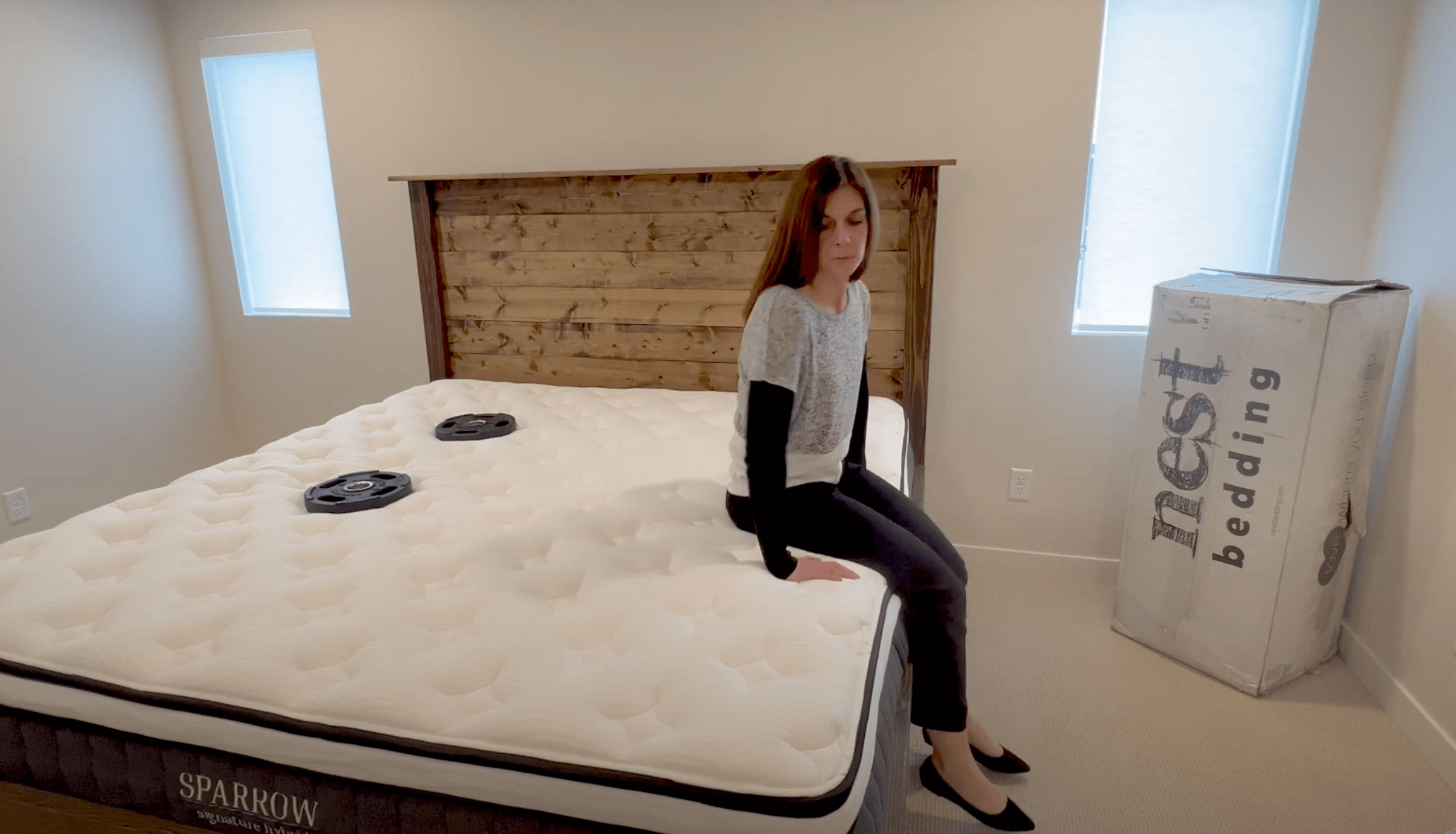
Nest Bedding Sparrow Hybrid

Warranty
Lifetime

Sleep Trial
365 Nights

Shipping
Free
Watch Our Nest Bedding Sparrow Video Review
When two people with completely different sleep preferences try to share a bed, finding the right mattress can feel impossible. One person wants soft comfort while the other needs firm support, or one sleeps hot while the other runs cold.
The Nest Bedding Sparrow solves this age-old problem with innovative design features that let couples customize their sleep experience without compromising on quality or comfort.
What makes the Sparrow revolutionary for couples is its unique Lifetime Renewal Exchange program combined with split firmness options and adjustable comfort layers.
If you and your partner can’t agree on firmness during the 365-night trial period, Nest Bedding will actually modify your mattress or exchange it for a different comfort level rather than forcing you to return it. This takes the guesswork and risk out of buying a mattress as a couple.
The Sparrow also addresses the temperature differences that often plague couples. While one partner might love memory foam, the other might overheat on it.
The Sparrow uses Energex Temperature Responsive Foam that adapts to body heat, staying cooler for hot sleepers while providing comfort for those who prefer memory foam feel.
At a competitive price point, you get premium materials, innovative couple-focused features, and the peace of mind that comes with a company that truly understands the challenges of shared sleep.
- 8 Value
- 10 Edge Support
- 10 Trial Period
- 9 Response Time
- 10 Motion Transfer
- 9 Cooling & Breathability
I picked the Nest Bedding Sparrow as the best pick for couples because it isolates motion better than almost anything I tested and backs it with couple-focused policies. During testing, when my partner got up or shifted, the wrapped coils kept the movement from carrying to my side. The quilted gel-and-phase-change cover felt cool to the touch, and the Energex foam responded differently to each of us, so my warmer side stayed comfortable without leaving my partner too firm. The reinforced edges let us both sleep and sit near the perimeter without feeling like we might roll off. For king and California king, the split-firmness option and the zippered, adjustable comfort layer mean two people can dial in different feels under one surface.
Best For:
- Couples who want strong motion isolation and edge support
- Couples who disagree on firmness (split option on king and California king)
- Warm sleepers who want the cool-to-touch feel of a phase-change cover
Compare Instead:
- Amerisleep AS6 if you want a cooler-feeling surface with a choice of firmness in every size
- Saatva Classic if you prefer a coil-forward innerspring feel with strong edge support
- Zoma Boost if you want a graphite-cooling memory-foam hybrid with low motion transfer
When my partner and I first lie down on the Sparrow, we both notice how the mattress responds differently to each of our bodies. The Energex foam adapts to our individual weights and body heat, so neither of us feels like we are on the wrong mattress. It is remarkable how two people can have different experiences on the same surface.
One of the most useful things is how it handles our different temperature preferences. I tend to sleep warm while my partner runs cold, and the responsive foam kept me from overheating while still giving my partner the comfortable support they need.
The individually wrapped coils are the standout for motion isolation. When one of us gets up, changes positions, or sits on the edge to put on shoes, the other barely feels it, which has helped since we keep different schedules.
The quilted gel memory foam top cushioned pressure well for both side and back sleeping, and the responsive layers below kept the stuck feeling away. The reinforced edges let us both sleep and sit near the perimeter without feeling like we might roll off.
Being able to adjust firmness through the zippered access is genuinely useful. When we first got the mattress, one side felt slightly too firm, and modifying the comfort layer solved it without an exchange.
Over extended testing, the Sparrow kept working for both of us, and for couples choosing the split-firmness option, the internal division is seamless, with no gap or height difference between sides.
The quilted cover with gel memory foam and phase-change material is the reason the surface felt cool to the touch and cushioned pressure right away, absorbing and releasing heat as the night went on. The Energex Temperature Responsive Foam is the layer that made this bed work for two different sleepers: it softened and slept cooler for me on my warmer side while staying supportive for my partner, so neither of us felt like we were on the wrong mattress. The high-density transition foam below it is what kept the bed from hinging when our different weights shifted, spreading support evenly across the surface. The individually wrapped coils, up to 840 in larger sizes, are the structural reason partner movement barely carried across and the reason the edges stayed stable enough to sleep and sit near, and the high-density base held the coil system steady over time. The zippered design lets the Energex layer be swapped to change firmness after purchase, and king and California king can be built with different firmness on each side under one continuous surface. Foams are CertiPUR-US certified and tested for low VOC emissions; the flame barrier is hydrogenated silica rather than chemical retardants.
Pros:
- Motion Transfer (10/10): partner movement barely reached my side during testing, the standout for couples
- Edge Support (10/10): the reinforced perimeter stayed stable enough for both of us to sleep and sit near the edge
- Split firmness on king and California king, plus a zippered layer you can adjust after purchase
- Trial Period (10/10): a full 365 nights to test the fit as a couple
Cons:
- Value (8/10): the couple-focused features carry a higher price than the budget hybrids here; consider the Vaya Hybrid on a budget
- High coil count and dense foams make it heavy to move, especially in larger sizes
- Split firmness is limited to king and California king
On my side, the medium option let my hips and shoulders settle in while the coils kept me supported, and across positions the bed adapted well to each of us. When my partner moved, I barely felt it. It is the pick for couples who want strong motion isolation, edge support, and the option to run different firmness on each side.
The Mattresses We Have Tested
Every mattress below was tested hands-on and on camera by me, Kristina Hindes, our lead tester. Each row links to its written review and filmed test, so you can check our work. For how we score every mattress, see How We Test Mattresses.
See the full list, with review and video links
| Mattress | Review and video |
|---|---|
| Amerisleep AS2 | Review · Video |
| Amerisleep AS3 | Review · Video |
| Amerisleep AS3 Hybrid | Review · Video |
| Amerisleep AS5 | Review (test clips inside) |
| Amerisleep AS5 Hybrid | Review · Video |
| Amerisleep AS6 Black Series | Review · Video |
| Amerisleep Organica | Review · Video |
| Amerisleep Organica Plush | Review · Video |
| Bear Original | Review · Video |
| Birch Natural | Review · Video |
| Brooklyn Bedding Aurora Luxe Hybrid | Review · Video |
| Brooklyn Bedding Plank Firm | Review · Video |
| Casper The One | Review · Video |
| Eco Terra Hybrid Latex | Review · Video |
| FORM Core | Review · Video |
| FORM Core Hybrid | Review · Video |
| FORM Prime | Review · Video |
| FORM Prime X | Review · Video |
| GhostBed Flex | Review · Video |
| Happsy Organic | Review · Video |
| Helix Dawn Luxe | Review · Video |
| Helix Midnight Luxe | Review · Video |
| Helix Sunset Luxe | Review · Video |
| Latex For Less Hybrid | Review · Video |
| Leesa Original | Review · Video |
| Leesa Sapira Chill Hybrid | Review · Video |
| Leesa Sapira Hybrid | Review · Video |
| Naturepedic Concerto | Review · Video |
| Naturepedic EOS Classic Organic | Review · Video |
| Nest Bedding Owl | Review · Video |
| Nest Bedding Puffin Kids | Review · Video |
| Nest Bedding Raven | Review · Video |
| Nest Bedding Sparrow Signature Hybrid | Review · Video |
| Nolah Evolution 15 | Review · Video |
| Nolah Natural 11 | Review · Video |
| Nolah Original Hybrid | Review · Video |
| PlushBeds Botanical Bliss | Review · Video |
| PlushBeds Luxury Bliss | Review · Video |
| PlushBeds Organic Bliss | Review · Video |
| PlushBeds Organic Kids | Review · Video |
| PlushBeds Signature Bliss | Review · Video |
| Saatva Classic | Review · Video |
| SweetNight CoolNest | Review · Video |
| SweetNight Prime | Review · Video |
| Vaya Hybrid | Review · Video |
| Vaya Mattress | Review · Video |
| Westin Heavenly Bed | Review · Video |
| Zoma Boost | Review · Video |
| Zoma Hybrid | Review · Video |
| Zoma Start | Review · Video |
Stearns & Foster: Brand Overview
Stearns & Foster has been making mattresses since 1846. That’s almost 180 years! The company started before the Civil War, when most people slept on straw or feather beds.
Back then, two men named George Stearns and Seth Foster had a simple idea. They wanted to make better beds for people to sleep on. They started small, but their mattresses became popular because they were well-made and comfortable.
Today, Stearns & Foster still tries to make luxury mattresses. While many new mattress companies use foam or special materials, Stearns & Foster mostly sticks to older, proven methods.
They use metal springs (called coils) as the base of most mattresses. Then they add layers of comfort materials on top.
Stearns & Foster says they make each mattress one at a time. Trained workers build your specific mattress when you order it. Each worker even signs their name on a label inside the mattress.
The company often talks about:
- Craftsmanship: The skill that goes into making each mattress
- Heritage: Their long history of mattress making
- Luxury materials: Using expensive fabrics and high-end foams
- Attention to detail: Taking time to make each mattress right
This company doesn’t try to be the cheapest option. Instead, they focus on making mattresses that feel high-end and expensive. They use materials like cashmere, silk, and high-quality foams.
Now, you won’t find Stearns & Foster mattresses at discount stores. They sell through:
- Traditional mattress stores like Mattress Firm
- High-end furniture stores
- Department stores like Macy’s
- Some specialty sleep shops
This limited availability is part of their strategy to seem exclusive and premium, offering only high-end mattresses.
Think of it like comparing a regular car to a luxury car. Both will get you where you need to go, but the luxury car has nicer materials and extra features.
But while Stearns & Foster has built a strong reputation over many years, their luxury focus comes with a big downside: price.
Many of their mattresses cost $3,000 to $7,000 or more. For most families, that’s a lot of money to spend on a bed.
This high cost has led many people to look for alternatives, mattresses under $2000. They want the same quality and comfort but at a price that won’t break their budget. The good news is that many newer mattress companies now offer similar features for much less money.
When looking at alternatives, you’ll want to find mattresses that offer:
- Good build quality (even if not hand-made)
- Comfortable materials
- Strong support systems
- Fair prices
The key is finding the right balance between quality and cost for your needs and budget.
Customers’ Common Complaints
While Stearns & Foster makes quality mattresses, they have some real downsides that affect many customers.
- Very Expensive Most: Stearns & Foster mattresses cost between $3,000 and $7,000. Some go even higher. For comparison, you can get a good quality mattress from other brands for $800 to $2,000 (we even found gems of memory foam mattresses under $500). That’s a huge difference.
- No Budget Options: The company doesn’t make any budget mattresses. Even their “basic” models cost more than most people want to spend. This leaves out many families who need a good mattress but can’t afford luxury prices.
- Short Testing Time: You only get 90 nights to try your mattress at home. Many other companies give you 100, 120, or even 365 nights. This matters because it can take a few weeks to know if a mattress really works for you.
- Why This Matters: Your body needs time to adjust to a new mattress. Some people don’t realize they have problems until after the trial period ends. Then they’re stuck with an expensive mattress they don’t like.
- You Pay for Delivery: Most mattress companies today offer free shipping. But Stearns & Foster makes you pay extra to get your mattress delivered. This can add $100 to $200 or more to your total cost.
- Old-Fashioned Approach: This feels outdated when you can get free shipping on almost everything else you buy online. It’s one more way the company costs you extra money.
- Too Firm for Side Sleepers: Many Stearns & Foster mattresses feel quite firm. This works well for people who sleep on their back or stomach. But side sleepers often find them too hard. This can cause hip and shoulder pain.
- Limited Pressure Relief: The company focuses on support, which is good. But some of their mattresses don’t do enough to relieve pressure on sensitive body parts. This can lead to aches and pains.
- Heat Retention: Many Stearns & Foster mattresses use memory foam and thick comfort layers. These materials can trap body heat. If you tend to get hot while sleeping, you might wake up sweaty and uncomfortable.
- Basic Cooling Features: While some models have cooling features, they’re not as advanced as what newer companies offer. The focus is more on luxury feel than temperature control.
- Complicated Warranty Claims: Some customers report problems when trying to use their warranty. The process can be slow and require lots of paperwork. Getting help when something goes wrong isn’t always easy.
- Limited Warranty Coverage: The 10-year warranty sounds good, but it doesn’t cover normal wear and tear. Small sagging or softening that affects comfort might not qualify for replacement.
- Very Heavy: These mattresses are much heavier than foam mattresses or mattress-in-a-box options. Moving them upstairs or into bedrooms can be difficult. You might need to hire professional movers.
- Traditional Delivery Only: You can’t get these mattresses shipped in a box. They require scheduled delivery, which can be less convenient than having a mattress delivered to your door in a compact package.
So what do these mean for you? Well, I wouldn’t say that Stearns & Foster makes bad mattresses. But they do mean the brand isn’t right for everyone. You might want to look at alternatives if:
- You’re on a budget
- You sleep on your side
- You get hot at night
- You want a long trial period
- You prefer free shipping
- You need easy delivery and setup
That way, you can make a smarter choice about whether to spend the extra money or look for a better value elsewhere.
What to Look for in Stearns & Foster Alternatives
Finding a good alternative to Stearns & Foster isn’t just about finding a cheaper mattress. You want to make sure you’re getting the same quality and comfort without the high price and other problems.
Support System (The Foundation)
Stearns & Foster use pocketed coils (metal springs in fabric pouches). These coils move independently, which means they support different parts of your body separately. This creates good support and helps reduce motion transfer when your partner moves.
What to Look For
- Pocketed coil systems: Look for at least 800-1000 coils in a queen size
- Coil gauge: Medium gauge coils (around 14-16) offer the best balance of support and comfort
- Edge support: Strong perimeter coils or foam rails so the mattress doesn’t sag when you sit on the edge
- Responsive support: The mattress should bounce back quickly when you move
Good support keeps your spine aligned while you sleep. Poor support leads to back pain and restless nights.
Comfort Layers (What You Feel)
Stearns & Foster uses multiple layers of foam and sometimes natural materials like cashmere. You want enough cushioning to feel comfortable but not so much that you sink in too deep.
What to Look For
- Multiple comfort layers: At least 2-3 inches of comfort material on top
- Quality foam: High-density foams that won’t break down quickly
- Pressure relief: Materials that cushion your hips and shoulders
- Different firmness options: Medium-soft, medium, and firm choices
Materials to Consider
- Memory foam: Conforms to your body but can sleep hot
- Latex foam: Bouncy and cool but more expensive
- Gel-infused foam: Cooler than regular memory foam
- Hybrid designs: Combine different materials for balanced feel
Temperature Control
Many Stearns & Foster mattresses can sleep warm. Look for alternatives with better cooling features.
What to Look For
- Breathable covers: Materials like bamboo, Tencel, or moisture-wicking fabrics
- Cooling foam: Gel-infused or open-cell foams that don’t trap heat
- Air channels: Spaces in the mattress that let air flow through
- Phase change materials: Special materials that absorb and release heat
Red Flags for Hot Sleepers
- Thick memory foam layers (more than 3 inches)
- Dense, traditional memory foam
- Heavy, non-breathable covers
- No mention of cooling features
Motion Isolation
When your partner moves, rolls over, or gets out of bed, you shouldn’t feel it on your side. Motion isolation in a mattress is especially important for couples.
How to Test
- Ask about motion transfer and isolation specifically
- Look for pocketed coils (better than regular springs)
- Memory foam layers help absorb movement
- Read reviews from couples
Durability and Longevity
A good mattress should stay comfortable for 7-10 years. Cheaper alternatives might only last 3-5 years, which isn’t a good value.
Signs of Quality Construction
- High-density foams: At least 4-5 lbs per cubic foot for top layers
- Strong coil systems: Properly tempered steel coils
- Quality cover materials: Reinforced stitching and durable fabrics
- CertiPUR-US certified foams: Meets safety and durability standards
Firmness Options
Stearns & Foster offers different mattress firmness levels, and good alternatives should too. But what should you choose, softer or firmer?
Well, the right firmness depends on your sleep position and body weight.
Firmness Guide
- Soft (3-4/10): Good for side sleepers under 150 lbs
- Medium (5-6/10): Works for most combination sleepers
- Firm (7-8/10): Best for back/stomach sleepers over 200 lbs
What to Look For
- Multiple firmness options in the same model
- Clear descriptions of what each firmness feels like
- Ability to exchange for different firmness during trial period
Questions to Ask Before Buying
Don’t just take a salesperson’s word for it or rely on a website’s fancy marketing language. When you’re spending hundreds or thousands of dollars on a mattress, you need real answers to important questions.
Whether you’re shopping online, on the phone, or in a store, asking the right questions helps you avoid surprises and make a smart choice.
Many companies will try to rush you into a decision or focus only on the good parts of their product. But asking specific questions shows you’re a serious buyer who knows what to look for.
Good companies will be happy to give you clear, honest answers. Companies that dodge your questions or give vague responses might not be worth your money.
About the Company
- How long have they been in business?
- Do they manufacture their own mattresses or rebrand others?
- Where are their mattresses made?
- What’s their customer service reputation?
About the Mattress
- What materials are used in each layer?
- How many coils does it have?
- Is it CertiPUR-US certified?
- What makes it different from similar models?
About Policies
- What exactly does the sleep trial include?
- How does the warranty claim process work?
- Are there any hidden fees for delivery or returns?
- Can I exchange for a different firmness?
Red Flags to Avoid
Not all mattress companies are honest or sell quality products. Some use tricks to get your money without giving you a good mattress in return.
If something seems too good to be true, it probably is. While you want to find a good deal, be careful of companies that seem shady or products that don’t make sense.
Trust your gut! If a company or product makes you feel uncomfortable or confused, look somewhere else.
Company Warning Signs
- No clear trial or warranty information
- Extremely low prices with no explanation
- Pressure tactics or limited-time offers
- No customer reviews or all fake-looking reviews
- Can’t tell you specific materials used
Product Warning Signs
- No firmness options
- Vague descriptions of materials
- No cooling features for hot sleepers
- Very thin comfort layers (under 2 inches)
- No motion isolation claims
Making Your Final Decision
First, make a list of what matters most to you:
- Budget range
- Sleep position and body weight
- Temperature preferences
- Partner considerations
- Delivery preferences
Don’t compromise on the essentials, either! That means!
- Good support for your body type
- Adequate trial period
- Clear warranty terms
- Free shipping and returns
And take advantage of trials! The best way to know if an alternative works is to sleep on it for at least 30 nights. Use the full trial period! Don’t decide too quickly.
Remember, the goal isn’t to find an exact copy of Stearns & Foster. It’s to find a mattress that gives you the same quality sleep at a better value with fewer hassles.
Specific Recommendations
Not everyone sleeps the same way or has the same needs. What works perfectly for your neighbor might be terrible for you.
Here’s our quick run-down on choosing the best mattress based on your specific situation and sleeping habits.
Remember, the “best” mattress is the one that works for your specific situation. Don’t get caught up in marketing claims or what works for other people.
Focus on your individual needs, use sleep trials to test options, and be willing to make changes if something isn’t working.
Hot Sleepers
If you wake up sweaty or kick off covers during the night, you’re a hot sleeper. Many luxury mattresses, including most Stearns & Foster models, use thick memory foam layers that trap body heat. This creates a warm sleeping surface that gets worse as the night goes on.
What to Look For
Advanced Cooling Technology
- Gel-infused foams – Gel particles help pull heat away from your body
- Open-cell foam structure – Allows air to flow through the material
- Copper or titanium infusions – These metals naturally conduct heat away
- Phase change materials – Special substances that absorb and release heat
Breathable Cover Materials
- Bamboo or Tencel fabrics – Naturally moisture-wicking and cool
- Quilted covers with air gaps – Allow air circulation at the surface
- Removable, washable covers – Stay cleaner and fresher
- Avoid thick, plush covers – These trap heat against your body
Construction Features
- Individual coil systems – Allow air to flow through the mattress
- Fewer foam layers – Less material to trap heat
- Latex over memory foam – Latex sleeps much cooler
- Hybrid designs – Combine cooling coils with minimal foam
What to Avoid
- Thick memory foam layers (more than 3 inches)
- “Gel memory foam” that’s just regular foam with gel beads mixed in
- Heavy, non-breathable covers
- All-foam construction without coils for airflow
Side Sleepers
Side sleeping puts a lot of pressure on your hips and shoulders while leaving gaps at your waist and neck.
You need a mattress for side sleeping that’s soft enough to cushion pressure points but firm enough to keep your spine aligned. Many traditional firm mattresses are too hard for comfortable side sleeping.
What Your Body Needs
- Pressure Relief: Your hips and shoulders carry most of your body weight when you’re on your side. Without proper cushioning, you’ll wake up with pain and numbness in these areas.
- Spinal Alignment: Your mattress needs to support the natural curve of your spine. Too soft, and your hips sink too far. Too firm, and your spine curves unnaturally.
- Zone Support: Different parts of your body need different levels of support. Your torso needs more support than your hips and shoulders.
What to Look For
Soft to Medium Firmness
- 3-6 on firmness scale – Allows pressure points to sink in appropriately
- Multiple firmness options – So you can find your perfect level
- Zoned support – Firmer in the middle, softer at hips and shoulders
Quality Comfort Layers
- At least 3-4 inches of comfort material on top
- Memory foam or latex as both contour well to body shape
- Progressive firmness where it’s softer on top, firmer underneath for support
Responsive Support System
- Pocketed coils – Adapt to your body shape individually
- High coil count – More coils mean better contouring
- Good edge support – So you can use the full surface
Sleep Position Tips
Pillow Considerations
- Thicker, firmer pillows – Fill the gap between your shoulder and neck
- Knee pillow – Place between knees to align your hips
- Body pillow – Provides support and prevents rolling onto stomach
Mattress Firmness by Body Weight
- Under 150 lbs – Soft to medium (3-5 firmness)
- 150-200 lbs – Medium (4-6 firmness)
- Over 200 lbs – Medium to medium-firm (5-7 firmness)
Back Sleepers
Back sleepers have it relatively easy when it comes to mattress shopping. Your weight is distributed more evenly, and your spine naturally stays in alignment.
However, you still need proper support in a mattress for back sleeping for your lower back curve and comfort for your pressure points.
What Your Body Needs
- Lower Back Support: The natural curve of your lower back needs support to prevent it from flattening out or arching too much. Without this support, you’ll wake up with back pain.
- Even Weight Distribution: Your mattress should support your entire body evenly, from your head to your heels. Heavy areas like your torso shouldn’t sink in too far.
- Pressure Relief: While back sleepers don’t have as many pressure points as side sleepers, your heels, shoulders, and back of your head still need some cushioning.
What to Look For
Medium to Medium-Firm Feel
- 5-7 on firmness scale – Provides support while still being comfortable
- Responsive surface – Easy to change positions during the night
- Even support – No sagging or soft spots
Quality Support Core
- Strong coil system – Individual coils or high-quality innersprings
- High-density support foam – Provides foundation and durability
- Good edge support – Maintains support across the entire surface
Moderate Comfort Layers
- 2-4 inches of comfort material – Enough cushioning without too much sinking
- Responsive foams – Quick recovery when you move
- Temperature neutral – Won’t trap heat against your back
Stomach Sleepers
Stomach sleeping is the most challenging position for mattress manufacturers to accommodate. It can put strain on your neck and back if your mattress doesn’t provide proper support.
Most sleep experts recommend trying to change to back or side sleeping, but if you’re a committed stomach sleeper, here’s what you need in a mattress for stomach sleeping.
What Your Body Needs
- Firm Support: Stomach sleepers need firmer mattresses to prevent their midsection from sinking too far, which can create an unnatural arch in the spine.
- Minimal Pressure Points: Your chest, stomach, and pelvis are in contact with the mattress. Too much pressure can restrict breathing and cause discomfort.
- Breathable Surface: Since your face is closer to the mattress, good airflow is important for comfortable breathing.
What to Look for
Firm to Extra-Firm Feel
- 7-9 on firmness scale – Prevents excessive sinking
- Responsive surface – Easy to breathe and move
- Even support – No soft spots that create spine misalignment
Minimal Comfort Layers
- 1-3 inches maximum – Just enough cushioning for comfort
- Responsive materials – Latex or high-quality foam that bounces back quickly
- Breathable construction – Good airflow for comfortable breathing
Strong Support Core
- Firm coil system – Provides the foundation firmness you need
- High-density foams – Won’t soften too much over time
- Durable construction – Maintains firmness for years
Sleep Position Tips
Pillow Choice is Critical
- Very thin pillow – Or no pillow at all to avoid neck strain
- Soft material – Allows your face to breathe comfortably
- Consider a body pillow – Under your stomach/pelvis for extra support
Health Considerations
- Neck strain – Turning your head to the side can cause problems
- Lower back issues – Poor mattress support can worsen back problems
- Breathing restriction – Too soft surfaces can make breathing difficult
Couples with Different Needs
When partners have different sleep preferences, finding the right mattress becomes much more complicated.
One person might be a hot-sleeping side sleeper while the other is a cool-sleeping back sleeper. So here’s how to find mattresses for couples.
Understanding Different Needs
- Weight Differences: Heavier partners need firmer support, while lighter partners often prefer softer surfaces. A mattress that feels perfect for a 200-lb person might feel like a rock to a 120-lb person.
- Sleep Position Differences: Side sleepers need softer surfaces than back or stomach sleepers. If you have different primary positions, you need a mattress that accommodates both.
- Temperature Preferences: One partner might always be hot while the other is always cold. This affects both mattress choice and bedding decisions.
- Motion Sensitivity: If one person is a restless sleeper and the other is easily awakened, motion isolation becomes critically important.
Solutions for Couples
Split Mattresses
- Split king – Two twin XL mattresses on one king frame
- Different firmness levels – Each person gets their preferred feel with a dual firmness mattress
- Separate motion – Movement doesn’t transfer between sides
- Individual replacement – Replace one side without affecting the other
Compromise Mattresses
- Medium firmness – Often works for both partners
- Zoned support – Different firmness in different areas
- Excellent motion isolation – Reduces sleep disruptions
- Temperature neutral – Doesn’t favor hot or cold sleepers
Adjustable Air Mattresses
- Individual firmness controls – Each side adjusts independently
- Easy changes – Adjust firmness as needs change
- Good for weight differences – Accommodates different body types
- Long-term flexibility – Adapt as you age or needs change
Making It Work
Communication is Key
- Discuss priorities – What matters most to each person?
- Try before buying – Use sleep trials to test compatibility
- Be willing to compromise – Perfect for one person might be good enough for both
- Consider accessories – Mattress toppers can help customize each side
Sleep Trial Strategy
- Both partners track sleep – Note quality, comfort, and any issues
- Give it time – Allow for adjustment period before deciding
- Have a backup plan – Know the return process before you need it
Heavy Sleepers (Over 230 lbs)
Heavier sleepers face specific challenges that many mattress companies don’t adequately address. Standard mattresses may sag prematurely, provide inadequate support, or wear out much faster than expected.
What Heavy Sleepers Need
Enhanced Durability
- High-density materials – Foams rated at least 5+ lbs per cubic foot
- Reinforced construction – Extra support in critical areas
- Stronger coil systems – Higher gauge coils or more coils overall
- Extended warranties – Protection against premature wear
Proper Support
- Firmer feel overall – Prevents excessive sinking
- Strong edge support – Allows use of full mattress surface
- Even weight distribution – Prevents body impressions and sagging
- Responsive materials – Easy to move and change positions
Cooling Features
- Better airflow – Heavier bodies generate more heat
- Cooling technologies – Active temperature regulation
- Breathable materials – Prevent heat buildup during the night
What to Look for
Construction Quality
- Minimum 8-inch coil systems – Provides adequate support depth
- High coil count – More coils distribute weight better
- Reinforced edges – High-density foam or extra coils around perimeter
- Quality materials – CertiPUR-US certified foams minimum
Firmness Considerations
- Medium-firm to firm – Usually 6-8 on firmness scale
- Progressive support – Firmer as you sink deeper
- Zoned support – Extra firm in midsection where most weight concentrates
What to Avoid
Common Problems
- Thin comfort layers – Won’t provide adequate pressure relief
- Low coil count – Inadequate support distribution
- Soft foam densities – Will break down quickly under weight
- Standard warranties – May not cover issues related to heavier use
Red Flags
- No weight limit specified – Company hasn’t considered heavy sleepers
- Very soft firmness – Will likely cause support problems
- Cheap construction – Won’t hold up to heavier use
- Short warranties – Suggests lower confidence in durability
Pressure-Sensitive Sleepers
Some sleepers are more sensitive to pressure and want a surface that cushions the hips, shoulders, and lower back while still holding the spine in line. If you tend to feel pressure points or wake up stiff, focus on pressure relief and support rather than firmness alone.
What helps:
- Pressure-relieving comfort layers such as memory foam or latex that contour to the hips and shoulders
- A medium feel that lets pressure points settle in while supporting the midsection
- Zoned construction with firmer support under the lumbar region
- Responsive coils that make it easy to change positions
- Good motion isolation so a partner’s movement is less disruptive
- Temperature regulation, since a cooler surface can make it easier to settle in
Use the full sleep trial. It can take a few weeks for your body to adjust, so track how you feel over time rather than judging after one night. If you have a specific medical condition, your doctor or physical therapist is the right person to advise on your individual needs.
Shopping Tips & Considerations
Buying a mattress is a big decision that affects your daily life for years to come. Unlike buying clothes or electronics, you can’t easily return a mattress if you don’t like it, and a bad choice can lead to years of poor sleep and back pain.
Here’s how to shop smart and avoid expensive mistakes, especially if you’re buying a mattress without trying it out. Remember, there’s no such thing as a perfect mattress for everyone.
The goal is to find one that works well for your specific needs, budget, and sleeping situation. Take your time, do your research, but don’t overthink it. A good mattress from a reputable company with a solid sleep trial is usually a safe bet.
Setting a Realistic Budget
Don’t forget to budget for:
- The mattress itself – Your main expense
- Foundation or bed frame – $200-1000+ depending on type
- Delivery and setup – $50-200 unless included
- Mattress protector – $50-150 for quality protection
- New bedding – $100-300 for sheets, pillows, etc.
- Old mattress disposal – $25-75 if not included in delivery
Value vs. Price
- Cost per year – A $2000 mattress that lasts 10 years costs $200/year
- Health considerations – Better sleep can improve your daily life and health
- Warranty value – Longer warranties can save money on replacements
- Sleep trial value – The ability to return a mattress has real monetary value
In-Store Testing Has Limits
Lying on a mattress for 5-10 minutes in a brightly lit store while wearing street clothes tells you almost nothing about how you’ll sleep on it for 8 hours in your pajamas. Store lighting, noise, and the awkwardness of the situation make it hard to get a real sense of comfort.
Even though store testing isn’t perfect, you can still gather useful information:
- Basic firmness level – Is it obviously too soft or too firm?
- Initial comfort – Does it feel immediately uncomfortable or painful?
- Size and height – How does it fit your body and bedroom?
- Edge support – Sit on the edge to test how well it holds up
- Motion transfer – Have a partner lie down and move around
And make the most of store visits!
- Wear comfortable clothes that you might sleep in
- Bring your partner if you share a bed
- Lie down for at least 10-15 minutes on each mattress you’re considering
- Test different positions (side, back, stomach) and note how easy it is to move between them
- Ask specific questions about materials, warranties, and return policies
- Don’t feel pressured to decide on the spot
Avoiding Pressure Tactics
Common Sales Tricks
- “This sale ends today” – Most mattress sales are ongoing or repeat frequently
- “Limited quantities” – Mattresses are usually made to order
- “Manager’s special discount” – Often just the regular sale price with drama
- “Free” accessories – Usually low-quality items with inflated values
How to Shop Pressure-Free
- Do your research first and know what you want before talking to salespeople
- Set a budget and stick to it
- Don’t decide on the first visit unless you’re absolutely sure
- Compare multiple options before making a final choice
- Read reviews from real customers, not just marketing materials
Why Sleep Trials Matter
Your body needs time to adjust to a new mattress. Some people feel great right away, while others need 2-3 weeks to know if a mattress really works for them. A good mattress sleep trial gives you this adjustment time.
What to Look For
- At least 90-100 nights – Anything shorter doesn’t give you enough time
- Full refund policies – You should get all your money back, not store credit
- Free pickup and return shipping – You shouldn’t pay extra to return a mattress
- Reasonable break-in period – Some companies require you to try the mattress for 30 days before returning
How to Use Sleep Trials Effectively
- Keep your old mattress for the first few weeks if possible
- Give it a real chance and don’t return it after one bad night
- Track your sleep and note any changes in comfort, pain, or sleep quality
- Contact customer service early if you have concerns
- Understand the return process before you need it
Beyond Just the Mattress
Your mattress is only as good as what’s underneath it. The wrong bed foundation can void your warranty and cause premature wear.
Platform Beds
- Solid platform beds work well for most mattresses
- Slatted platforms need slats no more than 3 inches apart
- Check weight limits especially for heavier mattresses
- Ensure proper ventilation to prevent moisture buildup
Adjustable Bases
- Compatibility varies – not all mattresses work with adjustable bases
- Consider your needs – Do you actually want to adjust your position?
- Factor in the cost – Good adjustable bases cost $800-2000+
- Think about partners – Do you both want the same adjustments?
Bedding and Accessories
A quality mattress protector is essential and should be your first purchase:
- Waterproof but breathable materials
- Machine washable for easy care
- Proper fit that won’t shift during sleep
- Warranty protection – Many warranties require protection from spills
Then, pillows and sheets:
- Match firmness: Firm mattresses often need softer pillows
- Consider materials: Cooling mattresses work well with breathable sheets
- Proper fit: Deep pocket sheets for thick mattresses
- Quality matters: Good bedding enhances your sleep experience
Comparing Your Options
Make a chart with your top 3-5 options including:
- Price (including all costs)
- Sleep trial length
- Warranty terms
- Firmness options
- Cooling features
- Customer reviews
Weigh your priorities! Not all features matter equally to everyone:
- Sleep position – Side sleepers need different features than back sleepers
- Temperature – Hot sleepers should prioritize cooling
- Partner needs – Motion isolation and dual firmness
- Health issues – Back pain, arthritis, etc.
Trust Your Research
Avoid “analysis paralysis” that causes you to delay a decision, uncertain if you’ll pick the right one:
- Set a decision deadline – Don’t research forever
- Remember the sleep trial – You can return most mattresses if they don’t work
- Focus on your top needs – Don’t get lost in minor feature differences
- Trust reputable brands – Stick with companies that have good customer service
And do a final check before buying:
- Confirm all policies – Sleep trial, warranty, return process
- Understand total costs – No surprises at checkout
- Verify delivery details – Timeline and any special requirements
- Have a backup plan – What will you do if the mattress doesn’t work out?
Preparing for Delivery
To plan out a route for a mail order mattress, measure:
- Doorways and hallways leading to your bedroom
- Stairways including turns and ceiling height
- Your bedroom to ensure the mattress fits
- Existing bed frame size for compatibility
Traditional vs. Compressed Delivery
- Traditional delivery: Full-size mattress, requires scheduled delivery
- Compressed delivery: Mattress in a box, more convenient but limited to certain types
- White glove service: Professional setup and old mattress removal (usually extra cost)
Timing Considerations
- Delivery windows can be wide (4-8 hour windows)
- Weekday vs. weekend delivery options and costs
- Setup time or how long will you be without a bed?
- Old mattress disposal or how you plan for removal of your current mattress
First Night and Break-In
Here’s what to expect once your mattress is facing up, that first night:
- Initial firmness – New mattresses often feel firmer at first
- Odor – Some new mattresses have a temporary smell (usually harmless)
- Adjustment period – Your body may need time to adapt
- Temperature differences – New materials may sleep differently than your old mattress
Give yourself and the mattress time to adjust, but to make the transition easier:
- Use your old mattress for naps if needed
- Help dissipate any new mattress odors with good room ventilation
- Track changes and note improvements or issues over the first few weeks
FAQs
What is the closest mattress to Stearns & Foster?
In our testing, the Amerisleep AS6 Black Series came closest to the luxury-hybrid feel of a Stearns & Foster at a fraction of the price, pairing a cooler-feeling surface with balanced support across positions. If you want a traditional luxury hybrid instead, the FORM Prime X is the closer match. Both offer longer trials and free shipping than Stearns & Foster.
How do you judge if a mattress is worth the money?
A mattress is worth the money when it solves your specific sleep problems and lasts long enough to justify the cost. Look at cost per year: a $3,000 mattress that lasts 10 years costs about $300 a year for something you use eight hours a night. It should come with a solid sleep trial of at least 100 nights and a clear warranty, use quality materials that hold up over time, and leave you waking up feeling rested and comfortable across your usual sleep positions.
What sets a luxury mattress apart?
True luxury mattresses stand out because of their premium materials, advanced construction techniques, and attention to detail that you can actually feel when you sleep.
They often use high-quality natural materials like organic cotton, natural latex, or cashmere, plus innovative technologies for cooling, pressure relief, and support that cheaper mattresses can’t match.
The best luxury mattresses also come with exceptional customer service, longer warranties (often 15-20 years), and sleep trials that give you plenty of time to make sure the mattress works for you.
However, the most expensive mattress isn’t always the best. Luxury should mean better sleep, not just a higher price tag.
Should I look for mattresses that hotels use?
Hotel mattresses can be a good starting point for research, but they’re not automatically the best choice for your home.
Many hotels choose mattresses that feel comfortable to the widest range of people for just a few nights, which is different from what you need for years of nightly use.
Hotels also replace their mattresses much more frequently than you will at home, so durability isn’t as important to them.
If you love how you sleep at a particular hotel, find out what mattress they use and then research whether it would work for your specific needs, sleep position, and budget.
Does it matter what mattresses celebrities use?
Celebrity mattress endorsements are mostly marketing and shouldn’t influence your decision. They often get paid to promote certain brands. Plus, they might have different body types, sleep schedules, or bedroom setups.
What matters is whether a mattress works for your specific situation, not whether someone famous sleeps on it.
Instead of following celebrity recommendations, focus on mattresses that address your individual needs like cooling, pressure relief, or motion isolation. Look for reviews from real customers who have similar sleep preferences to you.
Does a mattress brand need to have lasted for decades to be trustworthy?
While established brands have proven they can stay in business and honor warranties, many newer companies actually offer better value and innovation than old brands.
Some newer mattress companies have revolutionized the industry with better materials, more customer-friendly policies, and direct-to-consumer pricing that cuts out expensive middlemen.
What matters more than age is the company’s reputation, customer service, return policies, and the quality of their current products.
Look for companies that offer good sleep trials, clear warranty terms, and responsive customer service, whether they’ve been around for 5 years or 50 years.
Conclusion
Finding the right alternative to Stearns & Foster does not have to be overwhelming. The key is knowing what you need and being willing to try something new.
Whether you want luxury comfort, budget-friendly value, a cooler-sleeping surface, or specific support for your sleep position, there are strong options here that will not break the bank.
The most expensive mattress is not always the best one for you. What matters is finding one that helps you sleep more comfortably, feel rested in the morning, and fits your budget. The alternatives in this guide deliver comparable quality and comfort to the luxury brands, with better policies, fairer prices, and modern features.
Most of these picks come with generous sleep trials, some up to 365 nights, so you can test them at home. That is something Stearns & Foster and most traditional luxury brands do not offer. Use the full trial. Your body will tell you within a month or two whether a mattress is working, so pay attention to how comfortable you feel and how well you are sleeping.
Ready to find your alternative? Start by identifying your biggest sleep challenge, whether that is overheating, pressure points, or partner disturbance, then choose the pick that targets it. Use the sleep trials, ask the right questions, and do not settle for a mattress that does not fit how you sleep.
What has your experience with mattress shopping been? Have you tried any of these Stearns & Foster alternatives? Share it in the comments below, and pass this guide along to anyone else looking for better sleep at a better price.
Related Reads
- I Tested 50+ Mattresses to Find the 14 Best Mattresses for Multiple Sclerosis of 2026


- I Tested 50+ Mattresses to Find the 14 Best Mattresses for Menopause of 2026


- I Tested 50+ Mattresses to Find the 14 Best Mattresses for Piriformis Syndrome of 2026
- I Tested 50+ Mattresses to Find the 14 Best Mattresses for Neuropathy of 2026