We may receive financial compensation for products purchased through links on this website. sleepjunkie.com is owned by Healthy Sleep, LLC and includes Amerisleep, LLC advertising. Learn more.

I Tested 50+ Mattresses to Find the 10 Best Bunk Bed Mattresses of 2026

Mattress Guides
Read Time: 2 minutes

Bunk beds need a mattress that balances comfort, safe height, and durability for years of nightly use. Sleep Junkie tested 50+ mattresses to find the 10 best bunk bed mattresses of 2026, graded on support, pressure relief, cooling, motion isolation, safe height, and value. Our top pick is the Amerisleep AS3 for bottom bunks, rated 9.2 out of 10, with the 10-inch FORM Core and Zoma Start leading the top-bunk picks.

Top Recommendation of 2026: Amerisleep AS3

After testing 50+ mattresses for this guide, the Amerisleep AS3 earned our top spot as the Best Mattress for Bunk Beds of 2026 because it delivered the strongest combination of pressure relief, motion isolation, cooler surface feel, and the durability a bed needs when a child will sleep on it every night for years. During testing, movement on the opposite side barely registered when my partner shifted, and the surface did not warm up as quickly as the denser foam beds I compared in the same session.

The AS3 is best suited for bottom bunks and twin-over-full setups, for side and combination sleepers, and for parents who want one mattress that carries a child through the teen years. Its 12-inch profile sits above the guardrail window for most top bunks, so it is a bottom-bunk pick specifically. Its balance of cushioning, contained motion, and cooler surface feel made it the top overall recommendation in this guide.

Why Trust Sleep Junkie's Recommendations?

Every mattress featured on Sleep Junkie is evaluated using the same testing framework for support, pressure relief, cooling, motion isolation, edge support, responsiveness, and overall value. Learn How We Test Mattresses.

The best bunk bed mattress pairs a low profile with real durability: after testing 50+ mattresses, I picked the 10 best bunk bed mattresses of 2026, led by the Amerisleep AS3 for bottom bunks and the 10-inch FORM Core and Leesa Original for top bunks, where the mattress must sit below the guardrail. Every pick was graded on support, pressure relief, cooling, motion isolation, edge support, and value using the same testing framework.

Bunk beds sleep two to three kids in one bedroom and work for college students and adults in small spaces too. Below you will find my full testing notes on each pick, then a buyer’s guide covering frame types, mattress height and weight limits, firmness for children, and sizing.

How We Selected These Mattresses

Every mattress in this guide was evaluated by Kristina Hindes using Sleep Junkie’s standardized testing framework: pressure relief, support, cooling, motion isolation, edge support, responsiveness, and overall value. Picks were also graded on bunk-specific factors including height profile for guardrail compatibility, mattress weight for top-bunk lifting, and durability for years of a child’s nightly use.

Sleep Junkie uses hands-on product evaluation, product-spec review, owner-feedback review where available, and insight from our expert board review where applicable. Health-related claims are routed to credentialed reviewers when the topic requires added clinical or scientific oversight. Pages with completed expert review should show the reviewer clearly on the page.

Best Bunk Bed Mattresses

Best Mattress Overall:

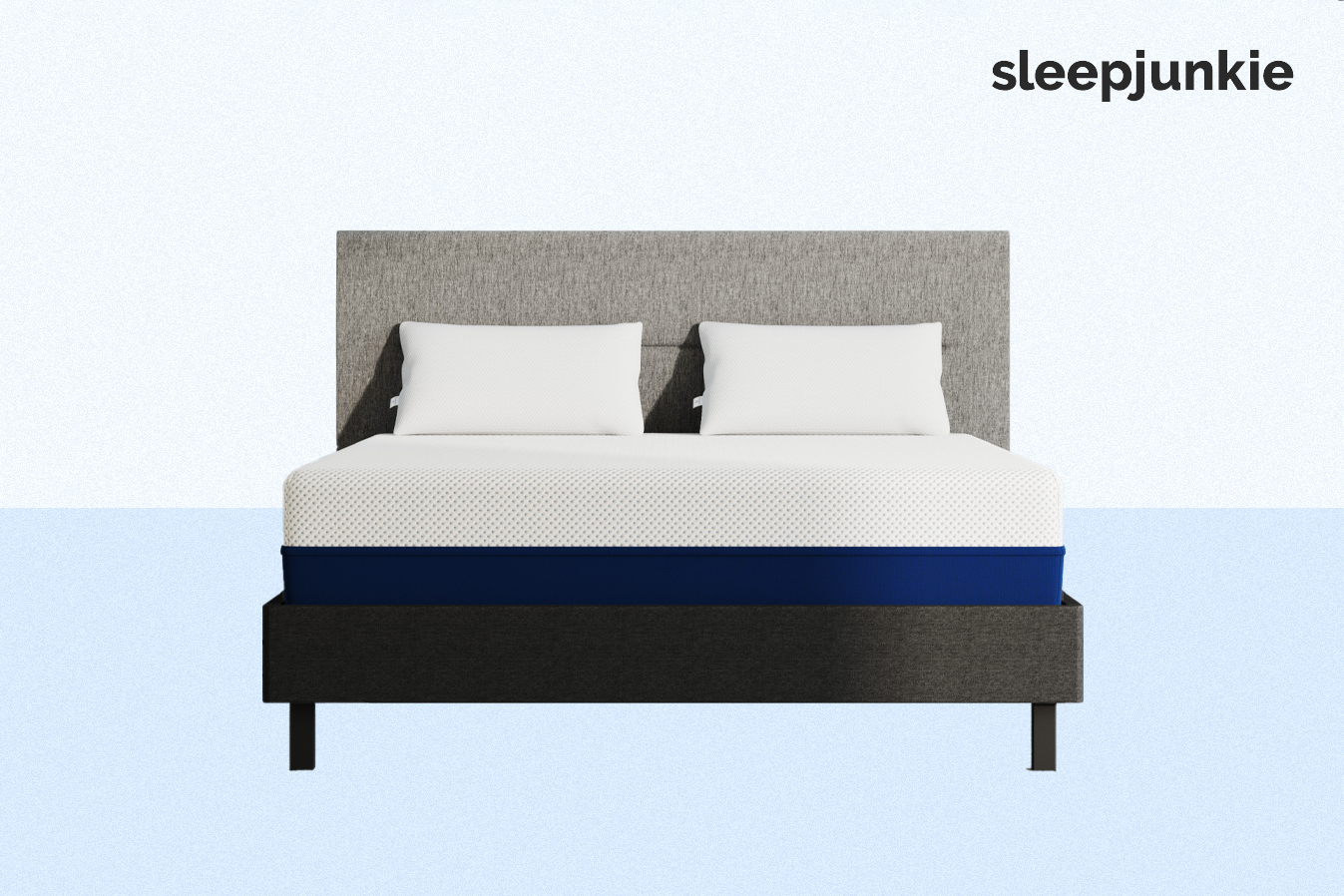
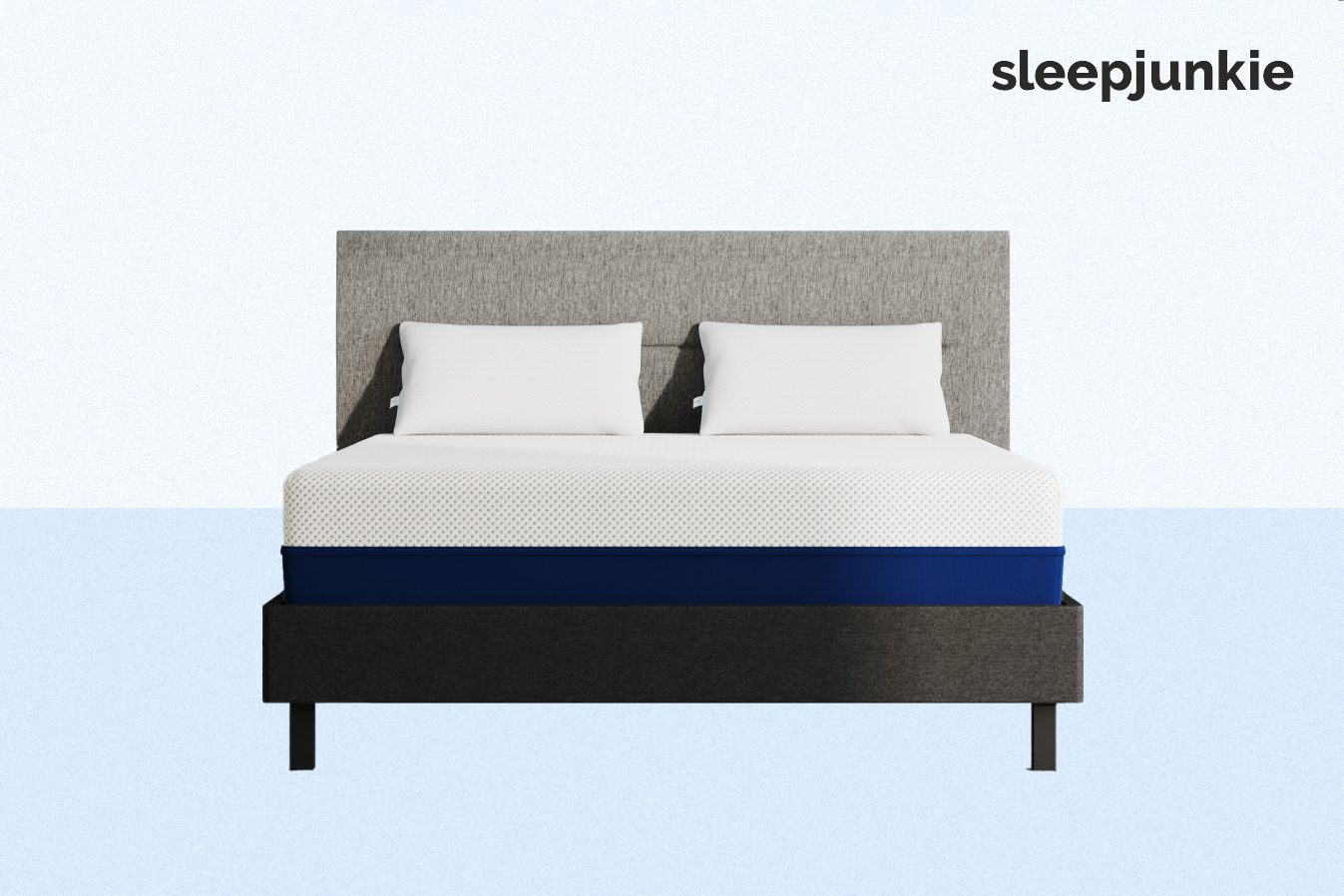
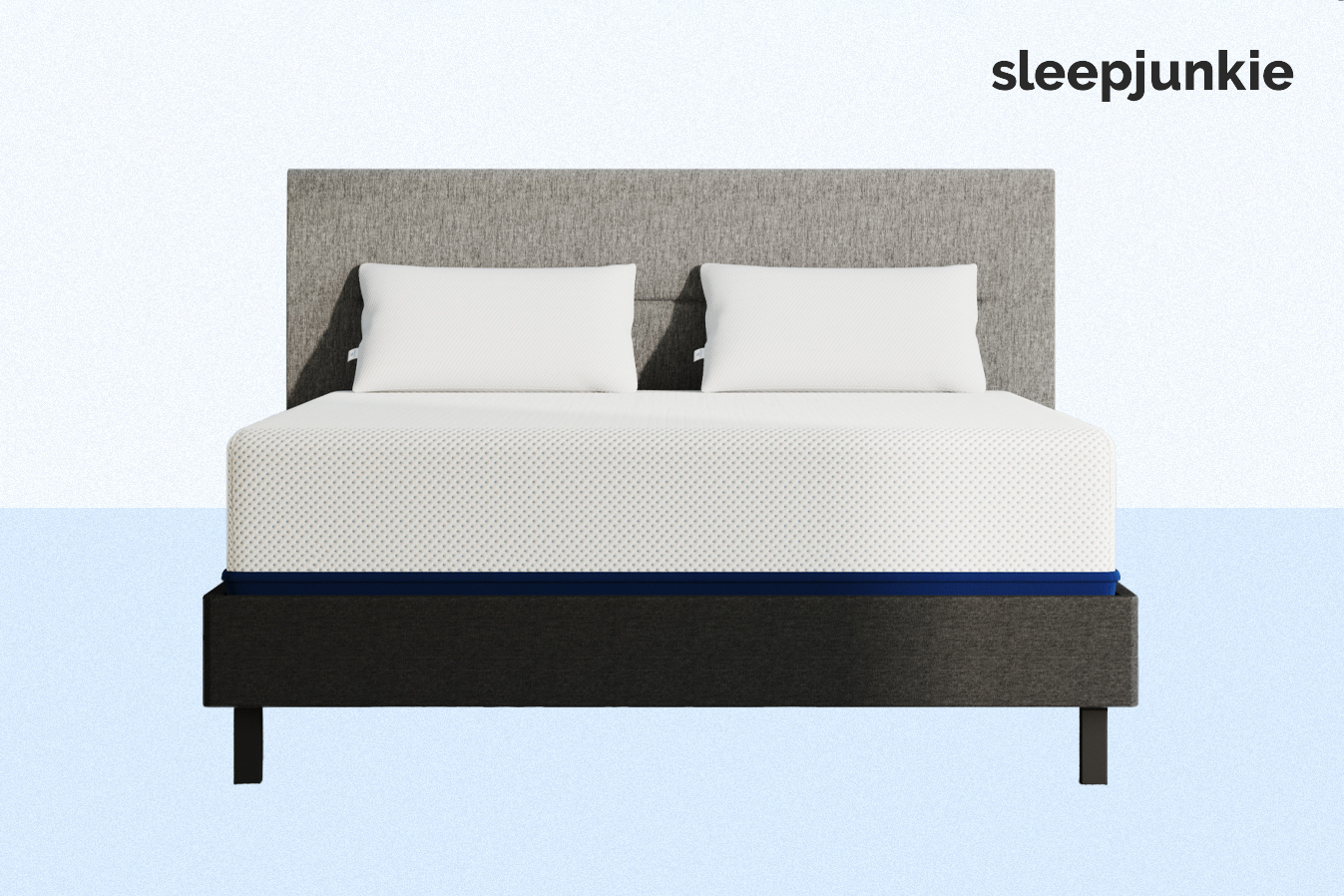
1. Amerisleep AS3

1. Amerisleep AS3
  • Price: See Price
  • Mattress Type: Memory Foam
  • Thickness: 12 inches
  • Firmness: Medium Firm
  • Available In: Twin, Twin XL, Full, Queen, King, Cal. King, Split King

Warranty

20 Years

Sleep Trial

100 Nights

Shipping

Free

Mattress Highlights
  • Plant-based memory foam cushions the body
  • Targeted support establishes five comfort zones
  • Sturdy and supportive base foam for comfort
Recommended For
  • Hot Sleepers
  • Most Sleeping Styles
  • Parents who want a mattress for a child's teen years

Watch Our Amerisleep AS3 Video Review

When I tested the Amerisleep AS3 for this guide, the results that mattered for a bunk setup showed up fast. Lying on my back, my hips stayed level with my shoulders, and when I rolled to my side the Bio-Pur foam gave at the shoulder without letting my midsection sag. The surface also did not warm up as quickly as the denser foam beds I compared in the same session, which matters for kids’ rooms that run warm.

Motion isolation was the standout. When my partner rolled over multiple times on the other side, I barely felt any movement on mine, and in a shared kids’ room that quiet surface is the difference between one restless sleeper and two tired ones the next morning. The AS3 outperformed the firmer Plank on this dimension in my side-by-side testing.

The tradeoffs are physical. The perimeter compressed more than the coil-supported Saatva Classic when I sat on the edge, which matches its 8/10 edge support score, and at 12 inches the AS3 sits above the guardrail window for most top bunks. It is a bottom-bunk mattress, best for side and combination sleeping kids and teens who will grow into it, and for parents who want one bed to carry a child from grade school through high school.

9.2 Overall Score
  • 9 Value
  • 8 Edge Support
  • 9 Trial Period
  • 9 Response Time
  • 10 Motion Transfer
  • 10 Cooling & Breathability

I ranked the AS3 first because it performed well on every dimension a bunk bed mattress gets judged on, not just one. During testing, when my partner rolled over on the other side, the movement barely registered on mine, which matters in a shared kids’ room where one restless sleeper can wake the other. The Bio-Pur foam surface also did not warm up as quickly as the denser foam beds I compared in the same session, so a child on a warm upper floor is less likely to kick the covers off. The zoned HIVE transition layer let my shoulders settle in when I was on my side while my hips stayed level, and the surface reset quickly when I changed positions. The tradeoff is height: at 12 inches, the AS3 sits above the guardrail window for most top bunks, and its edge support (8/10) trails the coil beds in this guide.

Best For:

  • Bottom bunks and the full-size lower bed of a twin-over-full frame
  • Side and combination sleepers, including teens growing into adult sleep needs
  • Warm sleepers sharing a room

Compare Instead:

  • FORM Core or Leesa Original if you need a 10-inch profile for a top bunk
  • Amerisleep AS2 if the sleeper is primarily a stomach or back sleeper who wants a firmer surface

On my first night the AS3 read as plush at the surface but supportive underneath: the Bio-Pur foam cradled my shoulders and hips while the transition and support layers kept my midsection from sinking. Side sleeping, the give at my shoulder was noticeable without the bed feeling soft under my back.

By the morning I had changed positions several times without ever feeling stuck, and when I moved during the night, my partner on the other side reported barely noticing it. For a light sleeper sharing a room or a bed, that contained motion is the AS3’s most practical strength.

The AS3 adapted as I shifted between side and back sleeping without holding my last position, which is exactly the flexibility a growing child’s changing sleep style needs from a mattress meant to last through the teen years.

The Bio-Pur comfort layer is why the AS3 surface did not warm up as quickly as the denser foam beds I compared: its open-cell structure let air move where traditional memory foam held heat against my skin, and it released quickly when I changed positions instead of holding my last shape. The zoned Affinity layer with HIVE technology is what I felt as extra give at my shoulders and firmer contact under my lower back while side sleeping, which is how my spine stayed level. Underneath, the Bio-Core base held its shape through our extended-use testing and is the reason the perimeter, while softer than a coil bed’s, stayed usable when I sat on it. The soft, removable cover is a practical touch for a kid’s bed that will need washing.

Pros:

  • Motion Transfer (10/10): when my partner rolled over during testing, movement on my side barely registered, which matters in a shared kids’ room
  • Cooling & Breathability (10/10): the Bio-Pur surface did not warm up as quickly as the denser foam beds I compared in the same session
  • Zoned HIVE layer let my shoulders settle while my hips stayed level during side testing
  • Removable, washable cover is practical for a child’s bed

Cons:

  • Edge Support (8/10): the perimeter compressed more than the coil beds in this guide; the Saatva Classic held its edge better
  • 12-inch profile sits above the guardrail window for most top bunks; it is a bottom-bunk pick
  • Too soft for dedicated stomach sleepers; the AS2 is the firmer route

Why The Amerisleep AS3 Won

Among the 10 bunk bed mattresses in this guide, the AS3 earned the top spot by pairing the strongest motion isolation and cooling results from my testing with the pressure relief and durability a bed needs when a child sleeps on it every night for years. Movement barely crossed the surface when my partner shifted, and the Bio-Pur foam warmed more slowly than the denser beds I compared. For side and combination sleepers on a bottom bunk, it is the pick I would buy.

Kristina Hindes

Best Budget Mattress:

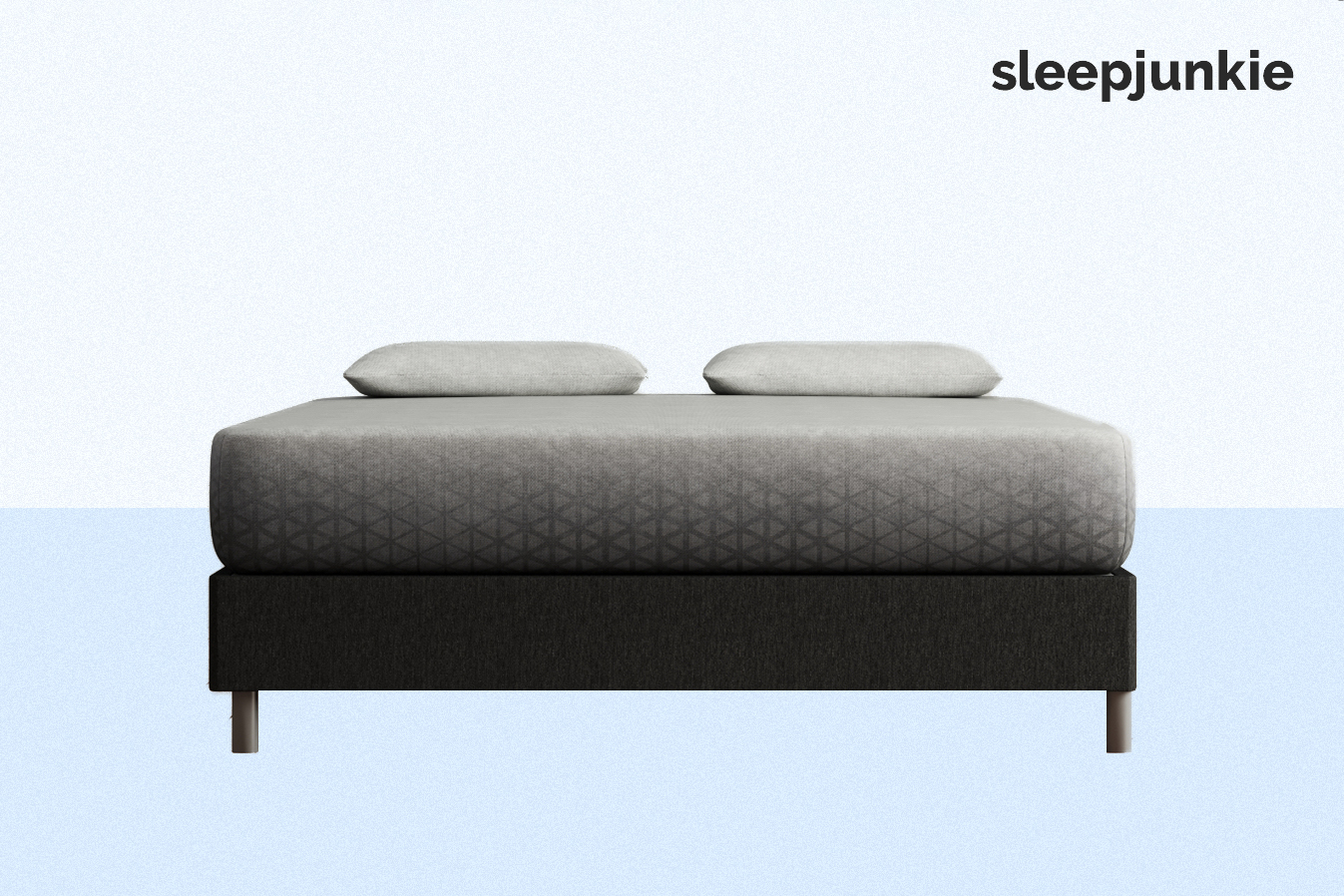
2. Zoma Start

2. Zoma Start
  • Price: See Price
  • Mattress Type: Memory Foam
  • Thickness: 11 inches
  • Firmness: Medium Firm
  • Available In: Twin, Twin XL, Full, Queen, King, Cal. King, Split King

Warranty

10 Years

Sleep Trial

100 Nights

Shipping

Free

Mattress Highlights
  • Zoned Triangulex support layer
  • Responsive gel-infused memory foam
  • Sag-resistant high-density base
Recommended For
  • Combination sleepers seeking responsive support
  • Budget shoppers outfitting one or more bunks
  • Side and back sleeping kids and teens

Watch Our Zoma Start Video Review

The Zoma Start is the least expensive mattress in this guide that still felt genuinely tested rather than merely tolerable, and that is why it holds the budget award. During side testing, the Triangulex zoned layer gave noticeably more at my shoulder than under my lower back, so my spine stayed level instead of bowing. That zoned behavior is what most budget foam skips, and it is the fit a growing child needs from a medium-firm surface.

Durability is where budget beds usually fail, and the Start did not. Its high-density base held its shape through our extended-use testing without soft spots, and the edge compressed very little when I sat on the perimeter, which matches its perfect 10/10 scores for value and edge support. In my session comparing it with the Bear Original, the Start’s surface also kept my partner’s movements quieter on my side.

The honest limits: the foam reset a beat slower than the FORM Core’s grid when I changed positions (8/10 response time), it comes in one medium-firm feel, and its gel-infused surface warmed faster than the coil and grid beds here over extended contact. At 11 inches it is safest on bottom bunks. For parents outfitting a bunk on a strict budget for a side or back sleeping child, it is the value pick of this guide.

9.2 Overall Score
  • 10 Value
  • 10 Edge Support
  • 9 Trial Period
  • 8 Response Time
  • 9 Motion Transfer
  • 9 Cooling & Breathability

The Zoma Start earned the budget award because it was the least expensive bed in this guide that still felt genuinely tested rather than merely tolerable.

During testing on my side, my spine stayed level instead of bowing, which is the fit most growing kids and teens need from a medium-firm surface.

When I sat on the perimeter to put on shoes, the edge compressed very little (10/10 edge support), useful on a bottom bunk that doubles as the room’s bench. Value scored a perfect 10: the high-density base held its shape through our extended-use testing, so this is a bed that can be handed down to a younger sibling rather than replaced. The limitation is responsiveness: the foam reset a beat slower than the FORM Core’s grid when I changed positions (8/10 response time), and the 11-inch profile is borderline for top-bunk guardrails.

Best For:

  • Parents outfitting one or more bunks on a strict budget
  • Side and back sleeping kids and teens
  • Bottom bunks and guest setups that see heavy daily use

Compare Instead:

  • FORM Core if the child changes positions constantly and needs a faster-resetting surface
  • Amerisleep AS3 if you want deeper contouring for a dedicated side sleeper

During my first night on the Zoma Start, what stood out was the zoned behavior of the Triangulex foam: it cradled my hips and shoulders while keeping firmer contact under my lower back, so I never had to choose between cushioning and support. Budget foam usually forces that choice; the Start did not.

By the second night, the pattern held: on my side the zoned top gave at my shoulder without letting my lower back drop, and when I switched to my back the surface stayed supportive rather than caving. In the stomach position the Start held me level on top instead of letting my hips sink, which is the behavior a growing child needs from a foam bed at this price.

Zoned support is the design detail doing the work here: different areas of my body got different levels of pushback, which in my testing is what kept my spine level whether I was on my side or my back. That is the behavior I look for in any bed a child will sleep on nightly.

The Triangulex comfort layer is the reason my shoulder settled deeper than my lower back during side testing: its zoned cutouts give more where pressure concentrates and hold firmer under the lumbar region, which is how the Start kept my spine level on a budget build. The high-density base foam is what let the mattress spring back fully after our extended-use testing, and it is why I trust this bed for years of nightly use on a bunk frame or slatted base. The breathable knit cover kept the surface from developing the sticky feel I have noticed on cheaper all-foam beds, though the Start still warmed faster than the coil and grid beds in this guide.

Pros:

  • Value (10/10): the least expensive bed in this guide that still held its shape through our extended-use testing
  • Edge Support (10/10): the perimeter compressed very little when I sat on it, unusual at this price
  • Triangulex zoning gave more at my shoulder than under my lower back during side testing, keeping my spine level

Cons:

  • Response Time (8/10): the foam reset a beat slower than the FORM Core’s grid when I changed positions
  • Single medium-firm option; no softer variant for kids who prefer more give
  • 11-inch profile is borderline for top-bunk guardrails; safest on bottom bunks

Zoma Start

When I tested the Zoma Start on my side, the Triangulex zones let my shoulder settle while my lower back stayed supported, and the edge barely moved when I sat on it. It is the bed I would put on a budget bunk for a side or back sleeping child, with the caveat that its 11-inch height suits bottom bunks best.

Kristina Hindes

Best Memory Foam Mattress:

3. Vaya Mattress

3. Vaya Mattress
  • Price: See Price
  • Mattress Type: Memory Foam
  • Thickness: 12 inches
  • Firmness: 5 to 6 out of 10 (Medium)
  • Available In: Twin, Twin XL, Full, Queen, King, California King

Warranty

10 Years

Sleep Trial

100 Nights

Shipping

Free

Mattress Highlights
  • 2-layer design with CertiPUR-US® approved foams
  • Top foam is light for breathability yet durable too
  • Base foam promotes a sag-resistant mattress
Recommended For
  • Growing Children
  • Hot Sleepers

Watch Our Vaya Mattress Video Review

The Vaya won the memory foam award by doing the one thing a kids’ foam bed most needs to do: cushion without trapping. The moment I lay on my side, the adaptive top foam gave at my hips and shoulders, and the moment I rolled to my back it released, with none of the stuck, slow-rise feel of denser memory foam. That instant recovery matches its 10/10 response time score and matters for children who change positions all night.

Durability testing backed up the simple two-layer build. After our compression testing, the 9-inch high-density base regained its shape immediately, which is the behavior that separates a bed that lasts through childhood from one that sags in year two. The Vaya also felt less heat-retentive than the traditional memory foam beds I compared, though it warmed faster than the coil-supported Saatva.

The limits are worth knowing. Motion transfer (8/10) is its weakest sub-score, so a sibling sharing a full-size lower bunk will feel more movement than on the FORM Core, and at 12 inches it belongs on a bottom bunk. For a lightweight to average-weight child or teen who sleeps on their side or switches positions, the Vaya is the best pure memory foam value in this guide; sleepers over 230 pounds should look at the sturdier support cores of the Saatva or Plank.

9.2 Overall Score
  • 10 Value
  • 9 Edge Support
  • 9 Trial Period
  • 10 Response Time
  • 8 Motion Transfer
  • 9 Cooling & Breathability

The Vaya won the memory foam award for doing the one thing a kids’ foam bed most needs to do: cushion without trapping. During testing on my side, the adaptive top foam gave at my hips and shoulders but released quickly when I rolled to my back, without the stuck, slow-rise feeling of denser memory foam (10/10 response time). In our compression testing, the 9-inch high-density base regained its shape immediately after heavy weight came off it, which is why I trust it for years of a child’s nightly use. The two-layer build keeps it lighter than most 12-inch beds, so rotating it inside a bunk frame is a one-person job. Two tradeoffs: motion transfer (8/10) is the weakest sub-score here, so a sibling sharing a full-size lower bunk will feel more movement than on the FORM Core, and the 12-inch profile makes it a bottom-bunk pick.

Best For:

  • Growing children and teens on bottom bunks
  • Lightweight to average-weight side and combination sleepers
  • Parents who want a simple, low-cost foam bed that holds its shape

Compare Instead:

  • FORM Core if two kids share the lower bed and motion isolation matters most
  • Saatva Classic or Plank if the sleeper is over 230 pounds and needs a sturdier support core

During my first night on the Vaya, what stood out was how quickly the foam adapted as I moved. As a combination sleeper I shifted between back, side, and stomach, and the surface met each position instead of holding the last one.

On my side, the foam cushioned my hips and shoulders without the morning stiffness I sometimes carry off firmer beds. On my back, the base layer kept my spine level, and I felt supported rather than suspended. When my partner tossed and turned, some of that movement did reach my side, which lines up with the 8/10 motion score and is why I route shared lower bunks to the FORM Core instead.

The overall feel is a true middle ground: not plush, not firm, and easy to move on. That balance is why I recommend it for growing kids whose sleep positions have not settled yet.

The Vaya’s 3-inch adaptive foam is what produced the cushion-without-trap feel in my testing: it gave at my hips and shoulders on my side, then released the moment I rolled to my back, which is why repositioning never felt effortful (10/10 response time). The 9-inch high-density base is the layer that snapped back after our compression testing and the reason this inexpensive bed resists the sagging that kills cheaper foam on a bunk frame. The stretchy, breathable cover helped air reach the foam, though the two-layer build transfers more motion than the zoned and grid beds here, which is the construction reason behind its 8/10 motion score.

Pros:

  • Value (10/10) and Response Time (10/10): the adaptive foam released instantly when I rolled between positions, with none of memory foam’s stuck feeling
  • Cushioned my hips and shoulders during side testing without excess sink
  • Base foam regained its shape immediately after our compression testing, a durability marker for years of nightly use

Cons:

  • Motion Transfer (8/10): the weakest sub-score here; a sibling sharing a full-size lower bunk will feel more movement than on the FORM Core
  • 12-inch profile makes it a bottom-bunk pick
  • Not ideal for sleepers over 230 pounds; the Saatva or Plank support cores fit better

Vaya Mattress

During side testing, the Vaya’s adaptive foam cushioned my hips and shoulders and then released the moment I rolled to my back. It is the right pick for a lightweight to average-weight child or teen on a bottom bunk who wants soft contouring; kids sharing a bed with a sibling will get quieter motion from the FORM Core.

Kristina Hindes

Read My Full Review of the Vaya Mattress

Best Purple Alternative:

4. FORM Core

4. FORM Core
  • Price Range: See Price
  • Mattress: Gel Grid + Foam
  • Thickness: 10 Inches
  • Firmness: 5 to 6 out of 10 (Medium)
  • Available In: Twin, Twin XL, Full, Queen, King, California King

Warranty

Lifetime

Sleep Trial

365 Nights

Shipping

Free

Mattress Highlights
  • Heat-channeling gel grid design
  • Stabilizing Integra-Mesh reinforcement
  • Supportive underlying foams
Recommended For
  • Children and teenagers
  • Hot sleepers
  • Most sleep positions

Watch Our FORM Core Video Review

For shoppers who have looked at Purple mattresses but want to compare options, the FORM Core uses a similar gel grid approach at a competitive price point.

For parents, height is the first filter, and at 10 inches the FORM Core sits at the safe upper limit for most standard bunk bed guardrails. But what kept the FORM Core on this list is what’s inside those 10 inches.

The GelGrid comfort layer is genuinely different from the foam you find in most bunk bed mattresses. Where standard foam compresses under pressure and recovers slowly, the gel grid flexes almost immediately and springs back just as fast.

The Integra-Mesh reinforcement woven into the grid gives it a more stable, less wobbly feel than other grid designs we have tested, and the motion isolation results in our testing were among the strongest of any all-foam mattress we evaluated.

For kids who shift between their sides and backs throughout the night, that responsiveness means the mattress keeps up with them rather than holding onto their last position.

My team noted that movements on one side of the bed barely registered on the other during testing, which is a meaningful advantage in shared rooms where two children are sleeping in close proximity.

Cooling is the other area where the FORM Core outperforms what this price range usually delivers. In my extended-contact testing, the open cells in the GelGrid layer kept air moving under body weight well past first contact, and the surface stayed less heat-retentive than the denser foam beds I compared in the same session.

Top bunks tend to hold more heat than bottom bunks, and a comfort layer that actively channels heat away is a practical advantage for kids sleeping in the upper position. The AeroWeave cover adds to that breathability from the surface down.

A lifetime warranty and 365-night trial round out a strong value case for a mattress that needs to hold up through years of daily use by a growing child.

9.2 Overall Score
  • 8 Value
  • 9 Edge Support
  • 10 Trial Period
  • 9 Response Time
  • 10 Motion Transfer
  • 9 Cooling & Breathability

When I evaluated the FORM Core for a bunk bed guide, three things stood out that pushed it onto this list.

  1. The Right Height for Guardrail Safety

At exactly 10 inches, the FORM Core fits within the safe profile range for most standard bunk bed frames. This is one of the first filters I apply when building this kind of list.

A mattress that sits above a guardrail defeats the purpose of the rail entirely, and many otherwise good mattresses disqualify themselves here. The FORM Core does not.

  1. Responsive Surface for Active Sleepers

Kids rarely stay in one position all night. The GelGrid comfort layer recovered almost immediately in our response time testing, scoring a 9 out of 10, among the fastest all-foam surfaces in this guide.

That speed of recovery means a child who shifts from back to side throughout the night is always sleeping on a surface that has reset to meet them, rather than one that’s still holding the shape of their last position.

  1. Motion Isolation That Works in Shared Rooms

In a bunk bed setup, motion isolation matters differently than in an adult shared bed.

Even on separate bunks, the frame transfers some movement, and within a shared bed frame, any disruption to one child’s sleep can affect the other.

The FORM Core scored a 10 out of 10 for motion isolation in our testing. The Integra-Mesh reinforcement contains surface disturbance locally rather than letting it ripple outward, which is the specific mechanism that keeps one child’s shifting from becoming the other’s problem.

Best For:

  • Top bunks, where the 10-inch profile stays within the guardrail window
  • Active kids who change positions all night
  • Warm sleepers on upper bunks, where heat pools

Compare Instead:

  • Zoma Start or Vaya if budget is the deciding factor (FORM’s value sub-score, 8/10, reflects its higher price)
  • Plank if the child sleeps mostly on their stomach and needs a firmer surface

Also see our Best Mattress for Kids guide for standalone bed recommendations.

On first contact the FORM Core surface behaved differently from standard memory foam.

The GelGrid layer responds the moment pressure lands, flexing under the hips and shoulders without the slow, warm sinking that defines traditional foam.

When I shifted positions during testing, the mattress adjusted immediately rather than holding the last shape.

On my side, the grid flexed at the shoulder and hip contact points and held my spine in a neutral position without developing pressure over an extended session.

On my back, the GelGrid provided consistent contact along the lumbar region, pushing back proportionally to the load placed on it rather than just giving way.

Moving between positions felt effortless throughout, which is especially relevant for children who are active sleepers.

Motion isolation was the most impressive result from our testing. When my testing partner moved on the opposite side, the disturbance barely registered on mine.

In a bunk bed context, where the frame already absorbs some structural movement, a mattress surface that additionally contains motion locally is a practical win for any child sharing a room.

The AeroWeave cover was cool to the touch from the start and stayed that way through extended contact.

On a top bunk where heat tends to accumulate, a surface that does not add to that warmth makes a real difference.

AeroWeave Cover

The FORM Core is topped with the AeroWeave cover, a knit fabric with an open weave structure that allows airflow from the surface down.

It is cool to the touch and stretches without resistance so the GelGrid layer below can flex fully under body weight.

For children sleeping on a top bunk where ambient heat is higher, a breathable cover that does not trap warmth at the surface is a meaningful practical feature.

GelGrid Comfort Layer with Integra-Mesh Reinforcement

Beneath the cover is the GelGrid, a hyper-elastic gel polymer formed into thousands of open cells.

Each cell flexes under concentrated pressure and returns almost immediately when pressure lifts.

Heat moves through the open cell structure continuously rather than accumulating against the surface.

The Integra-Mesh is woven into the grid to stabilize it laterally, preventing the surface wobble common in competing grid designs.

For a mattress that will be used by a child who moves during the night, that stability keeps the feel consistent rather than wobbly.

ContourFlex Transition Layer

Below the GelGrid is the ContourFlex transition foam, which bridges the gap between the responsive comfort layer above and the firm foundation below.

This layer distributes pressure gradually so there is no abrupt shift from soft to firm as a child’s body weight settles into the mattress.

For side sleepers, it contributes to graduated support from shoulder through hip.

StableCore Foundation

The base is the StableCore high-density support foam, the layer most responsible for how well a mattress holds up over years of heavy daily use.

It maintains the mattress’s shape and gives the comfort layers above a stable platform to perform against.

For a bunk bed mattress that may be slept on by the same child every night for several years, this foundation is what separates the FORM Core from thinner foam options that begin softening within the first year.

All foam components carry CertiPUR-US certification, independently tested for low VOC emissions and made without formaldehyde and certain other regulated substances.

The mattress also holds GREENGUARD Gold certification, tested for chemical emissions in environments used by children. The construction is entirely fiberglass-free. Made in the USA.

Pros:

  • Motion Transfer (10/10): a mason jar placed on the opposite side did not move during our tossing and turning simulation
  • Response Time (9/10): the GelGrid reset almost immediately with each position change, among the fastest surfaces in this guide
  • 10-inch profile fits safely within most standard bunk bed guardrail heights
  • GelGrid open cells ran noticeably less heat-retentive than the denser foam beds I compared, a practical advantage for top bunk sleepers
  • Fiberglass-free, with CertiPUR-US and GREENGUARD Gold certified foams; 365-night trial and lifetime warranty

Cons:

  • Value (8/10): costs more than the other all-foam picks; the Zoma Start and Vaya cover a budget bunk for less
  • Medium feel lacks the surface resistance heavier stomach sleepers need; the Plank serves that position better
  • Single firmness option; no softer variant for children who prefer more give

FORM Core

When I shifted positions during testing, the GelGrid reset almost instantly instead of holding my last shape, and my partner’s movement on the other side barely registered on mine. At 10 inches it stays within the guardrail window, making it my pick for an active, warm-sleeping child on a top bunk.

Kristina Hindes

Read My Full Review of the FORM Core

Best Innerspring Mattress:

5. Saatva Classic

5. Saatva Classic
  • Price: See Price
  • Mattress Type: Innerspring
  • Thickness: 11.5-14.5 inches
  • Firmness: 3 (Plush), 5 to 7 (Luxury Firm), and 8 (Firm) out of 10
  • Available In: Twin, Twin XL, Full, Queen, King, Cal. King, Split King

Warranty

Lifetime

Sleep Trial

365 Nights

Shipping

Free

Mattress Highlights
  • Dual-coil construction
  • Organic cotton cover
Recommended For
  • Combination sleepers needing versatile support
  • People who prefer a traditional innerspring feel

Watch Our Saatva Classic Video Review

The Saatva Classic won the innerspring award because its dual-coil core behaved unlike any foam bed I tested. When I changed positions, the coils pushed back instantly, so moving on this bed never felt labored, and when I sat on the edge to get up, the foam-encased perimeter barely compressed. Those results match its perfect 10/10 scores for response time and edge support.

Air moving through two coil layers is the other advantage I felt: the surface stayed more breathable than the all-foam models I tested in the same session, and the organic cotton cover was cool on first contact. In my side-by-side testing it also kept my partner’s movements quieter on my side than the Zoma Start did, a real result for shared bottom bunks. Three firmness options, Plush Soft, Luxury Firm, and Firm, let different sleepers match the same coil build to their position.

The fit limits are structural. At 11.5 to 14.5 inches tall and well over 100 pounds in larger sizes, the Saatva is a bottom-bunk or adult-bunk mattress only, and the frame’s weight capacity and slat spacing need confirming before purchase. Value (7/10) is the lowest sub-score in this guide because a young child may not need this much coil construction yet. It is the right pick for back and stomach sleeping adults and teens on a bottom bunk who want a traditional coil feel with a stable edge.

9.2 Overall Score
  • 7 Value
  • 10 Edge Support
  • 10 Trial Period
  • 10 Response Time
  • 9 Motion Transfer
  • 9 Cooling & Breathability

The Saatva Classic won the innerspring award because its dual-coil core did what foam beds in this guide could not: keep the sleeper fully on top of the surface with a stable perimeter. When I sat on the edge to get up, the high-density encasement barely compressed (10/10 edge support), and when I changed positions the coil core pushed back instantly (10/10 response time), so moving around never felt labored. Airflow through the coil layers meant the surface felt more breathable than the all-foam models I tested in the same session. The fit caveats are structural, not comfort-based: at 11.5 to 14.5 inches and well over 100 pounds in larger sizes, this is a bottom-bunk or adult-bunk mattress only, it needs the frame’s slat spacing and weight capacity confirmed first, and value (7/10) is the lowest sub-score in this guide because you are paying for coil construction a young child may not need yet.

Best For:

  • Adult bunk and studio-loft setups on the bottom bunk
  • Back and stomach sleepers who want a traditional coil feel with three firmness choices
  • Sleepers who sit on the edge of the bed frequently

Compare Instead:

  • FORM Core or Leesa Original for any top bunk
  • Zoma Start if you want to spend a third as much on a kid’s bunk

On my first night on the Saatva Classic I tested the Luxury Firm option, and the coil response was immediate: the surface met my hips and shoulders without the break-in period some foam beds need. The Euro pillow top gave a soft first contact while the dual-coil system underneath held me level rather than letting me settle in.

Across positions, the layered handoff was what I kept noticing. On my back, the lumbar foam kept steady contact under my lower spine while the coils returned energy the instant I shifted. On my side, I felt cushioned at the shoulder without sinking through to the support layer. Airflow through the coil layers kept the surface feeling more breathable than the all-foam beds I tested in the same session.

That combination of a stable, responsive coil core and a cushioned top is what a bottom-bunk bed for a heavier teen or adult should do, and it is why the Saatva is my innerspring pick for back and stomach sleepers who want a traditional feel.

The dual-coil core is the construction reason the Saatva behaved unlike any foam bed I tested: the pocketed comfort coils flexed individually under my hips while the steel support coils underneath pushed back instantly when I moved, which is why repositioning scored 10/10. Air moving through both coil layers is why the surface felt more breathable than the all-foam models from the same session. The Euro pillow top and lumbar memory foam are what I felt as immediate softness at the surface with steady contact under my lower back when back sleeping. The high-density foam rail around the coils is the reason the edge barely compressed when I sat on it, and the organic cotton cover kept first contact cool.

Pros:

  • Edge Support (10/10): the foam-encased coil perimeter barely compressed when I sat on it
  • Response Time (10/10): the dual-coil core pushed back instantly during position changes; nothing about moving on this bed felt labored
  • Coil airflow made the surface feel more breathable than the all-foam beds I tested in the same session
  • Three firmness options plus a lifetime warranty and 365-night trial

Cons:

  • Value (7/10): the lowest value sub-score in this guide; you are paying for coil construction a young child may not need yet
  • 11.5 to 14.5 inch heights and 100-plus pound weights limit it to bottom bunks with confirmed frame capacity
  • Handcrafted coil build cannot be flipped or easily maneuvered in a bunk frame by one person

Saatva Classic

During testing on my back, the Saatva’s coil core kept me fully on top of the surface, and the perimeter barely compressed when I sat on the edge. It is the pick for adult bunk setups and back or stomach sleepers on a bottom bunk with confirmed weight capacity; top bunks need one of the 10-inch picks instead.

Kristina Hindes

Best Mattress For Combination Sleepers

6. Leesa Original

6. Leesa Original
  • Price Range: See Price
  • Mattress Type: Memory Foam
  • Thickness: 10 Inches
  • Firmness: Medium (5 to 6 out of 10)
  • Available In: Twin, Twin XL, Full, Queen, King, California King

Warranty

Lifetime

Sleep Trials

120 Nights

Shipping

Free

Mattress Highlights
  • Mattress profile low for guard rails
  • Responsive and relaxing foam comfort
  • Add-on cooling cover fabric
Recommended For
  • Children and teenagers
  • Most sleep positions
  • Budget shoppers

Watch Our Leesa Original Video Review

Bunk bed mattresses see a lot of use. Kids are hard on beds — jumping, sprawling, and sleeping in whatever position feels comfortable. A mattress that starts to sag or lose its shape after a year or two isn’t just uncomfortable, it’s a waste of money.

The Leesa Original has a high-density base foam was designed to resist that kind of breakdown, and the limited lifetime warranty reflects that. For parents outfitting a bunk bed that needs to hold up through childhood and into the teen years, that durability matters.

The 10-inch profile is the other practical win here. Bunk bed guardrails are designed to protect sleepers on the top bunk, but they only work when the mattress sits below the rail.

Mattresses taller than 9 to 10 inches can sit level with or above the guardrail, which defeats its purpose entirely. At exactly 10 inches, the Leesa Original sits right at the safe upper limit for most standard bunk bed frames, keeping the guardrail functional while still providing a full three-layer foam construction.

The Leesa Original stood out to me for how it does what good bunk bed mattresses are supposed to do, without cutting corners on the materials inside.

Leesa includes free shipping, a 120-night sleep trial, and a limited lifetime warranty with every mattress.

8.3 Overall Score
  • 8 Value
  • 7 Edge Support
  • 9 Trial Period
  • 9 Response Time
  • 9 Motion Transfer
  • 8 Cooling & Breathability

When I evaluated the Leesa Original for this list, I focused on the factors that matter most specifically for bunk bed use.

At 10 inches, the Leesa Original fits comfortably within the guardrail safety window for most standard bunk frames. This isn’t a detail that comes up in most general mattress reviews, but it’s one of the first things I check when building a list like this one.

A mattress that’s too thick can sit at or above the guardrail on a top bunk, reducing the protection that guardrail is supposed to provide.

The Leesa Original’s 10-inch profile avoids that problem entirely, making it a safer choice for top bunks without sacrificing the three-layer construction that gives it its comfort and durability.

And that construction works well with the needs of kids. See, kids don’t stay still at night. They start on their sides, roll to their backs, and sometimes end up diagonally across the mattress entirely.

The responsive comfort foam on top of the Leesa Original scored a 9 out of 10 in our response time testing, which is strong for an all-foam mattress.

That means the mattress resets quickly with each position change rather than holding the last shape.

For children who toss and turn, that responsiveness means fewer disruptions and more continuous sleep.

Furthermore, budget bunk bed mattresses often use thin, low-density foam that starts breaking down within a year or two of regular use.

The Leesa Original’s high-density base foam is built to a different standard.

During our simulated long-term use testing, the base held its structure without developing soft spots or uneven compression.

For a mattress that may be slept on by the same child every night for several years, and possibly passed down to a younger sibling after that, that kind of durability is worth the investment.

The Leesa Original is CertiPUR-US certified throughout and built without fiberglass. For parents, both of those details matter.

CertiPUR-US certification means the foams have been independently tested for harmful chemical emissions and confirmed to meet strict safety standards.

Leesa using fiberglass-free construction means there’s no hidden fire sock containing irritating particles that could escape through the cover over time.

These aren’t features you should have to search for, but they’re also not universal, especially at this price point.

Best For:

  • Top bunks, where the 10-inch profile keeps the guardrail functional
  • Kids and teens who toss and turn (9/10 response time in our testing)
  • Parents planning a hand-me-down to a younger sibling

Compare Instead:

  • FORM Core if the sleeper runs hot on a top bunk and you want the more breathable grid surface
  • Saatva Classic or Plank if edge support matters most (Leesa’s 7/10 edge score is the lowest in this guide)

I tested the Leesa Original in both the top and bottom bunk positions on a standard twin bunk frame, and the feel was consistent in both spots.

The medium-firm surface is the right call for a bunk bed mattress that is likely to be used by a child or teenager. In my testing it delivered consistent spinal support without the sinkage of a softer surface or the rigidity of an extra-firm bed, which is the balance I recommend for most children.

The responsive top layer made moving around on the mattress feel natural rather than labored. When I shifted from my back to my side during testing, the foam released and resettled quickly. For kids who change positions multiple times a night, that responsiveness translates into fewer disturbances and more restorative sleep. I would also like to note that the mattress didn’t have that slow, warm, trapped feeling that some denser memory foam beds produce, a common complaint we hear from parents whose kids report feeling hot or stuck on their current mattresses.

Motion isolation scored a 9 out of 10, which is relevant for bunk beds in shared rooms. Even if a child is sleeping on the bottom bunk while a sibling is on the top, the foam’s absorption keeps movement contained. And for standard bunk configurations where two siblings share a room, that quieter surface reduces the chance that one child’s shifting will wake the other.

In my own extended session, the memory foam middle layer handled the pressure points at my hips and shoulders while the responsive top layer made position changes feel easy rather than effortful. For a restless combination sleeper, that pairing of quiet pressure relief and quick recovery is the Leesa’s core strength.

The Leesa Original is built with three distinct foam layers, all CertiPUR-US certified and free of fiberglass. At 10 inches total, it fits within the safe profile range for most standard bunk bed frames.

Top Layer – Responsive Comfort Foam

The first layer is Leesa’s responsive comfort foam, which compresses under body weight and springs back quickly when that pressure is removed.

This is the layer most responsible for the mattress’s above-average response time score, and it’s what prevents the Leesa Original from feeling like traditional slow-response memory foam.

For kids who move around at night, a top layer that responds quickly means the mattress is always working with their body rather than against it.

It’s also the layer that resists the formation of permanent body impressions over time — an important durability feature for a mattress that will see years of regular use.

Middle Layer – Memory Foam Recovery Layer

The middle layer is a memory foam recovery layer that handles targeted pressure relief.

It softens around concentrated areas of body weight, the hips, shoulders, and lower back, and distributes that pressure more evenly across the sleep surface.

For growing children and teenagers, whose joints are still developing, this layer distributes weight across the surface and does consistent, quiet work through the night.

It provides genuine pressure relief without letting sleepers sink through to the firm base layer underneath.

Base Layer – High-Density Support Foam

The foundation is a high-density support foam that anchors the entire mattress and resists breakdown over years of regular use.

This is the most important layer for a bunk bed mattress that needs to hold up through heavy daily use by a child, possible hand-me-down use by a younger sibling, and the occasional guest.

Dense base foam prevents the gradual softening and sagging that causes cheaper foam mattresses to lose their shape.

It’s the structural reason the limited lifetime warranty exists, and the layer that separates the Leesa Original from thinner, lower-density foam options at a lower price point.

The mattress cover is a breathable knit fabric designed to wick moisture and allow passive airflow.

For children who sleep warm, a common complaint in bunk bed setups where the top bunk in particular tends to hold more heat, Leesa also offers a $199 cooling quilt top upgrade.

Pros:

  • Response Time (9/10): the top foam released and resettled quickly when I shifted from back to side, strong for an all-foam bed
  • 10-inch profile sits safely within most standard bunk bed guardrail heights
  • High-density base held its structure without soft spots in our simulated long-term use testing
  • CertiPUR-US certified, tested for low chemical emissions, and fiberglass-free throughout

Cons:

  • Edge Support (7/10): the lowest edge score in this guide; the perimeter softened under concentrated pressure when I sat on it
  • Cooling & Breathability (8/10): warmed faster than the FORM Core’s grid in extended-contact testing; warm top-bunk sleepers may want the paid cooling quilt upgrade
  • Single firmness option; no softer variant for children who prefer more give

Leesa Original

When I shifted from my back to my side during testing, the Leesa’s top foam released and resettled quickly, and pressure never built at my shoulder over an extended session. At 10 inches it is my pick for a top-bunk child or teen who tosses and turns; edge-sitters will do better on the Saatva or Plank.

Kristina Hindes

Read My Full Review of the Leesa Original

Best Firm Mattress:

7. Plank Mattress

7. Plank Mattress
  • Price: See Price
  • Mattress Type: Foam (Flippable)
  • Thickness: 10 inches
  • Firmness: Firm and Extra-Firm (about 7.5 and 9+ out of 10)
  • Available In: Twin, Twin XL, Full, Queen, King, Cal. King, Split King, short king, Olympic queen, RV King

Warranty

10 Years

Sleep Trial

120 Nights

Shipping

Free

Mattress Highlights
  • Firm Support
  • Minimalist design aesthetic
Recommended For
  • Those who prefer a minimalist design
  • Combination sleepers seeking firm support
  • People who need durable bed

Watch Our Brooklyn Bedding Plank Mattress Video Review

The Plank won the firm award by solving two bunk bed problems at once. At 10 inches, the all-foam Plank Firm fits within the guardrail window for most top bunks, which very few genuinely firm mattresses do, and it is flippable: a firm side around 7.5 out of 10 and an ultra-firm side above 9.

Both sides earned their names in testing. On the firm side, my back stayed supported when back sleeping and my hips never dipped on my stomach, with the quilted panel adding just enough give at the surface. When I flipped to the ultra-firm side, the bed felt close to a supportive board, with almost no sinkage anywhere, a surface I would reserve for dedicated stomach sleepers and heavier bodies. When I sat on the perimeter, the dense core held with almost no lean, matching its 10/10 edge support score, and after our stress testing the foam showed no softening.

The tradeoffs follow from the density. Motion transfer (8/10) and cooling (8/10) are the lowest sub-scores here, so the surface warmed faster than the coil and grid beds I compared, and the optional phase-change cooling panel costs extra. Either side is too firm for a dedicated side sleeper’s shoulders. The Plank is the pick for back and stomach sleeping kids, teens, and heavier sleepers who need a genuinely firm, top-bunk-safe mattress that can be flipped as they grow.

8.8 Overall Score
  • 9 Value
  • 10 Edge Support
  • 9 Trial Period
  • 9 Response Time
  • 8 Motion Transfer
  • 8 Cooling & Breathability

The Plank won the firm award for solving two bunk problems at once. First, at 10 inches, the all-foam Plank Firm fits within the guardrail window for most top bunks, which very few genuinely firm beds do. Second, it is flippable: during testing, the firm side kept my hips from dipping when I slept on my stomach, and the ultra-firm side felt close to sleeping on a supportive board, with almost no sinkage at all. That means the same mattress can be flipped as a child grows or as preferences change, without buying a new bed. When I sat on the perimeter, the dense foam held with almost no lean (10/10 edge support). The tradeoffs: motion transfer (8/10) and cooling (8/10) are its lowest sub-scores, the optional cooling panel costs extra, and either side is too firm for a dedicated side sleeper’s shoulders.

Best For:

  • Back and stomach sleeping kids, teens, and adults, including heavier sleepers
  • Top bunks that need a firm surface within the guardrail window
  • Families who want two firmness options in one flippable bed

Compare Instead:

  • Amerisleep AS3 or Vaya if the child is a side sleeper who needs shoulder give
  • Zoma Start if you want a firmer-than-average feel at a lower price

My First Night Experience

On the firm side the first night, my back stayed supported without the surface feeling hard, and the quilted panel added just enough cushioning at the top without softening the firm feel. When I back-slept, my hips and shoulders stayed in one plane.

The next night I flipped to the ultra-firm side, which was noticeably firmer with almost no sinkage. It is more surface than most sleepers need, but for a dedicated stomach sleeper or a heavier body it keeps the spine from bowing better than either side of the softer beds in this guide.

Across both sides, what stayed consistent in my testing was spinal position: whether firm or ultra-firm was facing up, my hips and shoulders stayed in one plane when I lay on my back, which is the support behavior I want for growing kids on a firm surface. The dual-firmness design means a family can flip the bed as a child’s preference changes rather than replacing it.

The Plank is a flippable all-foam build, and the flip is the point. The 0.75-inch quilted panel on the firm side has just enough loft that my back felt supported without pressure when back sleeping; the tighter-stitched panel on the ultra-firm side is why that surface felt nearly flat under me, with almost no sinkage on my stomach. The 2-inch comfort foam under the firm side is what kept that side from feeling punishing. The thick high-density core serving both sides is the reason the perimeter held when I sat on it (10/10 edge support) and why the mattress showed no softening in our stress testing. The optional phase-change cooling panel is worth noting for warm top-bunk sleepers, since dense foam was the reason cooling scored 8/10.

Pros:

  • Edge Support (10/10): the dense perimeter held with almost no lean when I sat on it, useful where a bunk edge doubles as seating
  • Flippable firm and ultra-firm sides: the firm side supported my back without pressure, and the ultra-firm side showed almost no sinkage during stomach testing
  • 10-inch all-foam profile fits within most top-bunk guardrail windows
  • Held its shape with no softening through our stress testing

Cons:

  • Motion Transfer (8/10): more movement crossed the surface than on the AS3 or FORM Core during partner testing
  • Cooling & Breathability (8/10): dense foam warmed faster than the coil and grid beds here; the phase-change cooling panel helps but costs extra
  • Too firm for dedicated side sleepers’ shoulders; the AS3 or Vaya fit that position better

Brooklyn Bedding Plank Firm

During stomach-sleeping tests on the firm side, my hips stayed level with almost no sinkage, and the ultra-firm side felt nearly flat under me when I flipped it. The Plank is my pick for back and stomach sleeping kids, teens, and heavier sleepers who need a genuinely firm surface in a 10-inch, top-bunk-safe profile.

Kristina Hindes

Best Latex Mattress:

8. Happsy

8. Happsy
  • Price: See Price
  • Mattress Type: Latex Hybrid
  • Thickness: 10 Inches
  • Firmness: 4 or 7 out of 10 (Plush or Medium-Firm)
  • Available In: Twin, twin XL, Full, Queen, King, California King

Warranty

20 Years

Sleep Trial

120 Nights

Shipping

Free

Mattress Highlights
  • GOLS certified organic latex over pocketed coils
  • GOTS certified organic cotton cover with wool flame barrier
  • Two firmness builds: plush or medium-firm
Recommended For
  • Bunk Bed Mattress Shoppers Looking For An Organic Mattress
  • Combination Sleepers

Watch Our Happsy Organic Mattress Video Review

The Happsy took the latex award because its surface behaved differently from every foam bed I tested. When I rolled from my side to my back, the organic latex sprang back the instant pressure lifted, with none of memory foam’s slow recovery, and the surface felt cool to the touch on first contact and less heat-retentive after extended contact than the memory foam beds I compared in the same session.

The hybrid build under the latex did real work too. The pocketed coils, made from recycled steel, kept my hips lifted on my back and held the perimeter steady when I sat on the edge, which matches its 10/10 edge support score. Its material claims are backed by named certifications with defined scopes: a GOTS certified organic cotton cover, GOLS certified organic latex, and organic wool serving as the natural flame barrier, so it meets flammability standards without added chemical flame retardants.

The fit limits: this is the most expensive bed in this guide relative to what a kids’ bunk needs (8/10 value), the latex-and-coil build is heavy to lift into a top bunk, and the plush build gives too much for stomach sleepers. The Happsy is the pick for side sleeping and warm sleeping kids and teens on a bottom bunk whose parents are prioritizing certified organic materials.

8.8 Overall Score
  • 8 Value
  • 10 Edge Support
  • 9 Trial Period
  • 8 Response Time
  • 9 Motion Transfer
  • 9 Cooling & Breathability

The Happsy took the latex award because its organic latex over pocketed coils behaved differently from every foam bed I tested: when I rolled from my side to my back, the latex sprang back the instant pressure lifted, and the surface felt cool to the touch on first contact and less heat-retentive after extended contact than the memory foam beds I compared. The coil base kept the 10-inch profile stable at the perimeter (10/10 edge support), and it comes in two firmness builds, plush or medium-firm, which is rare at this height. Its materials carry named certifications with defined scopes: GOTS certified organic cotton cover, GOLS certified organic latex, with organic wool serving as the flame barrier. The tradeoffs: it is the most expensive bed in this guide relative to what a kids’ bunk needs (8/10 value), the latex hybrid build is heavy to lift into a top bunk, and the plush option gives too much for stomach sleepers.

Best For:

  • Side sleepers and warm sleepers who want a responsive, breathable surface
  • Families prioritizing certified organic materials
  • Bottom bunks, where the hybrid’s weight is not a lifting problem

Compare Instead:

  • Vaya or Amerisleep AS3 if you want a softer, contouring foam feel instead of latex spring-back
  • Zoma Start if the certified-organic build is outside your budget

On my first night the Happsy balanced give and spring: the organic latex cradled my hips and shoulders while the pocketed coils underneath kept me supported and lifted, with none of the slow sink of memory foam. Rolling between positions, the latex released the instant pressure lifted.

By the second night the temperature difference stood out. Where memory foam had trapped heat in my earlier sessions, the latex felt cooler on first contact and slower to warm after extended contact, which is the construction reason it suits a warm sleeper.

The durability case comes from the materials themselves: in my testing the latex recovered its shape instantly every time pressure lifted, session after session, which is the behavior that makes latex hybrids strong candidates for years of a child’s nightly use. For a side sleeper prone to warm nights, that combination of quick recovery and lower heat retention is where the Happsy earns its price.

The GOLS certified organic latex layer is what made repositioning feel instant during testing: latex pushed back the moment pressure lifted, with none of memory foam’s slow recovery, and it held less warmth after extended contact than the foam beds I compared. The pocketed recycled-steel coils beneath it are why my hips stayed lifted on my back and why the edge barely gave when I sat on it (10/10 edge support). The GOTS certified organic cotton cover felt cool on first contact, and the organic wool beneath it serves as the flame barrier while wicking moisture, which is how Happsy meets flammability standards without added chemical flame retardants. Those named certifications and their scopes are the substance behind Happsy’s organic positioning.

Pros:

  • Edge Support (10/10): the pocketed coil base kept the perimeter steady when I sat on it
  • Latex sprang back instantly during position changes and held less warmth after extended contact than the foam beds I compared
  • GOTS certified organic cotton, GOLS certified organic latex, and an organic wool flame barrier, so the organic positioning is backed by named certifications with defined scopes
  • Two firmness builds (plush or medium-firm), rare at a 10-inch profile

Cons:

  • Value (8/10): the highest price in this guide relative to what a kids’ bunk needs; the Zoma Start covers the basics for far less
  • Response Time (8/10): the coil-latex build moved me around easily but scored below the Vaya and Saatva in our reset testing
  • Heavy latex hybrid build makes it a poor lifting candidate for top bunks

Happsy Organic Mattress

When I rolled between positions during testing, the Happsy’s organic latex sprang back instantly and the surface stayed cooler to the touch than the foam beds I compared. The medium-firm build is my pick for side sleeping and warm sleeping kids and teens whose parents want certified organic materials, best placed on a bottom bunk given its weight.

Kristina Hindes

Best Mattress for Back Support:

9. Amerisleep AS2

9. Amerisleep AS2
  • Price: See Price
  • Mattress Type: Memory Foam
  • Thickness: 12 Inches
  • Firmness: 7 out of 10 (Medium Firm)
  • Available In: Twin, Twin XL, Full, Queen, King, California King, Split King

Warranty

20 Years

Sleep Trial

100 Nights

Shipping

Free

Mattress Highlights
  • Targeted Support
  • Personalized Comfort
  • Eco-Friendly
Recommended For
  • Back and stomach sleepers
  • Hot sleepers
  • Eco-conscious consumers

Watch Our Amerisleep AS2 Video Review

The AS2 is the AS3’s firmer sibling, and it earned its place for the sleepers the AS3’s medium feel does not fit. During testing on my back, the firmer HIVE zones under my lumbar region kept my hips from sinking below my shoulders, and on my stomach the surface stayed level enough that my lower back never arched. That level, lifted alignment is exactly what back and stomach sleepers should want from a firm 7 out of 10 surface.

The AS2 shares the AS3’s two best test results. When my partner moved on the other side, I barely felt it on mine (10/10 motion transfer), and the Bio-Pur surface did not build warmth as quickly as the denser foam beds I compared in the same session (10/10 cooling and breathability). Edge support (8/10) held up well for an all-foam bed when I sat on the perimeter, though it still trails the coil beds in this guide.

The fit boundaries are clear. Side sleepers will feel pressure at the shoulder on a surface this firm, and at 12 inches the AS2 belongs on a bottom bunk. It is the pick for back and stomach sleeping teens and adults, warm sleepers who want a firmer feel, and plus-size sleepers who sink too far into medium foam.

9.2 Overall Score
  • 9 Value
  • 8 Edge Support
  • 9 Trial Period
  • 9 Response Time
  • 10 Motion Transfer
  • 10 Cooling & Breathability

The AS2 is the AS3’s firmer sibling, and it earned its spot for sleepers the AS3’s medium feel does not fit. During testing on my back, the firmer HIVE zones under my lumbar region kept my hips from sinking below my shoulders, and on my stomach the surface stayed level enough that my lower back never arched. Like the AS3, motion transfer was excellent: my partner’s movements on the other side barely registered (10/10), and the Bio-Pur surface did not build up warmth as quickly as the denser foam beds I compared (10/10 cooling and breathability). The fit limits are clear: at a firm 7 out of 10, side sleepers will feel pressure at the shoulder, edge support (8/10) trails the coil beds here, and the 12-inch profile makes this a bottom-bunk mattress.

Best For:

  • Back and stomach sleeping teens and adults on bottom bunks
  • Warm sleepers who want a firmer surface
  • Plus-size sleepers who sink too far into medium foam beds

Compare Instead:

  • Amerisleep AS3 if the sleeper spends most of the night on their side
  • Plank if you need this level of firmness in a 10-inch, top-bunk-safe profile

From the first night, what stood out was the zoning. On my back, the firmer support under my lower back kept my hips from settling below my shoulders, and when I turned to my side, the slightly softer zones at the shoulders and hips took the edge off the firmness without changing the overall level feel.

By morning I had a clear read on who this surface serves: I felt supported and lifted rather than cradled. The Bio-Pur foam recovered quickly with each position change, and the surface never developed the trapped warmth I associate with dense traditional memory foam.

The same firmness that makes the AS2 right for back and stomach sleepers is why strict side sleepers should choose the softer AS3 instead; on my side over a long session, my shoulder registered more pressure than it does on the AS3.

The Bio-Pur comfort layer is the reason the AS2’s firm surface never felt like sleeping on heat-trapping slab foam: its open-cell structure kept the surface from warming as quickly as the denser beds I compared, and it recovered fast when I changed positions. The HIVE zoned transition layer, built with hexagonal cutouts, is what I felt as firmer contact under my lumbar region and slightly more give at my shoulders, which is how my hips stayed level with my shoulders on my back and stomach. The high-density base is why the bed felt stable edge to edge and why motion on my partner’s side barely reached mine, the construction behind its 10/10 motion transfer score.

Pros:

  • Motion Transfer (10/10): my partner’s movements on the opposite side barely registered during testing
  • Cooling & Breathability (10/10): the Bio-Pur surface did not build warmth as quickly as the denser foam beds I compared
  • Firmer HIVE zones kept my hips level with my shoulders during back and stomach testing

Cons:

  • Edge Support (8/10): stable, but the perimeter gave more than the coil beds in this guide
  • Firm 7 out of 10 surface puts pressure on side sleepers’ shoulders; the AS3 is the softer route
  • 12-inch profile makes it a bottom-bunk pick

Amerisleep AS2

During back-sleeping tests, the AS2’s firmer HIVE zones kept my hips from sinking below my shoulders, and on my stomach the surface stayed level under me. It is my pick for back and stomach sleeping teens and adults on a bottom bunk; dedicated side sleepers should choose the softer AS3.

Kristina Hindes


Best 10-inch Mattress:

10. Bear Mattress

10. Bear Mattress
  • Price: See Price
  • Mattress Type: Memory Foam
  • Thickness: 10 Inches
  • Firmness: 7.1 out of 10 (Medium-Firm, on the firmer end)
  • Available In: Twin, Twin XL, Full, Queen, King, California King, Split King

Warranty

20 Years

Sleep Trial

100 Nights

Shipping

Free

Mattress Highlights
  • Firmer-than-average feel that keeps sleepers on top of the bed
  • Responsive transition foam that makes repositioning easy
  • Edge support that held firm when I sat on the perimeter (10/10)
Recommended For
  • Warm sleepers who want a foam bed that starts cool to the touch
  • Back and stomach sleeping kids, teens, and students
  • Top bunks and dorm lofts needing a 10-inch profile

Watch Our Bear Original Mattress Video Review

The Bear Original won the 10-inch award by packing a firmer-than-average foam feel into exactly the profile a top bunk needs. During testing I slept on top of this bed rather than in it: on my back my hips stayed lifted with only subtle contouring, and on my stomach the surface stayed level under me. Bear rates it 7.1 out of 10, and in my testing it played on the firmer end of medium-firm.

The gel-infused memory foam top felt cool on first contact and warmed more slowly than the denser memory foam beds I compared in the same session, and the transition foam beneath it released my shape quickly, so switching positions took almost no effort. When I sat on the edge, the perimeter held firm, which matches its 10/10 edge support score, and at 10/10 value it is one of the least expensive ways in this guide to get that combination.

The limits are the flip side of a 10-inch budget build. Motion transfer (8/10) is its weakest sub-score, so it suits a child sleeping alone better than a shared full-size lower bunk, and kids who like sinking into a plush bed will find it too lifted. The Bear Original is the pick for back and stomach sleeping students and teens on a top bunk or dorm loft who want a firmer feel at the lowest possible price.

9.2 Overall Score
  • 10 Value
  • 10 Edge Support
  • 9 Trial Period
  • 9 Response Time
  • 8 Motion Transfer
  • 9 Cooling & Breathability

The Bear Original won the 10-inch award because it packs a firmer-than-average foam feel into exactly the profile a top bunk needs. During testing I noticed I slept on top of this bed rather than in it: on my back, my hips stayed lifted with only subtle contouring, and switching positions took almost no effort because the transition foam released quickly instead of holding my shape. The gel-infused top layer felt cool on first contact and did not warm up as fast as the denser memory foam beds I compared in the same session. When I sat on the edge, the perimeter held firm (10/10 edge support), and at 10/10 value it is one of the least expensive ways in this guide to get that combination. The limits: motion transfer (8/10) is its weakest sub-score, so it is a better fit for a child sleeping alone than for a shared full-size lower bunk, and the firmer surface will not suit kids who like sinking into their bed.

Best For:

  • Top bunks and dorm lofts needing a 10-inch profile
  • Back and stomach sleeping kids, teens, and students
  • Budget shoppers who want a firmer feel

Compare Instead:

  • Amerisleep AS3 or FORM Core if a sibling shares the bed and motion isolation matters most
  • Vaya if the child prefers a softer, more cushioned surface

During my first session on the Bear Original, the gel-infused top was cool against my skin on contact and stayed noticeably slower to warm than the traditional memory foam beds I compared.

As I shifted positions, the transition layer stood out: whether I moved to my back, side, or stomach, the foam released quickly and gave me just enough sink to feel settled without ever feeling held. My spine stayed level on my back and stomach; on my side, the subtle contouring left more pressure at my shoulder than a softer bed would, which is the honest tradeoff of the firmer build.

The overall read: a lifted, stable, slightly firm surface. That suits a back or stomach sleeping teen or student well, while a dedicated side sleeper who wants deep cushioning should look at the Vaya or AS3.

The gel-infused memory foam top layer is why the Bear felt cool on first contact and warmed more slowly than the denser memory foam beds I compared: the gel pulls heat away from the surface while the foam contours only subtly, which is also why I felt on top of this bed rather than in it. The responsive transition foam beneath is what made position changes feel easy; it released my shape quickly instead of holding it. The high-density base is the reason the 10-inch profile stayed supportive for back and stomach sleeping and held firm when I sat on the perimeter (10/10 edge support), though the thinner overall build is the construction reason motion transfer (8/10) trails the taller foam beds in this guide.

Pros:

  • Value (10/10): one of the least expensive beds in this guide, and it never felt like a compromise during testing
  • Edge Support (10/10): the perimeter held firm when I sat on it, unusual for a 10-inch foam bed
  • Gel-infused top felt cool on first contact and warmed more slowly than the denser memory foam beds I compared
  • 10-inch profile fits within most top-bunk guardrail windows

Cons:

  • Motion Transfer (8/10): its weakest sub-score; a shared lower bunk will feel more movement than on the AS3 or FORM Core
  • Firmer-than-average feel (brand-rated 7.1/10) will not suit kids who like sinking into their bed; the Vaya is the softer route
  • Only subtle contouring for side sleepers’ hips and shoulders

Bear Original Mattress

Lying on my back during testing, I stayed on top of the Bear Original with only subtle contouring, and my hips never dipped when I moved to my stomach. At 10 inches and a firmer-than-average feel, it is my pick for a back or stomach sleeping student or teen on a top bunk or dorm loft.

Kristina Hindes

Types of Bunk Beds

Before choosing a mattress, consider the type of bunk bed frame you have or are thinking of purchasing. The bunk bed frame dimensions can narrow down your mattress options, especially regarding how many bunk bed mattresses you may need to purchase. Also, some frames are built to hold larger sizes, which can also affect your overall budget.

Standard Bunk Bed

This classic bunk bed design features two twin or twin XL size mattresses stacked on top of each other. Some standard bunk bed models are constructed so that the two beds can be separated to stand on their own. This is a nice perk if your family tends to move a lot, and the size of your children’s room changes.

Triple

Triple bunk beds have three twin or twin XL mattresses stacked on top of each other instead of the standard two. Like the classic bunk bed, some triple bunk bed models can be disassembled as traditional beds. A triple bunk bed is an excellent choice if you have more than two young children.

Standard Loft Bed

A standard loft bed has a bed suspended above an open space underneath. To be considered a loft bed, the open space must be at least 40 inches, or a little over 3 feet tall. This space can serve as storage or have a built-in desk for studying, depending on the model. Standard loft beds are common in college dorm rooms.

Triple Loft

Triple loft bunk beds consist of two top bunks set at a 90-degree angle, with a bottom bunk under one bed and an open space or study area under the other bed. This style of bunk bed fits either twin or twin XL size mattresses. The triple loft bunk bed is perfect for larger children’s rooms and families with more than two kids.

Twin-Over-Full

This bunk bed design features a twin mattress over a full size mattress. While the twin-over-full bunk bed has two mattresses, it can accommodate up to three children, offering more sleeping space than the standard bunk bed.

L-Shaped Bed

An L-shaped bunk bed features two bunks joined at a perpendicular angle, forming an L-shape. The top bunk is usually a twin or twin XL mattress, while the bottom bunk may be a twin or full size mattress.

Trundle Bed

A trundle bunk bed is similar to a standard bunk bed, except the bottom bunk holds a third bed underneath, accessible via a pull-out drawer. Trundle beds are ideal if your child’s bedroom has limited floor space, and fits up to three people.

Futon

This design has a top bunk, usually a twin or twin XL size mattress, with a futon bed underneath that can convert into a couch. This is another bunk bed design common in college dorm rooms and a great sleeping space for older children.

How to Find the Best Bunk Bed Mattress

To find the best bunk bed mattress, consider mattress type, mattress weight, mattress height, firmness, size, and price tag. These elements can help you pinpoint the right mattress and ensure a long-lasting bed for your kids to enjoy.

Mattress Type

There are four mattress types: memory foam, latex, innerspring, and hybrid. Each mattress type contains different materials that create a unique feel. For instance, memory foam conforms to the body for a hug-like sensation, while innersprings are more bouncy. Any of these mattress types are good choices for bunk beds.

Memory Foam

Memory foam is an excellent option for optimal pressure relief. Heat and pressure from body weight soften memory foam, causing the material to conform to the body.

The contouring properties of memory foam relieve pressure points without losing support. Without body weight, memory foam reverts to its original shape.

Memory foam mattresses may cause overheating because the material is dense, but mattress manufacturers alleviate this problem by adding cooling properties, including gel, plant oils, and copper and graphite infusions. Gel absorbs and disperses body heat, while copper and graphite pull heat away from the body. Plant oils create more air pockets, trapping less body heat so you sleep cooler.

Latex

Latex shares similar properties as memory foam, like conforming pressure relief. Unlike memory foam, latex doesn’t conform as close to the body, so you sleep cooler. Also, latex is more responsive, with a bouncier surface than memory foam. Your child can easily switch sleeping positions. However, latex is heavy, so if you’re considering a latex mattress, it may be better for bottom bunks.

Innerspring

Innerspring beds are common in most households. They’re a low-cost option that provides comfort and support from steel innerspring coils. The coils make the surface of an innerspring bouncy and responsive. The open structure also offers cooling from air circulation inside the bed.

Nonetheless, innerspring mattresses are the least durable mattress type. Coil springs can break and sag after a few years of regular use.

Hybrid

Hybrid mattresses provide pressure-relieving memory foam and the bounciness of innerspring coils. Hybrids are a great option if you’re torn between a memory foam or an innerspring mattress. Your child can enjoy both with a hybrid.

Hybrids contain more layers than other types of mattresses so they may cost more than other types of mattresses. Plus, a hybrid is one of the heaviest bed types, something you need to consider if you want a hybrid mattress for your child’s bunk bed.

Mattress Weight

Mattress weight is an important factor to consider because bunk beds have weight capacities for every bunk. Top bunks tend to have a lower weight capacity than bottom bunks; 200 pounds for the top compared to 500 pounds for the bottom.

When looking for a mattress, you want to take into account both the mattress weight and the sleeper weight. This ensures the bunk bed can function at its best without sinking down and possibly breaking.

Mattress Height

Bunk bed frames feature some type of guardrail for top bunks, with some models also including this protection for bottom bunks. When choosing a mattress for a top bunk, you don’t want a tall profile. If the mattress sits much above 10 inches, it can rise level with the guardrail and reduce the protection the rail provides. A low-profile mattress, around 10 inches or less for a top bunk, is the safer option, which is why the top-bunk picks in this guide (the FORM Core, Leesa Original, Plank, and Bear) all measure 10 inches.

Mattress Firmness

Pediatricians and sleep experts generally recommend a medium-firm mattress for children, a mattress firmness that gives plenty of support while relieving pressure points. Plus, children won’t feel stuck when resting on a medium to medium-firm mattress.

The medium to medium-firm surface may help the mattress last longer compared to softer beds. The comfort layer is less likely to break down over time.

Mattress Size

Most bunk beds are constructed for twin, twin XL, and full size mattresses. These three beds are some of the smallest standard mattress sizes, perfect for a growing child. Twin, twin XL, and full size mattresses are easy to move and lightweight, making them ideal for bunk bed frames.

Twin Size Mattress

A twin mattress is 38 inches by 75 inches, a great choice for small children graduating from a crib bed. Twin beds don’t feel overwhelmingly large to a small child, but can also accommodate their growing body.

Twin XL Size Mattress

Twin XL mattresses are similar in size to the standard twin, except they’re 5 inches longer. The extra length gives more legroom, accommodating any height. A twin XL bed is a great option for taller children and college dorm rooms.

Full Size Mattress

A full size mattress is 54 inches by 75 inches, providing 16 inches more sleeping space than a standard twin mattress. Full size mattresses are best for two small children or a teenager. They’re also a good size if your child tends to toss and turn at night.

Price Tag

The price for a bunk bed mattress may cost less because they have smaller price-points than larger mattress sizes, including a queen, king, or California king mattress. However, bunk beds contain more than one mattress, so if a twin size bed costs $500, you may have to spend at least $1,000 for two bunk bed mattresses.
Best Bunk Bed Mattress

Keep in mind that twin size beds may cost the least, but the bigger the mattress, the higher the price tag. For example, a full bed costs more than a twin. The average price for a full mattress is $700, while the average price for a twin mattress is $500.

The price also depends on the type of mattress. Beds with more layers, like hybrids, or mattresses containing natural materials, like latex, will cost more than memory foam and innersprings.

Consider Sleep Trials and Warranties

Before you commit to a bunk bed mattress, check out the sleep trial and warranty. These policies can help you find the right mattress for your child without wasting your money.

Sleep trials allow your child to try out a new mattress at home. Most sleep trials last 90 to 120 nights, depending on the mattress brand. If your child doesn’t find it to be one of the most comfortable mattresses, most companies will issue a full refund. Some companies may also allow exchanges for a different mattress model or mattress firmness.

If a mattress doesn’t come with a sleep trial, the next best thing to look for is a return policy. While they’re not as good as a sleep trial, return policies still give you up to 30 days for your child to break in a new bed. If the mattress is not the right fit for your child, you can return it for a refund.

A mattress warranty covers any manufacturing defects and sagging greater than 1 inch. This measurement varies depending on the mattress company. Most high-quality mattresses come with a standard 10-year warranty, a nice feature if you’re looking to buy a bed your child can enjoy as they grow up.

FAQs

What is the best mattress for a bunk bed?

After testing 50+ mattresses, my top overall bunk bed pick is the Amerisleep AS3: motion on the opposite side barely registered during my testing and its surface warmed more slowly than the denser foam beds I compared, though its 12-inch height suits bottom bunks. For top bunks, the 10-inch FORM Core and Leesa Original stayed within the guardrail window while performing well in our response and durability testing.

Do bunk beds require special mattresses?

Bunk beds don’t need special mattresses, just the right size and height. Most frames fit twin, twin XL, or full sizes, and a top bunk mattress should sit below the guardrail, which for most standard frames means a profile of about 10 inches or less. The 10-inch picks in this guide meet that window; taller models like the 12-inch AS3 belong on bottom bunks.

Are bunk beds safe for adults?

Bunk beds are not just for kids—they’re also a great option for adults. Many manufacturers create bunk beds made specifically for adults, able to support a higher weight capacity compared to children’s bunk beds. If you’re considering a bunk bed, check the bed’s weight capacity, especially the top bunk, to see if the frame can support you and your mattress.

What is the difference between a bunk bed mattress and a regular mattress?

Both bunk bed mattresses and regular mattresses are the same. The only difference is size. The largest mattress a bunk bed can hold is a full size. On the other hand, regular mattresses come in twin, twin XL, full, queen, king, and California king sizes.

How much weight can a top bunk bed hold?

The amount of weight a top bunk can support depends on the brand, but weight varies between 150 pounds to 450 pounds. Checking the bunk bed’s weight capacity, and taking into account body weight and the weight of the mattress ensures stable support without the risk of the bunk bed breaking down.

Are metal bunk beds better than wood?

Wood bunk beds provide better support than metal bunk beds. Metal can give under weight over time, while wood is more solid. Wood bunk beds may weigh more and have a higher price tag compared to metal, but wood bunk beds will last longer, while metal bunk beds are more vulnerable to rust damage.

Conclusion

Bunk beds are an excellent sleeping option, particularly for children and college students. Some models can accommodate two to three sleepers, while others provide storage or a space to study as well. The best bunk bed mattress ensures comfort and support for better sleep, especially for your children as they grow.

As a dedicated mother of two, Kristina places a high value on holistic health and the well-being of her family. She understands the significance of maintaining hormonal balance and cherishes the essential role of sleep in optimizing overall health. In her leisure time, she indulges her love for the outdoors through hiking, fostering a deep connection with nature, and expresses her creativity through various forms of art. Her life is a vibrant canvas, adorned with wellness and inspiration.

Leave a Reply

Your email address will not be published. Required fields are marked *